Divine Cows of Vrindavan Pichwai Miniature Painting
Divine Cows of Vrindavan Pichwai Miniature Painting
The Vrindavan Pichwai Miniature Painting is a highly traditional painting style originating from Nathdwara in Rajasthan, India. This art form began flourishing around the 17th century and has since captured the spiritual essence of the region. The word “Pichwai” is derived from two Sanskrit terms: ‘pichh’, meaning back, and ‘wai’, meaning hanging. These paintings were originally crafted to be hung behind the idol of Lord Shrinathji in temples, making them sacred and devotional items cherished by devotees.
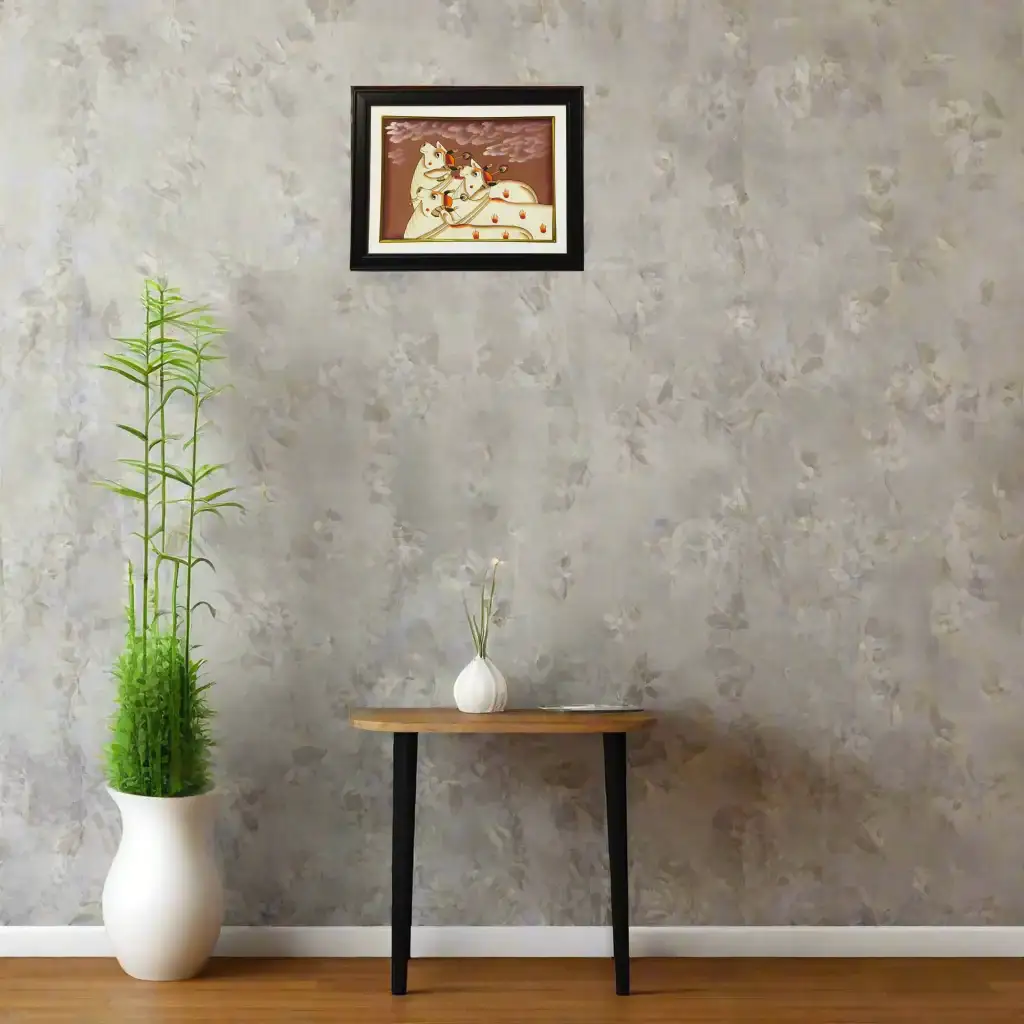
Each piece is an intricate miniature painting that showcases stories and divine episodes from Lord Krishna's life, especially in his child avatar as Shrinathji. These artworks hold deep religious meaning and demonstrate exquisite craftsmanship passed down through generations. The detailed depiction of sacred cows in these Divine cows Pichwai art pieces symbolizes love, purity, and spirituality central to the devotional traditions of Vrindavan.
The Themes of Vrindavan Pichwai Miniature Painting
The painting themes are closely linked to the Pushtimarg sect, which places emphasis on devotion to Lord Krishna. These artworks often revolve around major religious festivals such as Janmashtami, Holi, Annakut, Sharad Purnima, and Raslila. Each miniature painting beautifully portrays Krishna’s divine play with cows, gopis (milkmaids), or his iconic act of lifting the Govardhan hill, a significant event in the devotional lore of Vrindavan.
The imagery in Vrindavan Pichwai is often enhanced with lush lotus motifs, colorful peacocks, and seasonal elements. These details enrich the visual storytelling, making each painting not only an artwork but a narrative of spirituality and celebration. The scenes create a harmonious blend of nature and devotion that appeals to collectors and devotees.
Traditional Pichwai Miniature Painting uses handwoven cloth as its canvas. Artisans employ natural dyes and pigments, including gold and silver, to create rich textures and fine brush strokes. This meticulous process gives each painting a unique character and deep symbolic meaning, representing both artistic heritage and spiritual devotion.
Artisanship and Cultural Significance of Pichwai Miniature Painting
The creation of a Vrindavan Pichwai is generally a collaborative process. Different artisans specialize in sketching, applying colors, and ornamenting the final artwork. Each stage requires precision and expertise, showcasing traditional skills that have been refined over centuries. This collaborative approach strengthens community ties and sustains the heritage through artistic expression.
Over time, this miniature painting style has transcended its temple origins. Today, the artwork is admired globally as a fine art form celebrating the spirituality and culture of Rajasthan. The unique painting style reflects religious faith and the rich artistic legacy of the region. Contemporary revivals ensure that the miniature painting tradition continues to thrive as a living cultural heritage.
Vrindavan Pichwai Miniature Painting and Its GI Tag
Pichwai Miniature Paintings recently earned a Geographical Indication (GI) tag. Nathdwara Pichhwai Painting holds GI No. 748, officially recognizing its cultural and regional identity. This tag protects the artwork’s authenticity and promotes sustainable artistic practices. It also benefits local artisans by ensuring their craftsmanship receives proper recognition and market value.
This official recognition encourages the preservation of this sacred art while opening new avenues for appreciation and trade. The GI tag affirms the uniqueness of each miniature painting from this region. It guarantees that traditional methods and motifs remain authentic. Collectors and devotees can confidently purchase Divine cows Pichwai art as authentic creations from Vrindavan’s rich heritage.
Why Choose Vrindavan Painting?
- Each painting is hand-painted with devotion and precision by skilled artisans.
- The artworks portray rich religious symbolism closely tied to Vrindavan’s heritage and spirituality.
- They are created using natural pigments and materials, ensuring authenticity and eco-friendliness.
- These paintings serve as both spiritual objects for worship and decorative masterpieces for homes.
- They help preserve a centuries-old miniature painting tradition that is deeply cultural and spiritual.
Whether displayed in temples, homes, or offices, the Vrindavan Miniature Painting adds beauty and meaningful symbolism. The combination of artistic skill and devotional spirit brings spiritual harmony into any space. Its detailed portrayal of divine cows and Krishna’s life scenes makes it an enriching centerpiece evoking timeless faith.
Original: $75.30
-70%$75.30
$22.59Product Information
Product Information
Shipping & Returns
Shipping & Returns
Description
Divine Cows of Vrindavan Pichwai Miniature Painting
The Vrindavan Pichwai Miniature Painting is a highly traditional painting style originating from Nathdwara in Rajasthan, India. This art form began flourishing around the 17th century and has since captured the spiritual essence of the region. The word “Pichwai” is derived from two Sanskrit terms: ‘pichh’, meaning back, and ‘wai’, meaning hanging. These paintings were originally crafted to be hung behind the idol of Lord Shrinathji in temples, making them sacred and devotional items cherished by devotees.
Each piece is an intricate miniature painting that showcases stories and divine episodes from Lord Krishna's life, especially in his child avatar as Shrinathji. These artworks hold deep religious meaning and demonstrate exquisite craftsmanship passed down through generations. The detailed depiction of sacred cows in these Divine cows Pichwai art pieces symbolizes love, purity, and spirituality central to the devotional traditions of Vrindavan.
The Themes of Vrindavan Pichwai Miniature Painting
The painting themes are closely linked to the Pushtimarg sect, which places emphasis on devotion to Lord Krishna. These artworks often revolve around major religious festivals such as Janmashtami, Holi, Annakut, Sharad Purnima, and Raslila. Each miniature painting beautifully portrays Krishna’s divine play with cows, gopis (milkmaids), or his iconic act of lifting the Govardhan hill, a significant event in the devotional lore of Vrindavan.
The imagery in Vrindavan Pichwai is often enhanced with lush lotus motifs, colorful peacocks, and seasonal elements. These details enrich the visual storytelling, making each painting not only an artwork but a narrative of spirituality and celebration. The scenes create a harmonious blend of nature and devotion that appeals to collectors and devotees.
Traditional Pichwai Miniature Painting uses handwoven cloth as its canvas. Artisans employ natural dyes and pigments, including gold and silver, to create rich textures and fine brush strokes. This meticulous process gives each painting a unique character and deep symbolic meaning, representing both artistic heritage and spiritual devotion.
Artisanship and Cultural Significance of Pichwai Miniature Painting
The creation of a Vrindavan Pichwai is generally a collaborative process. Different artisans specialize in sketching, applying colors, and ornamenting the final artwork. Each stage requires precision and expertise, showcasing traditional skills that have been refined over centuries. This collaborative approach strengthens community ties and sustains the heritage through artistic expression.
Over time, this miniature painting style has transcended its temple origins. Today, the artwork is admired globally as a fine art form celebrating the spirituality and culture of Rajasthan. The unique painting style reflects religious faith and the rich artistic legacy of the region. Contemporary revivals ensure that the miniature painting tradition continues to thrive as a living cultural heritage.
Vrindavan Pichwai Miniature Painting and Its GI Tag
Pichwai Miniature Paintings recently earned a Geographical Indication (GI) tag. Nathdwara Pichhwai Painting holds GI No. 748, officially recognizing its cultural and regional identity. This tag protects the artwork’s authenticity and promotes sustainable artistic practices. It also benefits local artisans by ensuring their craftsmanship receives proper recognition and market value.
This official recognition encourages the preservation of this sacred art while opening new avenues for appreciation and trade. The GI tag affirms the uniqueness of each miniature painting from this region. It guarantees that traditional methods and motifs remain authentic. Collectors and devotees can confidently purchase Divine cows Pichwai art as authentic creations from Vrindavan’s rich heritage.
Why Choose Vrindavan Painting?
- Each painting is hand-painted with devotion and precision by skilled artisans.
- The artworks portray rich religious symbolism closely tied to Vrindavan’s heritage and spirituality.
- They are created using natural pigments and materials, ensuring authenticity and eco-friendliness.
- These paintings serve as both spiritual objects for worship and decorative masterpieces for homes.
- They help preserve a centuries-old miniature painting tradition that is deeply cultural and spiritual.
Whether displayed in temples, homes, or offices, the Vrindavan Miniature Painting adds beauty and meaningful symbolism. The combination of artistic skill and devotional spirit brings spiritual harmony into any space. Its detailed portrayal of divine cows and Krishna’s life scenes makes it an enriching centerpiece evoking timeless faith.