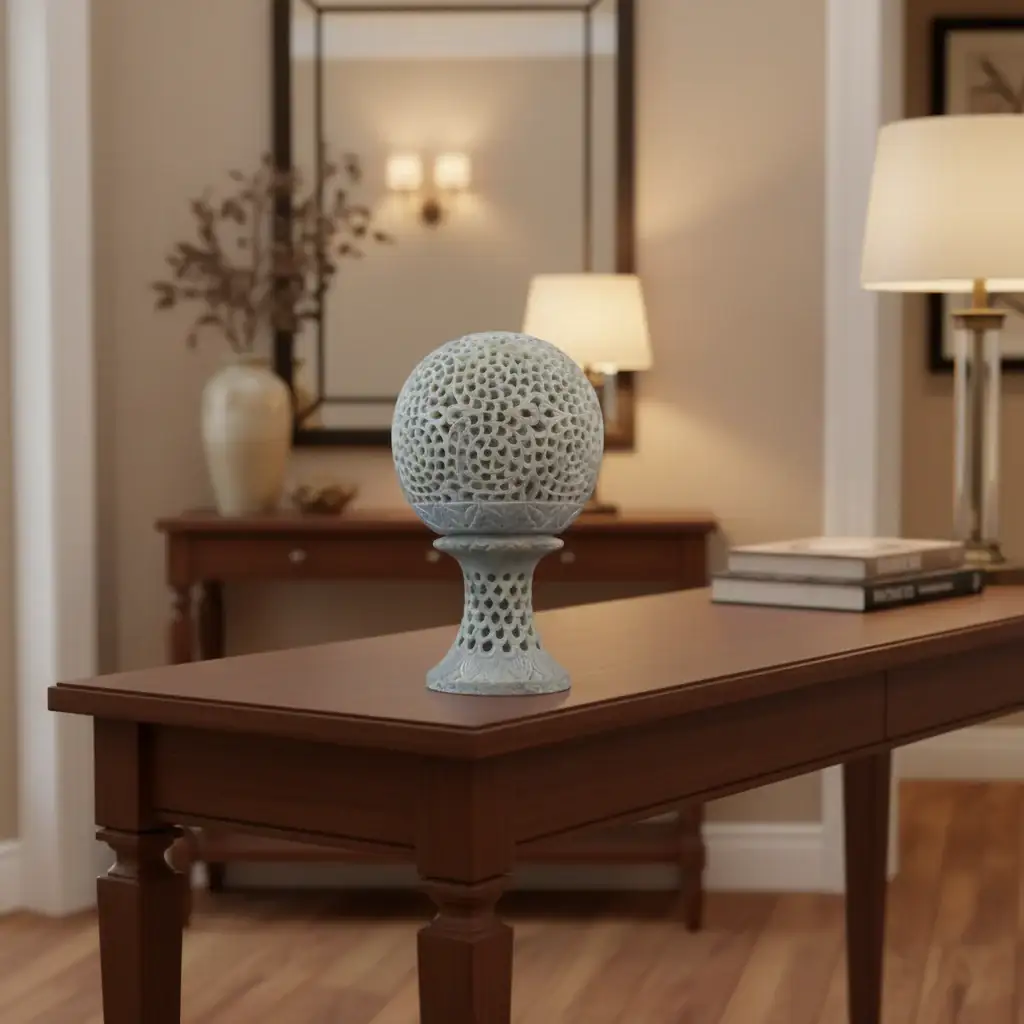
Globe with Intricate Taj Mahal Jali Carving – Heritage Indian Handicraft
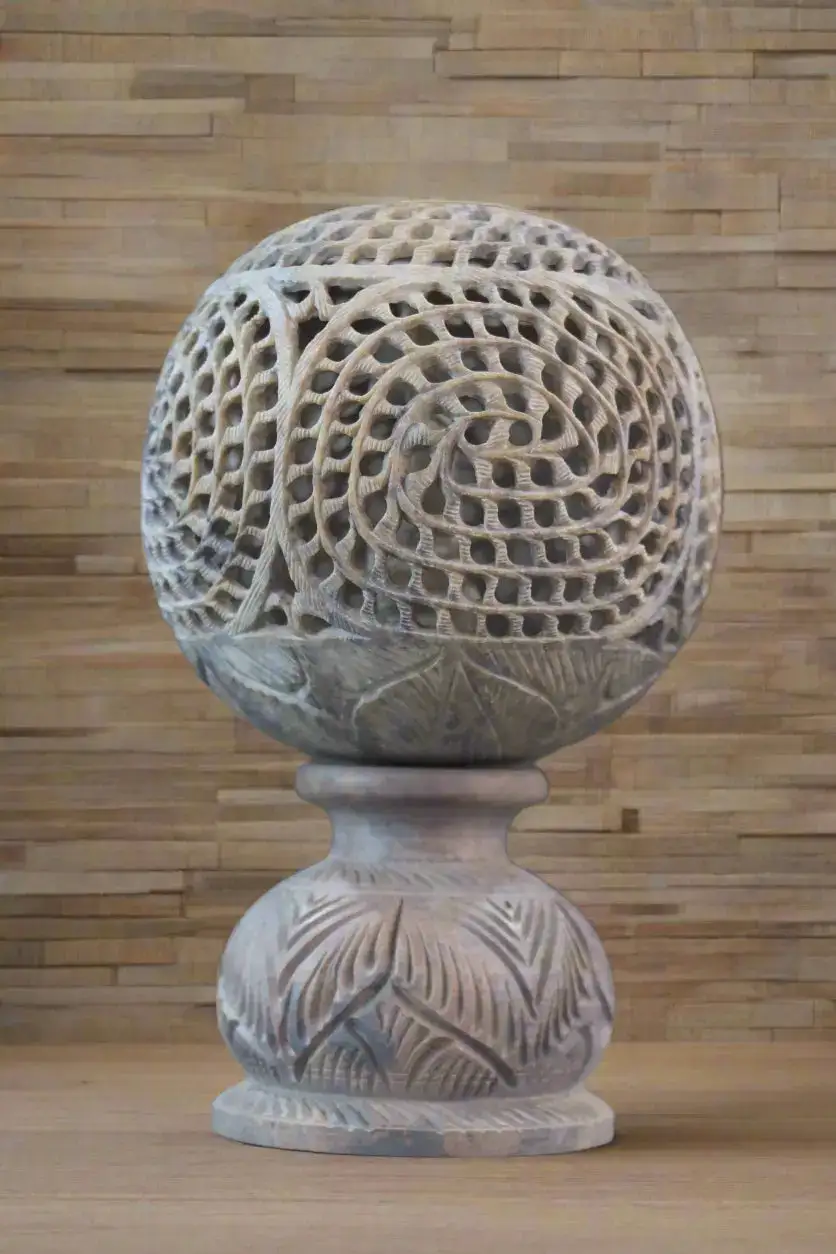
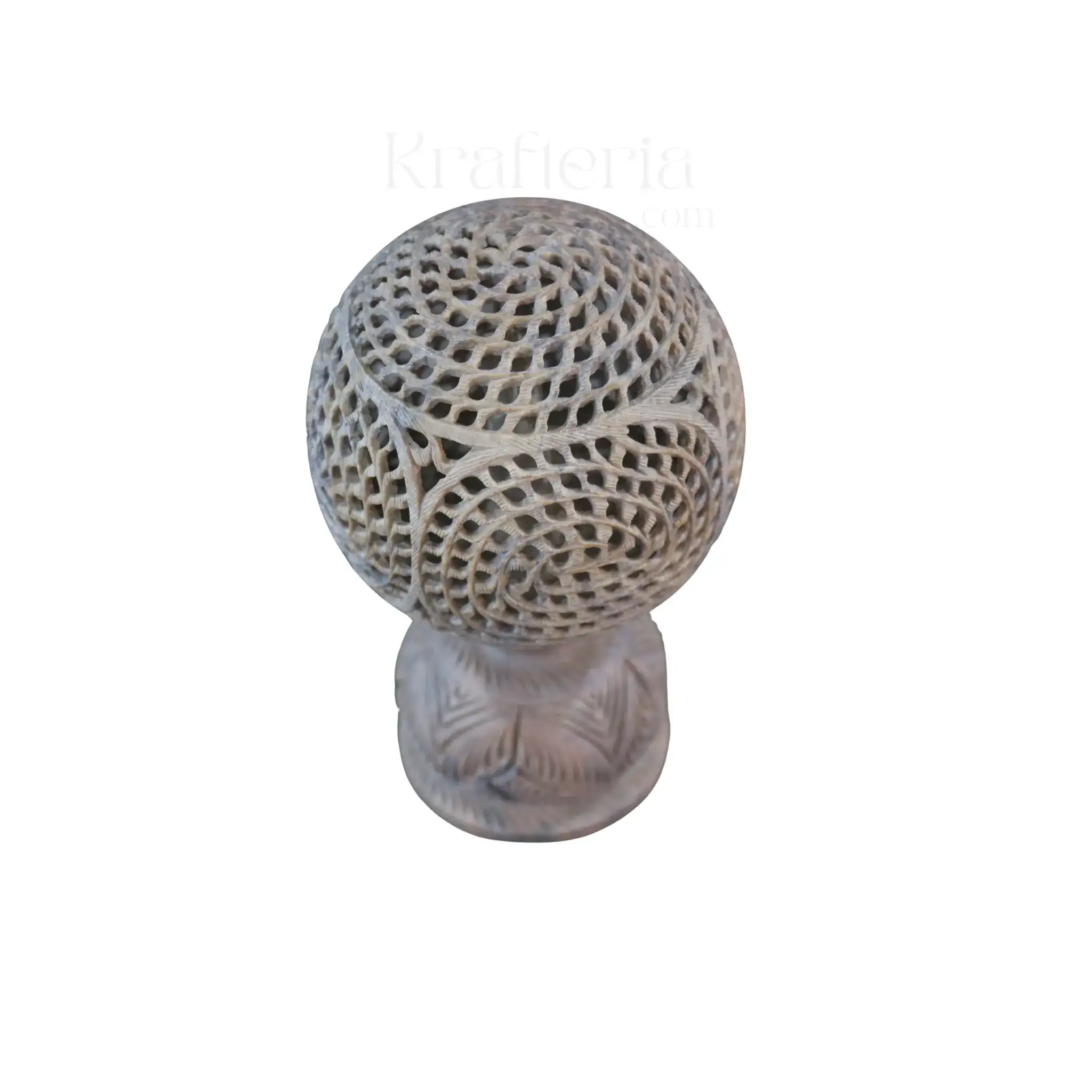
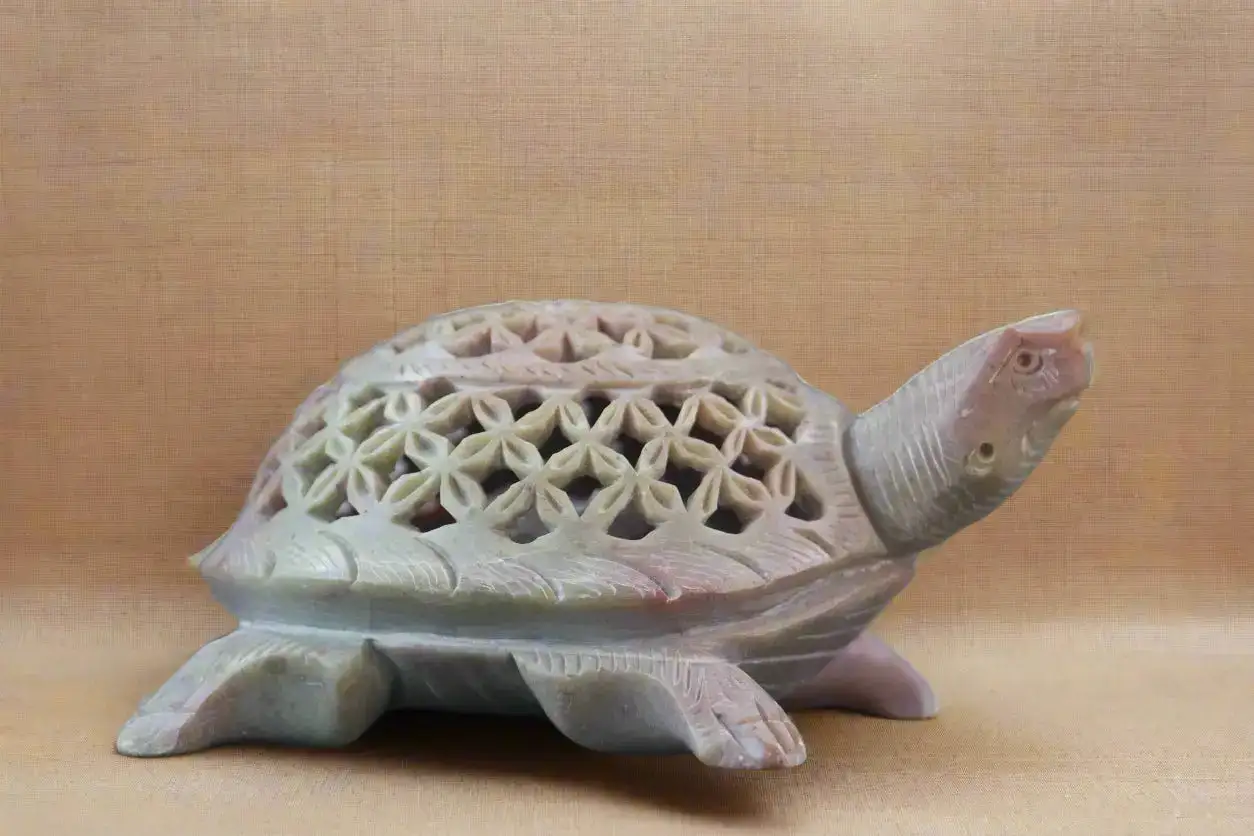
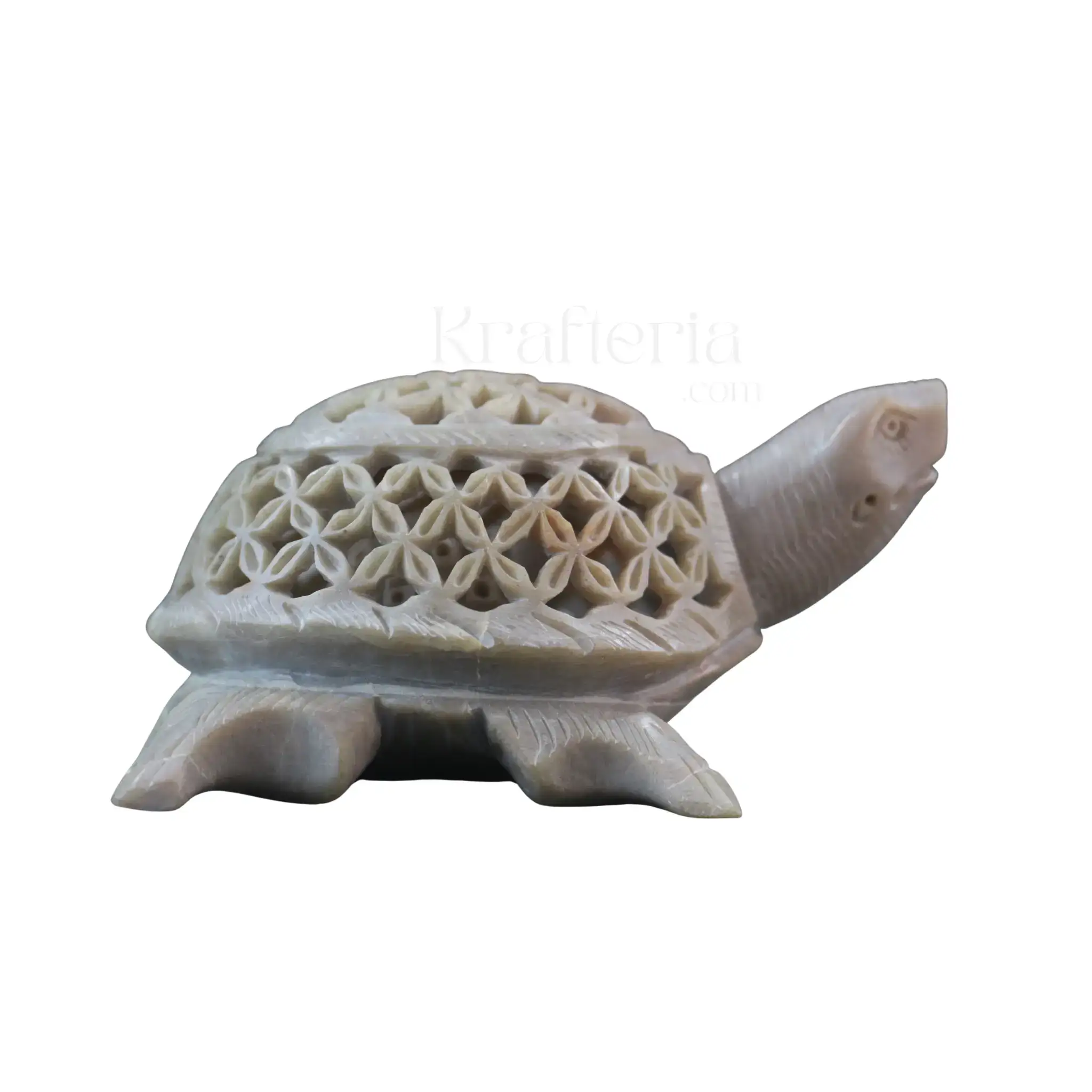
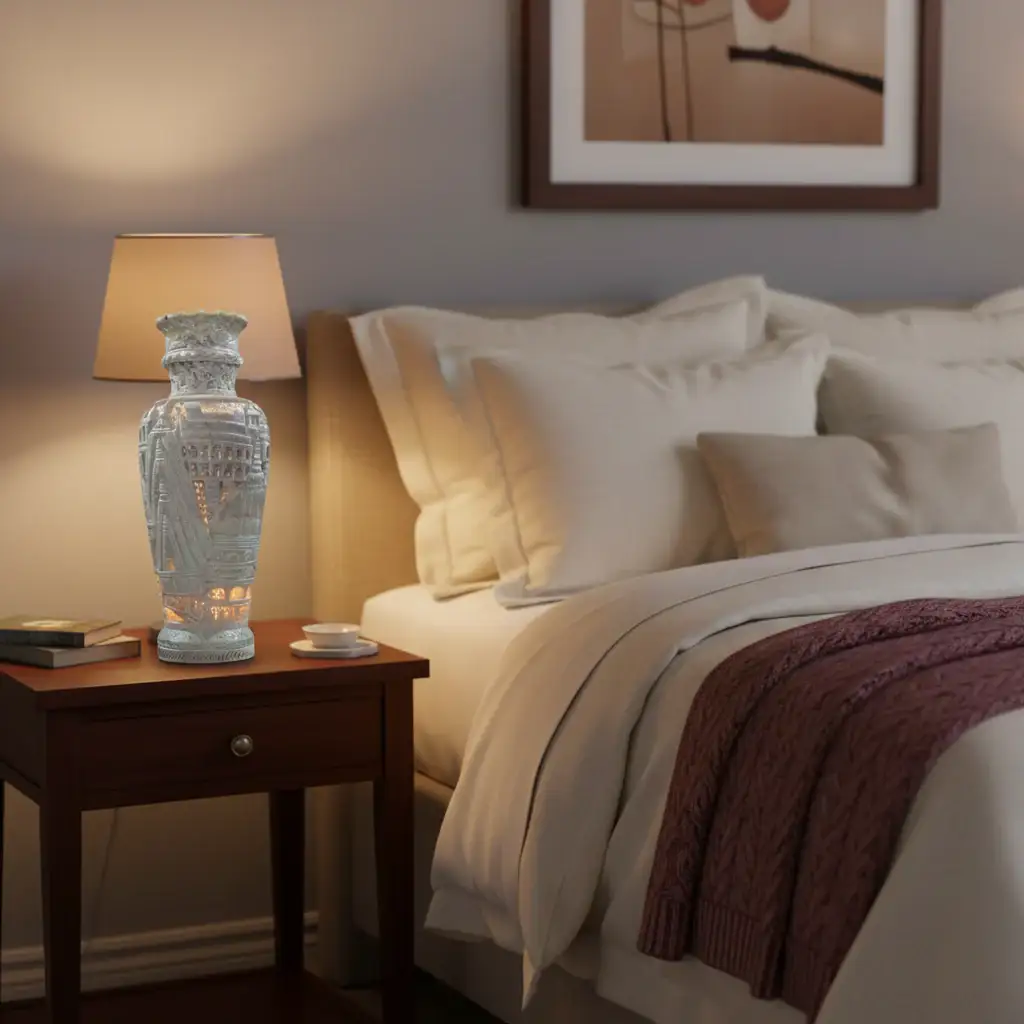
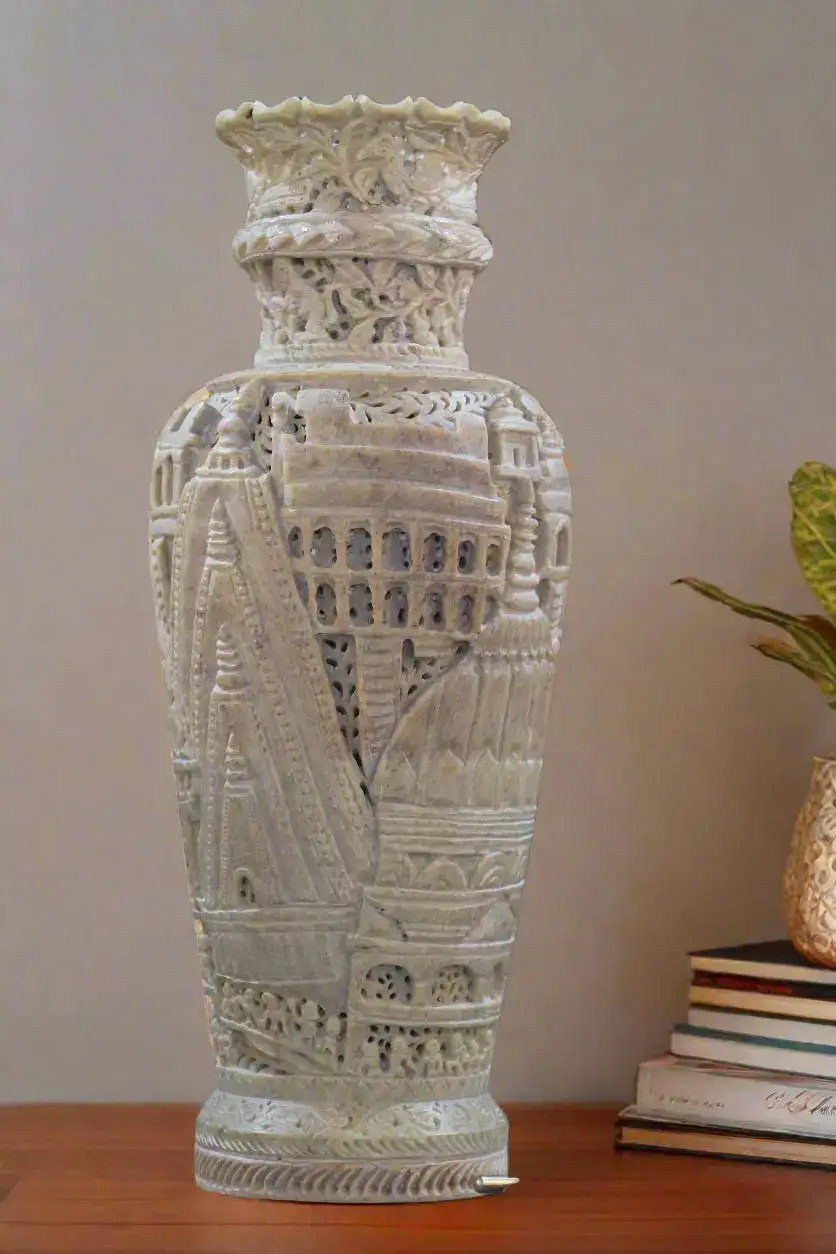
Experience the exquisite charm of the Taj Mahal Jali Carving with this beautifully handcrafted globe. This artwork represents the intricate and delicate stone lattice work reflecting India’s rich heritage. The globe measures 3.5 inches in width, 8 inches in height, and 8 inches in length, making it an elegant piece of decor for your home or office.
Varanasi Jali Stone Art – A Timeless Craft
Varanasi Jali Stone Art is a traditional form of stone lattice work, locally known as “jali.” This art form is created skillfully by artisans around Varanasi, one of India's oldest and sacred cities. It blends aesthetic beauty with practical architectural features, embodying the essence of India’s heritage stone carving traditions.
What Is Jali Work?
The word “jali” originates from the Sanskrit term “jalaka,” which means net or lattice. This technique involves making perforated screens out of stone. These screens feature captivating geometric patterns, floral motifs, and delicate calligraphy. Each piece demands careful precision to maintain symmetry and harmony throughout the design.
The Essence of Jali Carving
The Jali Carving is a remarkable example of this craft, inspired by the iconic architecture of the Taj Mahal. Mughal artistry and the cultural legacy are beautifully embedded in the stone carving. The globe showcases these intricate details, celebrating the timeless appeal of the Taj Mahal.
Historical Roots of Jali Carving
Jali work has been a fundamental part of Indian architecture throughout centuries. It prospered especially during the Mughal and Rajput dynasties. Varanasi developed a unique style, combining Hindu symbolism with Mughal-inspired geometric designs. This blend makes each carving uniquely special.
Stone latticework adorned many important structures like temples, palaces, ghats, havelis, and mosques. The jali served both as a decorative and functional element. It enhanced aesthetics while improving air circulation and privacy, adding value to each carved piece.
Features of Varanasi Jali Stone Art
Material
- The globe is mainly crafted from locally sourced sandstone or marble.
- Each stone surface is hand-chiselled, showcasing artisans’ expertise and attentiveness to detail.
- The soft stone allows intricate perforations without compromising strength or durability.
Designs and Motifs
Traditional Indian motifs are common, including lotus flowers, peacocks, and sacred symbols. Mandala patterns often appear within the carvings. Repeating patterns bring rhythm to the visual appeal, gracefully drawing attention.
The intricate carving process highlights the delicate nature of each globe. This fine detail is especially evident in the Carving style, where every opening and curve plays with light and shadow.
Purpose & Functionality
- The carved stone diffuses natural light, creating soft indoor illumination.
- Jali screens provide ventilation while ensuring privacy in interior spaces.
- Air passing through the lattice cools by convection, enhancing comfort in warm weather.
Taj Mahal Jali Carving: Traditional Handcrafting Techniques
This globe with Jali Carving is entirely handcrafted by master artisans. They employ traditional tools like chisels, hammers, and rasps to form delicate lattice work. Years of training and expert eyes are required to ensure symmetry and fine details.
Each piece reflects hundreds of skilled labor hours. The artisans blend patience with creativity to capture the spiritual and aesthetic essence. Owning this Taj Mahal-inspired globe means possessing a piece of history, culture, and exquisite craftsmanship.
Original: $75.30
-70%$75.30
$22.59Product Information
Product Information
Shipping & Returns
Shipping & Returns
Description
Experience the exquisite charm of the Taj Mahal Jali Carving with this beautifully handcrafted globe. This artwork represents the intricate and delicate stone lattice work reflecting India’s rich heritage. The globe measures 3.5 inches in width, 8 inches in height, and 8 inches in length, making it an elegant piece of decor for your home or office.
Varanasi Jali Stone Art – A Timeless Craft
Varanasi Jali Stone Art is a traditional form of stone lattice work, locally known as “jali.” This art form is created skillfully by artisans around Varanasi, one of India's oldest and sacred cities. It blends aesthetic beauty with practical architectural features, embodying the essence of India’s heritage stone carving traditions.
What Is Jali Work?
The word “jali” originates from the Sanskrit term “jalaka,” which means net or lattice. This technique involves making perforated screens out of stone. These screens feature captivating geometric patterns, floral motifs, and delicate calligraphy. Each piece demands careful precision to maintain symmetry and harmony throughout the design.
The Essence of Jali Carving
The Jali Carving is a remarkable example of this craft, inspired by the iconic architecture of the Taj Mahal. Mughal artistry and the cultural legacy are beautifully embedded in the stone carving. The globe showcases these intricate details, celebrating the timeless appeal of the Taj Mahal.
Historical Roots of Jali Carving
Jali work has been a fundamental part of Indian architecture throughout centuries. It prospered especially during the Mughal and Rajput dynasties. Varanasi developed a unique style, combining Hindu symbolism with Mughal-inspired geometric designs. This blend makes each carving uniquely special.
Stone latticework adorned many important structures like temples, palaces, ghats, havelis, and mosques. The jali served both as a decorative and functional element. It enhanced aesthetics while improving air circulation and privacy, adding value to each carved piece.
Features of Varanasi Jali Stone Art
Material
- The globe is mainly crafted from locally sourced sandstone or marble.
- Each stone surface is hand-chiselled, showcasing artisans’ expertise and attentiveness to detail.
- The soft stone allows intricate perforations without compromising strength or durability.
Designs and Motifs
Traditional Indian motifs are common, including lotus flowers, peacocks, and sacred symbols. Mandala patterns often appear within the carvings. Repeating patterns bring rhythm to the visual appeal, gracefully drawing attention.
The intricate carving process highlights the delicate nature of each globe. This fine detail is especially evident in the Carving style, where every opening and curve plays with light and shadow.
Purpose & Functionality
- The carved stone diffuses natural light, creating soft indoor illumination.
- Jali screens provide ventilation while ensuring privacy in interior spaces.
- Air passing through the lattice cools by convection, enhancing comfort in warm weather.
Taj Mahal Jali Carving: Traditional Handcrafting Techniques
This globe with Jali Carving is entirely handcrafted by master artisans. They employ traditional tools like chisels, hammers, and rasps to form delicate lattice work. Years of training and expert eyes are required to ensure symmetry and fine details.
Each piece reflects hundreds of skilled labor hours. The artisans blend patience with creativity to capture the spiritual and aesthetic essence. Owning this Taj Mahal-inspired globe means possessing a piece of history, culture, and exquisite craftsmanship.