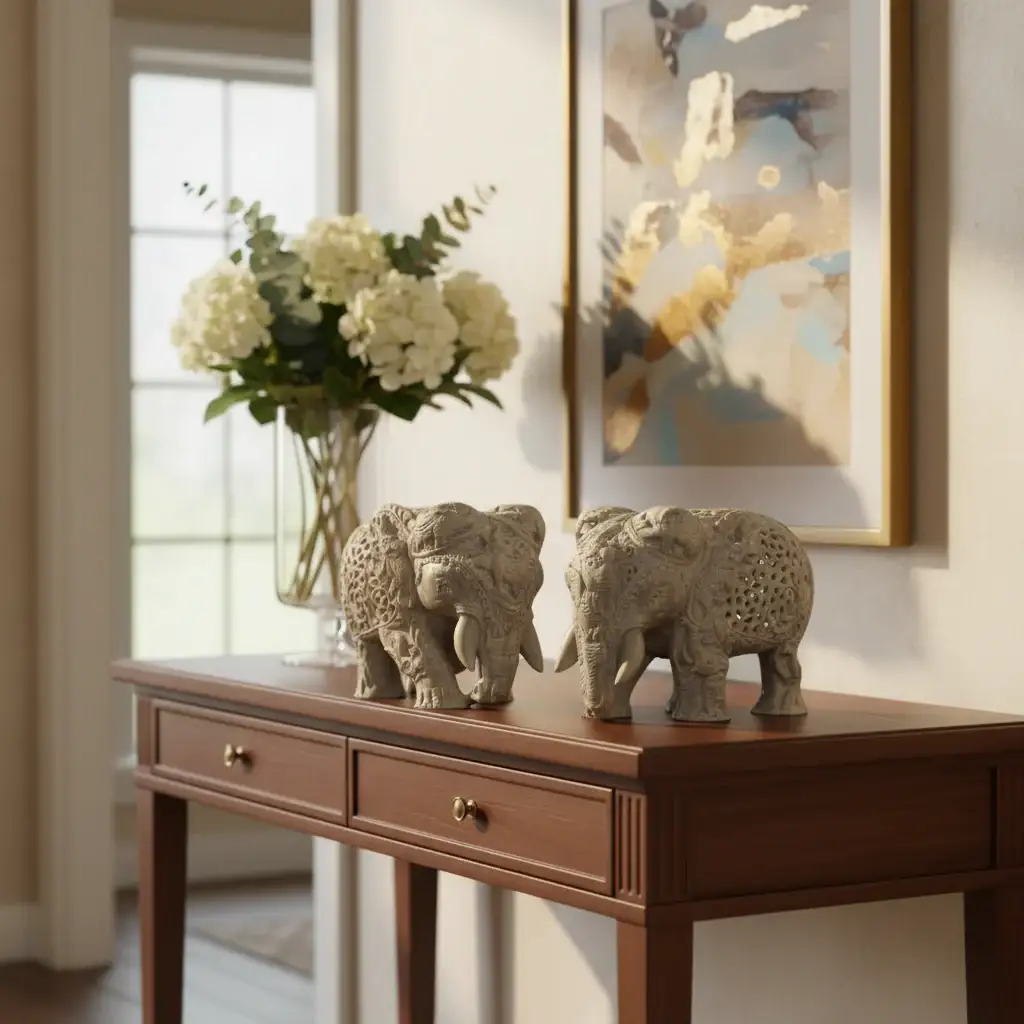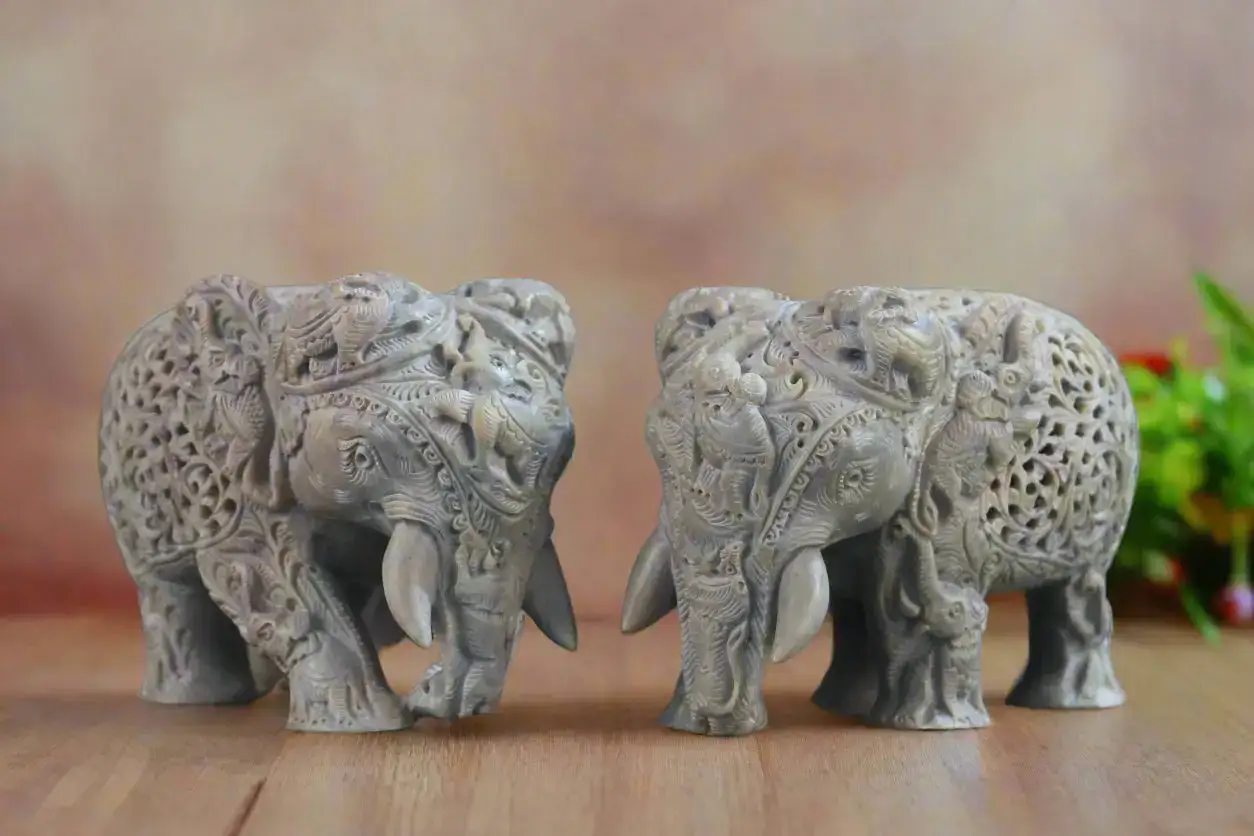
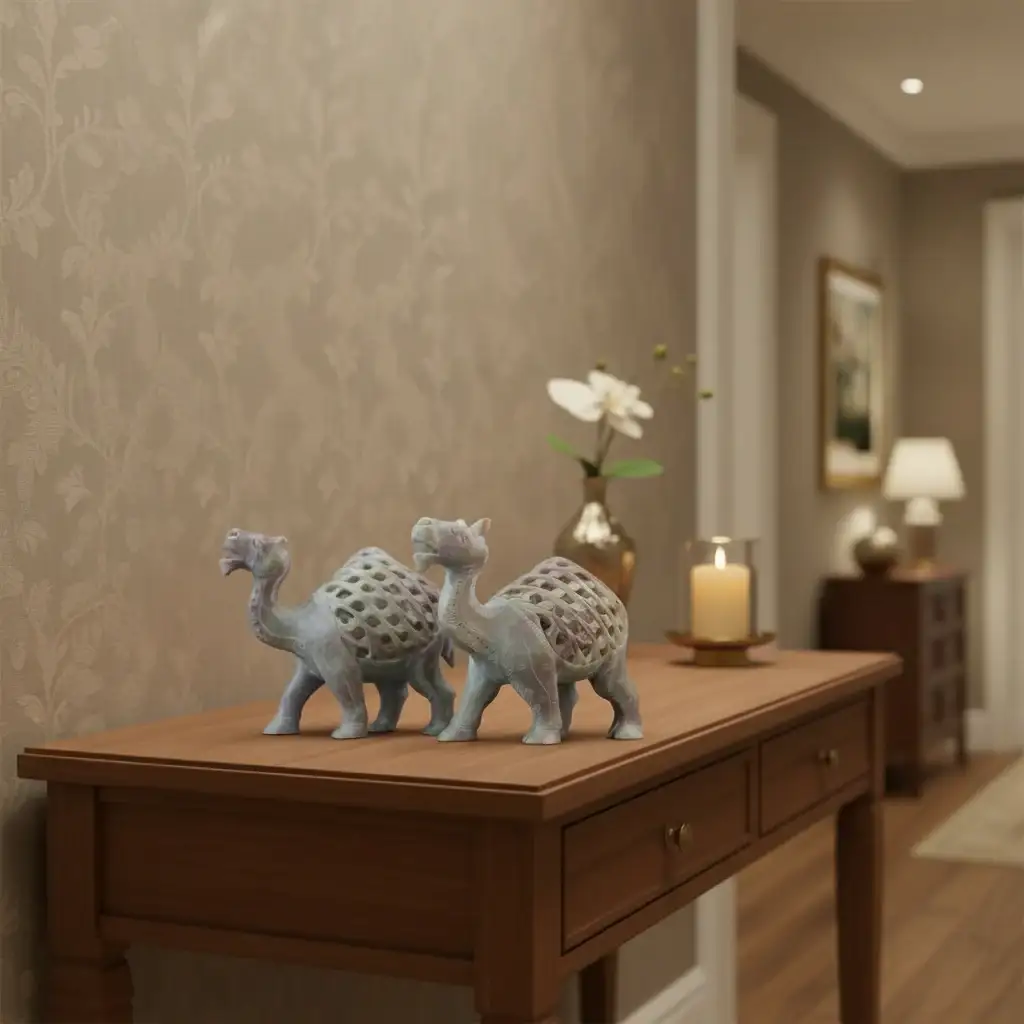
Handcrafted Pair of Camels – Intricate Jali Art Decorative Figurines
Handcrafted Pair of Camels Jali Art work
Varanasi Jali Stone Art – A Timeless Craft
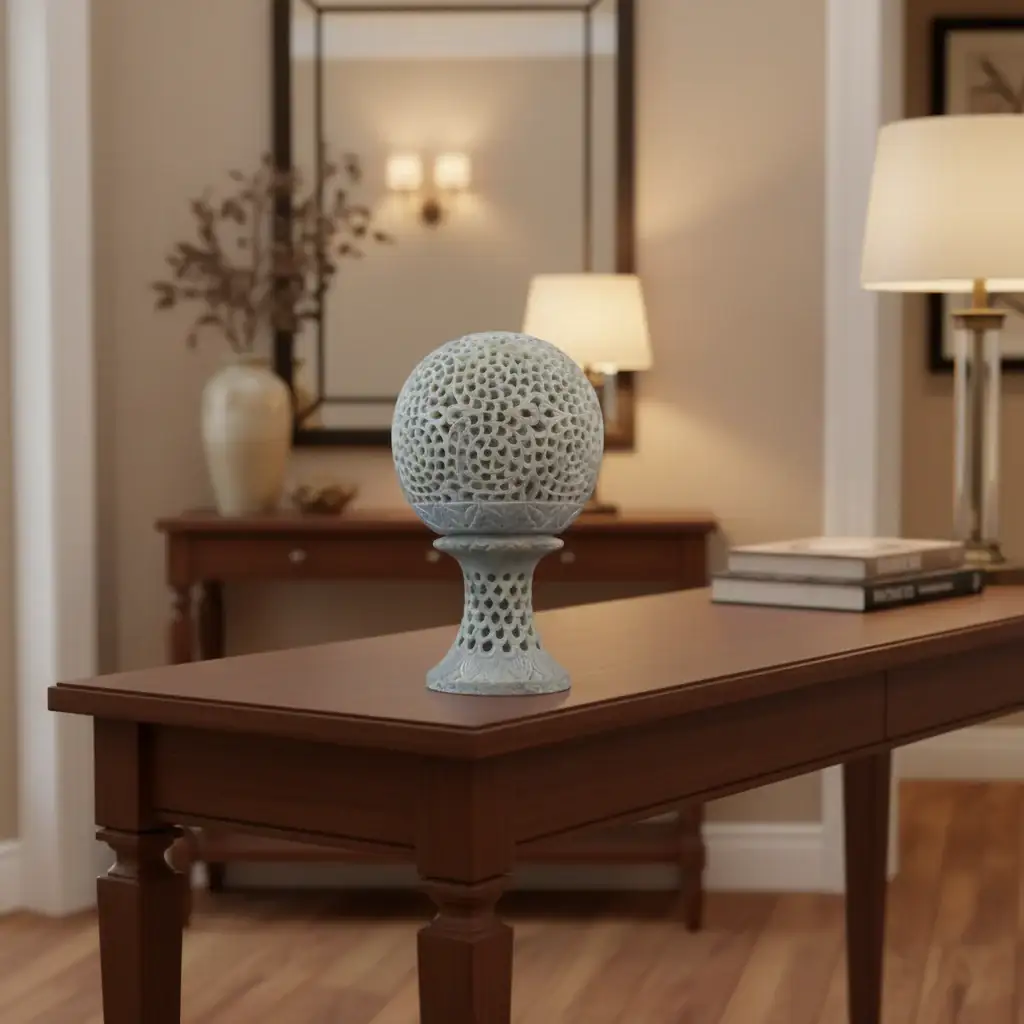
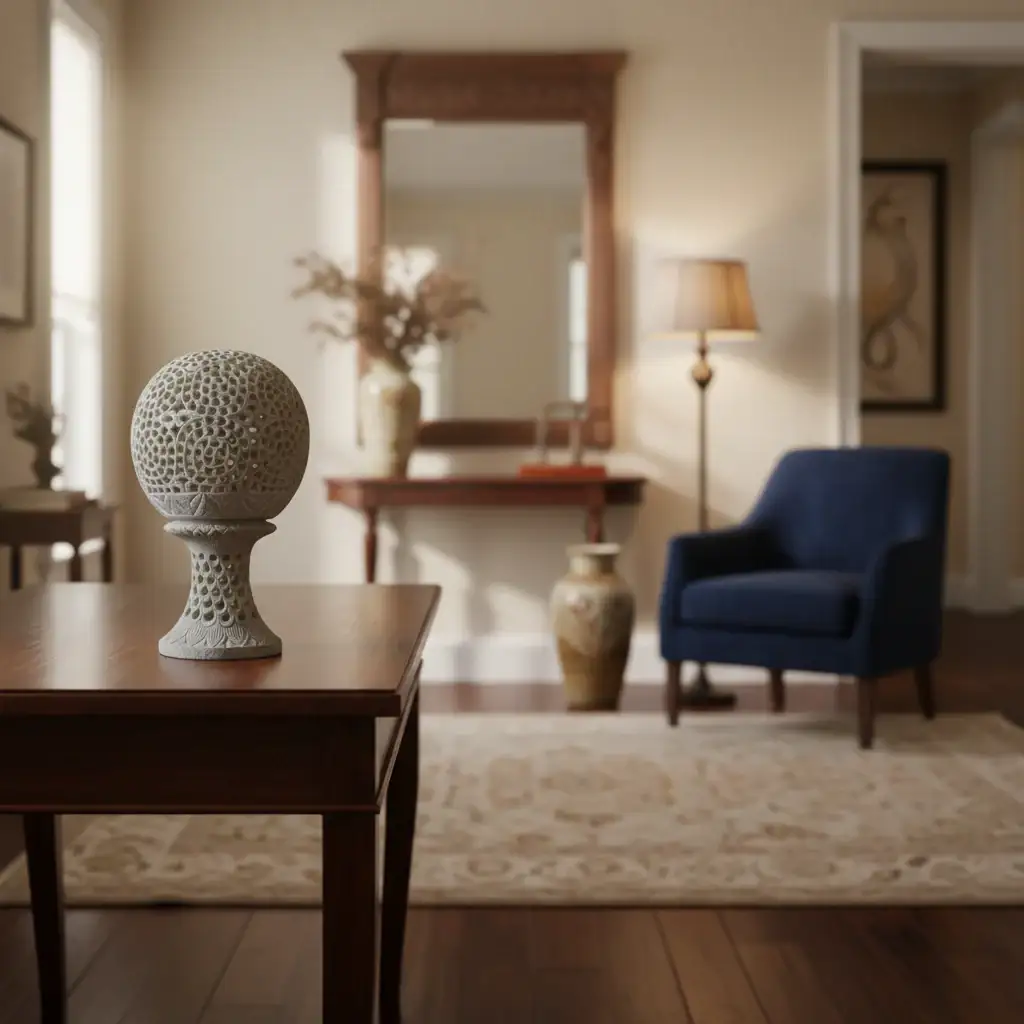
Varanasi Jali Stone Art refers to the intricate stone lattice work (known as “jali”) created by skilled artisans in and around Varanasi, one of India's oldest and holiest cities. This traditional craft combines aesthetic beauty with architectural function, serving as a stunning example of India’s stone carving heritage.
What is Jali Work?
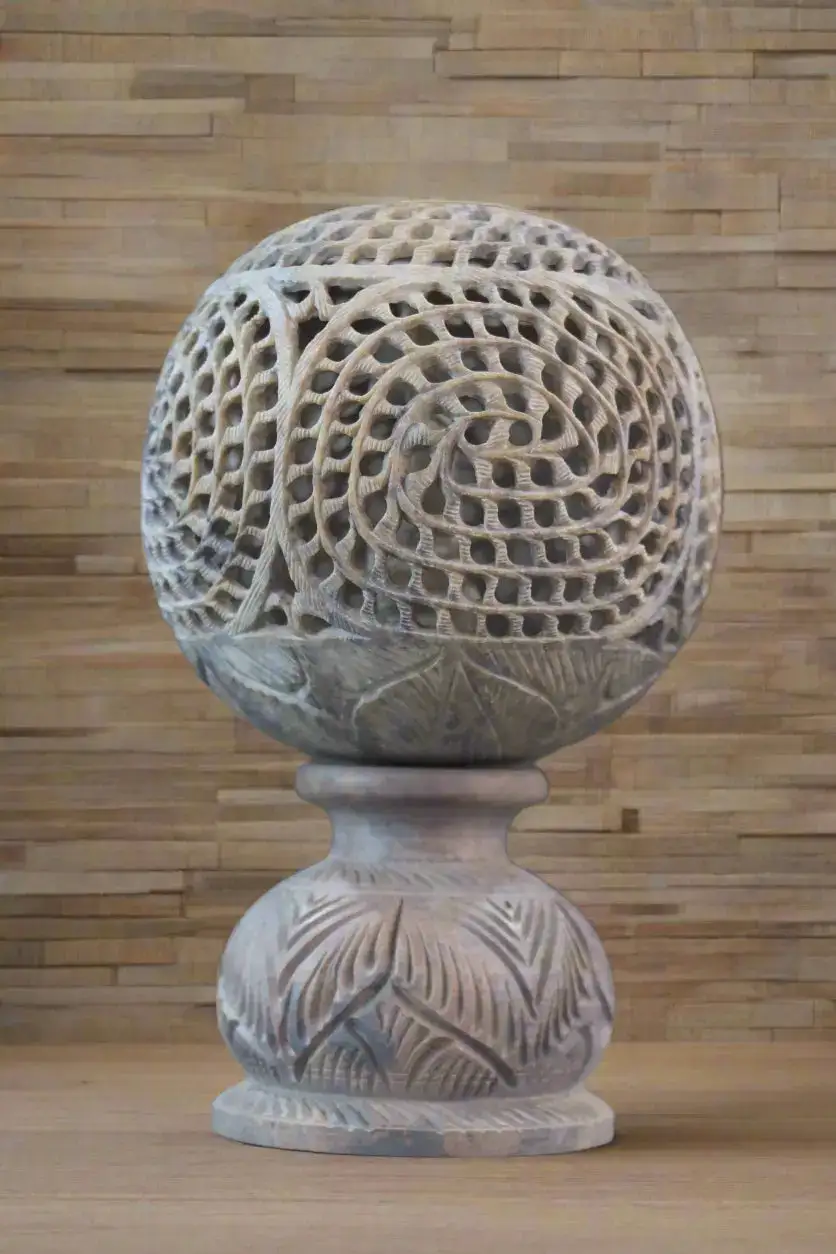
The term “jali” comes from the Sanskrit word “jalaka”, meaning net or lattice. It involves creating perforated stone screens featuring geometric patterns, floral motifs, and calligraphy.
Handcrafted Camels in Historical Roots
Jali work has been part of Indian architecture for centuries, flourishing during the Mughal and Rajput eras. In Varanasi, the tradition has evolved uniquely, blending Hindu iconography with Mughal-inspired geometry. It has adorned temples, palaces, ghats, havelis, and mosques, acting both as decoration and ventilation. Particularly, the Handcrafted Pair of Camels stone designs have become iconic representations, symbolizing endurance and journey.
Features of Varanasi Jali Stone Art
Material:
Made primarily from locally available sandstone or marble. The stone is hand-chiselled to create delicate, symmetrical designs.
Designs:
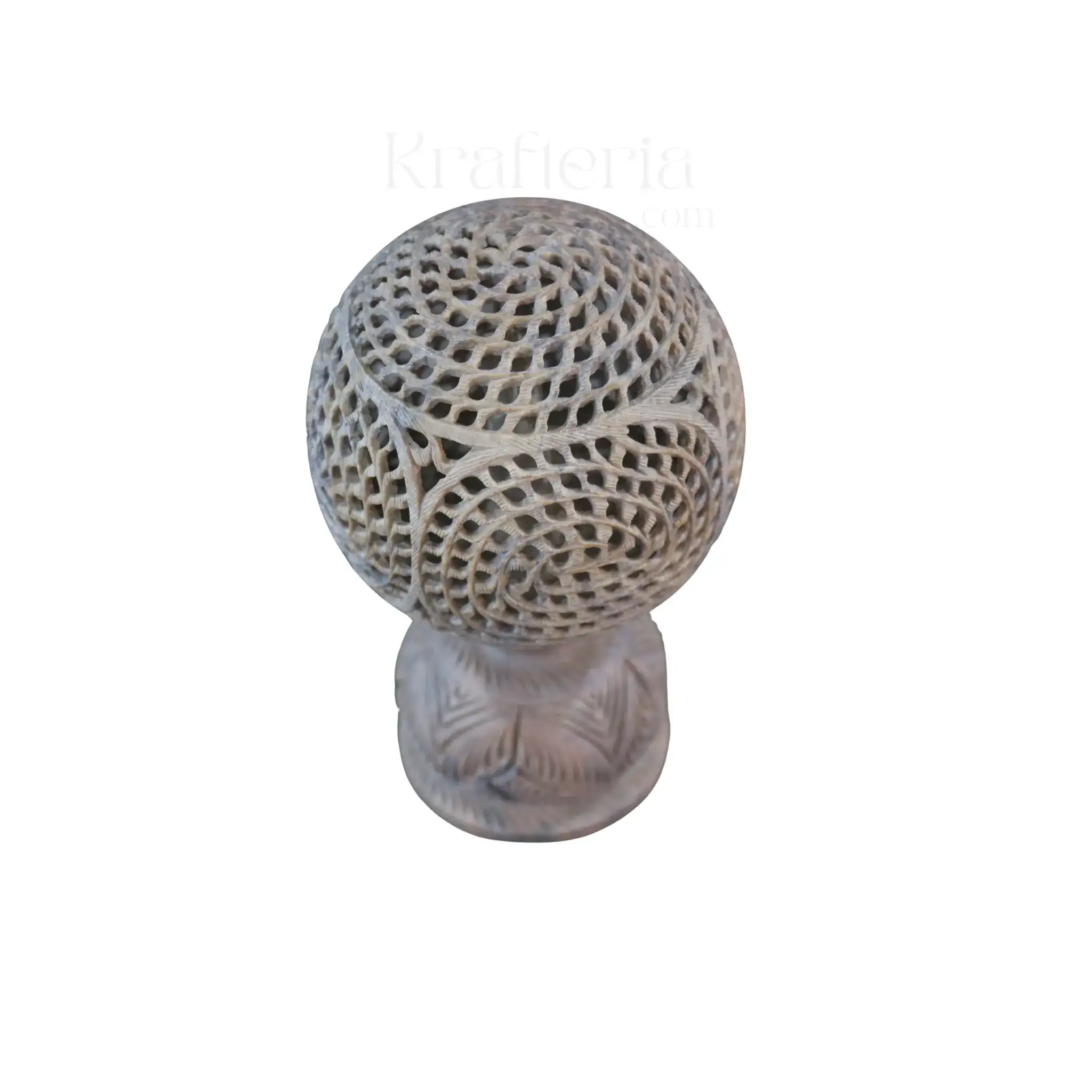
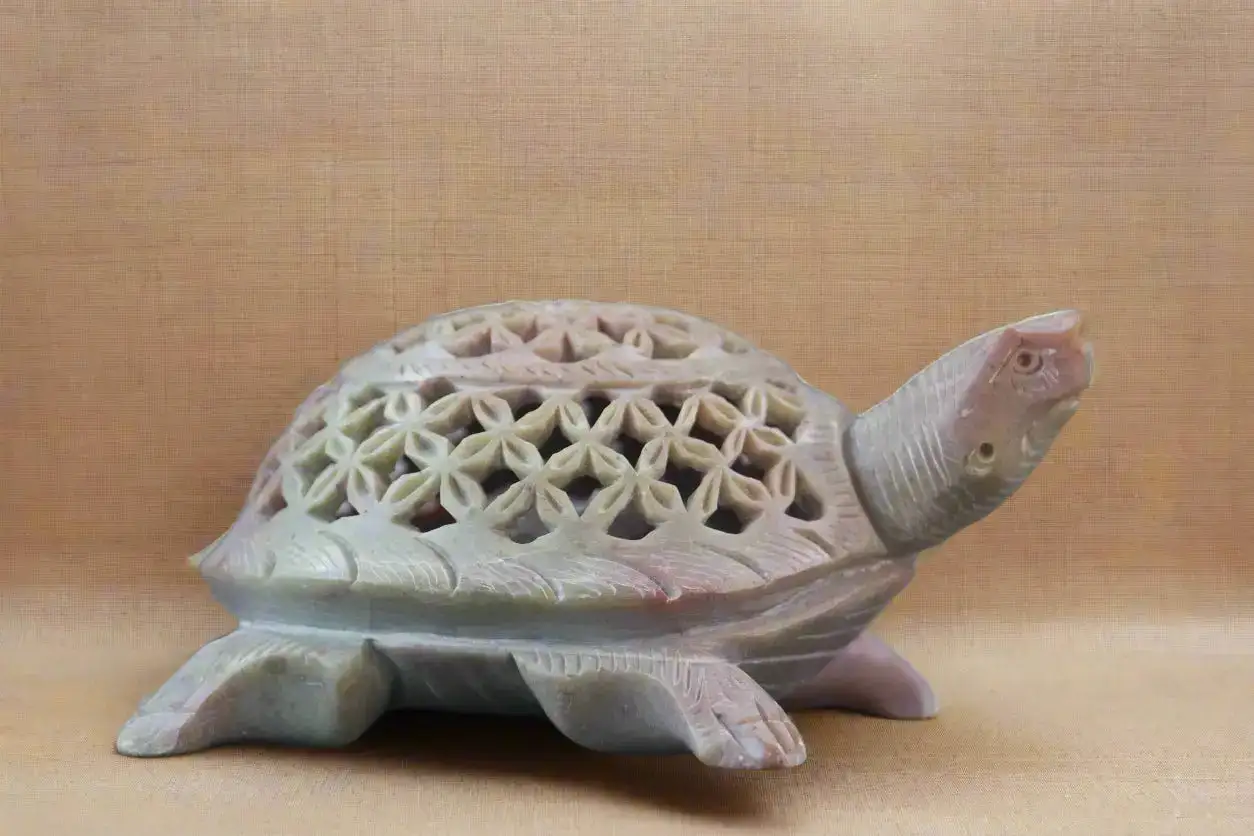
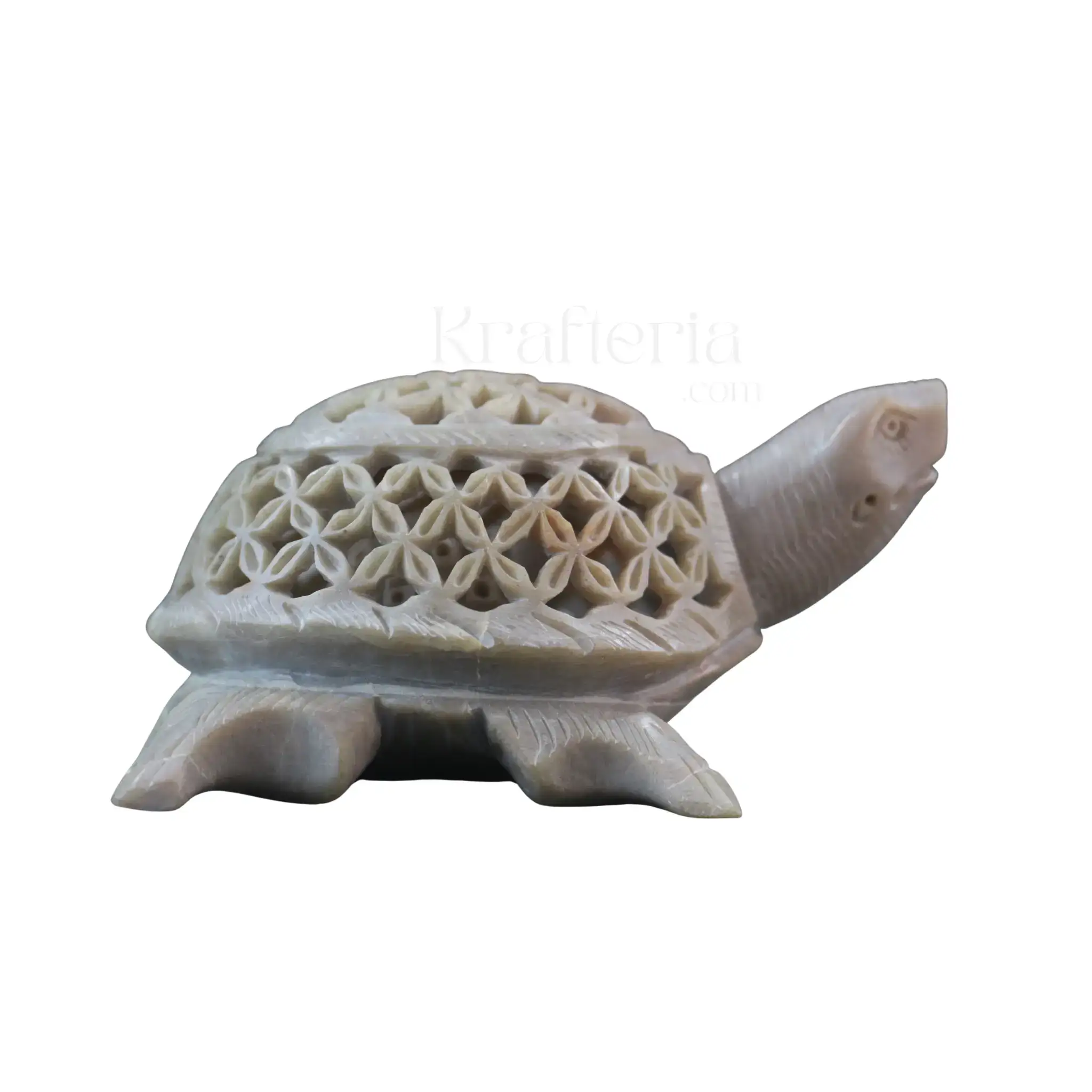
Traditional motifs include lotus flowers, peacocks, divine symbols, mandala patterns, and pair camel figures that reflect local culture. Patterns are typically repetitive, enhancing the feeling of rhythm and harmony. The visual effects are enhanced by the inclusion of finely crafted camel idols, blending tradition with artistry.
Purpose & Functionality:
Serves both aesthetic and functional purposes:
Diffuses light gently into interiors.
Provides ventilation while maintaining privacy.
Cools air through convection as it passes through the stone mesh.
Techniques:
Fully handcrafted by skilled stone artisans using chisels, hammers, and rasps. This handcrafted art requires precision and years of experience to maintain symmetry and delicate detailing. Every piece tells a story of dedication, including the exquisite Handcrafted Pair of Camels motifs that capture cultural significance.
Symbolism of the Handcrafted Camels
Camels have long been a symbol of endurance, travel, and survival in harsh climates. Including camel idols in jali stone work underlines the resilience found in traditional Indian crafts. The Handcrafted Pair of Camels designs reflect this ethos and celebrate the rich heritage of stone art in Varanasi.
The tradition of creating these artworks requires a high degree of skill, patience, and artistic vision. Each camels figure is a testament to the artisan’s mastery of jali work, blending ancient techniques with contemporary aesthetics.
This handcrafted art has endured for generations, bridging the past and present through stone lattice designs that remain functional yet beautiful. The repeated pairing of camels throughout the work adds rhythm and cultural resonance, appealing to both locals and connoisseurs of Indian art.
In summary, the Pair of Camels designs within Varanasi Jali Stone Art represent a unique blend of artistic expression and cultural symbolism, intricately carved by artisans dedicated to preserving this timeless craft.
Product Information
Product Information
Shipping & Returns
Shipping & Returns
Description
Handcrafted Pair of Camels Jali Art work
Varanasi Jali Stone Art – A Timeless Craft
Varanasi Jali Stone Art refers to the intricate stone lattice work (known as “jali”) created by skilled artisans in and around Varanasi, one of India's oldest and holiest cities. This traditional craft combines aesthetic beauty with architectural function, serving as a stunning example of India’s stone carving heritage.
What is Jali Work?
The term “jali” comes from the Sanskrit word “jalaka”, meaning net or lattice. It involves creating perforated stone screens featuring geometric patterns, floral motifs, and calligraphy.
Handcrafted Camels in Historical Roots
Jali work has been part of Indian architecture for centuries, flourishing during the Mughal and Rajput eras. In Varanasi, the tradition has evolved uniquely, blending Hindu iconography with Mughal-inspired geometry. It has adorned temples, palaces, ghats, havelis, and mosques, acting both as decoration and ventilation. Particularly, the Handcrafted Pair of Camels stone designs have become iconic representations, symbolizing endurance and journey.
Features of Varanasi Jali Stone Art
Material:
Made primarily from locally available sandstone or marble. The stone is hand-chiselled to create delicate, symmetrical designs.
Designs:
Traditional motifs include lotus flowers, peacocks, divine symbols, mandala patterns, and pair camel figures that reflect local culture. Patterns are typically repetitive, enhancing the feeling of rhythm and harmony. The visual effects are enhanced by the inclusion of finely crafted camel idols, blending tradition with artistry.
Purpose & Functionality:
Serves both aesthetic and functional purposes:
Diffuses light gently into interiors.
Provides ventilation while maintaining privacy.
Cools air through convection as it passes through the stone mesh.
Techniques:
Fully handcrafted by skilled stone artisans using chisels, hammers, and rasps. This handcrafted art requires precision and years of experience to maintain symmetry and delicate detailing. Every piece tells a story of dedication, including the exquisite Handcrafted Pair of Camels motifs that capture cultural significance.
Symbolism of the Handcrafted Camels
Camels have long been a symbol of endurance, travel, and survival in harsh climates. Including camel idols in jali stone work underlines the resilience found in traditional Indian crafts. The Handcrafted Pair of Camels designs reflect this ethos and celebrate the rich heritage of stone art in Varanasi.
The tradition of creating these artworks requires a high degree of skill, patience, and artistic vision. Each camels figure is a testament to the artisan’s mastery of jali work, blending ancient techniques with contemporary aesthetics.
This handcrafted art has endured for generations, bridging the past and present through stone lattice designs that remain functional yet beautiful. The repeated pairing of camels throughout the work adds rhythm and cultural resonance, appealing to both locals and connoisseurs of Indian art.
In summary, the Pair of Camels designs within Varanasi Jali Stone Art represent a unique blend of artistic expression and cultural symbolism, intricately carved by artisans dedicated to preserving this timeless craft.