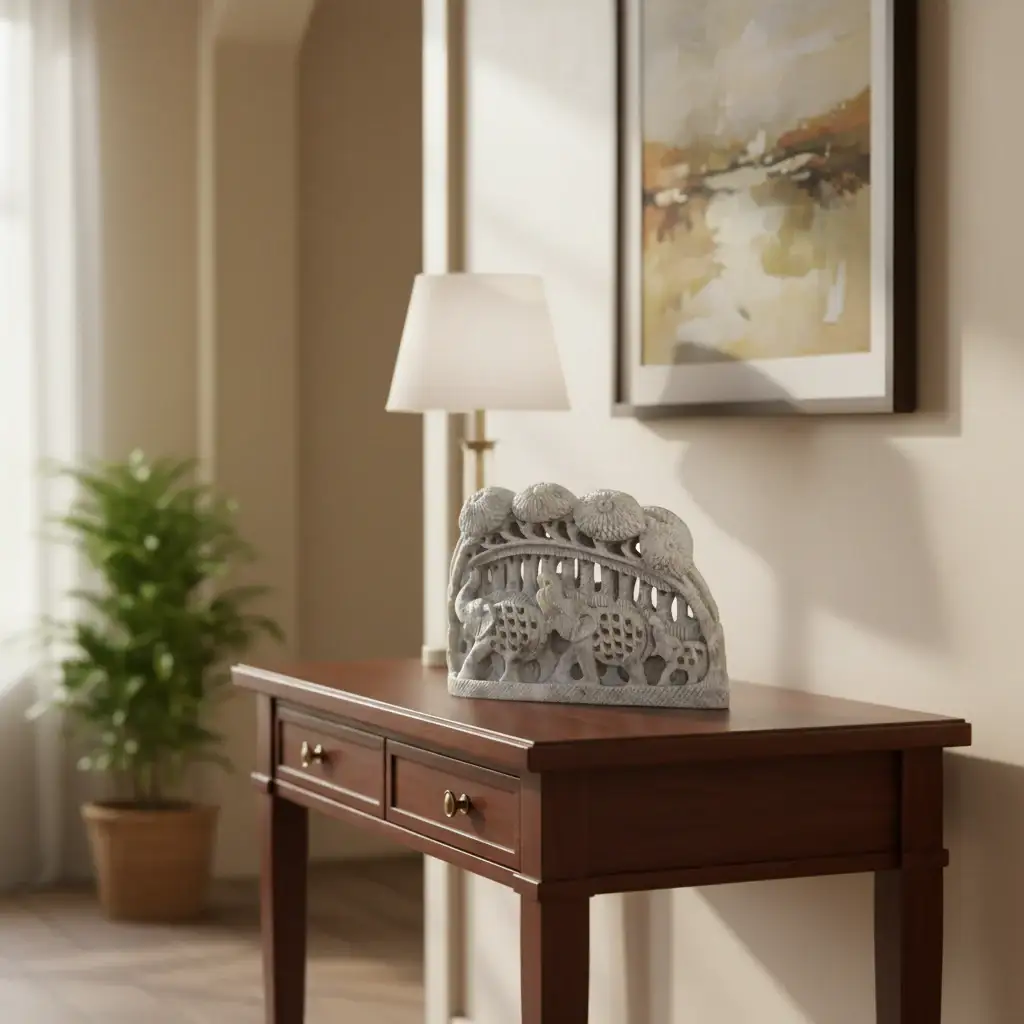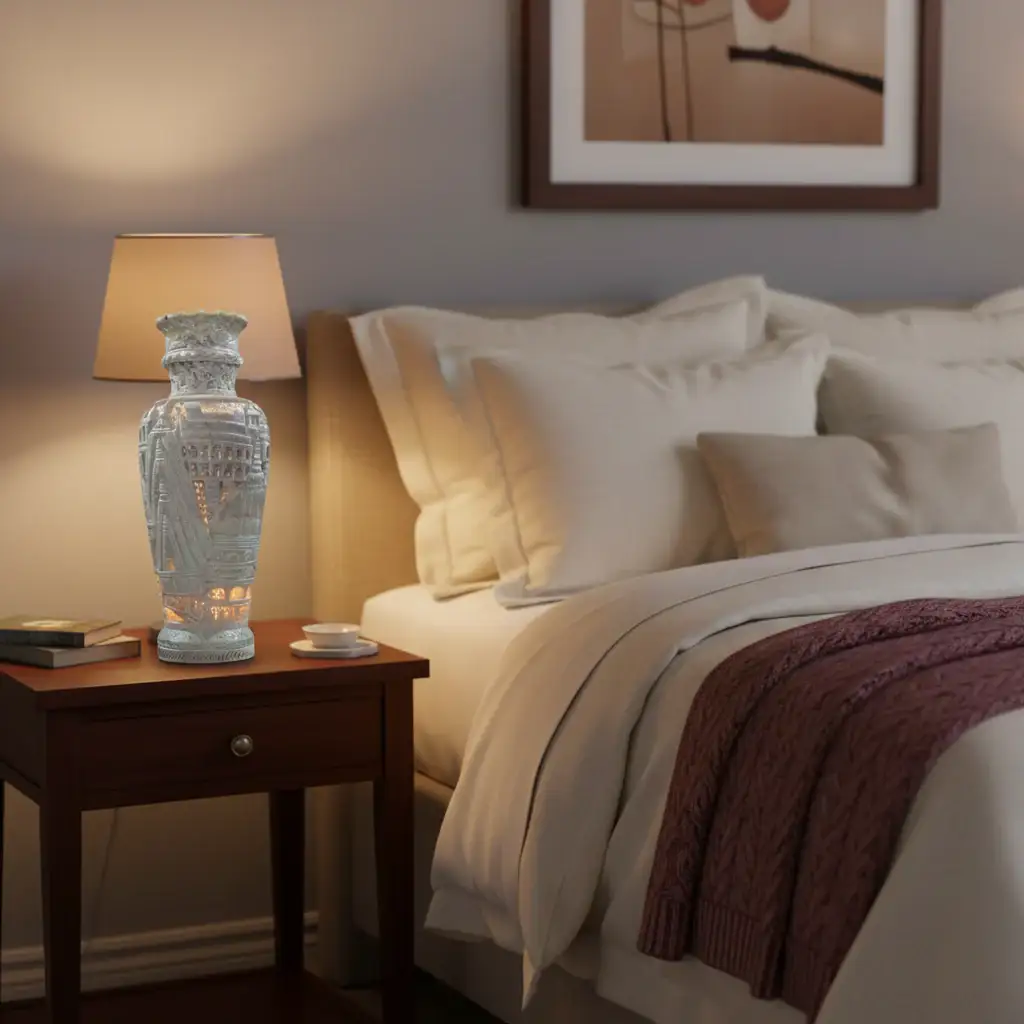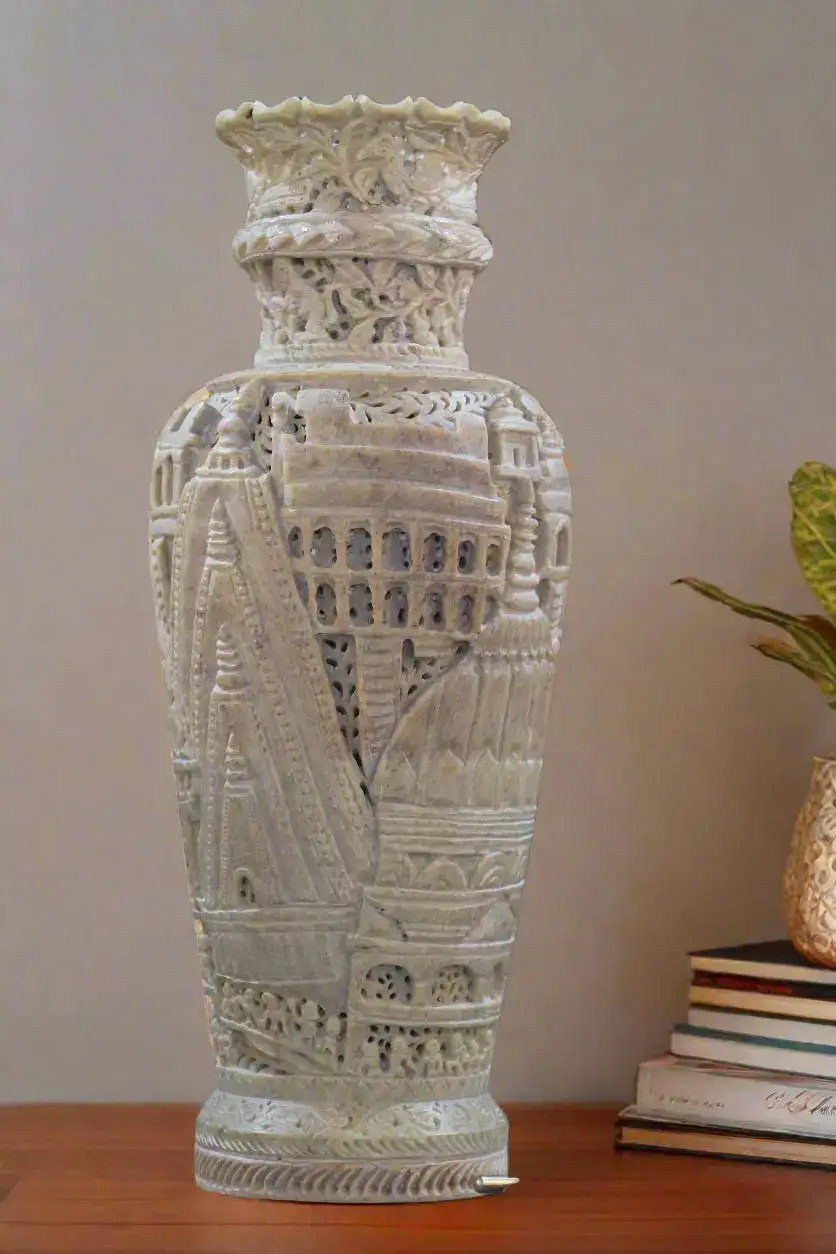
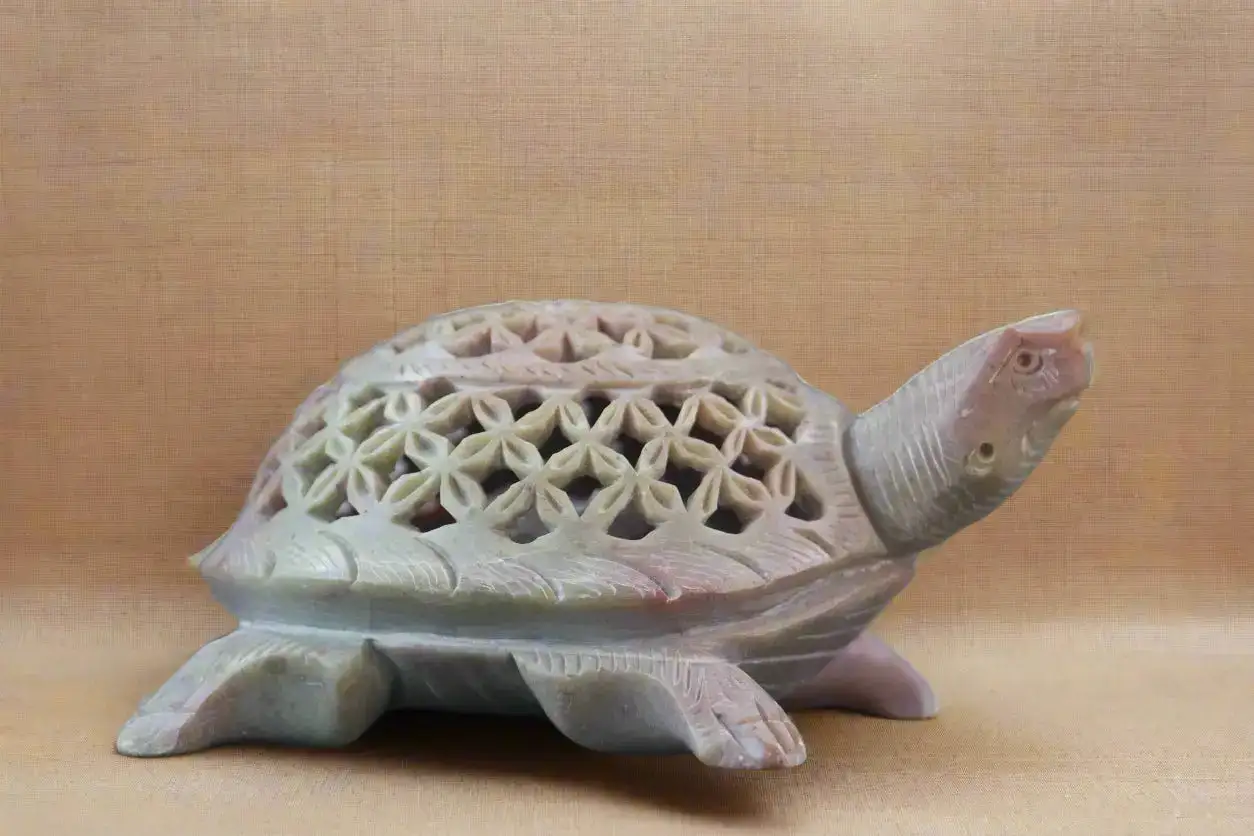
Tortoise in Jali Art – Exquisite Varanasi Handicraft Décor
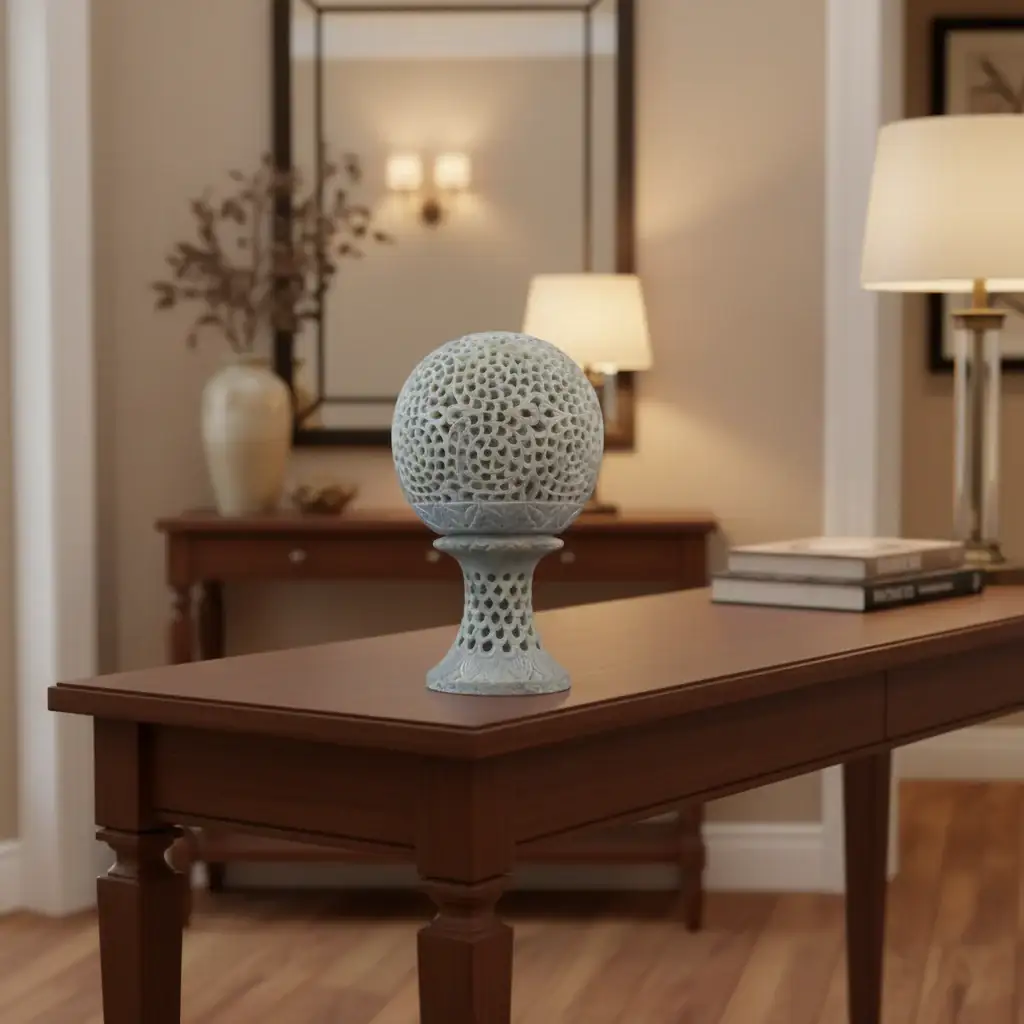
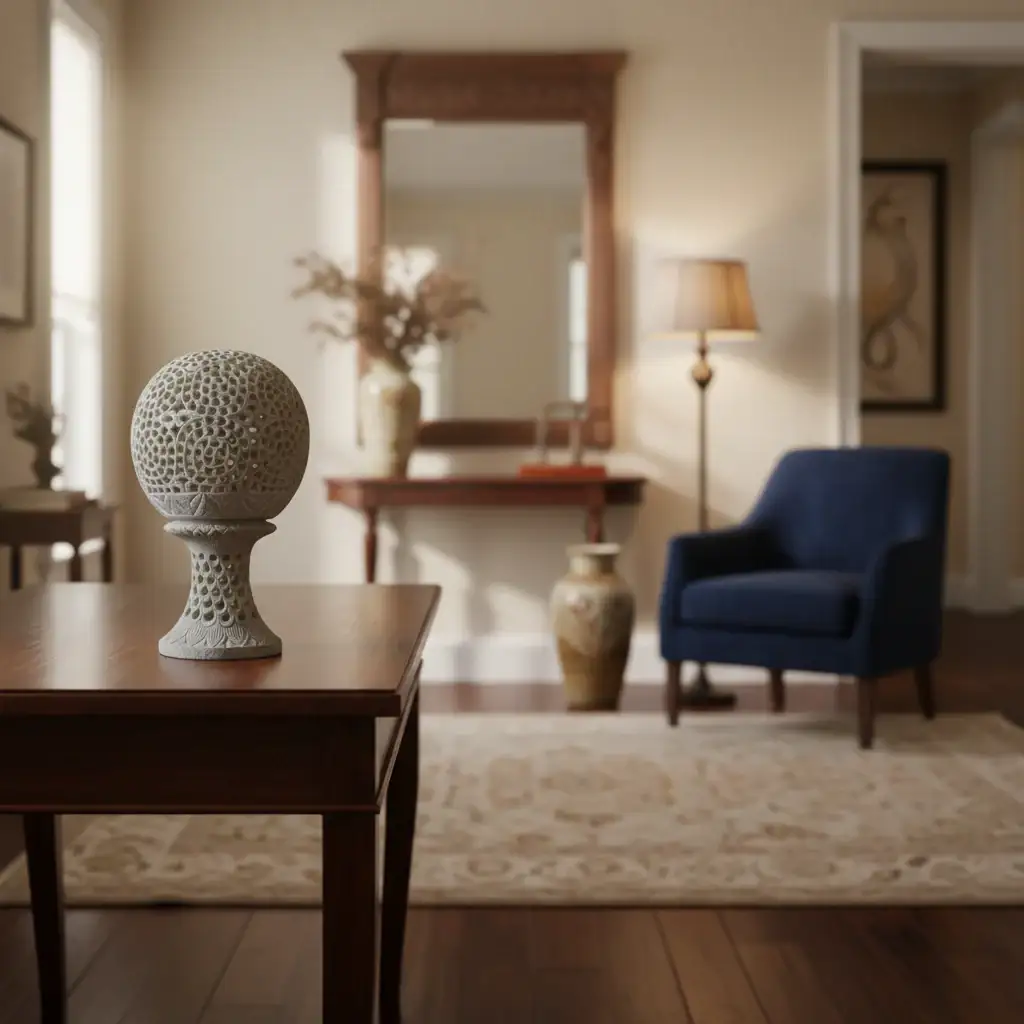
Tortoise in Jali Art Work
Width (Inches) : 5.5"
Height (Inches): 3"
Length: (Inches): 3"
Varanasi Jali Stone Art – A Timeless Craft
Varanasi Jali Stone Art signifies the skillful craftsmanship of stone lattice work (jali) in and around Varanasi, one of India’s oldest sacred cities. This traditional craft blends beauty and function, showcasing the rich heritage of stone carving in India. The "Tortoise in Jali Art" is a unique aspect of this tradition, representing both cultural symbolism and artistic finesse.
What is Jali Work?
The term “jali” is derived from Sanskrit “jalaka”, meaning net or lattice. It describes perforated stone screens that often display geometric designs, floral elements, and calligraphy. Such jali artwork serves multiple purposes, from decoration to ventilation, adding an aura of elegance to any structure.
Historical Roots and Tortoise Symbolism
Jali work has a longstanding history in Indian architecture, flourishing during the Mughal and Rajput periods. The motif of the tortoise symbolizes longevity and stability. In Varanasi, this tradition uniquely merges Hindu symbols with Mughal patterns, reflecting a rich cultural blend through its tortoise decor.
Jali decor has been integral in temples, palaces, and mosques. Its designs are not only ornamental but also allow air circulation while preserving privacy. This makes such lattice work both beautiful and functional in traditional Indian architecture.
Features of Varanasi Jali Stone Art
Material:
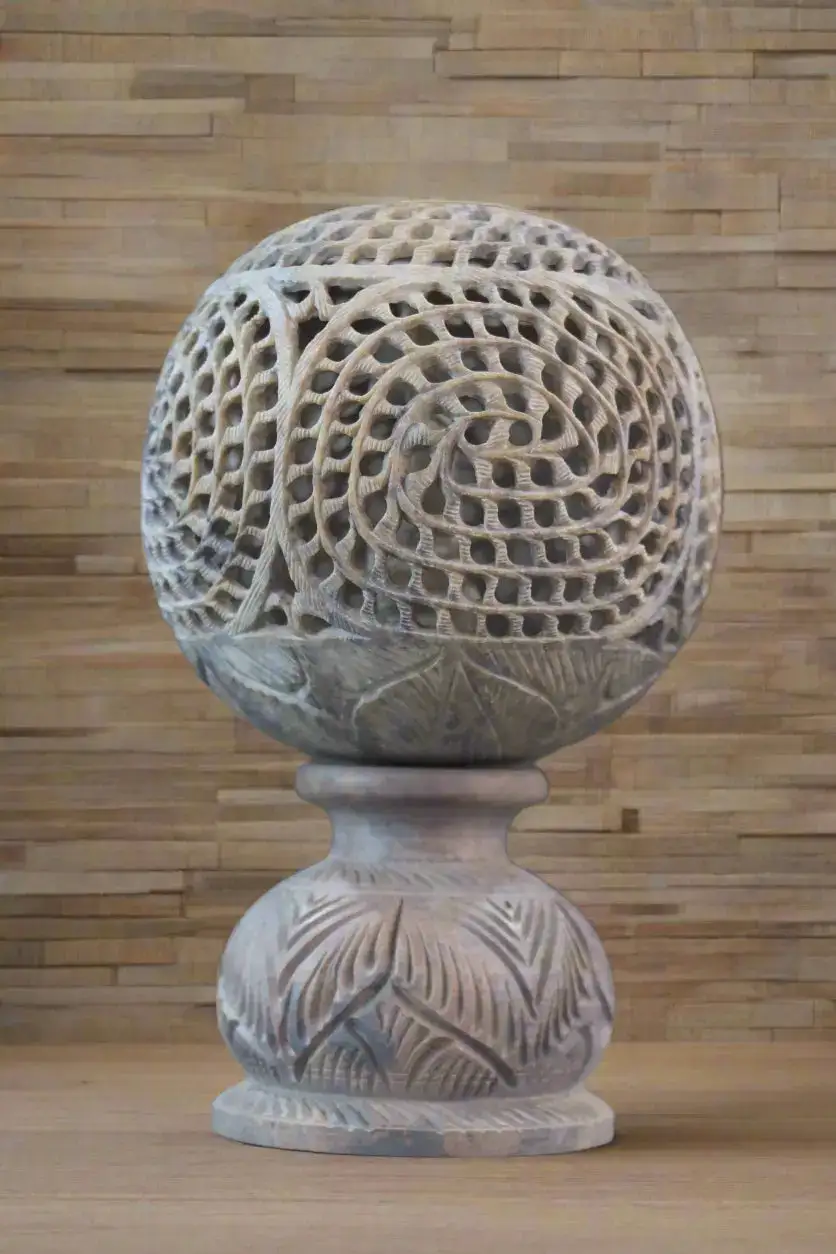
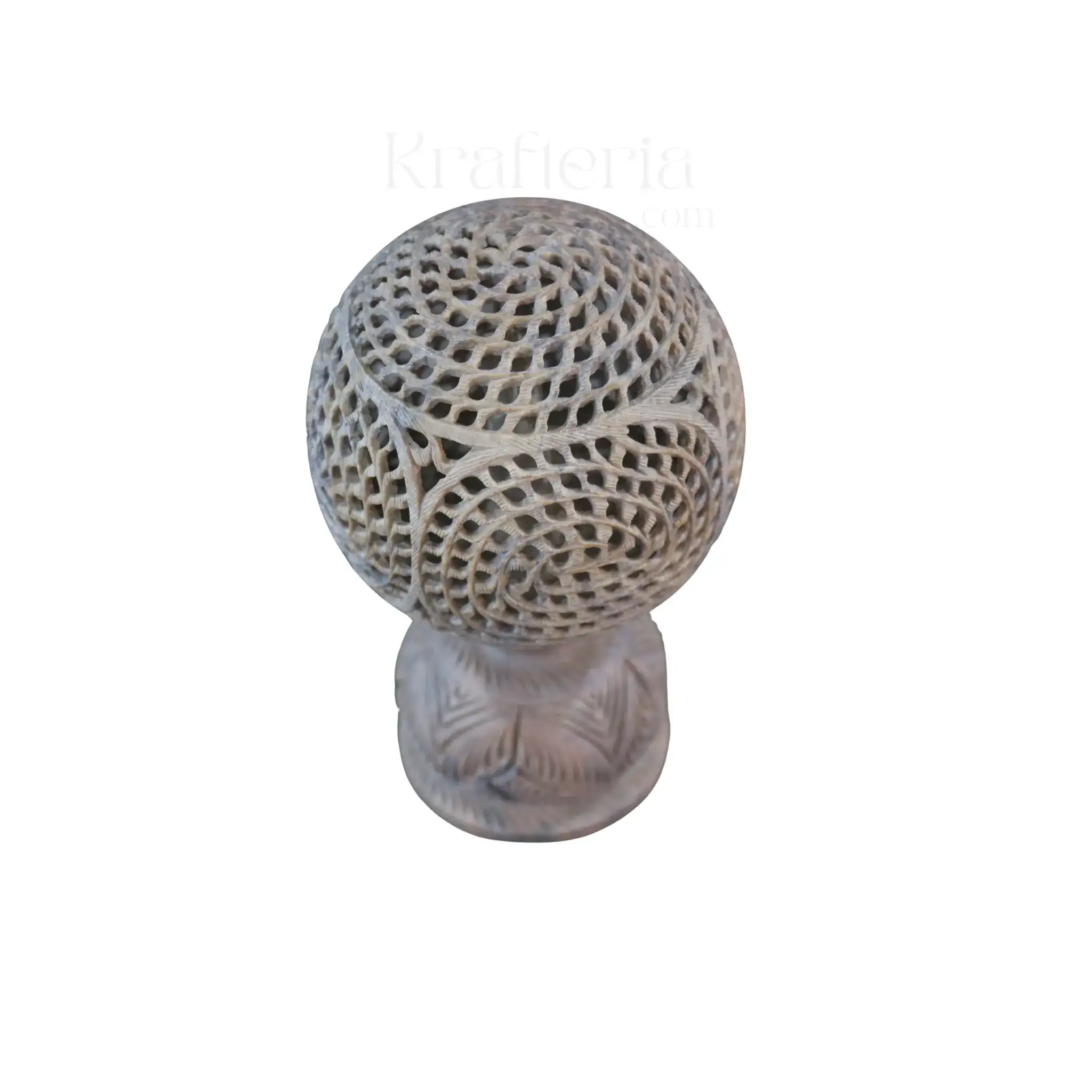
Jali artwork is crafted mostly from local sandstone or marble. Skilled artisans hand-chisel the stone, creating delicate, symmetrical patterns that enhance architectural beauty. The fine carvings of the tortoise idol within stone screens showcase expert craftsmanship and cultural narratives.
Designs:
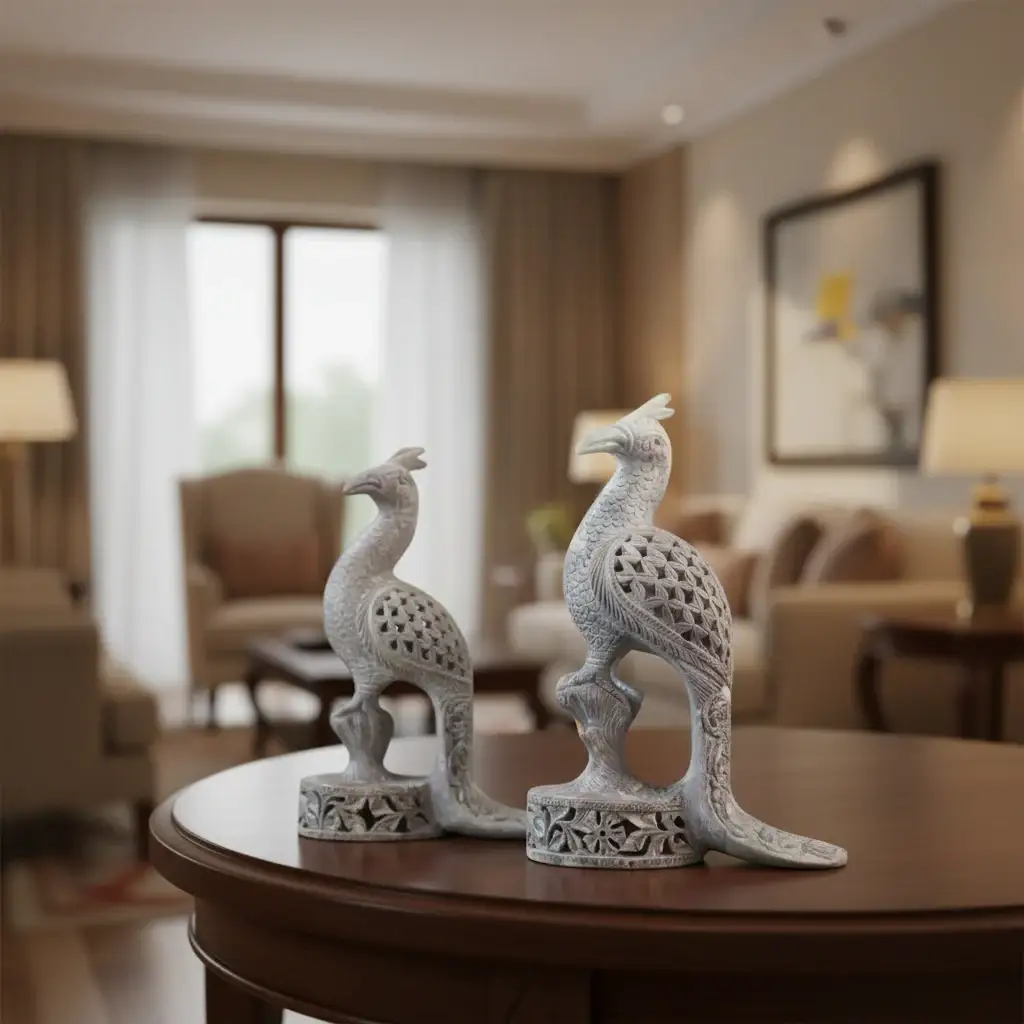
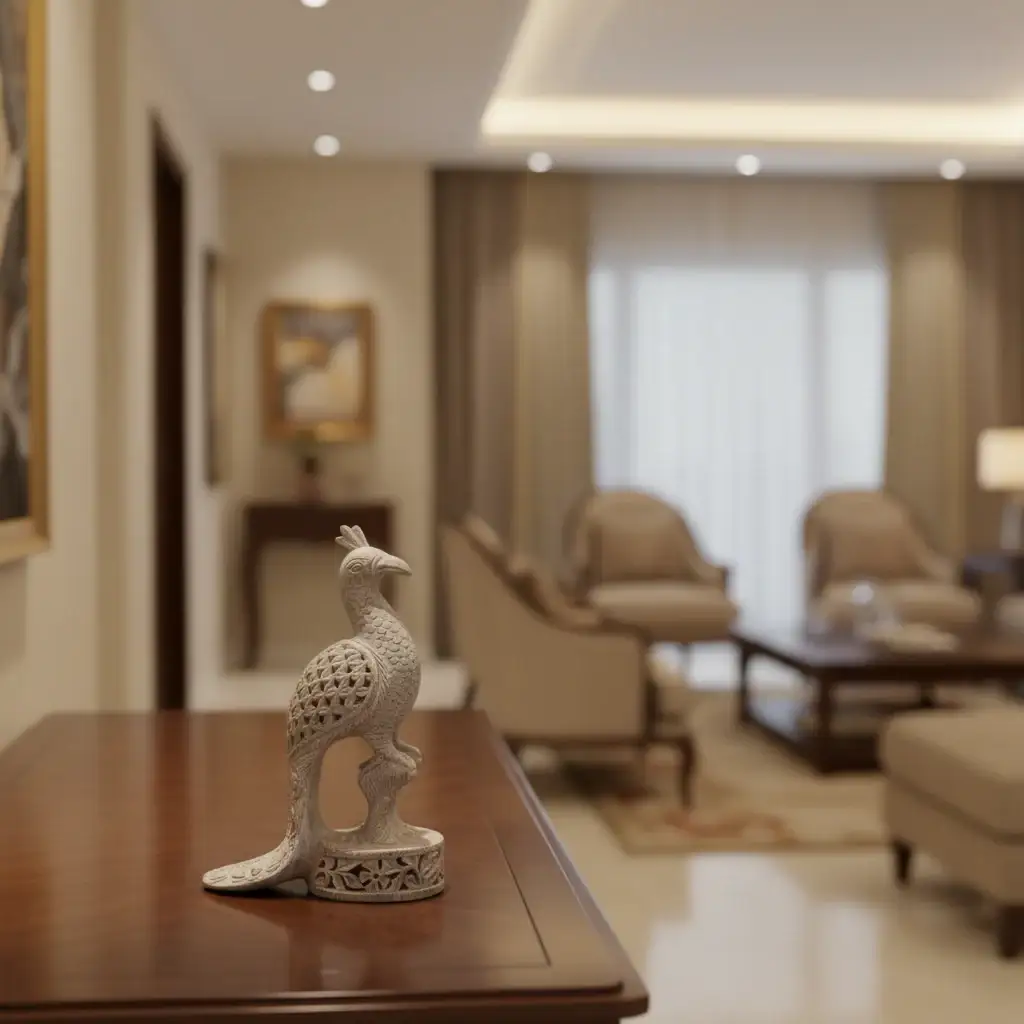
The traditional motifs used in jali decor include lotus flowers, peacocks, divine figures, and mandalas. Patterns are generally repetitive to evoke rhythm and harmony. The designs featuring the tortoise add a unique dimension, combining natural imagery with geometric precision.
Purpose & Functionality:
Jali work serves dual purposes: aesthetic appeal and practical functionality. It gently diffuses natural light into interiors, offers ventilation while ensuring privacy, and cools the air through convection by passing it through the stone lattice. The tortoise decor adds thematic significance to this effect.
Techniques:
These artworks are entirely handcrafted by skilled artisans using chisels, hammers, and rasps. Crafting pieces with the tortoise motif requires meticulous attention to symmetry and delicate details—a testament to years of expertise.
Moreover, the tortoise decor elements within jali artwork symbolize endurance and peace, making them popular motifs in Varanasi Jali Stone Art. The tortoise idol integrated into the patterns reflects spiritual beliefs and artistic dedication, bringing life to stone.
The Tortoise in Jali Art continues to inspire modern stone artisans, who maintain this heritage through careful replication of classic designs and fresh interpretations. This ensures the timeless beauty and relevance of Varanasi’s jali decor in contemporary architecture.
Original: $16.13
-70%$16.13
$4.84Product Information
Product Information
Shipping & Returns
Shipping & Returns
Description
Tortoise in Jali Art Work
Width (Inches) : 5.5"
Height (Inches): 3"
Length: (Inches): 3"
Varanasi Jali Stone Art – A Timeless Craft
Varanasi Jali Stone Art signifies the skillful craftsmanship of stone lattice work (jali) in and around Varanasi, one of India’s oldest sacred cities. This traditional craft blends beauty and function, showcasing the rich heritage of stone carving in India. The "Tortoise in Jali Art" is a unique aspect of this tradition, representing both cultural symbolism and artistic finesse.
What is Jali Work?
The term “jali” is derived from Sanskrit “jalaka”, meaning net or lattice. It describes perforated stone screens that often display geometric designs, floral elements, and calligraphy. Such jali artwork serves multiple purposes, from decoration to ventilation, adding an aura of elegance to any structure.
Historical Roots and Tortoise Symbolism
Jali work has a longstanding history in Indian architecture, flourishing during the Mughal and Rajput periods. The motif of the tortoise symbolizes longevity and stability. In Varanasi, this tradition uniquely merges Hindu symbols with Mughal patterns, reflecting a rich cultural blend through its tortoise decor.
Jali decor has been integral in temples, palaces, and mosques. Its designs are not only ornamental but also allow air circulation while preserving privacy. This makes such lattice work both beautiful and functional in traditional Indian architecture.
Features of Varanasi Jali Stone Art
Material:
Jali artwork is crafted mostly from local sandstone or marble. Skilled artisans hand-chisel the stone, creating delicate, symmetrical patterns that enhance architectural beauty. The fine carvings of the tortoise idol within stone screens showcase expert craftsmanship and cultural narratives.
Designs:
The traditional motifs used in jali decor include lotus flowers, peacocks, divine figures, and mandalas. Patterns are generally repetitive to evoke rhythm and harmony. The designs featuring the tortoise add a unique dimension, combining natural imagery with geometric precision.
Purpose & Functionality:
Jali work serves dual purposes: aesthetic appeal and practical functionality. It gently diffuses natural light into interiors, offers ventilation while ensuring privacy, and cools the air through convection by passing it through the stone lattice. The tortoise decor adds thematic significance to this effect.
Techniques:
These artworks are entirely handcrafted by skilled artisans using chisels, hammers, and rasps. Crafting pieces with the tortoise motif requires meticulous attention to symmetry and delicate details—a testament to years of expertise.
Moreover, the tortoise decor elements within jali artwork symbolize endurance and peace, making them popular motifs in Varanasi Jali Stone Art. The tortoise idol integrated into the patterns reflects spiritual beliefs and artistic dedication, bringing life to stone.
The Tortoise in Jali Art continues to inspire modern stone artisans, who maintain this heritage through careful replication of classic designs and fresh interpretations. This ensures the timeless beauty and relevance of Varanasi’s jali decor in contemporary architecture.