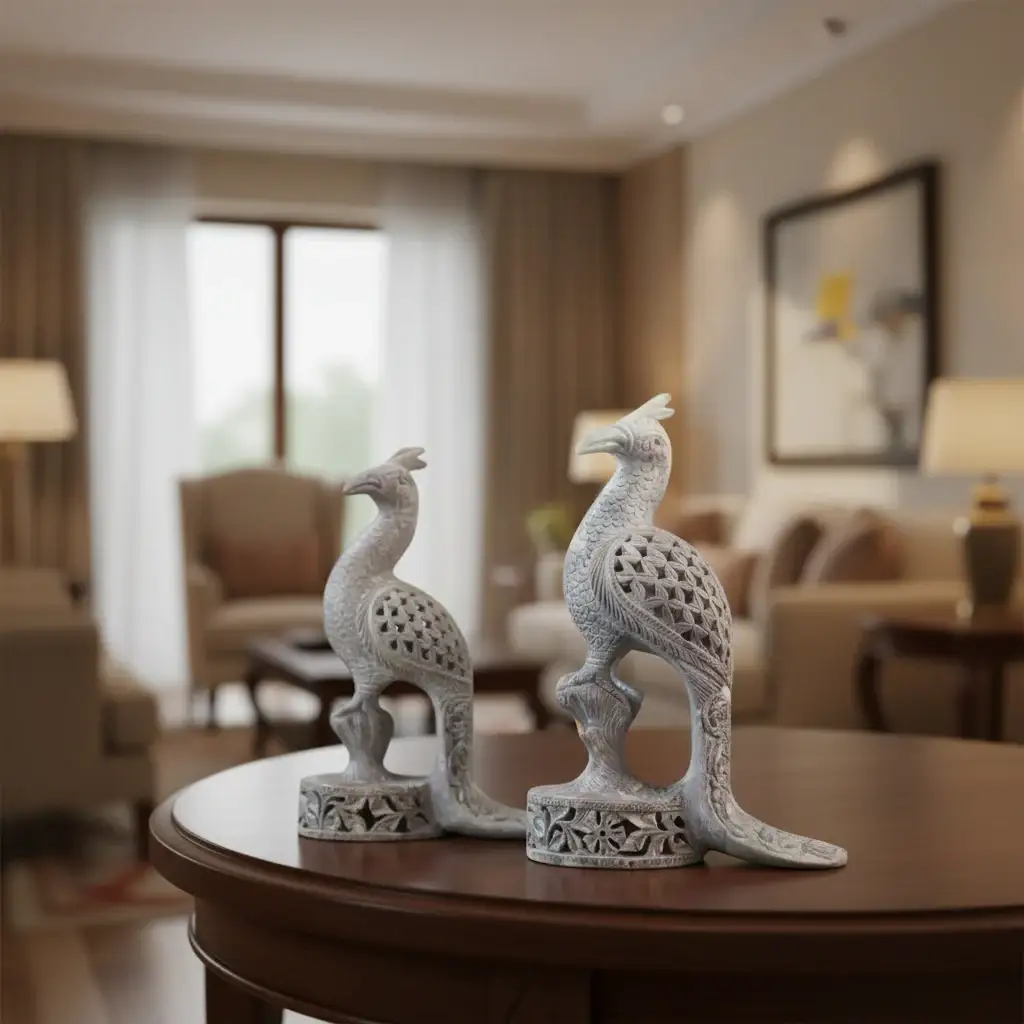
Peacock Pair Jali Carving – Ethnic Indian Handicraft Figurines
Varanasi Jali Stone Art – A Timeless Craft
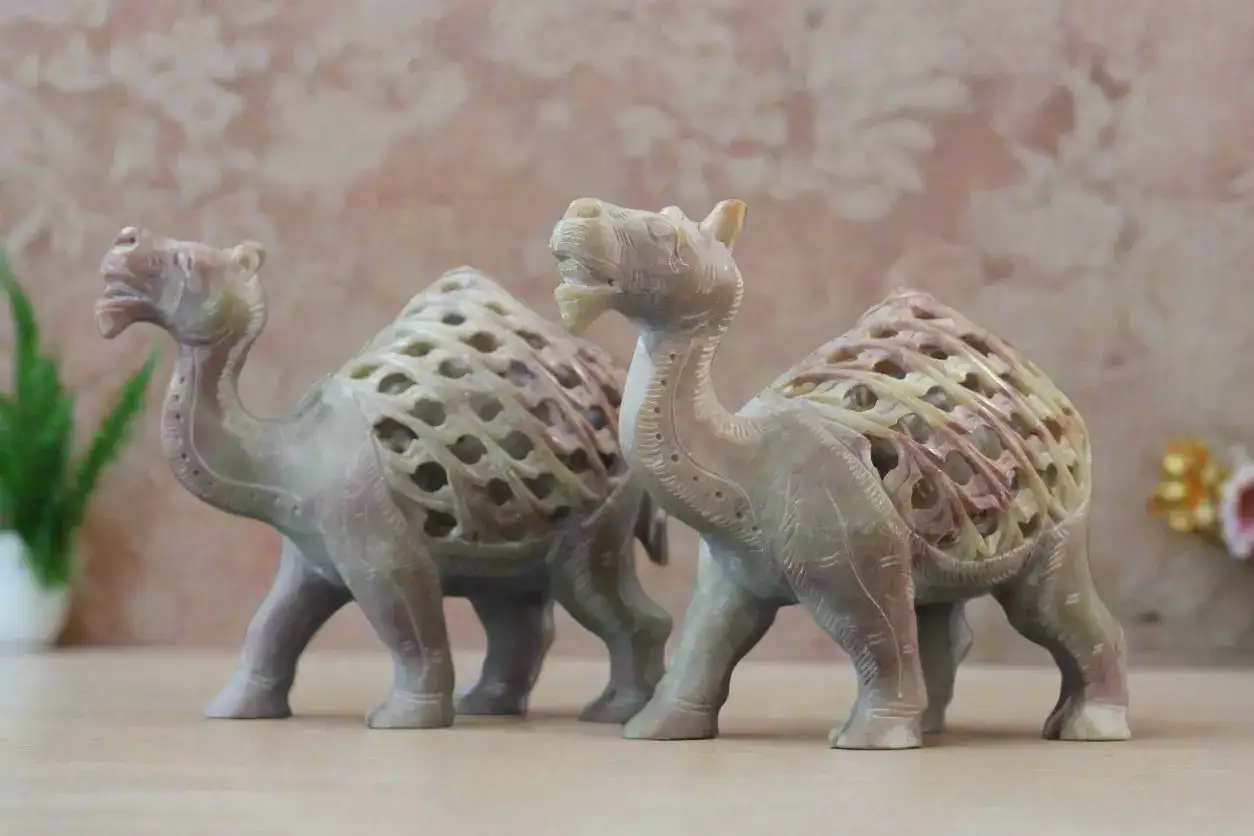
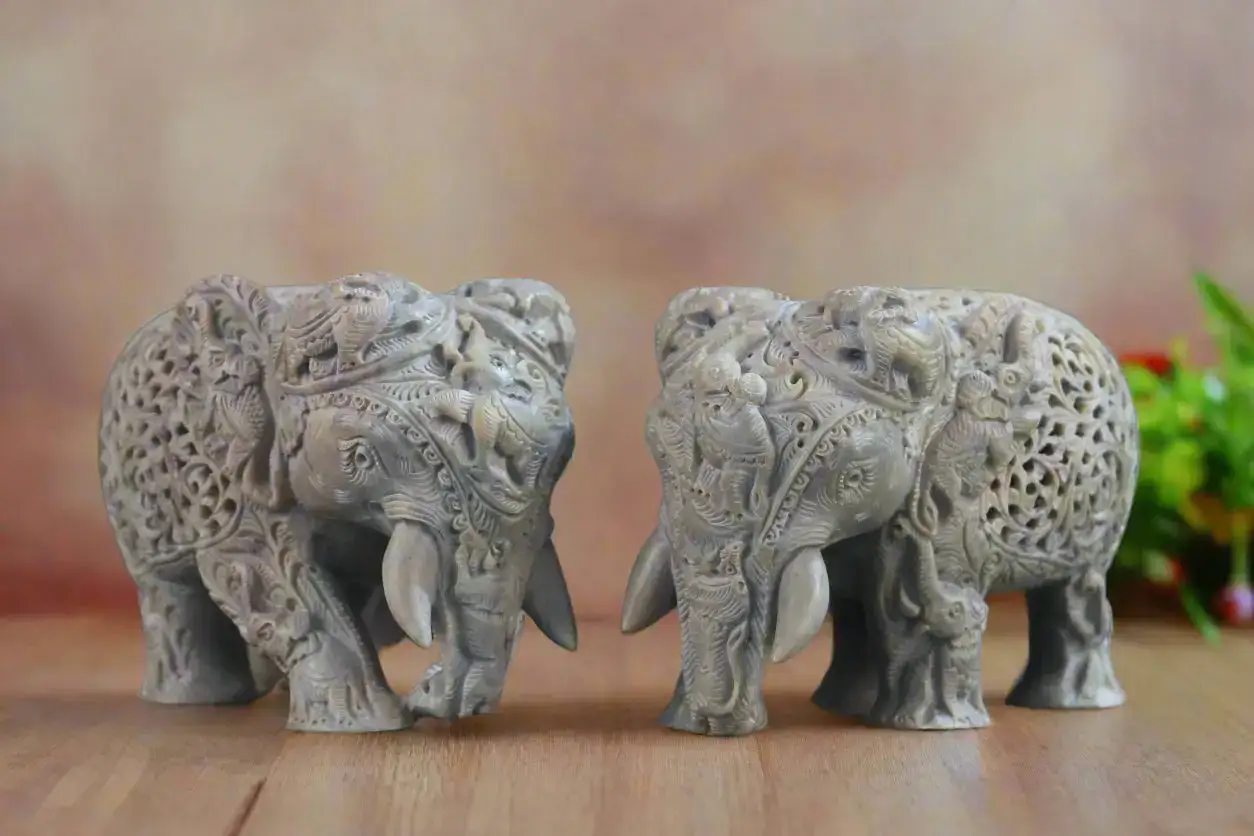
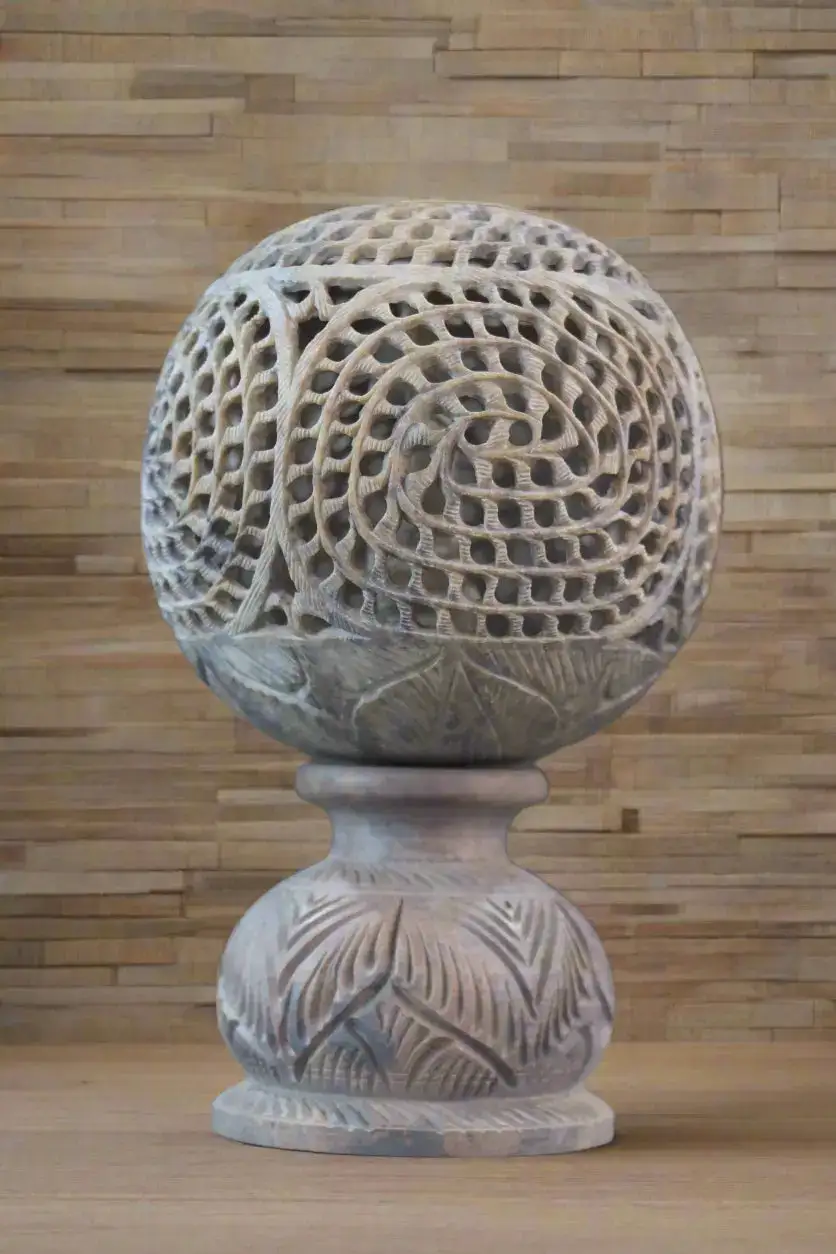
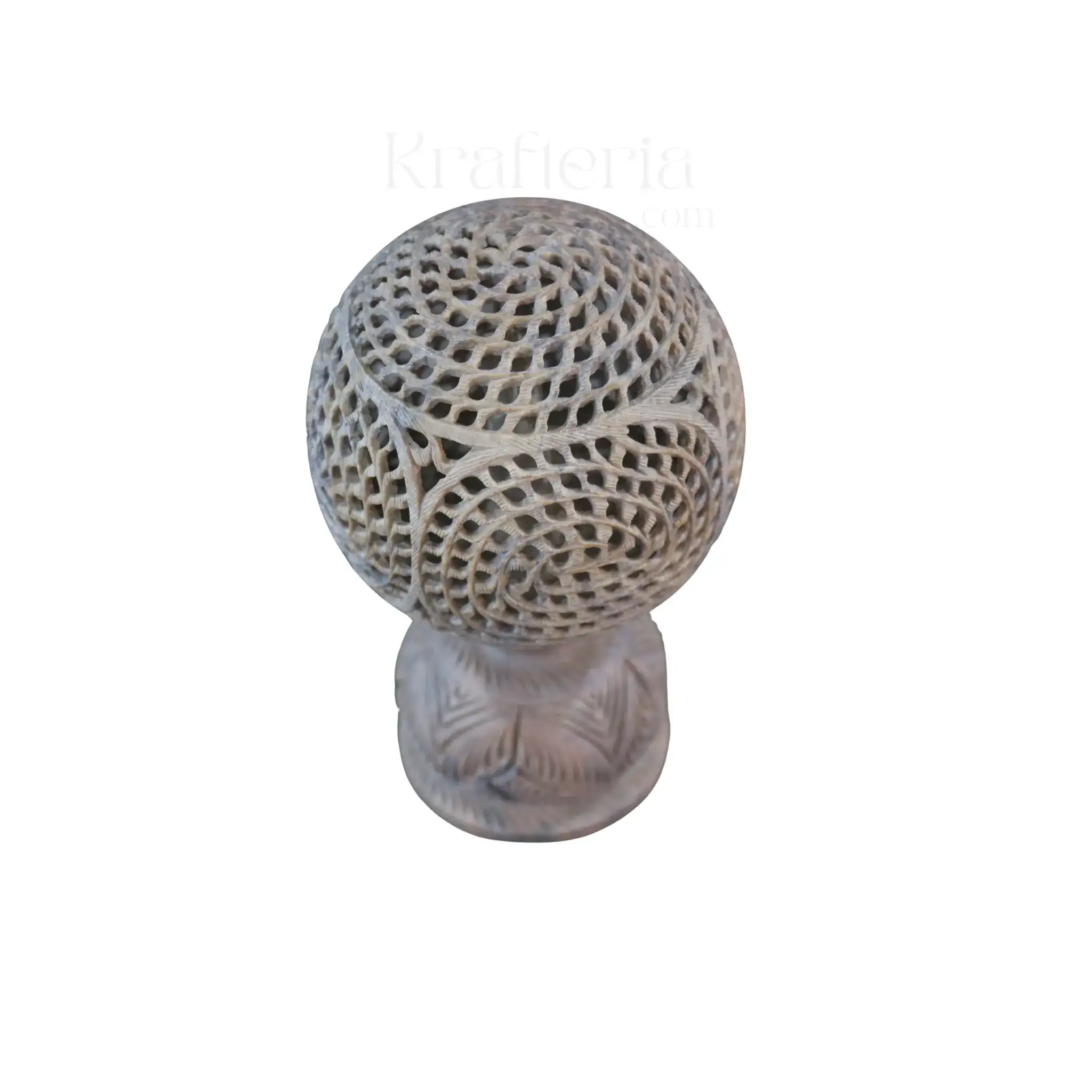
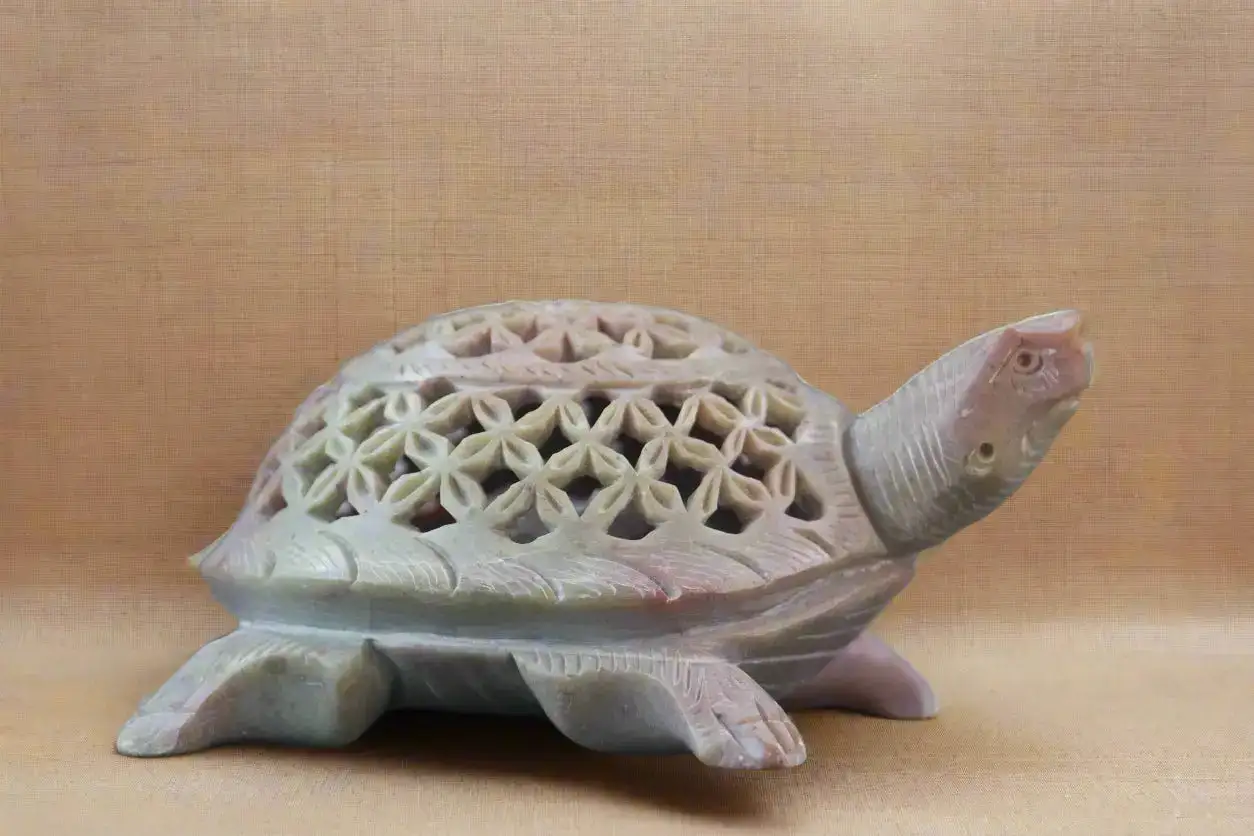
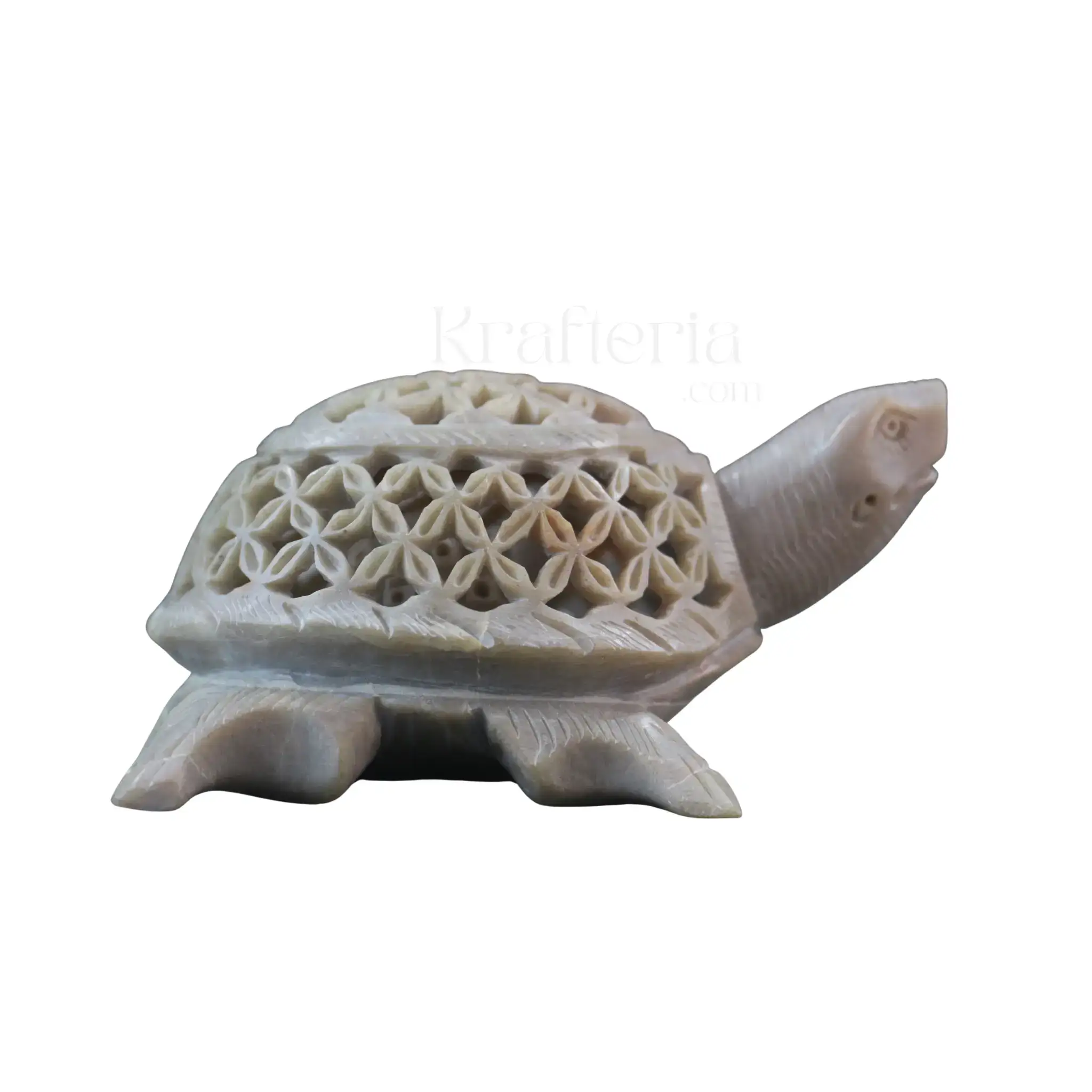
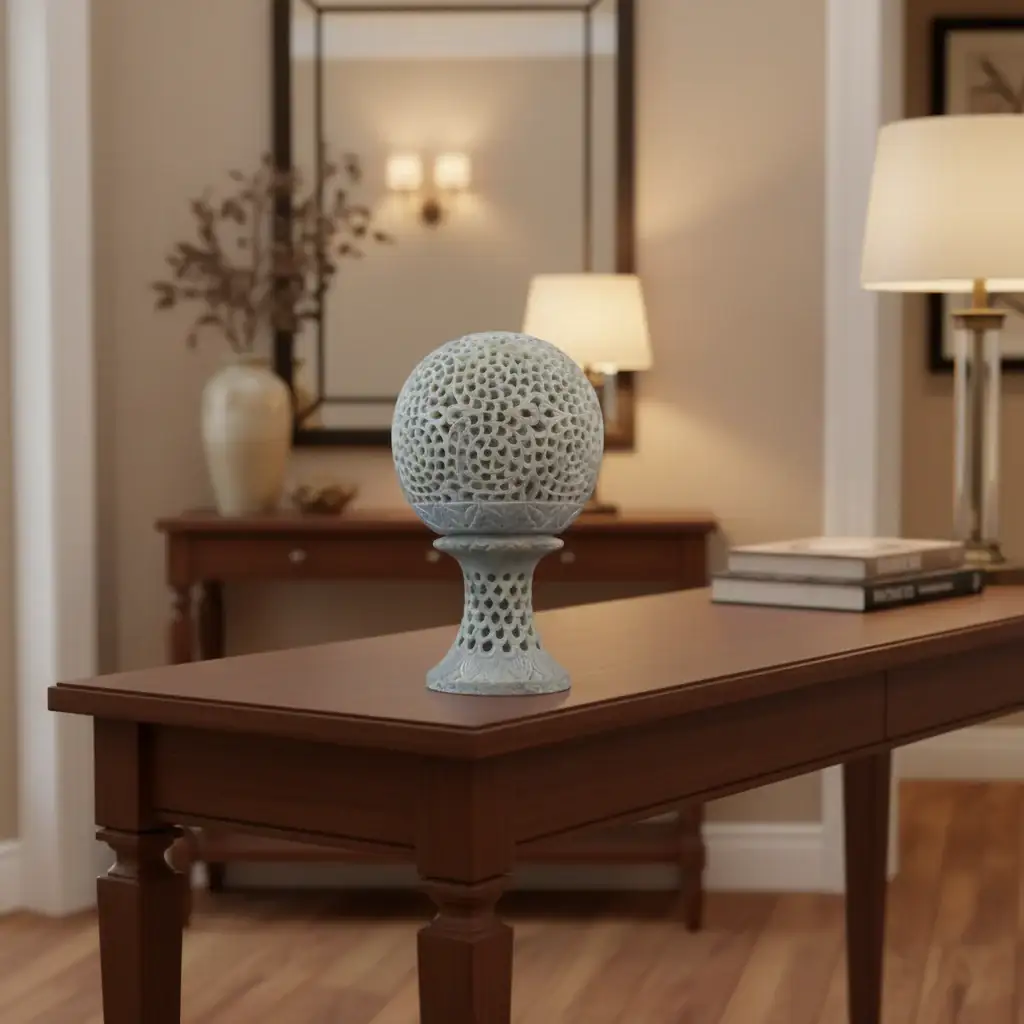
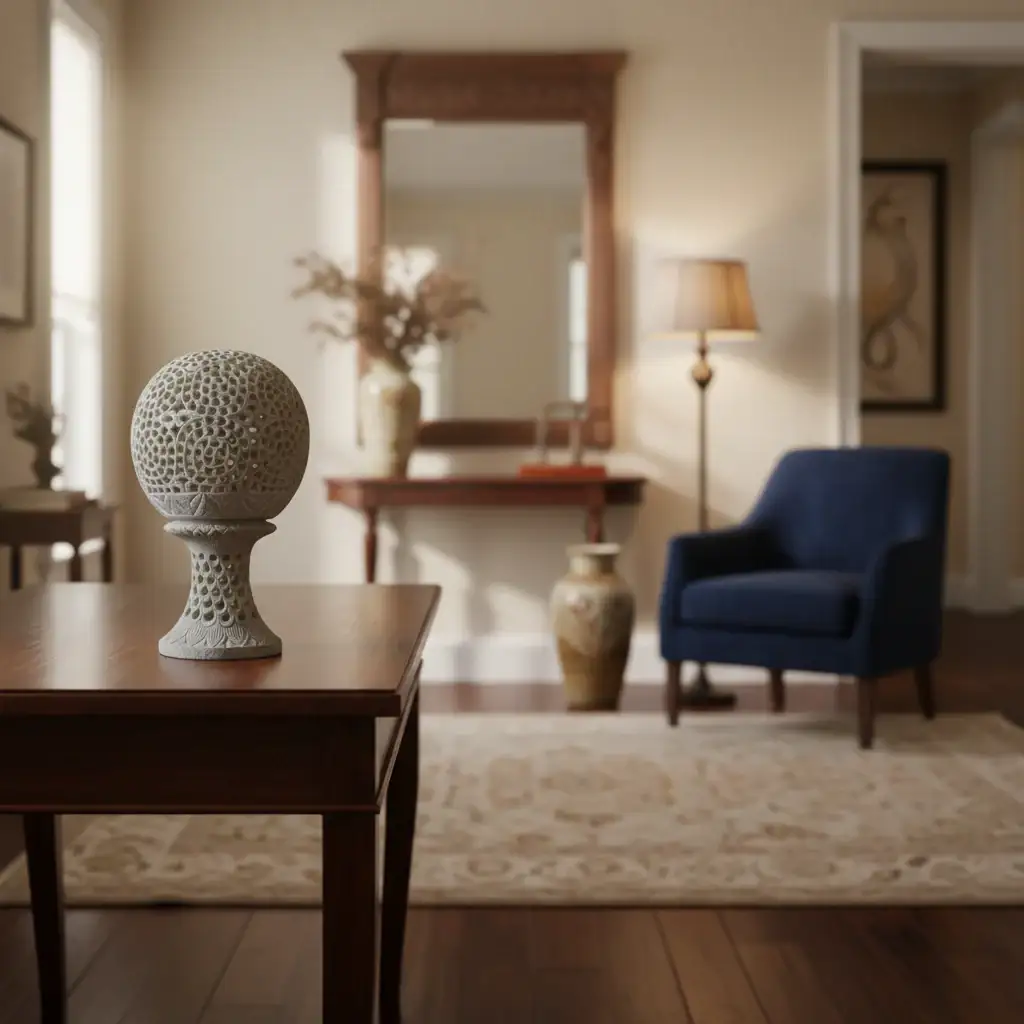
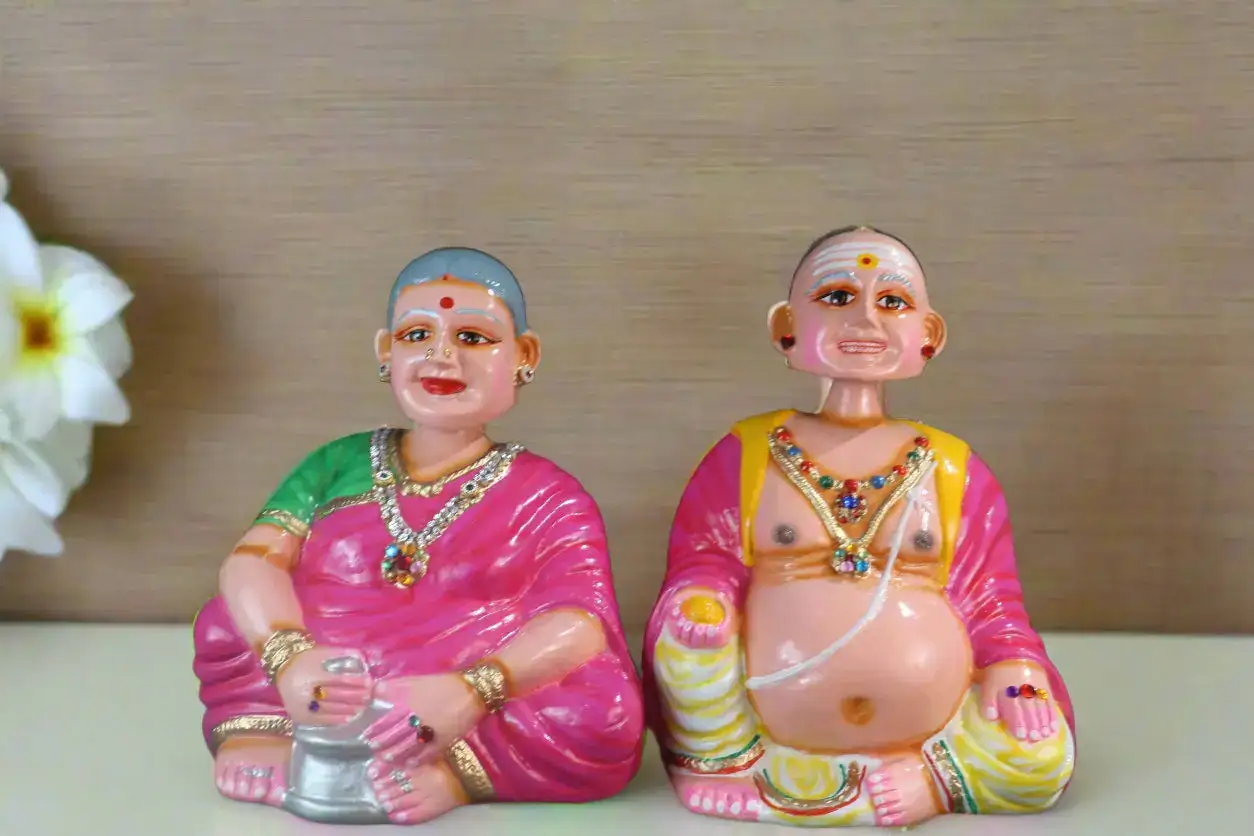
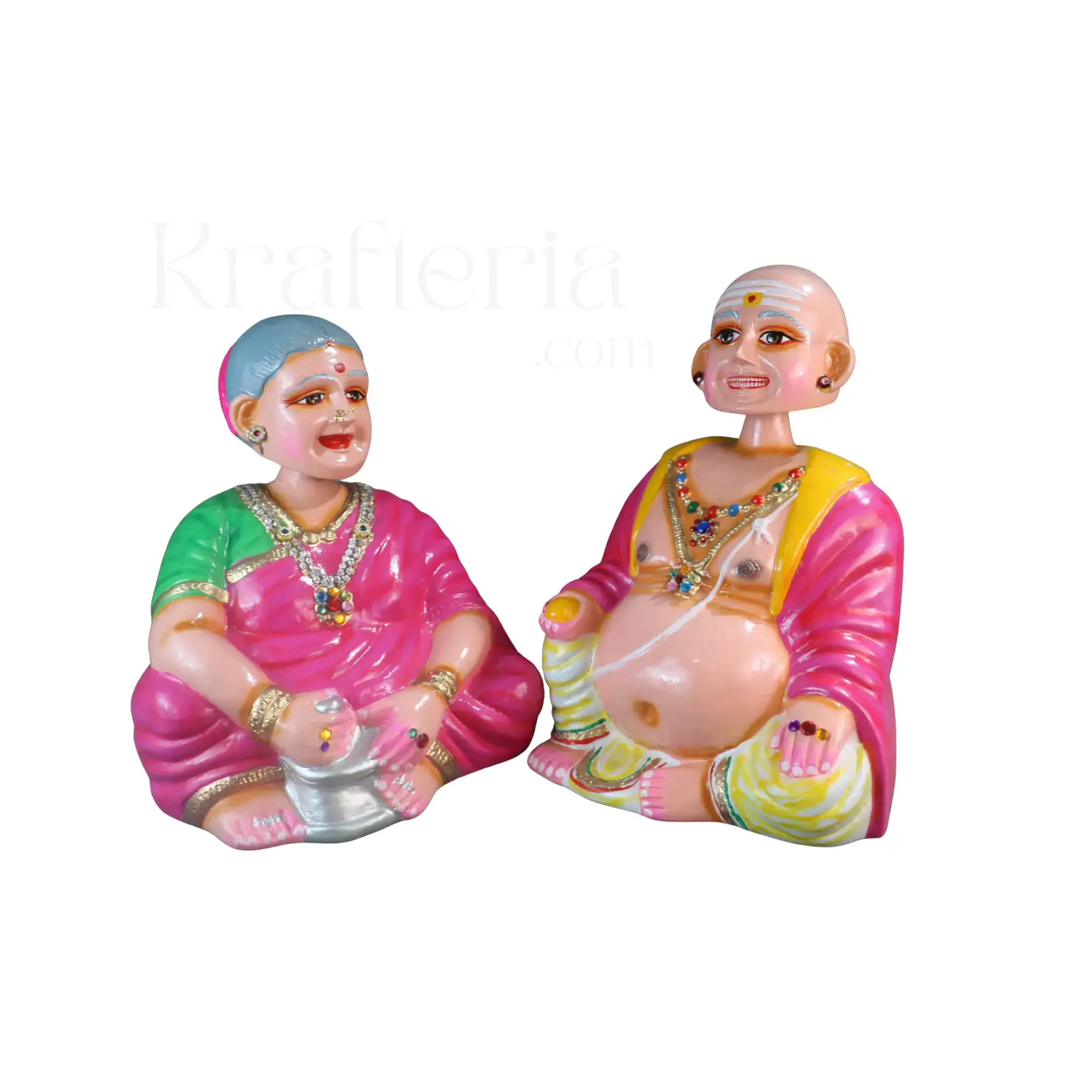
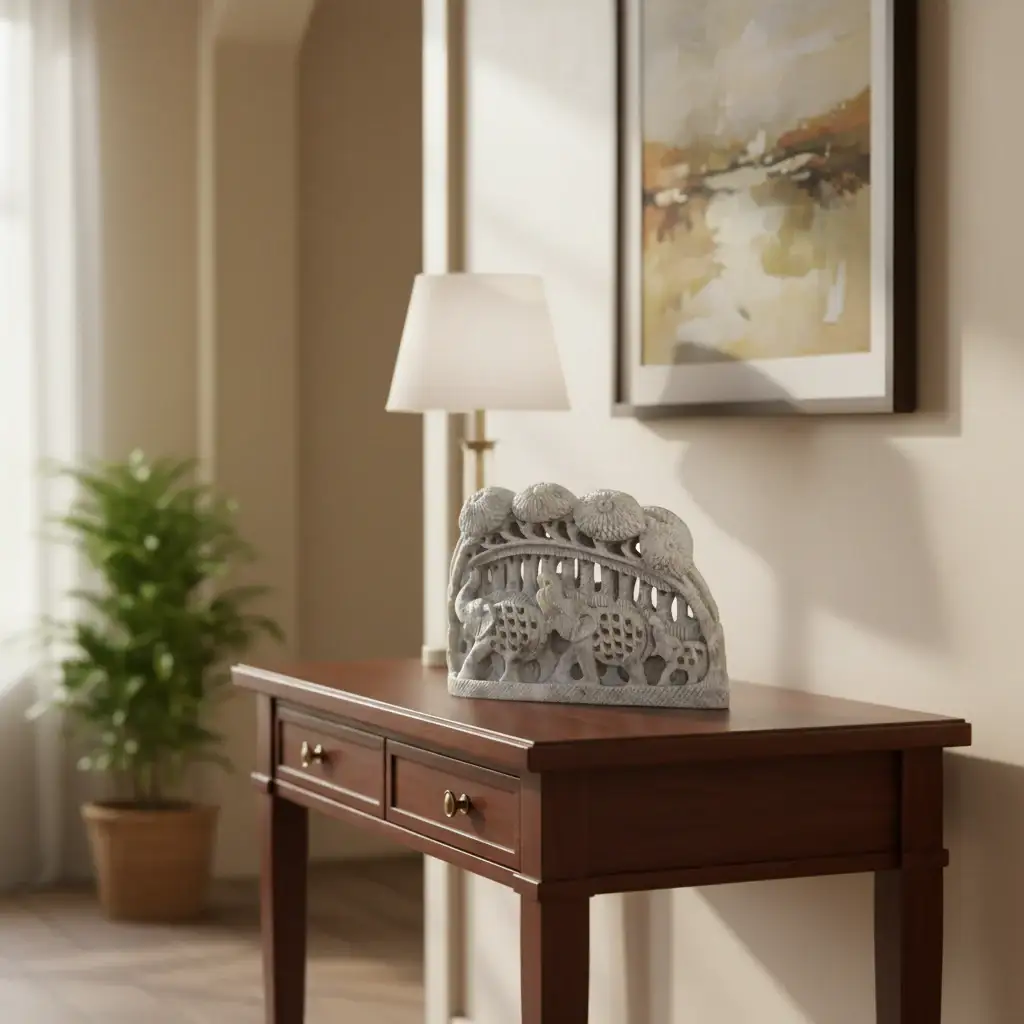
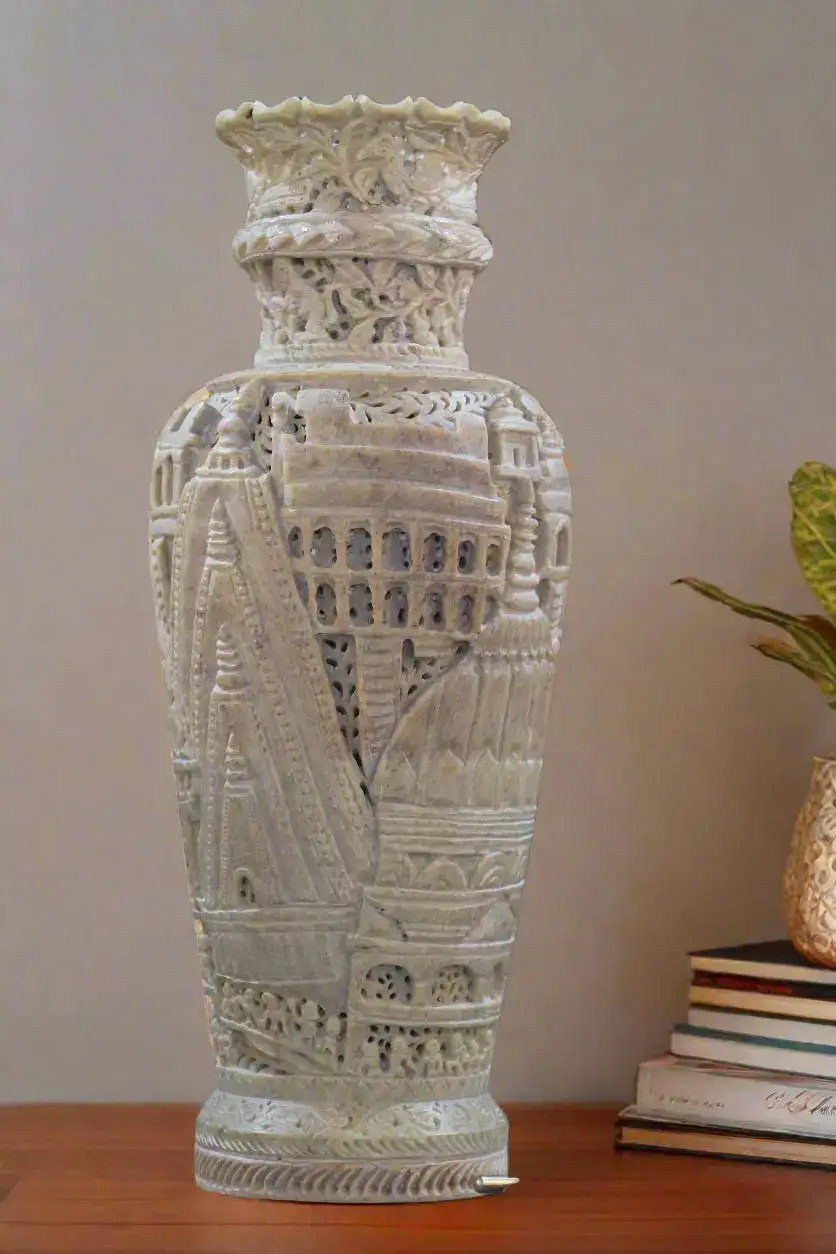
Varanasi Jali Stone Art showcases the timeless beauty of stone lattice work called “jali.” This ancient tradition is maintained by skilled artisans in Varanasi, one of India’s oldest and most culturally rich cities. The Peacock Pair Jali Carving figurine exemplifies this exceptional artistry that balances elegance with function.
This craft stands as a testament to centuries of heritage and craftsmanship. Each piece tells a story of dedication, passed down through generations of highly skilled stone artisans specializing in jali carving.
What is Jali Work?
The term “jali” originates from the Sanskrit word “jalaka,” meaning net or lattice. This art form involves creating intricately perforated stone screens with geometric patterns, floral motifs, and sometimes detailed calligraphy. These beautiful jali stone designs adorn many prestigious Indian monuments and buildings.
Jali carvings combine ornamental charm with practical use. They provide natural ventilation, enhancing a building’s climate without compromising privacy. The entire jali carving process is handcrafted, demonstrating the exceptional skill of Indian artisans.
Historical Roots of Jali Carving
Jali stone carving has played a crucial architectural role in India for centuries. It particularly flourished during the Mughal and Rajput periods and became a symbol of refined craftsmanship. This tradition represents a rich cultural tapestry of artistic excellence.
In Varanasi, lattice carving developed a unique style that blends Hindu symbolism with Mughal-inspired geometric designs. Stone jalis can be found embellishing temples, palaces, ghats, havelis, and mosques throughout the region. They provide both decorative appeal and functional ventilation.
Besides their visual charm, jali works enable airflow and maintain privacy. This marriage of practicality and beauty makes them invaluable in traditional Indian architecture.
Features of Varanasi Jali Stone Art: Peacock Pair Jali Carving
Materials Used in the Jali Carving
The Jali Carving is primarily crafted from locally sourced sandstone and marble. The choice between these stones depends on availability and design requirements. Both materials offer excellent durability and add attractive texture to the figurines.
Artisans use traditional fine tools such as chisels, rasps, and hammers to hand-chisel every piece. This meticulous handcrafted approach ensures each peacock idol is unique and reflects the artisan's precision and dedication.
Designs and Motifs in Jali Stone
Varanasi’s lattice stone artworks feature recurring motifs like lotus blossoms, peacock idols, divine symbols, and mandalas. These patterns express deep Indian culture and spirituality through their complex symbolism and intricate design.
The rhythmic repetition of motifs generates a harmonious balance throughout the jali carving. The peacock, a symbol of grace and elegance, is highly favored, making the Peacock Pair Jali Carving sought-after by collectors and art enthusiasts alike.
Purpose and Functionality of Jali and Peacock Jali Carving
Jali carvings bring aesthetic beauty along with practical advantages to any space. They diffuse sunlight gently, casting stunning shadows that enhance the interior ambiance. This delicate mesh of stone contributes timeless elegance to décor.
Jali stone screens facilitate ventilation without sacrificing indoor privacy. The natural convection created as air passes through the lattice cools the surroundings. This thoughtful integration of form and function makes jali highly prized in Indian home décor.
The Peacock Pair Jali Carving, specifically, symbolizes beauty, love, and prosperity. Having this piece in your home adds positive energy and serves as a meaningful centerpiece or gift.
Handcrafting Techniques Behind the Peacock Pair Jali Carving
Creating Varanasi lattice stone art demands extensive training and dedication. Expert artisans craft each figurine using traditional chisels, hammers, and rasps. Achieving symmetry and fine detail requires steady hands and precise skill.
The process emphasizes harmony, intricate carving, and artistic finesse. This traditional technique preserves centuries of Indian cultural heritage, handed down through generations of talented stone carvers.
Why Choose a Peacock Jali Carving Figurine?
The Peacock Jali Carving is the pinnacle of Varanasi’s stone carving tradition. This exquisite piece embodies deep cultural and spiritual symbolism while adding sophistication to any environment.
Peacocks represent harmony, grace, and auspiciousness in Indian culture. These peacock idols are prized for their detailed latticework, showcasing extraordinary craftsmanship and creativity in jali carving.
Summary of Peacock, Jali, and Jali Carving Importance
- Peacock: A symbol of grace, beauty, and auspiciousness in Indian culture.
- Jali: Stone lattice screens that enhance architectural beauty and ventilation.
- Jali Carving: Handcrafted stone lattice designs with timeless cultural and artistic value.
To sum up, the Peacock Jali Carving blends artistic finesse with India’s rich heritage. It remains a coveted collectible for lovers of ethnic handicrafts and traditional art.
Product Information
Product Information
Shipping & Returns
Shipping & Returns
Description
Varanasi Jali Stone Art – A Timeless Craft
Varanasi Jali Stone Art showcases the timeless beauty of stone lattice work called “jali.” This ancient tradition is maintained by skilled artisans in Varanasi, one of India’s oldest and most culturally rich cities. The Peacock Pair Jali Carving figurine exemplifies this exceptional artistry that balances elegance with function.
This craft stands as a testament to centuries of heritage and craftsmanship. Each piece tells a story of dedication, passed down through generations of highly skilled stone artisans specializing in jali carving.
What is Jali Work?
The term “jali” originates from the Sanskrit word “jalaka,” meaning net or lattice. This art form involves creating intricately perforated stone screens with geometric patterns, floral motifs, and sometimes detailed calligraphy. These beautiful jali stone designs adorn many prestigious Indian monuments and buildings.
Jali carvings combine ornamental charm with practical use. They provide natural ventilation, enhancing a building’s climate without compromising privacy. The entire jali carving process is handcrafted, demonstrating the exceptional skill of Indian artisans.
Historical Roots of Jali Carving
Jali stone carving has played a crucial architectural role in India for centuries. It particularly flourished during the Mughal and Rajput periods and became a symbol of refined craftsmanship. This tradition represents a rich cultural tapestry of artistic excellence.
In Varanasi, lattice carving developed a unique style that blends Hindu symbolism with Mughal-inspired geometric designs. Stone jalis can be found embellishing temples, palaces, ghats, havelis, and mosques throughout the region. They provide both decorative appeal and functional ventilation.
Besides their visual charm, jali works enable airflow and maintain privacy. This marriage of practicality and beauty makes them invaluable in traditional Indian architecture.
Features of Varanasi Jali Stone Art: Peacock Pair Jali Carving
Materials Used in the Jali Carving
The Jali Carving is primarily crafted from locally sourced sandstone and marble. The choice between these stones depends on availability and design requirements. Both materials offer excellent durability and add attractive texture to the figurines.
Artisans use traditional fine tools such as chisels, rasps, and hammers to hand-chisel every piece. This meticulous handcrafted approach ensures each peacock idol is unique and reflects the artisan's precision and dedication.
Designs and Motifs in Jali Stone
Varanasi’s lattice stone artworks feature recurring motifs like lotus blossoms, peacock idols, divine symbols, and mandalas. These patterns express deep Indian culture and spirituality through their complex symbolism and intricate design.
The rhythmic repetition of motifs generates a harmonious balance throughout the jali carving. The peacock, a symbol of grace and elegance, is highly favored, making the Peacock Pair Jali Carving sought-after by collectors and art enthusiasts alike.
Purpose and Functionality of Jali and Peacock Jali Carving
Jali carvings bring aesthetic beauty along with practical advantages to any space. They diffuse sunlight gently, casting stunning shadows that enhance the interior ambiance. This delicate mesh of stone contributes timeless elegance to décor.
Jali stone screens facilitate ventilation without sacrificing indoor privacy. The natural convection created as air passes through the lattice cools the surroundings. This thoughtful integration of form and function makes jali highly prized in Indian home décor.
The Peacock Pair Jali Carving, specifically, symbolizes beauty, love, and prosperity. Having this piece in your home adds positive energy and serves as a meaningful centerpiece or gift.
Handcrafting Techniques Behind the Peacock Pair Jali Carving
Creating Varanasi lattice stone art demands extensive training and dedication. Expert artisans craft each figurine using traditional chisels, hammers, and rasps. Achieving symmetry and fine detail requires steady hands and precise skill.
The process emphasizes harmony, intricate carving, and artistic finesse. This traditional technique preserves centuries of Indian cultural heritage, handed down through generations of talented stone carvers.
Why Choose a Peacock Jali Carving Figurine?
The Peacock Jali Carving is the pinnacle of Varanasi’s stone carving tradition. This exquisite piece embodies deep cultural and spiritual symbolism while adding sophistication to any environment.
Peacocks represent harmony, grace, and auspiciousness in Indian culture. These peacock idols are prized for their detailed latticework, showcasing extraordinary craftsmanship and creativity in jali carving.
Summary of Peacock, Jali, and Jali Carving Importance
- Peacock: A symbol of grace, beauty, and auspiciousness in Indian culture.
- Jali: Stone lattice screens that enhance architectural beauty and ventilation.
- Jali Carving: Handcrafted stone lattice designs with timeless cultural and artistic value.
To sum up, the Peacock Jali Carving blends artistic finesse with India’s rich heritage. It remains a coveted collectible for lovers of ethnic handicrafts and traditional art.