Pair of Elephants Idol Soft Stone – Intricate Jali Carving Handcrafted Artwork
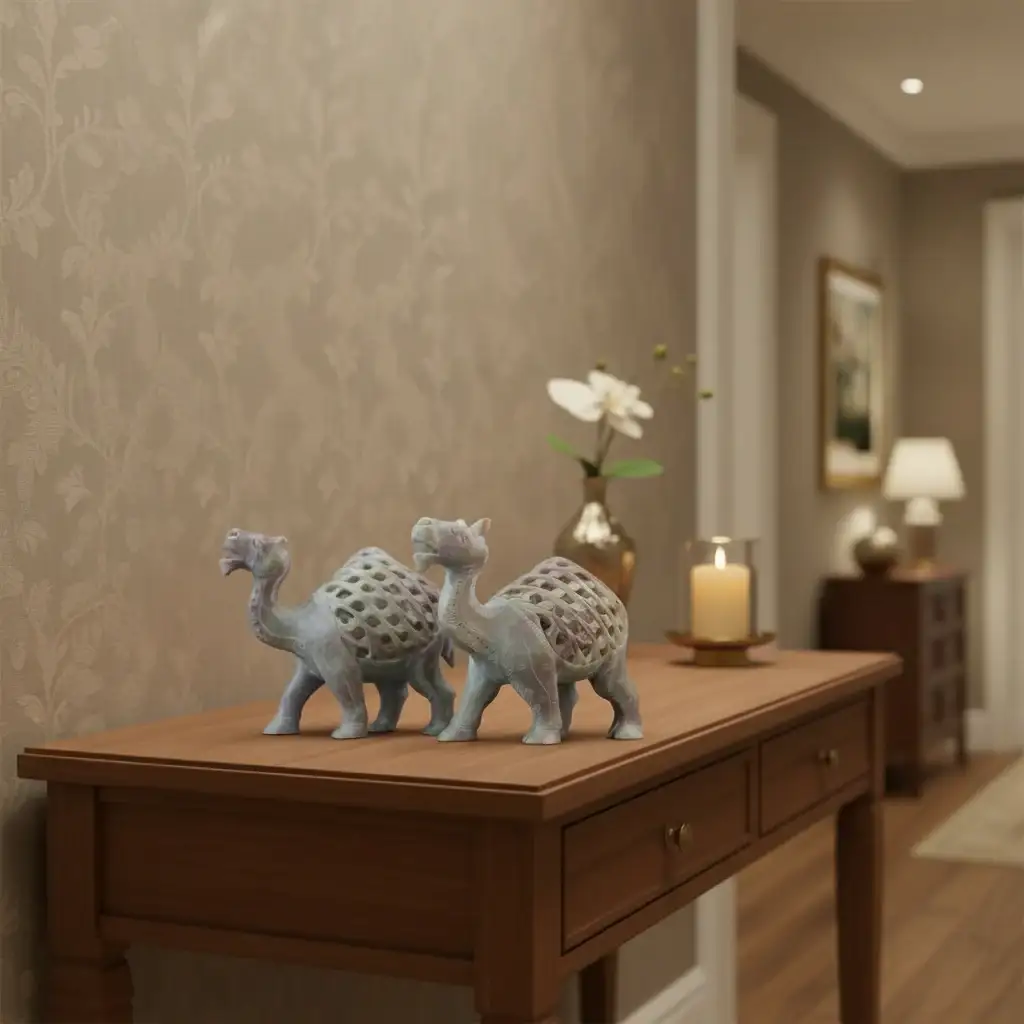
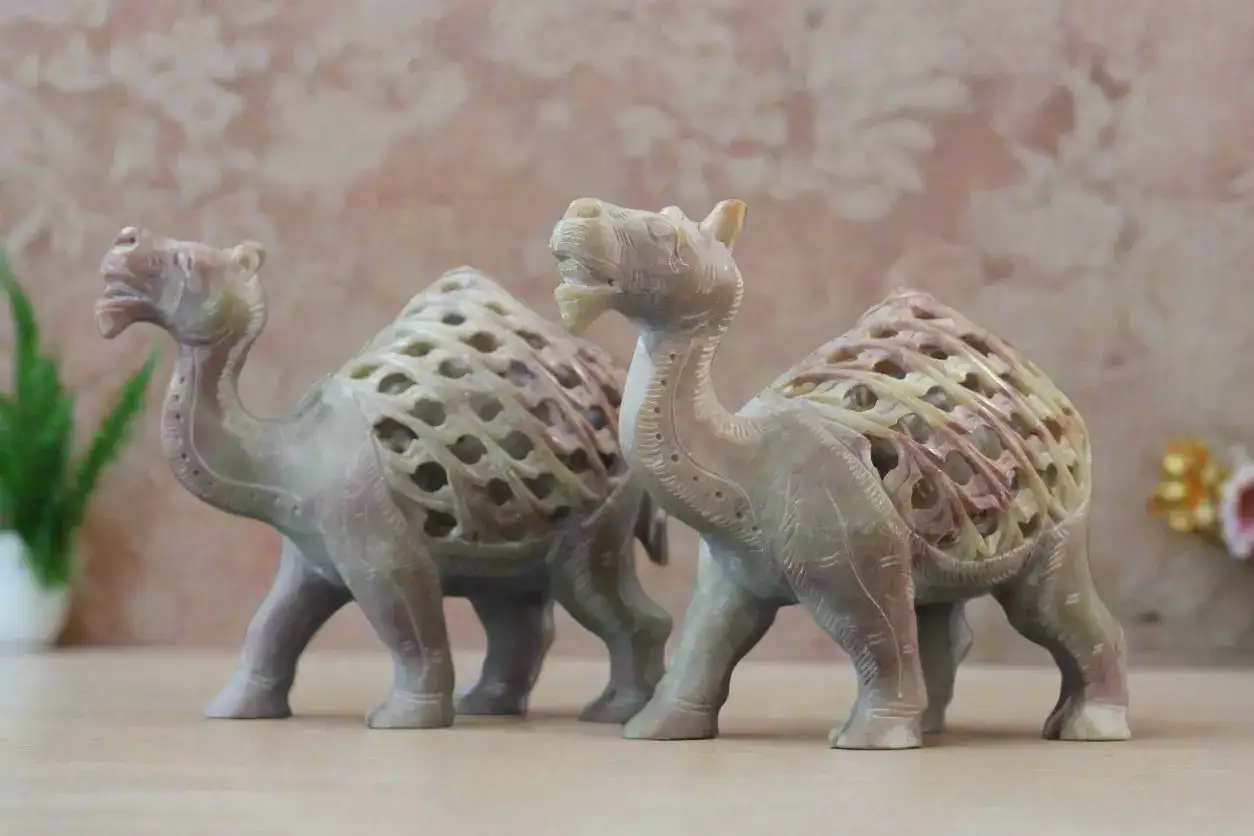
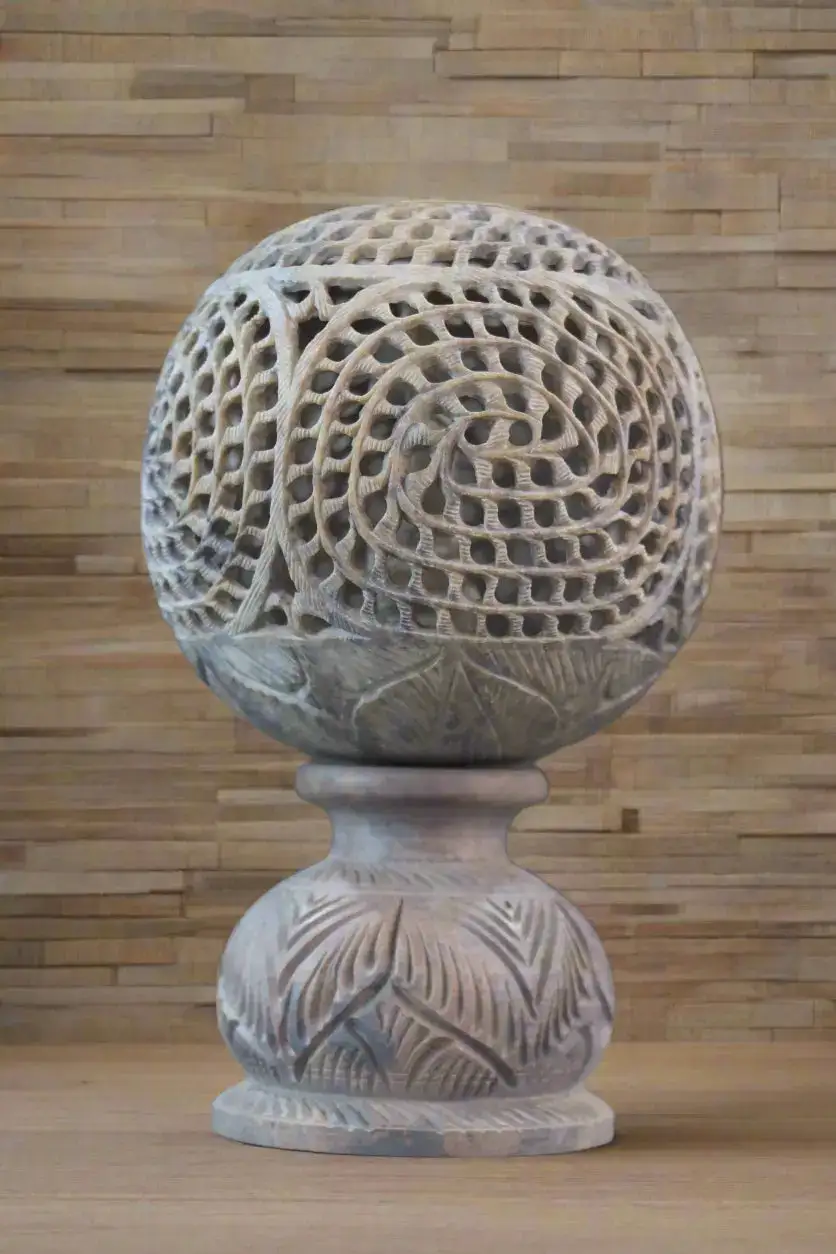
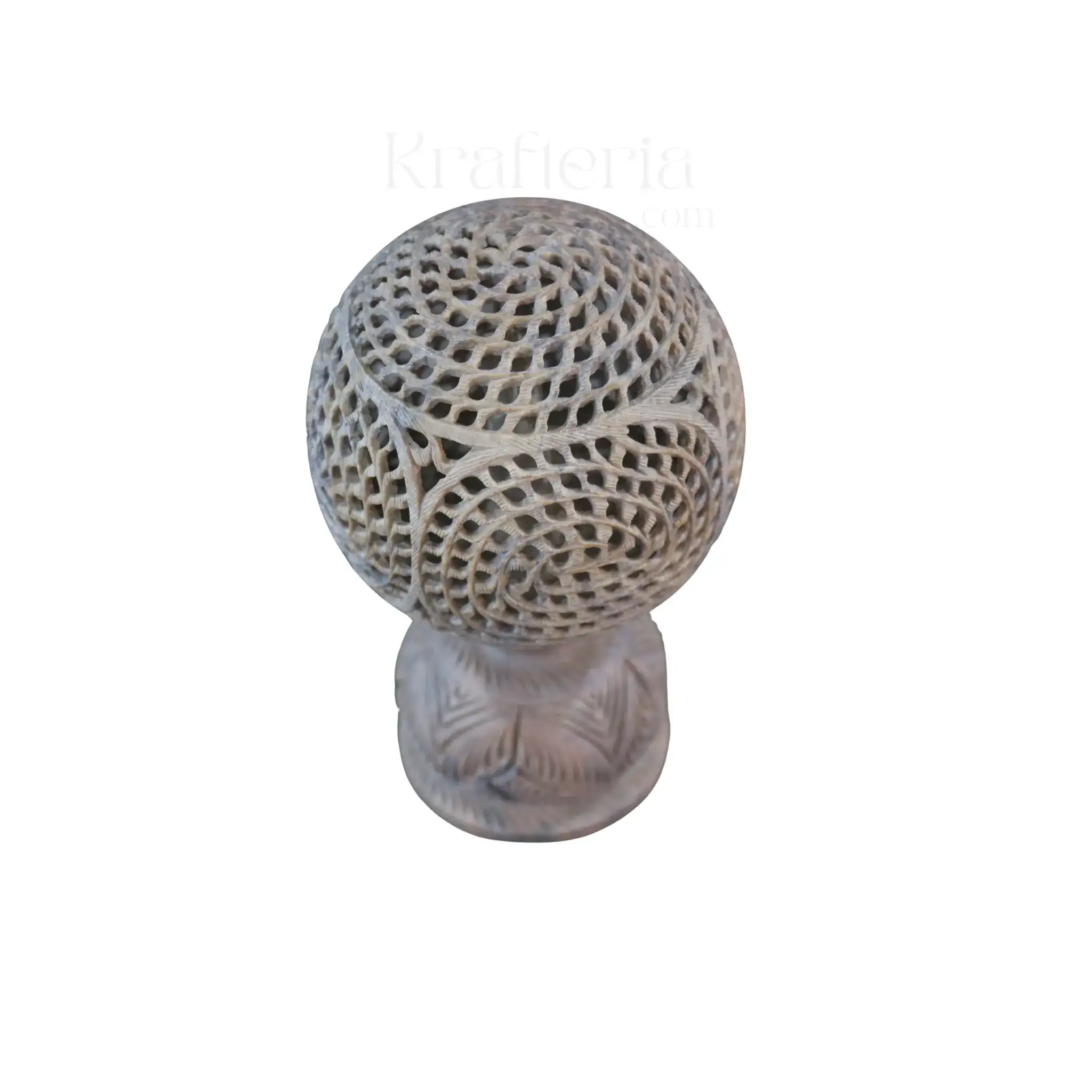
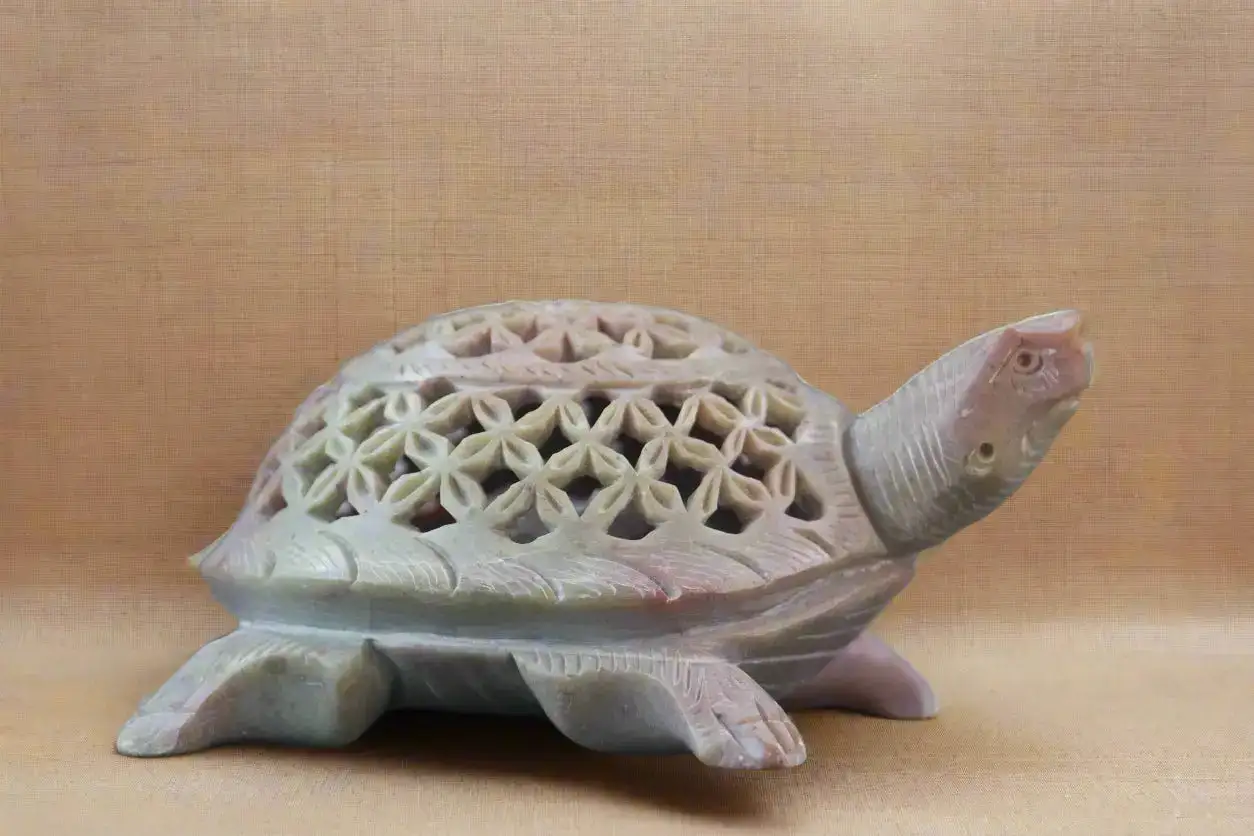
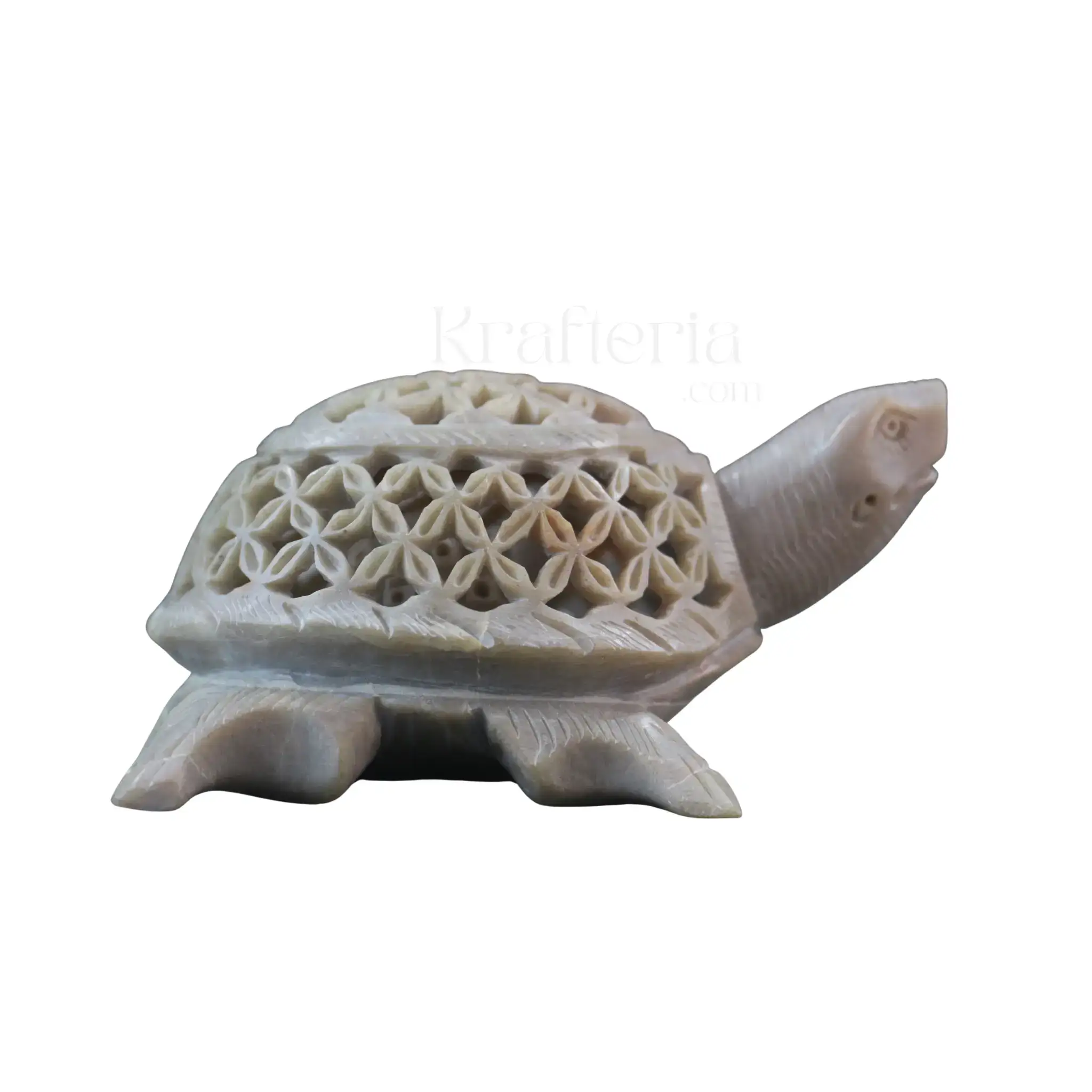
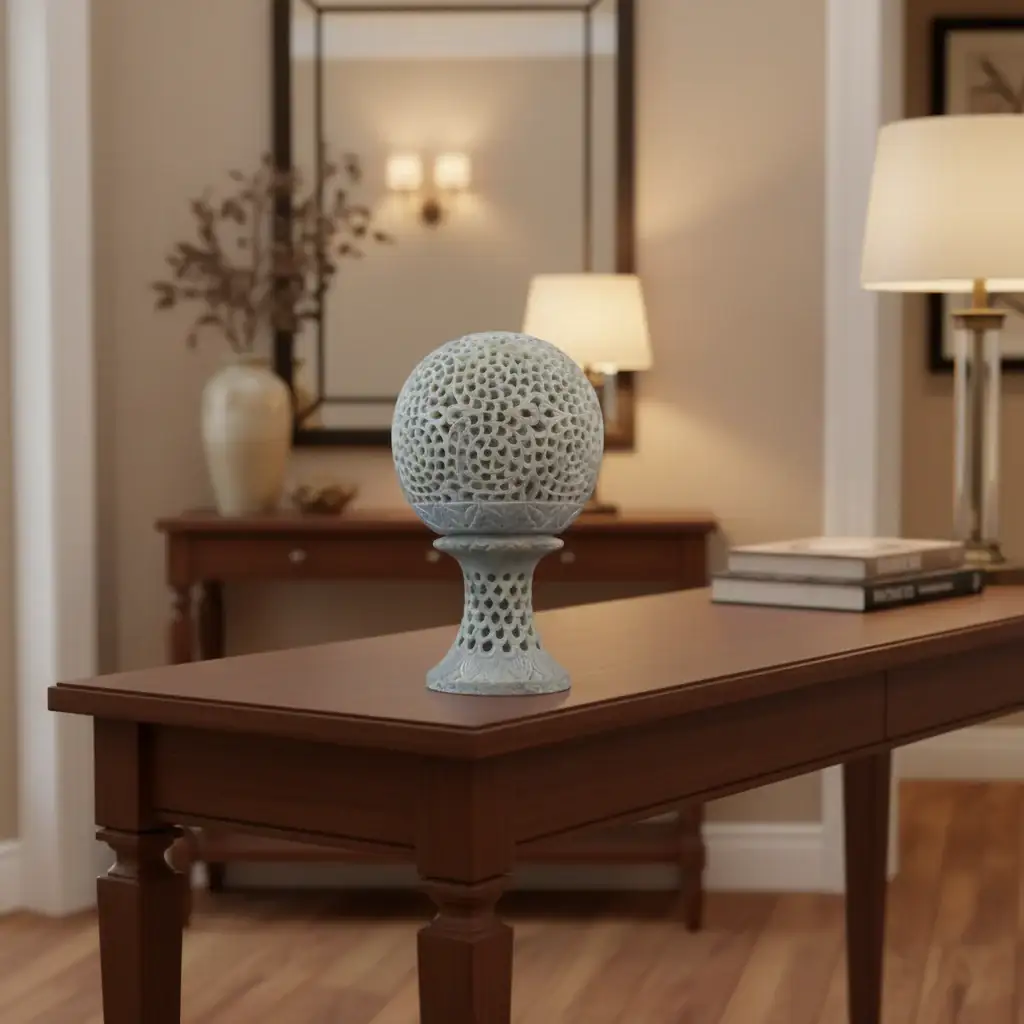
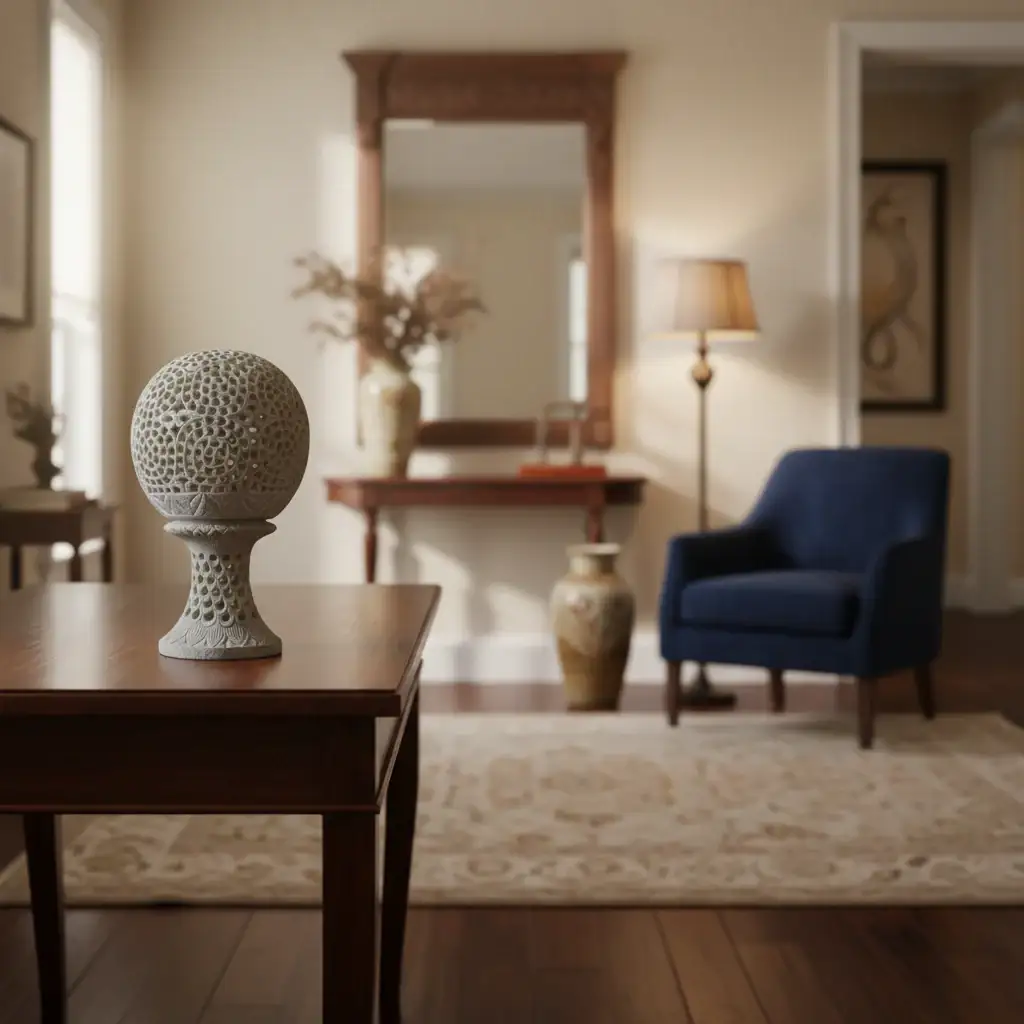
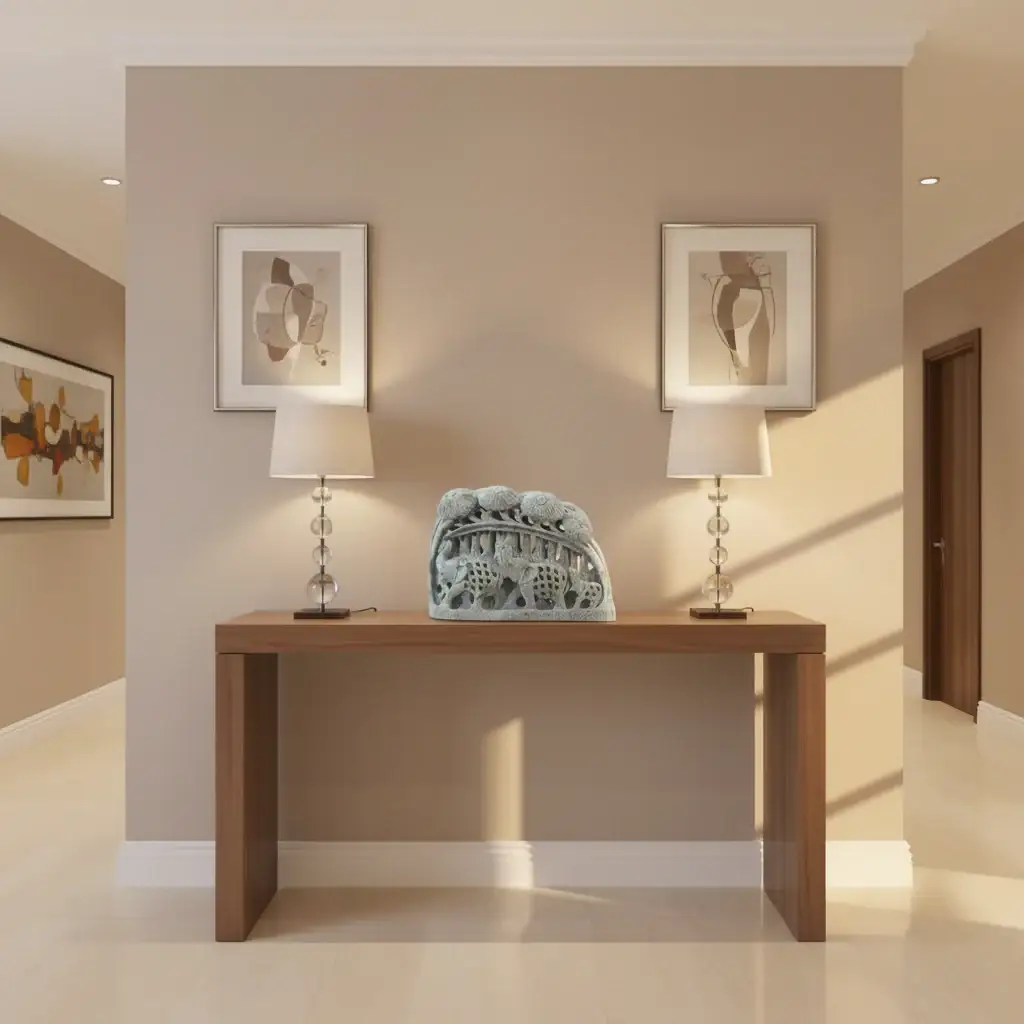
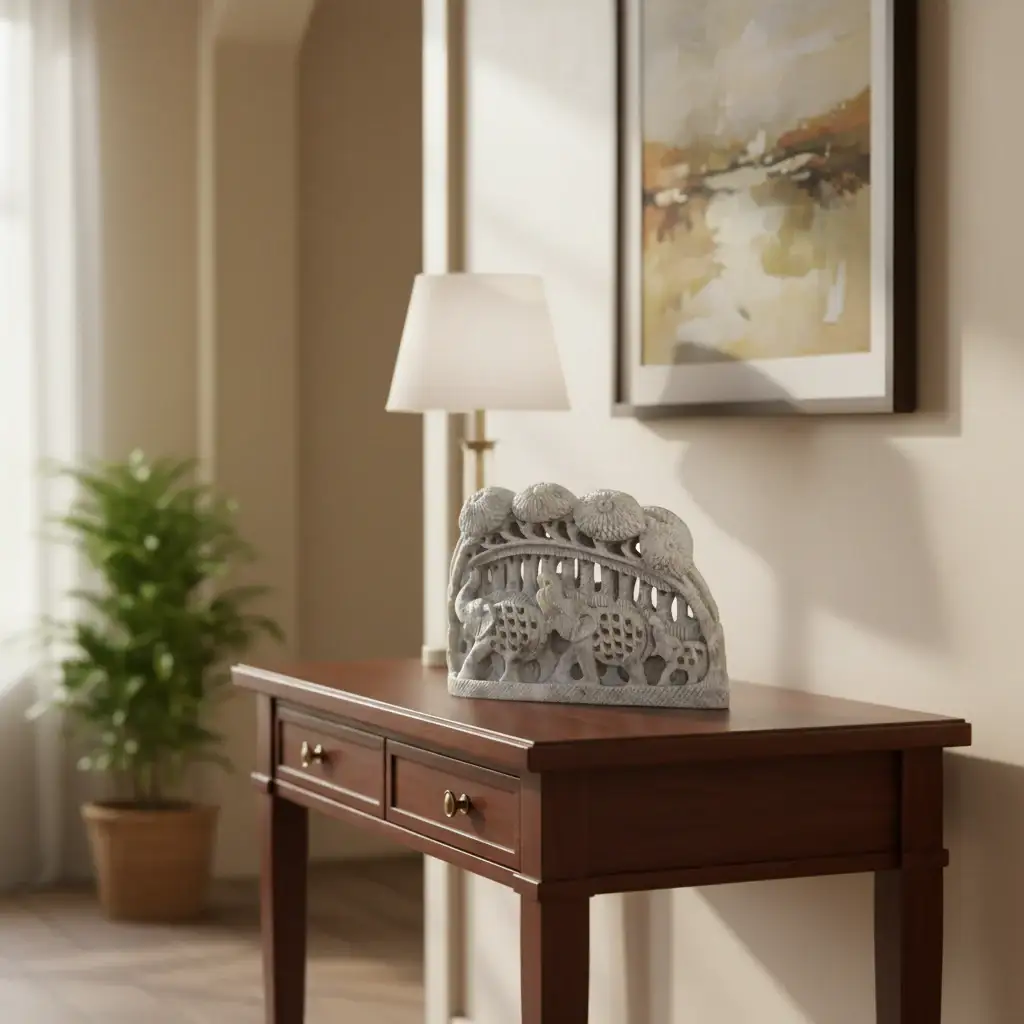
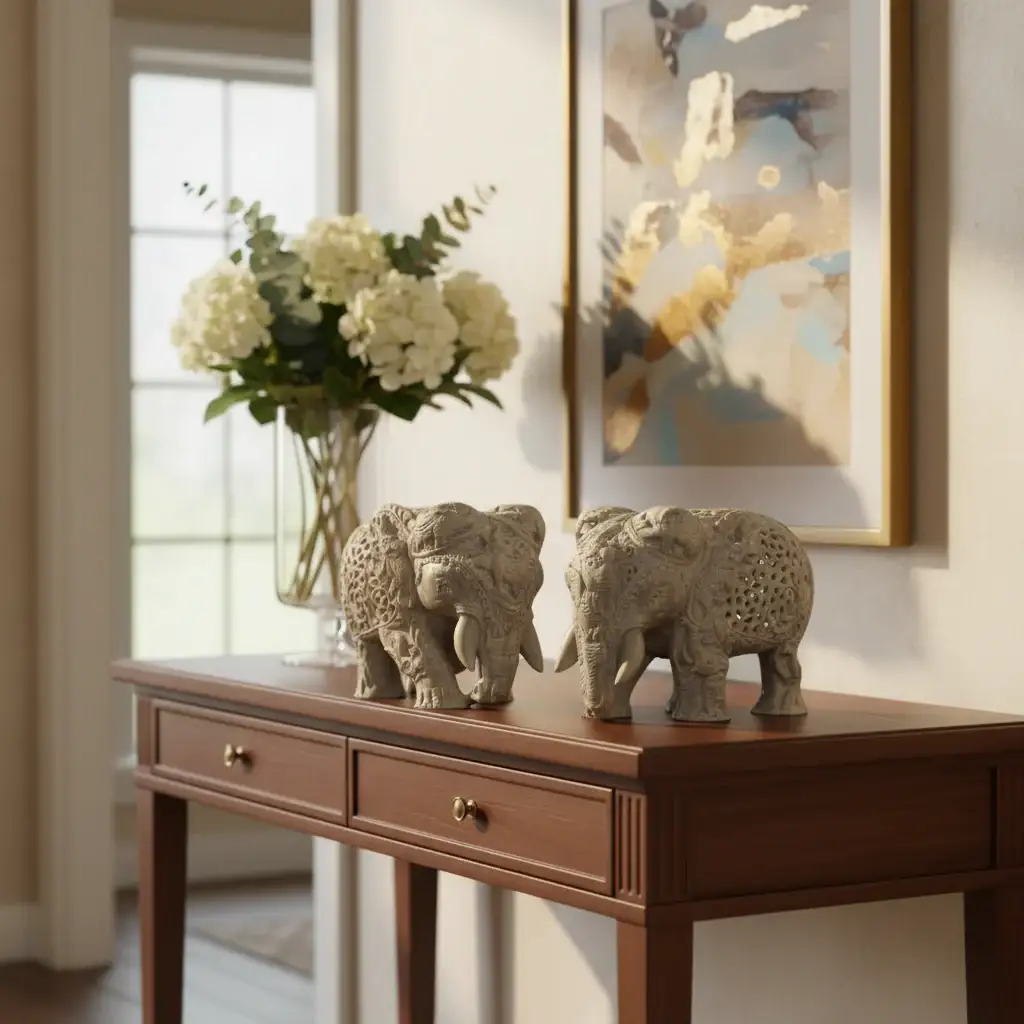
Discover the exquisite craftsmanship of the Elephants Idol Soft Stone, a pair of intricately carved elephants made from soft stone using traditional jali techniques. This artwork beautifully represents the rich heritage of Varanasi’s stone carving tradition. Each piece is hand-chiselled with precision, showcasing the detailed leaf pattern design that complements its elegant form.
The dimensions of this handcrafted pair are carefully balanced to fit various décor styles. With a width of 6 inches, a height of 3 inches, and a length of 4 inches, this set is perfect for display on shelves, tables, or altars. Their subtle gray color and intricate detailing bring a refined touch to any space.
Varanasi Jali Stone Art – The Essence of Timeless Craft
Varanasi Jali Stone Art is an ancient and timeless craft that originated in and around Varanasi, one of India’s oldest cities. This unique art form creates intricate stone latticeworks called “jali,” which serve both decorative and architectural functions. The tradition blends aesthetic beauty with craftsmanship embraced for centuries.
What is Jali Work?
The word “jali” is derived from the Sanskrit term “jalaka,” meaning net or lattice. This form of carving creates perforated screens featuring delicate geometric patterns, natural floral motifs, and sometimes calligraphy. These designs bring elegant transparency allowing light and air to pass.
The use of jali enhances interiors and regulates airflow and light in homes, temples, and palaces. Master artisans carve each piece carefully, ensuring symmetry and adding rhythm and harmony to the designs.
Historical Roots of Jali Stone Craft
Jali stone carving holds a prominent place in Indian architecture. It flourished during the Mughal and Rajput eras, merging Islamic geometric patterns with Hindu motifs. The fusion gave rise to a unique regional style.
In Varanasi, jali art evolved with Hindu iconography intertwined with Mughal-inspired geometry. This resulted in impressive stone artworks on temples, palaces, ghats, havelis, and mosques. These serve decorative and ventilating functions.
Features of the Elephants Idol Soft Stone Jali Stone Artwork
Material and Craftsmanship
- The Elephants Idol Soft Stone is primarily made from locally sourced soft materials such as sandstone or marble.
- Expert artisans hand-chisel the soft stone using traditional tools like chisels, hammers, and rasps.
- The labor-intensive process demands years of experience for perfect symmetry and fine detailing evident in each idol.
Designs and Aesthetic Appeal
The carvings include classic jali motifs with leaf patterns symbolizing nature and growth. Elements such as lotus flowers, peacocks, and sacred symbols decorate these artworks. The repetitive patterns create pleasing rhythm and balance.
Each elephant is not only decorative but also a work of art with rich cultural symbolism. The soft texture and latticework enhance the visual and tactile experience.
Purpose and Functionality of Jali Stone Elephants
Beyond their beauty, these carved elephants serve functional roles. The jali patterns diffuse natural light, creating calming shadows and ambient illumination. They also provide ventilation while maintaining privacy.
The design cools air passing through the stone mesh, making these idols both practical and decorative. Their presence adds elegance and connects to India’s rich stone art heritage.
Techniques and Artisanal Skill
Creating the Elephants Idol Soft Stone requires exceptional skill in delicate hand carving. Artisans use chisels, hammers, and rasps to patiently chip away at the material. Maintaining the lattice design demands precision to preserve symmetry.
This craftsmanship is deeply rooted in tradition, passed down through generations in Varanasi. Each handmade pair is unique, reflecting the artisan’s dedication to their craft.
In summary, the Soft Stone is a stunning example of Indian jali art. It combines traditional motifs, skilled craftsmanship, and cultural symbolism into a remarkable soft stone sculpture. Perfect for collectors and those who appreciate authentic heritage décor, these idols bring a timeless charm to any setting.
Original: $64.54
-70%$64.54
$19.36Product Information
Product Information
Shipping & Returns
Shipping & Returns
Description
Discover the exquisite craftsmanship of the Elephants Idol Soft Stone, a pair of intricately carved elephants made from soft stone using traditional jali techniques. This artwork beautifully represents the rich heritage of Varanasi’s stone carving tradition. Each piece is hand-chiselled with precision, showcasing the detailed leaf pattern design that complements its elegant form.
The dimensions of this handcrafted pair are carefully balanced to fit various décor styles. With a width of 6 inches, a height of 3 inches, and a length of 4 inches, this set is perfect for display on shelves, tables, or altars. Their subtle gray color and intricate detailing bring a refined touch to any space.
Varanasi Jali Stone Art – The Essence of Timeless Craft
Varanasi Jali Stone Art is an ancient and timeless craft that originated in and around Varanasi, one of India’s oldest cities. This unique art form creates intricate stone latticeworks called “jali,” which serve both decorative and architectural functions. The tradition blends aesthetic beauty with craftsmanship embraced for centuries.
What is Jali Work?
The word “jali” is derived from the Sanskrit term “jalaka,” meaning net or lattice. This form of carving creates perforated screens featuring delicate geometric patterns, natural floral motifs, and sometimes calligraphy. These designs bring elegant transparency allowing light and air to pass.
The use of jali enhances interiors and regulates airflow and light in homes, temples, and palaces. Master artisans carve each piece carefully, ensuring symmetry and adding rhythm and harmony to the designs.
Historical Roots of Jali Stone Craft
Jali stone carving holds a prominent place in Indian architecture. It flourished during the Mughal and Rajput eras, merging Islamic geometric patterns with Hindu motifs. The fusion gave rise to a unique regional style.
In Varanasi, jali art evolved with Hindu iconography intertwined with Mughal-inspired geometry. This resulted in impressive stone artworks on temples, palaces, ghats, havelis, and mosques. These serve decorative and ventilating functions.
Features of the Elephants Idol Soft Stone Jali Stone Artwork
Material and Craftsmanship
- The Elephants Idol Soft Stone is primarily made from locally sourced soft materials such as sandstone or marble.
- Expert artisans hand-chisel the soft stone using traditional tools like chisels, hammers, and rasps.
- The labor-intensive process demands years of experience for perfect symmetry and fine detailing evident in each idol.
Designs and Aesthetic Appeal
The carvings include classic jali motifs with leaf patterns symbolizing nature and growth. Elements such as lotus flowers, peacocks, and sacred symbols decorate these artworks. The repetitive patterns create pleasing rhythm and balance.
Each elephant is not only decorative but also a work of art with rich cultural symbolism. The soft texture and latticework enhance the visual and tactile experience.
Purpose and Functionality of Jali Stone Elephants
Beyond their beauty, these carved elephants serve functional roles. The jali patterns diffuse natural light, creating calming shadows and ambient illumination. They also provide ventilation while maintaining privacy.
The design cools air passing through the stone mesh, making these idols both practical and decorative. Their presence adds elegance and connects to India’s rich stone art heritage.
Techniques and Artisanal Skill
Creating the Elephants Idol Soft Stone requires exceptional skill in delicate hand carving. Artisans use chisels, hammers, and rasps to patiently chip away at the material. Maintaining the lattice design demands precision to preserve symmetry.
This craftsmanship is deeply rooted in tradition, passed down through generations in Varanasi. Each handmade pair is unique, reflecting the artisan’s dedication to their craft.
In summary, the Soft Stone is a stunning example of Indian jali art. It combines traditional motifs, skilled craftsmanship, and cultural symbolism into a remarkable soft stone sculpture. Perfect for collectors and those who appreciate authentic heritage décor, these idols bring a timeless charm to any setting.