Pichwai Kamadhenu Blessings Painting
Pichwai Kamadhenu Blessings Painting: A Timeless Spiritual Art Form
The Pichwai Kamadhenu painting is a remarkable example of traditional Indian art. Originating from Nathdwara, Rajasthan, this style dates back to the 17th century. The name “Pichwai” derives from Sanskrit, meaning ‘back hanging’, describing cloth paintings hung behind Lord Shrinathji’s idol in temples. These detailed artworks are more than just paintings; they hold deep devotional and religious significance.
The rich history of Pichwai paintings is intertwined with Hindu devotional practices. They depict episodes from Lord Krishna’s life, especially his childhood as Shrinathji. These paintings are treasured not only for their beauty but also for their sacred symbolism. The artistry and spirituality blend together to create a unique cultural heritage celebrated worldwide.
Dimensions and Physical Attributes
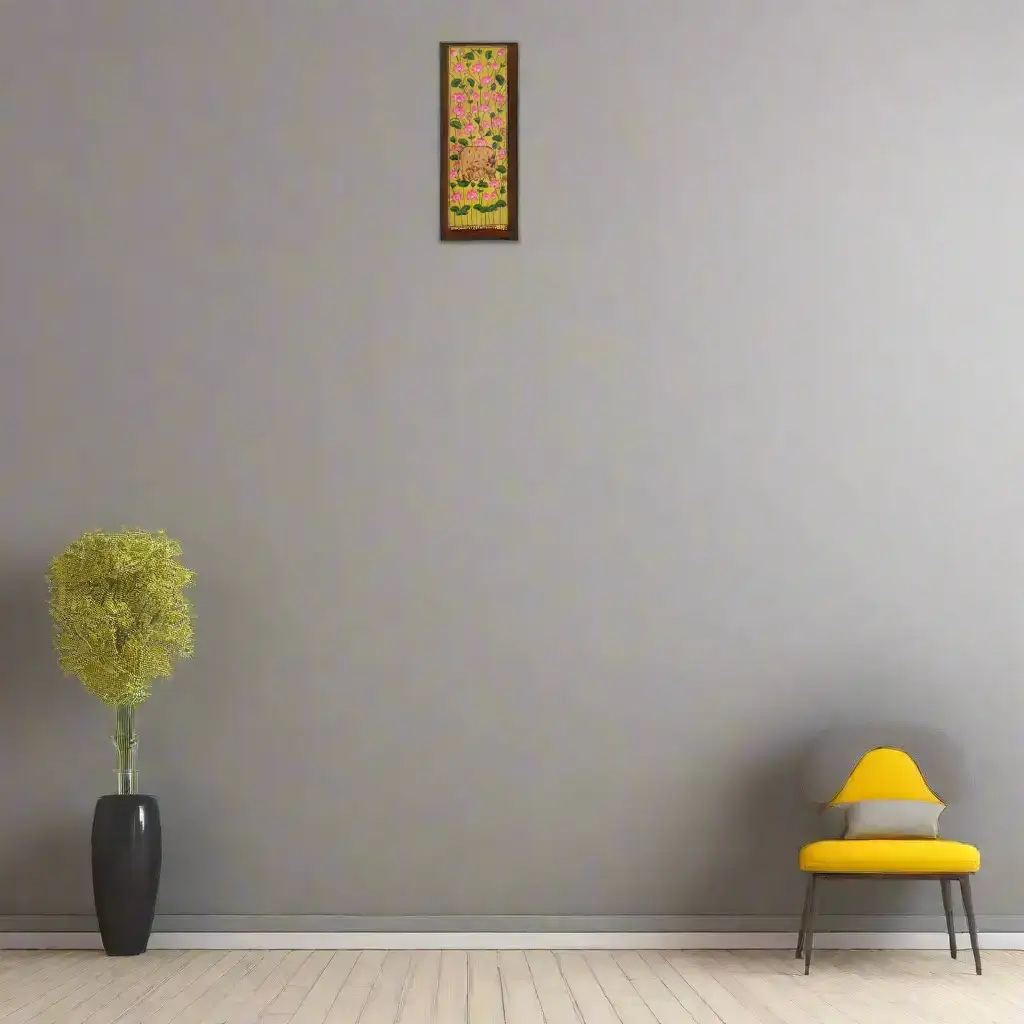
This specific Pichwai Kamadhenu painting measures 21.5 inches in height and 7 inches in width. Despite its modest size, the artwork captures intricate details and vivid colors. Crafted on a handwoven cotton base, this piece exemplifies the traditional techniques used by master artisans. The natural dyes and pigments, including gold and silver, enhance the vibrancy and longevity of the painting.
The Themes Behind the Pichwai Kamadhenu Painting
Pichwai paintings are deeply connected to the Pushtimarg sect, an important branch of Hindu devotional worship. The themes prominently feature religious festivals such as Janmashtami, Annakut, Holi, Sharad Purnima, and Raslila. These colorful celebrations come alive within the brush strokes, symbolizing devotion and joy.
The artwork often illustrates Lord Krishna engaging with cows, gopis, or lifting the Govardhan hill. These representations honor Krishna’s divine playfulness and his vital role in Hindu beliefs. Floral motifs, especially lush lotuses, peacocks, and seasonal elements, frequently adorn the paintings, adding layers of meaning and beauty.
Craftsmanship and Artistic Collaboration
Traditional Pichwai paintings require the combined efforts of multiple skilled artisans. Each artist focuses on a specific task, such as sketching, coloring, or ornamentation. The meticulous brushwork and use of mineral and natural dyes demand patience and expertise. The collaborative nature of this art form ensures that each painting is a masterpiece that faithfully preserves the legacy of Pichwai art.
This collective process results in a piece that is both spiritually rich and visually captivating. The Kamadhenu cow Pichwai artwork often features the divine cow Kamadhenu, symbolizing abundance and blessings. This enhances the painting’s cultural depth and adds to its appeal as a sacred artifact and collectible piece.
Significance of the Kamadhenu in Pichwai Art
The divine Kamadhenu cow holds a special place in Hindu tradition. Revered as the “wish-fulfilling cow,” Kamadhenu embodies prosperity, nourishment, and spiritual blessings. The cow’s presence in the Pichwai painting connects the artwork with these powerful themes of abundance and divine grace.
In Krishna Kamadhenu Pichwai art, Kamadhenu is often portrayed alongside Lord Krishna, reinforcing their spiritual bond. This depiction imbues the painting with symbolism that resonates with devotees. Collectors and spiritual art lovers find deep meaning in the connection between Kamadhenu and Krishna as portrayed in these paintings.
Geographical Indication and Contemporary Revival
The art form boasts a prestigious Geographical Indication (GI) tag—Nathdwara Pichhwai Painting (GI No. 748). This certification authenticates the artwork’s cultural and regional specificity. It also protects the uniqueness of these paintings as a heritage of Rajasthan.
Despite modern changes, the Pichwai tradition remains vibrant. Contemporary artists continue to practice and innovate within this style while respecting its ancient roots. The ongoing revival ensures the survival and global appreciation of this sacred art form.
Why Choose This Kamadhenu Painting?
This Kamadhenu painting is a perfect blend of tradition and devotion. Its exquisite detailing and spiritual symbolism make it an ideal artwork for meditation spaces, offices, or homes. The use of natural pigments and fine brushwork demonstrate the commitment to preserving traditional techniques.
Beyond its aesthetics, the painting radiates a sense of calm and prosperity. Whether you are a collector or someone seeking spiritual connection, this artwork offers both artistic and emotional value. The timeless beauty of this painting makes it a worthy addition to any sacred or artistic collection.
Product Information
Product Information
Shipping & Returns
Shipping & Returns
Description
Pichwai Kamadhenu Blessings Painting: A Timeless Spiritual Art Form
The Pichwai Kamadhenu painting is a remarkable example of traditional Indian art. Originating from Nathdwara, Rajasthan, this style dates back to the 17th century. The name “Pichwai” derives from Sanskrit, meaning ‘back hanging’, describing cloth paintings hung behind Lord Shrinathji’s idol in temples. These detailed artworks are more than just paintings; they hold deep devotional and religious significance.
The rich history of Pichwai paintings is intertwined with Hindu devotional practices. They depict episodes from Lord Krishna’s life, especially his childhood as Shrinathji. These paintings are treasured not only for their beauty but also for their sacred symbolism. The artistry and spirituality blend together to create a unique cultural heritage celebrated worldwide.
Dimensions and Physical Attributes
This specific Pichwai Kamadhenu painting measures 21.5 inches in height and 7 inches in width. Despite its modest size, the artwork captures intricate details and vivid colors. Crafted on a handwoven cotton base, this piece exemplifies the traditional techniques used by master artisans. The natural dyes and pigments, including gold and silver, enhance the vibrancy and longevity of the painting.
The Themes Behind the Pichwai Kamadhenu Painting
Pichwai paintings are deeply connected to the Pushtimarg sect, an important branch of Hindu devotional worship. The themes prominently feature religious festivals such as Janmashtami, Annakut, Holi, Sharad Purnima, and Raslila. These colorful celebrations come alive within the brush strokes, symbolizing devotion and joy.
The artwork often illustrates Lord Krishna engaging with cows, gopis, or lifting the Govardhan hill. These representations honor Krishna’s divine playfulness and his vital role in Hindu beliefs. Floral motifs, especially lush lotuses, peacocks, and seasonal elements, frequently adorn the paintings, adding layers of meaning and beauty.
Craftsmanship and Artistic Collaboration
Traditional Pichwai paintings require the combined efforts of multiple skilled artisans. Each artist focuses on a specific task, such as sketching, coloring, or ornamentation. The meticulous brushwork and use of mineral and natural dyes demand patience and expertise. The collaborative nature of this art form ensures that each painting is a masterpiece that faithfully preserves the legacy of Pichwai art.
This collective process results in a piece that is both spiritually rich and visually captivating. The Kamadhenu cow Pichwai artwork often features the divine cow Kamadhenu, symbolizing abundance and blessings. This enhances the painting’s cultural depth and adds to its appeal as a sacred artifact and collectible piece.
Significance of the Kamadhenu in Pichwai Art
The divine Kamadhenu cow holds a special place in Hindu tradition. Revered as the “wish-fulfilling cow,” Kamadhenu embodies prosperity, nourishment, and spiritual blessings. The cow’s presence in the Pichwai painting connects the artwork with these powerful themes of abundance and divine grace.
In Krishna Kamadhenu Pichwai art, Kamadhenu is often portrayed alongside Lord Krishna, reinforcing their spiritual bond. This depiction imbues the painting with symbolism that resonates with devotees. Collectors and spiritual art lovers find deep meaning in the connection between Kamadhenu and Krishna as portrayed in these paintings.
Geographical Indication and Contemporary Revival
The art form boasts a prestigious Geographical Indication (GI) tag—Nathdwara Pichhwai Painting (GI No. 748). This certification authenticates the artwork’s cultural and regional specificity. It also protects the uniqueness of these paintings as a heritage of Rajasthan.
Despite modern changes, the Pichwai tradition remains vibrant. Contemporary artists continue to practice and innovate within this style while respecting its ancient roots. The ongoing revival ensures the survival and global appreciation of this sacred art form.
Why Choose This Kamadhenu Painting?
This Kamadhenu painting is a perfect blend of tradition and devotion. Its exquisite detailing and spiritual symbolism make it an ideal artwork for meditation spaces, offices, or homes. The use of natural pigments and fine brushwork demonstrate the commitment to preserving traditional techniques.
Beyond its aesthetics, the painting radiates a sense of calm and prosperity. Whether you are a collector or someone seeking spiritual connection, this artwork offers both artistic and emotional value. The timeless beauty of this painting makes it a worthy addition to any sacred or artistic collection.