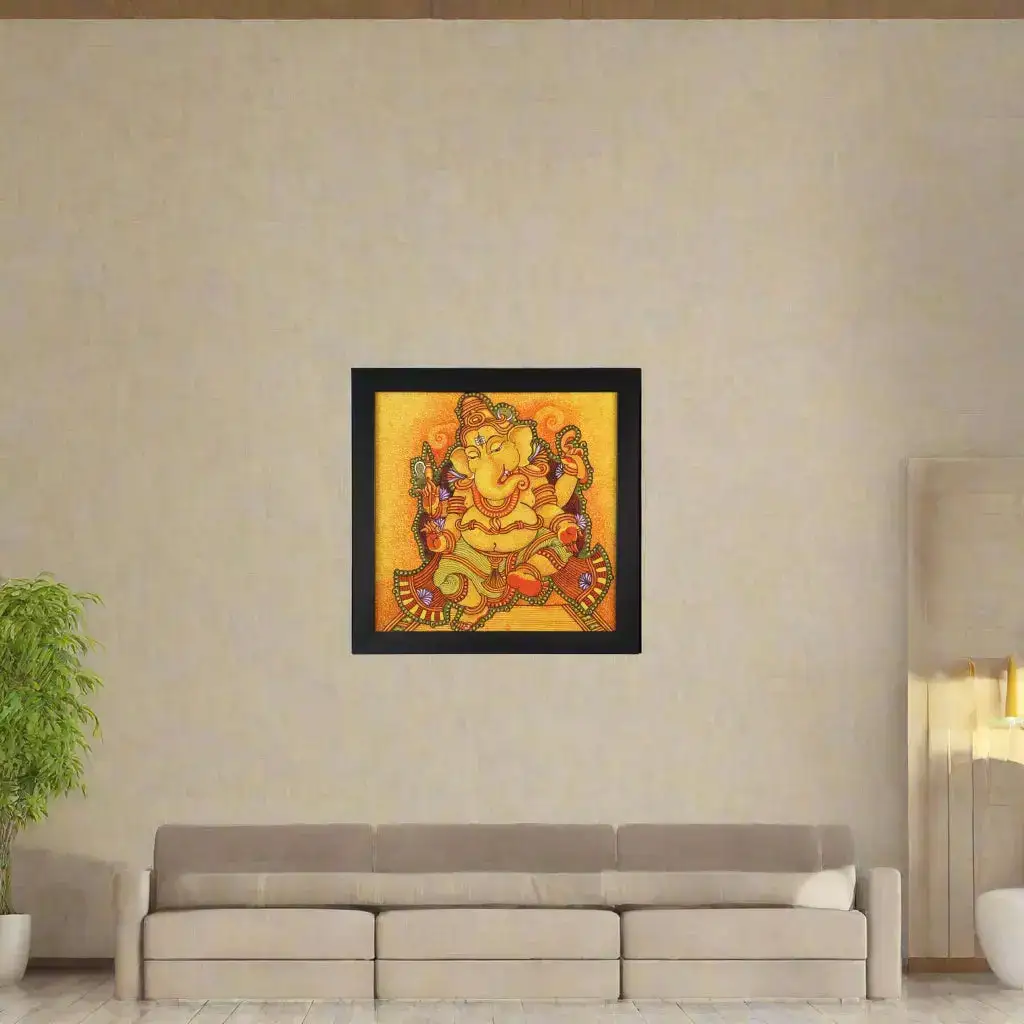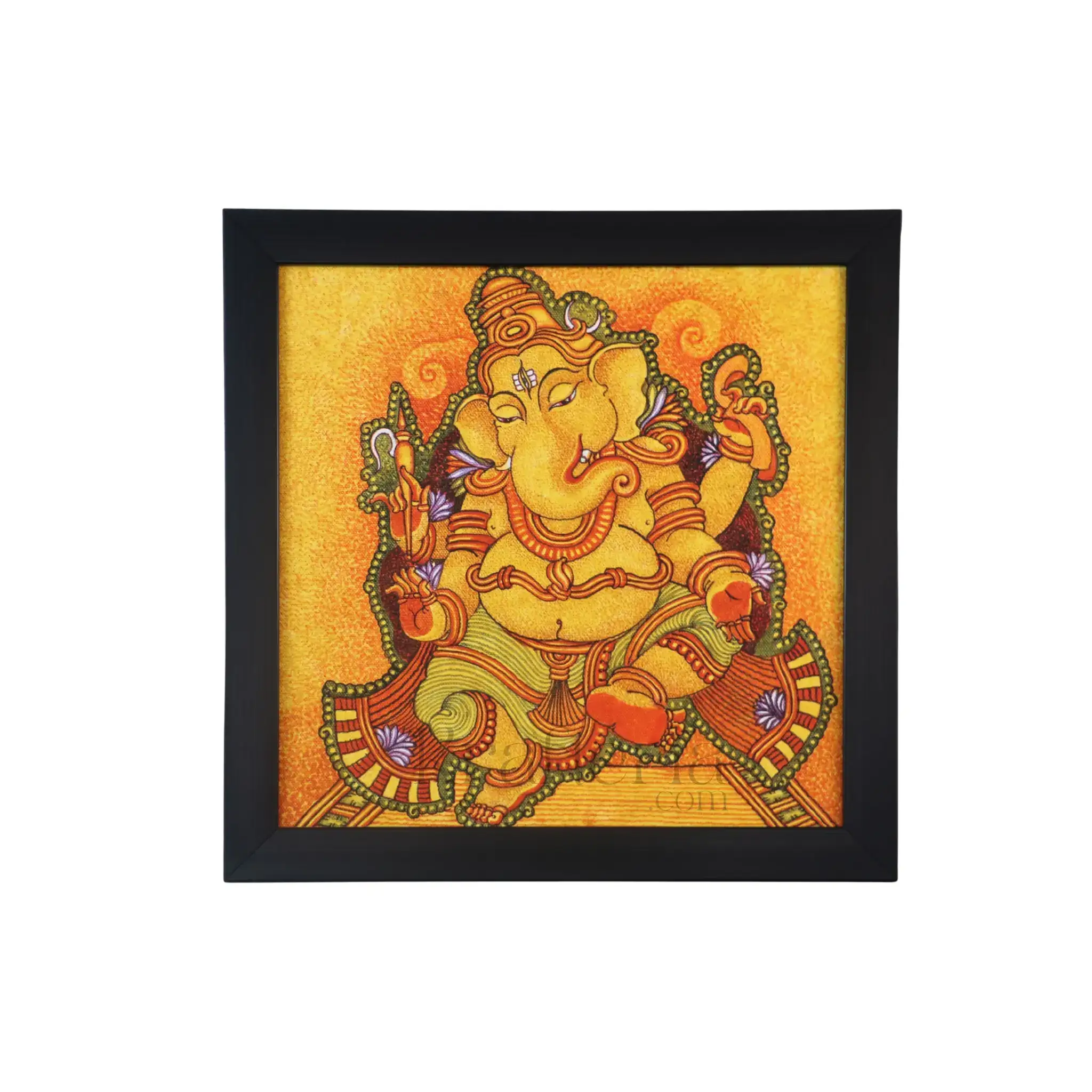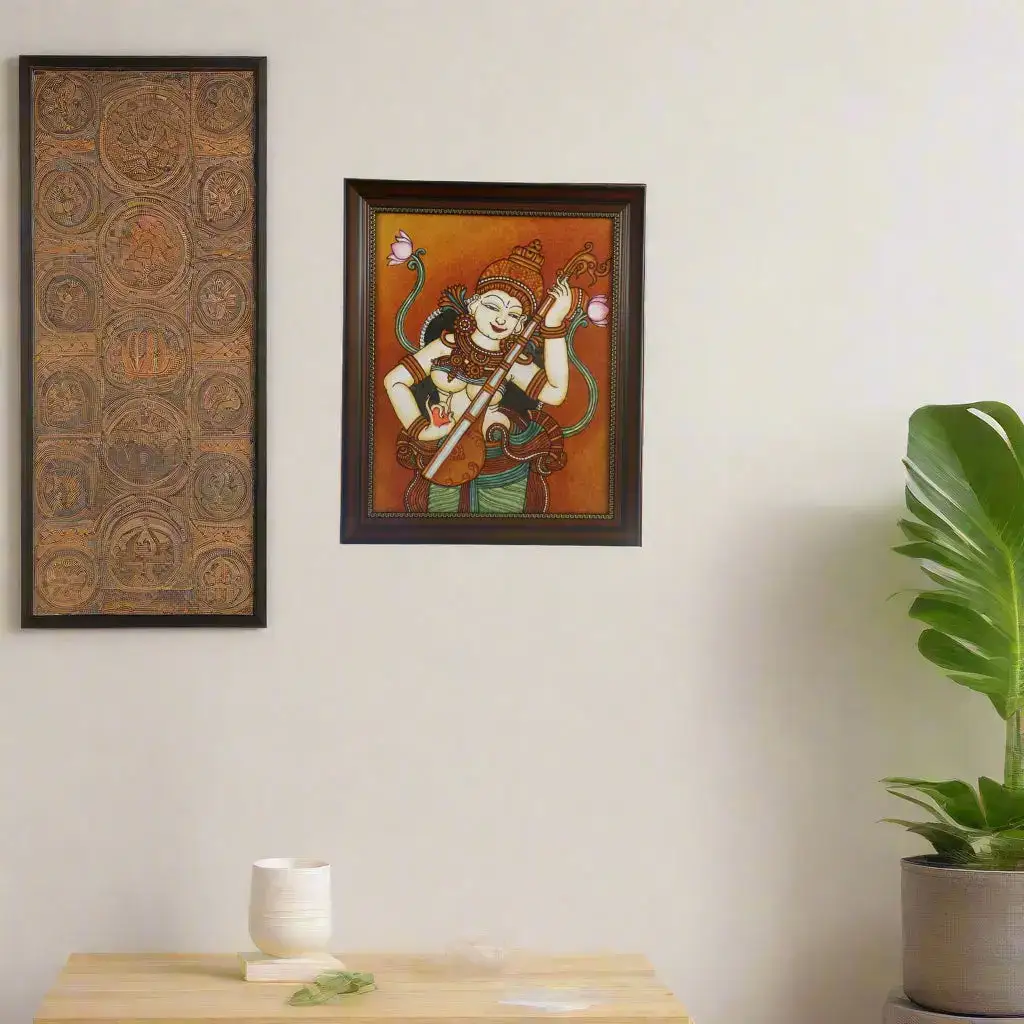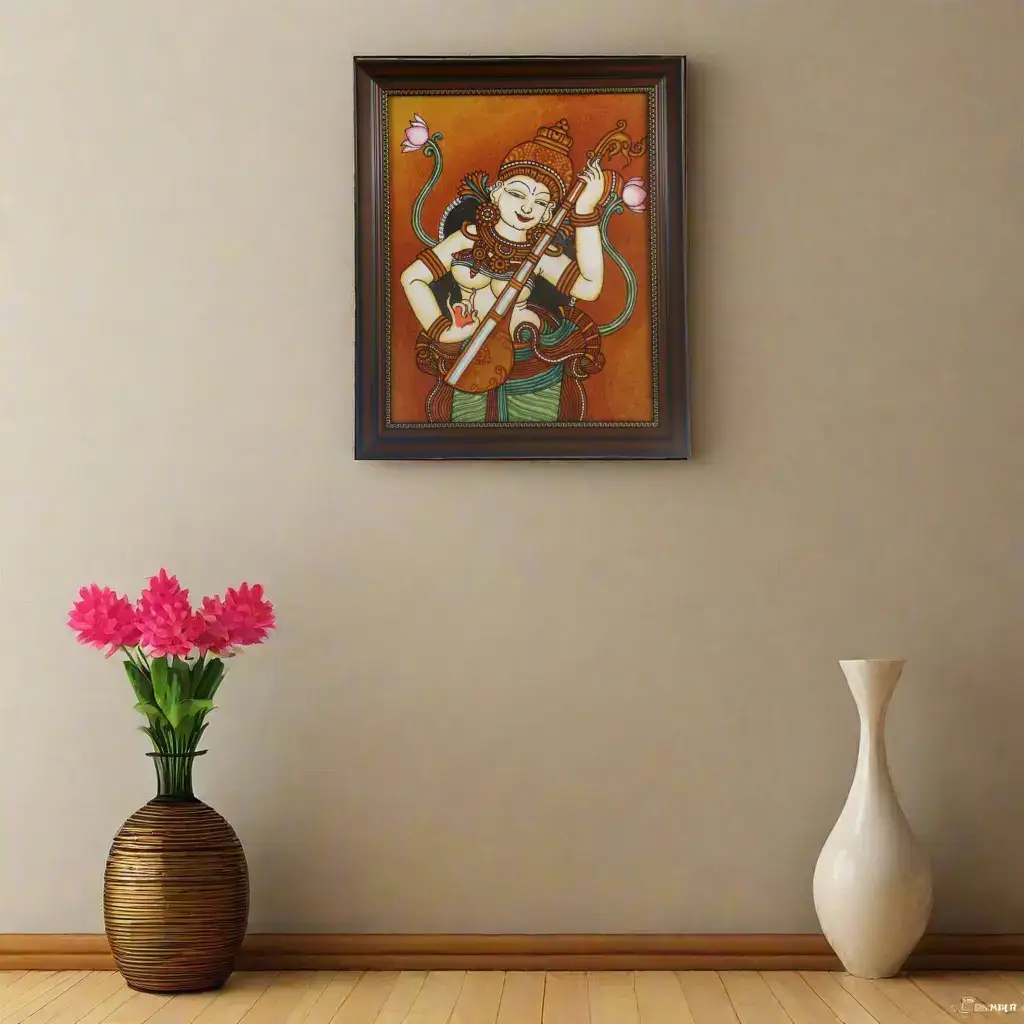
Shree Krishna in Kerala Mural Style – Spiritual Wall Art
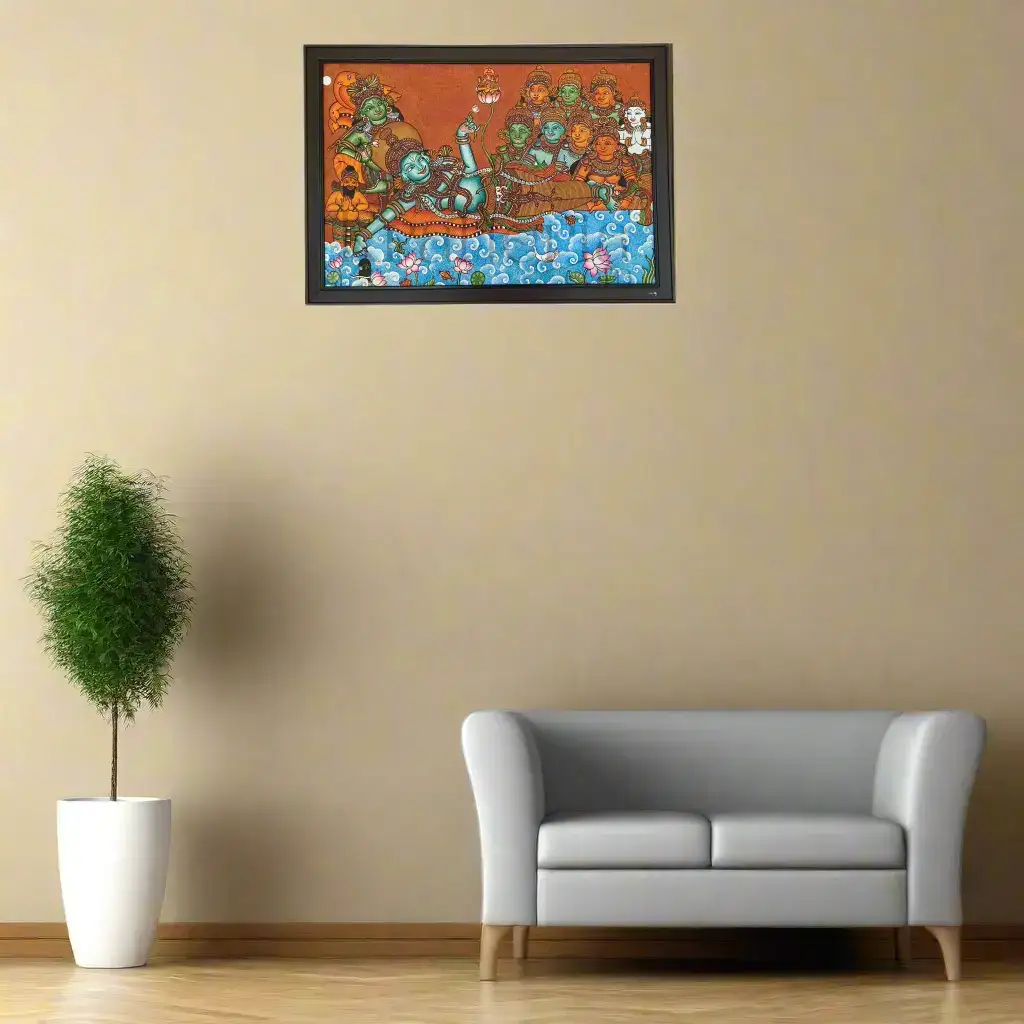
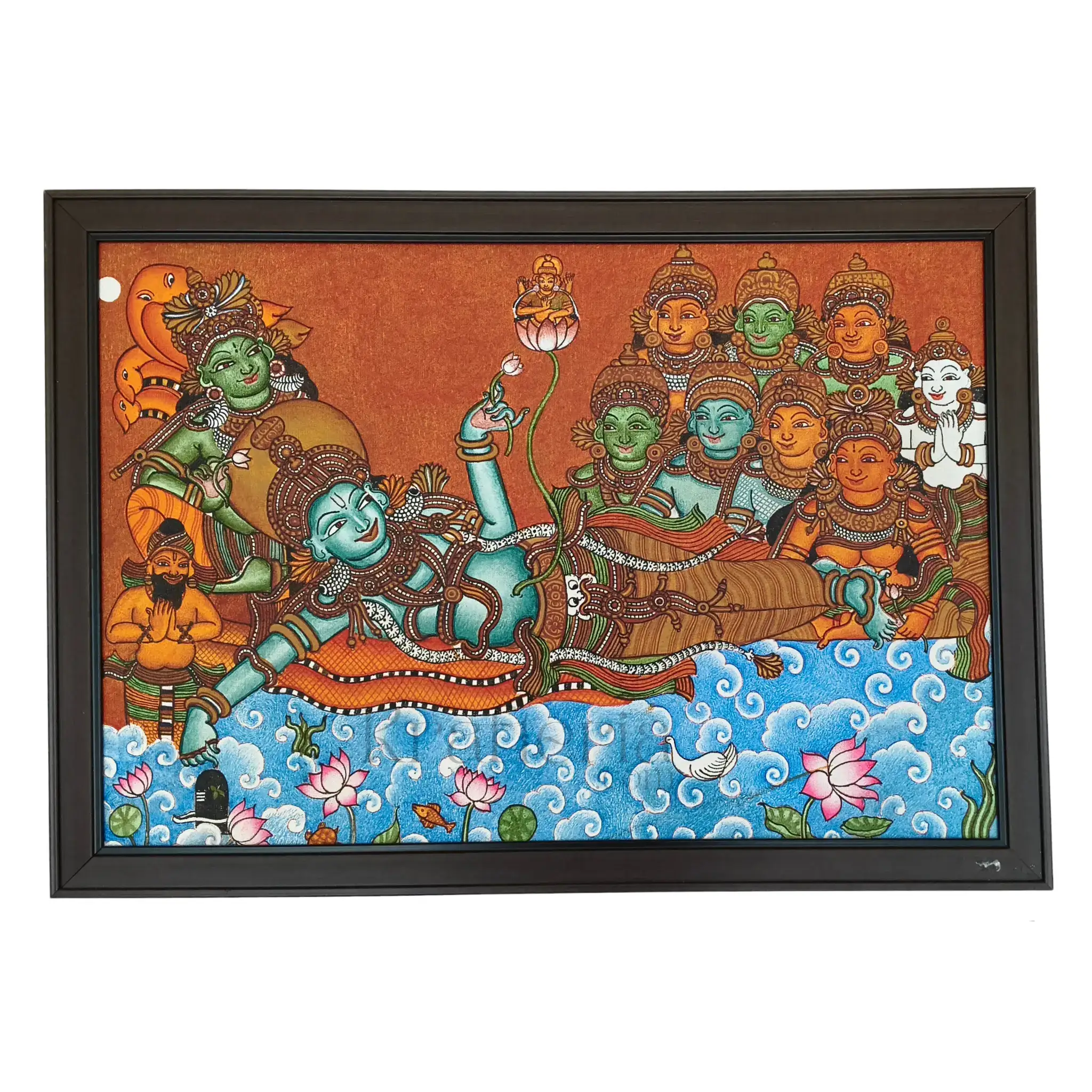
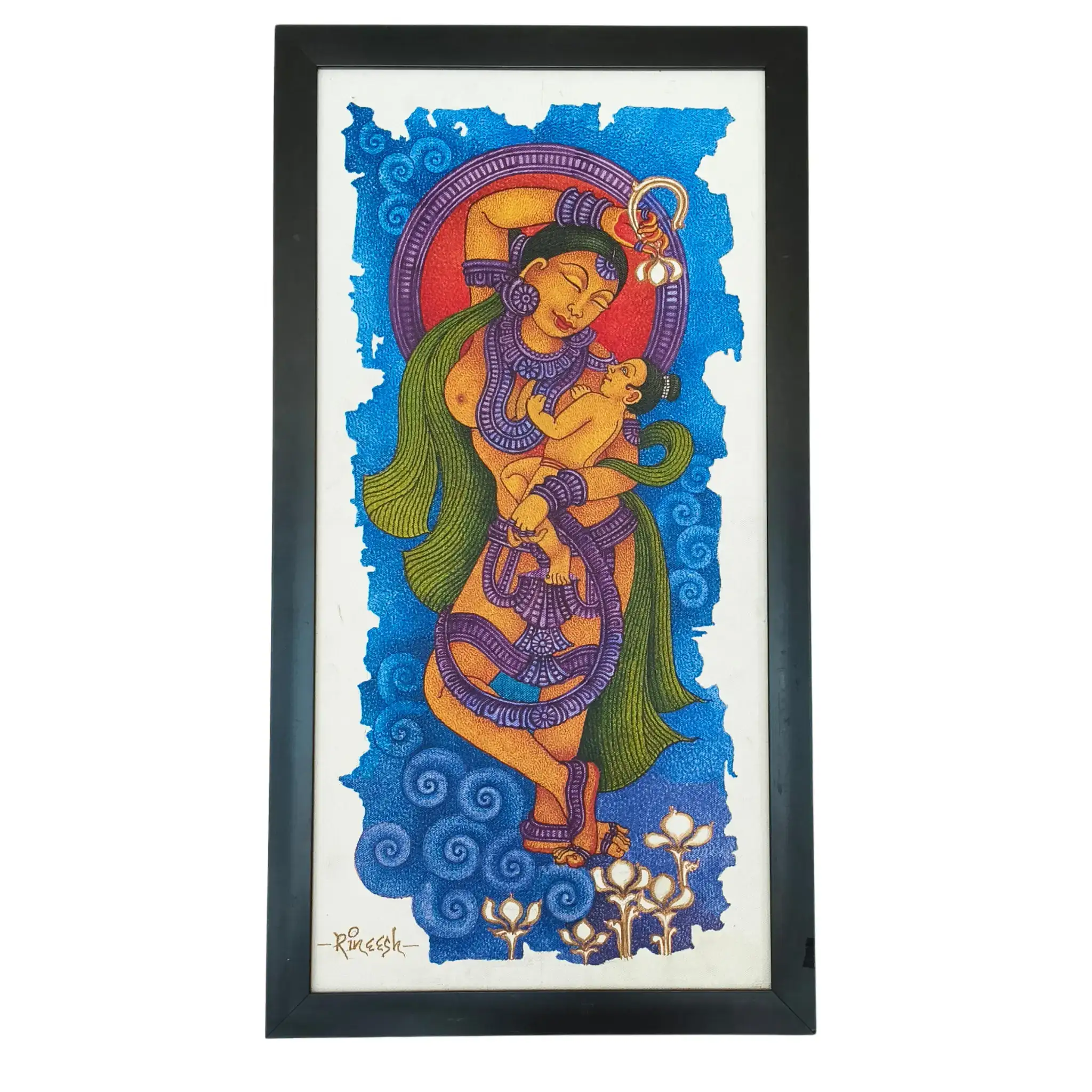
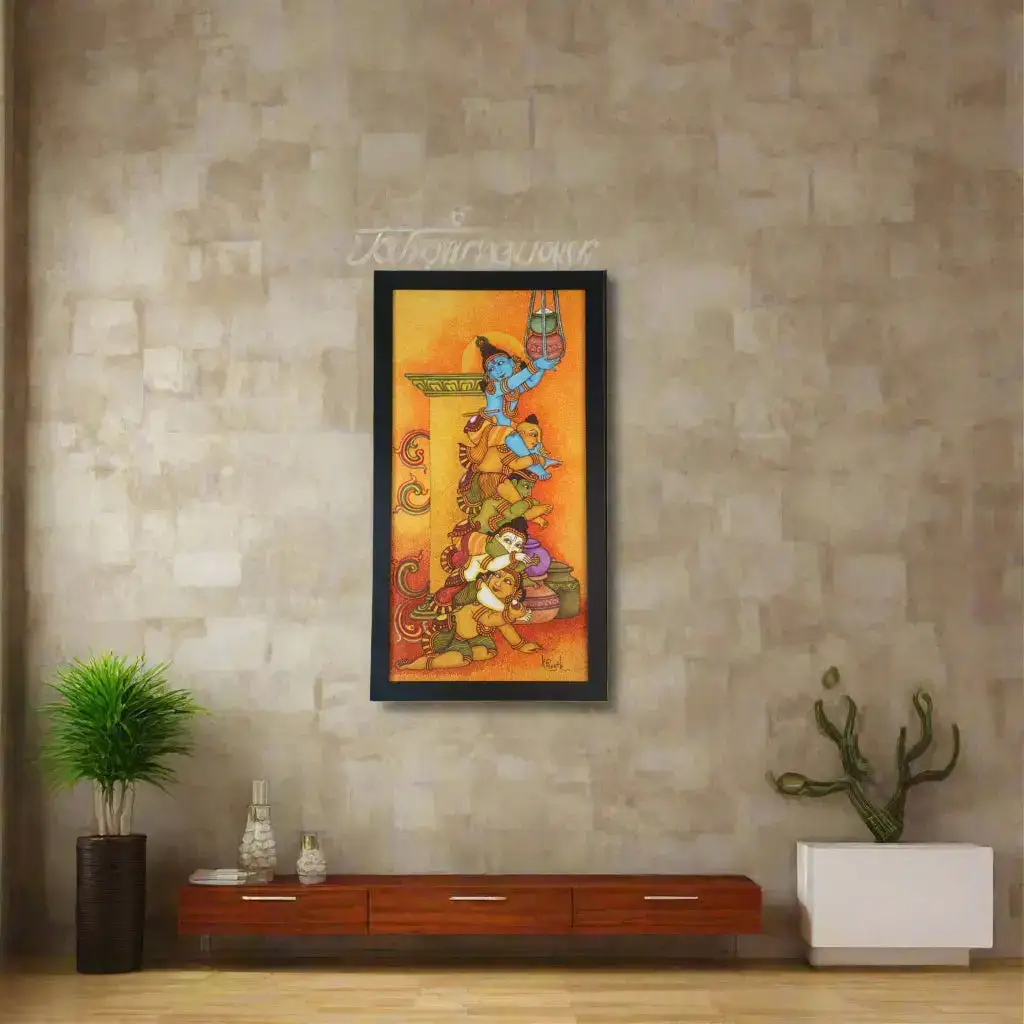
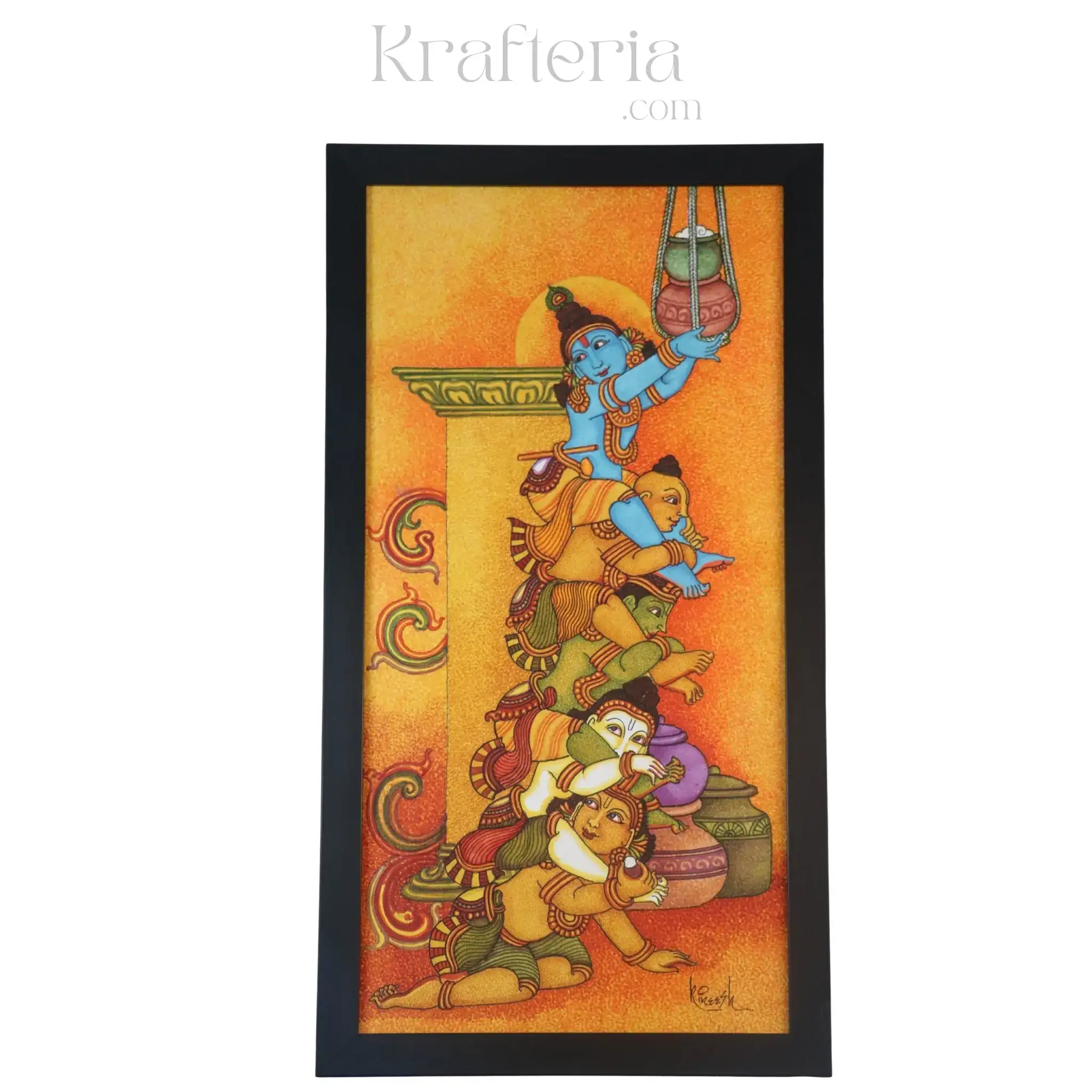
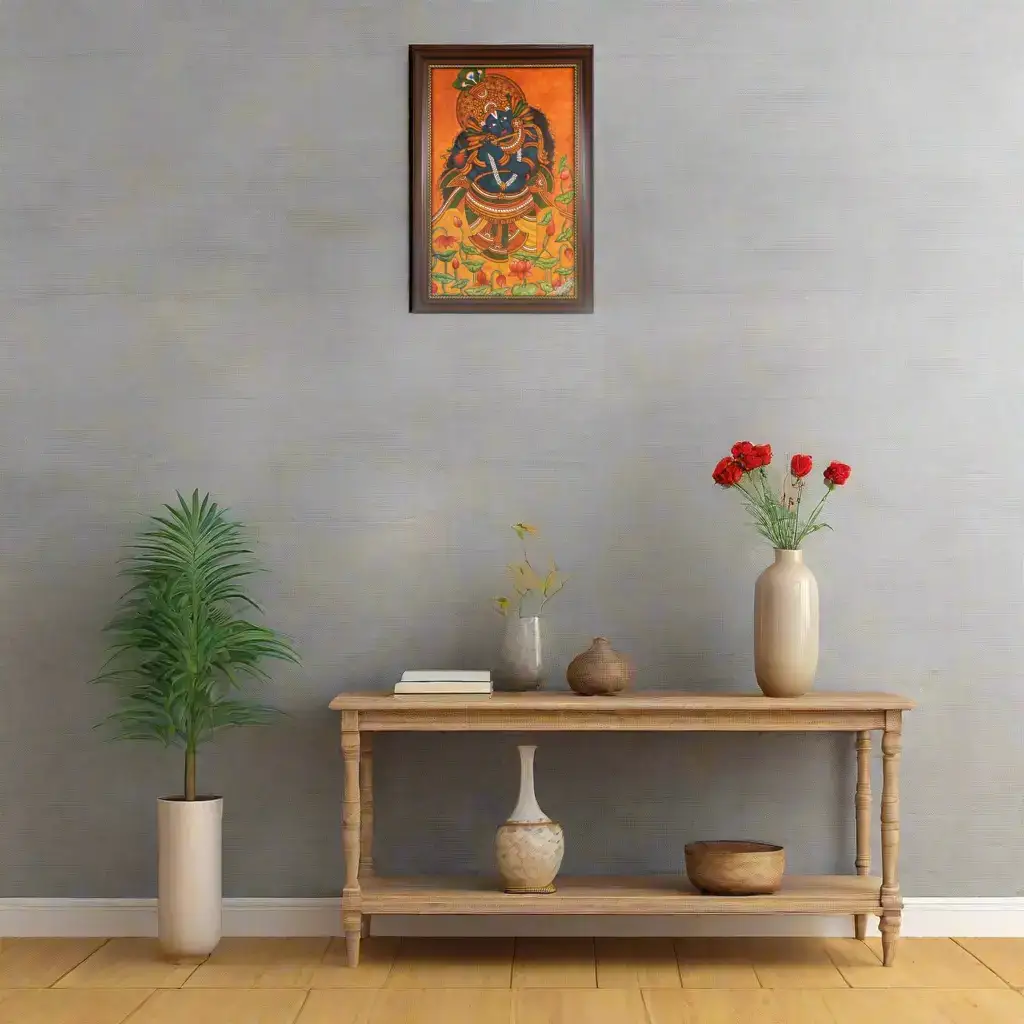
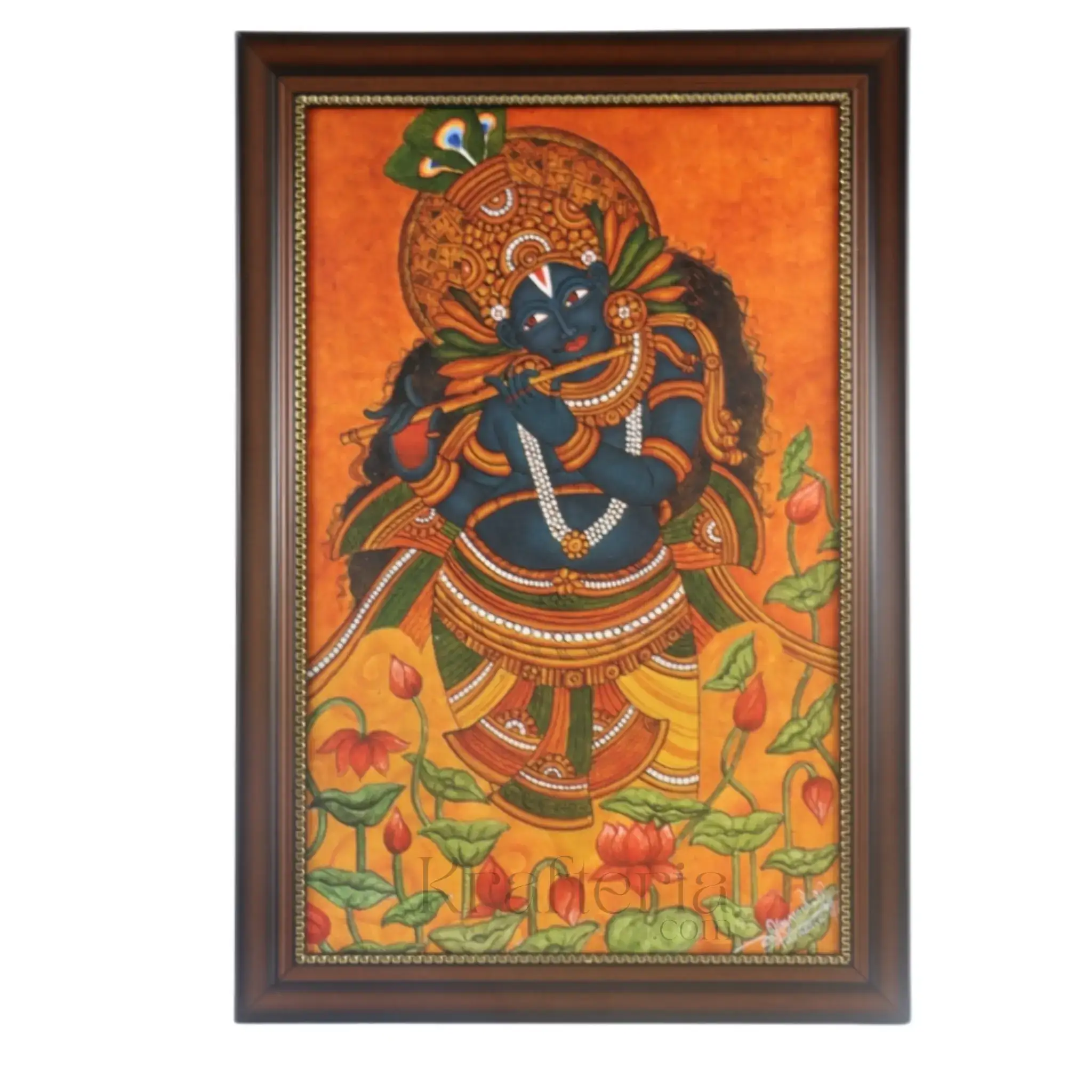
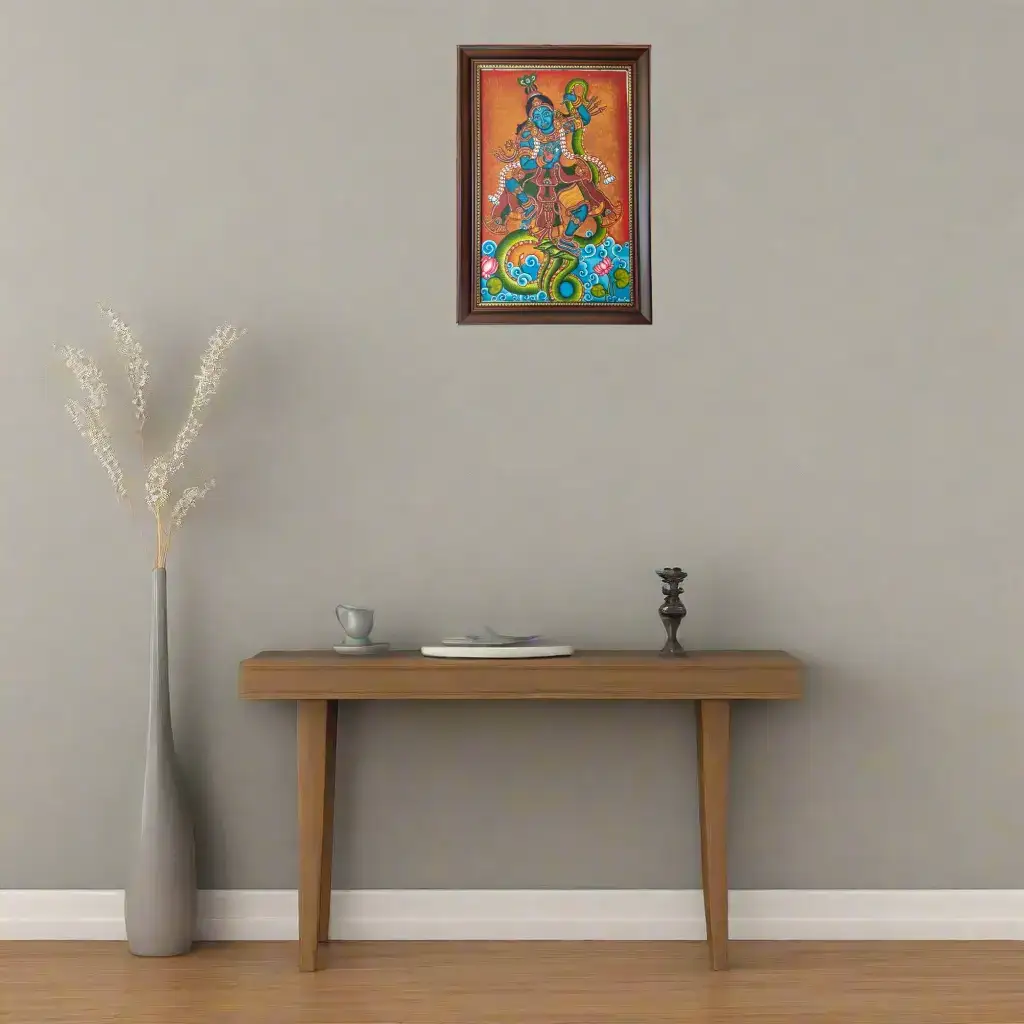
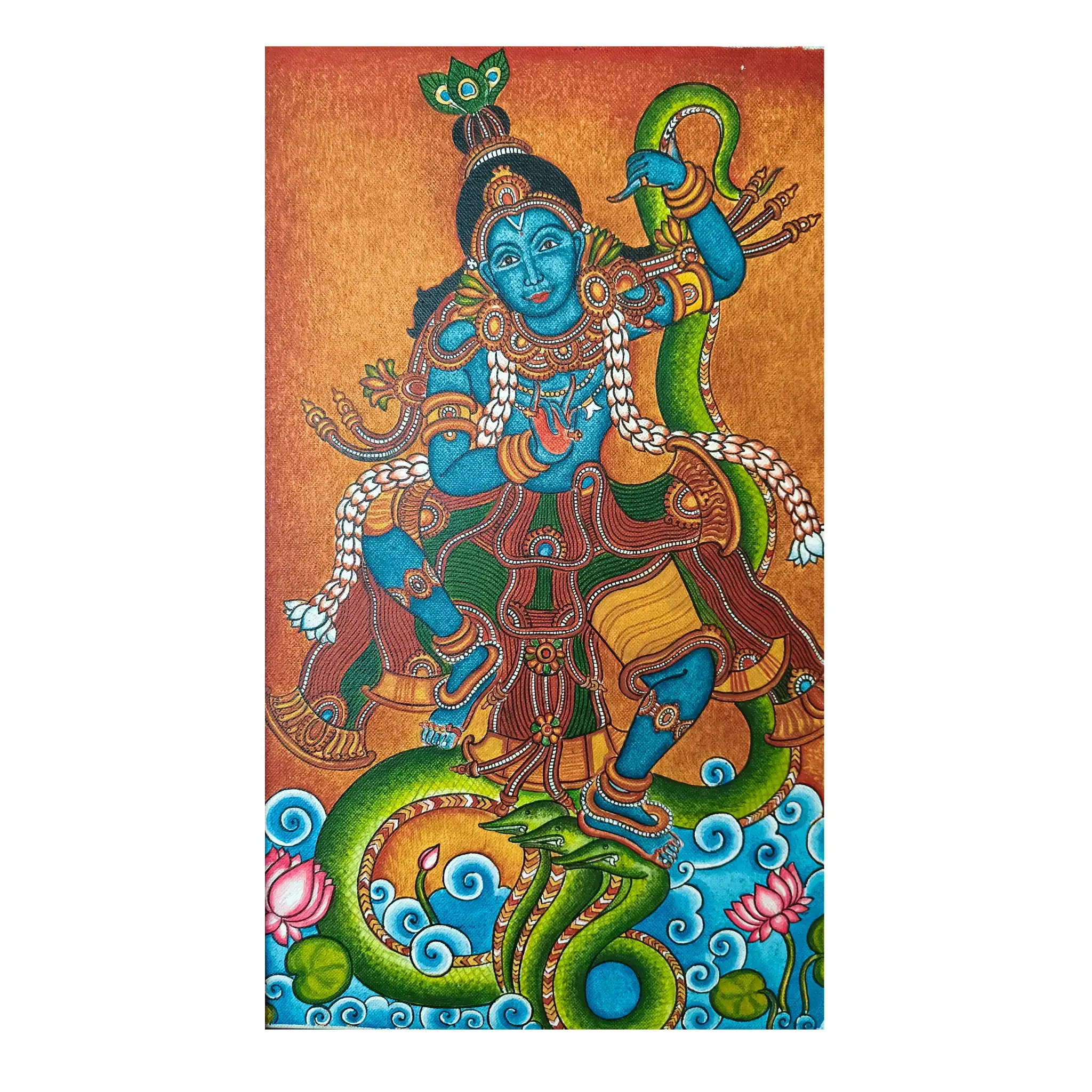
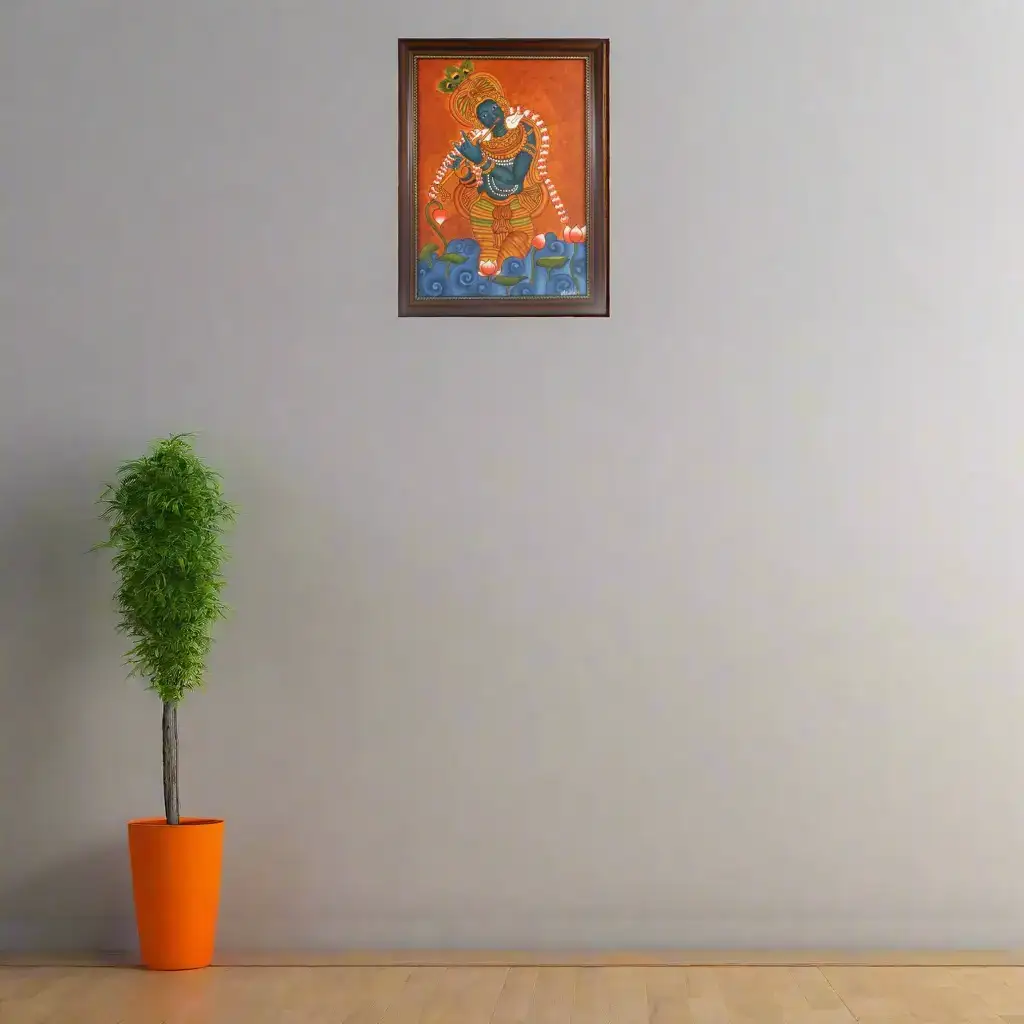
Shree Krishna Kerala Mural Painting is crafted in the iconic Krishna Kerala Mural Style. The dimensions of this exquisite artwork are 20 inches in height and 15 inches in width. This painting beautifully captures the spiritual essence and cultural heritage of Kerala’s traditional art.
History of Kerala Mural Paintings
Kerala mural paintings are a rich and vibrant tradition that originated in the southern Indian state of Kerala. These murals flourished between the 9th and 12th centuries CE, primarily adorning the walls of Hindu temples. The art form is deeply rooted in Hindu mythology and temple culture. It is renowned for its mythological themes, intricate detailing, and a unique earthy yet vibrant color palette.
The Krishna Kerala Mural Style, featured in this artwork, reflects this historic legacy. This painting style not only celebrates the divine figure of Krishna but also showcases Kerala’s rich cultural tradition through its expressive iconography and colors.
Key Characteristics of Krishna Mural Style
Medium and Surface
This traditional style employs murals painted on lime-plastered walls. The artists use natural pigments and vegetable dyes, which contribute to the paintings' longevity and texture. The textured surface gives the artwork a tactile and visual depth that enhances its spiritual significance.
Such use of natural materials ensures that the colors remain vibrant and the artwork preserves its authenticity over centuries. The choice of medium and surface is a vital element of the Krishna Kerala Mural Style, distinguishing it from other mural traditions.
Technique
The fresco secco technique is traditionally used in this style. It involves applying pigment to dry plaster, unlike the wet plaster technique found in Italian frescoes. This method allows the artists to work meticulously on fine details and sharp lines.
This precision highlights the divine and idealized forms of krishna and other mythological subjects. The technique is key to achieving the distinct look of the Krishna Kerala Mural Style, emphasizing intricate detailing and clarity.
Color Palette
The color palette in the Krishna Style is dominated by five natural colors, derived from minerals and plants. These colors give the paintings their symbolic meaning and visual appeal.
- Red – Extracted from laterite, it signifies energy, warmth, and life.
- Yellow – Sourced from yellow clay or turmeric, it offers brightness and cheerfulness.
- Green – Produced using plant extracts, it conveys calmness and vitality.
- Black – Made from burnt coconut shells, it adds depth and contrast to the paintings.
- White – Derived from lime, used for highlights and intricate detailing.
These colors are expertly balanced to create a harmonious visual effect, one that embodies both artistic beauty and spiritual symbolism.
Themes and Symbolism
The central themes of these murals revolve around Hindu gods, goddesses, celestial beings, and sacred animals. Krishna is often the focal figure, depicted in divine and idealized postures. The figures are adorned with ornate costumes and stylized gestures that express devotion and spirituality.
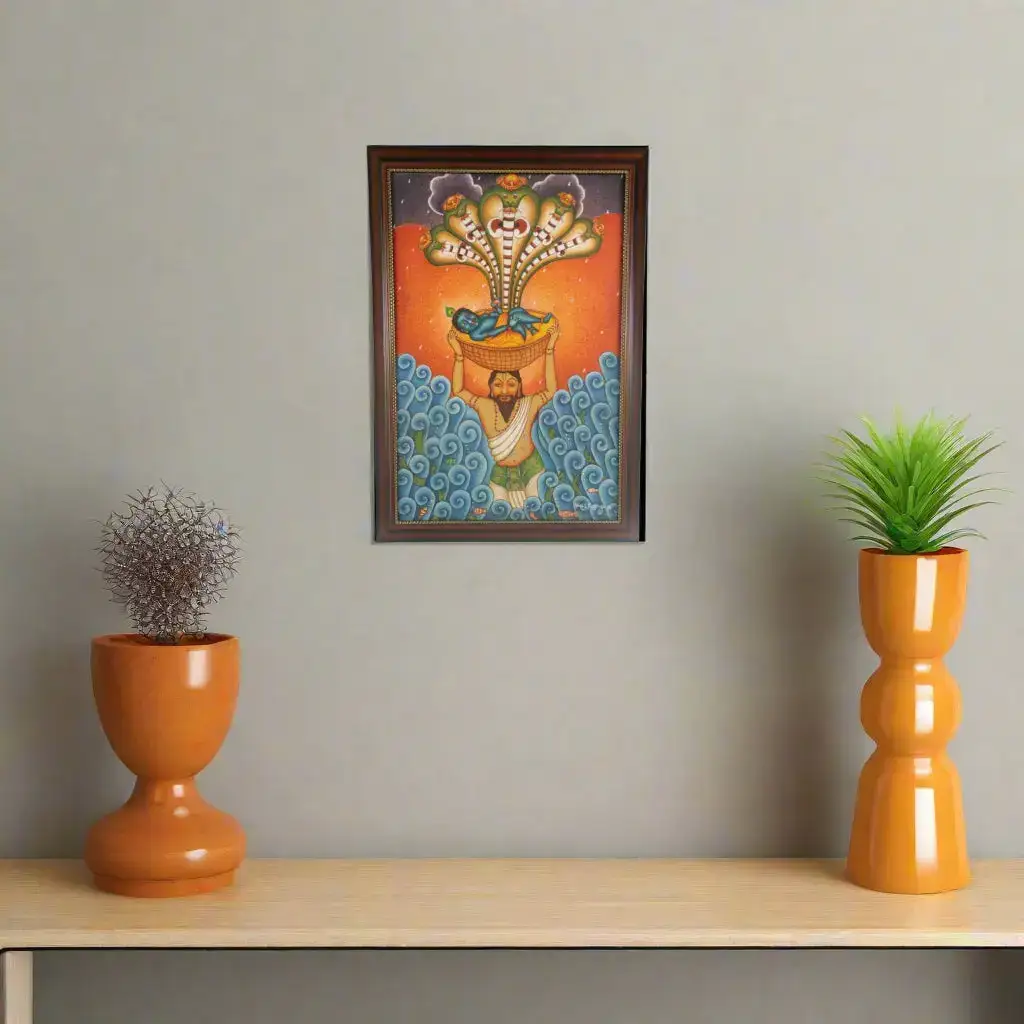
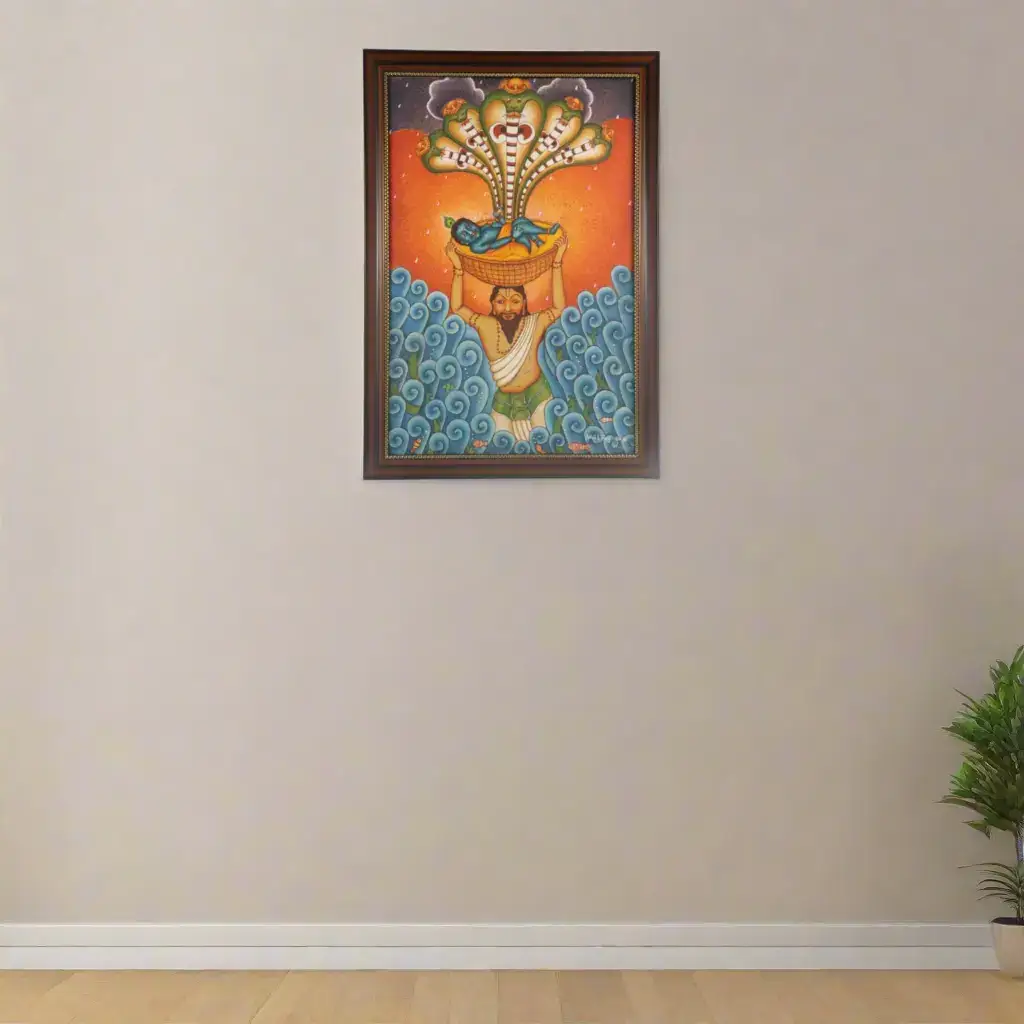
The Krishna Kerala Mural Style specifically emphasizes episodes from Krishna’s life, capturing his divine manifestations in vivid detail. The murals serve as storytelling devices, narrating religious tales and folklore to devotees and visitors alike.
Preservation and Cultural Value
One of the reasons for the enduring nature of these murals is the use of natural pigments and the fresco secco technique. Many murals from centuries ago remain vibrant despite exposure to environmental factors. This longevity is a testament to the skill of the ancient artists and Kerala’s cultural reverence for its mural heritage.
The Krishna Mural demonstrates how tradition continues to be cared for and preserved. It represents not just an artistic achievement but also a cultural treasure with spiritual significance.
Visual Vocabulary of Krishna Kerala Mural
The style follows a set of visual conventions involving shapes, lines, and color distribution. These elements are symbolic as well as artistic. For example, the red color commonly symbolizes energy and vitality, whereas white often stands for purity and divinity.
Such symbolic use of color and form creates visual narratives that communicate profound spiritual messages. The balance between these elements results in artwork that is both visually spectacular and meaningful.
Modern Influence and Revival
Today, the Krishna Mural Style inspires many contemporary artists and cultural practitioners. Workshops and training sessions help pass down the traditional techniques and symbolism to new generations. This ongoing revival ensures that Kerala’s mural art retains its relevance and continues to thrive.
As a result, the Kerala Mural Style remains an important cultural and spiritual heritage of Kerala. It beautifully connects the past's sacred artistry with modern appreciation and practice.
In summary, the Krishna Kerala Mural is a splendid blend of artistic skill, spirituality, and cultural tradition. Its unique materials, techniques, and motifs make it a treasured representation of Indian art. Through these murals, divine stories and symbols come alive, preserving timeless beauty and spiritual depth.
Product Information
Product Information
Shipping & Returns
Shipping & Returns
Description
Shree Krishna Kerala Mural Painting is crafted in the iconic Krishna Kerala Mural Style. The dimensions of this exquisite artwork are 20 inches in height and 15 inches in width. This painting beautifully captures the spiritual essence and cultural heritage of Kerala’s traditional art.
History of Kerala Mural Paintings
Kerala mural paintings are a rich and vibrant tradition that originated in the southern Indian state of Kerala. These murals flourished between the 9th and 12th centuries CE, primarily adorning the walls of Hindu temples. The art form is deeply rooted in Hindu mythology and temple culture. It is renowned for its mythological themes, intricate detailing, and a unique earthy yet vibrant color palette.
The Krishna Kerala Mural Style, featured in this artwork, reflects this historic legacy. This painting style not only celebrates the divine figure of Krishna but also showcases Kerala’s rich cultural tradition through its expressive iconography and colors.
Key Characteristics of Krishna Mural Style
Medium and Surface
This traditional style employs murals painted on lime-plastered walls. The artists use natural pigments and vegetable dyes, which contribute to the paintings' longevity and texture. The textured surface gives the artwork a tactile and visual depth that enhances its spiritual significance.
Such use of natural materials ensures that the colors remain vibrant and the artwork preserves its authenticity over centuries. The choice of medium and surface is a vital element of the Krishna Kerala Mural Style, distinguishing it from other mural traditions.
Technique
The fresco secco technique is traditionally used in this style. It involves applying pigment to dry plaster, unlike the wet plaster technique found in Italian frescoes. This method allows the artists to work meticulously on fine details and sharp lines.
This precision highlights the divine and idealized forms of krishna and other mythological subjects. The technique is key to achieving the distinct look of the Krishna Kerala Mural Style, emphasizing intricate detailing and clarity.
Color Palette
The color palette in the Krishna Style is dominated by five natural colors, derived from minerals and plants. These colors give the paintings their symbolic meaning and visual appeal.
- Red – Extracted from laterite, it signifies energy, warmth, and life.
- Yellow – Sourced from yellow clay or turmeric, it offers brightness and cheerfulness.
- Green – Produced using plant extracts, it conveys calmness and vitality.
- Black – Made from burnt coconut shells, it adds depth and contrast to the paintings.
- White – Derived from lime, used for highlights and intricate detailing.
These colors are expertly balanced to create a harmonious visual effect, one that embodies both artistic beauty and spiritual symbolism.
Themes and Symbolism
The central themes of these murals revolve around Hindu gods, goddesses, celestial beings, and sacred animals. Krishna is often the focal figure, depicted in divine and idealized postures. The figures are adorned with ornate costumes and stylized gestures that express devotion and spirituality.
The Krishna Kerala Mural Style specifically emphasizes episodes from Krishna’s life, capturing his divine manifestations in vivid detail. The murals serve as storytelling devices, narrating religious tales and folklore to devotees and visitors alike.
Preservation and Cultural Value
One of the reasons for the enduring nature of these murals is the use of natural pigments and the fresco secco technique. Many murals from centuries ago remain vibrant despite exposure to environmental factors. This longevity is a testament to the skill of the ancient artists and Kerala’s cultural reverence for its mural heritage.
The Krishna Mural demonstrates how tradition continues to be cared for and preserved. It represents not just an artistic achievement but also a cultural treasure with spiritual significance.
Visual Vocabulary of Krishna Kerala Mural
The style follows a set of visual conventions involving shapes, lines, and color distribution. These elements are symbolic as well as artistic. For example, the red color commonly symbolizes energy and vitality, whereas white often stands for purity and divinity.
Such symbolic use of color and form creates visual narratives that communicate profound spiritual messages. The balance between these elements results in artwork that is both visually spectacular and meaningful.
Modern Influence and Revival
Today, the Krishna Mural Style inspires many contemporary artists and cultural practitioners. Workshops and training sessions help pass down the traditional techniques and symbolism to new generations. This ongoing revival ensures that Kerala’s mural art retains its relevance and continues to thrive.
As a result, the Kerala Mural Style remains an important cultural and spiritual heritage of Kerala. It beautifully connects the past's sacred artistry with modern appreciation and practice.
In summary, the Krishna Kerala Mural is a splendid blend of artistic skill, spirituality, and cultural tradition. Its unique materials, techniques, and motifs make it a treasured representation of Indian art. Through these murals, divine stories and symbols come alive, preserving timeless beauty and spiritual depth.