Gokul Krishna – Kerala Mural in Divine Colors
Gokul Krishna Kerala Mural Painting
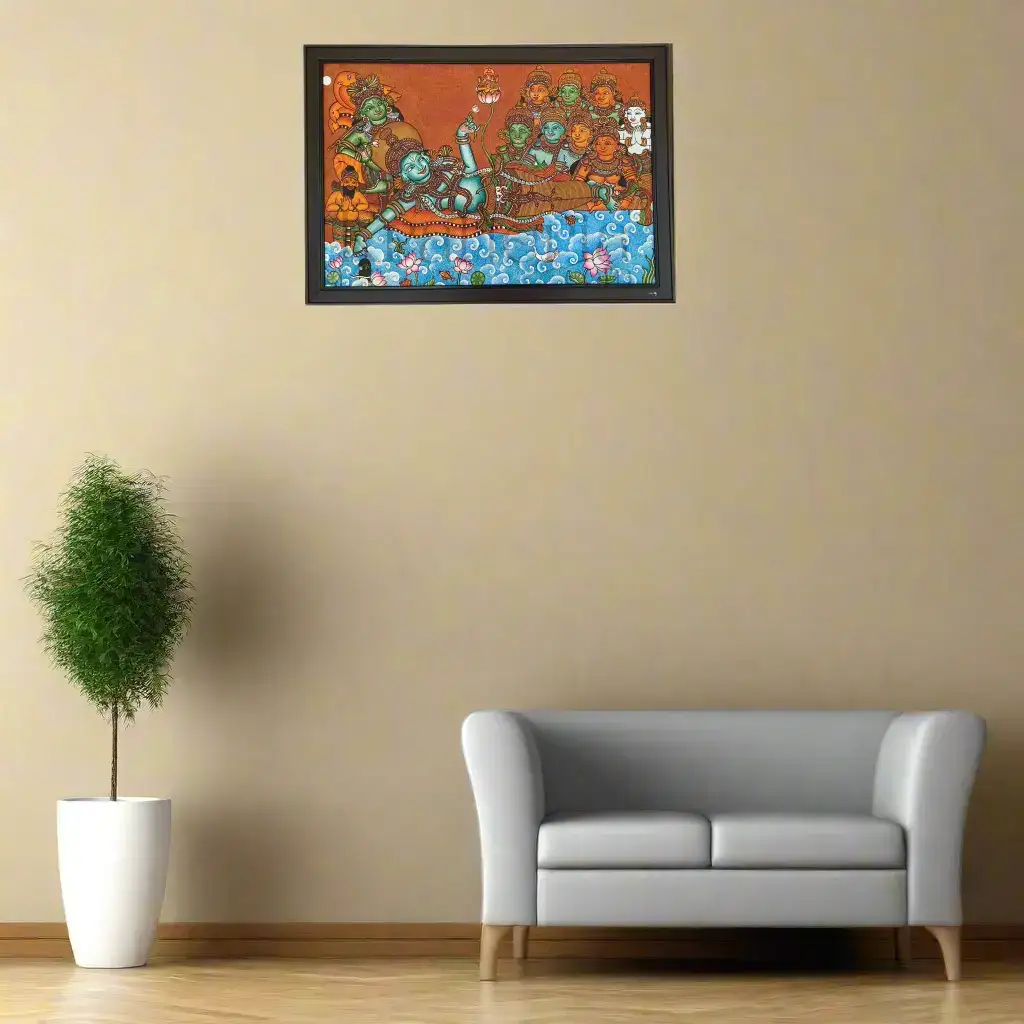
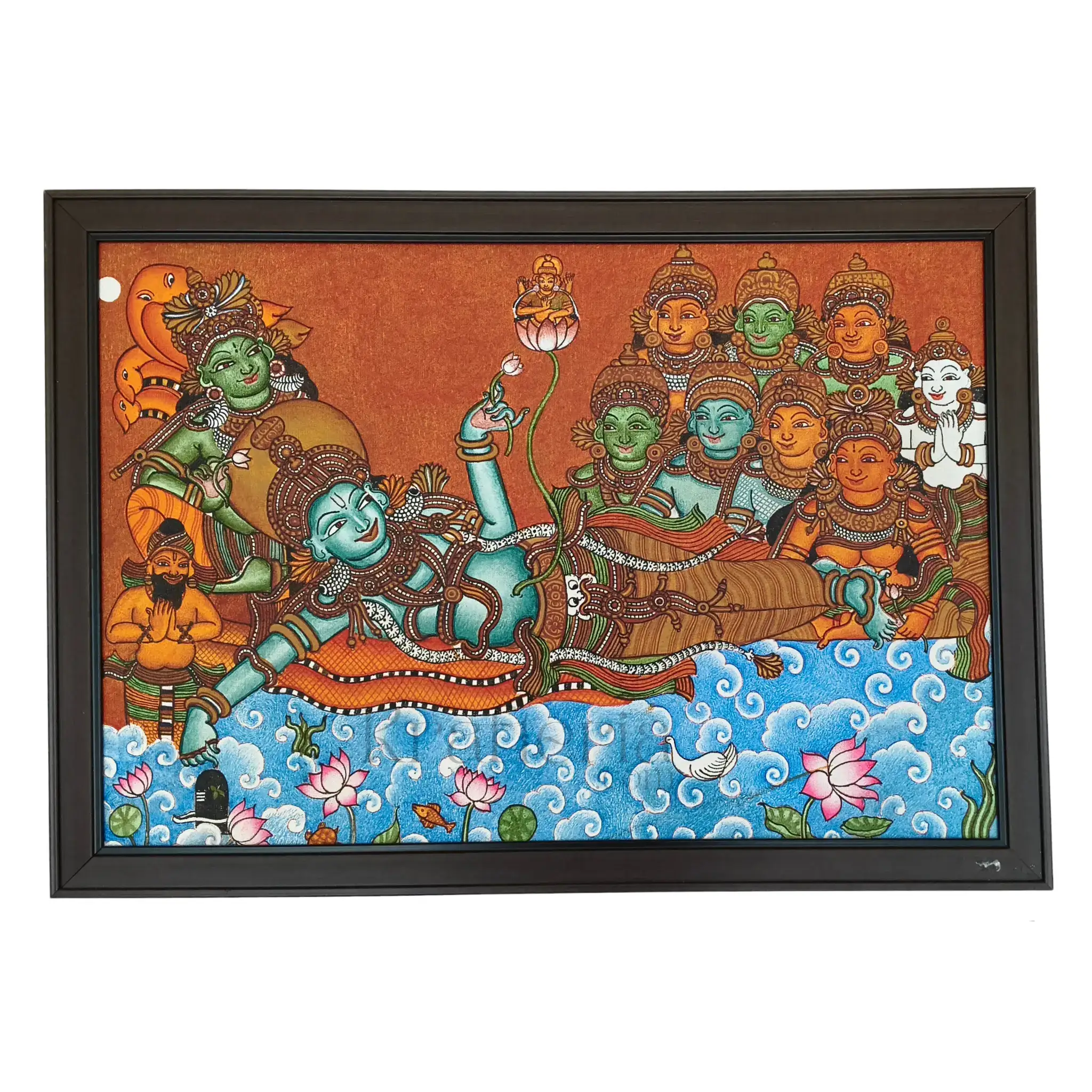
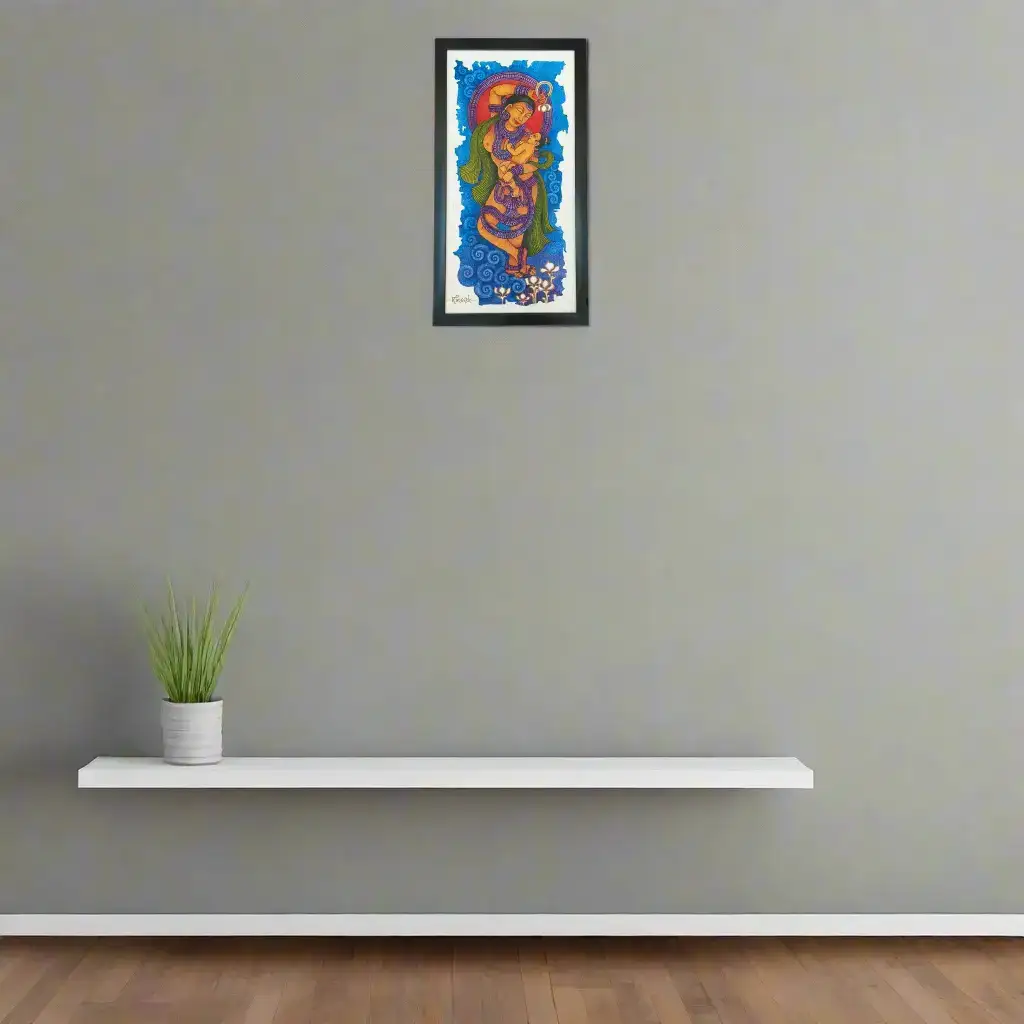
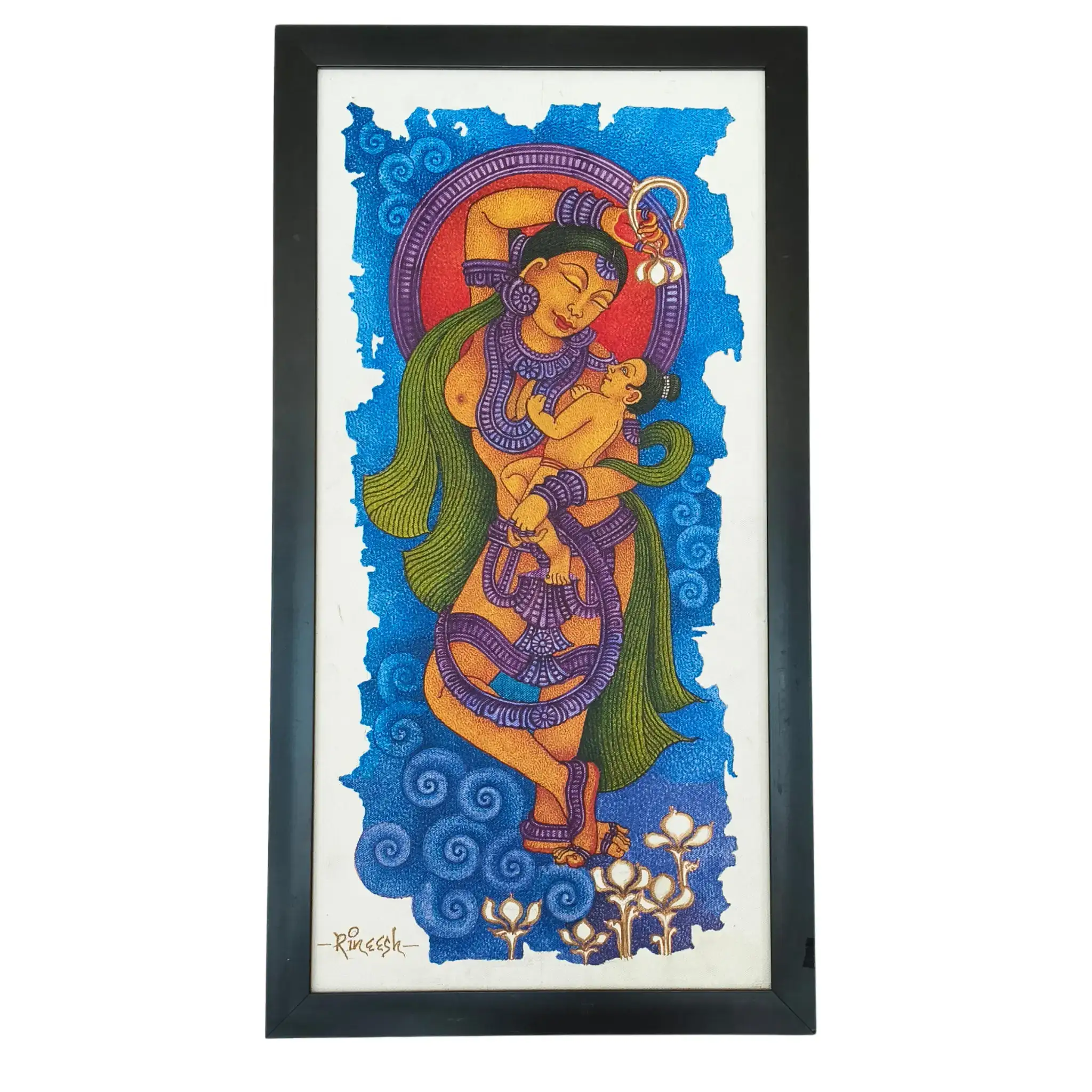
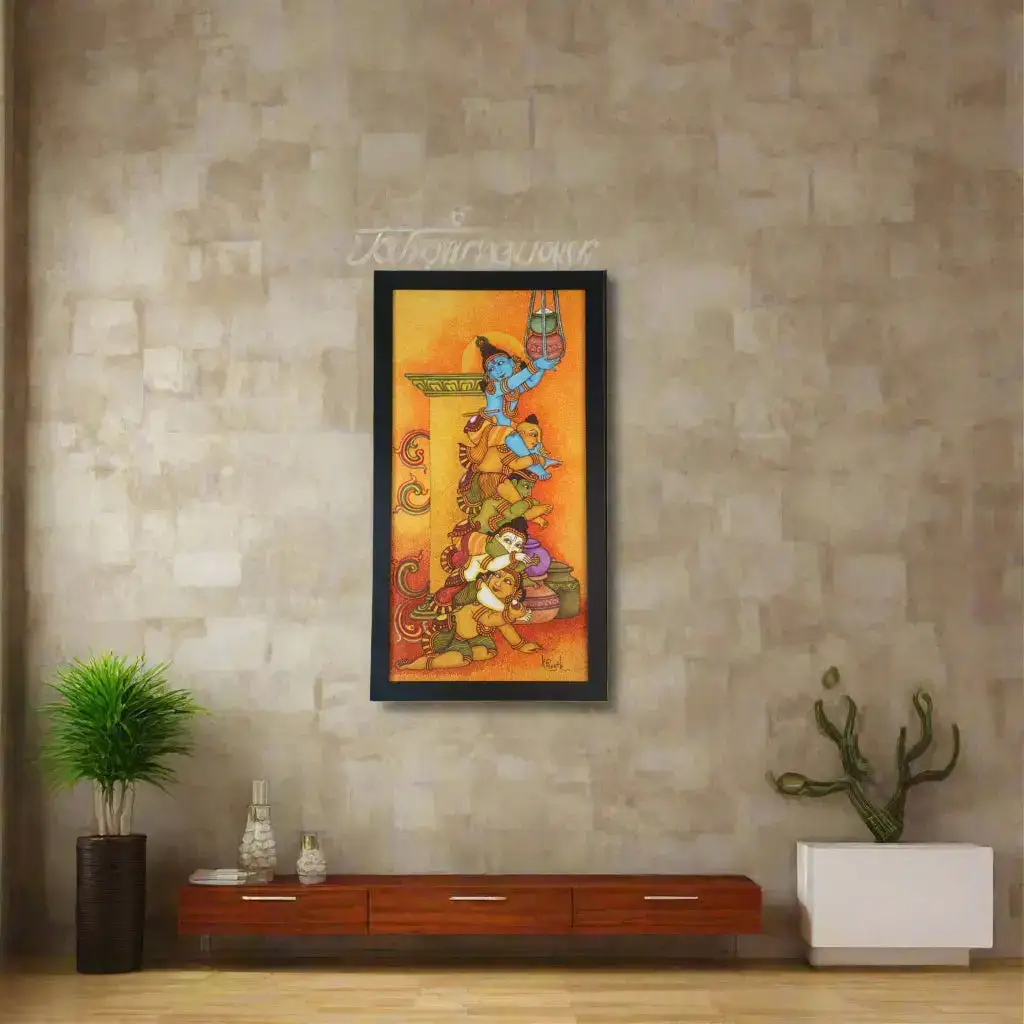
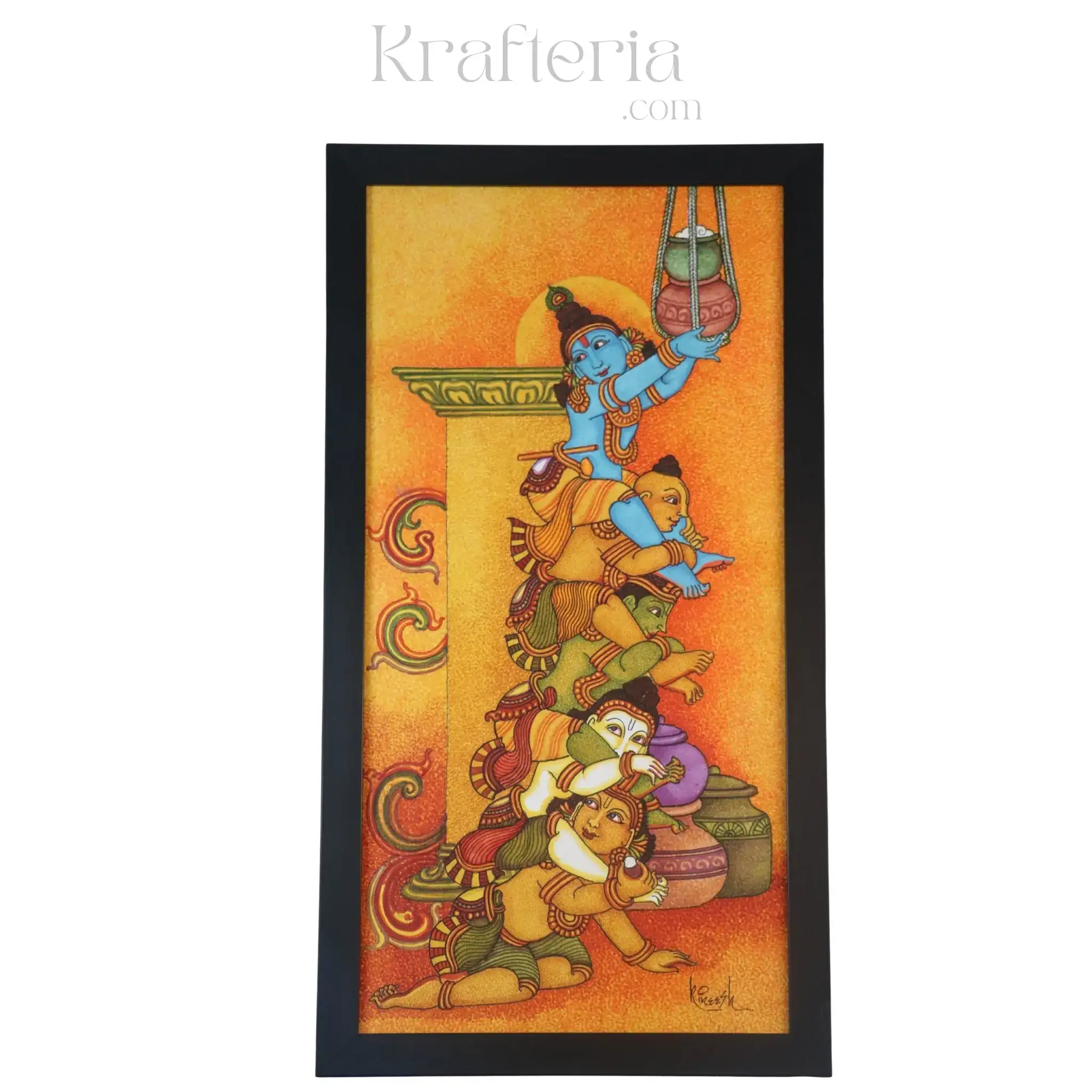
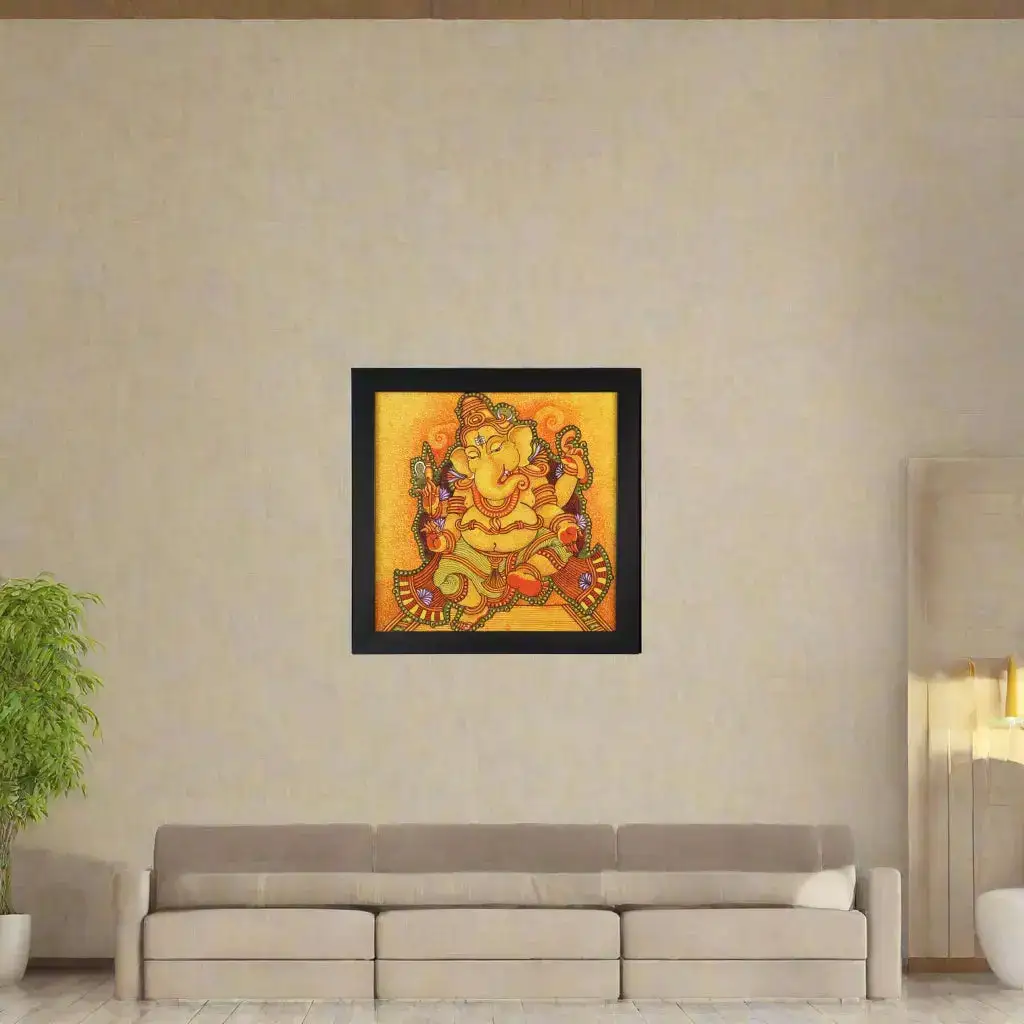
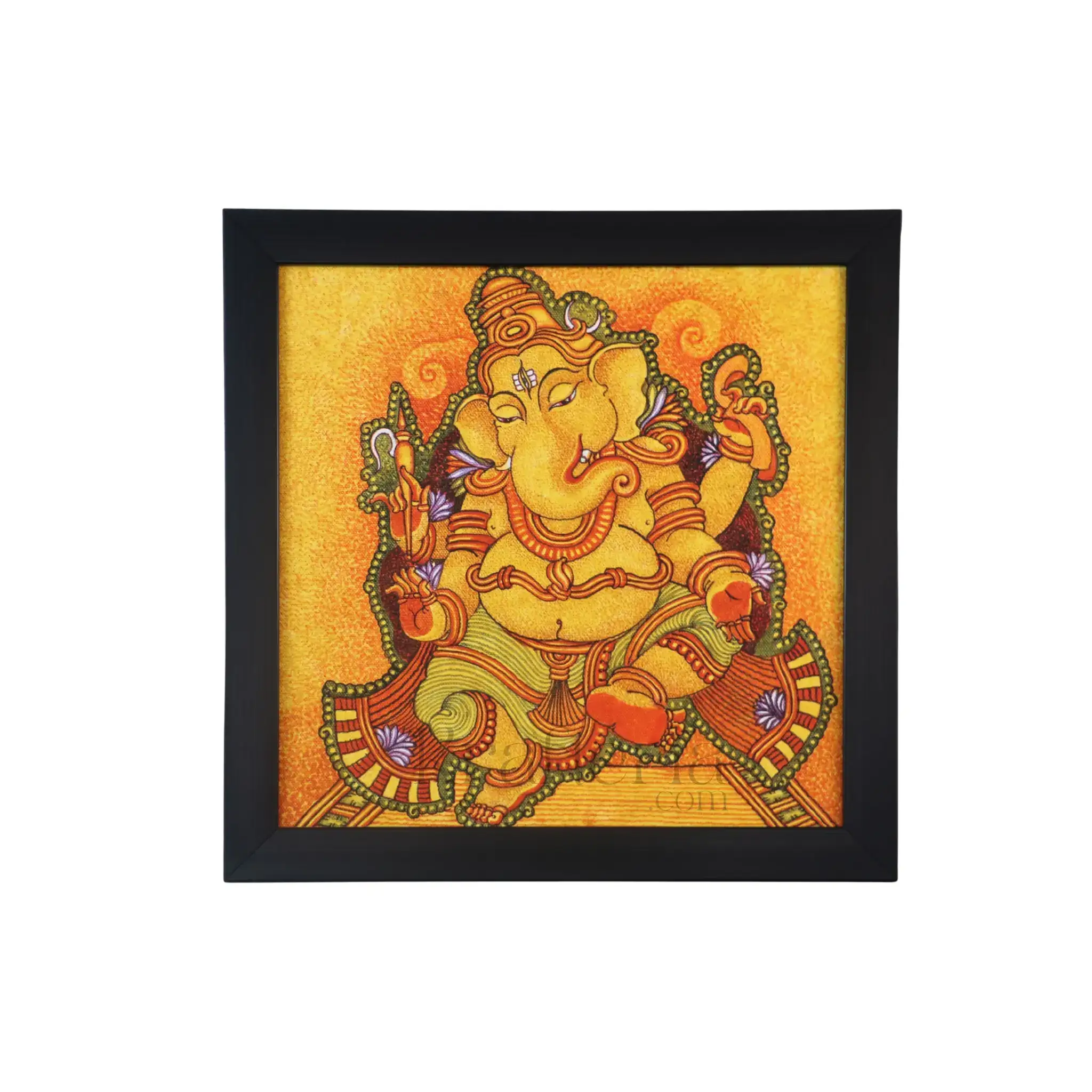
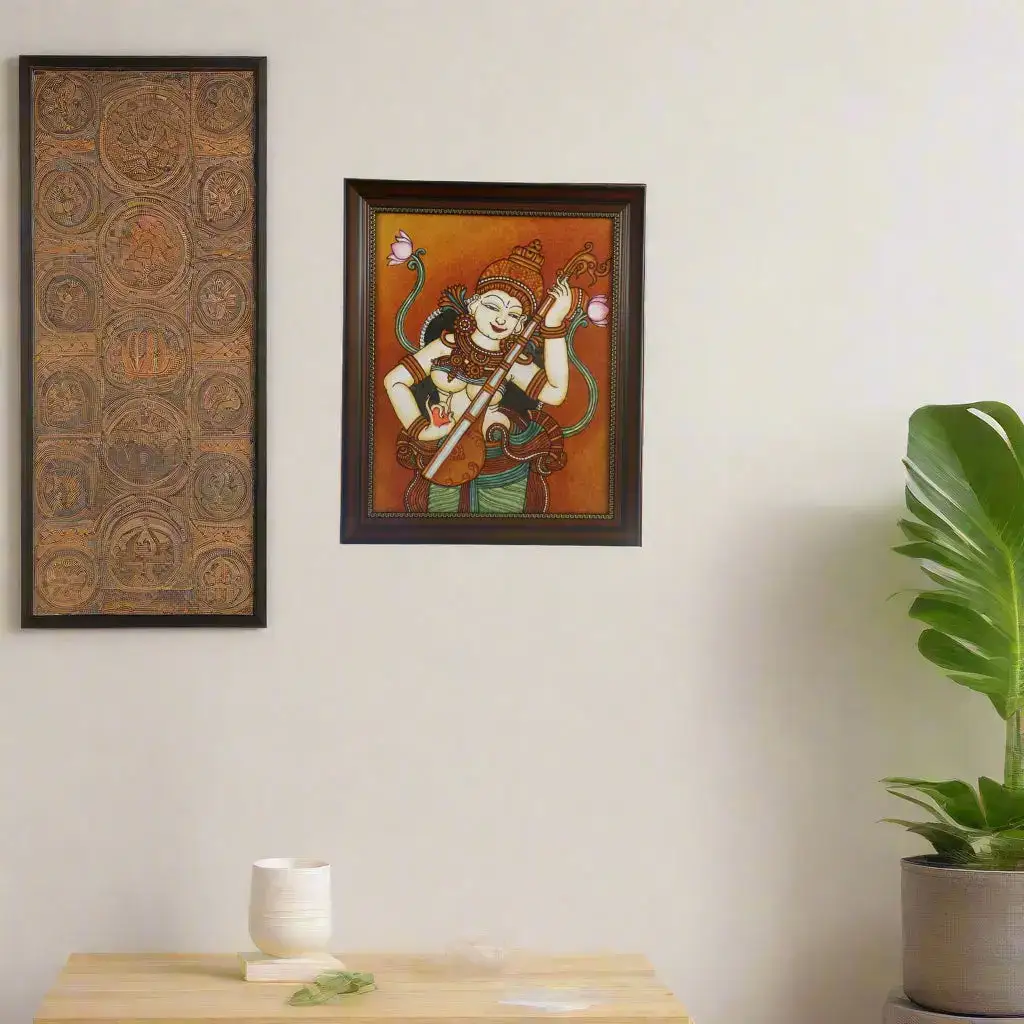
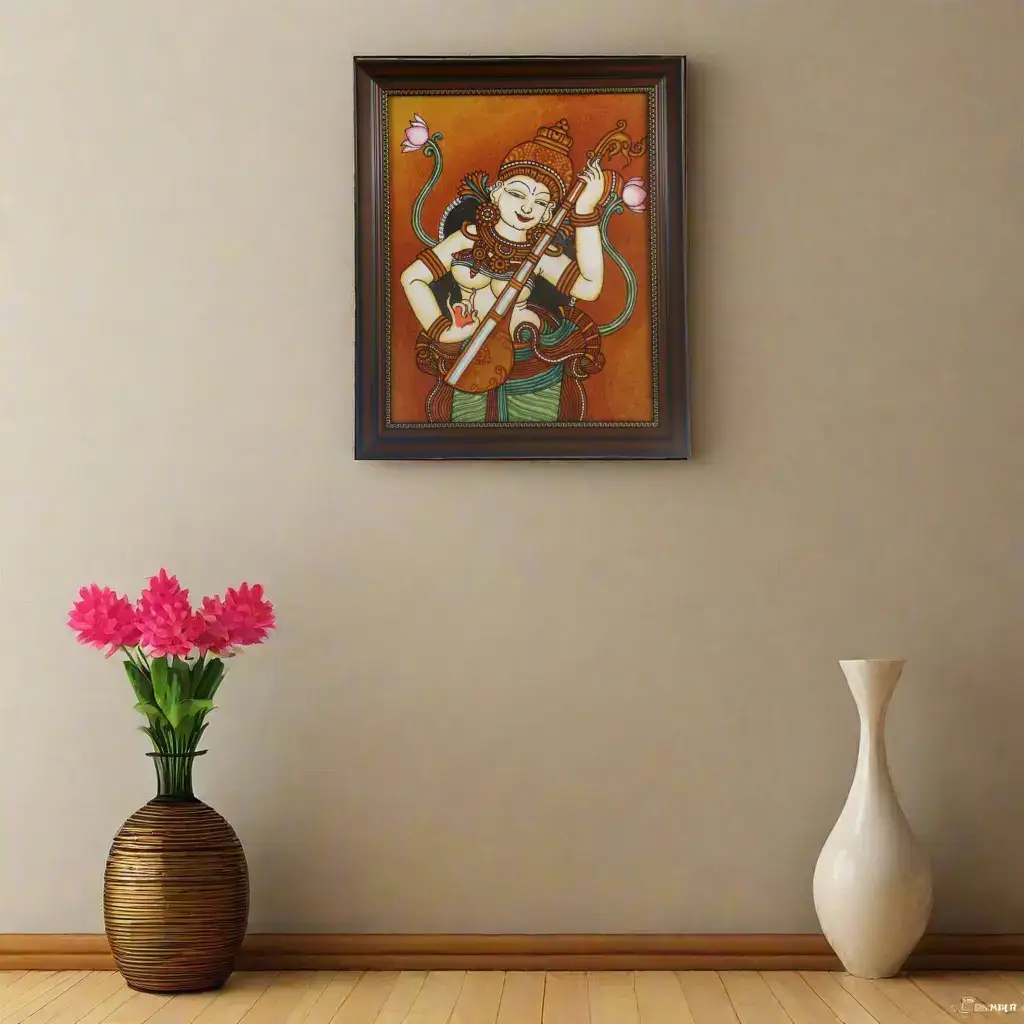
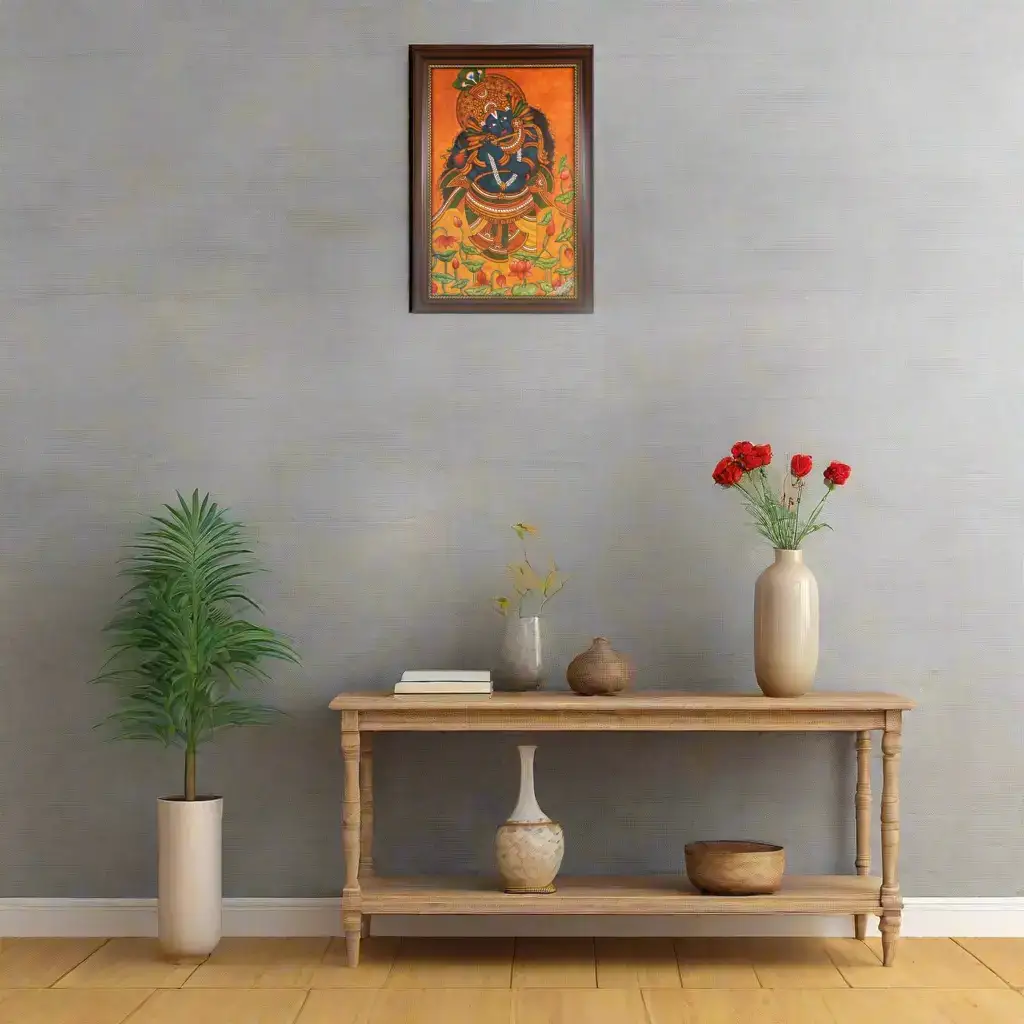
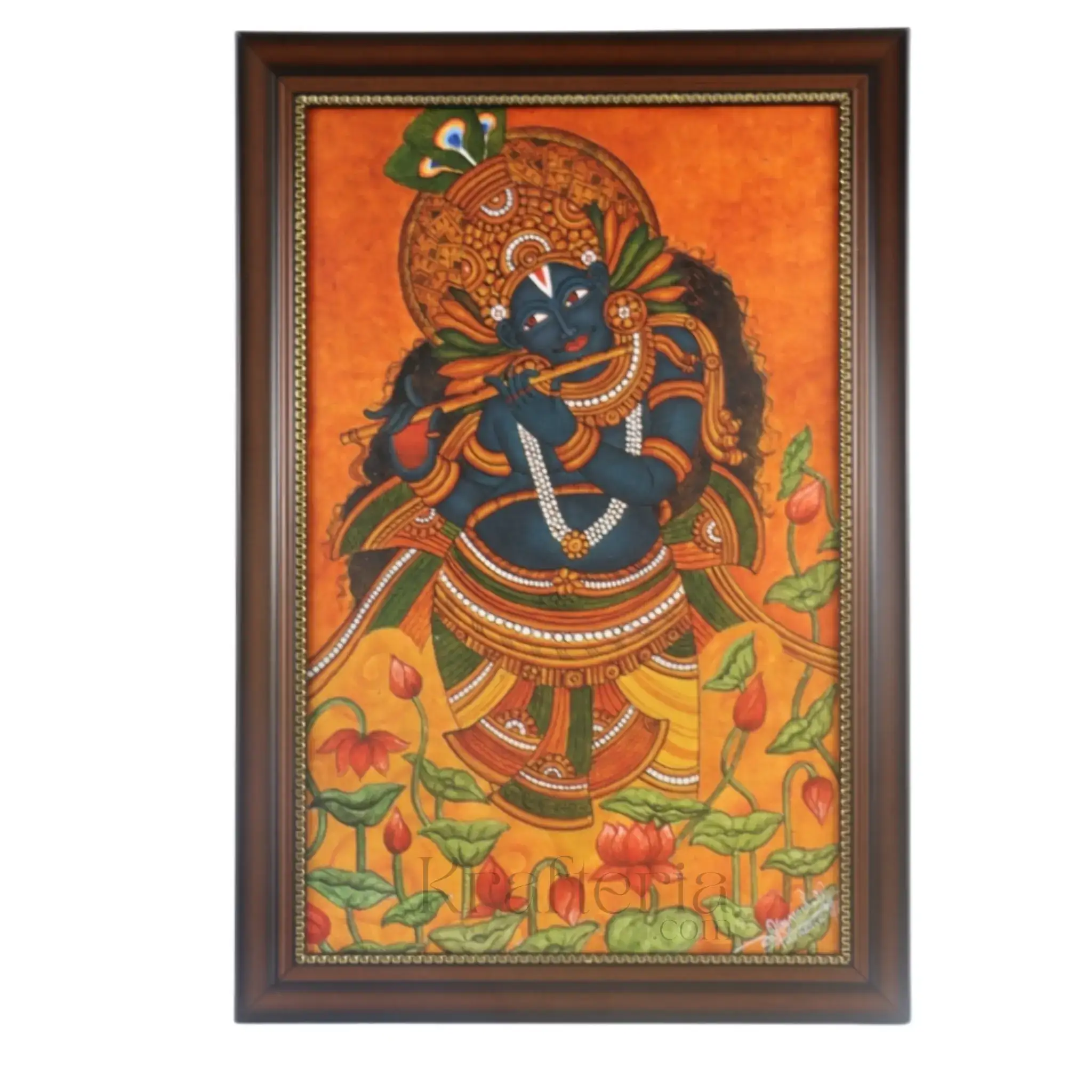
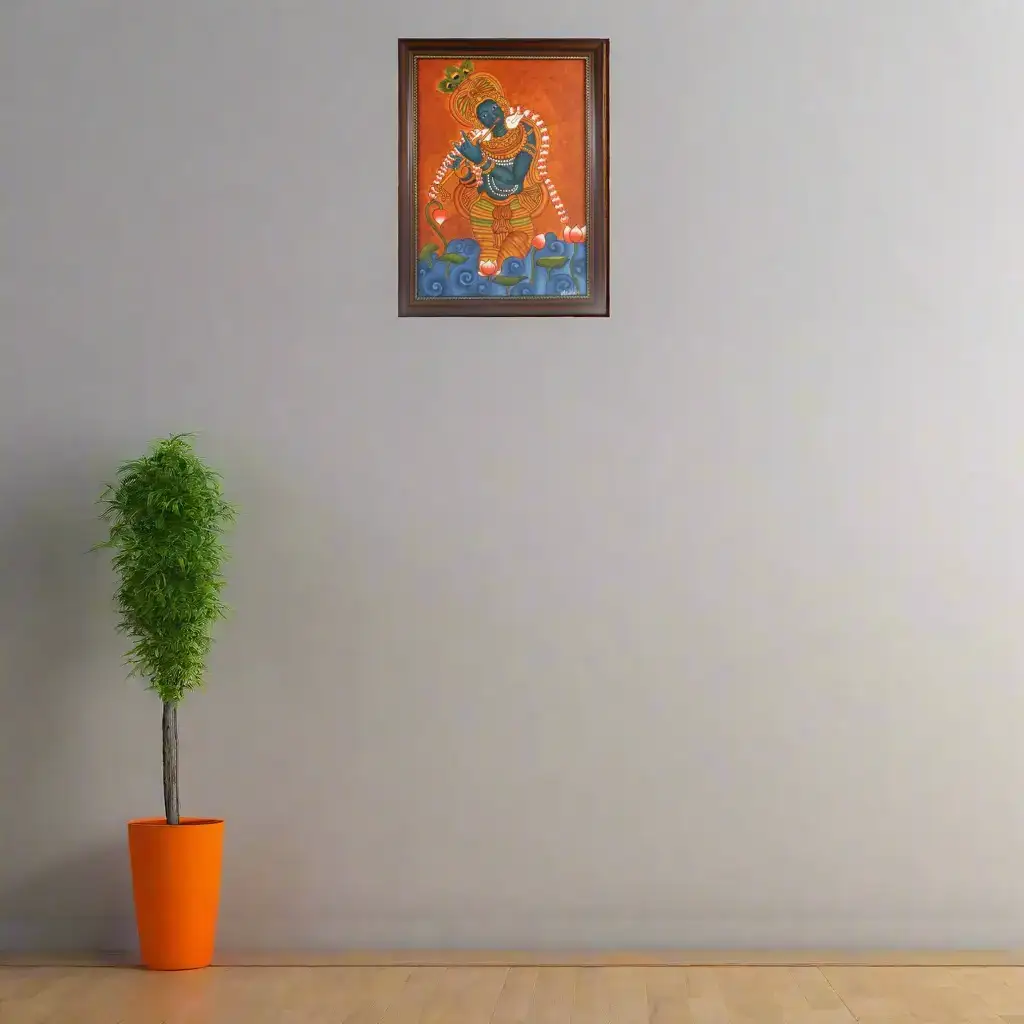
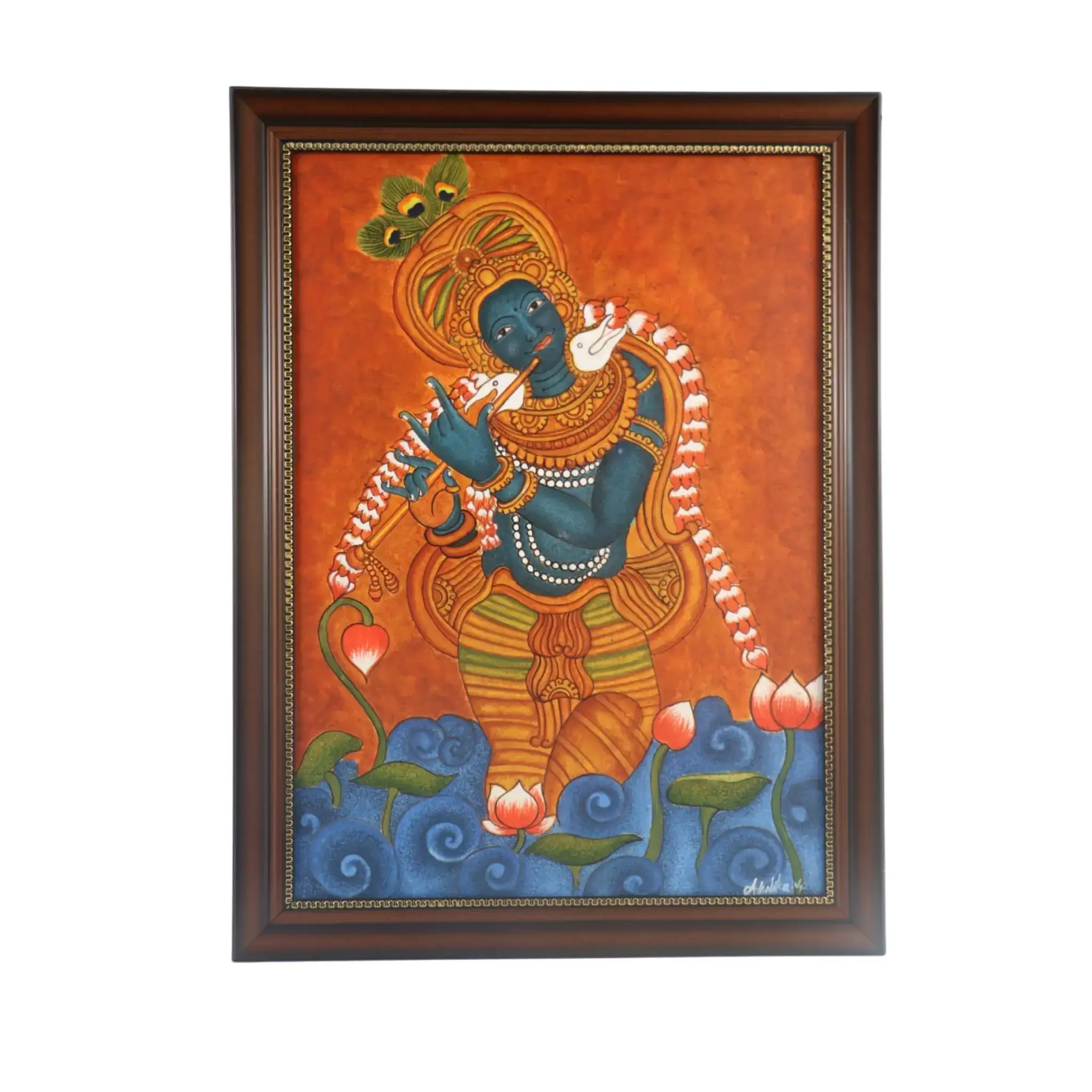
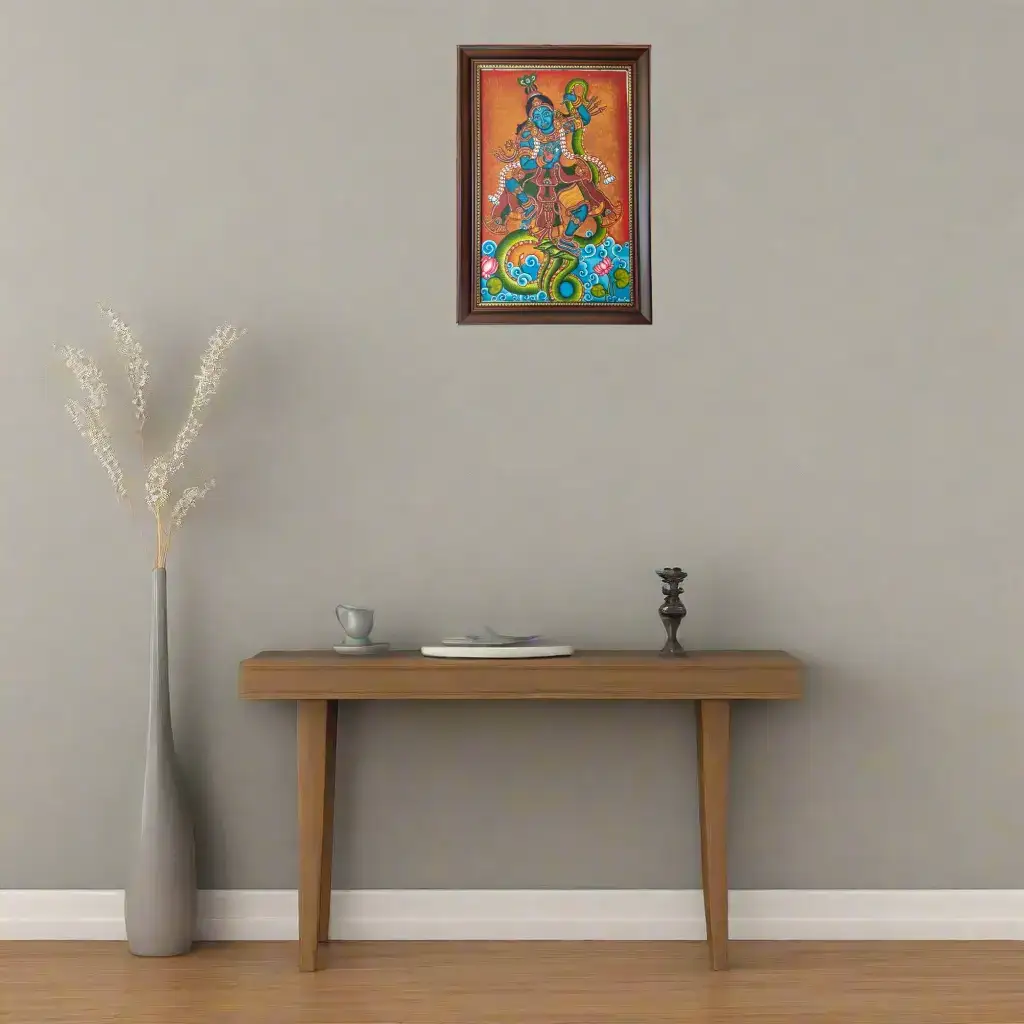
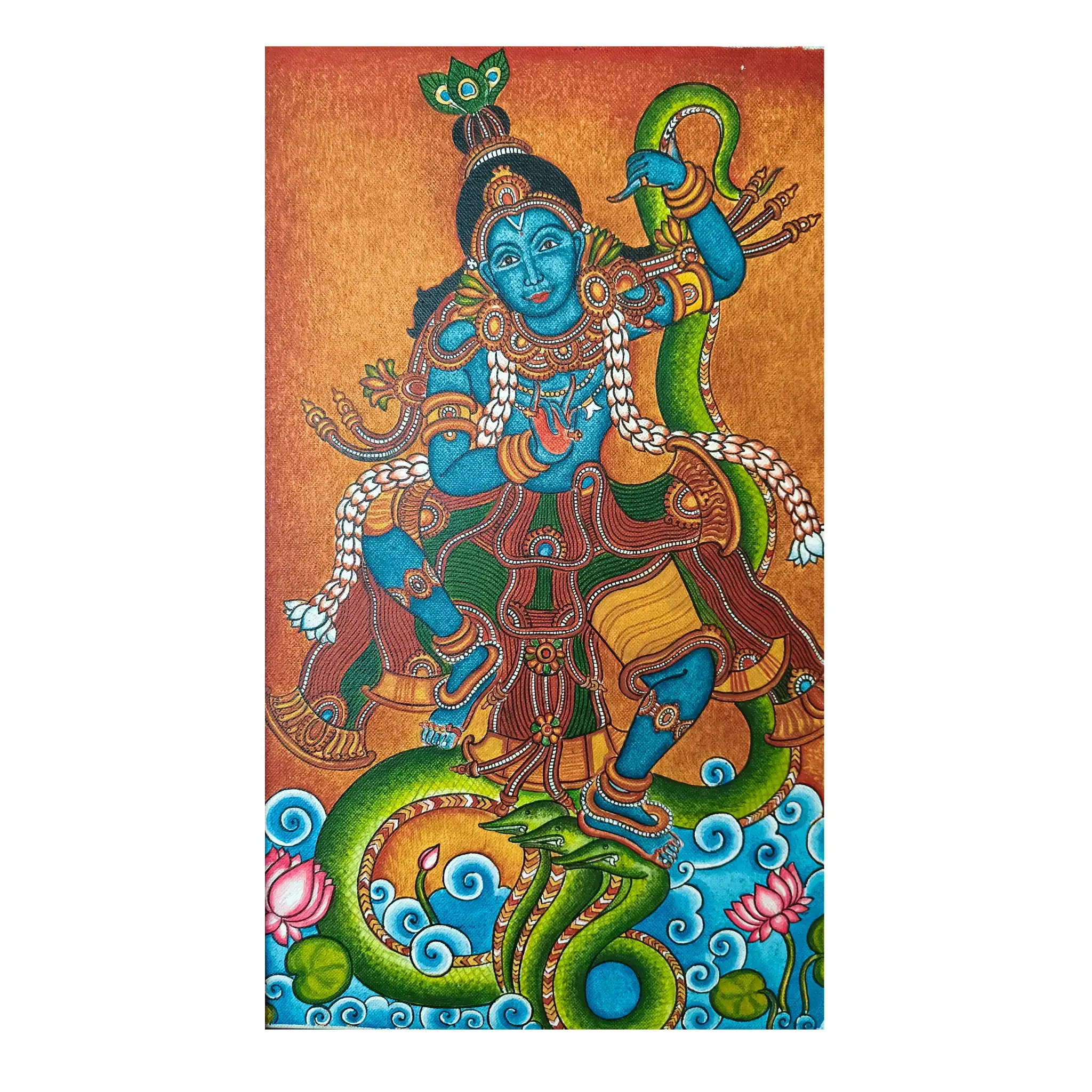
The Gokul Krishna Kerala Mural is a stunning example of traditional wall art from Kerala. This hand-painted mural stands at 24 inches in height and 15 inches in width. It celebrates the divine childhood of Lord Krishna, a central figure in Hindu mythology. The detailed artwork is created using techniques passed down through generations of skilled artisans.
This painting showcases the unique style and vibrant colors typical of Kerala mural paintings. It is an ideal piece for those who appreciate both spiritual art and cultural heritage. The artwork serves as an exquisite example of Hand Painted Kerala Mural Art, blending spirituality and tradition in one frame.
History of Kerala Mural Paintings
Kerala mural paintings have a rich and vibrant history that dates back to between the 9th and 12th centuries CE. Originating in the Indian state of Kerala, these murals flourished as an art form deeply rooted in Hindu temple culture. Initially, the murals were created on temple walls to depict religious stories and mythological themes.
The tradition highlights gods, goddesses, celestial beings, and other divine figures in idealized and symbolic forms. These artworks are celebrated for their elaborate detailing and use of a natural, earthy color palette. Over time, the murals grew to represent not only religious significance but also artistic excellence in the region.
Key Characteristics of Gokul Krishna Kerala Mural
The Gokul Krishna Kerala Mural is distinguished by its rich use of traditional materials and techniques. Artists work on lime-plastered walls or treated surfaces, employing centuries-old methods. The murals are painted using natural pigments sourced directly from the environment, making every piece unique in texture and tone.
The fresco secco technique is used in this mural art. This involves painting on dry plaster rather than wet plaster, allowing for meticulous detailing and subtle tonal variations. Such a method is vital for preserving the longevity and the vibrant colors found in the mural.
Color Palette and Symbolism
The color palette in the Krishna Mural is deeply symbolic and traditionally limited to five main colors. These colors are derived exclusively from natural sources, lending the painting an organic and earthy feel. The use of these pigments respects the environmental ethos of ancient Kerala artists.
- Red – Obtained from laterite soil, representing valor and energy.
- Yellow – Derived from yellow clay or turmeric, symbolizing auspiciousness and vitality.
- Green – Created from plant extracts, depicting nature and harmony.
- Black – Made from burnt coconut shells, used to outline and add depth.
- White – Sourced from lime, representing purity and peace.
These colors come together to create a harmonious visual experience, with every hue playing a role in enhancing the sacred narratives that the mural conveys.
Themes and Artistic Elements of Gokul Krishna Kerala Mural
The central themes of the Gokul Krishna Mural revolve around Hindu mythology. Lord Krishna appears in his divine form as a child, surrounded by symbols and creatures that enrich the narrative. Often, he is depicted with cows, reflecting his role as the divine herdsman in Gokul.
The artwork is characterized by highly stylized gestures, elaborate costumes, and expressive faces. These features are carefully crafted to evoke the spiritual atmosphere that the mural aims to generate. The depiction of Gokul Krishna spiritual painting captures divine joy, innocence, and protection, making it a cherished piece for spiritual and home décor.
Significance of the Divine Color Mural Painting
This Divine color mural painting is more than just decorative art. It acts as a spiritual reminder and offers a focal point for meditation and worship. The vivid colors and symbolic imagery help the viewer connect with the divine energies of Krishna.
It is also an excellent choice for gifting or as a Housewarming spiritual wall art. The mural’s traditional style brings an aura of sanctity and cultural richness to any space, be it a living room, pooja room, or meditation corner.
Craftsmanship of Gokul Krishna Mural Art
Each Krishna Kerala Mural is meticulously hand-painted by skilled artists dedicated to preserving this timeless art form. The painting requires patience and attention to detail, following iconographic rules that have been observed for centuries. This ensures authenticity and a faithful representation of the divine story.
The precision in brushwork and use of natural pigments exemplify the highest standards of traditional Kerala mural making. As a result, every mural tells a rich story framed in vibrant hues and sacred symbolism, representing the cultural heritage of Kerala.
Product Information
Product Information
Shipping & Returns
Shipping & Returns
Description
Gokul Krishna Kerala Mural Painting
The Gokul Krishna Kerala Mural is a stunning example of traditional wall art from Kerala. This hand-painted mural stands at 24 inches in height and 15 inches in width. It celebrates the divine childhood of Lord Krishna, a central figure in Hindu mythology. The detailed artwork is created using techniques passed down through generations of skilled artisans.
This painting showcases the unique style and vibrant colors typical of Kerala mural paintings. It is an ideal piece for those who appreciate both spiritual art and cultural heritage. The artwork serves as an exquisite example of Hand Painted Kerala Mural Art, blending spirituality and tradition in one frame.
History of Kerala Mural Paintings
Kerala mural paintings have a rich and vibrant history that dates back to between the 9th and 12th centuries CE. Originating in the Indian state of Kerala, these murals flourished as an art form deeply rooted in Hindu temple culture. Initially, the murals were created on temple walls to depict religious stories and mythological themes.
The tradition highlights gods, goddesses, celestial beings, and other divine figures in idealized and symbolic forms. These artworks are celebrated for their elaborate detailing and use of a natural, earthy color palette. Over time, the murals grew to represent not only religious significance but also artistic excellence in the region.
Key Characteristics of Gokul Krishna Kerala Mural
The Gokul Krishna Kerala Mural is distinguished by its rich use of traditional materials and techniques. Artists work on lime-plastered walls or treated surfaces, employing centuries-old methods. The murals are painted using natural pigments sourced directly from the environment, making every piece unique in texture and tone.
The fresco secco technique is used in this mural art. This involves painting on dry plaster rather than wet plaster, allowing for meticulous detailing and subtle tonal variations. Such a method is vital for preserving the longevity and the vibrant colors found in the mural.
Color Palette and Symbolism
The color palette in the Krishna Mural is deeply symbolic and traditionally limited to five main colors. These colors are derived exclusively from natural sources, lending the painting an organic and earthy feel. The use of these pigments respects the environmental ethos of ancient Kerala artists.
- Red – Obtained from laterite soil, representing valor and energy.
- Yellow – Derived from yellow clay or turmeric, symbolizing auspiciousness and vitality.
- Green – Created from plant extracts, depicting nature and harmony.
- Black – Made from burnt coconut shells, used to outline and add depth.
- White – Sourced from lime, representing purity and peace.
These colors come together to create a harmonious visual experience, with every hue playing a role in enhancing the sacred narratives that the mural conveys.
Themes and Artistic Elements of Gokul Krishna Kerala Mural
The central themes of the Gokul Krishna Mural revolve around Hindu mythology. Lord Krishna appears in his divine form as a child, surrounded by symbols and creatures that enrich the narrative. Often, he is depicted with cows, reflecting his role as the divine herdsman in Gokul.
The artwork is characterized by highly stylized gestures, elaborate costumes, and expressive faces. These features are carefully crafted to evoke the spiritual atmosphere that the mural aims to generate. The depiction of Gokul Krishna spiritual painting captures divine joy, innocence, and protection, making it a cherished piece for spiritual and home décor.
Significance of the Divine Color Mural Painting
This Divine color mural painting is more than just decorative art. It acts as a spiritual reminder and offers a focal point for meditation and worship. The vivid colors and symbolic imagery help the viewer connect with the divine energies of Krishna.
It is also an excellent choice for gifting or as a Housewarming spiritual wall art. The mural’s traditional style brings an aura of sanctity and cultural richness to any space, be it a living room, pooja room, or meditation corner.
Craftsmanship of Gokul Krishna Mural Art
Each Krishna Kerala Mural is meticulously hand-painted by skilled artists dedicated to preserving this timeless art form. The painting requires patience and attention to detail, following iconographic rules that have been observed for centuries. This ensures authenticity and a faithful representation of the divine story.
The precision in brushwork and use of natural pigments exemplify the highest standards of traditional Kerala mural making. As a result, every mural tells a rich story framed in vibrant hues and sacred symbolism, representing the cultural heritage of Kerala.