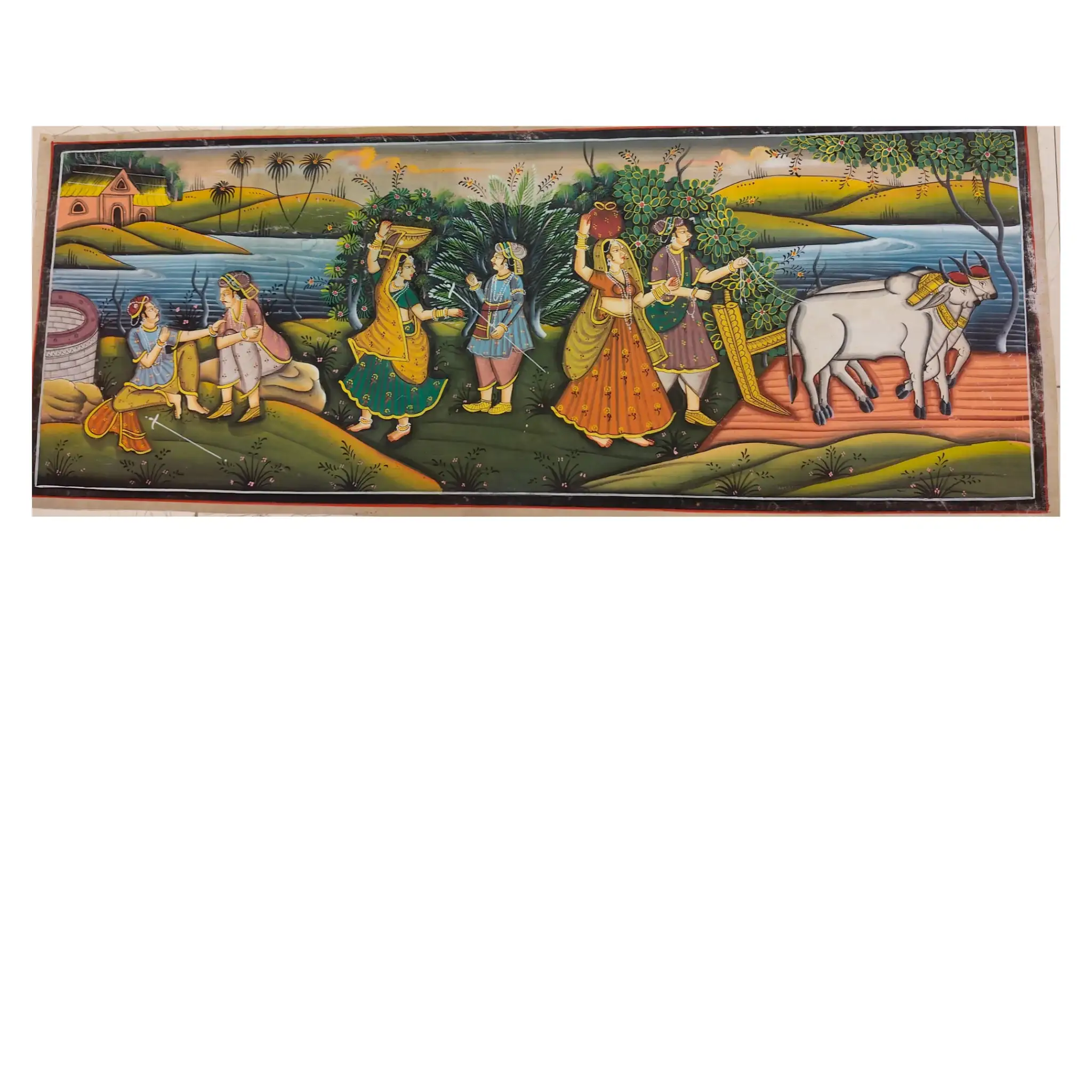
The Golden Hours of Village Living Miniature Painting
The Golden Hours of Village Life Miniature Painting
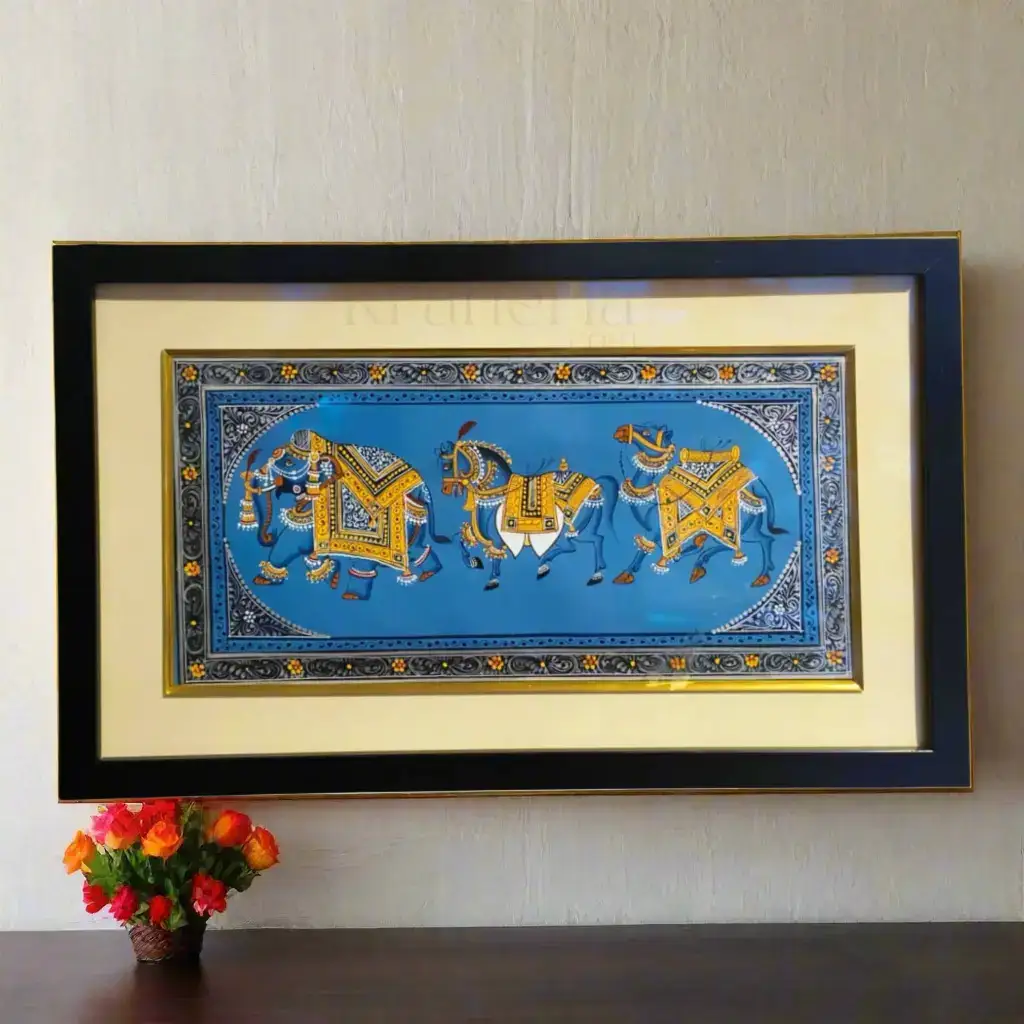
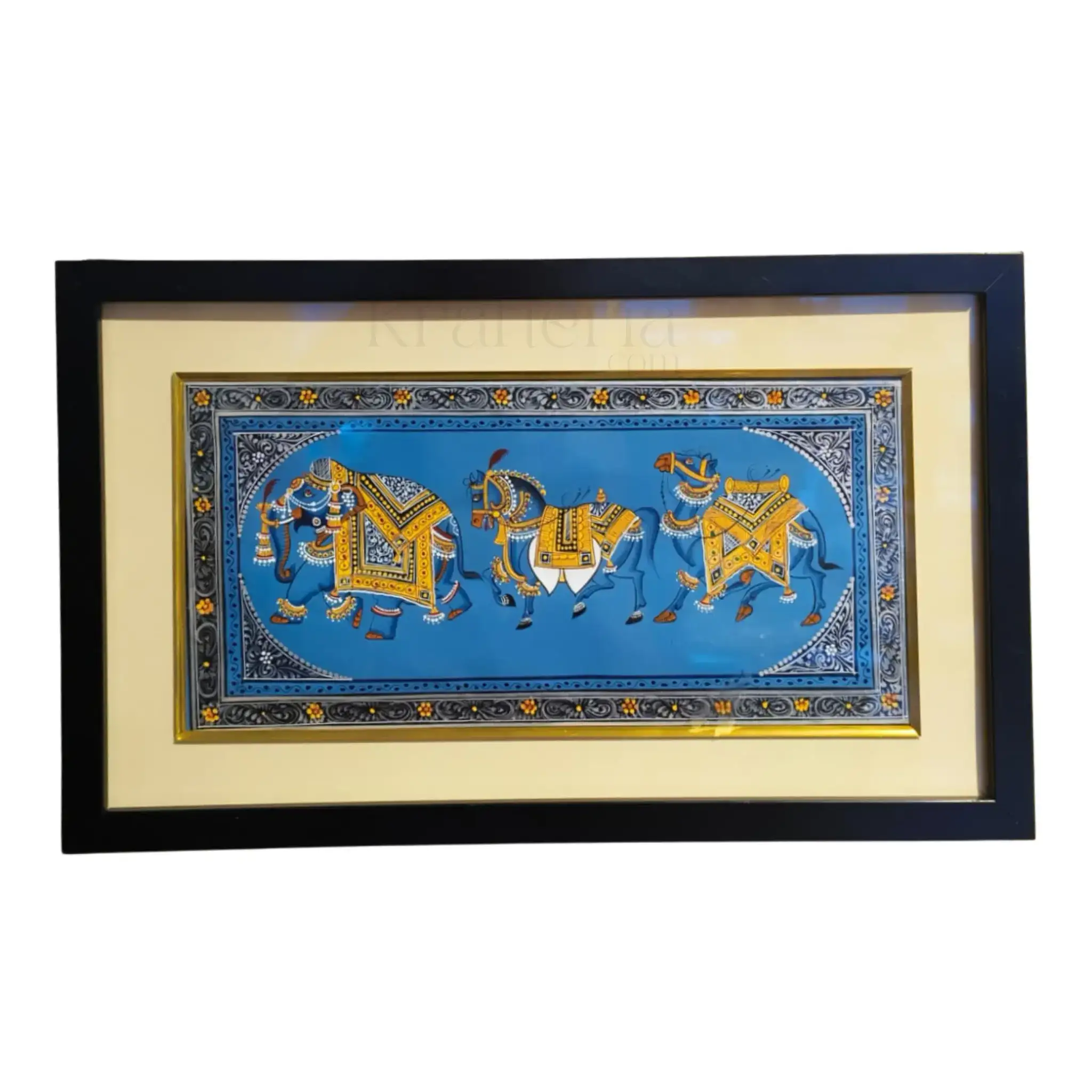
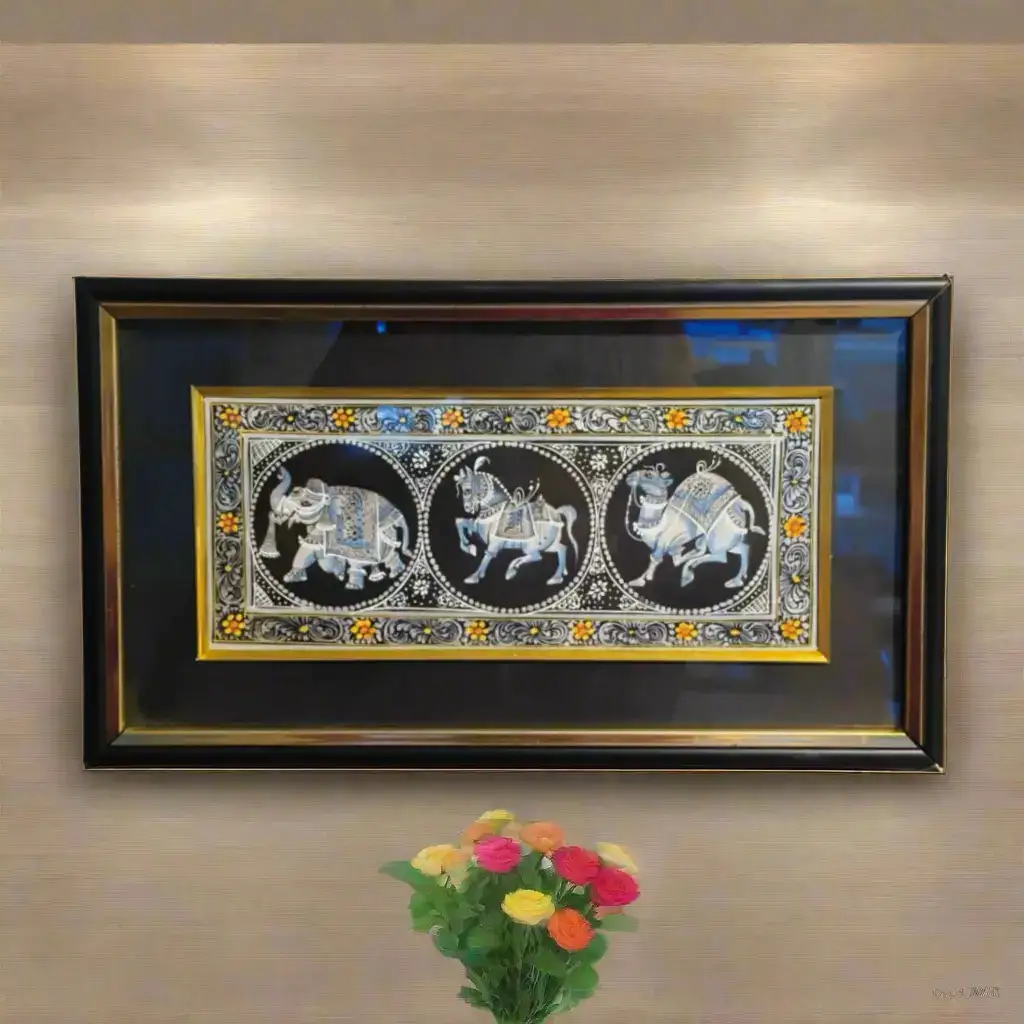
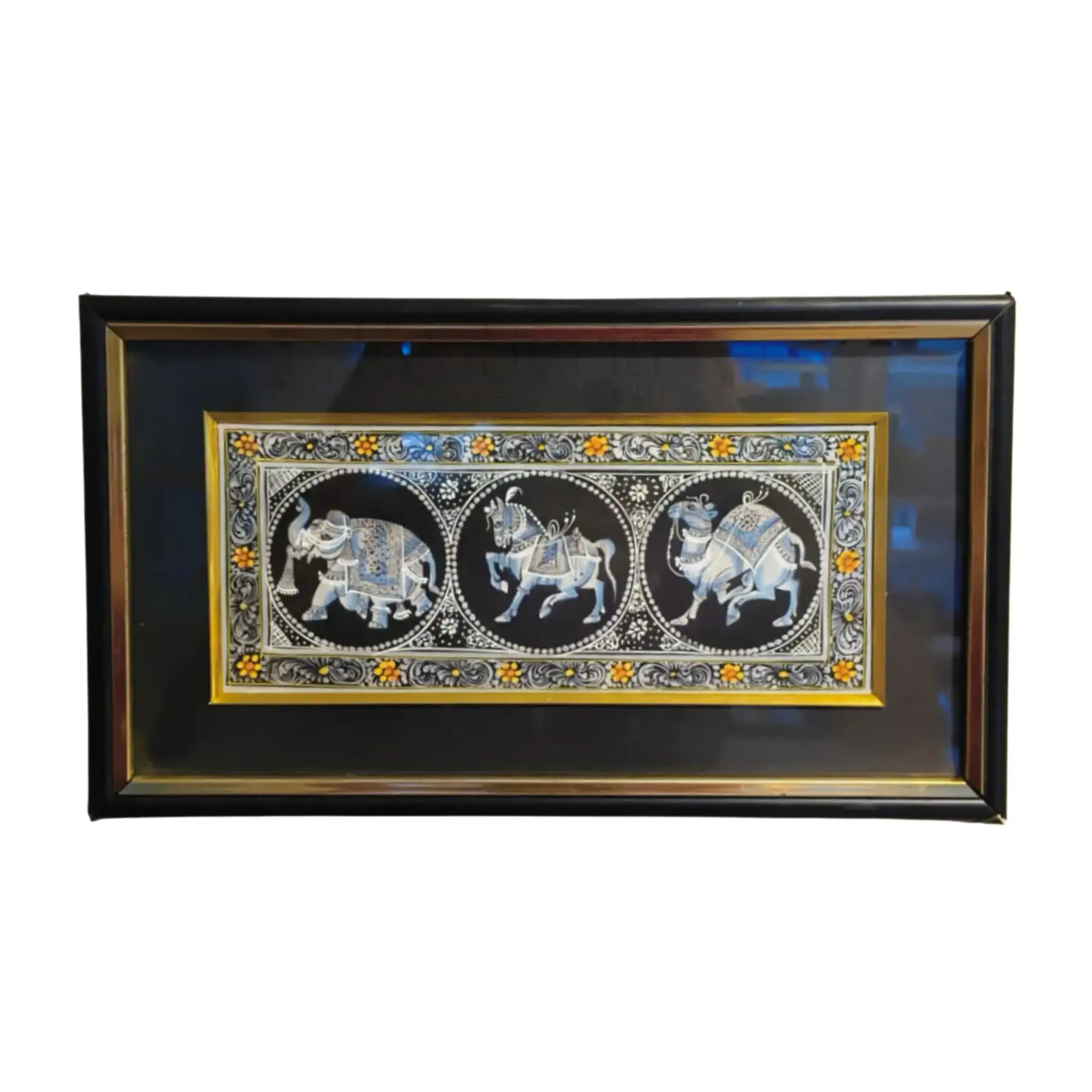
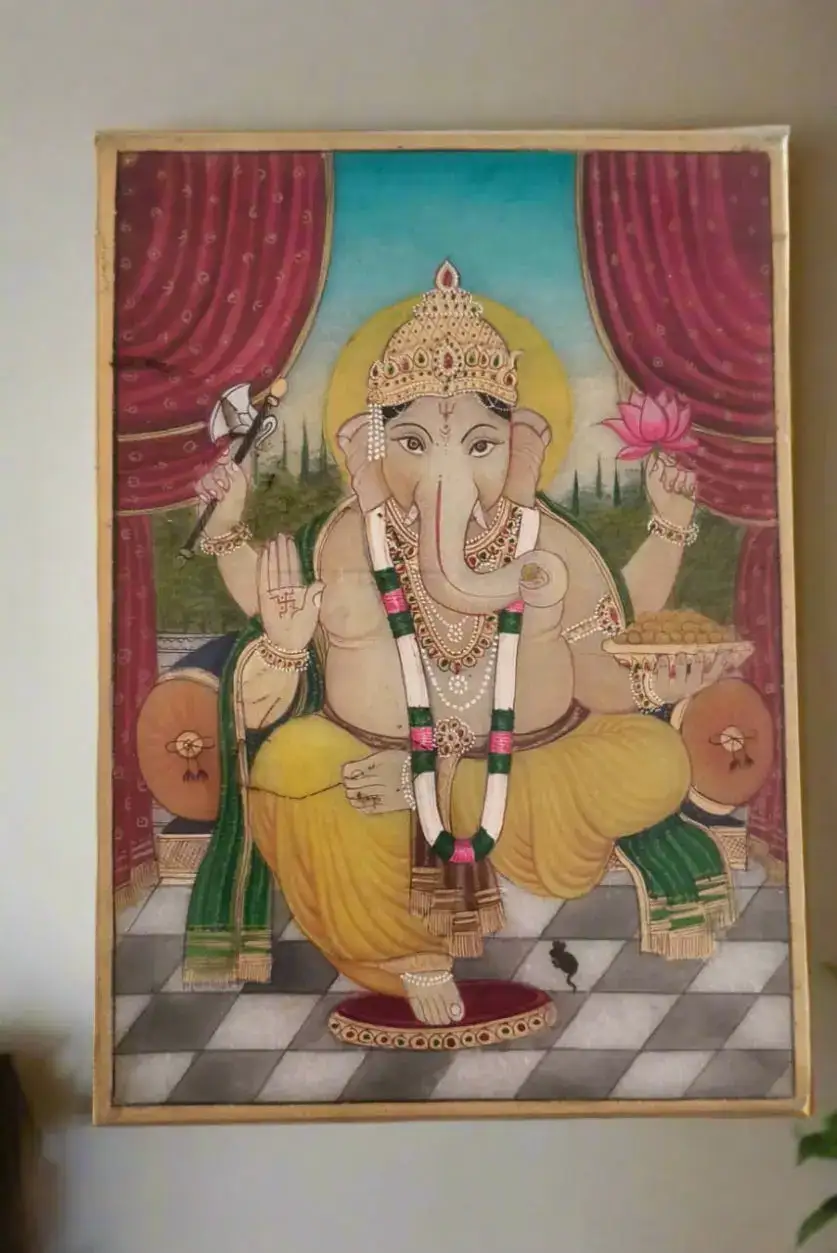
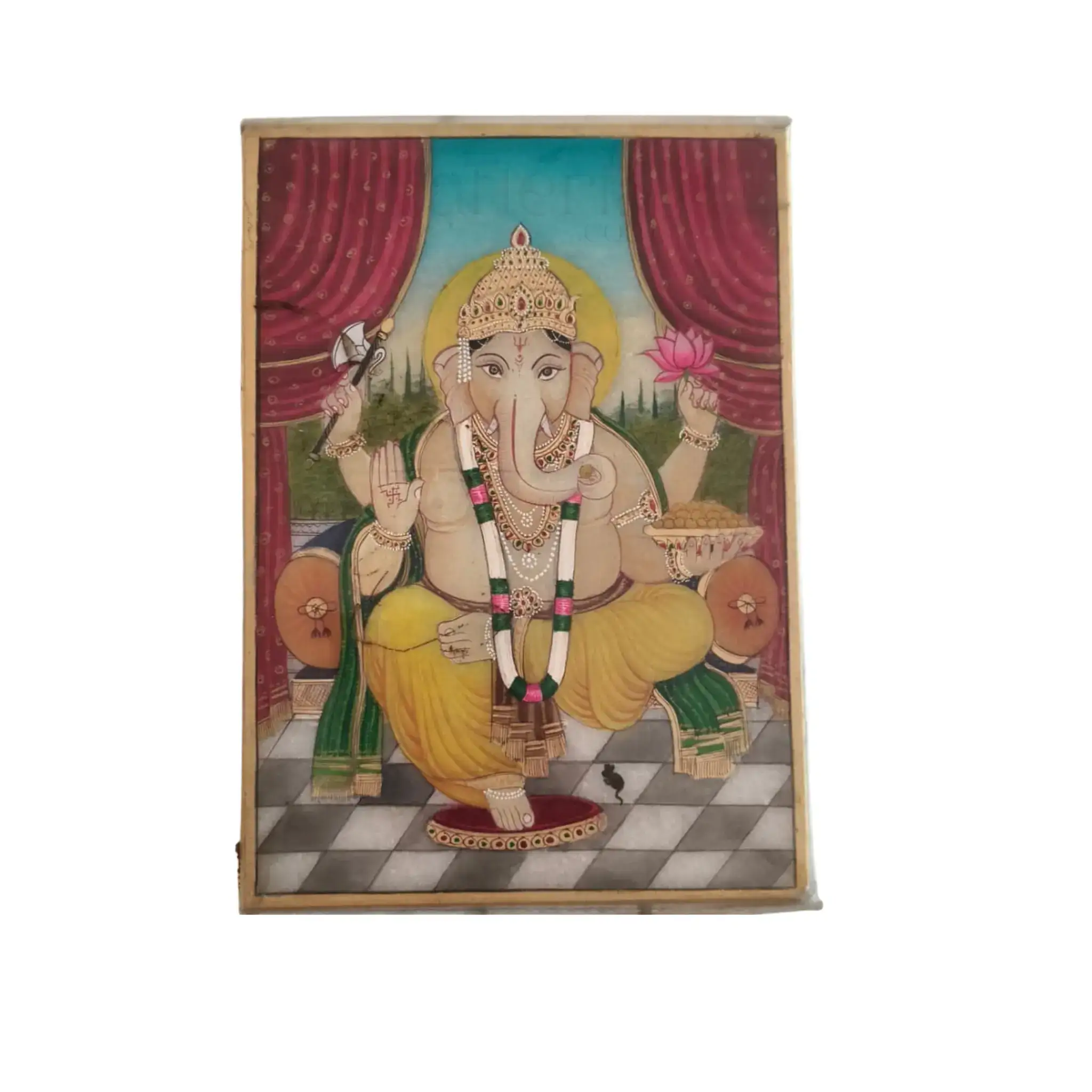
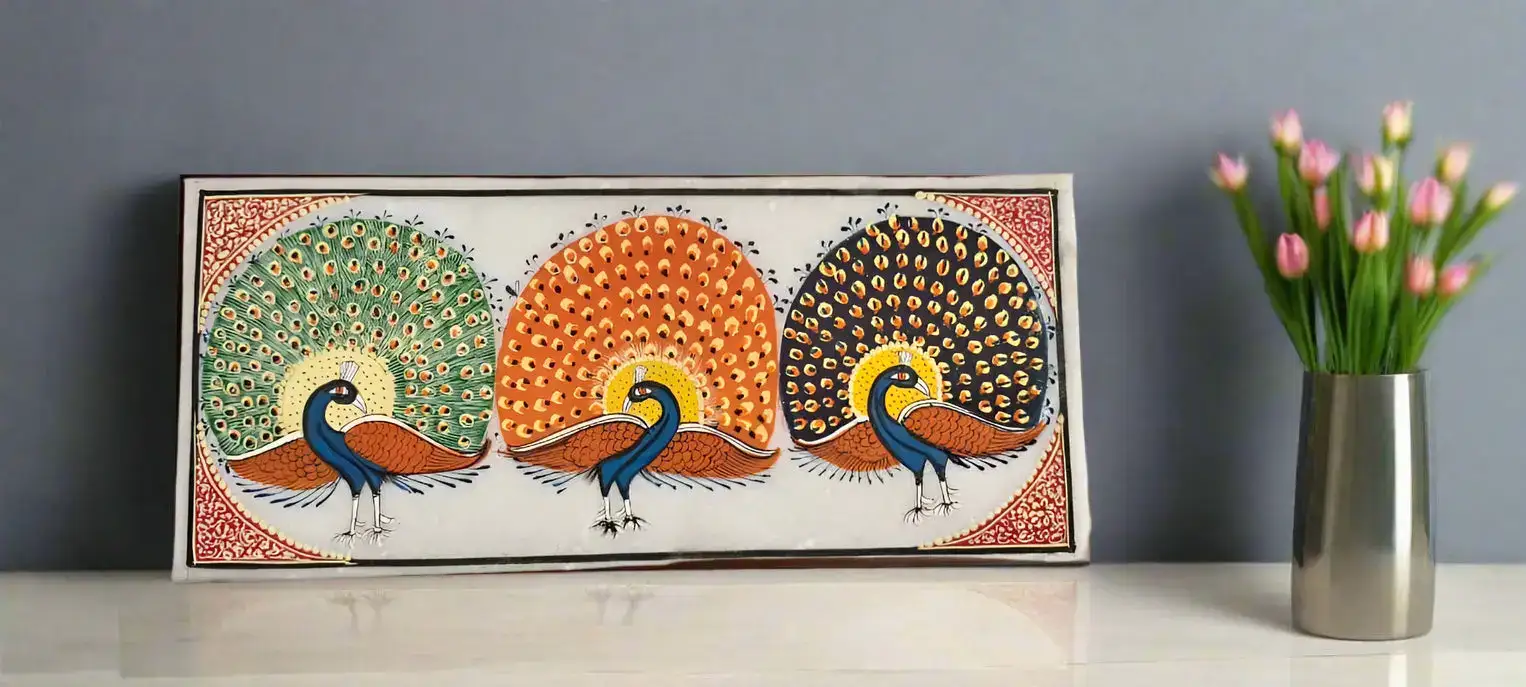
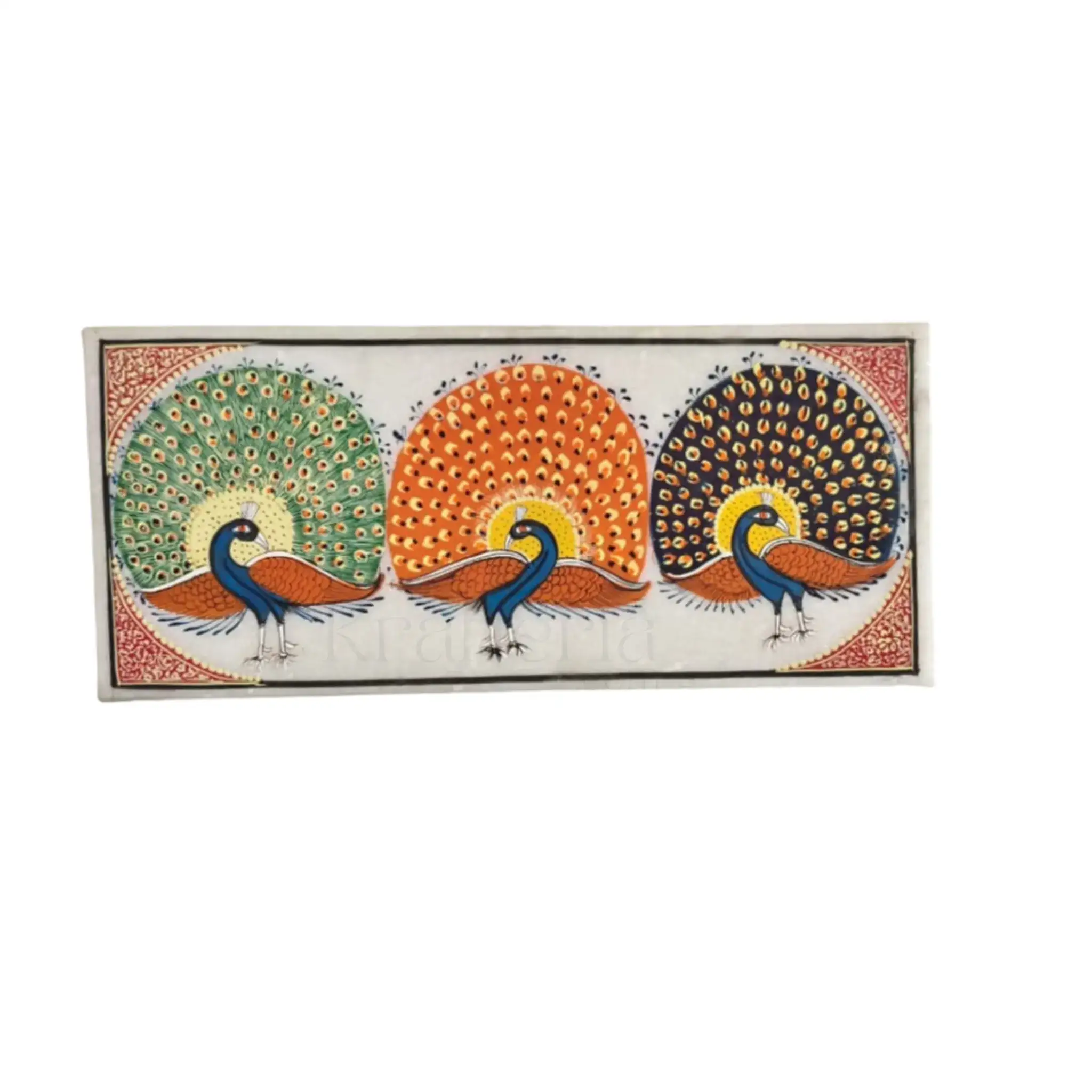
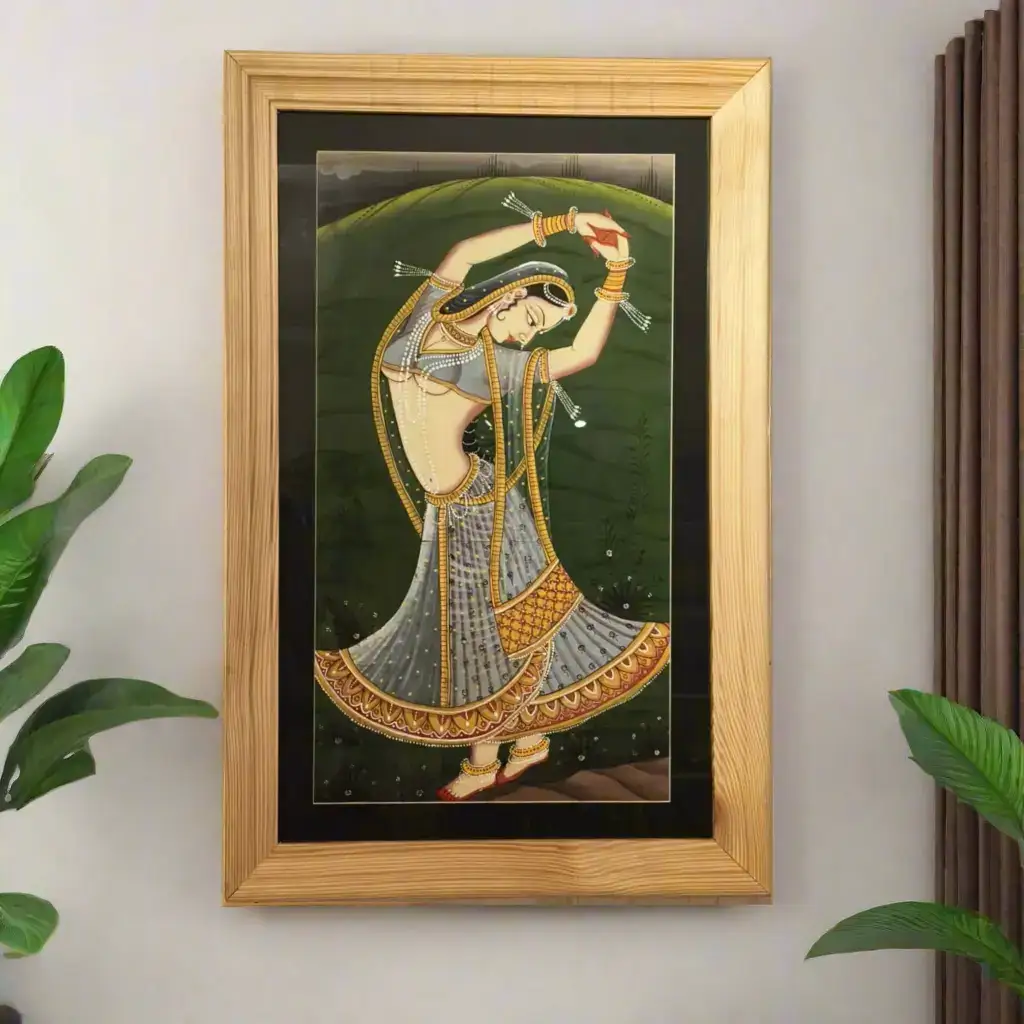
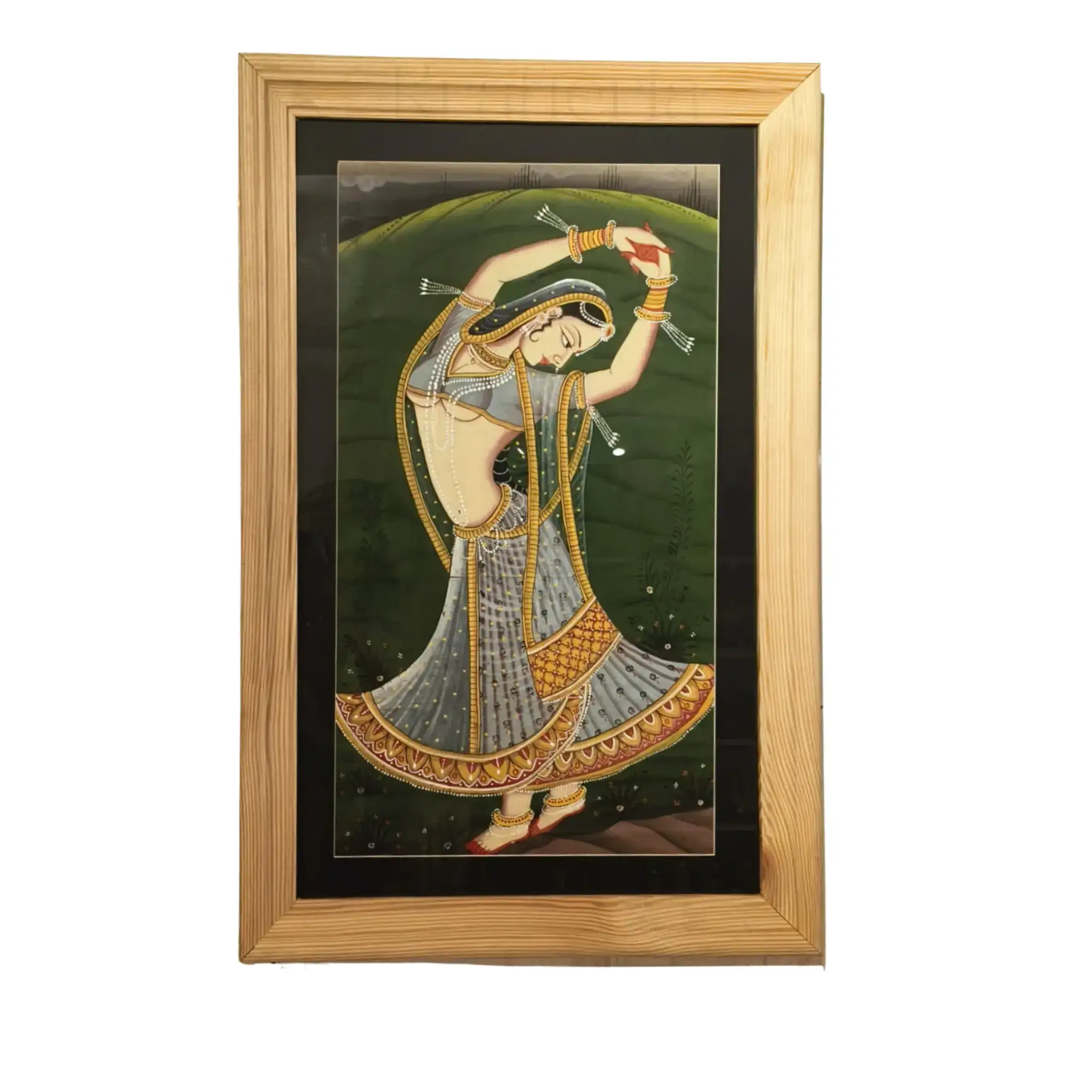
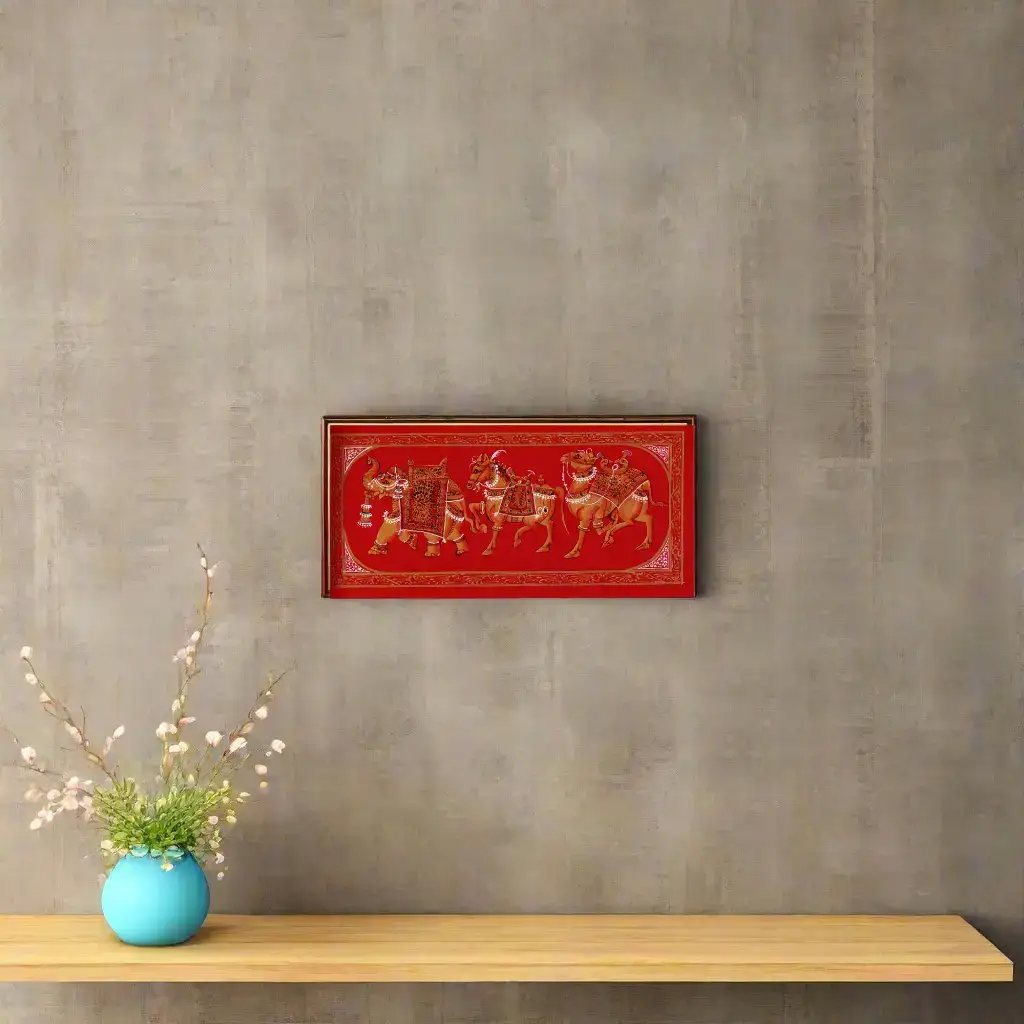
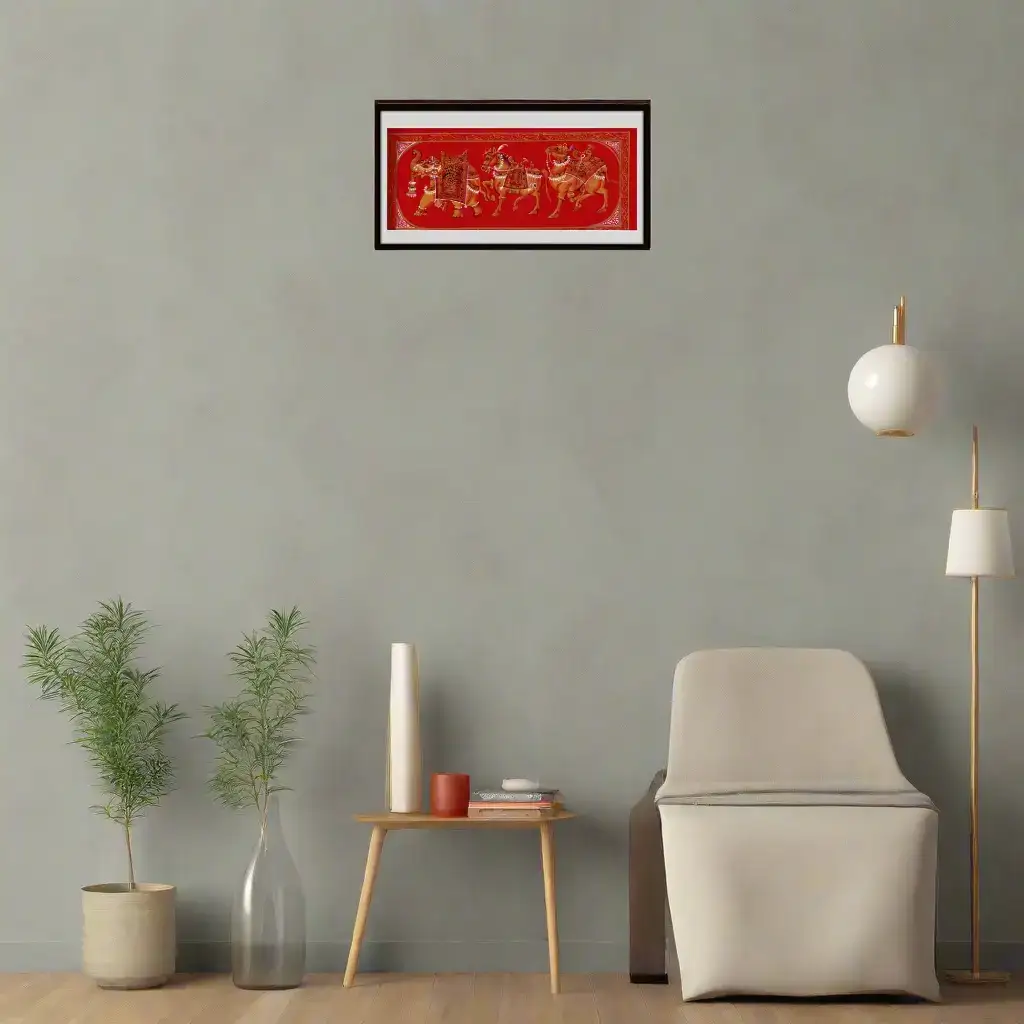
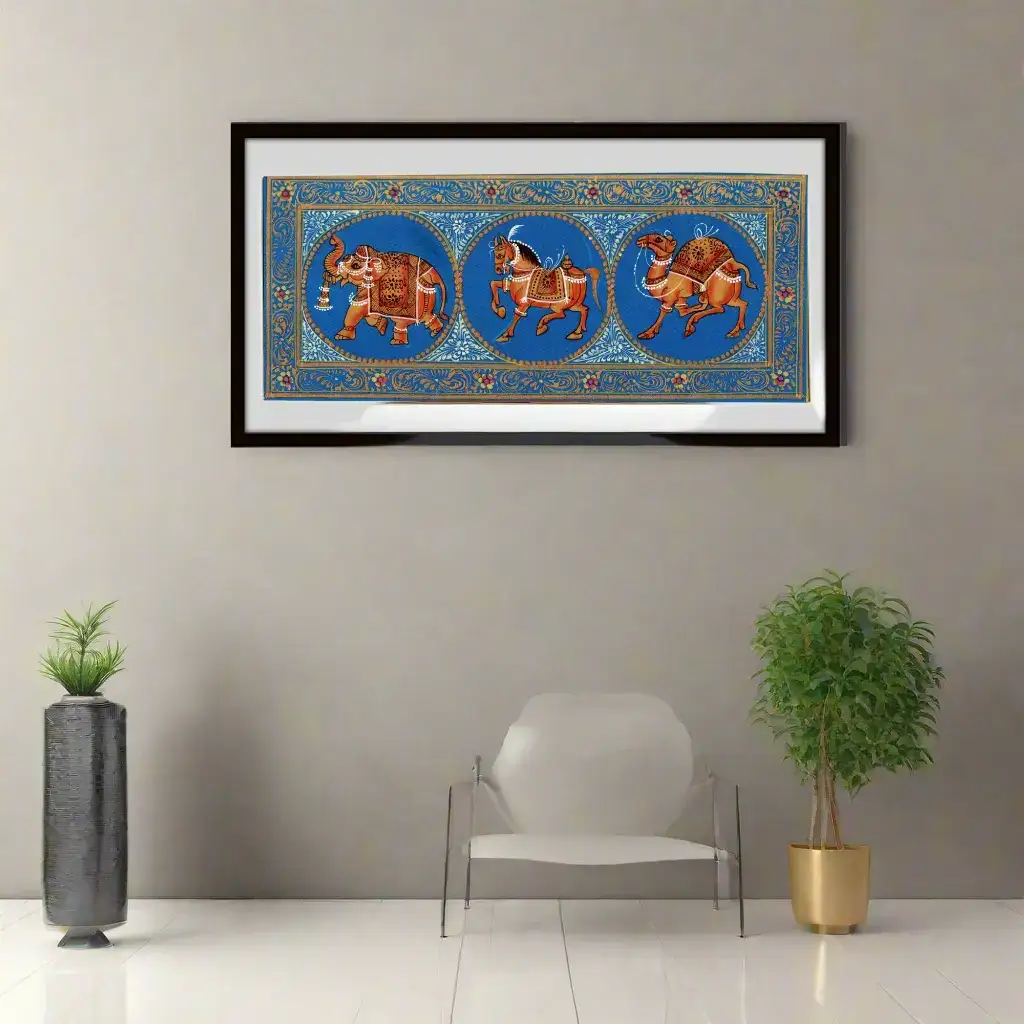
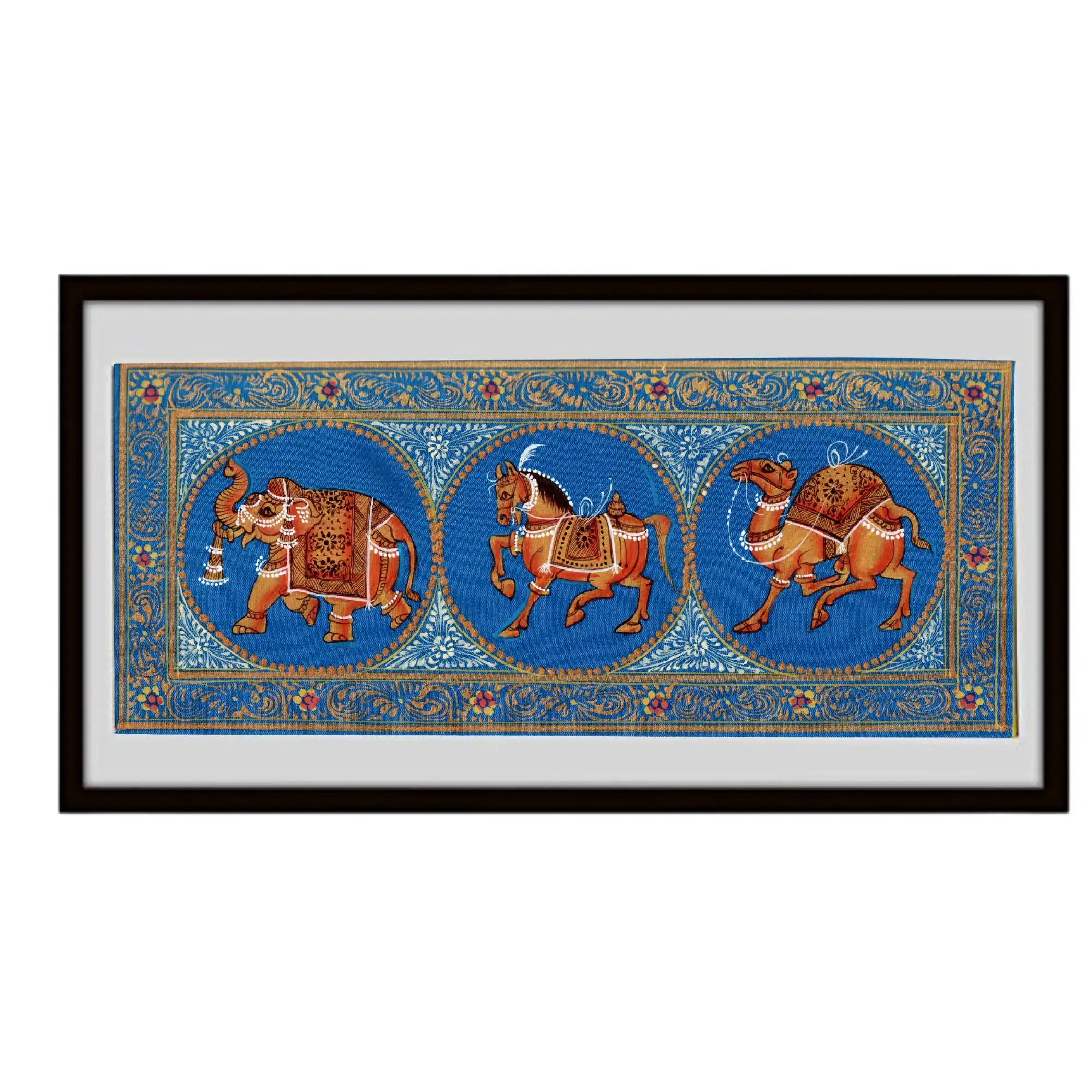
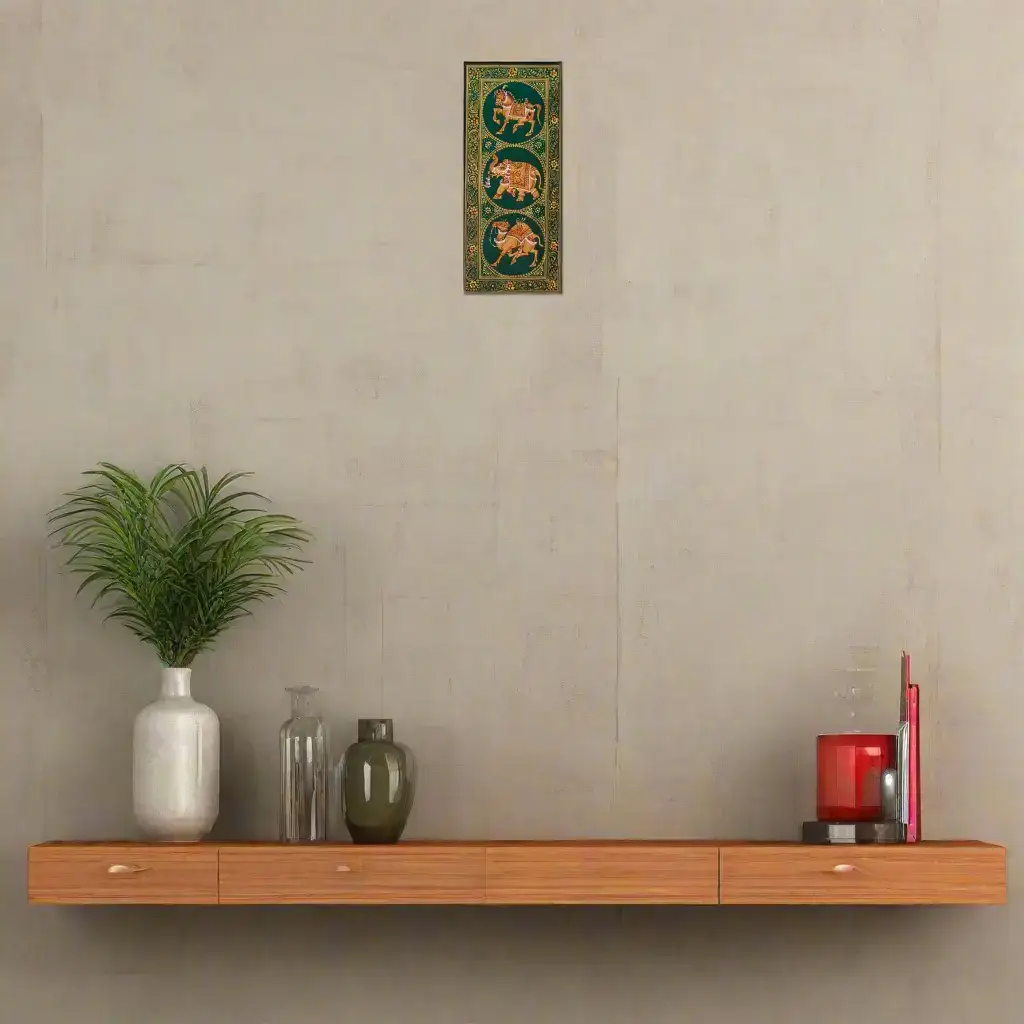
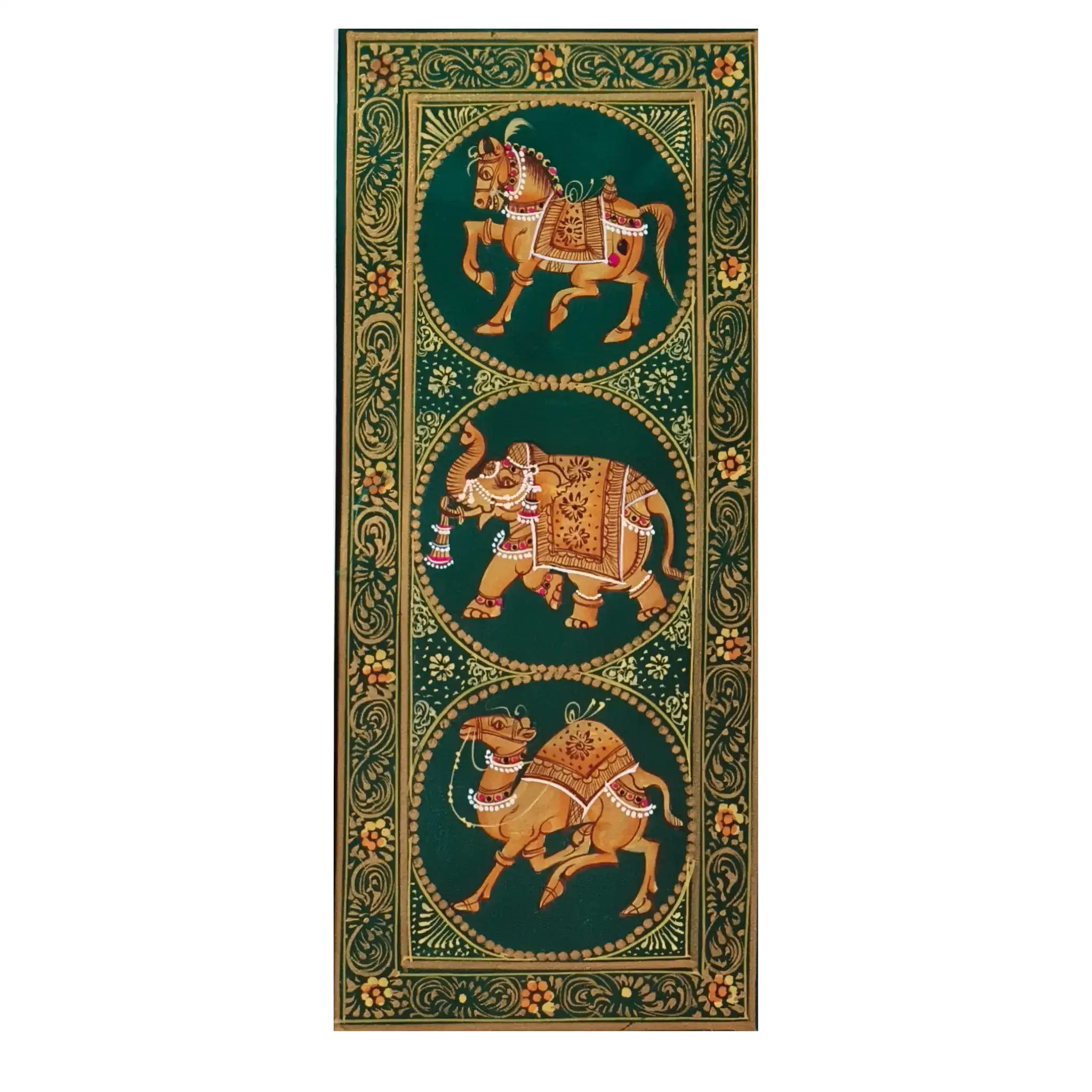
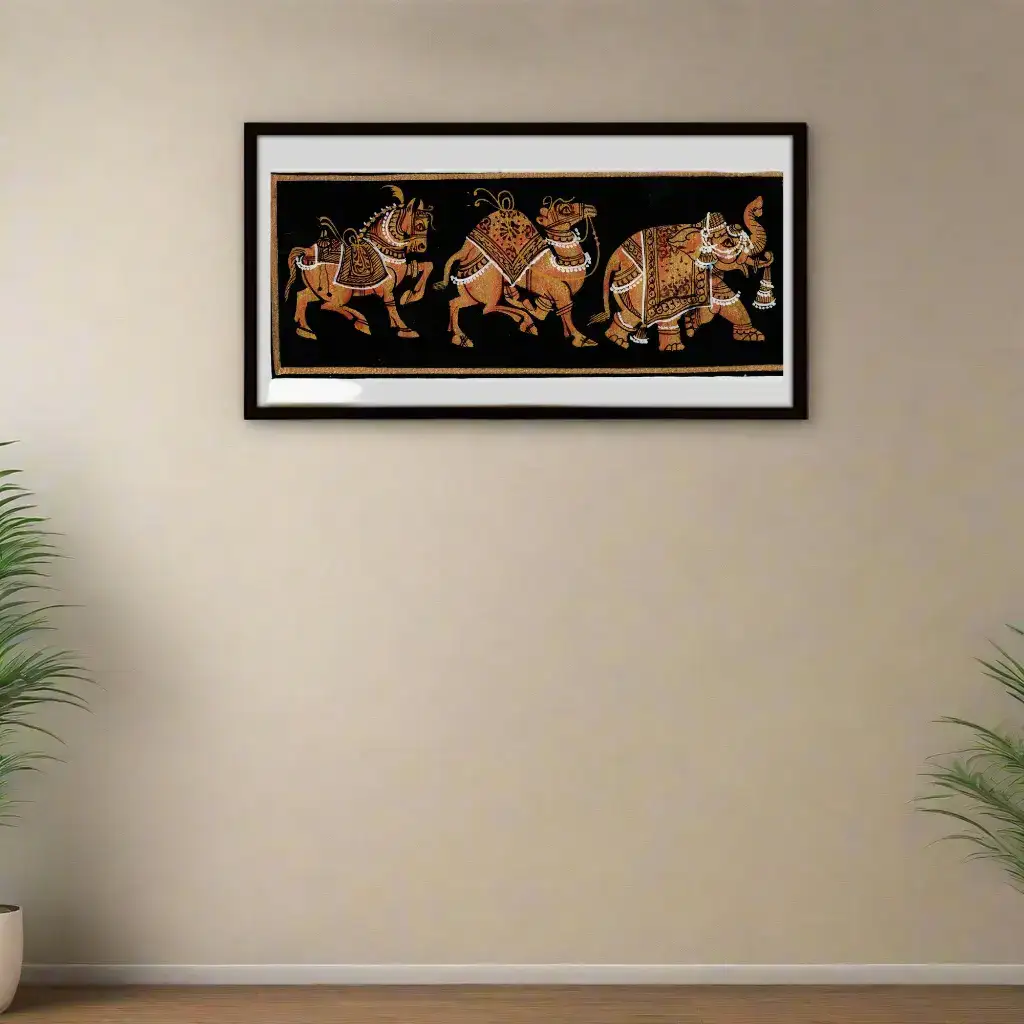
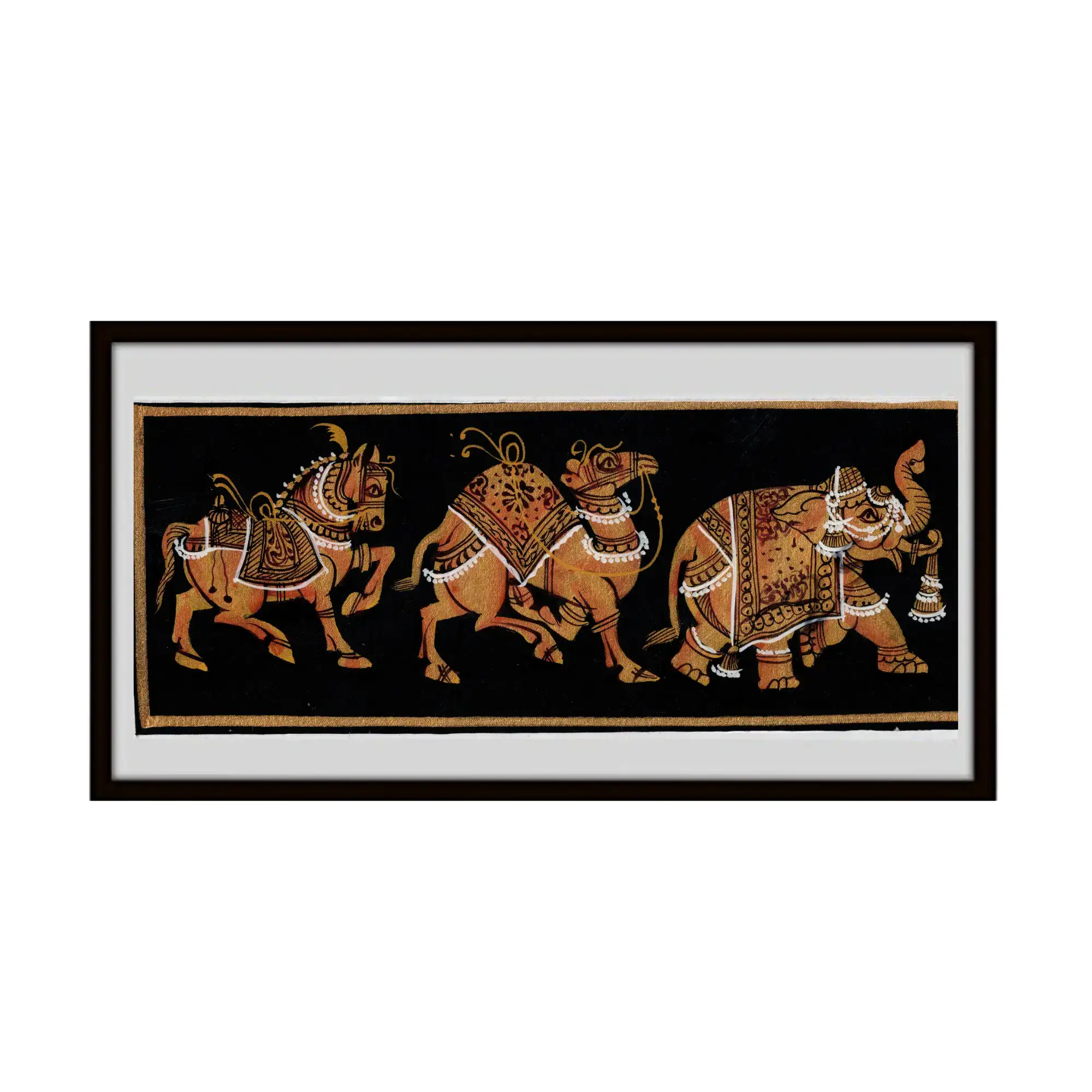
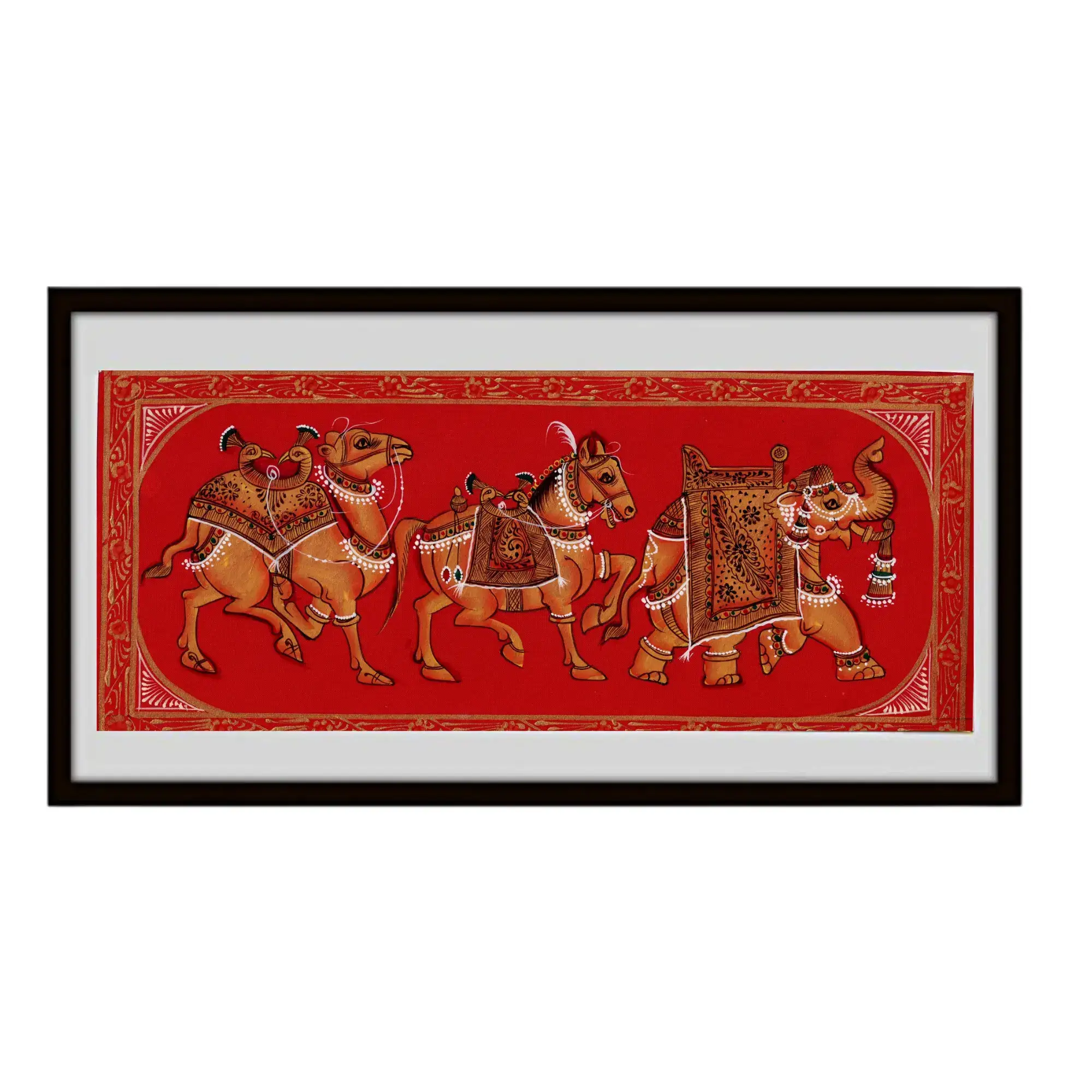
Village life miniature painting in the Rajasthani tradition is an exquisite and deeply rooted art form. It flourished in royal courts since the 16th century and is an important part of Indian culture. This style vividly captures mythology, epics, love stories, royal life, and folk traditions with bold lines and vibrant colors. The intricate detailing uses natural dyes and pigments derived from minerals, vegetables, and precious stones. These elements give the artwork a lasting and luminous quality that stands the test of time. These masterpieces exemplify miniature painting village scene artistry, showcasing expert craftsmanship and rich cultural heritage.
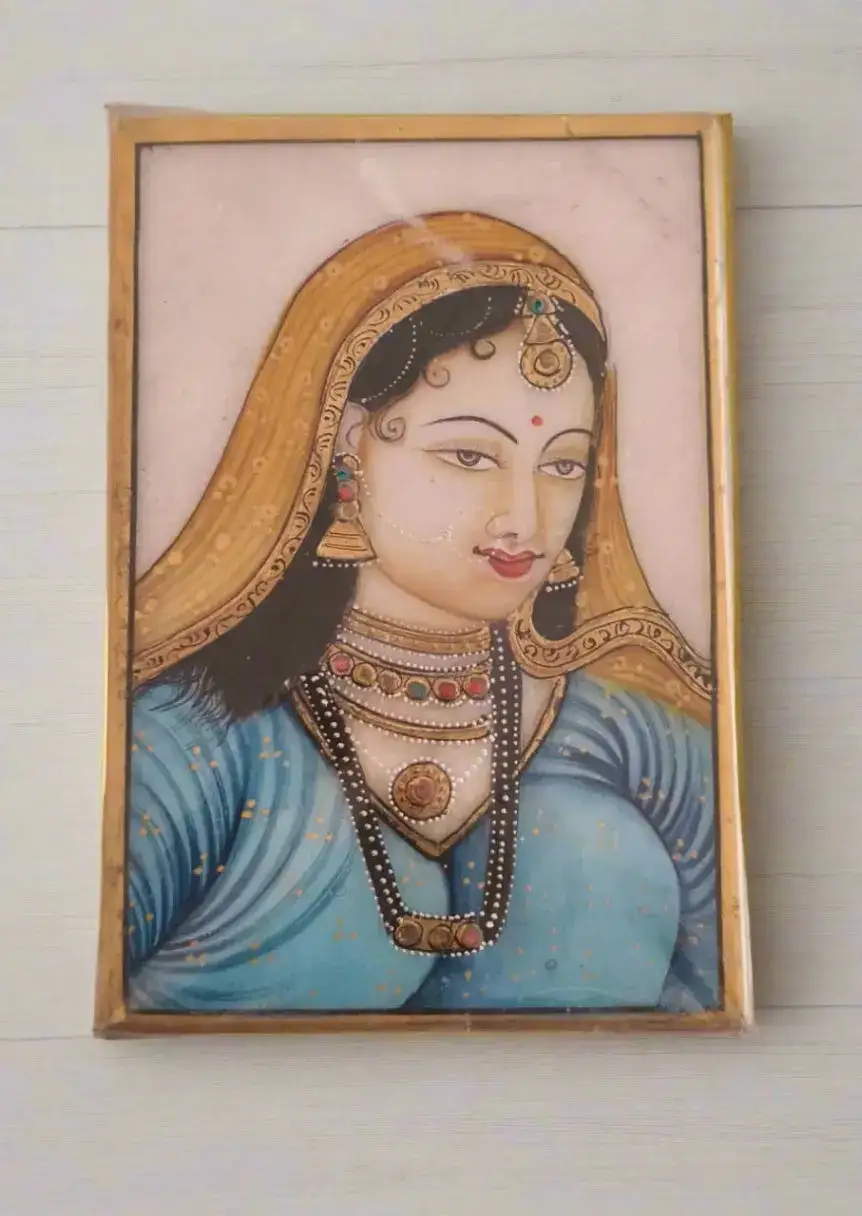
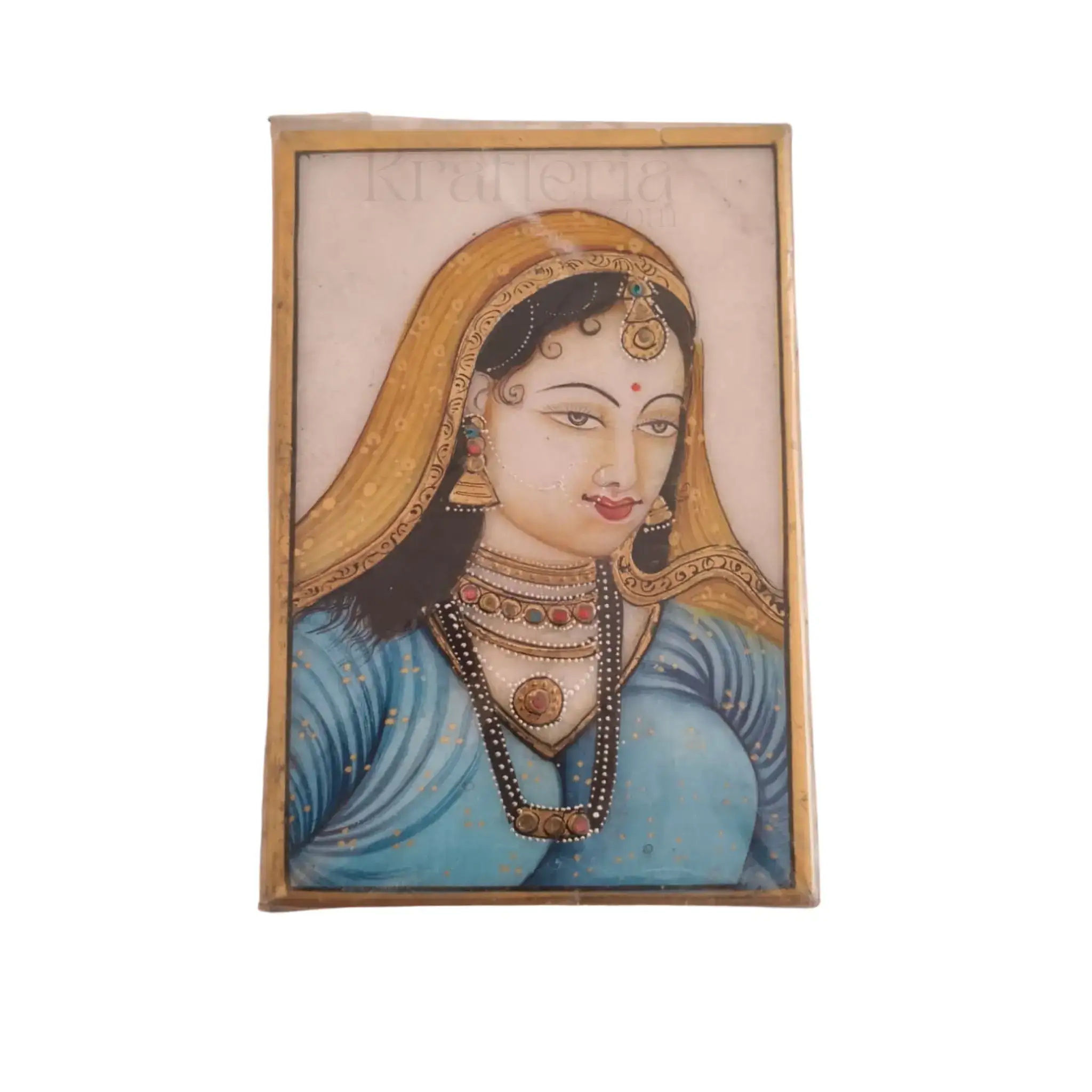
This art form is divided into several distinct schools, including Mewar, Marwar, Bundi, Kota, Kishangarh, Bikaner, and Jaipur. Each school has its unique styles and emphasizes different subjects. Kishangarh is especially famous for its romantic portrayals of Radha and Krishna. This school is renowned for the iconic Bani Thani image that symbolizes its style. Mewar paintings often depict court scenes, heroic tales, and religious themes. In contrast, Bundi and Kota focus more on lush landscapes and hunting scenes. These regional variations maintain the vibrancy and beauty of hand painted village life miniature artwork India across generations.
Exploring Village Life Painting Schools
The refined tradition of this art form captures rural life with remarkable precision and beauty. Skilled artists depict village festivals, agricultural routines, and community events using vibrant colors and delicate brushwork. The miniature painting village scene vividly paints pastoral views, lively markets, and everyday activities of village life. These visual stories preserve the soul of India’s countryside and its enduring cultural practices. They offer viewers a meaningful glimpse into traditional rural living through an artistic lens.
Techniques and Materials in Miniature Painting
Creating miniature painting requires great mastery in the preparation and application of natural pigments. Traditional artists use a careful blend of minerals, vegetable dyes, and precious stones to craft paints that resist fading, lasting for centuries. The fine brushes, often made from squirrel hair, allow for delicate, intricate strokes. This meticulous craftsmanship elevates every piece, making hand painted village life miniature artwork India treasured both as a cultural artifact and artistic expression. The precision and dedication involved ensure each painting’s lasting beauty.
Symbolism and Themes in Village Painting
The themes in miniature painting cover a broad spectrum, including spiritual stories and religious narratives alongside everyday rural life. Many artworks narrate folk tales or illustrate episodes from Indian epics, blending spirituality with communal living. The miniature painting village scene also captures leisure activities, farming rituals, and traditional crafts. These elements collectively reflect the social fabric of village India through vibrant, storytelling art. Each piece conveys a deep cultural message, preserving important historical and social traditions for future generations.
The allure and relevance of miniature painting remain strong even today. Contemporary artists continue to honor traditional techniques while incorporating fresh perspectives and new ideas. This fusion of heritage and innovation ensures that hand painted village life miniature artwork India stays relevant and cherished. It continues to attract art enthusiasts and collectors alike, eager to preserve this timeless cultural legacy. These artworks serve as a bridge connecting past experiences with present appreciation.
In summary, the golden hours of village life immortalized in this miniature painting offer an intimate artistic glimpse into rural India. The delicate combination of color, detail, and storytelling builds a bridge between past and present. This makes the art a timeless treasure. Collectors and admirers cherish these paintings for their cultural significance and artistic brilliance. They reflect centuries of tradition and craftsmanship, capturing the essence of village life in every stroke.
Original: $150.62
-70%$150.62
$45.19Product Information
Product Information
Shipping & Returns
Shipping & Returns
Description
The Golden Hours of Village Life Miniature Painting
Village life miniature painting in the Rajasthani tradition is an exquisite and deeply rooted art form. It flourished in royal courts since the 16th century and is an important part of Indian culture. This style vividly captures mythology, epics, love stories, royal life, and folk traditions with bold lines and vibrant colors. The intricate detailing uses natural dyes and pigments derived from minerals, vegetables, and precious stones. These elements give the artwork a lasting and luminous quality that stands the test of time. These masterpieces exemplify miniature painting village scene artistry, showcasing expert craftsmanship and rich cultural heritage.
This art form is divided into several distinct schools, including Mewar, Marwar, Bundi, Kota, Kishangarh, Bikaner, and Jaipur. Each school has its unique styles and emphasizes different subjects. Kishangarh is especially famous for its romantic portrayals of Radha and Krishna. This school is renowned for the iconic Bani Thani image that symbolizes its style. Mewar paintings often depict court scenes, heroic tales, and religious themes. In contrast, Bundi and Kota focus more on lush landscapes and hunting scenes. These regional variations maintain the vibrancy and beauty of hand painted village life miniature artwork India across generations.
Exploring Village Life Painting Schools
The refined tradition of this art form captures rural life with remarkable precision and beauty. Skilled artists depict village festivals, agricultural routines, and community events using vibrant colors and delicate brushwork. The miniature painting village scene vividly paints pastoral views, lively markets, and everyday activities of village life. These visual stories preserve the soul of India’s countryside and its enduring cultural practices. They offer viewers a meaningful glimpse into traditional rural living through an artistic lens.
Techniques and Materials in Miniature Painting
Creating miniature painting requires great mastery in the preparation and application of natural pigments. Traditional artists use a careful blend of minerals, vegetable dyes, and precious stones to craft paints that resist fading, lasting for centuries. The fine brushes, often made from squirrel hair, allow for delicate, intricate strokes. This meticulous craftsmanship elevates every piece, making hand painted village life miniature artwork India treasured both as a cultural artifact and artistic expression. The precision and dedication involved ensure each painting’s lasting beauty.
Symbolism and Themes in Village Painting
The themes in miniature painting cover a broad spectrum, including spiritual stories and religious narratives alongside everyday rural life. Many artworks narrate folk tales or illustrate episodes from Indian epics, blending spirituality with communal living. The miniature painting village scene also captures leisure activities, farming rituals, and traditional crafts. These elements collectively reflect the social fabric of village India through vibrant, storytelling art. Each piece conveys a deep cultural message, preserving important historical and social traditions for future generations.
The allure and relevance of miniature painting remain strong even today. Contemporary artists continue to honor traditional techniques while incorporating fresh perspectives and new ideas. This fusion of heritage and innovation ensures that hand painted village life miniature artwork India stays relevant and cherished. It continues to attract art enthusiasts and collectors alike, eager to preserve this timeless cultural legacy. These artworks serve as a bridge connecting past experiences with present appreciation.
In summary, the golden hours of village life immortalized in this miniature painting offer an intimate artistic glimpse into rural India. The delicate combination of color, detail, and storytelling builds a bridge between past and present. This makes the art a timeless treasure. Collectors and admirers cherish these paintings for their cultural significance and artistic brilliance. They reflect centuries of tradition and craftsmanship, capturing the essence of village life in every stroke.