The Golden Trinity Miniature Painting
The Golden Trinity Miniature Painting
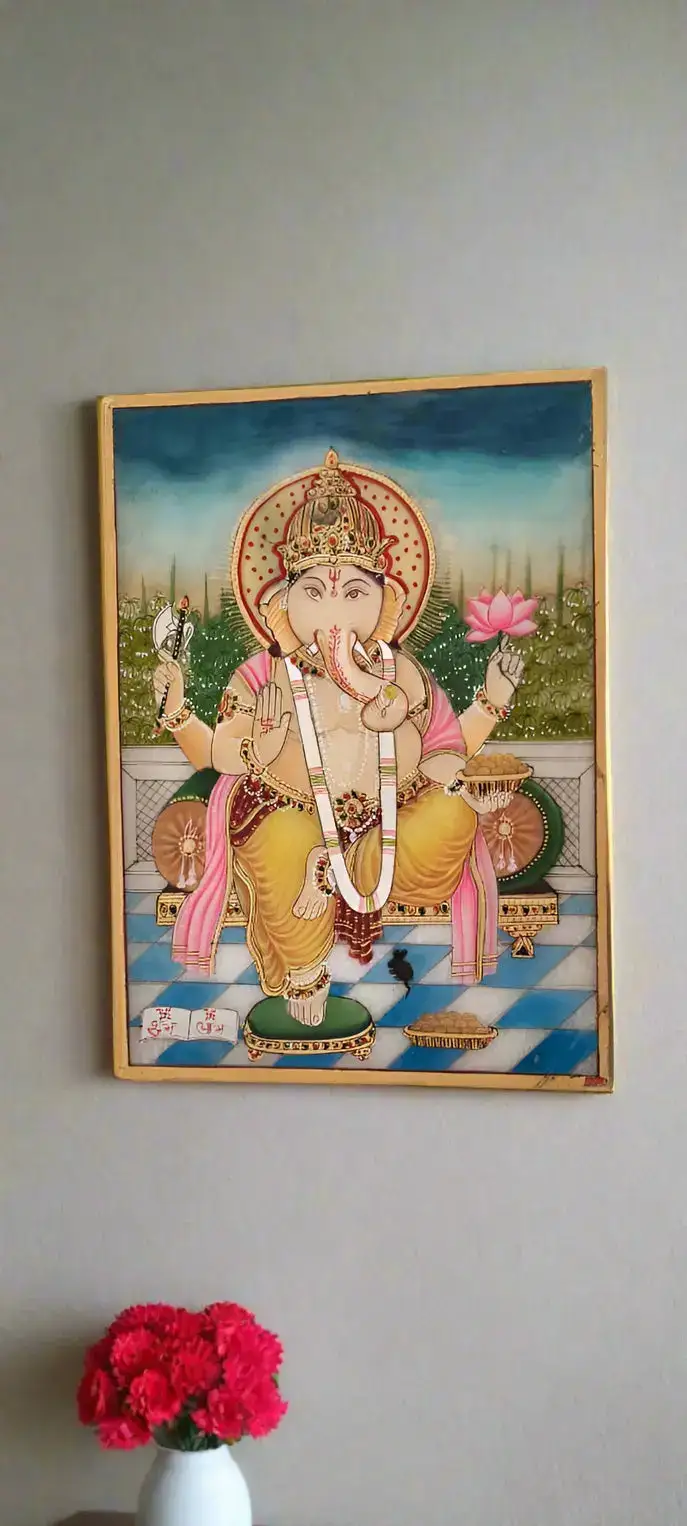
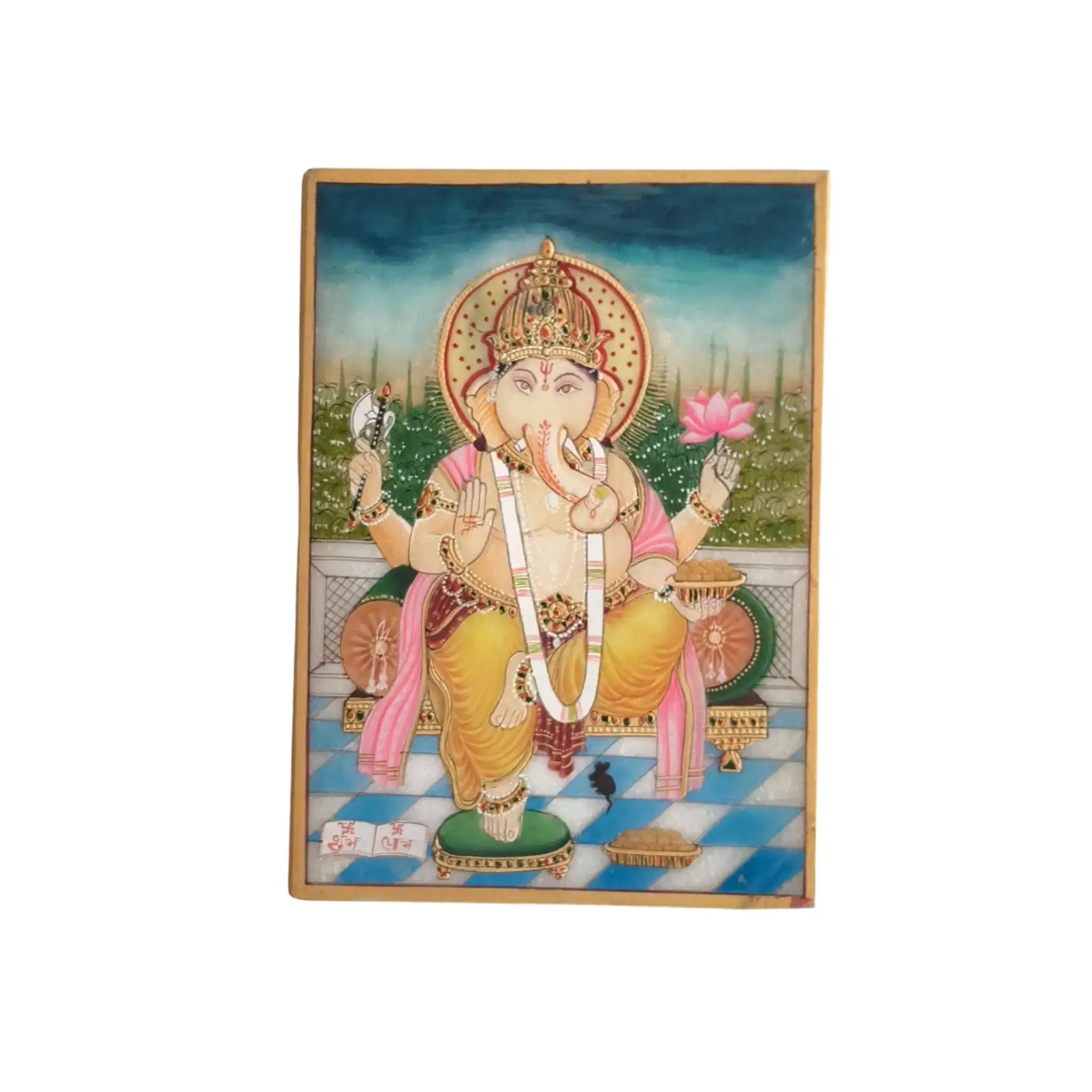
Trinity Miniature Painting is a rich and vibrant style of Indian miniature painting that flourished in the royal courts of Rajasthan from the 16th century onwards. This traditional Indian miniature art is deeply rooted in Indian culture and heritage. It beautifully portrays themes of mythology, epics, love stories, royal life, and folk culture with remarkable detail.
The paintings are renowned for their bold lines, bright colors, and intricate patterns. Artists use natural dyes and pigments made from minerals, vegetables, and precious stones. These organic materials give the painting a lasting and luminous quality, adding to its charm and value as authentic miniature wall art.
Historical Background of Trinity Miniature Painting
The history of Trinity Miniature Painting is intertwined with the patronage of royal courts in Rajasthan. Originating in the 16th century, it became an important artistic expression for many ruling dynasties. Each school of this painting depicts stories and themes relevant to their cultural context and lifestyle.
Hand painted miniature art India has been celebrated as a unique heritage craft that reflects India's rich mythology and traditions. These artworks capture emotions vividly, making them cherished collectibles and impressive décor pieces.
Distinct Styles and Schools of Painting
This art form is divided into several schools, including Mewar, Marwar, Bundi, Kota, Kishangarh, Bikaner, and Jaipur. Each school has its own distinct style, techniques, and subject focus that makes it unique. The variety in style enriches the diversity of the Trinity Miniature Paintings tradition.
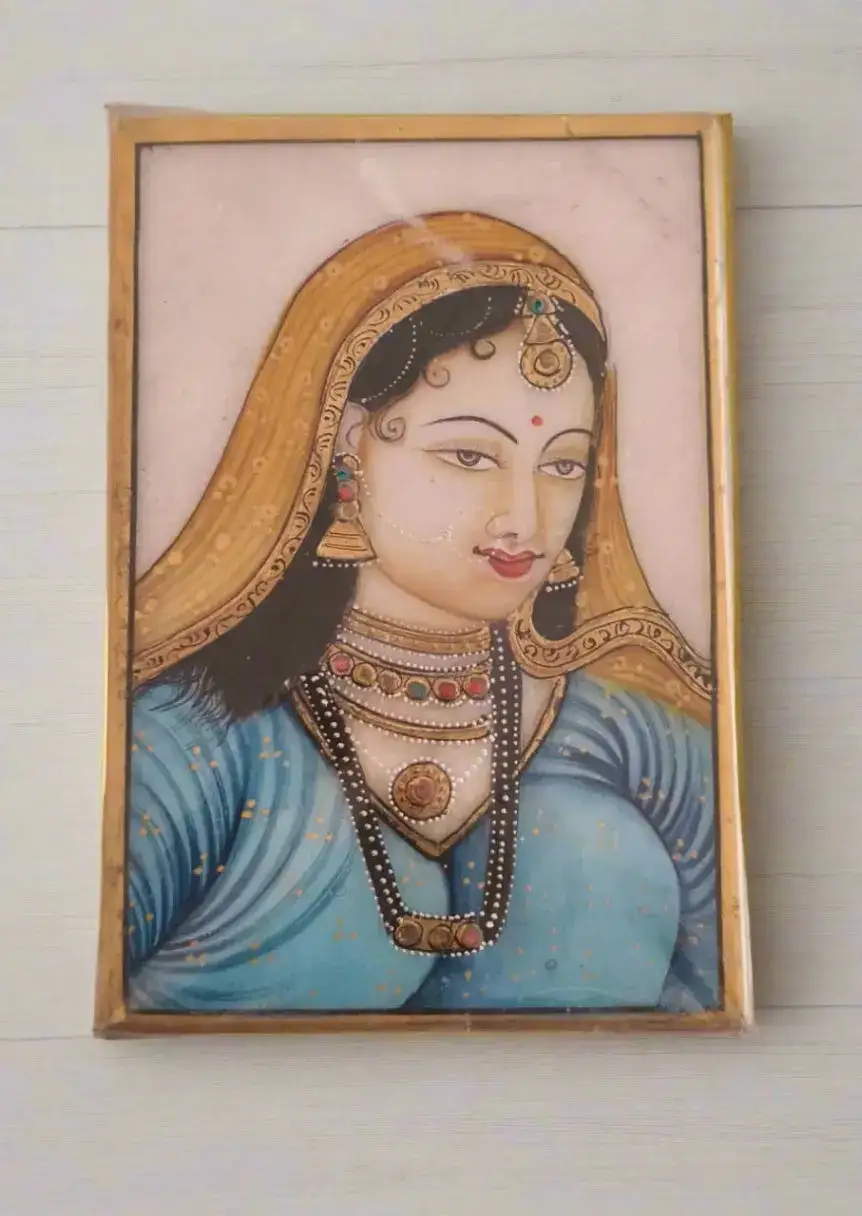
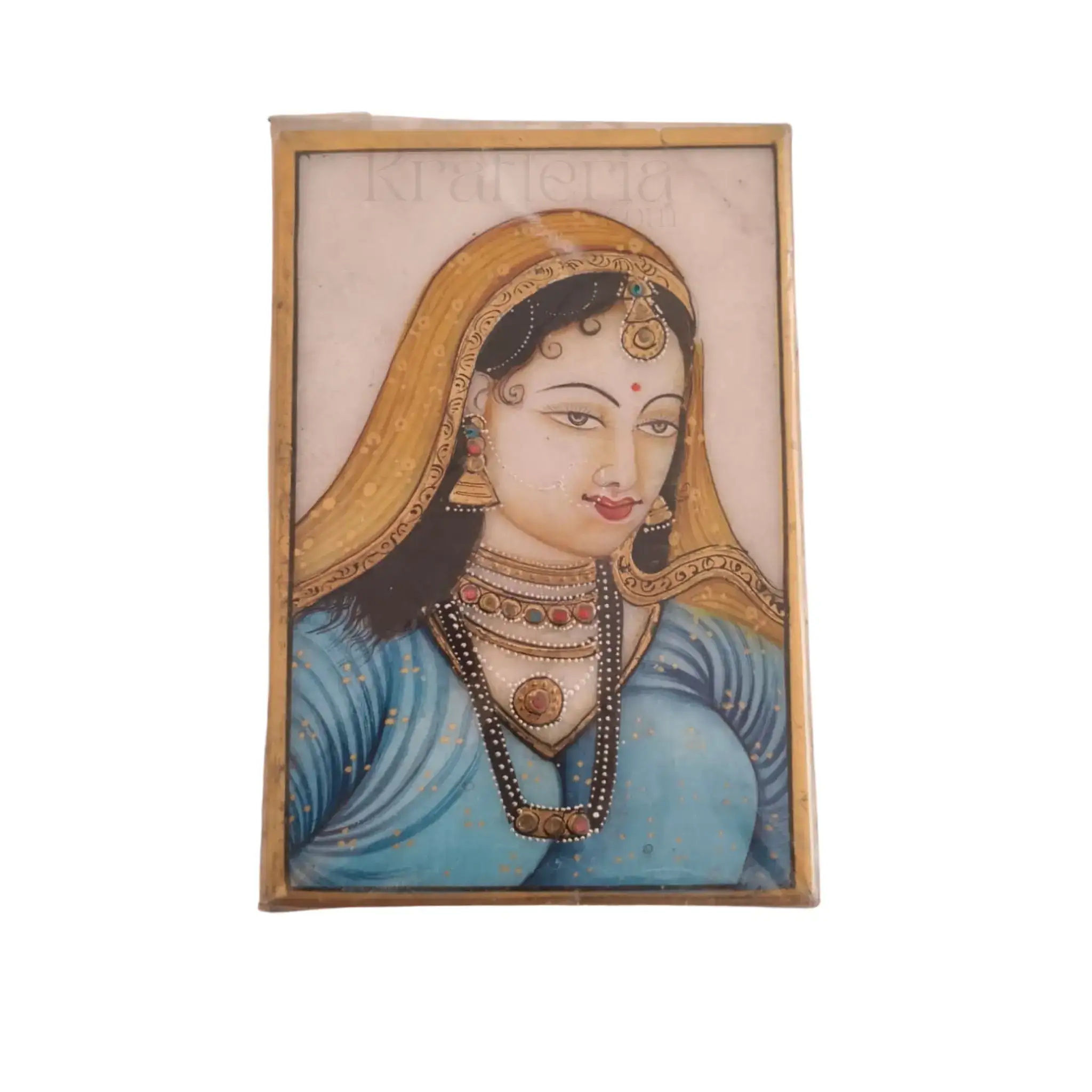
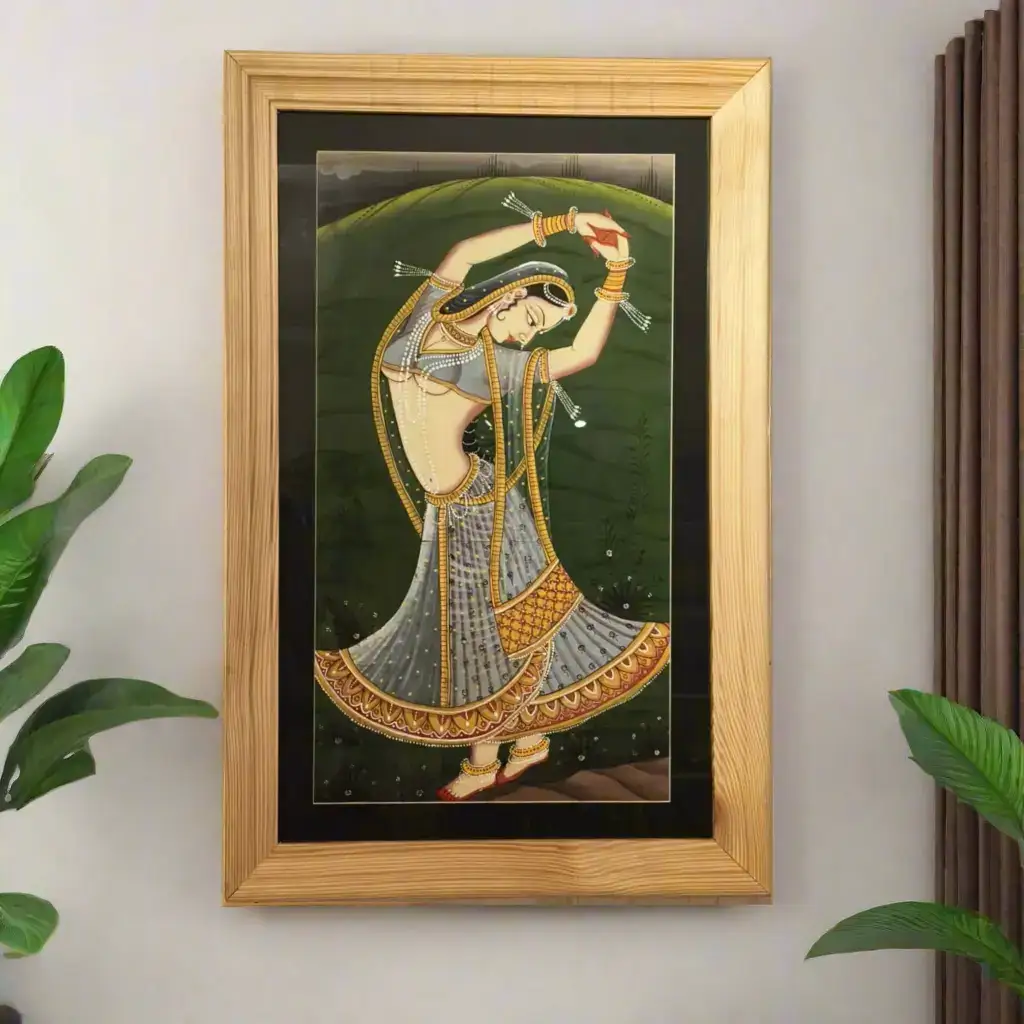
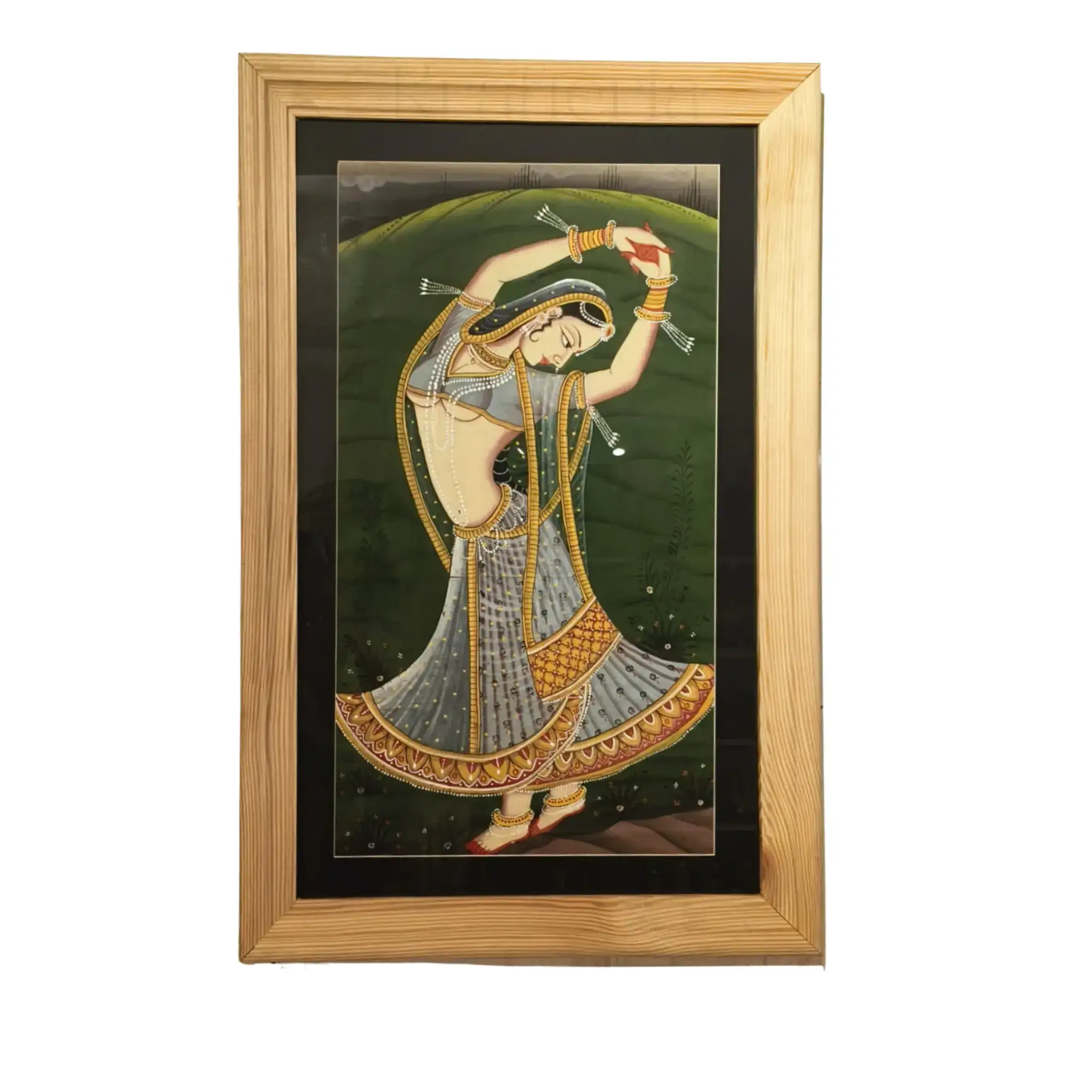
The Kishangarh school is famous for its romantic portrayal of Radha and Krishna. It produced the iconic image of Bani Thani, which remains an enduring symbol of beauty and elegance in miniature art. The emotional expression and refined lines highlight the masterful skills of Kishangarh artists.
Mewar paintings often depict royal court scenes, heroic tales, and religious themes. These paintings emphasize bold colors, dramatic narratives, and intricate outfit details, reflecting the grandeur of the royal lifestyle. The scenes offer a glimpse into historical events and cultural values.
Meanwhile, Bundi and Kota paintings are known for lush landscapes and hunting scenes. The natural settings, animals, and dynamic compositions bring a vibrant life to the miniature wall art. These schools especially highlight the beauty and richness of Rajasthani nature and royal leisure activities.
Artistic Techniques and Materials
Artists employ meticulous techniques to create these miniature paintings. They use fine brushes and delicate strokes to achieve intricate details. This traditional Indian miniature art requires immense patience and skill, emphasizing the handcrafted nature of each piece.
The use of natural colors derived from minerals, vegetables, and precious stones ensures longevity and a glowing finish. This method aligns with historical practices and maintains the authenticity of the artwork. The precious materials also reflect the opulence associated with royal courts.
Why Choose Trinity Miniature Paintings?
This painting is an exquisite example of traditional art that connects history, culture, and aesthetics. Owning an original Trinity Miniature Art offers a chance to own a piece of India's artistic legacy. It makes an elegant gift for art lovers and a meaningful addition to home décor.
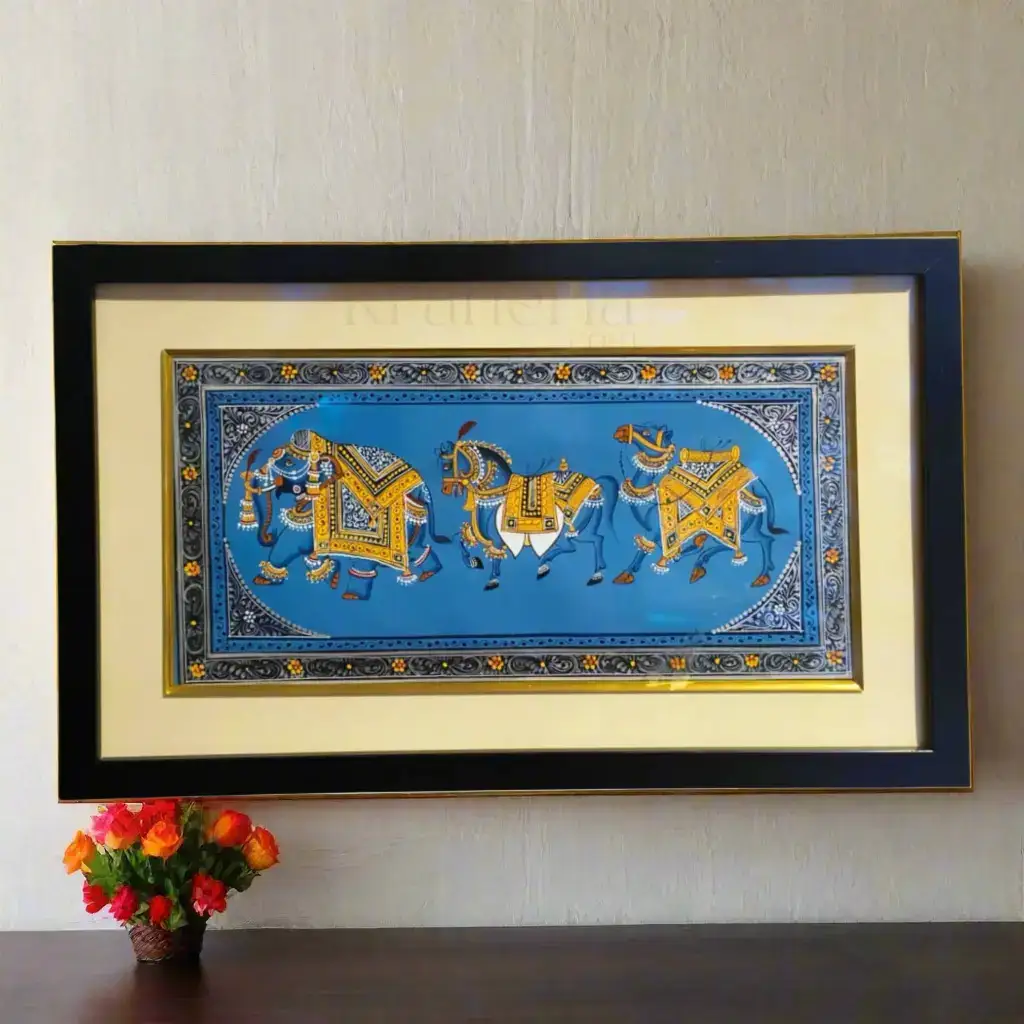
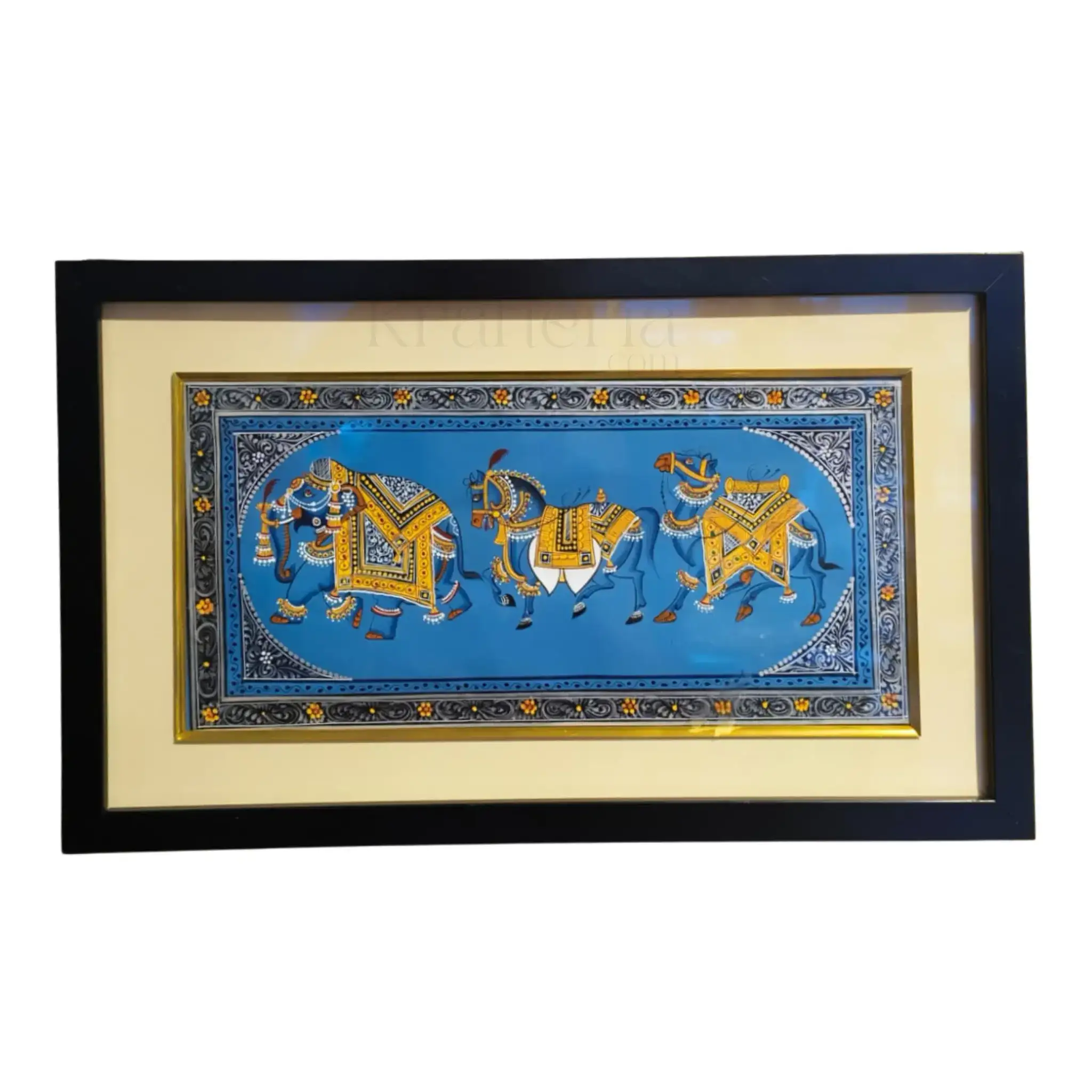
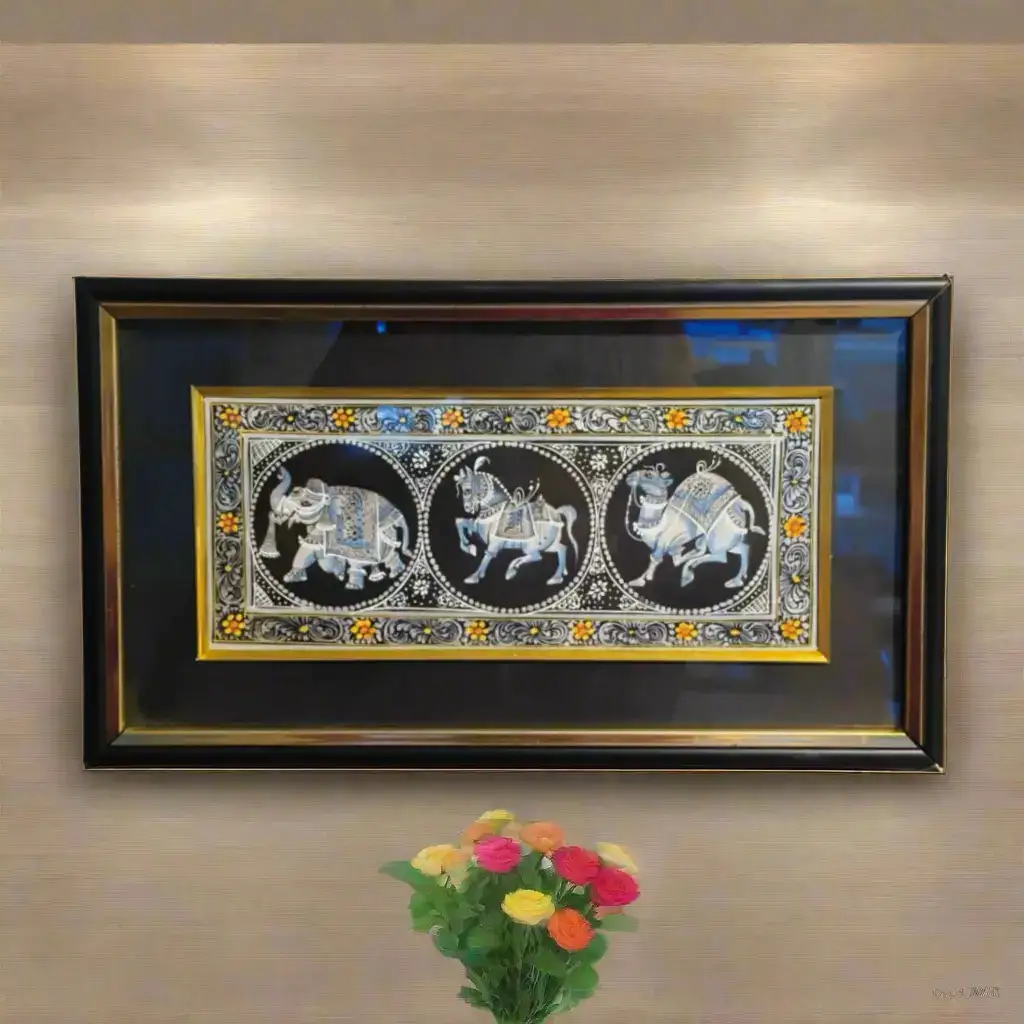
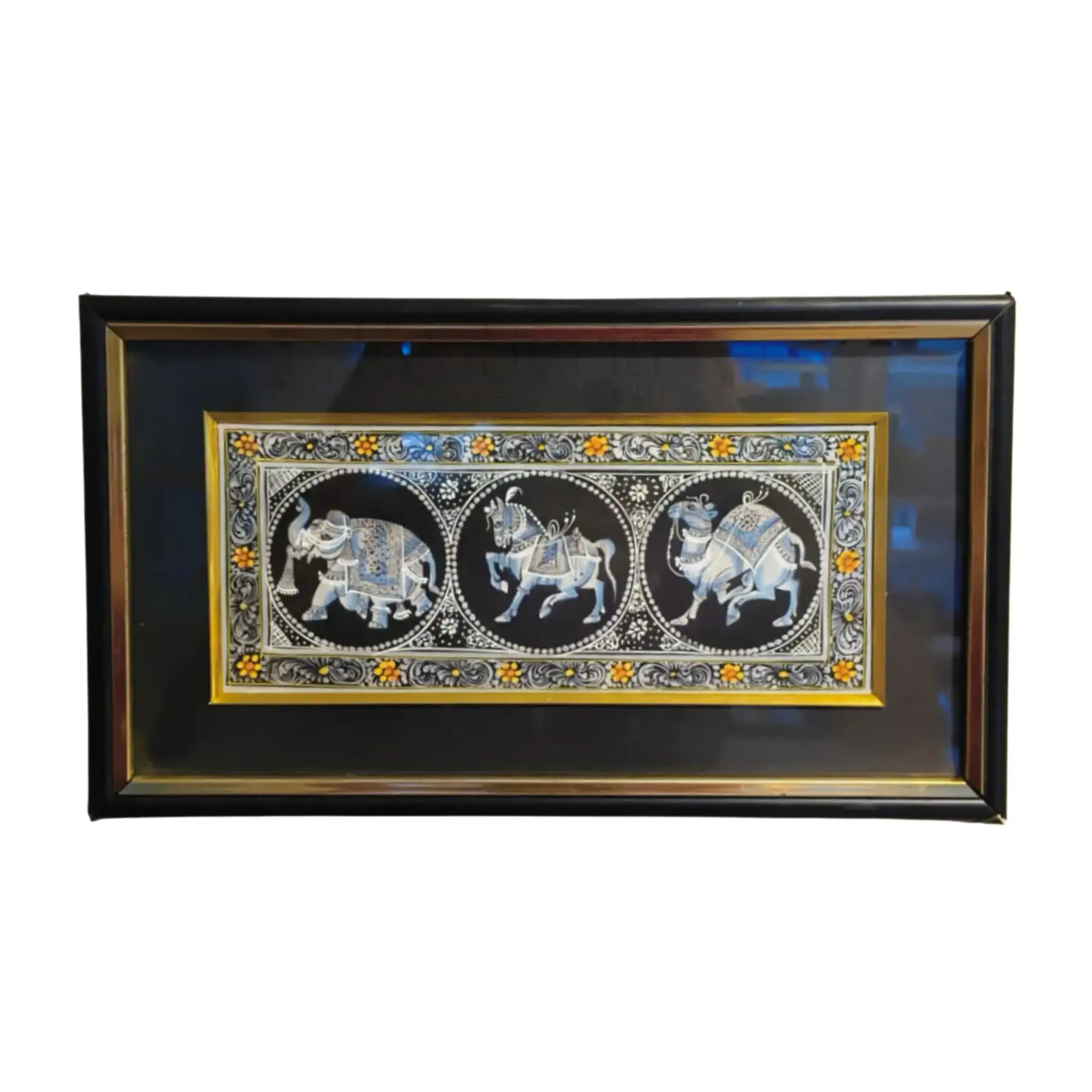
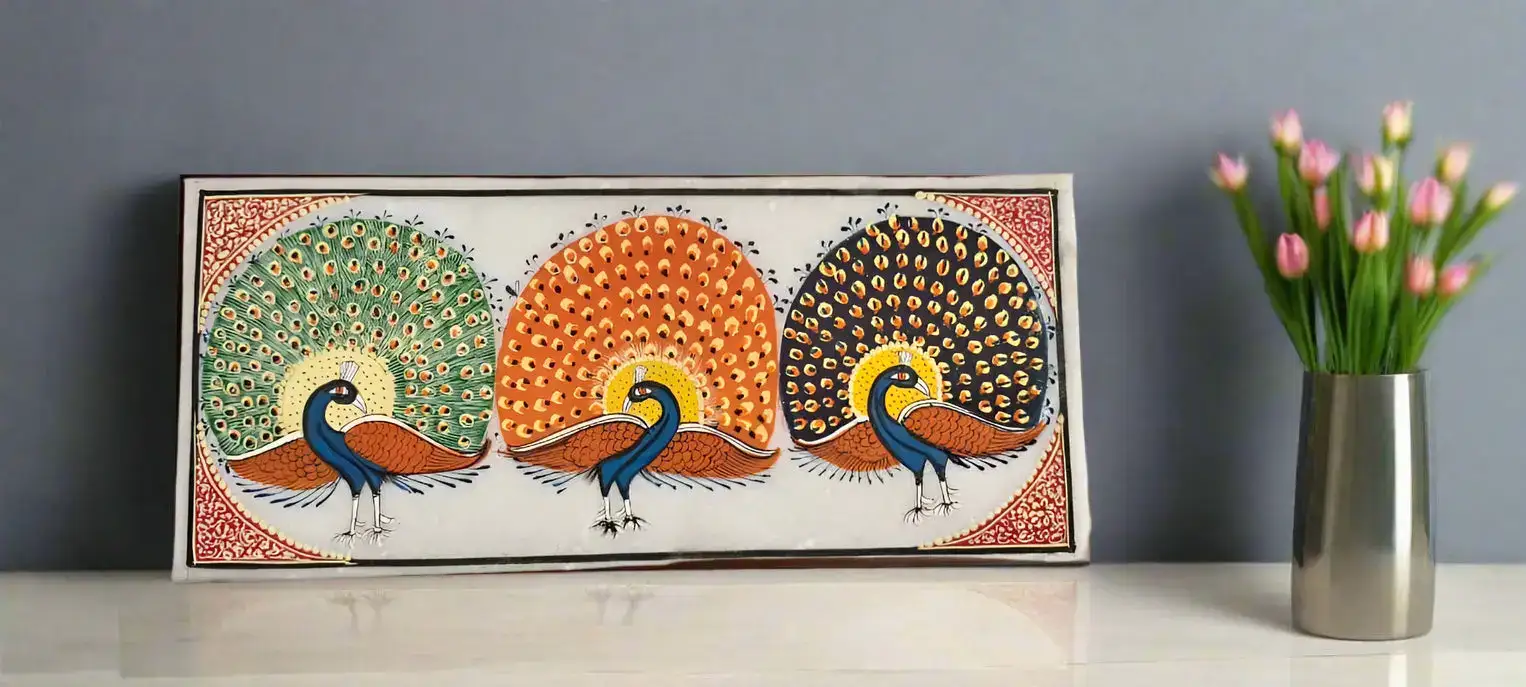
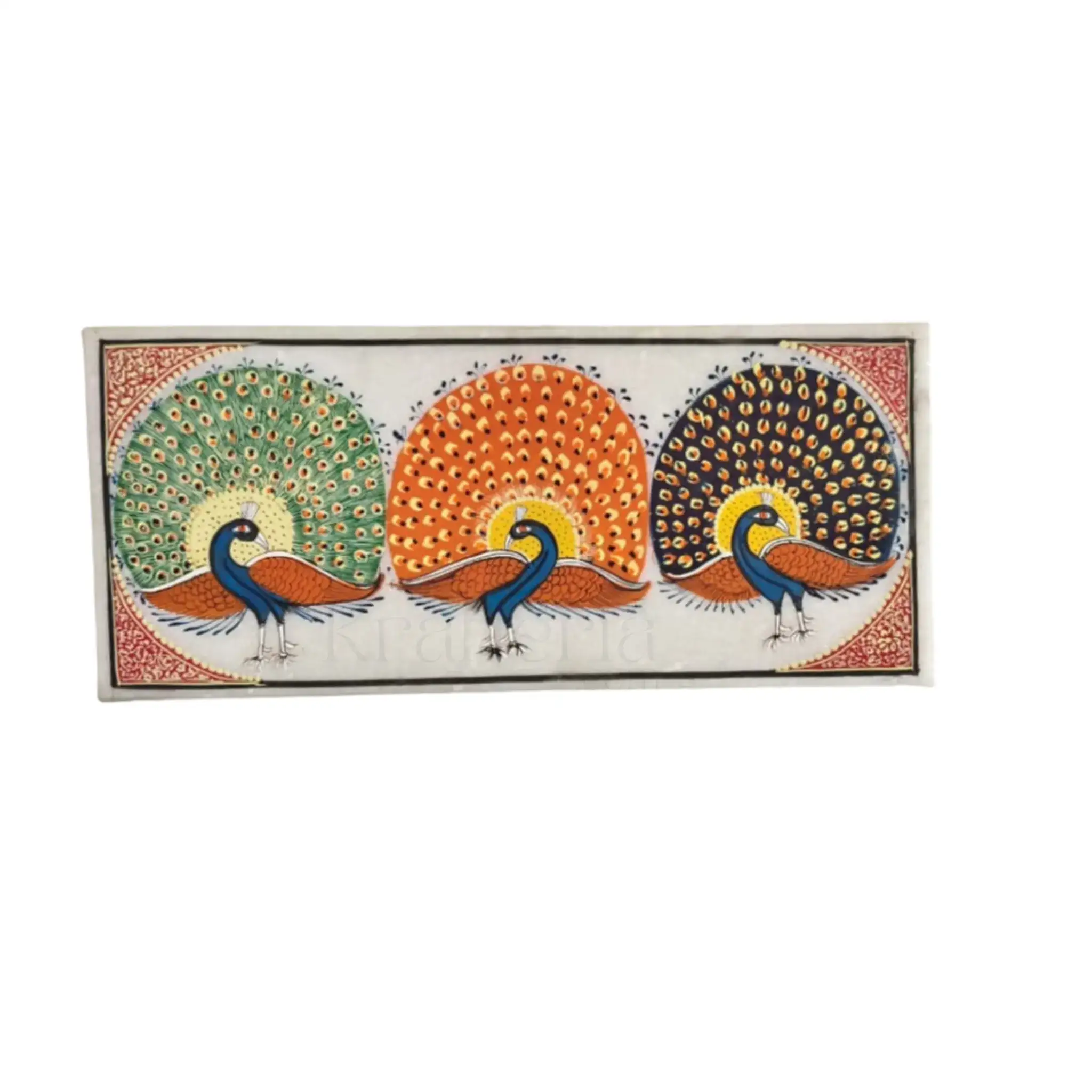
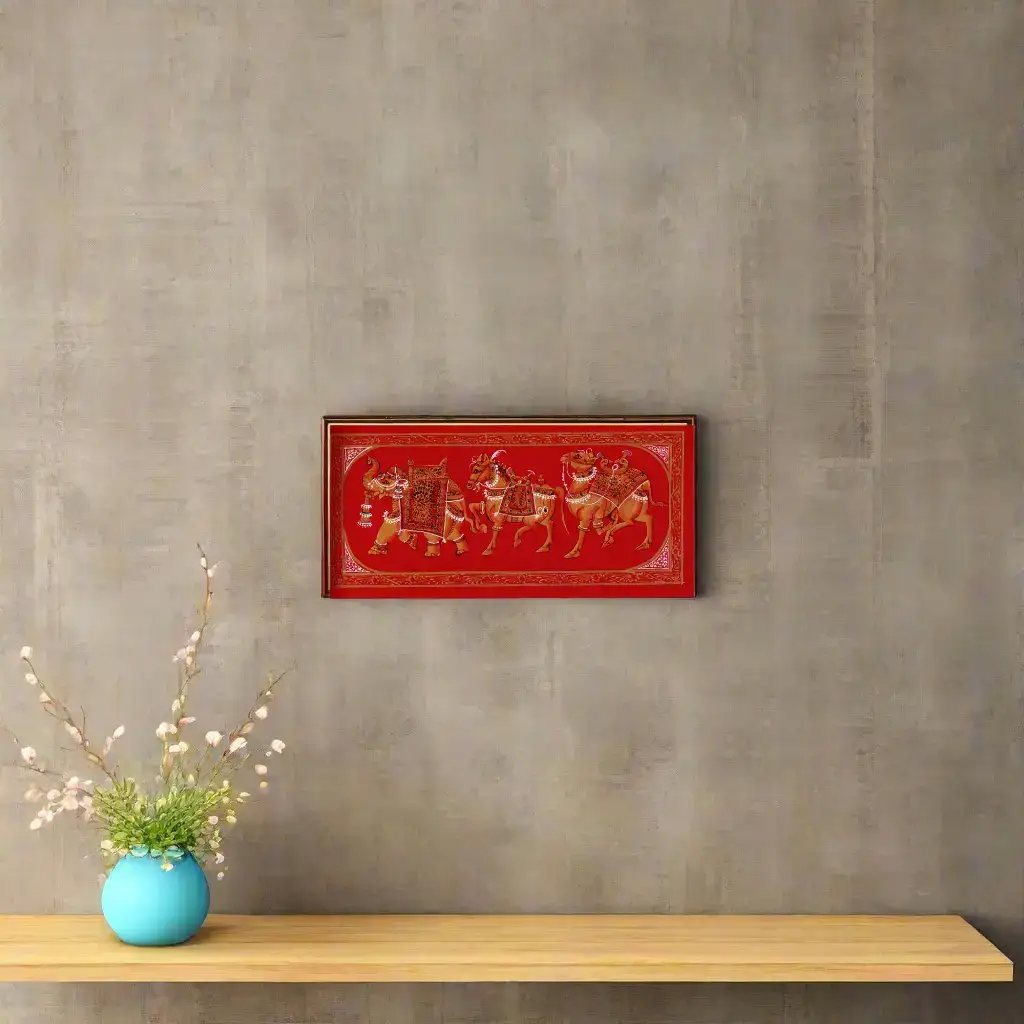
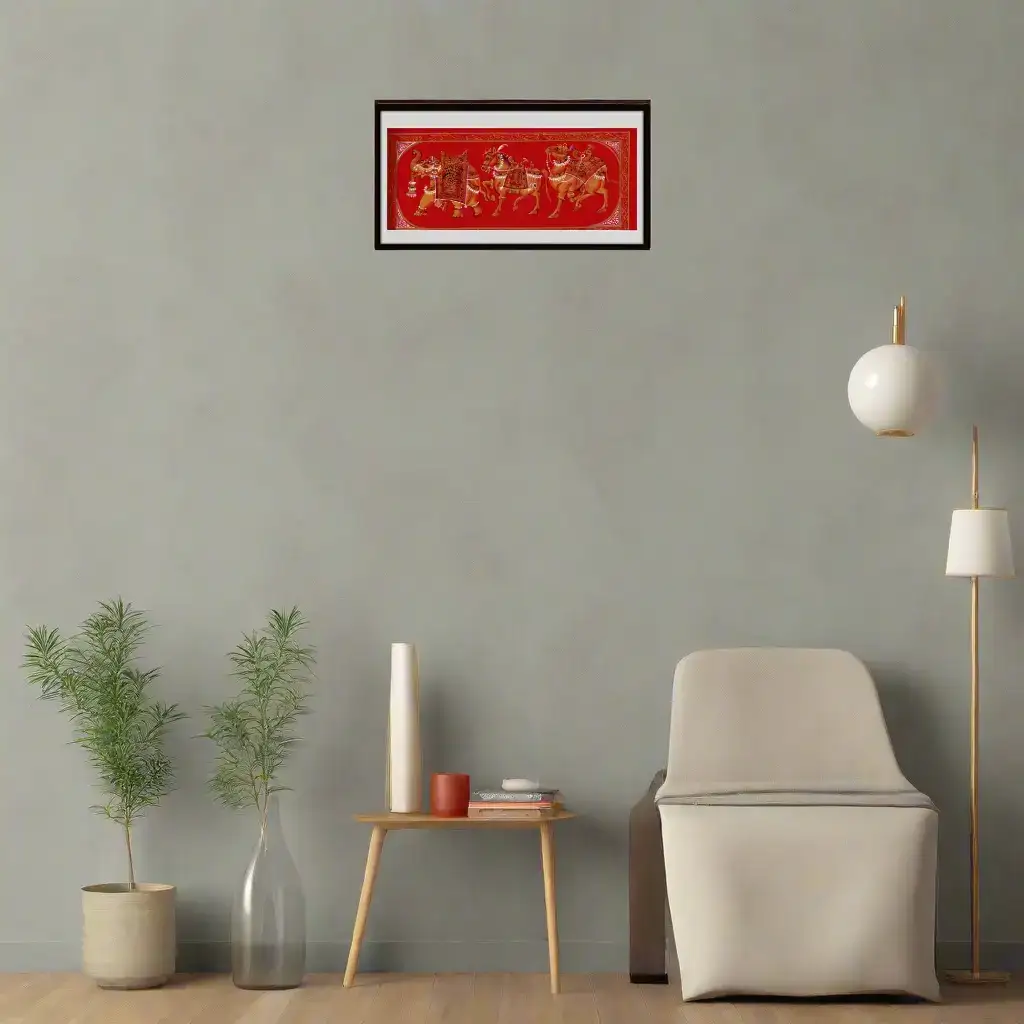
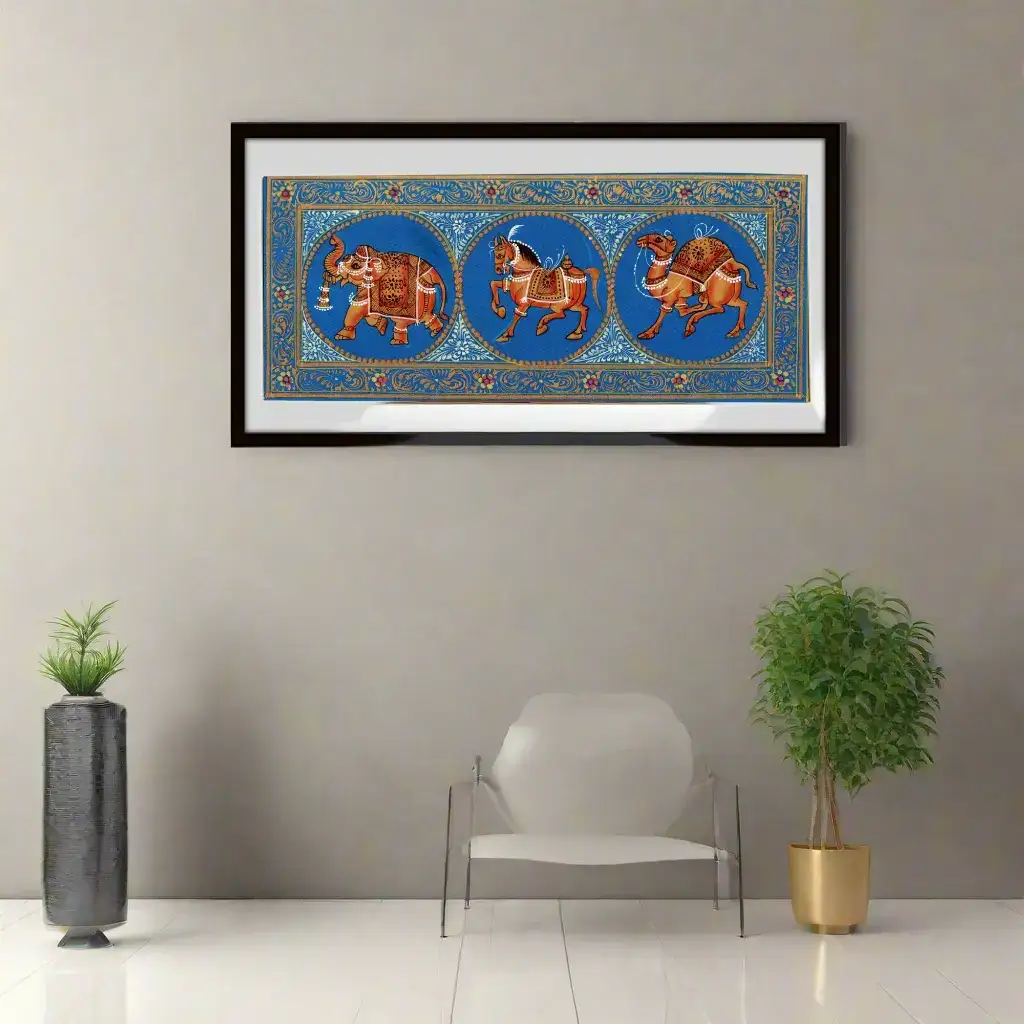
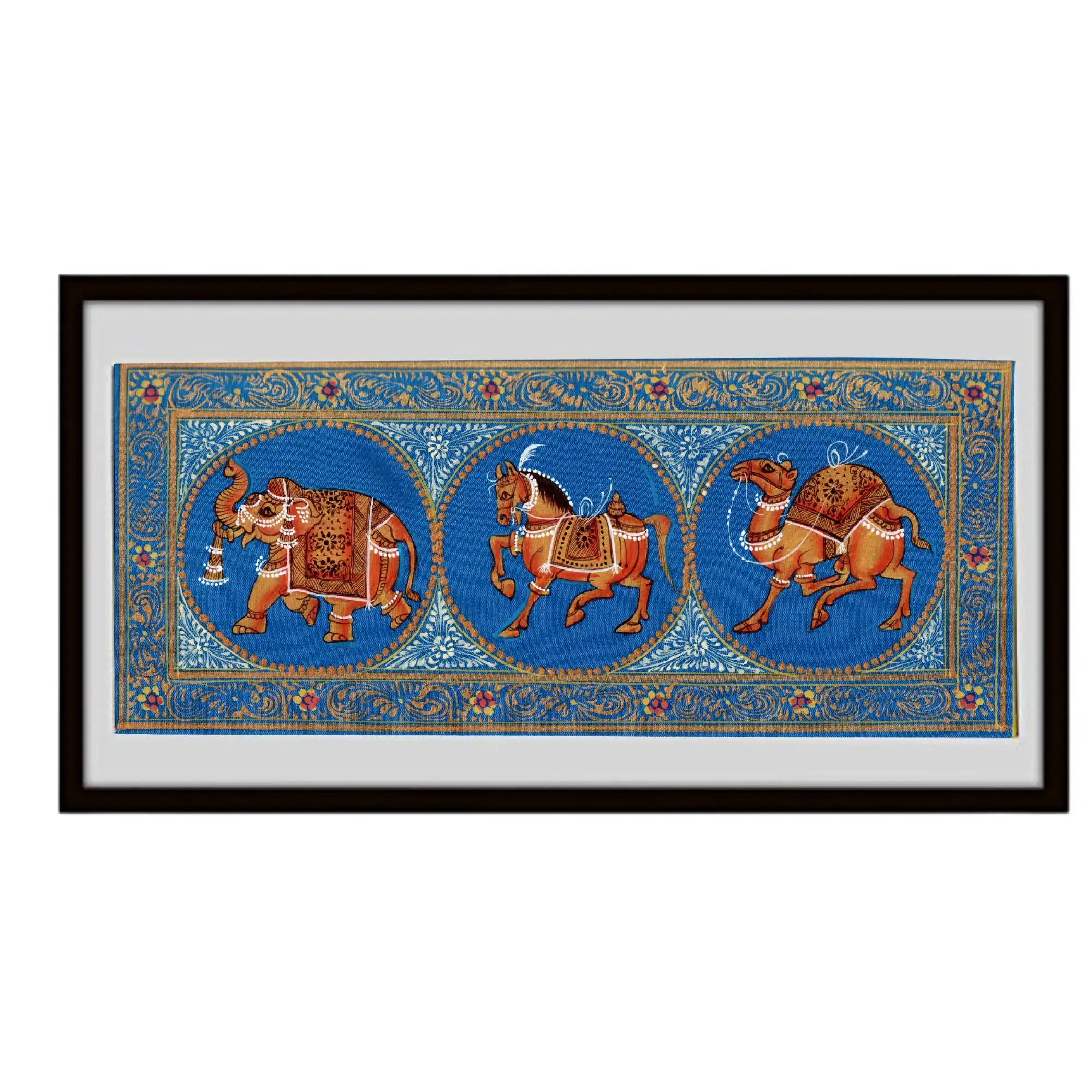
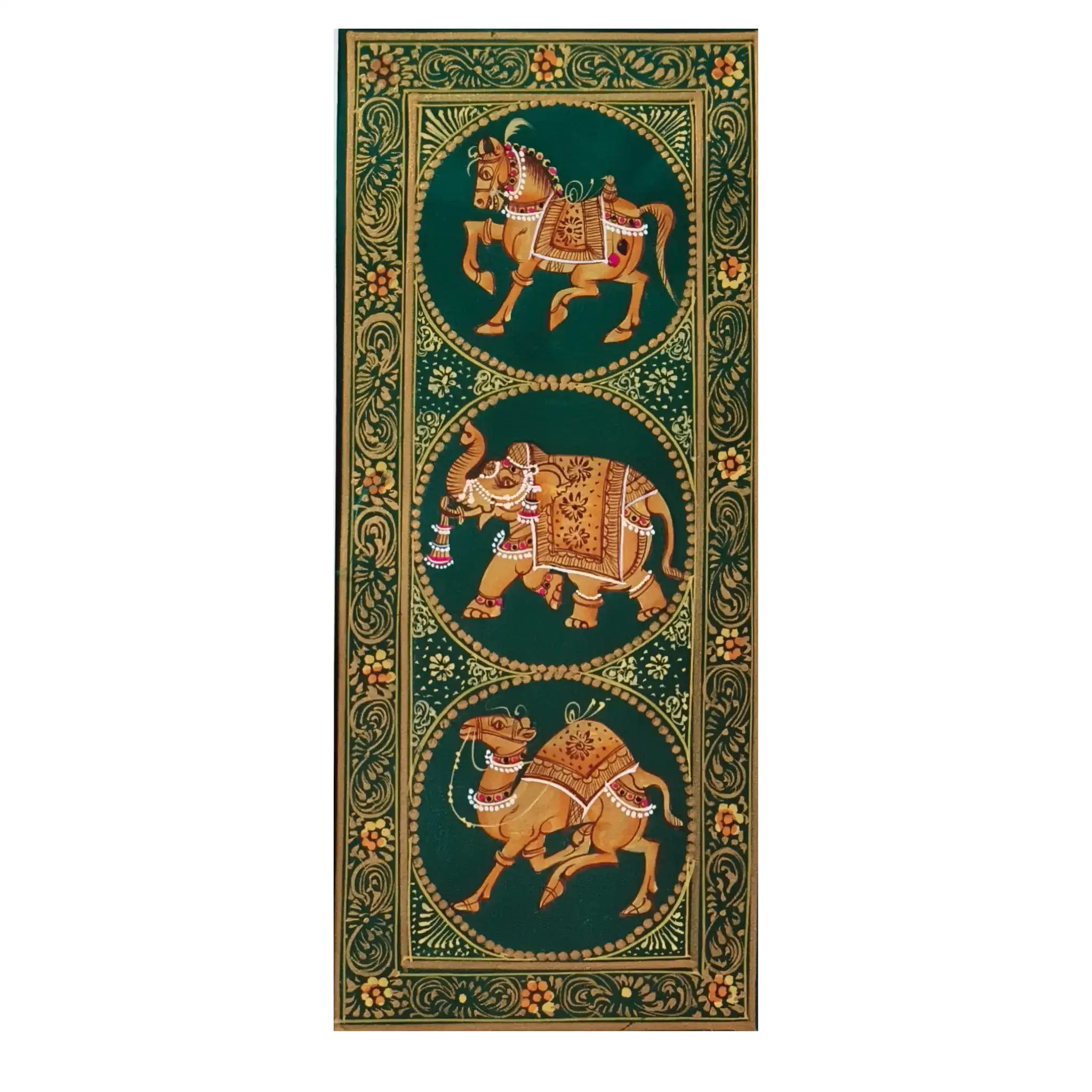
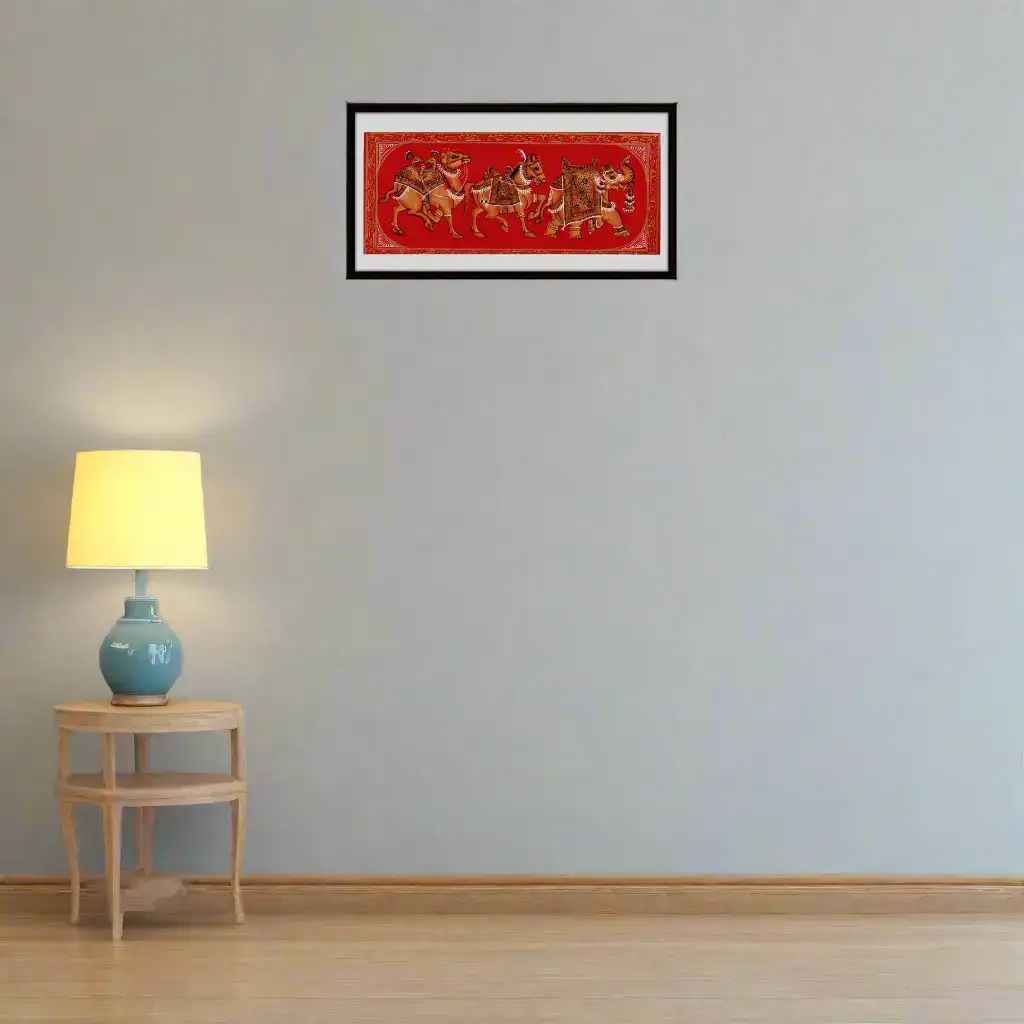
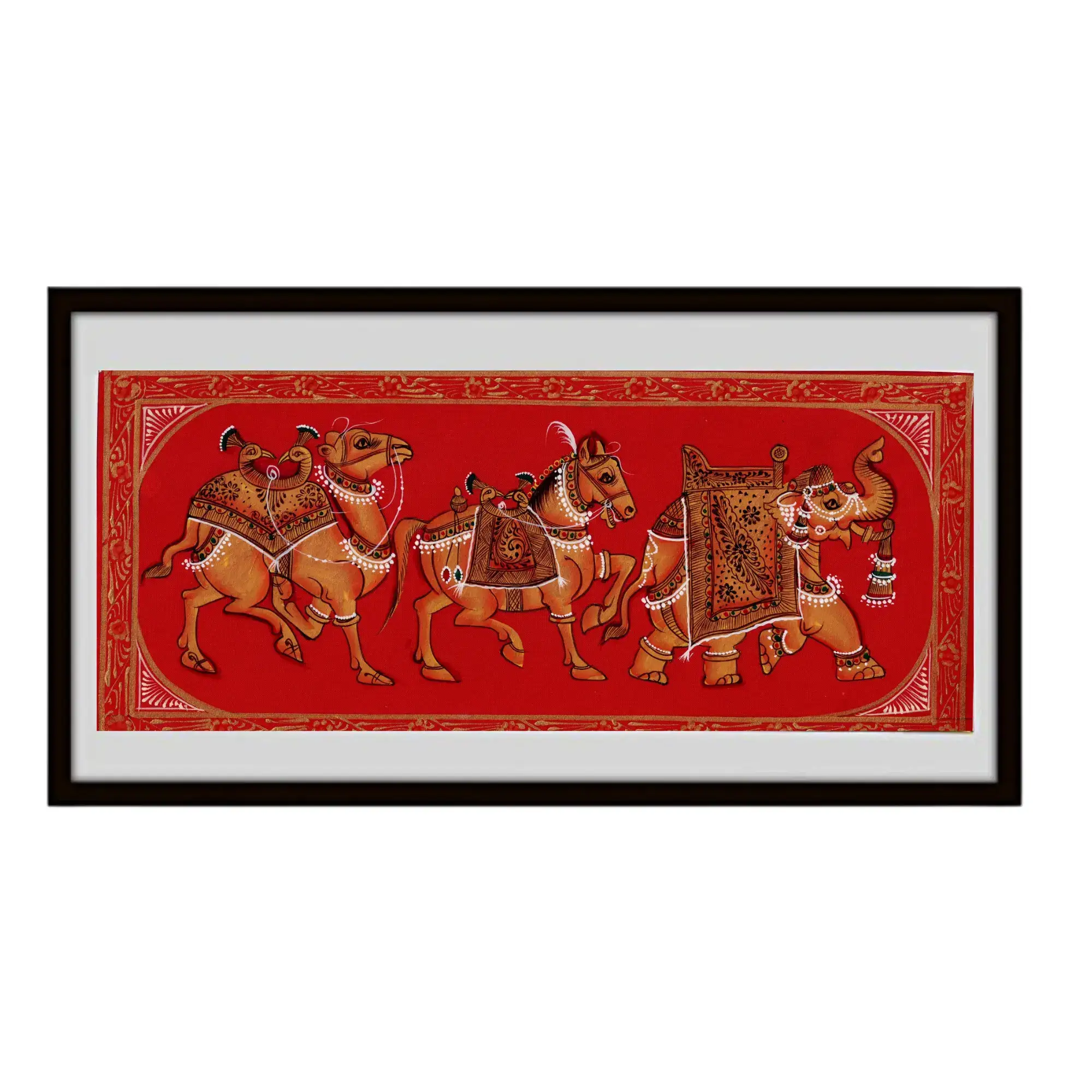
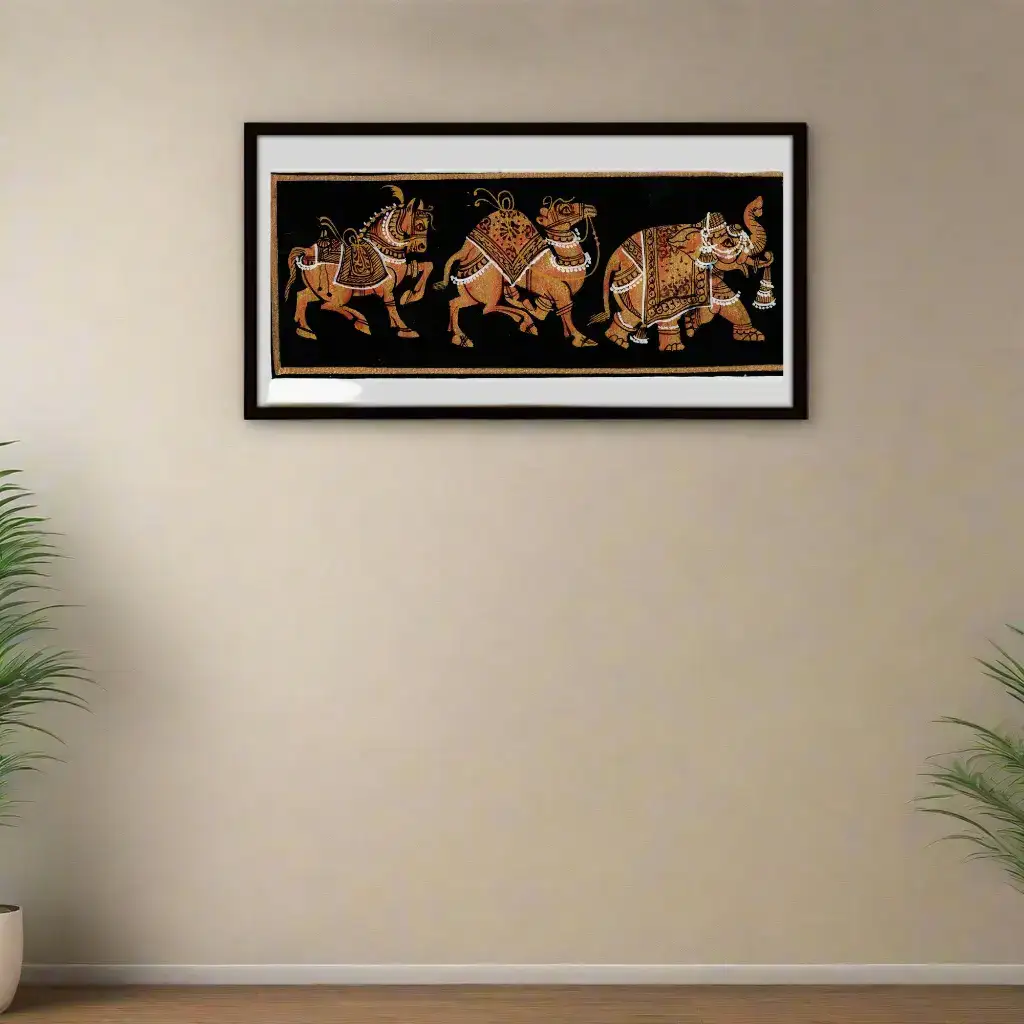
The trinity motif in the painting symbolizes harmony, balance, and divine presence. The rich gold accents combined with intricate detailing reflect the timeless quality of this hand painted miniature art India. Displaying it as miniature wall art enhances any living or office space with cultural depth and artistic grace.
How to Appreciate Miniature Painting
- Observe the fine brushwork and the precision of each detail.
- Notice the use of natural pigments that create a luminous surface.
- Recognize the cultural stories and themes depicted, which reflect Indian traditions.
- Understand the heritage of the different schools and their artistic focus.
- Appreciate the harmony of color, composition, and symbolism, especially the trinity motif.
In summary, the Trinity Painting stands as a crowning achievement of India's miniature painting tradition. It combines technical mastery with rich storytelling. Each piece is a testament to the enduring beauty of traditional Indian miniature art and the skill of Rajasthan’s artisans. Collectors and enthusiasts treasure these paintings for their historical significance and timeless artistic appeal.
Product Information
Product Information
Shipping & Returns
Shipping & Returns
Description
The Golden Trinity Miniature Painting
Trinity Miniature Painting is a rich and vibrant style of Indian miniature painting that flourished in the royal courts of Rajasthan from the 16th century onwards. This traditional Indian miniature art is deeply rooted in Indian culture and heritage. It beautifully portrays themes of mythology, epics, love stories, royal life, and folk culture with remarkable detail.
The paintings are renowned for their bold lines, bright colors, and intricate patterns. Artists use natural dyes and pigments made from minerals, vegetables, and precious stones. These organic materials give the painting a lasting and luminous quality, adding to its charm and value as authentic miniature wall art.
Historical Background of Trinity Miniature Painting
The history of Trinity Miniature Painting is intertwined with the patronage of royal courts in Rajasthan. Originating in the 16th century, it became an important artistic expression for many ruling dynasties. Each school of this painting depicts stories and themes relevant to their cultural context and lifestyle.
Hand painted miniature art India has been celebrated as a unique heritage craft that reflects India's rich mythology and traditions. These artworks capture emotions vividly, making them cherished collectibles and impressive décor pieces.
Distinct Styles and Schools of Painting
This art form is divided into several schools, including Mewar, Marwar, Bundi, Kota, Kishangarh, Bikaner, and Jaipur. Each school has its own distinct style, techniques, and subject focus that makes it unique. The variety in style enriches the diversity of the Trinity Miniature Paintings tradition.
The Kishangarh school is famous for its romantic portrayal of Radha and Krishna. It produced the iconic image of Bani Thani, which remains an enduring symbol of beauty and elegance in miniature art. The emotional expression and refined lines highlight the masterful skills of Kishangarh artists.
Mewar paintings often depict royal court scenes, heroic tales, and religious themes. These paintings emphasize bold colors, dramatic narratives, and intricate outfit details, reflecting the grandeur of the royal lifestyle. The scenes offer a glimpse into historical events and cultural values.
Meanwhile, Bundi and Kota paintings are known for lush landscapes and hunting scenes. The natural settings, animals, and dynamic compositions bring a vibrant life to the miniature wall art. These schools especially highlight the beauty and richness of Rajasthani nature and royal leisure activities.
Artistic Techniques and Materials
Artists employ meticulous techniques to create these miniature paintings. They use fine brushes and delicate strokes to achieve intricate details. This traditional Indian miniature art requires immense patience and skill, emphasizing the handcrafted nature of each piece.
The use of natural colors derived from minerals, vegetables, and precious stones ensures longevity and a glowing finish. This method aligns with historical practices and maintains the authenticity of the artwork. The precious materials also reflect the opulence associated with royal courts.
Why Choose Trinity Miniature Paintings?
This painting is an exquisite example of traditional art that connects history, culture, and aesthetics. Owning an original Trinity Miniature Art offers a chance to own a piece of India's artistic legacy. It makes an elegant gift for art lovers and a meaningful addition to home décor.
The trinity motif in the painting symbolizes harmony, balance, and divine presence. The rich gold accents combined with intricate detailing reflect the timeless quality of this hand painted miniature art India. Displaying it as miniature wall art enhances any living or office space with cultural depth and artistic grace.
How to Appreciate Miniature Painting
- Observe the fine brushwork and the precision of each detail.
- Notice the use of natural pigments that create a luminous surface.
- Recognize the cultural stories and themes depicted, which reflect Indian traditions.
- Understand the heritage of the different schools and their artistic focus.
- Appreciate the harmony of color, composition, and symbolism, especially the trinity motif.
In summary, the Trinity Painting stands as a crowning achievement of India's miniature painting tradition. It combines technical mastery with rich storytelling. Each piece is a testament to the enduring beauty of traditional Indian miniature art and the skill of Rajasthan’s artisans. Collectors and enthusiasts treasure these paintings for their historical significance and timeless artistic appeal.