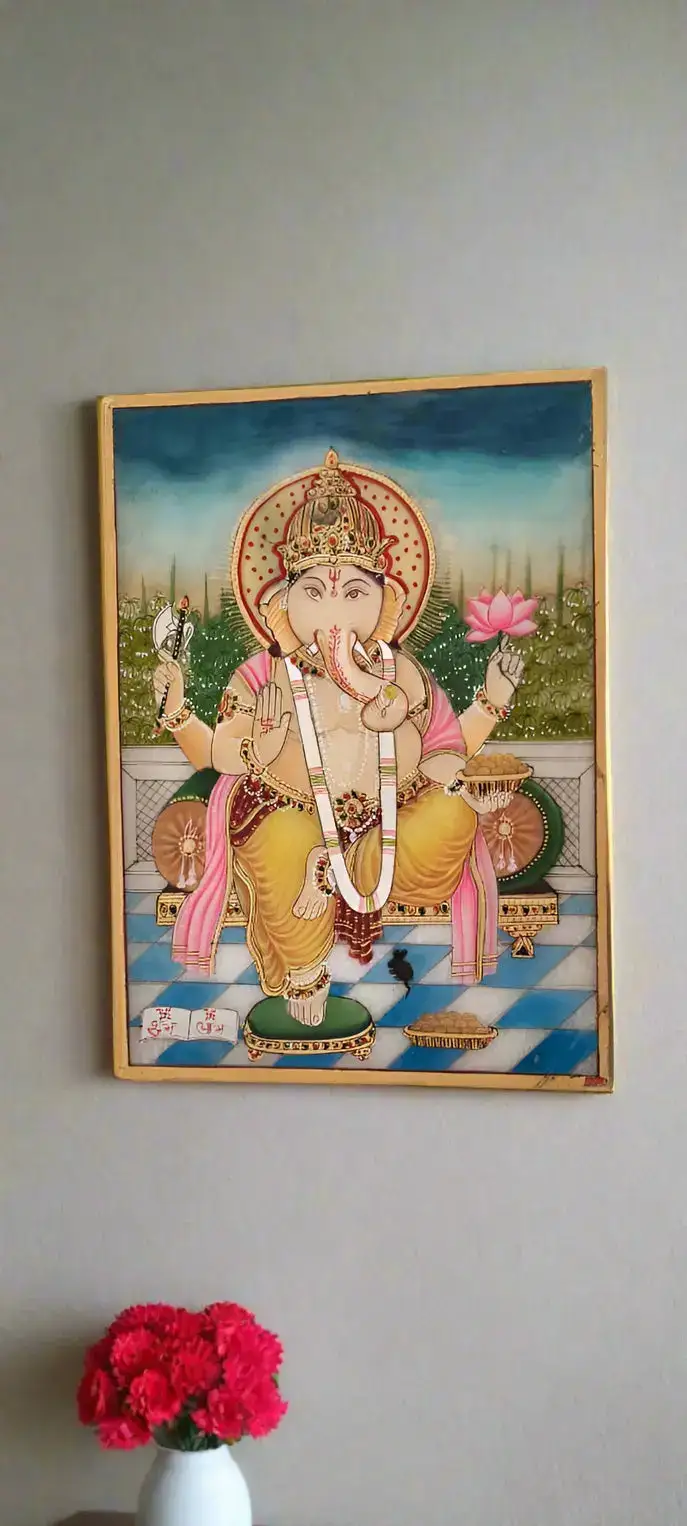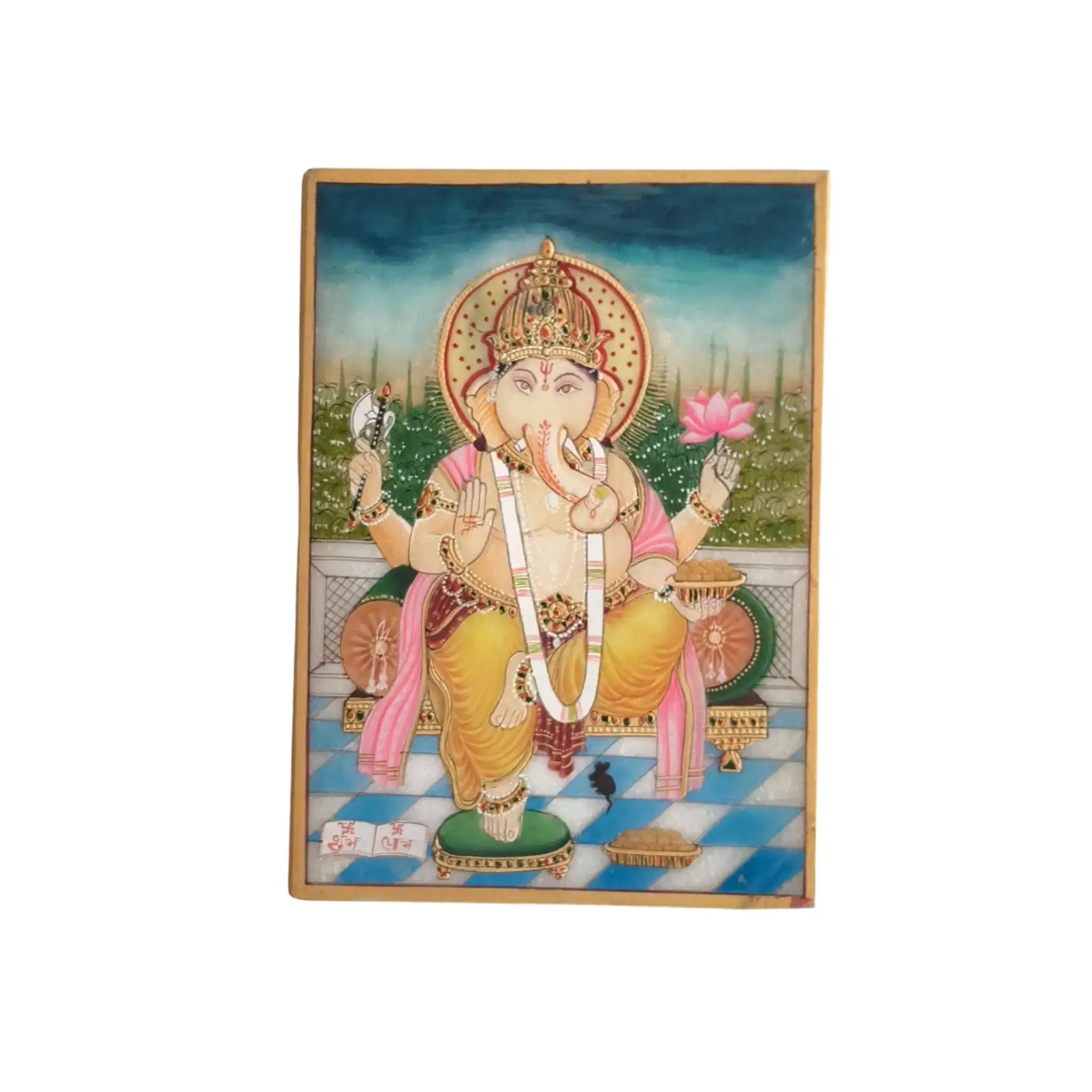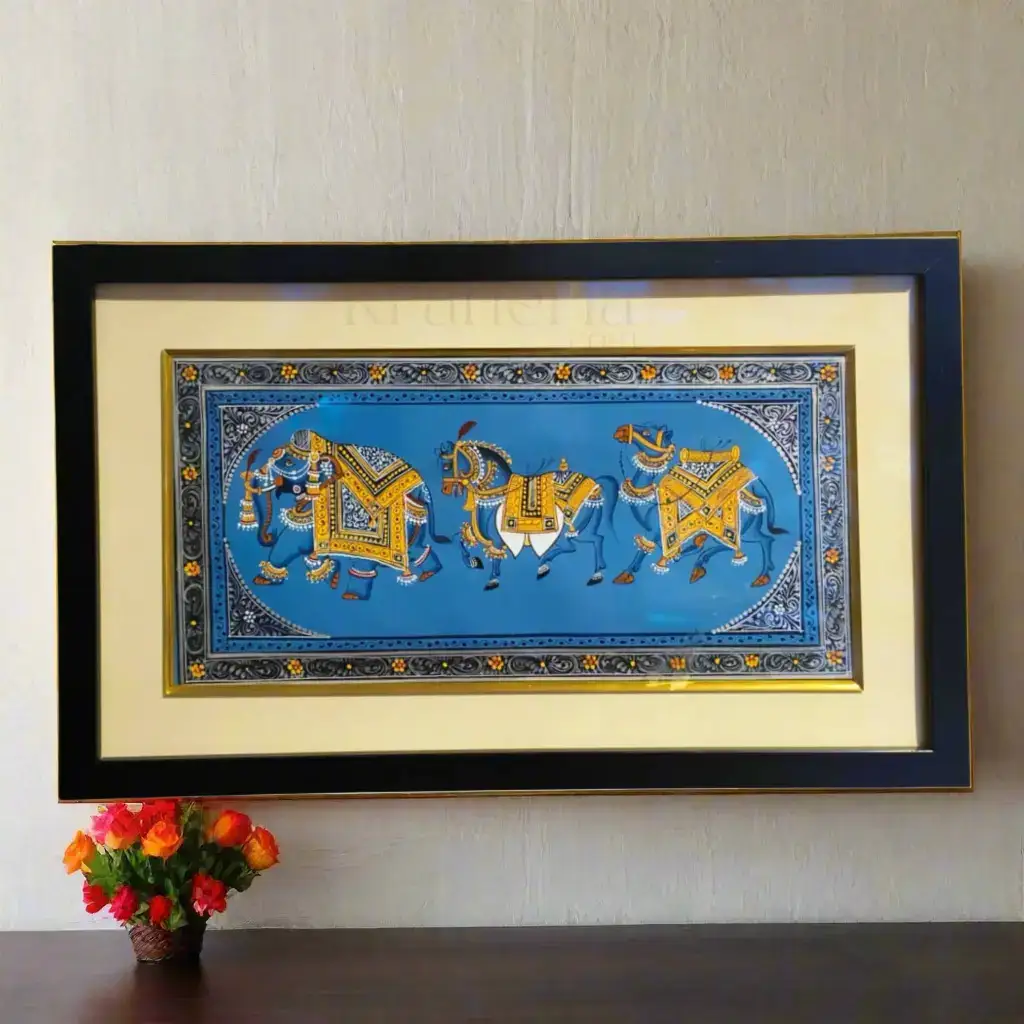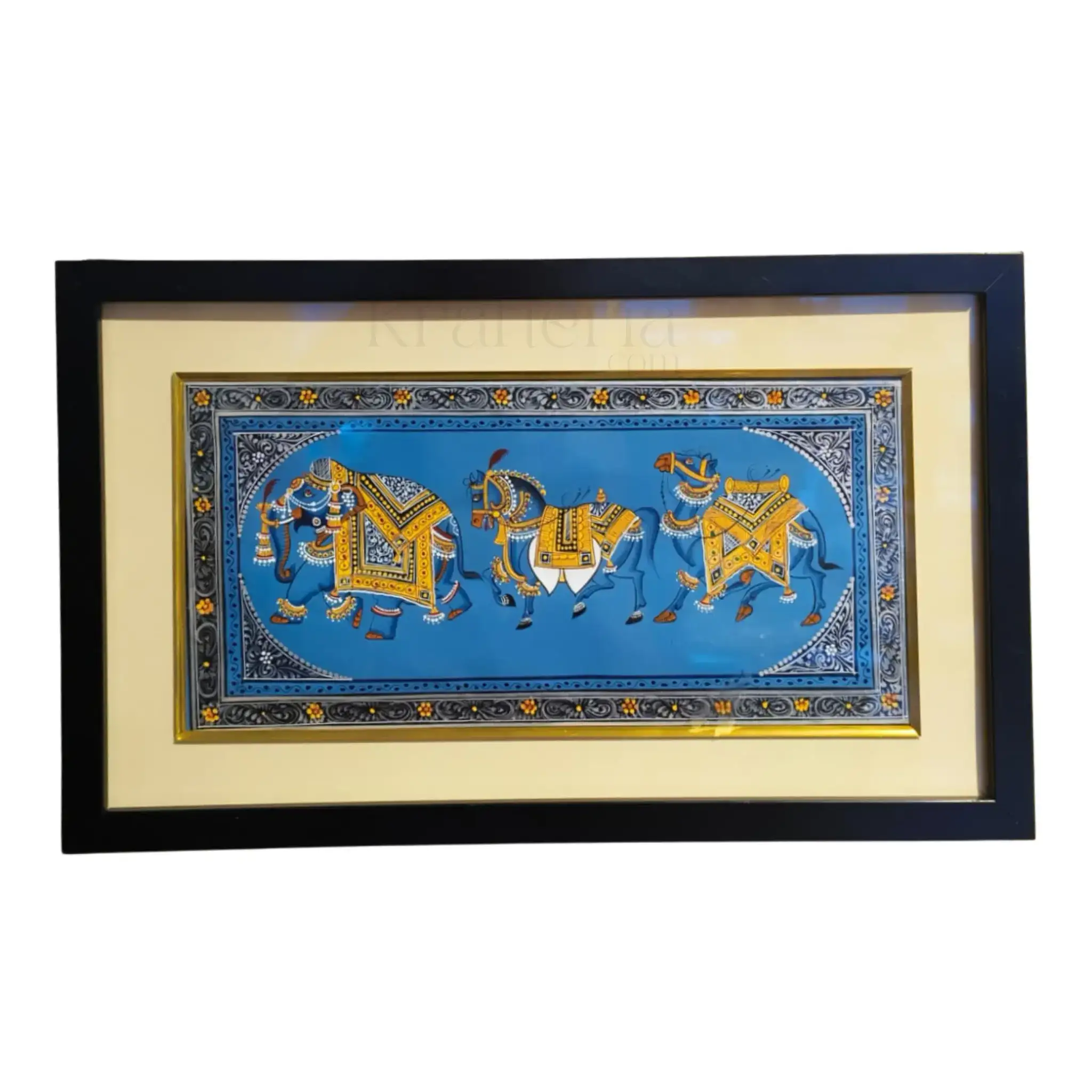
Rajasthan Mughal style Miniature painting
Rajasthan Mughal miniature painting: A Rich Tradition of Indian Art
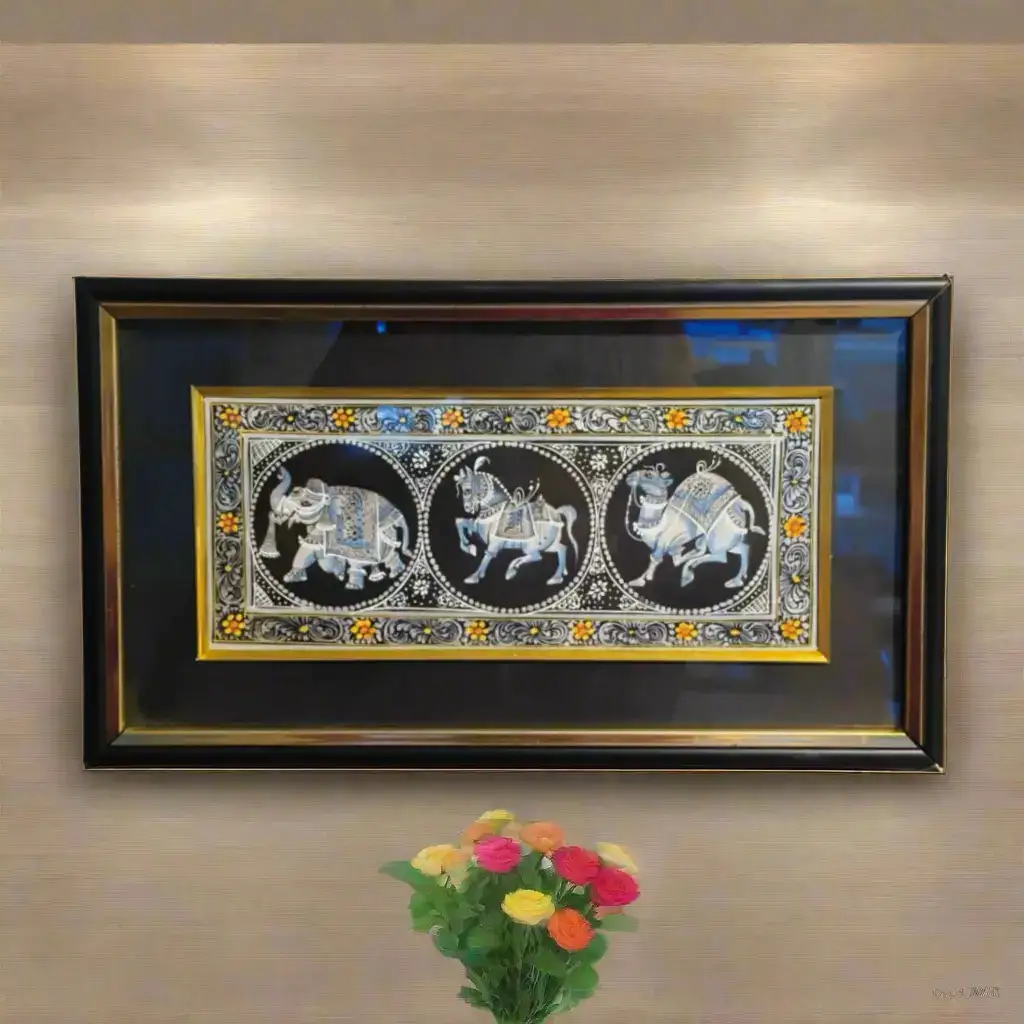
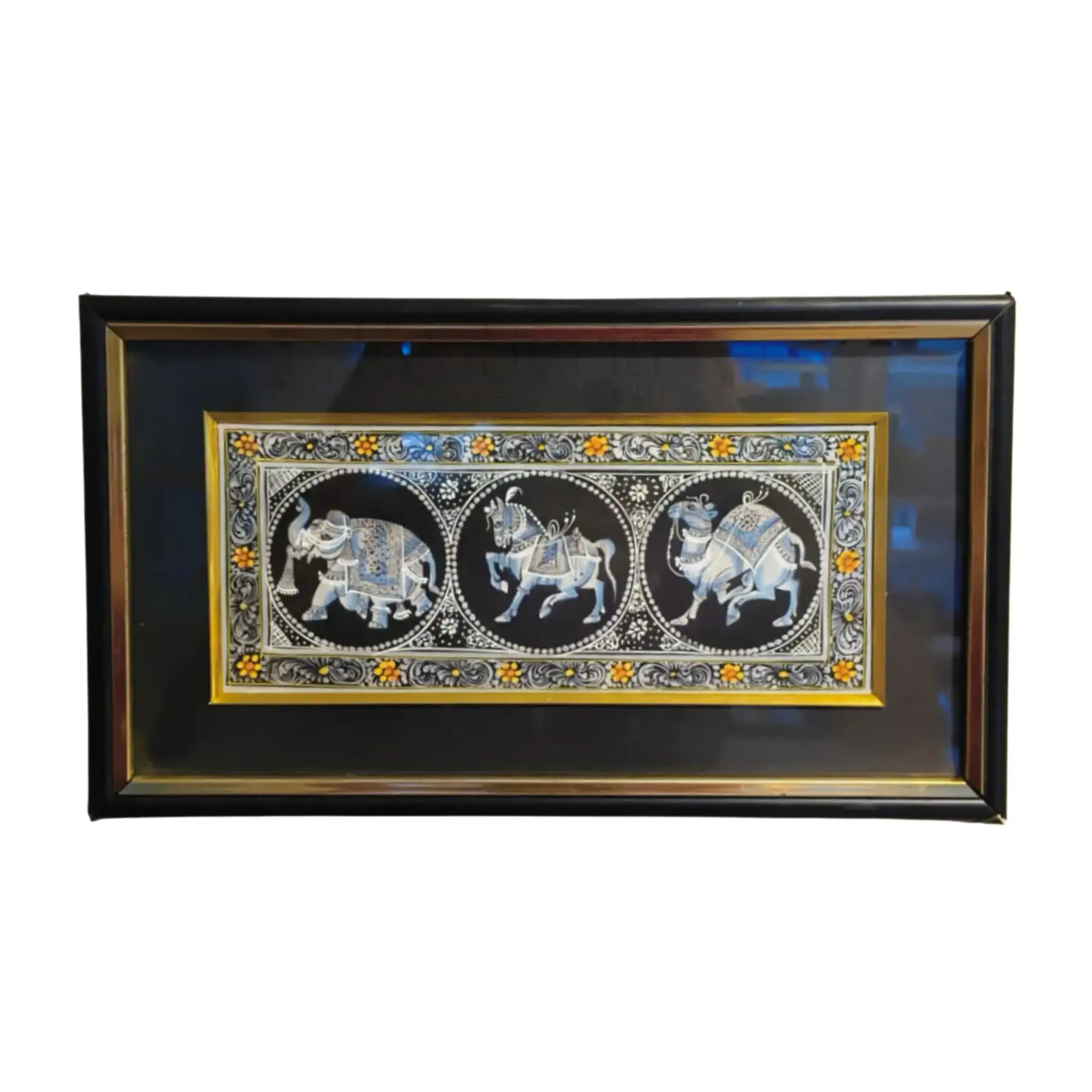
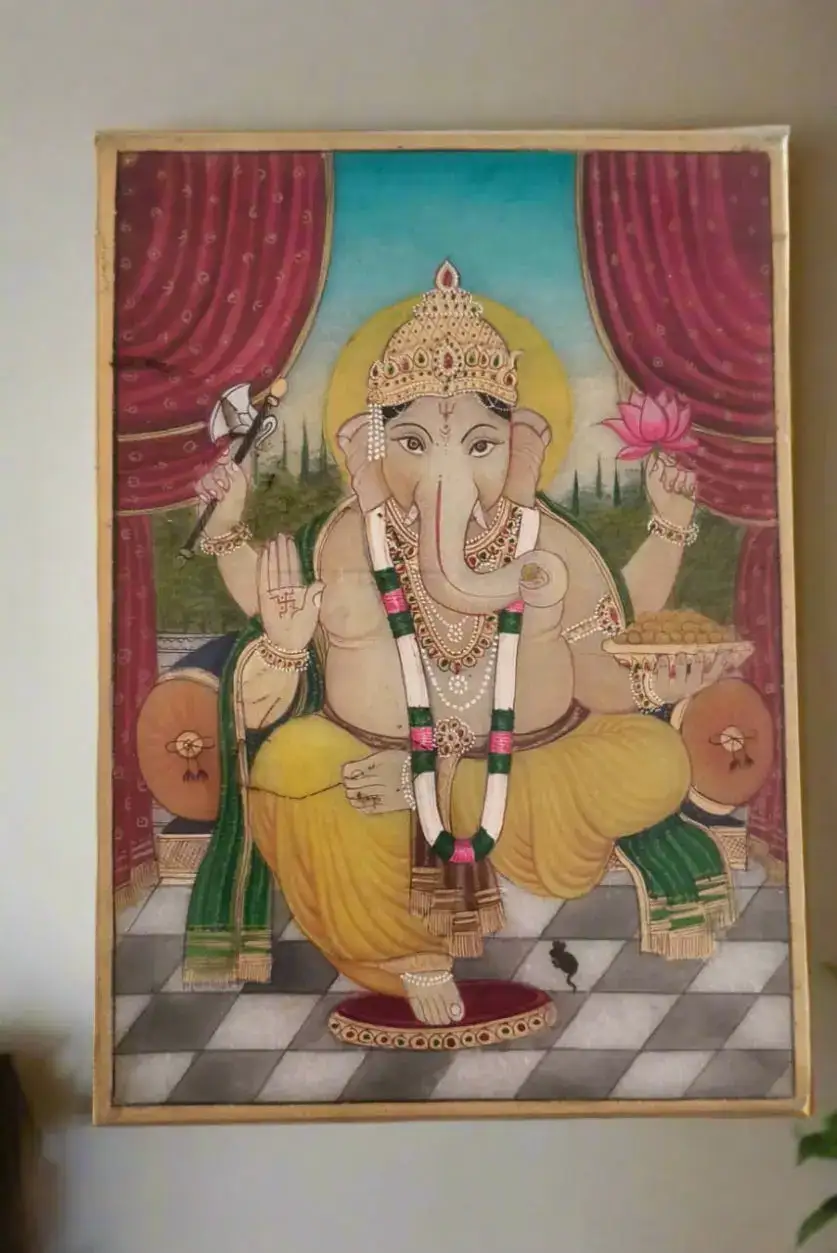
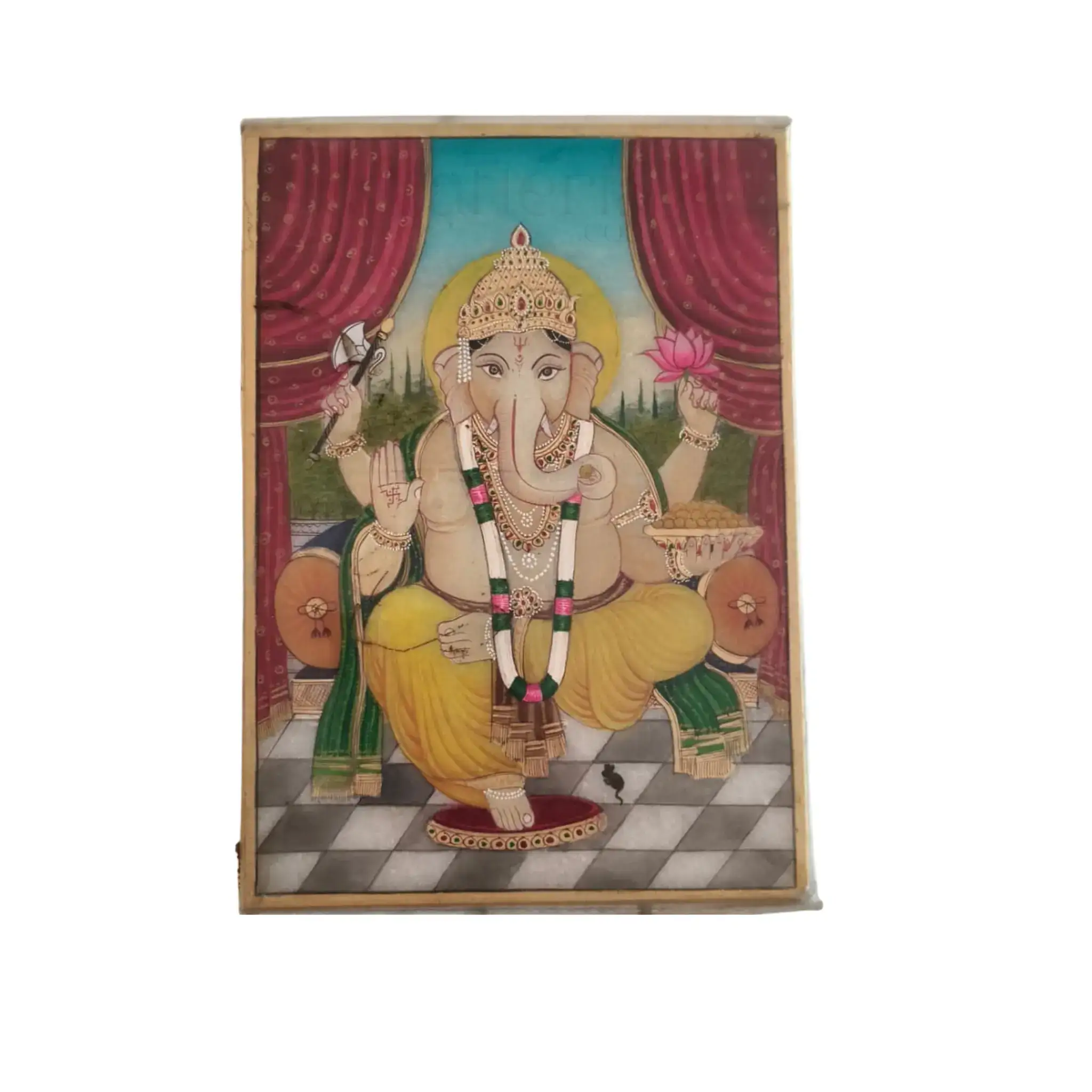
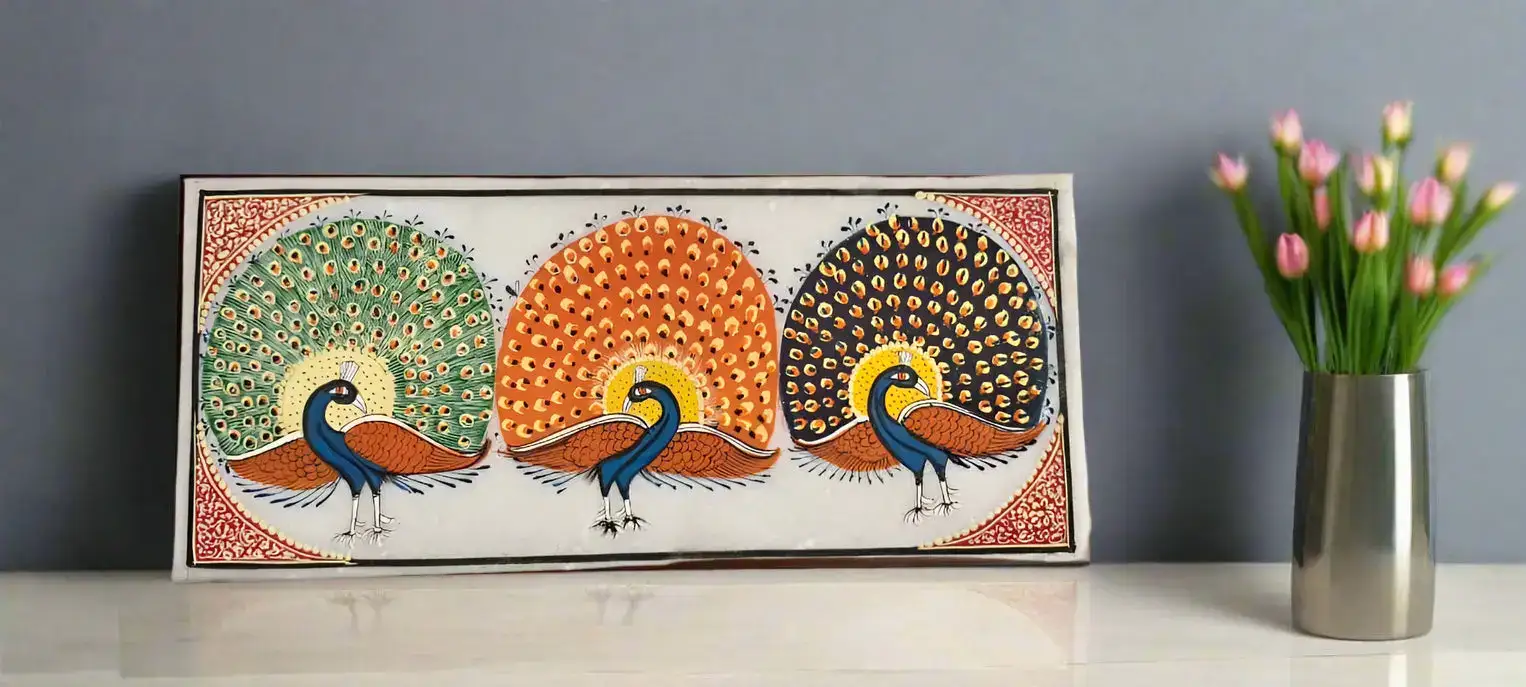
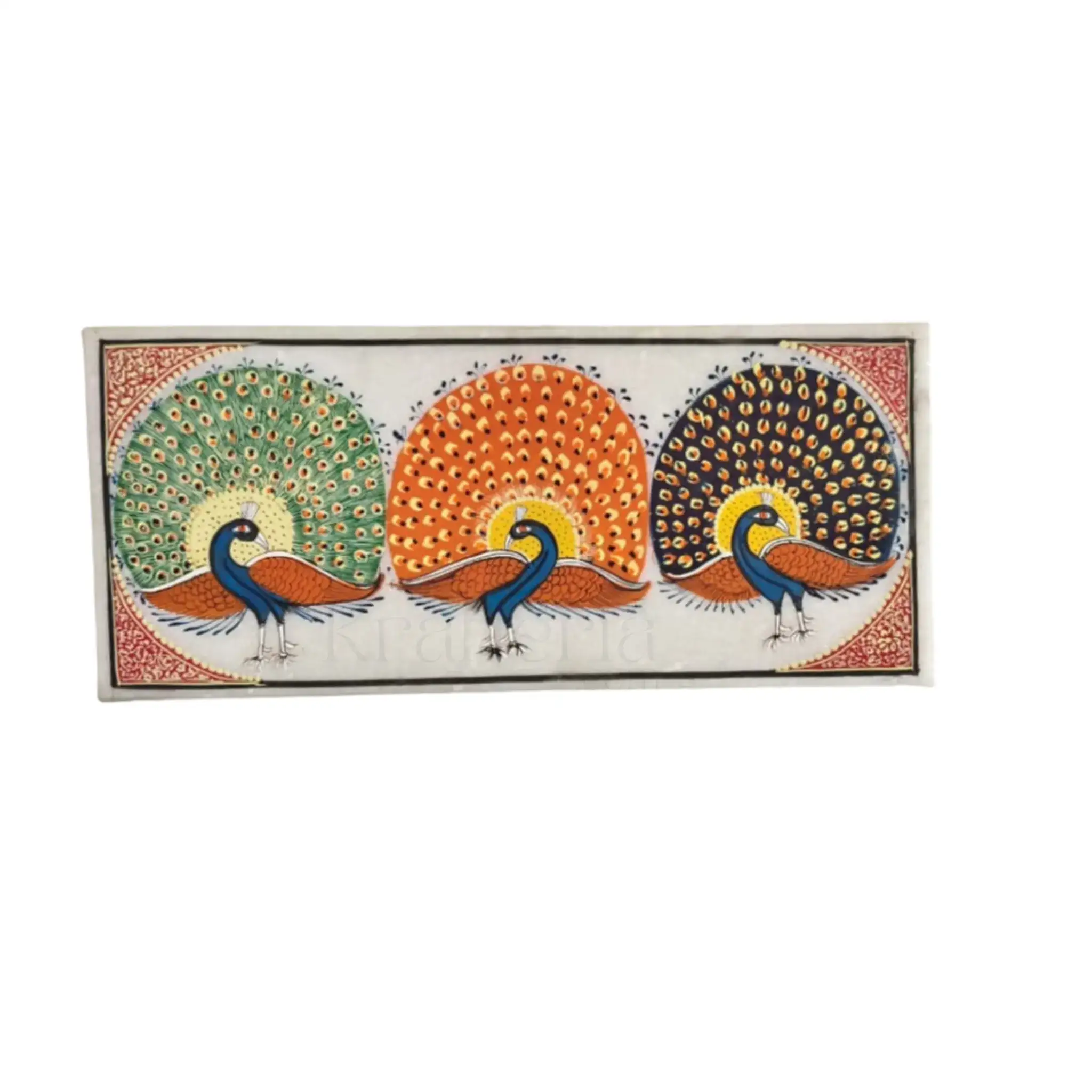
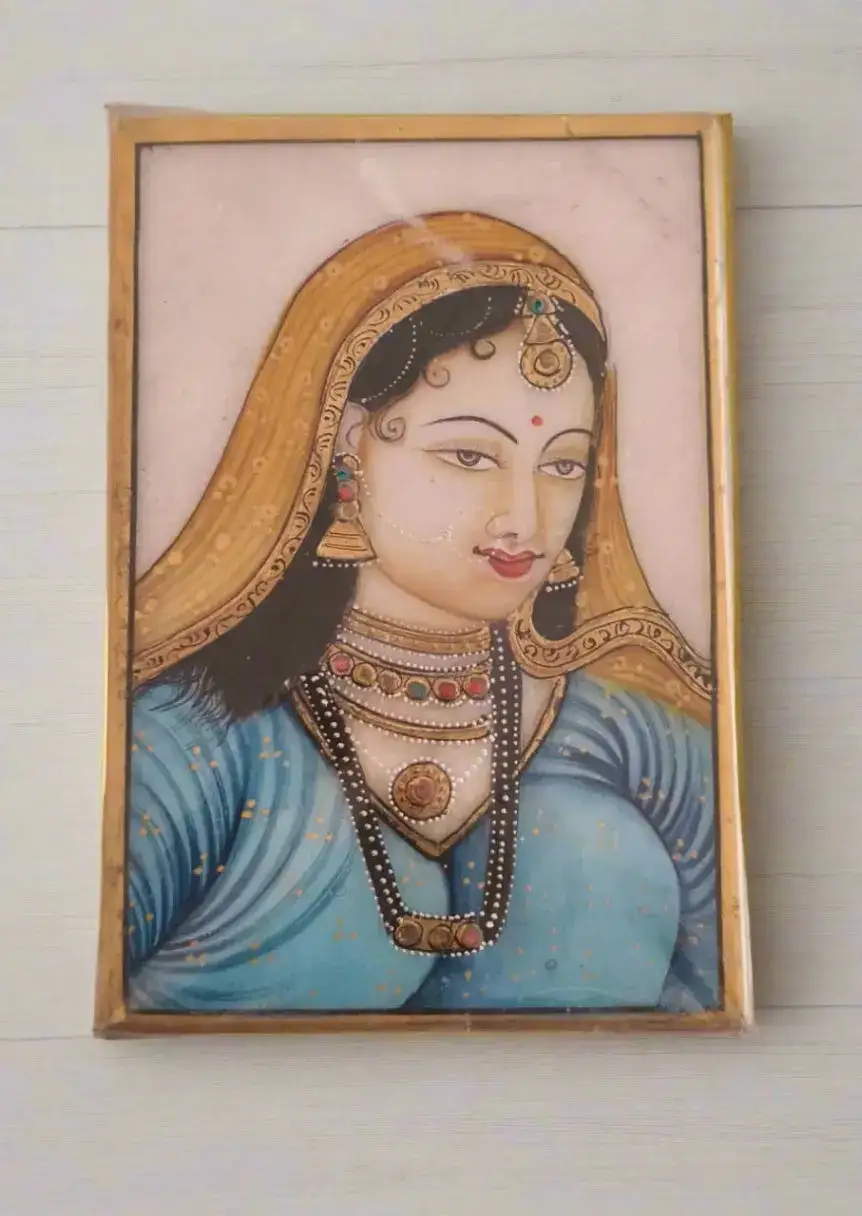
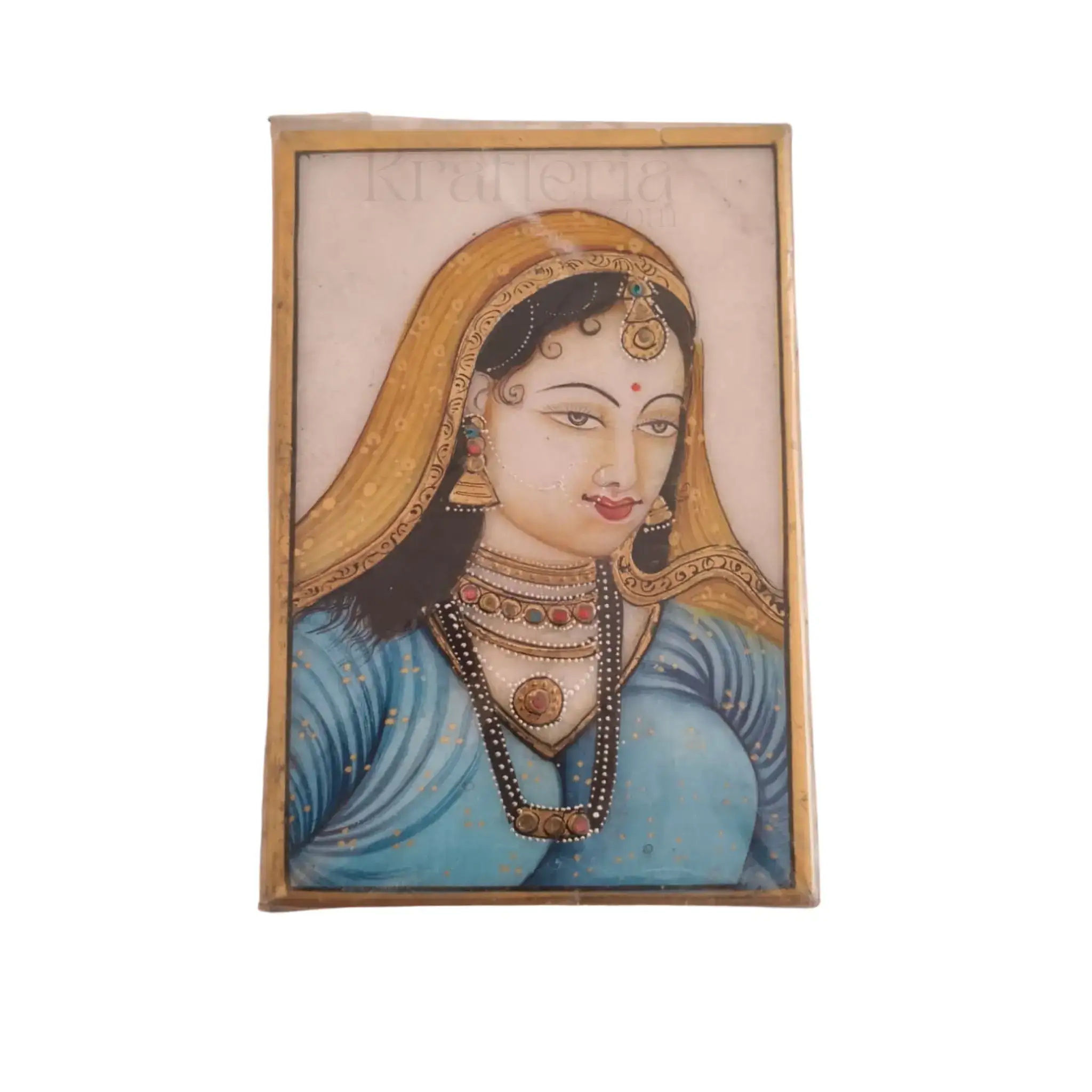
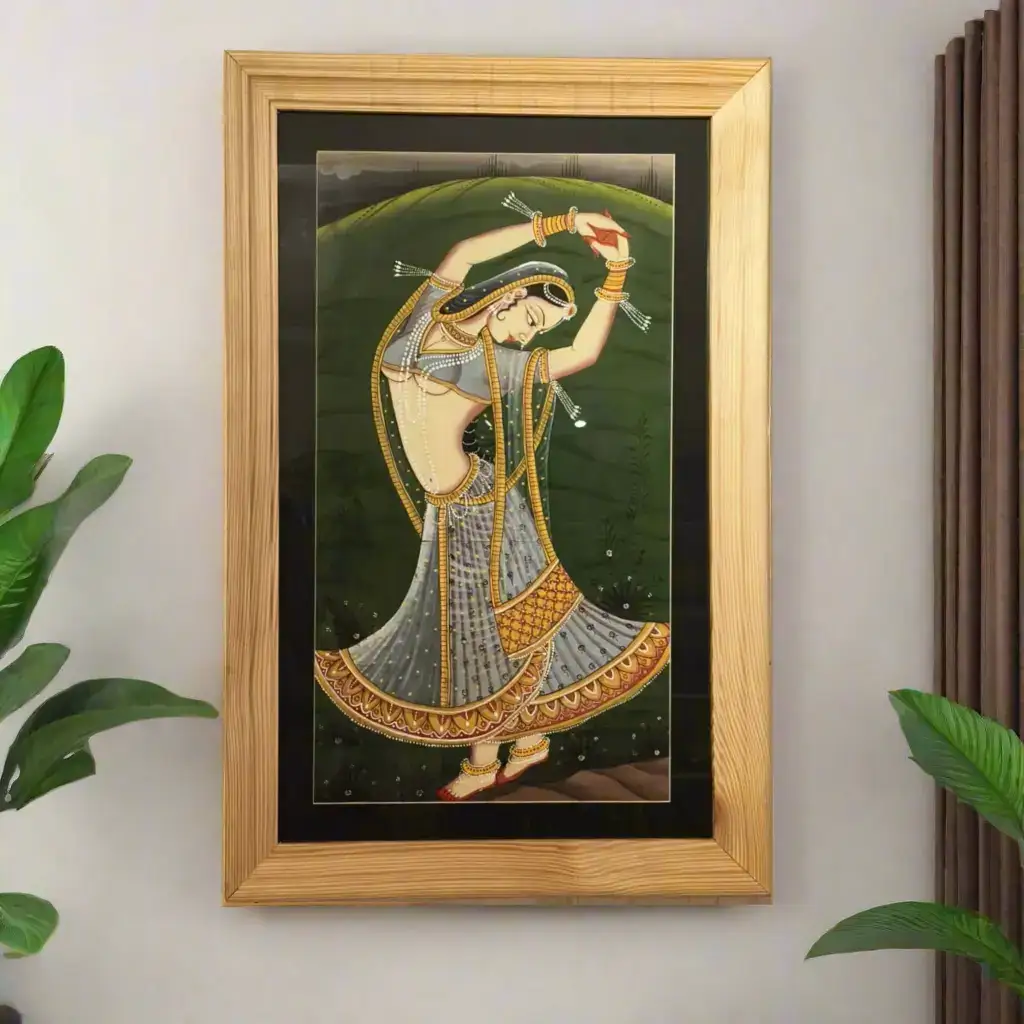
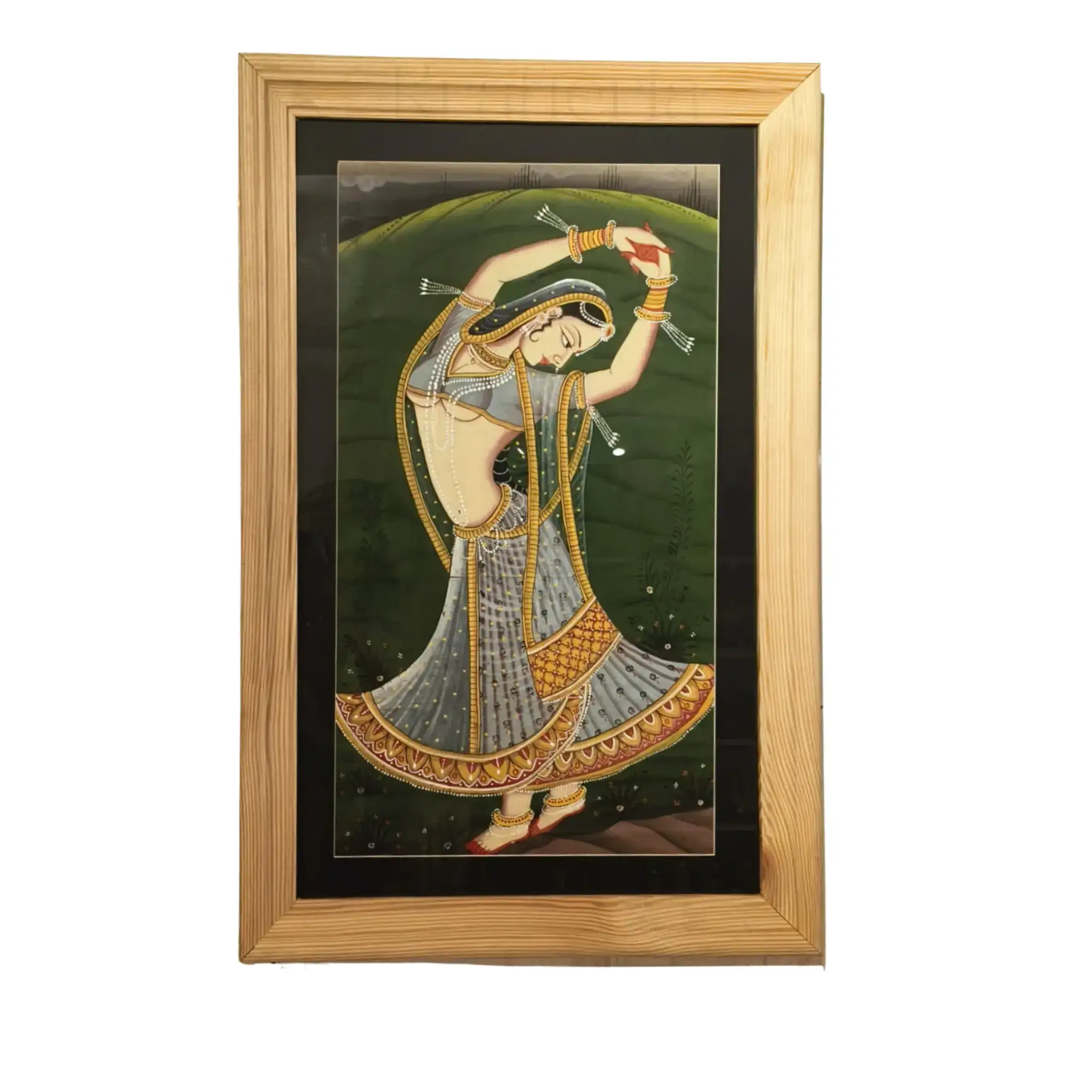
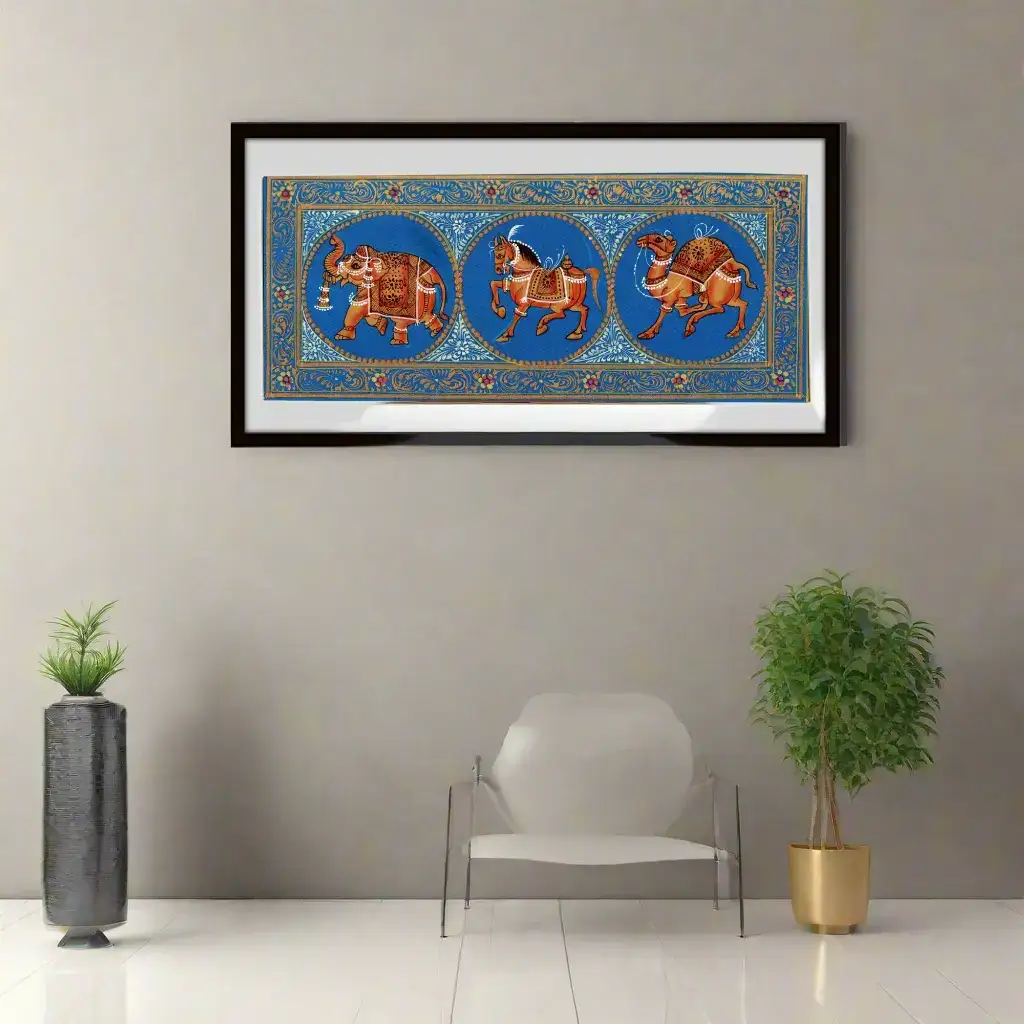
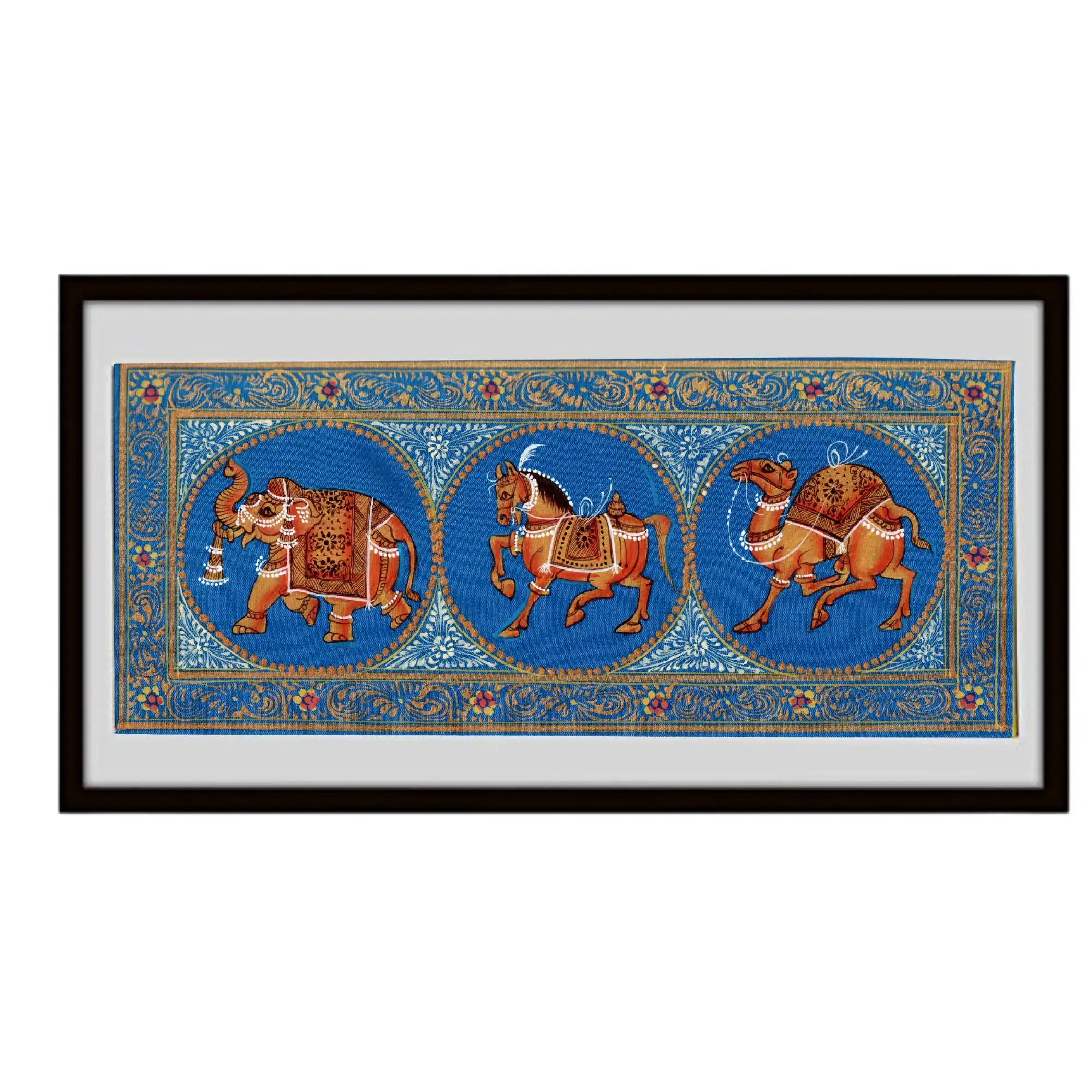
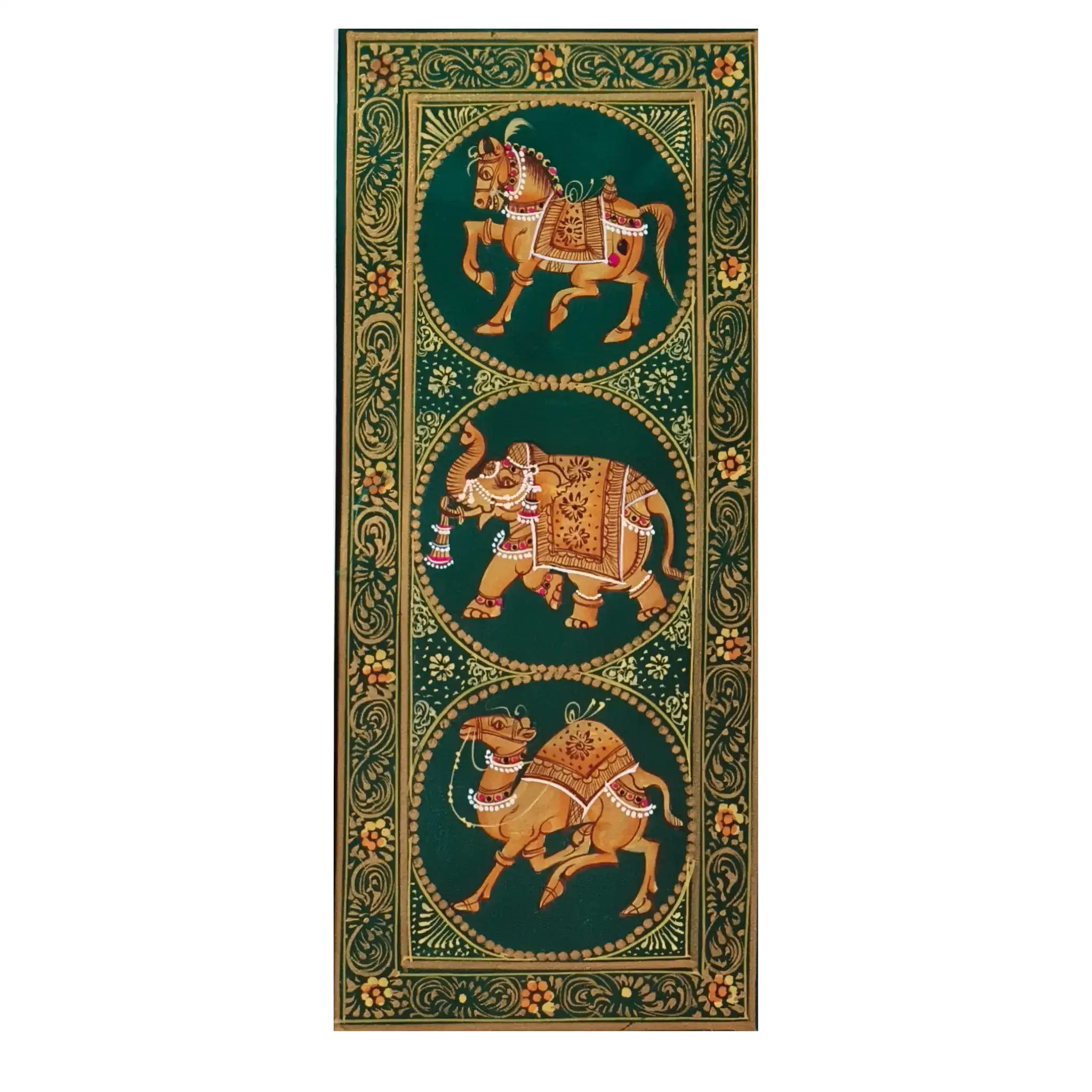
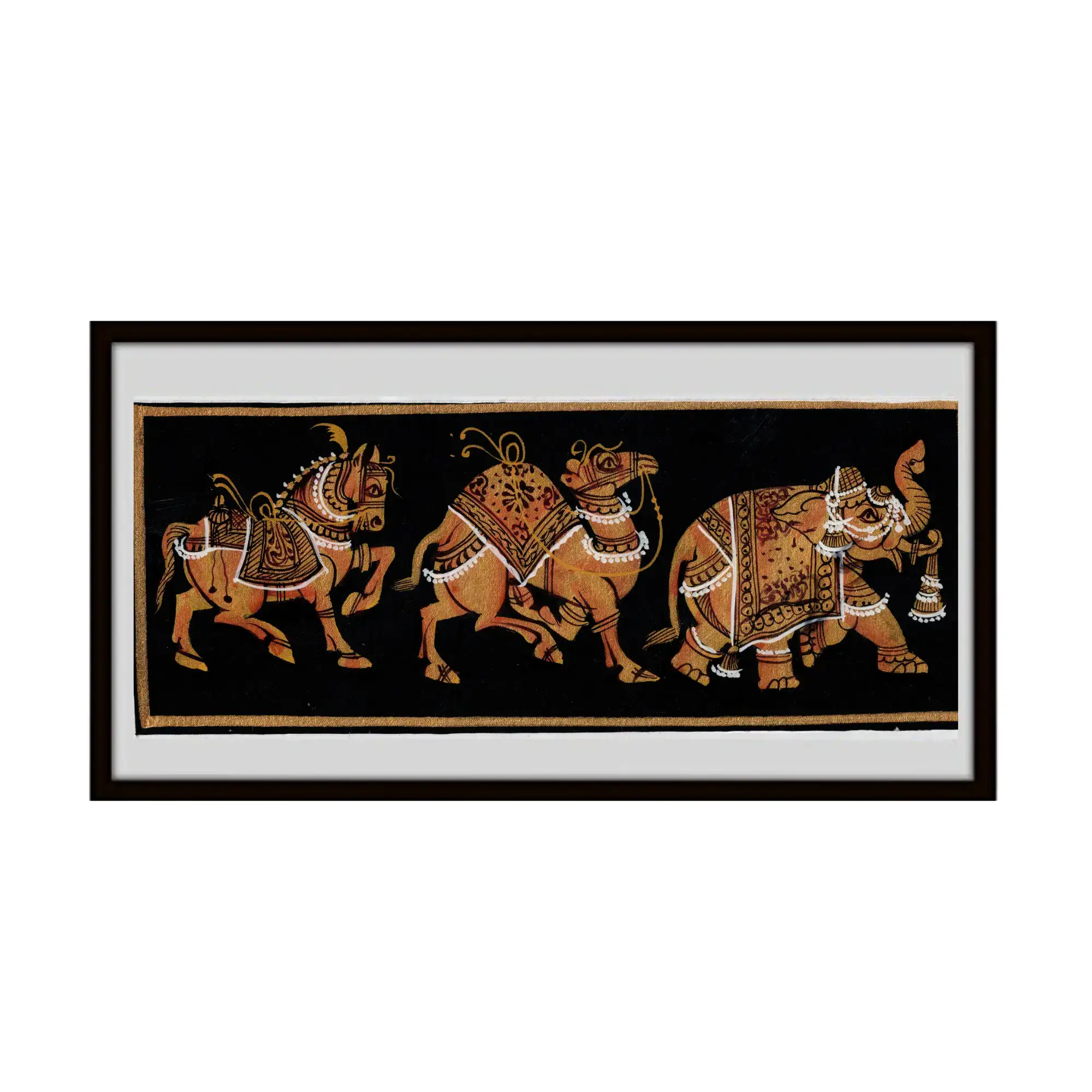
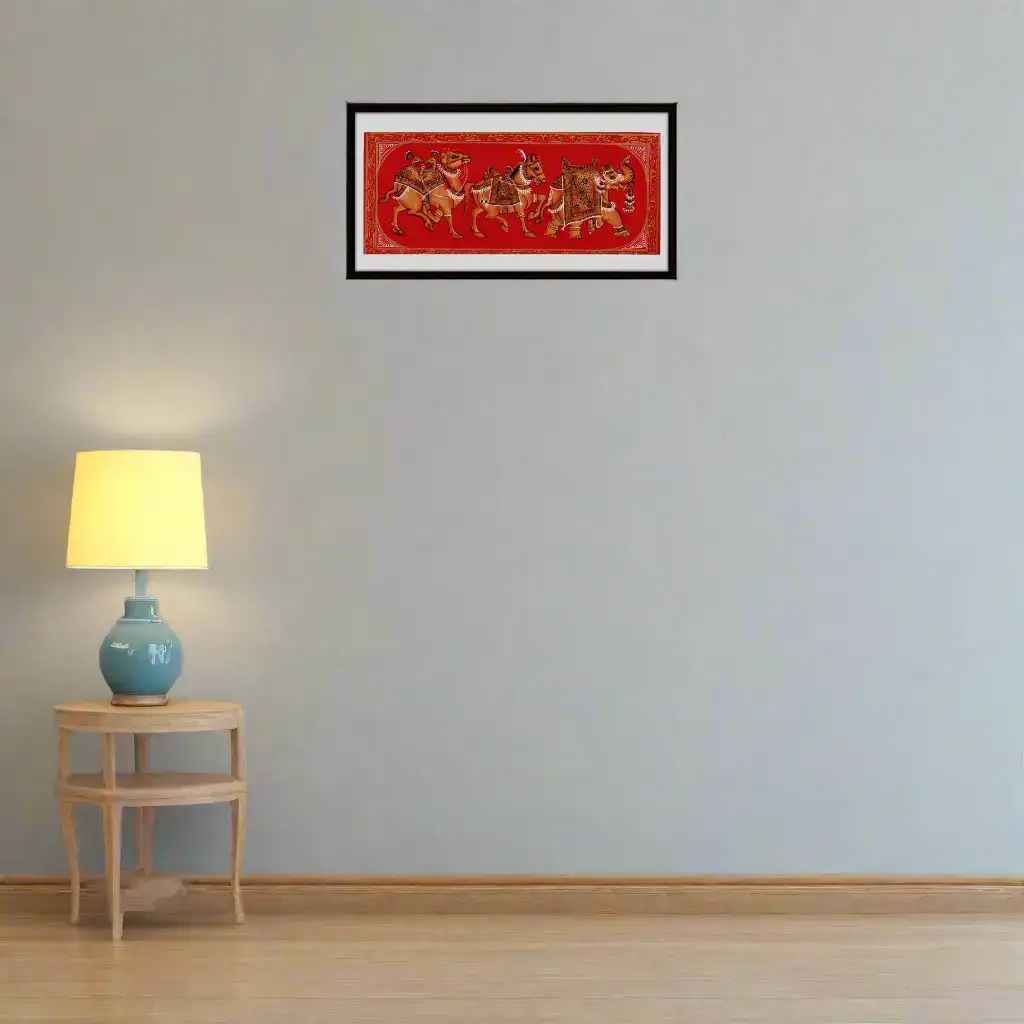
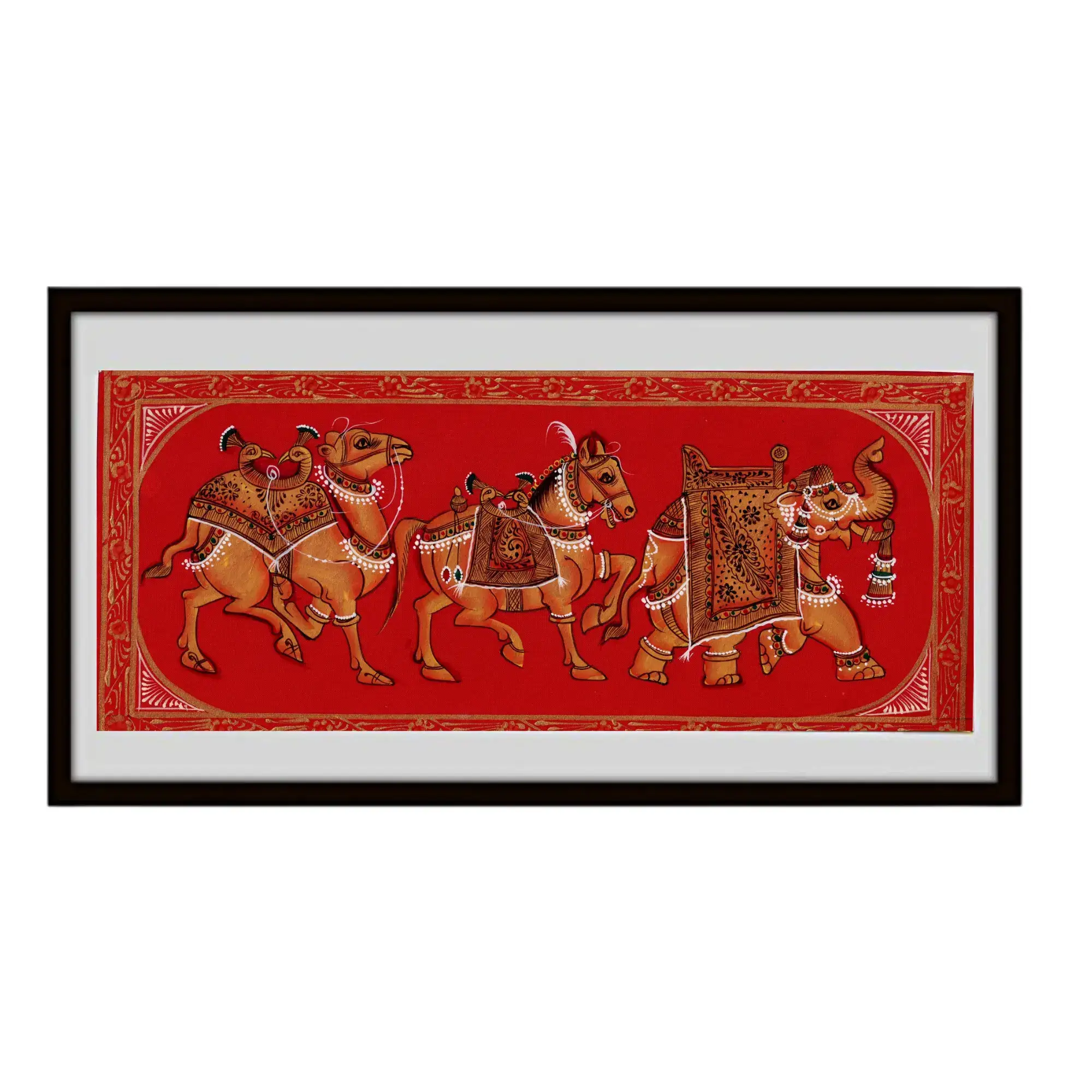
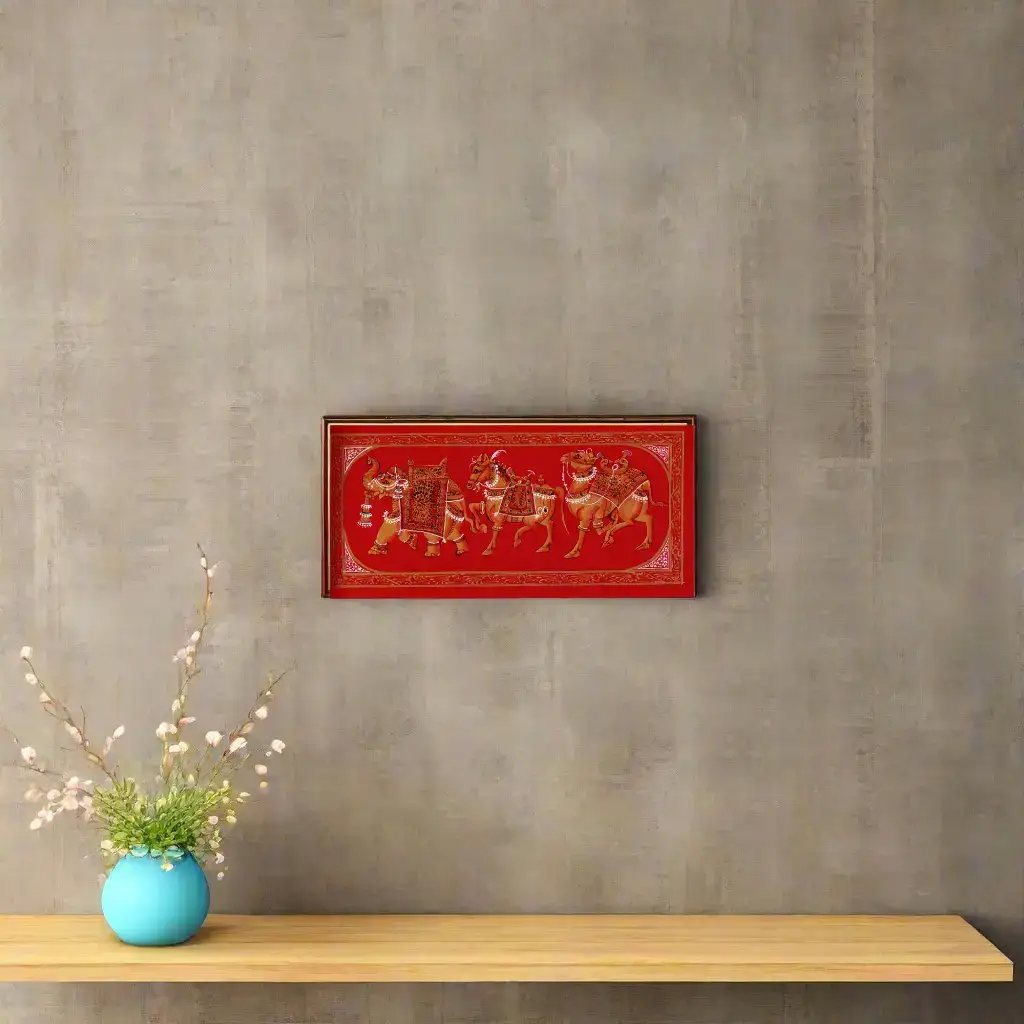
Rajasthan Mughal style Miniature painting Rajasthani Painting is a rich and vibrant style of Indian miniature painting. It flourished in the royal courts of Rajasthan from the 16th century onwards. This art form is deeply rooted in Indian traditions and culture, reflecting a blend of royal grandeur and folk themes. The paintings portray mythology, epics, love stories, royal life, and folk culture with exquisite detail.
The key characteristic of these paintings is their bold lines, bright colors, and intricate detailing. Artists traditionally used natural dyes and pigments made from minerals, vegetables, and precious stones. This gave every artwork a lasting and luminous quality. The attention to detail and vibrant hues set Rajasthan Mughal miniature painting apart from other styles.
Mughal royal miniature painting: Artistic Techniques and Materials
The Rajasthan Mughal miniature painting style carefully combines artistry and craft. Paintings were typically created on handmade paper or cloth. Artists used fine brushes to capture the smallest details, ensuring each piece was unique and authentic. The use of gold leaf and other natural colors enhanced the richness of the paintings.
This Mughal era painting tradition emphasized precision and delicacy. The natural pigments helped maintain the vivid quality of each artwork over centuries. This Mughal style painting India tradition is cherished for its seamless blend of aesthetics and storytelling.
Distinct Schools of miniature painting
This art form comprises several renowned schools, each with its own signature style and thematic focus. The major schools include:
- Mewar – known for court scenes, heroic tales, and religious themes
- Marwar
- Bundi – famous for lush landscapes and hunting scenes
- Kota – similar emphasis on nature and royal life
- Kishangarh – renowned for romantic portrayals of Radha and Krishna, including the iconic Bani Thani
- Bikaner
- Jaipur
Each school brings a unique perspective to the Mughal miniature painting tradition. For example, the Kishangarh school’s paintings often focus on divine love stories. In contrast, Mewar paintings might depict royal ceremonies or spiritual narratives. Bundi and Kota schools highlight the beauty of nature with detailed landscapes and wildlife.
Thematic Elements and Cultural Significance
The subjects of Rajasthan miniature painting range widely. Common themes include mythology, historical epics, love stories, and representations of courtly life. These paintings often narrate stories from Hindu epics such as the Ramayana and Mahabharata. Additionally, they feature depictions of gods and goddesses, royal processions, and cultural festivities.
This style also captures the essence of folk culture and traditions specific to Rajasthan. Artists used these paintings not only as decoration but as storytelling mediums. They served to preserve cultural heritage and royal history in vivid visual form. This makes Rajasthan Mughal miniature art a treasured example of India’s artistic and historical legacy.
The Lasting Impact of Mughal Era Painting
Rajasthan Mughal miniature paintings continues to inspire artists and art lovers today. The tradition upholds the centuries-old techniques and themes, preserving the essence of the Mughal royal miniature painting legacy. Contemporary artists often study these paintings to incorporate classic elements into new creations.
Collectors prize these pieces for their artistic excellence and cultural depth. Many museums and galleries worldwide feature this genre to showcase Indian heritage. This rich heritage helps sustain interest in Rajasthan as a vital center of Mughal style painting India.
How to Appreciate Rajasthan miniature painting
When viewing Rajasthan Mughal paintings, observe the fine brushwork and color harmony. Notice how natural pigments provide depth and shimmer to the scenes. Pay attention to the cultural stories illustrated, revealing much about India's history and traditions.
The combination of bold color, intricate detail, and storytelling distinguishes these paintings. They are ideal for collectors, museums, or anyone interested in traditional Indian art forms. Owning such a painting offers a glimpse into Rajasthan's vibrant art history and Mughal era painting excellence.
Product Information
Product Information
Shipping & Returns
Shipping & Returns
Description
Rajasthan Mughal miniature painting: A Rich Tradition of Indian Art
Rajasthan Mughal style Miniature painting Rajasthani Painting is a rich and vibrant style of Indian miniature painting. It flourished in the royal courts of Rajasthan from the 16th century onwards. This art form is deeply rooted in Indian traditions and culture, reflecting a blend of royal grandeur and folk themes. The paintings portray mythology, epics, love stories, royal life, and folk culture with exquisite detail.
The key characteristic of these paintings is their bold lines, bright colors, and intricate detailing. Artists traditionally used natural dyes and pigments made from minerals, vegetables, and precious stones. This gave every artwork a lasting and luminous quality. The attention to detail and vibrant hues set Rajasthan Mughal miniature painting apart from other styles.
Mughal royal miniature painting: Artistic Techniques and Materials
The Rajasthan Mughal miniature painting style carefully combines artistry and craft. Paintings were typically created on handmade paper or cloth. Artists used fine brushes to capture the smallest details, ensuring each piece was unique and authentic. The use of gold leaf and other natural colors enhanced the richness of the paintings.
This Mughal era painting tradition emphasized precision and delicacy. The natural pigments helped maintain the vivid quality of each artwork over centuries. This Mughal style painting India tradition is cherished for its seamless blend of aesthetics and storytelling.
Distinct Schools of miniature painting
This art form comprises several renowned schools, each with its own signature style and thematic focus. The major schools include:
- Mewar – known for court scenes, heroic tales, and religious themes
- Marwar
- Bundi – famous for lush landscapes and hunting scenes
- Kota – similar emphasis on nature and royal life
- Kishangarh – renowned for romantic portrayals of Radha and Krishna, including the iconic Bani Thani
- Bikaner
- Jaipur
Each school brings a unique perspective to the Mughal miniature painting tradition. For example, the Kishangarh school’s paintings often focus on divine love stories. In contrast, Mewar paintings might depict royal ceremonies or spiritual narratives. Bundi and Kota schools highlight the beauty of nature with detailed landscapes and wildlife.
Thematic Elements and Cultural Significance
The subjects of Rajasthan miniature painting range widely. Common themes include mythology, historical epics, love stories, and representations of courtly life. These paintings often narrate stories from Hindu epics such as the Ramayana and Mahabharata. Additionally, they feature depictions of gods and goddesses, royal processions, and cultural festivities.
This style also captures the essence of folk culture and traditions specific to Rajasthan. Artists used these paintings not only as decoration but as storytelling mediums. They served to preserve cultural heritage and royal history in vivid visual form. This makes Rajasthan Mughal miniature art a treasured example of India’s artistic and historical legacy.
The Lasting Impact of Mughal Era Painting
Rajasthan Mughal miniature paintings continues to inspire artists and art lovers today. The tradition upholds the centuries-old techniques and themes, preserving the essence of the Mughal royal miniature painting legacy. Contemporary artists often study these paintings to incorporate classic elements into new creations.
Collectors prize these pieces for their artistic excellence and cultural depth. Many museums and galleries worldwide feature this genre to showcase Indian heritage. This rich heritage helps sustain interest in Rajasthan as a vital center of Mughal style painting India.
How to Appreciate Rajasthan miniature painting
When viewing Rajasthan Mughal paintings, observe the fine brushwork and color harmony. Notice how natural pigments provide depth and shimmer to the scenes. Pay attention to the cultural stories illustrated, revealing much about India's history and traditions.
The combination of bold color, intricate detail, and storytelling distinguishes these paintings. They are ideal for collectors, museums, or anyone interested in traditional Indian art forms. Owning such a painting offers a glimpse into Rajasthan's vibrant art history and Mughal era painting excellence.