Grace and Majesty - Symbols of Power Miniature Painting
Grace and Majesty - Symbols of Power Miniature Painting
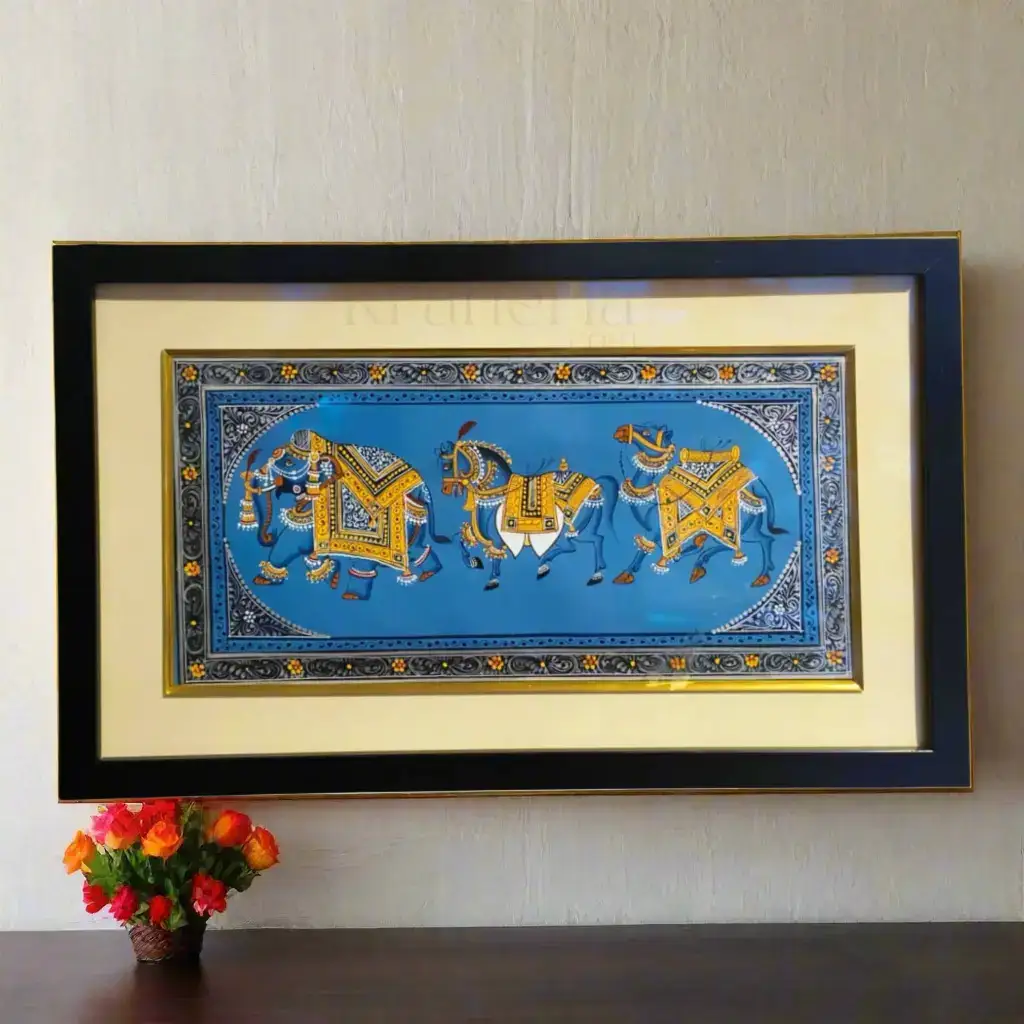
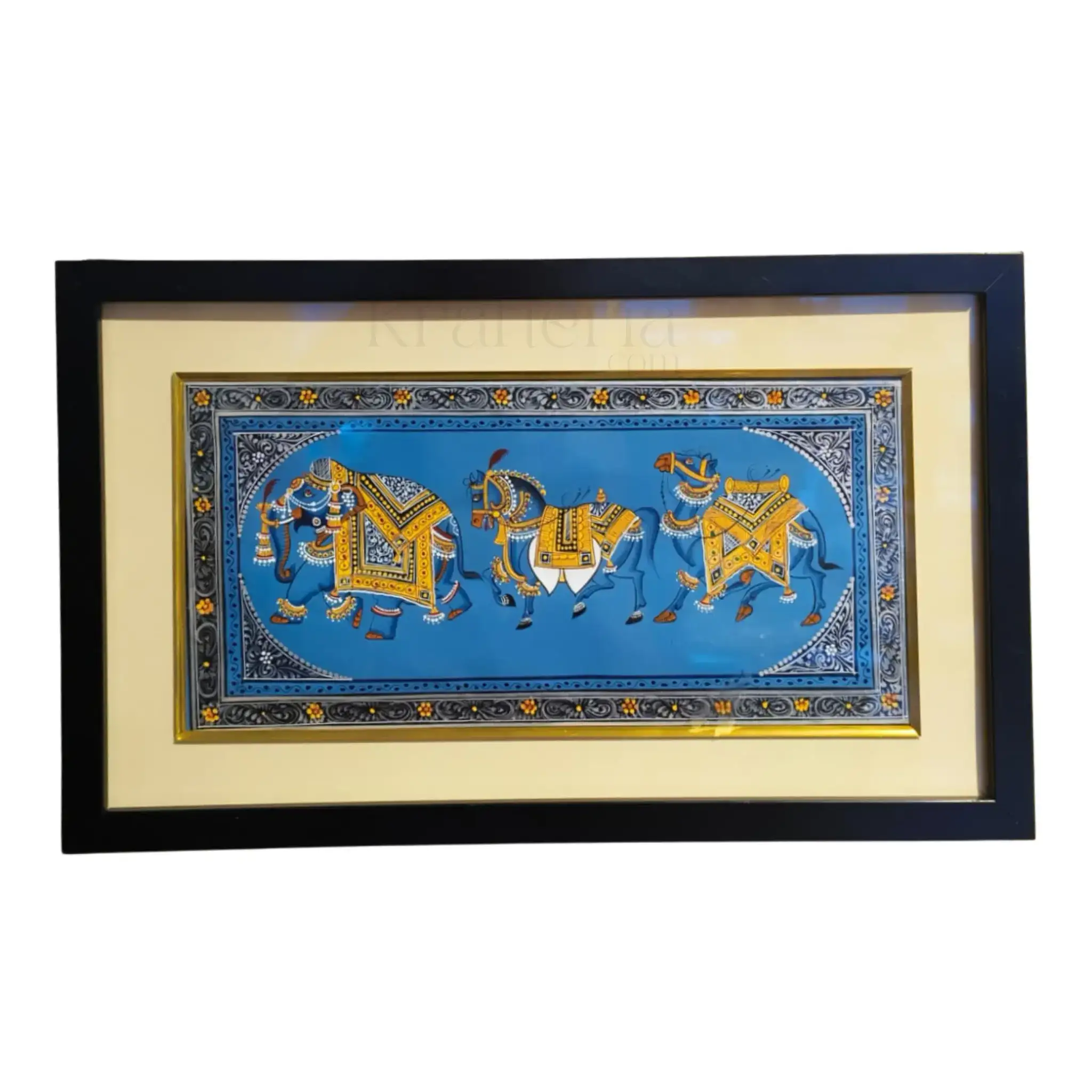
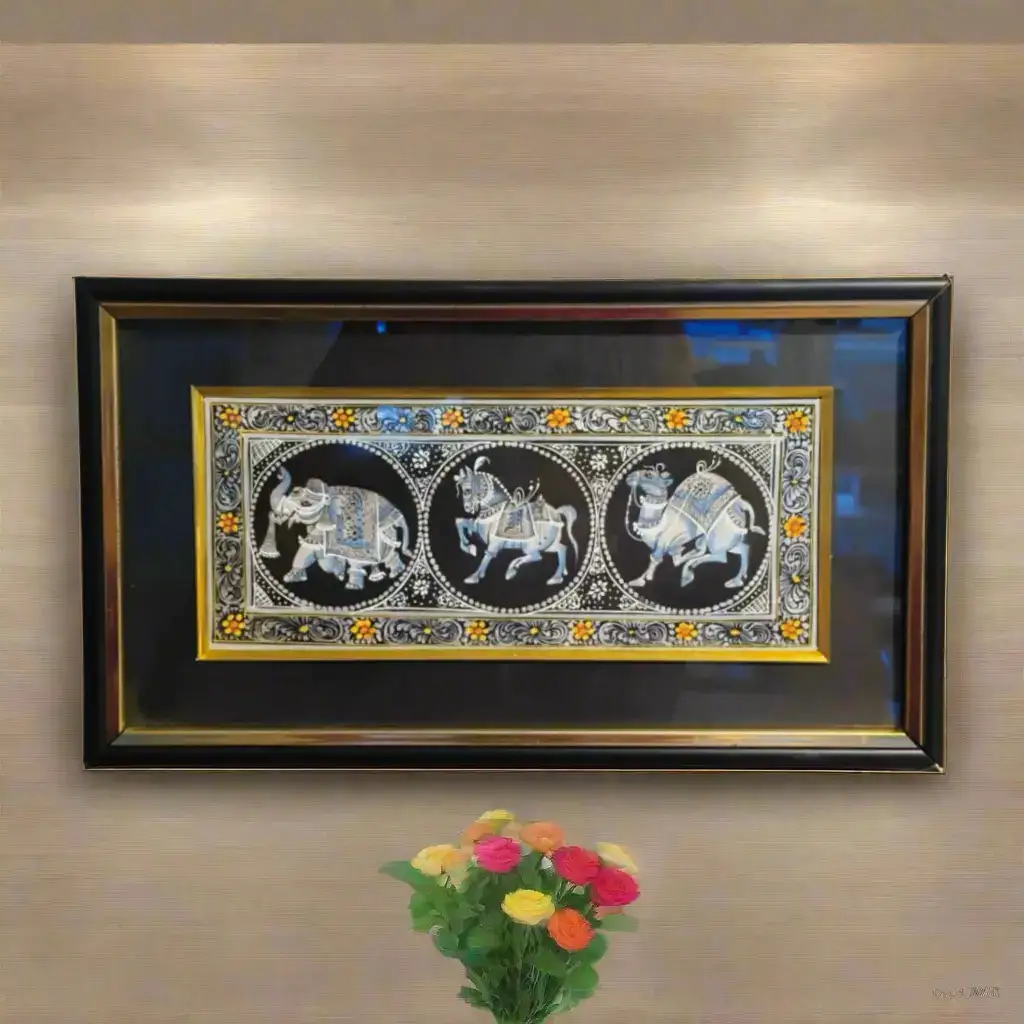
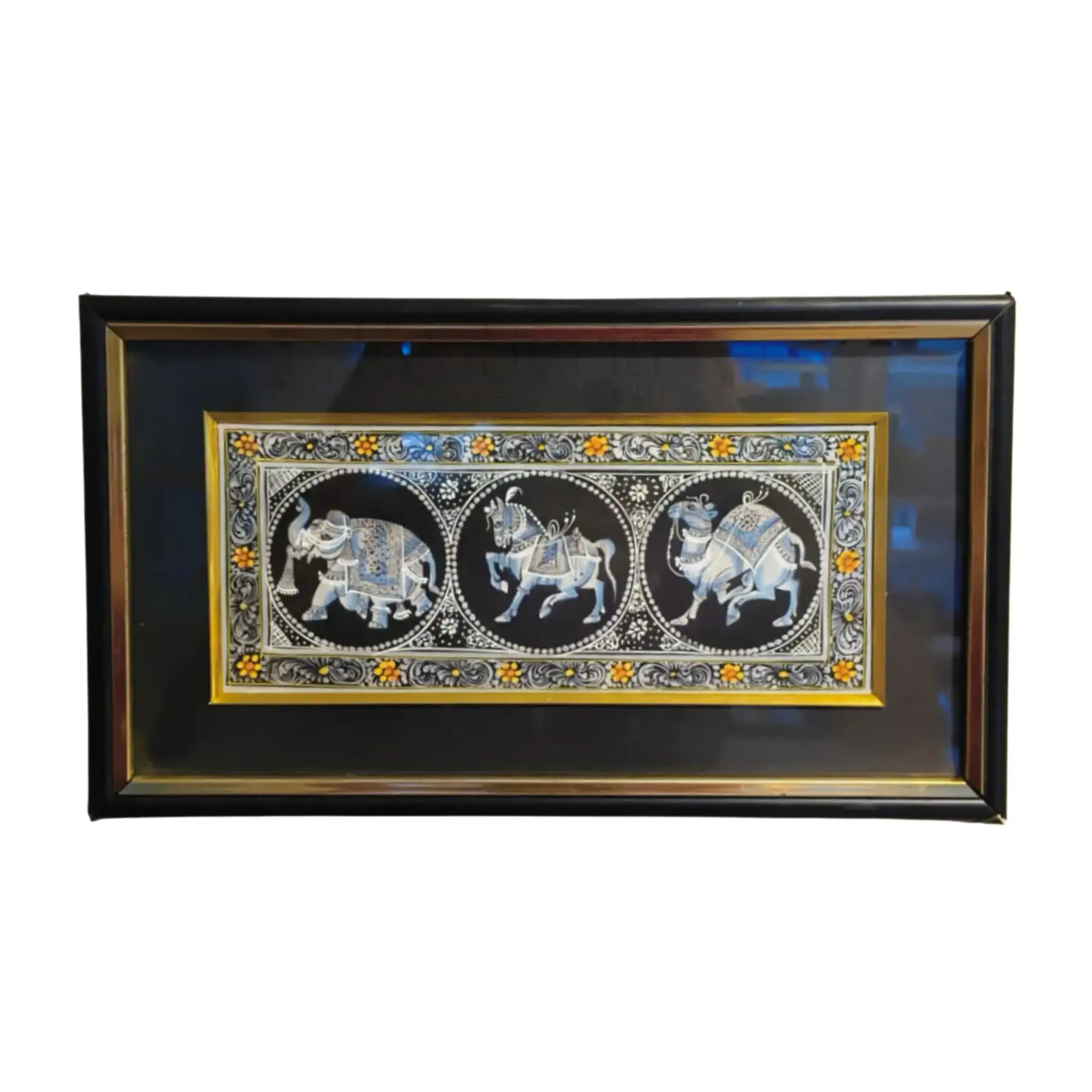
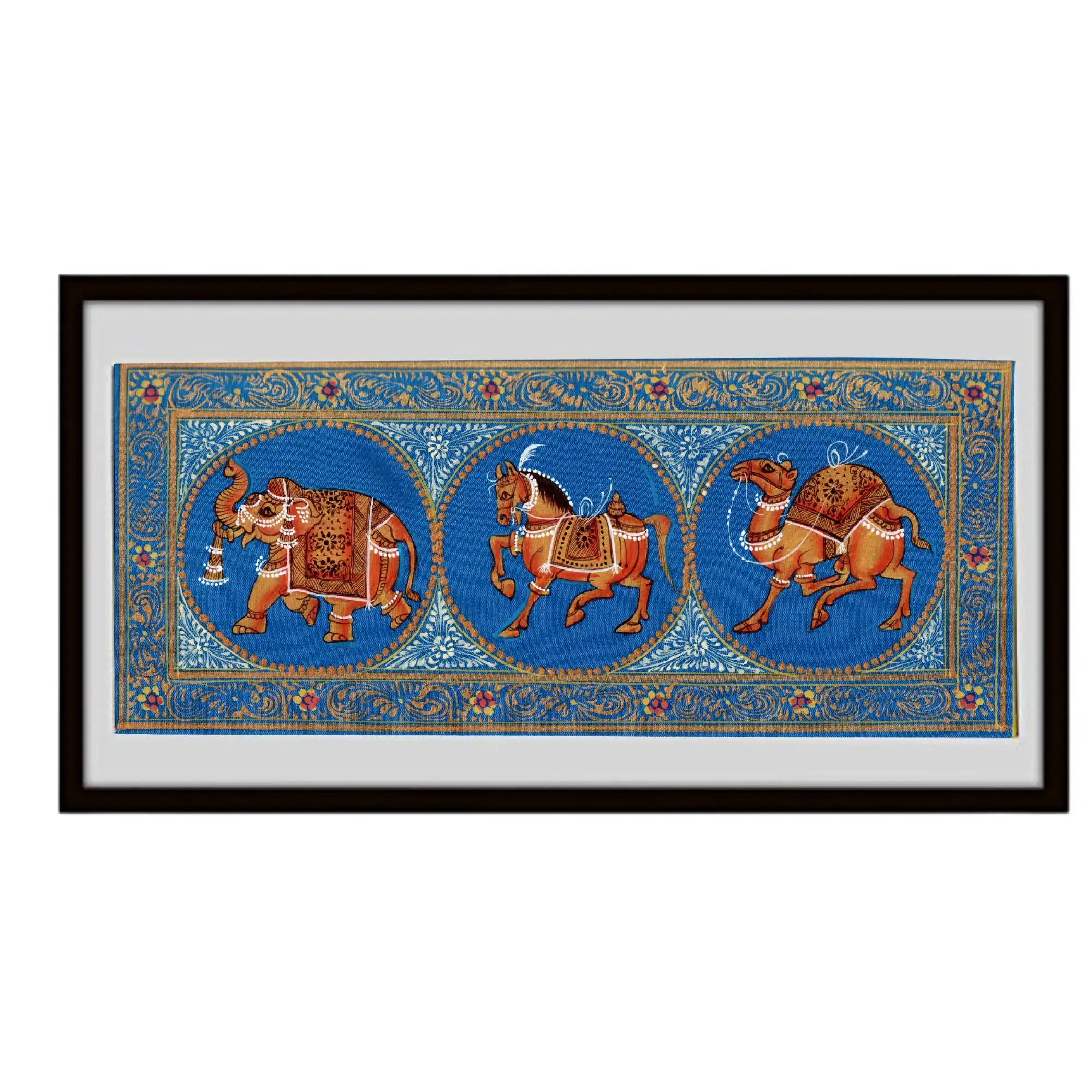
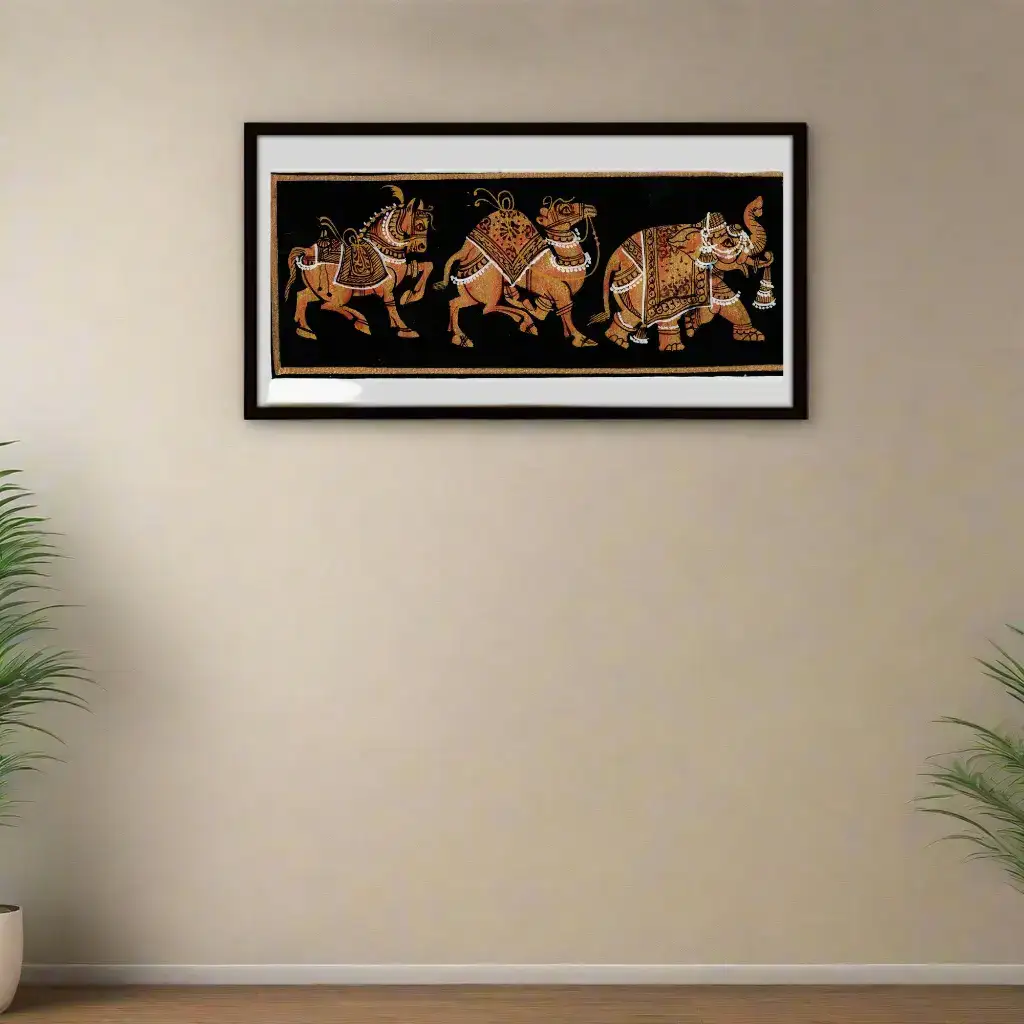
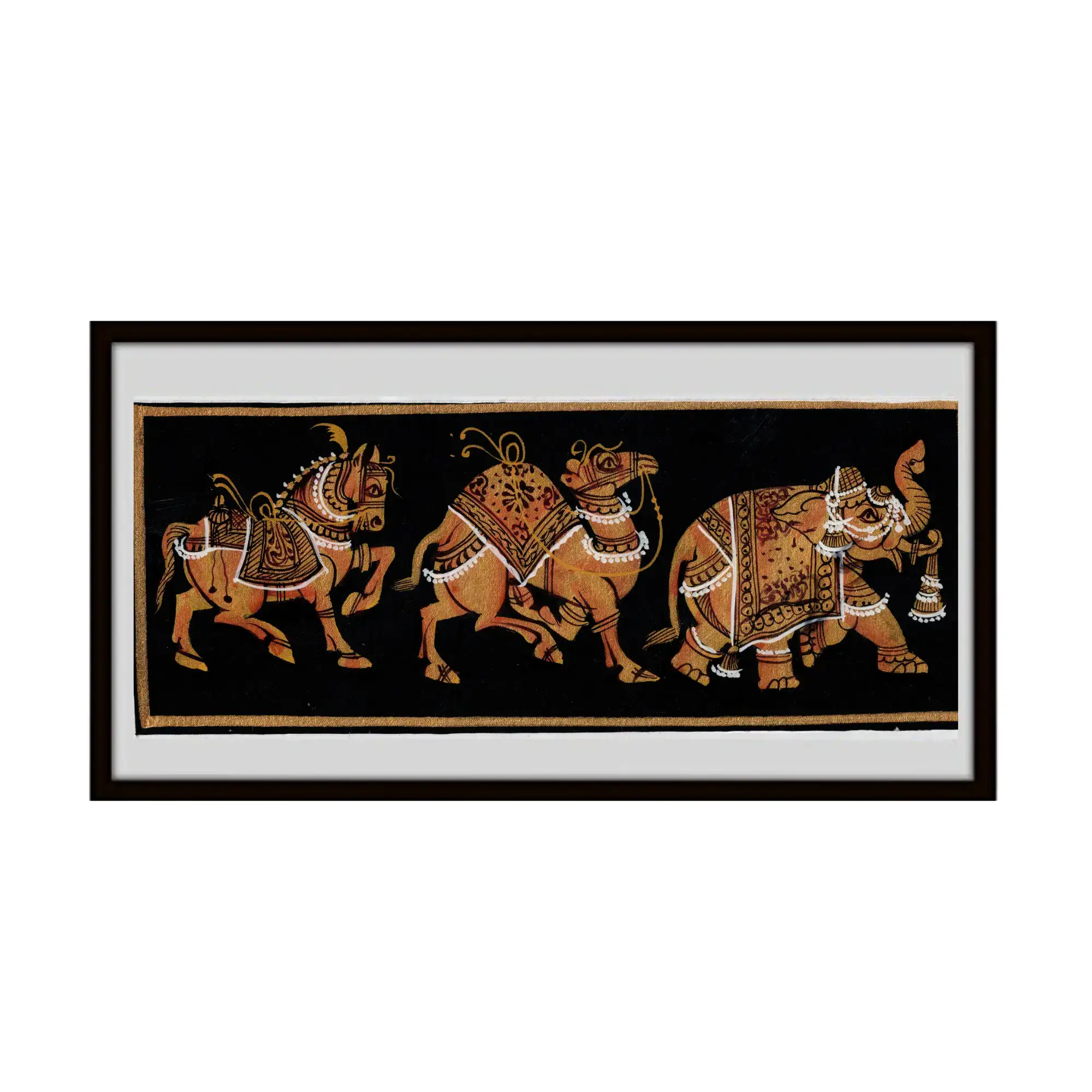
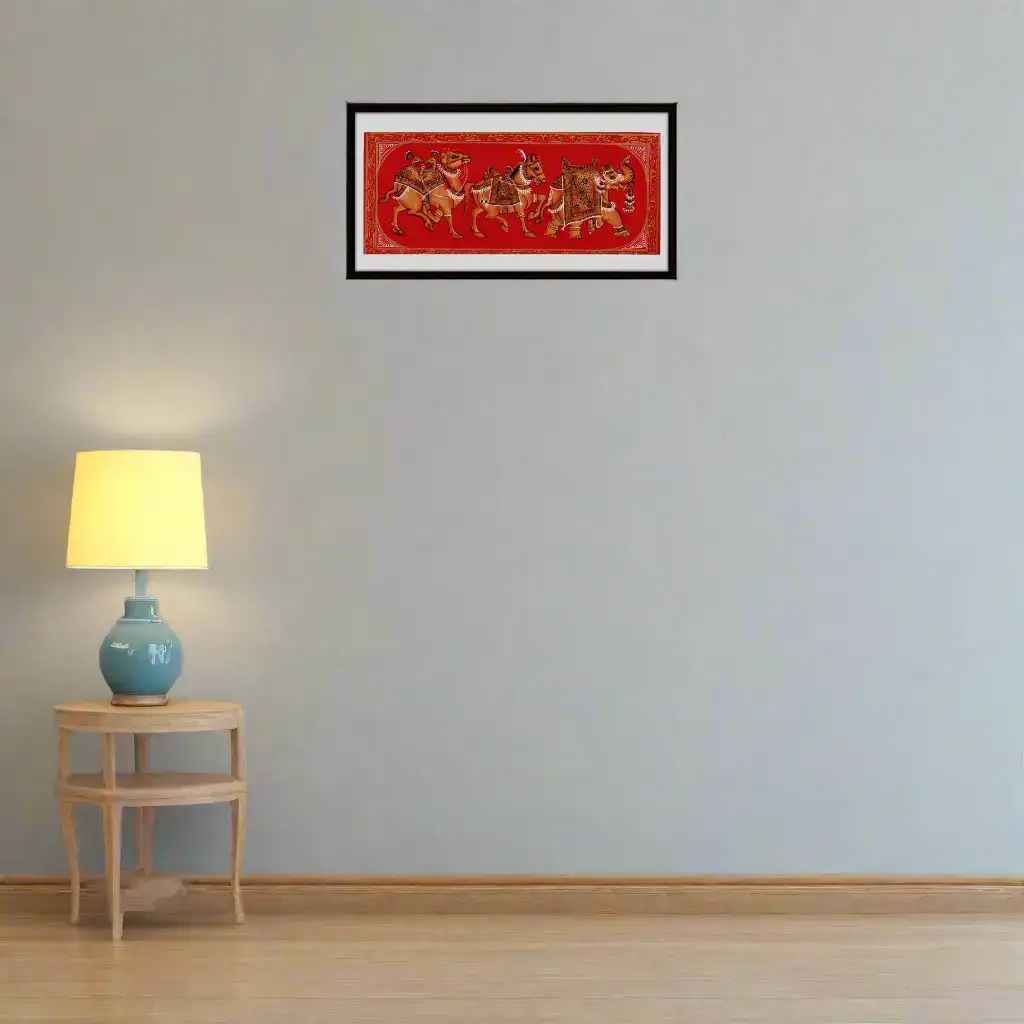
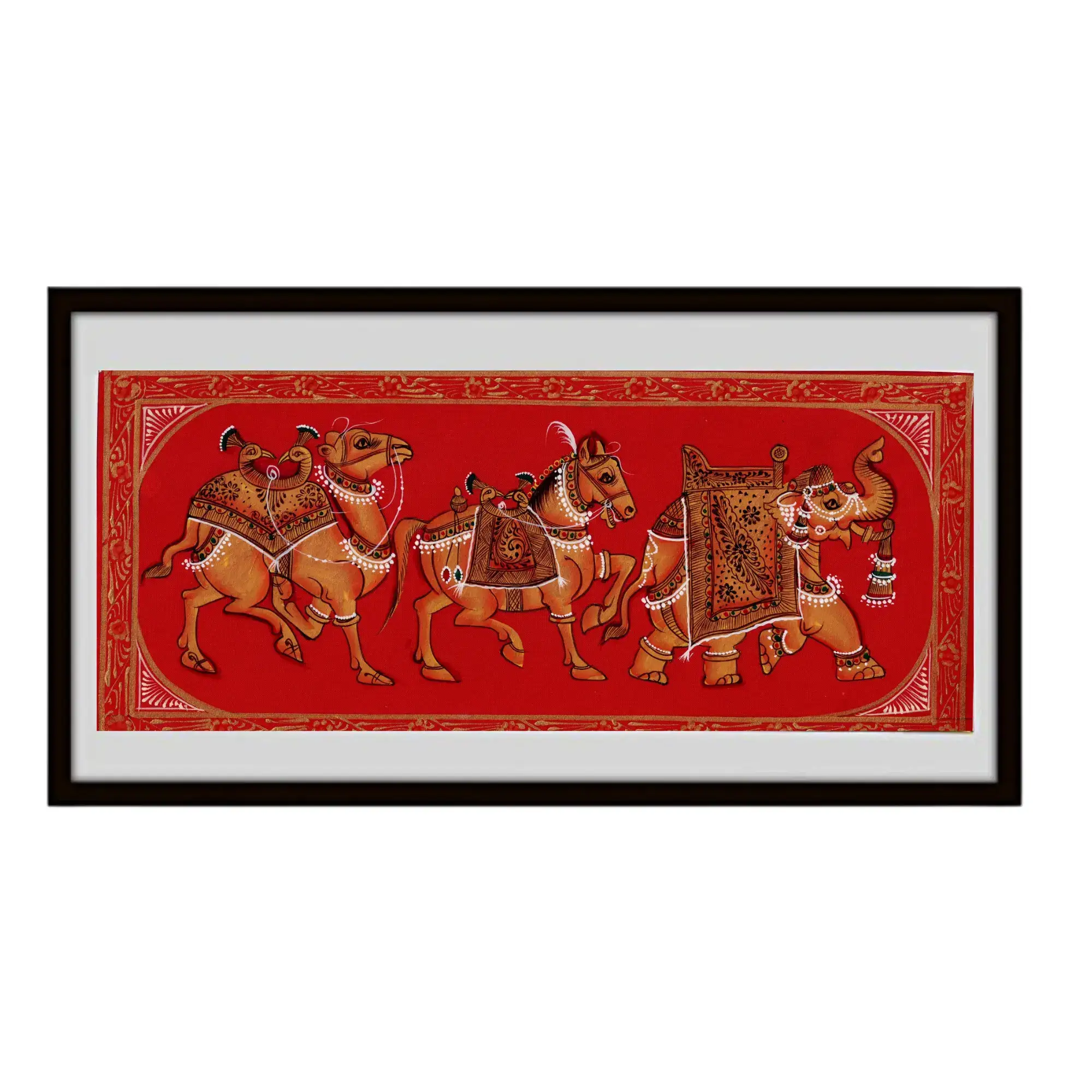
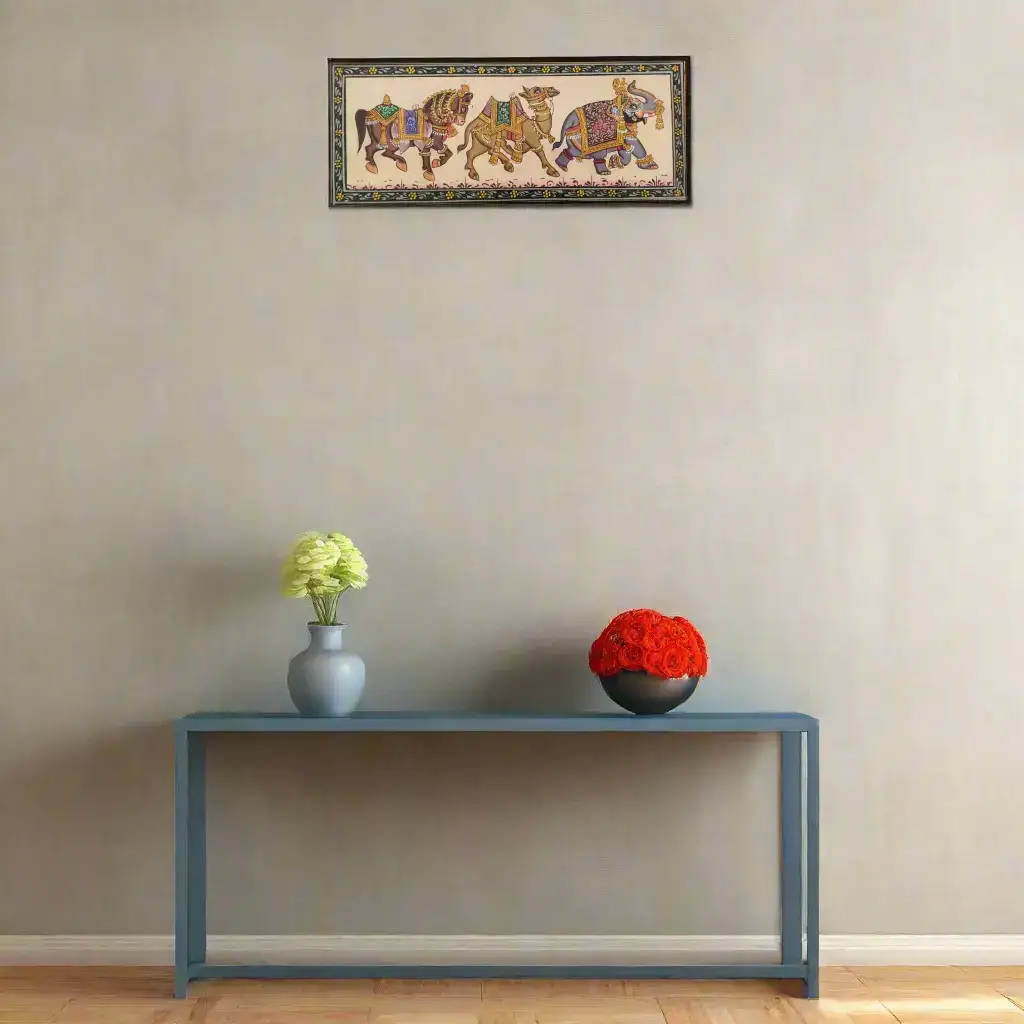
Symbols of Power Miniature Painting Rajasthani Painting is a rich and vibrant style of Indian miniature painting. It flourished in the royal courts of Rajasthan from the 16th century onwards. This art form is deeply rooted in Indian traditions. It portrays themes of mythology, epics, love stories, royal life, and folk culture.
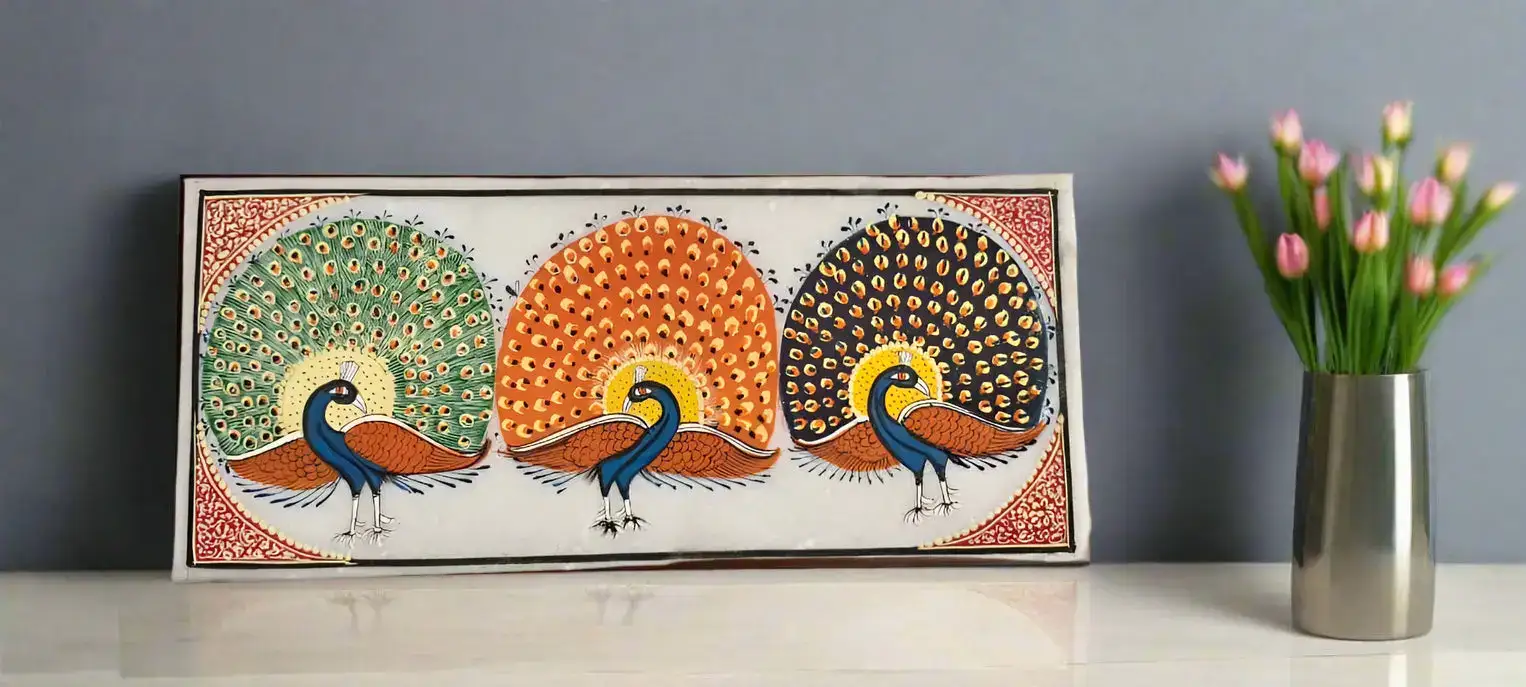
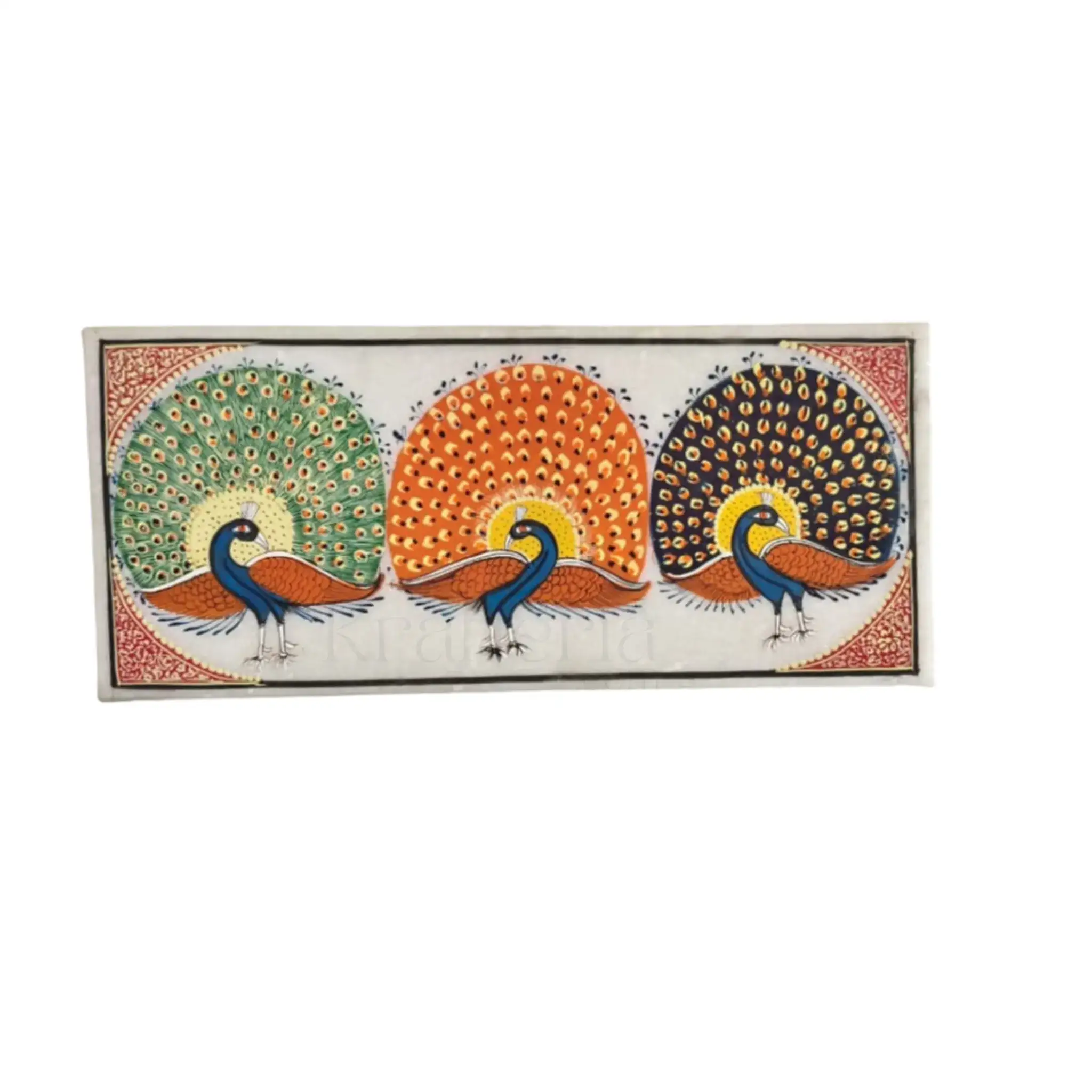
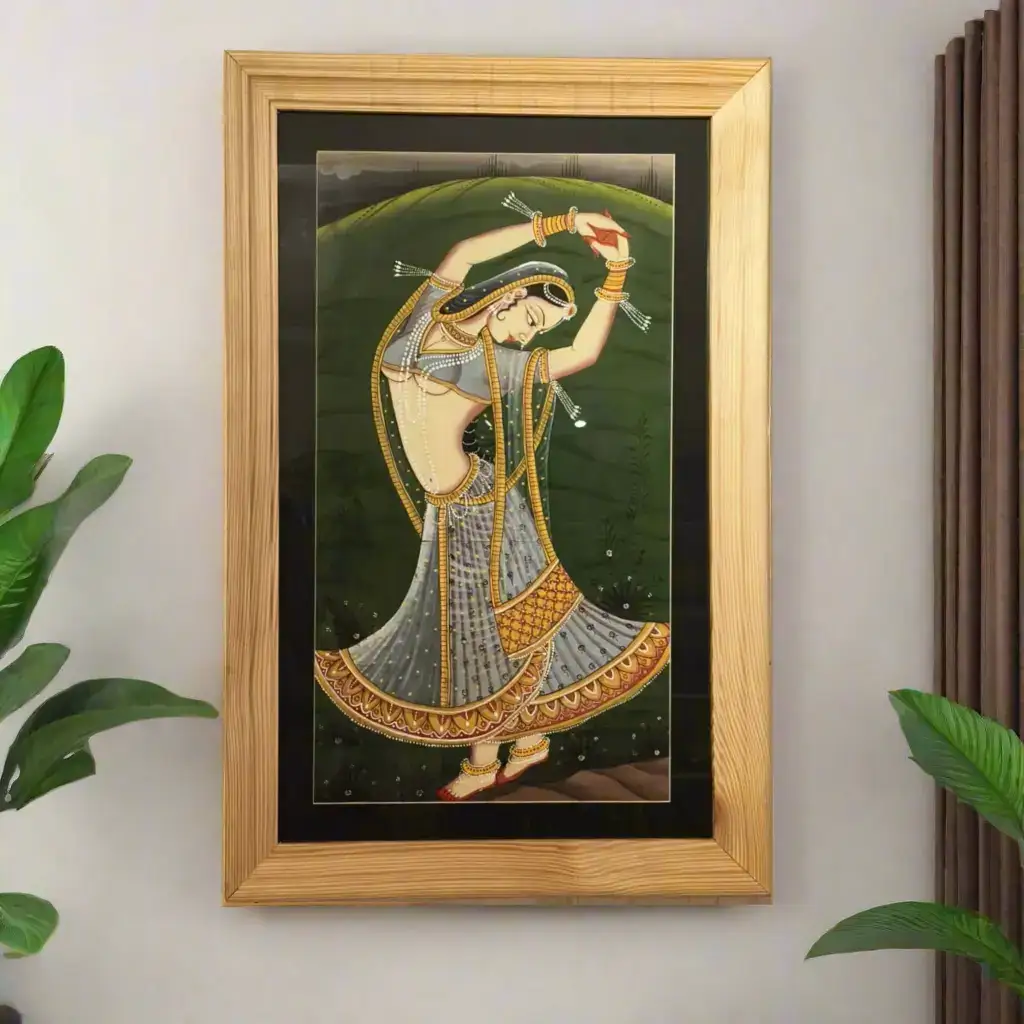
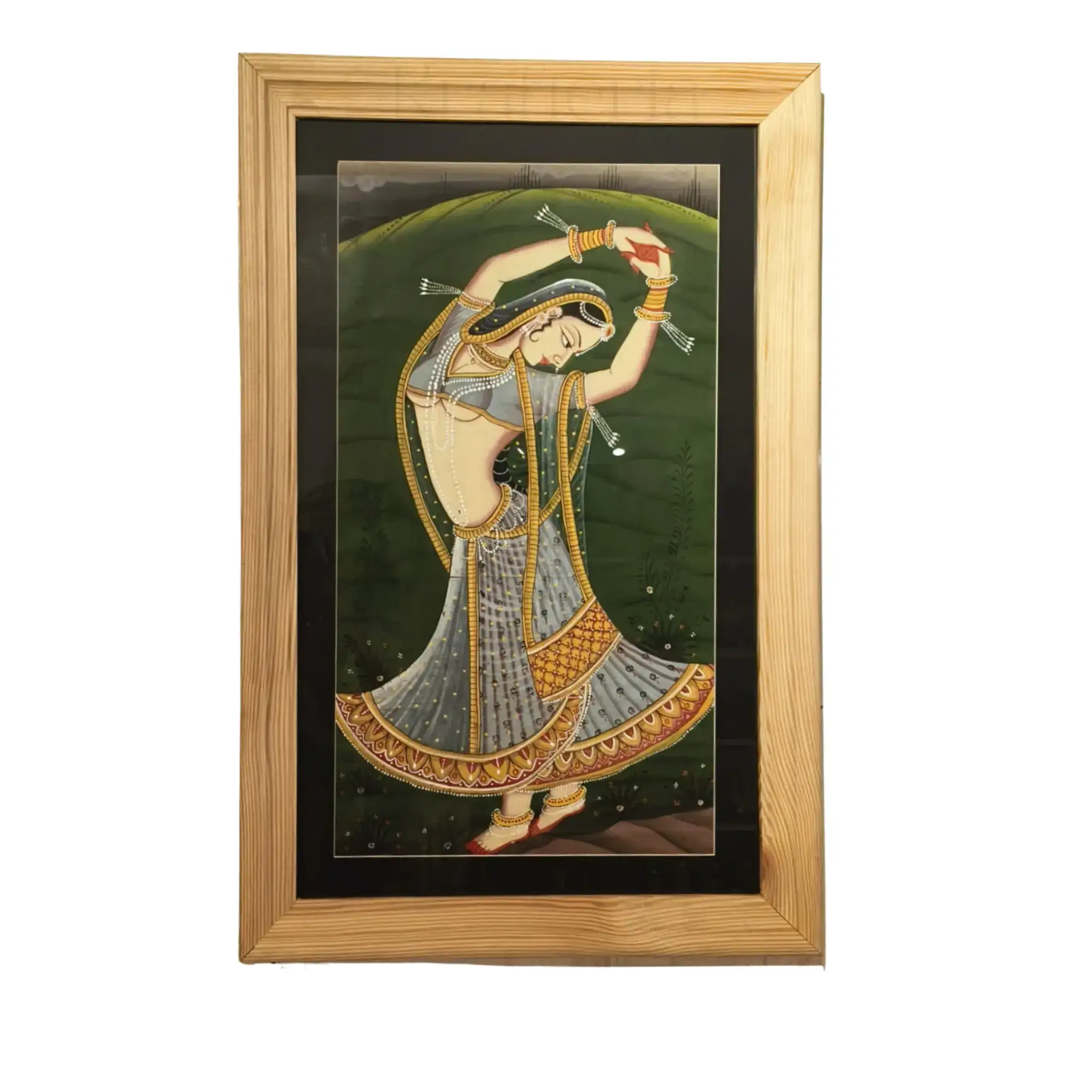
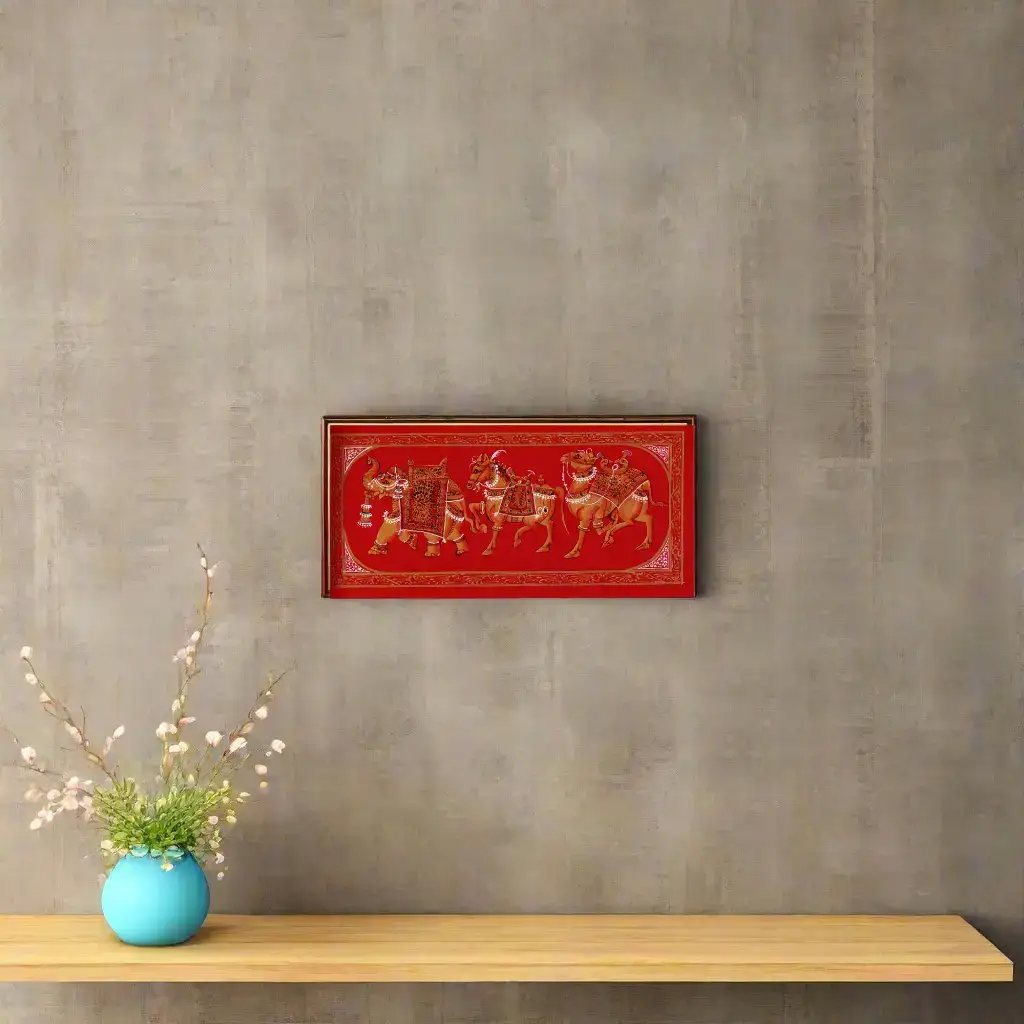
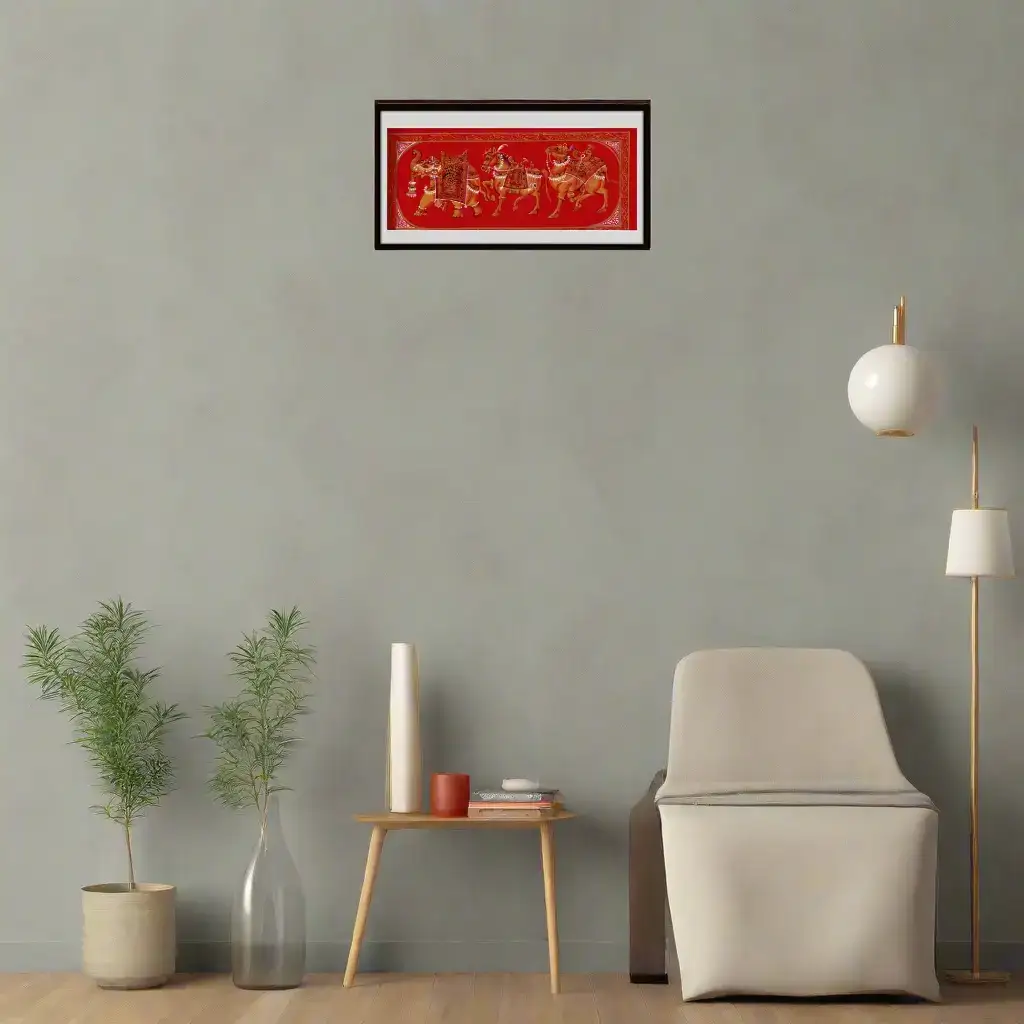
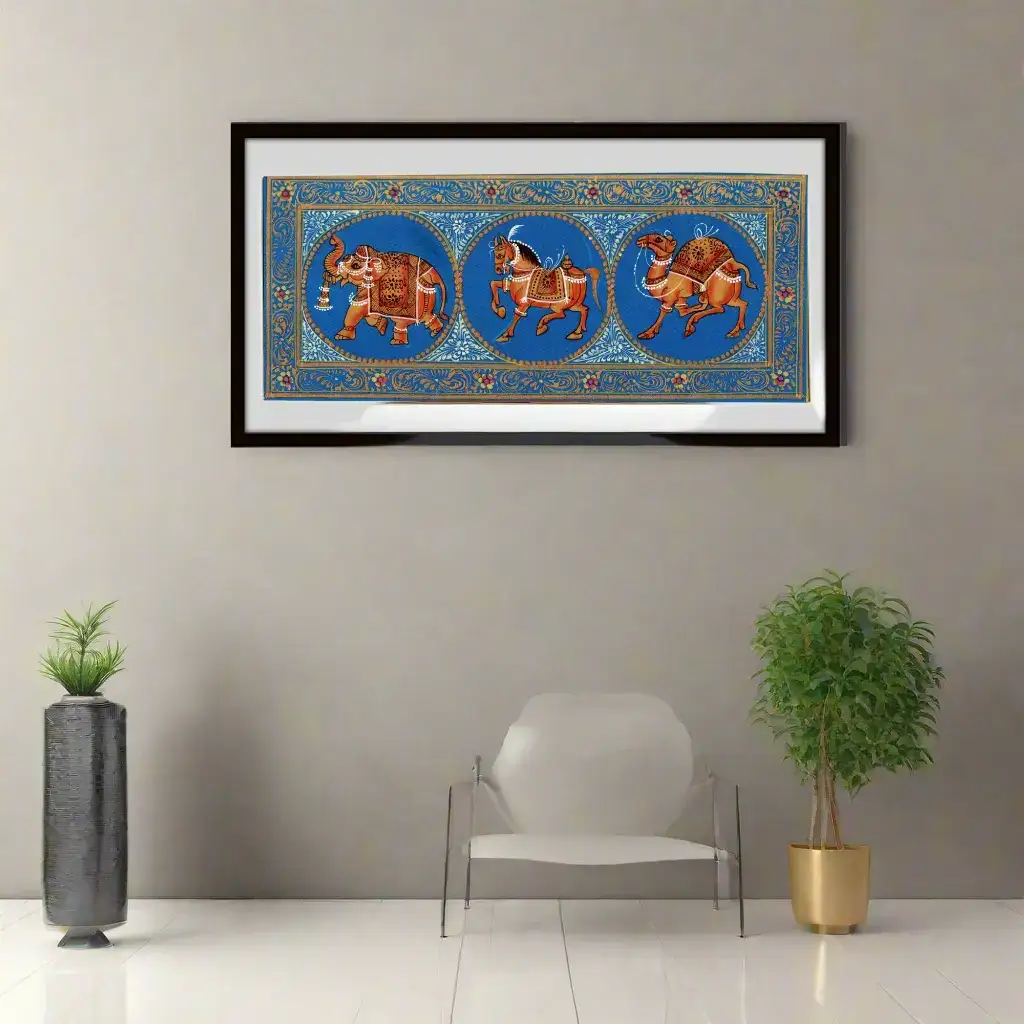
The paintings are well-known for their bold lines, bright colors, and intricate detailing. Natural dyes and pigments made from minerals, vegetables, and precious stones were traditionally used for these artworks. This makes the painting last long and have a luminous quality. The dimensions of this artwork are 12"W by 5"H, perfect for enhancing home décor with royal flair.
The Distinct Schools of Rajasthani Miniature Painting
This form of miniature painting is divided into several schools that each have unique styles and subject focuses. These schools include Mewar, Marwar, Bundi, Kota, Kishangarh, Bikaner, and Jaipur. Each school adds its own character and cultural significance to this traditional art form.
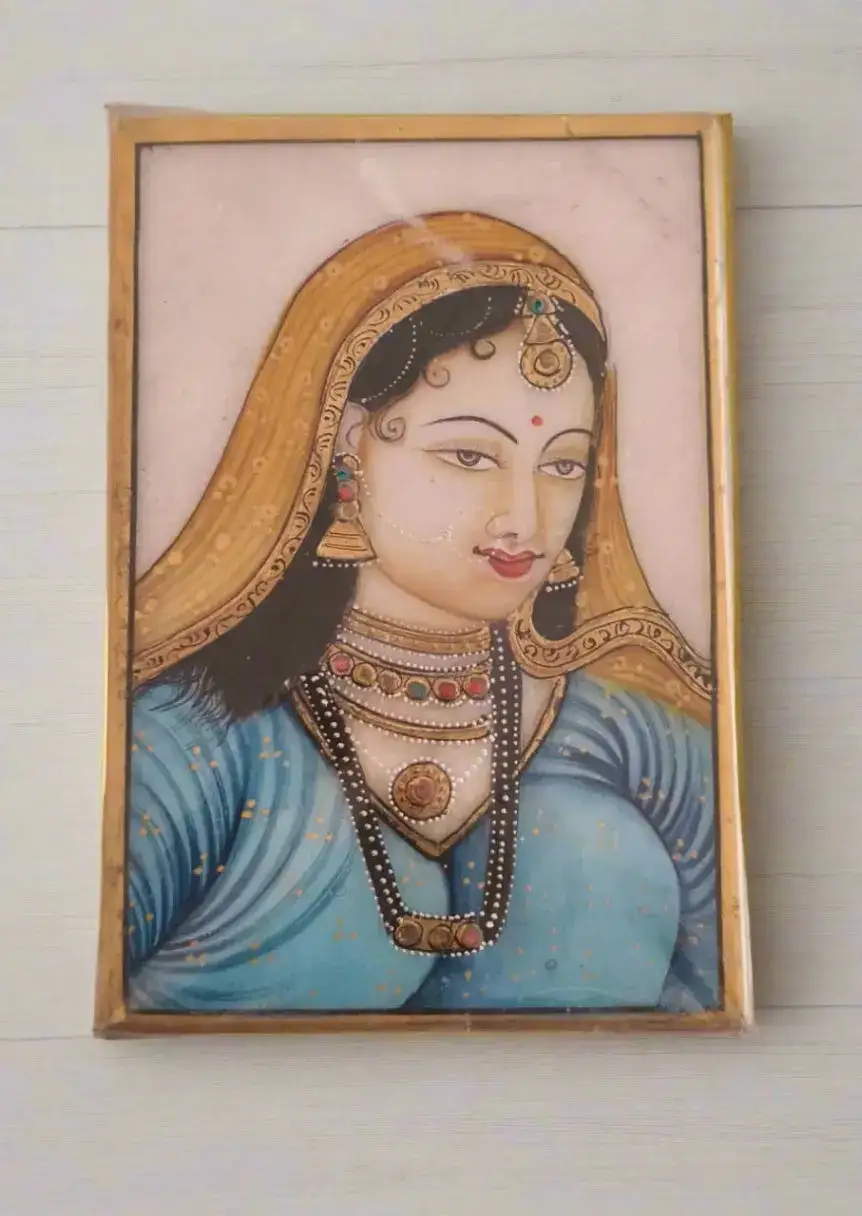
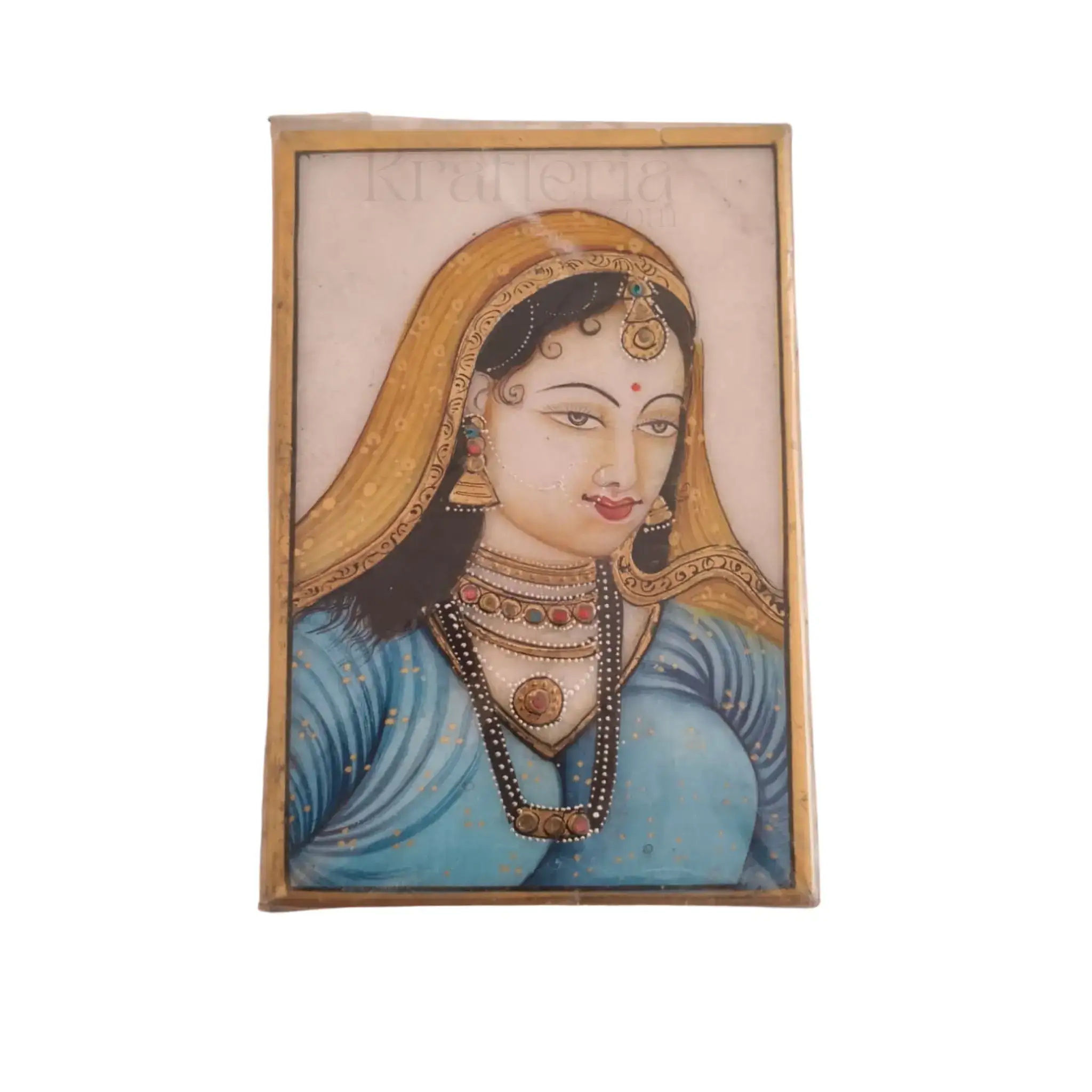
For example, Kishangarh is known for its romantic portrayals of Radha and Krishna. The iconic image of Bani Thani originates from this school. Mewar paintings often depict court scenes, heroic tales, and religious themes, showcasing the valor and spirituality of the region.
Distinct Themes and Styles in Miniature Painting
Bundi and Kota paintings are famous for lush landscapes and hunting scenes. These paintings combine natural beauty with stories of royal life, showcasing the grand lifestyle of the time. Overall, the art presents a vivid storytelling method through miniature details.
Rajasthani miniature is also celebrated as Symbols of power Indian miniature art. This means it often uses royal symbols and motifs that stand for sovereignty, leadership, and divine favor. Such imagery makes this painting highly prized for luxury interiors.
The Artistic Elements of Symbols of Power Miniature Paintings
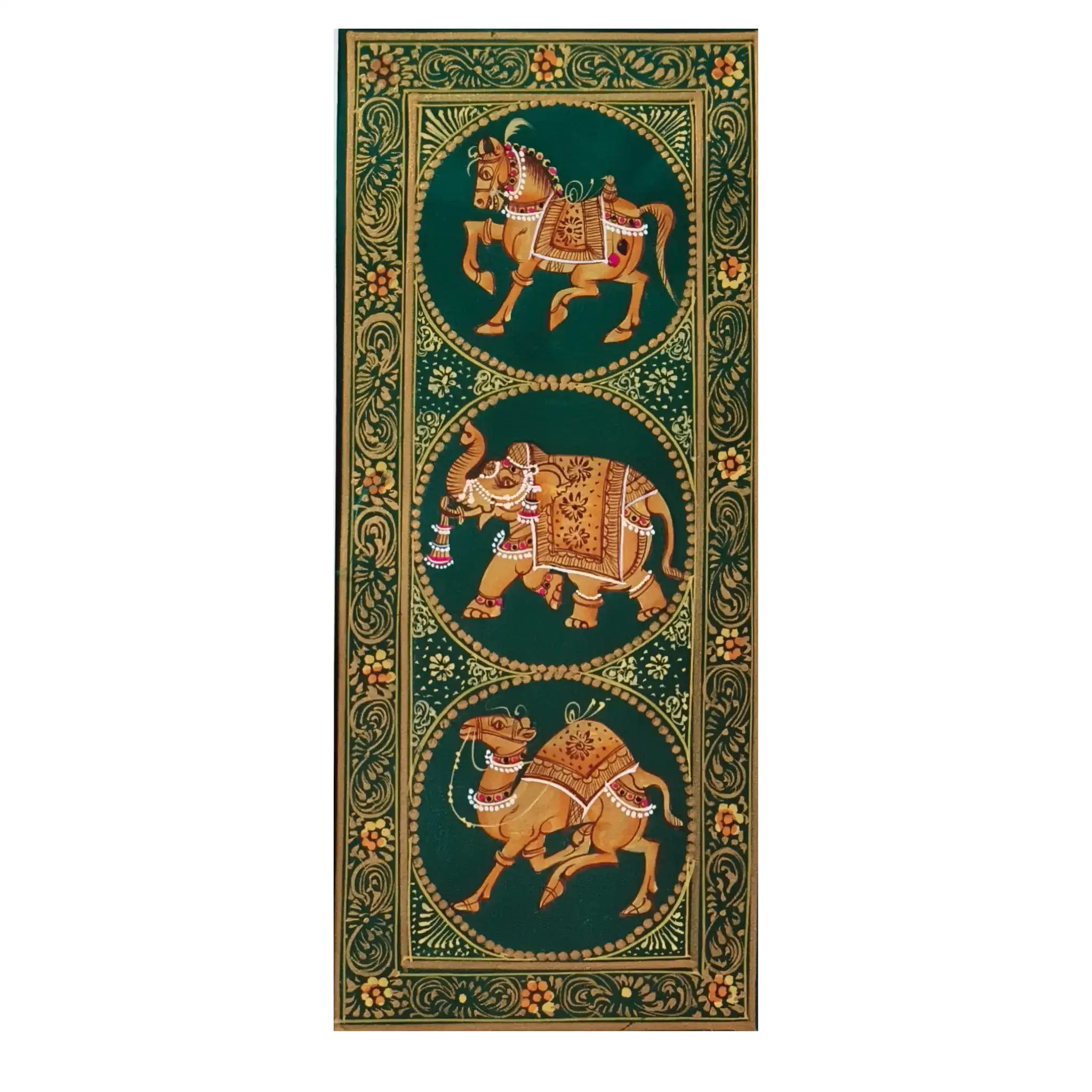
The grace and majesty of this painting come from the skilled use of color and design. The artists use bright, natural colors that have been traditionally made from organic sources. These colors remain vibrant over time, providing a lasting beauty to each piece.
The details are exceptional, with every stroke precisely made using fine brushes. This allows the painting to capture intricate patterns, textures, and expressions. It also highlights the royal themes depicted within the artwork, making it a true masterpiece.
Why Choose This Royal Symbols Wall Art India for Your Space?
This Royal symbols wall art India piece adds elegance and cultural richness to any setting. Its connection to Indian heritage and artistry offers depth beyond mere decoration. It is ideal for collectors and art enthusiasts who appreciate tradition merged with exquisite craftsmanship.
By displaying such a miniature artwork, you align your interiors with the rich legacy of Rajasthan. This not only uplifts aesthetics but also connects you with the stories and symbolism of India’s regal past.
Miniature Paintings: A Timeless Expression of Culture
Through the centuries, miniature has preserved the history, mythology, and traditions of India. The use of durable pigments, precise brush techniques, and storytelling themes makes this art form timeless. Symbols of power, love, and nature often feature prominently in these works.
This miniature art captures fleeting moments while reflecting deeper cultural values. Each brushstroke contributes to a larger narrative, transforming your wall into a window of royal and mythological grandeur.
How to Appreciate and Preserve Your Miniature Art
To maintain the vibrant quality of this traditional art, avoid direct sunlight exposure. The natural dyes are durable but gentle care ensures longevity. Display your miniature paintings in places where it stands out yet is protected from harsh environmental factors.
Cleansing the artwork with a soft, dry cloth periodically helps retain its brilliance. Such practices honor the dedication and artistry embedded in this exquisite Rajasthani painting.
Product Information
Product Information
Shipping & Returns
Shipping & Returns
Description
Grace and Majesty - Symbols of Power Miniature Painting
Symbols of Power Miniature Painting Rajasthani Painting is a rich and vibrant style of Indian miniature painting. It flourished in the royal courts of Rajasthan from the 16th century onwards. This art form is deeply rooted in Indian traditions. It portrays themes of mythology, epics, love stories, royal life, and folk culture.
The paintings are well-known for their bold lines, bright colors, and intricate detailing. Natural dyes and pigments made from minerals, vegetables, and precious stones were traditionally used for these artworks. This makes the painting last long and have a luminous quality. The dimensions of this artwork are 12"W by 5"H, perfect for enhancing home décor with royal flair.
The Distinct Schools of Rajasthani Miniature Painting
This form of miniature painting is divided into several schools that each have unique styles and subject focuses. These schools include Mewar, Marwar, Bundi, Kota, Kishangarh, Bikaner, and Jaipur. Each school adds its own character and cultural significance to this traditional art form.
For example, Kishangarh is known for its romantic portrayals of Radha and Krishna. The iconic image of Bani Thani originates from this school. Mewar paintings often depict court scenes, heroic tales, and religious themes, showcasing the valor and spirituality of the region.
Distinct Themes and Styles in Miniature Painting
Bundi and Kota paintings are famous for lush landscapes and hunting scenes. These paintings combine natural beauty with stories of royal life, showcasing the grand lifestyle of the time. Overall, the art presents a vivid storytelling method through miniature details.
Rajasthani miniature is also celebrated as Symbols of power Indian miniature art. This means it often uses royal symbols and motifs that stand for sovereignty, leadership, and divine favor. Such imagery makes this painting highly prized for luxury interiors.
The Artistic Elements of Symbols of Power Miniature Paintings
The grace and majesty of this painting come from the skilled use of color and design. The artists use bright, natural colors that have been traditionally made from organic sources. These colors remain vibrant over time, providing a lasting beauty to each piece.
The details are exceptional, with every stroke precisely made using fine brushes. This allows the painting to capture intricate patterns, textures, and expressions. It also highlights the royal themes depicted within the artwork, making it a true masterpiece.
Why Choose This Royal Symbols Wall Art India for Your Space?
This Royal symbols wall art India piece adds elegance and cultural richness to any setting. Its connection to Indian heritage and artistry offers depth beyond mere decoration. It is ideal for collectors and art enthusiasts who appreciate tradition merged with exquisite craftsmanship.
By displaying such a miniature artwork, you align your interiors with the rich legacy of Rajasthan. This not only uplifts aesthetics but also connects you with the stories and symbolism of India’s regal past.
Miniature Paintings: A Timeless Expression of Culture
Through the centuries, miniature has preserved the history, mythology, and traditions of India. The use of durable pigments, precise brush techniques, and storytelling themes makes this art form timeless. Symbols of power, love, and nature often feature prominently in these works.
This miniature art captures fleeting moments while reflecting deeper cultural values. Each brushstroke contributes to a larger narrative, transforming your wall into a window of royal and mythological grandeur.
How to Appreciate and Preserve Your Miniature Art
To maintain the vibrant quality of this traditional art, avoid direct sunlight exposure. The natural dyes are durable but gentle care ensures longevity. Display your miniature paintings in places where it stands out yet is protected from harsh environmental factors.
Cleansing the artwork with a soft, dry cloth periodically helps retain its brilliance. Such practices honor the dedication and artistry embedded in this exquisite Rajasthani painting.