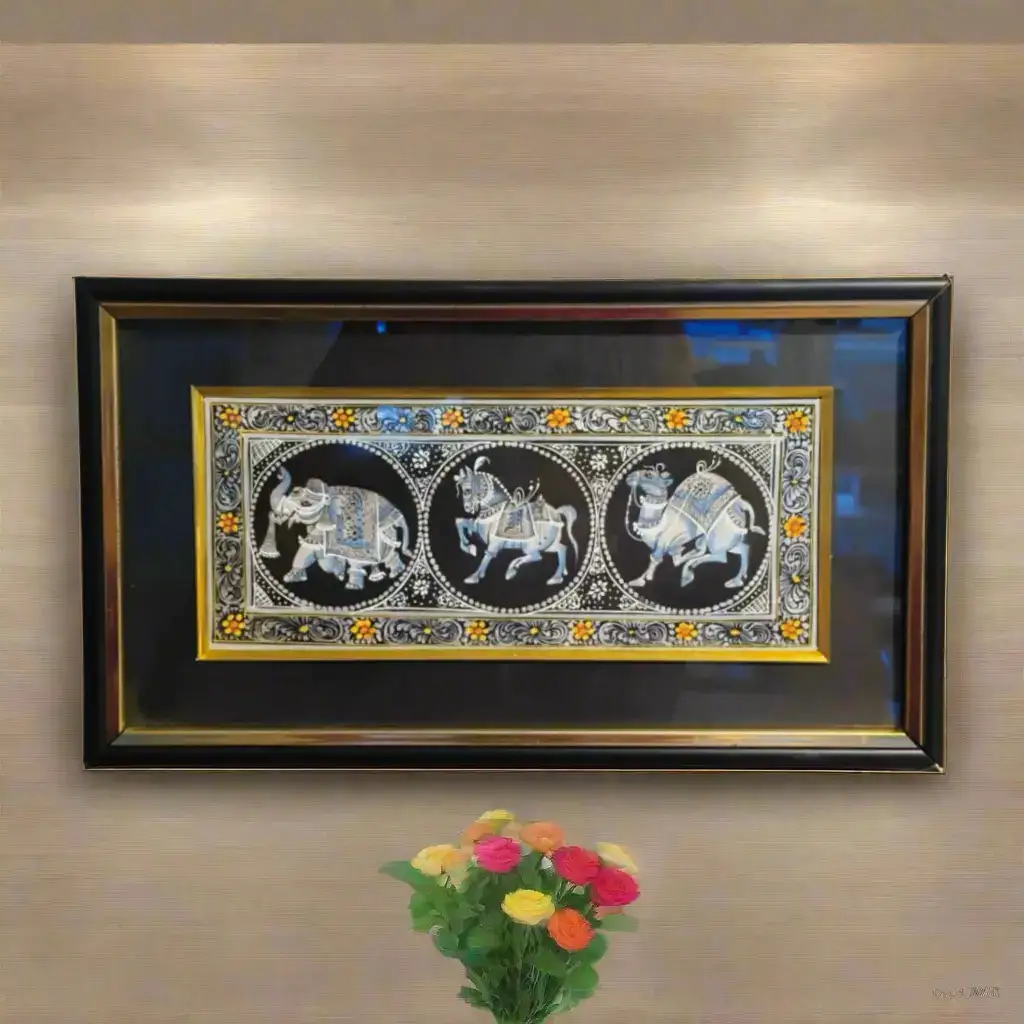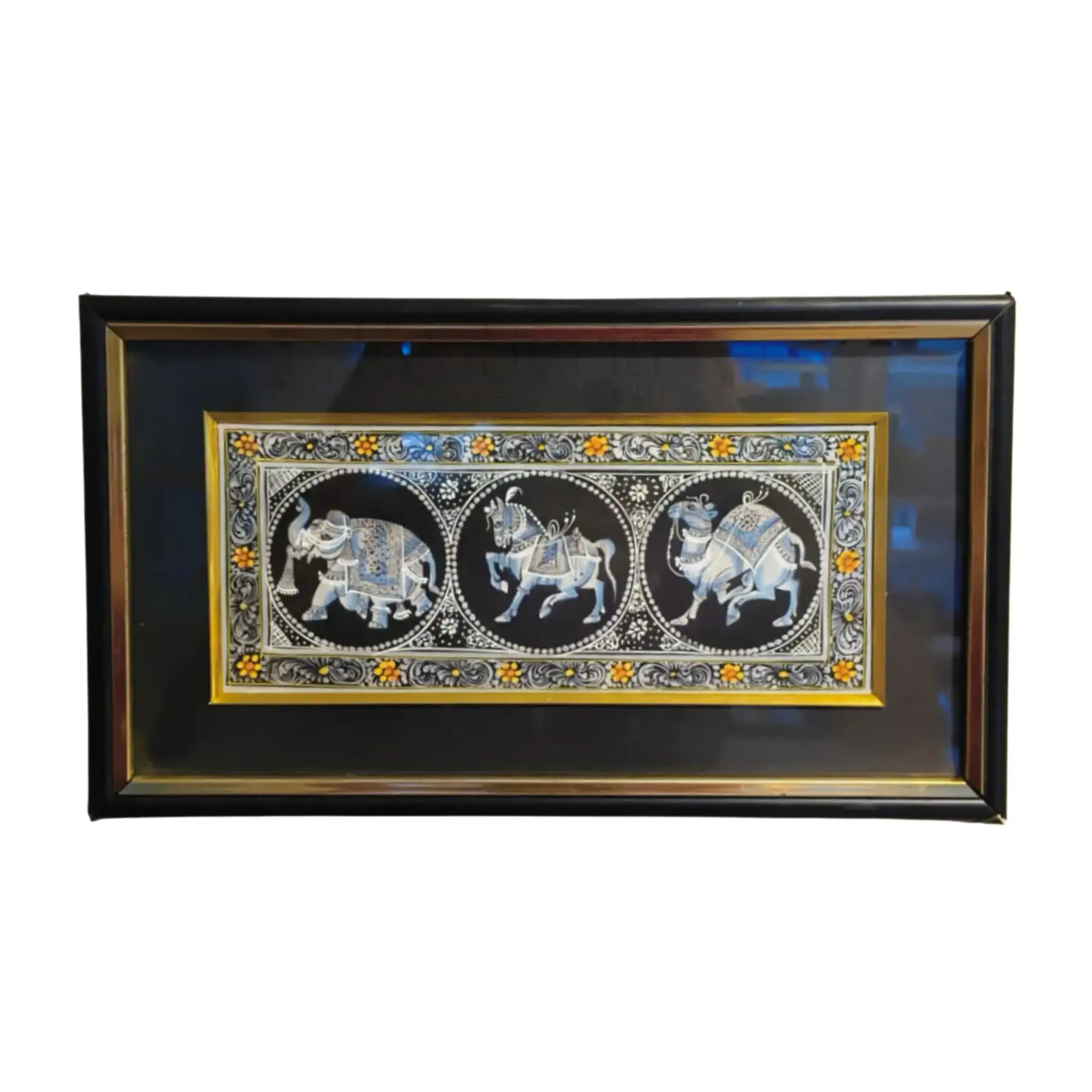
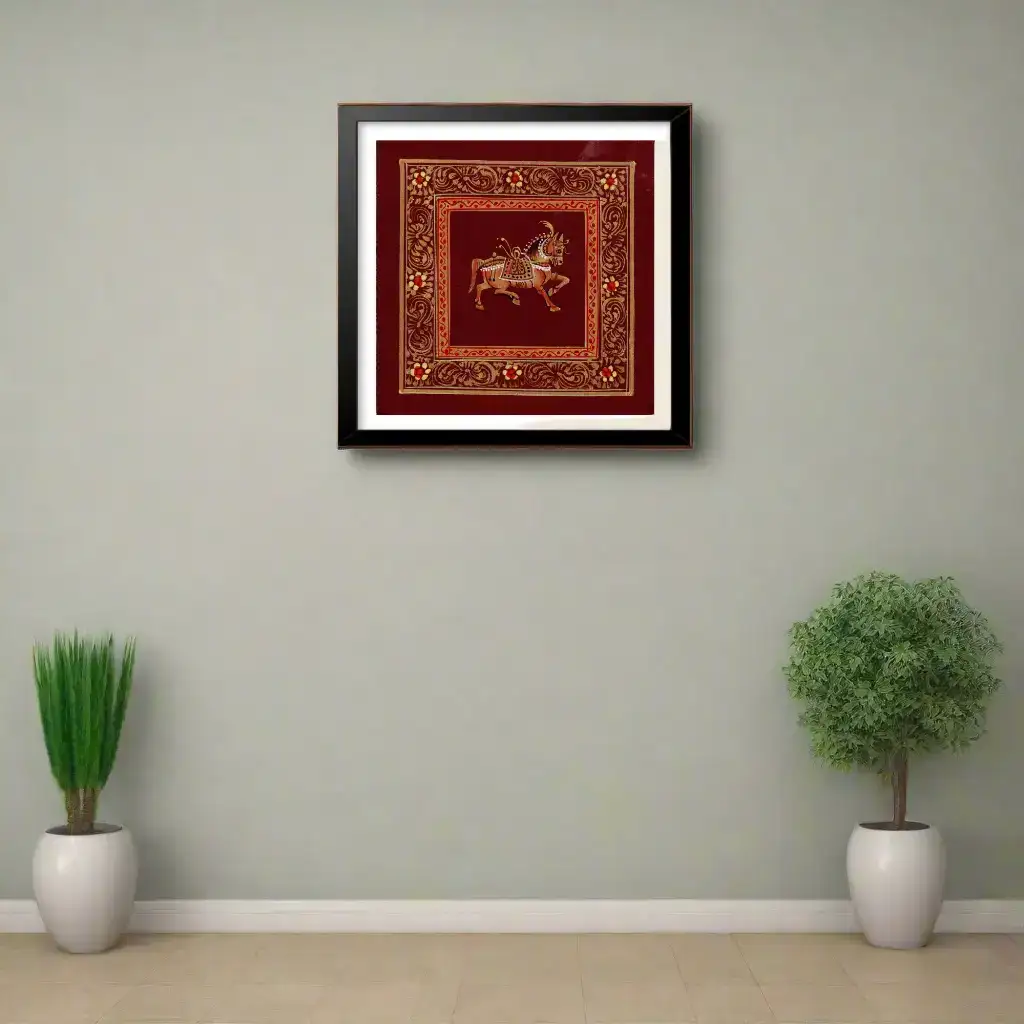
The Royal Steed Miniature Art – A Symbol of Power and Nobility
The Royal Steed Miniature Art – A Symbol of Power and Nobility
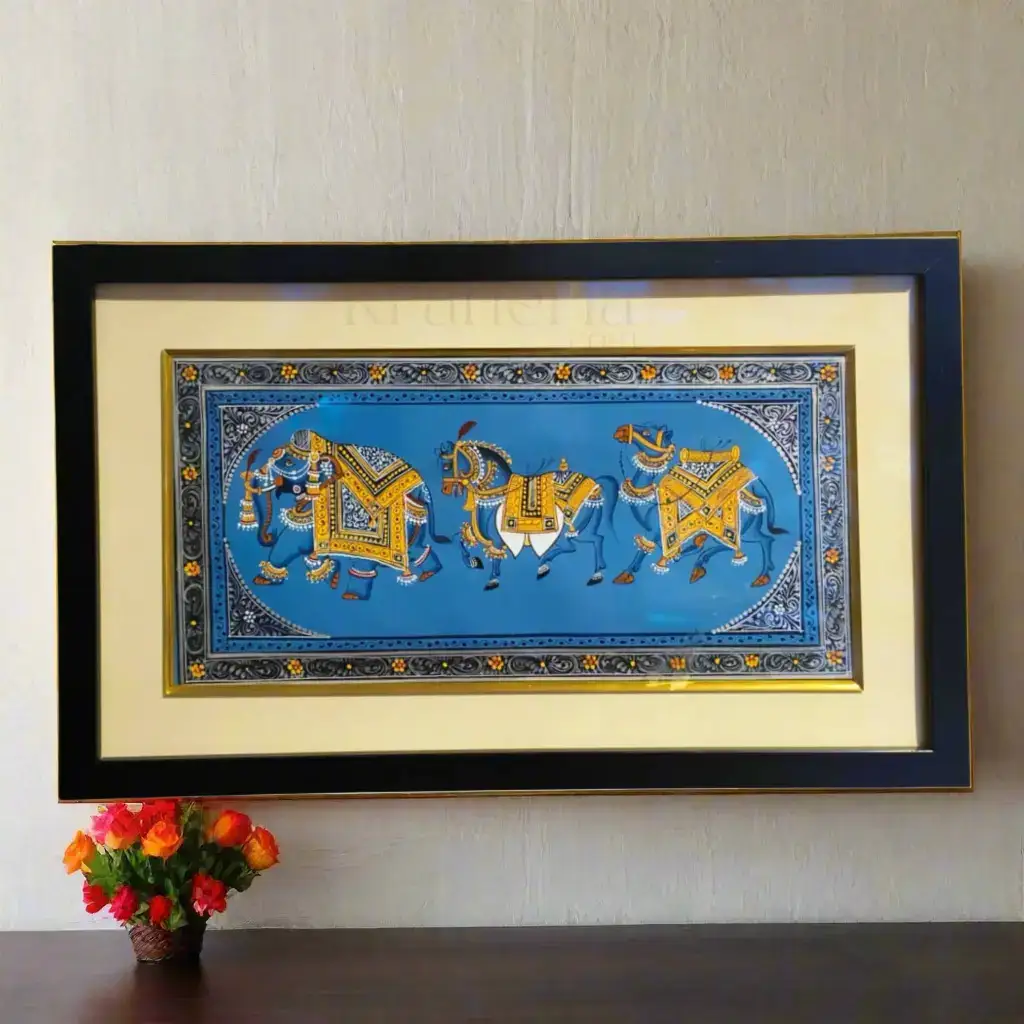
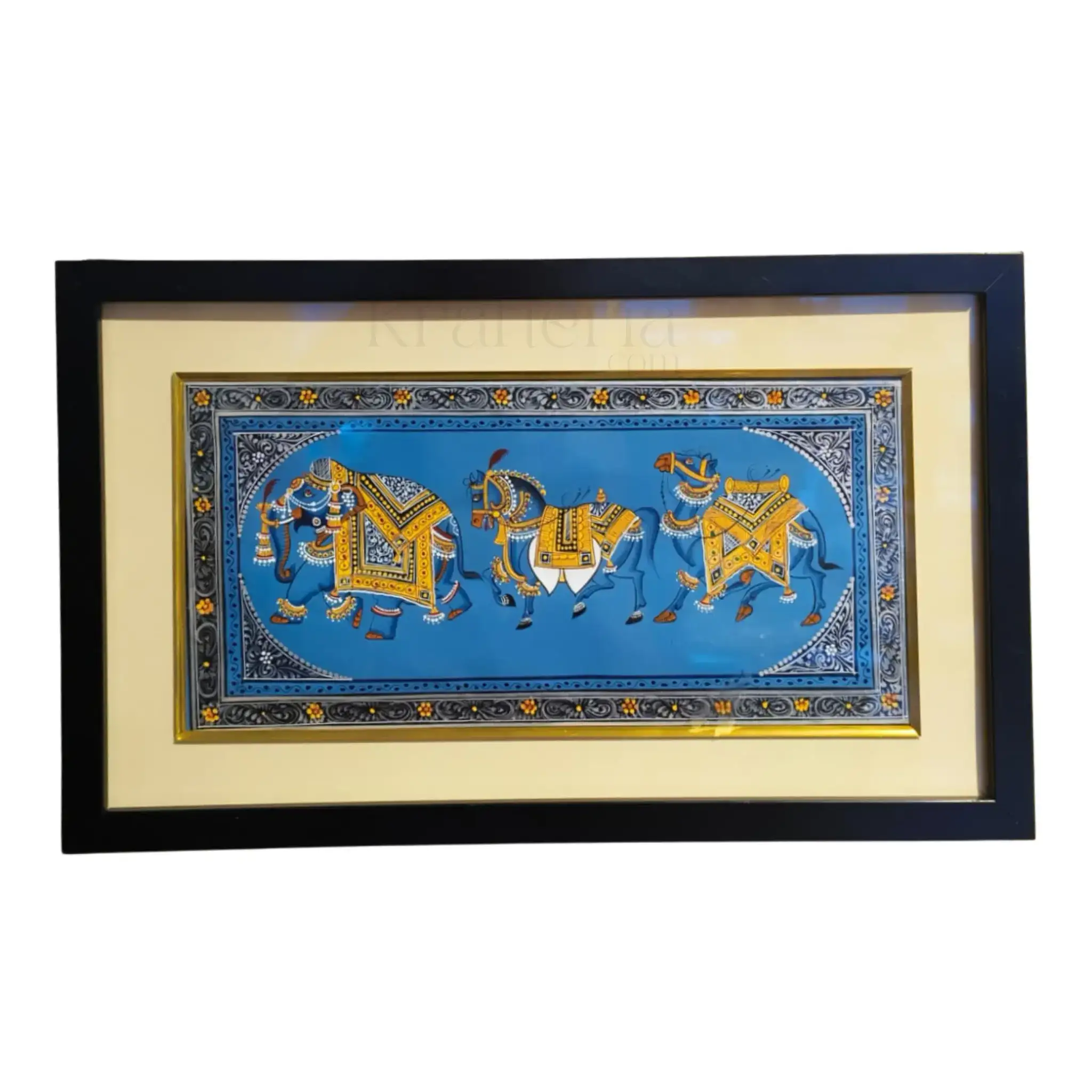
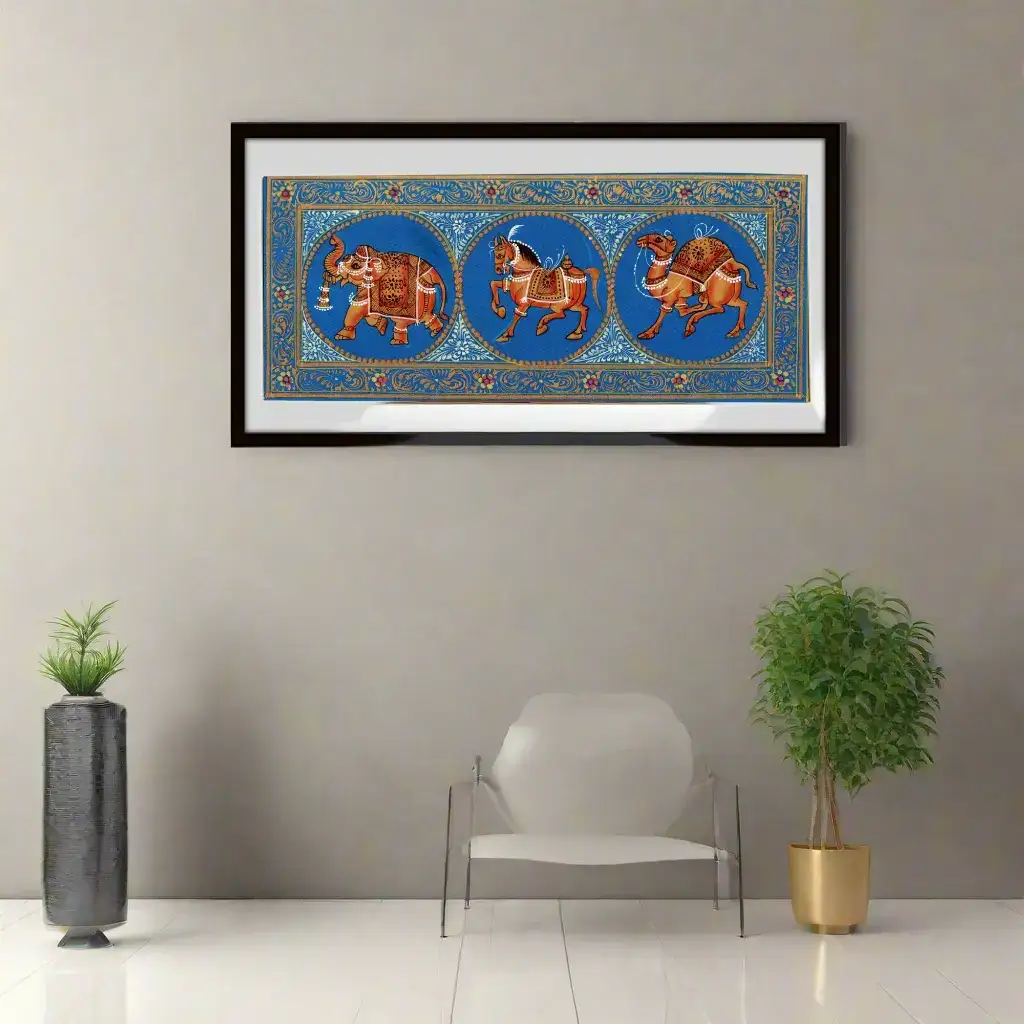
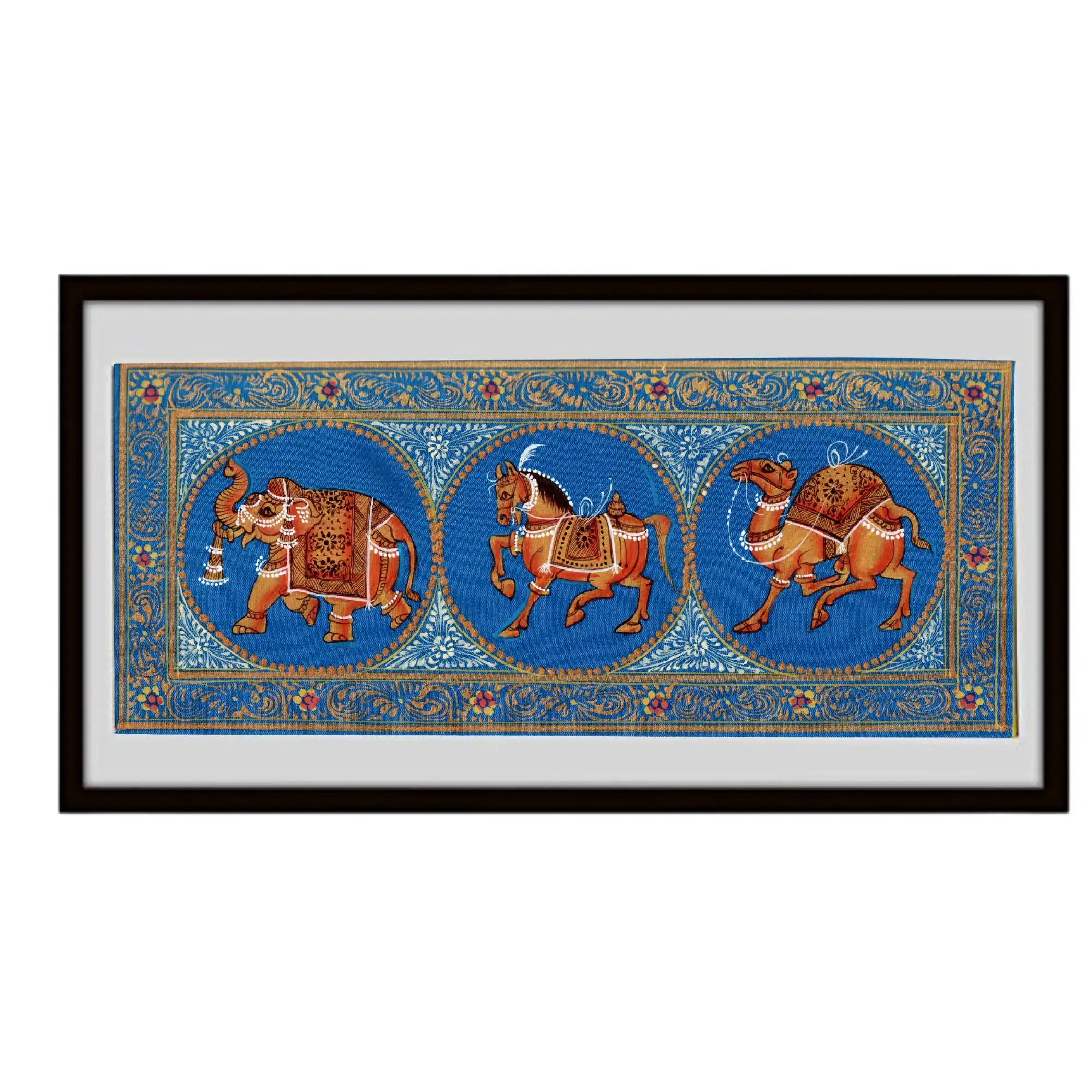
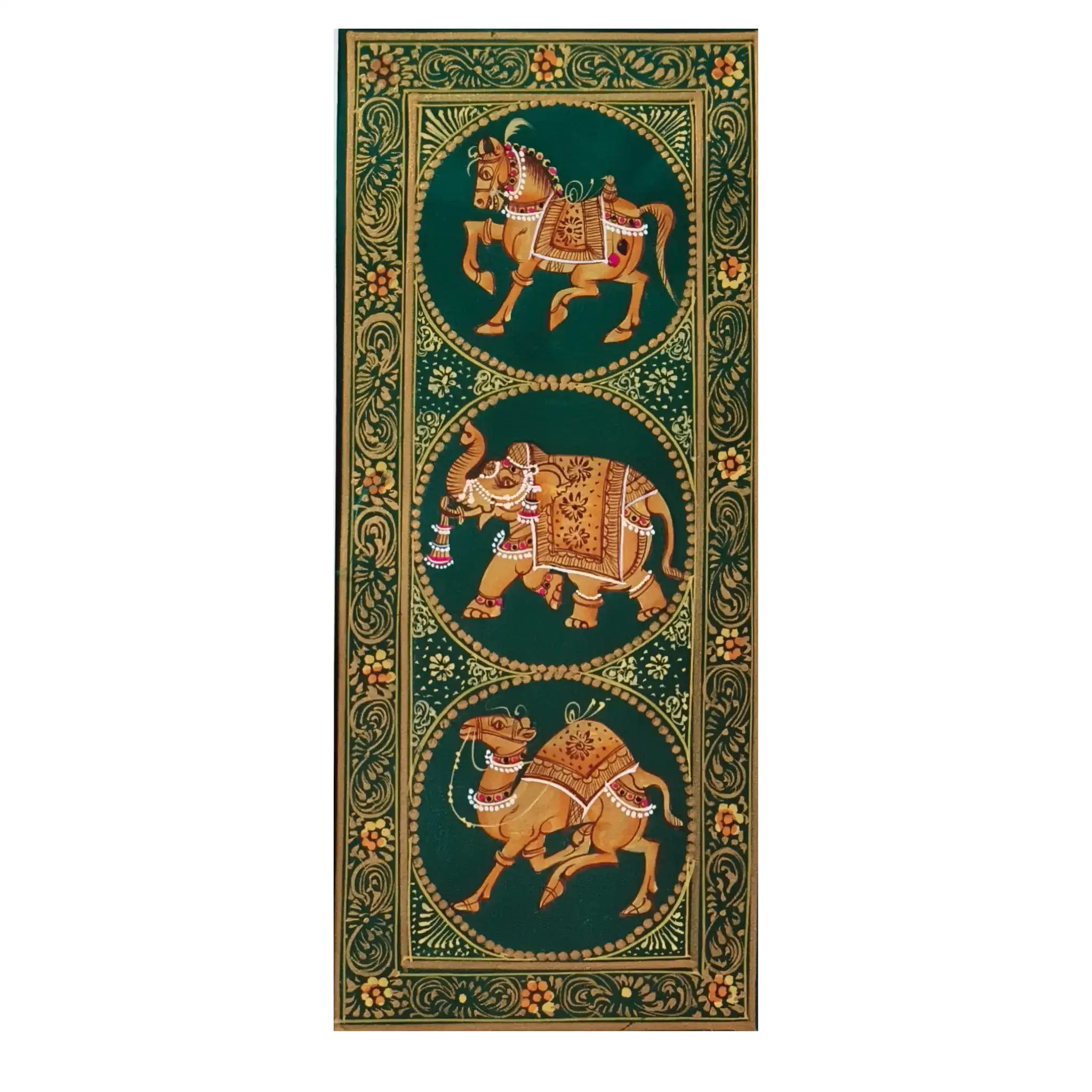
Royal Steed Miniature Art is a rich and vibrant style of Indian miniature painting that flourished in the royal courts of Rajasthan from the 16th century onwards. It is deeply rooted in Indian traditions and reflects a blend of mythology, epics, love stories, royal life, and folk culture. This style portrays these themes with bold lines, bright colors, and detailed craftsmanship.
The paintings are created using natural dyes and pigments made from minerals, vegetables, and precious stones. These give the Royal horse miniature painting its lasting and luminous quality. The precision in detailing and the use of vibrant hues make it a treasured form of art among collectors and art lovers alike.
Distinct Schools of Royal Steed Miniature Artwork
This exquisite art form is divided into several schools, each with its own distinctive style and focus. The prominent schools include Mewar, Marwar, Bundi, Kota, Kishangarh, Bikaner, and Jaipur. Each school specialized in different subject matters and artistic techniques, contributing to the diversity of this remarkable heritage.
The Mewar school, for example, often depicts court scenes, heroic tales, and religious themes. It is known for its expressive detailing and traditional brushwork. On the other hand, the Bundi and Kota schools are famous for their lush landscapes and detailed hunting scenes, capturing the essence of royal life and nature.
Royal Court Horse Artwork in the Kishangarh School
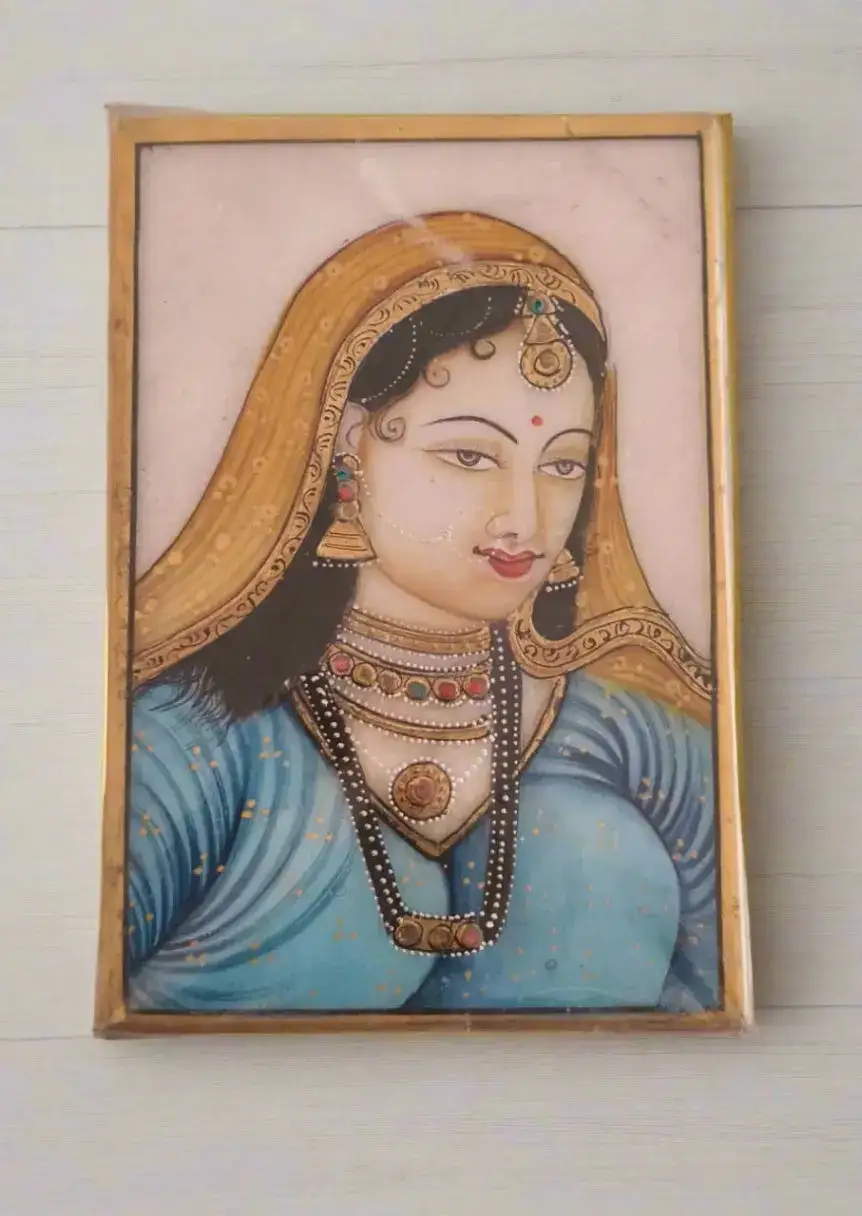
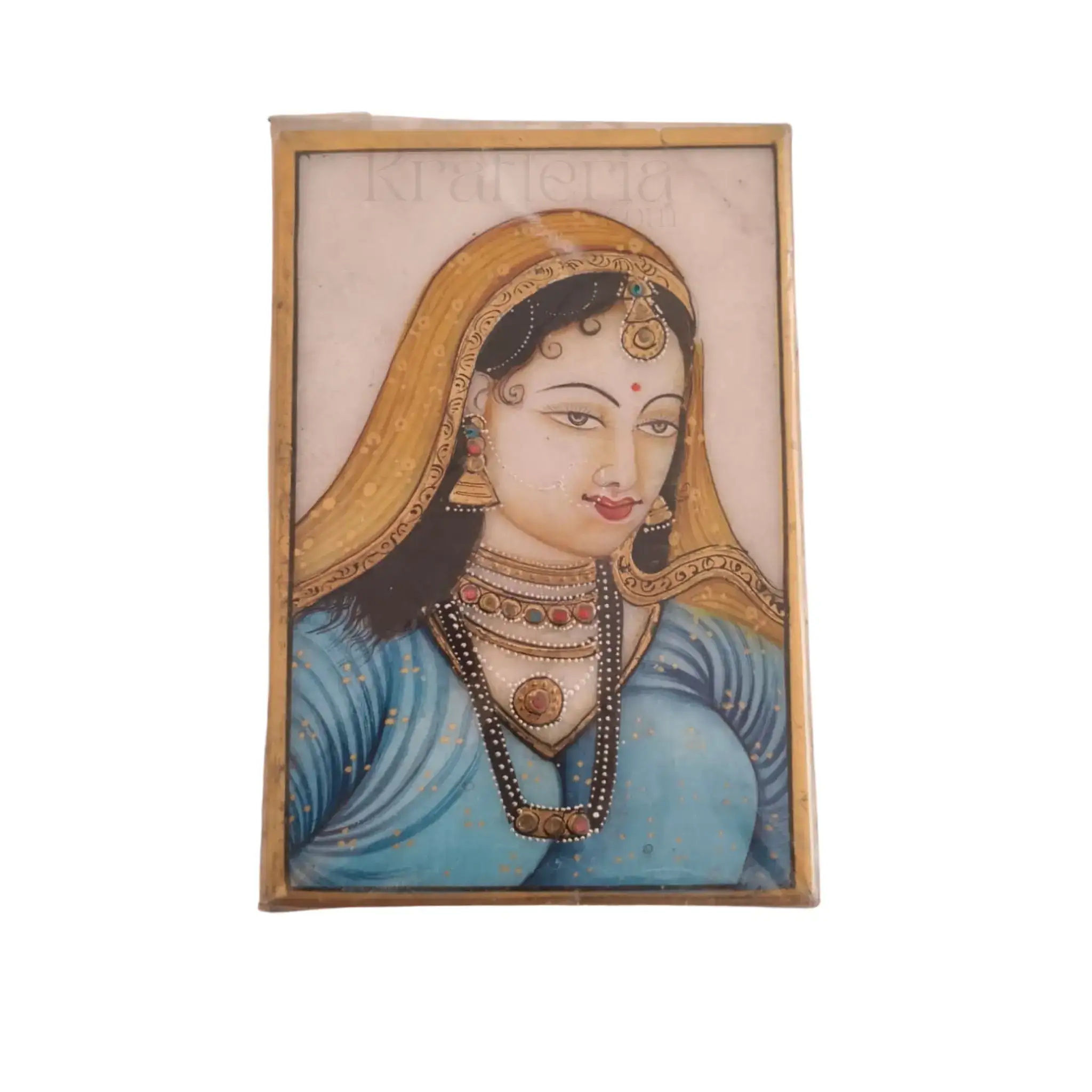
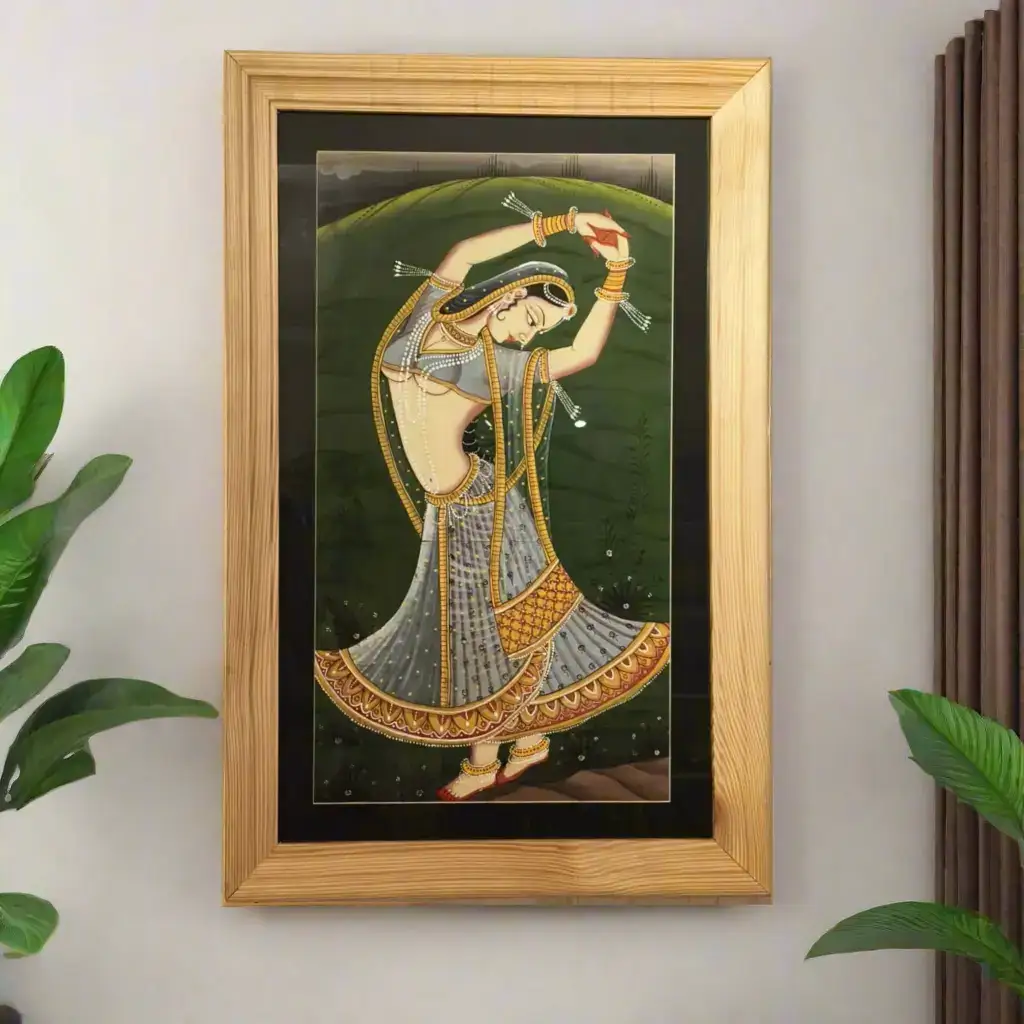
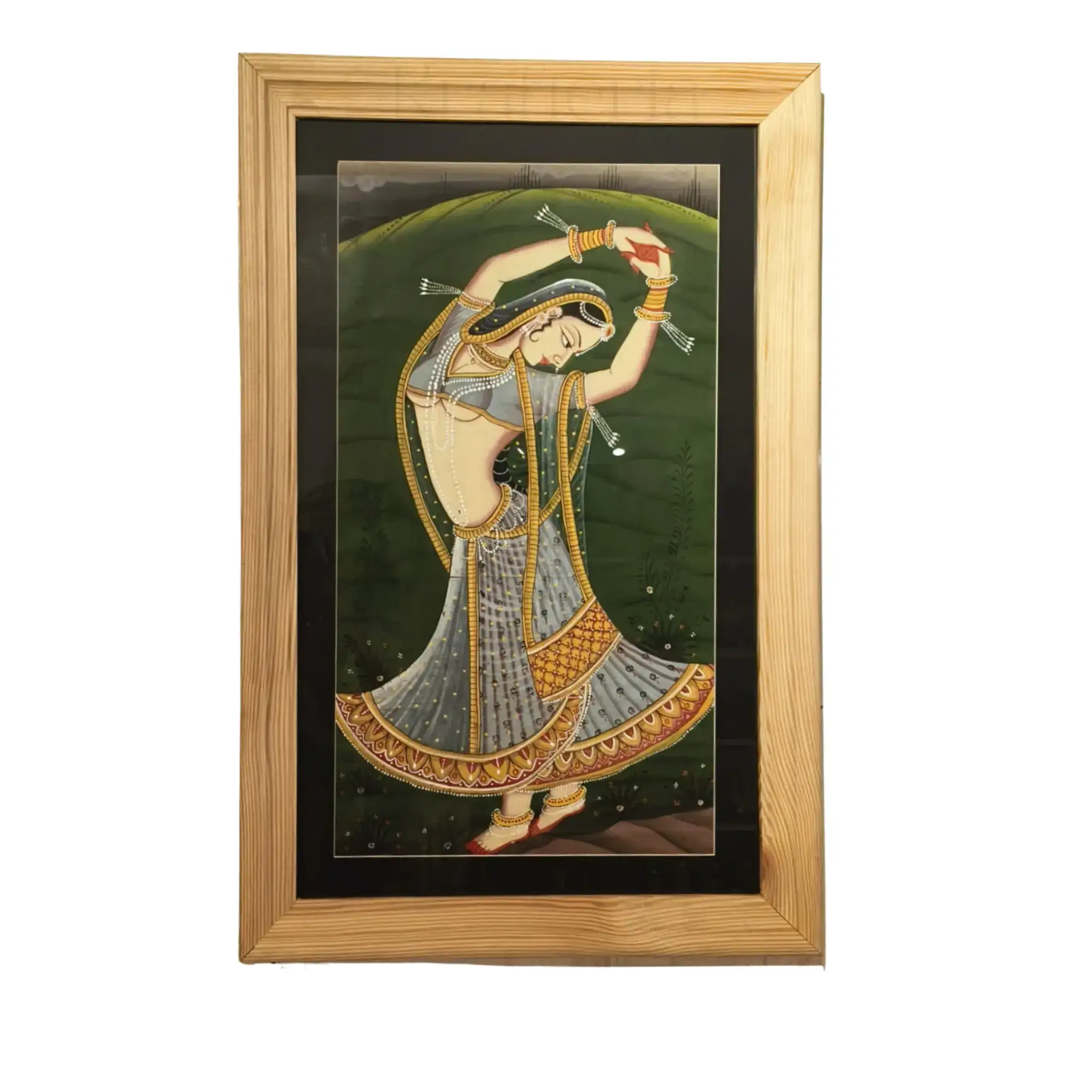
The Kishangarh school is particularly renowned for its romantic portrayals of Radha and Krishna. One of its iconic images is Bani Thani, which epitomizes the elegance and grace of the style. This school also contributed significantly to the depiction of the horse in royal settings, enhancing the legacy of Rajasthani horse miniature art.
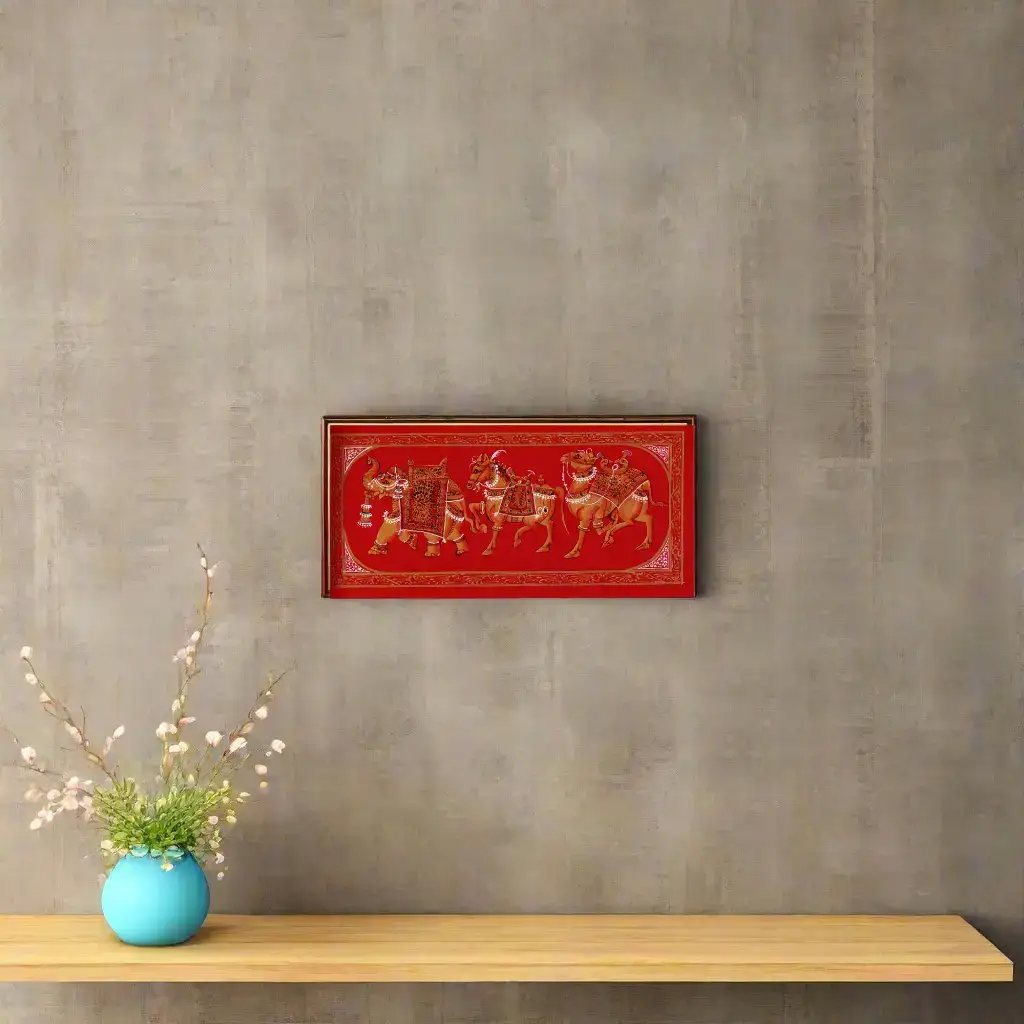
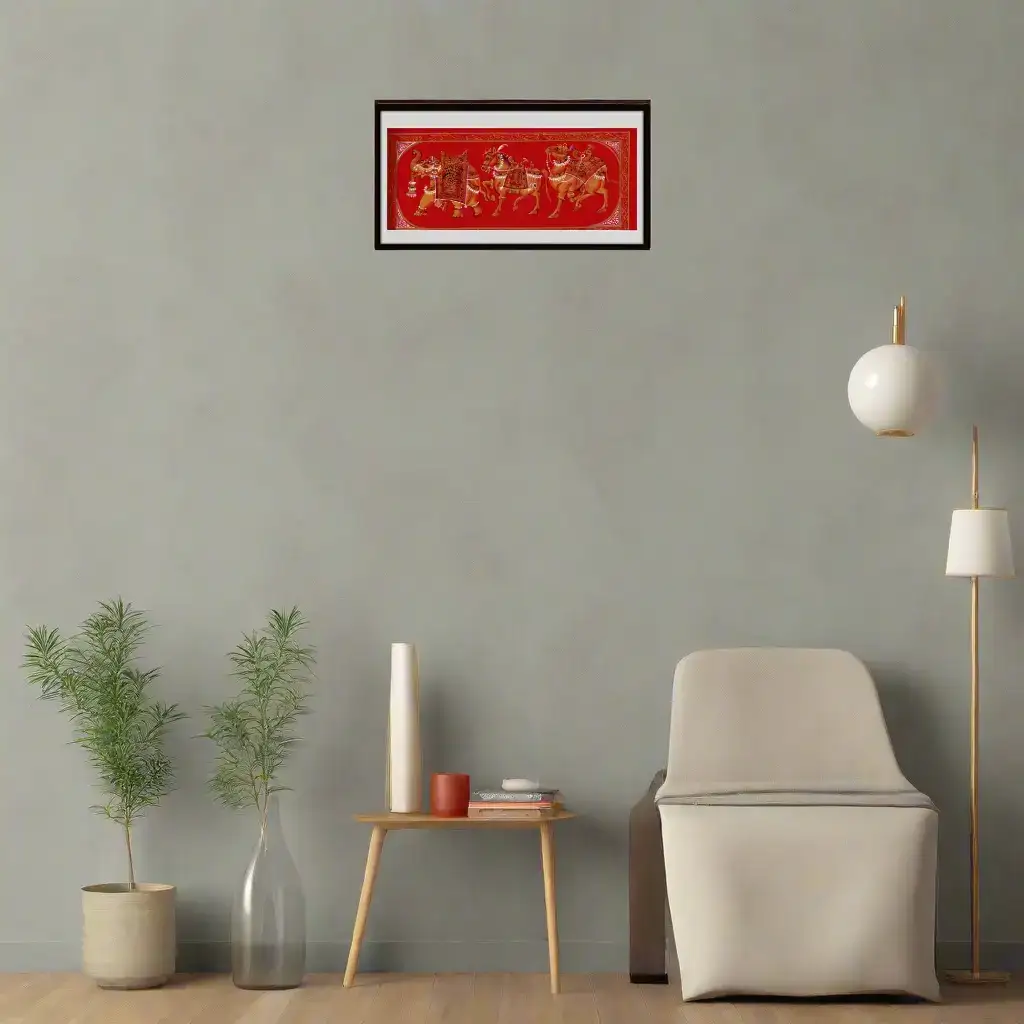
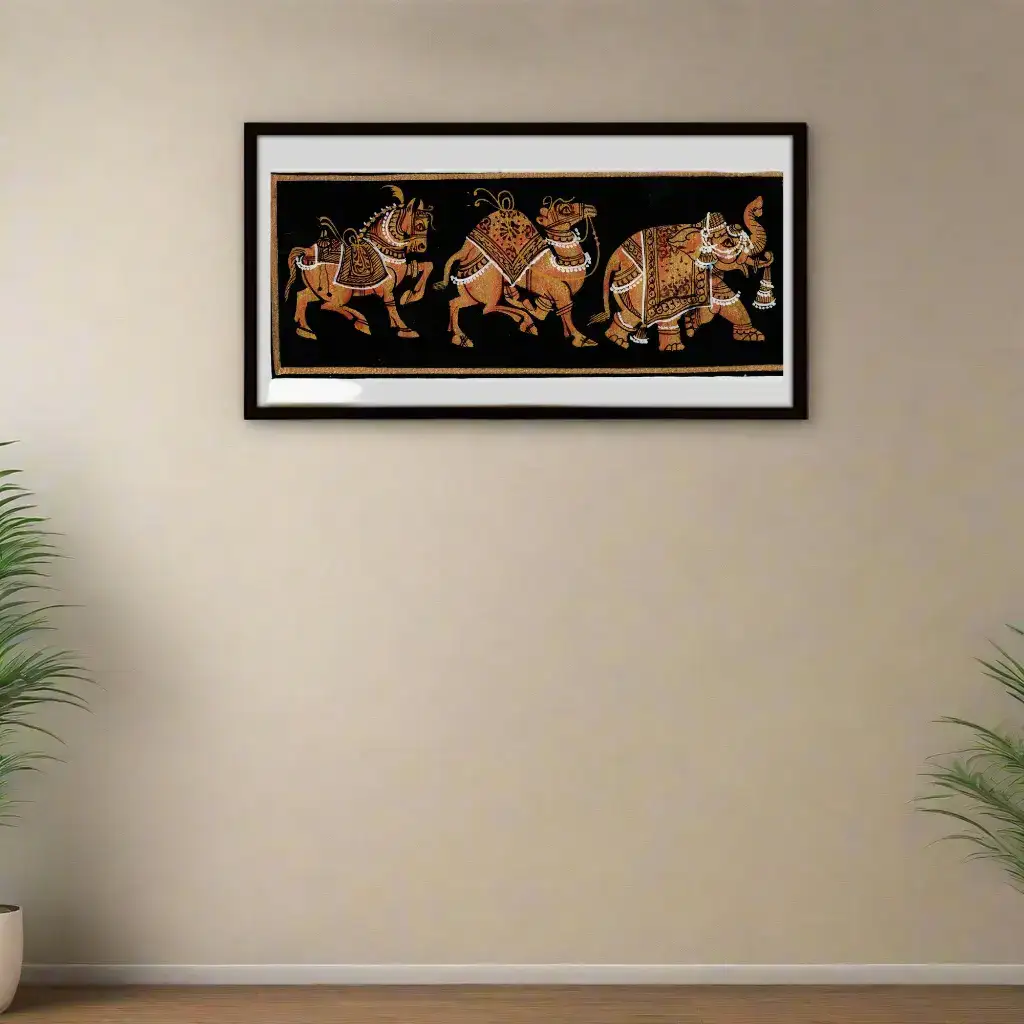
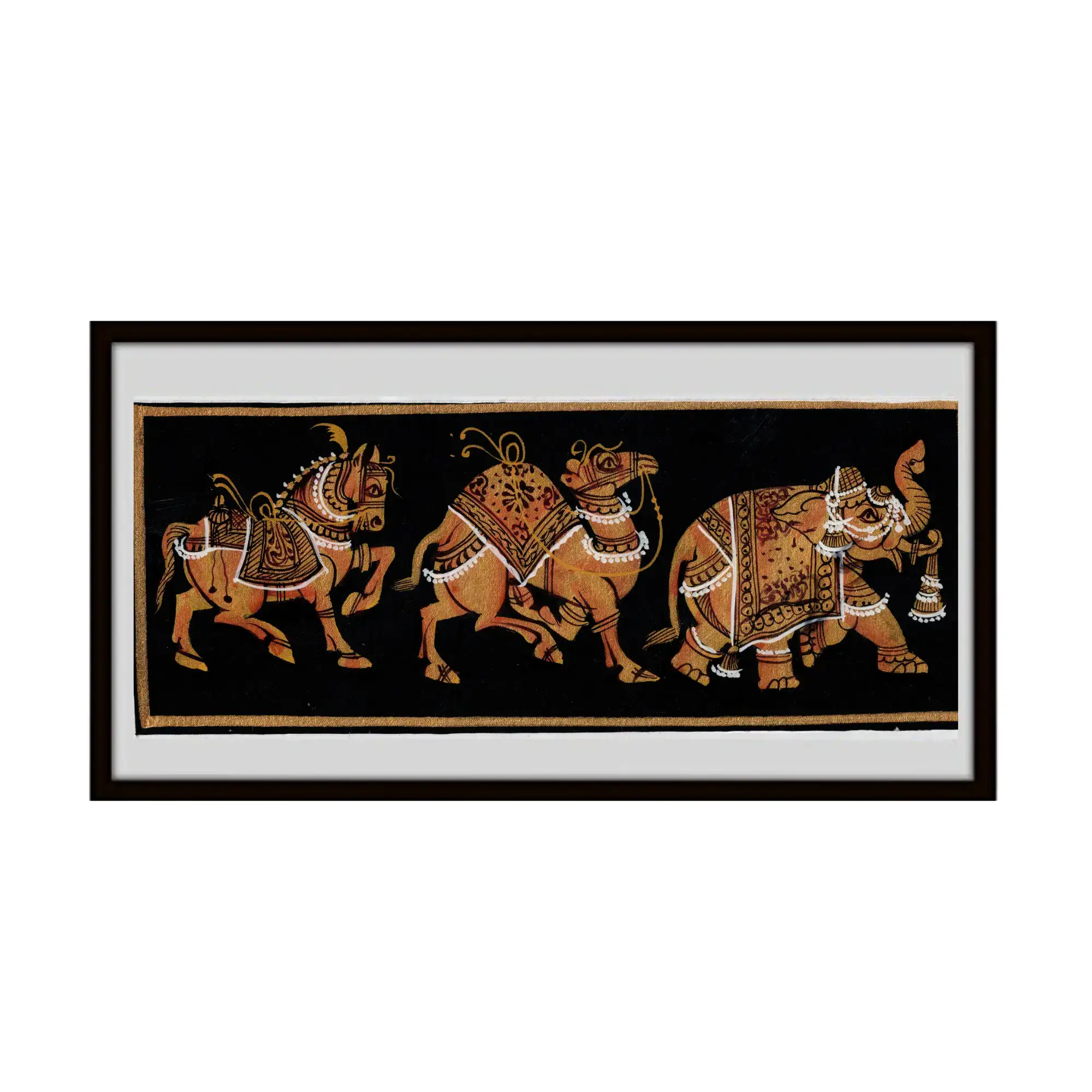
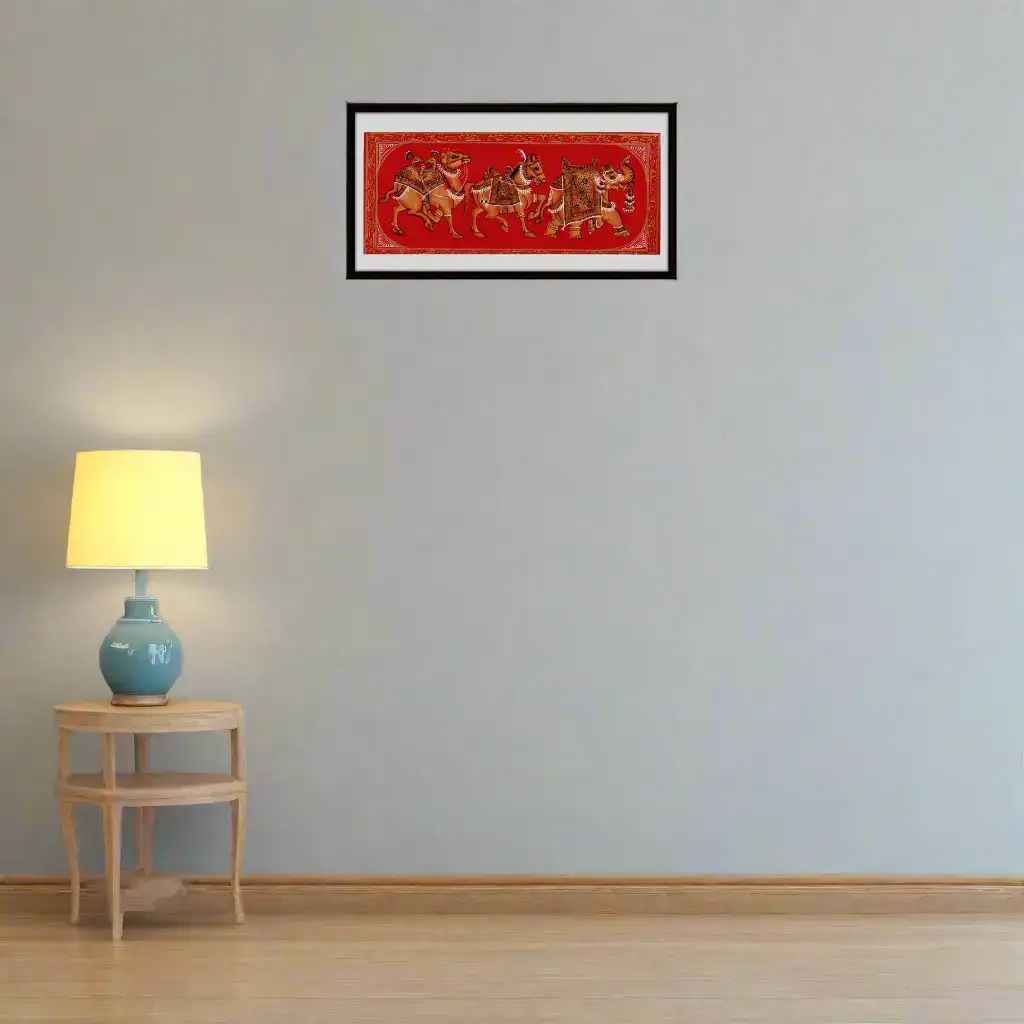
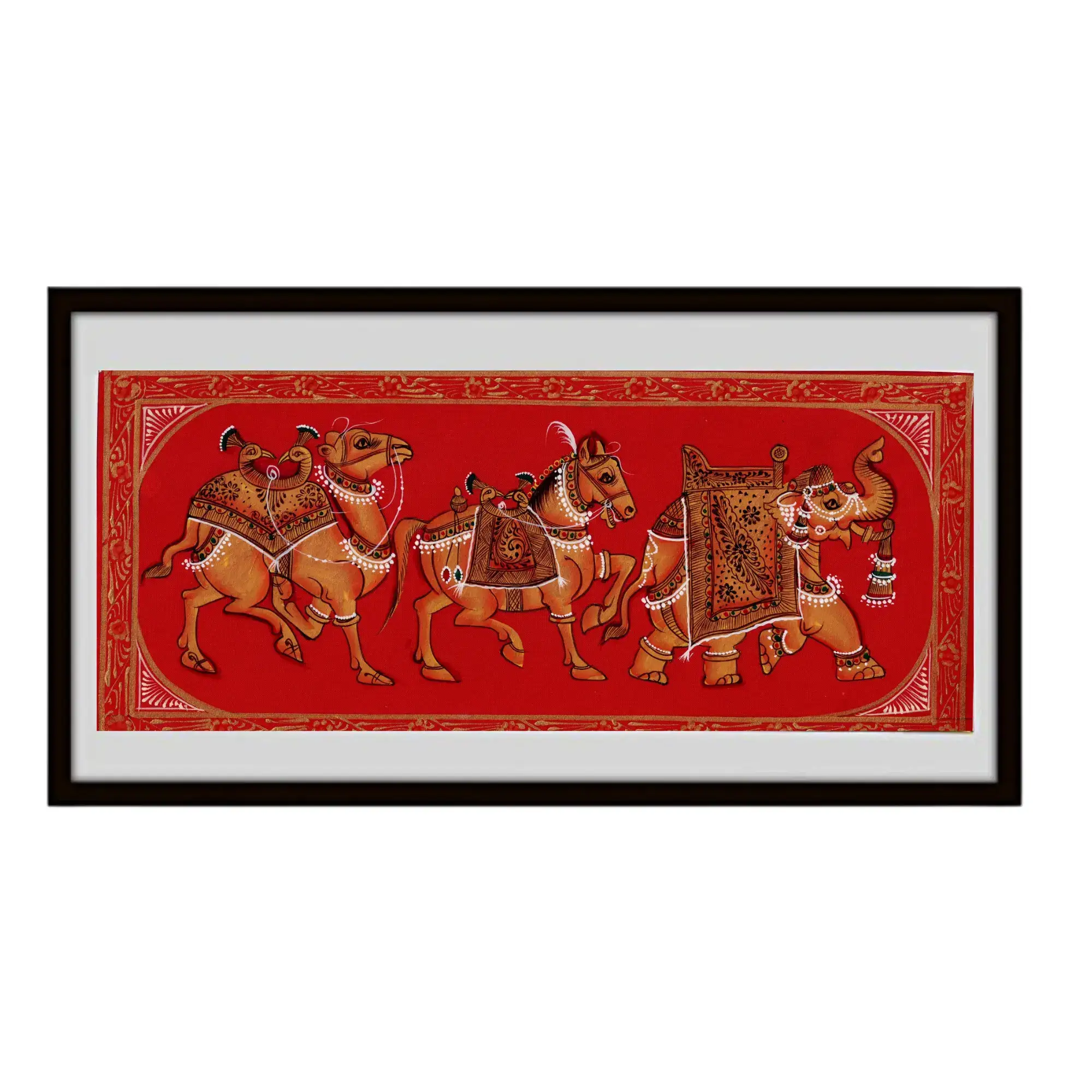
The horses in Royal Steed Miniature Artwork symbolize power, nobility, and prestige. The detailed ornamentation on the horses reflects the grandeur of royal courts, making these artworks historically significant and culturally valuable.
Traditional Techniques and Materials
The artists traditionally used natural colors derived from minerals, vegetables, and even precious stones, giving these paintings a unique, radiant look. These materials not only produce bright colors but also ensure the paintings' longevity, allowing them to retain their vibrancy over centuries.
Brushes made from squirrel hair and handmade paper or cotton cloth were often used for painting. Such meticulous craftsmanship is evident in every stroke and detail of the Royal Steed Miniature Artwork. This dedication illustrates the cultural respect for heritage and art in Rajasthan.
The Significance of Horses in Royal Steed Miniature Artwork
In Indian culture, horses are often associated with valor, speed, and kingly power. The horse is a recurring motif in royal paintings, symbolizing the might and prestige of rulers. The Royal court horse artwork showcases not only the physical beauty of the animals but also their significance as companions and symbols of status in royal traditions.
The detailed depiction of saddles, reins, and horse armor highlights the luxurious life of nobles and their prized animals. Each painting captures the important role horses played in battles, processions, and royal ceremonies.
Legacy and Contemporary Appreciation
Today, Royal Steed Miniature Artwork holds a special place among collectors and art enthusiasts worldwide. Its historical significance and artistic beauty continue to inspire admiration. Many contemporary artists are preserving and revitalizing this tradition, keeping the art alive for future generations.
Collectors highly value authentic paintings due to their rarity and heritage. These pieces are often displayed in museums, gallery exhibitions, and private collections. They serve as a bridge connecting modern viewers to India's royal past and cultural richness.
How to Identify Genuine Royal Steed Miniature Art
- Look for the use of natural pigments and fine brushwork that defines the style.
- Observe the intricate borders, distinct style of horses, and the vivid depiction of royal life.
- Check for school-specific characteristics such as Kishangarh’s romantic faces or Bundi’s hunting scenes.
Understanding these details can help verify the authenticity and value of the artwork. Authentic pieces often carry a unique charm that mass-produced copies lack.
Original: $9.67
-70%$9.67
$2.90Product Information
Product Information
Shipping & Returns
Shipping & Returns
Description
The Royal Steed Miniature Art – A Symbol of Power and Nobility
Royal Steed Miniature Art is a rich and vibrant style of Indian miniature painting that flourished in the royal courts of Rajasthan from the 16th century onwards. It is deeply rooted in Indian traditions and reflects a blend of mythology, epics, love stories, royal life, and folk culture. This style portrays these themes with bold lines, bright colors, and detailed craftsmanship.
The paintings are created using natural dyes and pigments made from minerals, vegetables, and precious stones. These give the Royal horse miniature painting its lasting and luminous quality. The precision in detailing and the use of vibrant hues make it a treasured form of art among collectors and art lovers alike.
Distinct Schools of Royal Steed Miniature Artwork
This exquisite art form is divided into several schools, each with its own distinctive style and focus. The prominent schools include Mewar, Marwar, Bundi, Kota, Kishangarh, Bikaner, and Jaipur. Each school specialized in different subject matters and artistic techniques, contributing to the diversity of this remarkable heritage.
The Mewar school, for example, often depicts court scenes, heroic tales, and religious themes. It is known for its expressive detailing and traditional brushwork. On the other hand, the Bundi and Kota schools are famous for their lush landscapes and detailed hunting scenes, capturing the essence of royal life and nature.
Royal Court Horse Artwork in the Kishangarh School
The Kishangarh school is particularly renowned for its romantic portrayals of Radha and Krishna. One of its iconic images is Bani Thani, which epitomizes the elegance and grace of the style. This school also contributed significantly to the depiction of the horse in royal settings, enhancing the legacy of Rajasthani horse miniature art.
The horses in Royal Steed Miniature Artwork symbolize power, nobility, and prestige. The detailed ornamentation on the horses reflects the grandeur of royal courts, making these artworks historically significant and culturally valuable.
Traditional Techniques and Materials
The artists traditionally used natural colors derived from minerals, vegetables, and even precious stones, giving these paintings a unique, radiant look. These materials not only produce bright colors but also ensure the paintings' longevity, allowing them to retain their vibrancy over centuries.
Brushes made from squirrel hair and handmade paper or cotton cloth were often used for painting. Such meticulous craftsmanship is evident in every stroke and detail of the Royal Steed Miniature Artwork. This dedication illustrates the cultural respect for heritage and art in Rajasthan.
The Significance of Horses in Royal Steed Miniature Artwork
In Indian culture, horses are often associated with valor, speed, and kingly power. The horse is a recurring motif in royal paintings, symbolizing the might and prestige of rulers. The Royal court horse artwork showcases not only the physical beauty of the animals but also their significance as companions and symbols of status in royal traditions.
The detailed depiction of saddles, reins, and horse armor highlights the luxurious life of nobles and their prized animals. Each painting captures the important role horses played in battles, processions, and royal ceremonies.
Legacy and Contemporary Appreciation
Today, Royal Steed Miniature Artwork holds a special place among collectors and art enthusiasts worldwide. Its historical significance and artistic beauty continue to inspire admiration. Many contemporary artists are preserving and revitalizing this tradition, keeping the art alive for future generations.
Collectors highly value authentic paintings due to their rarity and heritage. These pieces are often displayed in museums, gallery exhibitions, and private collections. They serve as a bridge connecting modern viewers to India's royal past and cultural richness.
How to Identify Genuine Royal Steed Miniature Art
- Look for the use of natural pigments and fine brushwork that defines the style.
- Observe the intricate borders, distinct style of horses, and the vivid depiction of royal life.
- Check for school-specific characteristics such as Kishangarh’s romantic faces or Bundi’s hunting scenes.
Understanding these details can help verify the authenticity and value of the artwork. Authentic pieces often carry a unique charm that mass-produced copies lack.