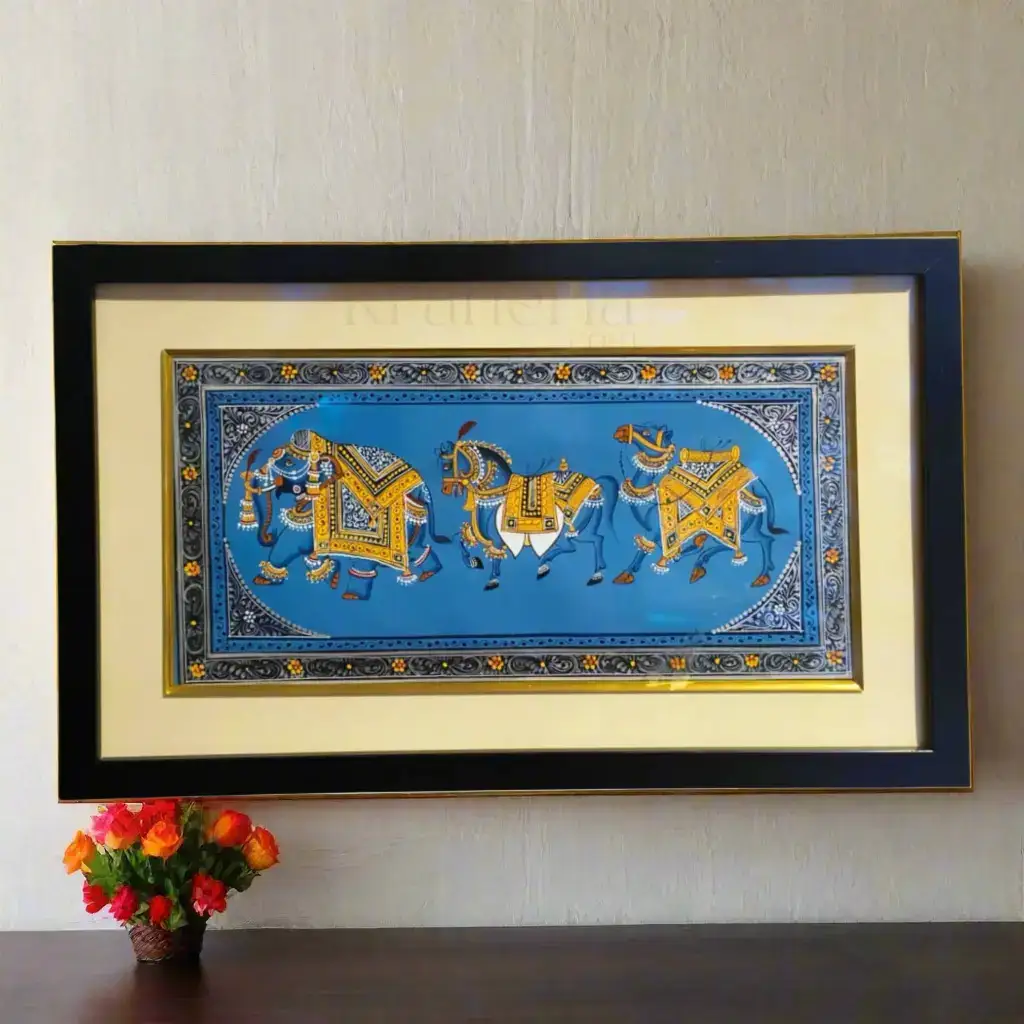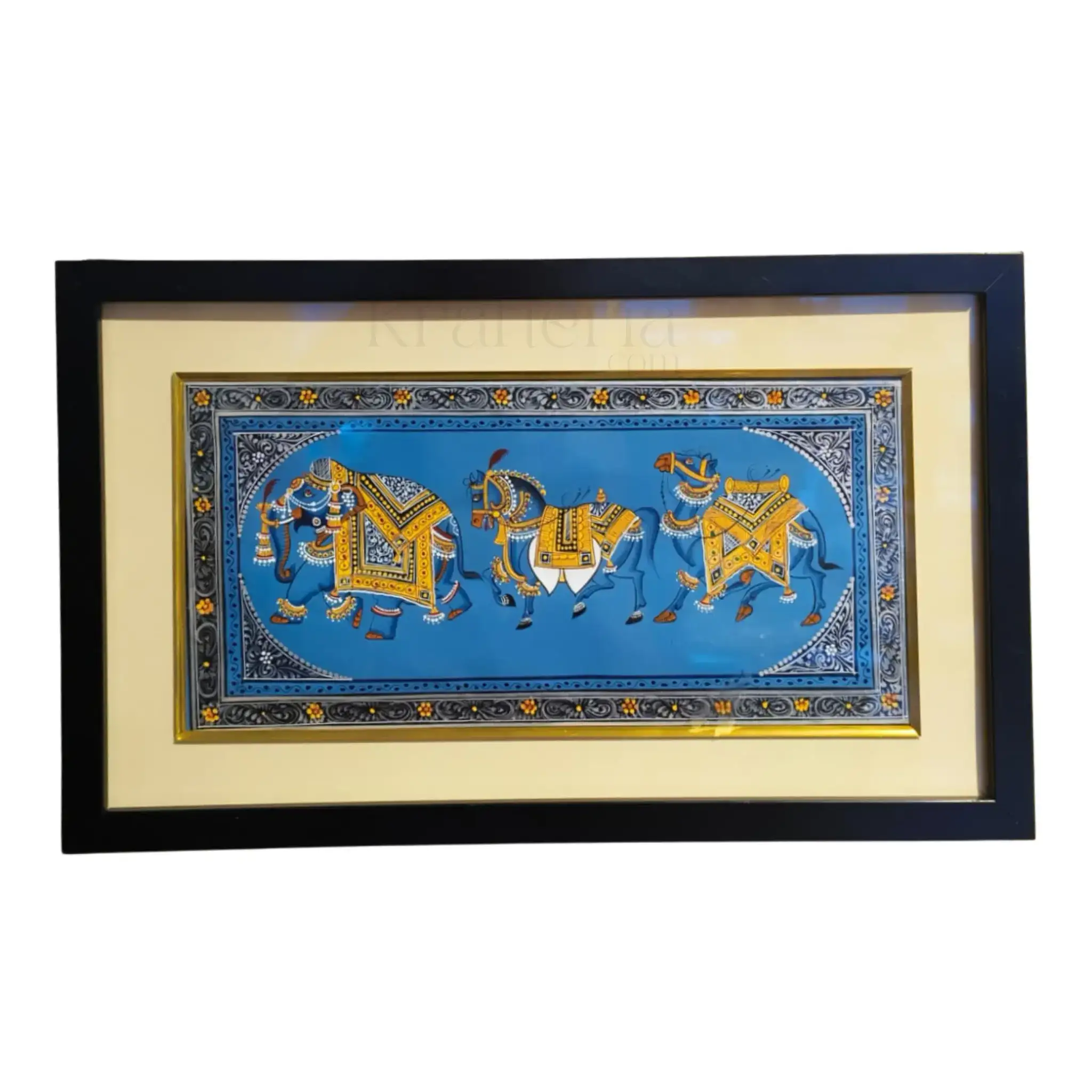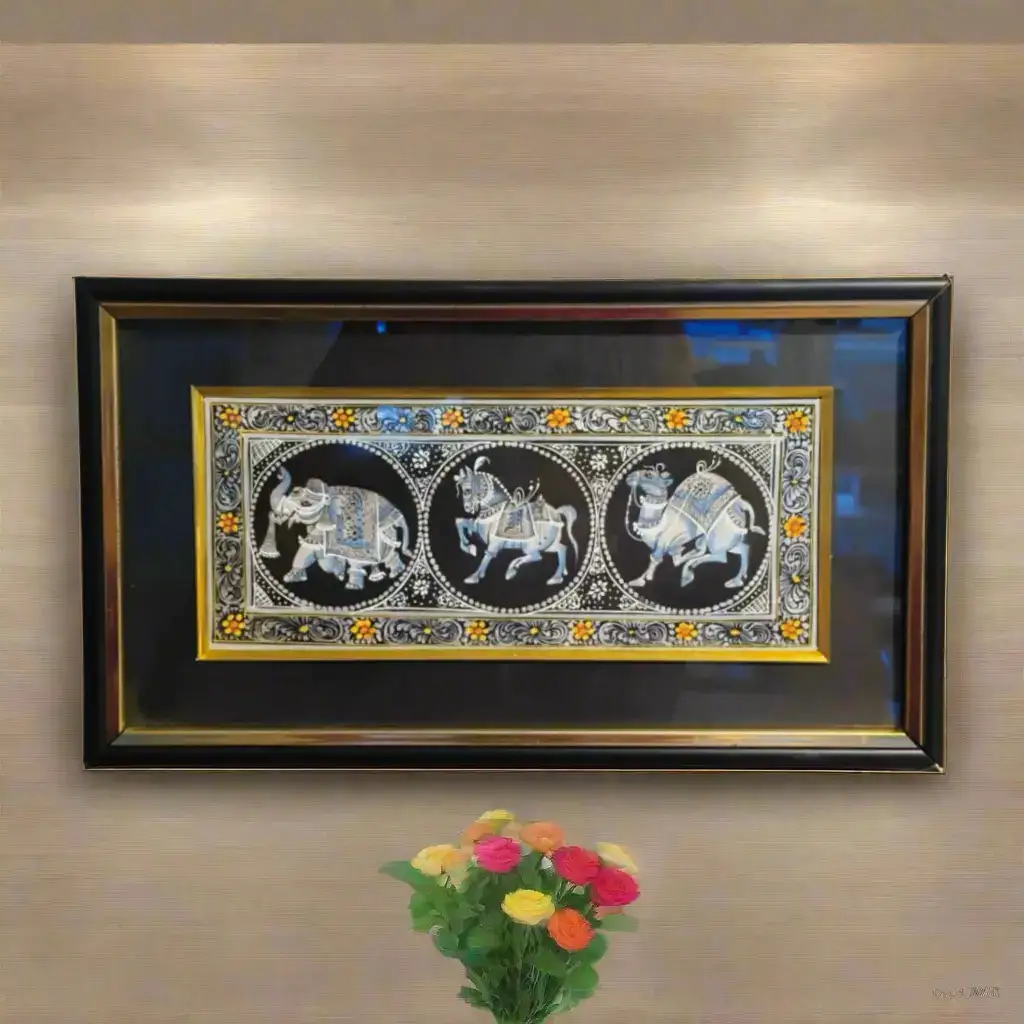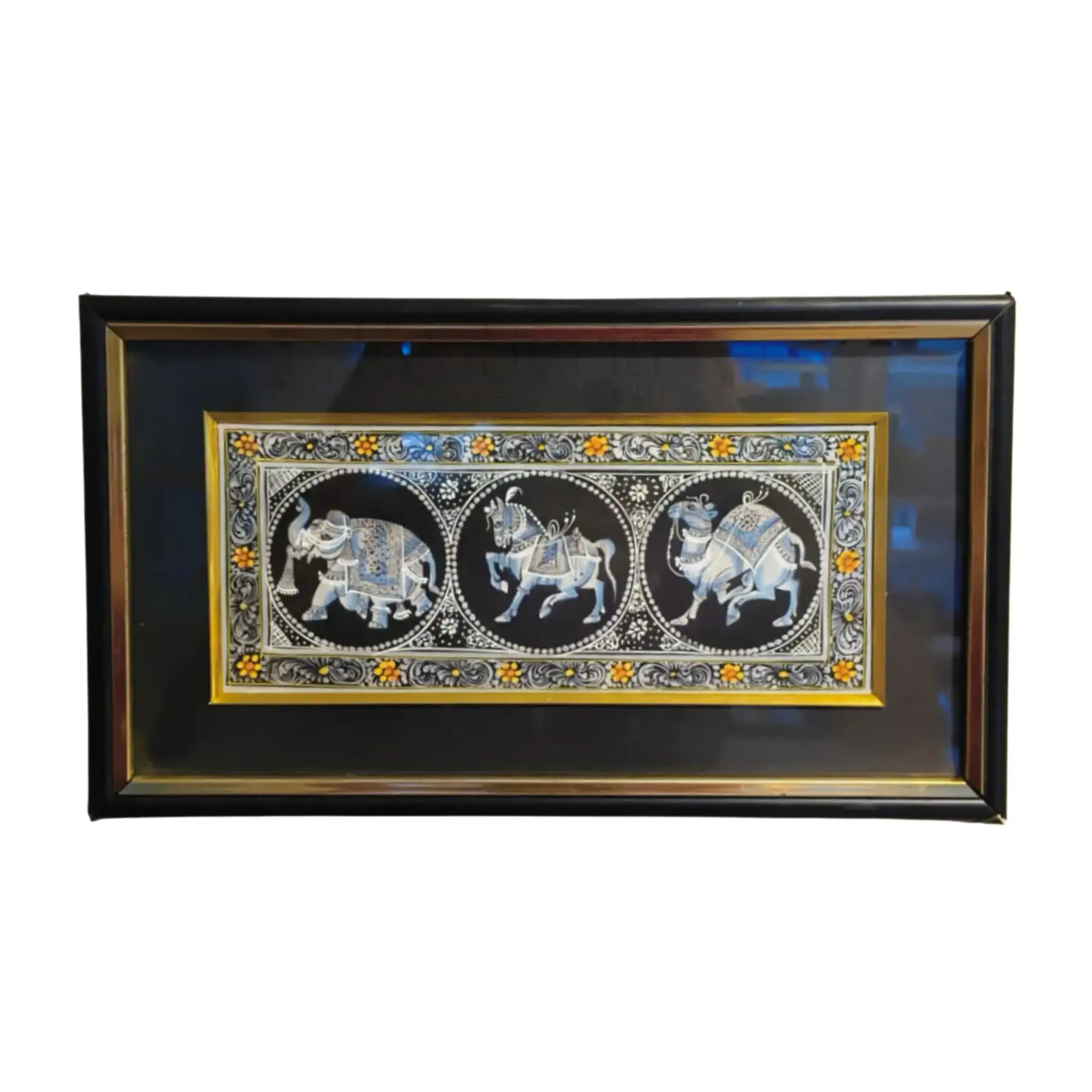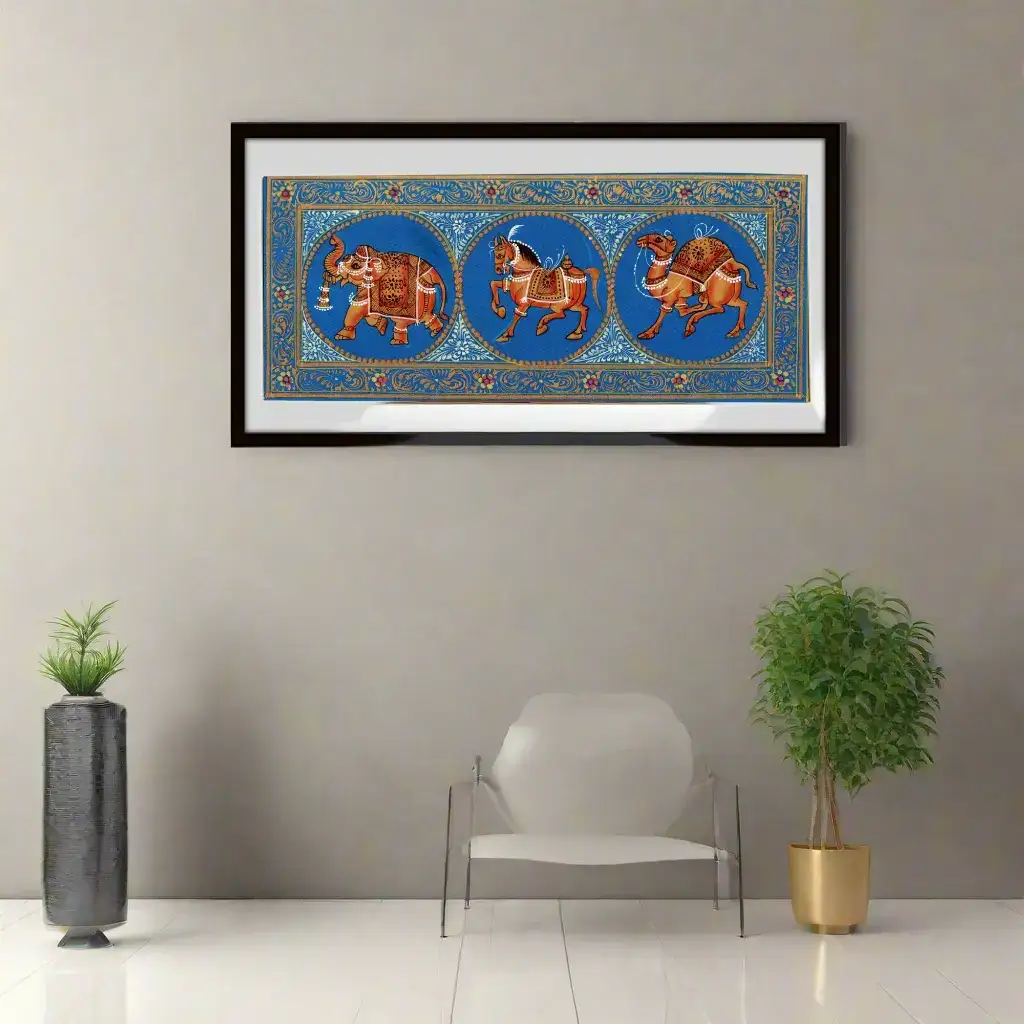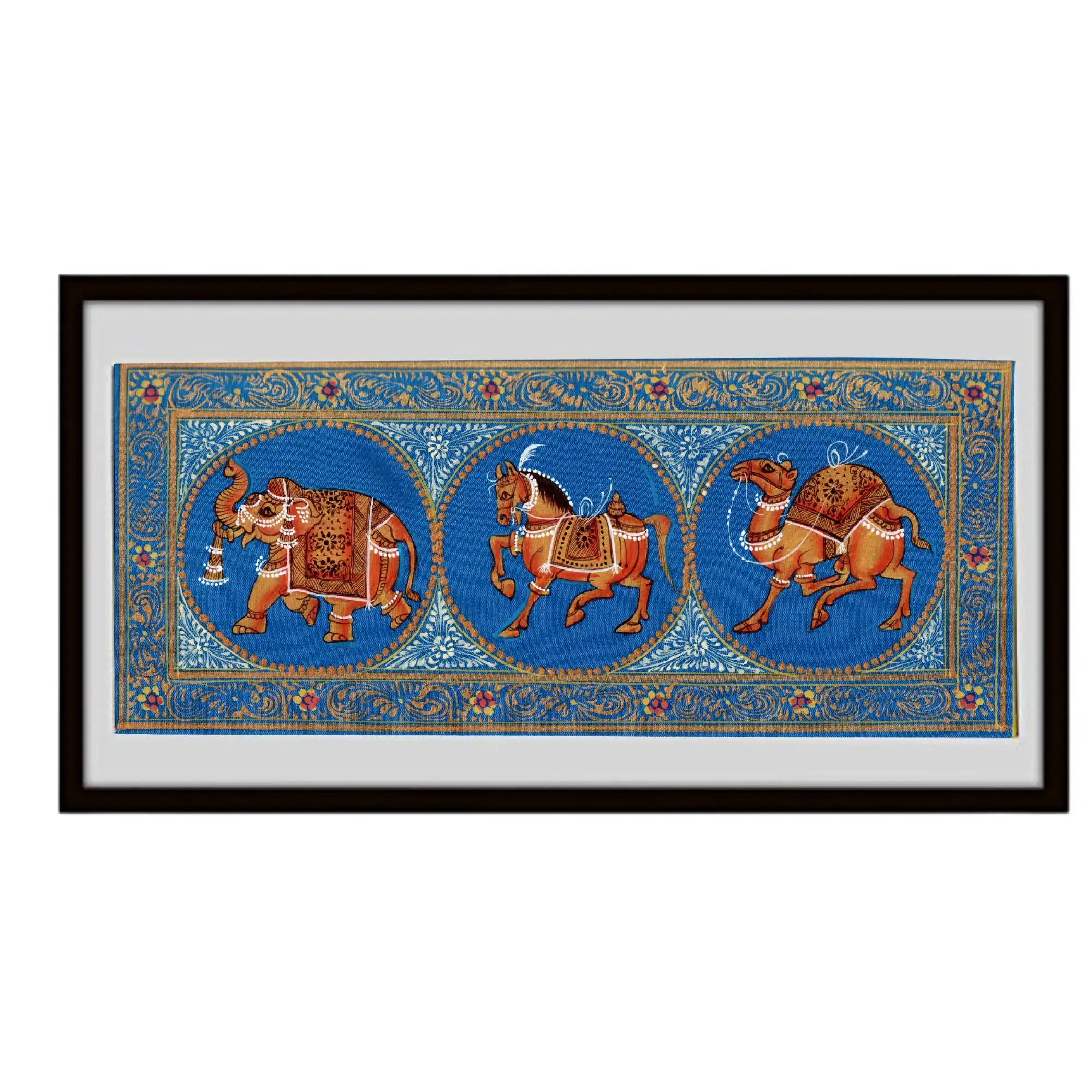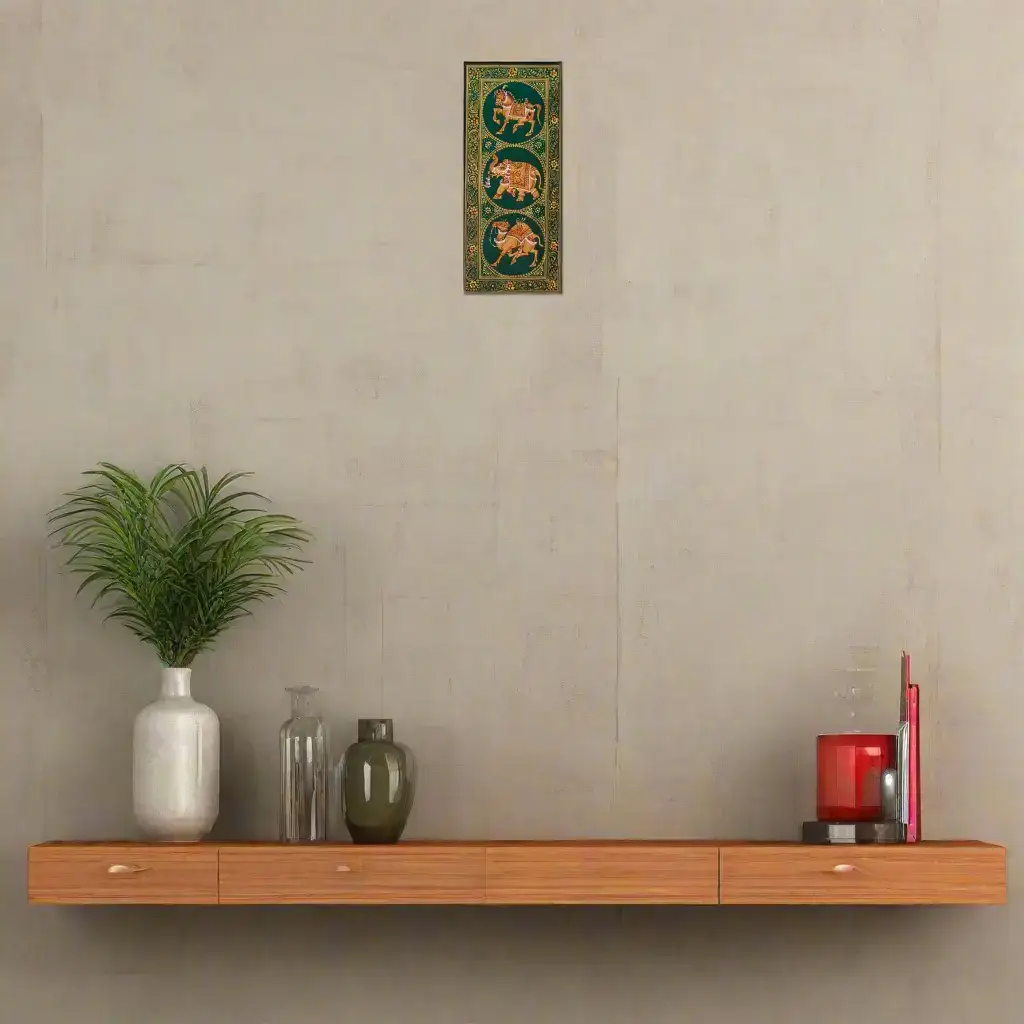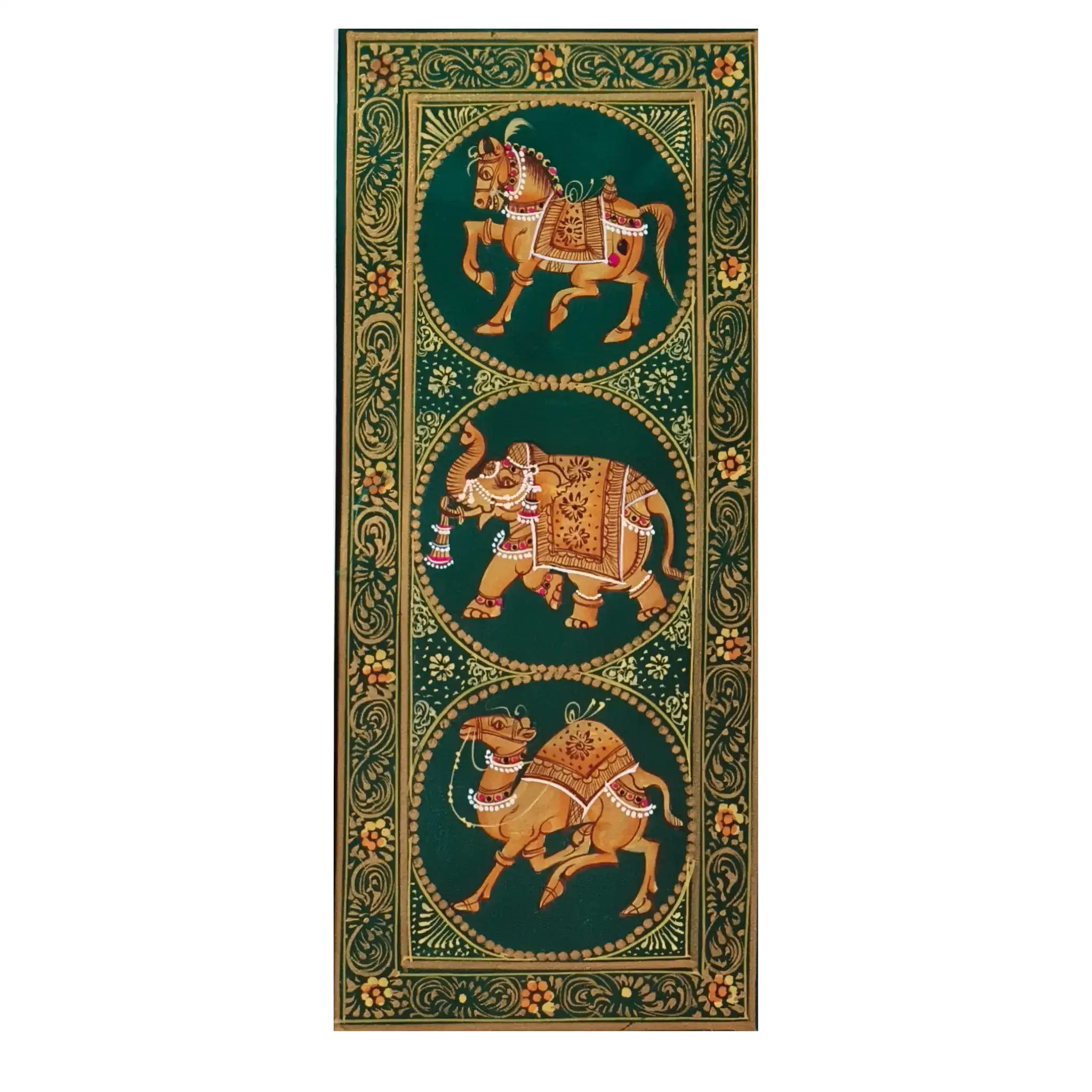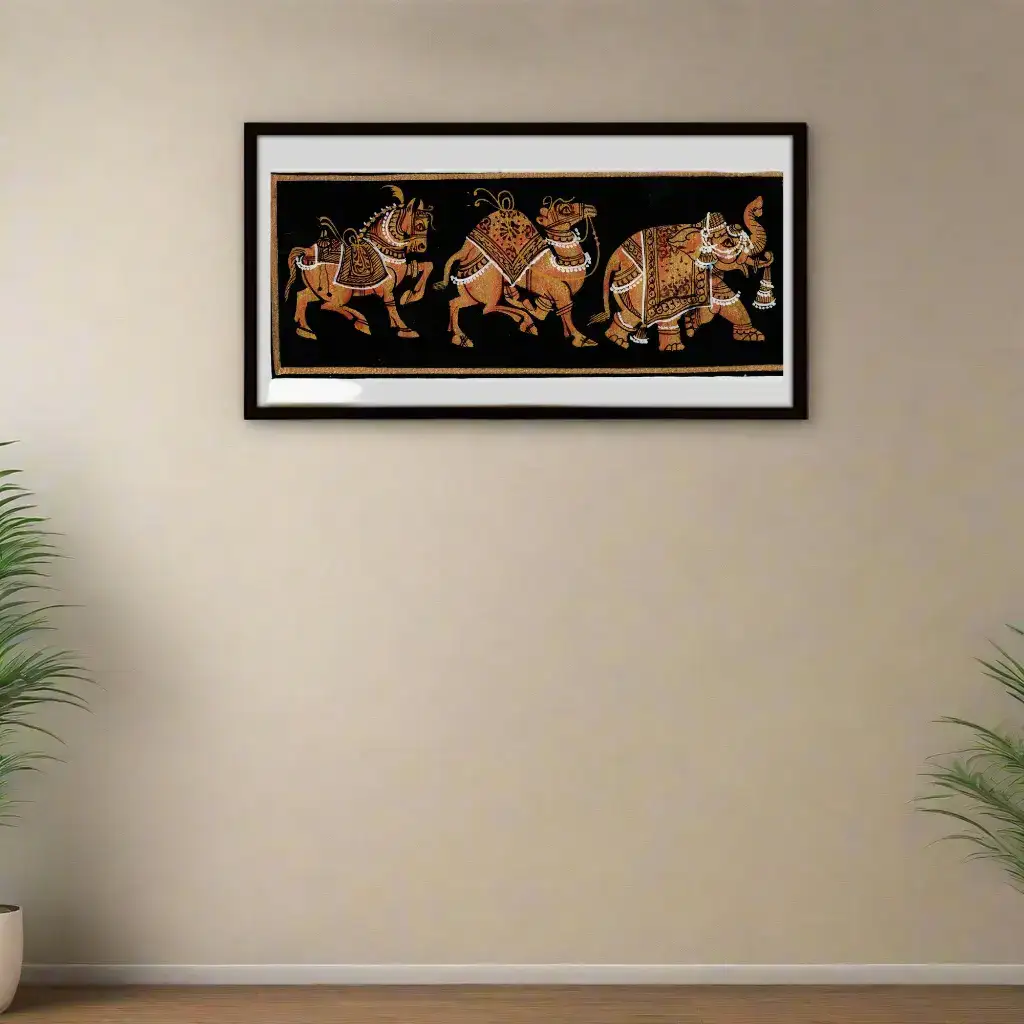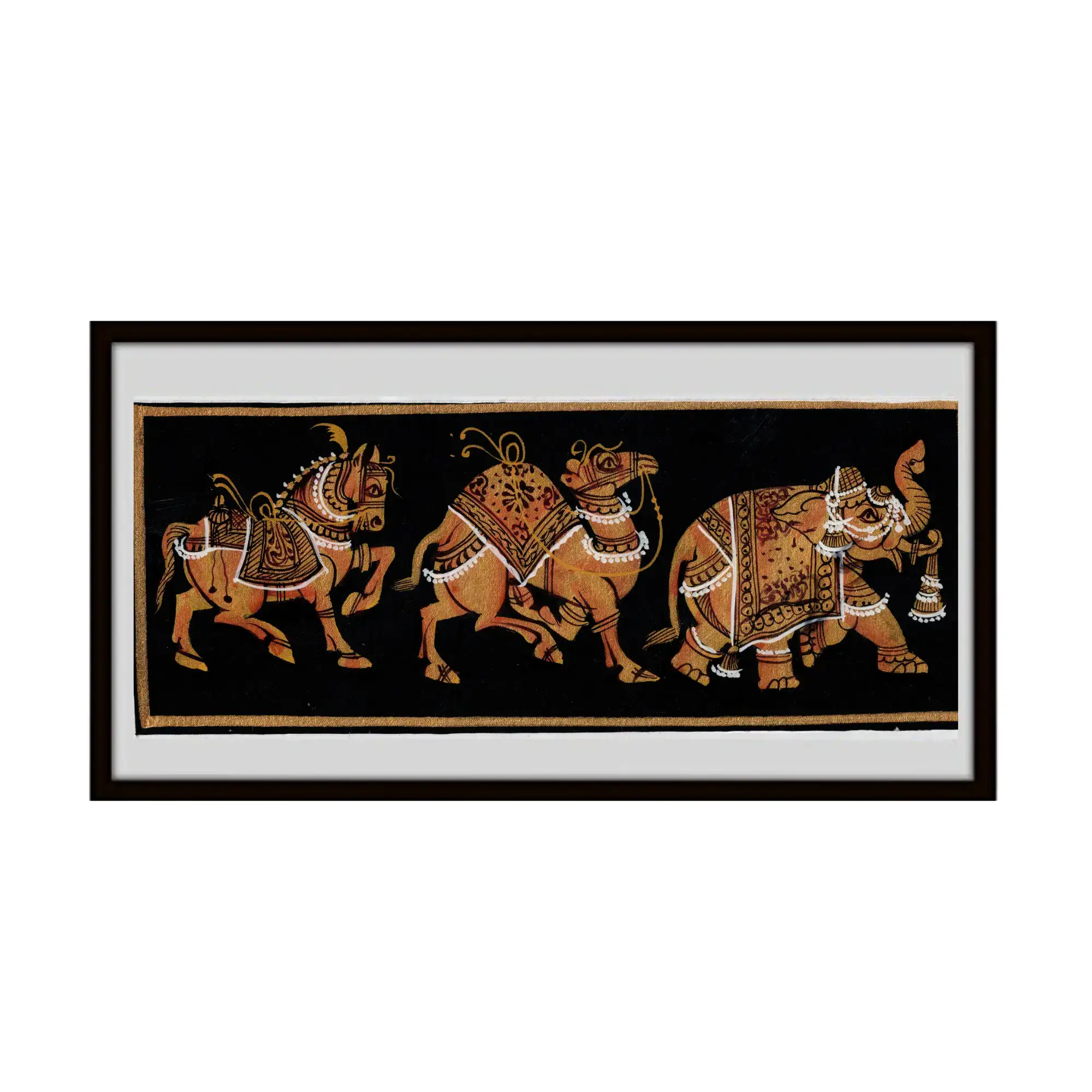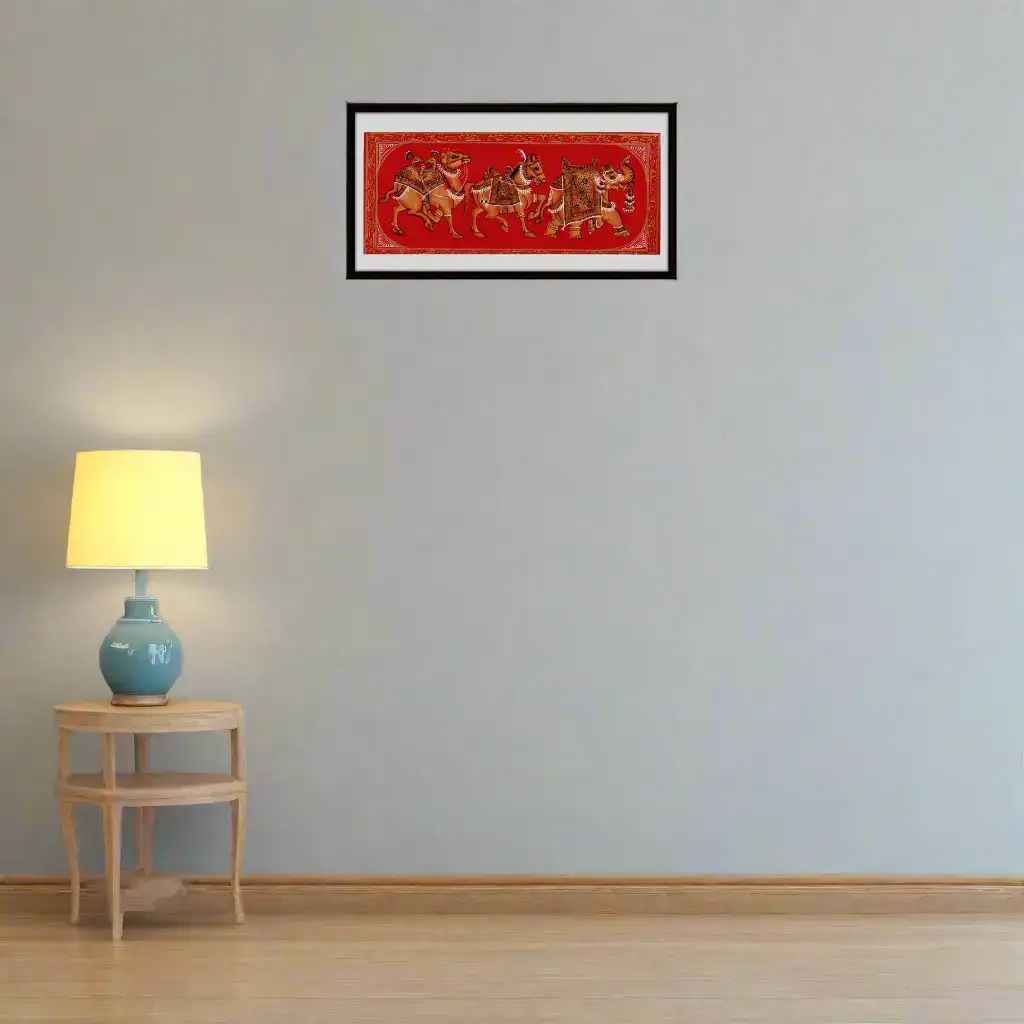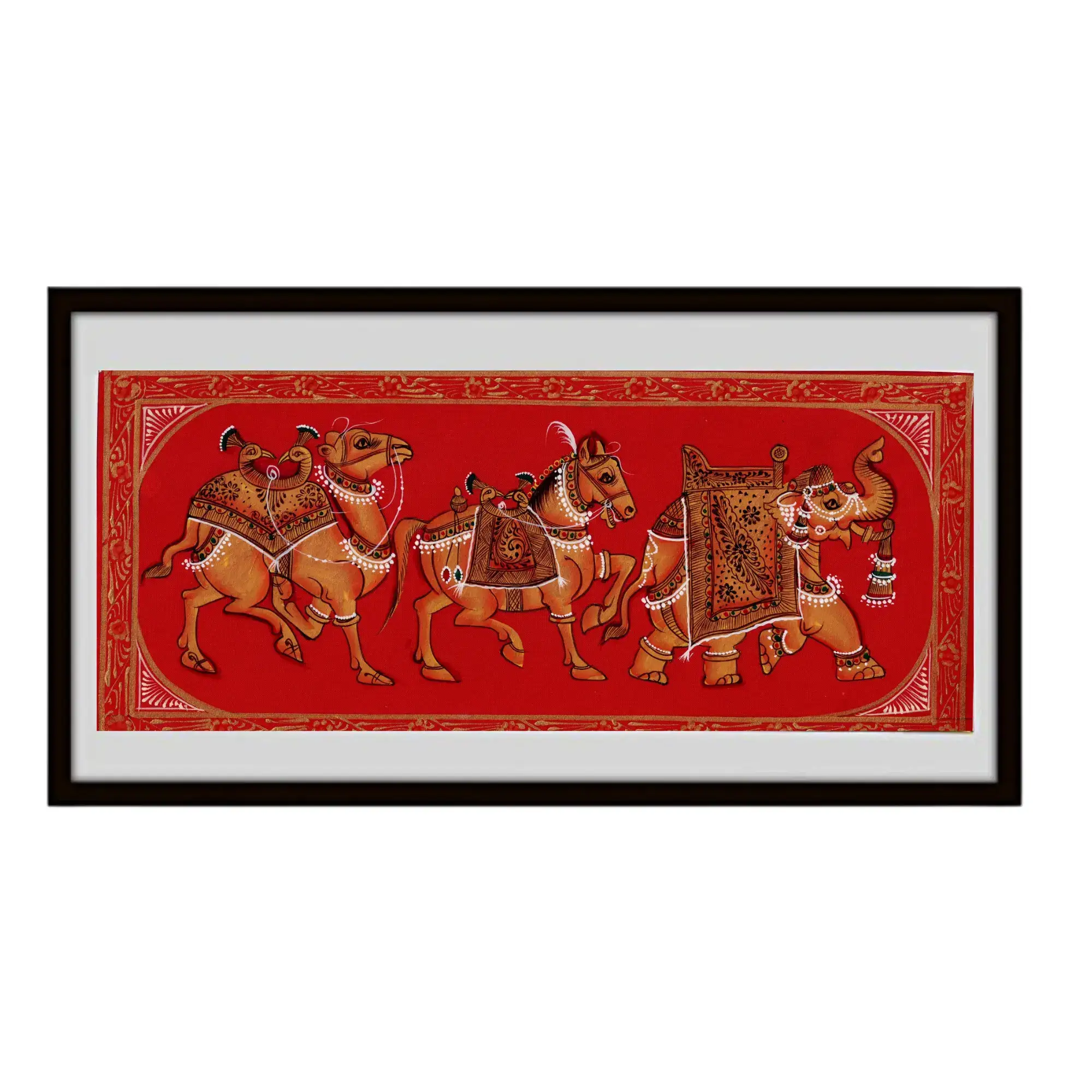
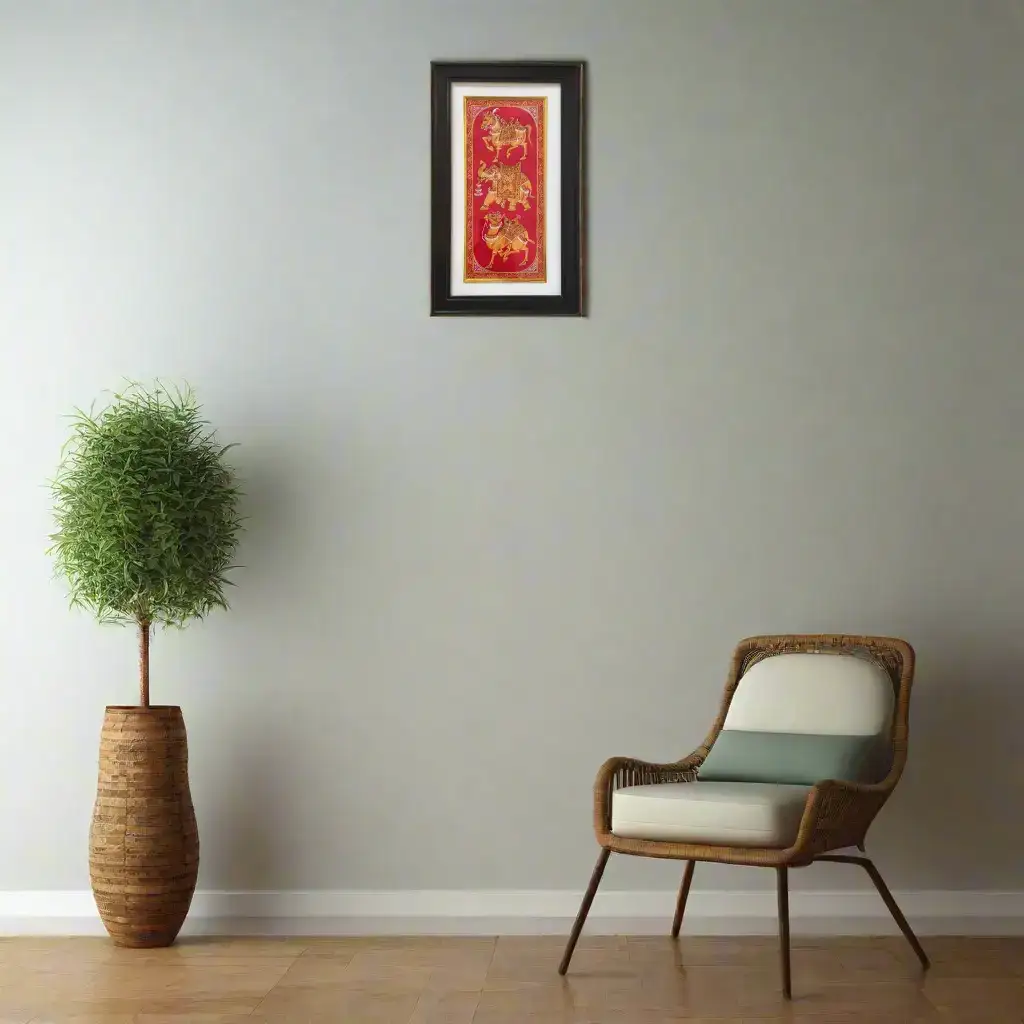
Royal Procession in Gilded Miniature Painting
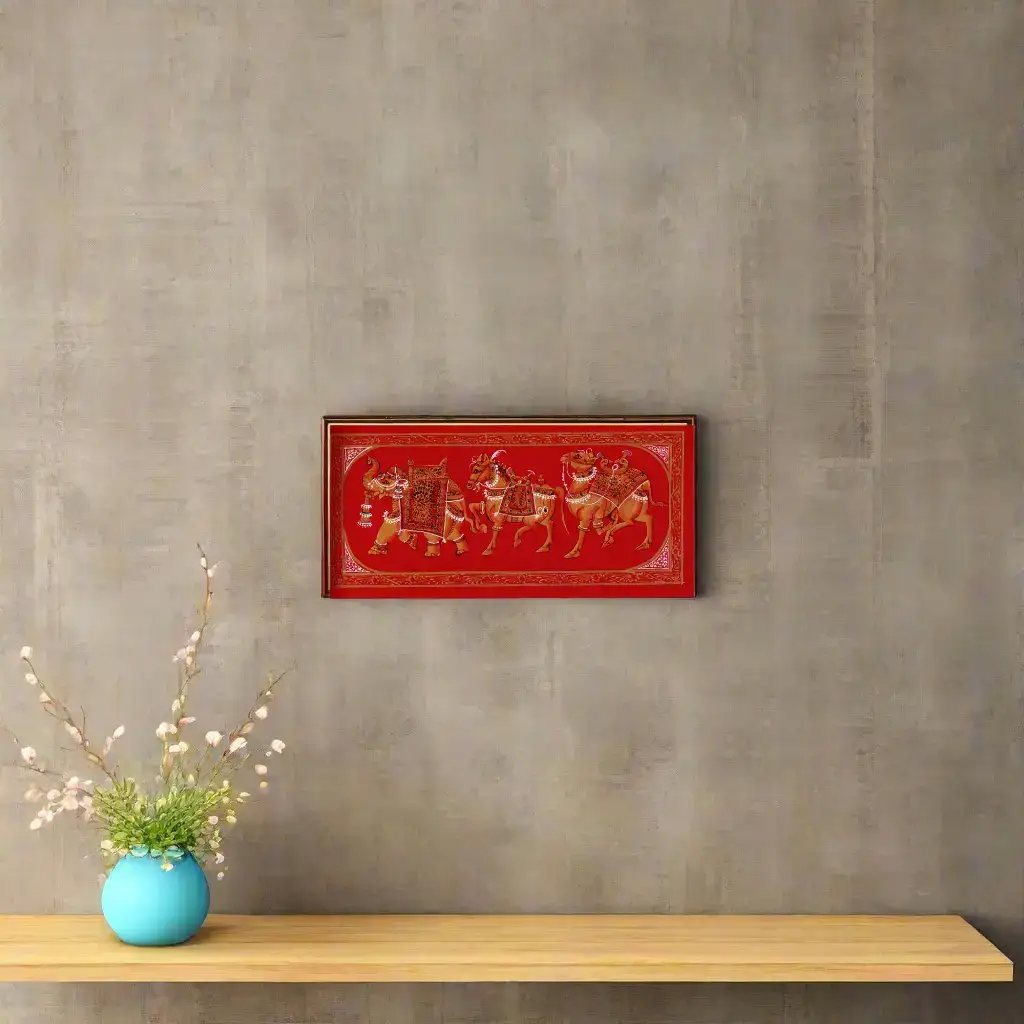
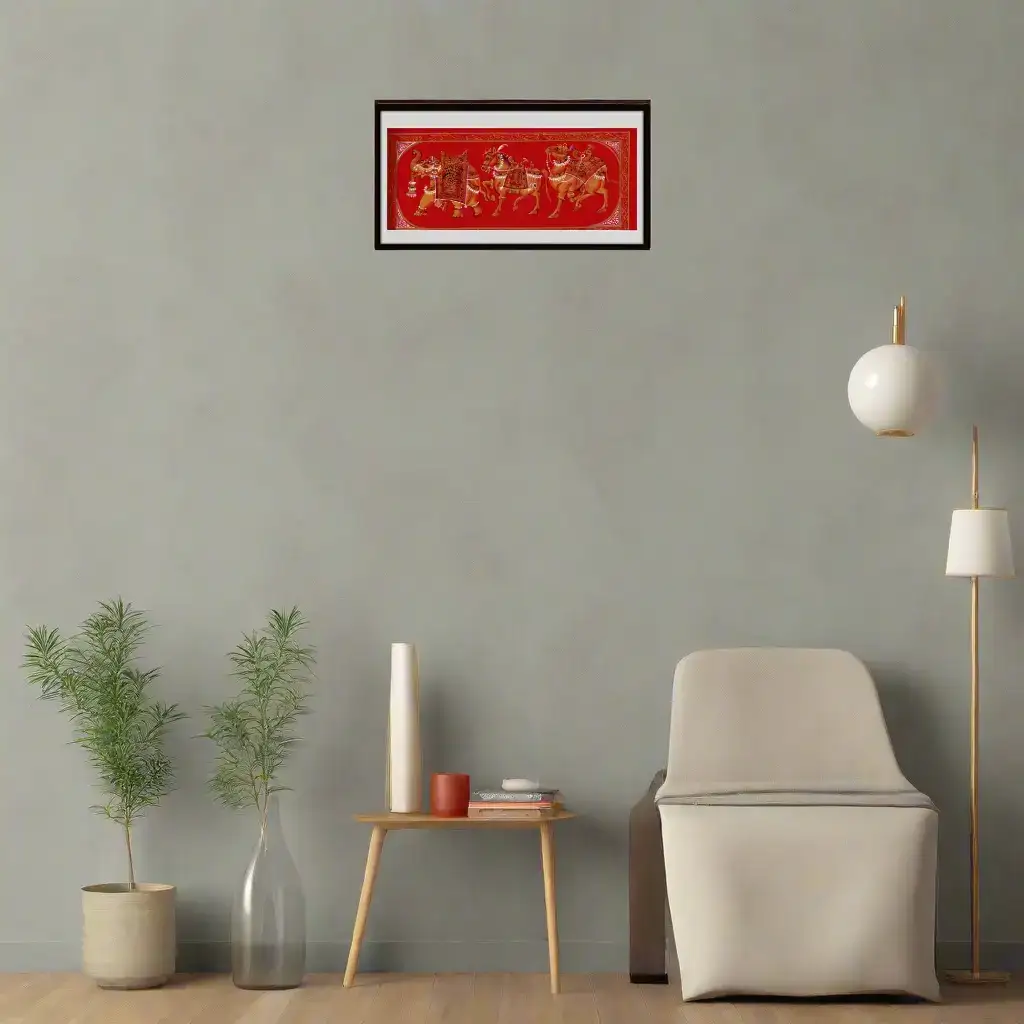
Royal Procession in Gilded Miniature Painting
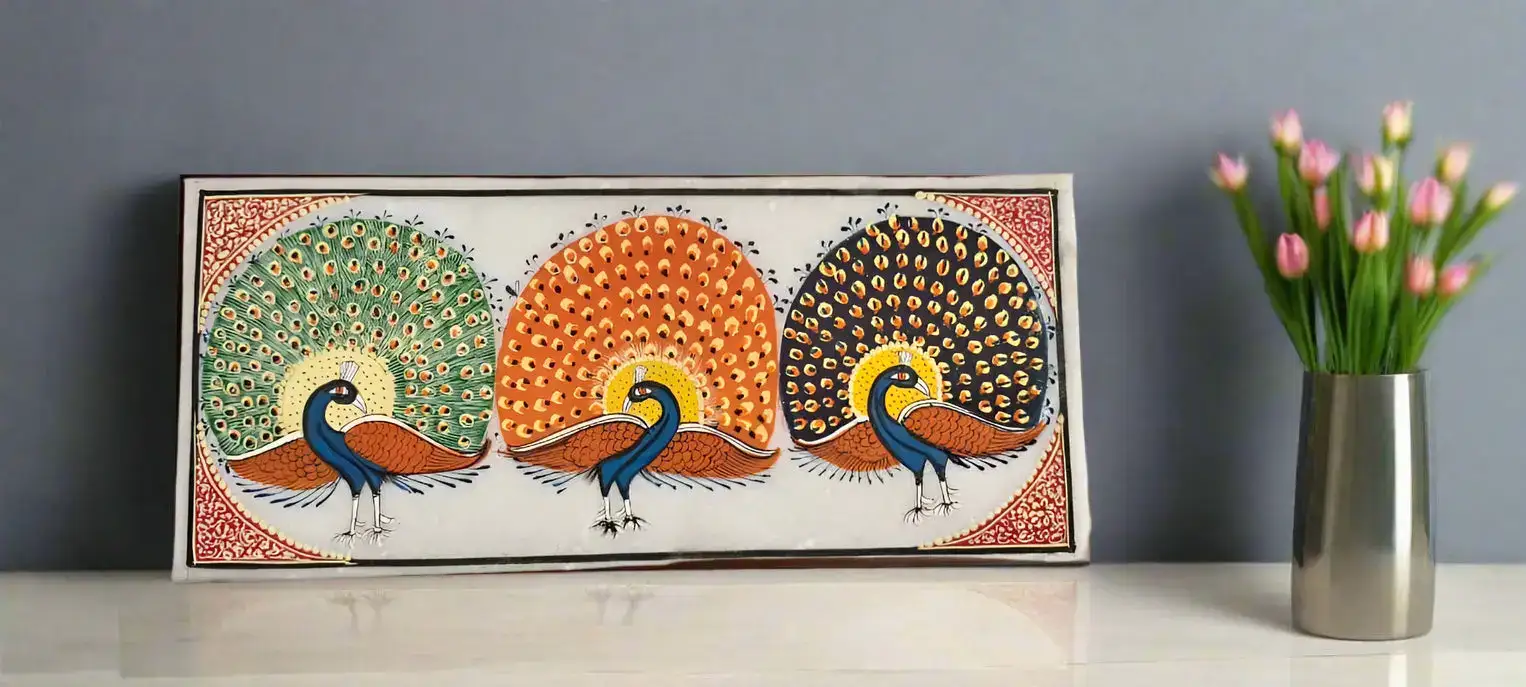
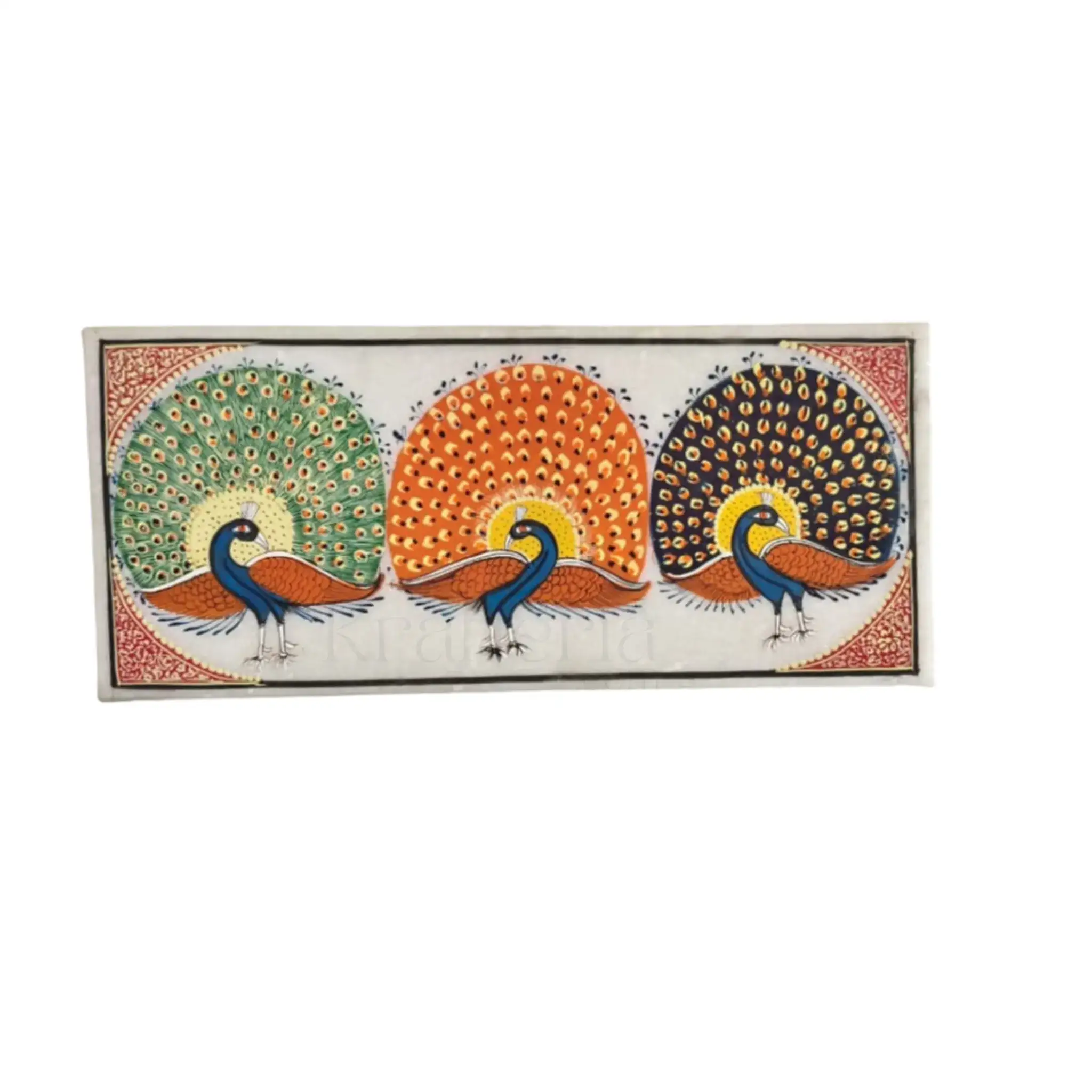
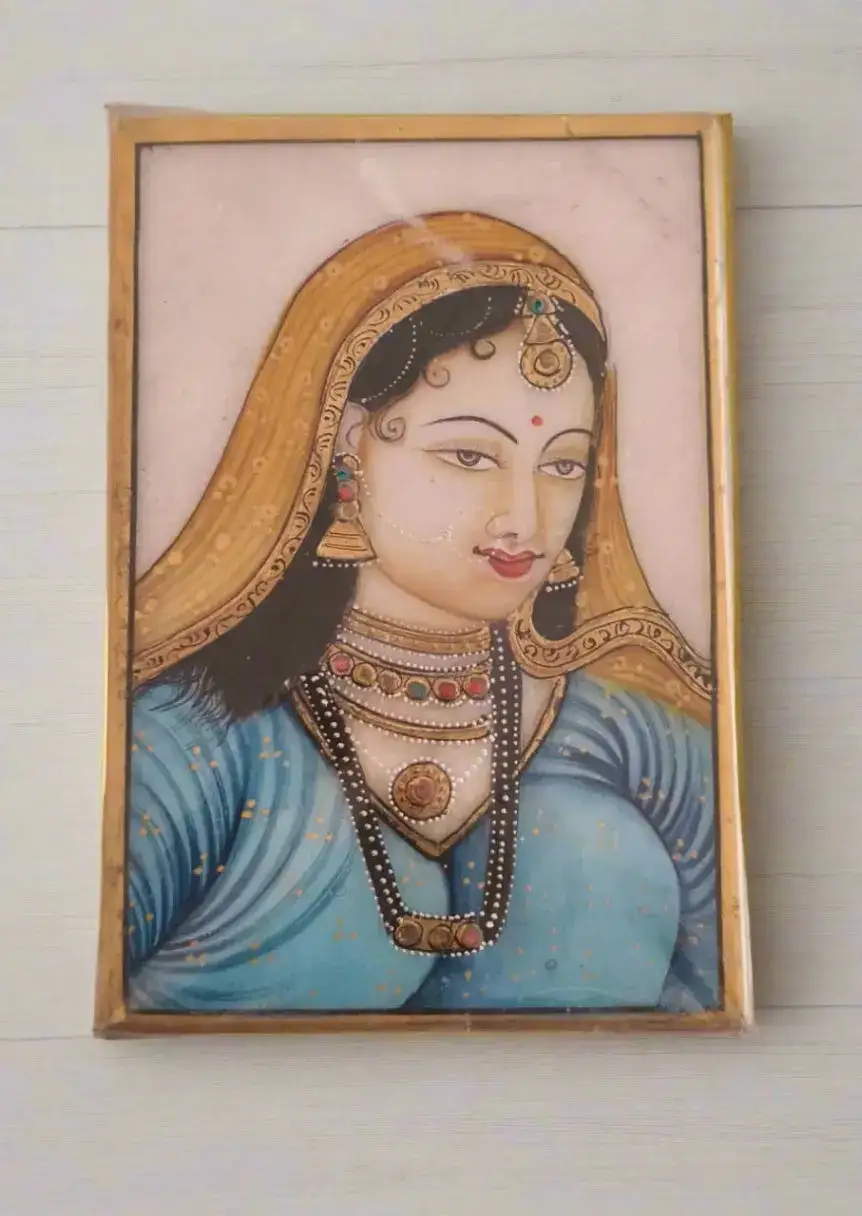
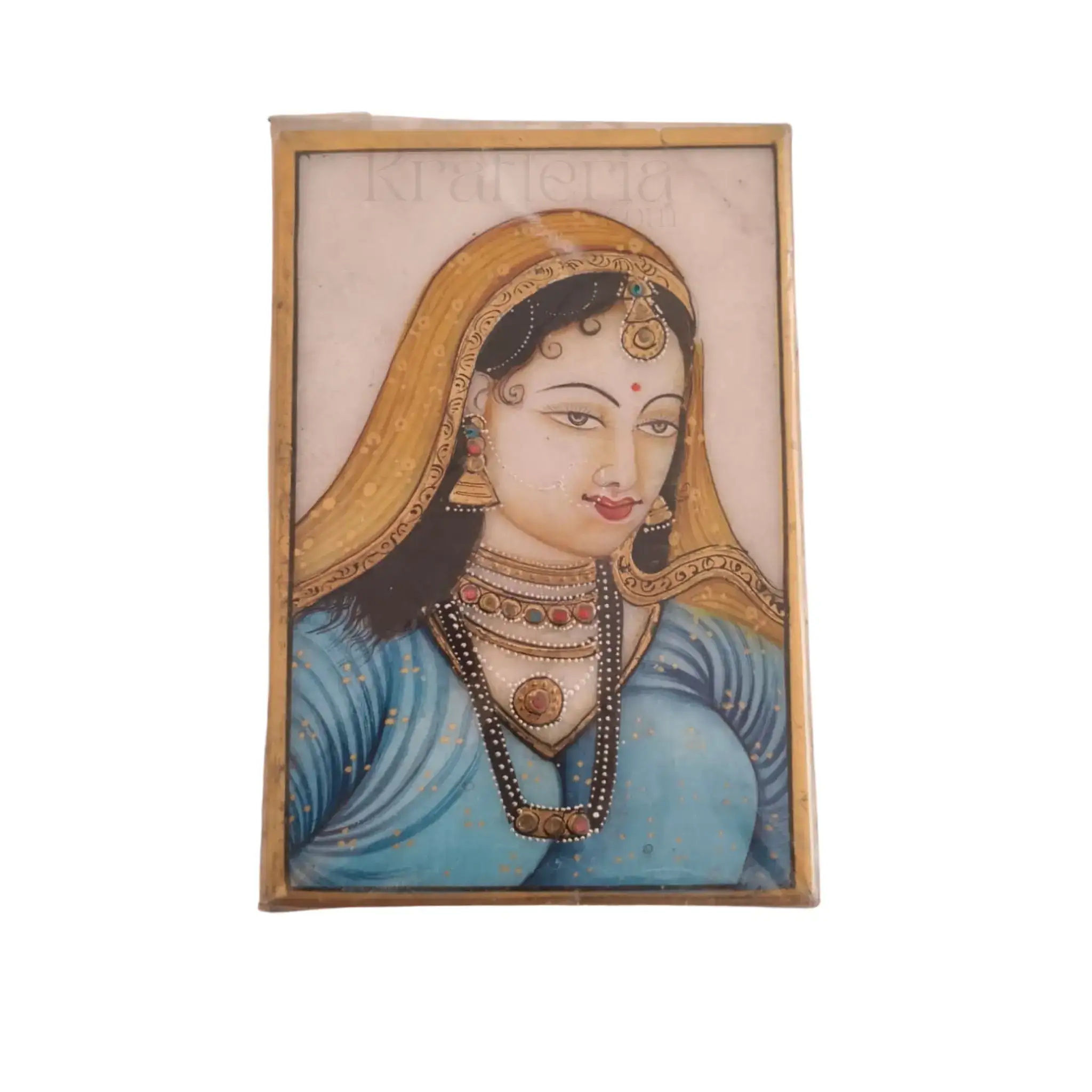
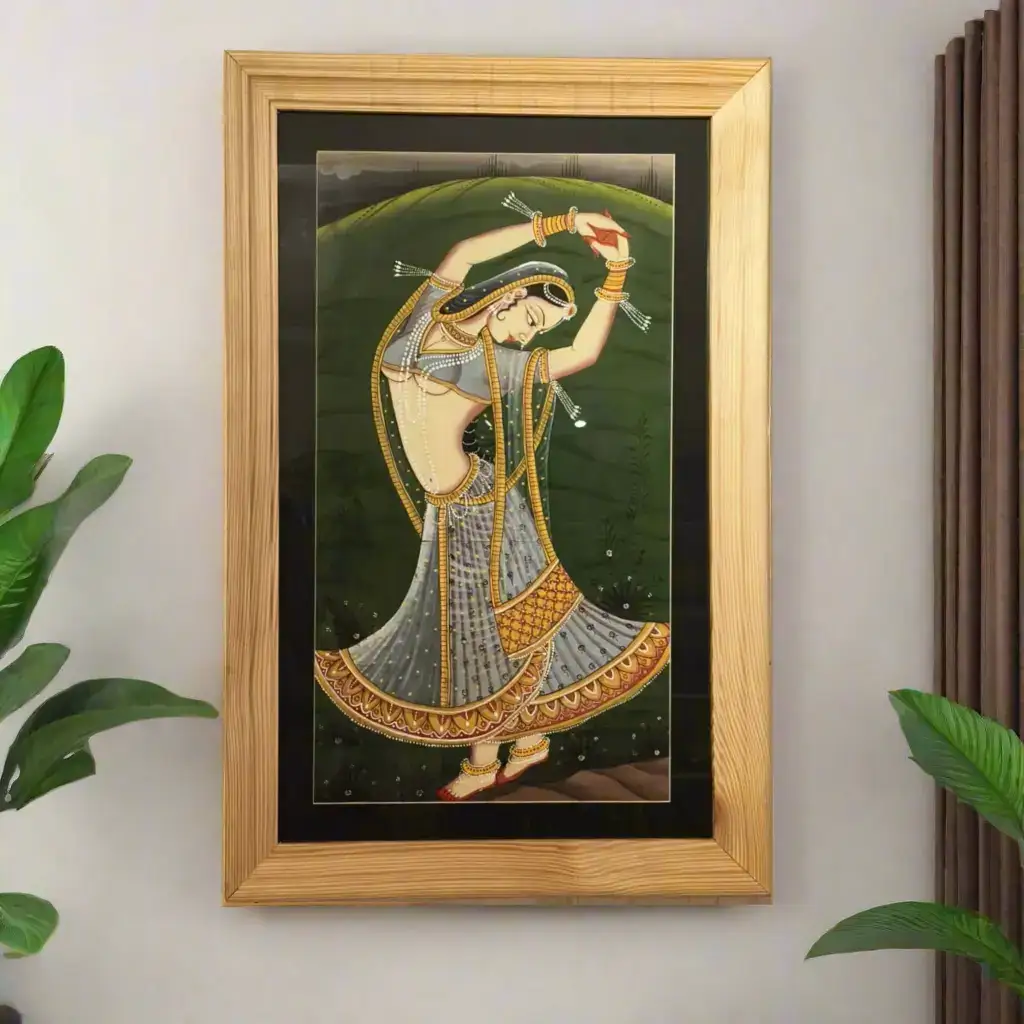
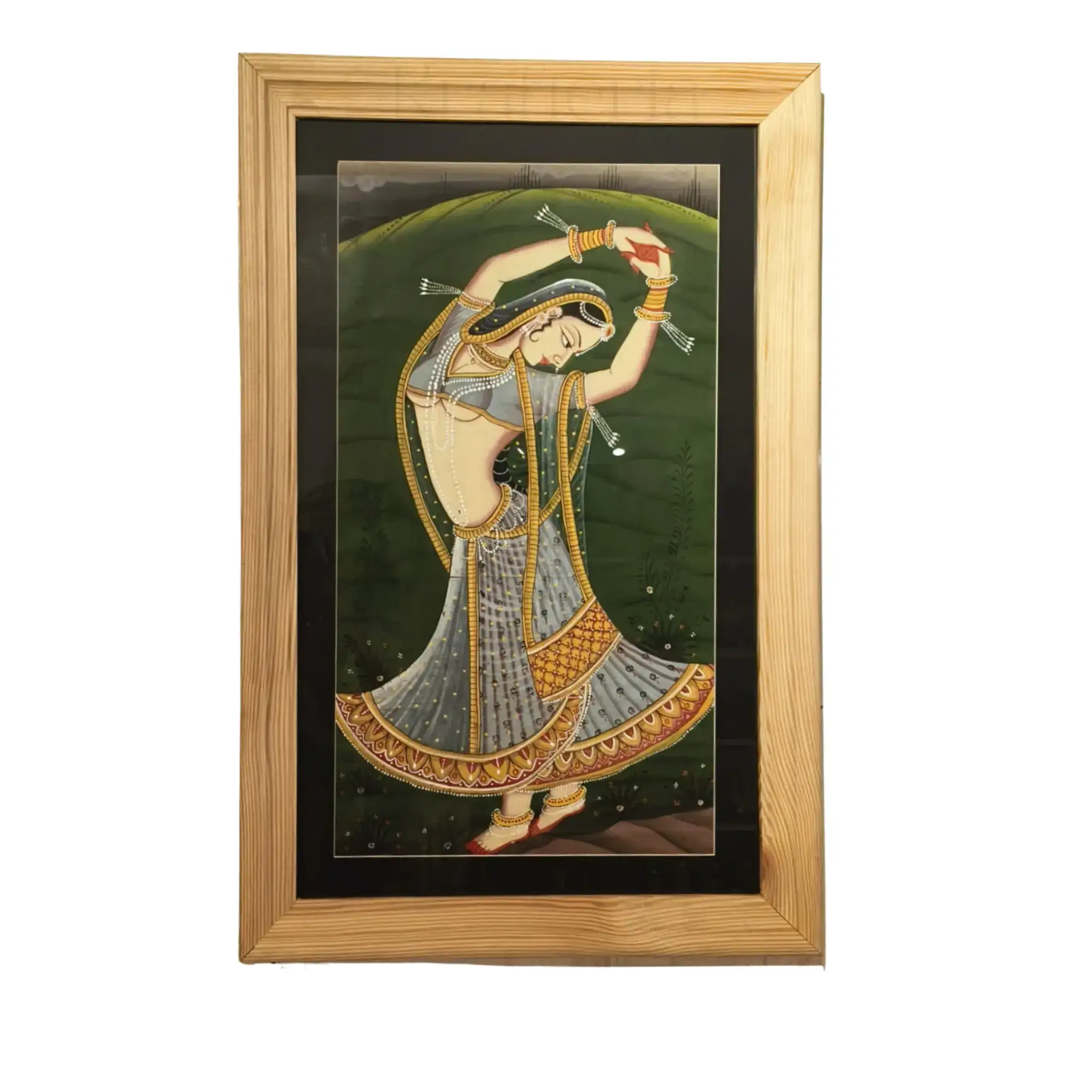
Gilded Miniature Painting Rajasthani Painting is a rich and vibrant style of Indian miniature painting. It flourished in the royal courts of Rajasthan from the 16th century onwards. This art form is deeply rooted in Indian traditions and carries a strong cultural legacy. The paintings portray various themes such as mythology, epics, love stories, royal life, and folk culture.
The bold lines, bright colors, and intricate detailing are hallmarks of this unique art style. Natural dyes and pigments made from minerals, vegetables, and precious stones were traditionally used. These carefully crafted materials give the artwork a lasting and luminous quality that captivates viewers. This traditional approach enhances the beauty of every painting.
Distinct Schools of Royal Miniature Paintings
The art form of Royal Miniature Painting is divided into several schools, each offering a distinct style and focus. Major schools include Mewar, Marwar, Bundi, Kota, Kishangarh, Bikaner, and Jaipur. Each school has unique subject preferences and artistic techniques. Together, they showcase the diversity of Rajasthan’s rich cultural heritage.
For example, the Kishangarh school is renowned for its romantic portrayal of Radha and Krishna. It especially gained fame for the iconic image of Bani Thani, symbolizing idealized beauty. Mewar paintings often depict royal court scenes, heroic tales, and religious themes. These works capture the grandeur and spirituality of the royal era.
Features of Gilded Indian Miniature Art
The use of gold or gold-toned embellishments sets this style apart, earning it the name "gilded Indian miniature art." These gilded accents add richness and depth to each painting. They provide a regal appeal and emphasize important details within the artwork. This gilded approach makes it highly sought after by collectors worldwide.
The Bundi and Kota schools are notable for their breathtaking landscapes and hunting scenes. Their paintings feature lush greenery, wildlife, and royal expeditions with precise brushwork. This creates a vivid and immersive experience for the viewer. Such thematic diversity ensures a broad appeal among art enthusiasts.
Craftsmanship and Techniques Behind Royal Painting
Creating a royal miniature painting demands exceptional craftsmanship and attention to detail. Skilled artisans use fine brushes and traditional pigments sourced from natural minerals. This technique ensures the brightness and longevity of colors. Often, handmade paper or silk serves as a delicate canvas, complementing intricate brush strokes.
Artisans focus on precision, painting minute details that capture expressions, textures, and backgrounds perfectly. This meticulous work breathes life into each painting. The careful balance of vibrant colors and gilded highlights embodies the essence of Rajasthan’s royal art heritage.
Significance and Themes in Rajasthani Royal Painting
Rajasthani royal painting reflects rich cultural narratives and royal traditions from the past. Religious epics and mythology form the primary themes in these artworks. They often illustrate stories from Hindu scriptures, portraying divine characters and spiritual events. Additionally, love stories, royal processions, and folk culture frequently appear as subjects.
Royal Miniature Painting is not only an art form but also a historical record. Paintings from different schools document royal ceremonies, battles, and courtly life. These visual stories preserve and celebrate Rajasthan’s heritage. For this reason, this painting style carries great significance beyond mere aesthetics.
Why Choose This Royal Miniature Paintings?
This gilded Indian miniature art blends tradition, history, and artistry seamlessly. It adds grandeur to any space with its vibrant colors and intricate gilded details. These elements suit both contemporary and classic decors beautifully. Moreover, its cultural importance enriches the painting’s value to collectors and art lovers.
Owning this piece means celebrating the legacy of Rajasthan’s royal artists. Whether displayed in a home or gallery, it draws admiration for its craftsmanship instantly. This Royal Miniature Painting makes a unique and meaningful gift for those who appreciate Indian culture and heritage.
Final Thoughts on Miniature Painting
Supporting this traditional painting style helps preserve an important cultural art form. The combination of vivid imagery, gold highlights, and rich storytelling creates timeless artwork. This makes it a true representative of the Rajasthani royal painting tradition. Protecting and promoting such art helps keep India’s artistic heritage vibrant and alive.
Product Information
Product Information
Shipping & Returns
Shipping & Returns
Description
Royal Procession in Gilded Miniature Painting
Gilded Miniature Painting Rajasthani Painting is a rich and vibrant style of Indian miniature painting. It flourished in the royal courts of Rajasthan from the 16th century onwards. This art form is deeply rooted in Indian traditions and carries a strong cultural legacy. The paintings portray various themes such as mythology, epics, love stories, royal life, and folk culture.
The bold lines, bright colors, and intricate detailing are hallmarks of this unique art style. Natural dyes and pigments made from minerals, vegetables, and precious stones were traditionally used. These carefully crafted materials give the artwork a lasting and luminous quality that captivates viewers. This traditional approach enhances the beauty of every painting.
Distinct Schools of Royal Miniature Paintings
The art form of Royal Miniature Painting is divided into several schools, each offering a distinct style and focus. Major schools include Mewar, Marwar, Bundi, Kota, Kishangarh, Bikaner, and Jaipur. Each school has unique subject preferences and artistic techniques. Together, they showcase the diversity of Rajasthan’s rich cultural heritage.
For example, the Kishangarh school is renowned for its romantic portrayal of Radha and Krishna. It especially gained fame for the iconic image of Bani Thani, symbolizing idealized beauty. Mewar paintings often depict royal court scenes, heroic tales, and religious themes. These works capture the grandeur and spirituality of the royal era.
Features of Gilded Indian Miniature Art
The use of gold or gold-toned embellishments sets this style apart, earning it the name "gilded Indian miniature art." These gilded accents add richness and depth to each painting. They provide a regal appeal and emphasize important details within the artwork. This gilded approach makes it highly sought after by collectors worldwide.
The Bundi and Kota schools are notable for their breathtaking landscapes and hunting scenes. Their paintings feature lush greenery, wildlife, and royal expeditions with precise brushwork. This creates a vivid and immersive experience for the viewer. Such thematic diversity ensures a broad appeal among art enthusiasts.
Craftsmanship and Techniques Behind Royal Painting
Creating a royal miniature painting demands exceptional craftsmanship and attention to detail. Skilled artisans use fine brushes and traditional pigments sourced from natural minerals. This technique ensures the brightness and longevity of colors. Often, handmade paper or silk serves as a delicate canvas, complementing intricate brush strokes.
Artisans focus on precision, painting minute details that capture expressions, textures, and backgrounds perfectly. This meticulous work breathes life into each painting. The careful balance of vibrant colors and gilded highlights embodies the essence of Rajasthan’s royal art heritage.
Significance and Themes in Rajasthani Royal Painting
Rajasthani royal painting reflects rich cultural narratives and royal traditions from the past. Religious epics and mythology form the primary themes in these artworks. They often illustrate stories from Hindu scriptures, portraying divine characters and spiritual events. Additionally, love stories, royal processions, and folk culture frequently appear as subjects.
Royal Miniature Painting is not only an art form but also a historical record. Paintings from different schools document royal ceremonies, battles, and courtly life. These visual stories preserve and celebrate Rajasthan’s heritage. For this reason, this painting style carries great significance beyond mere aesthetics.
Why Choose This Royal Miniature Paintings?
This gilded Indian miniature art blends tradition, history, and artistry seamlessly. It adds grandeur to any space with its vibrant colors and intricate gilded details. These elements suit both contemporary and classic decors beautifully. Moreover, its cultural importance enriches the painting’s value to collectors and art lovers.
Owning this piece means celebrating the legacy of Rajasthan’s royal artists. Whether displayed in a home or gallery, it draws admiration for its craftsmanship instantly. This Royal Miniature Painting makes a unique and meaningful gift for those who appreciate Indian culture and heritage.
Final Thoughts on Miniature Painting
Supporting this traditional painting style helps preserve an important cultural art form. The combination of vivid imagery, gold highlights, and rich storytelling creates timeless artwork. This makes it a true representative of the Rajasthani royal painting tradition. Protecting and promoting such art helps keep India’s artistic heritage vibrant and alive.