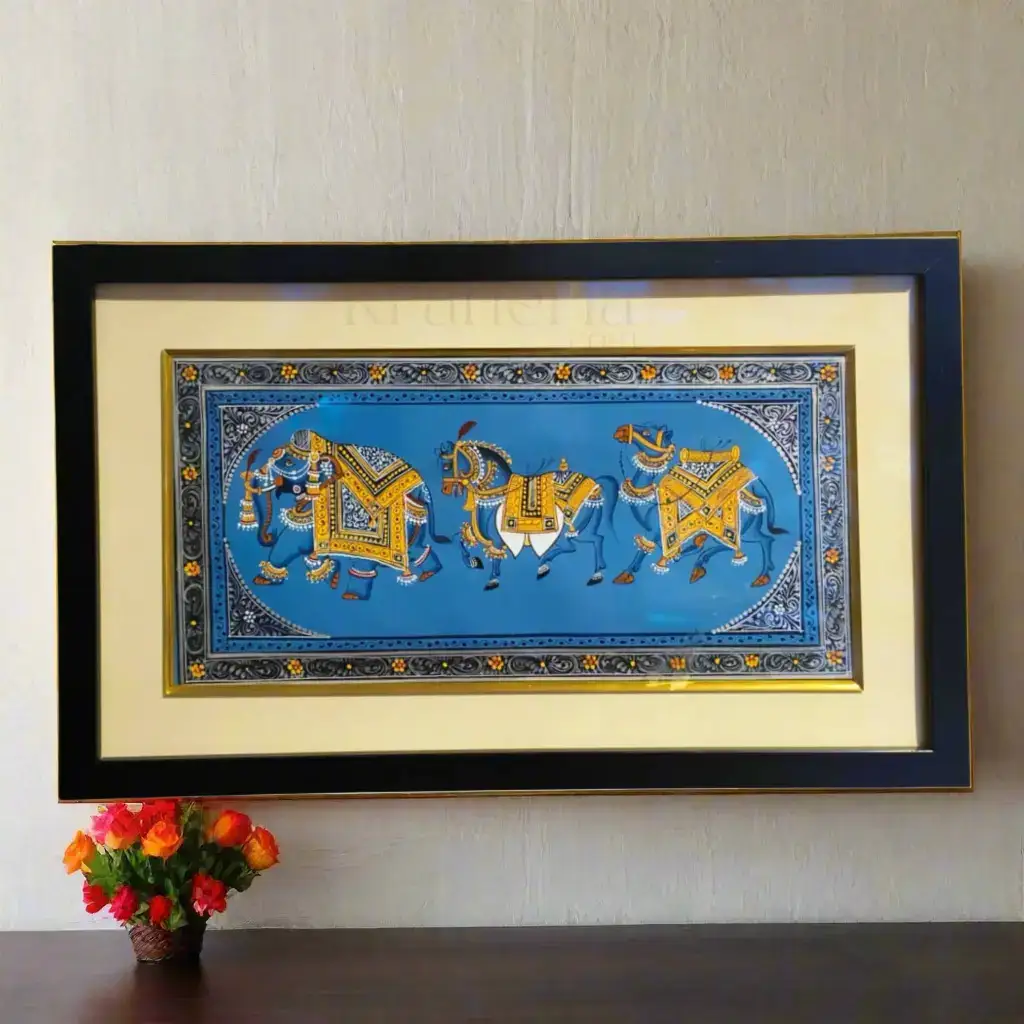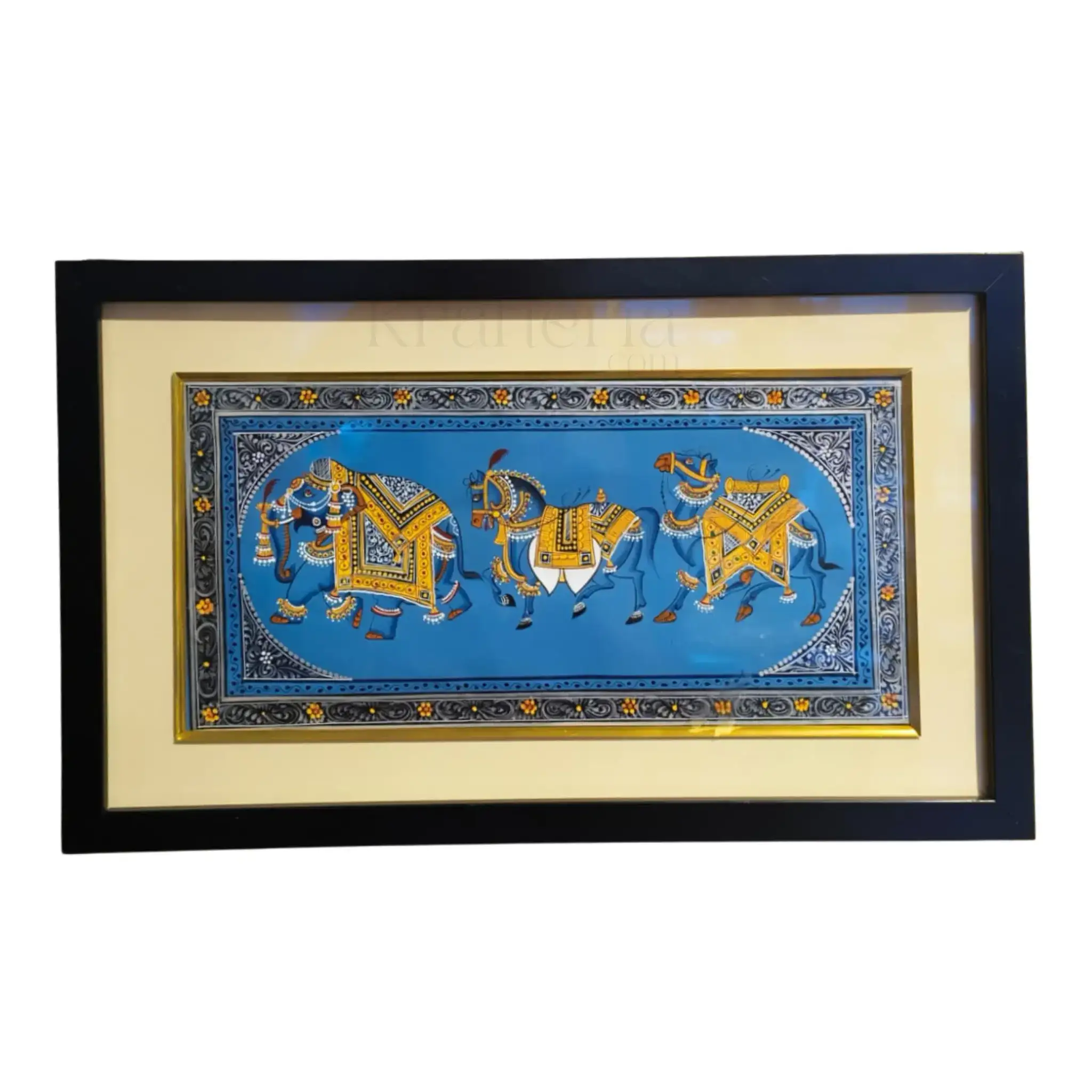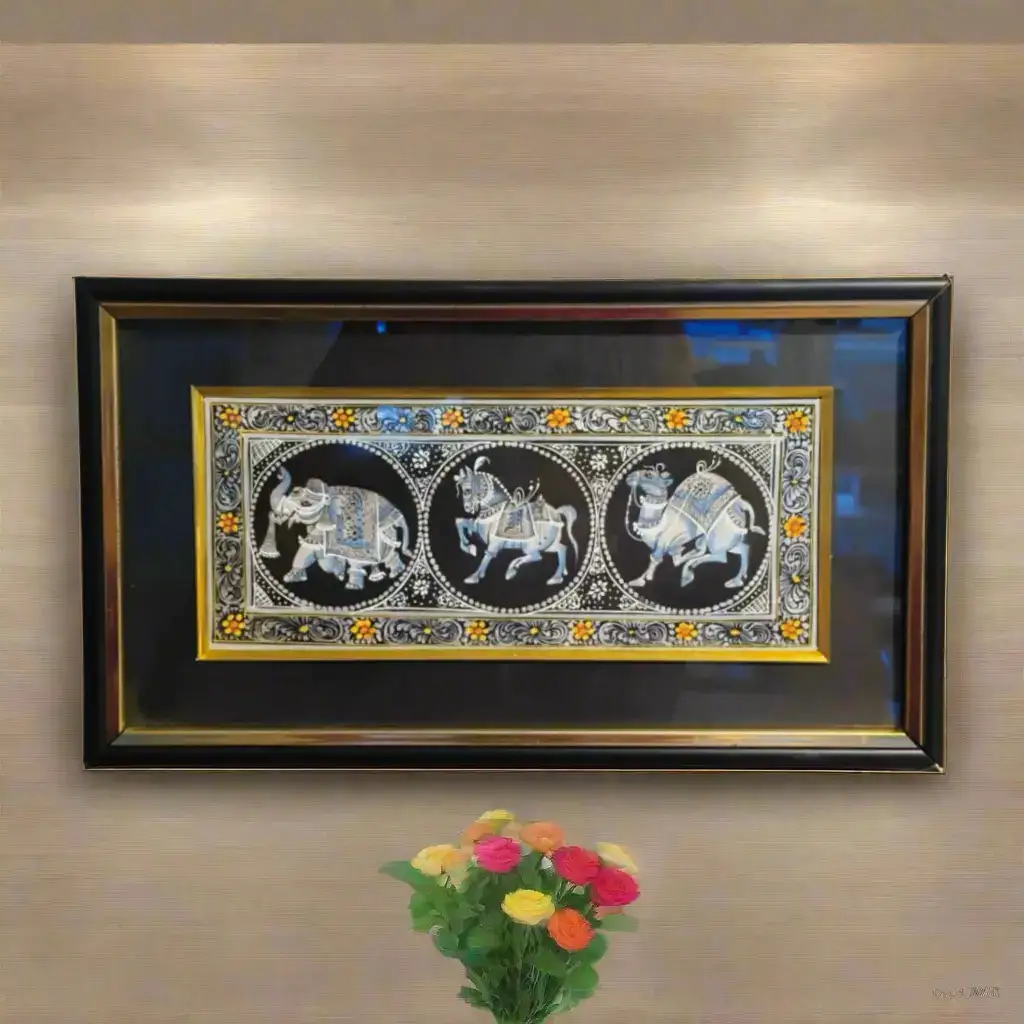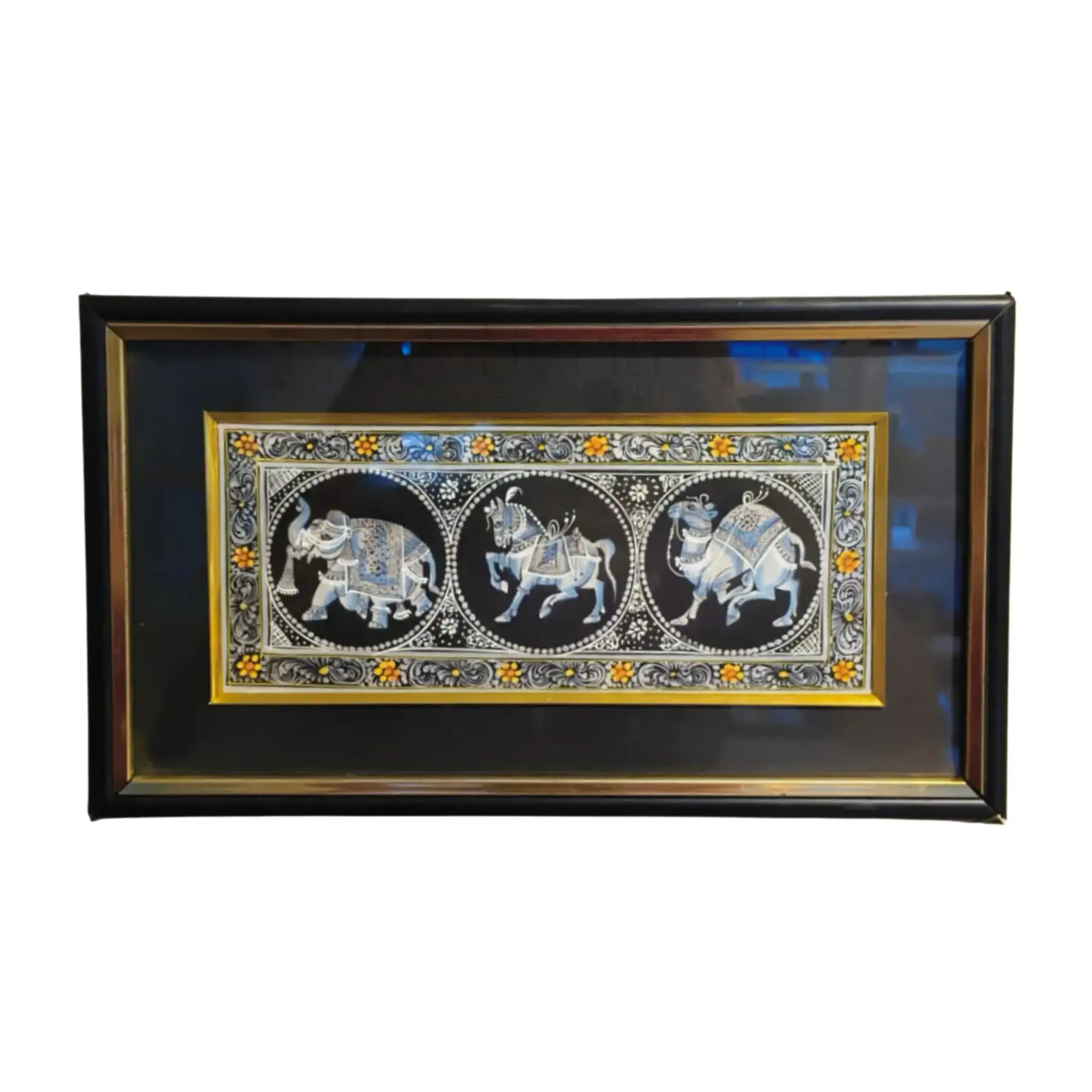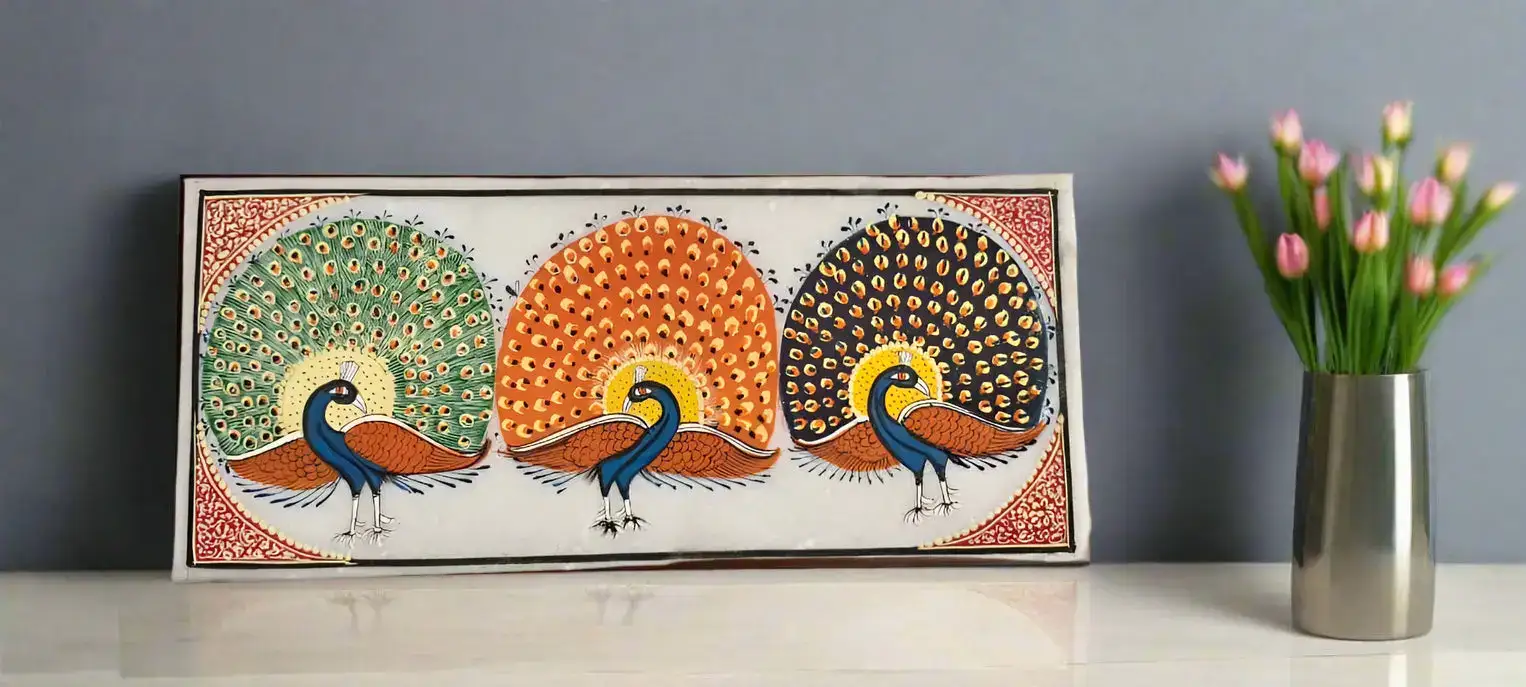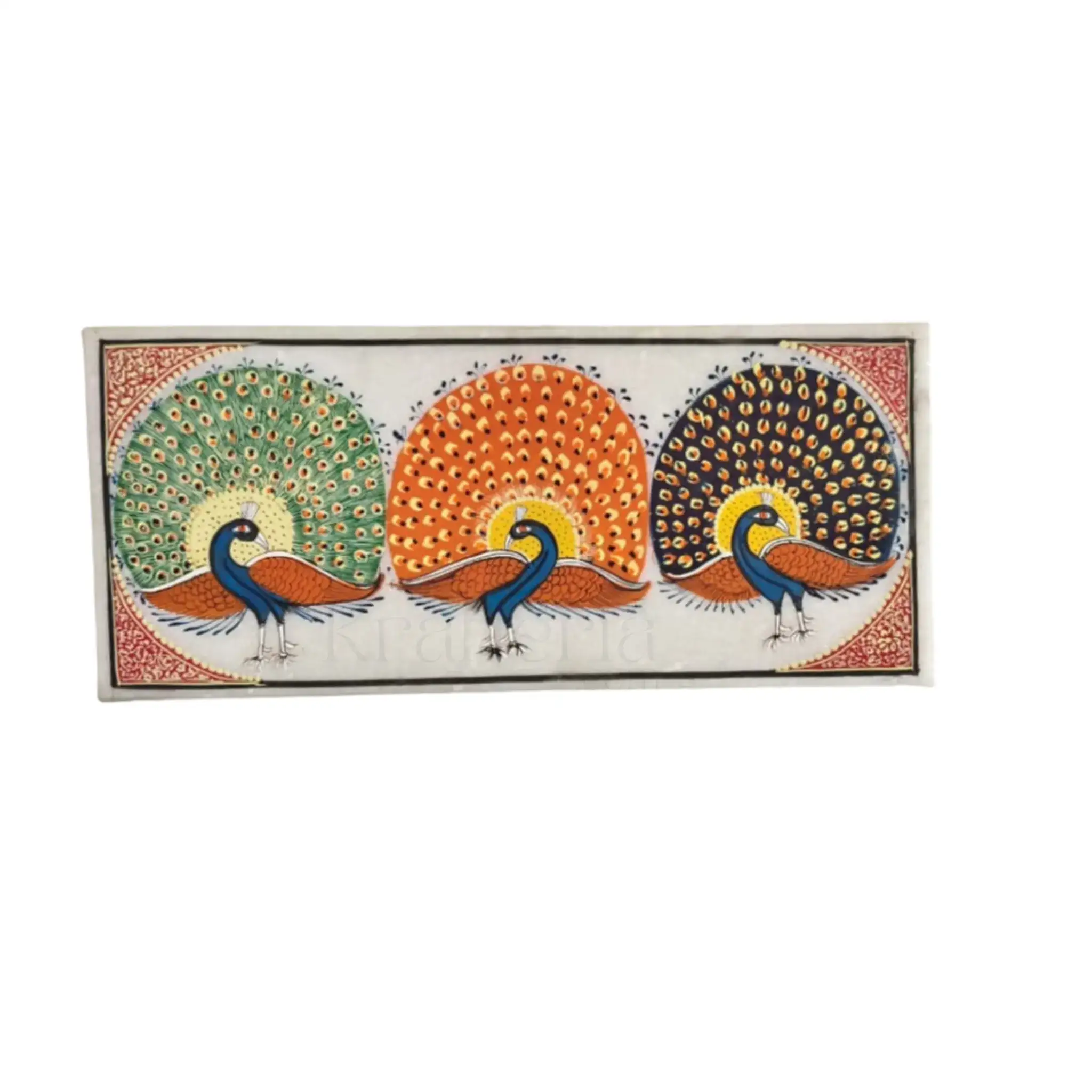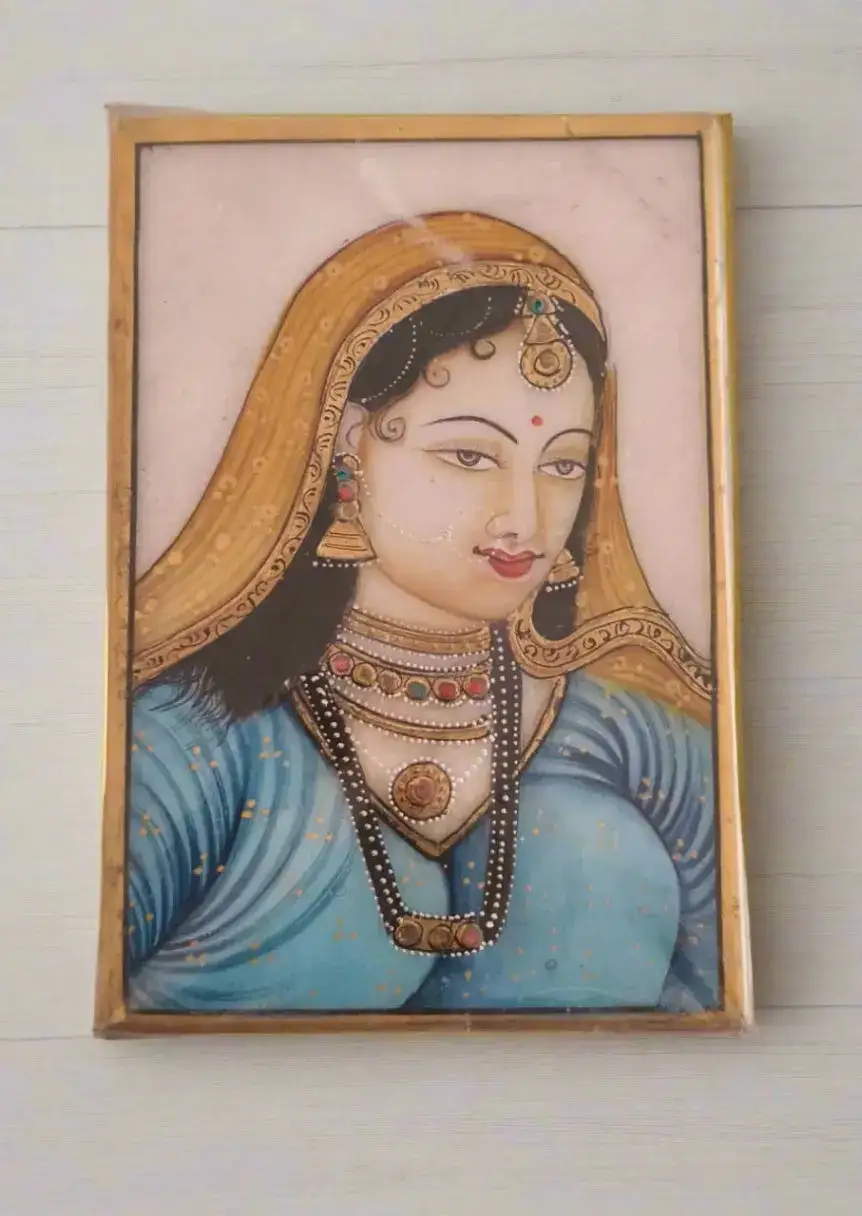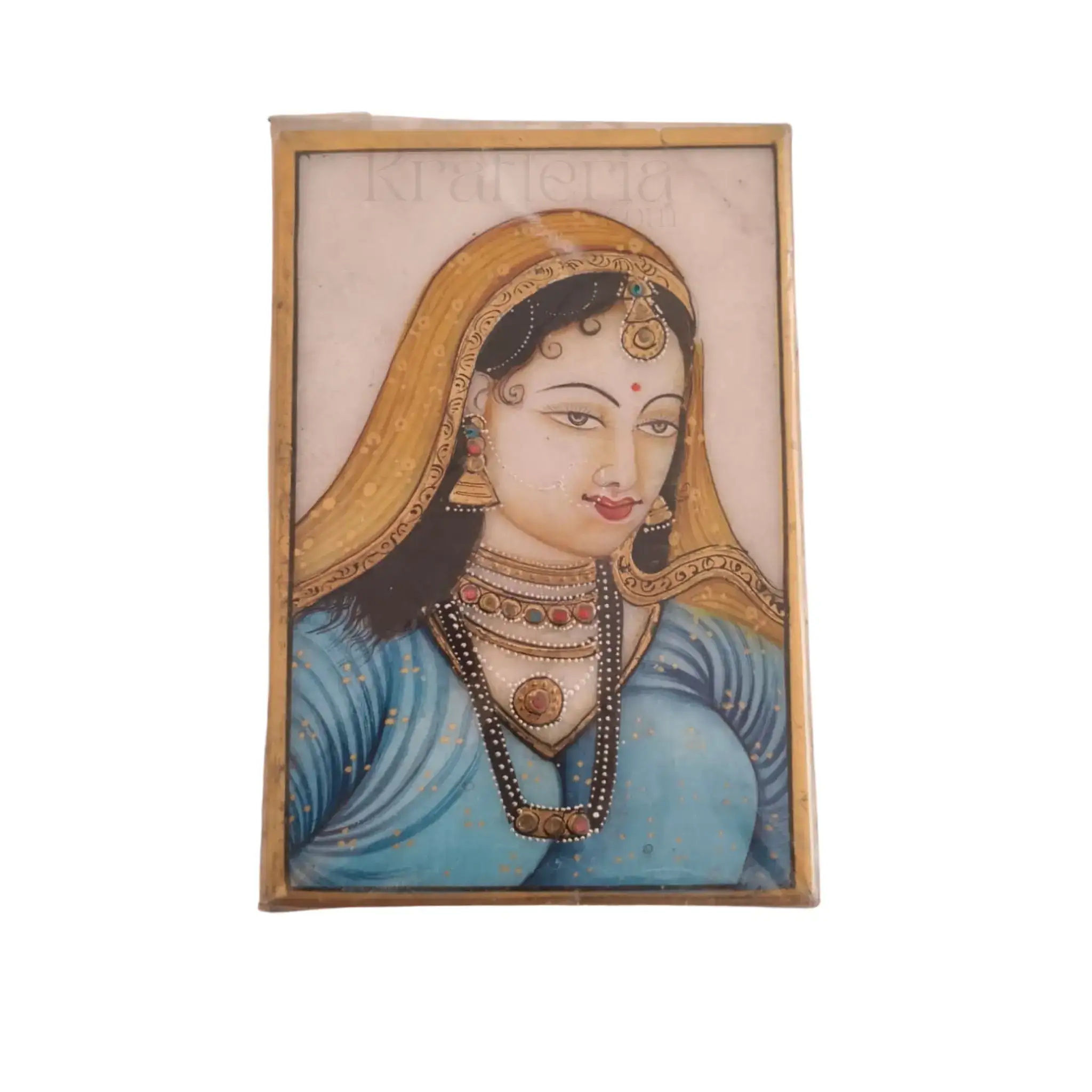
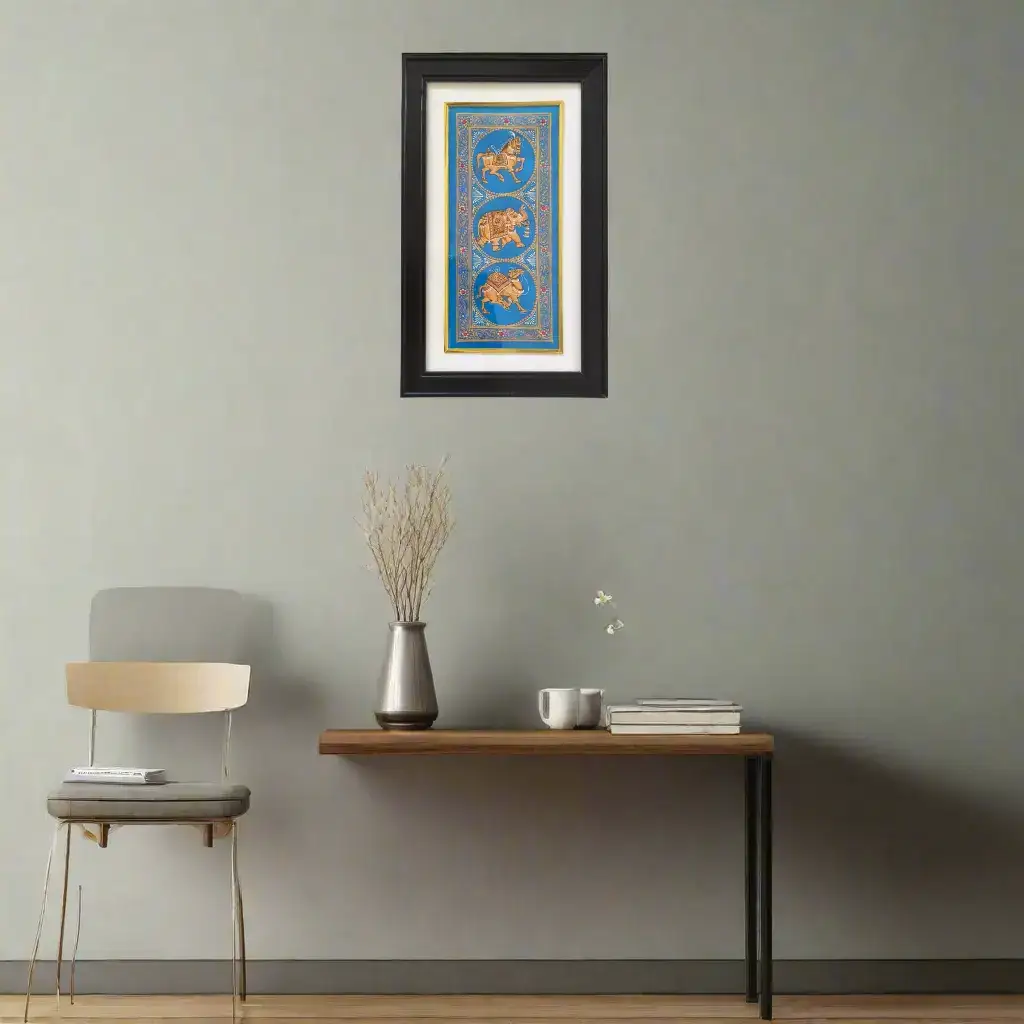
Triumvirate of Royalty Miniature Painting
Triumvirate of Royalty Miniature Painting: A Timeless Art
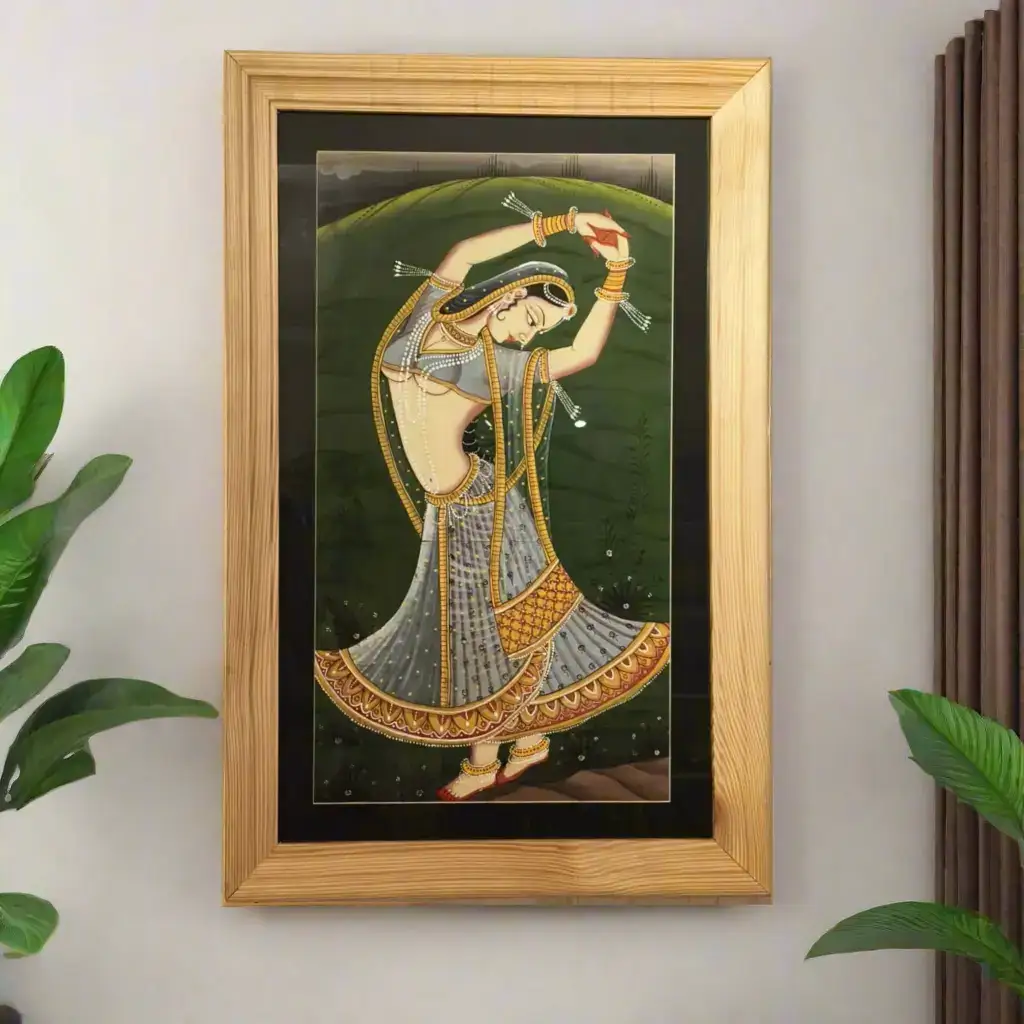
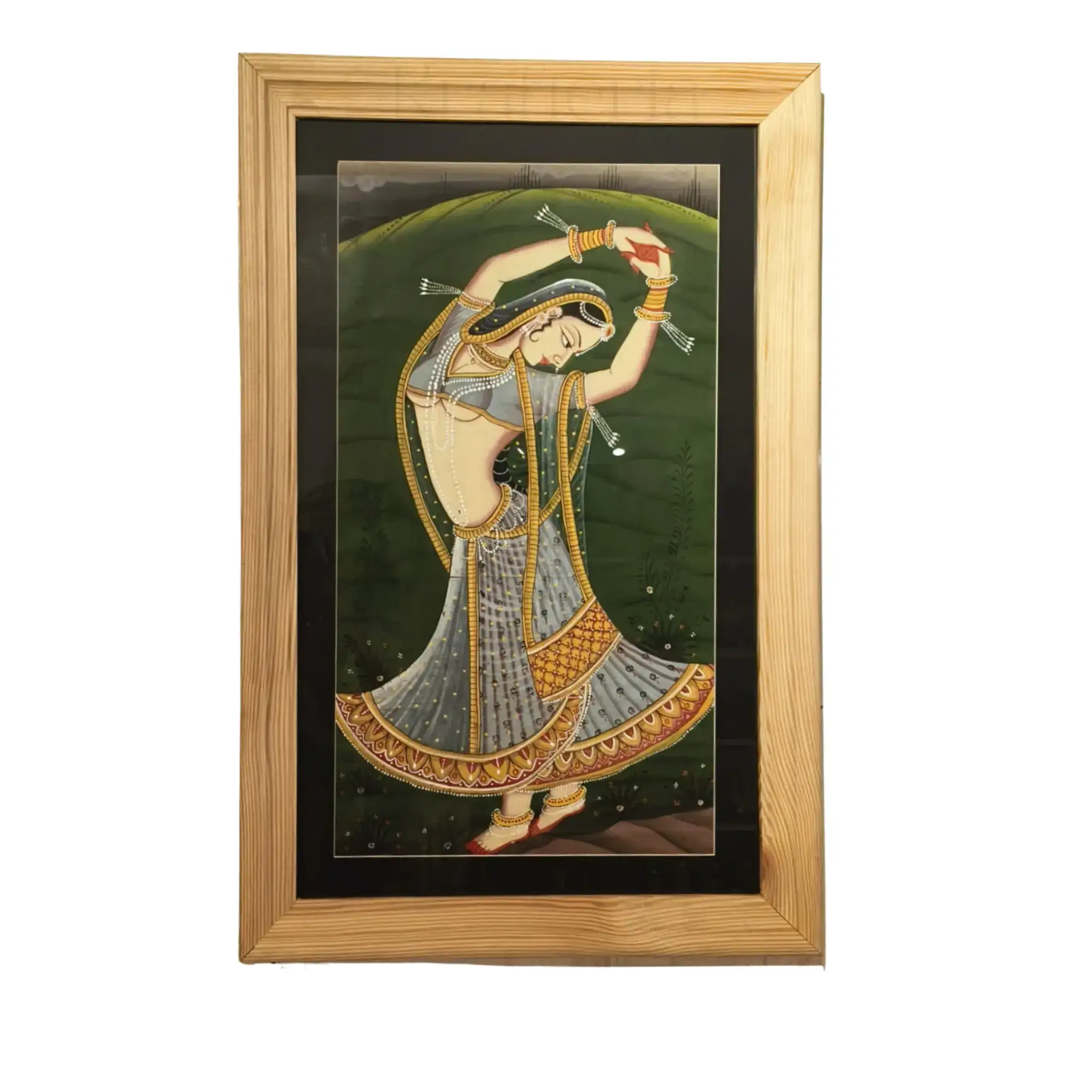
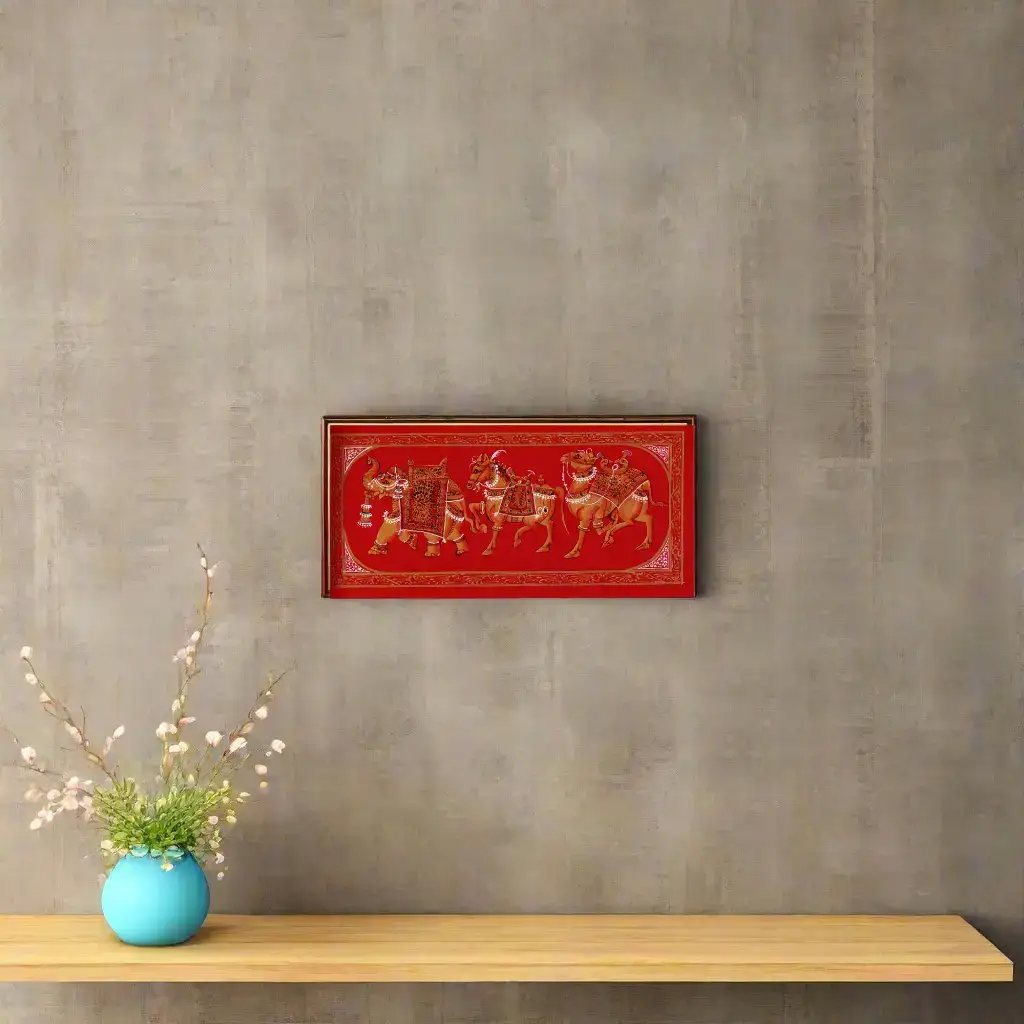
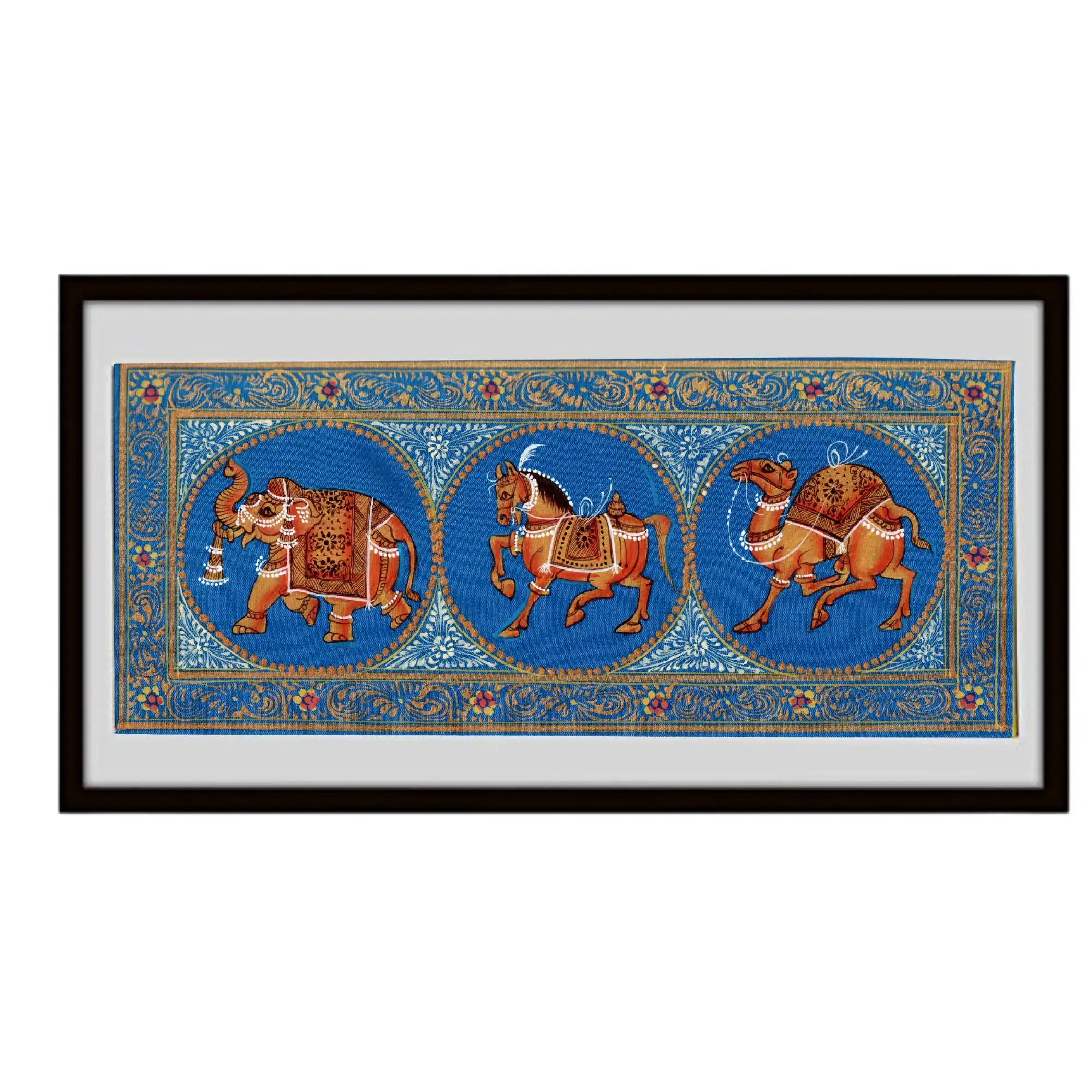
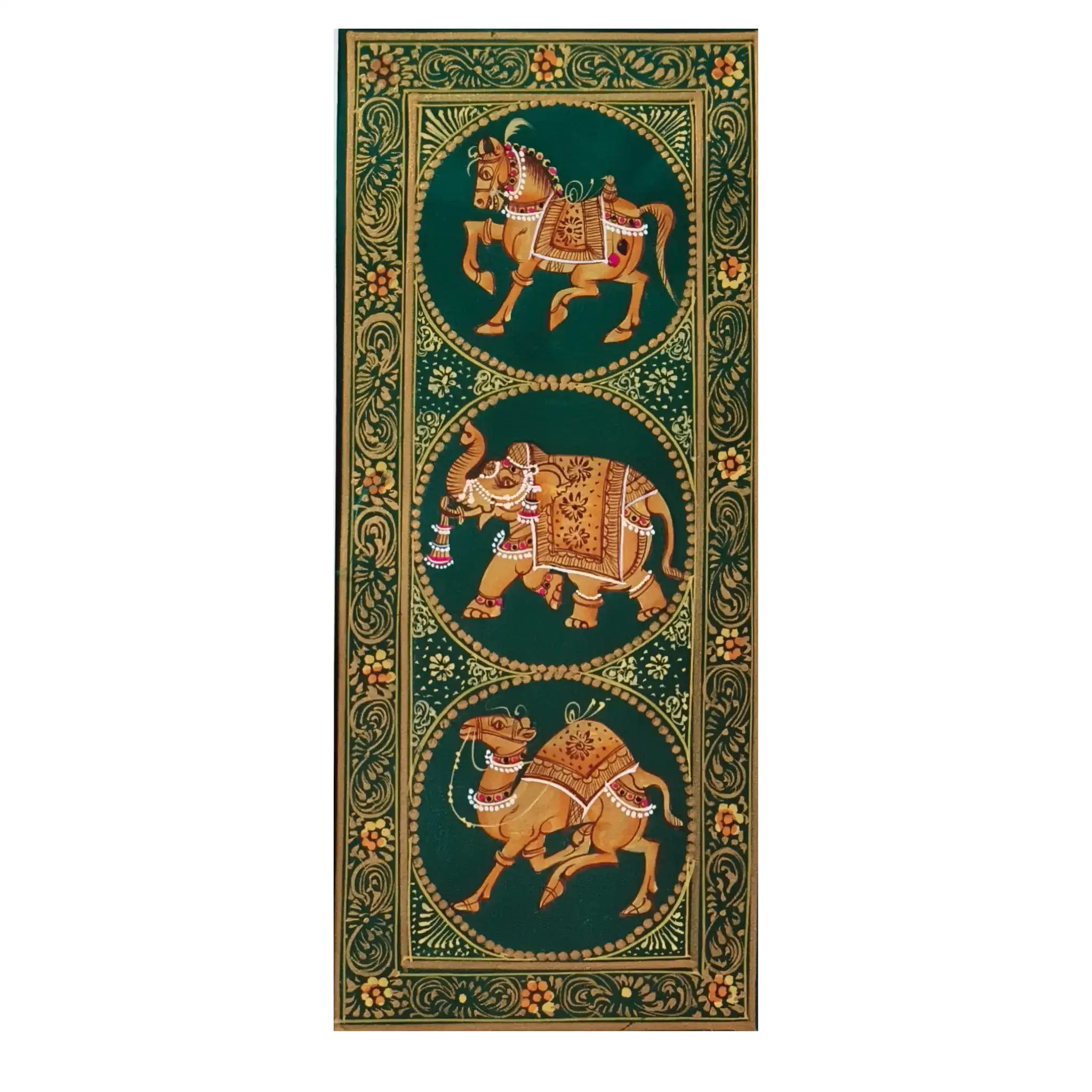
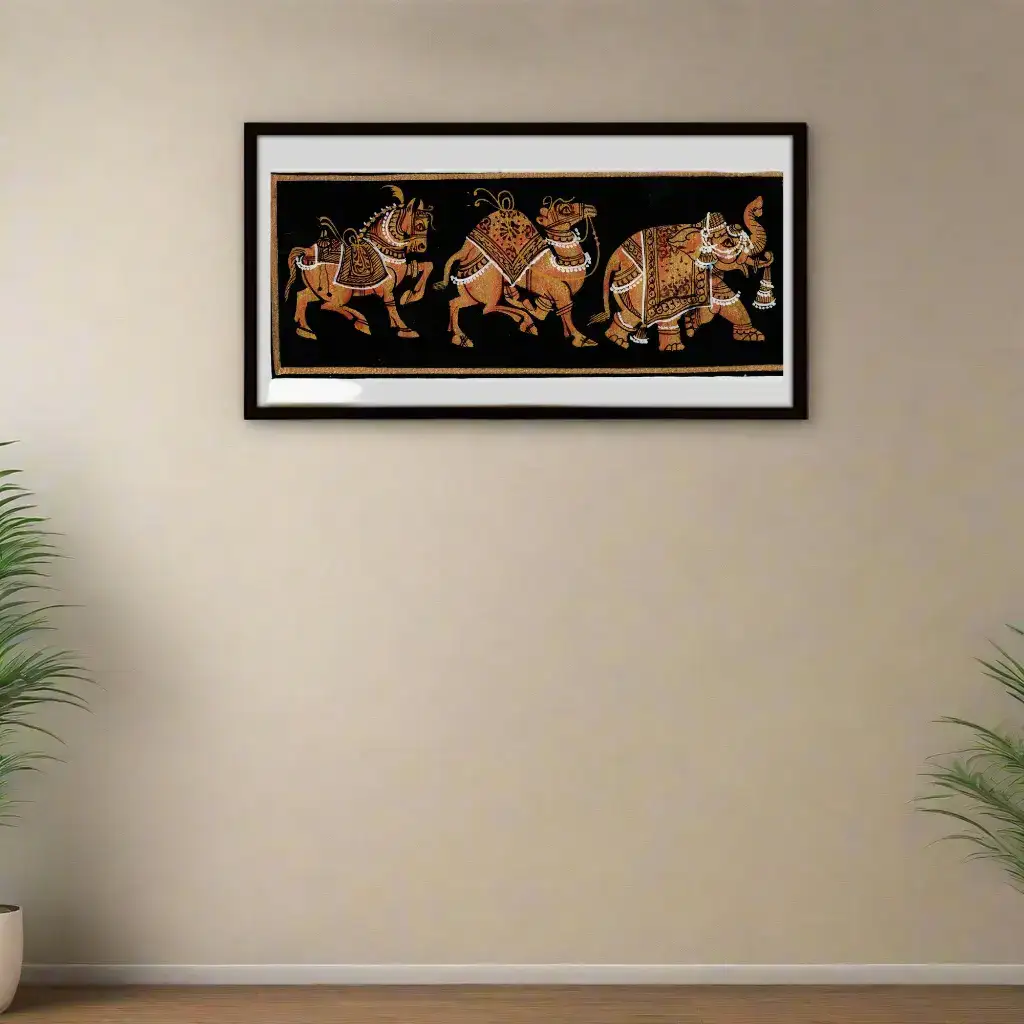
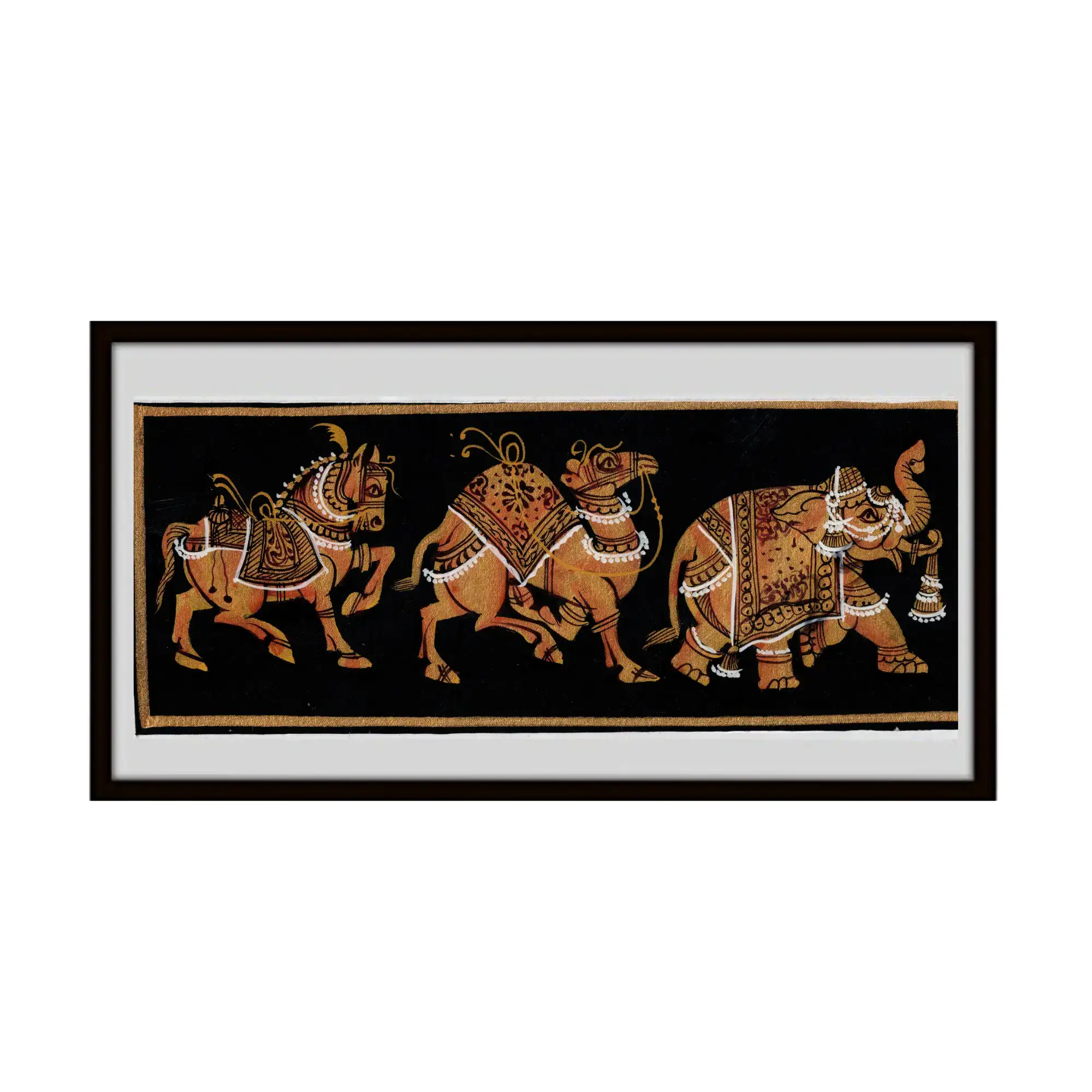
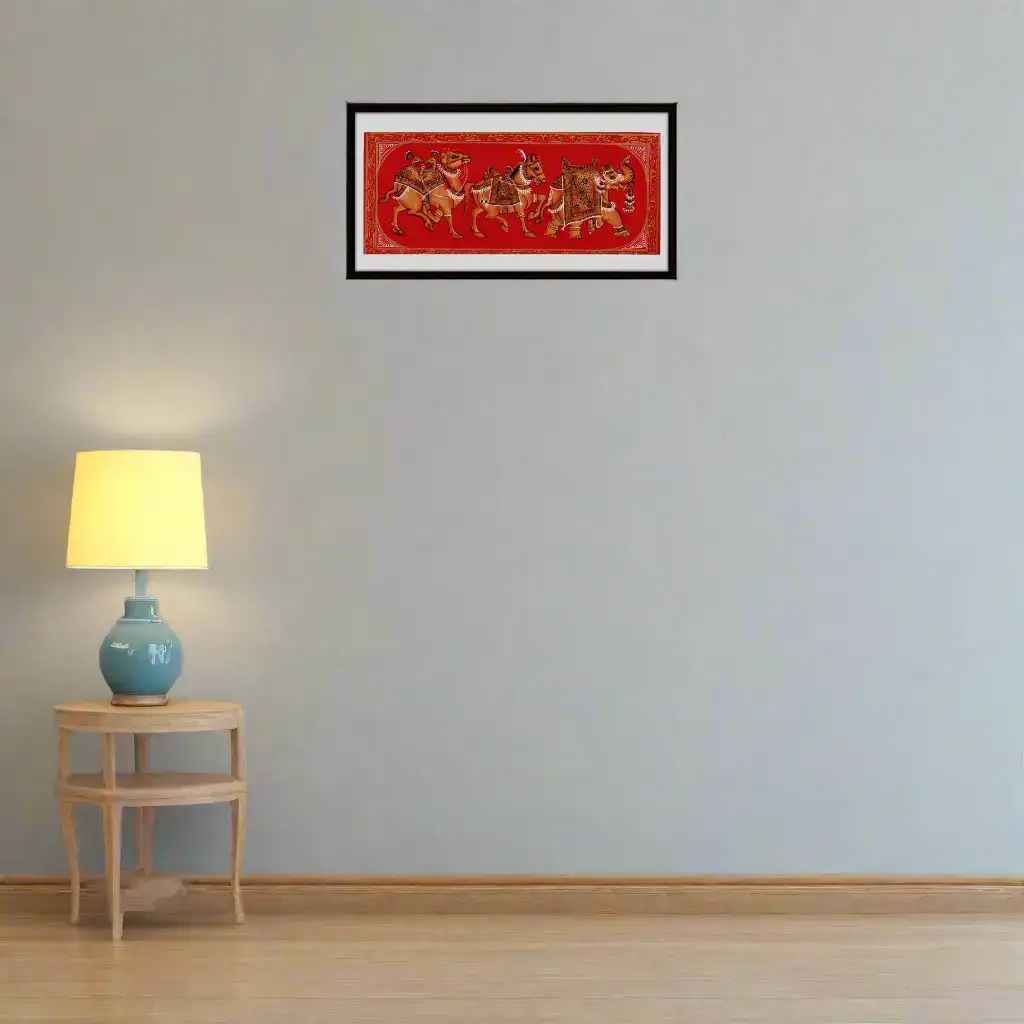
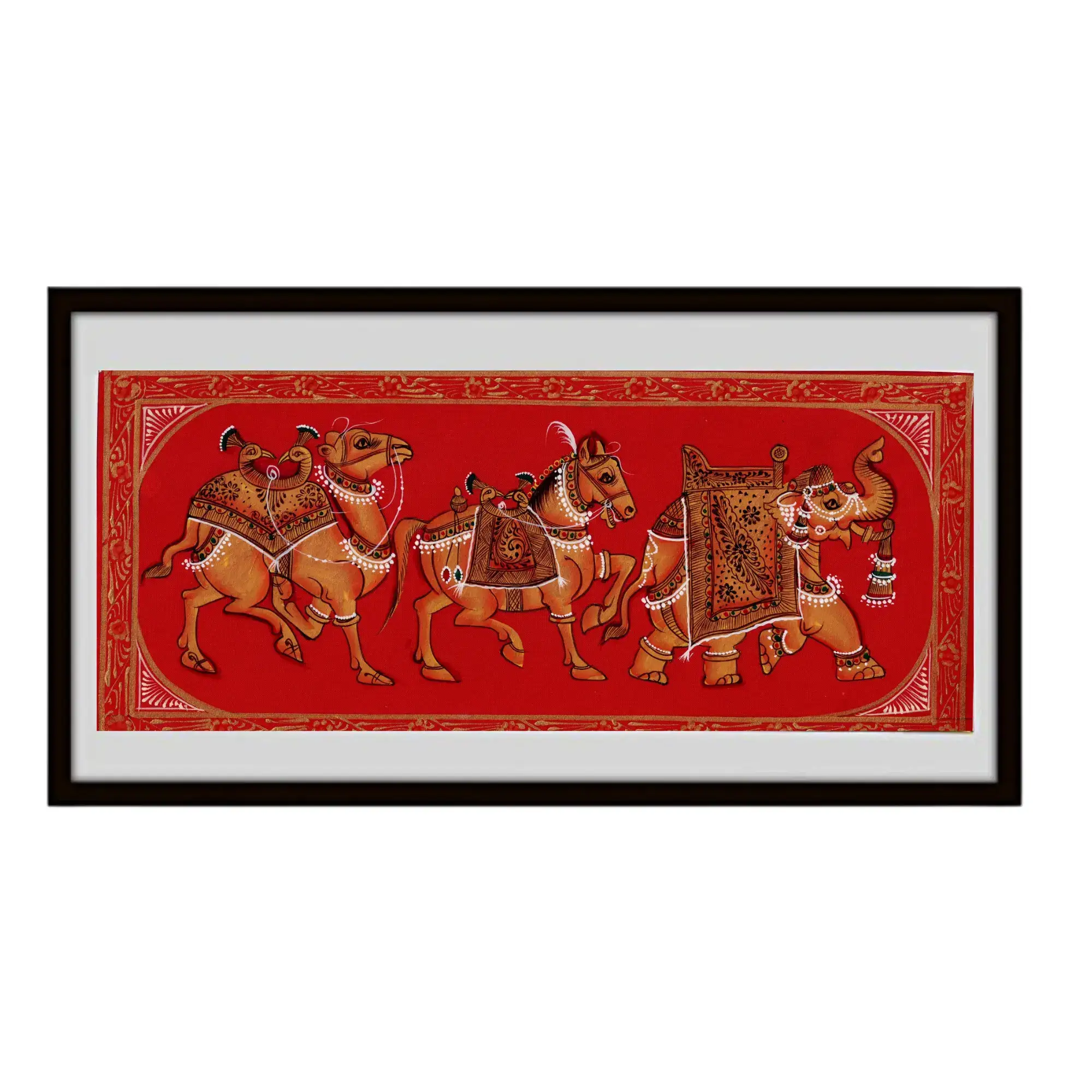
The Royal Miniature Painting tradition from Rajasthan reflects the rich cultural heritage of India. This style flourished in royal courts since the 16th century. It is deeply rooted in Indian traditions, capturing mythology, epics, love stories, and royal life. The painting is known for its bright colors, bold lines, and intricate detailing. Artisans used natural dyes made from minerals, vegetables, and precious stones.
The Distinct Schools of Royal Miniature Painting
This exquisite art form is divided into several schools that highlight varied themes and aesthetics. Key schools include Mewar, Marwar, Bundi, Kota, Kishangarh, Bikaner, and Jaipur. Each school has a unique style and subject focus. For instance, Kishangarh is known for visually romantic portrayals of Radha and Krishna, especially the iconic indian miniature painting royal figures like Bani Thani.
Styles and Themes in Rajasthani Royal Miniature Artwork
The Mewar school focuses on court scenes, heroic tales, and religious themes. Meanwhile, Bundi and Kota schools are famous for depicting lush landscapes and vivid hunting scenes. The rajasthani royal miniature artwork encapsulates both natural beauty and grandeur of royal life. This miniature work enhances the allure of traditional wall décor.
Techniques and Materials in Royal Miniature Painting
One significant feature of these paintings is the use of fine brushwork and delicate strokes. Traditional pigments are applied on handmade paper or silk, demonstrating exceptional craftsmanship. The mastery behind each piece reflects mughal style miniature painting influence alongside Rajasthani motifs. This blend creates harmonious yet vivid visuals.
The Role of Natural Dyes and Pigments
Rich natural colors give these paintings a lasting and luminous quality. Artists traditionally use pigments made from precious stones, minerals, and organic materials. This method ensures vibrant hues that remain intact for centuries. It emphasizes the authenticity of each Royal Miniature Painting piece.
The Importance of the Royal Courts in Art Evolution
The royal courts of Rajasthan were the epicenters for these paintings' development. They patronized skilled artists who dedicated their lives to this art form. These courts supported the flourishing of art reflecting royal lifestyles and cultural stories. Hence, each painting serves as historical documentation as well as an artwork.
The Symbolism in Royal Miniature Art
These paintings often symbolize authority, unity, and elegance in royal life. The artwork features noble figures and majestic scenes drawn from history and mythology. The detailed ornamentation signifies wealth and grandeur. This combination contributes to the unique charm and appeal of Royal Miniature Paintings.
The Influence of Mughal and Rajasthani Styles
The mughal style miniature painting is a major influence on Rajasthani techniques. It combines detailed portraiture, rich color schemes, and complex patterns. The fusion provides a distinctive cultural expression found only in Indian miniature artworks. This artistic fusion enhances the overall composition.
Application of Miniature Painting as Traditional Wall Décor
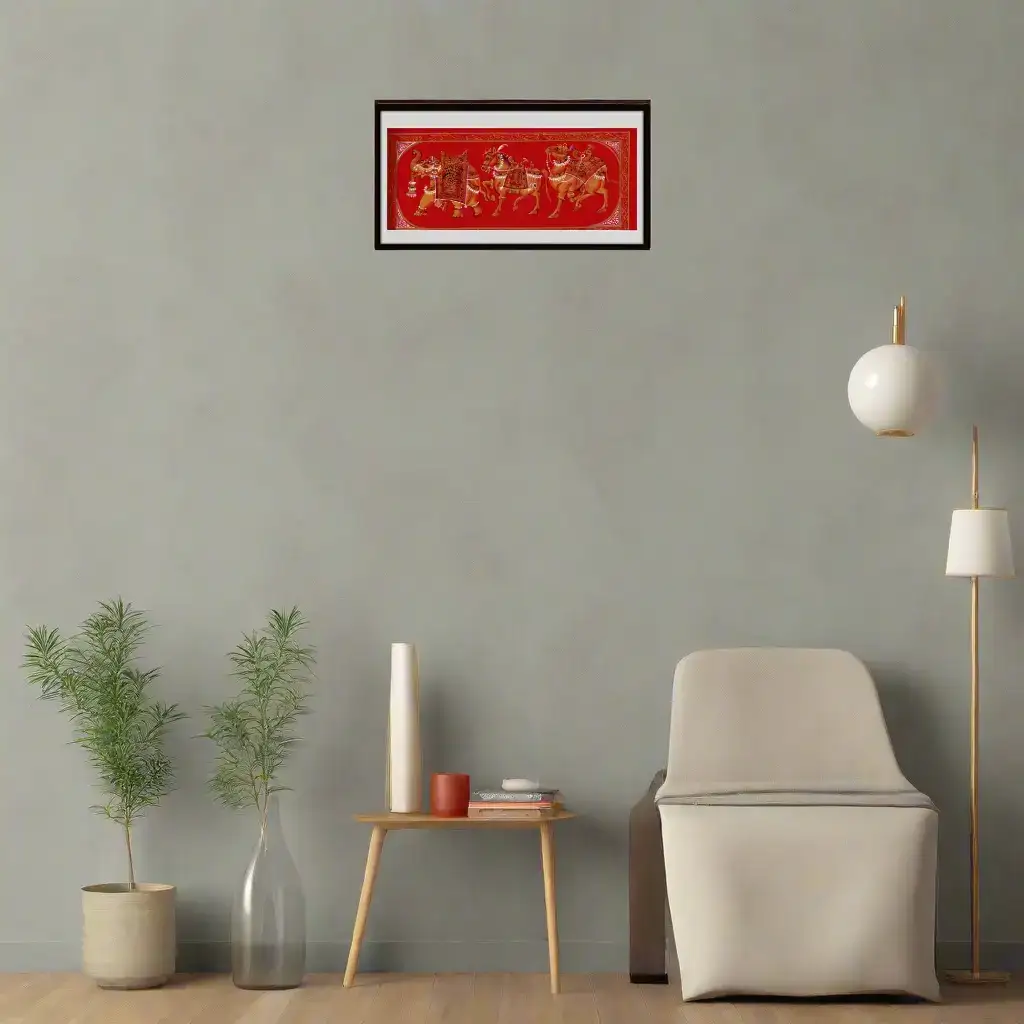
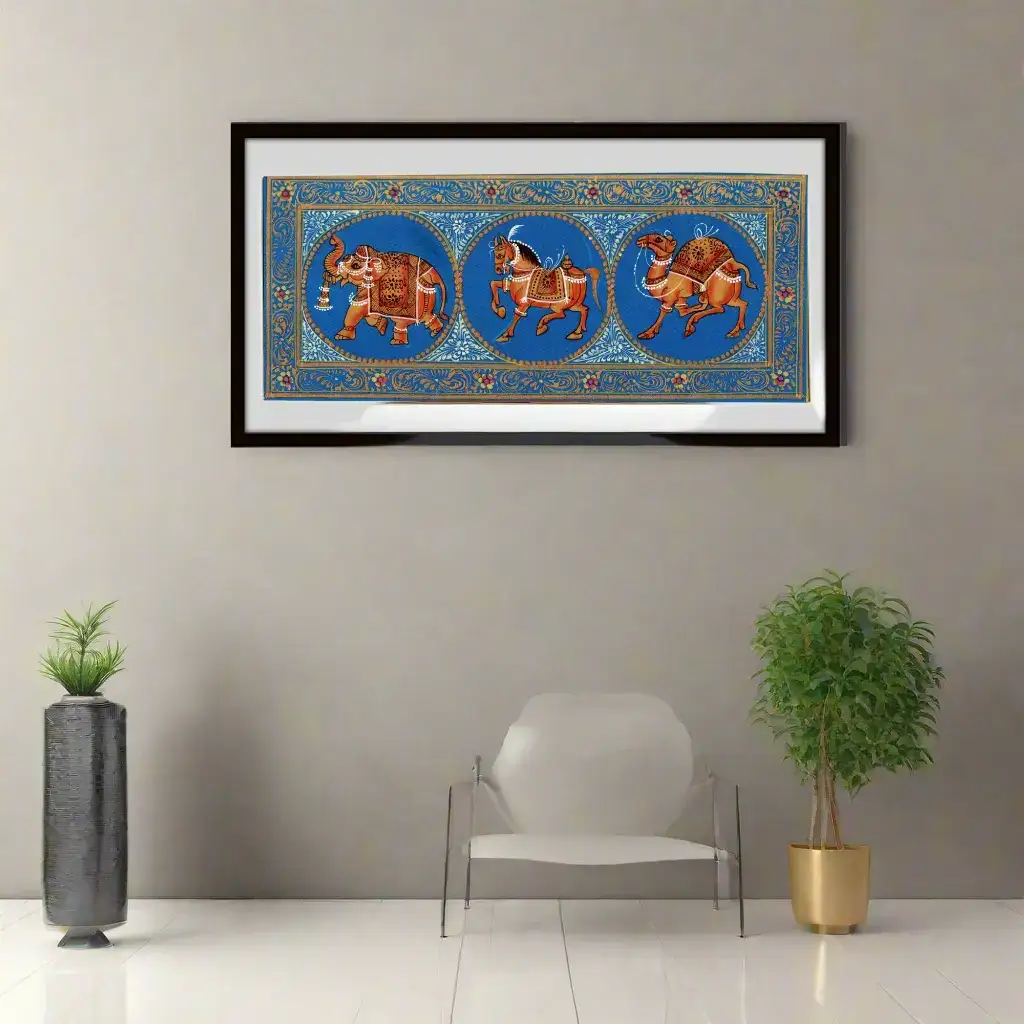
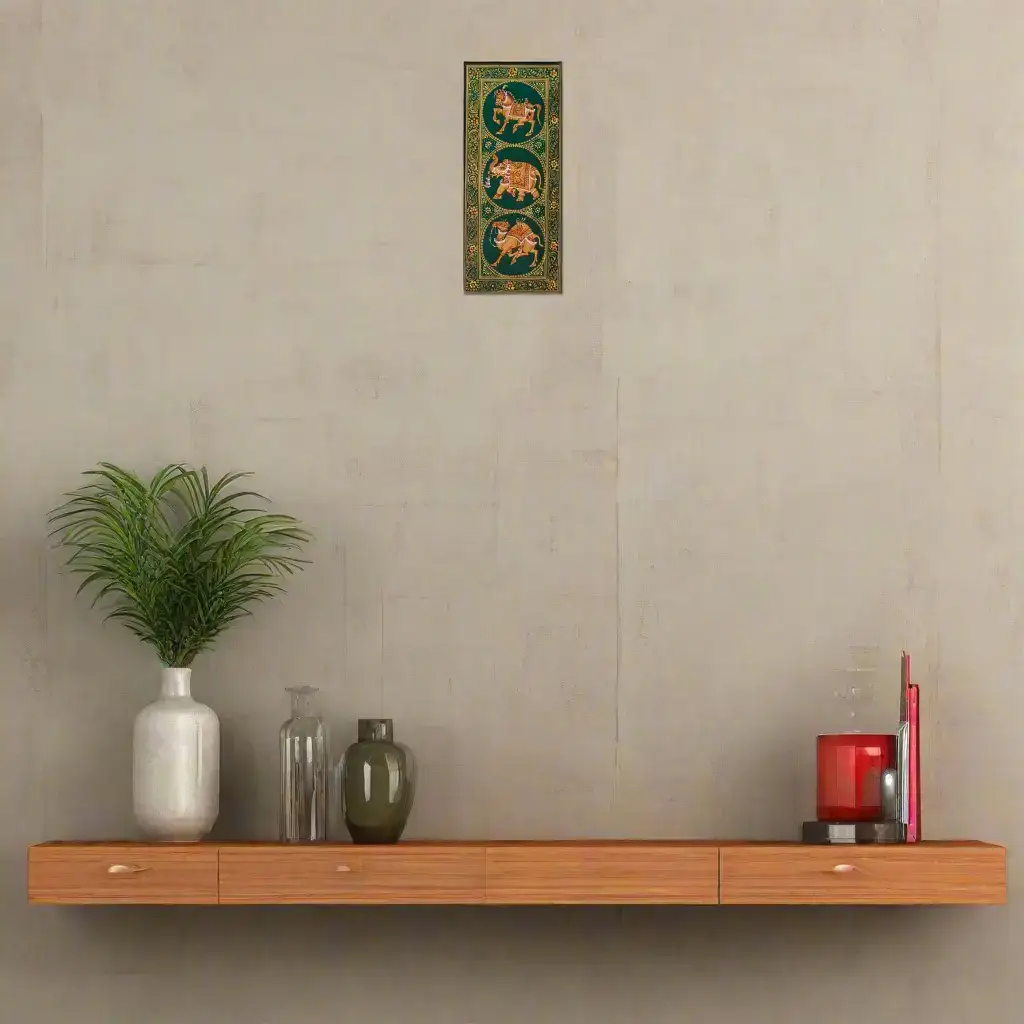
These paintings make for exquisite traditional wall décor in homes and cultural spaces. Their bright and elegant appearance complements heritage interiors beautifully. The artworks add a timeless cultural essence that enhances the room's ambiance. Thus, they are highly sought after by collectors and enthusiasts alike.
Preserving the Legacy of Indian Miniature Royal Figures
Each piece of this art preserves the legacy of Indian history and culture. The depiction of royal figures in miniature form narrates stories passed down through generations. Skilled artisans continue to uphold the traditional techniques, maintaining authenticity. Consequently, this helps sustain the heritage of Royal Painting today.
Why Choose a Triumvirate of Royalty Miniature Painting?
- Rich historical significance reflecting royal grandeur.
- Vibrant colors with natural, durable pigments.
- Meticulous detail capturing both mythological and cultural themes.
- Ideal for enhancing traditional wall décor with cultural depth.
- Handcrafted by skilled artisans preserving age-old techniques.
This painting perfectly combines artistic mastery and cultural storytelling found in royal Indian art. It stands as a cherished example of authentic painting with deep roots in history and tradition.
Product Information
Product Information
Shipping & Returns
Shipping & Returns
Description
Triumvirate of Royalty Miniature Painting: A Timeless Art
The Royal Miniature Painting tradition from Rajasthan reflects the rich cultural heritage of India. This style flourished in royal courts since the 16th century. It is deeply rooted in Indian traditions, capturing mythology, epics, love stories, and royal life. The painting is known for its bright colors, bold lines, and intricate detailing. Artisans used natural dyes made from minerals, vegetables, and precious stones.
The Distinct Schools of Royal Miniature Painting
This exquisite art form is divided into several schools that highlight varied themes and aesthetics. Key schools include Mewar, Marwar, Bundi, Kota, Kishangarh, Bikaner, and Jaipur. Each school has a unique style and subject focus. For instance, Kishangarh is known for visually romantic portrayals of Radha and Krishna, especially the iconic indian miniature painting royal figures like Bani Thani.
Styles and Themes in Rajasthani Royal Miniature Artwork
The Mewar school focuses on court scenes, heroic tales, and religious themes. Meanwhile, Bundi and Kota schools are famous for depicting lush landscapes and vivid hunting scenes. The rajasthani royal miniature artwork encapsulates both natural beauty and grandeur of royal life. This miniature work enhances the allure of traditional wall décor.
Techniques and Materials in Royal Miniature Painting
One significant feature of these paintings is the use of fine brushwork and delicate strokes. Traditional pigments are applied on handmade paper or silk, demonstrating exceptional craftsmanship. The mastery behind each piece reflects mughal style miniature painting influence alongside Rajasthani motifs. This blend creates harmonious yet vivid visuals.
The Role of Natural Dyes and Pigments
Rich natural colors give these paintings a lasting and luminous quality. Artists traditionally use pigments made from precious stones, minerals, and organic materials. This method ensures vibrant hues that remain intact for centuries. It emphasizes the authenticity of each Royal Miniature Painting piece.
The Importance of the Royal Courts in Art Evolution
The royal courts of Rajasthan were the epicenters for these paintings' development. They patronized skilled artists who dedicated their lives to this art form. These courts supported the flourishing of art reflecting royal lifestyles and cultural stories. Hence, each painting serves as historical documentation as well as an artwork.
The Symbolism in Royal Miniature Art
These paintings often symbolize authority, unity, and elegance in royal life. The artwork features noble figures and majestic scenes drawn from history and mythology. The detailed ornamentation signifies wealth and grandeur. This combination contributes to the unique charm and appeal of Royal Miniature Paintings.
The Influence of Mughal and Rajasthani Styles
The mughal style miniature painting is a major influence on Rajasthani techniques. It combines detailed portraiture, rich color schemes, and complex patterns. The fusion provides a distinctive cultural expression found only in Indian miniature artworks. This artistic fusion enhances the overall composition.
Application of Miniature Painting as Traditional Wall Décor
These paintings make for exquisite traditional wall décor in homes and cultural spaces. Their bright and elegant appearance complements heritage interiors beautifully. The artworks add a timeless cultural essence that enhances the room's ambiance. Thus, they are highly sought after by collectors and enthusiasts alike.
Preserving the Legacy of Indian Miniature Royal Figures
Each piece of this art preserves the legacy of Indian history and culture. The depiction of royal figures in miniature form narrates stories passed down through generations. Skilled artisans continue to uphold the traditional techniques, maintaining authenticity. Consequently, this helps sustain the heritage of Royal Painting today.
Why Choose a Triumvirate of Royalty Miniature Painting?
- Rich historical significance reflecting royal grandeur.
- Vibrant colors with natural, durable pigments.
- Meticulous detail capturing both mythological and cultural themes.
- Ideal for enhancing traditional wall décor with cultural depth.
- Handcrafted by skilled artisans preserving age-old techniques.
This painting perfectly combines artistic mastery and cultural storytelling found in royal Indian art. It stands as a cherished example of authentic painting with deep roots in history and tradition.