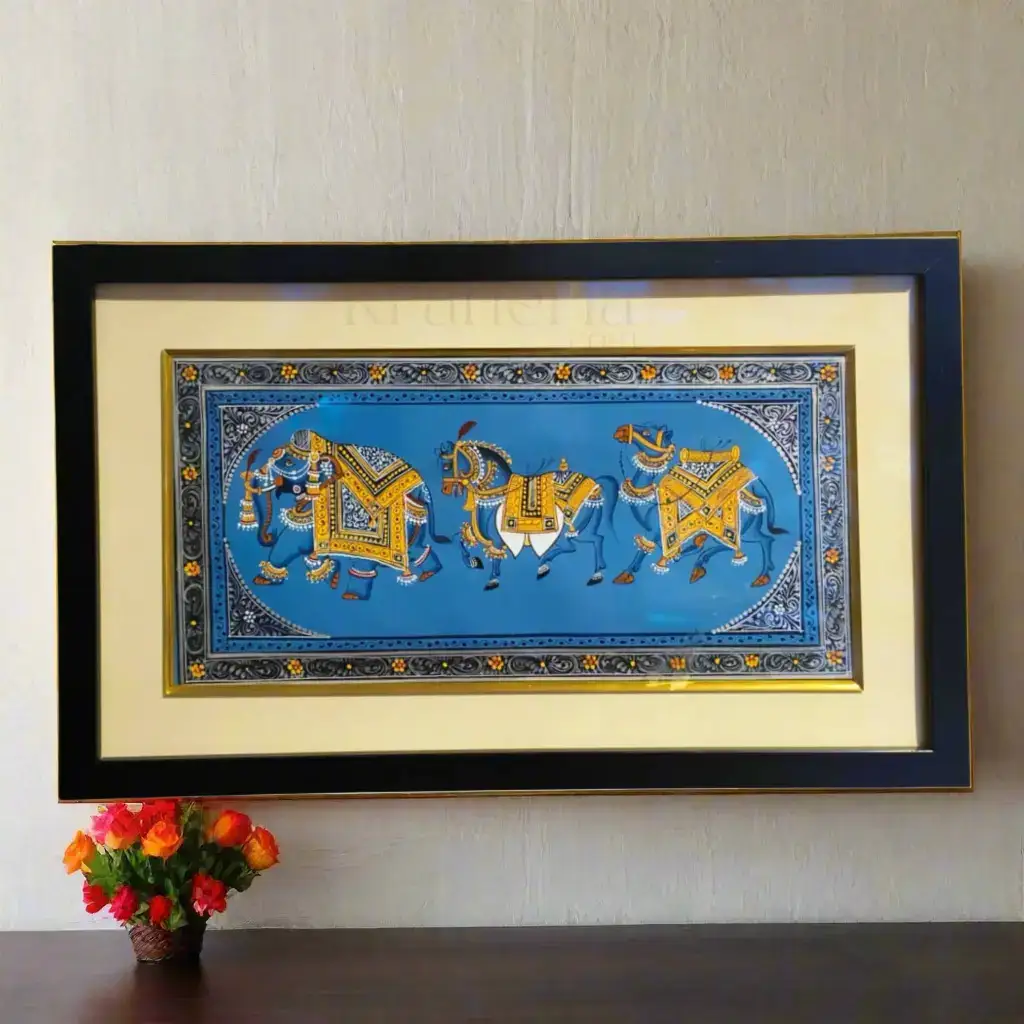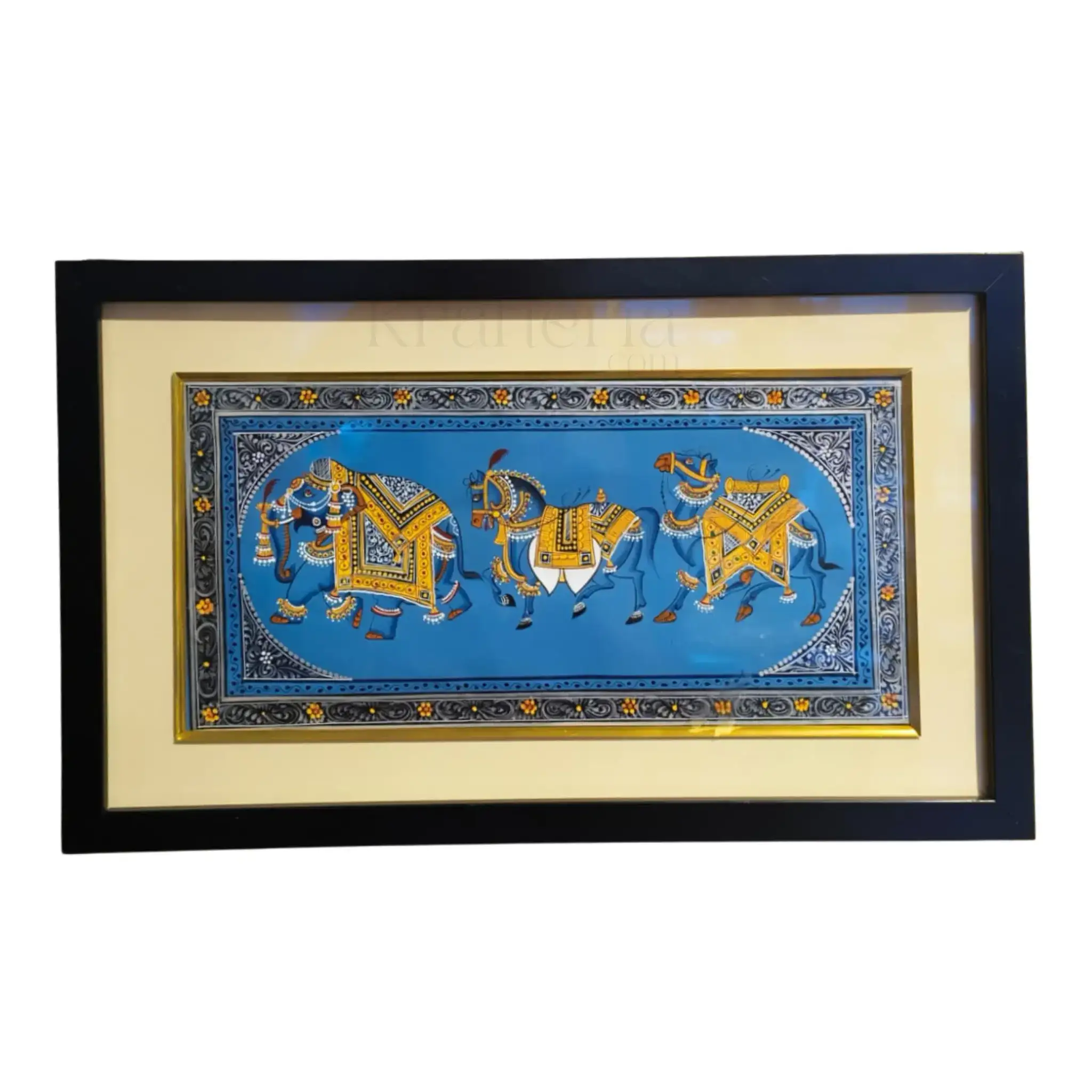
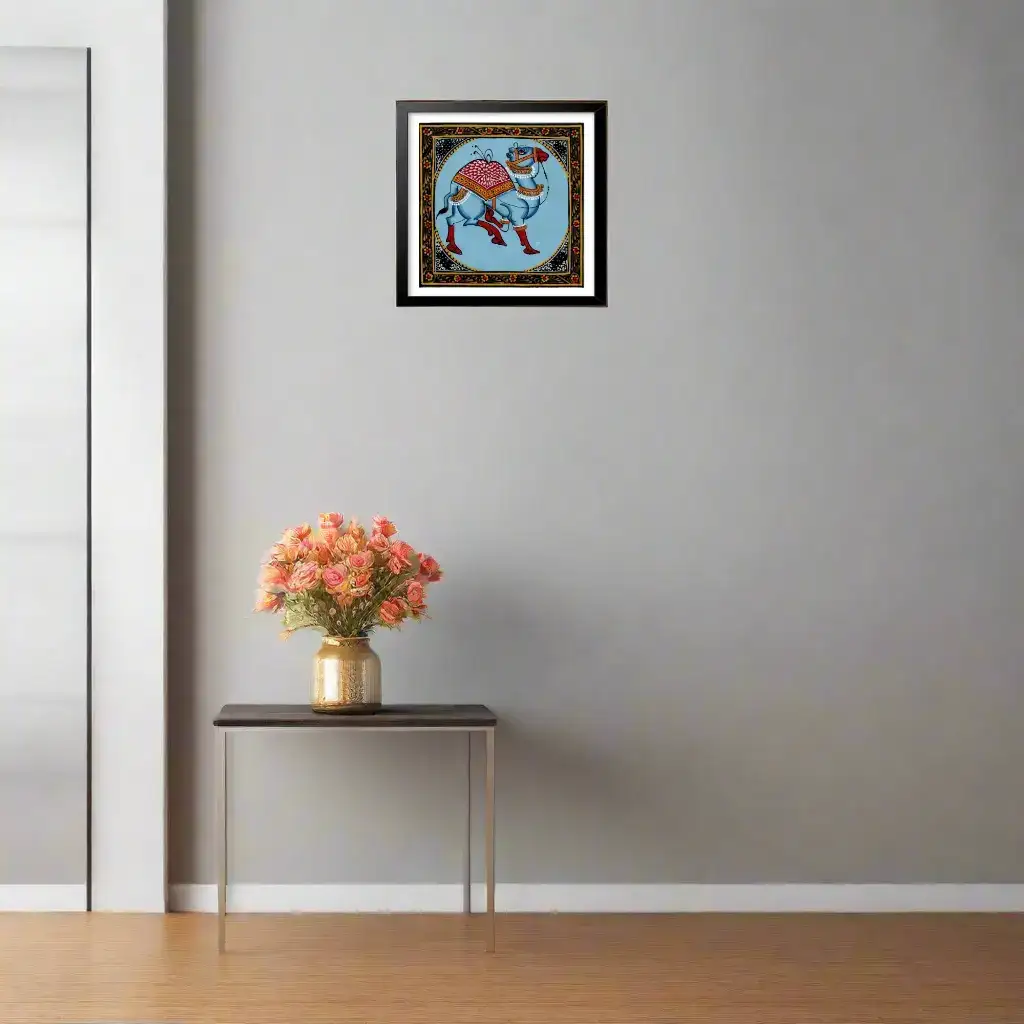
Royal Caravan – The Adorned Camel Miniature Painting
Royal Caravan – The Adorned Camel Miniature Painting
Camel Miniature Painting Rajasthani Painting is a rich and vibrant style of Indian miniature painting. It flourished in the royal courts of Rajasthan from the 16th century onwards. Deeply rooted in Indian traditions, this art portrays themes of mythology, epics, love stories, royal life, and folk culture. The paintings are distinguished by their bold lines, bright colors, and intricate detailing. Natural dyes and pigments, made from minerals, vegetables, and precious stones, were traditionally used, lending a lasting and luminous quality to the artwork.
The Tradition and Richness of Rajasthani Camel Miniature Painting
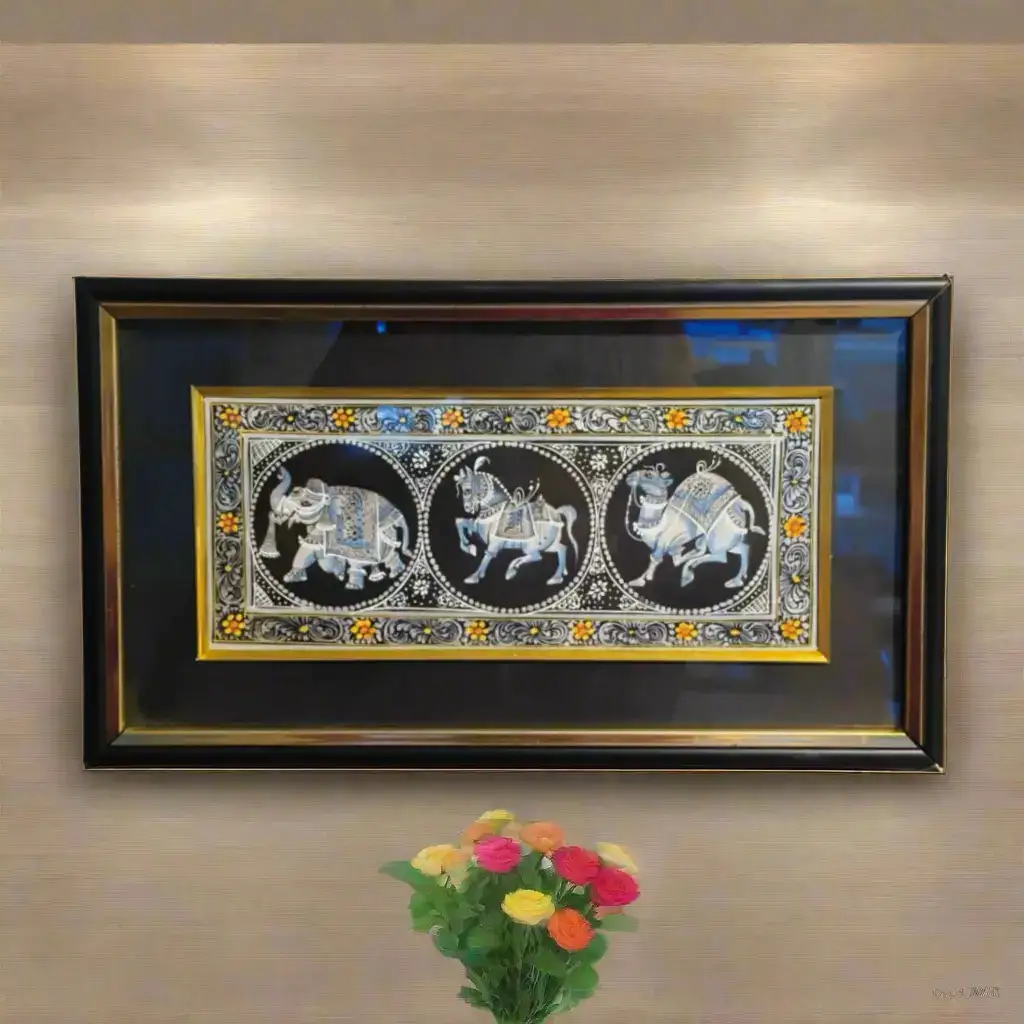
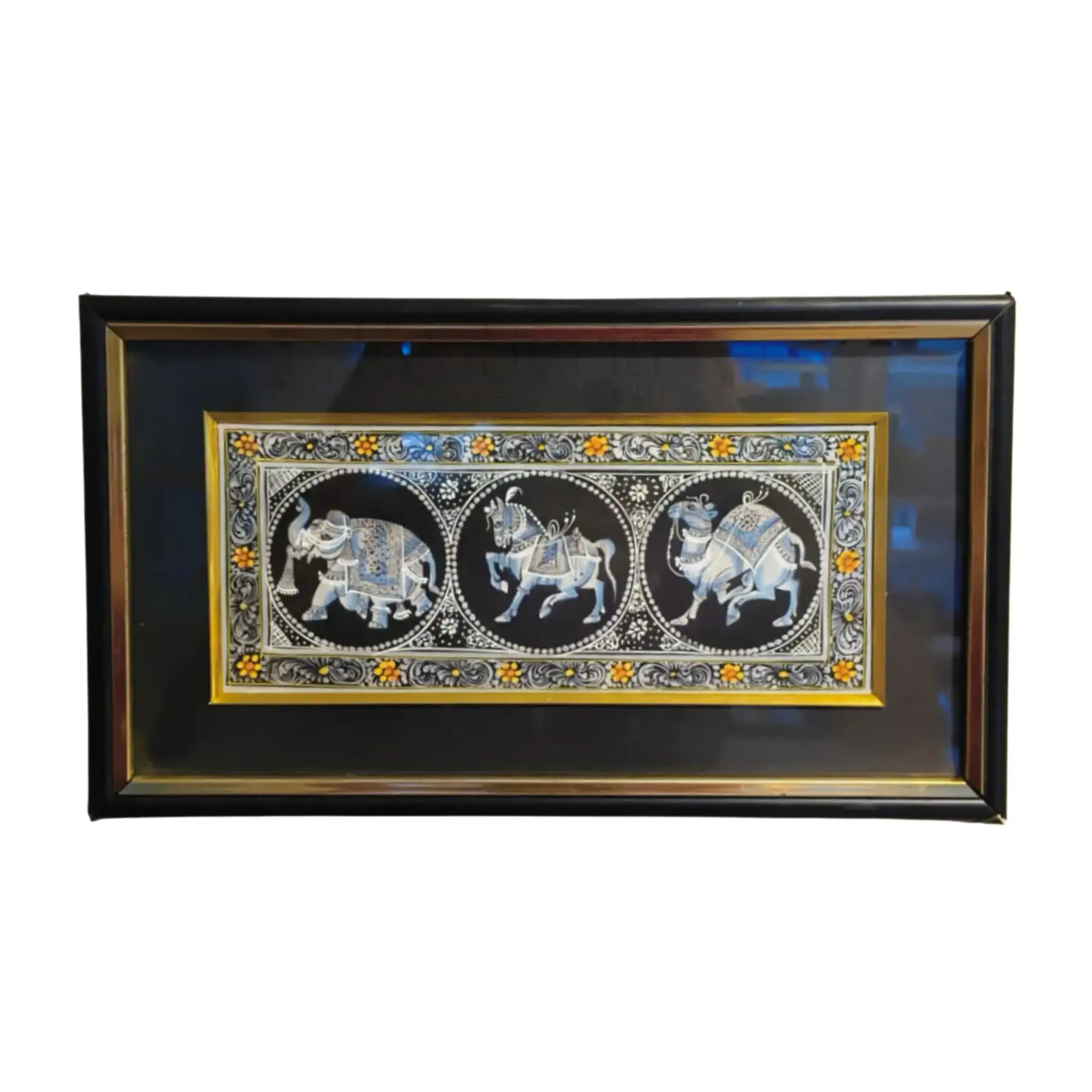
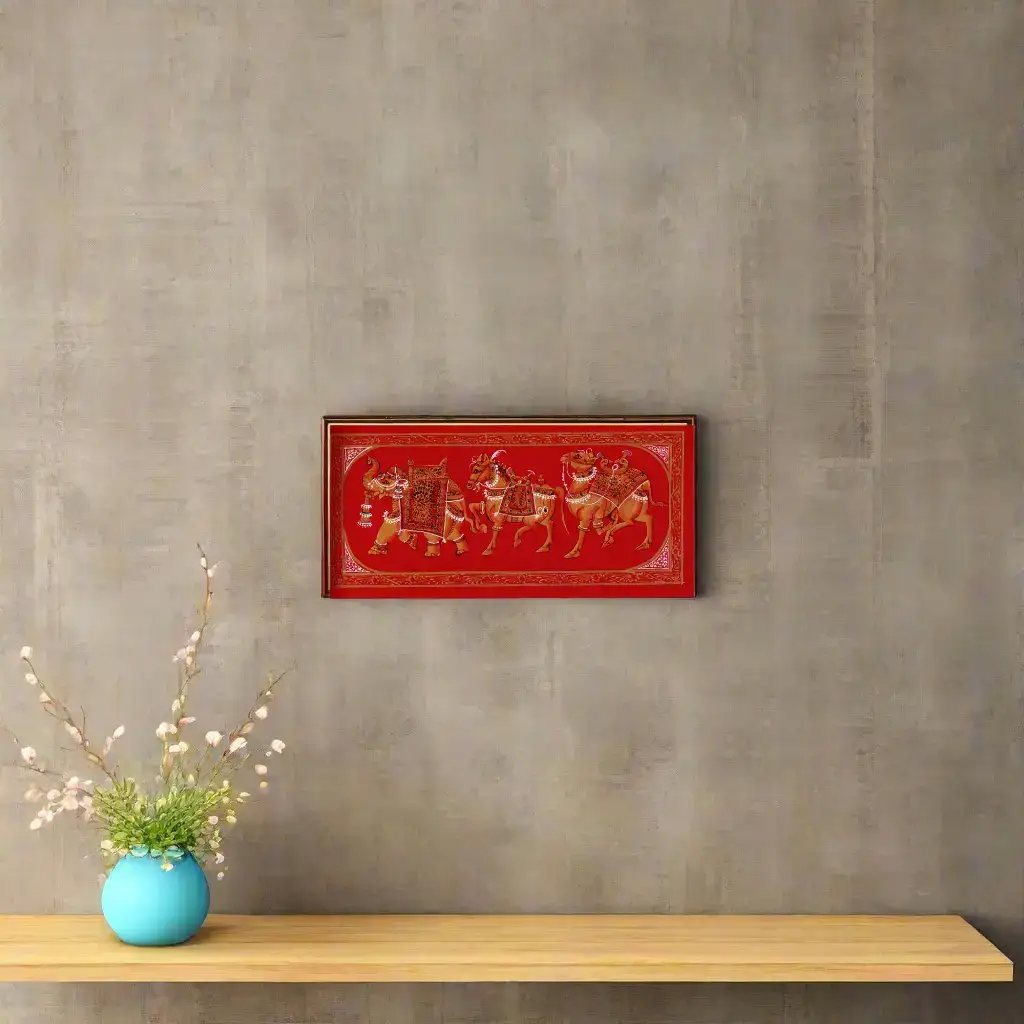
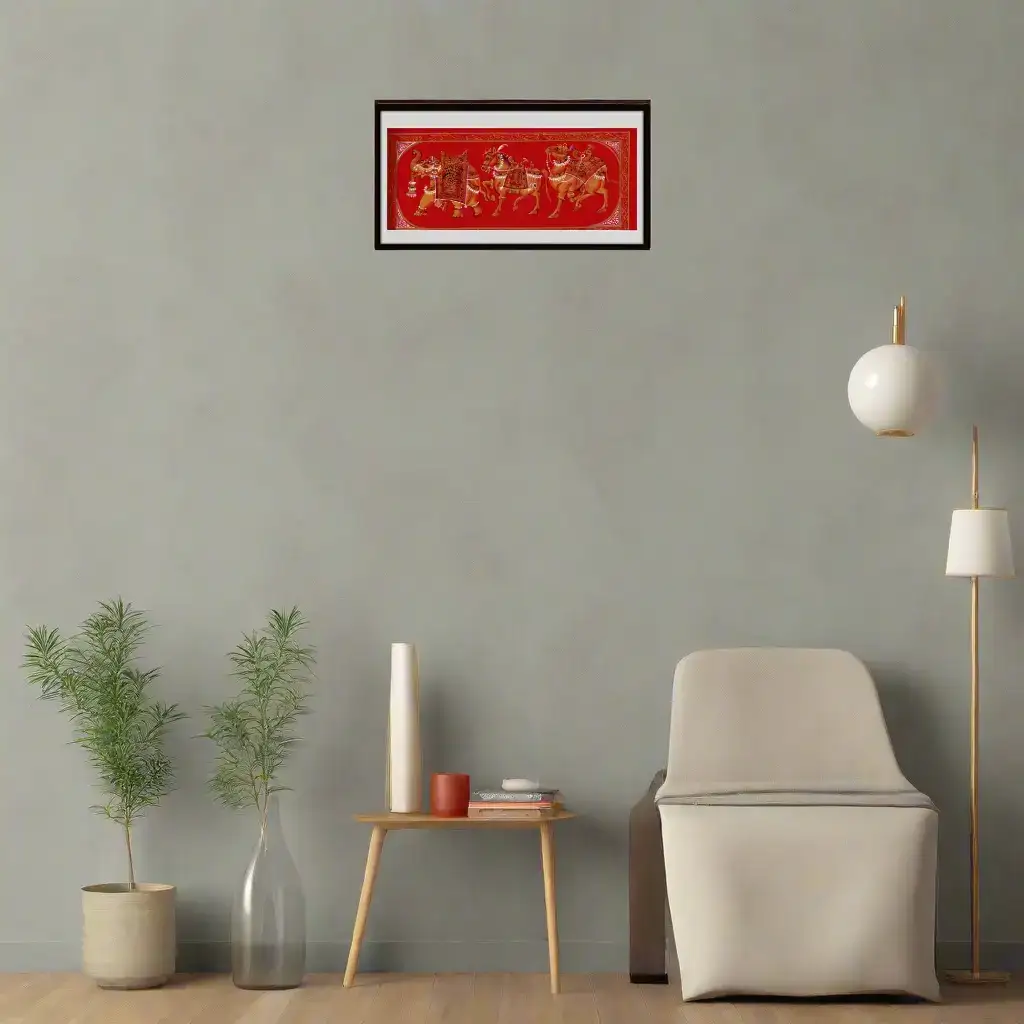
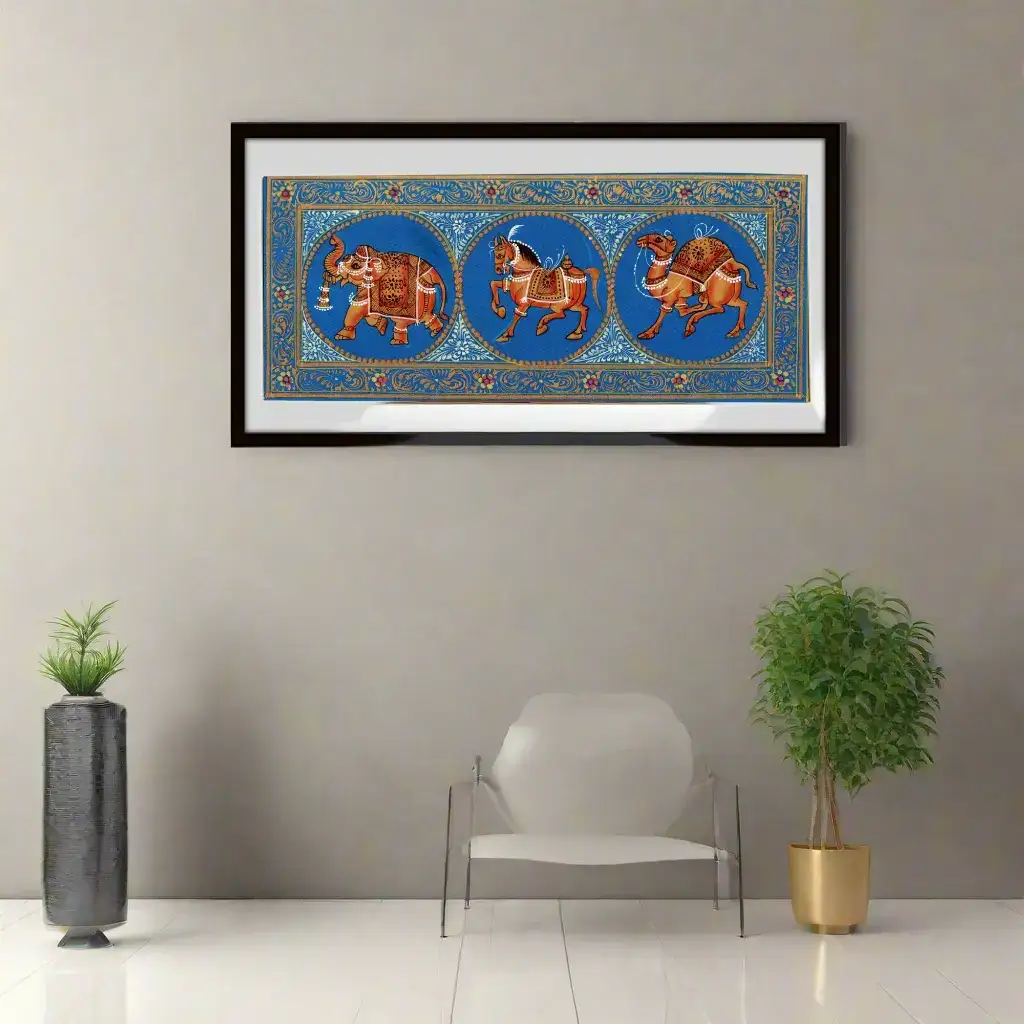
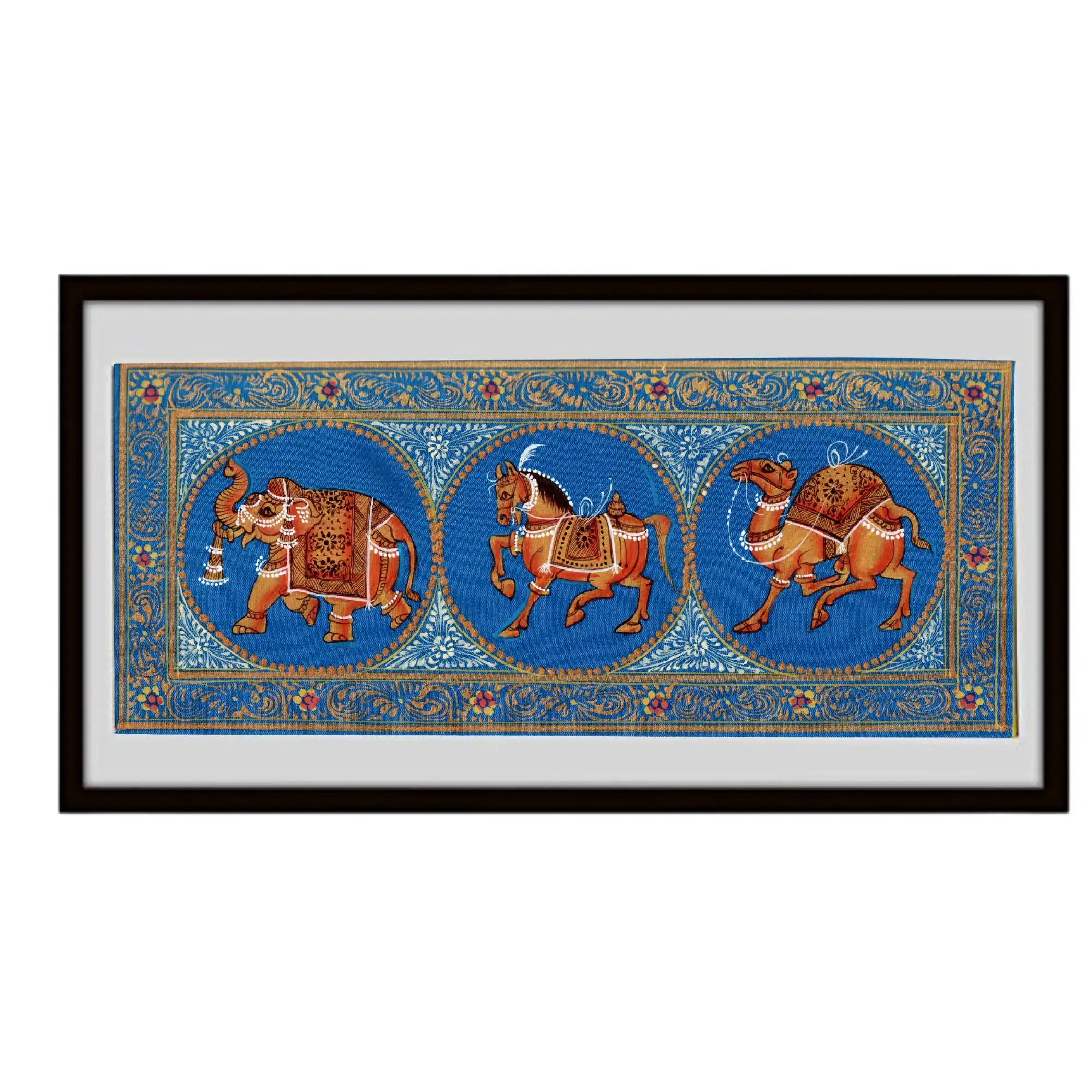
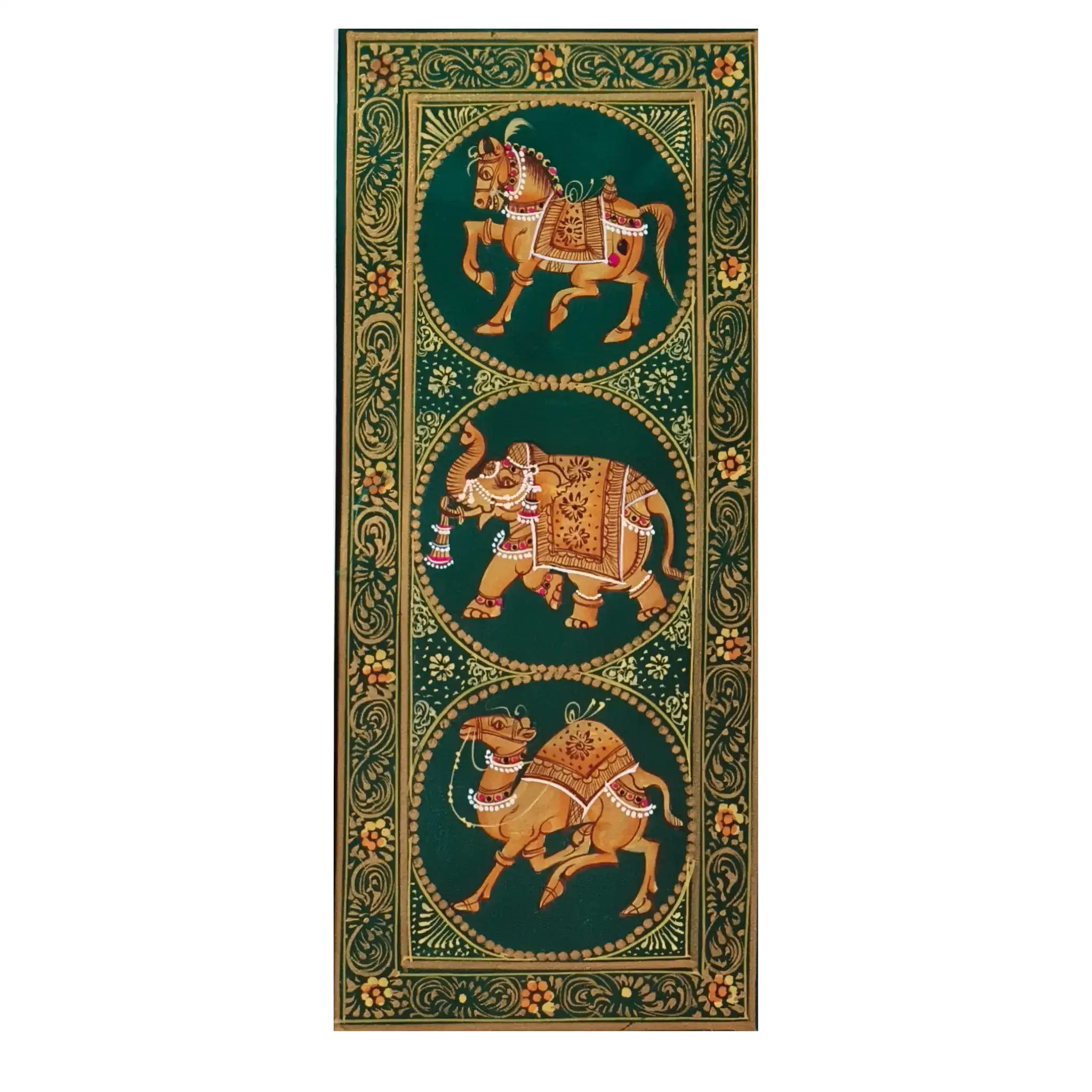
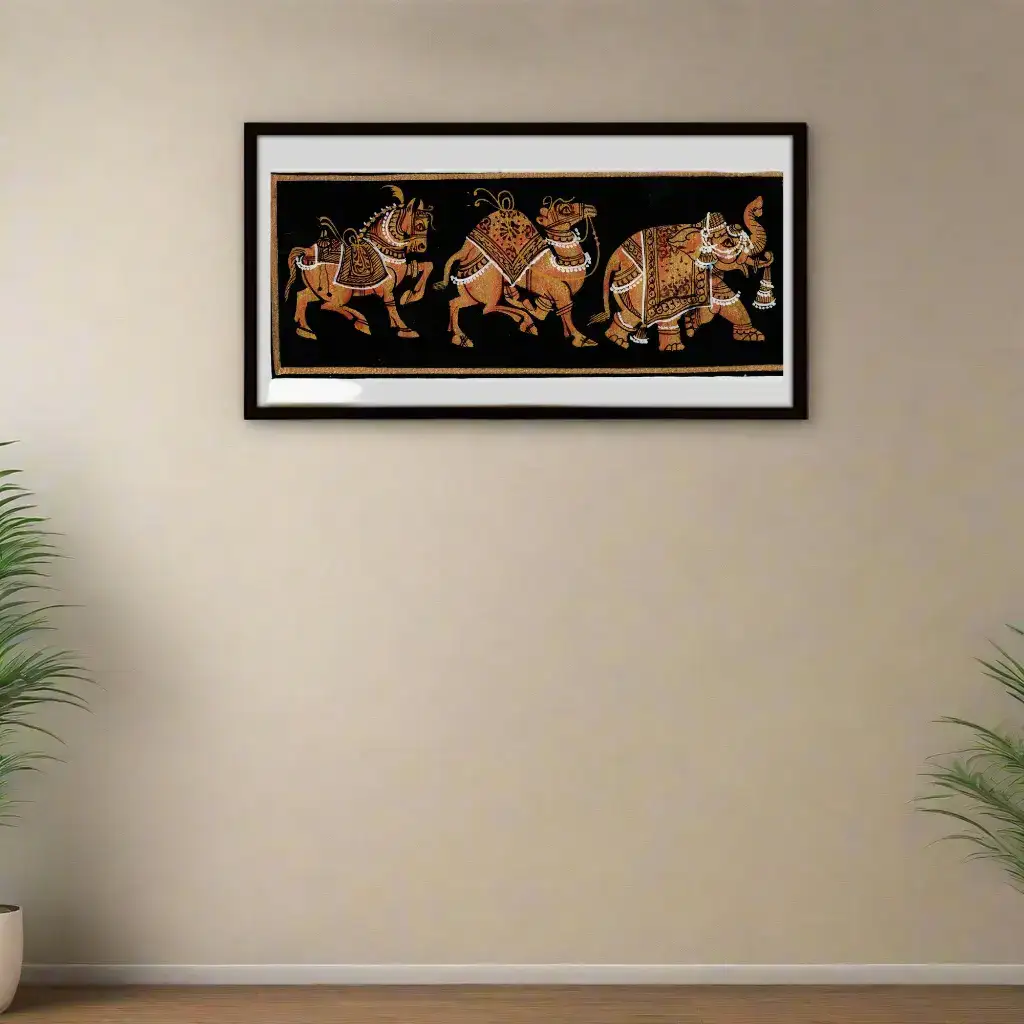
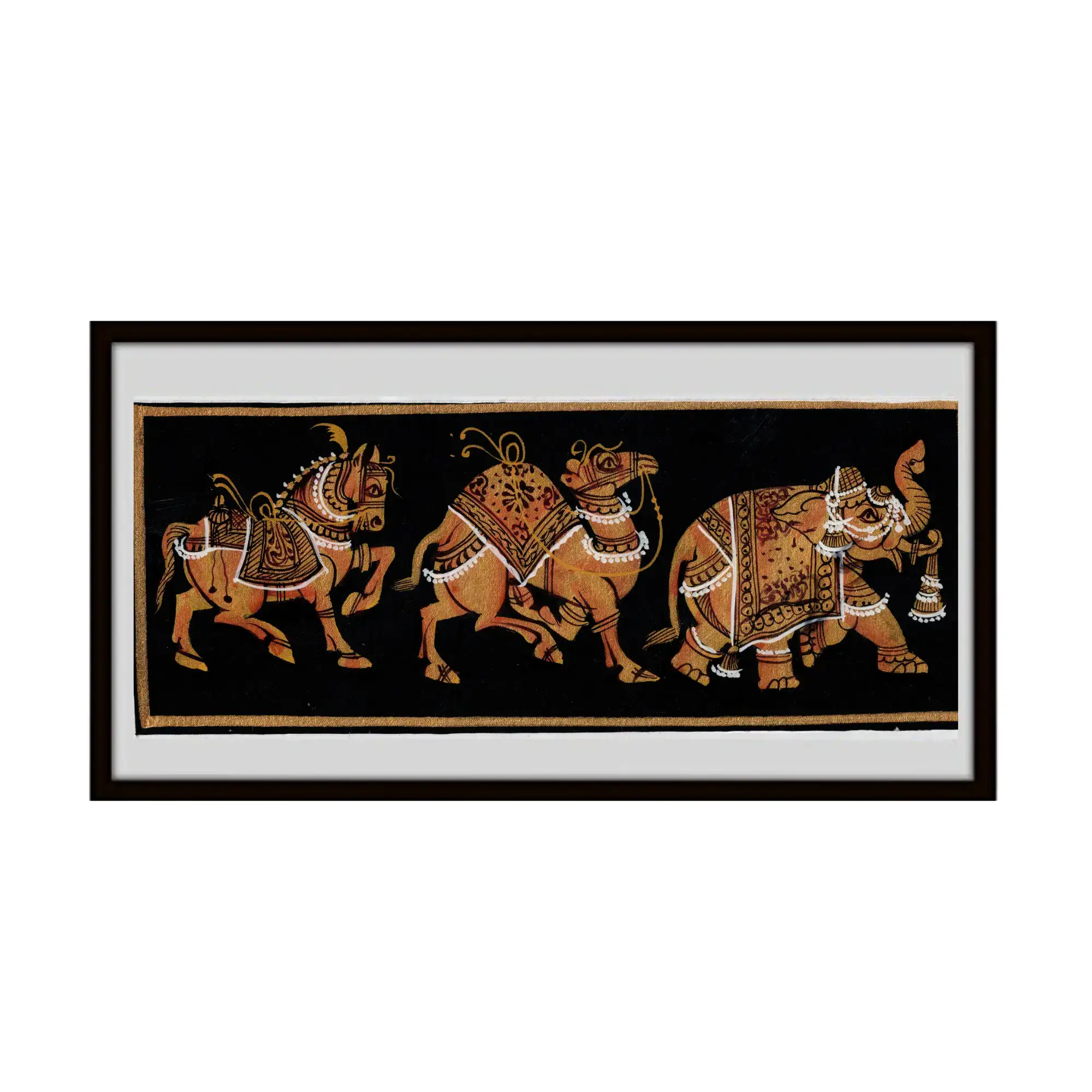
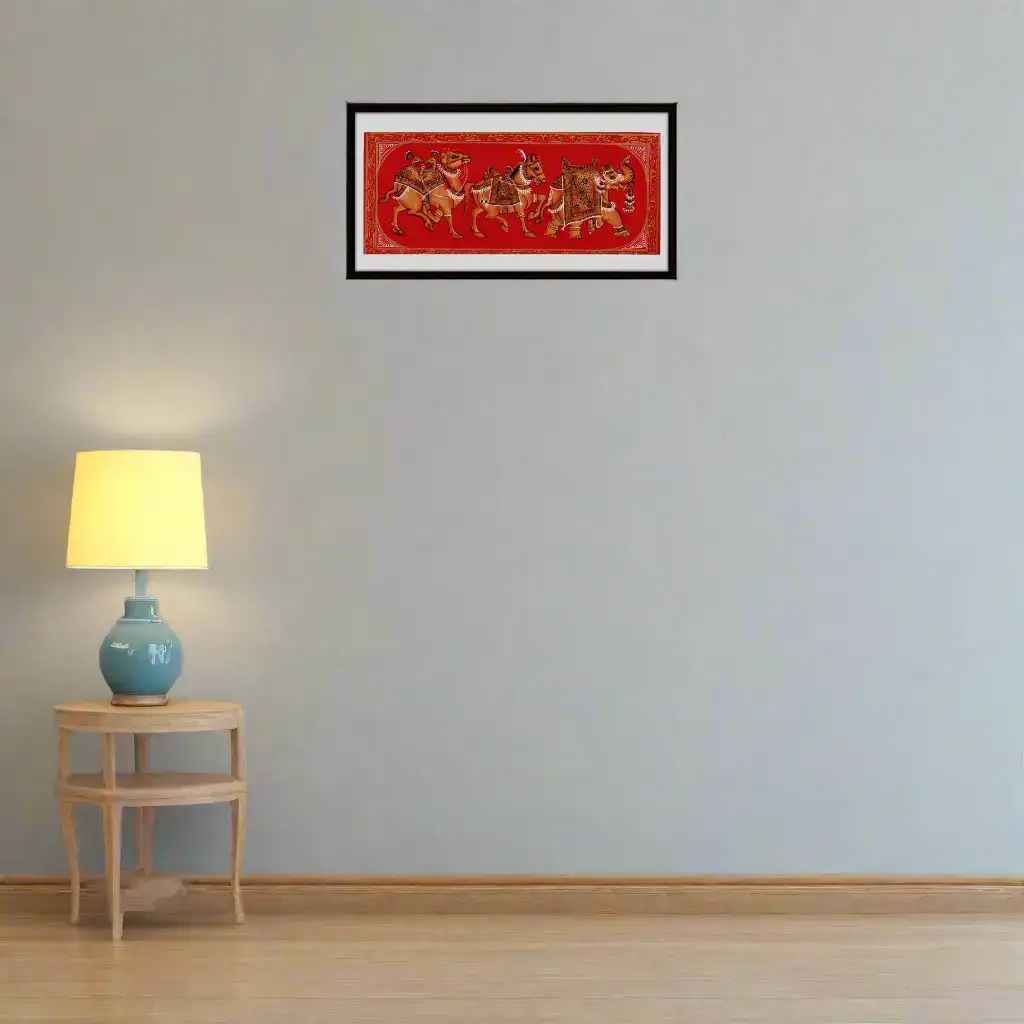
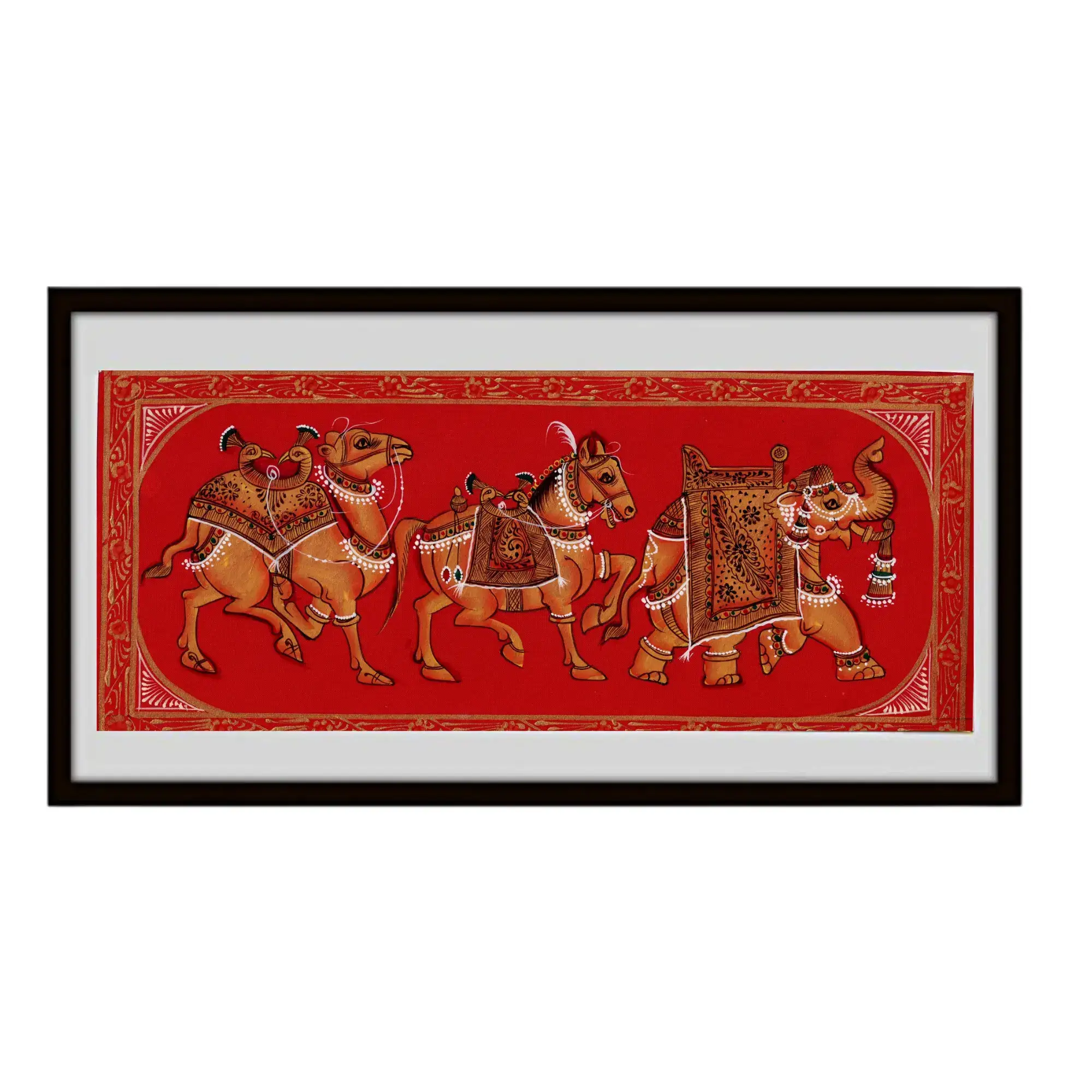
The camel plays a significant role in Rajasthan’s culture and history. It represents endurance, patience, and is often called the "Ship of the Desert." This symbolism makes the camel an ideal subject for traditional Rajasthani miniature paintings. Camel Miniature Painting beautifully captures the intricate adornments placed on camels during royal caravans and festivals. The vibrant colors and detailed ornamentation reflect royal life’s opulence and the desert’s rich heritage.
Distinct Schools of Camel Miniature Art
This art form consists of several unique schools, each with its own style and subject focus. The main schools include Mewar, Marwar, Bundi, Kota, Kishangarh, Bikaner, and Jaipur. Each reflects the regional ethos and artistic traditions of its place of origin. For example, Kishangarh is renowned for romantic portrayals of Radha and Krishna, especially the iconic image of Bani Thani. Meanwhile, Mewar paintings often depict court scenes, heroic tales, and religious themes.
Bundi and Kota schools are famous for lush landscapes and intricate hunting scenes. These schools also include the camel in diverse narrative contexts, showing royal processions and desert scenes that illustrate camels' role in desert trade and travel. Such representations reveal the depth and variety of Camel miniature art across regions.
Features of Camel Miniature Painting
- Bold Lines: These miniatures use bold, clean lines that define every element with clarity and precision.
- Intricate Detailing: The fine attention to detail is remarkable, especially in the camel’s adornments, which are meticulously painted.
- Vibrant Colors: Artists use bright, natural pigments to ensure the artwork's vibrancy and longevity.
- Cultural Representation: Paintings often depict royal caravans, emphasizing the camel’s vital role in desert commerce and culture.
The Symbolism Behind Camel Miniature Art
The camel is more than an animal in Rajasthan’s culture; it is a symbol of prosperity, patience, and resilience. Beautifully adorned camels in these paintings symbolize royal power and desert survival. Their depiction within royal caravans highlights their importance in trade and travel across the arid landscape. This style of camel miniature paintings blends utility with artistry, capturing the cultural essence of desert life.
Through these artworks, viewers gain insight into the lifestyle of Rajasthan’s desert communities. The camel’s adornments represent celebration and honor, often witnessed during festivals and royal events. Hence, this art preserves the historical and cultural narrative of Rajasthan’s desert heritage.
Materials and Techniques Used in Miniature Painting
This traditional miniature art is created using natural pigments derived from minerals, plants, and precious stones. These natural dyes produce a distinctive and luminous effect that synthetic colors cannot match. The paintings are usually executed on handmade Wasli paper, a layered, polished sheet specifically designed to absorb pigment well.
Skilled artisans apply each color by hand using fine brushes made from squirrel hair. This exacting process requires patience and a steady hand to capture the precise details characteristic of camel miniature art. Gold leaf or powdered gold is sometimes added to elevate the richness of the camel’s adornments.
Choosing the Perfect Rajasthani Miniature Painting for Your Collection
Whether for home décor, office display, or as a collector’s piece, a Camel Miniature brings traditional Indian artistry into any space. Its vibrant colors and deep cultural symbolism create a captivating centerpiece. The Rajasthani camel painting connects viewers to the rich stories of desert life and royal caravans.
Collectors often seek pieces from specific schools like Mewar or Kishangarh to add regional variety to their collections. Each painting offers a unique story and artistic value through its detailed portrayal of camels and desert scenes.
Original: $9.67
-70%$9.67
$2.90Product Information
Product Information
Shipping & Returns
Shipping & Returns
Description
Royal Caravan – The Adorned Camel Miniature Painting
Camel Miniature Painting Rajasthani Painting is a rich and vibrant style of Indian miniature painting. It flourished in the royal courts of Rajasthan from the 16th century onwards. Deeply rooted in Indian traditions, this art portrays themes of mythology, epics, love stories, royal life, and folk culture. The paintings are distinguished by their bold lines, bright colors, and intricate detailing. Natural dyes and pigments, made from minerals, vegetables, and precious stones, were traditionally used, lending a lasting and luminous quality to the artwork.
The Tradition and Richness of Rajasthani Camel Miniature Painting
The camel plays a significant role in Rajasthan’s culture and history. It represents endurance, patience, and is often called the "Ship of the Desert." This symbolism makes the camel an ideal subject for traditional Rajasthani miniature paintings. Camel Miniature Painting beautifully captures the intricate adornments placed on camels during royal caravans and festivals. The vibrant colors and detailed ornamentation reflect royal life’s opulence and the desert’s rich heritage.
Distinct Schools of Camel Miniature Art
This art form consists of several unique schools, each with its own style and subject focus. The main schools include Mewar, Marwar, Bundi, Kota, Kishangarh, Bikaner, and Jaipur. Each reflects the regional ethos and artistic traditions of its place of origin. For example, Kishangarh is renowned for romantic portrayals of Radha and Krishna, especially the iconic image of Bani Thani. Meanwhile, Mewar paintings often depict court scenes, heroic tales, and religious themes.
Bundi and Kota schools are famous for lush landscapes and intricate hunting scenes. These schools also include the camel in diverse narrative contexts, showing royal processions and desert scenes that illustrate camels' role in desert trade and travel. Such representations reveal the depth and variety of Camel miniature art across regions.
Features of Camel Miniature Painting
- Bold Lines: These miniatures use bold, clean lines that define every element with clarity and precision.
- Intricate Detailing: The fine attention to detail is remarkable, especially in the camel’s adornments, which are meticulously painted.
- Vibrant Colors: Artists use bright, natural pigments to ensure the artwork's vibrancy and longevity.
- Cultural Representation: Paintings often depict royal caravans, emphasizing the camel’s vital role in desert commerce and culture.
The Symbolism Behind Camel Miniature Art
The camel is more than an animal in Rajasthan’s culture; it is a symbol of prosperity, patience, and resilience. Beautifully adorned camels in these paintings symbolize royal power and desert survival. Their depiction within royal caravans highlights their importance in trade and travel across the arid landscape. This style of camel miniature paintings blends utility with artistry, capturing the cultural essence of desert life.
Through these artworks, viewers gain insight into the lifestyle of Rajasthan’s desert communities. The camel’s adornments represent celebration and honor, often witnessed during festivals and royal events. Hence, this art preserves the historical and cultural narrative of Rajasthan’s desert heritage.
Materials and Techniques Used in Miniature Painting
This traditional miniature art is created using natural pigments derived from minerals, plants, and precious stones. These natural dyes produce a distinctive and luminous effect that synthetic colors cannot match. The paintings are usually executed on handmade Wasli paper, a layered, polished sheet specifically designed to absorb pigment well.
Skilled artisans apply each color by hand using fine brushes made from squirrel hair. This exacting process requires patience and a steady hand to capture the precise details characteristic of camel miniature art. Gold leaf or powdered gold is sometimes added to elevate the richness of the camel’s adornments.
Choosing the Perfect Rajasthani Miniature Painting for Your Collection
Whether for home décor, office display, or as a collector’s piece, a Camel Miniature brings traditional Indian artistry into any space. Its vibrant colors and deep cultural symbolism create a captivating centerpiece. The Rajasthani camel painting connects viewers to the rich stories of desert life and royal caravans.
Collectors often seek pieces from specific schools like Mewar or Kishangarh to add regional variety to their collections. Each painting offers a unique story and artistic value through its detailed portrayal of camels and desert scenes.