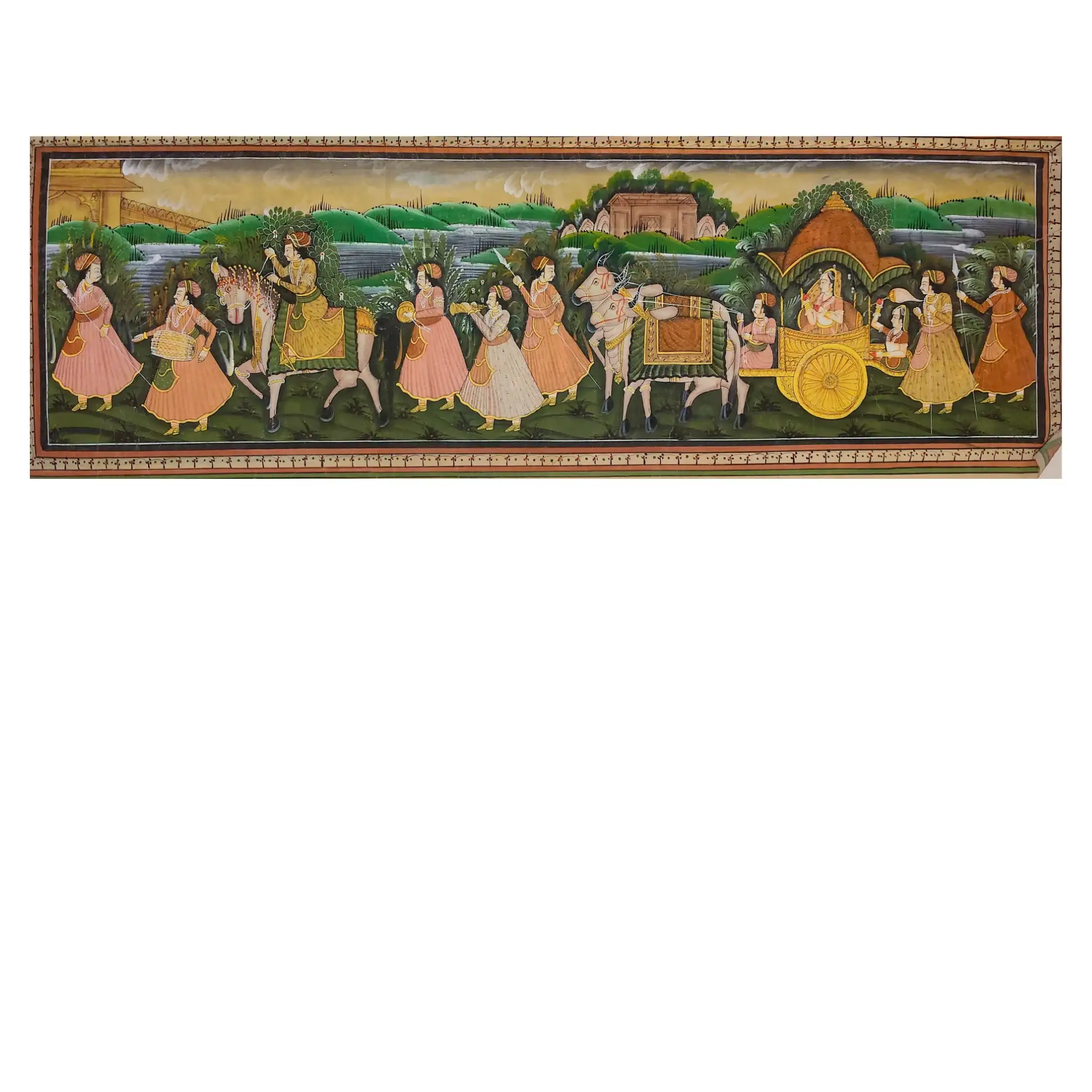
Royal procession artwork - Harmony of Music and Majesty
Royal procession artwork - Harmony of Music and Majesty
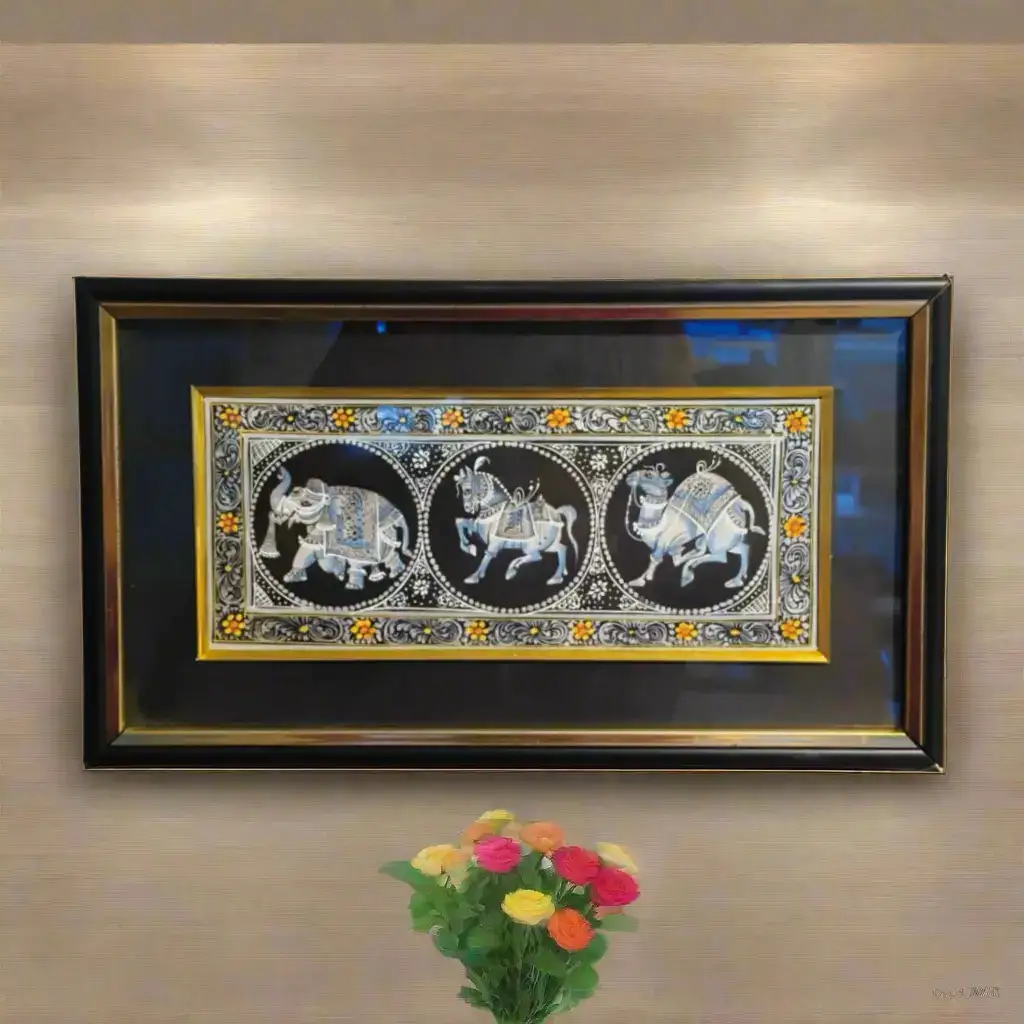
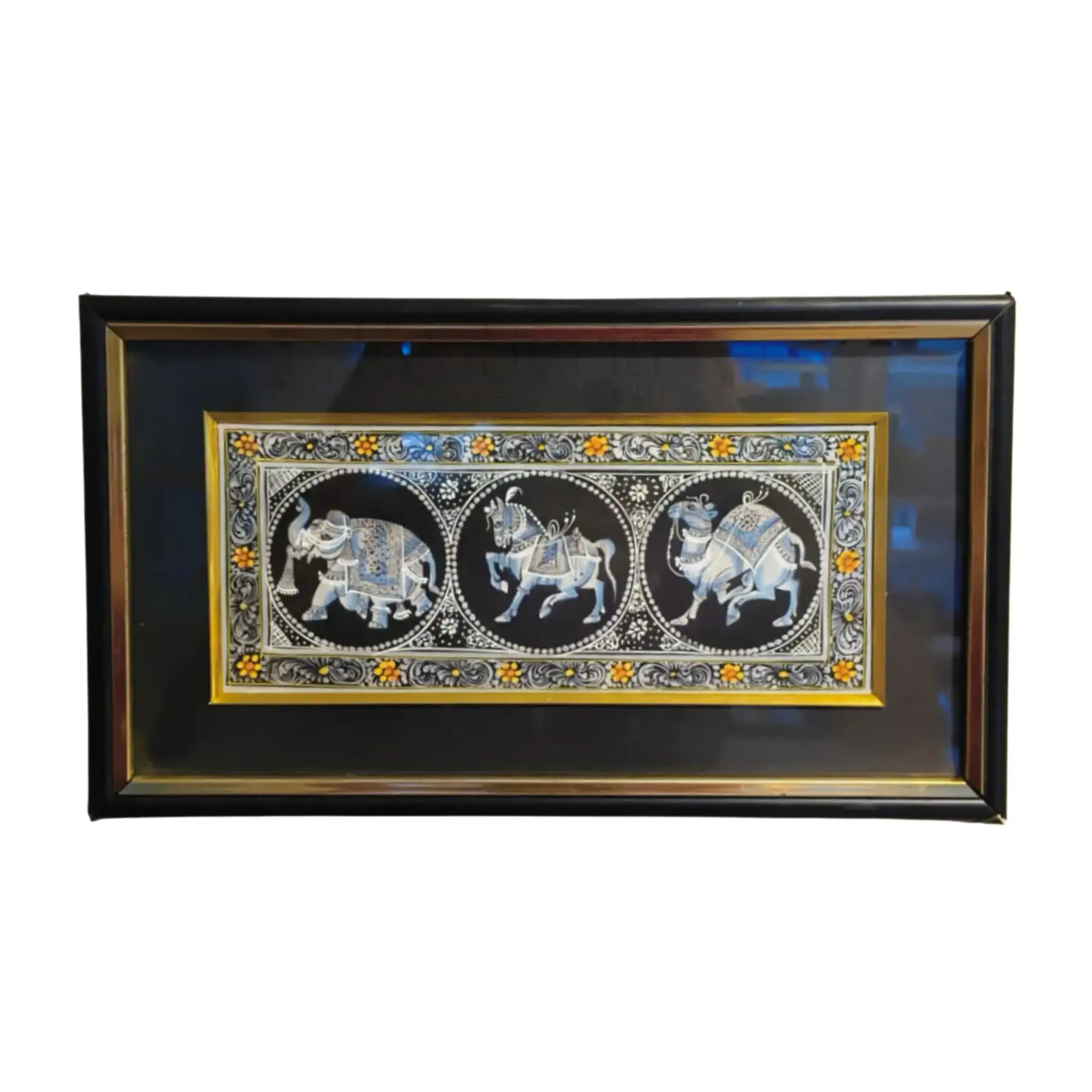
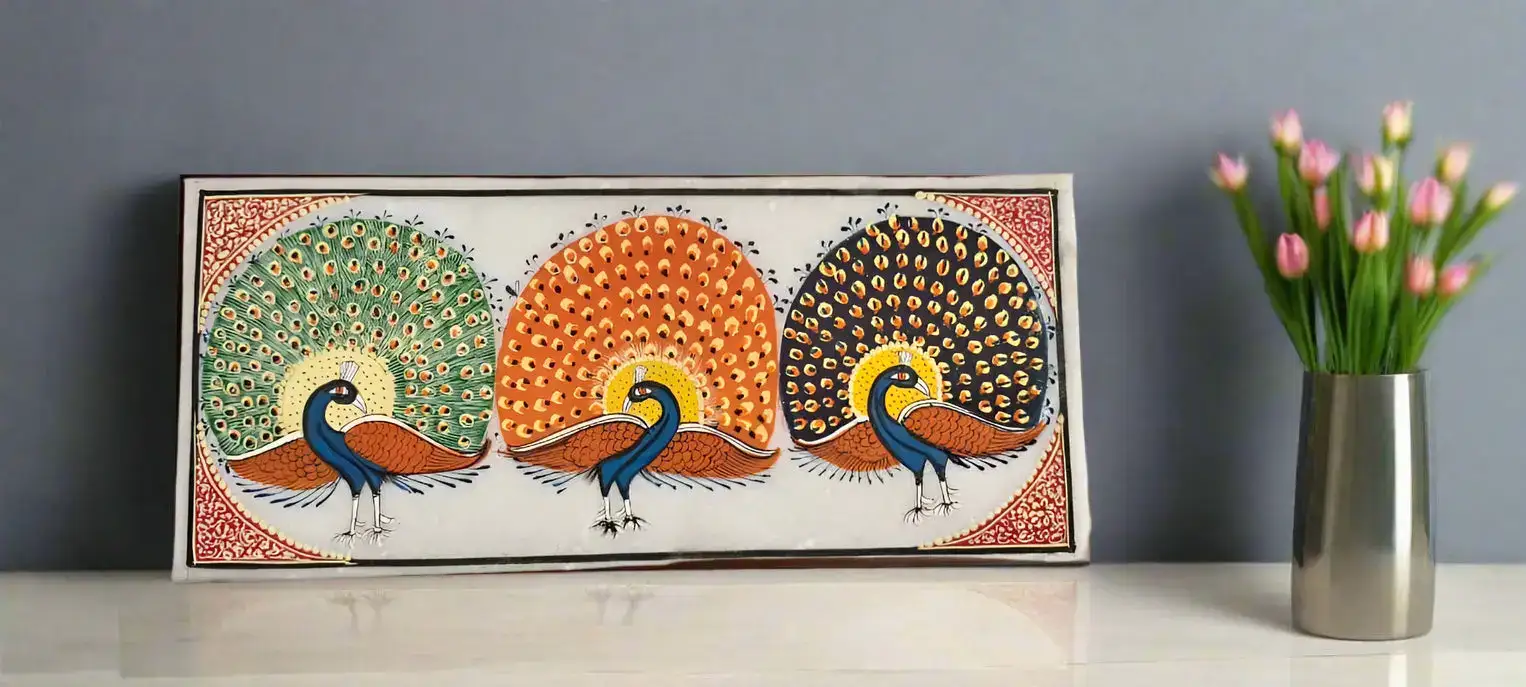
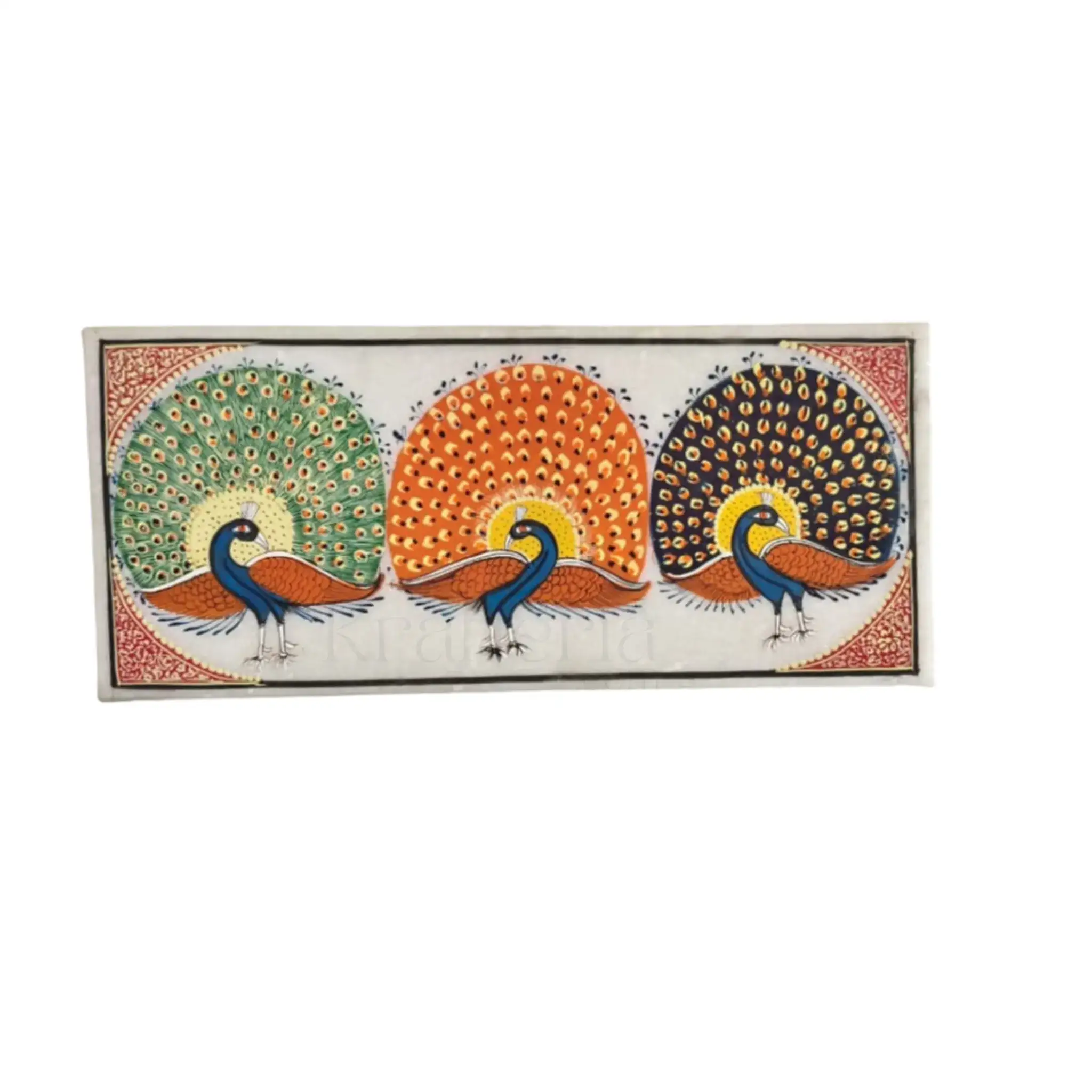
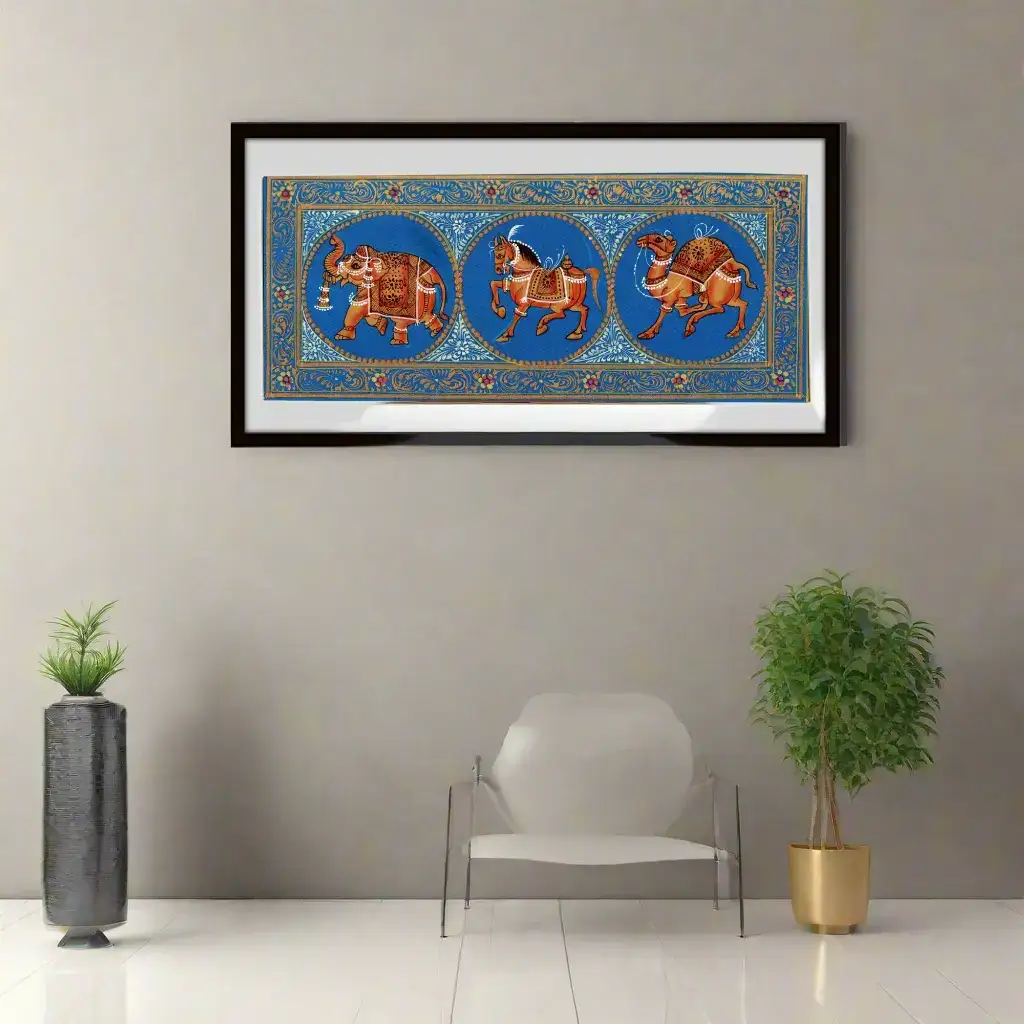
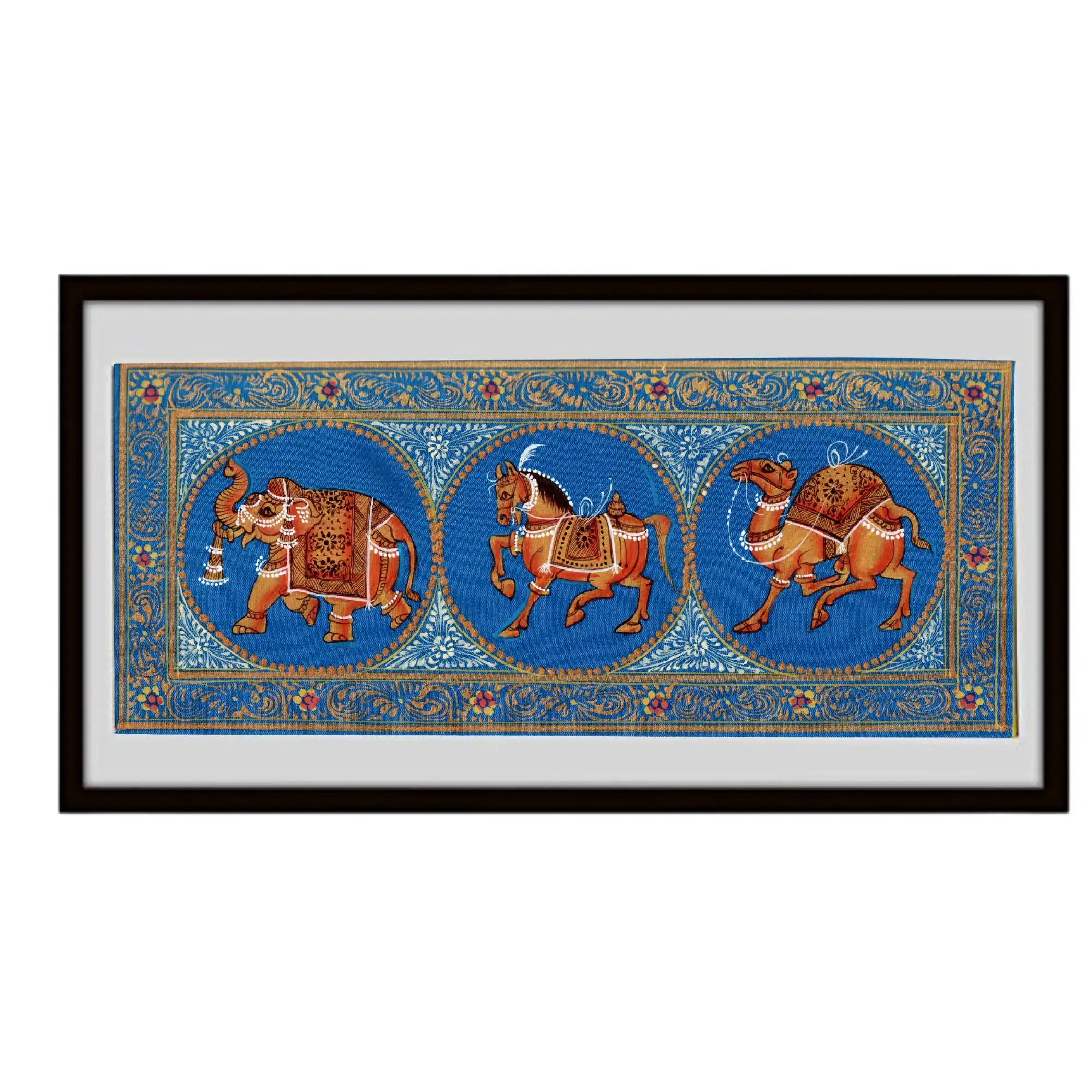
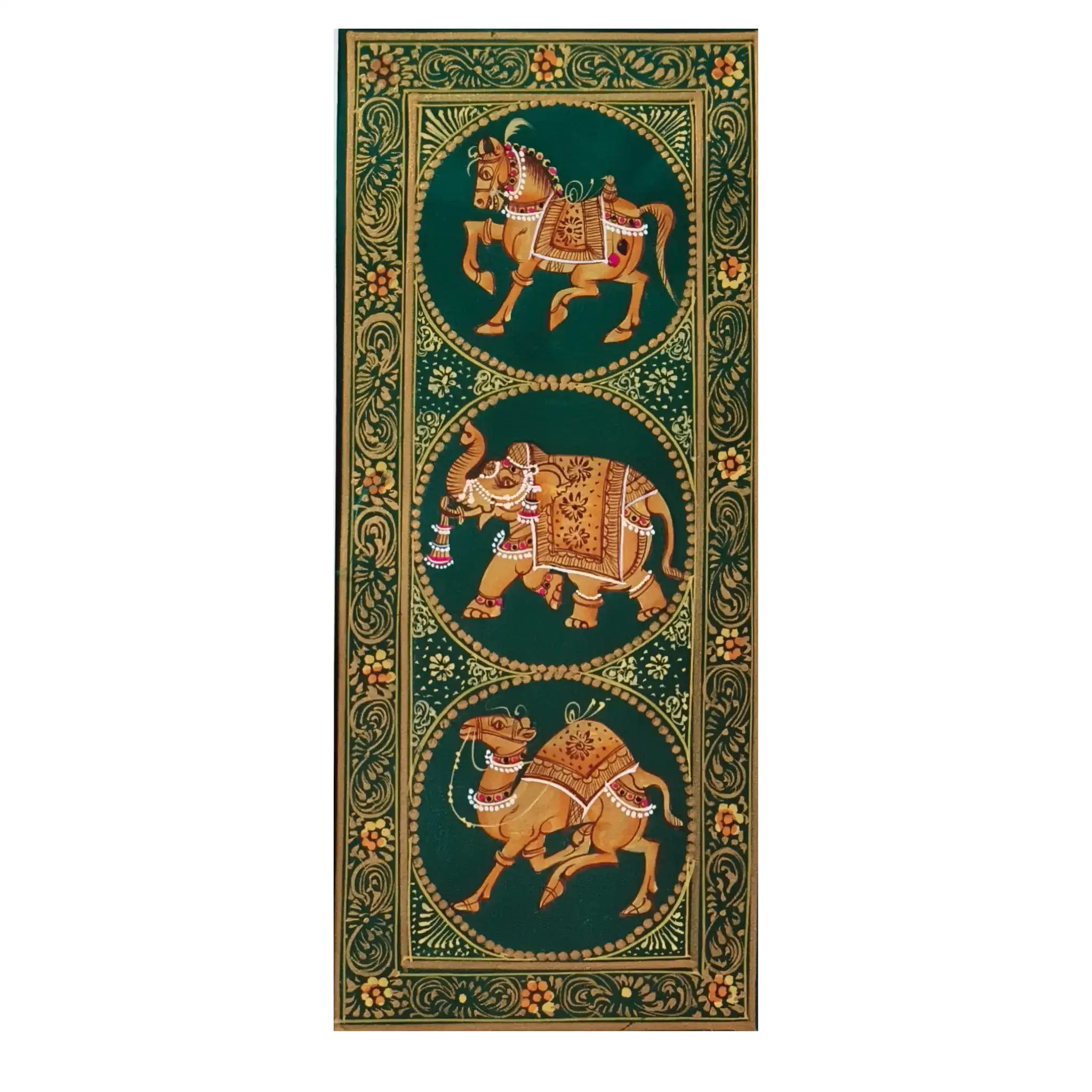
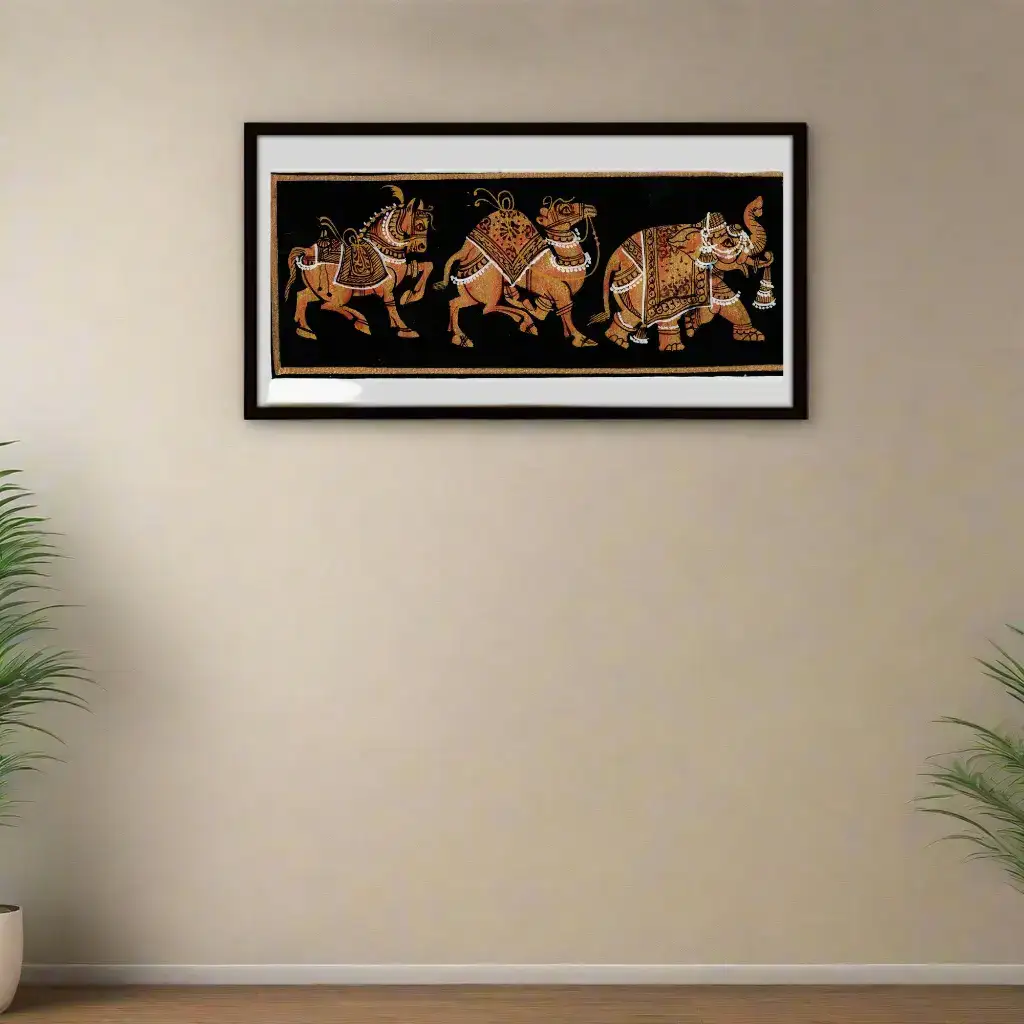
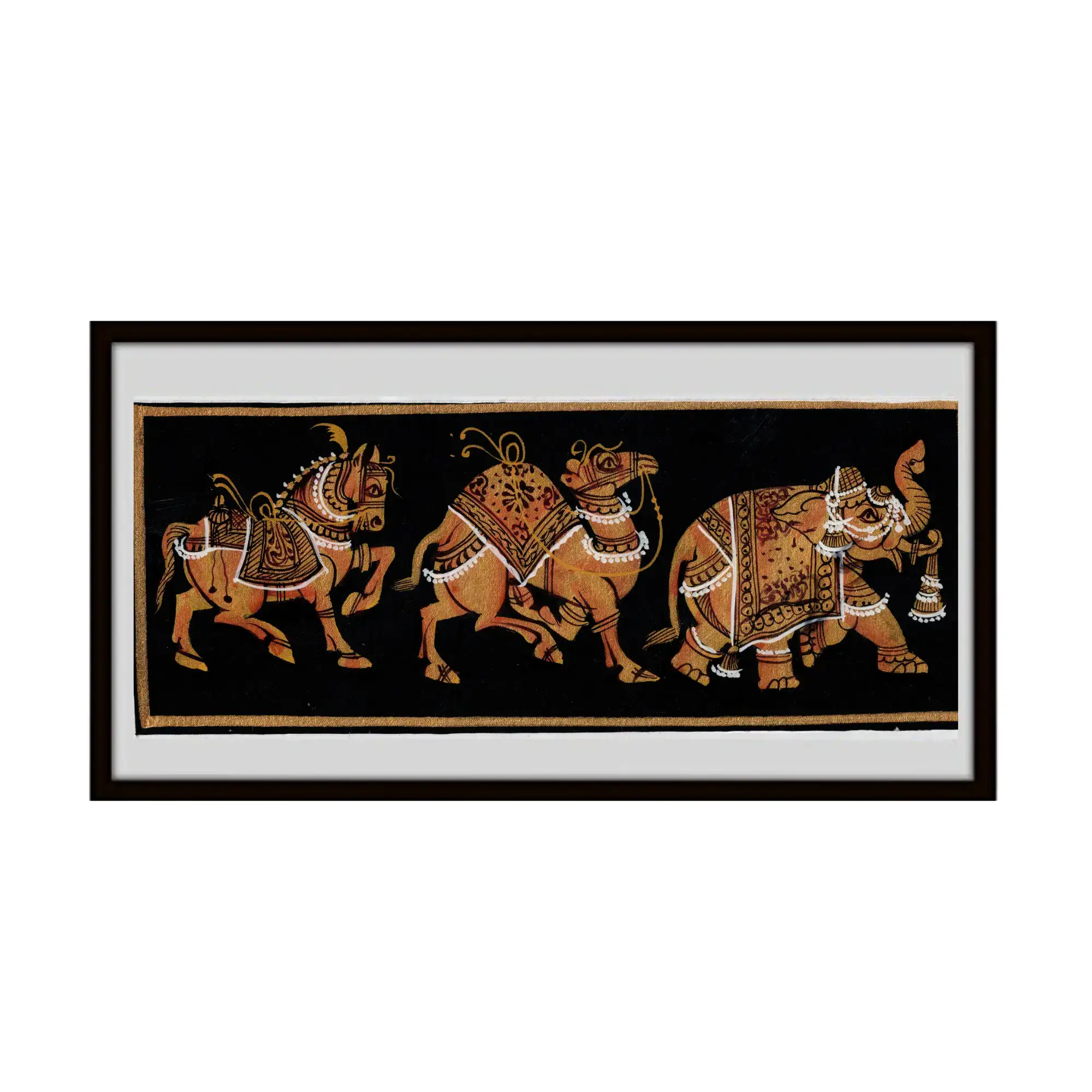
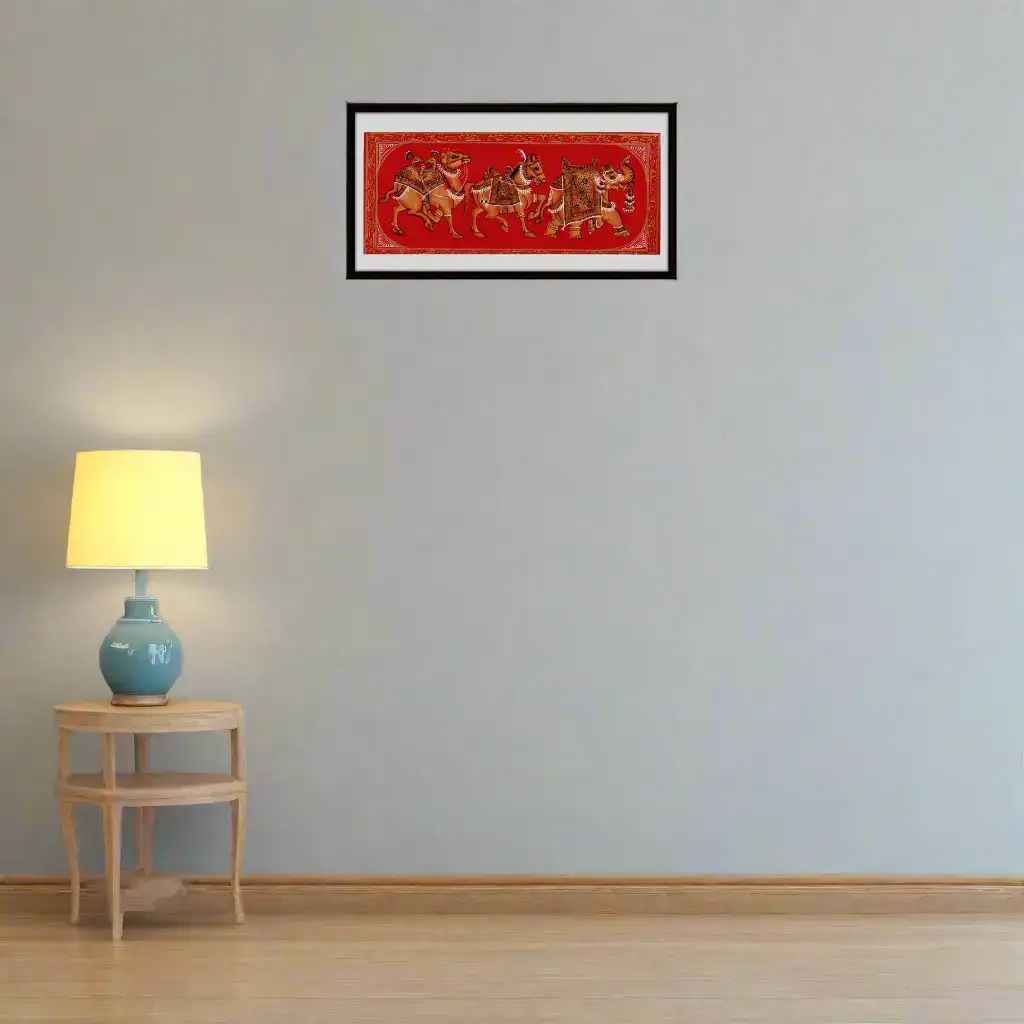
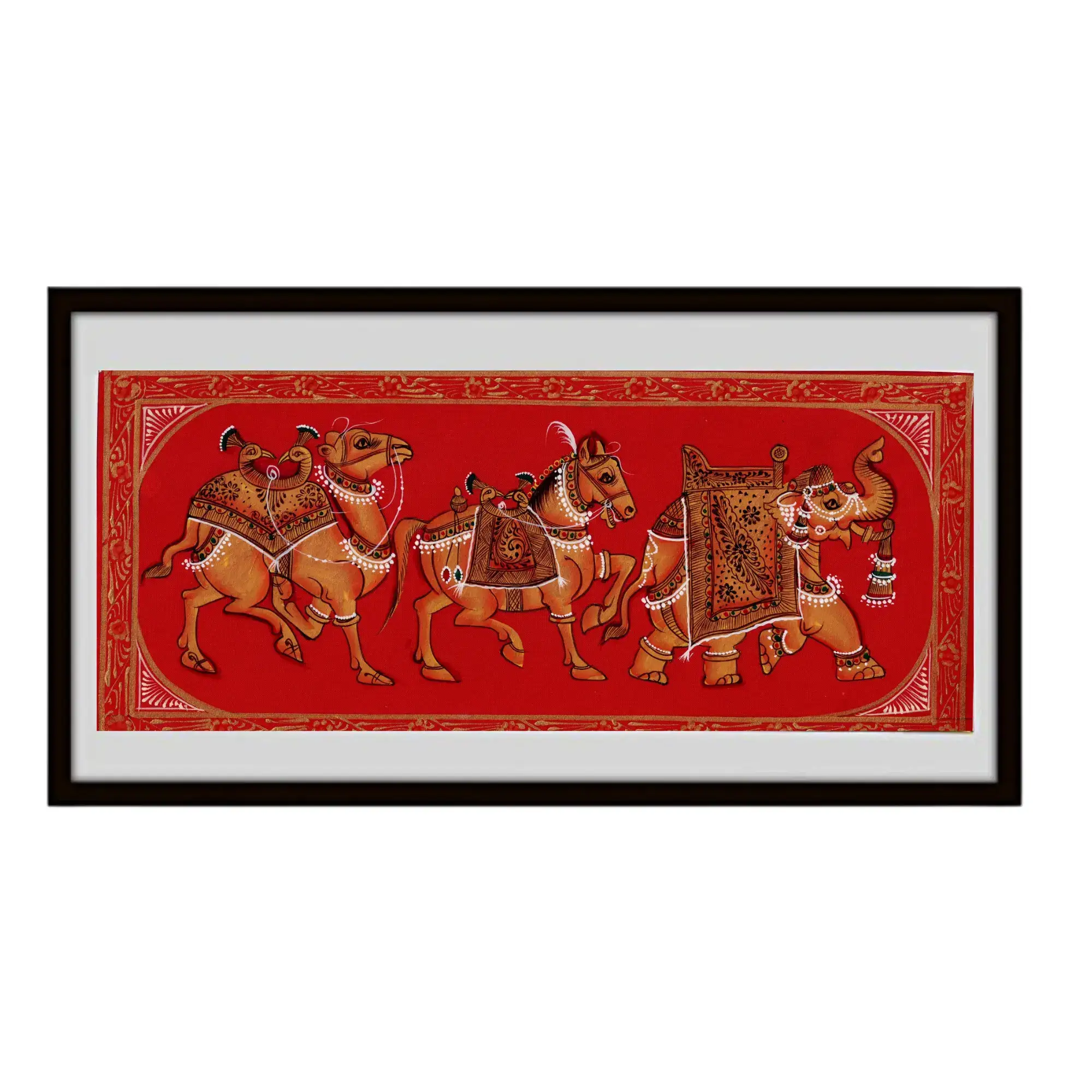
Royal procession artwork Rajasthani Painting is a vibrant and rich style of Indian miniature painting. It flourished in Rajasthan’s royal courts from the 16th century onward. This procession artwork reflects deep Indian traditions through themes like mythology, epics, love stories, royal lifestyles, and folk culture. The paintings are distinct for their bold lines, bright colors, and intricate detailing. Traditional artists used natural dyes and pigments from minerals, vegetables, and precious stones. This gives the paintings their lasting and luminous quality.
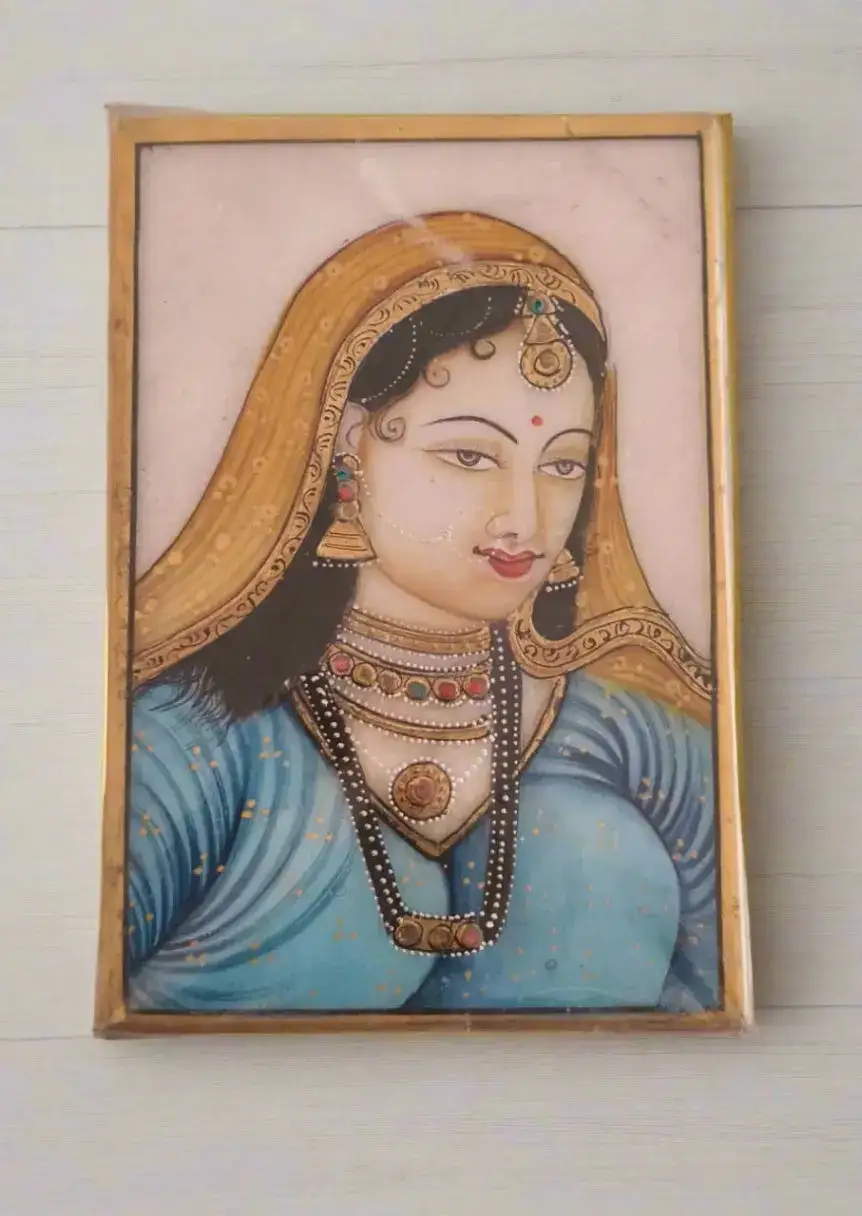
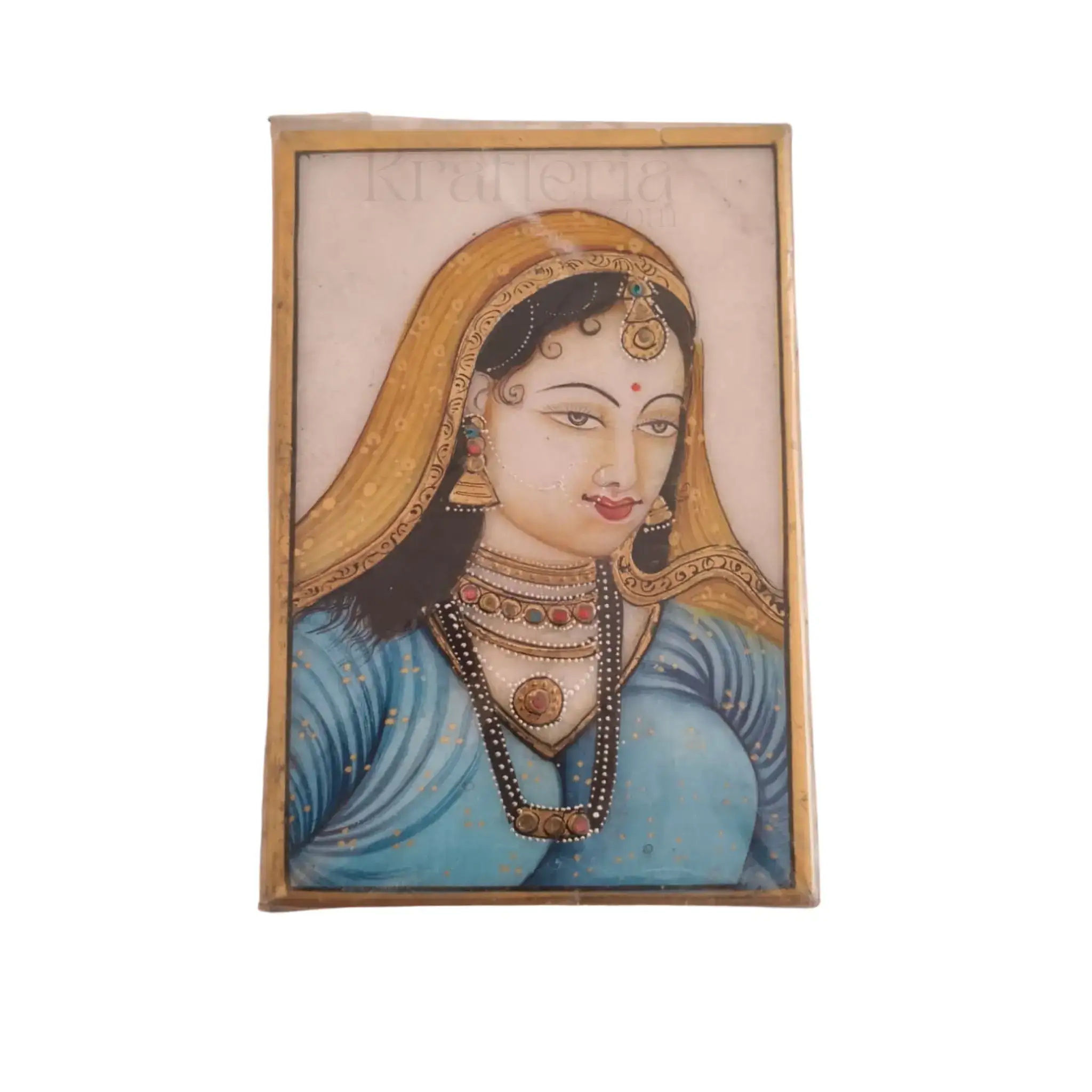
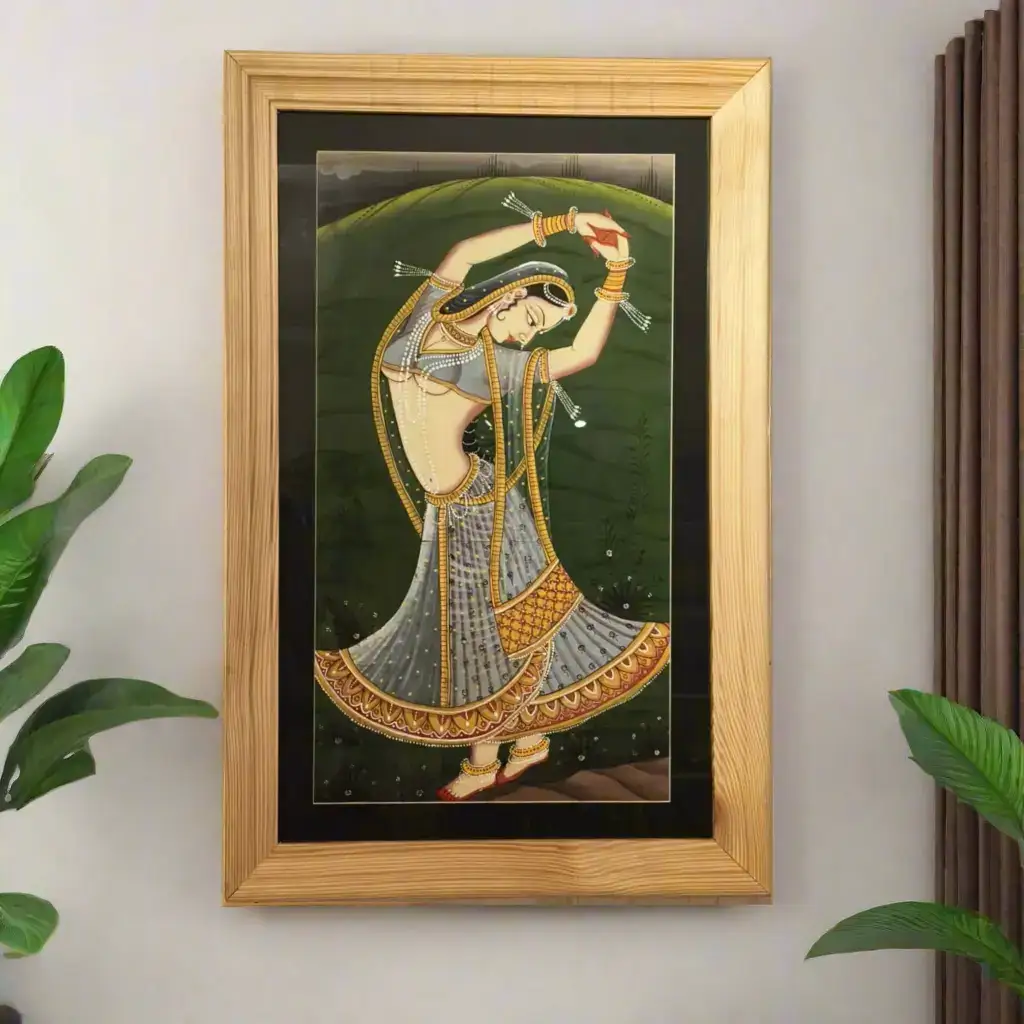
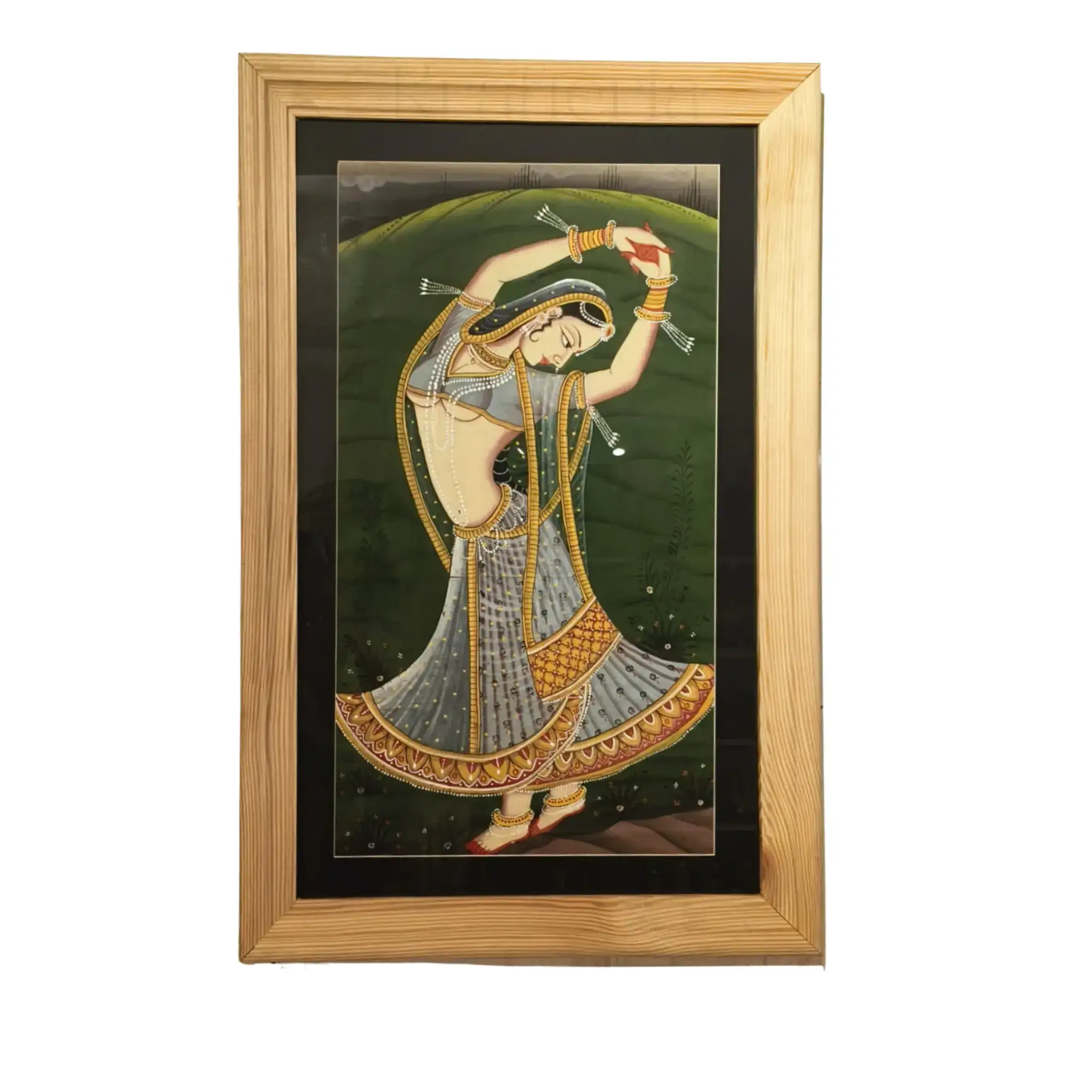
This traditional art form is divided among several schools: Mewar, Marwar, Bundi, Kota, Kishangarh, Bikaner, and Jaipur. Each school features its own unique style and subject focus. For instance, Kishangarh is well-known for its romantic depictions of Radha and Krishna, notably the iconic image of Bani Thani. Mewar paintings often showcase court scenes, heroic tales, and religious themes. Meanwhile, Bundi and Kota paintings are recognized for their lush landscapes and hunting scenes. These variations enrich the diversity within Rajasthan’s artistic heritage.
Miniature royal painting: Splendor and Detail
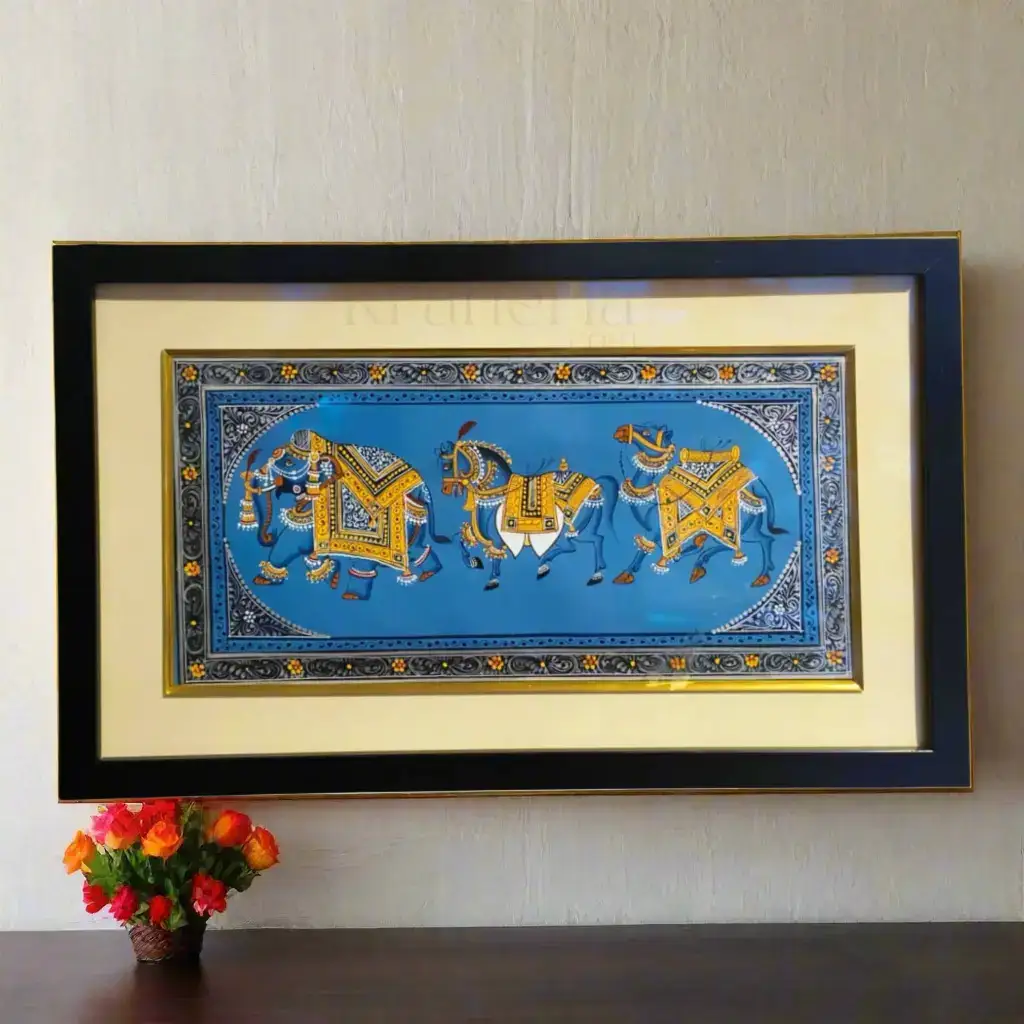
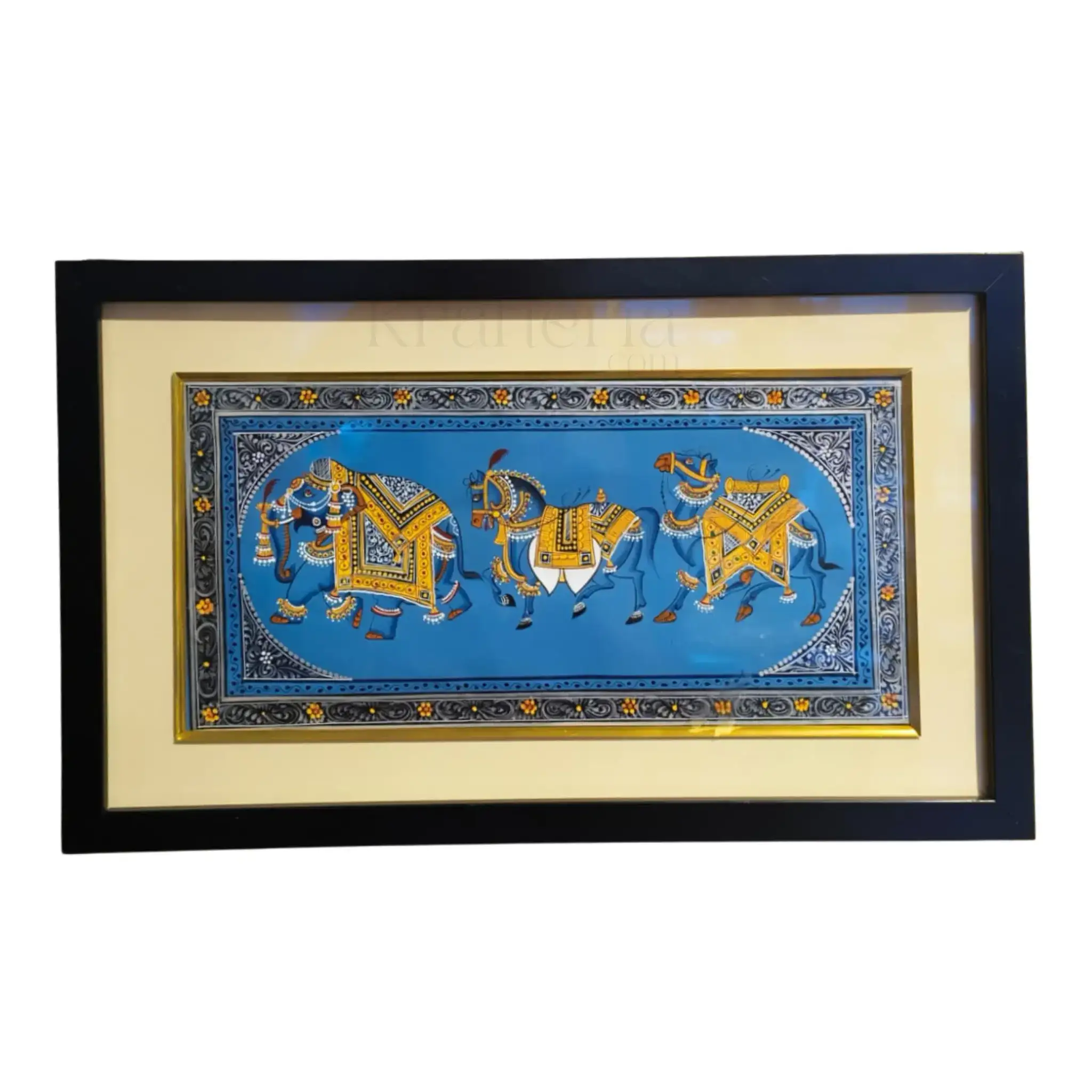
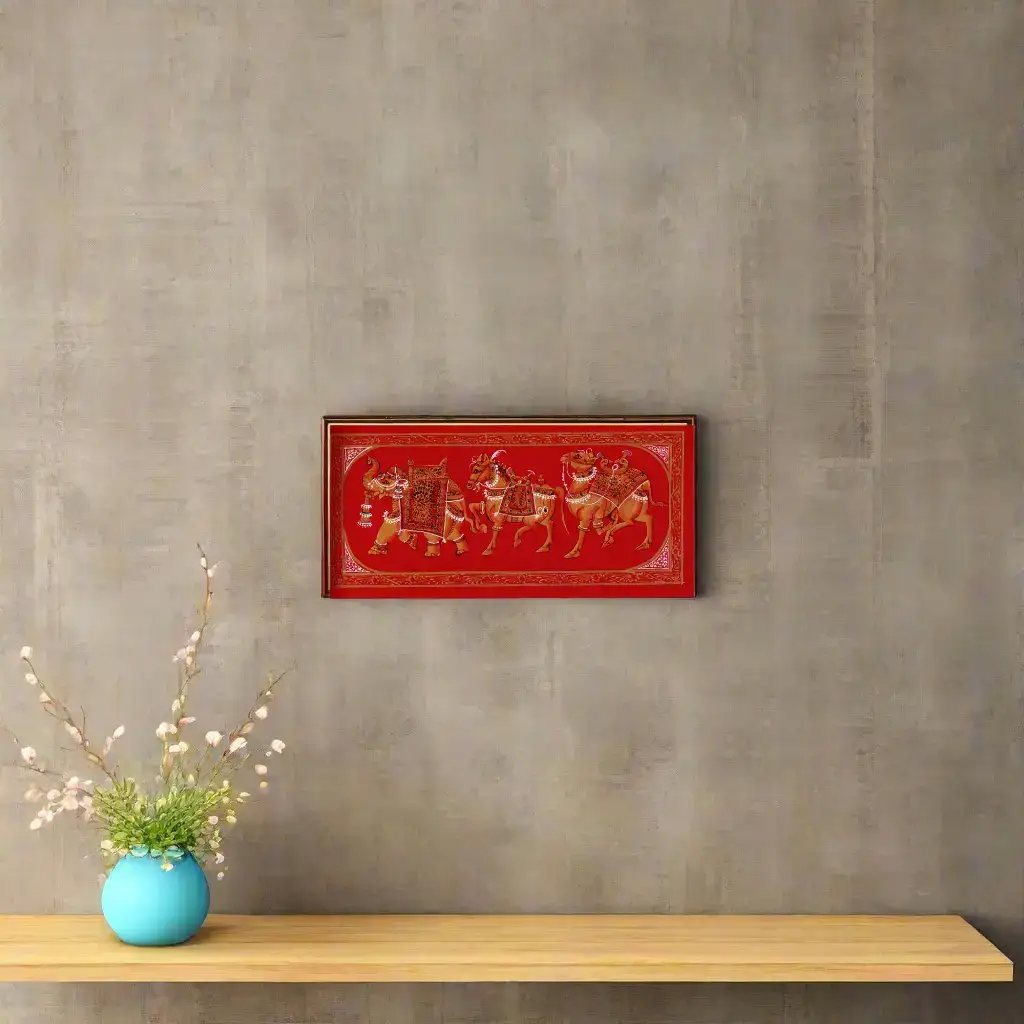
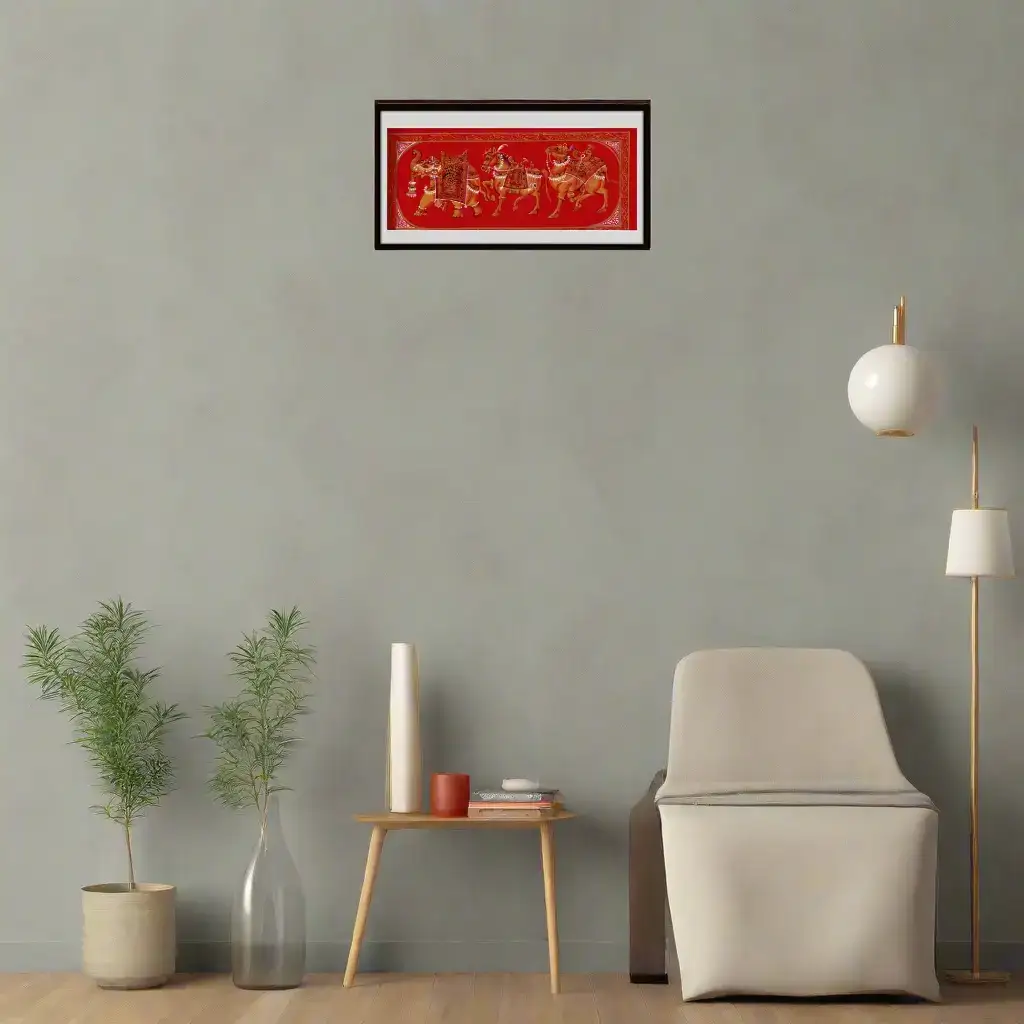
One of the most exquisite forms of this tradition is the miniature royal painting. These paintings depict grand maharaja processions with intricate detail. They celebrate the ceremony and splendor of Rajasthan’s royal events. Artists carefully illustrate key elements such as decorated elephants, musicians, royal guards, and the maharaja himself. Each miniature royal procession painting captures the pomp and cultural significance of these regal occasions. This makes the artwork not only visually captivating but also culturally important.
This majestic style allows viewers to enjoy the opulence of historical royal processions from the past. The detailed imagery brings to life the rich textures of costumes, musical instruments, and ceremonial accessories seen in the processions. The artworks invite lovers and collectors to appreciate the finesse and storytelling woven into every brushstroke. It stands as a tribute to Rajasthan’s royal heritage and artistic mastery.
Procession artwork online: Expanding Access and Appreciation
The artwork online marketplace has grown significantly in recent years. This growth allows traditional paintings to reach a worldwide audience. Collectors, historians, and art enthusiasts can explore authentic pieces through digital platforms. Online resources provide access to a wide variety of styles, schools, and cultural narratives within Rajasthan’s art. This connectivity helps preserve and promote this rich tradition globally.
Through online galleries and stores, people can easily discover and purchase original works. These platforms also educate audiences about the history and symbolism behind the art. Digital availability ensures that this culturally significant artwork gains appreciation beyond geographical limitations. It strengthens the link between modern viewers and Rajasthan’s vibrant royal legacy.
The Meaning Behind Maharaja artwork
Beyond the detailed visuals, maharaja procession carries symbolic meaning. The royal procession represents authority, prestige, and the continuity of dynastic traditions. Artists capture not just the physical event, but also the power and celebration it embodies. This symbolic aspect preserves cultural identity through visual storytelling. The paintings serve as historical records reflecting societal values and royal ceremonies.
By immortalizing these events on canvas, artists contribute to keeping alive Rajasthan’s rich traditions. Maharaja procession artwork is thus a fusion of artistic excellence and cultural heritage. It remains relevant and revered even today in museums, private collections, and cultural exhibitions. Each artwork becomes a testament to the majesty and cultural vibrancy of Rajasthan’s past.
Rajasthan’s Royal Past Through Artwork
Whether displayed in museums or treasured private collections, Rajasthan’s procession artwork provides a glimpse into the royal past. These paintings depict traditional ceremonies as well as everyday court life. They evoke captivating stories using color, form, and symbolism. This narrative quality contributes to the art form’s enduring appeal.
The creative blend of artistic mastery and cultural storytelling makes each piece characteristic of Rajasthan’s artistic legacy. Enthusiasts are drawn to the historical depth and visual richness these artworks offer. The preservation of this tradition ensures that Rajasthan’s royal processions continue to inspire and educate. Procession artwork remains an invaluable cultural treasure.
Original: $161.37
-70%$161.37
$48.41Product Information
Product Information
Shipping & Returns
Shipping & Returns
Description
Royal procession artwork - Harmony of Music and Majesty
Royal procession artwork Rajasthani Painting is a vibrant and rich style of Indian miniature painting. It flourished in Rajasthan’s royal courts from the 16th century onward. This procession artwork reflects deep Indian traditions through themes like mythology, epics, love stories, royal lifestyles, and folk culture. The paintings are distinct for their bold lines, bright colors, and intricate detailing. Traditional artists used natural dyes and pigments from minerals, vegetables, and precious stones. This gives the paintings their lasting and luminous quality.
This traditional art form is divided among several schools: Mewar, Marwar, Bundi, Kota, Kishangarh, Bikaner, and Jaipur. Each school features its own unique style and subject focus. For instance, Kishangarh is well-known for its romantic depictions of Radha and Krishna, notably the iconic image of Bani Thani. Mewar paintings often showcase court scenes, heroic tales, and religious themes. Meanwhile, Bundi and Kota paintings are recognized for their lush landscapes and hunting scenes. These variations enrich the diversity within Rajasthan’s artistic heritage.
Miniature royal painting: Splendor and Detail
One of the most exquisite forms of this tradition is the miniature royal painting. These paintings depict grand maharaja processions with intricate detail. They celebrate the ceremony and splendor of Rajasthan’s royal events. Artists carefully illustrate key elements such as decorated elephants, musicians, royal guards, and the maharaja himself. Each miniature royal procession painting captures the pomp and cultural significance of these regal occasions. This makes the artwork not only visually captivating but also culturally important.
This majestic style allows viewers to enjoy the opulence of historical royal processions from the past. The detailed imagery brings to life the rich textures of costumes, musical instruments, and ceremonial accessories seen in the processions. The artworks invite lovers and collectors to appreciate the finesse and storytelling woven into every brushstroke. It stands as a tribute to Rajasthan’s royal heritage and artistic mastery.
Procession artwork online: Expanding Access and Appreciation
The artwork online marketplace has grown significantly in recent years. This growth allows traditional paintings to reach a worldwide audience. Collectors, historians, and art enthusiasts can explore authentic pieces through digital platforms. Online resources provide access to a wide variety of styles, schools, and cultural narratives within Rajasthan’s art. This connectivity helps preserve and promote this rich tradition globally.
Through online galleries and stores, people can easily discover and purchase original works. These platforms also educate audiences about the history and symbolism behind the art. Digital availability ensures that this culturally significant artwork gains appreciation beyond geographical limitations. It strengthens the link between modern viewers and Rajasthan’s vibrant royal legacy.
The Meaning Behind Maharaja artwork
Beyond the detailed visuals, maharaja procession carries symbolic meaning. The royal procession represents authority, prestige, and the continuity of dynastic traditions. Artists capture not just the physical event, but also the power and celebration it embodies. This symbolic aspect preserves cultural identity through visual storytelling. The paintings serve as historical records reflecting societal values and royal ceremonies.
By immortalizing these events on canvas, artists contribute to keeping alive Rajasthan’s rich traditions. Maharaja procession artwork is thus a fusion of artistic excellence and cultural heritage. It remains relevant and revered even today in museums, private collections, and cultural exhibitions. Each artwork becomes a testament to the majesty and cultural vibrancy of Rajasthan’s past.
Rajasthan’s Royal Past Through Artwork
Whether displayed in museums or treasured private collections, Rajasthan’s procession artwork provides a glimpse into the royal past. These paintings depict traditional ceremonies as well as everyday court life. They evoke captivating stories using color, form, and symbolism. This narrative quality contributes to the art form’s enduring appeal.
The creative blend of artistic mastery and cultural storytelling makes each piece characteristic of Rajasthan’s artistic legacy. Enthusiasts are drawn to the historical depth and visual richness these artworks offer. The preservation of this tradition ensures that Rajasthan’s royal processions continue to inspire and educate. Procession artwork remains an invaluable cultural treasure.