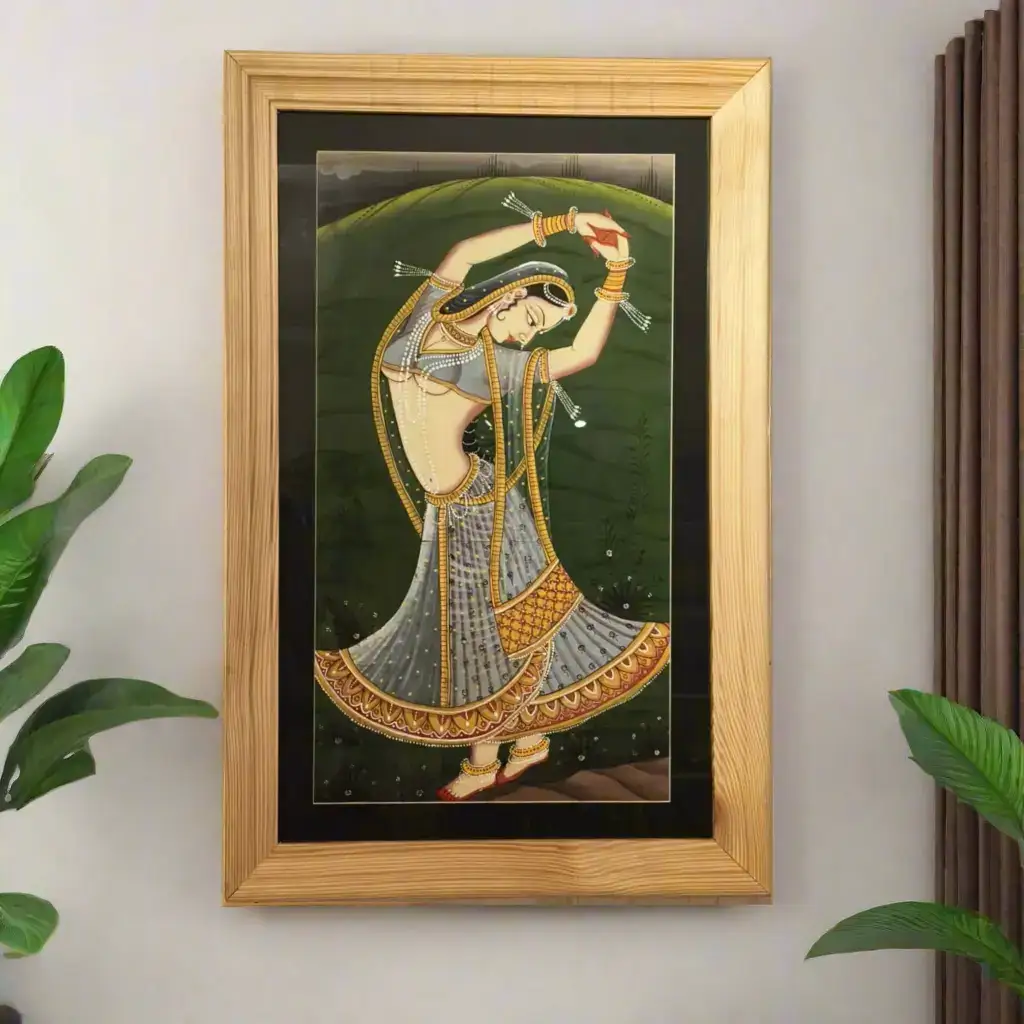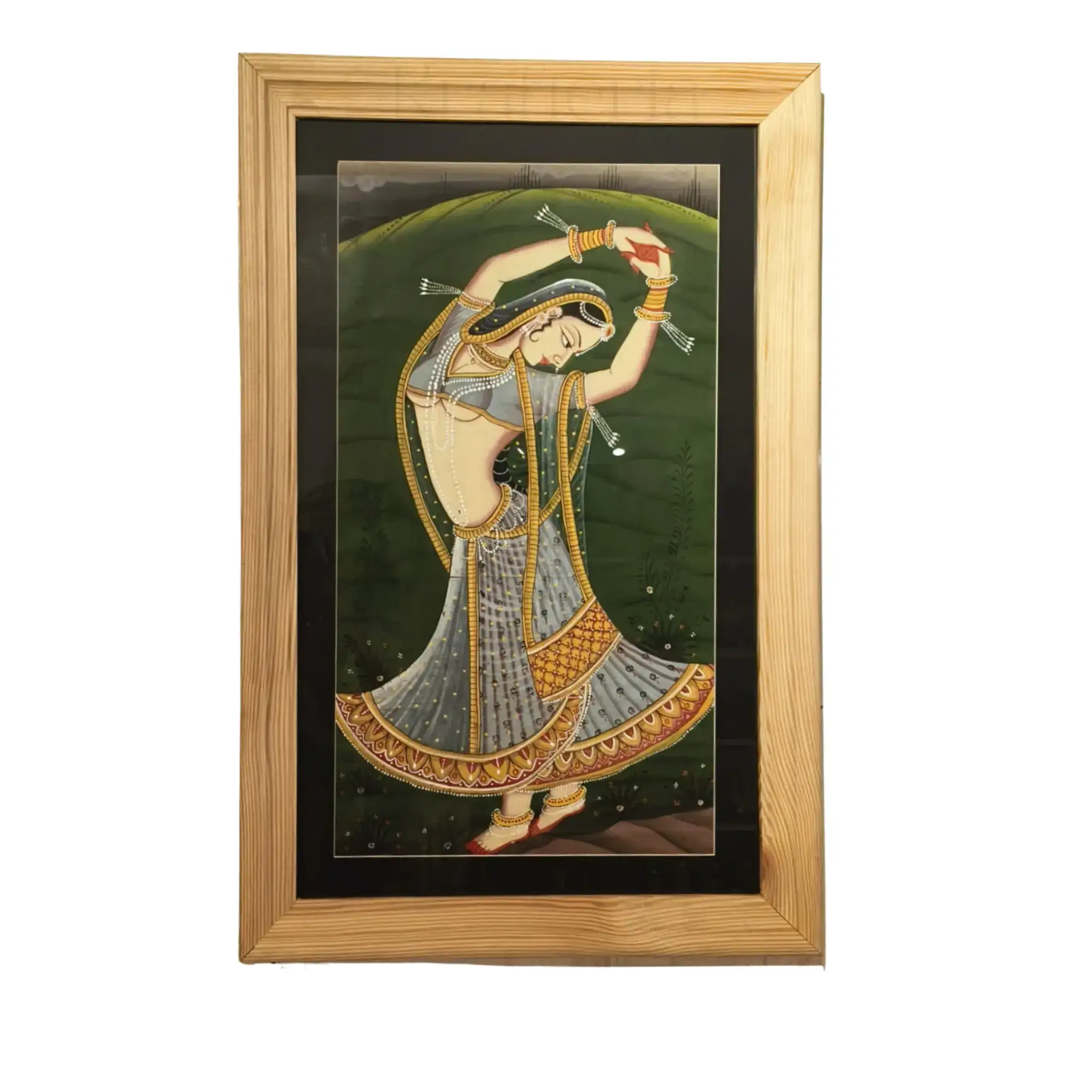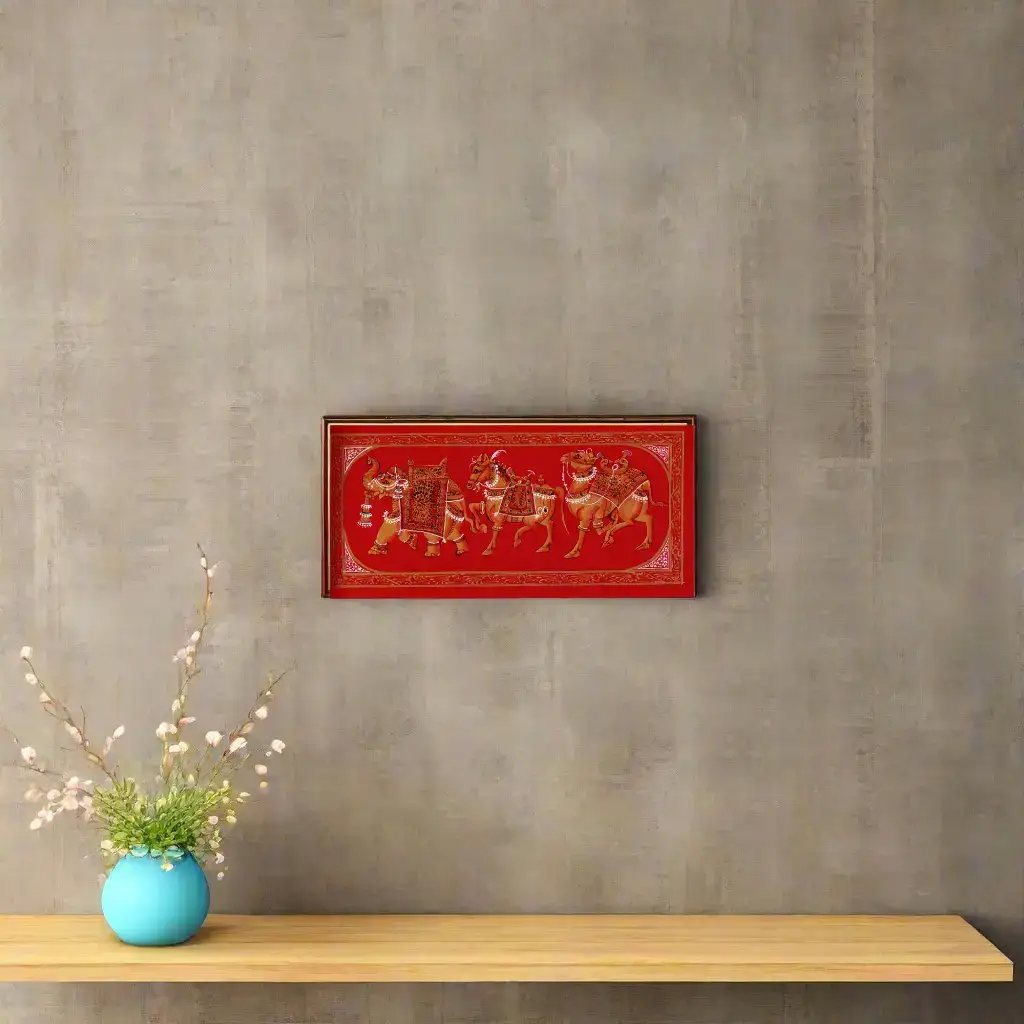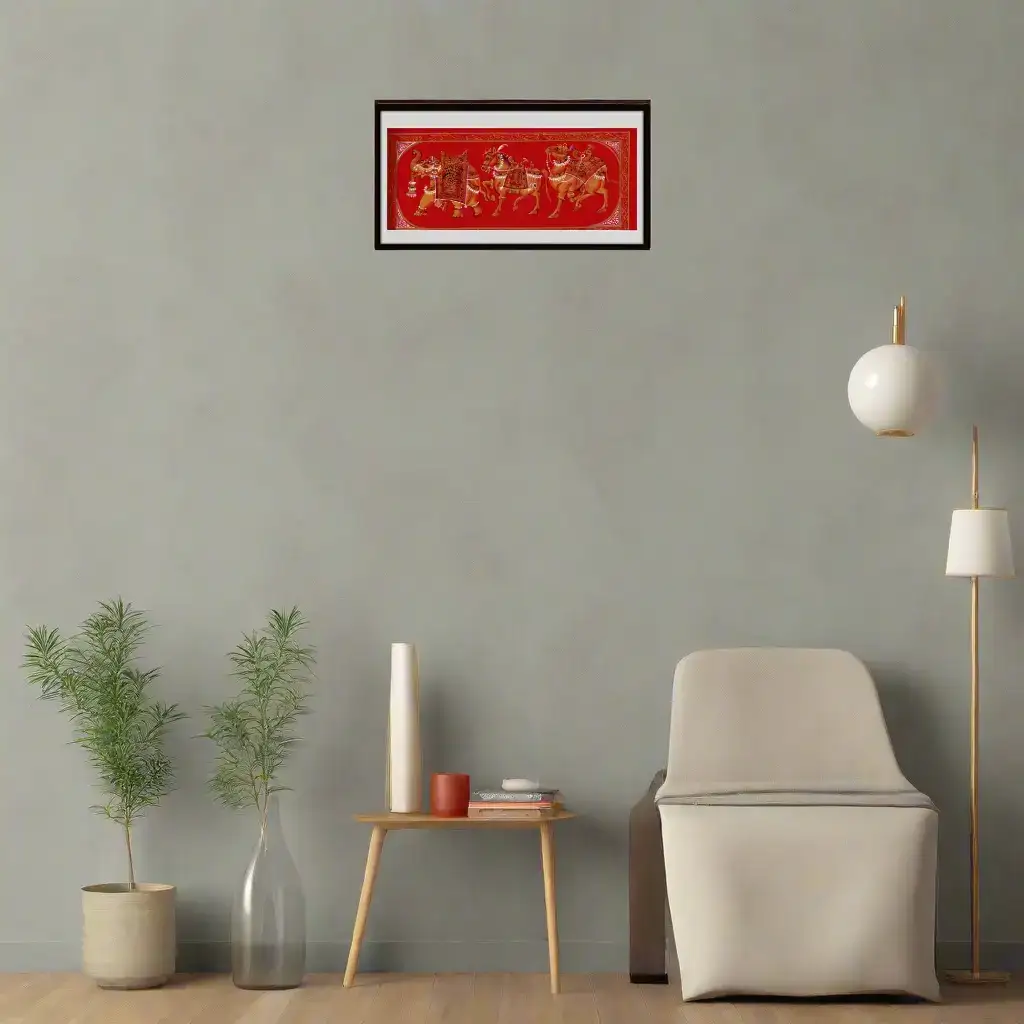
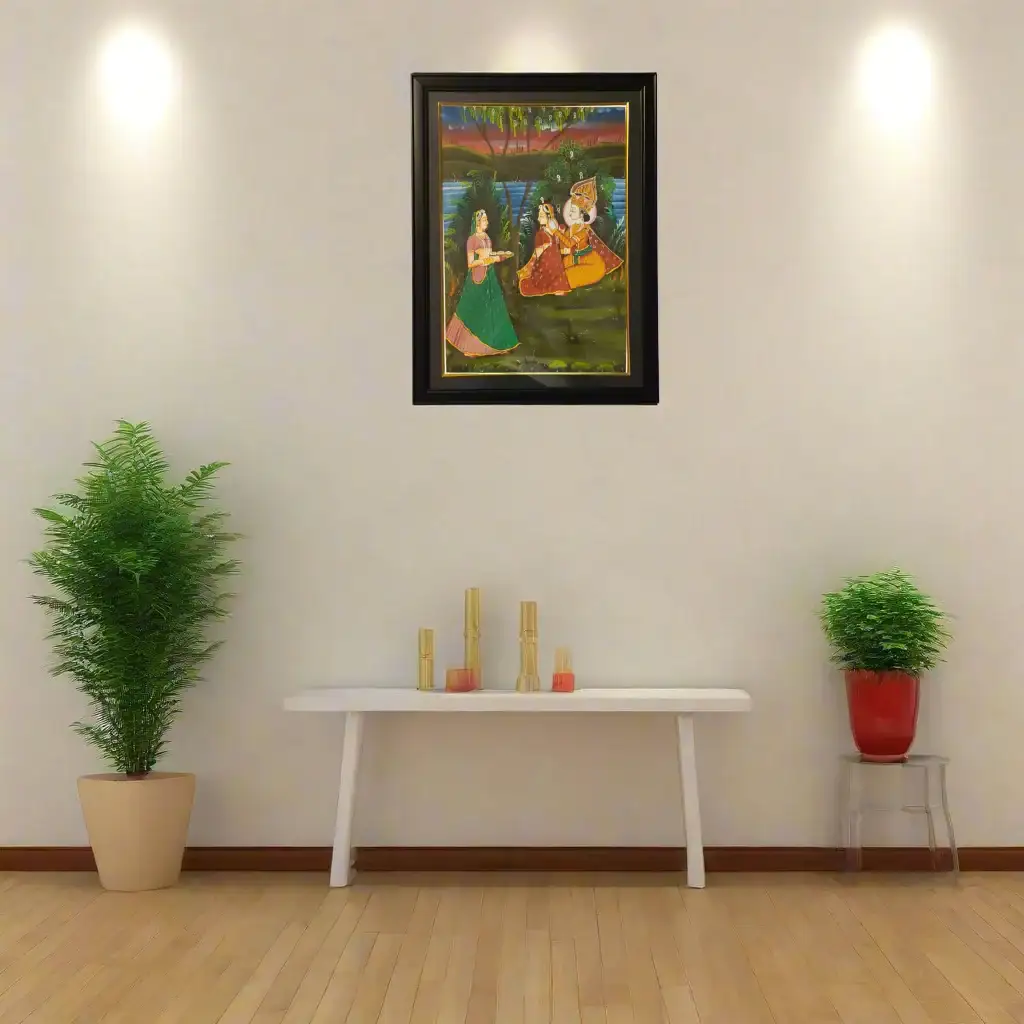
Moment of Bliss Pahari Miniature Painting
Moment of Bliss Pahari Miniature Painting
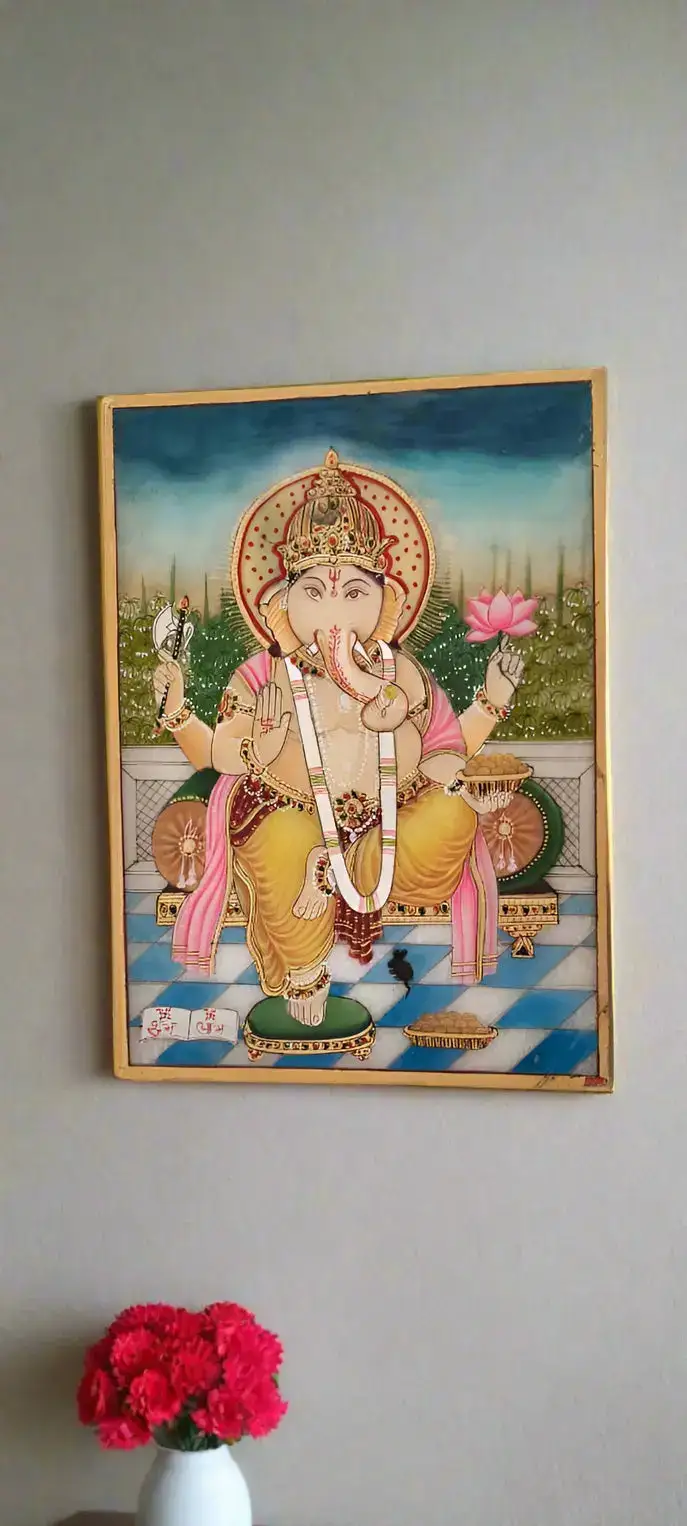
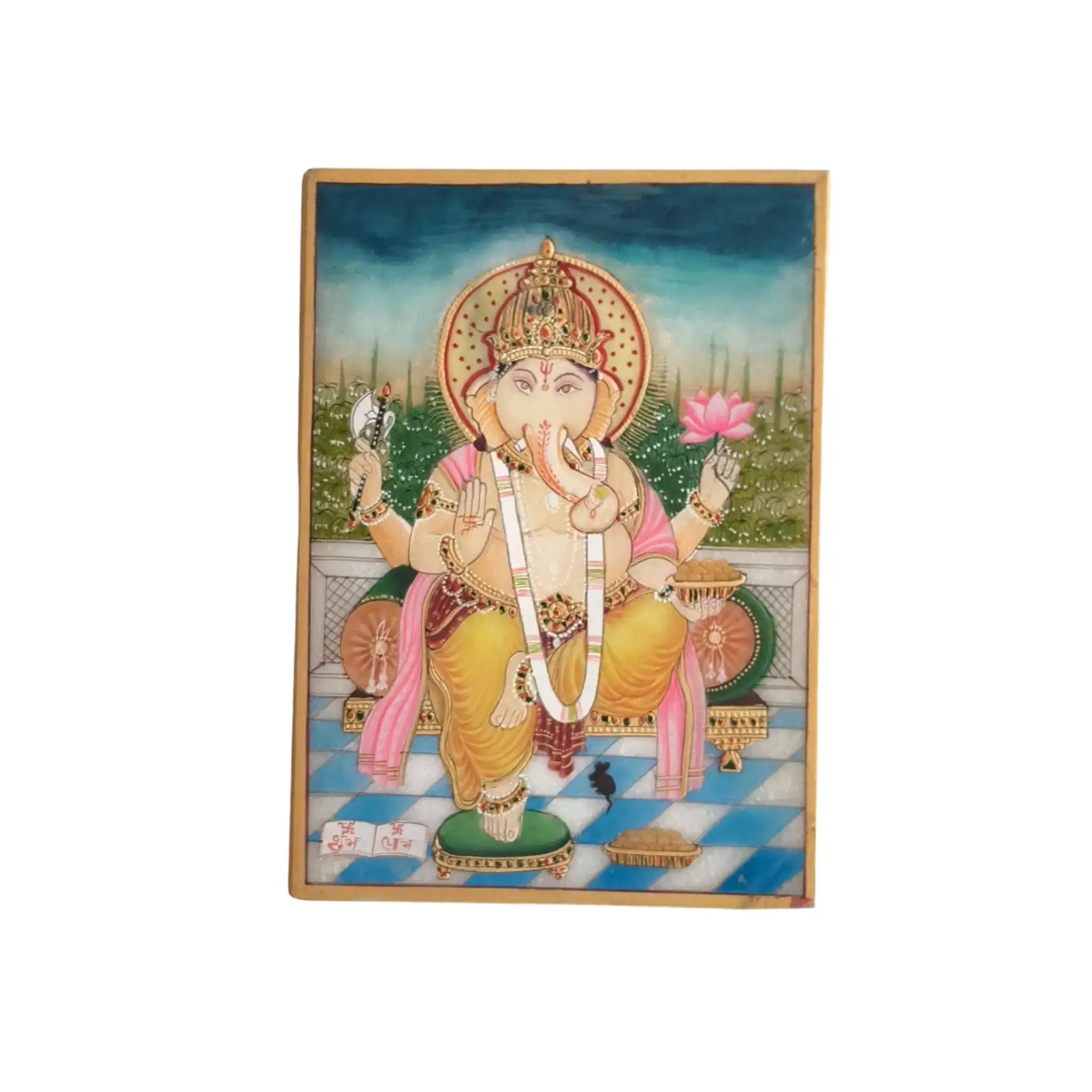
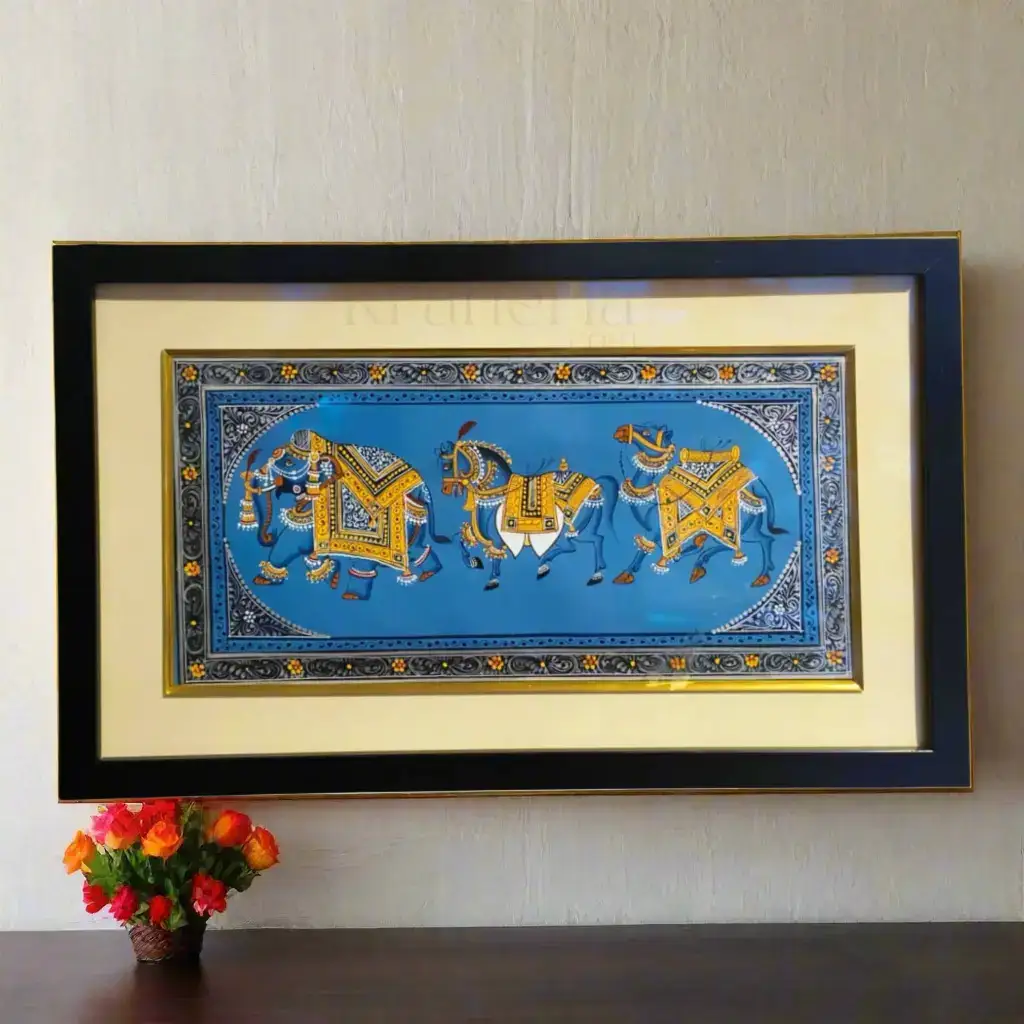
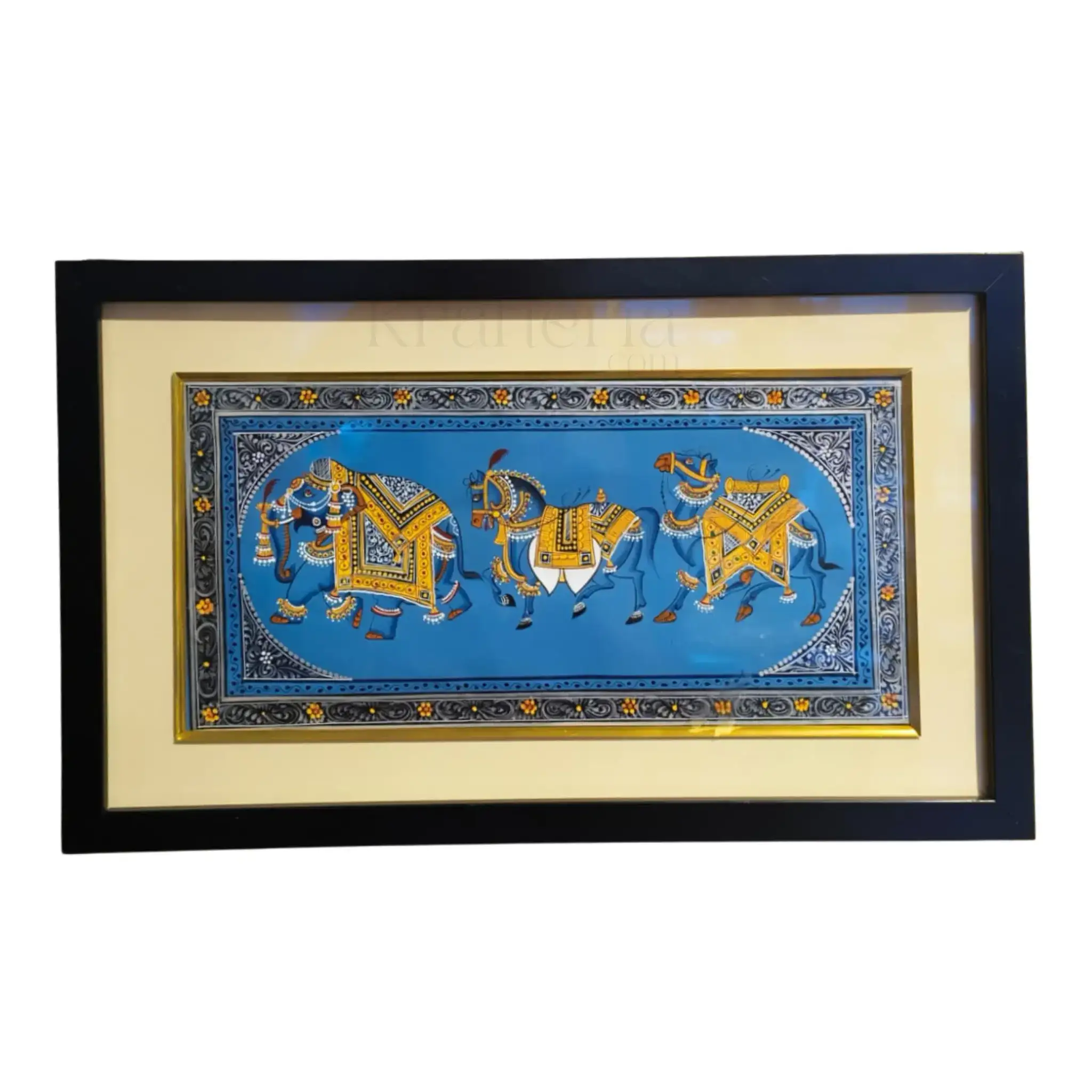
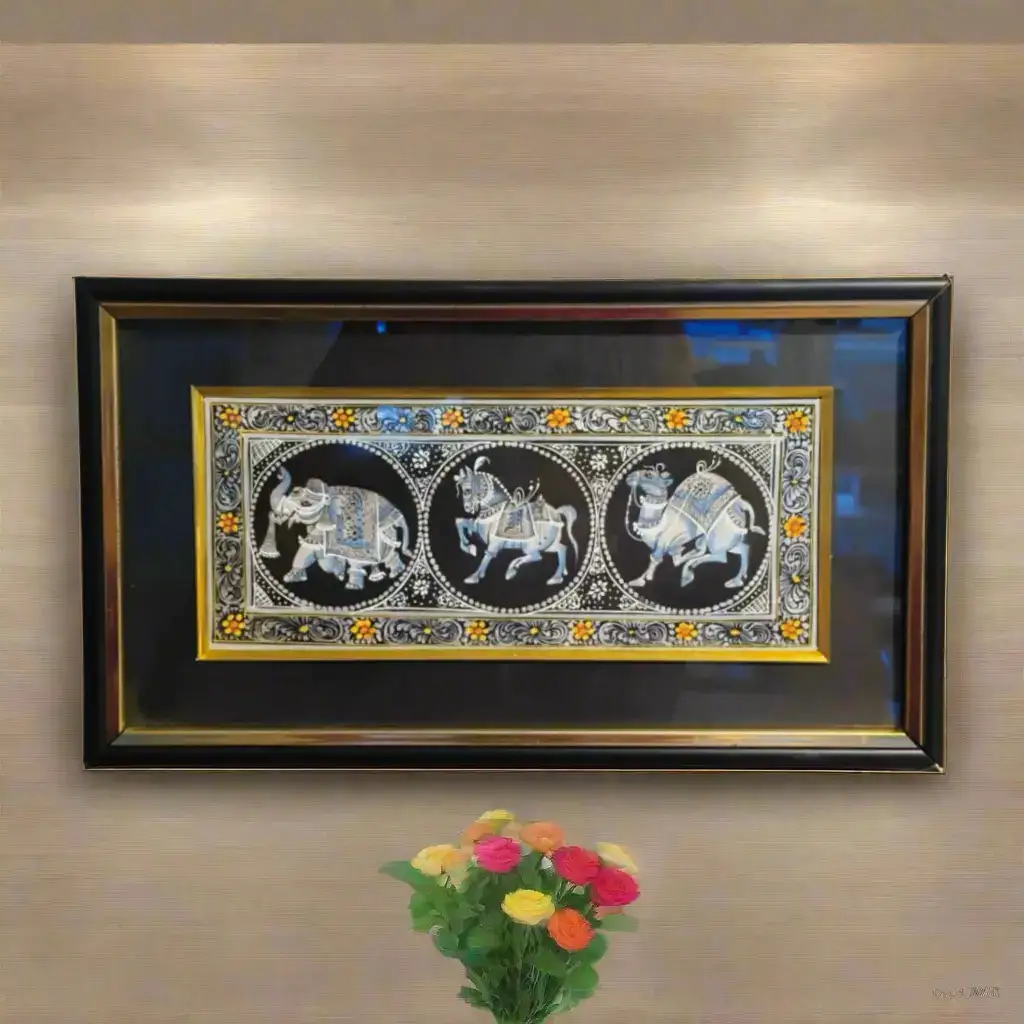
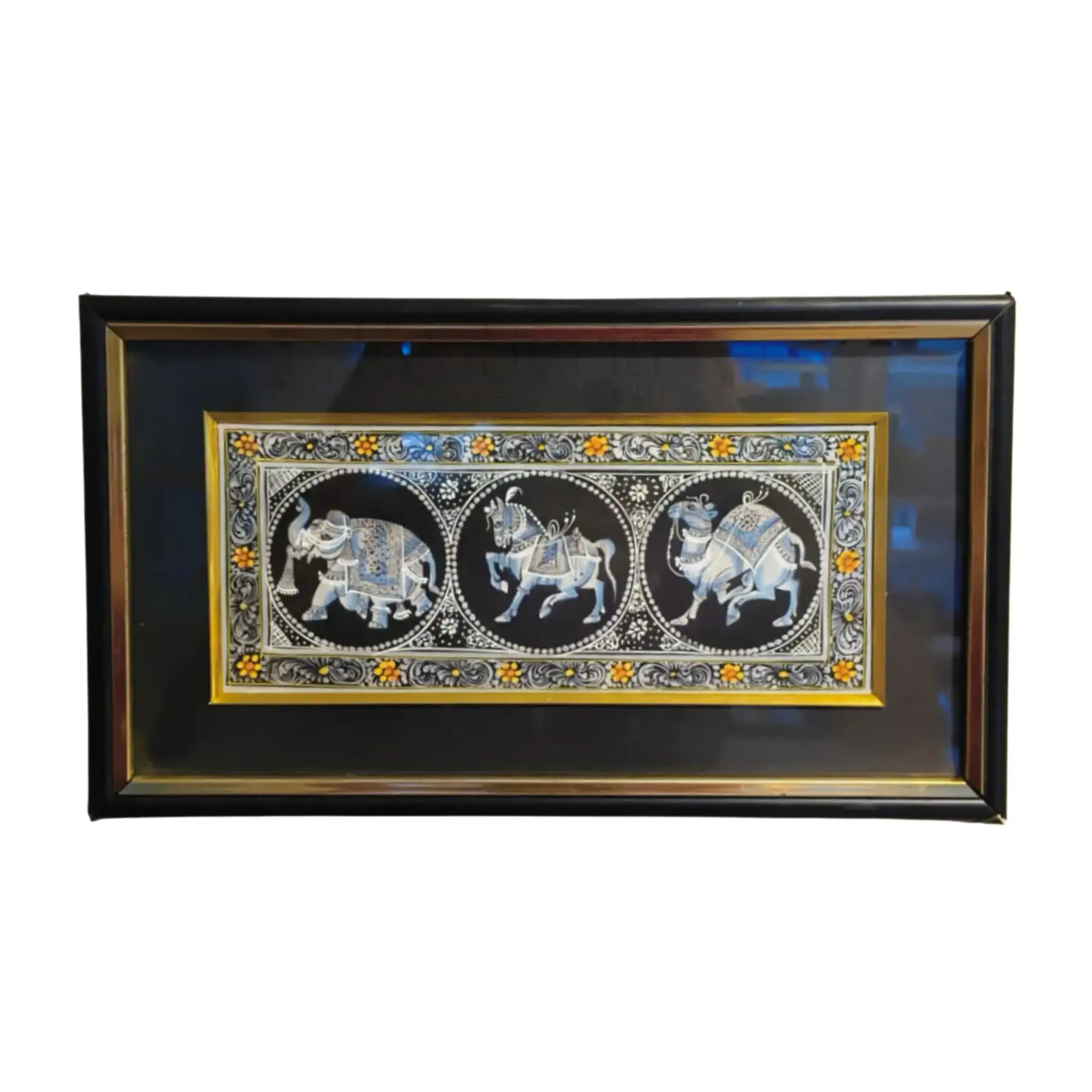
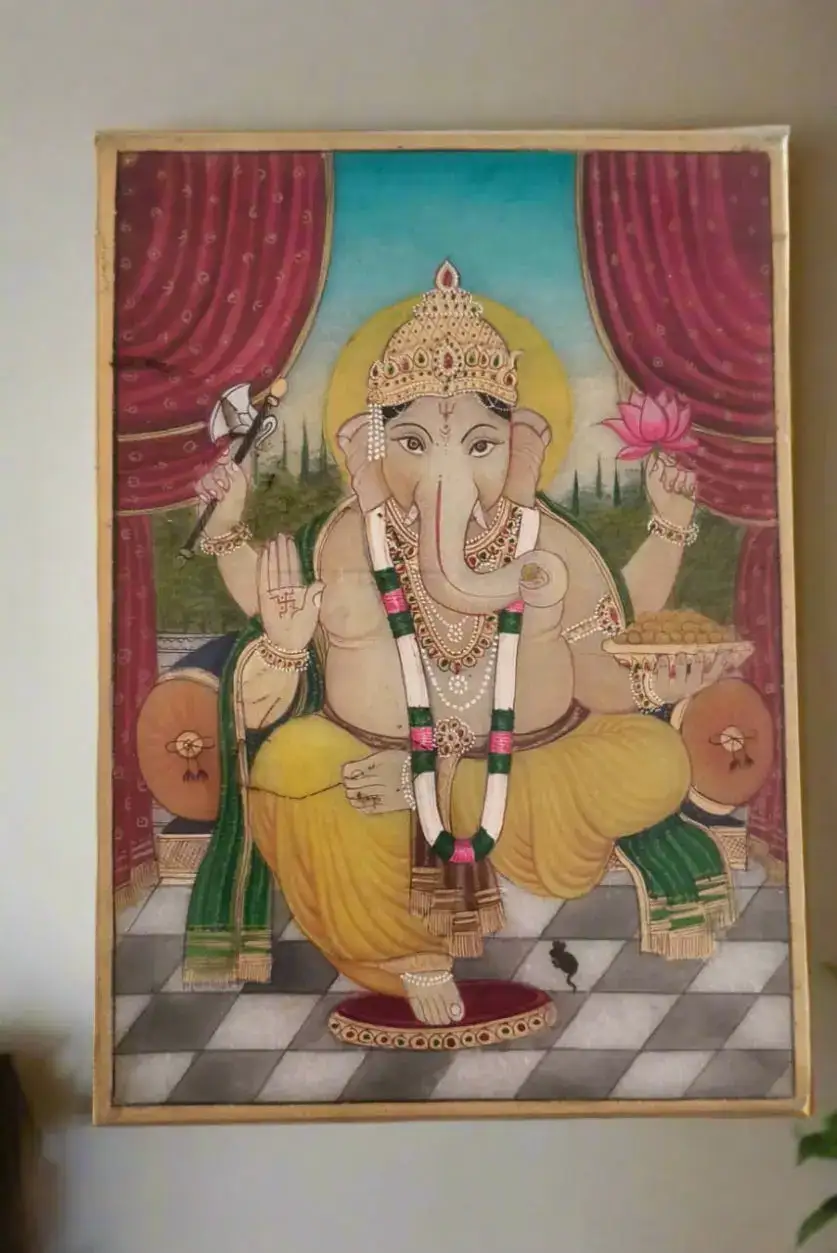
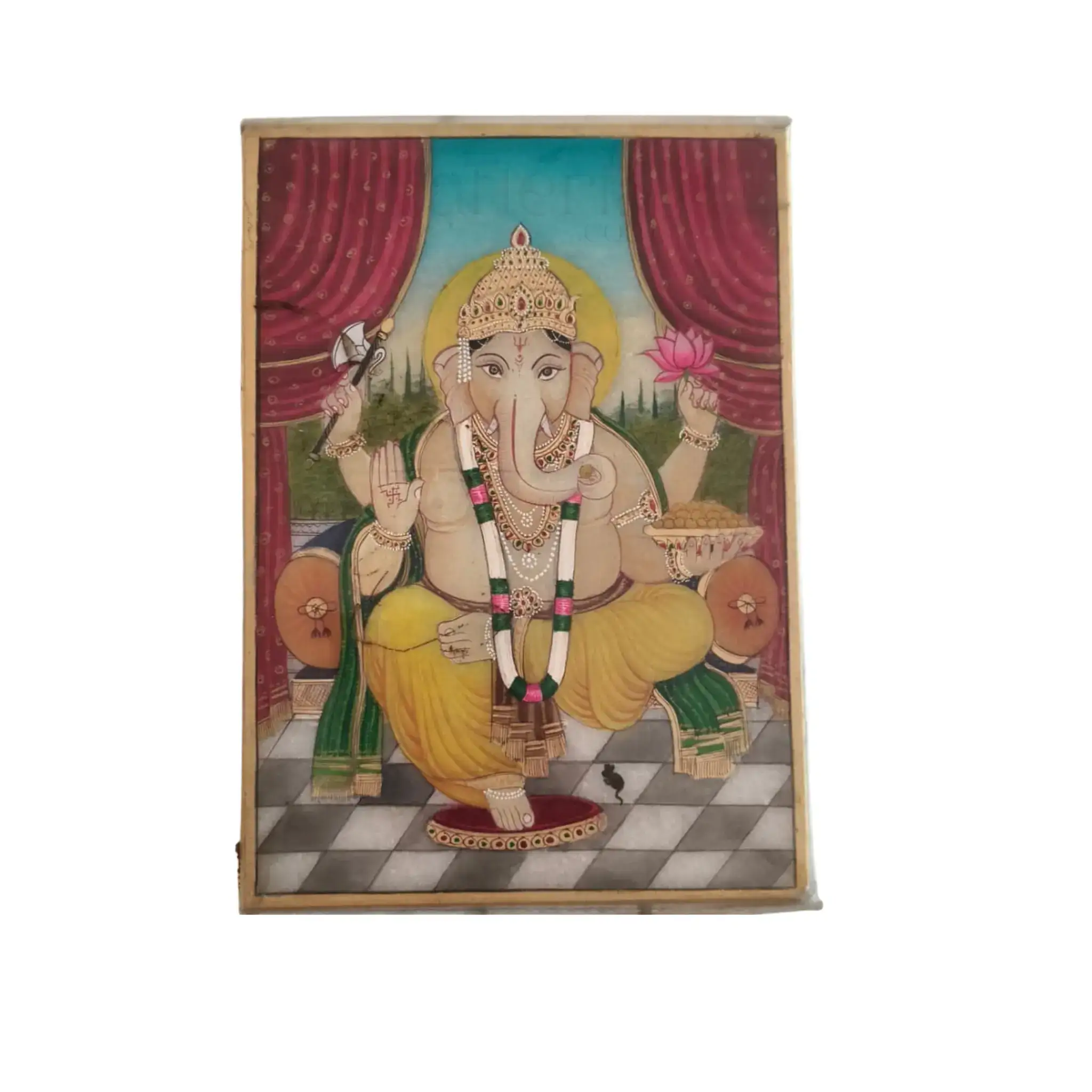
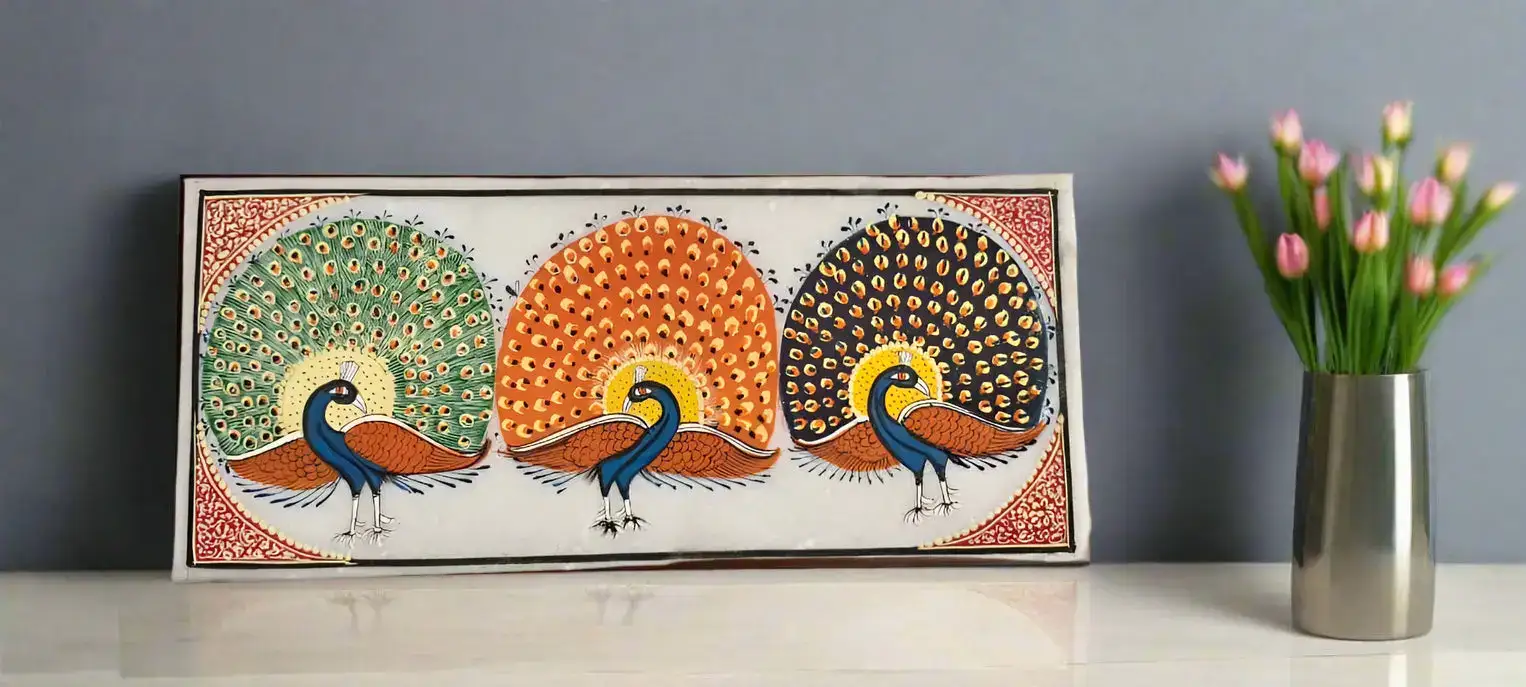
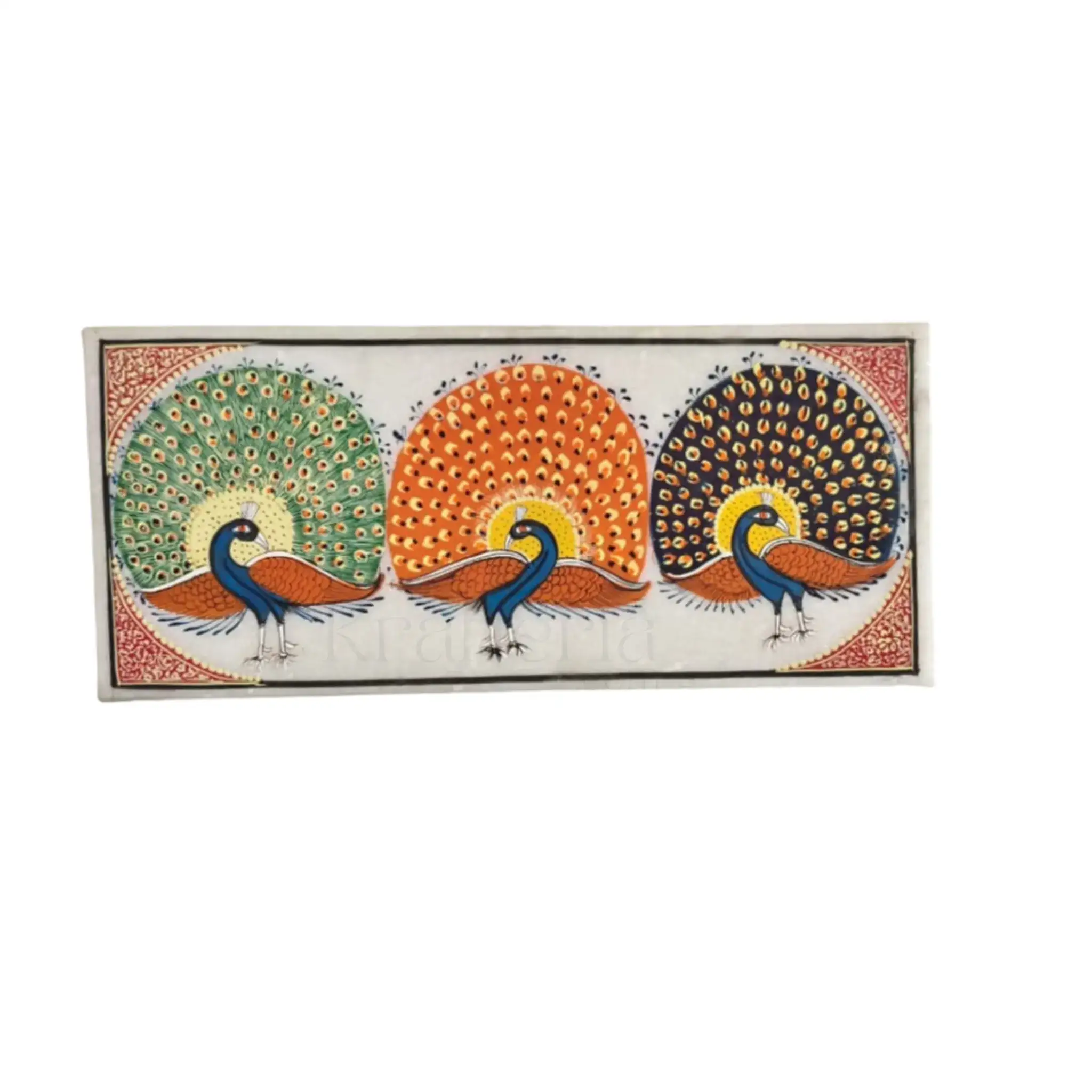
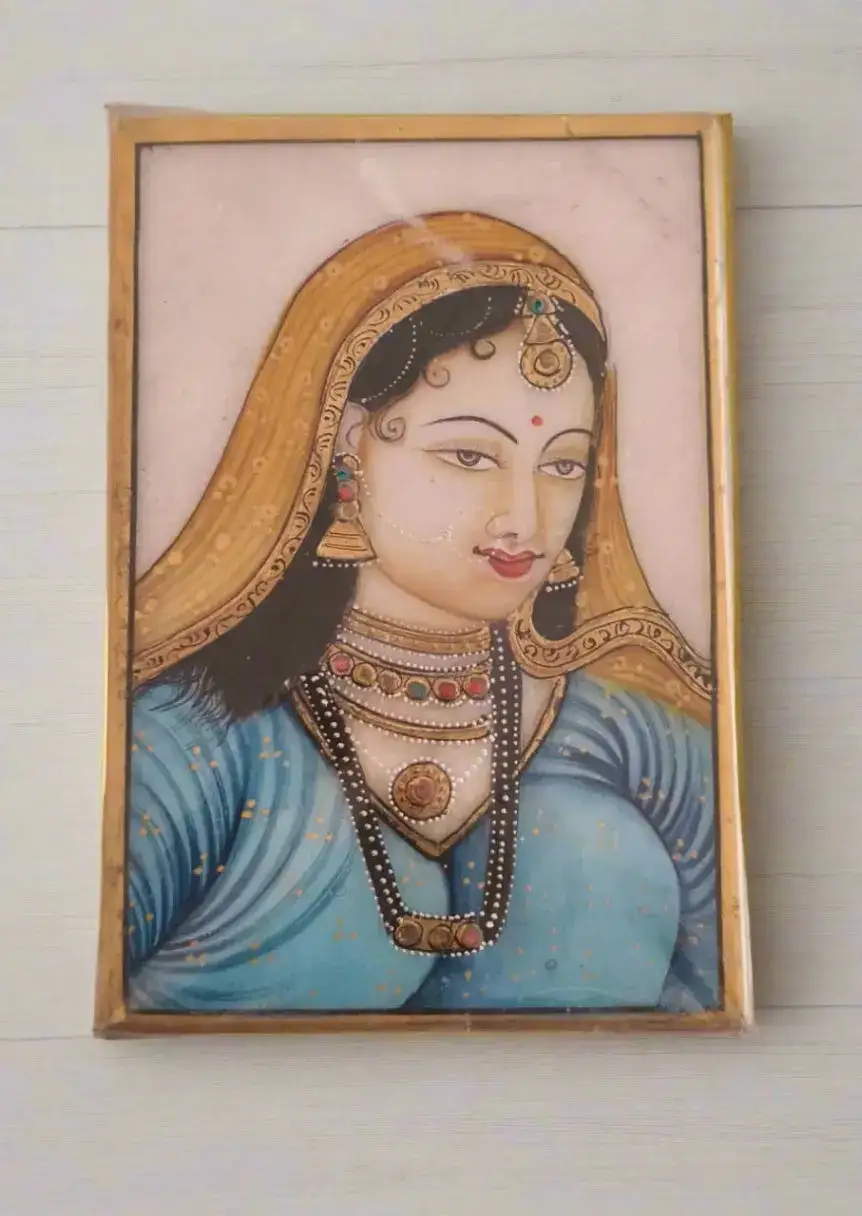
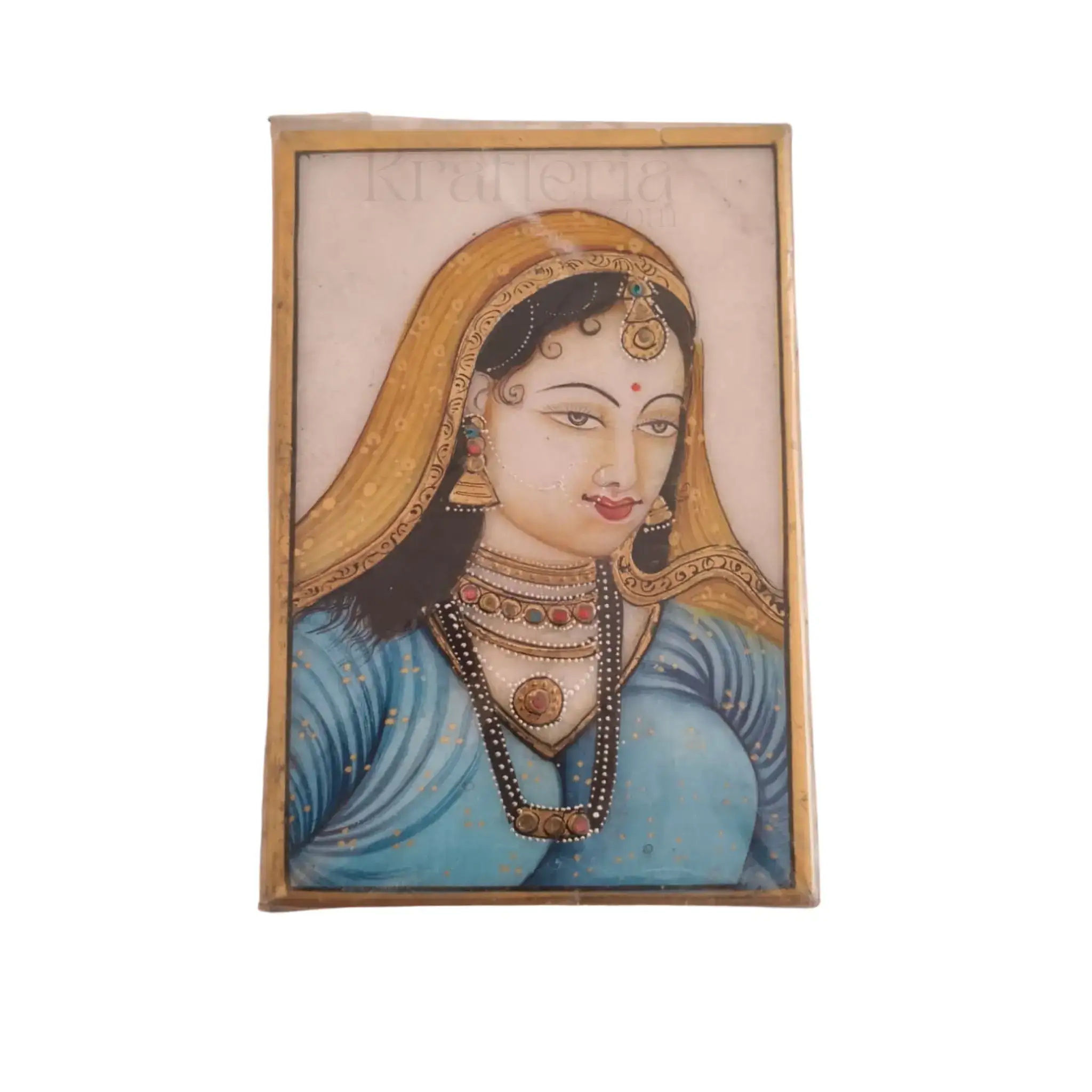
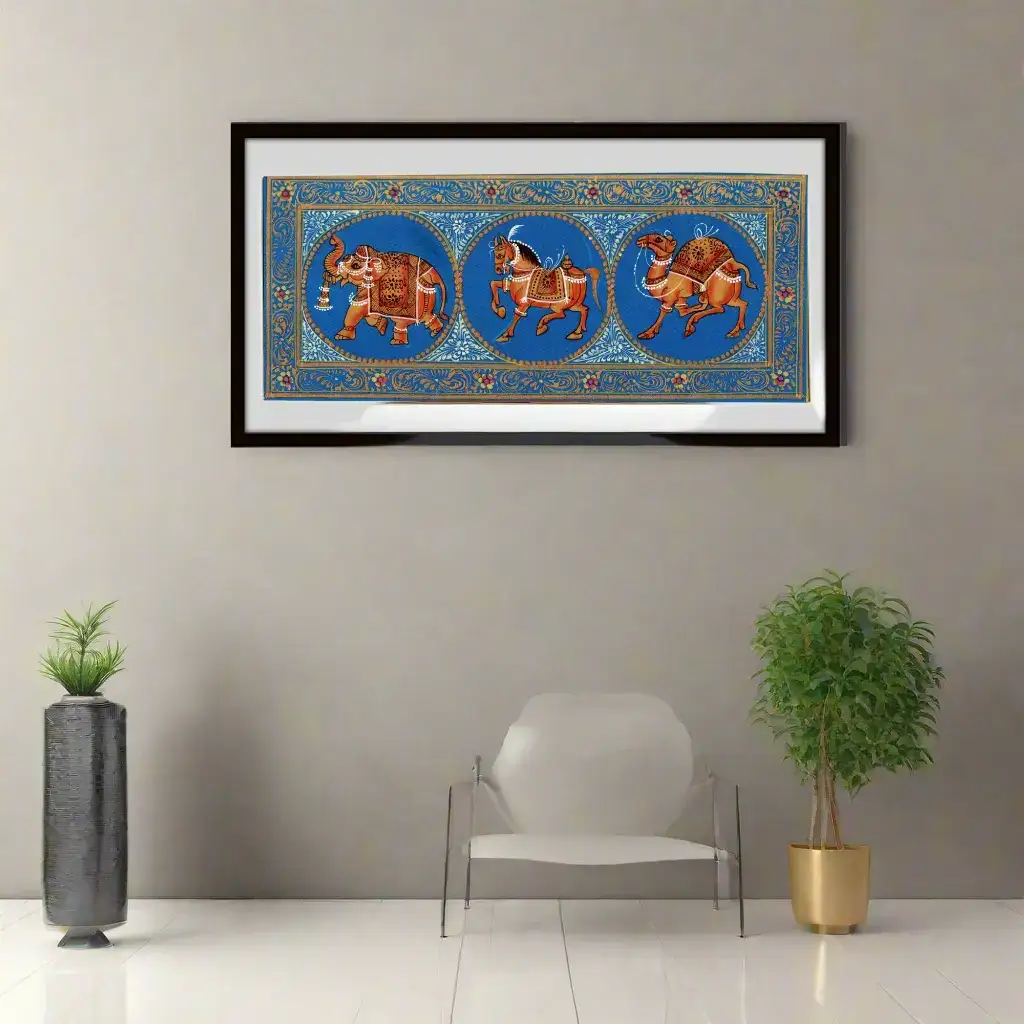
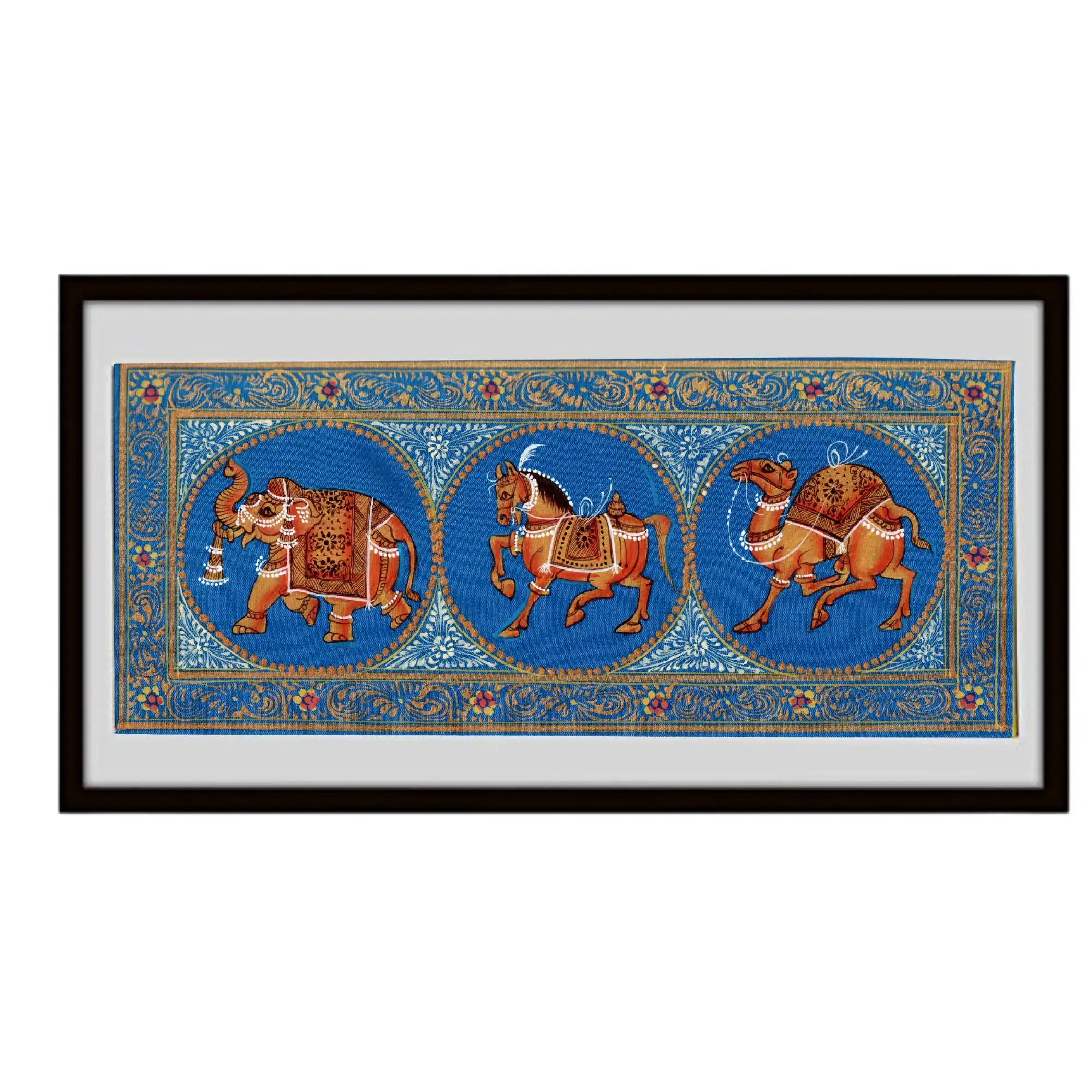
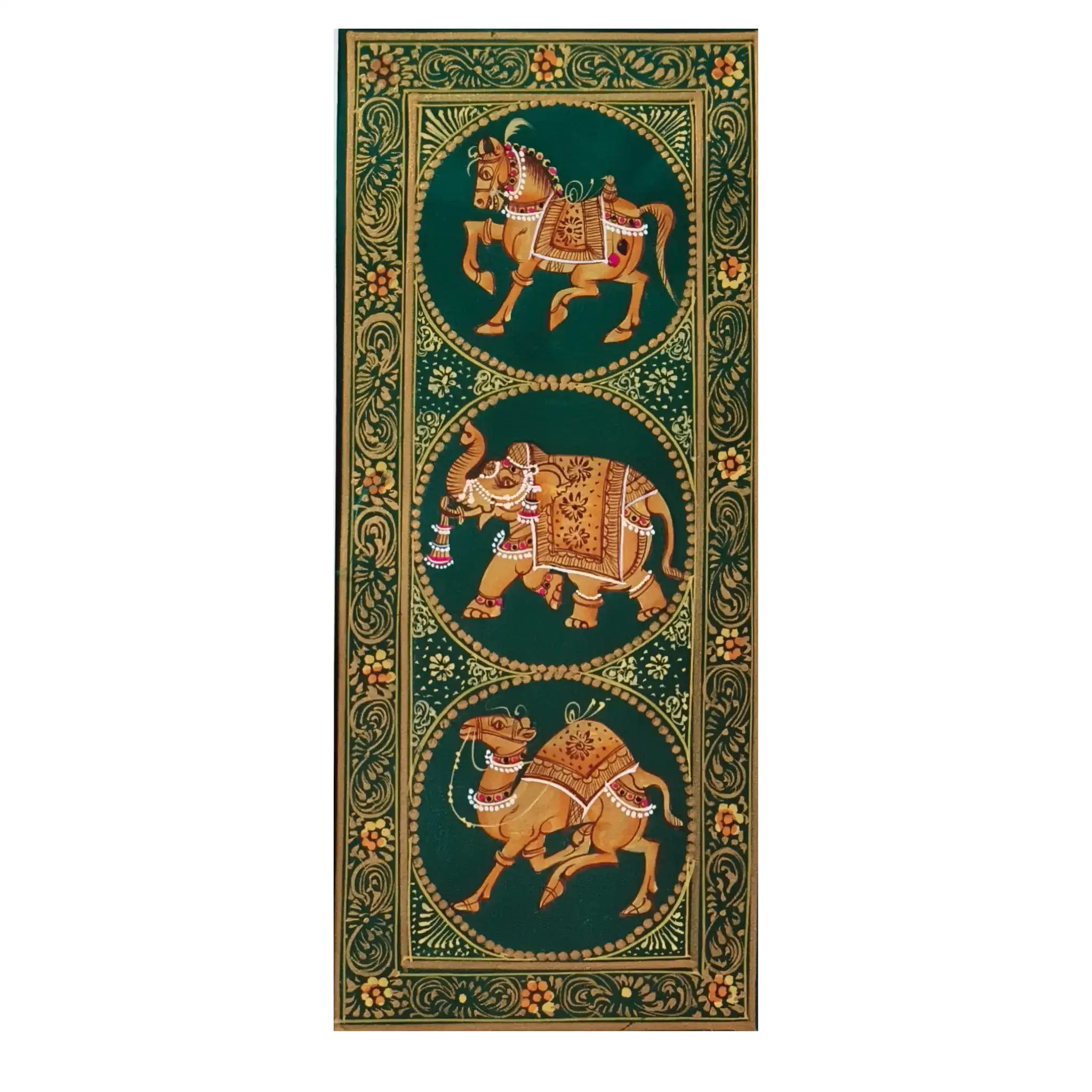
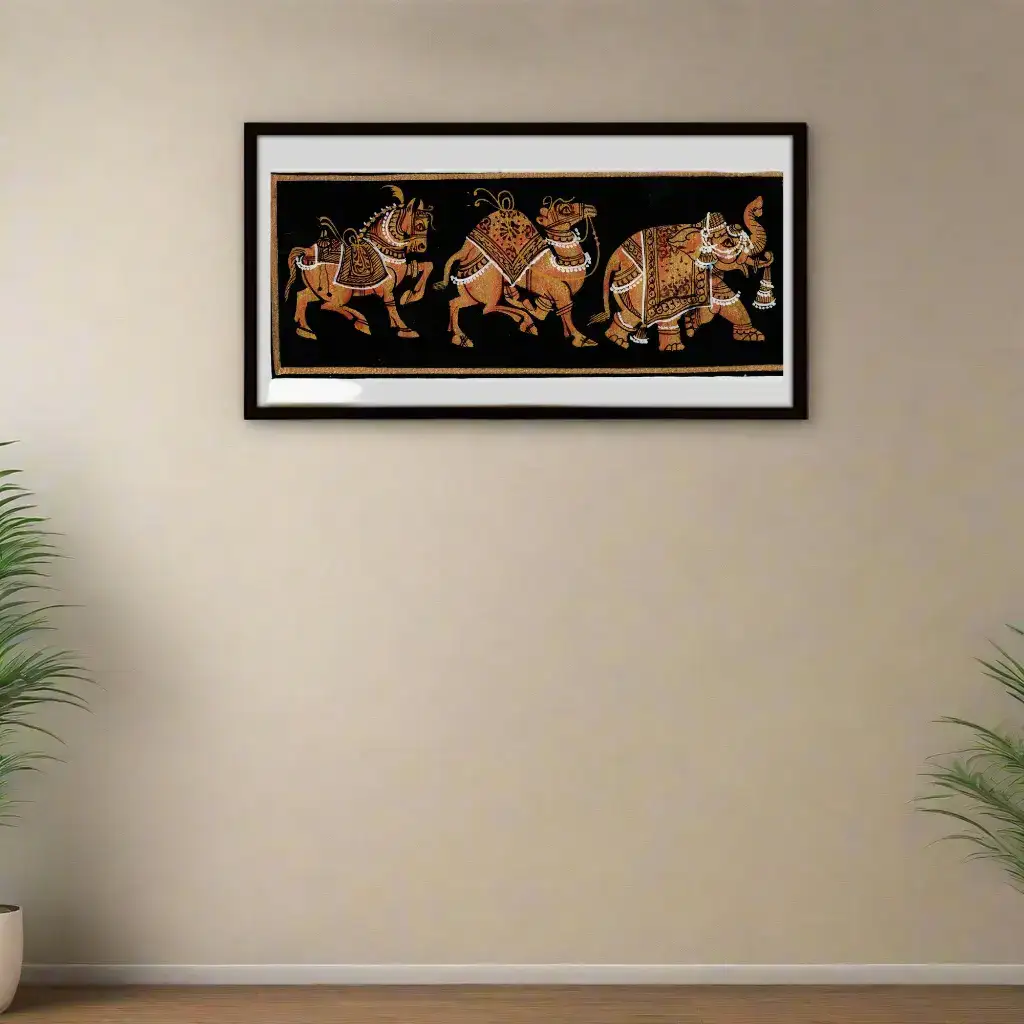
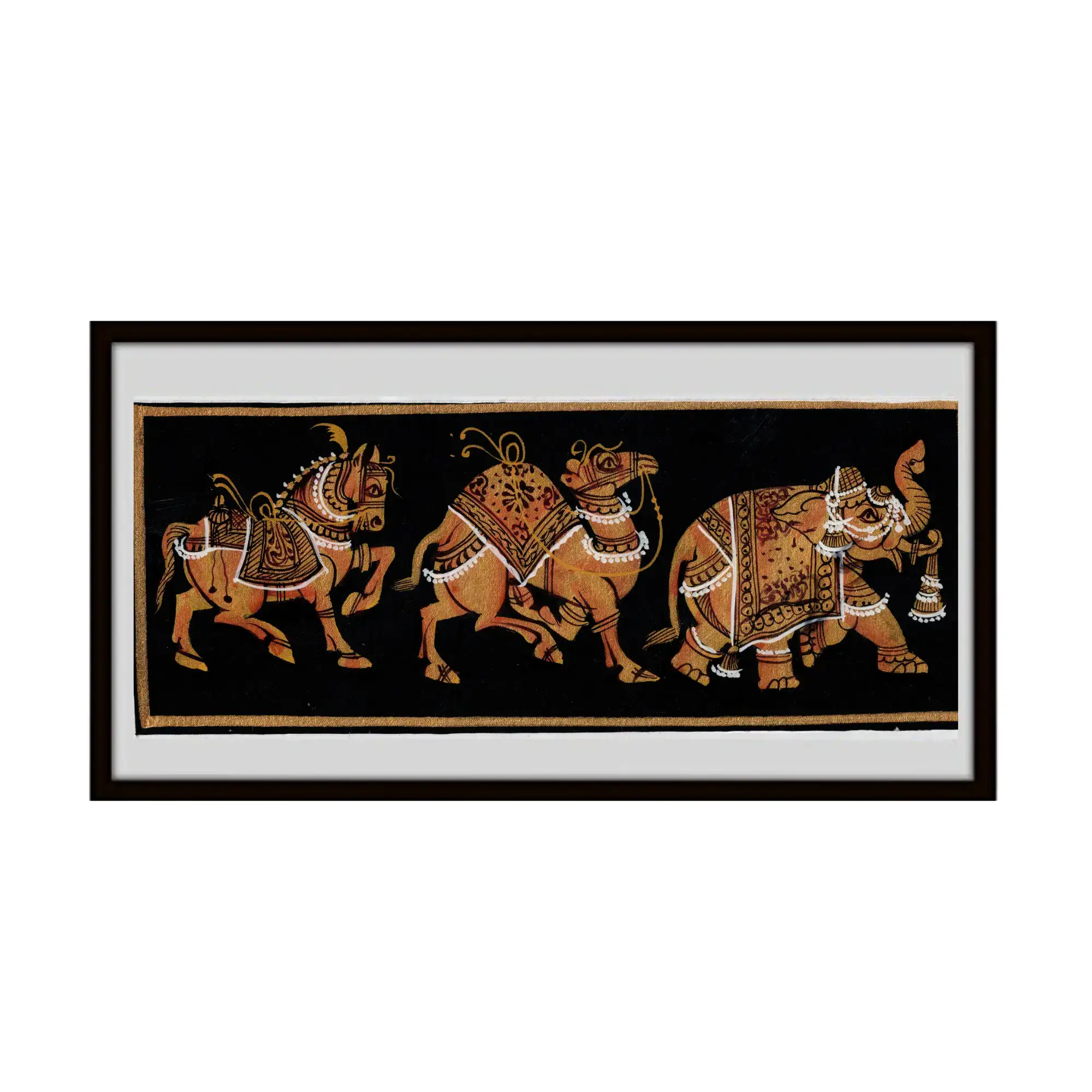
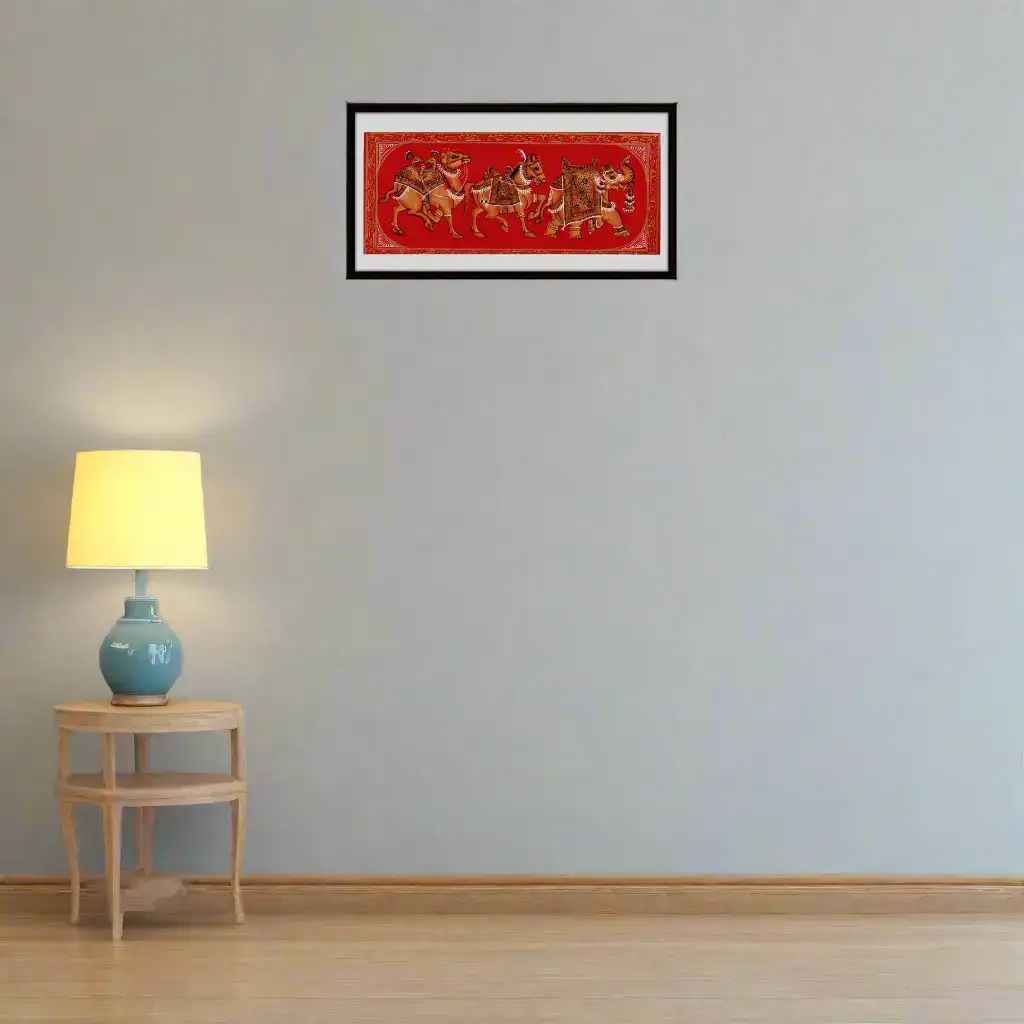
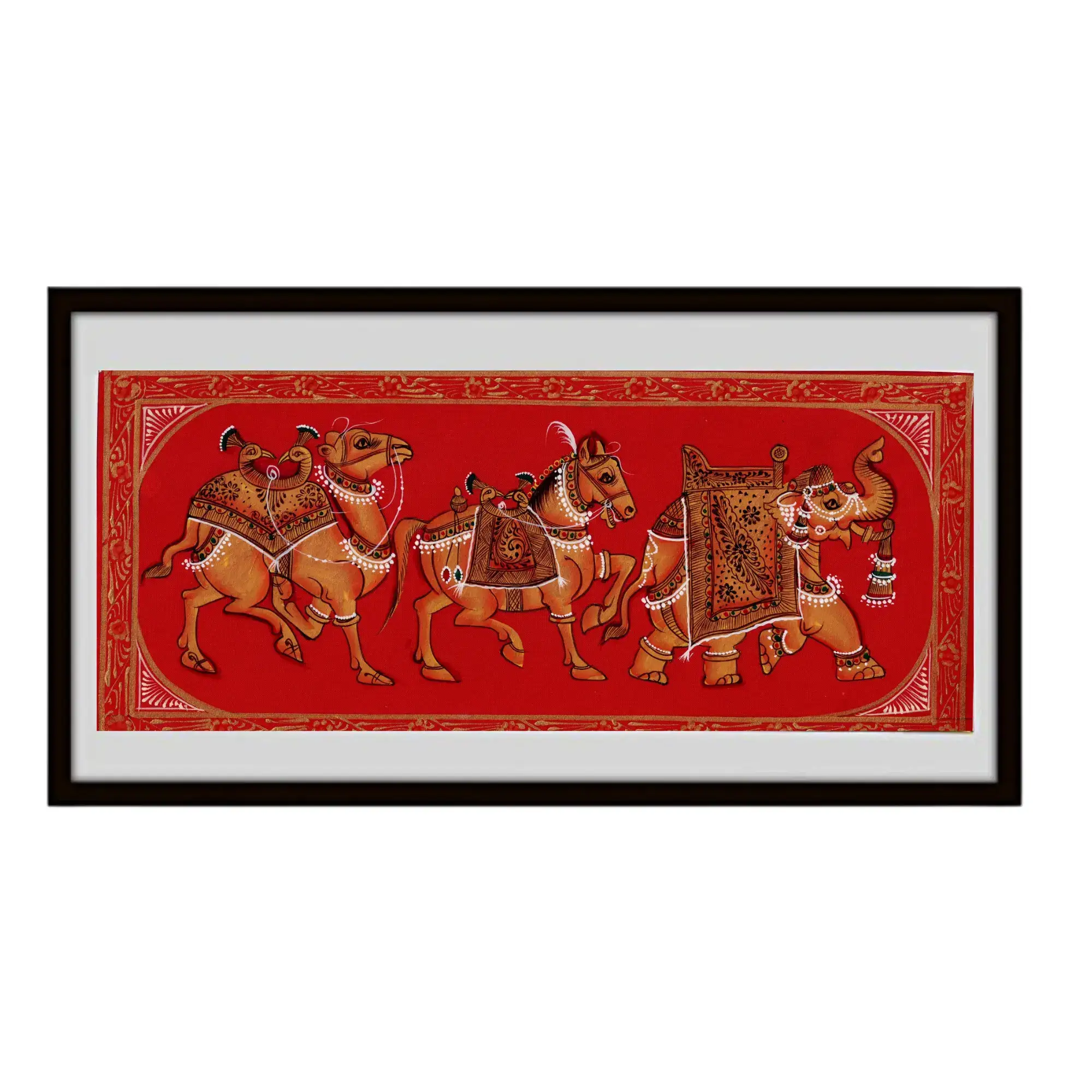
Pahari Miniature Painting and Rajasthani painting represent a rich tradition in Indian art. This style flourished in royal courts of Rajasthan since the 16th century. Deeply rooted in Indian culture, these paintings depict themes like mythology, epics, love stories, royal life, and folk culture. The artwork is famous for bold lines, bright colors, and intricate detailing. Natural dyes from minerals, vegetables, and precious stones give the miniature art a lasting, luminous quality.
The Essence of Pahari Miniature Painting
Pahari Miniature Painting captures the essence of Indian tradition with its delicate and detailed approach. These paintings reflect the beauty of ethnic wall art India through intricate designs. Skilled artisans use precise brush strokes to create expressive figures and lyrical landscapes. This miniature form is a perfect blend of storytelling and fine artistry. The painting’s vibrant colors and detailed work make it stand out as a timeless masterpiece.
Distinct Schools of Pahari Miniature Painting
The art form is divided into several distinguished schools, each with its unique style and subject focus. These include Mewar, Marwar, Bundi, Kota, Kishangarh, Bikaner, and Jaipur. The Royal Pahari school painting highlights the cultural richness and diverse artistic expressions of these regions.
- Kishangarh is renowned for its romantic portrayal of Radha and Krishna. It features iconic figures like Bani Thani, known for her distinctive features and elegant pose.
- Mewar paintings often depict court scenes, heroic tales, and religious motifs. The emphasis is on detailed human figures and dramatic narratives.
- Bundi and Kota are famous for depicting lush landscapes and hunting scenes. These schools emphasize nature and movement in their miniature paintings.
Materials and Techniques
The use of natural materials is a hallmark of authentic Miniature Painting. Artists traditionally use mineral and vegetable-based dyes. Precious stones add vibrant hues and ensure longevity. The detailed lines are painted with fine brushes made from squirrel hair. The miniature paintings are often created on handmade paper or cotton fabric, enhancing their durability and appeal.
This careful technique has been passed down through generations of artisans. The handcrafted quality gives each painting a unique texture, feeling, and character. Natural pigments and detailed brushwork contribute to the artwork’s brightness and lasting beauty.
Themes and Symbolism in Pahari Miniature
The Romantic Pahari miniature art often explores themes of love, devotion, and emotion. Divine love stories, especially those of Radha and Krishna, are commonly illustrated with sensitivity and grace. Mythological themes and epic narratives are depicted with rich symbolism and intricate iconography.
Beyond romance and mythology, the paintings portray royal life and folk traditions, giving a glimpse into historical and cultural life of the past. The detailed compositions balance human figures with natural elements, creating a harmonious artistic expression.
Why Choose Miniature Painting as Ethnic Wall Art India?
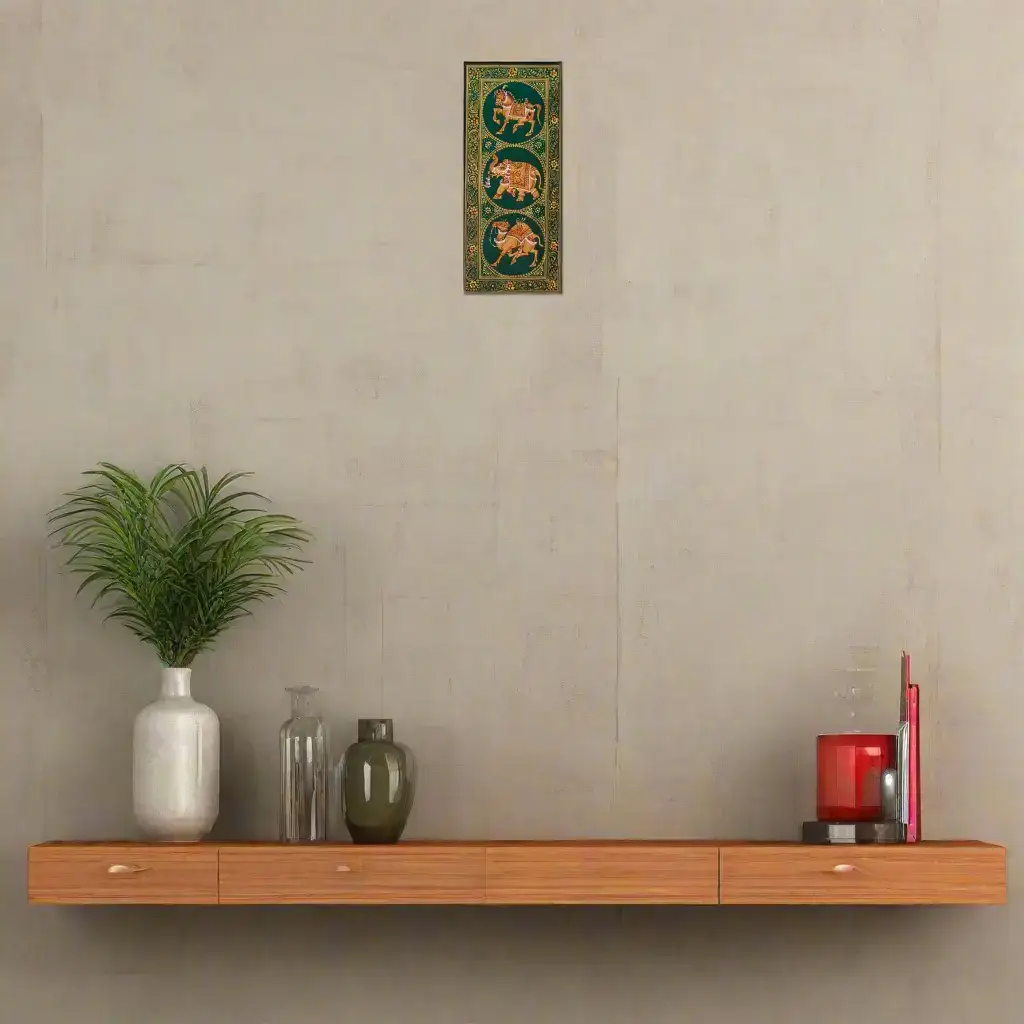
Pahari Painting serves as a vibrant form of ethnic wall art India that enriches any space with cultural depth. The artwork’s intricate detail and bright palette brighten living spaces, meditation areas, and galleries. As a traditional art form, it adds authenticity and history to décor.
This painting style suits collectors, art enthusiasts, and those appreciating India’s diverse artistic heritage. It offers a connection to India’s royal artistic traditions and timeless craftsmanship.
Preserving a Cultural Heritage
The Miniature Painting tradition represents much more than an art form. It encapsulates centuries of cultural heritage and artistic excellence. Today, artists continue to dedicate their skills to preserve this unique painting style. By owning a piece of this art, you contribute to keeping India's royal school painting traditions alive.
Every miniature artwork carries the story of Rajasthan’s royal courts, nature’s beauty, and emotional expressions. This connection to history also makes the paintings valuable heirlooms and a source of artistic inspiration for future generations.
Original: $107.58
-70%$107.58
$32.27Product Information
Product Information
Shipping & Returns
Shipping & Returns
Description
Moment of Bliss Pahari Miniature Painting
Pahari Miniature Painting and Rajasthani painting represent a rich tradition in Indian art. This style flourished in royal courts of Rajasthan since the 16th century. Deeply rooted in Indian culture, these paintings depict themes like mythology, epics, love stories, royal life, and folk culture. The artwork is famous for bold lines, bright colors, and intricate detailing. Natural dyes from minerals, vegetables, and precious stones give the miniature art a lasting, luminous quality.
The Essence of Pahari Miniature Painting
Pahari Miniature Painting captures the essence of Indian tradition with its delicate and detailed approach. These paintings reflect the beauty of ethnic wall art India through intricate designs. Skilled artisans use precise brush strokes to create expressive figures and lyrical landscapes. This miniature form is a perfect blend of storytelling and fine artistry. The painting’s vibrant colors and detailed work make it stand out as a timeless masterpiece.
Distinct Schools of Pahari Miniature Painting
The art form is divided into several distinguished schools, each with its unique style and subject focus. These include Mewar, Marwar, Bundi, Kota, Kishangarh, Bikaner, and Jaipur. The Royal Pahari school painting highlights the cultural richness and diverse artistic expressions of these regions.
- Kishangarh is renowned for its romantic portrayal of Radha and Krishna. It features iconic figures like Bani Thani, known for her distinctive features and elegant pose.
- Mewar paintings often depict court scenes, heroic tales, and religious motifs. The emphasis is on detailed human figures and dramatic narratives.
- Bundi and Kota are famous for depicting lush landscapes and hunting scenes. These schools emphasize nature and movement in their miniature paintings.
Materials and Techniques
The use of natural materials is a hallmark of authentic Miniature Painting. Artists traditionally use mineral and vegetable-based dyes. Precious stones add vibrant hues and ensure longevity. The detailed lines are painted with fine brushes made from squirrel hair. The miniature paintings are often created on handmade paper or cotton fabric, enhancing their durability and appeal.
This careful technique has been passed down through generations of artisans. The handcrafted quality gives each painting a unique texture, feeling, and character. Natural pigments and detailed brushwork contribute to the artwork’s brightness and lasting beauty.
Themes and Symbolism in Pahari Miniature
The Romantic Pahari miniature art often explores themes of love, devotion, and emotion. Divine love stories, especially those of Radha and Krishna, are commonly illustrated with sensitivity and grace. Mythological themes and epic narratives are depicted with rich symbolism and intricate iconography.
Beyond romance and mythology, the paintings portray royal life and folk traditions, giving a glimpse into historical and cultural life of the past. The detailed compositions balance human figures with natural elements, creating a harmonious artistic expression.
Why Choose Miniature Painting as Ethnic Wall Art India?
Pahari Painting serves as a vibrant form of ethnic wall art India that enriches any space with cultural depth. The artwork’s intricate detail and bright palette brighten living spaces, meditation areas, and galleries. As a traditional art form, it adds authenticity and history to décor.
This painting style suits collectors, art enthusiasts, and those appreciating India’s diverse artistic heritage. It offers a connection to India’s royal artistic traditions and timeless craftsmanship.
Preserving a Cultural Heritage
The Miniature Painting tradition represents much more than an art form. It encapsulates centuries of cultural heritage and artistic excellence. Today, artists continue to dedicate their skills to preserve this unique painting style. By owning a piece of this art, you contribute to keeping India's royal school painting traditions alive.
Every miniature artwork carries the story of Rajasthan’s royal courts, nature’s beauty, and emotional expressions. This connection to history also makes the paintings valuable heirlooms and a source of artistic inspiration for future generations.