Ornamented Camel Miniature Artwork – A Symbol of Strength and Beauty
Ornamented Camel Miniature Artwork – A Symbol of Strength and Beauty
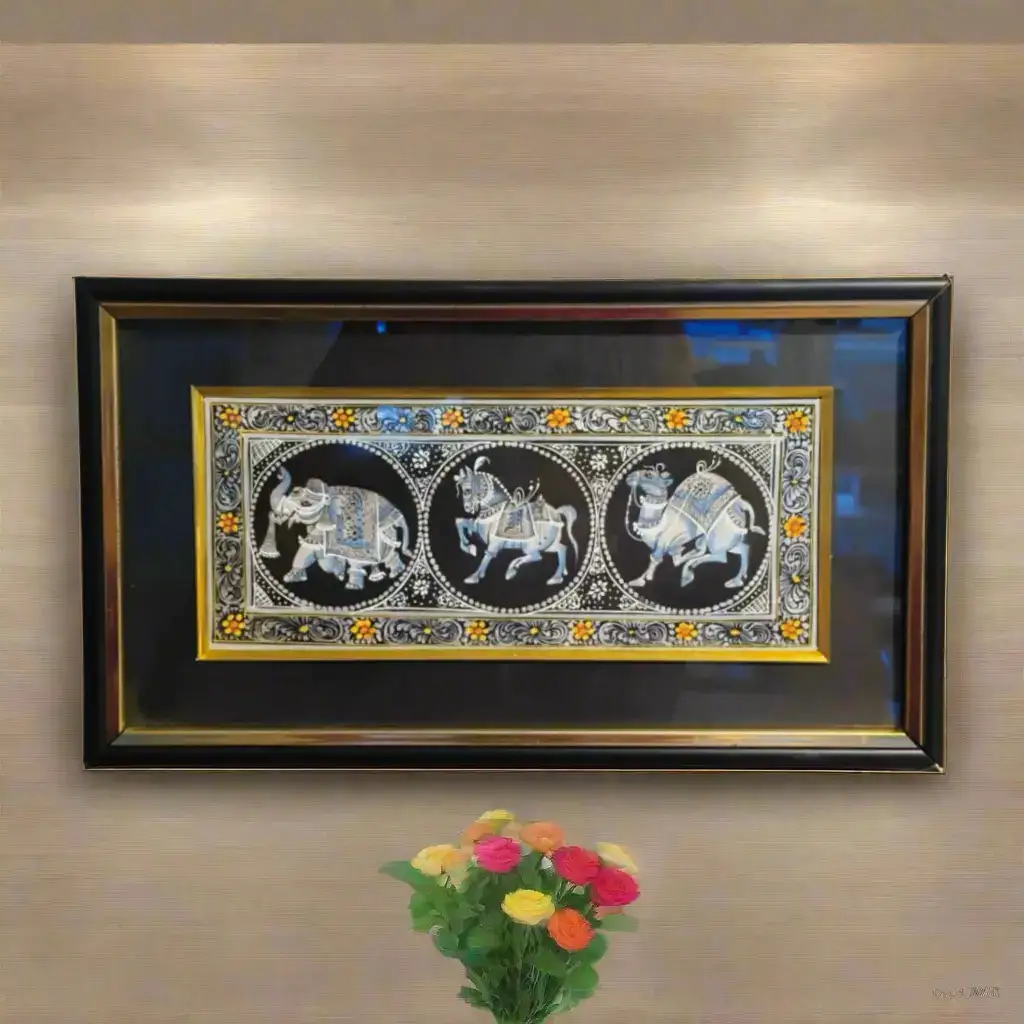
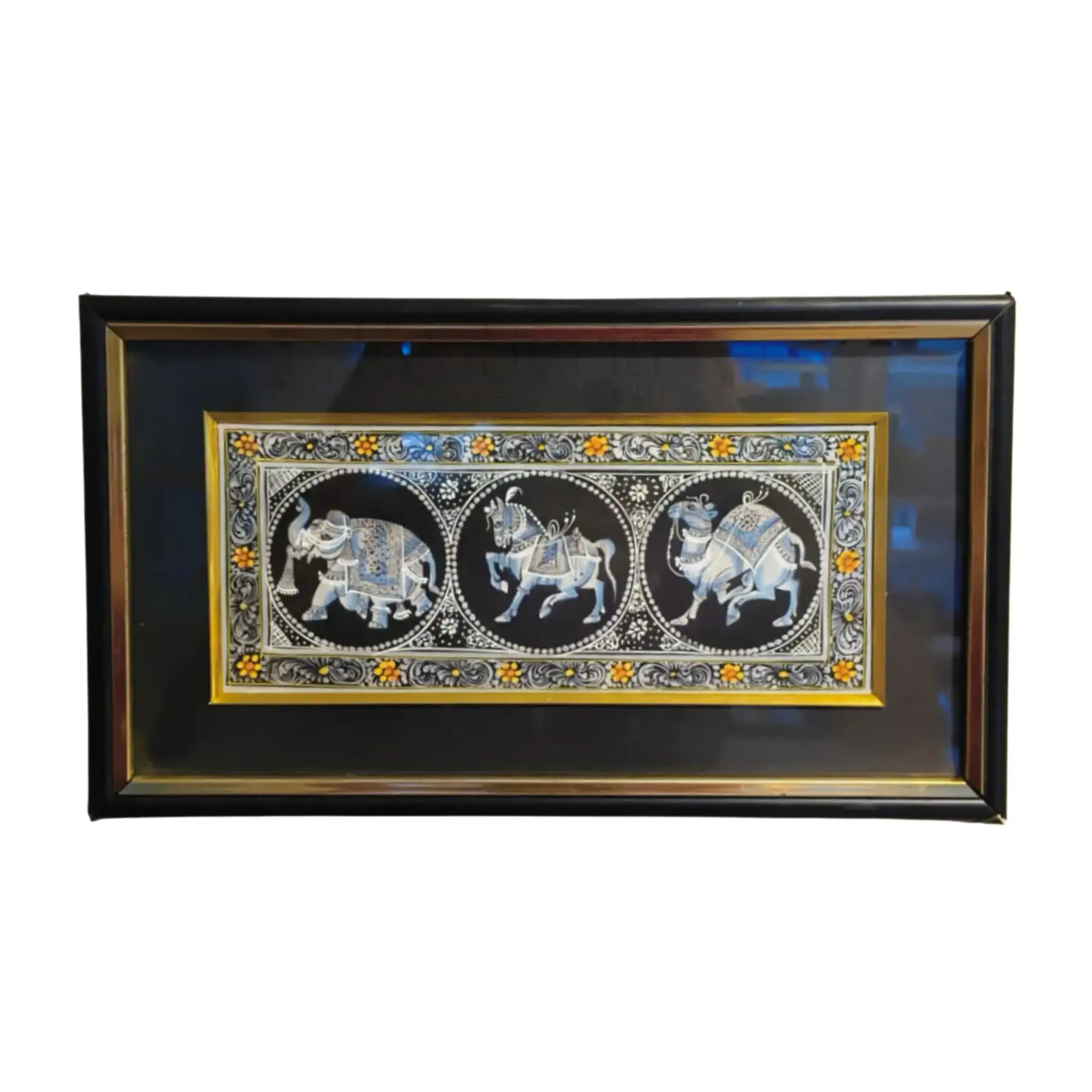
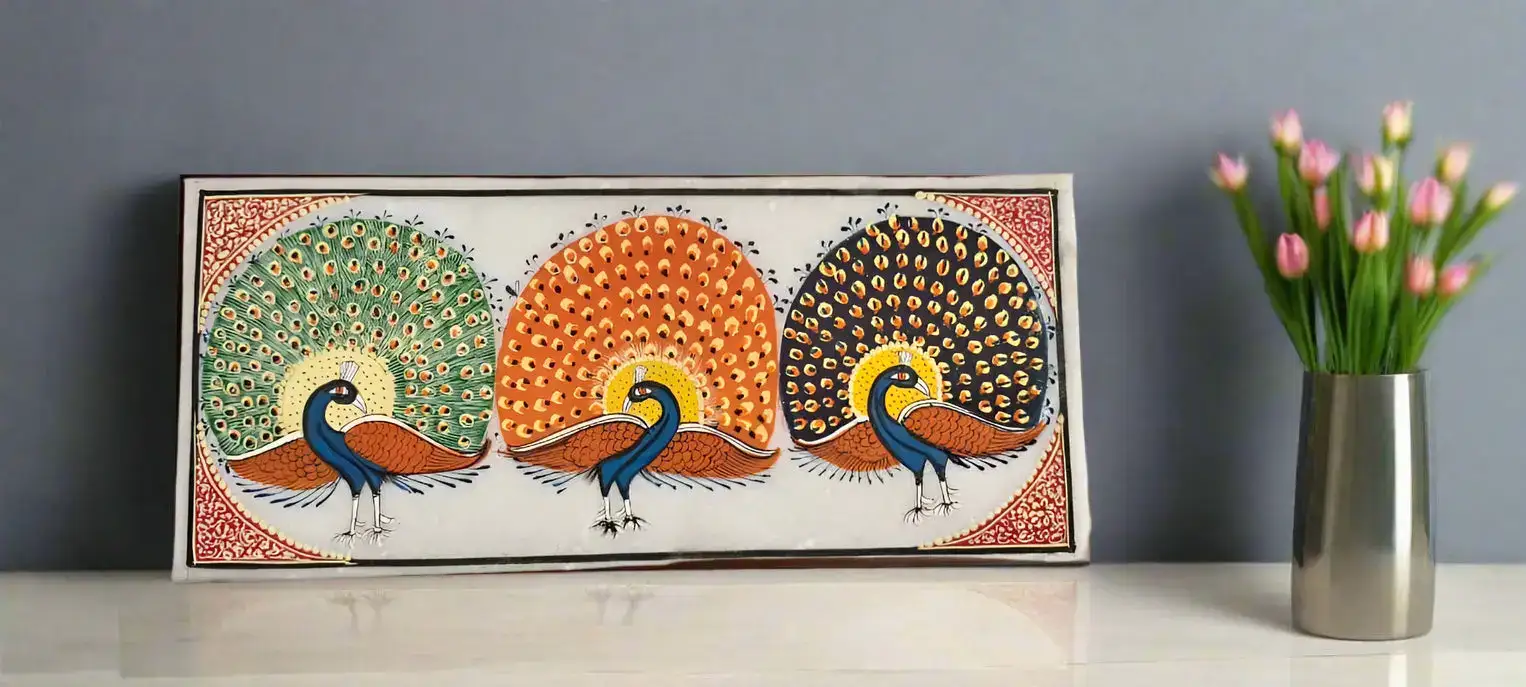
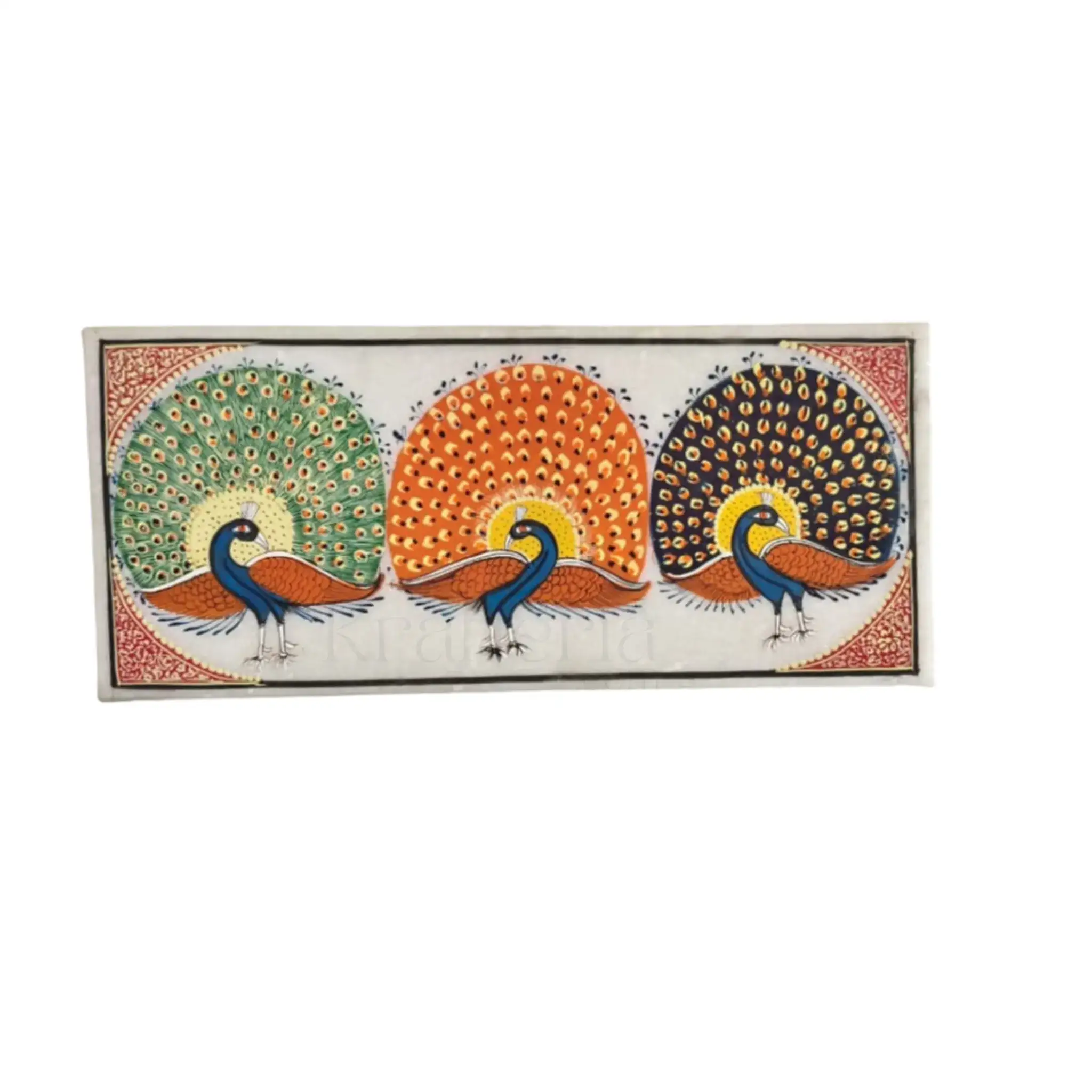
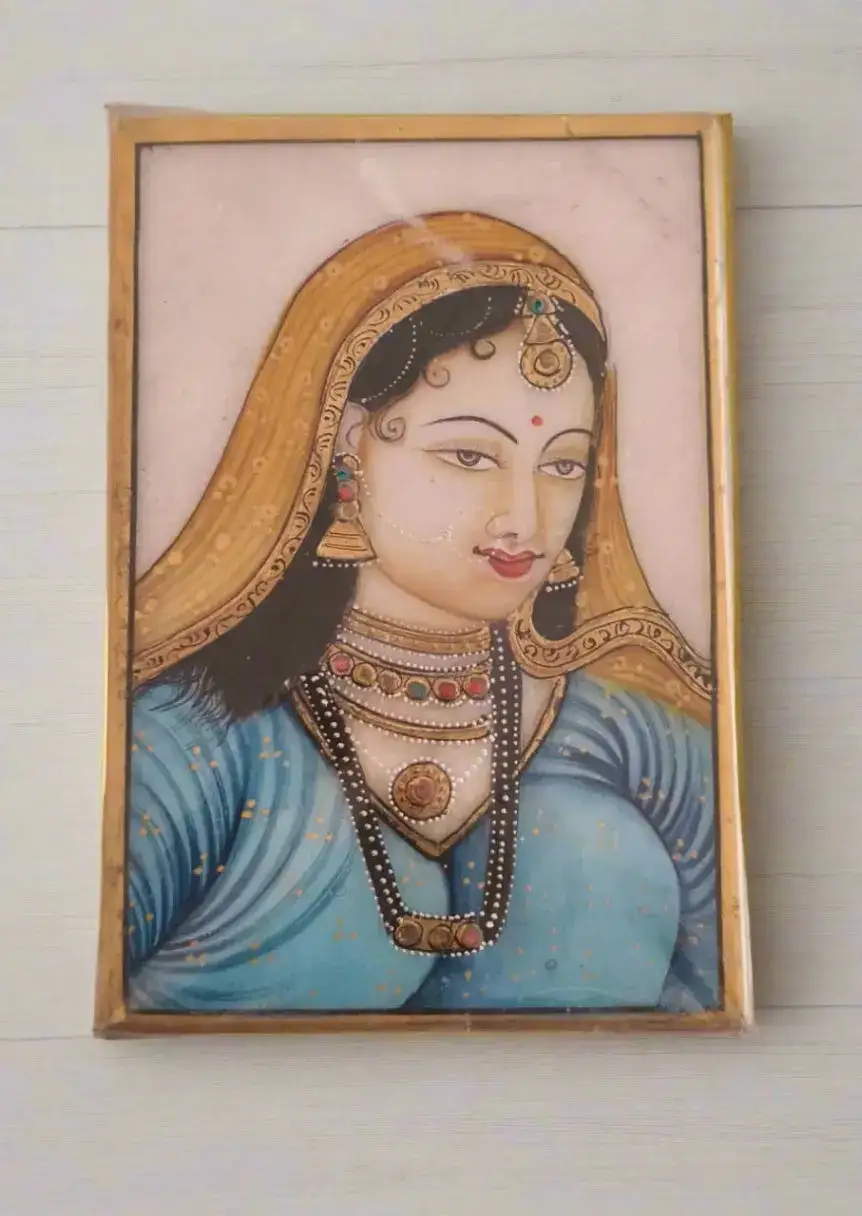
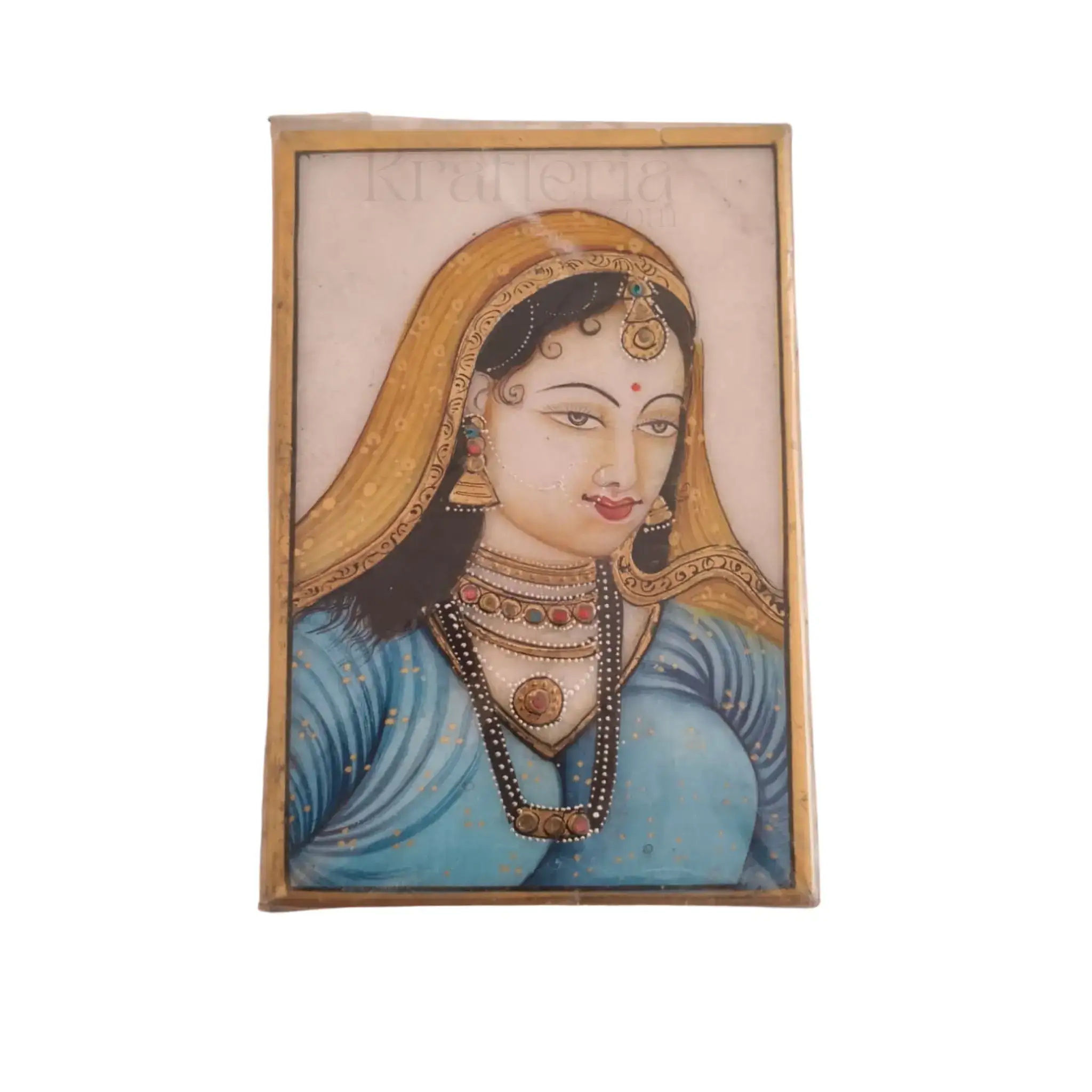
Camel Miniature Artwork Rajasthani Painting is a rich and vibrant style of Indian miniature painting. This art flourished in the royal courts of Rajasthan from the 16th century onwards. It is deeply rooted in Indian traditions and culture, reflecting themes from mythology, epics, love stories, royal life, and folk culture.
The paintings are recognized for their bold lines, bright colors, and intricate detailing. Traditional artists use natural dyes and pigments made from minerals, vegetables, and precious stones. This method gives the miniature paintings a lasting and luminous quality that captivates viewers.
Historical Background of the Camel Miniature Artwork
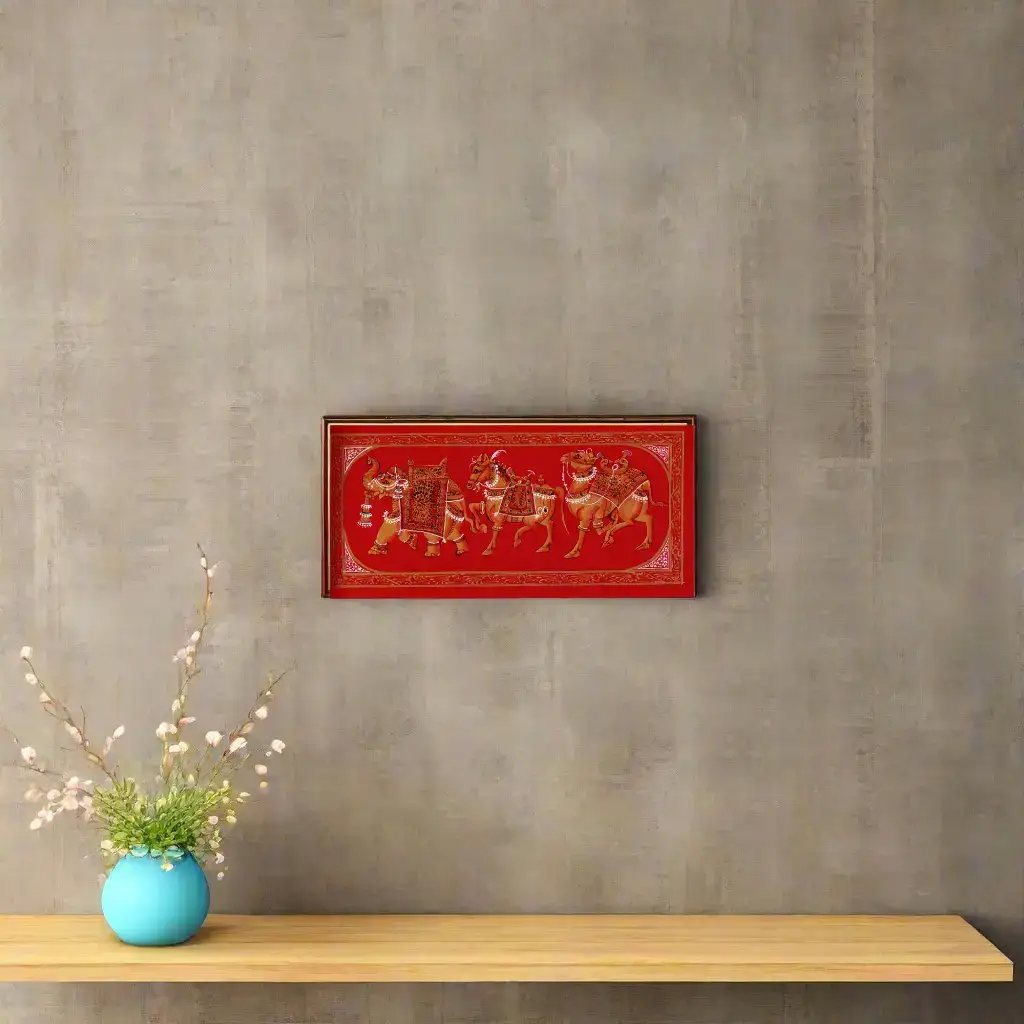
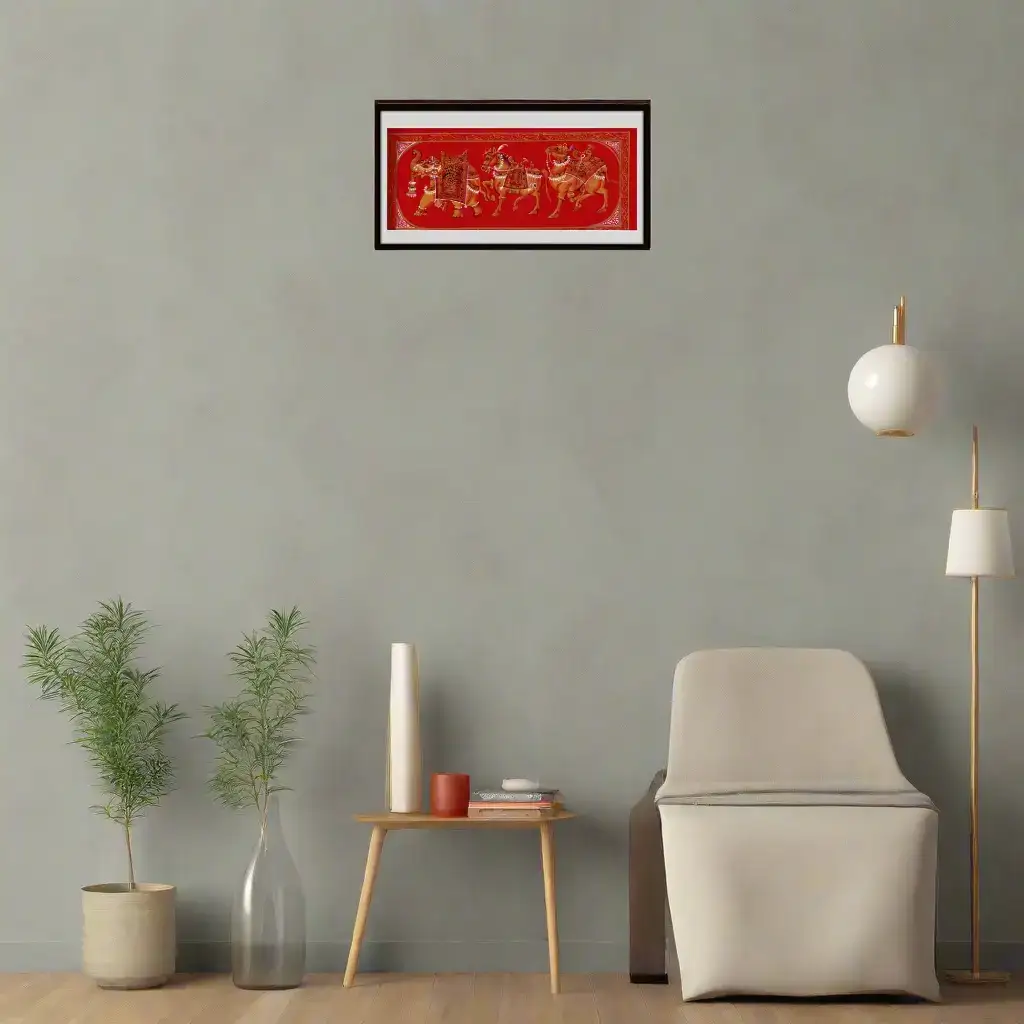
The tradition of camel-themed miniature paintings emerges from the rich heritage of Rajasthan. Artists skillfully highlight the camel, an important animal in desert life and royal processions. This miniature painting style conveys the cultural pride and symbolic importance of the camel.
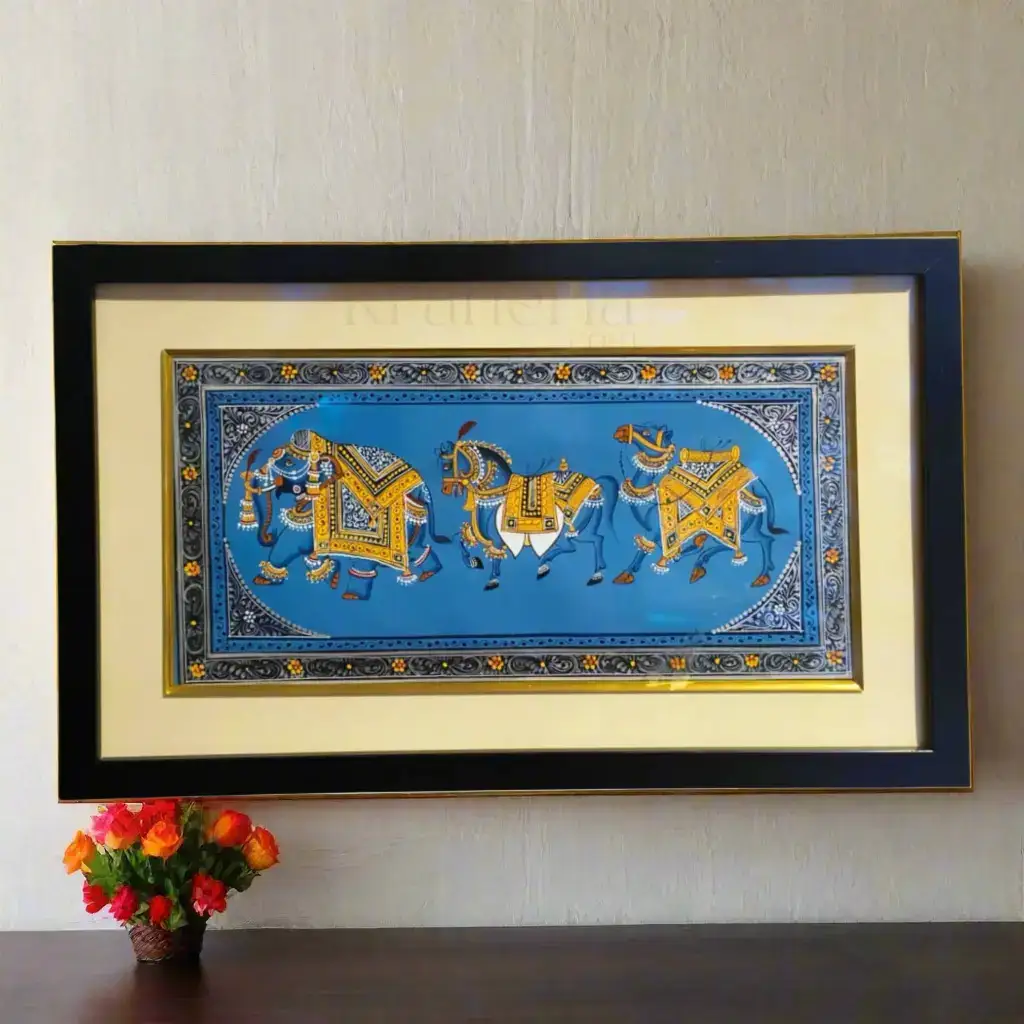
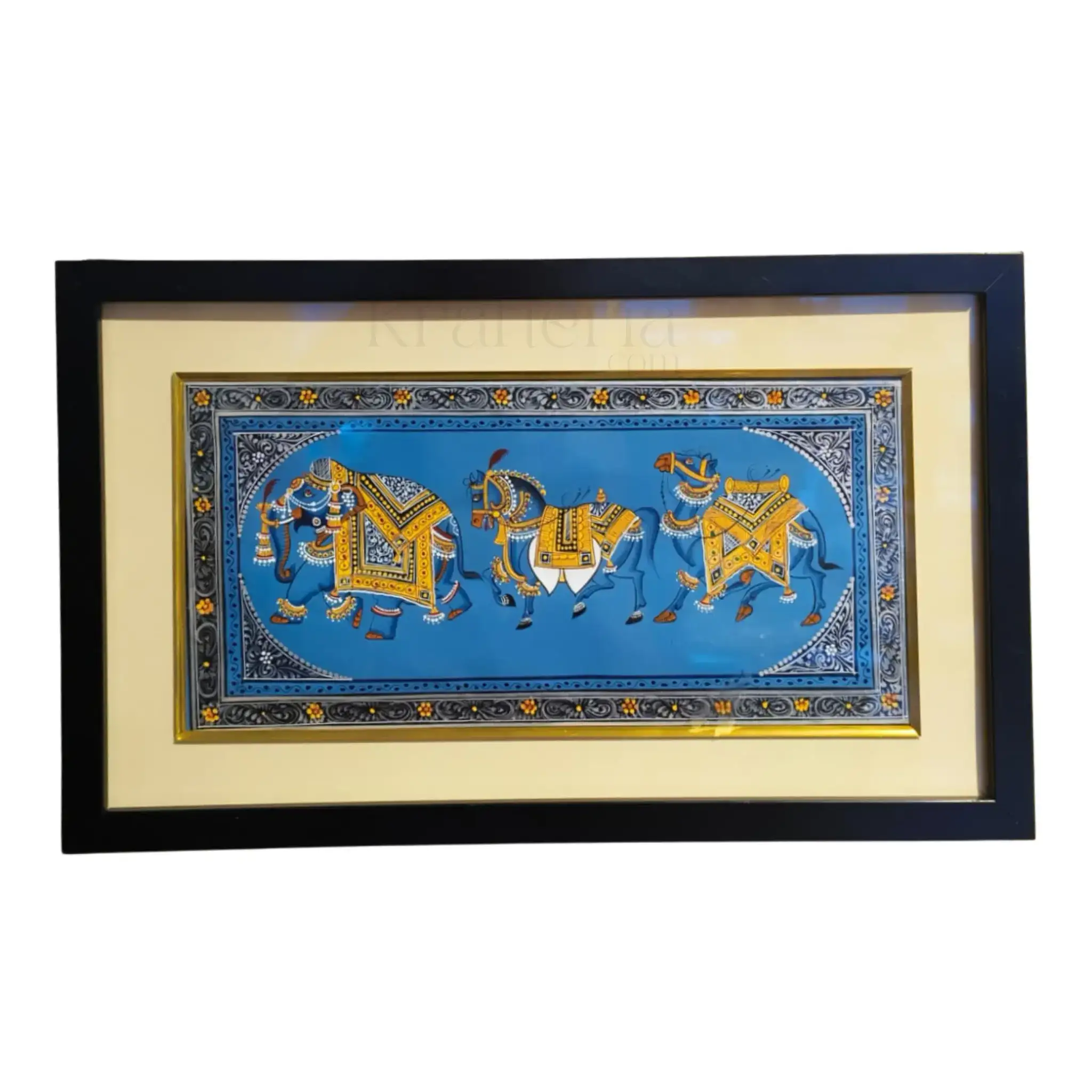
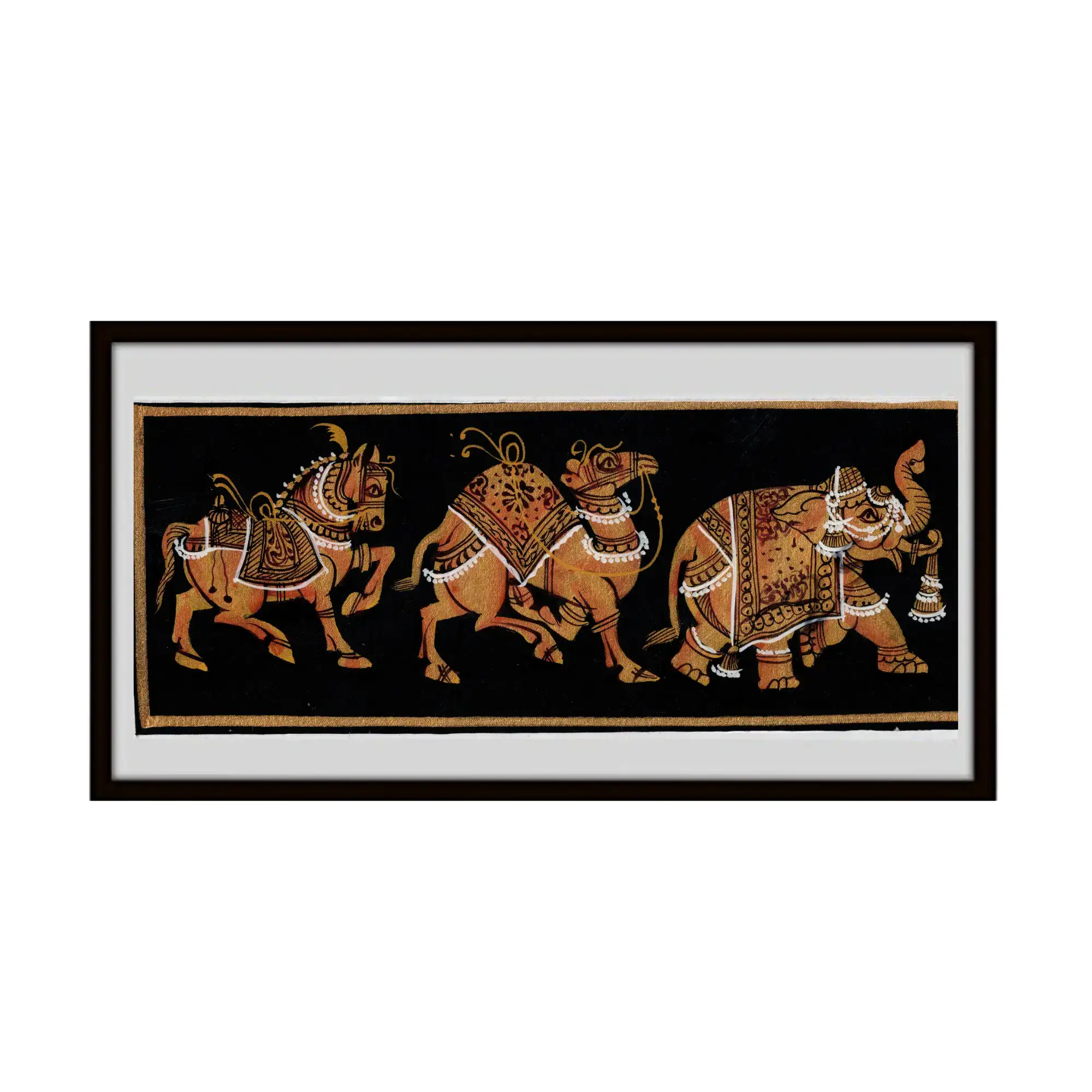
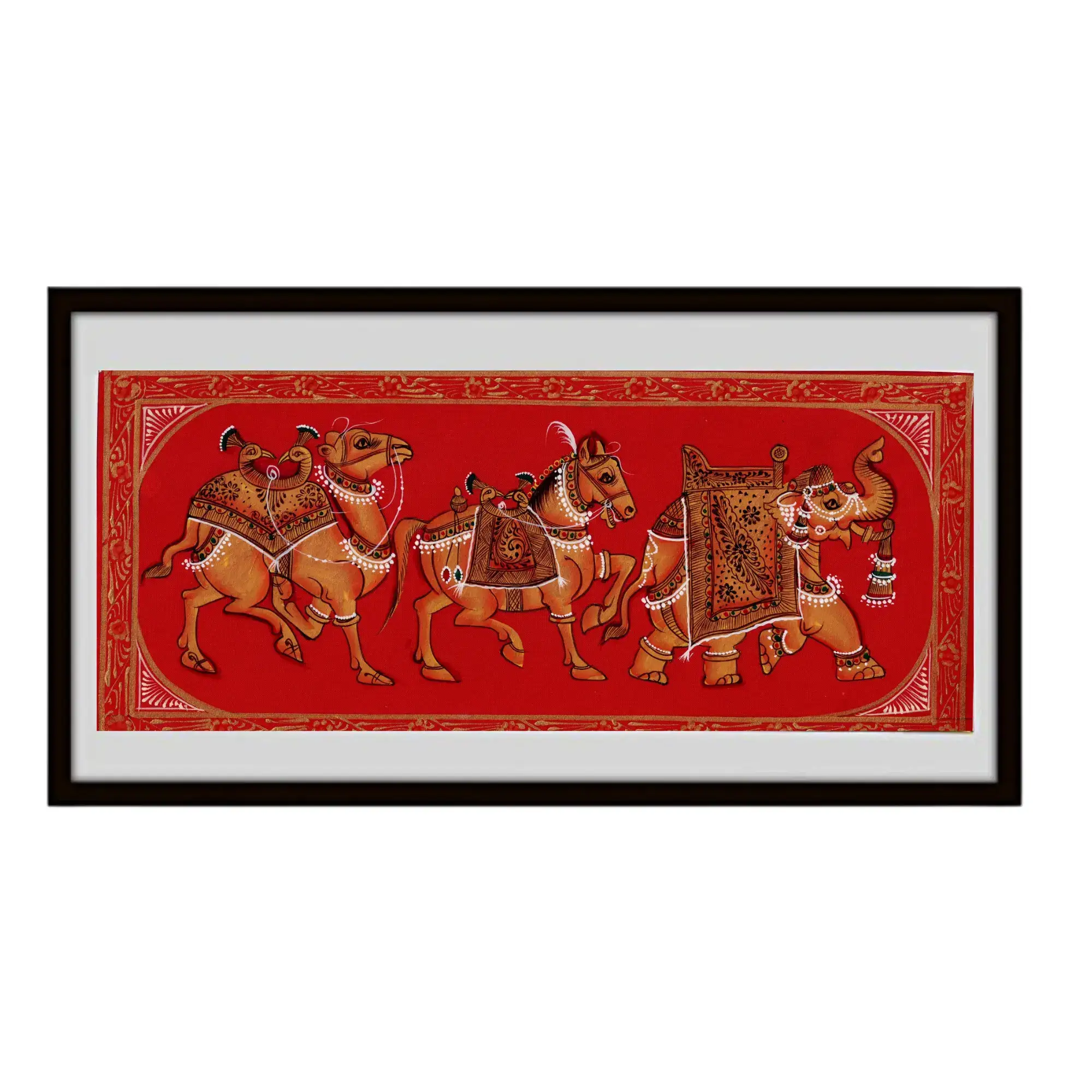
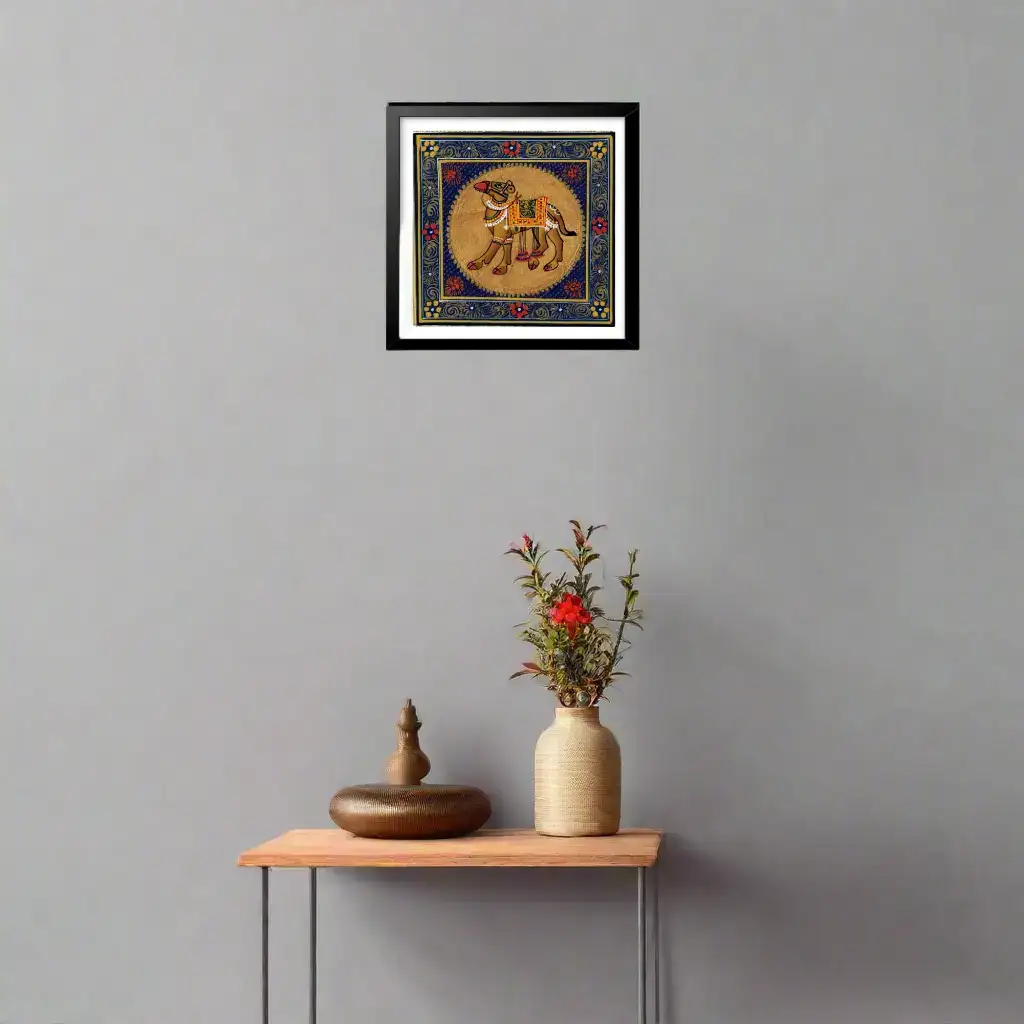
The camel is often depicted ornamented with vibrant decorations and jewelry. It represents strength, resilience, and beauty, serving as a cultural icon. This Camel Miniature Artwork connects the viewer to Rajasthan’s royal history and desert lifestyle.
Distinct Schools of Rajasthan Miniature Painting
This art form is divided into several regional schools, each with its unique style and focus. These schools include Mewar, Marwar, Bundi, Kota, Kishangarh, Bikaner, and Jaipur. Each school showcases different themes and techniques within the miniature painting tradition.
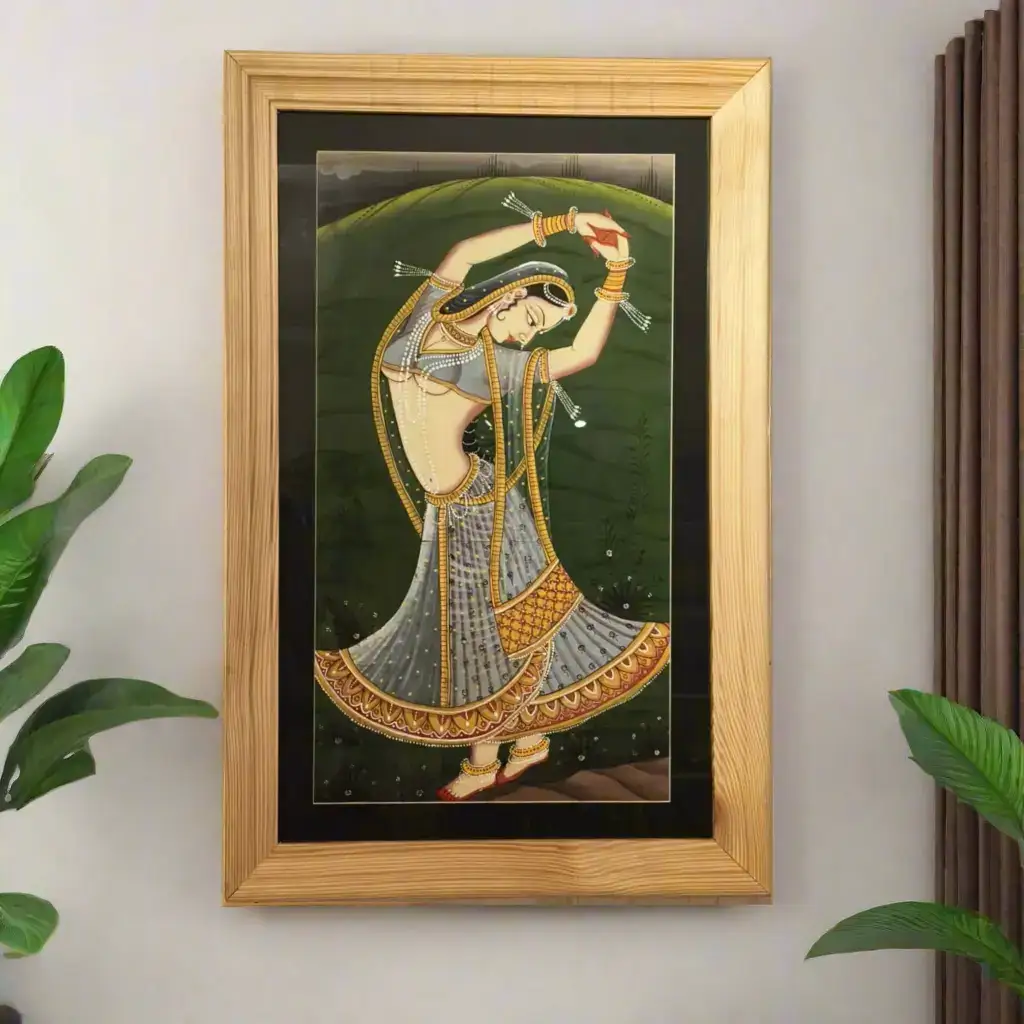
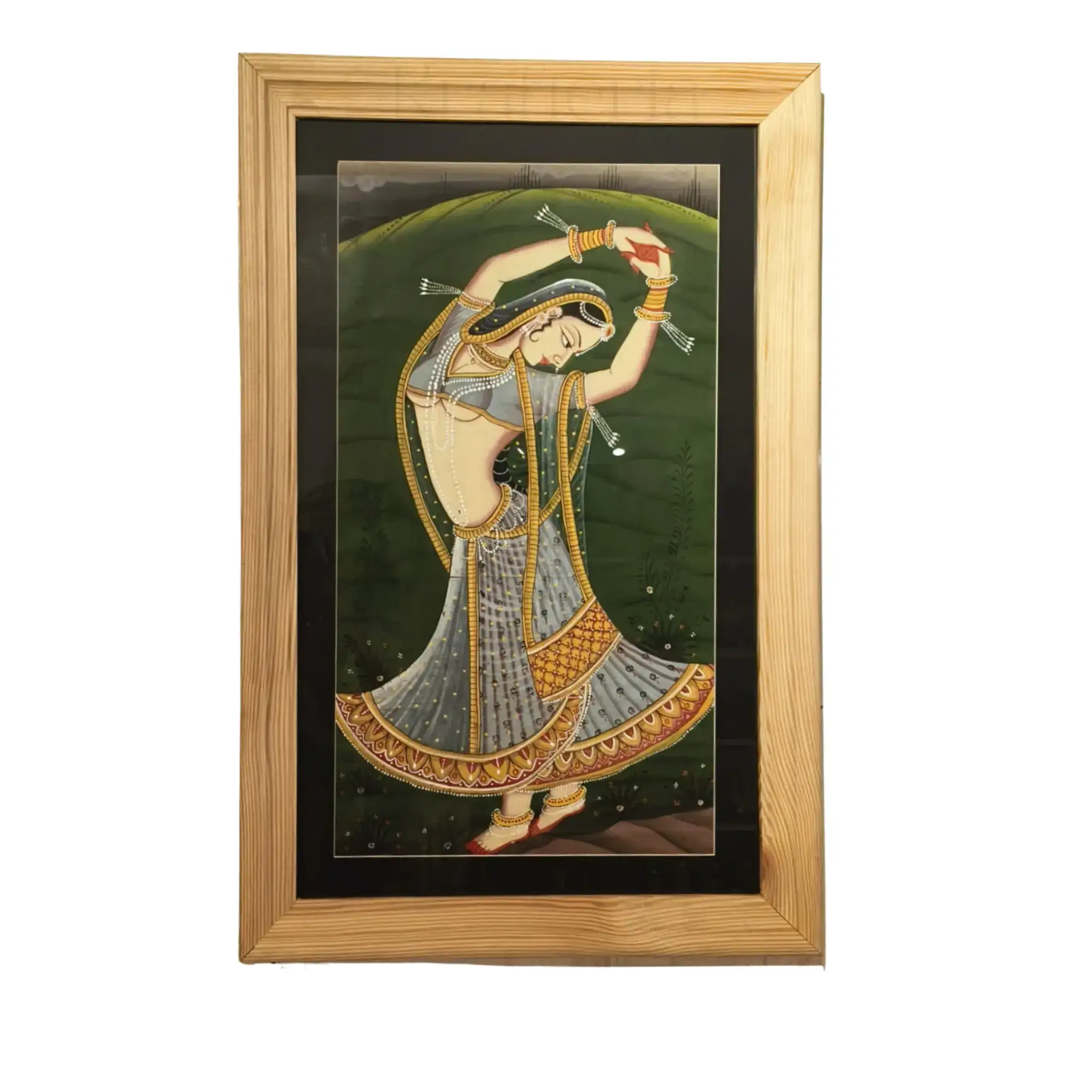
For example, Kishangarh's school is renowned for its romantic portrayals of Radha and Krishna, especially the iconic image of Bani Thani. Mewar paintings focus on court scenes, heroic tales, and religious subjects. Meanwhile, Bundi and Kota are famous for their lush landscapes and hunting scenes.
Artistic Features of Miniature Artwork
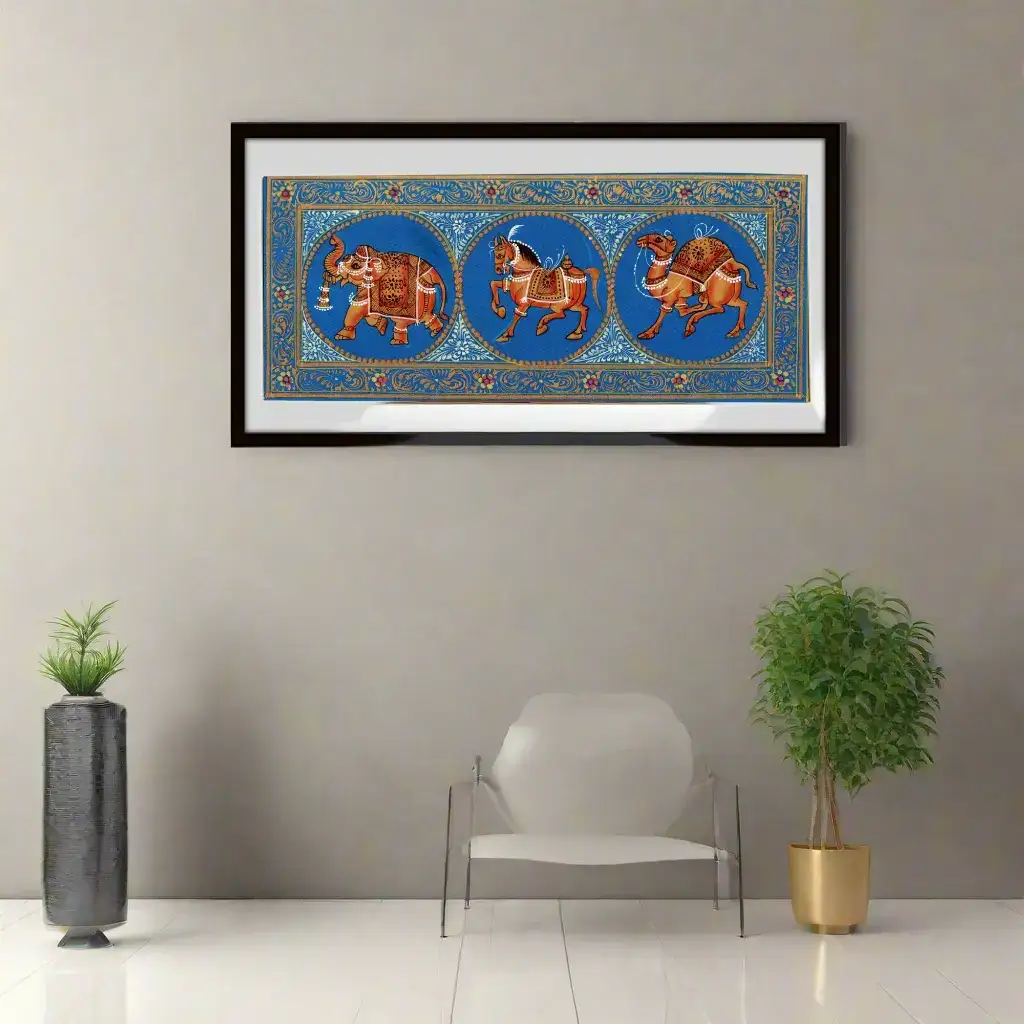
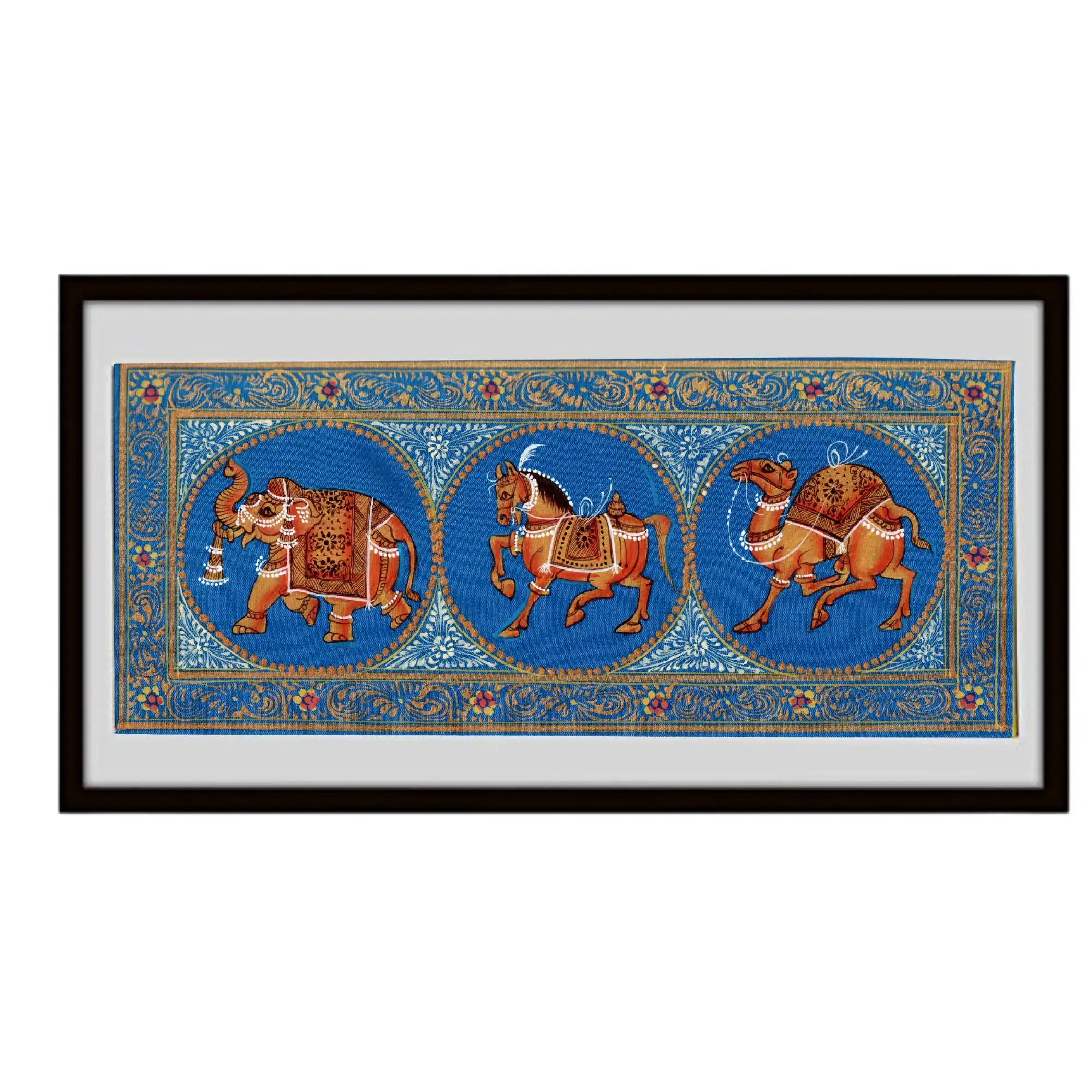
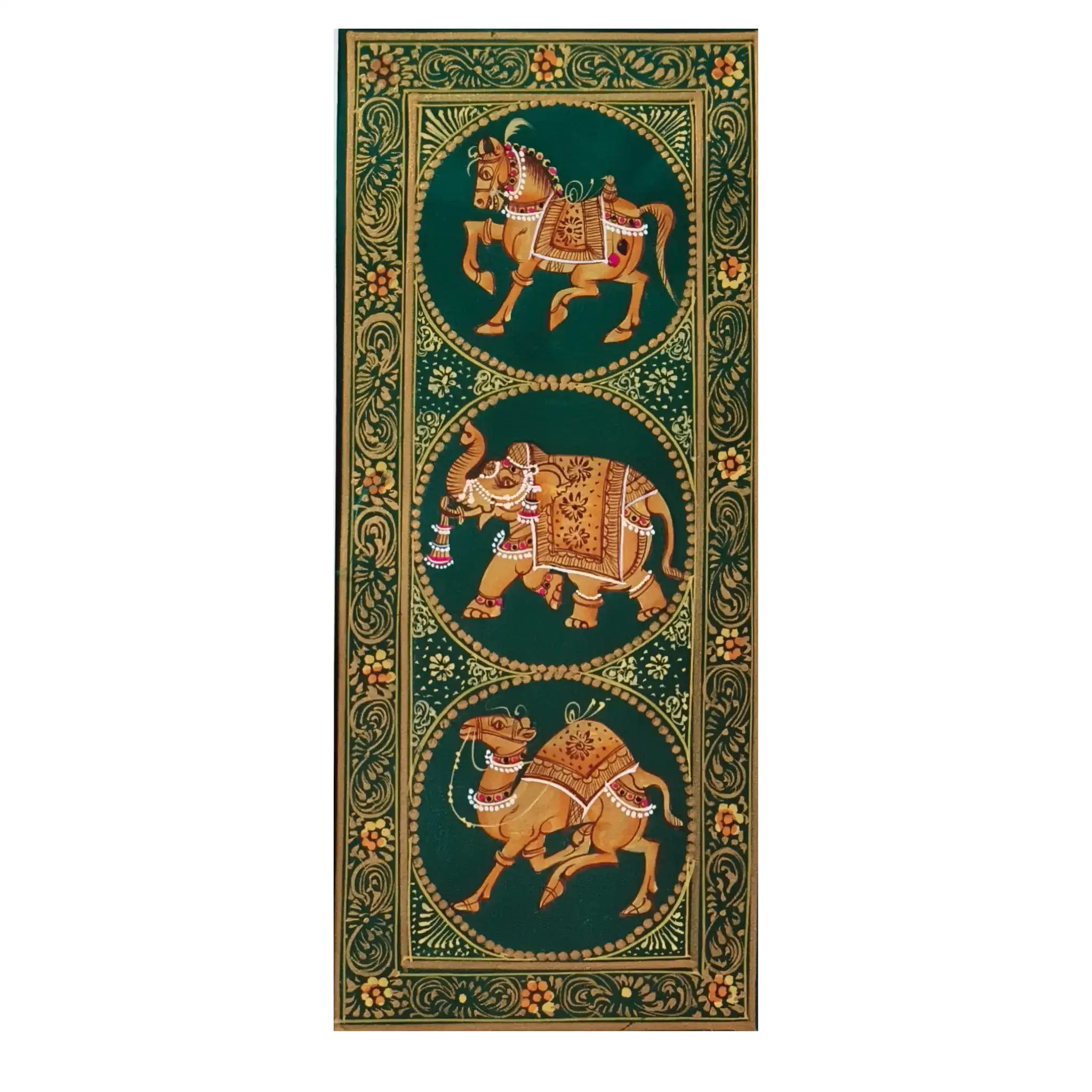
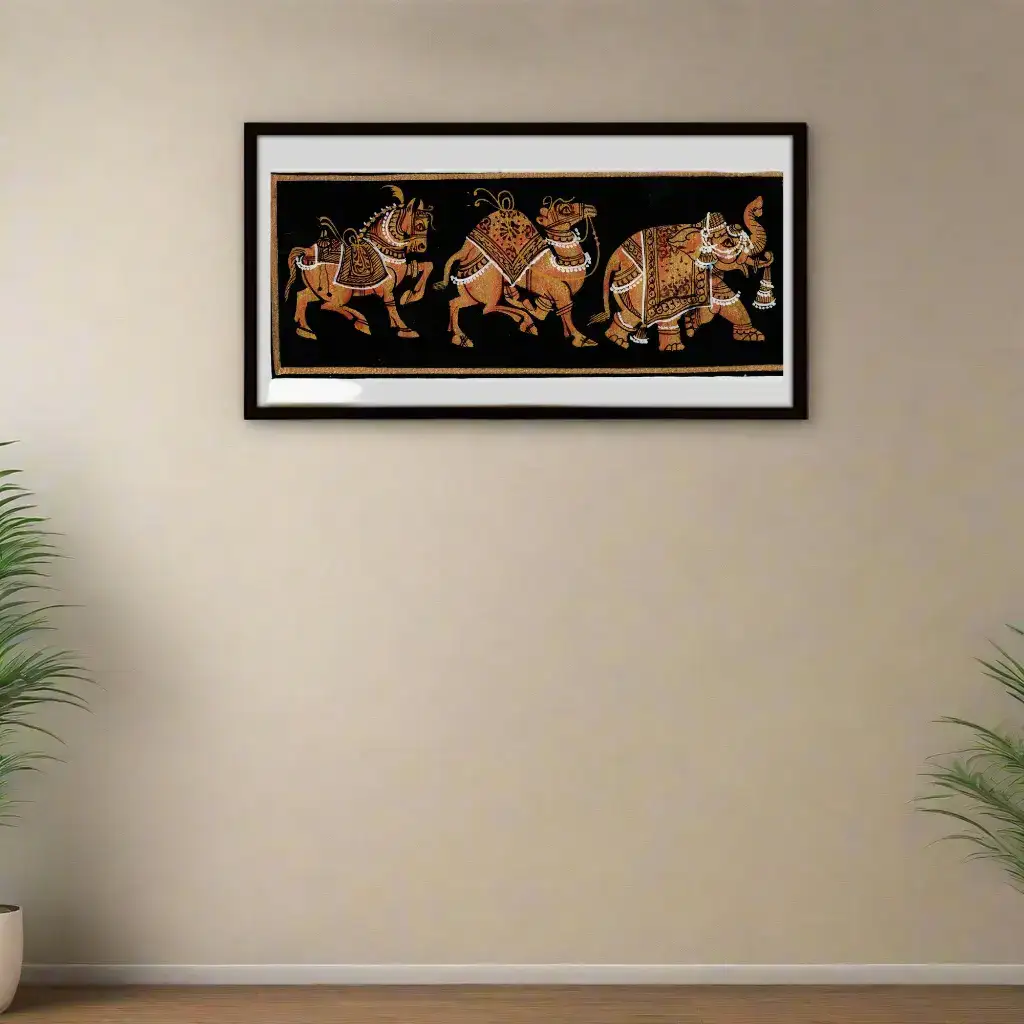
The Miniature Artwork highlights the camel in an ornate and detailed manner. Artists employ fine brushwork to draw intricate patterns and embellishments over the camel's body. These miniature paintings often feature a rich color palette with vibrant blues, golds, reds, and greens.
Natural mineral pigments allow these colors to remain vivid for centuries. The miniature style demands high attention to detail in every element, from the camel’s jewelry to the background landscapes. This artistic precision is a hallmark of true miniature painting.
Materials and Techniques Used in Miniature Painting
- Handmade Wasli paper forms the base of the painting.
- Artists apply natural and mineral pigments for rich, lasting colors.
- Delicate brushes drawn from squirrel hair enable fine detailing.
- Gold leaf and ornamental highlights add texture and grandeur.
These traditional techniques contribute to the authenticity and beauty of the Miniature Artwork. Each piece is handcrafted by skilled artisans, preserving a centuries-old artistic legacy.
Symbolism Behind the Ornamented Camel Art
In Indian art, the camel is a powerful symbol of strength, endurance, and prosperity. An ornamented camel represents grace and resilience in harsh desert environments. This symbolism resonates deeply with Rajasthan’s cultural heritage.
The camel also holds ceremonial importance, especially in royal and desert traditions. Its depiction often celebrates wealth and beauty through resilience. This Camel Painting beautifully encapsulates these rich meanings.
Where to Display Camel Artwork
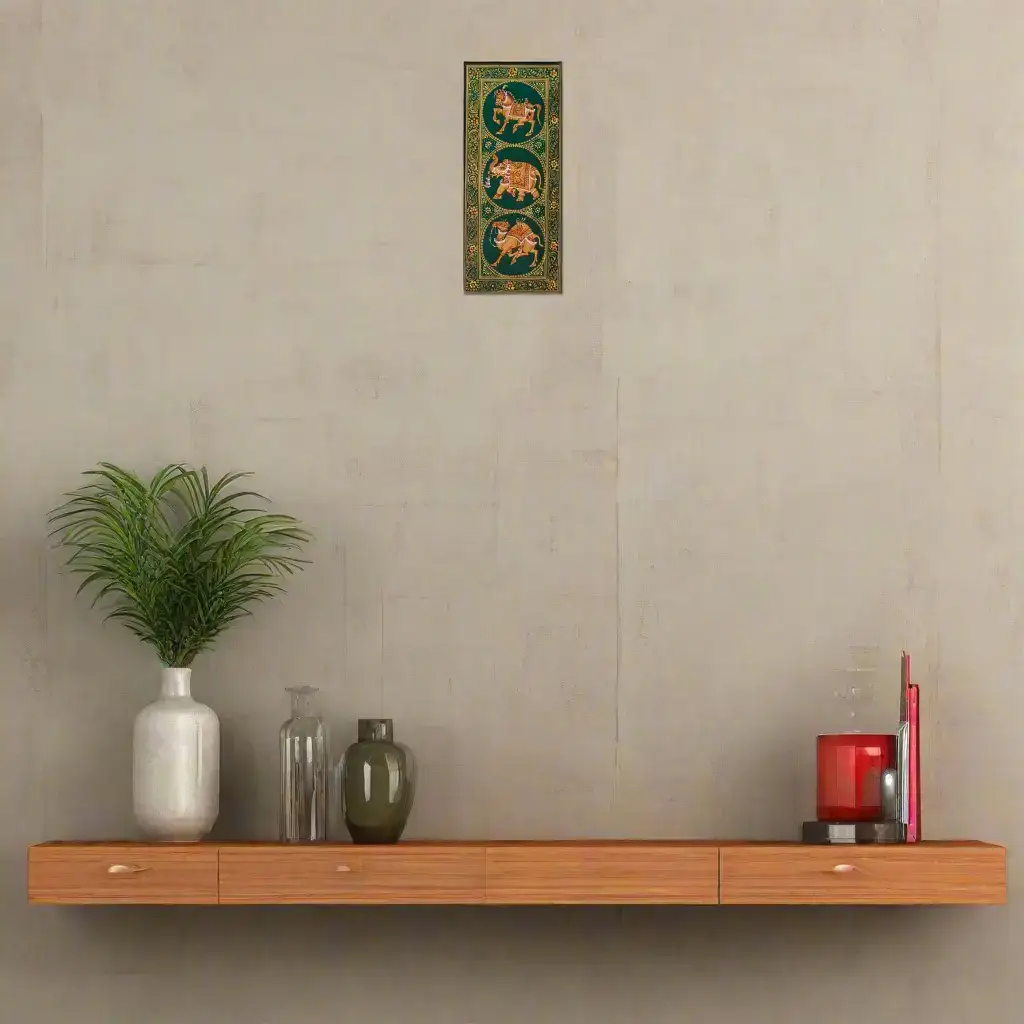
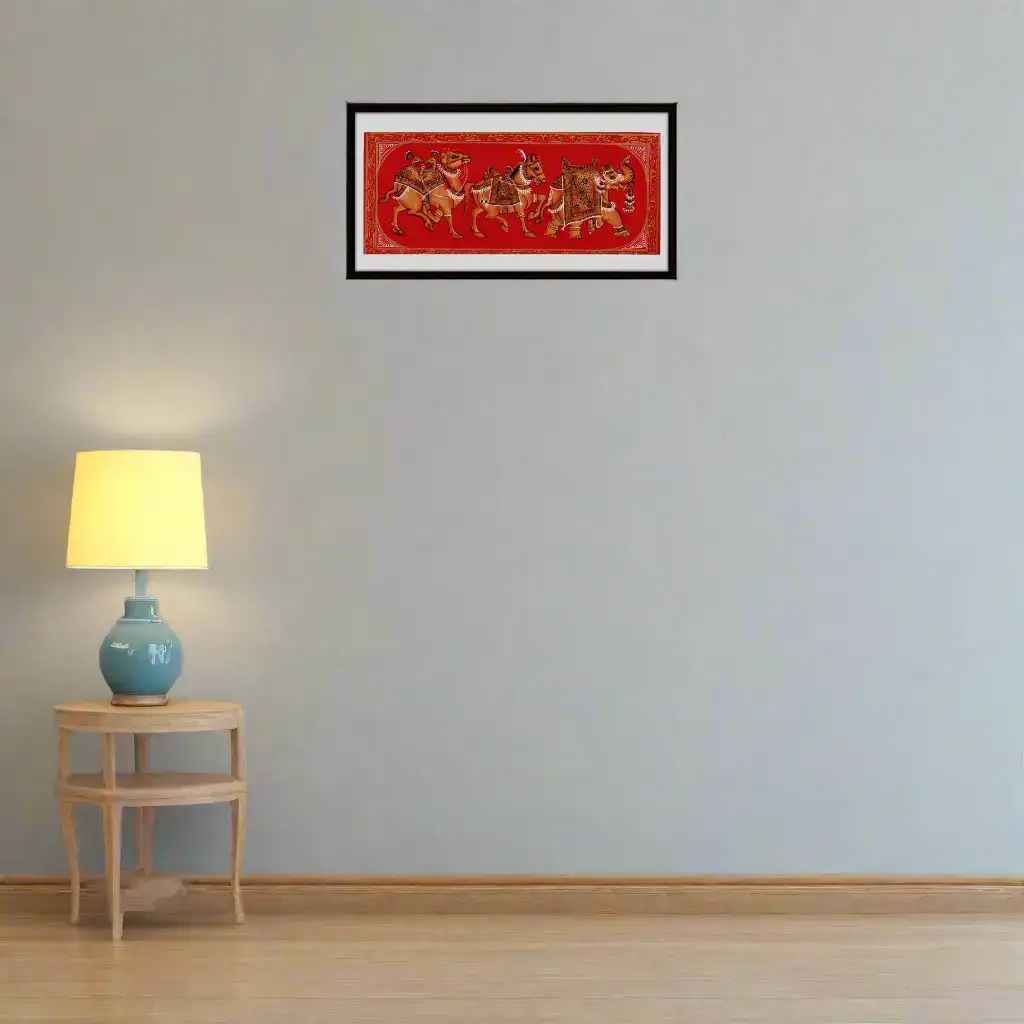
This artwork is versatile and makes a perfect decorative piece for home, office, or gallery displays. It brings a sense of history, culture, and vibrant color to any space. The miniature painting can also serve as an exquisite gift, especially for those who appreciate traditional Indian art.
The compact size and rich detailing create an intimate experience for viewers. Displaying this artwork highlights the exceptional craftsmanship of Rajasthani miniature painting and its timeless appeal.
Preserving the Art of Miniature Painting
Maintaining the heritage of Miniature Artwork requires supporting skilled artisans. These artists keep alive the intricate techniques and cultural stories embodied in their work. Each painting is not just a visual treat but a piece of history carefully preserved.
Collectors and enthusiasts play a vital role in sustaining this art form. Investing in authentic miniature paintings ensures the survival of these traditions for future generations. These precious artworks continue to inspire and educate with their vibrant stories and cultural essence.
Original: $9.67
-70%$9.67
$2.90Product Information
Product Information
Shipping & Returns
Shipping & Returns
Description
Ornamented Camel Miniature Artwork – A Symbol of Strength and Beauty
Camel Miniature Artwork Rajasthani Painting is a rich and vibrant style of Indian miniature painting. This art flourished in the royal courts of Rajasthan from the 16th century onwards. It is deeply rooted in Indian traditions and culture, reflecting themes from mythology, epics, love stories, royal life, and folk culture.
The paintings are recognized for their bold lines, bright colors, and intricate detailing. Traditional artists use natural dyes and pigments made from minerals, vegetables, and precious stones. This method gives the miniature paintings a lasting and luminous quality that captivates viewers.
Historical Background of the Camel Miniature Artwork
The tradition of camel-themed miniature paintings emerges from the rich heritage of Rajasthan. Artists skillfully highlight the camel, an important animal in desert life and royal processions. This miniature painting style conveys the cultural pride and symbolic importance of the camel.
The camel is often depicted ornamented with vibrant decorations and jewelry. It represents strength, resilience, and beauty, serving as a cultural icon. This Camel Miniature Artwork connects the viewer to Rajasthan’s royal history and desert lifestyle.
Distinct Schools of Rajasthan Miniature Painting
This art form is divided into several regional schools, each with its unique style and focus. These schools include Mewar, Marwar, Bundi, Kota, Kishangarh, Bikaner, and Jaipur. Each school showcases different themes and techniques within the miniature painting tradition.
For example, Kishangarh's school is renowned for its romantic portrayals of Radha and Krishna, especially the iconic image of Bani Thani. Mewar paintings focus on court scenes, heroic tales, and religious subjects. Meanwhile, Bundi and Kota are famous for their lush landscapes and hunting scenes.
Artistic Features of Miniature Artwork
The Miniature Artwork highlights the camel in an ornate and detailed manner. Artists employ fine brushwork to draw intricate patterns and embellishments over the camel's body. These miniature paintings often feature a rich color palette with vibrant blues, golds, reds, and greens.
Natural mineral pigments allow these colors to remain vivid for centuries. The miniature style demands high attention to detail in every element, from the camel’s jewelry to the background landscapes. This artistic precision is a hallmark of true miniature painting.
Materials and Techniques Used in Miniature Painting
- Handmade Wasli paper forms the base of the painting.
- Artists apply natural and mineral pigments for rich, lasting colors.
- Delicate brushes drawn from squirrel hair enable fine detailing.
- Gold leaf and ornamental highlights add texture and grandeur.
These traditional techniques contribute to the authenticity and beauty of the Miniature Artwork. Each piece is handcrafted by skilled artisans, preserving a centuries-old artistic legacy.
Symbolism Behind the Ornamented Camel Art
In Indian art, the camel is a powerful symbol of strength, endurance, and prosperity. An ornamented camel represents grace and resilience in harsh desert environments. This symbolism resonates deeply with Rajasthan’s cultural heritage.
The camel also holds ceremonial importance, especially in royal and desert traditions. Its depiction often celebrates wealth and beauty through resilience. This Camel Painting beautifully encapsulates these rich meanings.
Where to Display Camel Artwork
This artwork is versatile and makes a perfect decorative piece for home, office, or gallery displays. It brings a sense of history, culture, and vibrant color to any space. The miniature painting can also serve as an exquisite gift, especially for those who appreciate traditional Indian art.
The compact size and rich detailing create an intimate experience for viewers. Displaying this artwork highlights the exceptional craftsmanship of Rajasthani miniature painting and its timeless appeal.
Preserving the Art of Miniature Painting
Maintaining the heritage of Miniature Artwork requires supporting skilled artisans. These artists keep alive the intricate techniques and cultural stories embodied in their work. Each painting is not just a visual treat but a piece of history carefully preserved.
Collectors and enthusiasts play a vital role in sustaining this art form. Investing in authentic miniature paintings ensures the survival of these traditions for future generations. These precious artworks continue to inspire and educate with their vibrant stories and cultural essence.