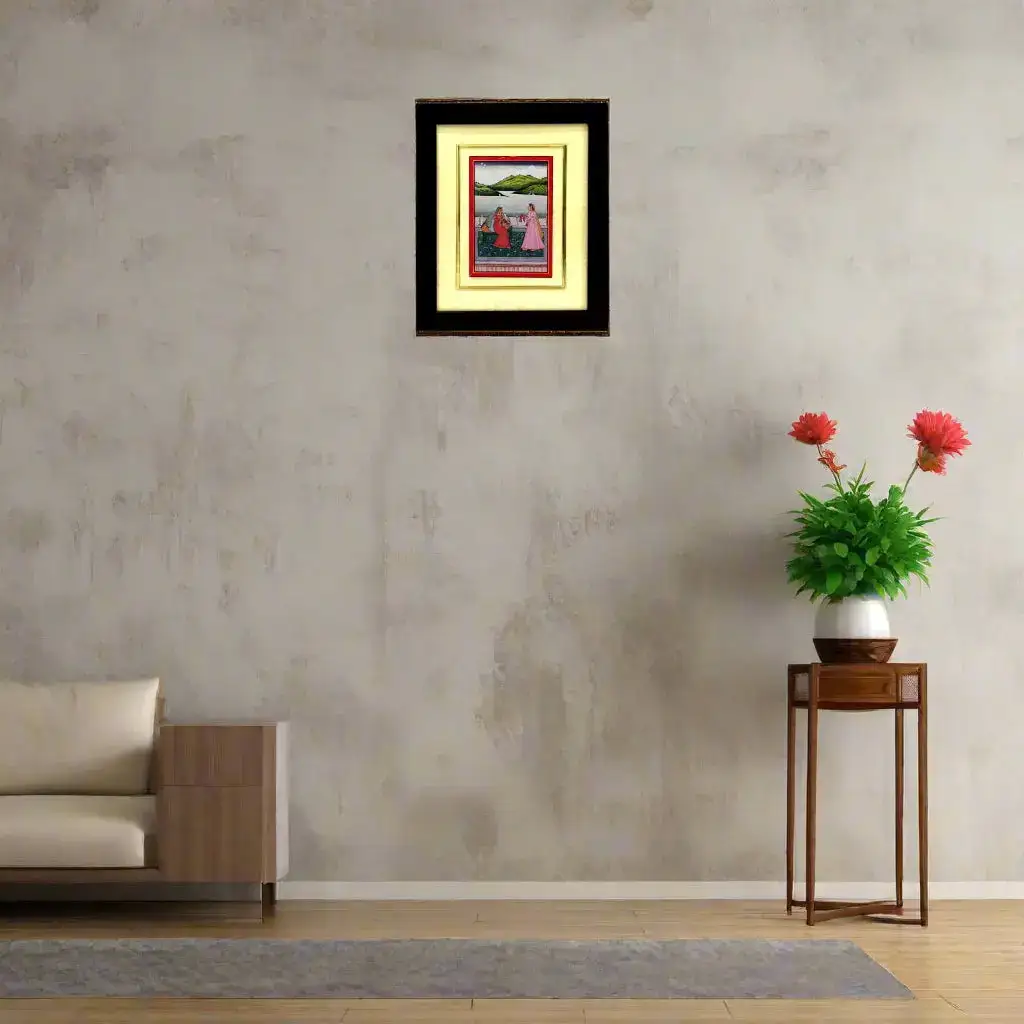
Mughal Miniature Painting - A Queen with Her Falcon and Attendant
Mughal Miniature Painting - A Queen with Her Falcon and Attendant
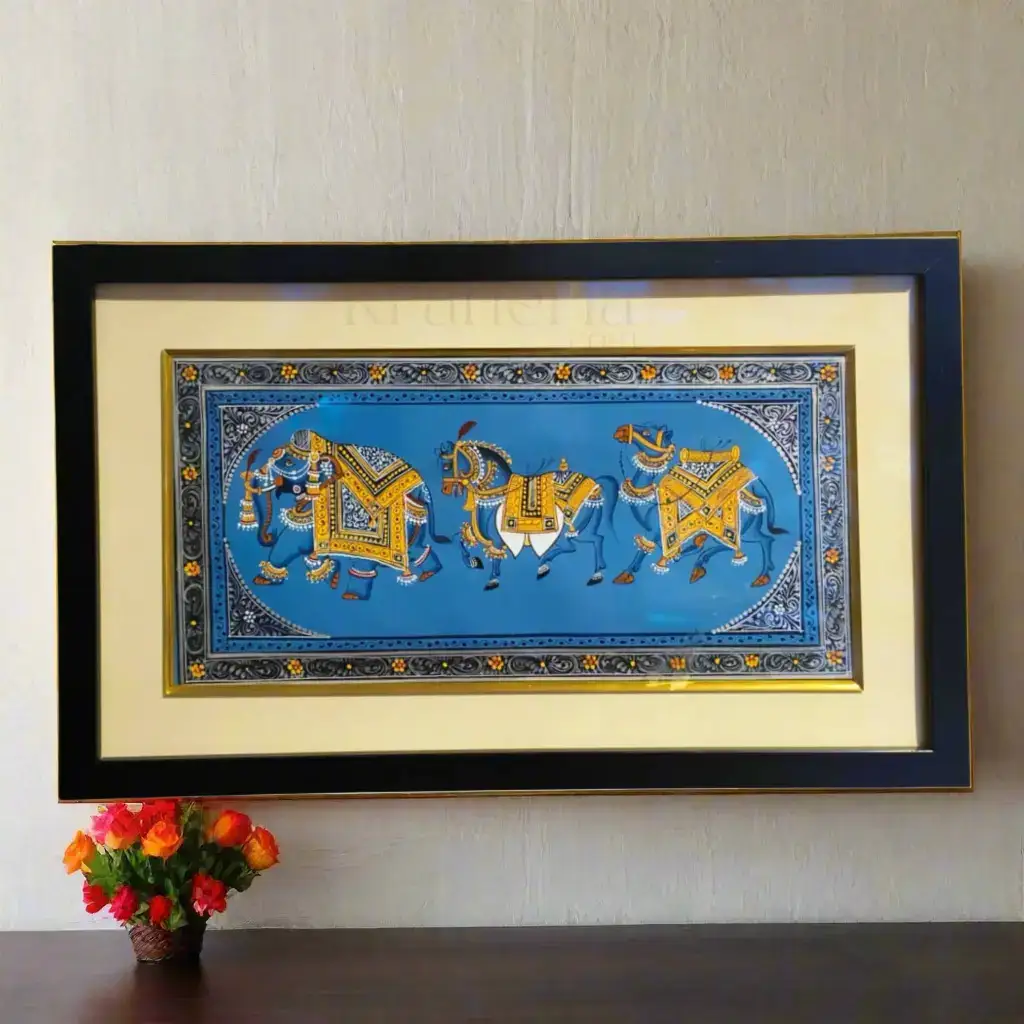
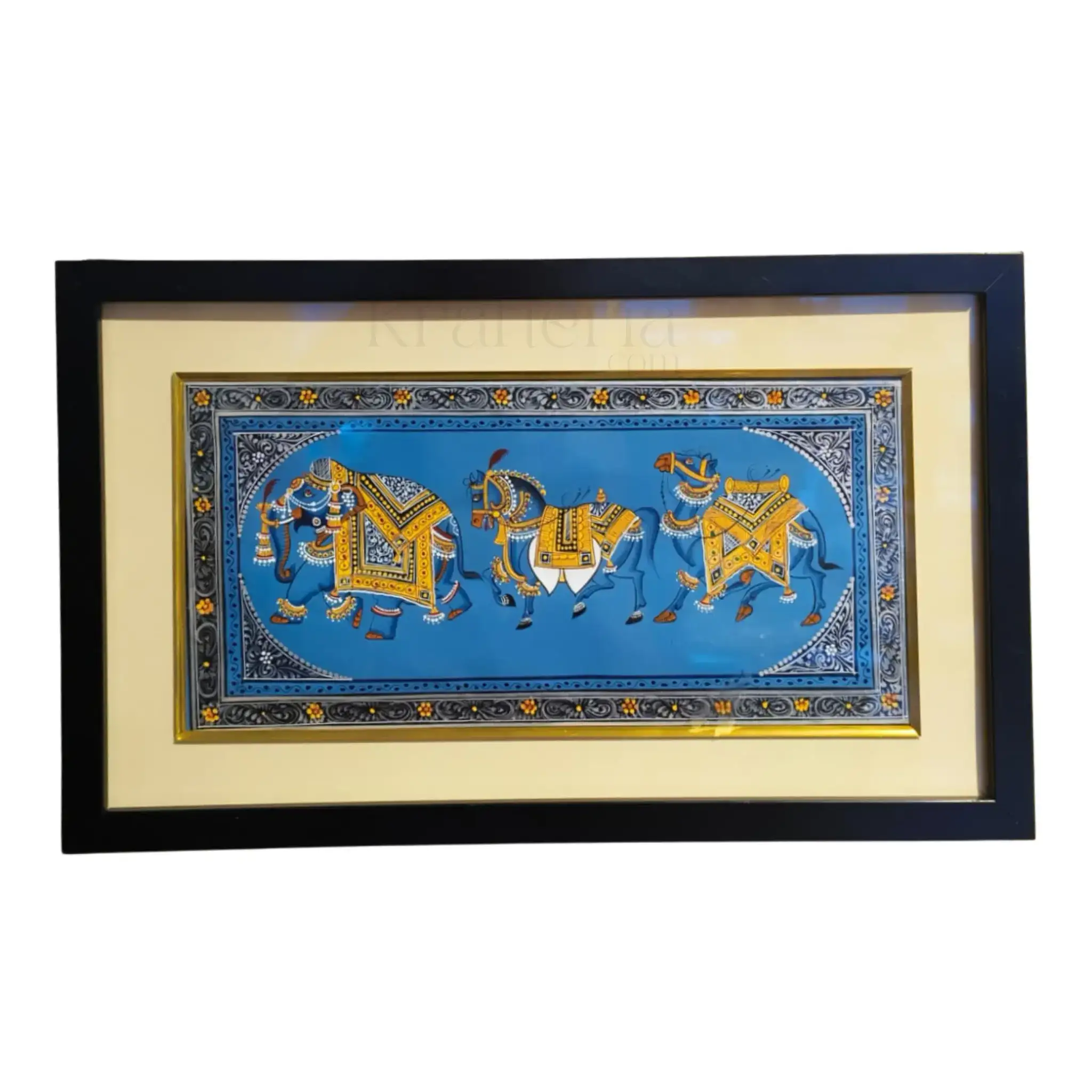
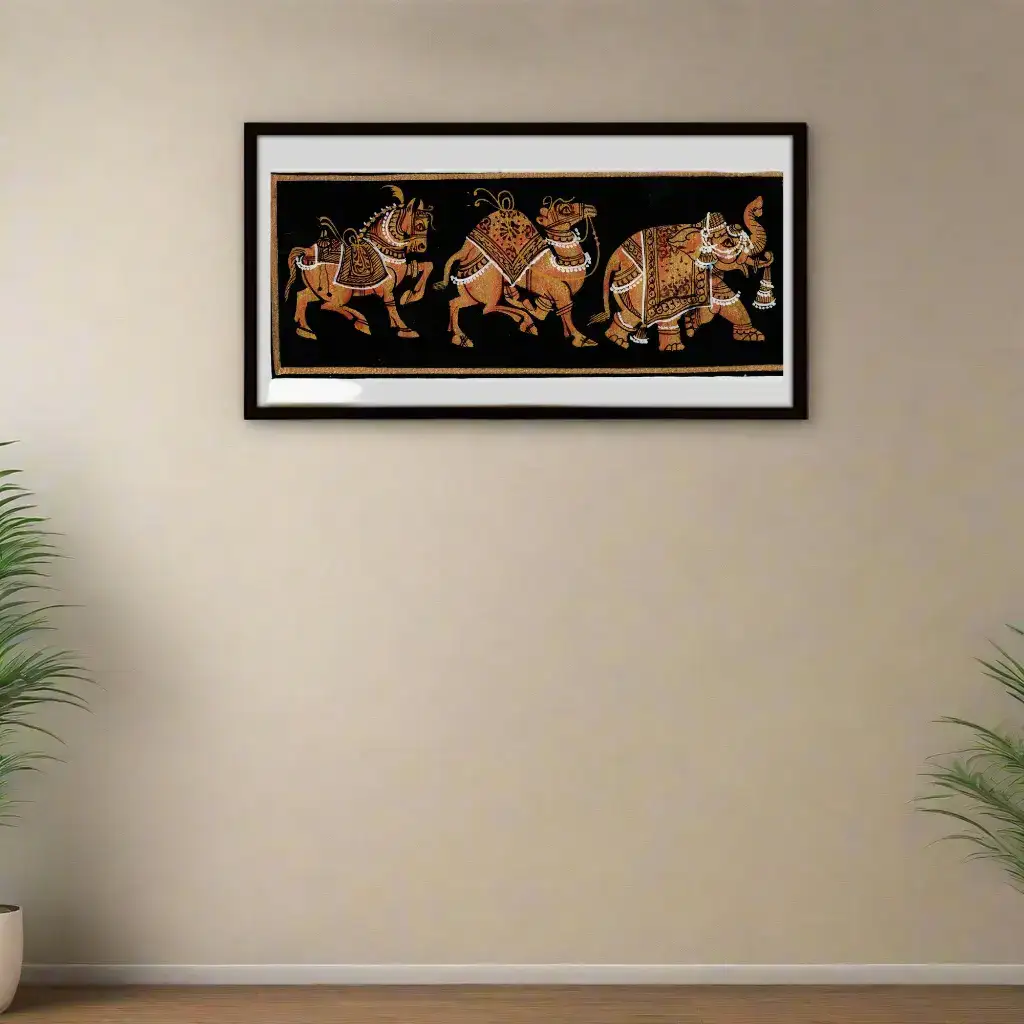
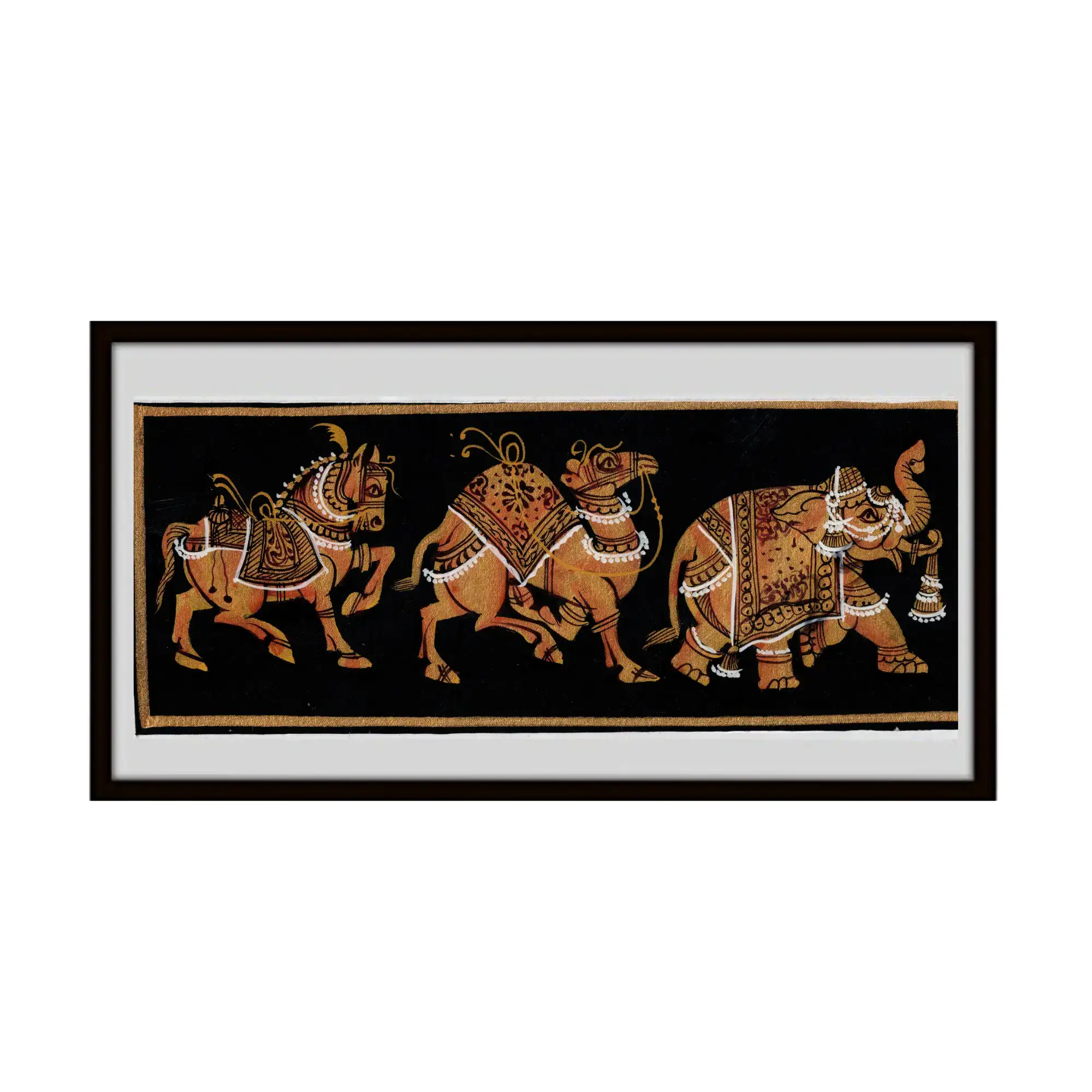
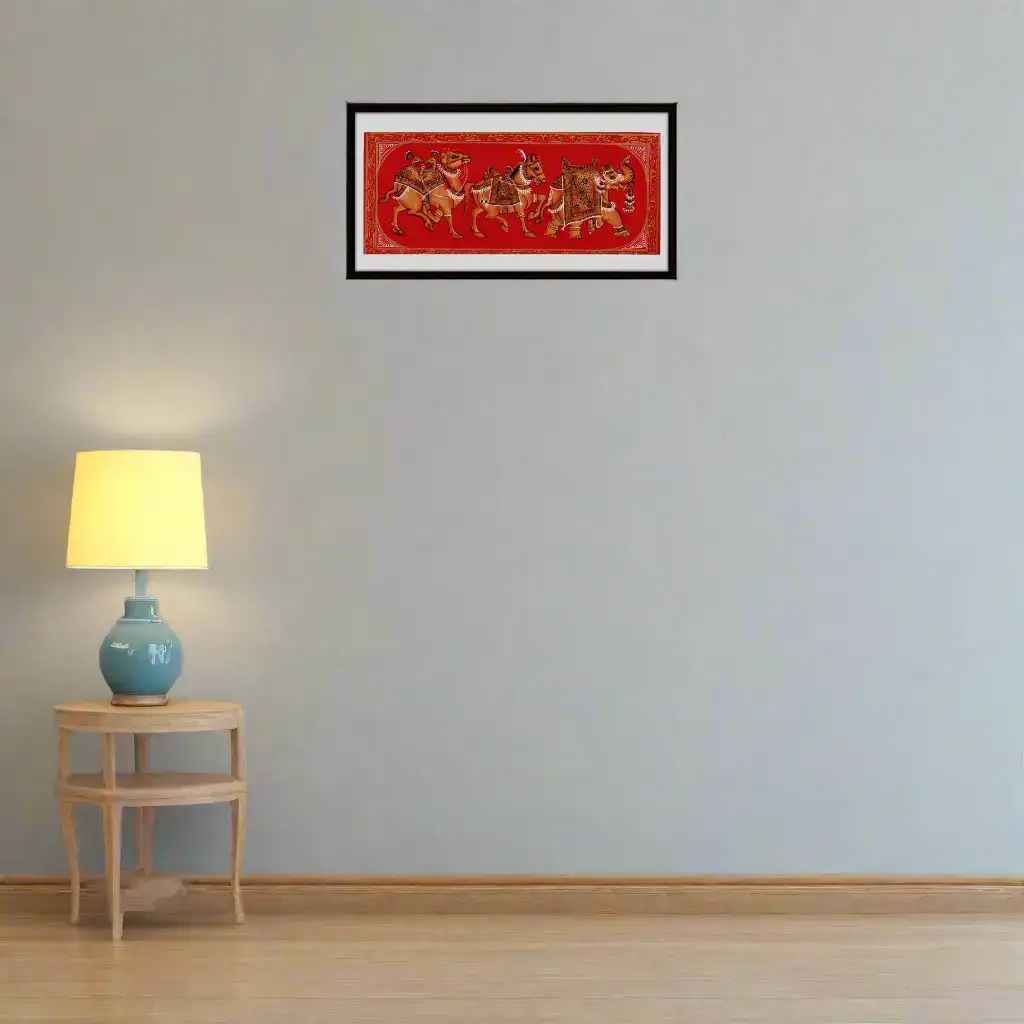
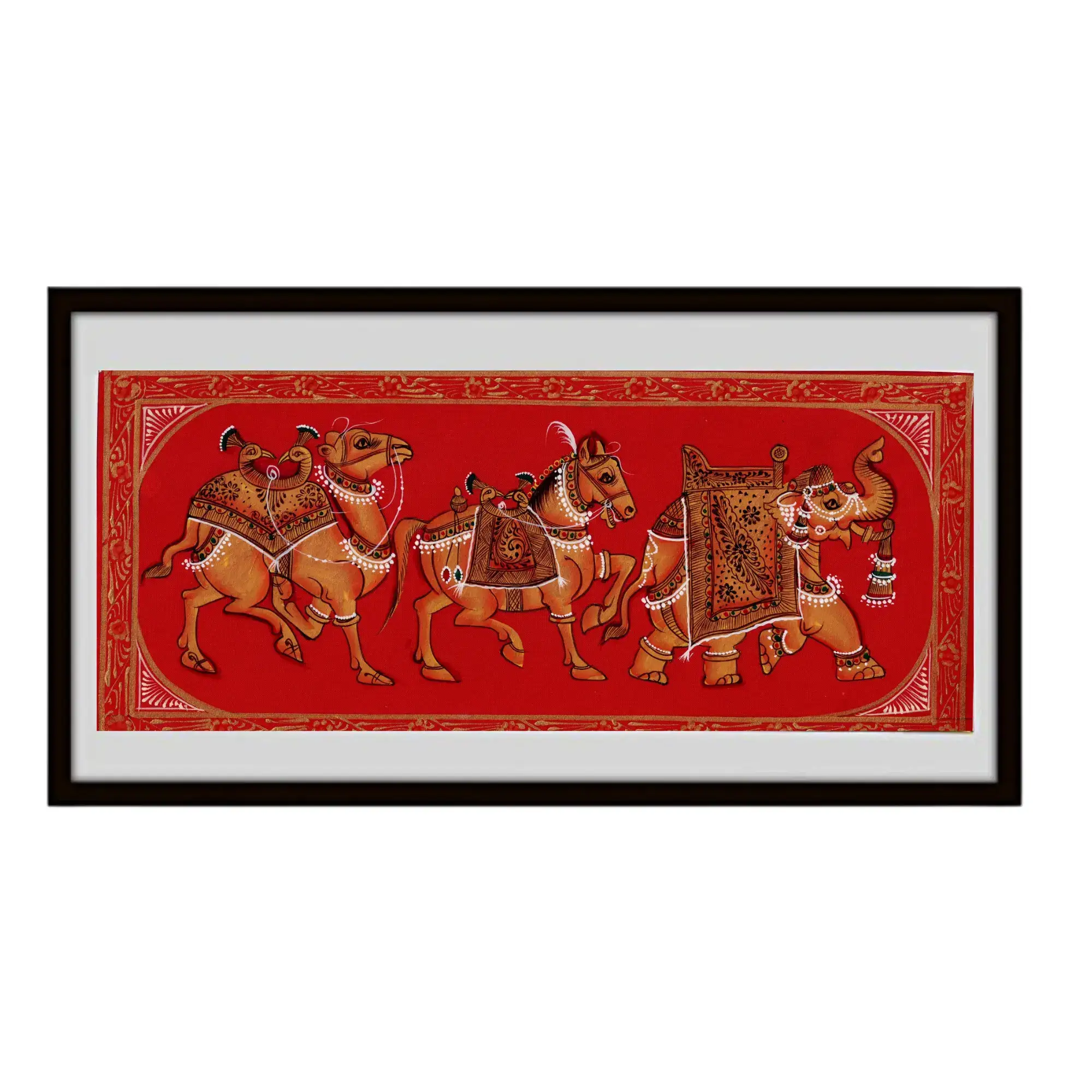
Mughal Miniature Painting Rajasthani Painting is a rich and vibrant style of Indian miniature painting. It flourished in the royal courts of Rajasthan from the 16th century onwards. The painting style is deeply rooted in Indian traditions and culture, reflecting various themes ranging from mythology to royal life. These artworks portray epic love stories, folk culture, and royal grandeur that captivate art lovers worldwide.
The Mughal Miniature Painting style is famous for its bold lines and bright colors. Intricate detailing is a key feature that highlights the skills of the artisans. Natural dyes and pigments, made from minerals, vegetables, and precious stones, were traditionally used. These natural materials provide the paintings with a lasting and luminous quality, giving them a distinct charm and authenticity.
The Artistic Schools of Mughal Miniature Painting
This art form is divided into several renowned schools, each having its unique style and subject focus. Some of the prominent schools include Mewar, Marwar, Bundi, Kota, Kishangarh, Bikaner, and Jaipur. Each school reflects different aspects of regional culture and royal influences of Rajasthan.
Kishangarh school of Miniature Painting is especially famous for its romantic portrayal of Radha and Krishna. Its iconic image, Bani Thani, showcases delicate facial expressions and refined details, epitomizing love and beauty. Mewar paintings often depict court scenes, heroic tales, and religious themes, making them rich sources of history and folklore.
Bundi and Kota miniature paintings are celebrated for their lush landscapes and hunting scenes. These paintings highlight the royal lifestyle and the natural environment surrounding the courts. Jaipur style, known for its vibrant palette and elegant portrayal of royal subjects, adds a graceful touch to this distinguished tradition.
The Legacy of Mughal Painting
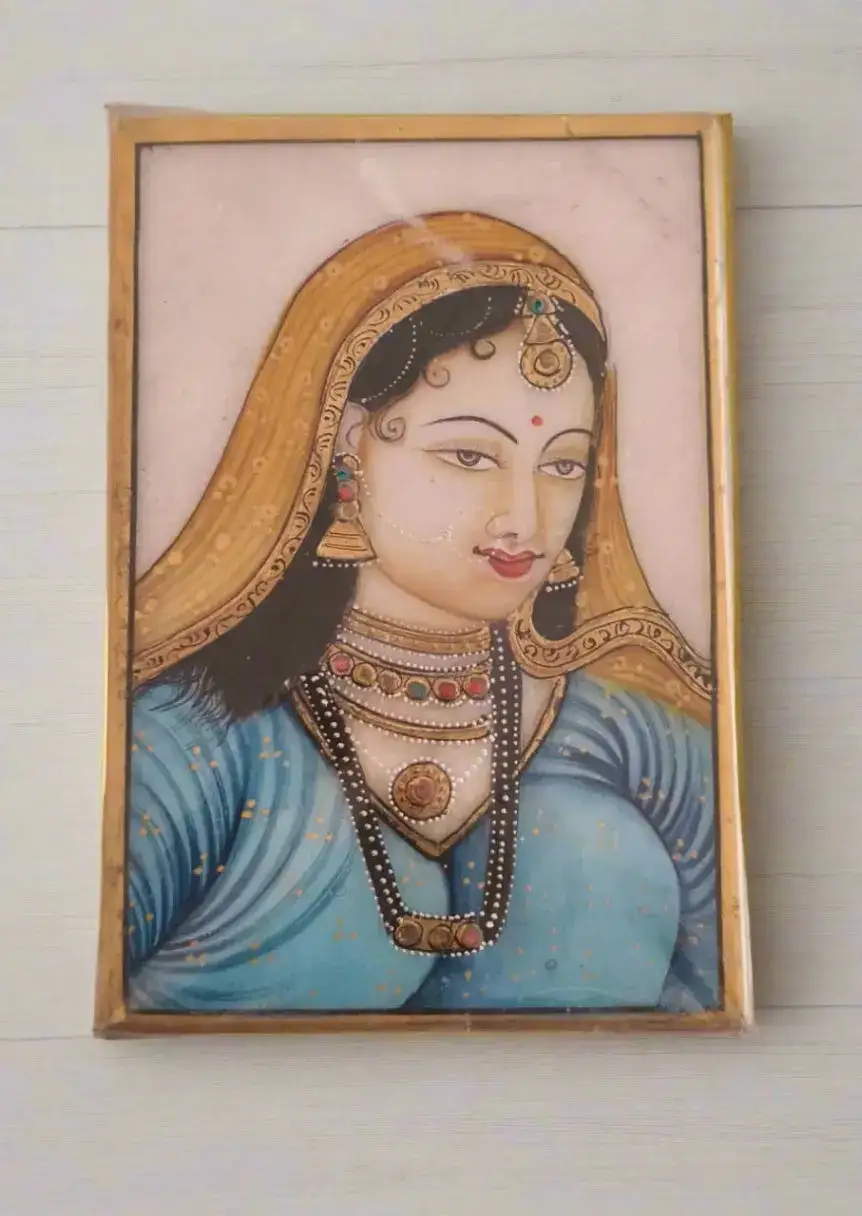
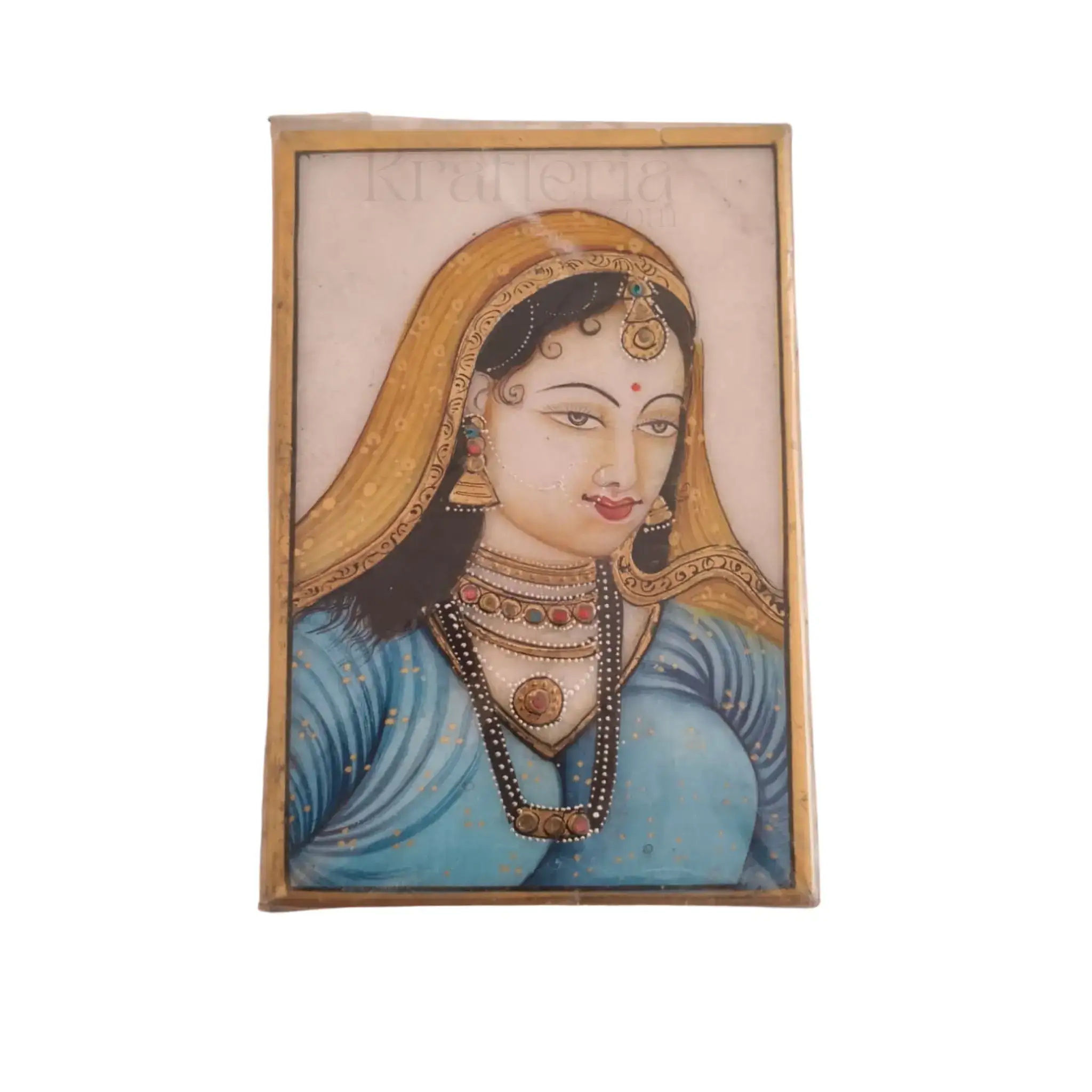
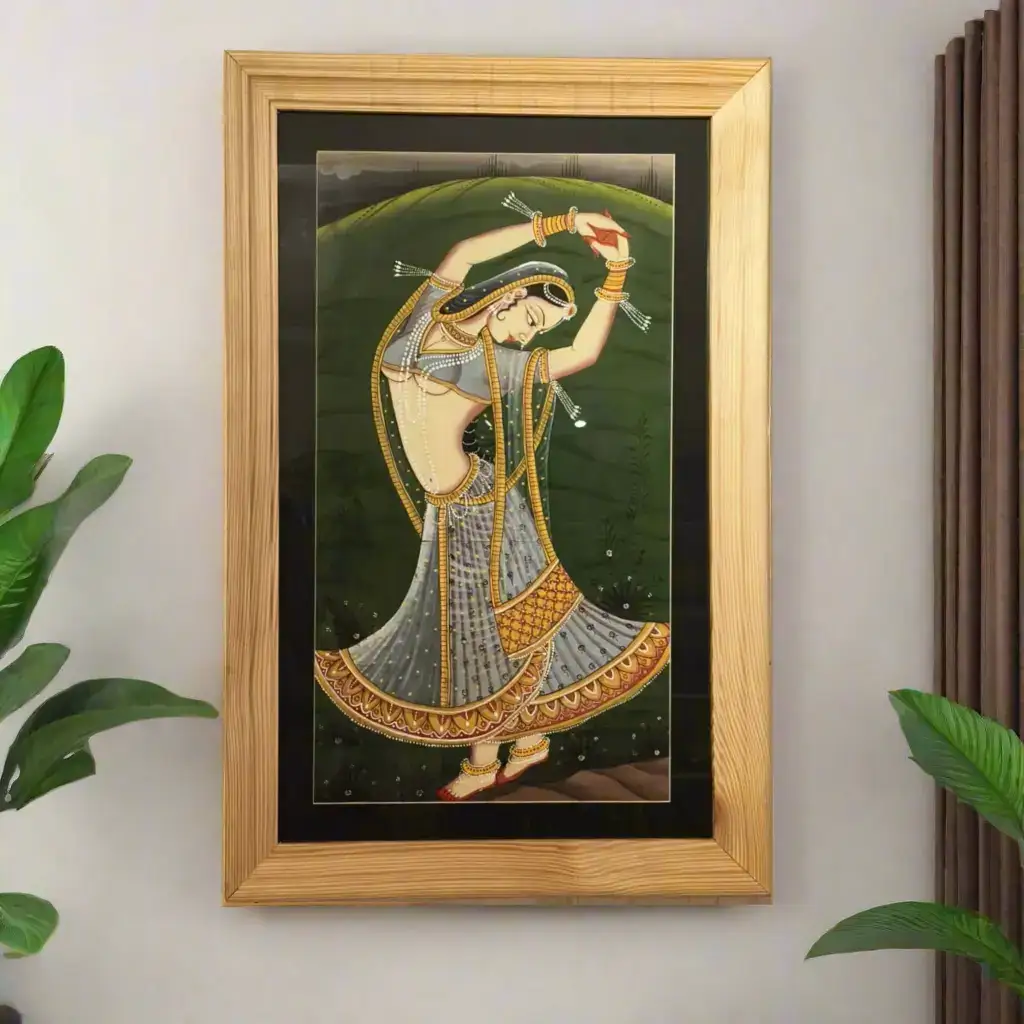
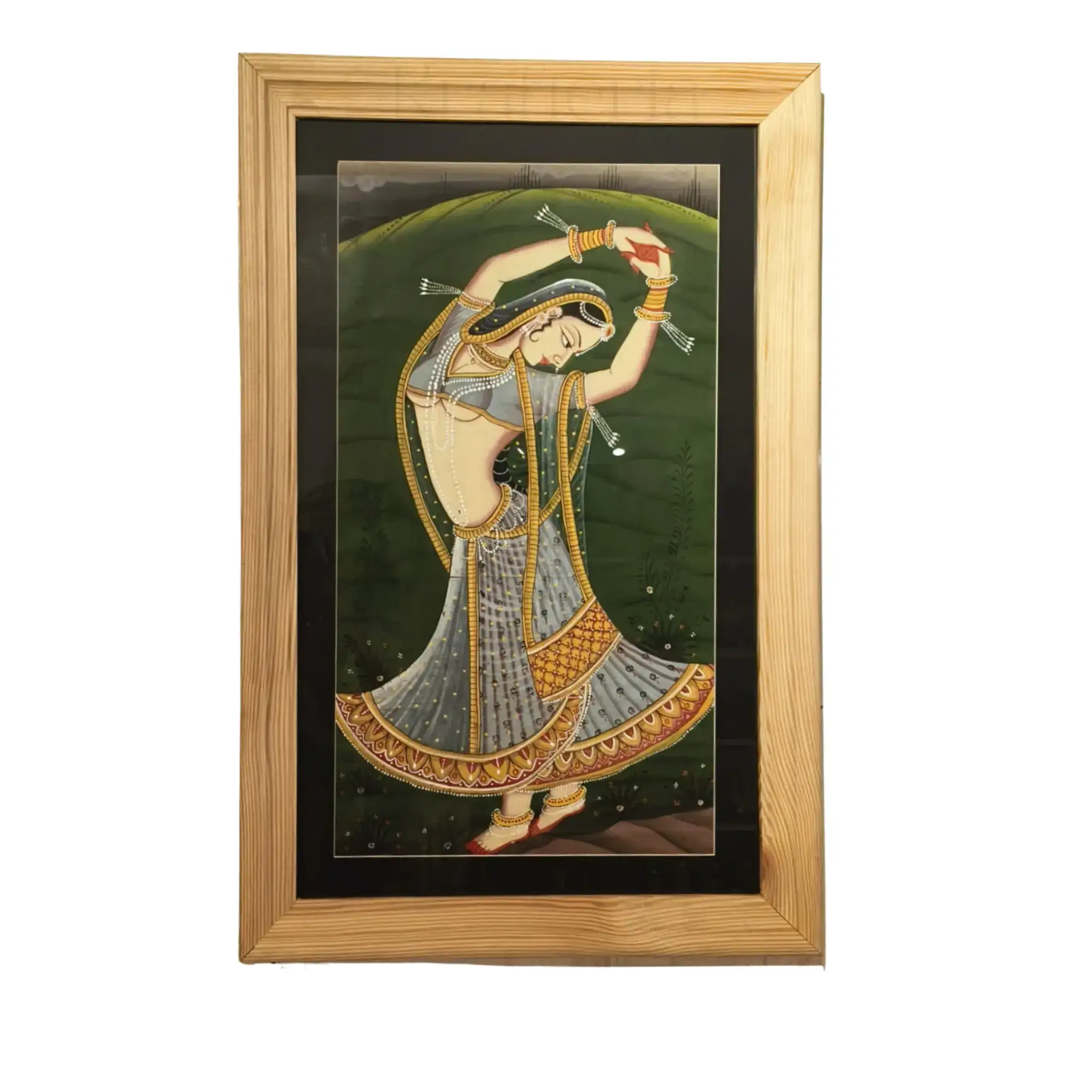
Mughal Paintings captures the essence of the opulent Mughal era. The Mughal queen miniature painting is a beautiful example showcasing the regal elegance and aristocratic life. The detailed depiction of a queen holding a falcon with her attendant represents royal authority and leisure pursuits of the court.
Such paintings serve as cultural and historical documents, reflecting customs and lifestyles of the time. The focus on fine facial expressions, rich textiles, and courtly themes exhibits the depth of artistic craftsmanship. The Mughal royal lady with falcon artwork emphasizes power, precision, and the refined tastes of Mughal royalty.
Materials and Techniques Used in Mughal Miniature Art
Traditional Mughal Miniature Paintings uses exquisite materials and methods. Artists utilized natural colors sourced from minerals and plants. The precise brushwork requires skilled hands and years of training in miniature techniques. Archival-quality paper or cloth was commonly used as the canvas.
The attention to detail and layering of vivid pigments create depth and texture in the painting. This care in the artistic process results in vibrant miniature artworks with a glowing finish. The meticulous nature of these paintings is a testament to the dedication of Mughal court artists and their devotion to beauty.
Significance of Mughal Court Lady Artwork
The Mughal court lady artwork is more than decoration; it symbolizes status, culture, and heritage. These paintings illustrate daily life, festivities, and royal ceremonies, bringing the Mughal era to life. The courtiers, attendants, and animals are rendered with great realism and emotion.
From the queen’s attire to her posture holding a falcon, every detail is deliberate. Falconry was a privileged royal pastime, and its representation highlights nobility and leisure. These miniature paintings offer a window into the splendor and traditions of the Mughal courts.
Preservation of Miniature Paintings
Maintaining the vibrancy of these artworks requires careful preservation. The natural pigments provide durability but still need protection from moisture and direct sunlight. Museums and collectors take great care to preserve the authenticity and original condition of each piece.
Restoration efforts focus on retaining the original colors and intricate details. Through conservation, the legacy of Mughal Painting continues to inspire contemporary artists and historians. These paintings serve as a bridge connecting modern viewers with India’s rich artistic heritage.
Original: $26.89
-70%$26.89
$8.07Product Information
Product Information
Shipping & Returns
Shipping & Returns
Description
Mughal Miniature Painting - A Queen with Her Falcon and Attendant
Mughal Miniature Painting Rajasthani Painting is a rich and vibrant style of Indian miniature painting. It flourished in the royal courts of Rajasthan from the 16th century onwards. The painting style is deeply rooted in Indian traditions and culture, reflecting various themes ranging from mythology to royal life. These artworks portray epic love stories, folk culture, and royal grandeur that captivate art lovers worldwide.
The Mughal Miniature Painting style is famous for its bold lines and bright colors. Intricate detailing is a key feature that highlights the skills of the artisans. Natural dyes and pigments, made from minerals, vegetables, and precious stones, were traditionally used. These natural materials provide the paintings with a lasting and luminous quality, giving them a distinct charm and authenticity.
The Artistic Schools of Mughal Miniature Painting
This art form is divided into several renowned schools, each having its unique style and subject focus. Some of the prominent schools include Mewar, Marwar, Bundi, Kota, Kishangarh, Bikaner, and Jaipur. Each school reflects different aspects of regional culture and royal influences of Rajasthan.
Kishangarh school of Miniature Painting is especially famous for its romantic portrayal of Radha and Krishna. Its iconic image, Bani Thani, showcases delicate facial expressions and refined details, epitomizing love and beauty. Mewar paintings often depict court scenes, heroic tales, and religious themes, making them rich sources of history and folklore.
Bundi and Kota miniature paintings are celebrated for their lush landscapes and hunting scenes. These paintings highlight the royal lifestyle and the natural environment surrounding the courts. Jaipur style, known for its vibrant palette and elegant portrayal of royal subjects, adds a graceful touch to this distinguished tradition.
The Legacy of Mughal Painting
Mughal Paintings captures the essence of the opulent Mughal era. The Mughal queen miniature painting is a beautiful example showcasing the regal elegance and aristocratic life. The detailed depiction of a queen holding a falcon with her attendant represents royal authority and leisure pursuits of the court.
Such paintings serve as cultural and historical documents, reflecting customs and lifestyles of the time. The focus on fine facial expressions, rich textiles, and courtly themes exhibits the depth of artistic craftsmanship. The Mughal royal lady with falcon artwork emphasizes power, precision, and the refined tastes of Mughal royalty.
Materials and Techniques Used in Mughal Miniature Art
Traditional Mughal Miniature Paintings uses exquisite materials and methods. Artists utilized natural colors sourced from minerals and plants. The precise brushwork requires skilled hands and years of training in miniature techniques. Archival-quality paper or cloth was commonly used as the canvas.
The attention to detail and layering of vivid pigments create depth and texture in the painting. This care in the artistic process results in vibrant miniature artworks with a glowing finish. The meticulous nature of these paintings is a testament to the dedication of Mughal court artists and their devotion to beauty.
Significance of Mughal Court Lady Artwork
The Mughal court lady artwork is more than decoration; it symbolizes status, culture, and heritage. These paintings illustrate daily life, festivities, and royal ceremonies, bringing the Mughal era to life. The courtiers, attendants, and animals are rendered with great realism and emotion.
From the queen’s attire to her posture holding a falcon, every detail is deliberate. Falconry was a privileged royal pastime, and its representation highlights nobility and leisure. These miniature paintings offer a window into the splendor and traditions of the Mughal courts.
Preservation of Miniature Paintings
Maintaining the vibrancy of these artworks requires careful preservation. The natural pigments provide durability but still need protection from moisture and direct sunlight. Museums and collectors take great care to preserve the authenticity and original condition of each piece.
Restoration efforts focus on retaining the original colors and intricate details. Through conservation, the legacy of Mughal Painting continues to inspire contemporary artists and historians. These paintings serve as a bridge connecting modern viewers with India’s rich artistic heritage.