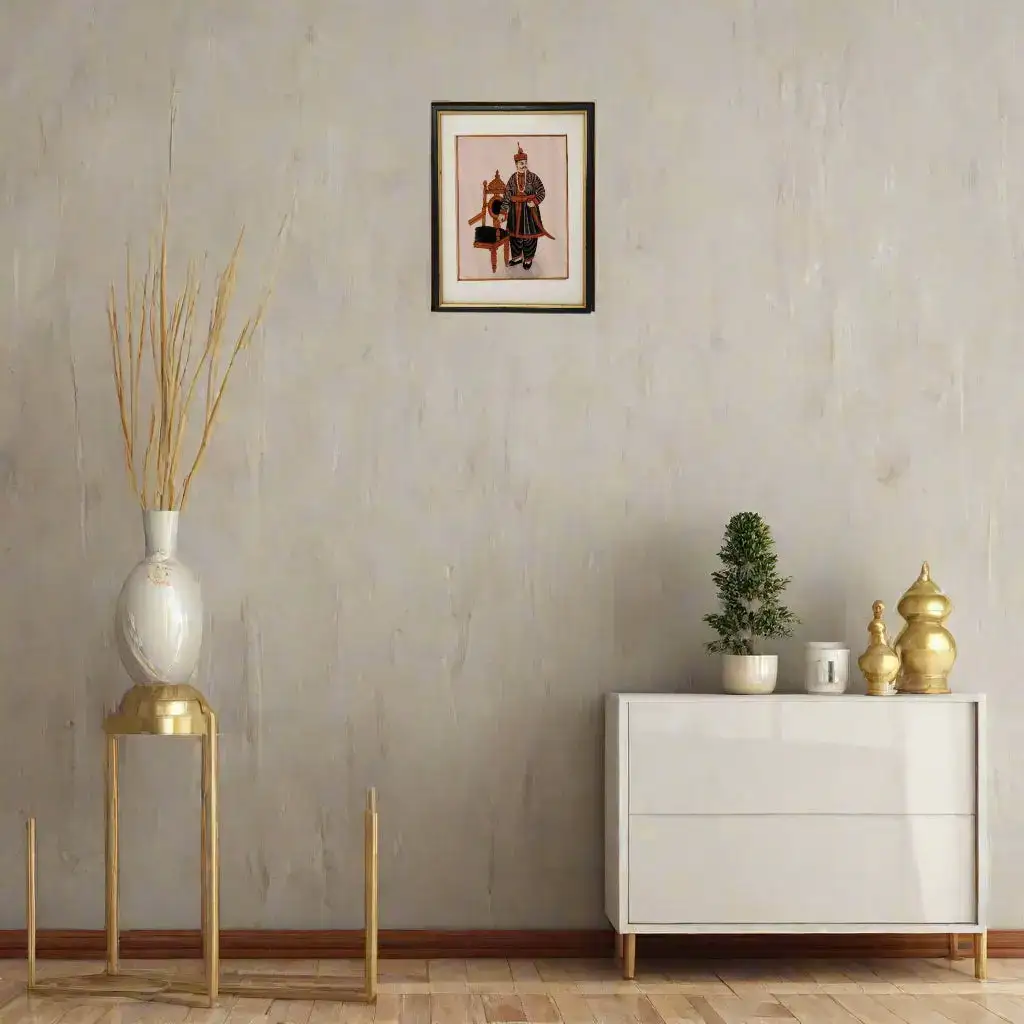
Mughal King Portrait - A Miniature Painting of Royalty
Mughal King Portrait - A Miniature Painting of Royalty
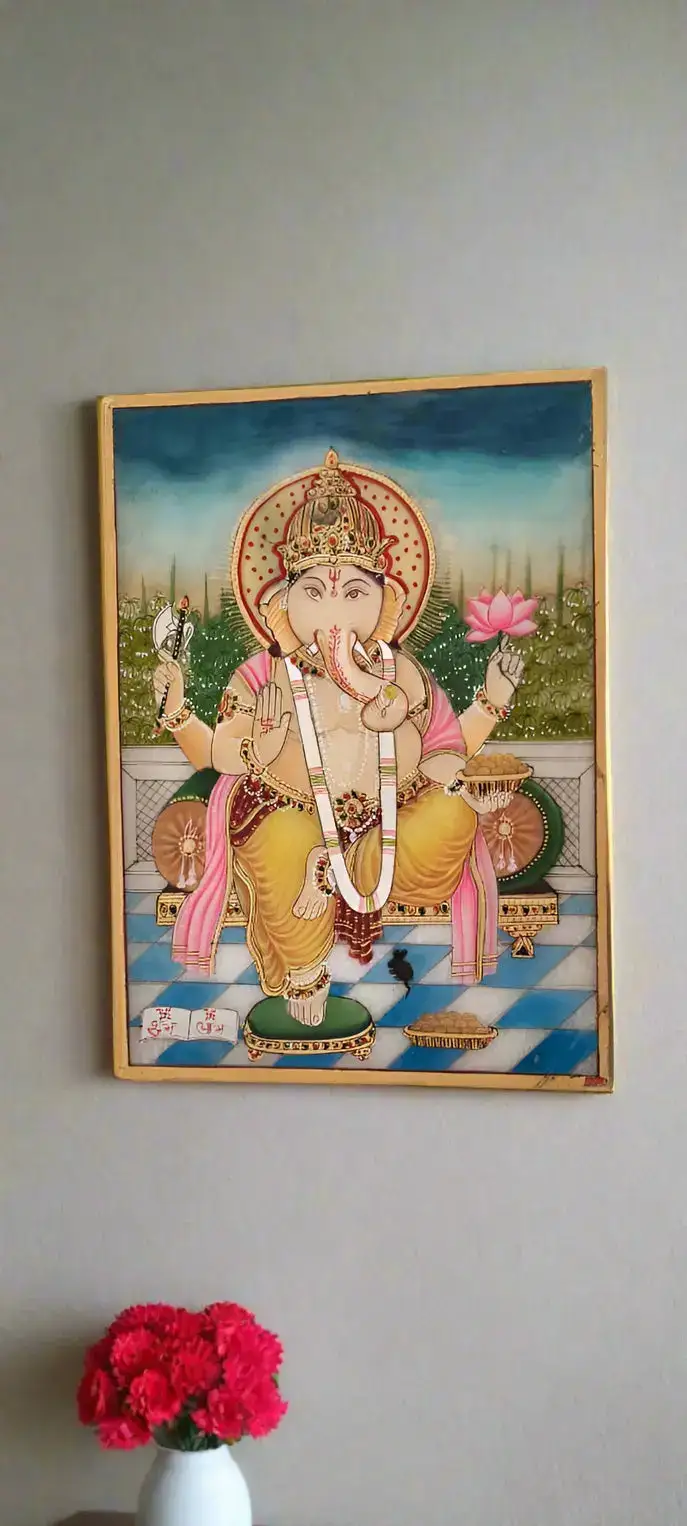
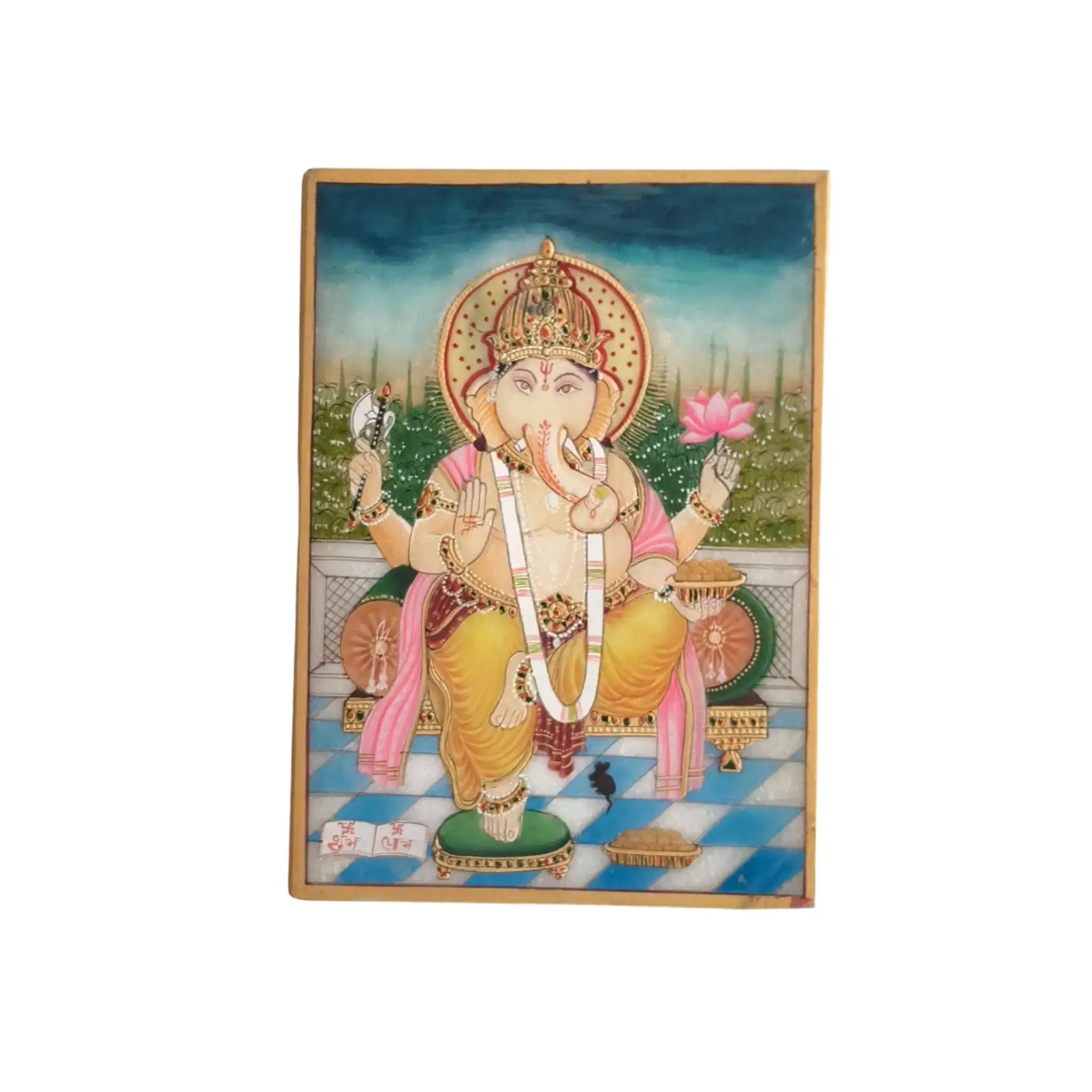
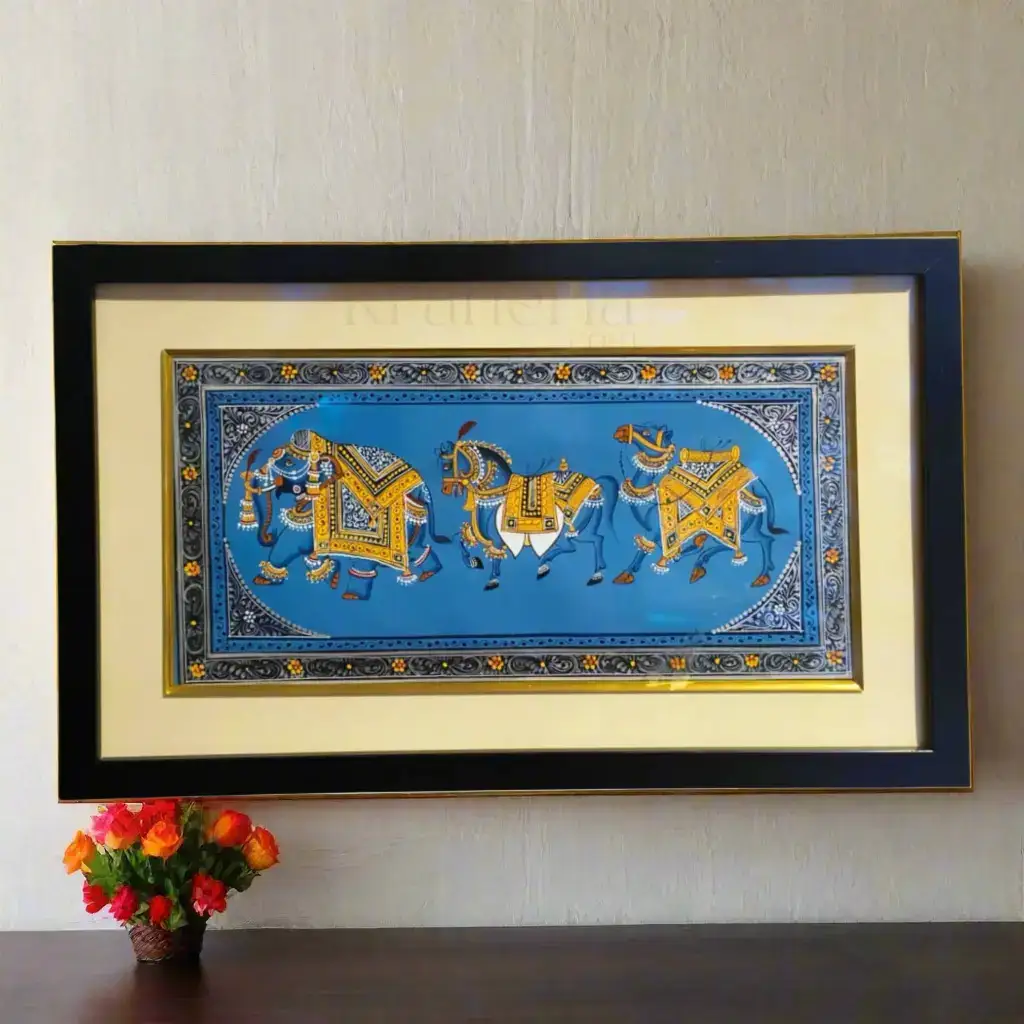
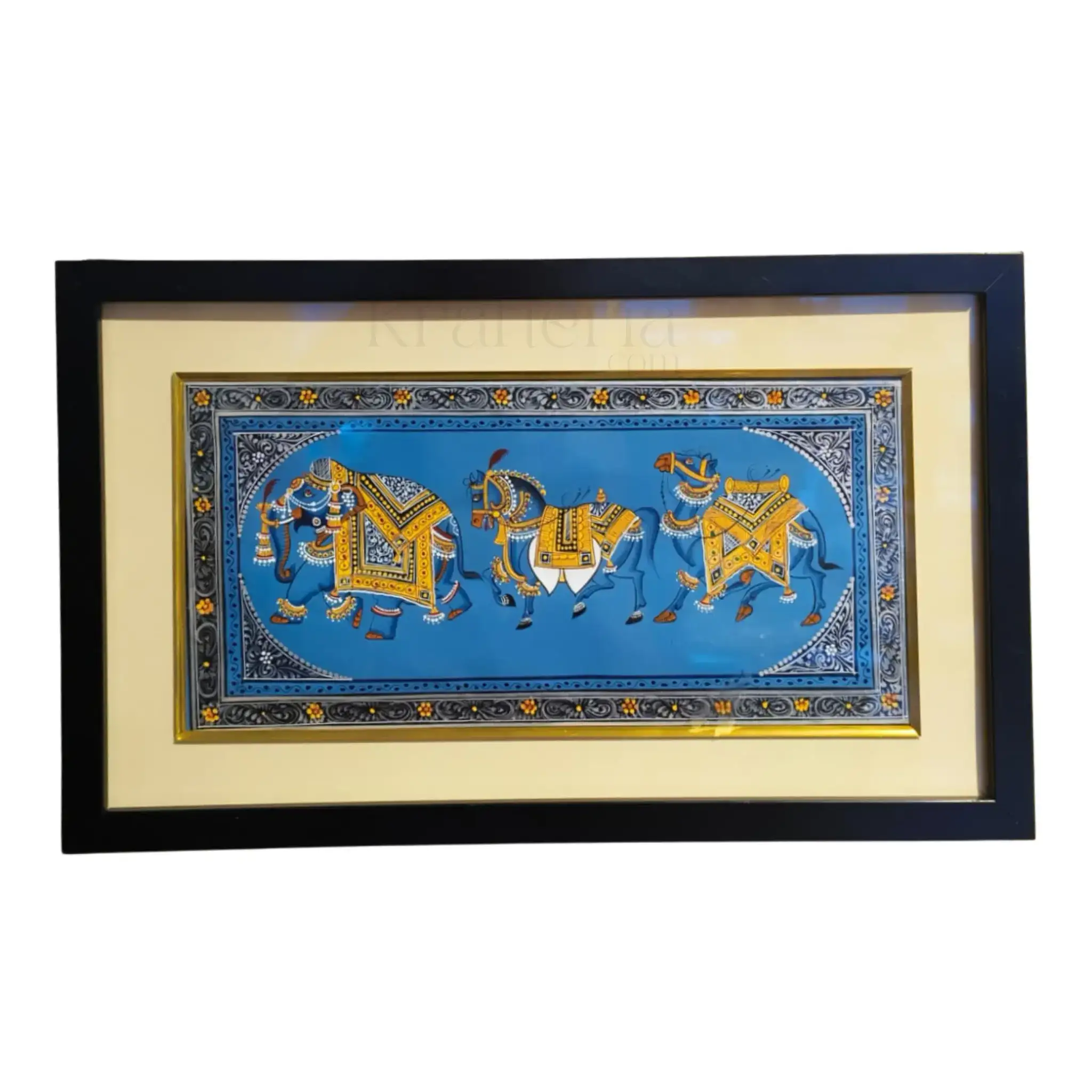
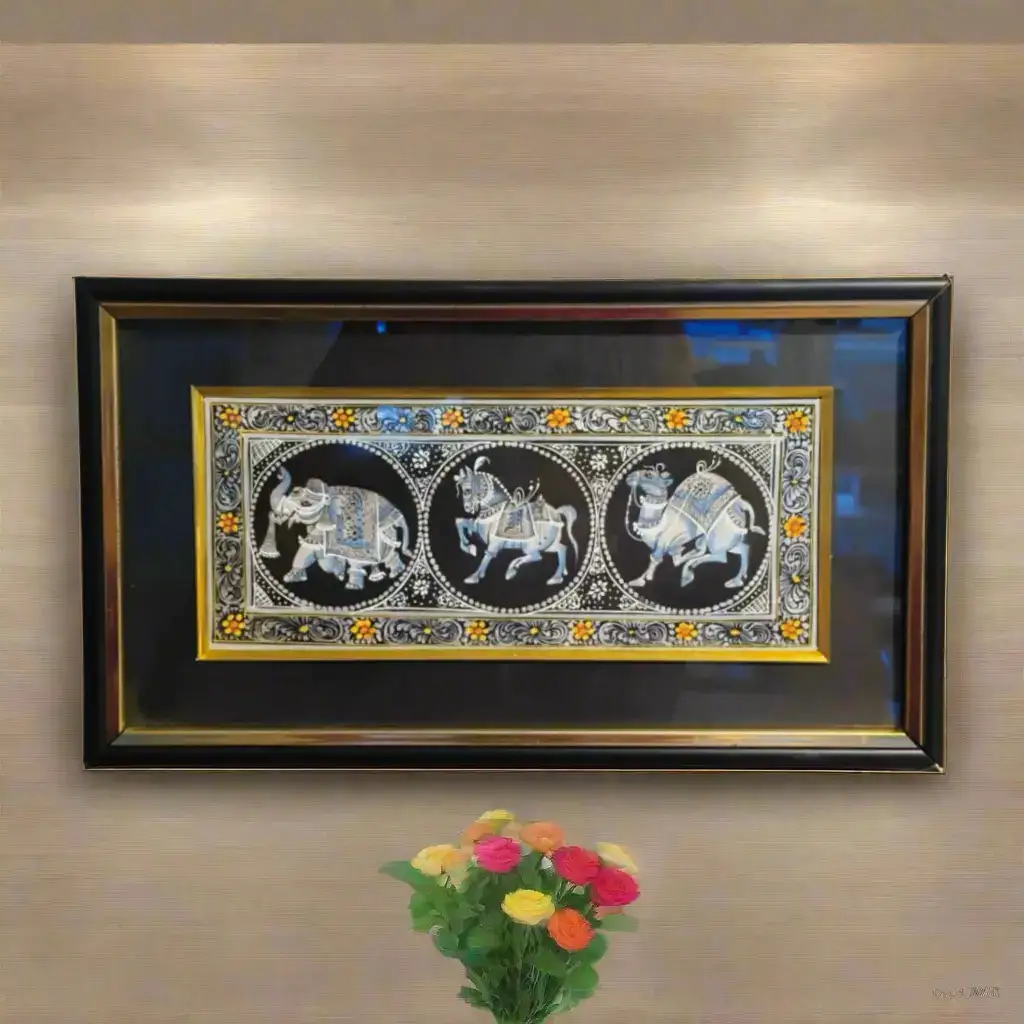
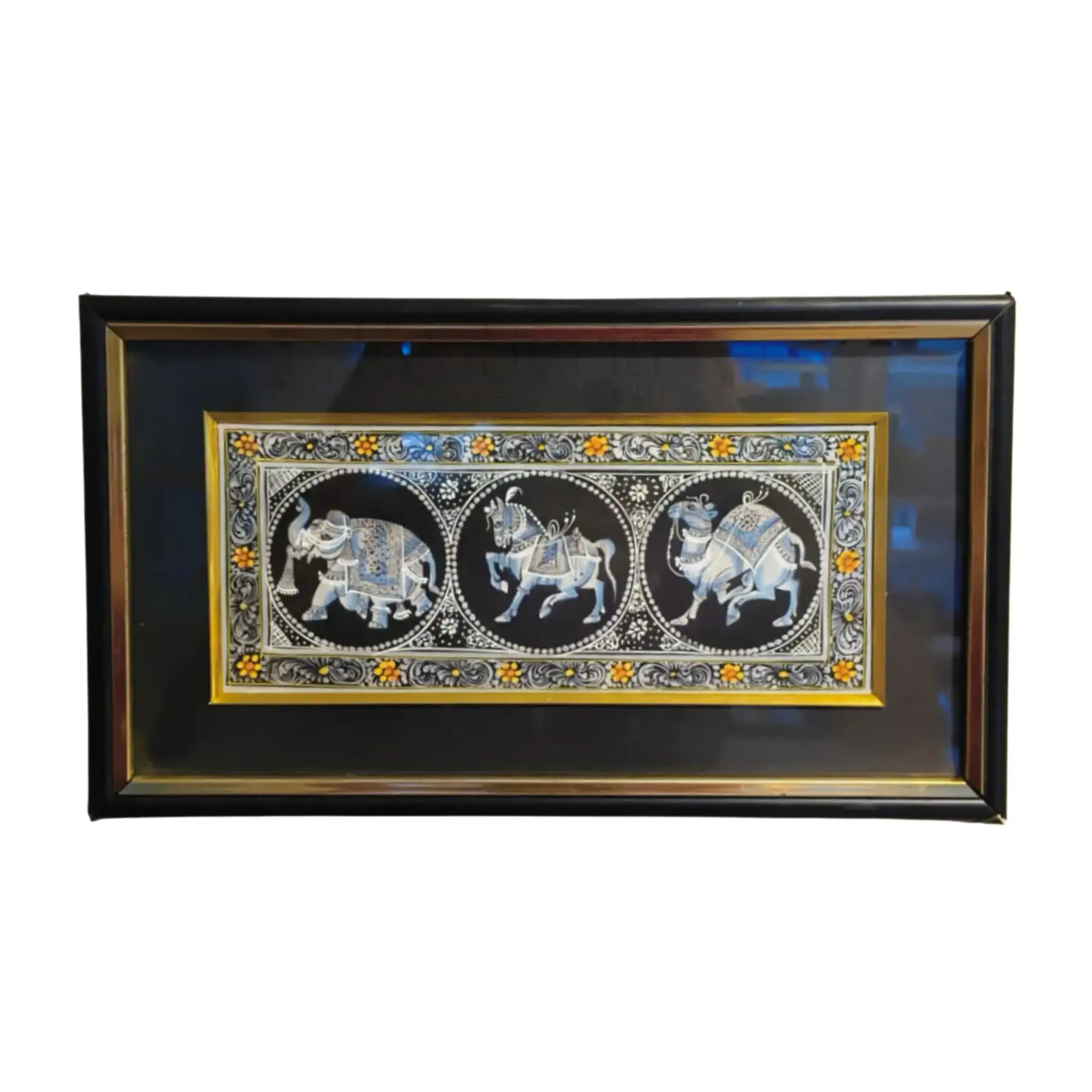
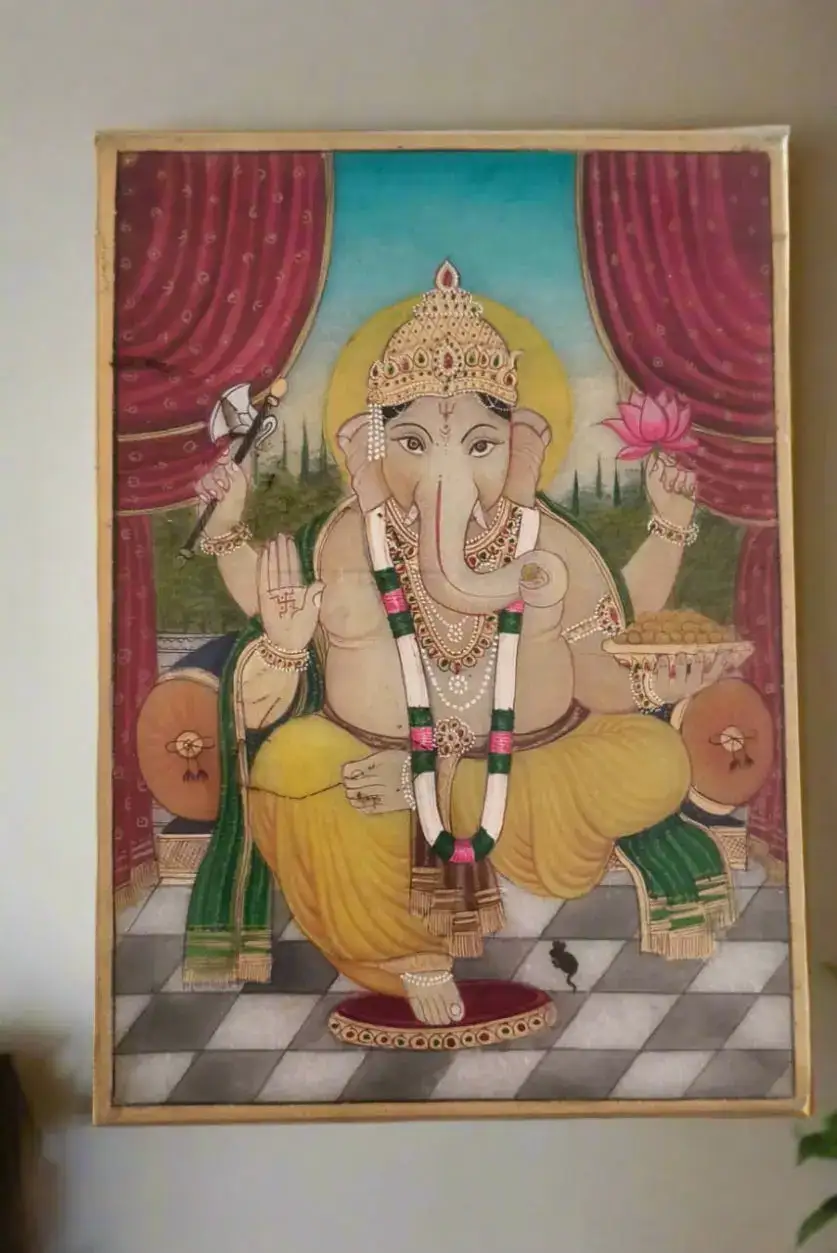
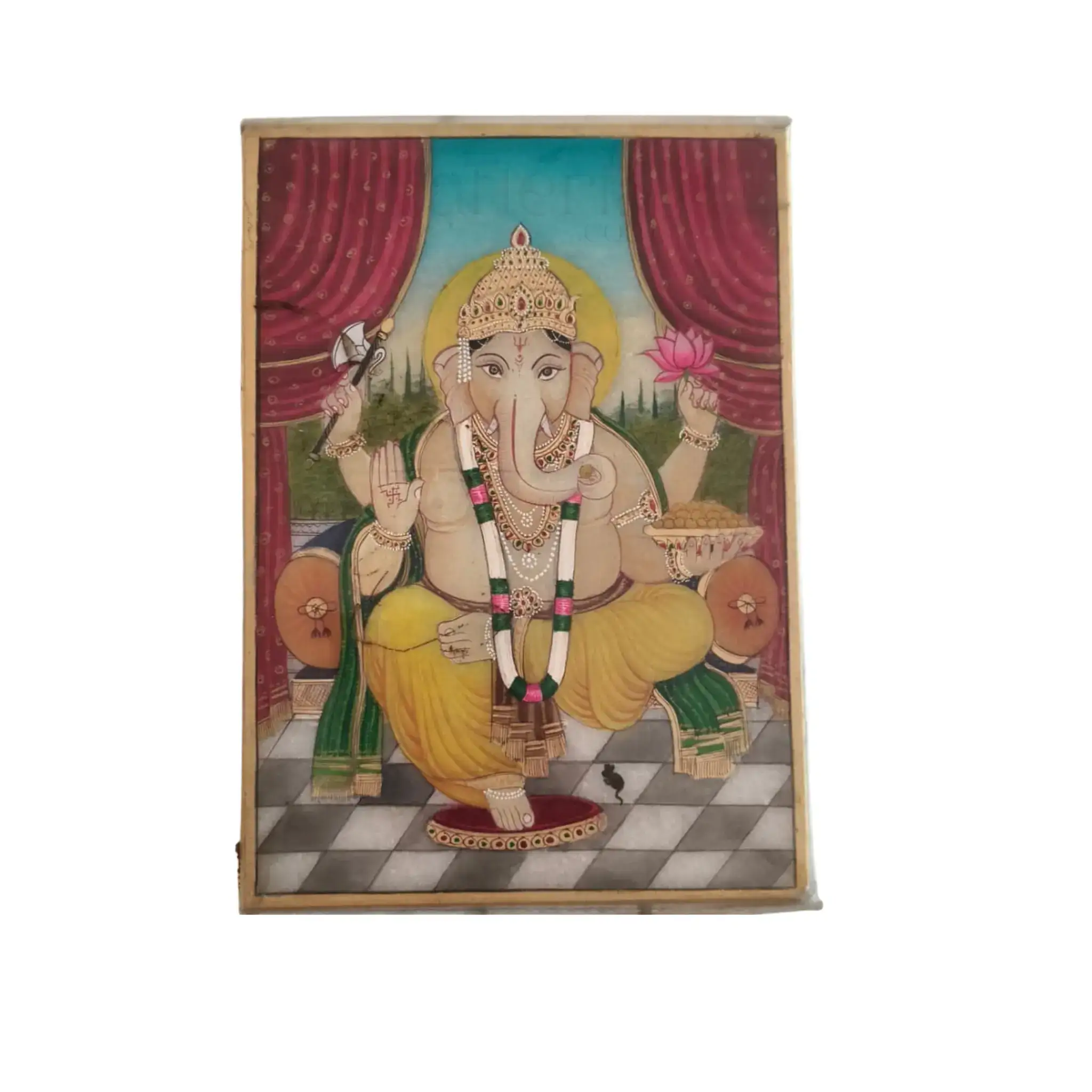
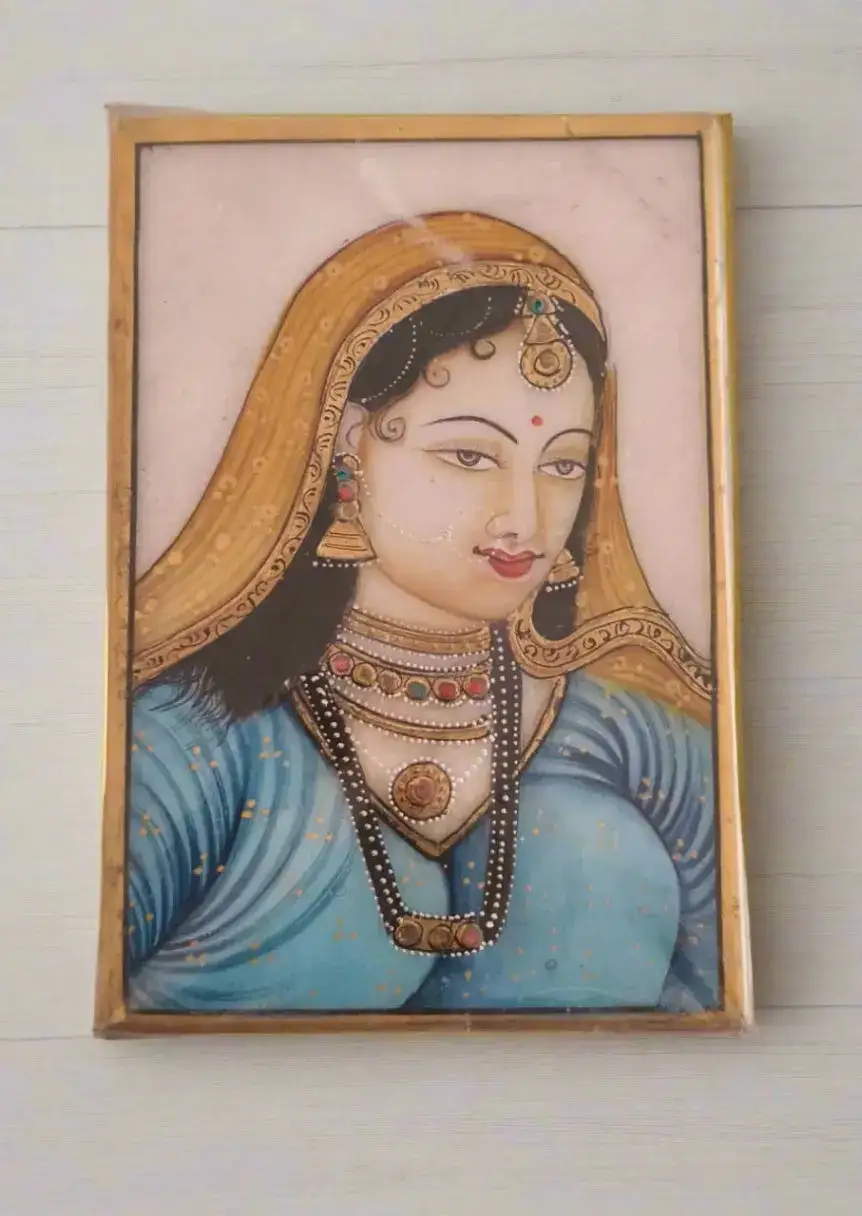
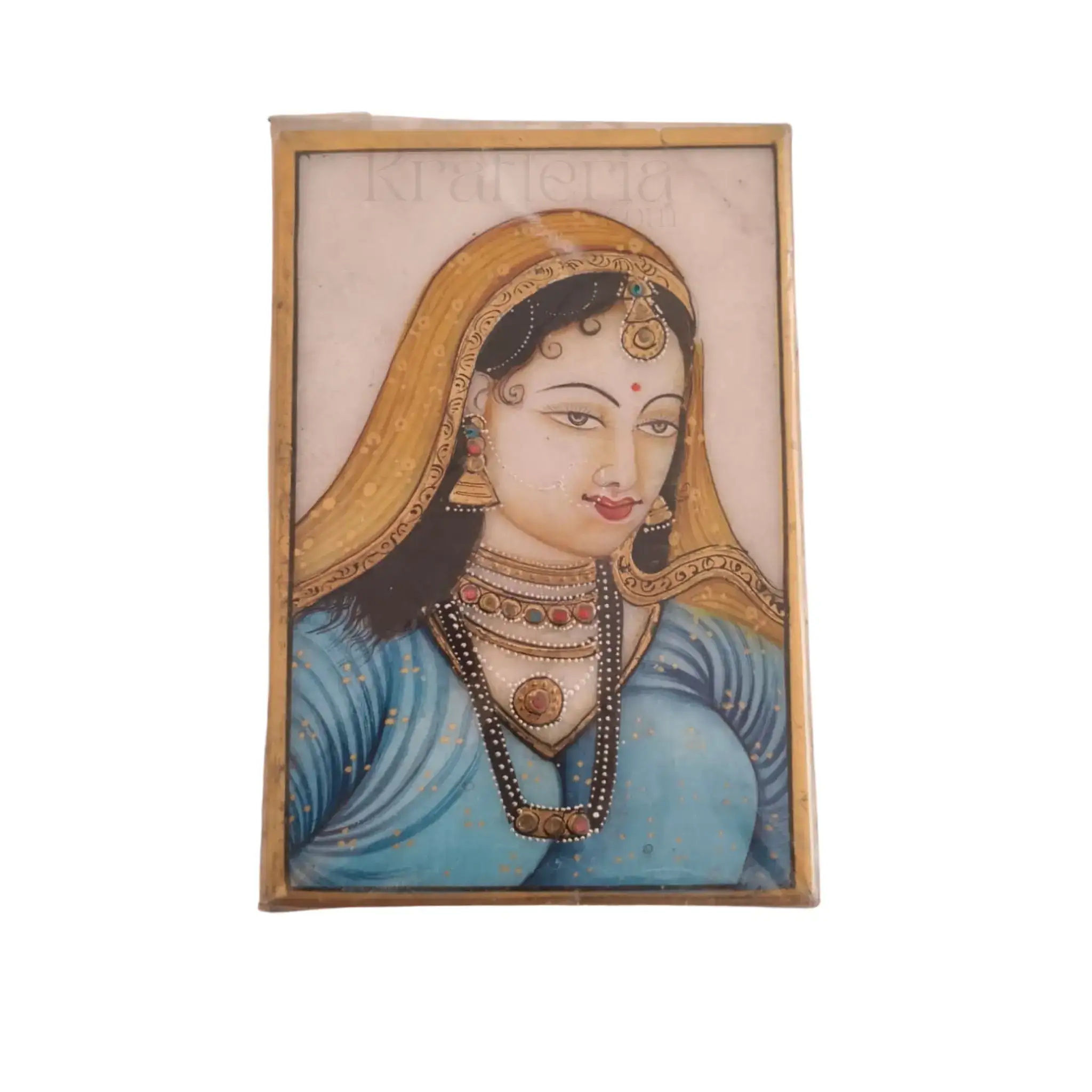
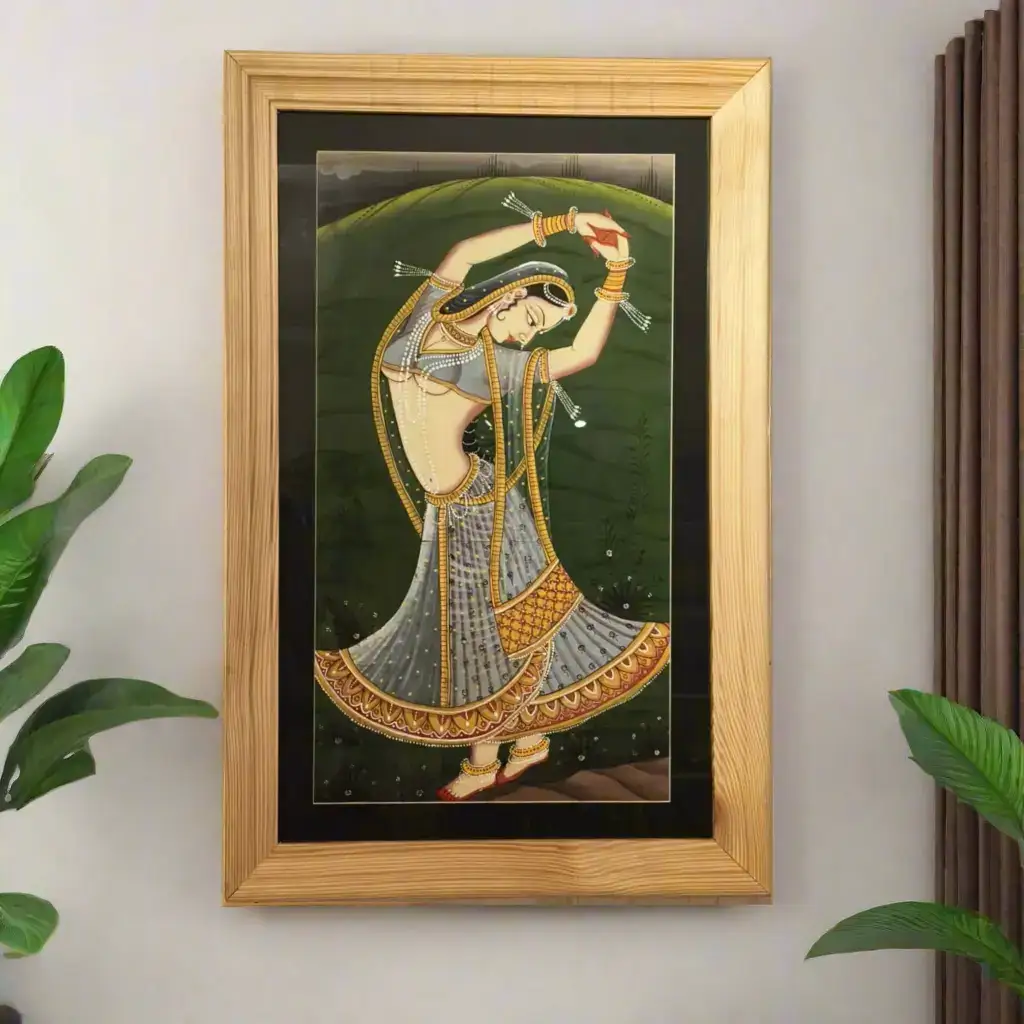
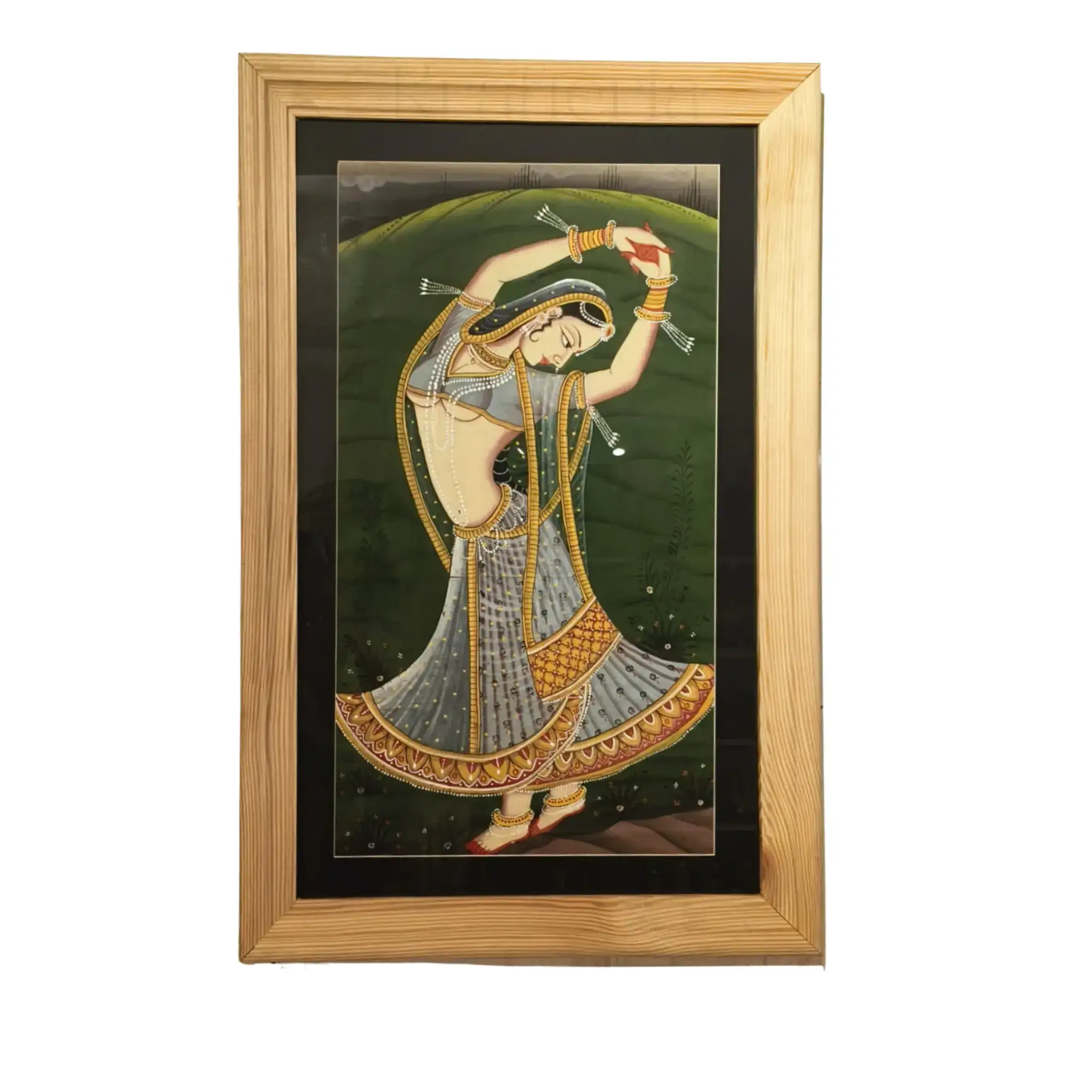
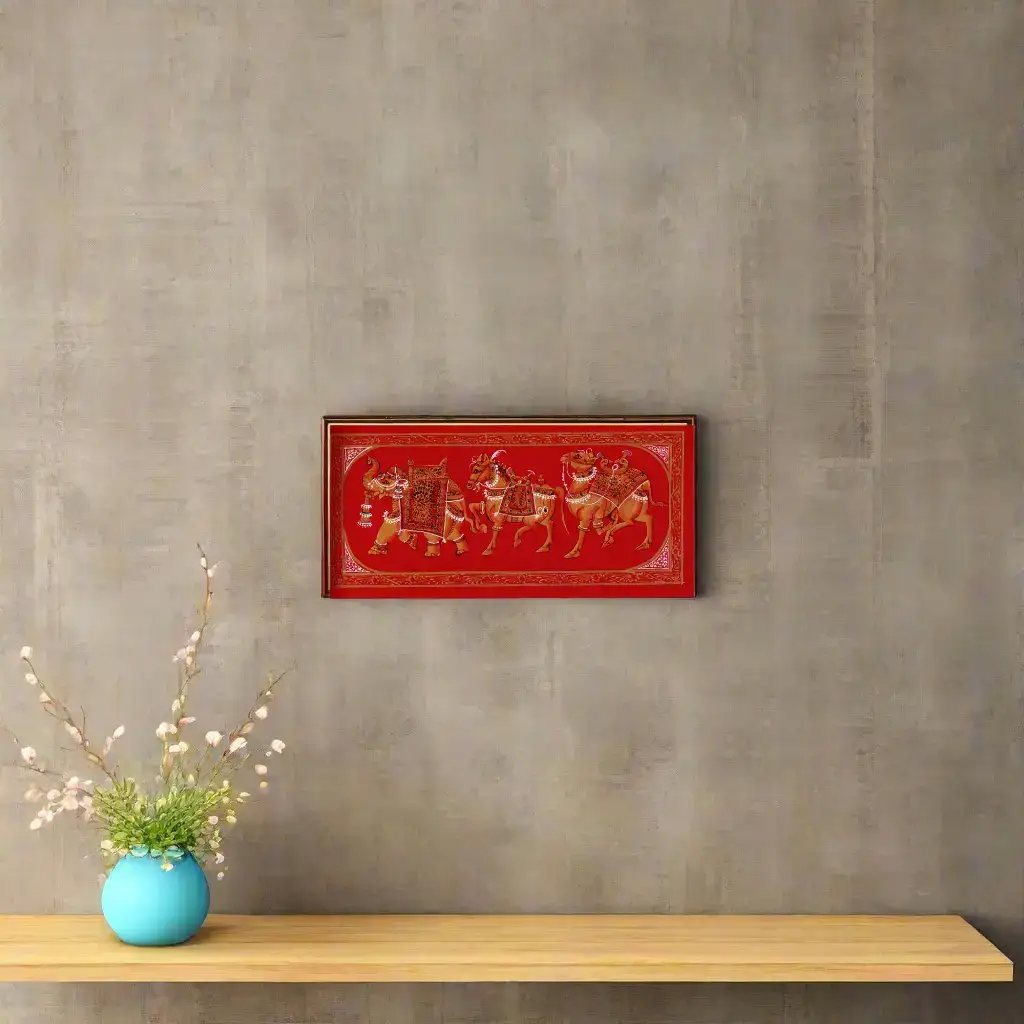
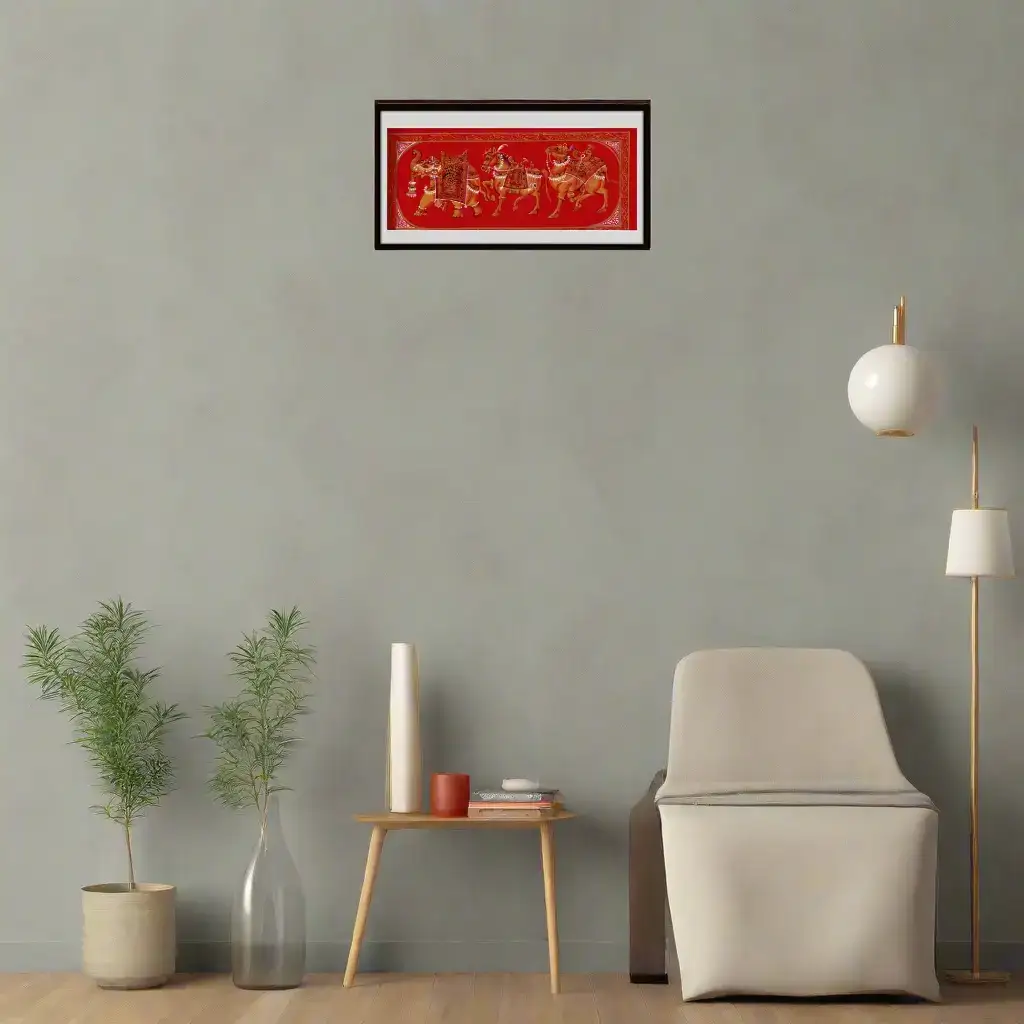
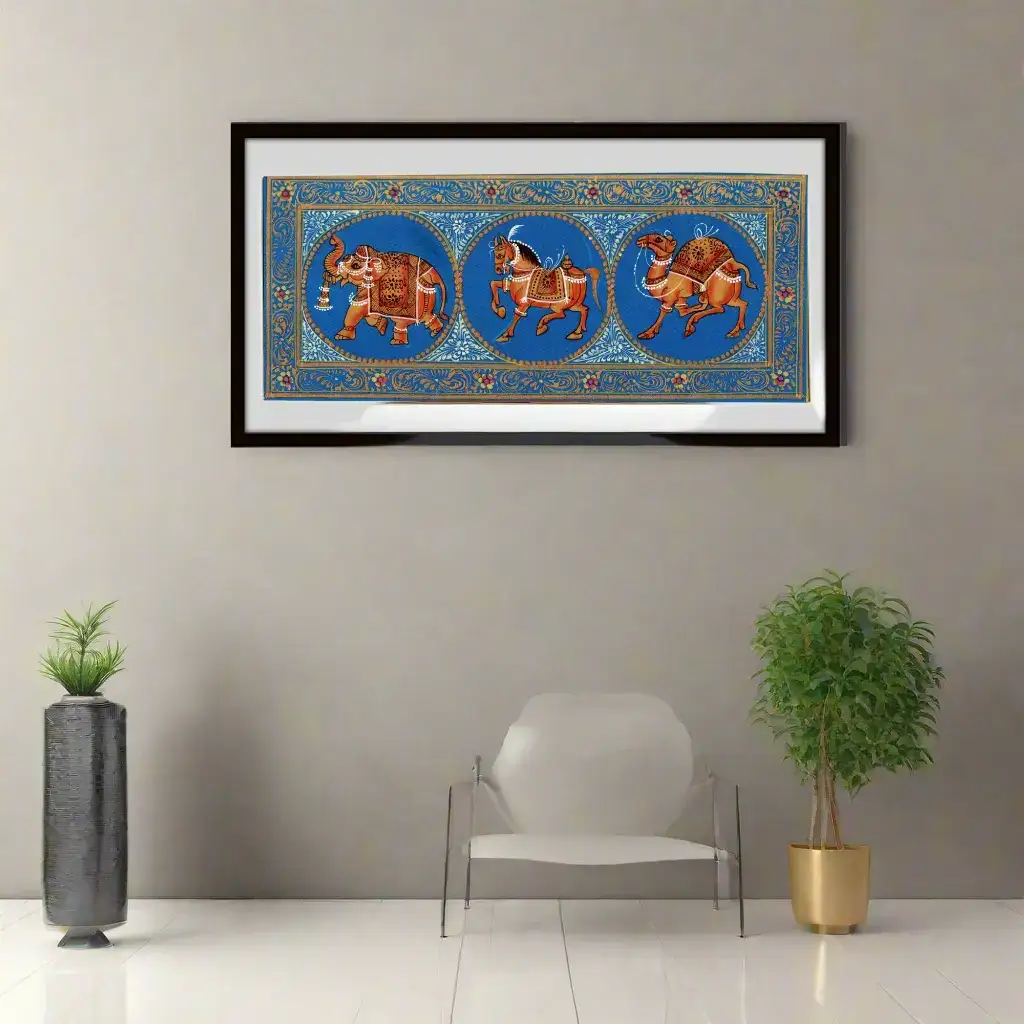
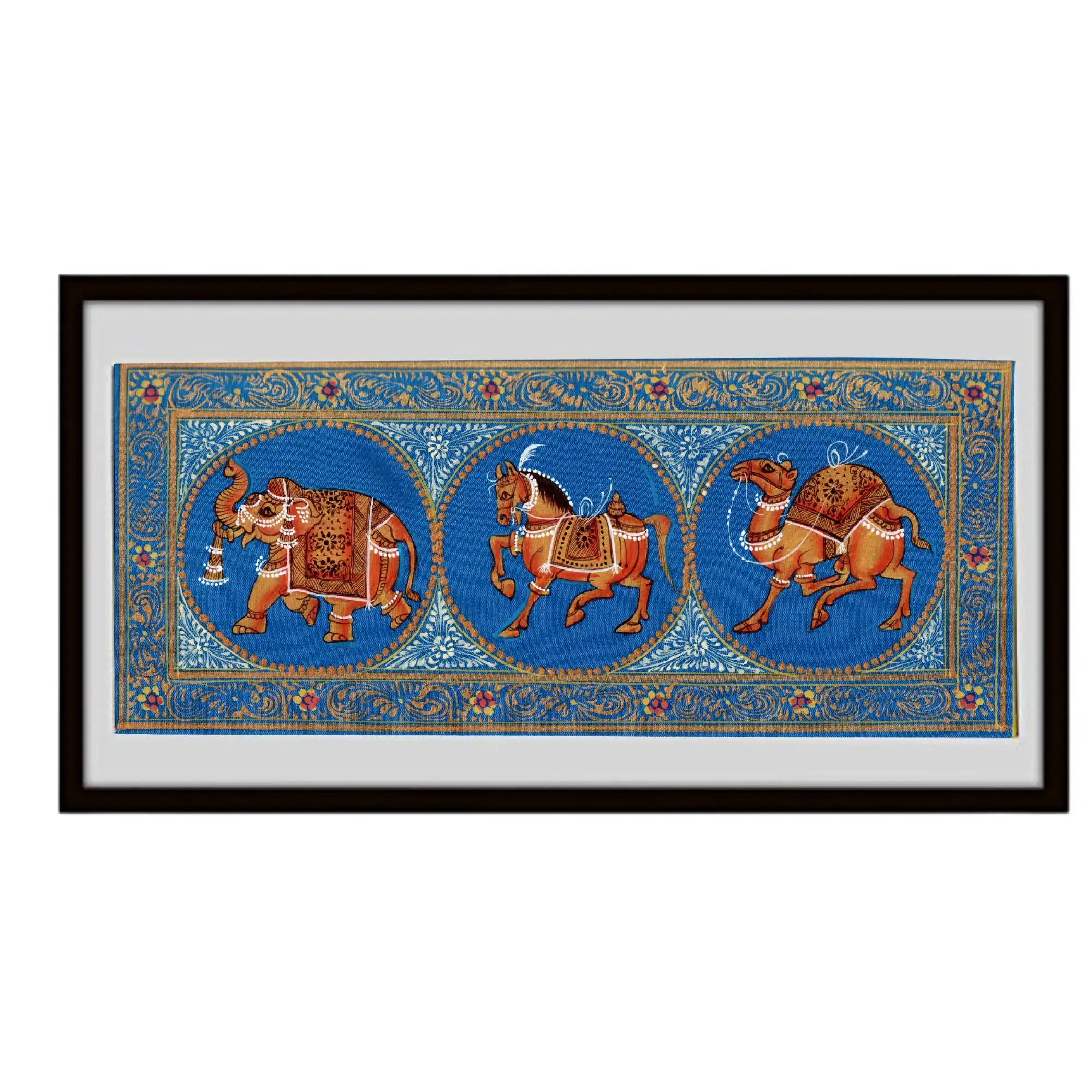
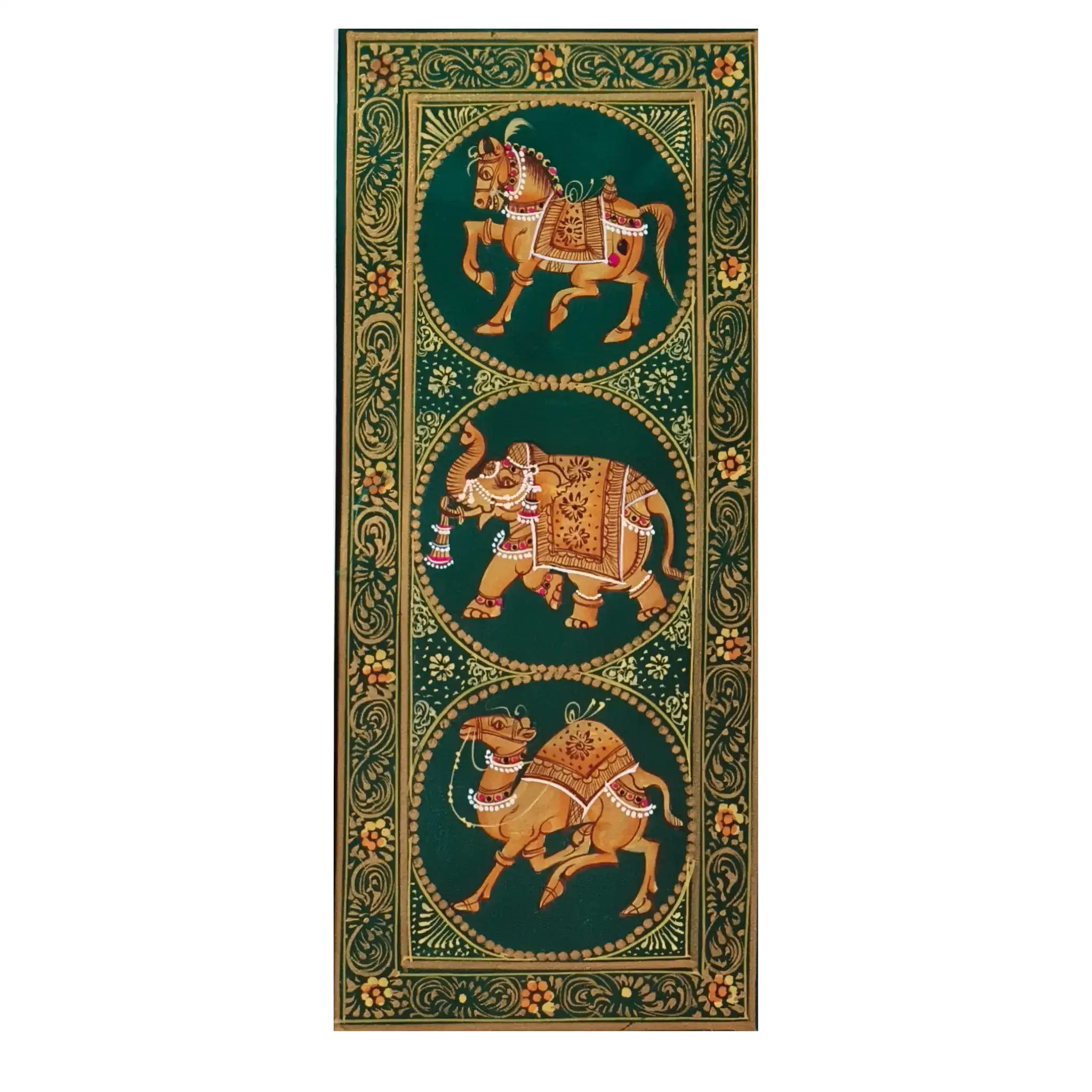
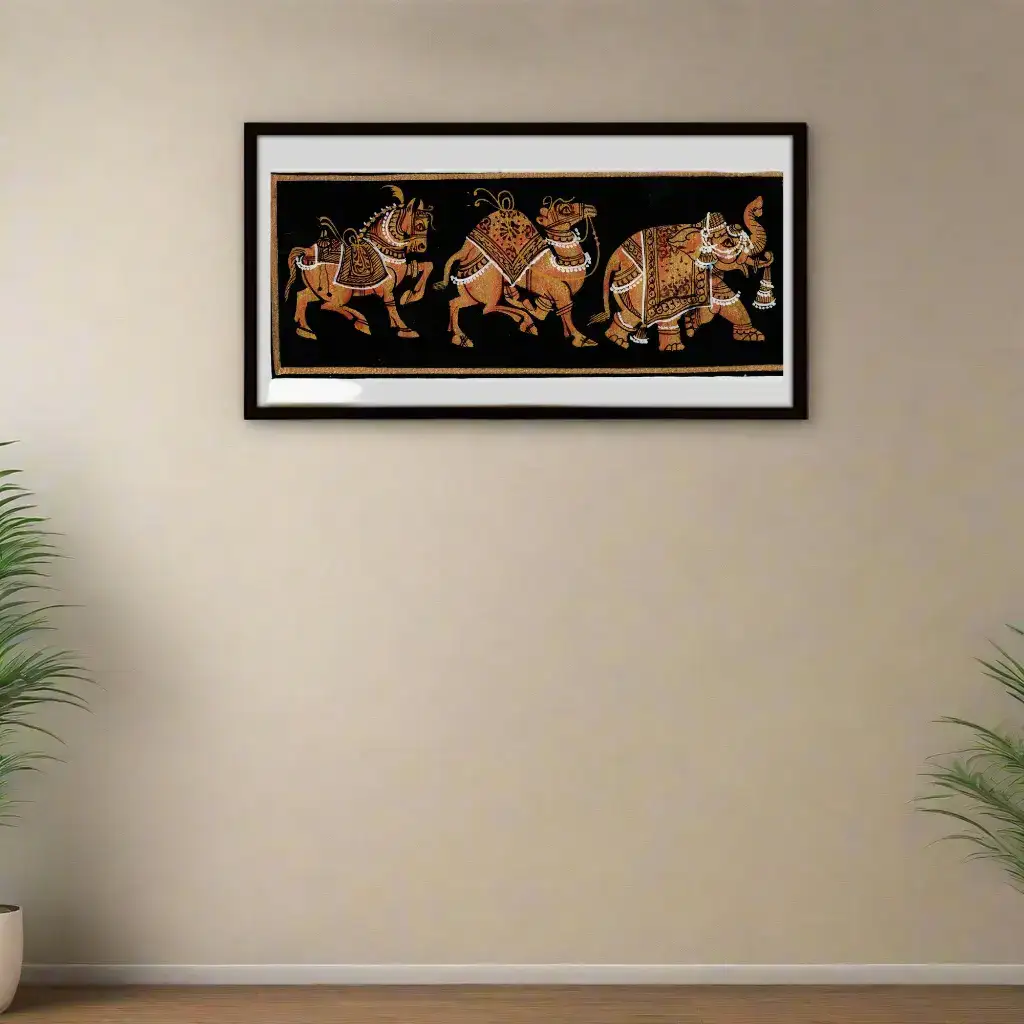
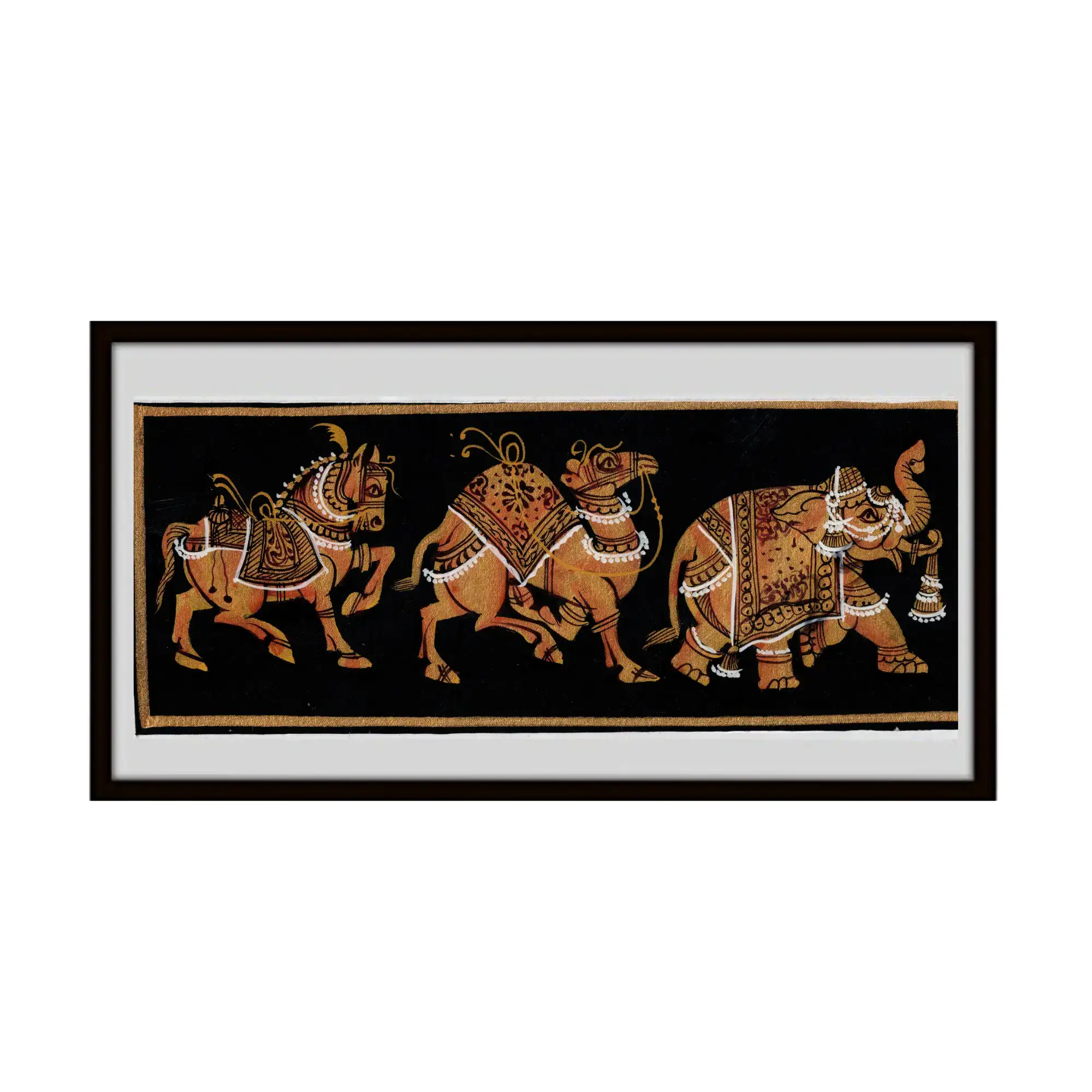
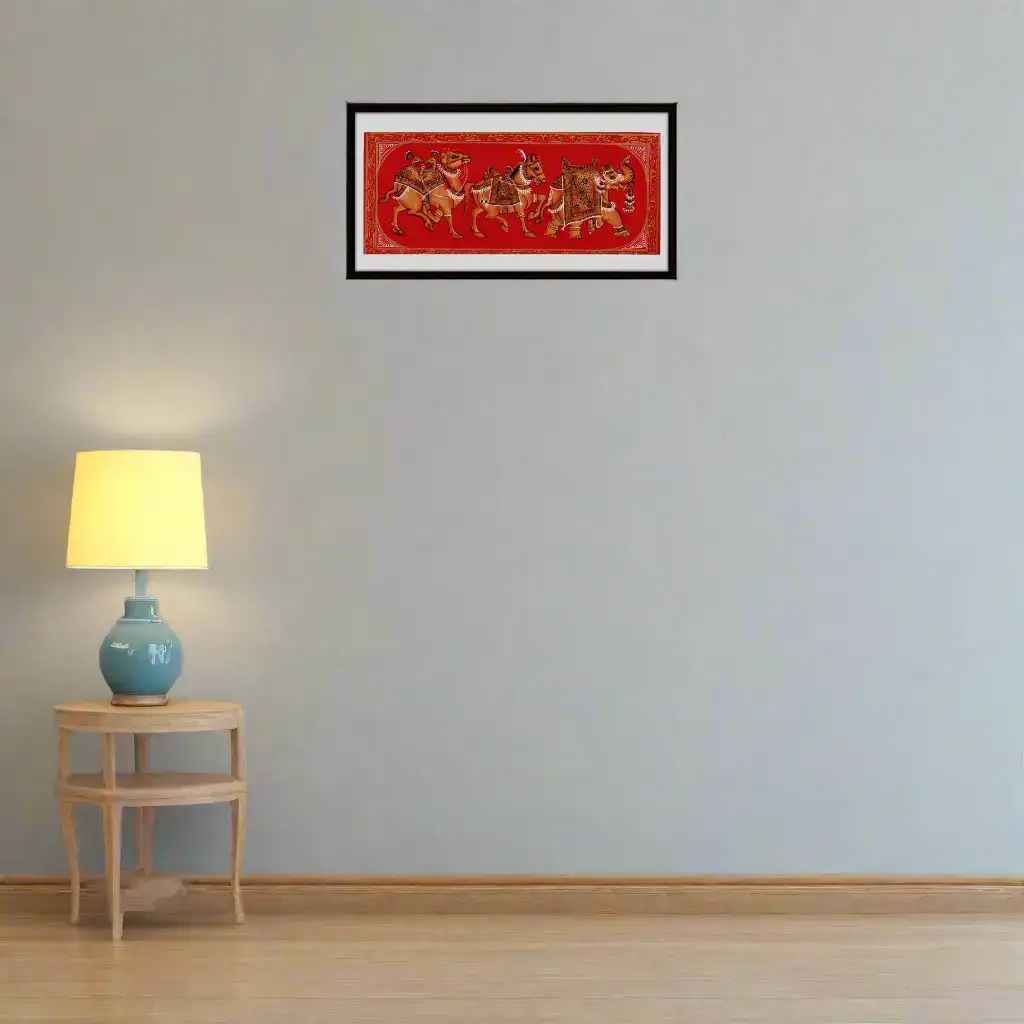
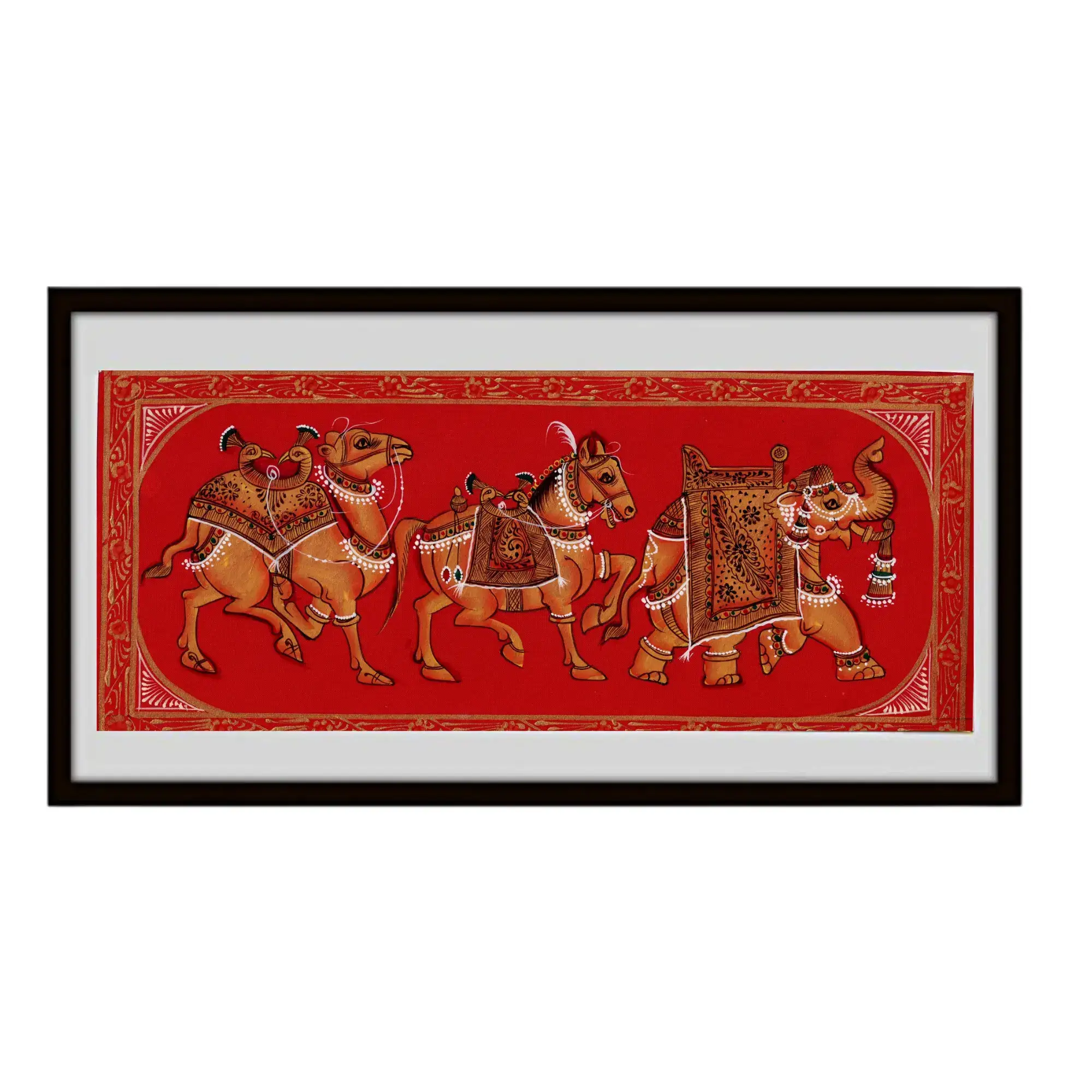
Mughal King Portrait - A Miniature Painting Rajasthani Painting is a rich and vibrant style of Indian miniature painting. This art form flourished in the royal courts of Rajasthan from the 16th century onwards. Deeply rooted in Indian traditions, it depicts themes of mythology, epics, love stories, royal life, and folk culture. The paintings are celebrated for their bold lines, bright colors, and intricate detailing. Natural dyes and pigments made from minerals, vegetables, and precious stones were traditionally used, providing the artwork with a lasting and luminous quality.
Each painting demonstrates the exquisite craftsmanship and delicate brushwork that define Mughal miniature painting. This traditional art communicates cultural stories and royal heritage with exquisite detail and sophistication.
The Rich Heritage of Mughal Miniature Artworkx
The Mughal dynasty miniature artwork is an esteemed artistic tradition that combines Persian influences with Indian themes. Mughal miniature art captures the grandeur of the Mughal kings and queens in stunningly lifelike portraits. The Mughal king portrait miniature painting style emphasizes realistic facial features, elaborate costumes, and regal settings. These paintings served as valuable historical records, showcasing court life and important events.
Beyond court scenes, the miniature paintings often narrate tales of heroism, spirituality, and romance. The Mughal miniature portrait style employs fine brush strokes and subtle color palettes, ensuring a balance between detail and harmony.
Distinct Schools of Indian Miniature Painting
This rich tradition branches into several schools, each carrying a unique style and artistic focus. The schools include Mewar, Marwar, Bundi, Kota, Kishangarh, Bikaner, and Jaipur. Every school developed its own characteristics in composition, color use, and subject matter.
- Mewar: Known for its detailed court scenes, heroic tales, and religious themes. Paintings are expressive, with vivid storytelling.
- Marwar: Reflects warrior culture and the dramatic landscapes of Rajasthan, often highlighting historical battles.
- Bundi and Kota: Famous for lush landscapes, nature depictions, and intricate hunting scenes reflecting royal leisure.
- Kishangarh: Renowned for romantic themes, especially the iconic image of Bani Thani, showcasing love stories like Radha and Krishna.
- Bikaner and Jaipur: Focus on regal portraits and ceremonial representations, emphasizing the sophistication of miniature painting.
Each of these schools contributed timeless masterpieces to the art world, continuing to inspire artists and collectors today.
Materials and Techniques Used in Mughal Miniature Paintings
The authenticity of Mughal miniature paintings comes from its traditional materials and detailed methods. Artists used natural pigments made from minerals, vegetables, and precious stones. These natural colors give the paintings depth and durability. The brushwork is incredibly fine, often requiring handmade brushes created from squirrel hair to achieve delicate lines.
Paintings were done on high-quality handmade paper or sometimes on ivory and other surfaces. The use of natural dyes ensures the paintings maintain their vibrancy over centuries. The skillful application of these materials highlights the outstanding artistry of this miniature tradition.
Miniature Painting: A Cultural and Artistic Icon
Miniature painting remains an iconic example of India’s royal artistic heritage. It bridges history and artistry, representing the cultural sophistication of the Mughal dynasty. This form of miniature painting offers insight into the aesthetics and values of the time, underscoring the importance of royal portraits in documenting the grandeur of rulers.
Displaying a Mughal king portrait miniature painting enhances any art collection or living space with a sense of historic elegance and cultural depth. The miniature art is not only visually stunning but also deeply meaningful.
Usage and Collection
Today, Mughal paintings are treasured collectibles, often displayed in museums, galleries, and private collections worldwide. Art enthusiasts appreciate the complexity, history, and beauty embedded in each piece. Many seek these artworks for home décor, heritage interiors, and art exhibitions due to their royal themes and timeless appeal.
Whether displayed as a framed piece or part of a curated collection, the Mughal miniature portrait remains an inspiring example of Indian art. Its presence adds a refined touch of history and artistry to any contemporary or traditional setting.
Original: $21.51
-70%$21.51
$6.45Product Information
Product Information
Shipping & Returns
Shipping & Returns
Description
Mughal King Portrait - A Miniature Painting of Royalty
Mughal King Portrait - A Miniature Painting Rajasthani Painting is a rich and vibrant style of Indian miniature painting. This art form flourished in the royal courts of Rajasthan from the 16th century onwards. Deeply rooted in Indian traditions, it depicts themes of mythology, epics, love stories, royal life, and folk culture. The paintings are celebrated for their bold lines, bright colors, and intricate detailing. Natural dyes and pigments made from minerals, vegetables, and precious stones were traditionally used, providing the artwork with a lasting and luminous quality.
Each painting demonstrates the exquisite craftsmanship and delicate brushwork that define Mughal miniature painting. This traditional art communicates cultural stories and royal heritage with exquisite detail and sophistication.
The Rich Heritage of Mughal Miniature Artworkx
The Mughal dynasty miniature artwork is an esteemed artistic tradition that combines Persian influences with Indian themes. Mughal miniature art captures the grandeur of the Mughal kings and queens in stunningly lifelike portraits. The Mughal king portrait miniature painting style emphasizes realistic facial features, elaborate costumes, and regal settings. These paintings served as valuable historical records, showcasing court life and important events.
Beyond court scenes, the miniature paintings often narrate tales of heroism, spirituality, and romance. The Mughal miniature portrait style employs fine brush strokes and subtle color palettes, ensuring a balance between detail and harmony.
Distinct Schools of Indian Miniature Painting
This rich tradition branches into several schools, each carrying a unique style and artistic focus. The schools include Mewar, Marwar, Bundi, Kota, Kishangarh, Bikaner, and Jaipur. Every school developed its own characteristics in composition, color use, and subject matter.
- Mewar: Known for its detailed court scenes, heroic tales, and religious themes. Paintings are expressive, with vivid storytelling.
- Marwar: Reflects warrior culture and the dramatic landscapes of Rajasthan, often highlighting historical battles.
- Bundi and Kota: Famous for lush landscapes, nature depictions, and intricate hunting scenes reflecting royal leisure.
- Kishangarh: Renowned for romantic themes, especially the iconic image of Bani Thani, showcasing love stories like Radha and Krishna.
- Bikaner and Jaipur: Focus on regal portraits and ceremonial representations, emphasizing the sophistication of miniature painting.
Each of these schools contributed timeless masterpieces to the art world, continuing to inspire artists and collectors today.
Materials and Techniques Used in Mughal Miniature Paintings
The authenticity of Mughal miniature paintings comes from its traditional materials and detailed methods. Artists used natural pigments made from minerals, vegetables, and precious stones. These natural colors give the paintings depth and durability. The brushwork is incredibly fine, often requiring handmade brushes created from squirrel hair to achieve delicate lines.
Paintings were done on high-quality handmade paper or sometimes on ivory and other surfaces. The use of natural dyes ensures the paintings maintain their vibrancy over centuries. The skillful application of these materials highlights the outstanding artistry of this miniature tradition.
Miniature Painting: A Cultural and Artistic Icon
Miniature painting remains an iconic example of India’s royal artistic heritage. It bridges history and artistry, representing the cultural sophistication of the Mughal dynasty. This form of miniature painting offers insight into the aesthetics and values of the time, underscoring the importance of royal portraits in documenting the grandeur of rulers.
Displaying a Mughal king portrait miniature painting enhances any art collection or living space with a sense of historic elegance and cultural depth. The miniature art is not only visually stunning but also deeply meaningful.
Usage and Collection
Today, Mughal paintings are treasured collectibles, often displayed in museums, galleries, and private collections worldwide. Art enthusiasts appreciate the complexity, history, and beauty embedded in each piece. Many seek these artworks for home décor, heritage interiors, and art exhibitions due to their royal themes and timeless appeal.
Whether displayed as a framed piece or part of a curated collection, the Mughal miniature portrait remains an inspiring example of Indian art. Its presence adds a refined touch of history and artistry to any contemporary or traditional setting.