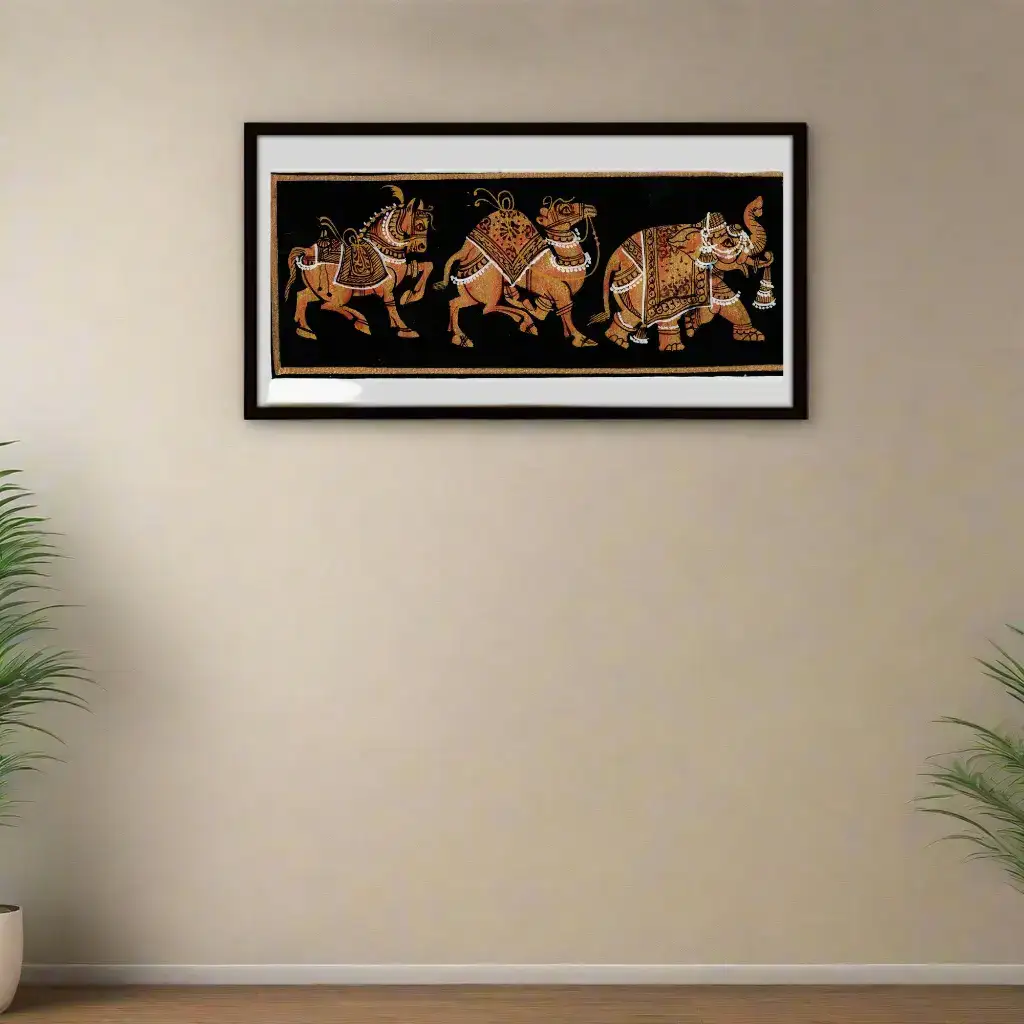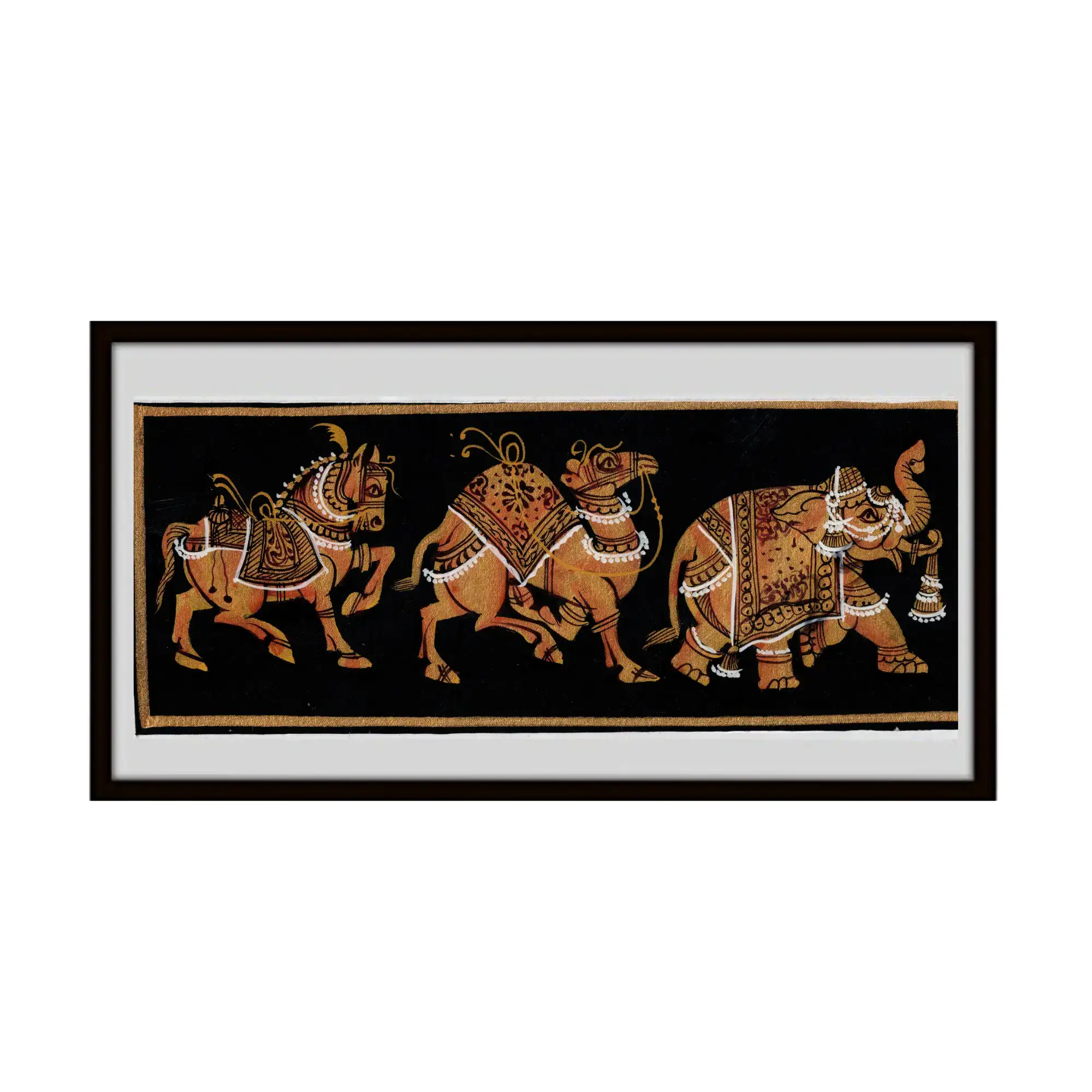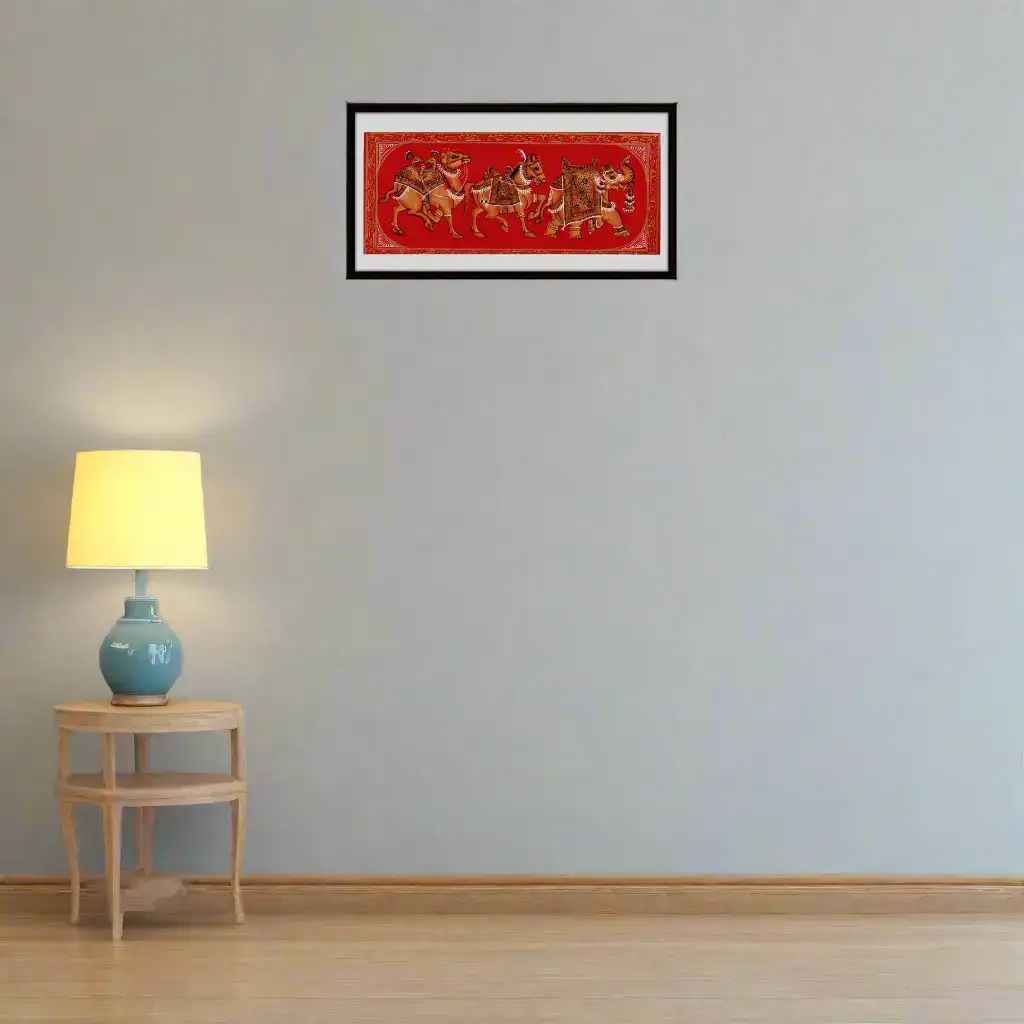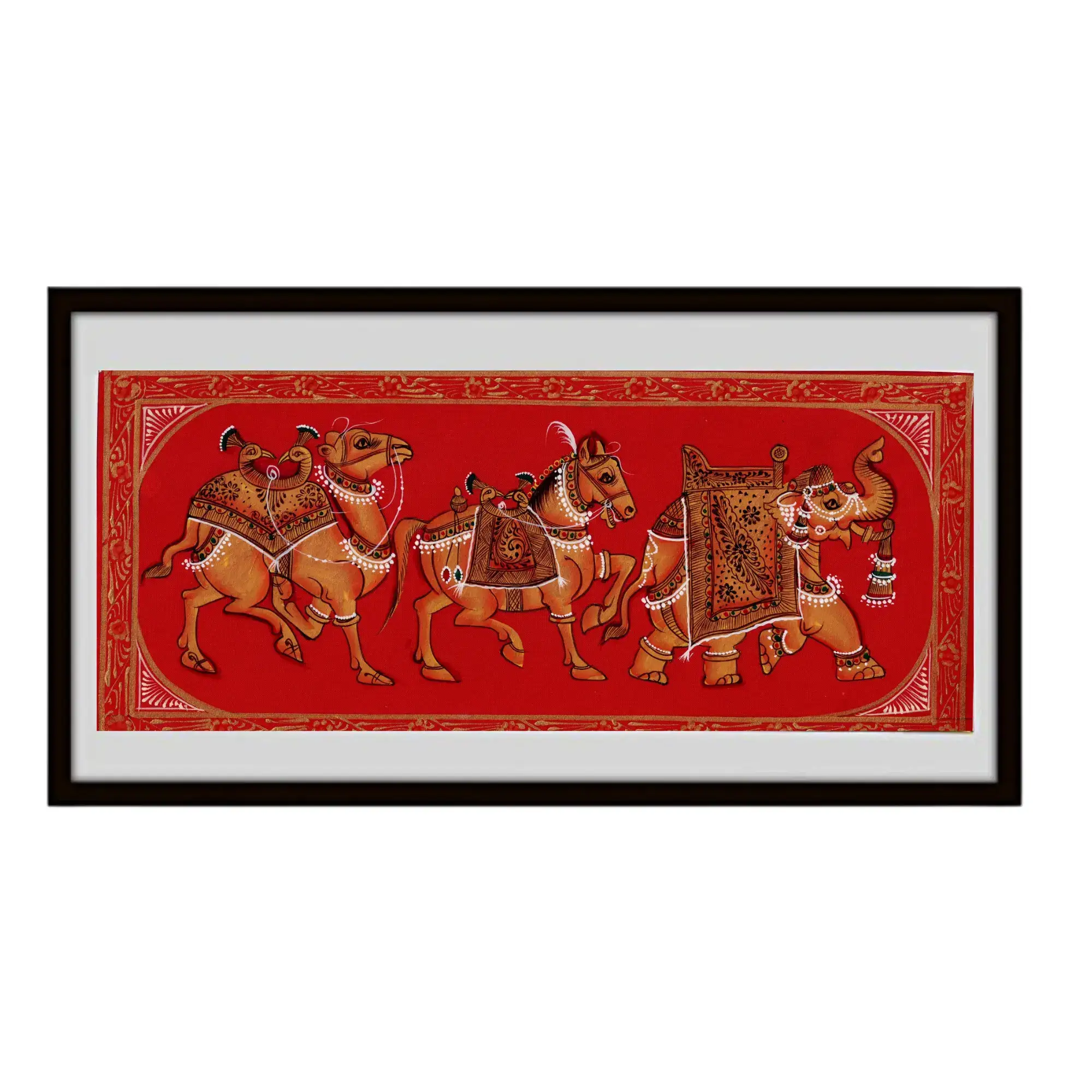
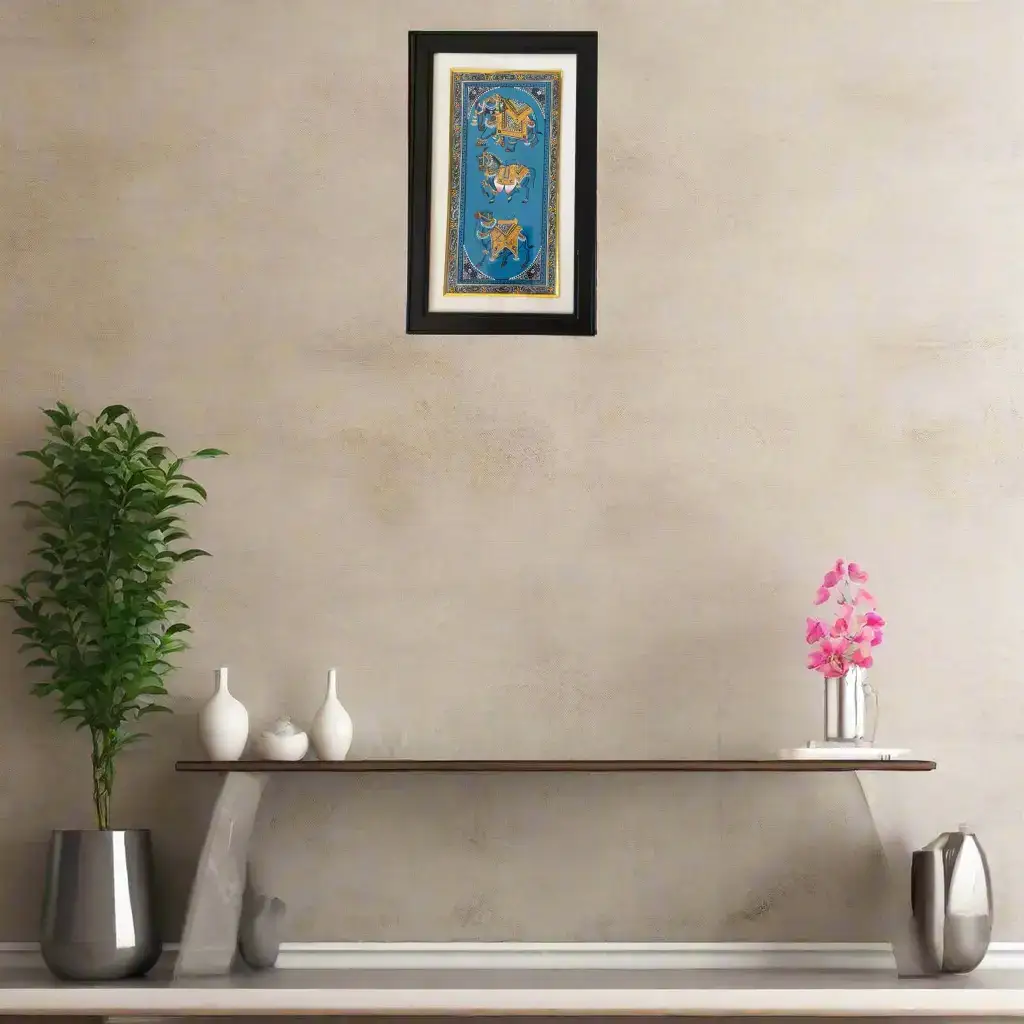
Mughal Style Miniature Art - Royal Procession Painting
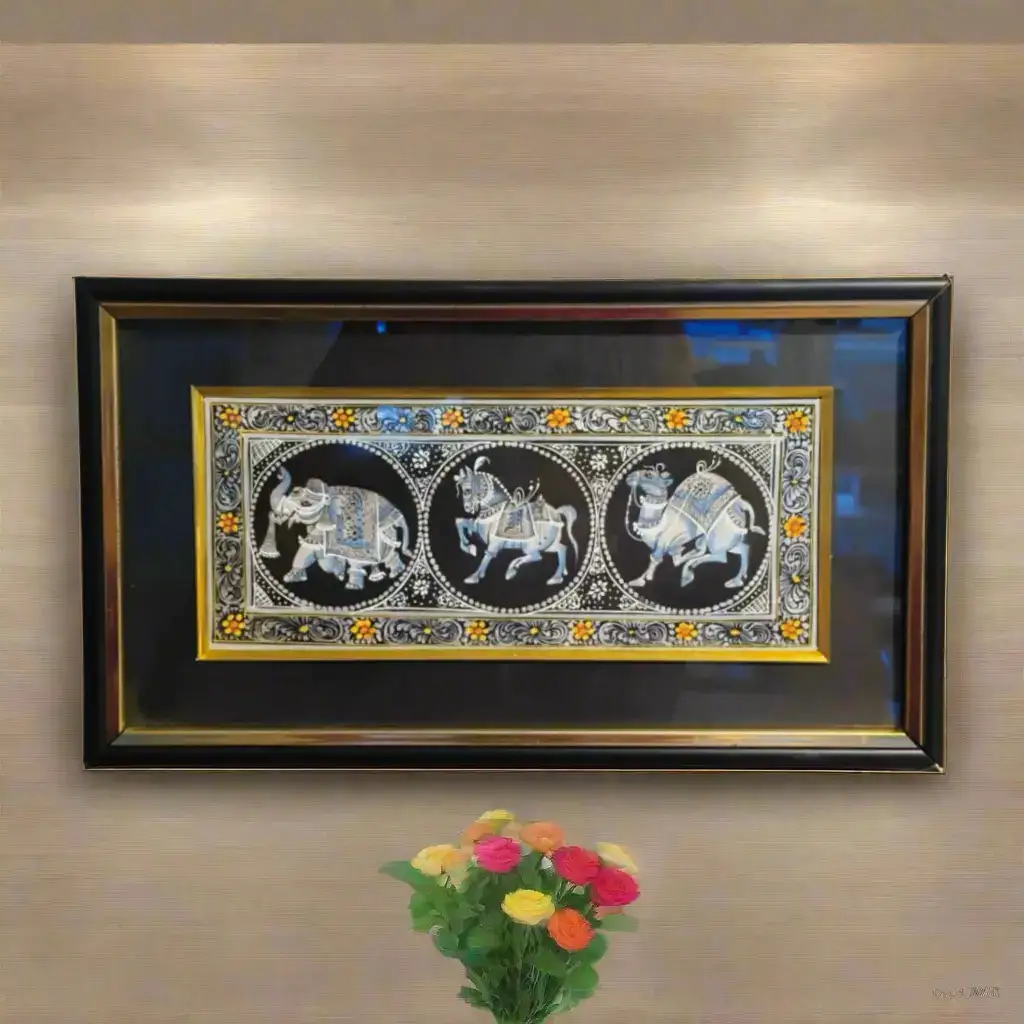
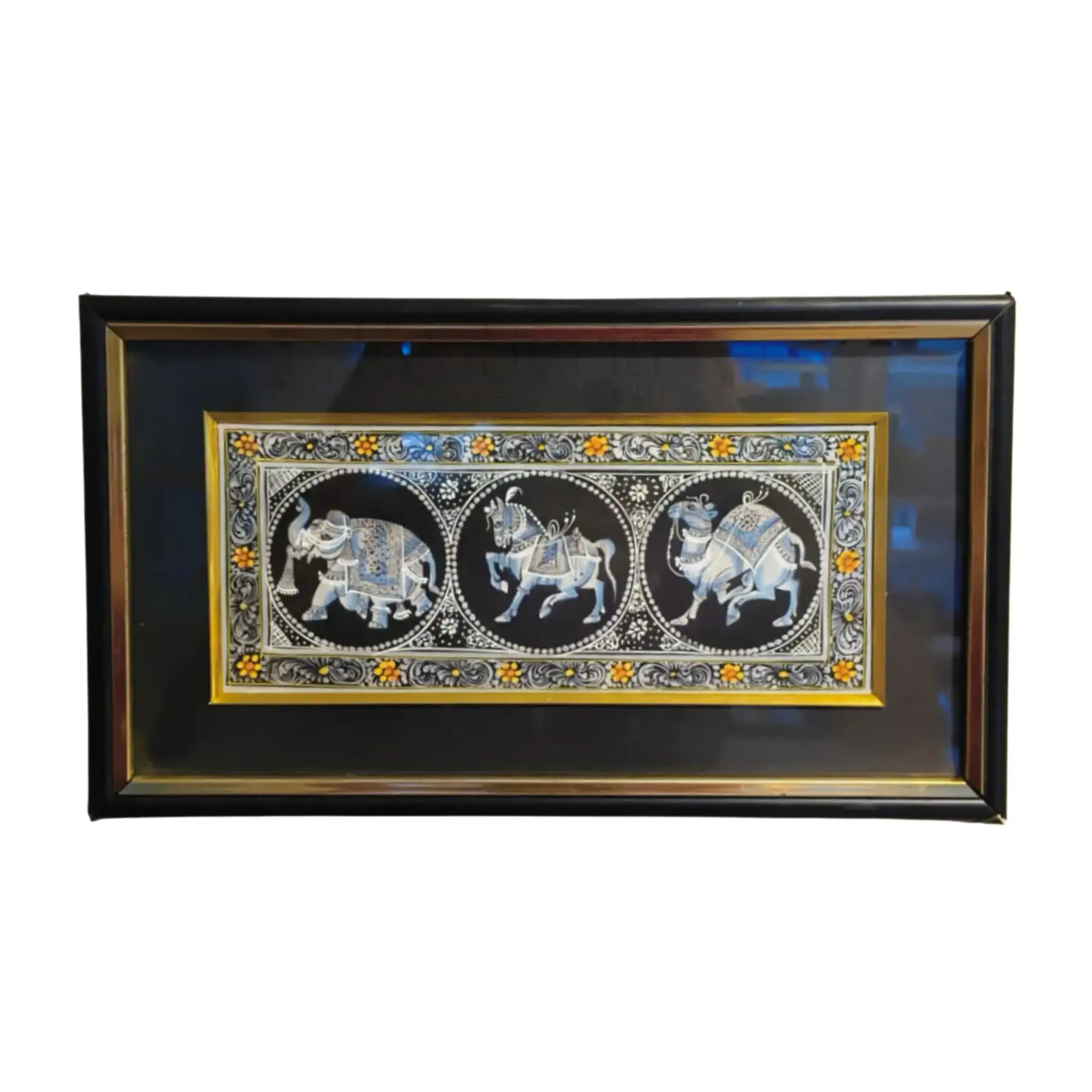
Mughal Miniature Art - Royal Procession Painting
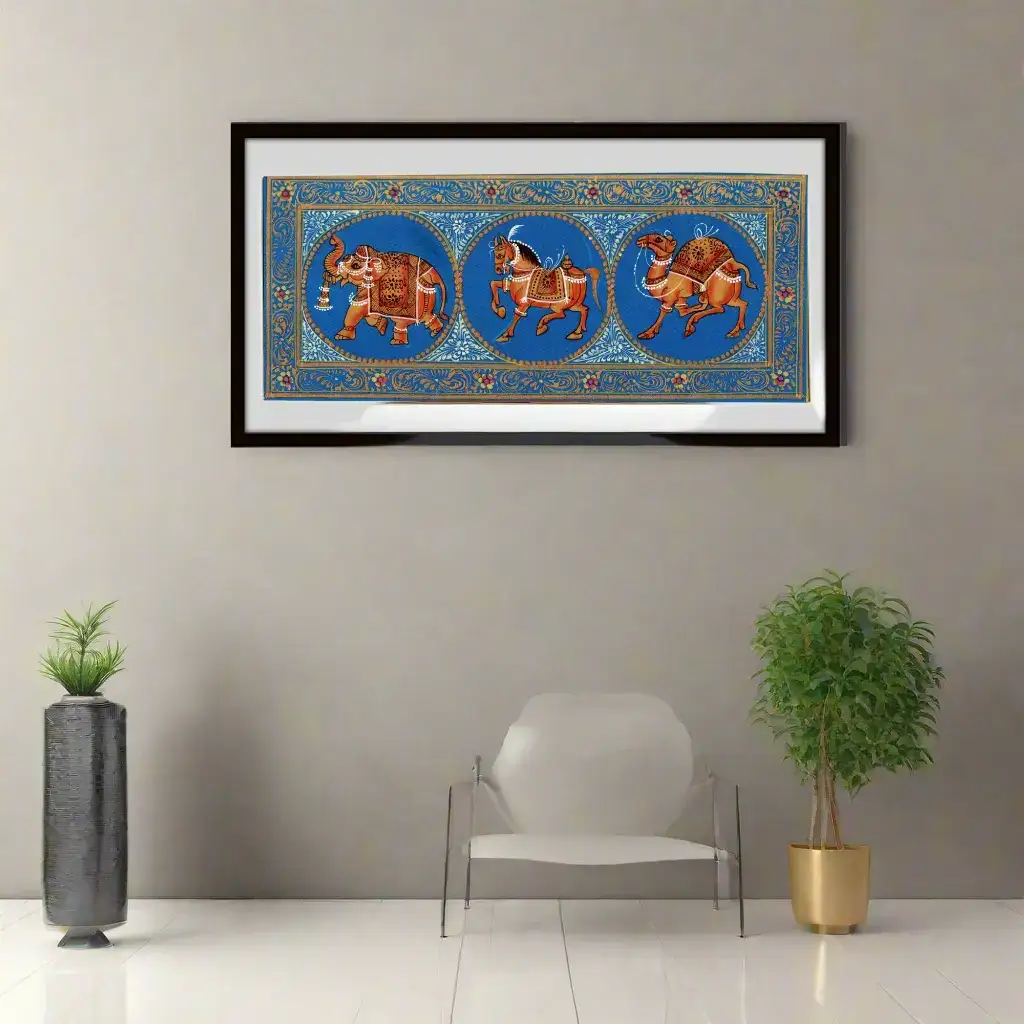
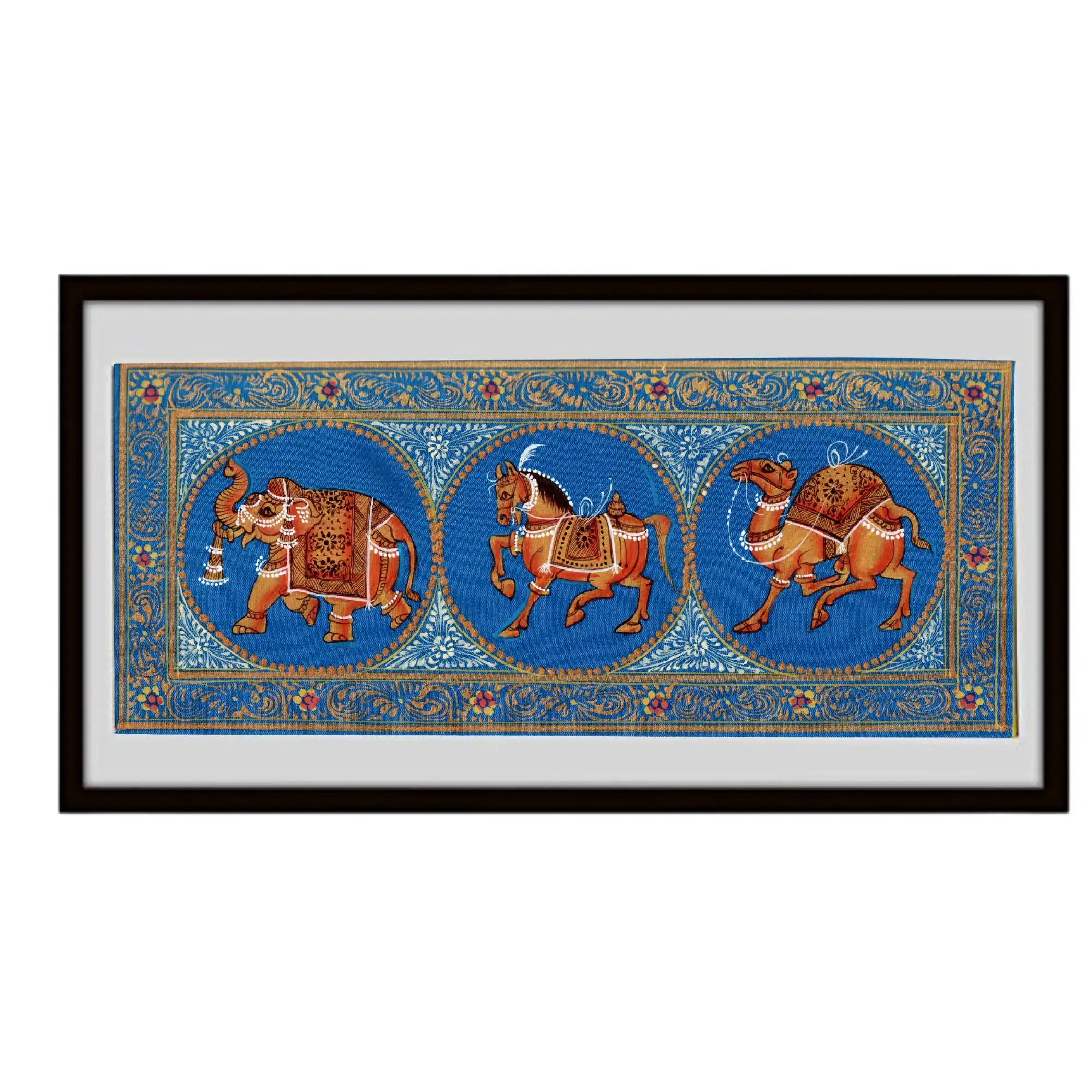
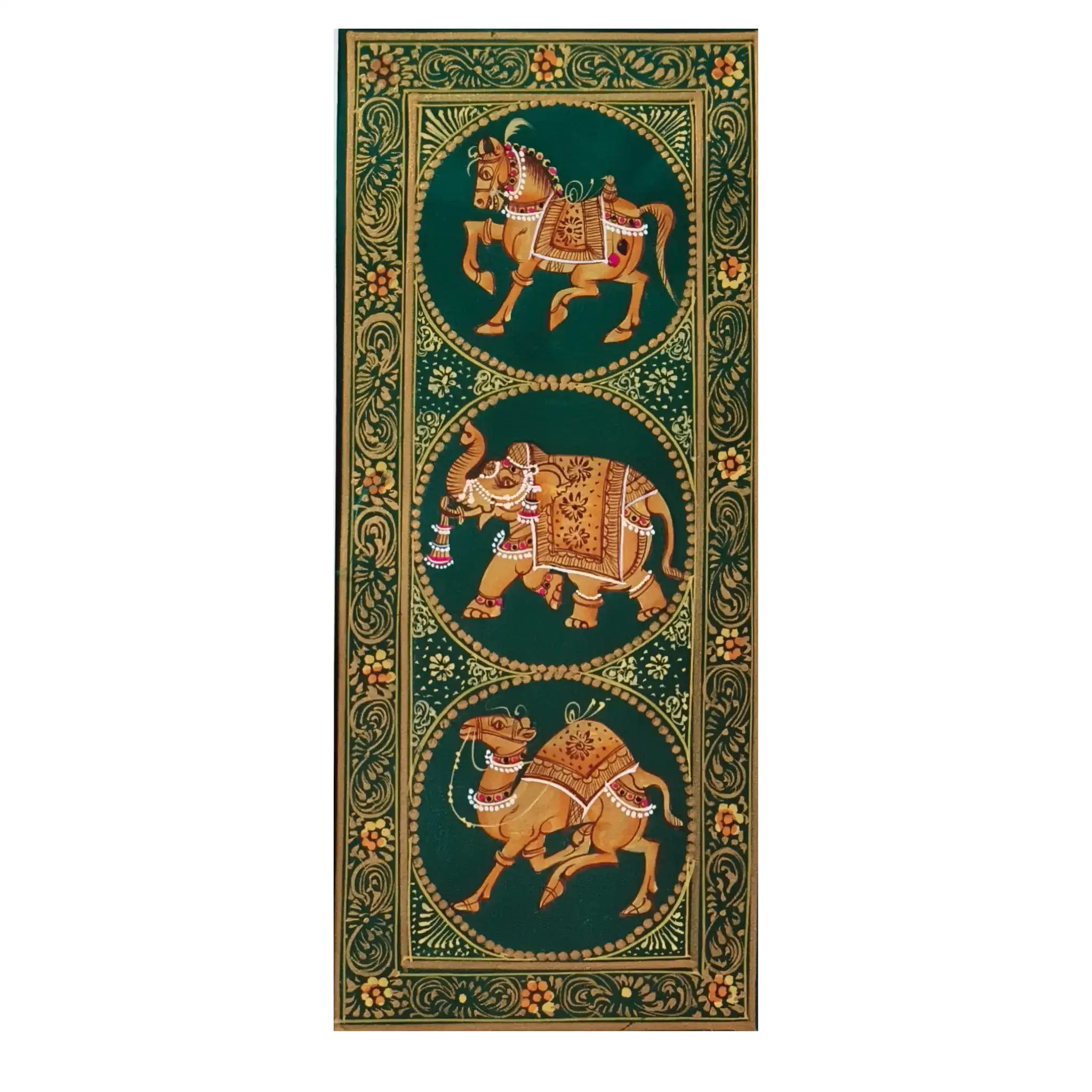
Mughal Miniature Art represents a rich and captivating tradition of Indian miniature painting. This art style blossomed in the royal courts of Rajasthan from the 16th century onwards. It is deeply rooted in Indian cultural and artistic traditions, showcasing a variety of themes such as mythology, epics, royal life, love stories, and folk legends. These paintings are distinct for their bold, elegant lines, vivid colors, and intricate detailing. Artisans traditionally used natural dyes and pigments made from minerals, vegetables, and precious stones, lending the paintings a timeless, luminous quality that has endured for centuries.
Distinct Schools of Traditional Mughal Miniature Painting
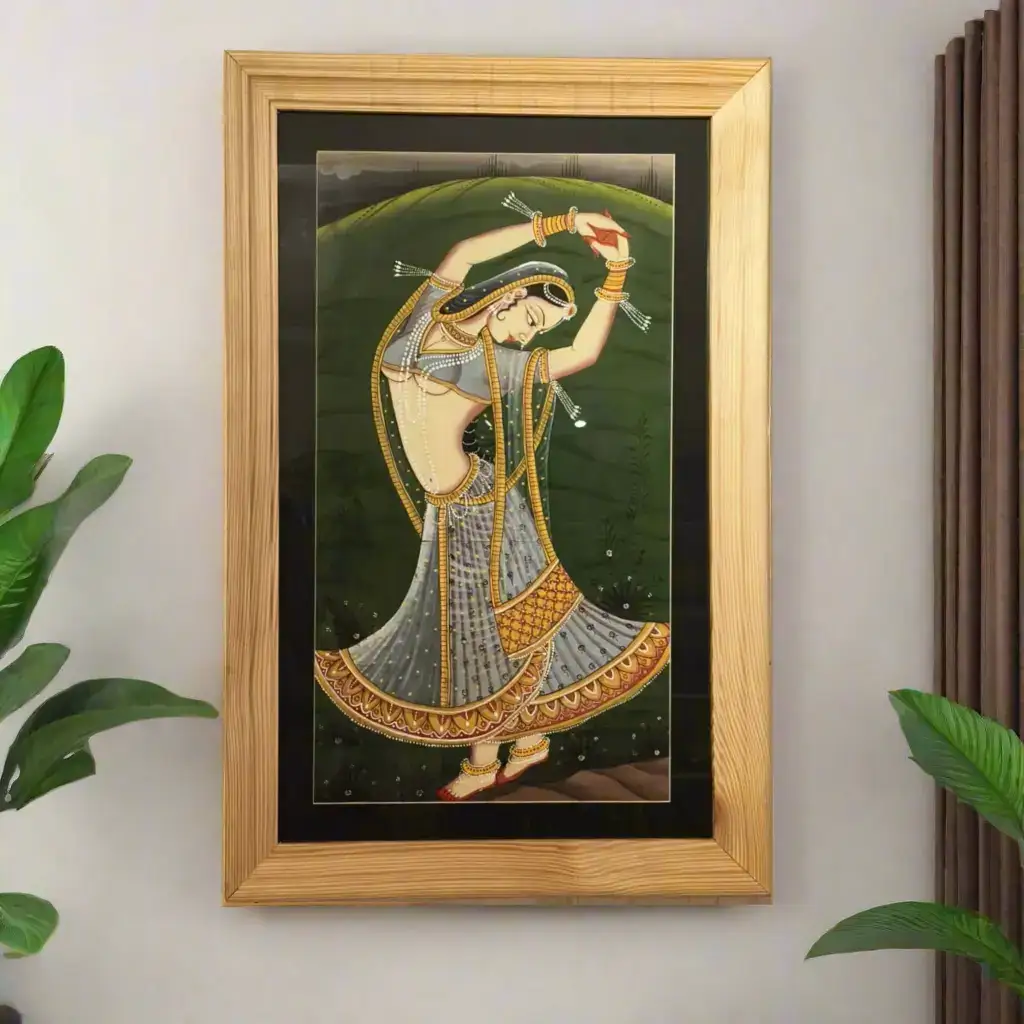
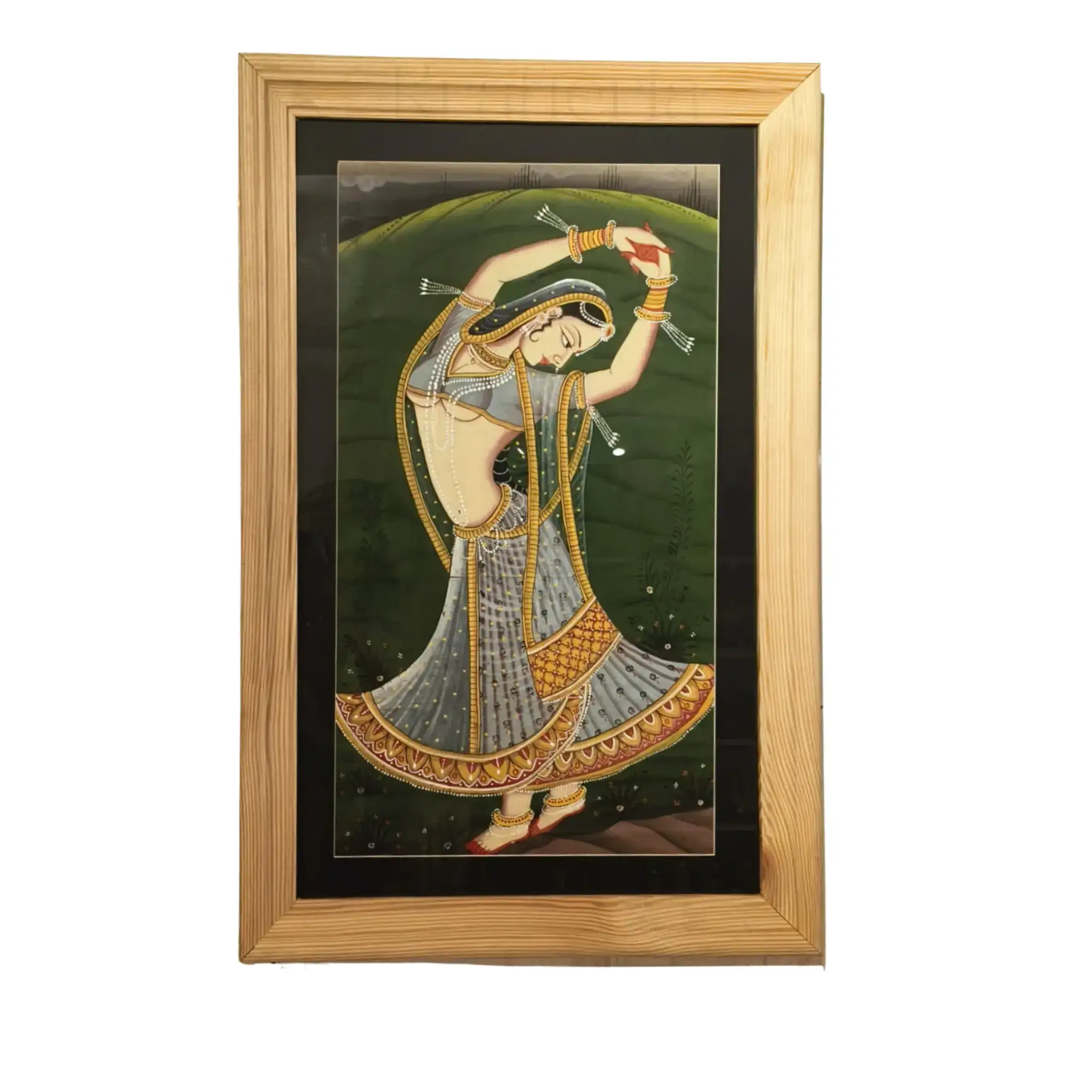
This artistic tradition is divided into various schools, each with unique styles and thematic focus. Notable schools include Mewar, Marwar, Bundi, Kota, Kishangarh, Bikaner, and Jaipur. Each school contributed distinct characteristics to the overall legacy of miniature art. For example, Kishangarh is famous for its romantic depictions of Radha and Krishna, featuring the iconic figure of Bani Thani. Mewar’s artworks are known for their courtly scenes, heroic tales, and religious motifs. Meanwhile, Bundi and Kota paintings often highlight lush landscapes and dynamic hunting scenes, exhibiting the versatility of Mughal Miniature Art.
The Cultural Significance of Mughal Miniature Art
Mughal Miniature Artwork reflects more than just aesthetic beauty; it offers a glimpse into historical and cultural aspects of the era. The paintings document royal ceremonies, social life, and mythological stories, making them valuable cultural artifacts. One well-appreciated variant is the Mughal court procession miniature painting, which vividly portrays the grandeur and discipline of royal processions, often featuring the emperor, his attendants, musicians, soldiers, and various ceremonial elements. These scenes symbolize imperial power and order with exceptional artistic finesse.
Exquisite Craftsmanship and Materials
The art of Miniature Art involves painstaking hand-painting using traditional techniques. Each painting is a masterpiece of detail, created with fine brushes that enable artisans to illustrate even the minutest features. The use of natural pigments ensures vibrant and long-lasting colors. This hand-painted Mughal art continues to fascinate collectors and art lovers worldwide for its refinement and beauty. The blend of meticulous craftsmanship and cultural storytelling makes each piece truly unique.
Features and Themes in Mughal Emperor Procession Painting
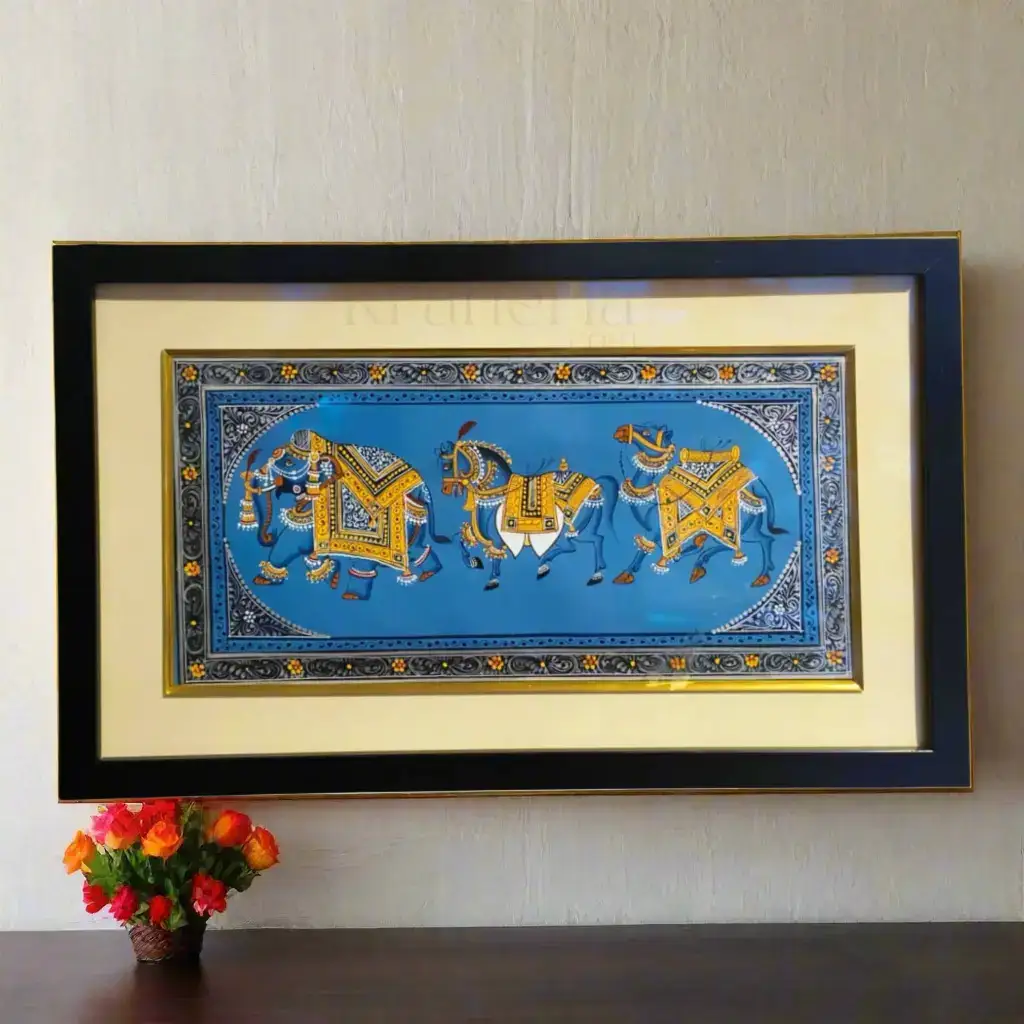
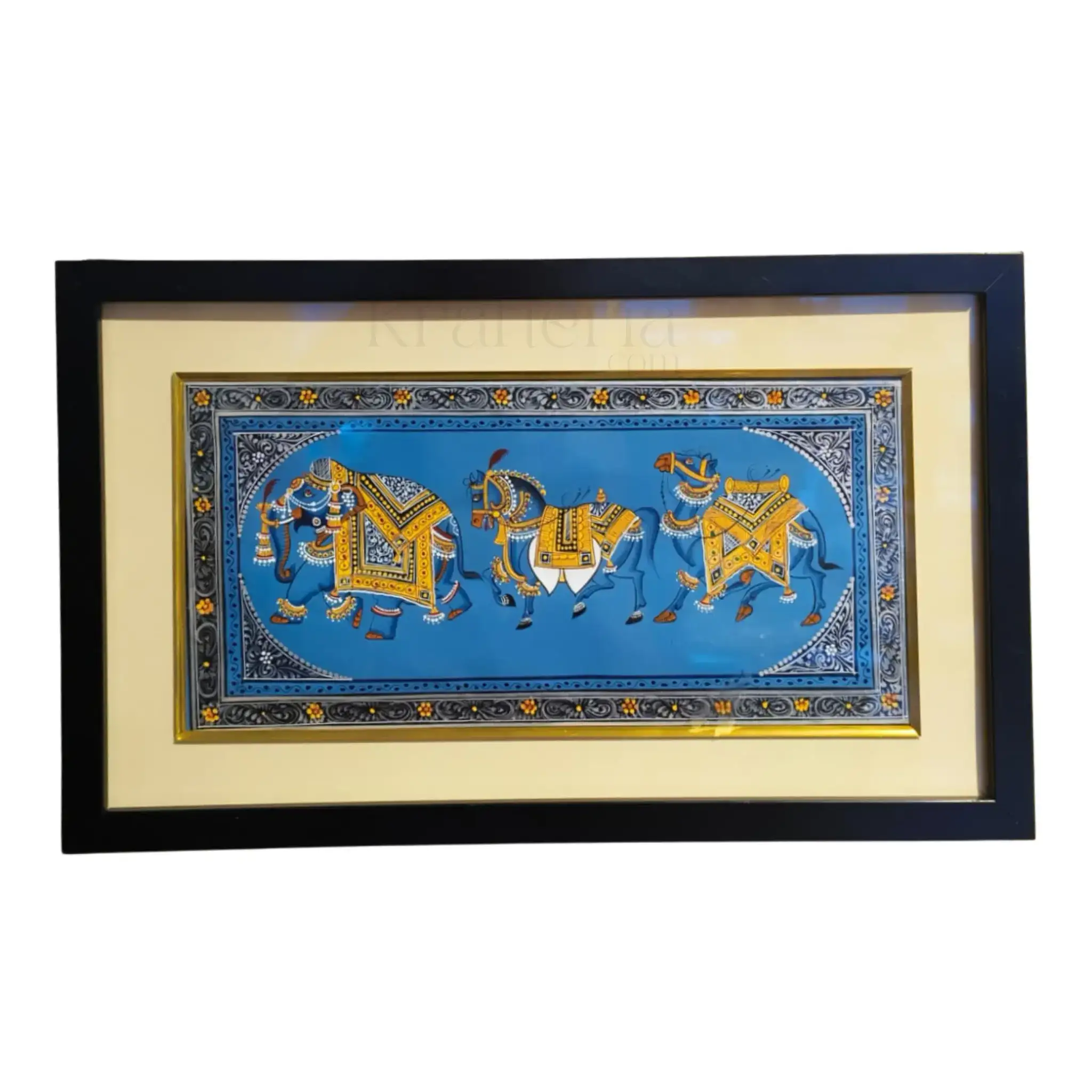
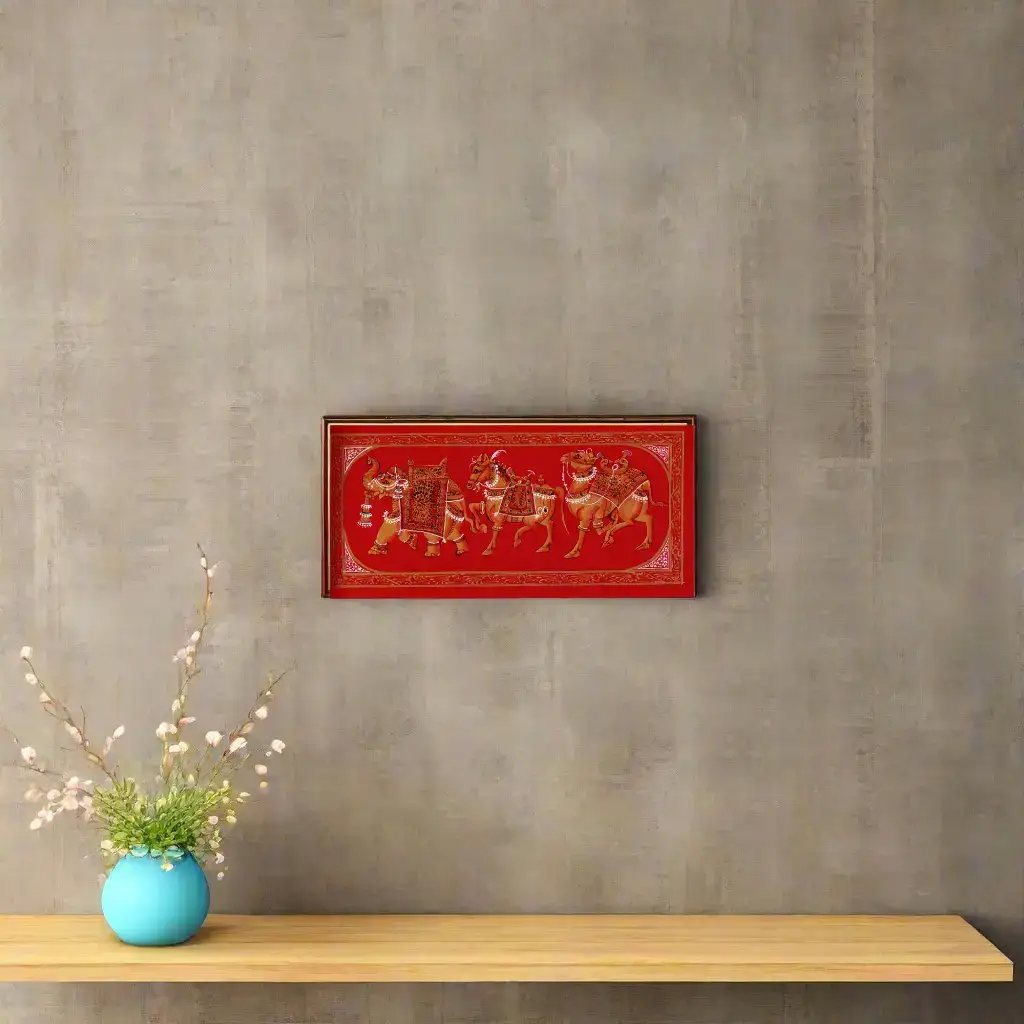
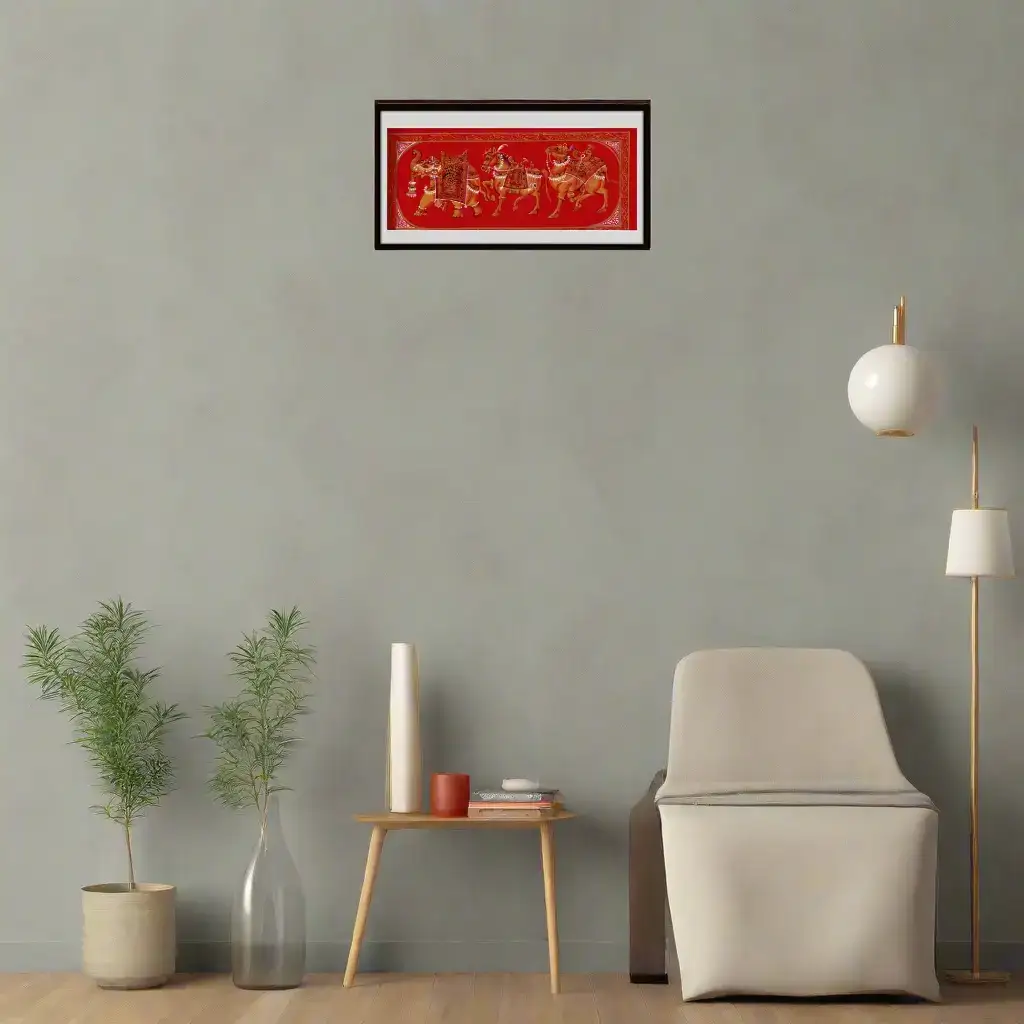
A hallmark of Miniature Art, the Mughal emperor procession painting captures the regal splendor of the emperor's grand ceremonial movements. These paintings depict wide-ranging details including richly adorned elephants, royal carriages, musicians, and attendees in ceremonial attire. Artists use harmony and balance in composition to portray the emperor’s authority and majesty. The scenes celebrate power, celebration, military strength, and courtly discipline vividly and memorably.
Enduring Appeal and Modern Relevance
Though centuries old, Mughal Art remains relevant today. It influences contemporary artists and designers who seek to blend tradition with modern aesthetics. Collectors highly prize authentic miniature paintings for their historical value and artistical excellence. These paintings serve as exquisite décor pieces, offering a connection to India’s artistic heritage. They are perfect for homes and offices, adding sophistication and cultural intricacy to any space.
Exploring the Diverse Styles of Mughal Miniature Painting
The varied regional schools within this art form offer vibrant diversity. Mewar's focus on court scenes and heroic tales provides a dramatic flair. Marwar’s paintings often emphasize rustic folk themes, while Jaipur and Bikaner styles show detailed architectural elements. Kishangarh’s romantic style adds gentle and flowing expressions to the repertoire. Each school complements the overarching beauty and narrative strength of Mughal Miniature Artwork. Together, they offer a panoramic view of Rajasthan’s rich cultural past.
The Legacy of Miniature Art
Rooted in meticulous technique and cultural storytelling, Mughal Art continues to be a treasured part of Indian heritage. Its use of natural materials and brilliant detailing perfectly captures historical narratives and royal life. The tradition persists today due to the dedication of skilled artisans who keep these centuries-old techniques alive. This priceless form of hand-painting not only tells stories but also preserves the legacy of Indian craftsmanship for future generations.
Product Information
Product Information
Shipping & Returns
Shipping & Returns
Description
Mughal Miniature Art - Royal Procession Painting
Mughal Miniature Art represents a rich and captivating tradition of Indian miniature painting. This art style blossomed in the royal courts of Rajasthan from the 16th century onwards. It is deeply rooted in Indian cultural and artistic traditions, showcasing a variety of themes such as mythology, epics, royal life, love stories, and folk legends. These paintings are distinct for their bold, elegant lines, vivid colors, and intricate detailing. Artisans traditionally used natural dyes and pigments made from minerals, vegetables, and precious stones, lending the paintings a timeless, luminous quality that has endured for centuries.
Distinct Schools of Traditional Mughal Miniature Painting
This artistic tradition is divided into various schools, each with unique styles and thematic focus. Notable schools include Mewar, Marwar, Bundi, Kota, Kishangarh, Bikaner, and Jaipur. Each school contributed distinct characteristics to the overall legacy of miniature art. For example, Kishangarh is famous for its romantic depictions of Radha and Krishna, featuring the iconic figure of Bani Thani. Mewar’s artworks are known for their courtly scenes, heroic tales, and religious motifs. Meanwhile, Bundi and Kota paintings often highlight lush landscapes and dynamic hunting scenes, exhibiting the versatility of Mughal Miniature Art.
The Cultural Significance of Mughal Miniature Art
Mughal Miniature Artwork reflects more than just aesthetic beauty; it offers a glimpse into historical and cultural aspects of the era. The paintings document royal ceremonies, social life, and mythological stories, making them valuable cultural artifacts. One well-appreciated variant is the Mughal court procession miniature painting, which vividly portrays the grandeur and discipline of royal processions, often featuring the emperor, his attendants, musicians, soldiers, and various ceremonial elements. These scenes symbolize imperial power and order with exceptional artistic finesse.
Exquisite Craftsmanship and Materials
The art of Miniature Art involves painstaking hand-painting using traditional techniques. Each painting is a masterpiece of detail, created with fine brushes that enable artisans to illustrate even the minutest features. The use of natural pigments ensures vibrant and long-lasting colors. This hand-painted Mughal art continues to fascinate collectors and art lovers worldwide for its refinement and beauty. The blend of meticulous craftsmanship and cultural storytelling makes each piece truly unique.
Features and Themes in Mughal Emperor Procession Painting
A hallmark of Miniature Art, the Mughal emperor procession painting captures the regal splendor of the emperor's grand ceremonial movements. These paintings depict wide-ranging details including richly adorned elephants, royal carriages, musicians, and attendees in ceremonial attire. Artists use harmony and balance in composition to portray the emperor’s authority and majesty. The scenes celebrate power, celebration, military strength, and courtly discipline vividly and memorably.
Enduring Appeal and Modern Relevance
Though centuries old, Mughal Art remains relevant today. It influences contemporary artists and designers who seek to blend tradition with modern aesthetics. Collectors highly prize authentic miniature paintings for their historical value and artistical excellence. These paintings serve as exquisite décor pieces, offering a connection to India’s artistic heritage. They are perfect for homes and offices, adding sophistication and cultural intricacy to any space.
Exploring the Diverse Styles of Mughal Miniature Painting
The varied regional schools within this art form offer vibrant diversity. Mewar's focus on court scenes and heroic tales provides a dramatic flair. Marwar’s paintings often emphasize rustic folk themes, while Jaipur and Bikaner styles show detailed architectural elements. Kishangarh’s romantic style adds gentle and flowing expressions to the repertoire. Each school complements the overarching beauty and narrative strength of Mughal Miniature Artwork. Together, they offer a panoramic view of Rajasthan’s rich cultural past.
The Legacy of Miniature Art
Rooted in meticulous technique and cultural storytelling, Mughal Art continues to be a treasured part of Indian heritage. Its use of natural materials and brilliant detailing perfectly captures historical narratives and royal life. The tradition persists today due to the dedication of skilled artisans who keep these centuries-old techniques alive. This priceless form of hand-painting not only tells stories but also preserves the legacy of Indian craftsmanship for future generations.