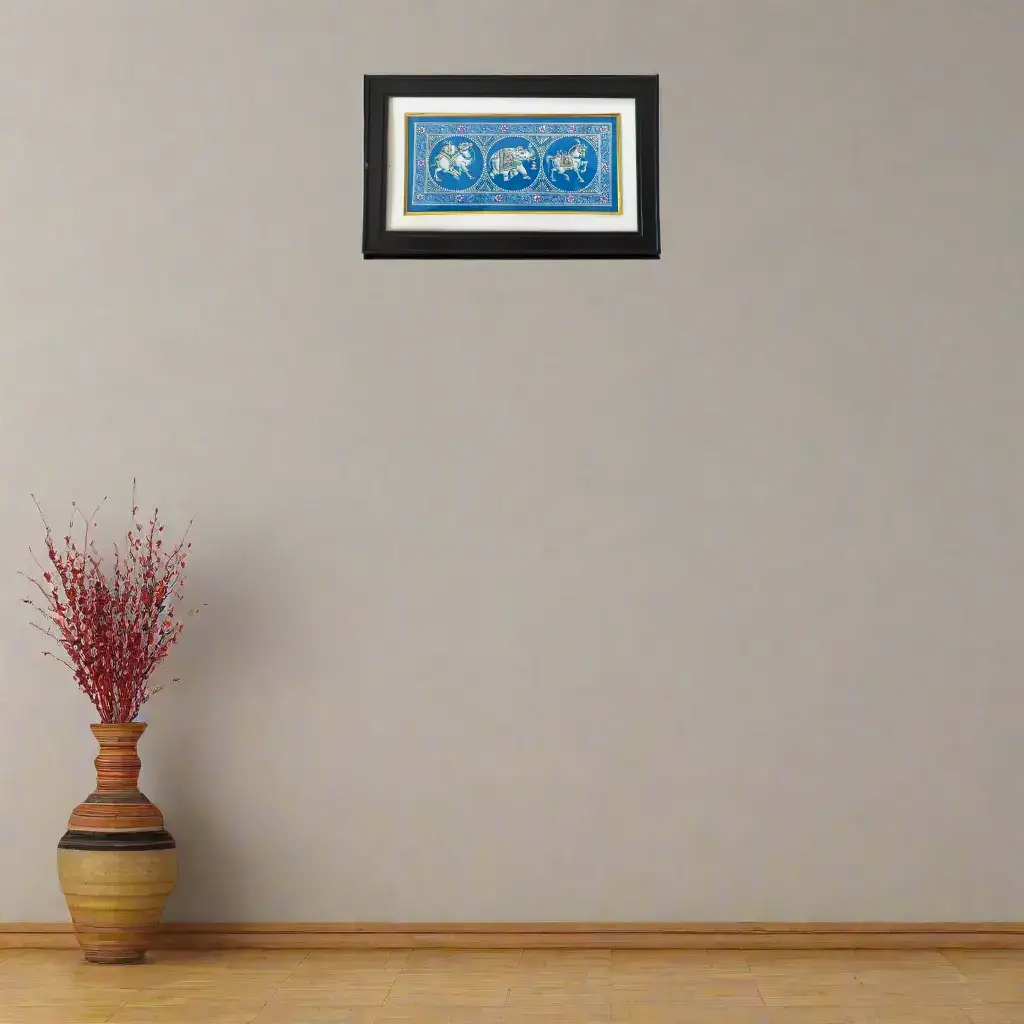
The Royal Procession - A Monochrome Miniature Painting
The Royal Procession - A Monochrome Miniature Painting
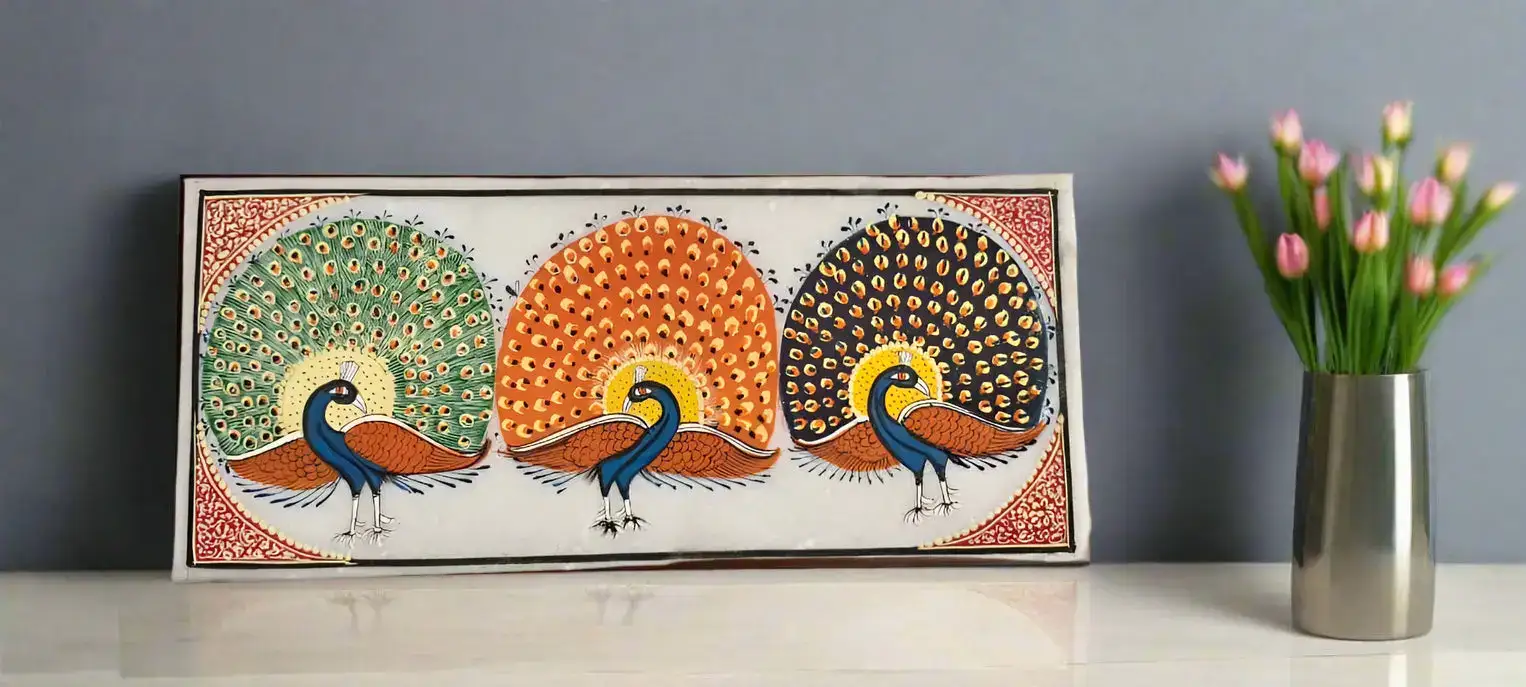
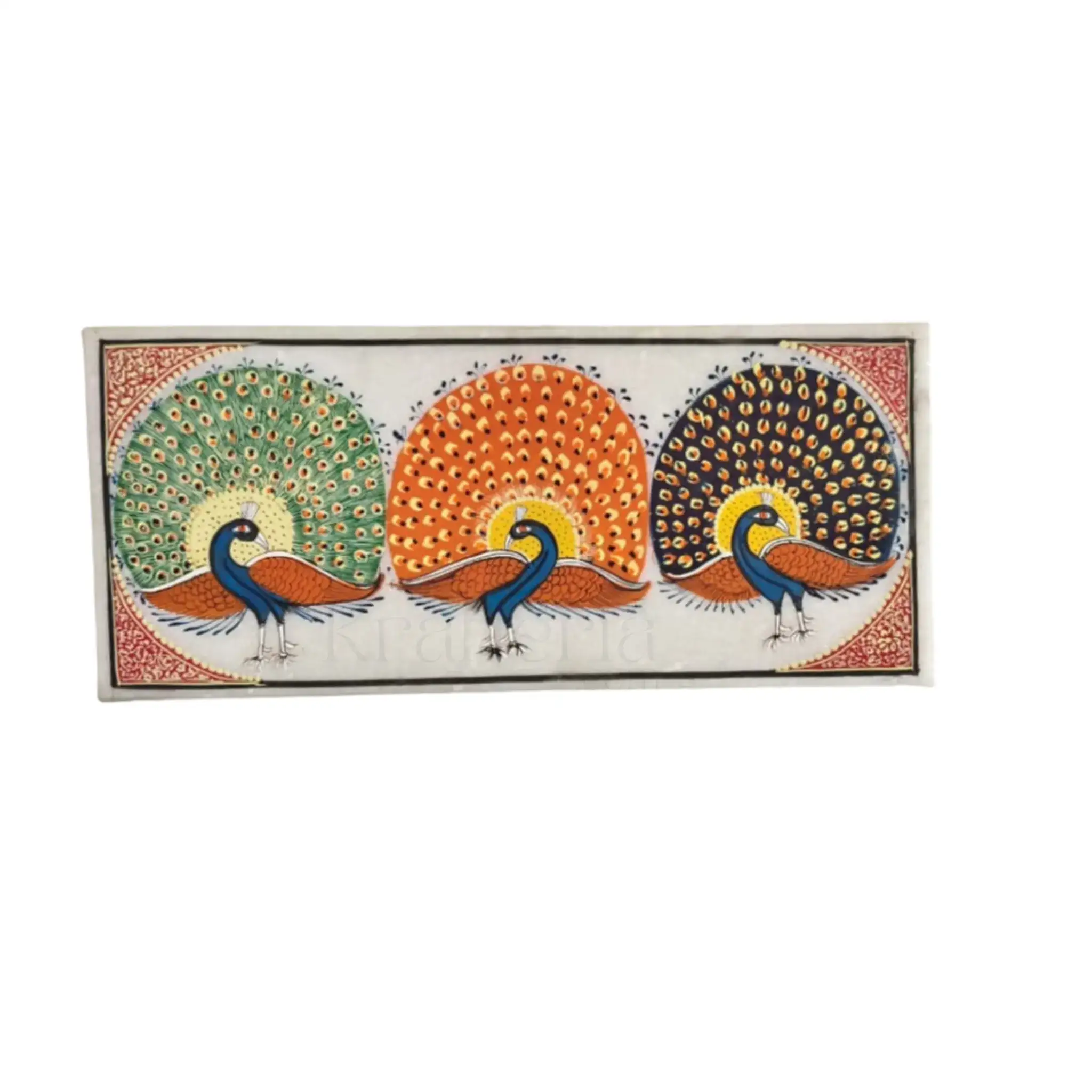
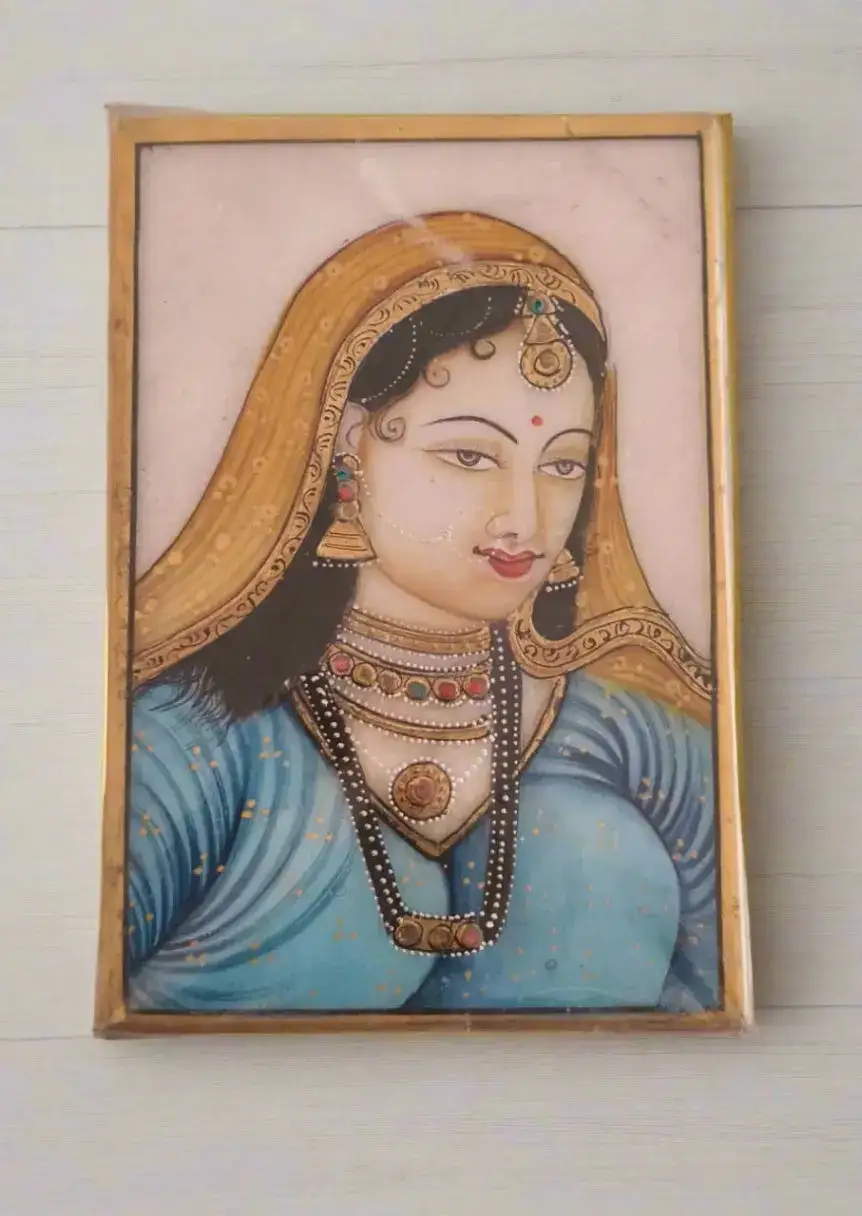
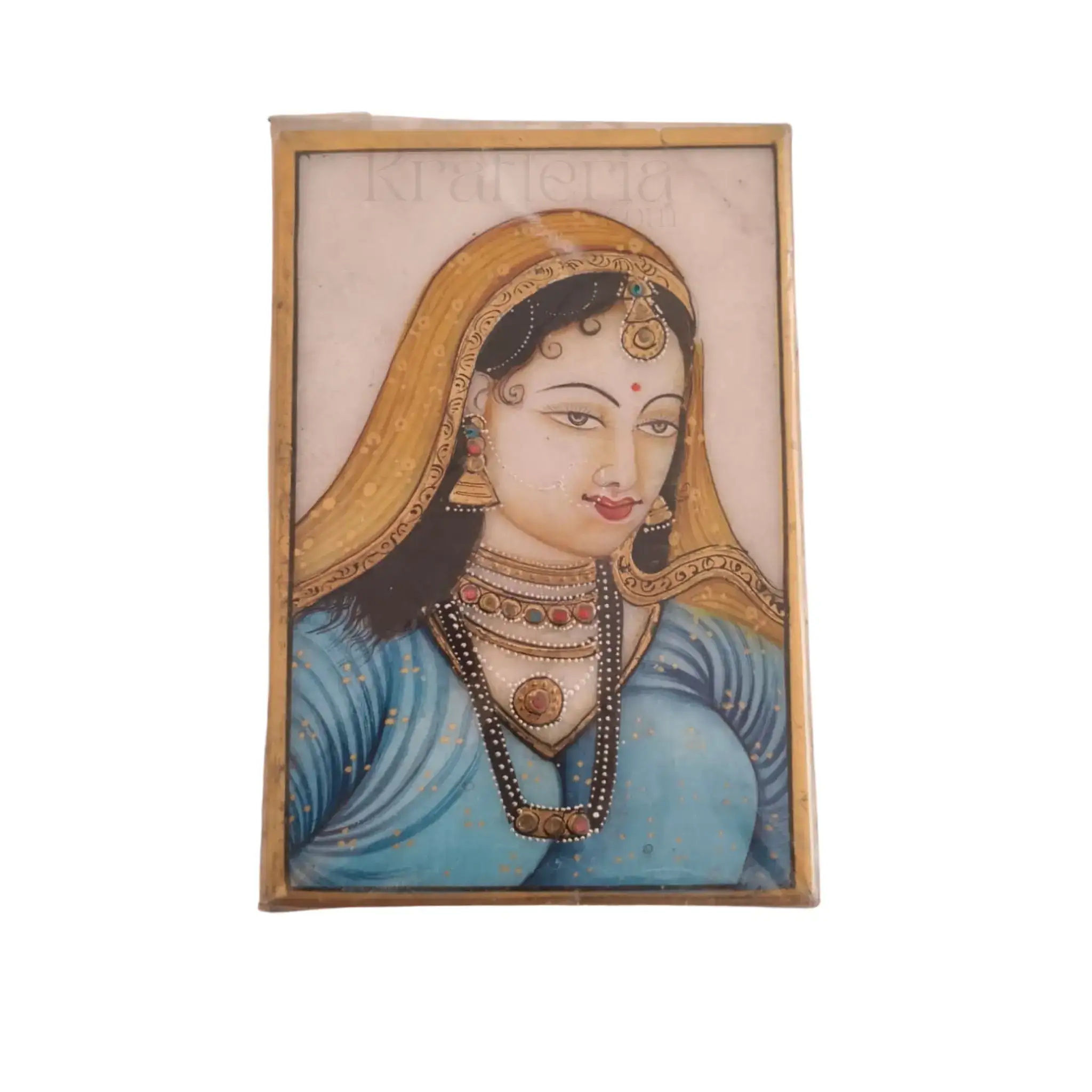
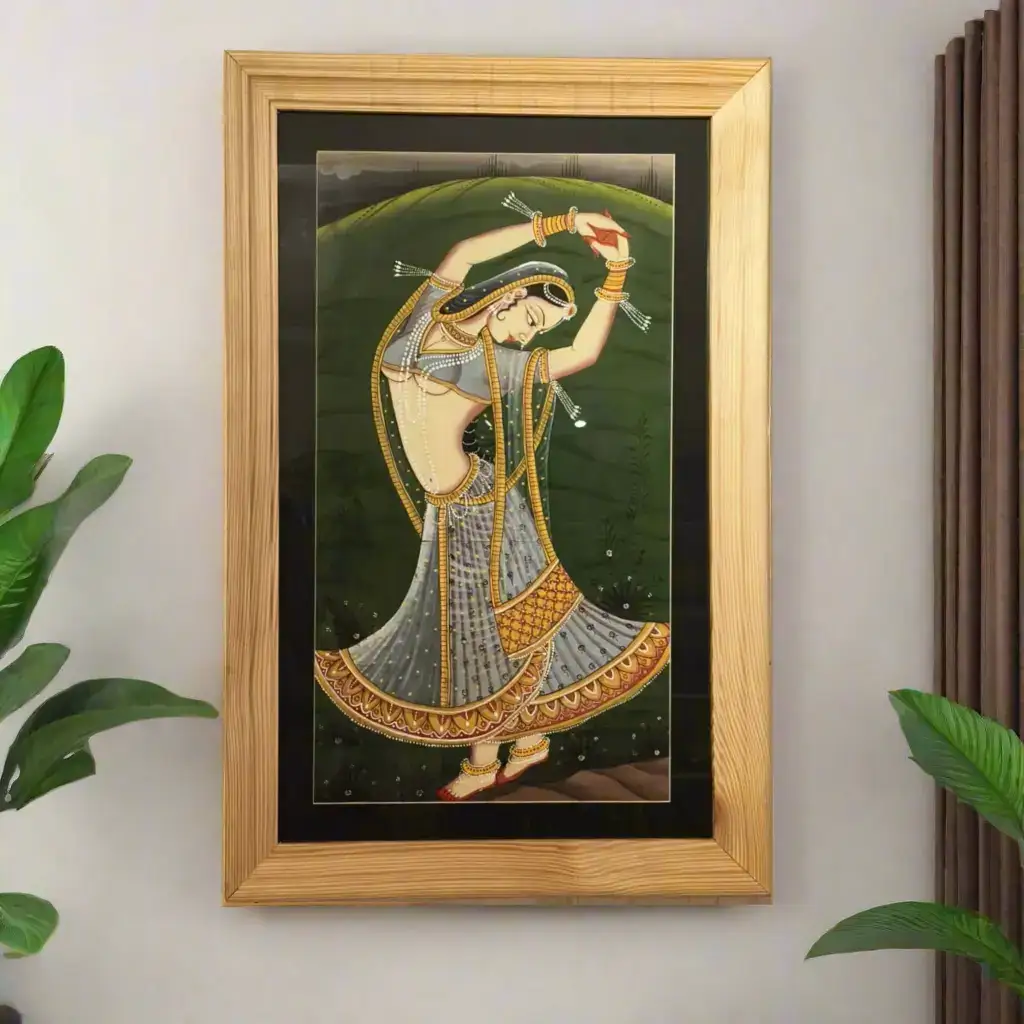
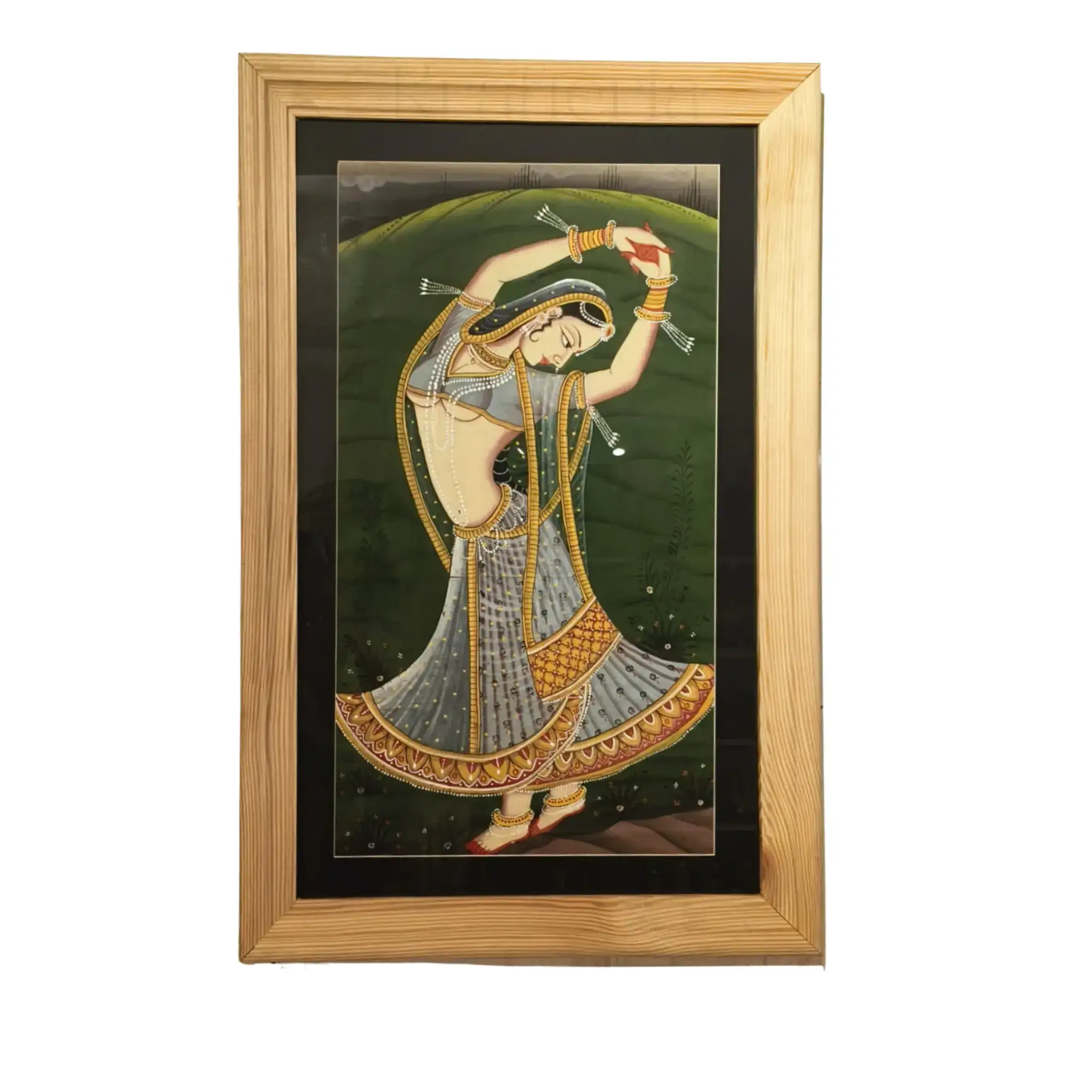
Monochrome Miniature Painting is a celebrated style of Indian miniature painting with roots in Rajasthan's royal courts. This art form flourished from the 16th century onward. It deeply reflects Indian traditions through its themes of mythology, epics, love stories, royal life, and folk culture. The paintings are distinguished by bold lines, bright colors, and intricate detailing. Artists traditionally used natural dyes and pigments made from minerals, vegetables, and precious stones. These materials give the paintings a lasting and luminous quality that enhances their beauty.
Introduction to Traditional Indian Miniature Art
Rajasthan has long been a hub for miniature art, fostering various styles and schools of painting. These artworks narrate ancient stories and royal history with great finesse. Monochrome Miniature Painting stands out within this tradition due to its unique use of single-color shading. This style creates depth and harmony while maintaining the elegance of traditional Indian miniature art. The monochrome approach allows for a refined focus on form and detail, presenting a timeless visual narrative.
Distinct Schools of Monochrome Miniature Painting
This classic art form is divided into several schools, each with its unique style and subject focus. Notable schools include Mewar, Marwar, Bundi, Kota, Kishangarh, Bikaner, and Jaipur. These regions contributed to the richness and diversity of miniature painting with their specific artistic expressions. For instance, Kishangarh paintings are renowned for romantic depictions of Radha and Krishna, especially the famous image called Bani Thani. This has become a symbol of love in miniature art.
Features of the Royal Procession Miniature Painting
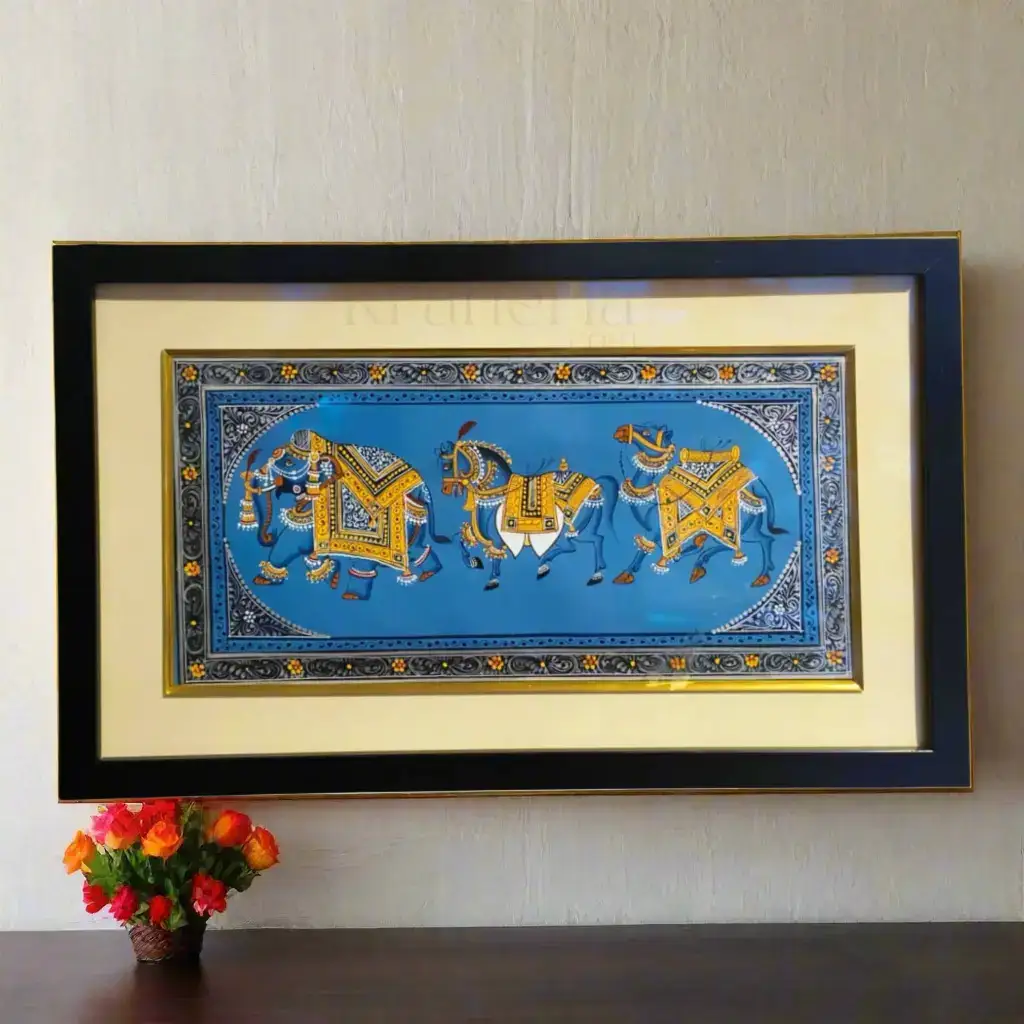
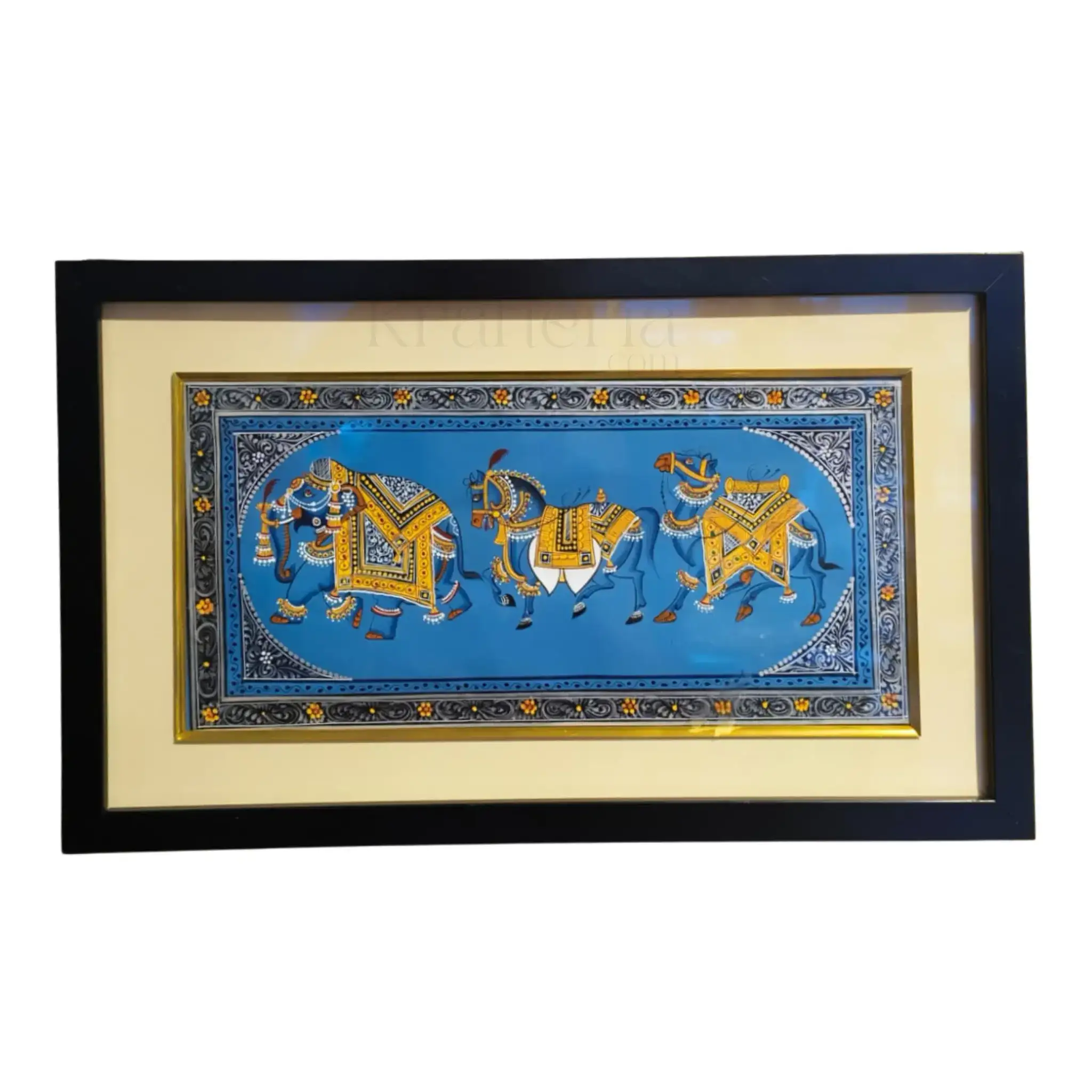
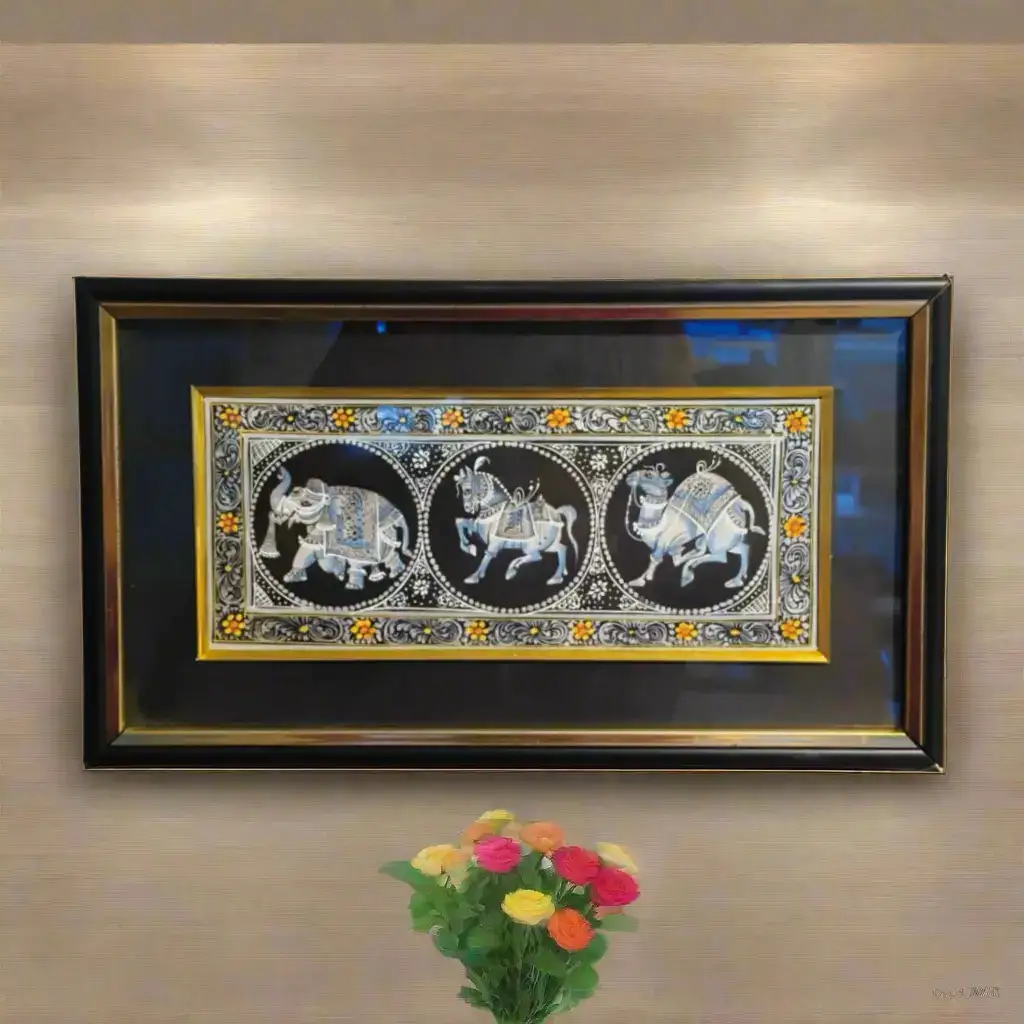
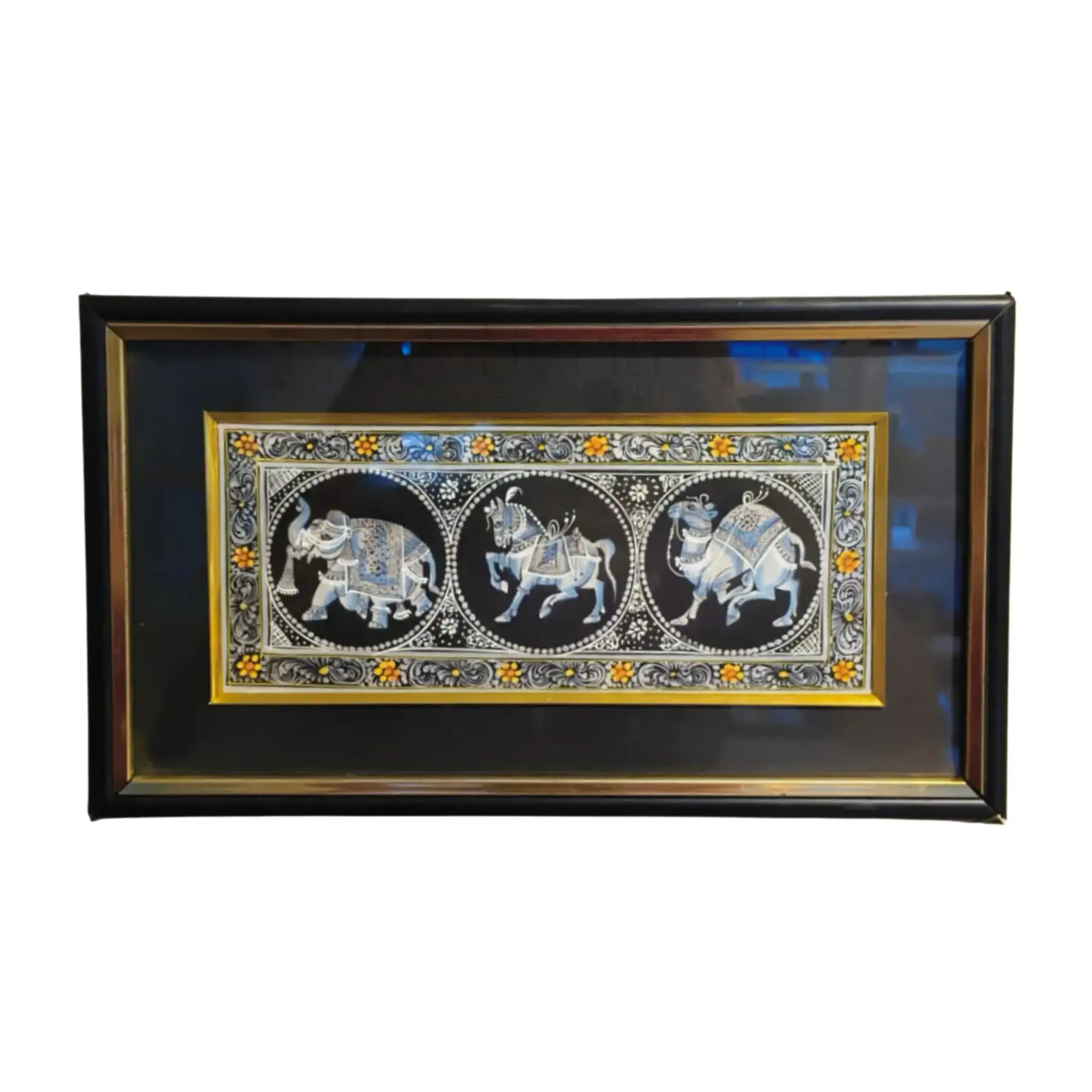
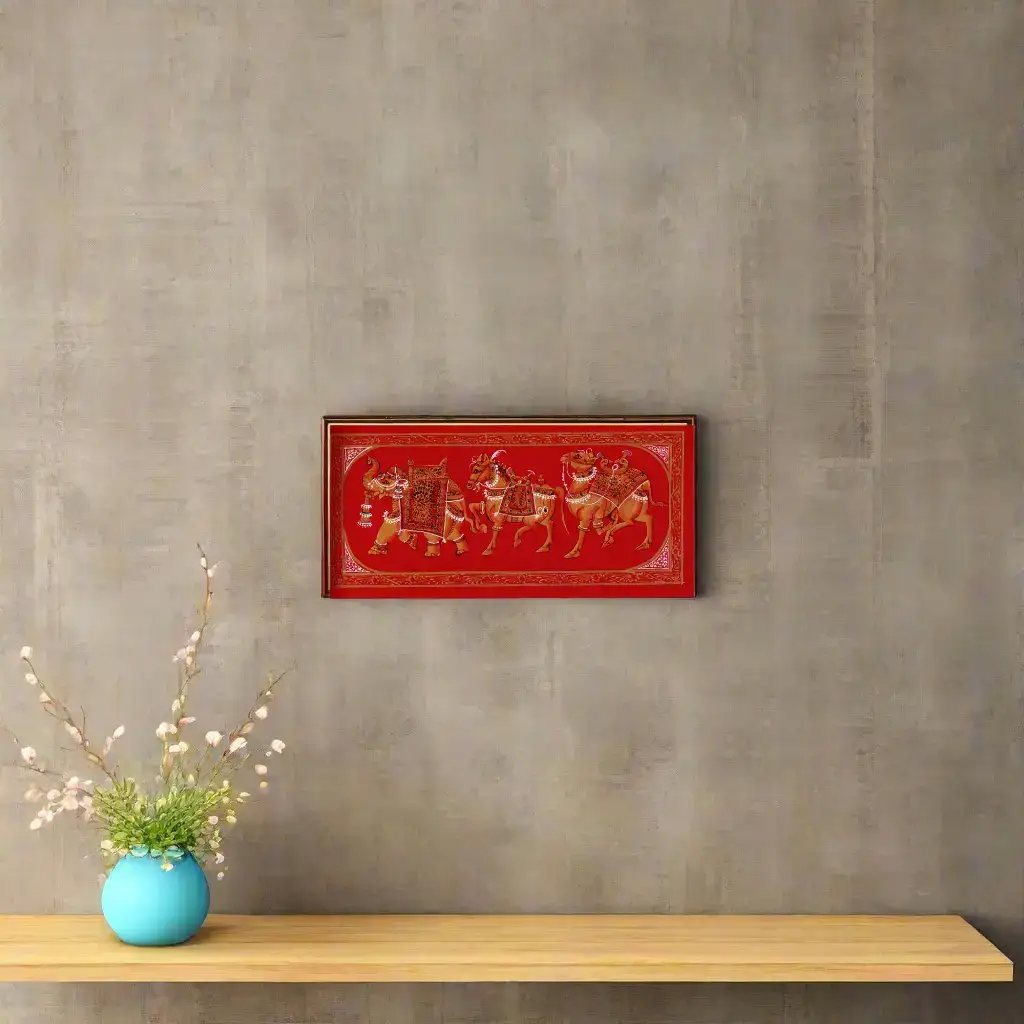
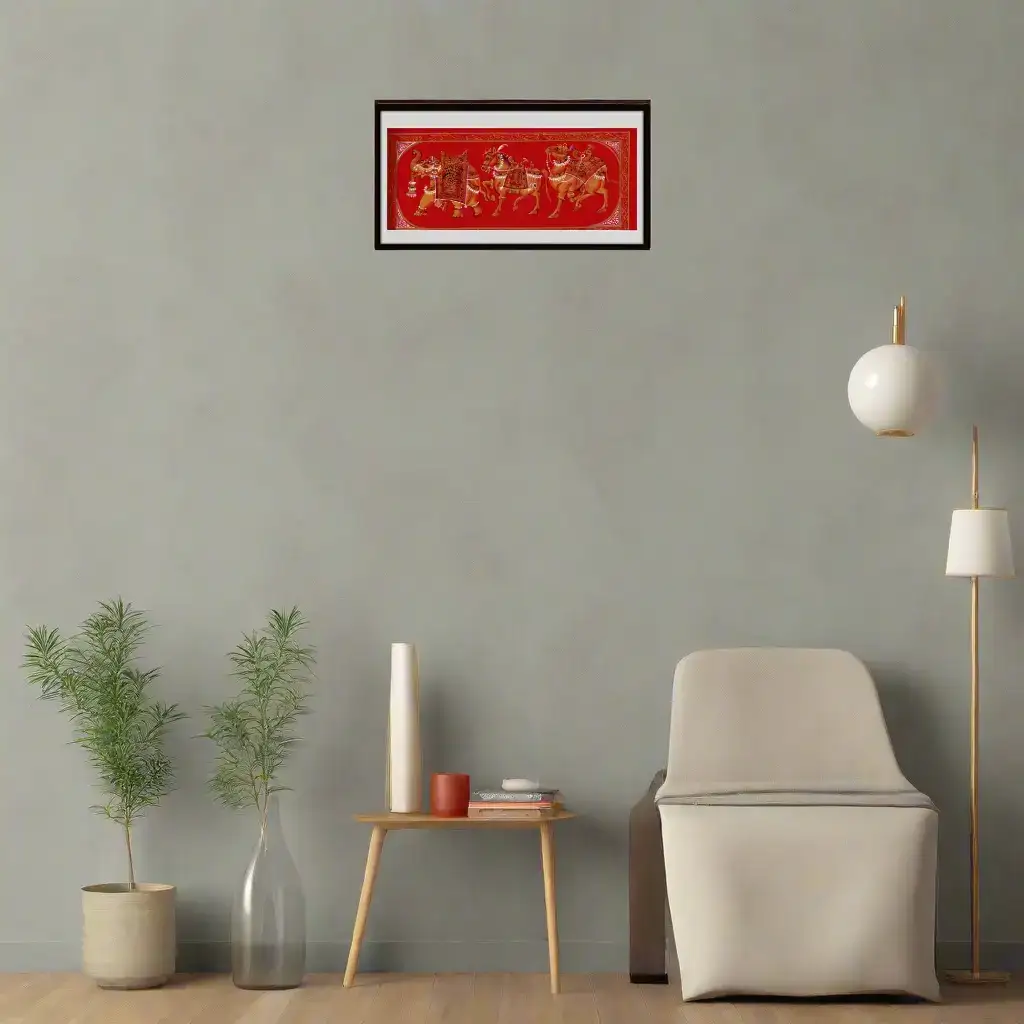
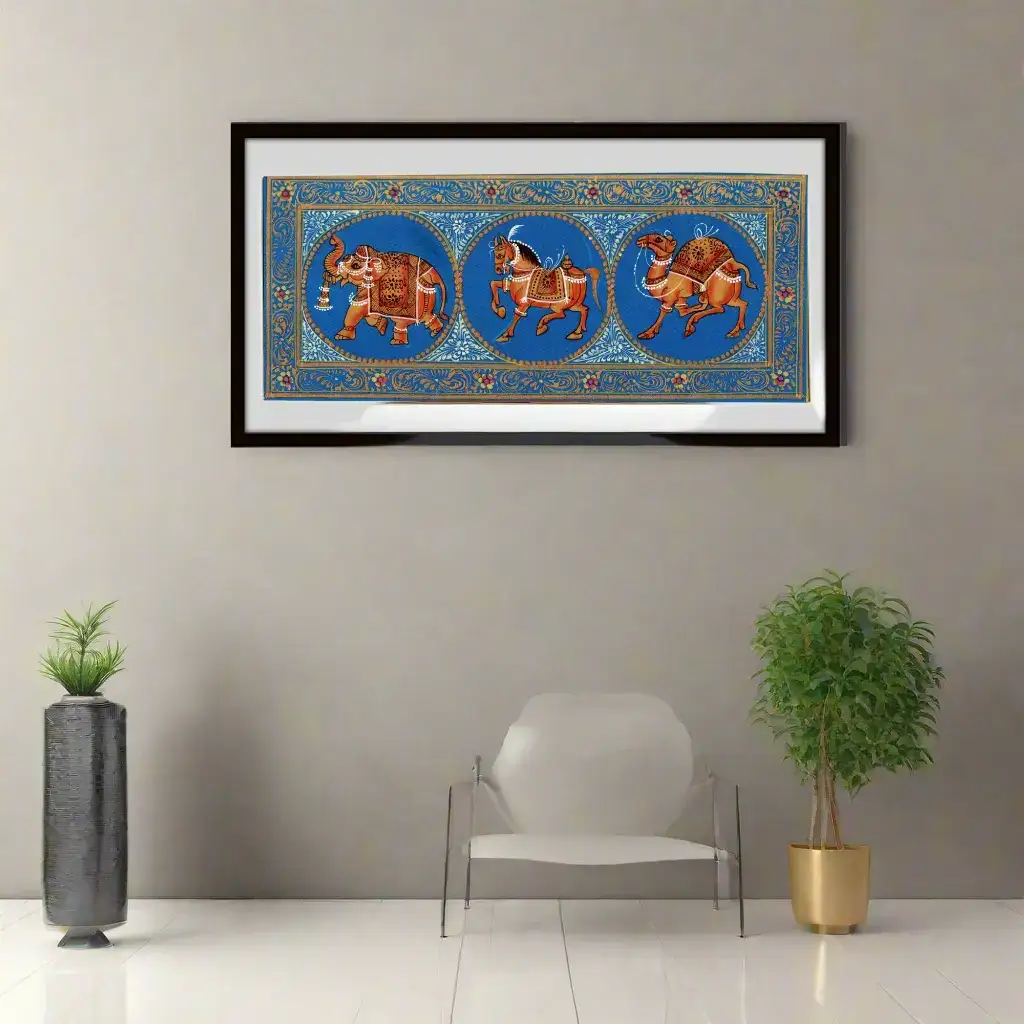
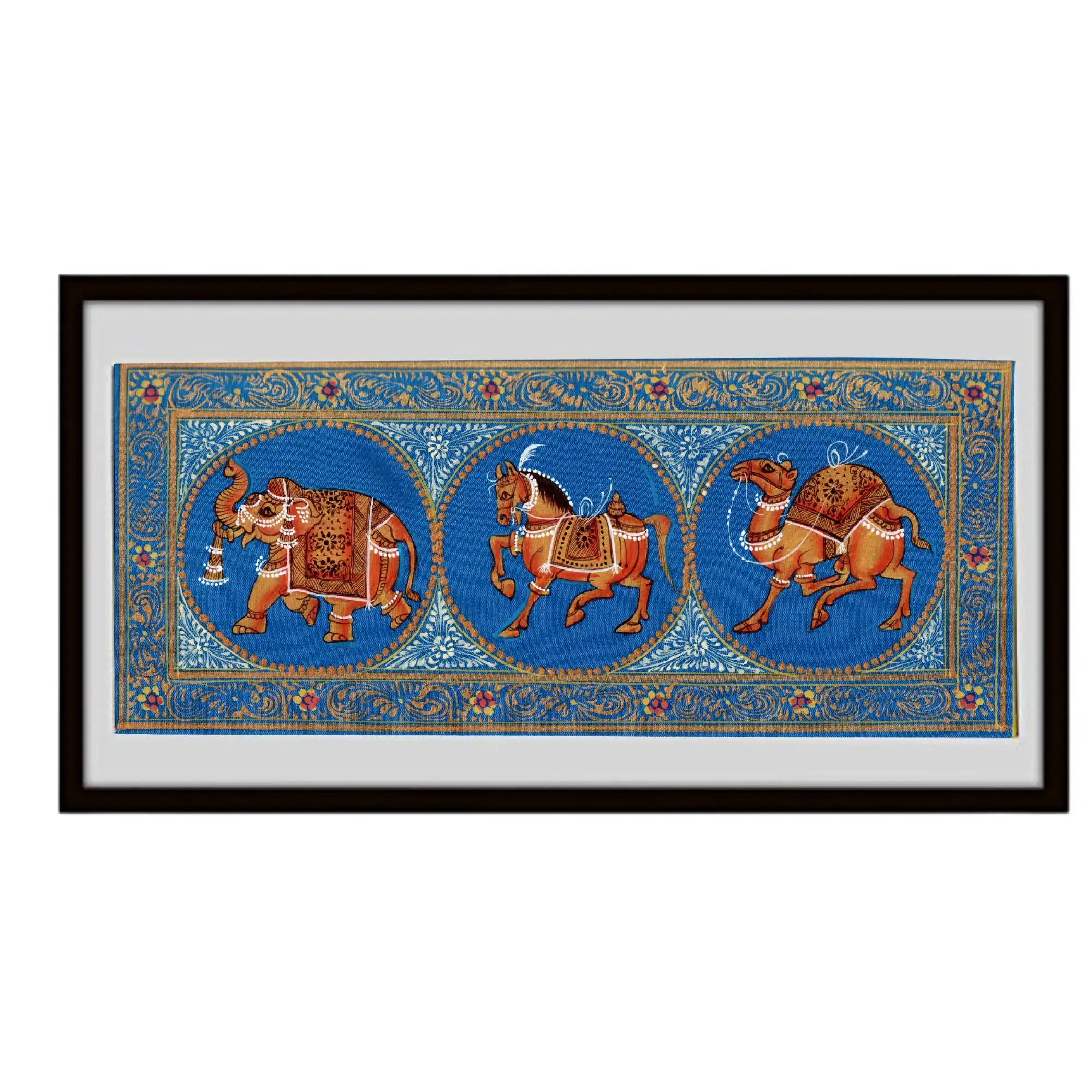
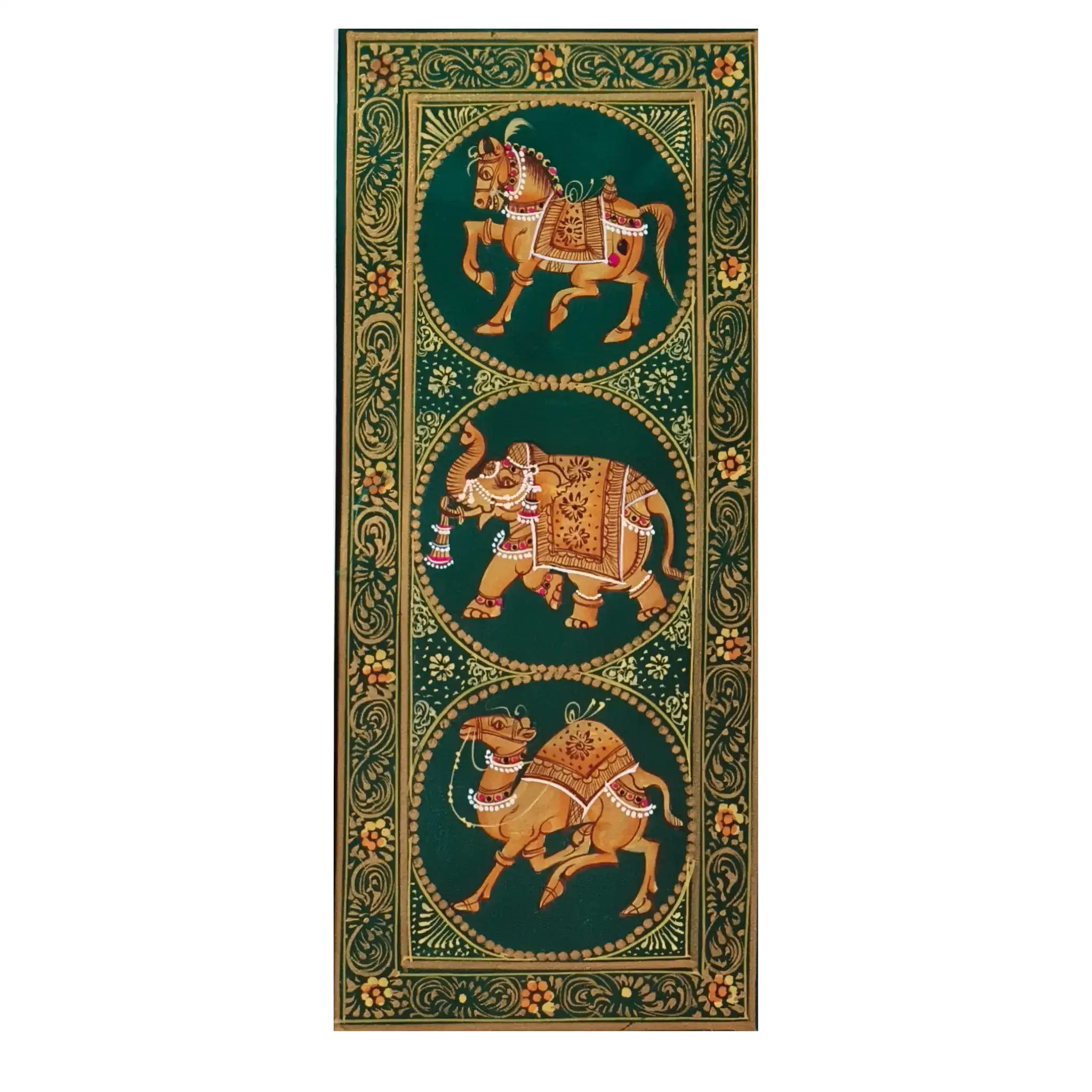
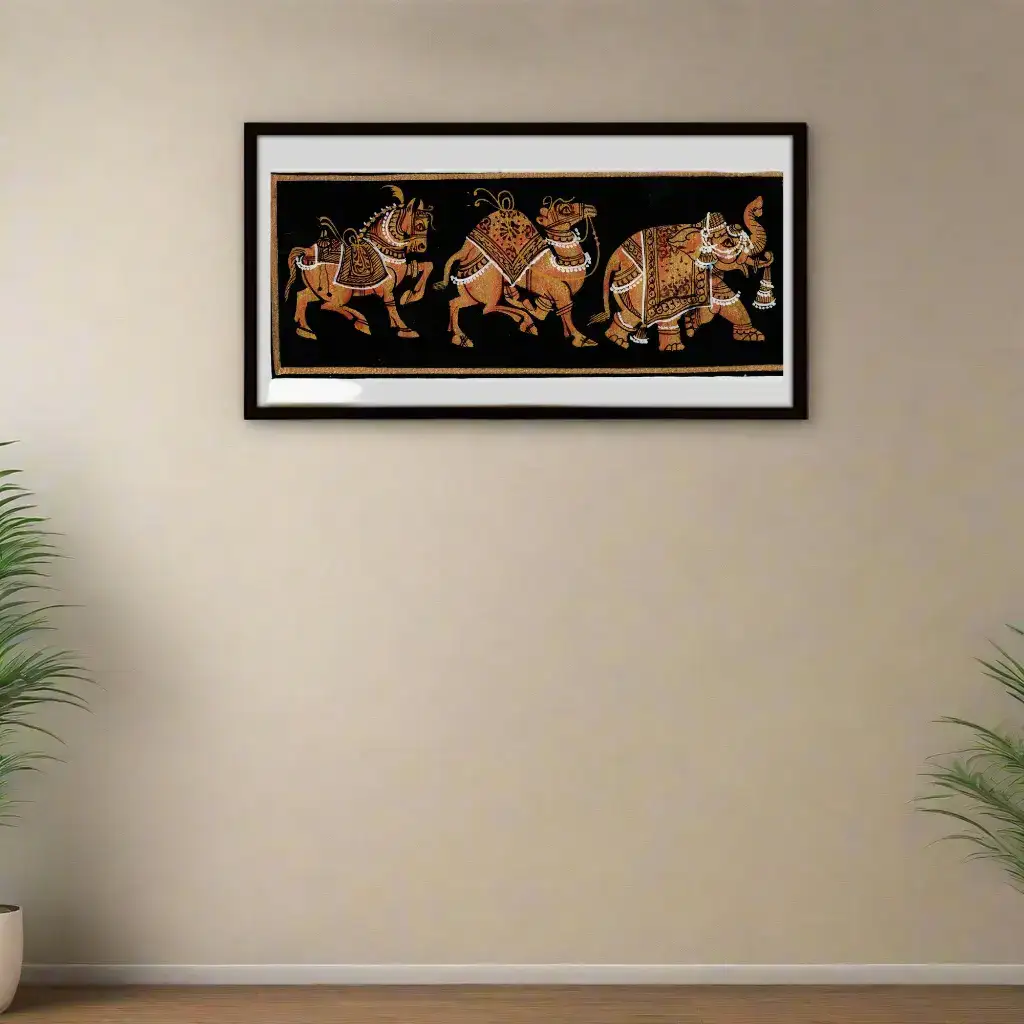
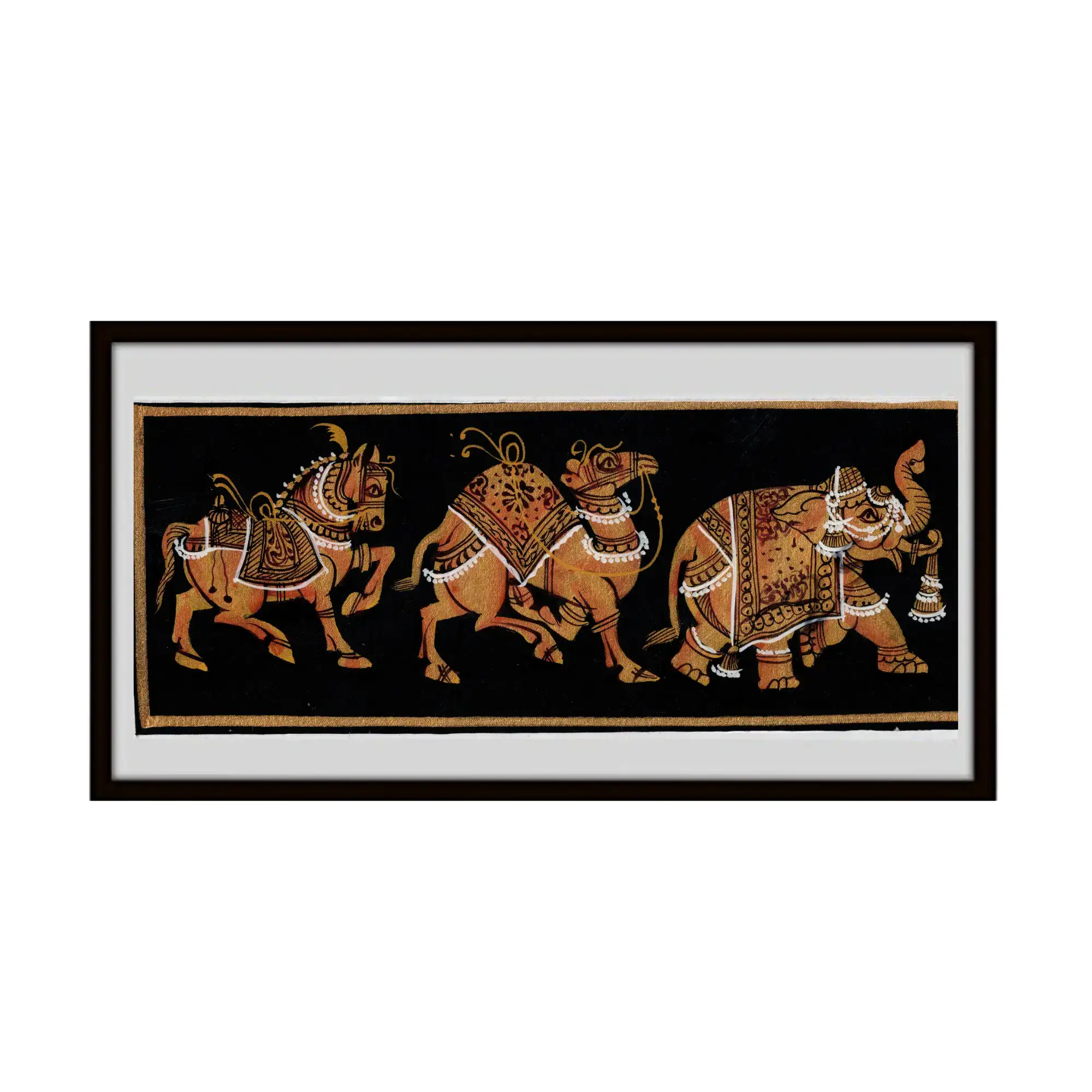
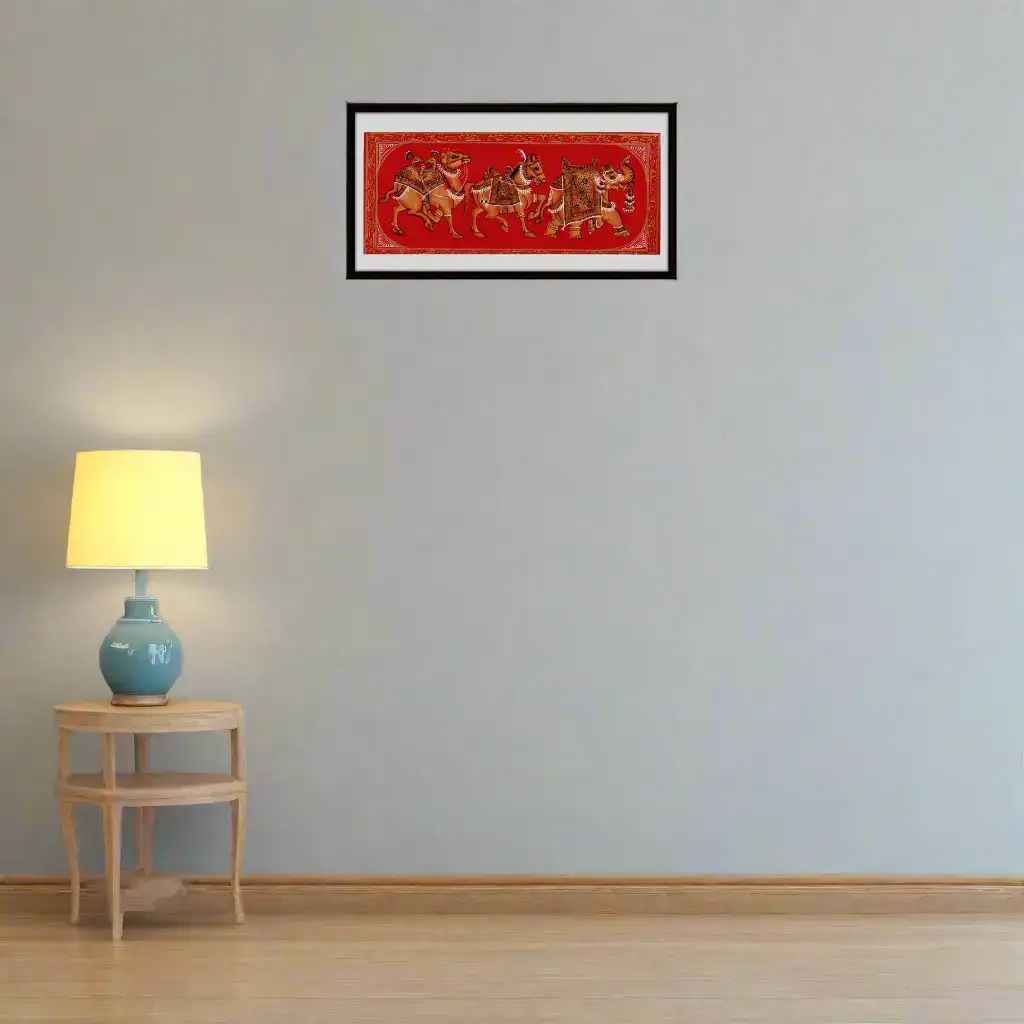
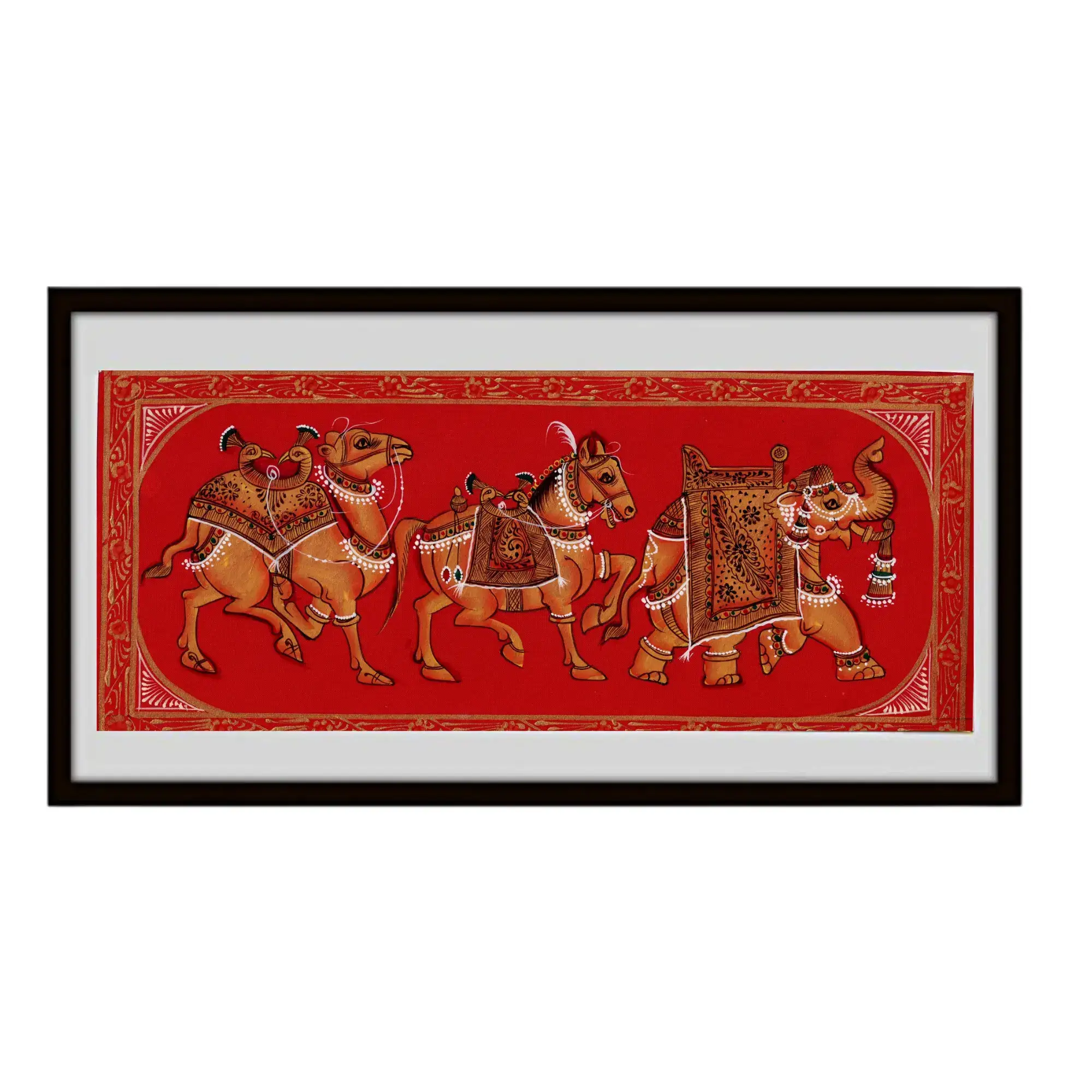
The royal procession miniature painting captures the grandeur and elegance of royal ceremonies. These paintings often portray kings, nobles, and their entourages in detailed procession scenes. The Monochrome Miniature Painting style here emphasizes intricate patterns and movement using variations of a single color. The royal procession miniature painting reflects the cultural and historical richness of Rajasthan, serving as a window into royal life and celebrations. This finely crafted artwork is highly valued for its historical accuracy and artistic beauty.
The Art and Techniques Behind Miniature Painting
Monochrome Painting involves masterful skill with fine brushes and traditional pigments or inks. Artists often work on handmade paper or silk to maintain authenticity. The use of a limited color palette requires great precision to render depth and texture. This technique allows the viewer to appreciate every fine line and subtle shading in the composition. The traditional indian miniature art is not only about colors but also the discipline of form, composition, and storytelling.
The Cultural Significance of Indian Monochrome Art
Indian monochrome art, especially from Rajasthan, highlights the elegance of simplicity in art. Using subtle tones, it draws attention to the narrative and composition. Historically, these paintings were commissioned by royal patrons to document important events or celebrate cultural themes. Today, this style continues to inspire art lovers and collectors worldwide. Monochrome Miniature Art bridges the gap between traditional heritage and modern aesthetics with timeless appeal.
Why Choose Monochrome Miniature Paintings?
Art collectors and enthusiasts appreciate Miniature Painting for its delicate balance of tradition and minimalism. The monochromatic palette brings a contemporary feel to an age-old art form. It is perfect for those who wish to add cultural depth to their living or workspaces. This style is versatile enough to complement both classic and modern decor. The royal procession miniature painting, in particular, offers a glimpse into royal grandeur that is rare and exquisite.
Conclusion
Overall, Monochrome Miniature is an exceptional representation of traditional indian miniature art. It showcases the artistic mastery and rich heritage of Rajasthan's royal courts. With its careful use of a single color, the painting invites viewers to explore intricate details and historical narratives. Owning this kind of miniature painting means preserving a piece of Indian cultural legacy. It is a valuable addition to any art collection or home decor.
Original: $43.03
-70%$43.03
$12.91Product Information
Product Information
Shipping & Returns
Shipping & Returns
Description
The Royal Procession - A Monochrome Miniature Painting
Monochrome Miniature Painting is a celebrated style of Indian miniature painting with roots in Rajasthan's royal courts. This art form flourished from the 16th century onward. It deeply reflects Indian traditions through its themes of mythology, epics, love stories, royal life, and folk culture. The paintings are distinguished by bold lines, bright colors, and intricate detailing. Artists traditionally used natural dyes and pigments made from minerals, vegetables, and precious stones. These materials give the paintings a lasting and luminous quality that enhances their beauty.
Introduction to Traditional Indian Miniature Art
Rajasthan has long been a hub for miniature art, fostering various styles and schools of painting. These artworks narrate ancient stories and royal history with great finesse. Monochrome Miniature Painting stands out within this tradition due to its unique use of single-color shading. This style creates depth and harmony while maintaining the elegance of traditional Indian miniature art. The monochrome approach allows for a refined focus on form and detail, presenting a timeless visual narrative.
Distinct Schools of Monochrome Miniature Painting
This classic art form is divided into several schools, each with its unique style and subject focus. Notable schools include Mewar, Marwar, Bundi, Kota, Kishangarh, Bikaner, and Jaipur. These regions contributed to the richness and diversity of miniature painting with their specific artistic expressions. For instance, Kishangarh paintings are renowned for romantic depictions of Radha and Krishna, especially the famous image called Bani Thani. This has become a symbol of love in miniature art.
Features of the Royal Procession Miniature Painting
The royal procession miniature painting captures the grandeur and elegance of royal ceremonies. These paintings often portray kings, nobles, and their entourages in detailed procession scenes. The Monochrome Miniature Painting style here emphasizes intricate patterns and movement using variations of a single color. The royal procession miniature painting reflects the cultural and historical richness of Rajasthan, serving as a window into royal life and celebrations. This finely crafted artwork is highly valued for its historical accuracy and artistic beauty.
The Art and Techniques Behind Miniature Painting
Monochrome Painting involves masterful skill with fine brushes and traditional pigments or inks. Artists often work on handmade paper or silk to maintain authenticity. The use of a limited color palette requires great precision to render depth and texture. This technique allows the viewer to appreciate every fine line and subtle shading in the composition. The traditional indian miniature art is not only about colors but also the discipline of form, composition, and storytelling.
The Cultural Significance of Indian Monochrome Art
Indian monochrome art, especially from Rajasthan, highlights the elegance of simplicity in art. Using subtle tones, it draws attention to the narrative and composition. Historically, these paintings were commissioned by royal patrons to document important events or celebrate cultural themes. Today, this style continues to inspire art lovers and collectors worldwide. Monochrome Miniature Art bridges the gap between traditional heritage and modern aesthetics with timeless appeal.
Why Choose Monochrome Miniature Paintings?
Art collectors and enthusiasts appreciate Miniature Painting for its delicate balance of tradition and minimalism. The monochromatic palette brings a contemporary feel to an age-old art form. It is perfect for those who wish to add cultural depth to their living or workspaces. This style is versatile enough to complement both classic and modern decor. The royal procession miniature painting, in particular, offers a glimpse into royal grandeur that is rare and exquisite.
Conclusion
Overall, Monochrome Miniature is an exceptional representation of traditional indian miniature art. It showcases the artistic mastery and rich heritage of Rajasthan's royal courts. With its careful use of a single color, the painting invites viewers to explore intricate details and historical narratives. Owning this kind of miniature painting means preserving a piece of Indian cultural legacy. It is a valuable addition to any art collection or home decor.