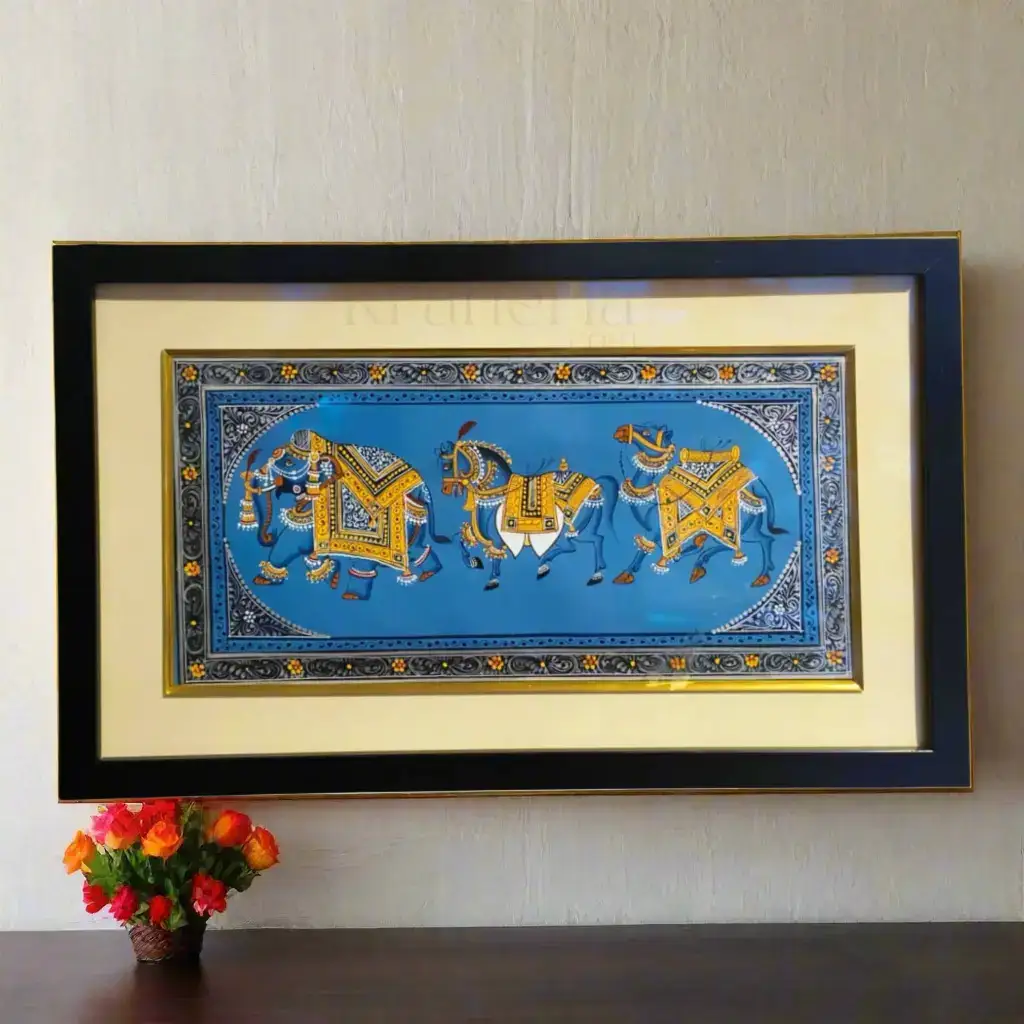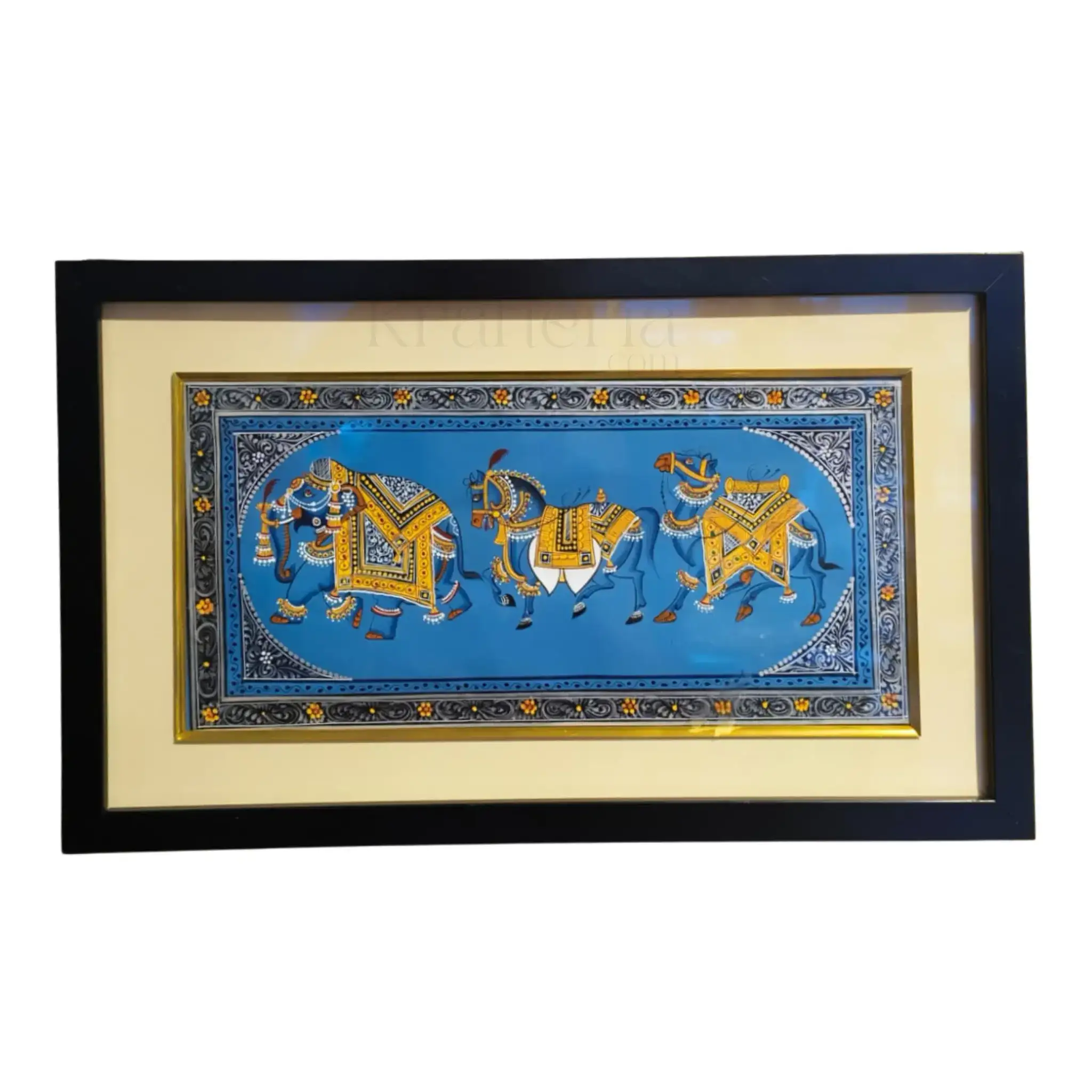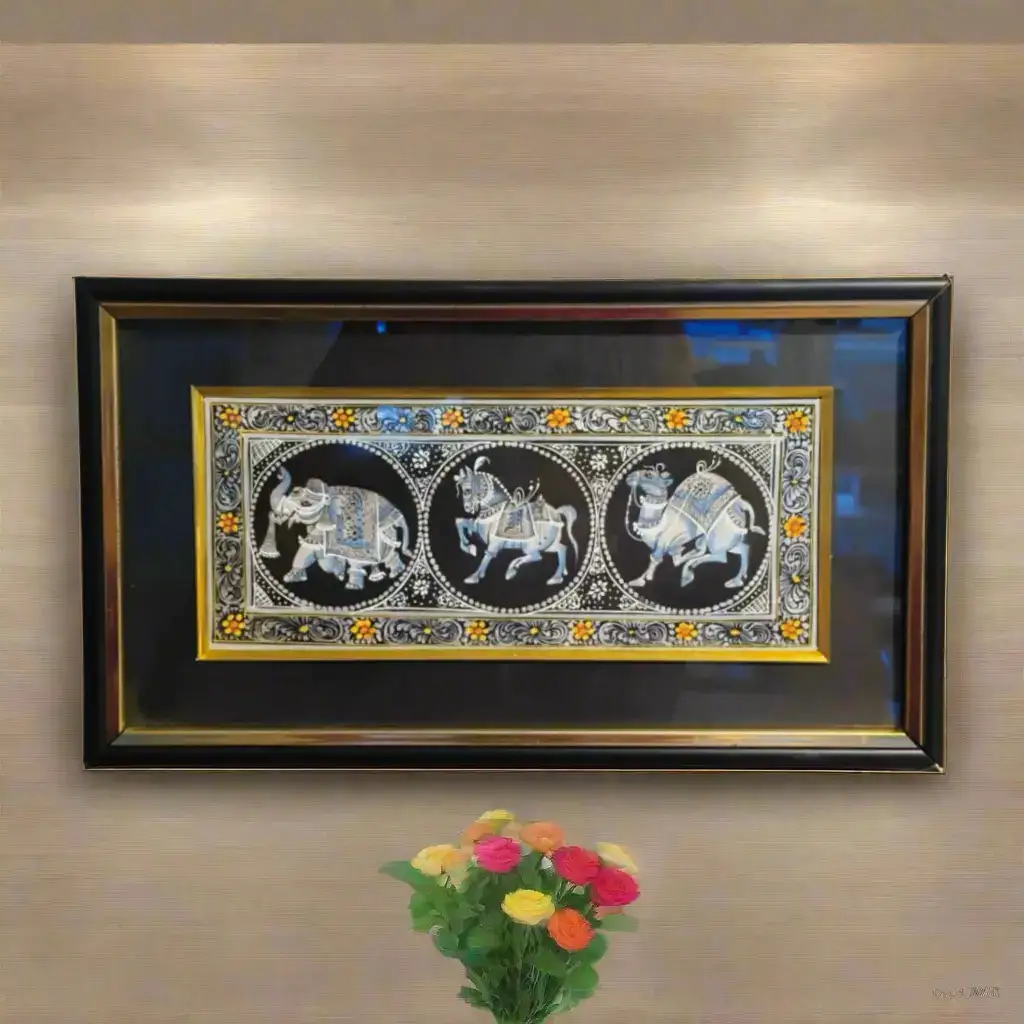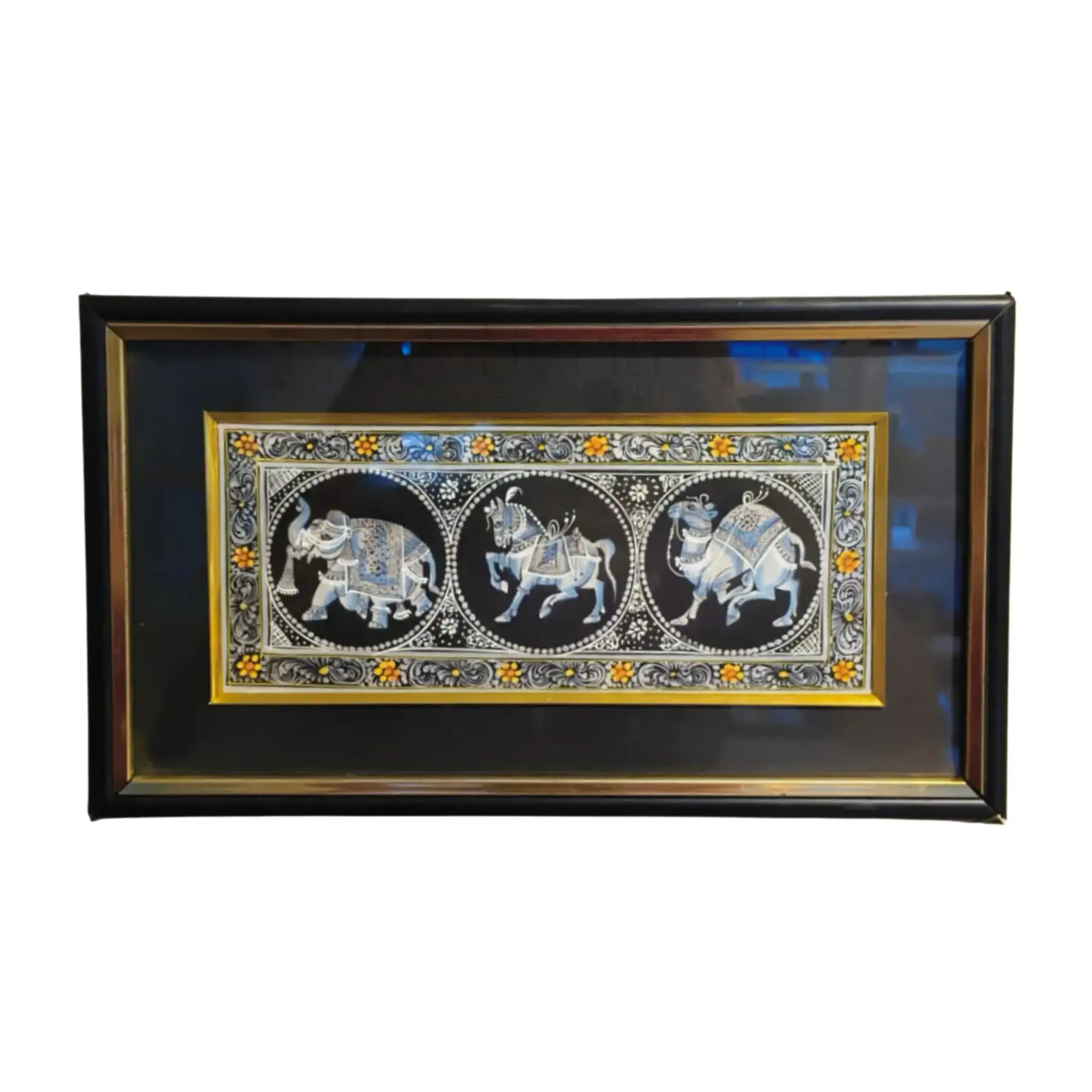
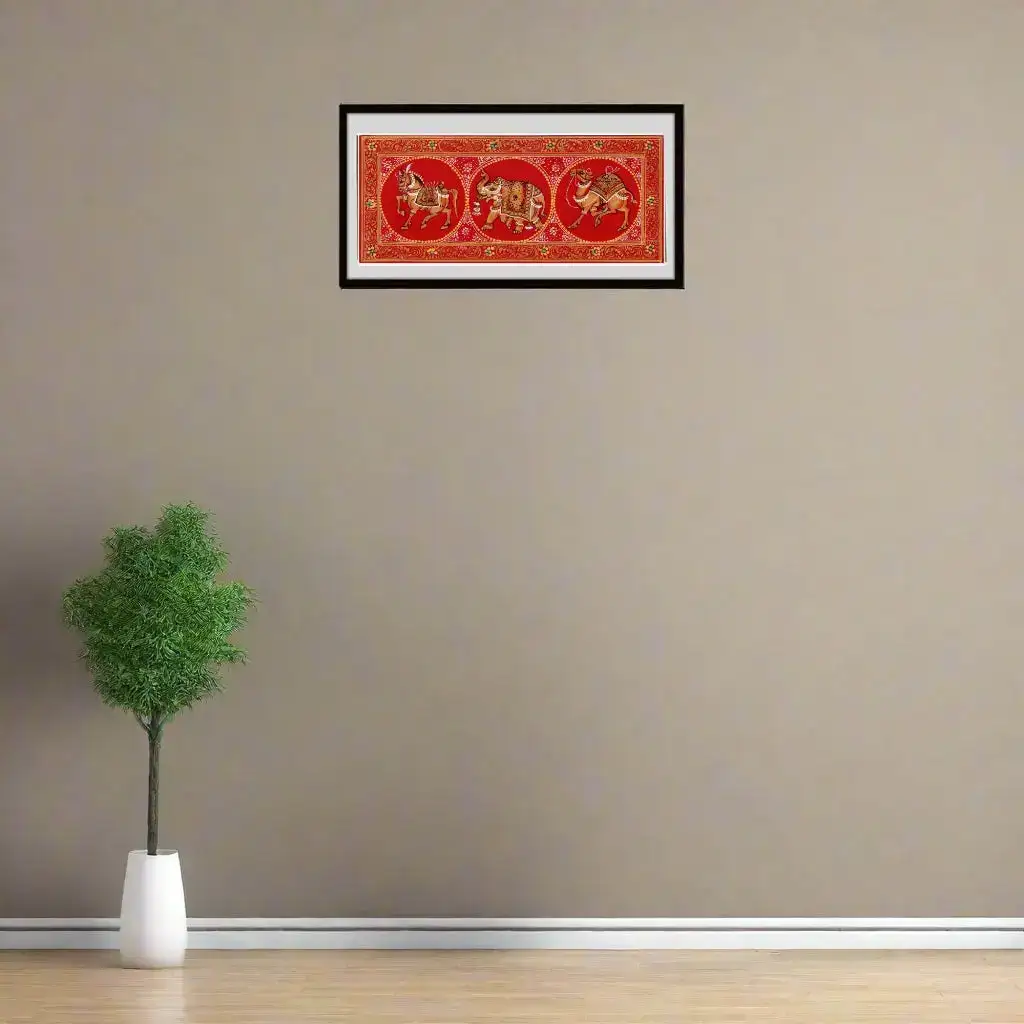
Crimson Majesty - A Gilded Miniature Procession Painting
Crimson Majesty - A Gilded Miniature Procession Painting
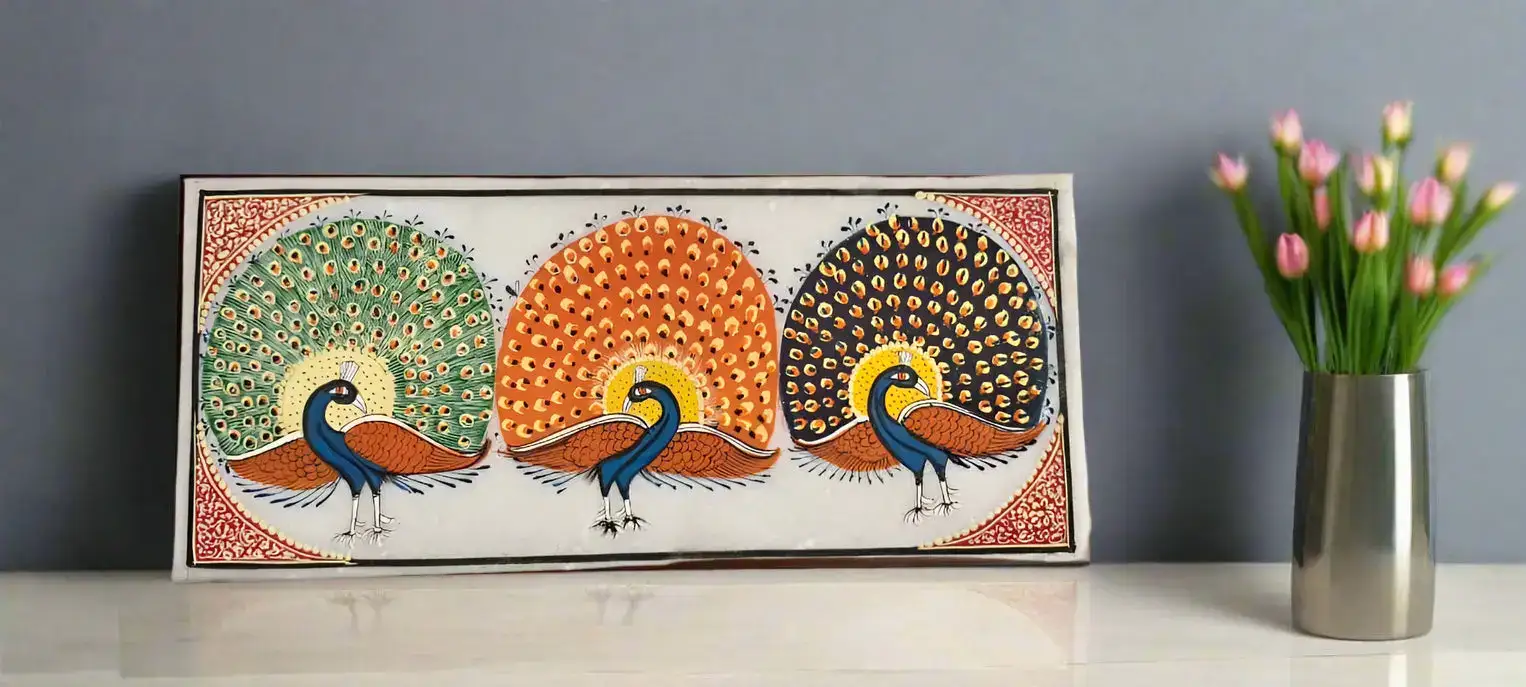
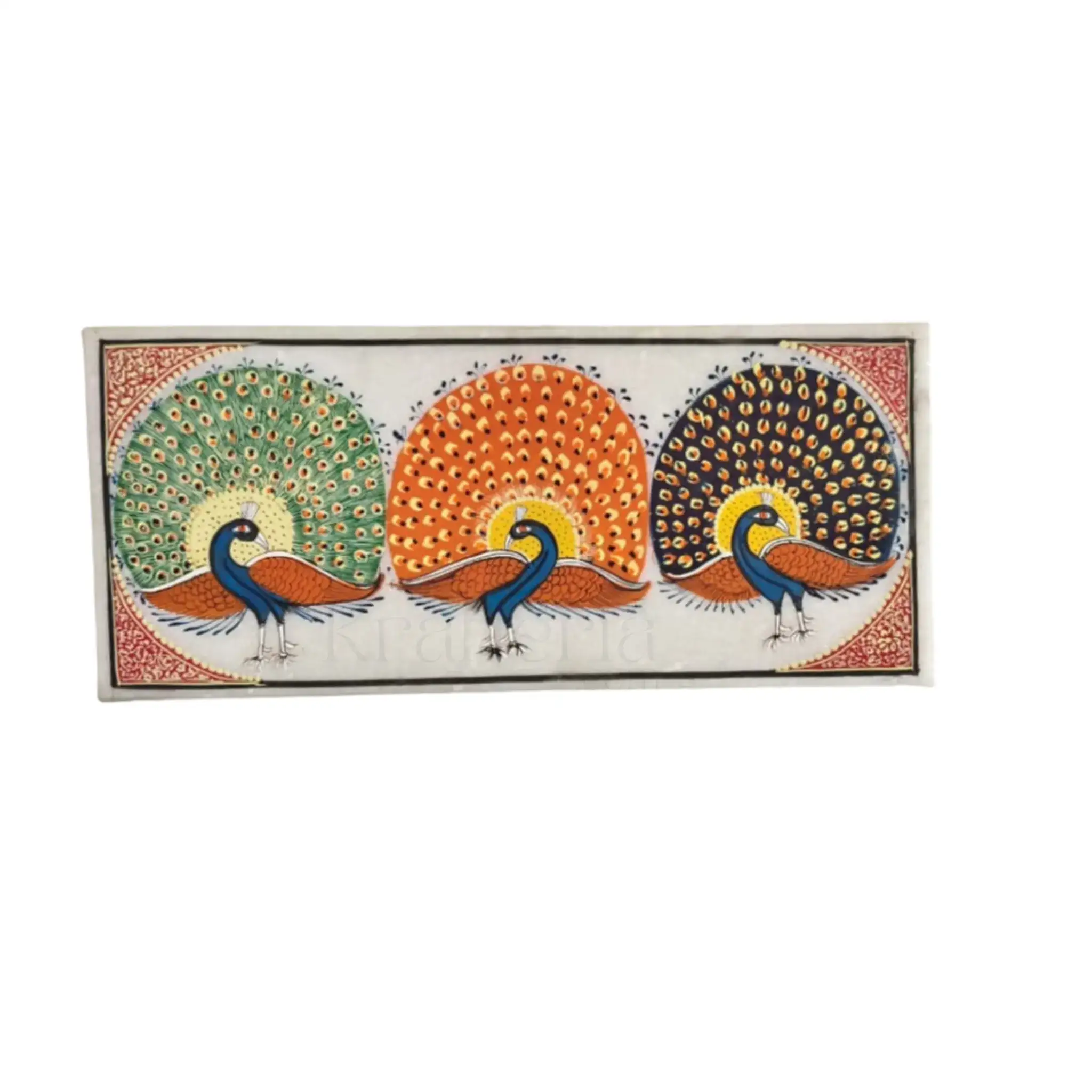
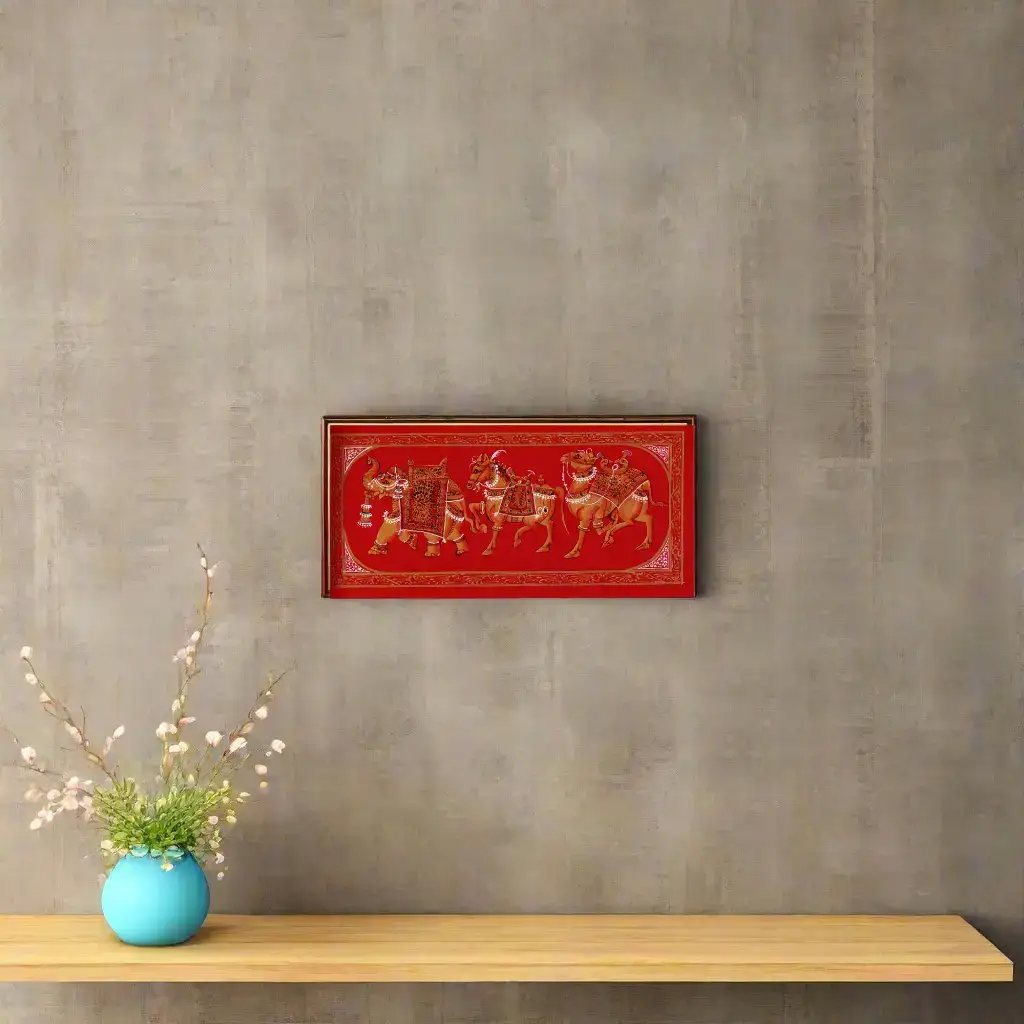
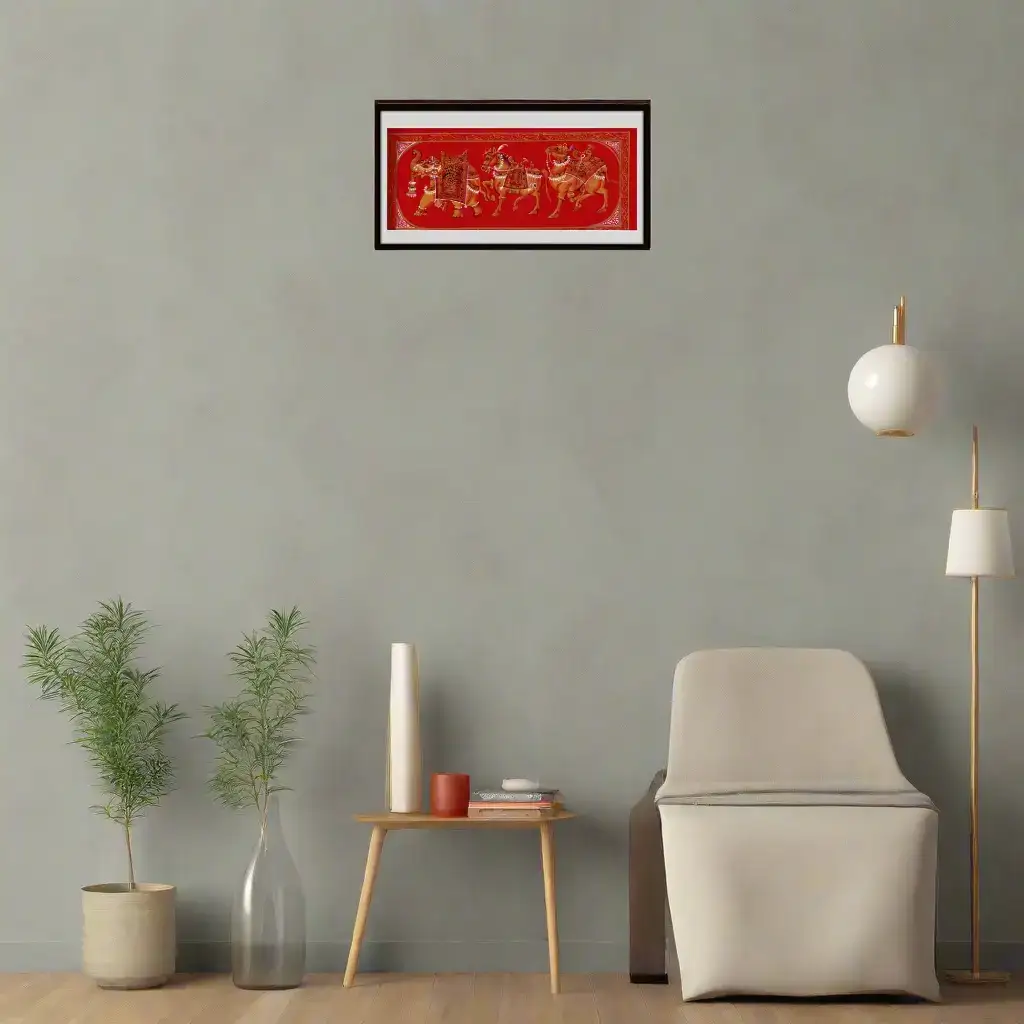
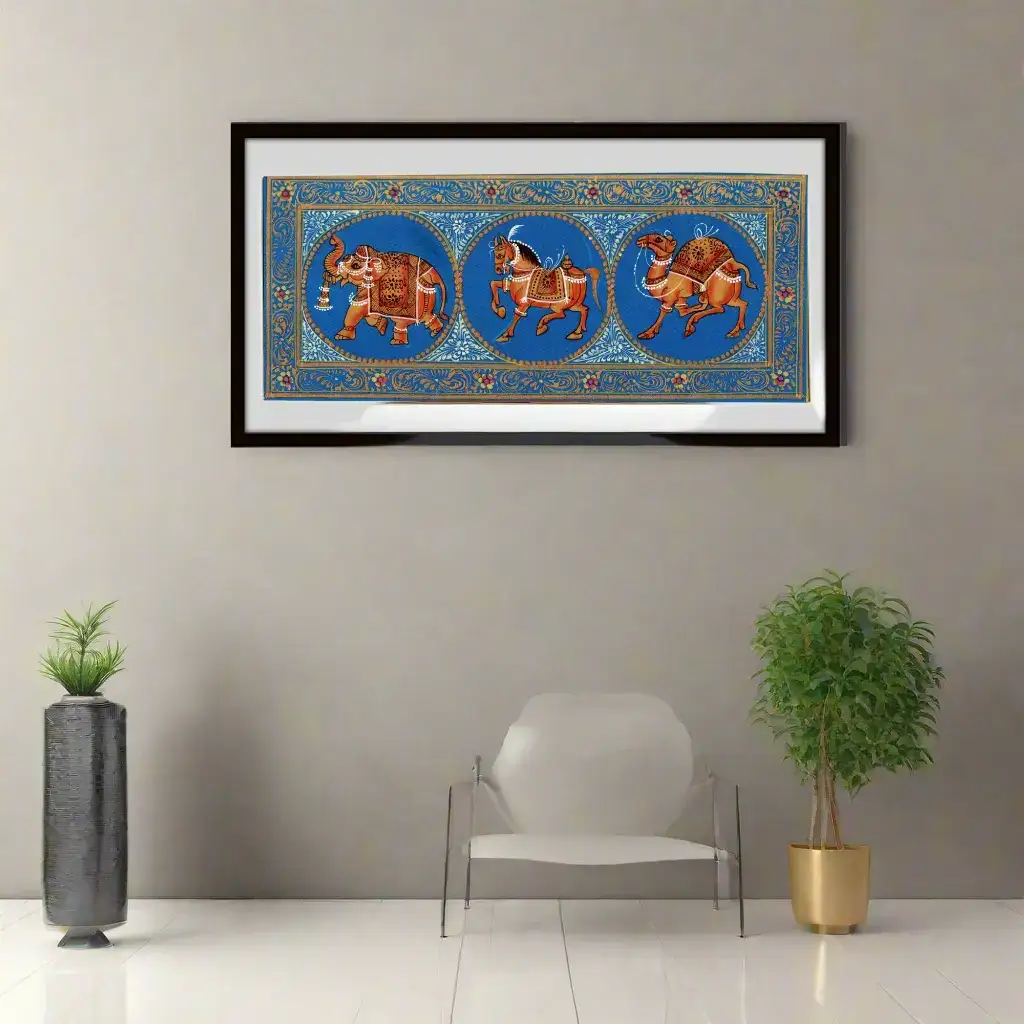
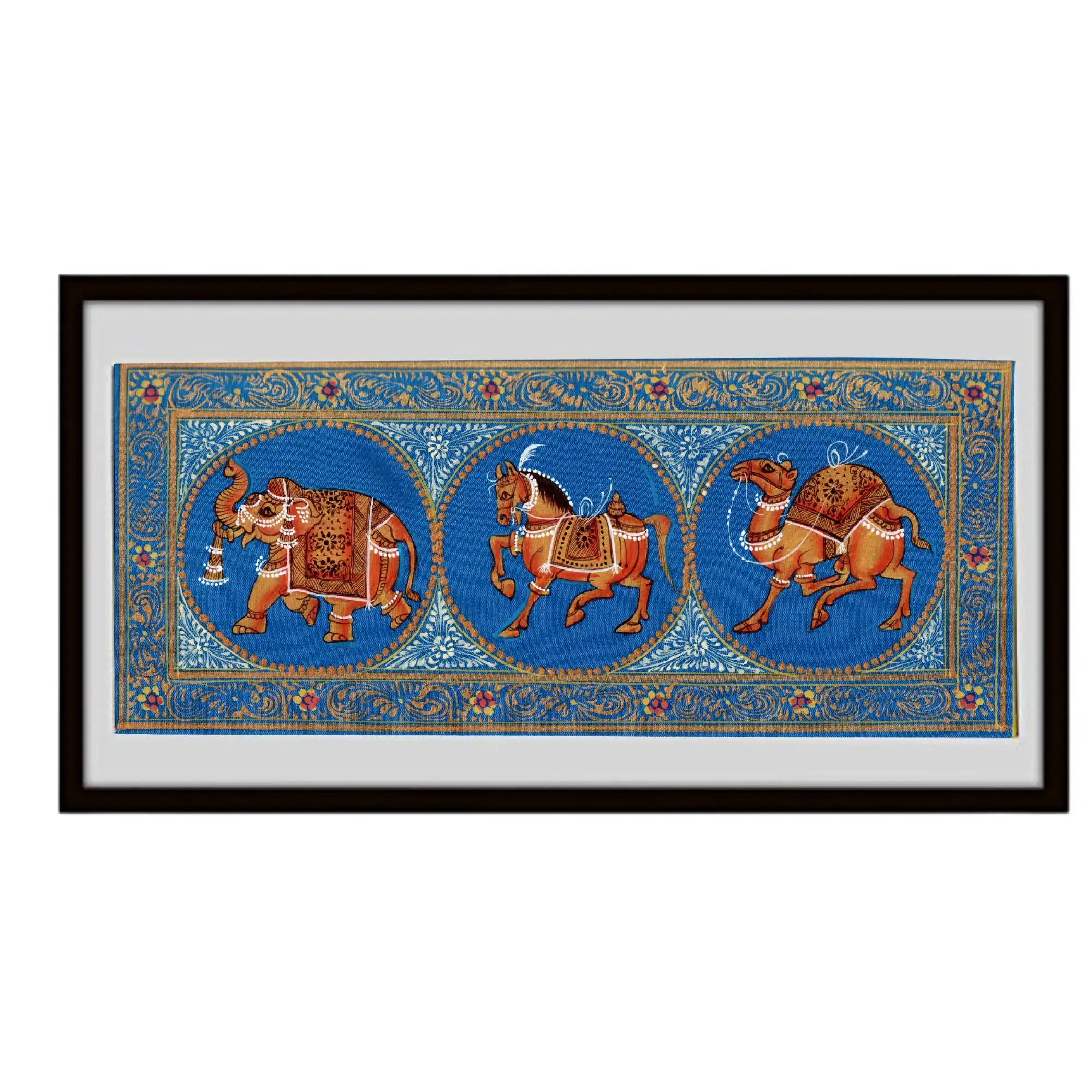
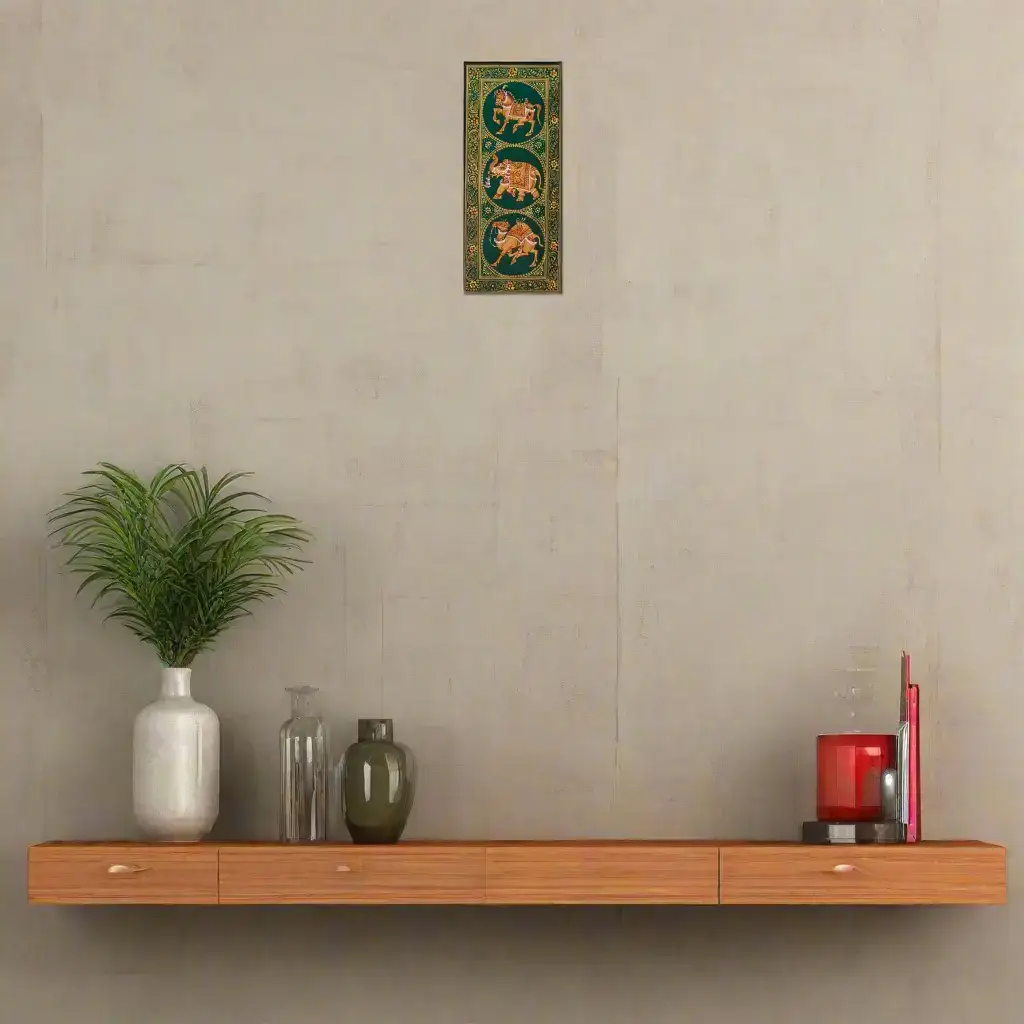
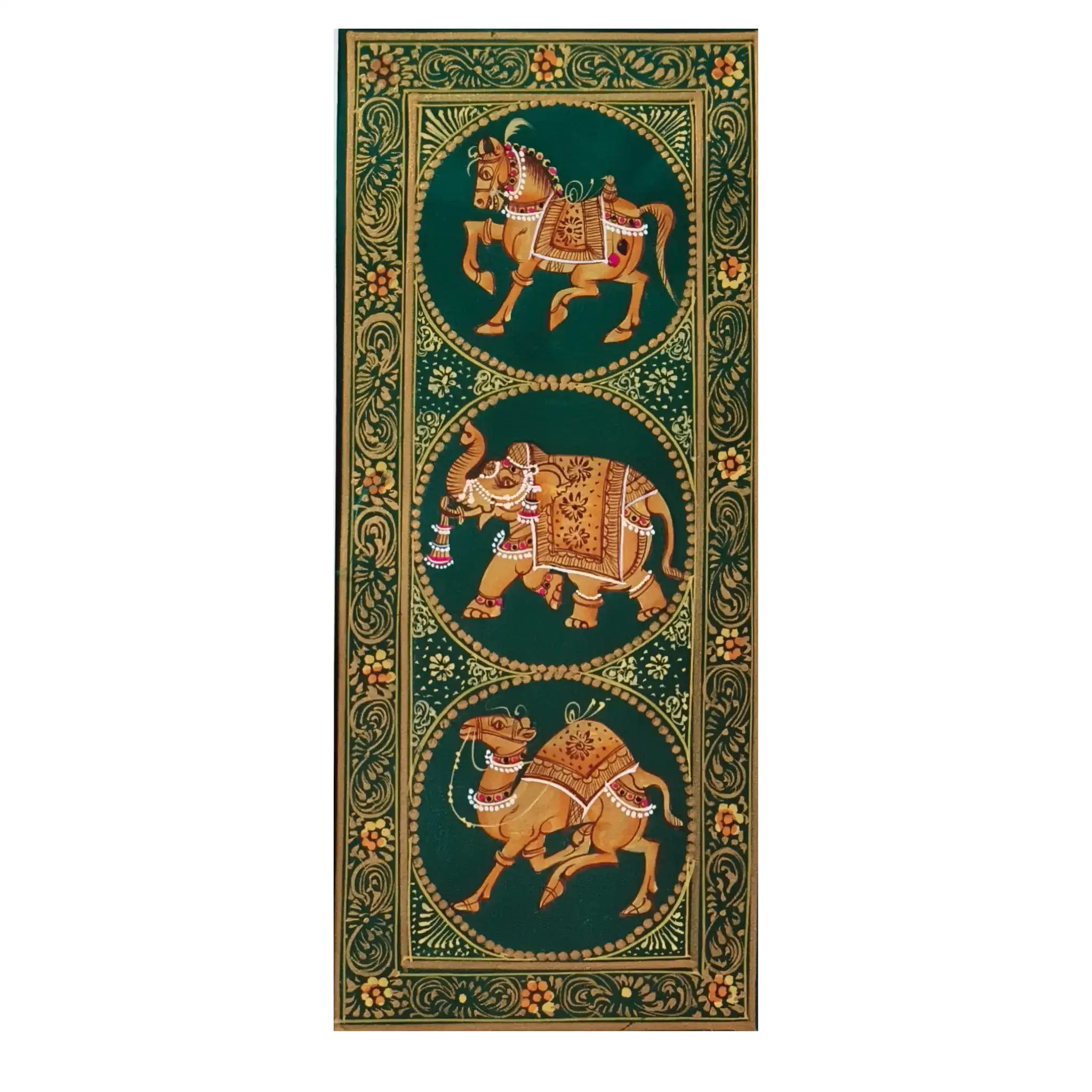
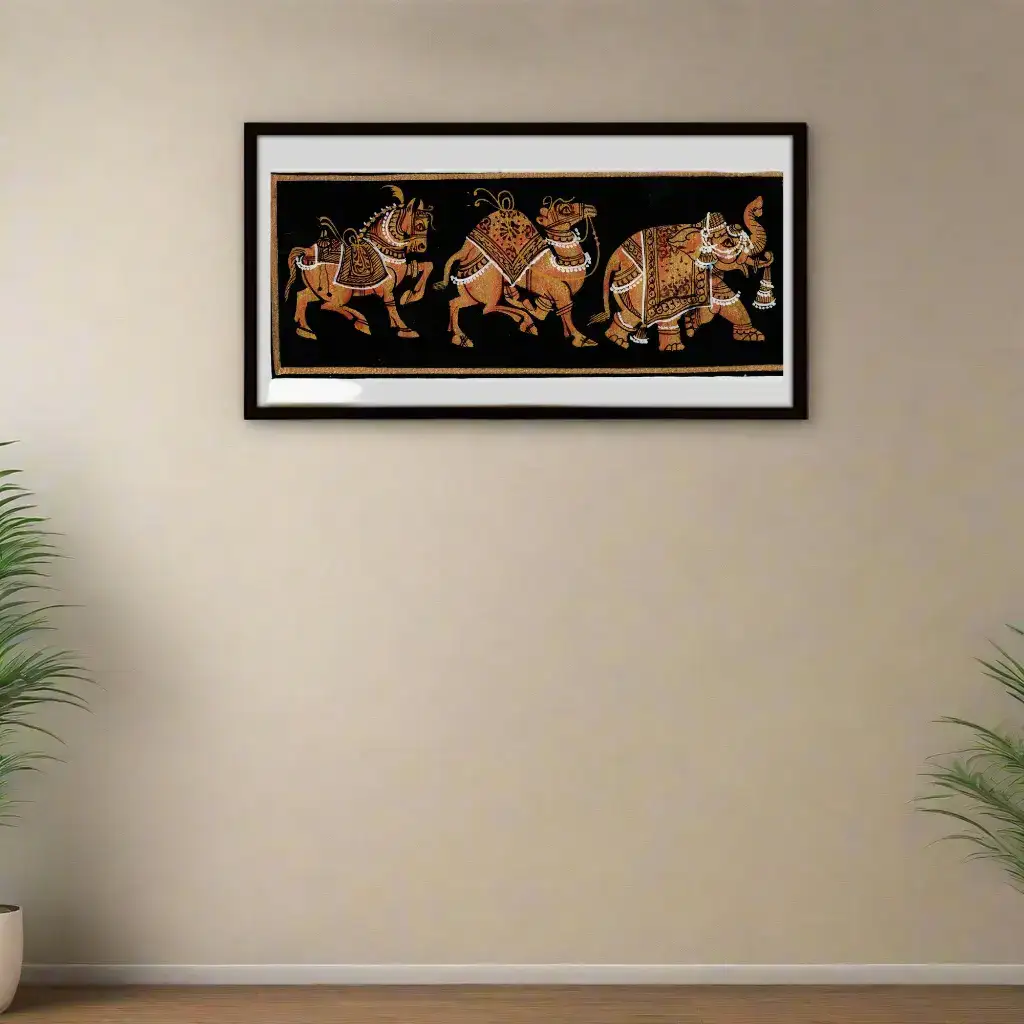
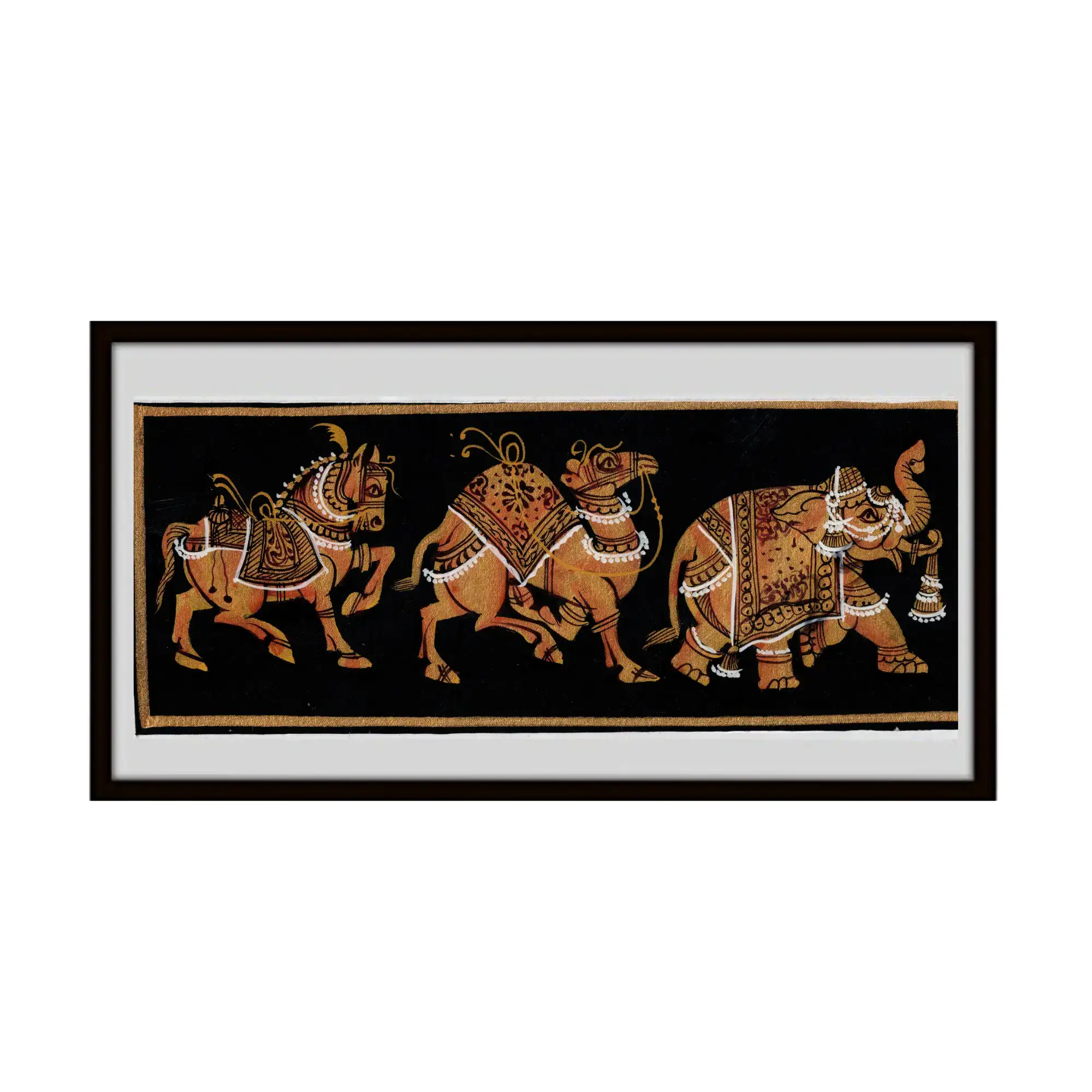
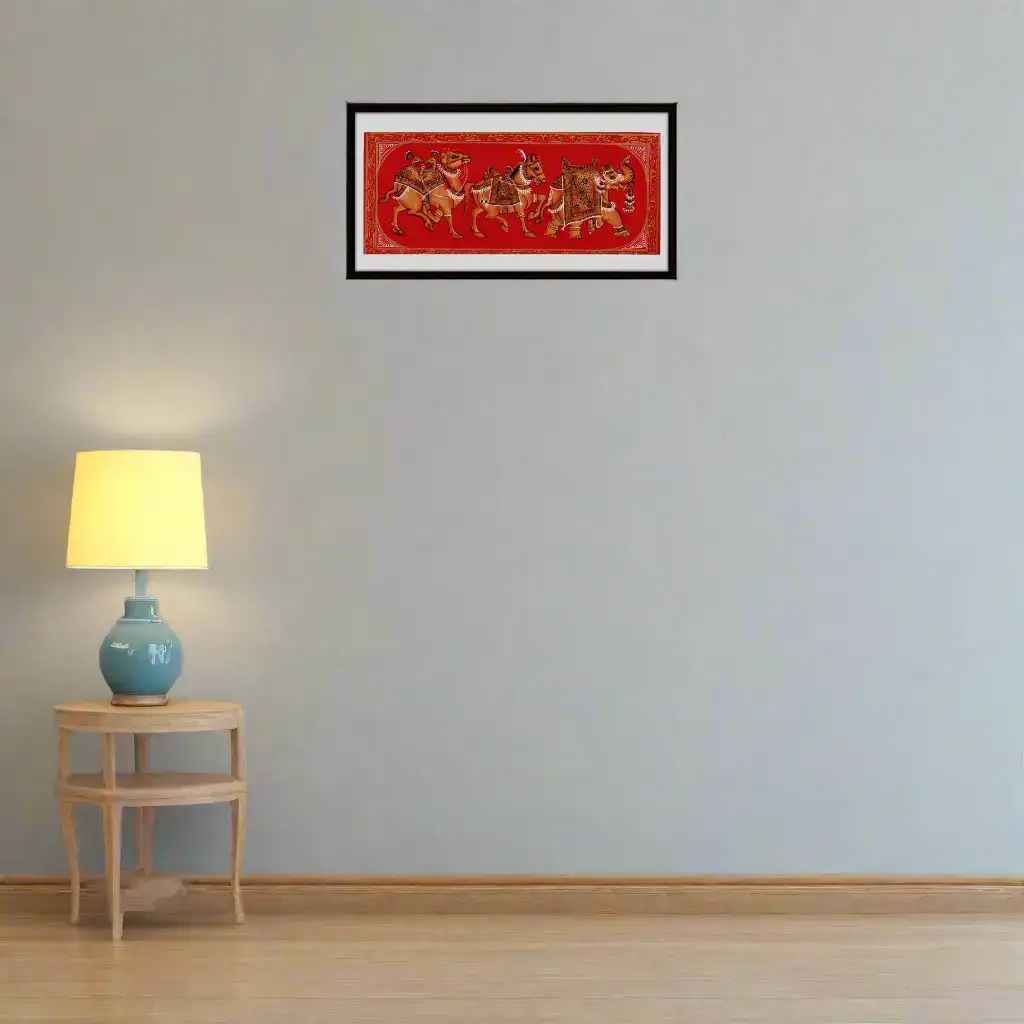
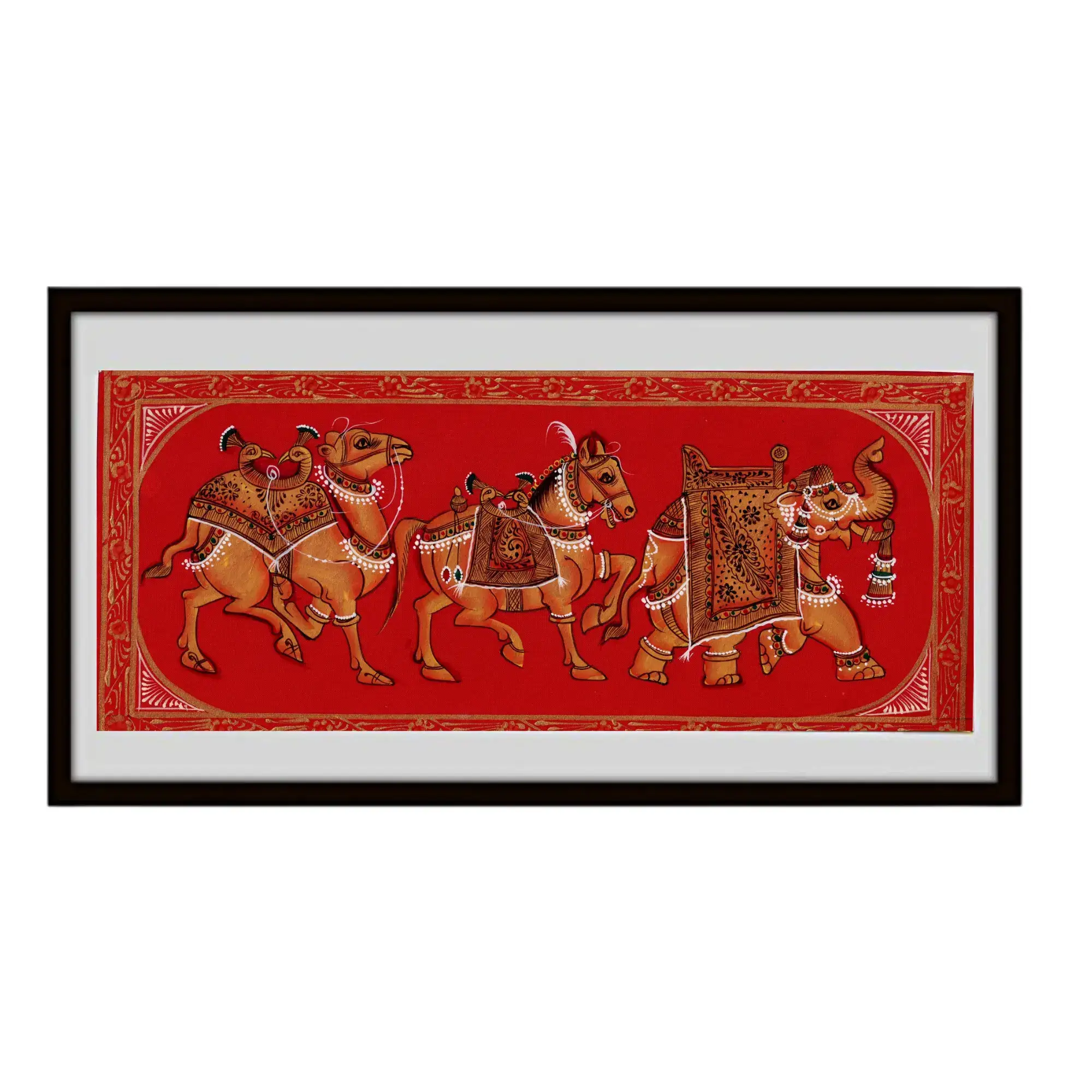
Gilded Miniature Procession Painting Rajasthani Painting is a vibrant and rich style of Indian miniature painting. This art flourished in the royal courts of Rajasthan from the 16th century onwards. It is deeply rooted in Indian traditions and culture, reflecting themes of mythology, epics, royal life, love stories, and folk culture. The paintings are renowned for their bold lines, bright colors, and intricate detailing, creating captivating visual narratives.
The use of natural dyes and pigments made from minerals, vegetables, and precious stones adds to the lasting and luminous quality of these artworks. This traditional method enhances the vibrancy and authenticity of the miniature procession painting. These details make the painting not just beautiful but historically and culturally significant.
Distinct Schools of the Miniature Procession Painting
This art form is divided into several distinct schools, each with its unique style and subject focus. Among these are Mewar, Marwar, Bundi, Kota, Kishangarh, Bikaner, and Jaipur. Each school signifies a different artistic approach and thematic choice, showcasing the diversity within Indian miniature painting traditions.
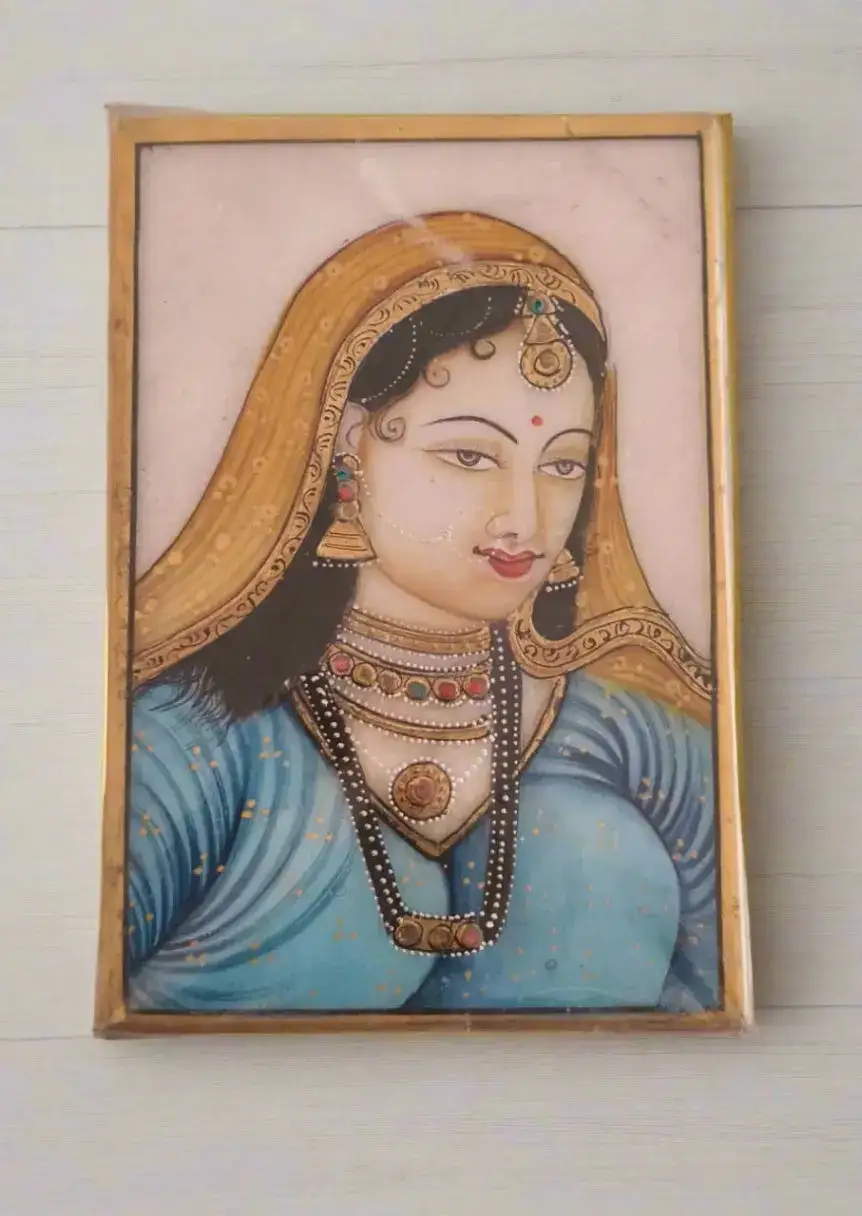
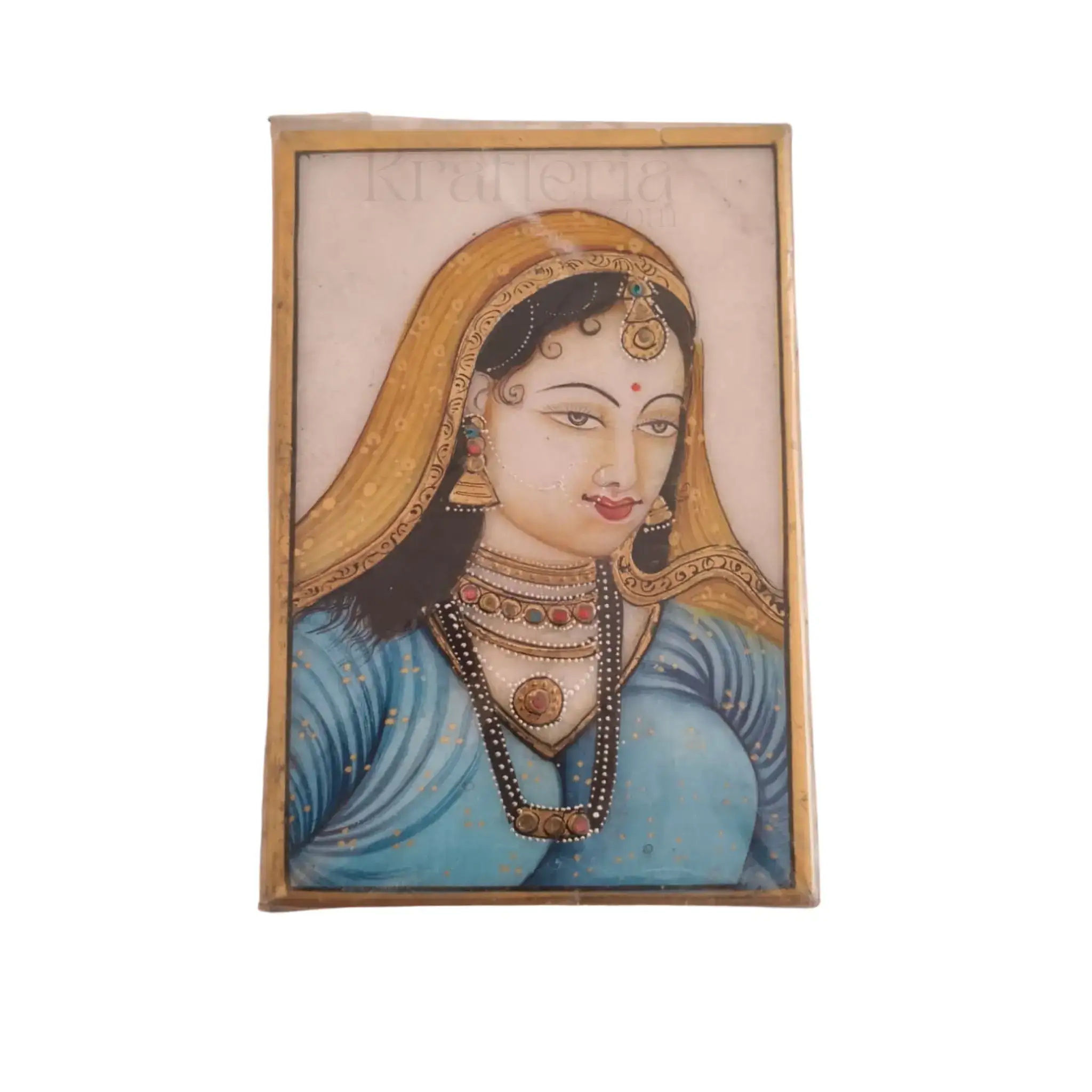
For example, Kishangarh is famous for its romantic portrayal of Radha and Krishna. The iconic image of Bani Thani is a hallmark of this style, known for its elegant and refined miniature work. Mewar paintings focus on court scenes, heroic tales, and religious themes, emphasizing grandeur and devotion.
Bundi and Kota schools are often celebrated for their lush landscapes and hunting scenes. These paintings demonstrate the mastery and vibrant nature of the miniature procession paintings style. The art not only portrays figures but captures the environment and cultural stories in vivid detail.
The Artistry Behind Gilded Miniature Paintings
The hallmark of this painting type is the use of gilt or gold accents. The gilded miniature painting uses carefully applied gold pigments to enhance depth and richness. This gold work is closely linked to the traditions of Indian miniature painting and adds an element of luxury and reverence to the artwork.
These artworks often blend elements originating from mughal miniature painting gold work with regional styles from Rajasthan. This fusion highlights the grandeur of royal processions and the opulence of Indian courts. The process requires exceptional skill and patience, often taking months to complete a single piece.
Miniature Painting: A Celebration of Heritage
The miniature painting preserves the cultural and historical essence of India’s royal past. It portrays majestic processions and ceremonial occasions with vivid detail and grandeur. The paintings capture the splendor of kings, queens, and their entourages, showcasing their regal attire and ornate decorations.
This form of painting provides viewers with a glimpse of life in the royal courts, highlighting traditions and rituals still admired today. The intricate design and traditional techniques emphasize the artistry that has been passed down through generations of skilled artisans.
Materials and Techniques Used in Miniature Procession Art
Skilled painters use fine brushes made from squirrel hair to achieve the delicate detailing required in this art form. Handmade paper or silk forms the traditional base for these paintings. The pigments are derived from natural sources, which supports the longevity and colorfast nature of the artwork.
The application of gold or gold-like decoration is a critical step that elevates the artwork’s appeal. This meticulous addition enhances the painting’s elegance and reflects the historic royal patronage of such art forms. The combination of these elements results in a magnificent piece that is both visually stunning and culturally rich.
Why Choose a Miniature Painting?
- It carries immense cultural significance and heritage value.
- The use of bold colors and gilded accents makes it visually striking.
- It represents a blend of multiple traditional schools offering diverse styles.
- The miniature format allows for detailed storytelling in a compact space.
This painting style is suitable for collectors, art enthusiasts, and those who appreciate traditional Indian art. It also fits beautifully in heritage-inspired interiors such as homes and offices, adding a regal charm to the decor.
The Enduring Charm of Indian Miniature Painting
Miniature procession painting remains a treasured art form for its exquisite detailing and historical relevance. Each piece tells a story that spans centuries of Indian culture and royal splendor. The fusion of vibrant pigments, gilded elements, and intricate brushwork makes it a standout example of Indian miniature painting.
Embracing such artworks helps preserve traditional arts and supports the communities of skilled artisans who continue to practice this craft. Choosing a gilded miniature painting reflects an appreciation for the rich artistic lineage of India and its timeless beauty.
Product Information
Product Information
Shipping & Returns
Shipping & Returns
Description
Crimson Majesty - A Gilded Miniature Procession Painting
Gilded Miniature Procession Painting Rajasthani Painting is a vibrant and rich style of Indian miniature painting. This art flourished in the royal courts of Rajasthan from the 16th century onwards. It is deeply rooted in Indian traditions and culture, reflecting themes of mythology, epics, royal life, love stories, and folk culture. The paintings are renowned for their bold lines, bright colors, and intricate detailing, creating captivating visual narratives.
The use of natural dyes and pigments made from minerals, vegetables, and precious stones adds to the lasting and luminous quality of these artworks. This traditional method enhances the vibrancy and authenticity of the miniature procession painting. These details make the painting not just beautiful but historically and culturally significant.
Distinct Schools of the Miniature Procession Painting
This art form is divided into several distinct schools, each with its unique style and subject focus. Among these are Mewar, Marwar, Bundi, Kota, Kishangarh, Bikaner, and Jaipur. Each school signifies a different artistic approach and thematic choice, showcasing the diversity within Indian miniature painting traditions.
For example, Kishangarh is famous for its romantic portrayal of Radha and Krishna. The iconic image of Bani Thani is a hallmark of this style, known for its elegant and refined miniature work. Mewar paintings focus on court scenes, heroic tales, and religious themes, emphasizing grandeur and devotion.
Bundi and Kota schools are often celebrated for their lush landscapes and hunting scenes. These paintings demonstrate the mastery and vibrant nature of the miniature procession paintings style. The art not only portrays figures but captures the environment and cultural stories in vivid detail.
The Artistry Behind Gilded Miniature Paintings
The hallmark of this painting type is the use of gilt or gold accents. The gilded miniature painting uses carefully applied gold pigments to enhance depth and richness. This gold work is closely linked to the traditions of Indian miniature painting and adds an element of luxury and reverence to the artwork.
These artworks often blend elements originating from mughal miniature painting gold work with regional styles from Rajasthan. This fusion highlights the grandeur of royal processions and the opulence of Indian courts. The process requires exceptional skill and patience, often taking months to complete a single piece.
Miniature Painting: A Celebration of Heritage
The miniature painting preserves the cultural and historical essence of India’s royal past. It portrays majestic processions and ceremonial occasions with vivid detail and grandeur. The paintings capture the splendor of kings, queens, and their entourages, showcasing their regal attire and ornate decorations.
This form of painting provides viewers with a glimpse of life in the royal courts, highlighting traditions and rituals still admired today. The intricate design and traditional techniques emphasize the artistry that has been passed down through generations of skilled artisans.
Materials and Techniques Used in Miniature Procession Art
Skilled painters use fine brushes made from squirrel hair to achieve the delicate detailing required in this art form. Handmade paper or silk forms the traditional base for these paintings. The pigments are derived from natural sources, which supports the longevity and colorfast nature of the artwork.
The application of gold or gold-like decoration is a critical step that elevates the artwork’s appeal. This meticulous addition enhances the painting’s elegance and reflects the historic royal patronage of such art forms. The combination of these elements results in a magnificent piece that is both visually stunning and culturally rich.
Why Choose a Miniature Painting?
- It carries immense cultural significance and heritage value.
- The use of bold colors and gilded accents makes it visually striking.
- It represents a blend of multiple traditional schools offering diverse styles.
- The miniature format allows for detailed storytelling in a compact space.
This painting style is suitable for collectors, art enthusiasts, and those who appreciate traditional Indian art. It also fits beautifully in heritage-inspired interiors such as homes and offices, adding a regal charm to the decor.
The Enduring Charm of Indian Miniature Painting
Miniature procession painting remains a treasured art form for its exquisite detailing and historical relevance. Each piece tells a story that spans centuries of Indian culture and royal splendor. The fusion of vibrant pigments, gilded elements, and intricate brushwork makes it a standout example of Indian miniature painting.
Embracing such artworks helps preserve traditional arts and supports the communities of skilled artisans who continue to practice this craft. Choosing a gilded miniature painting reflects an appreciation for the rich artistic lineage of India and its timeless beauty.