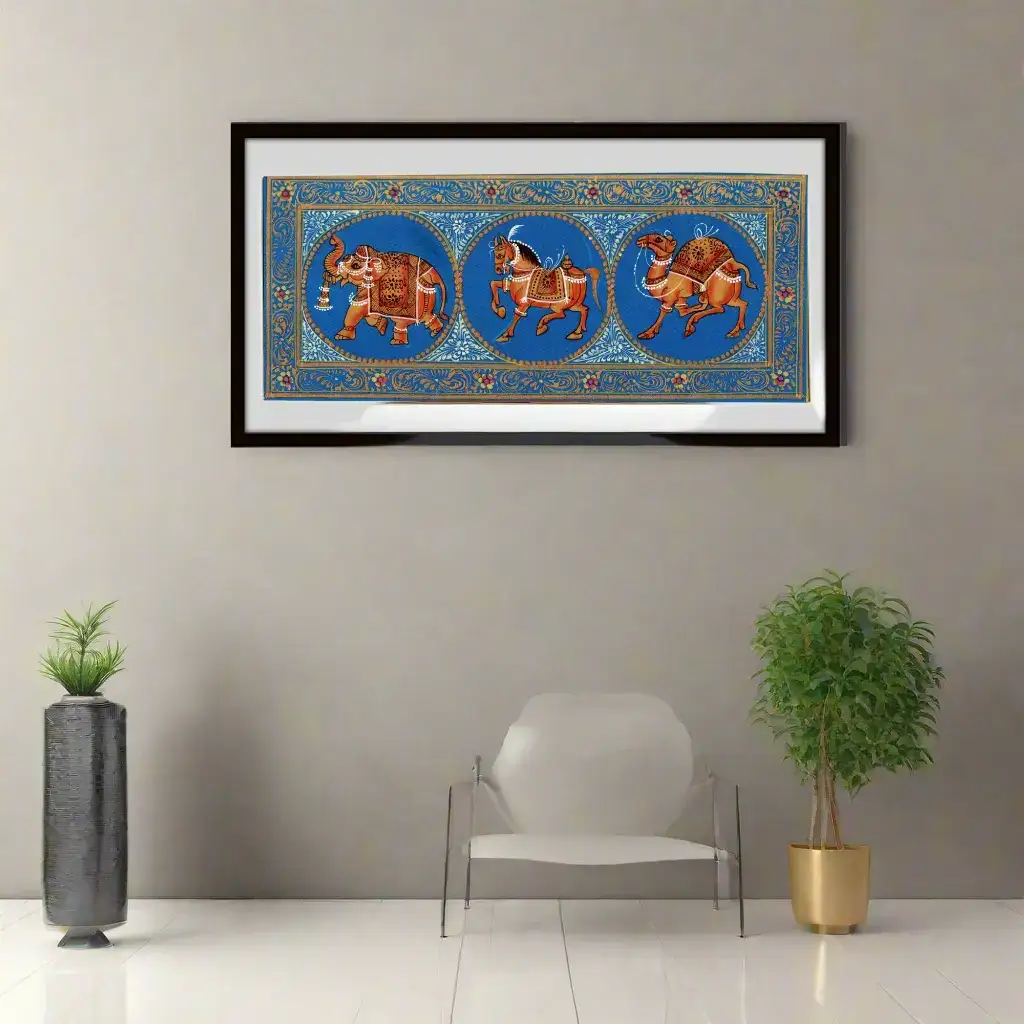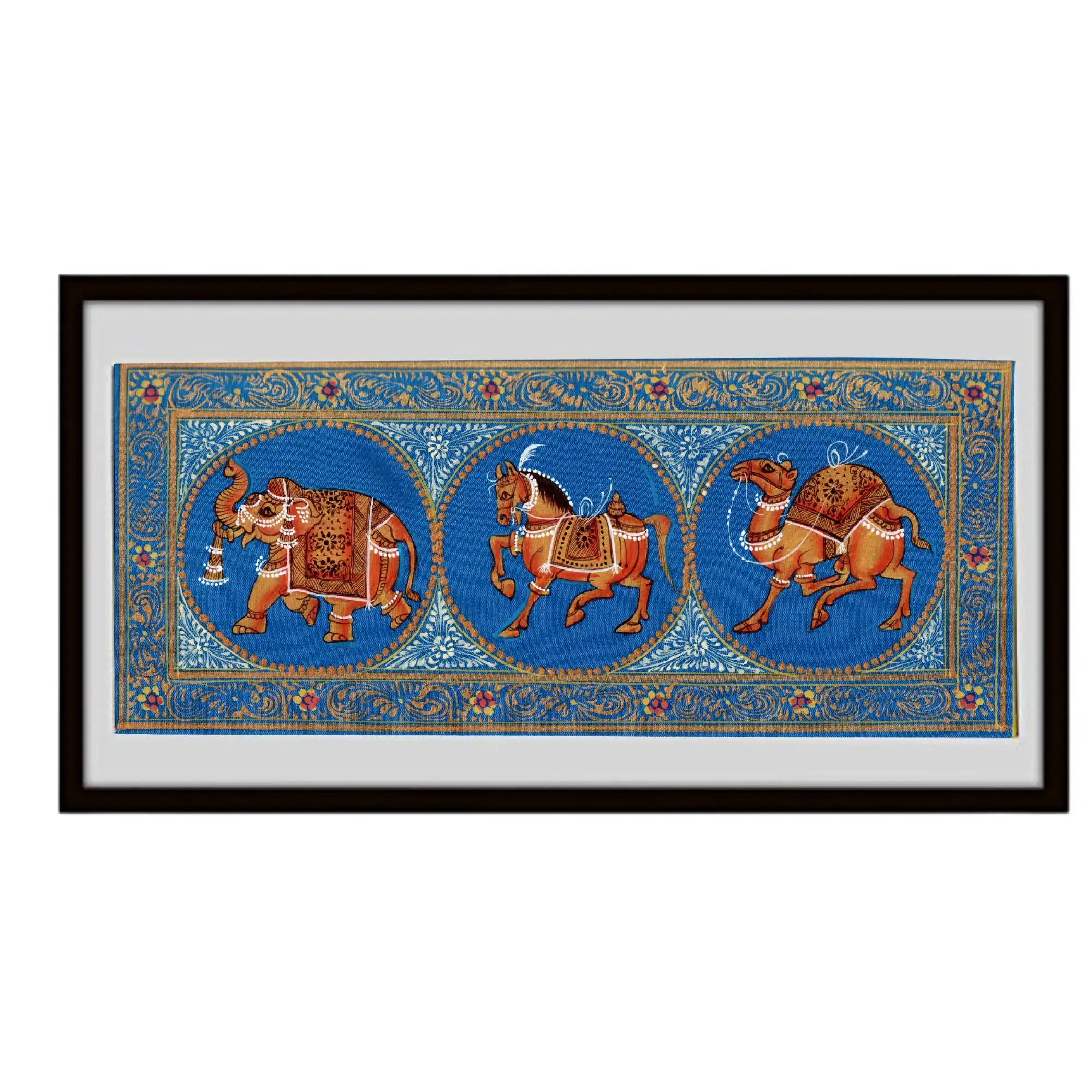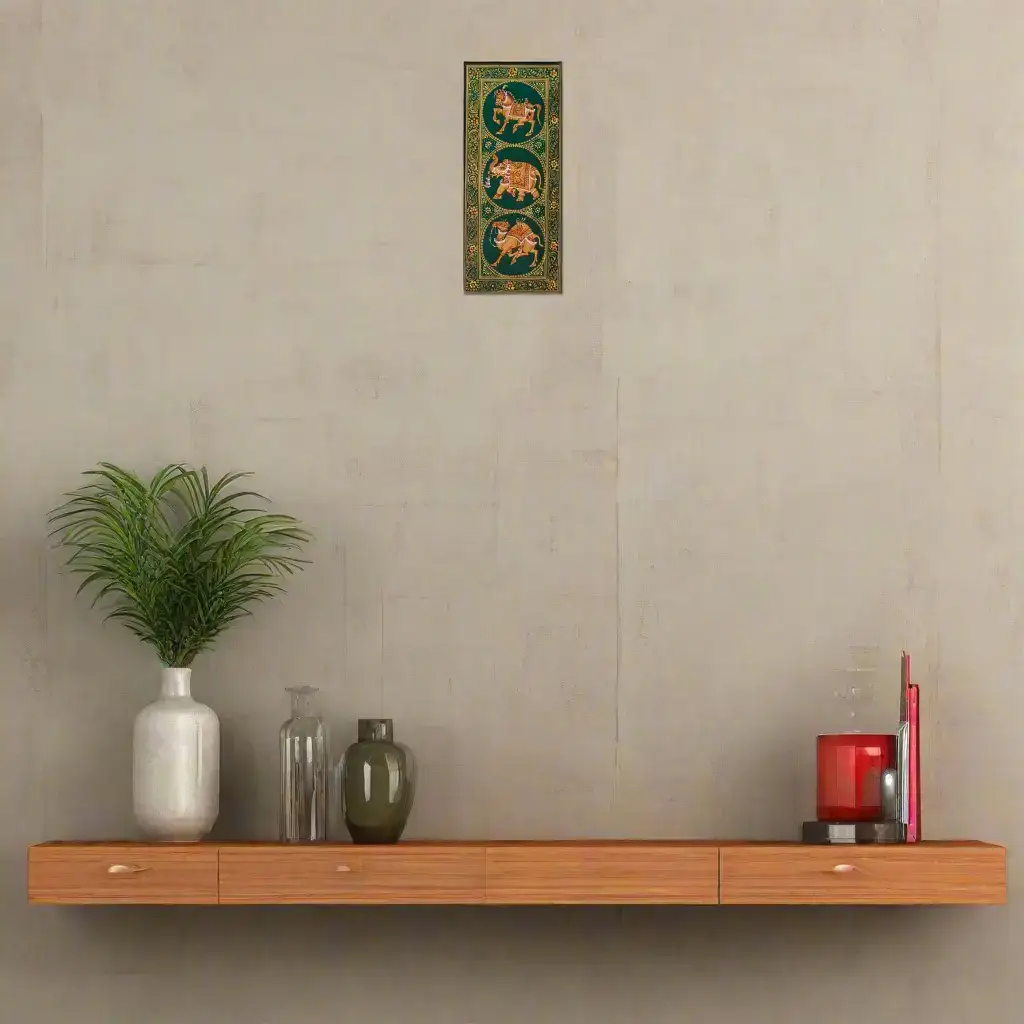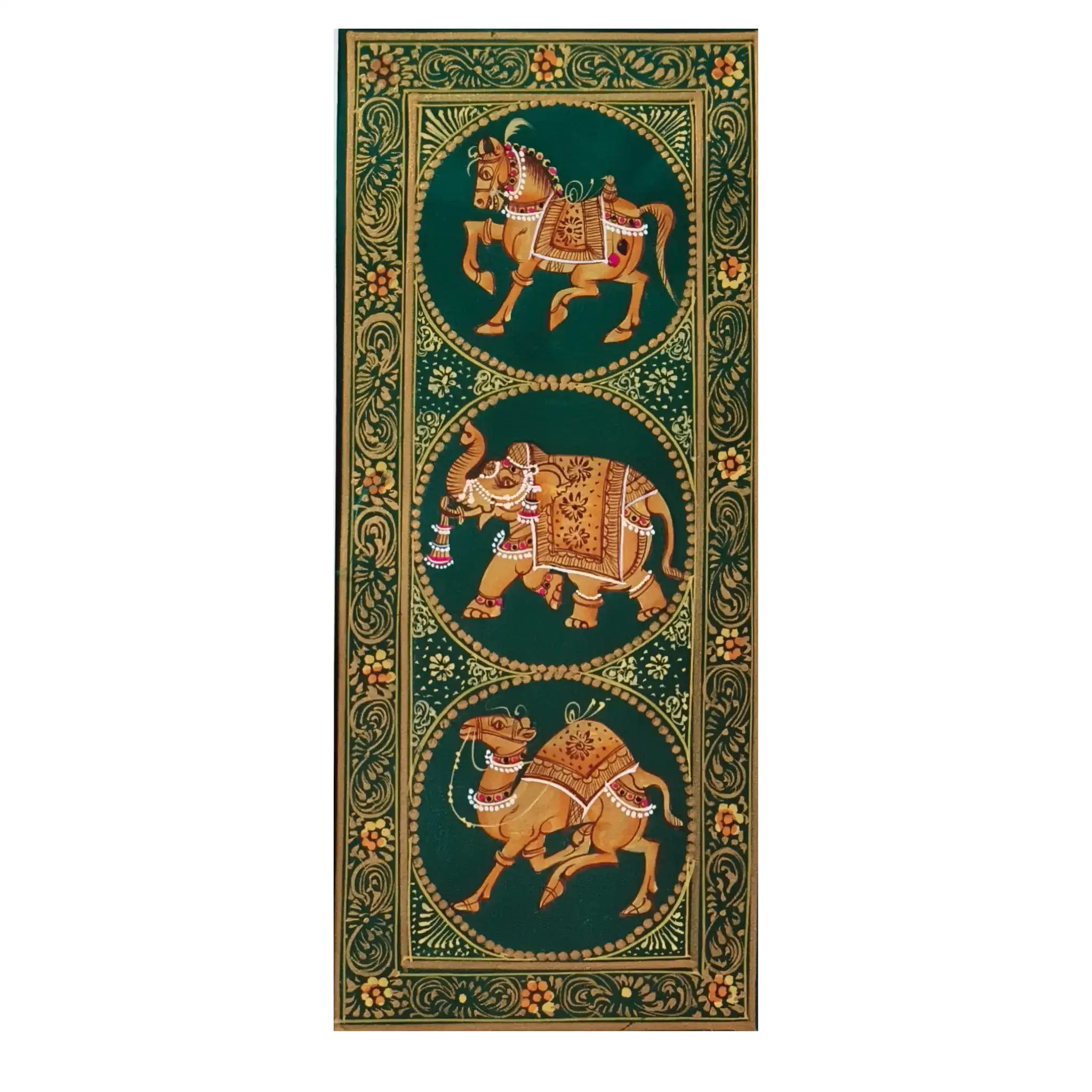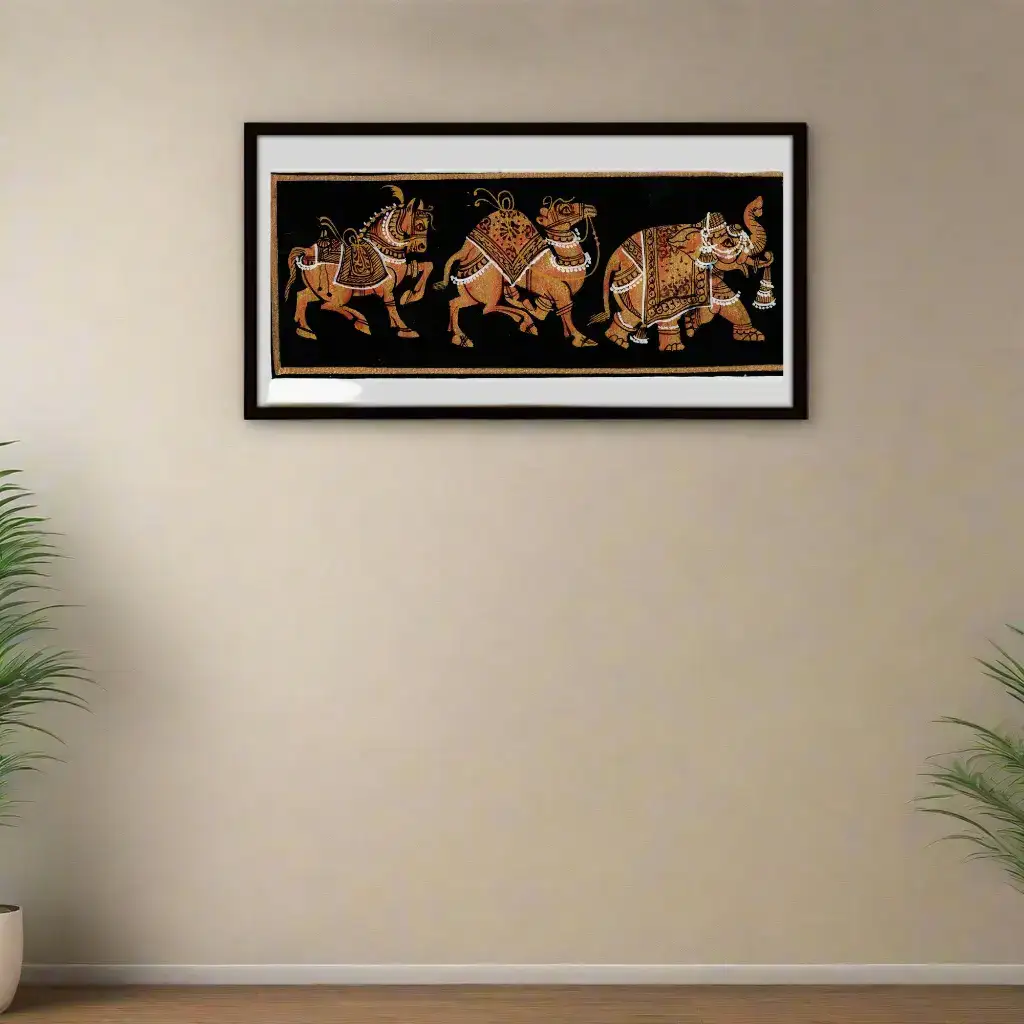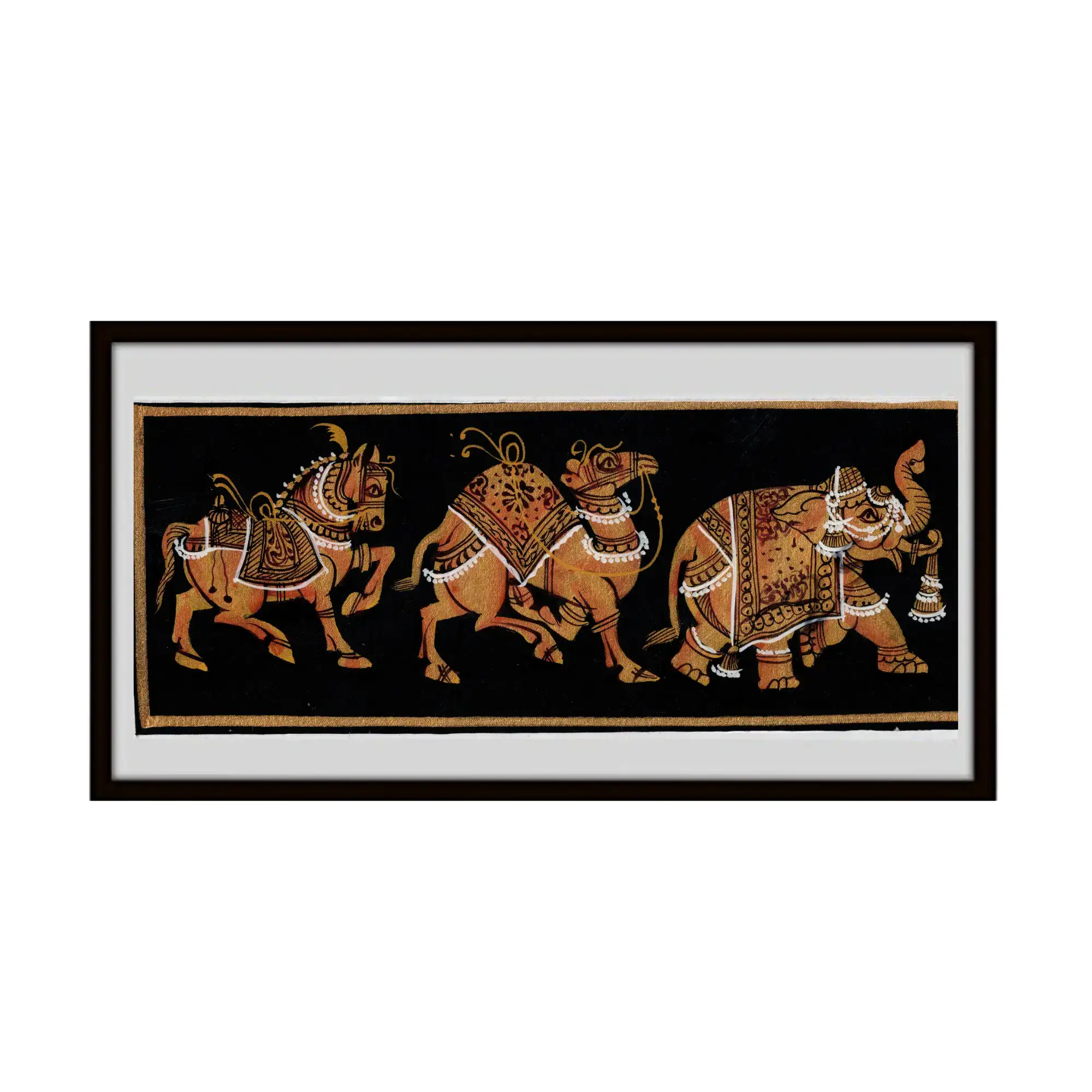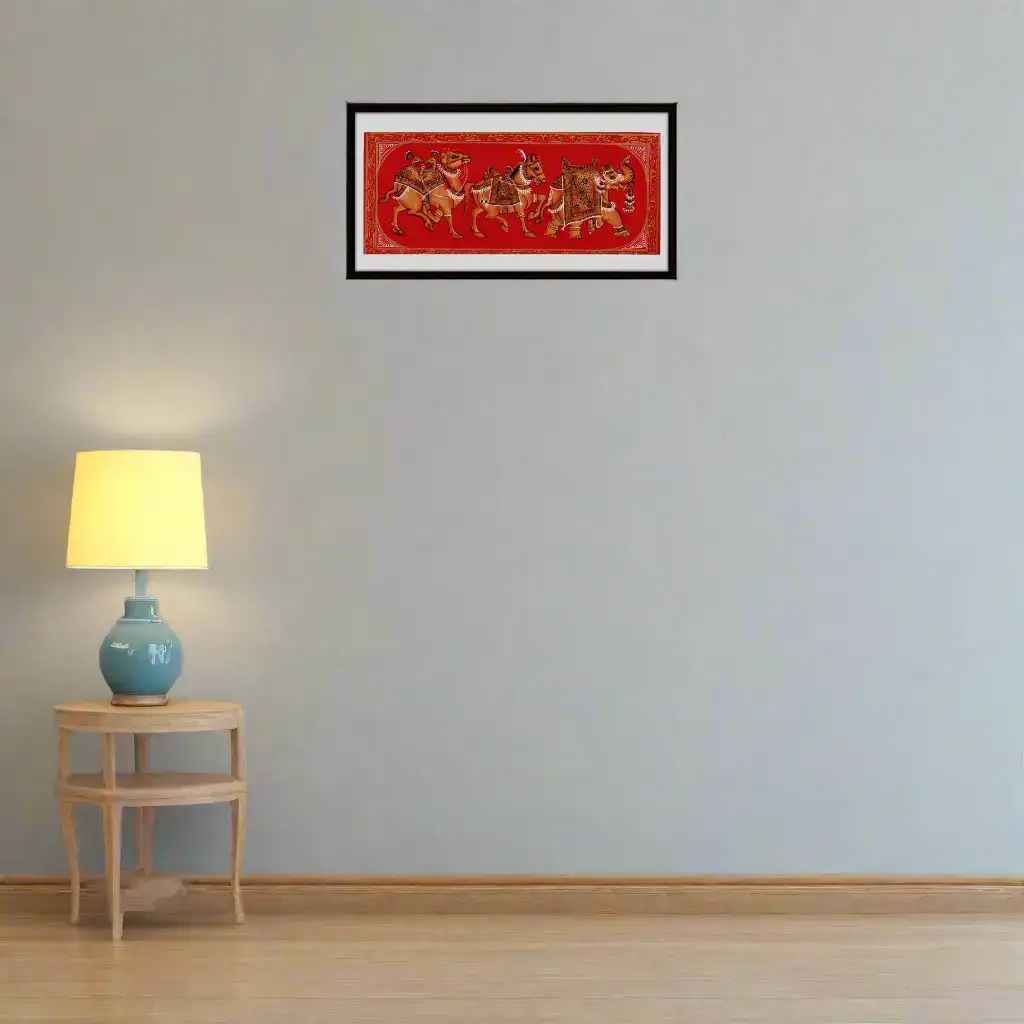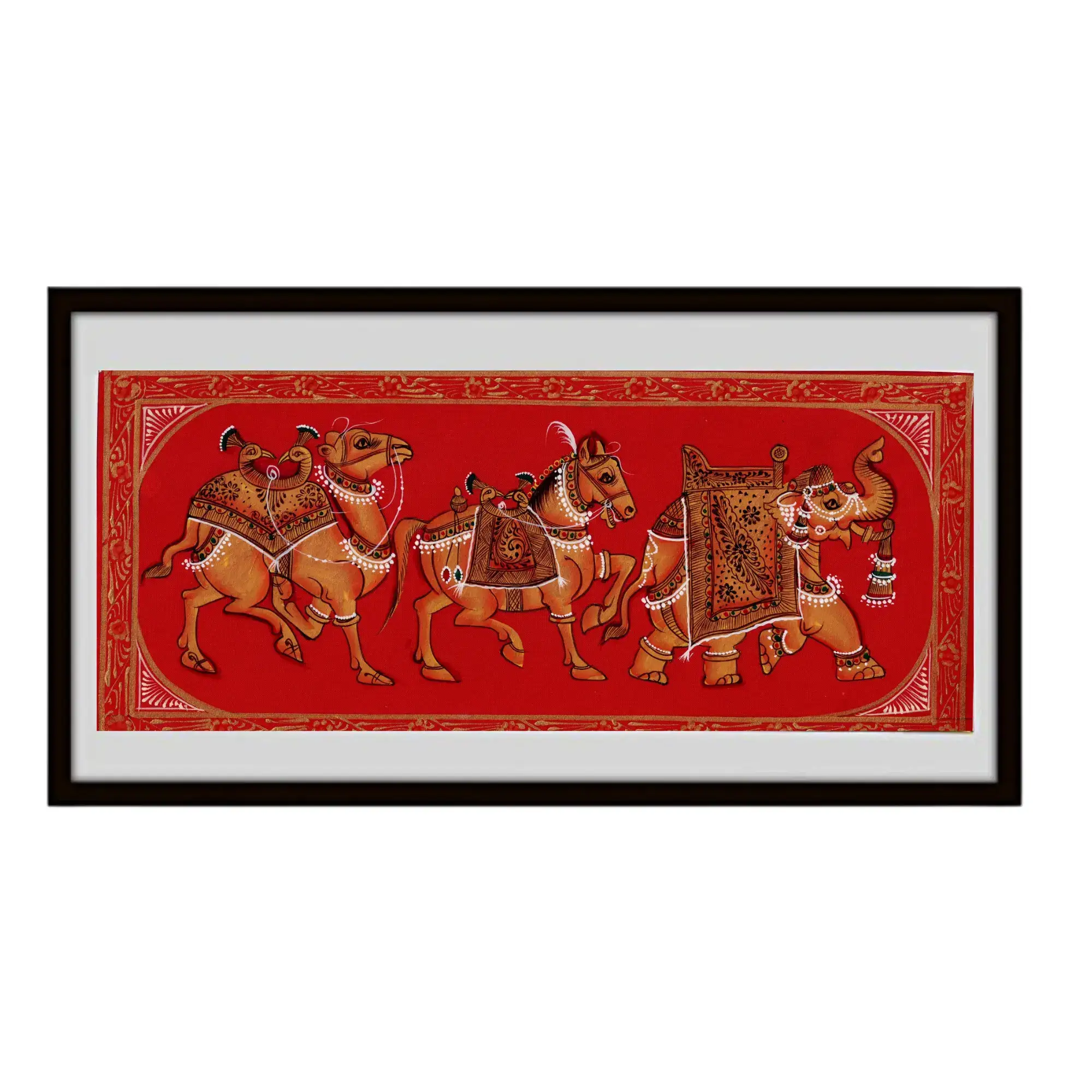
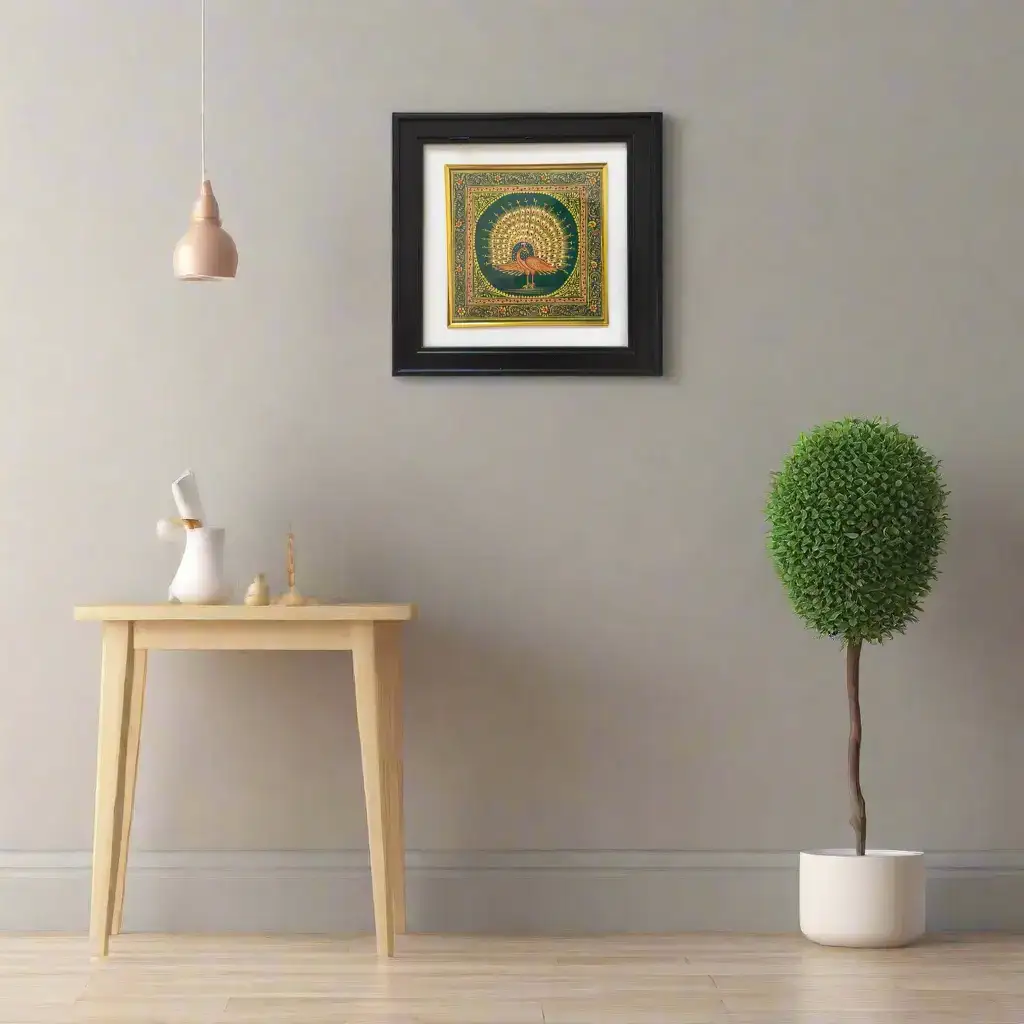
Regal Peacock Tapestry Miniature Painting
Regal Peacock Tapestry Miniature Painting: A Heritage of Royal Artistic Excellence
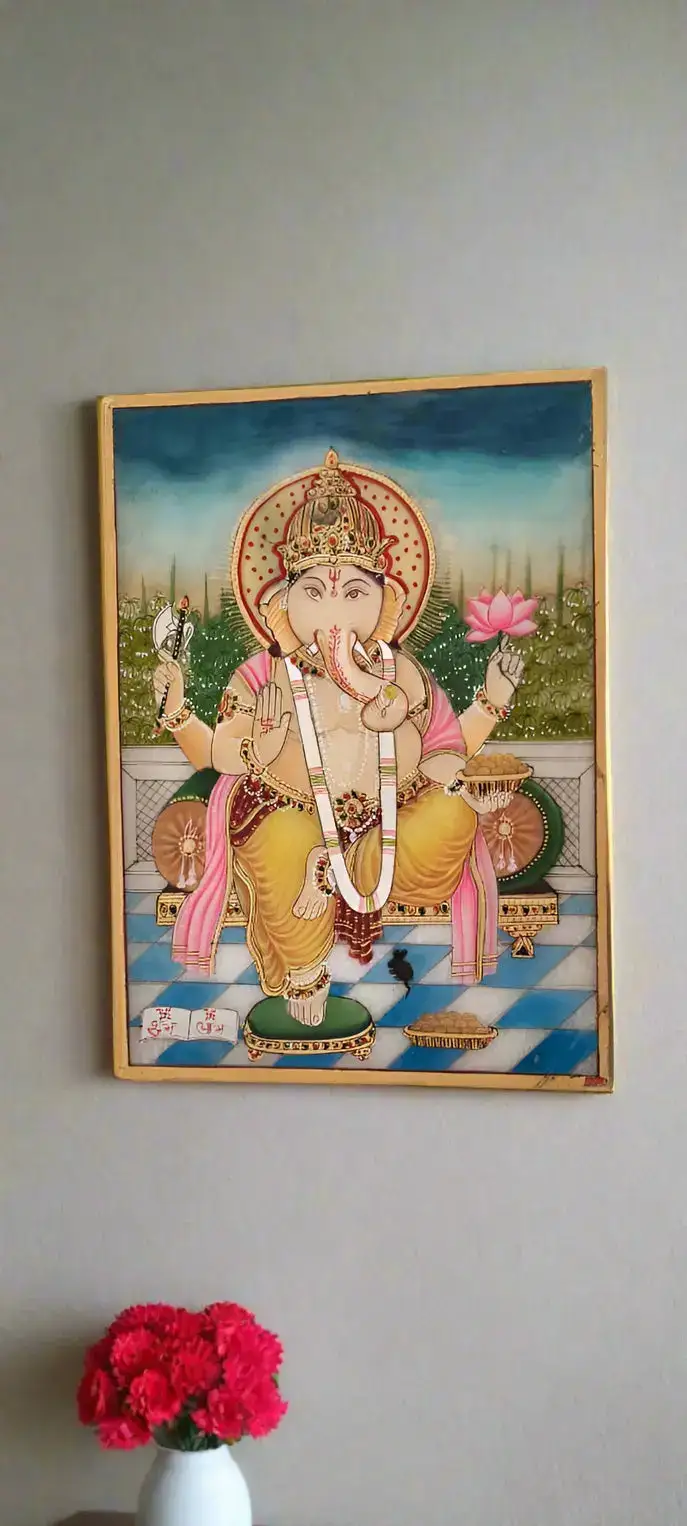
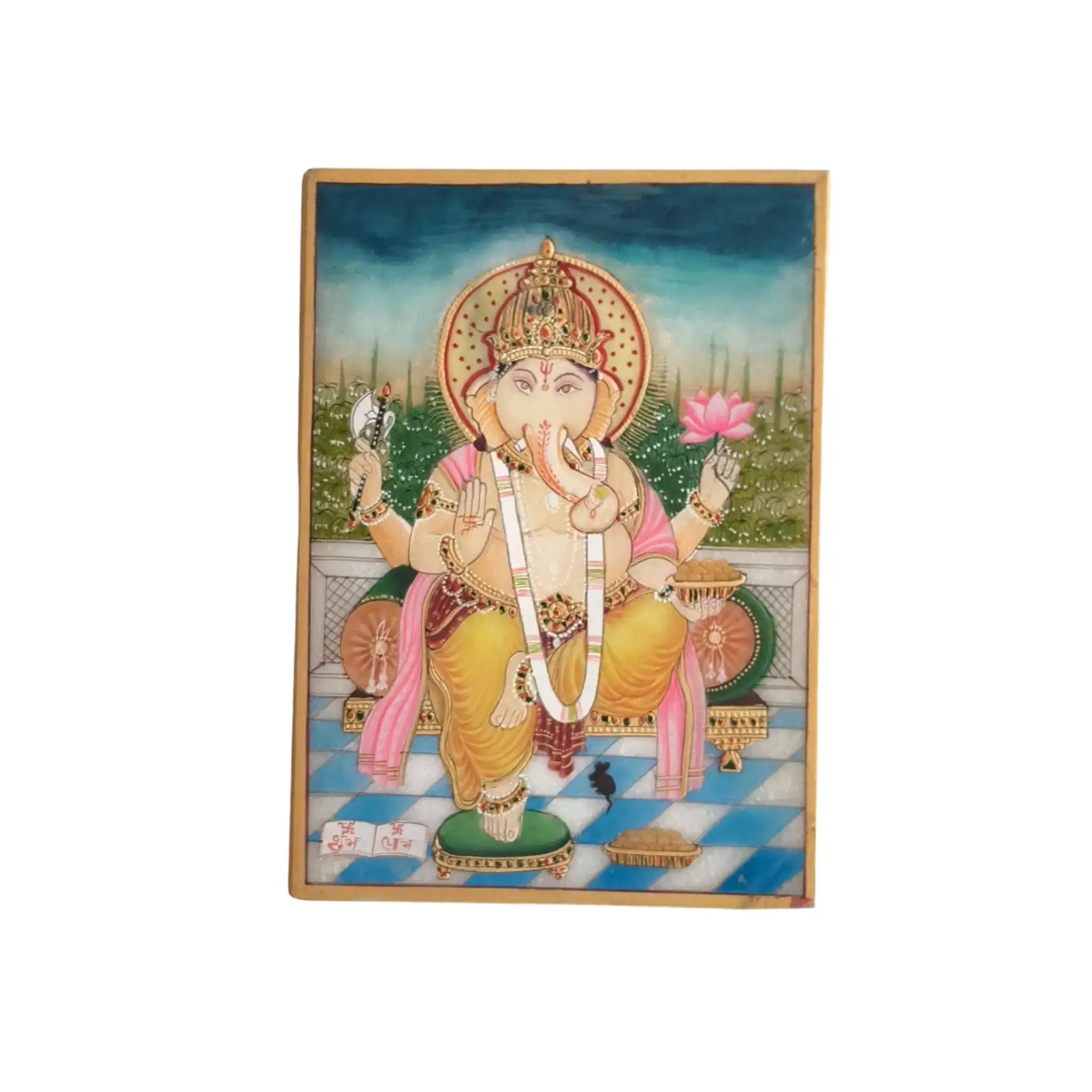
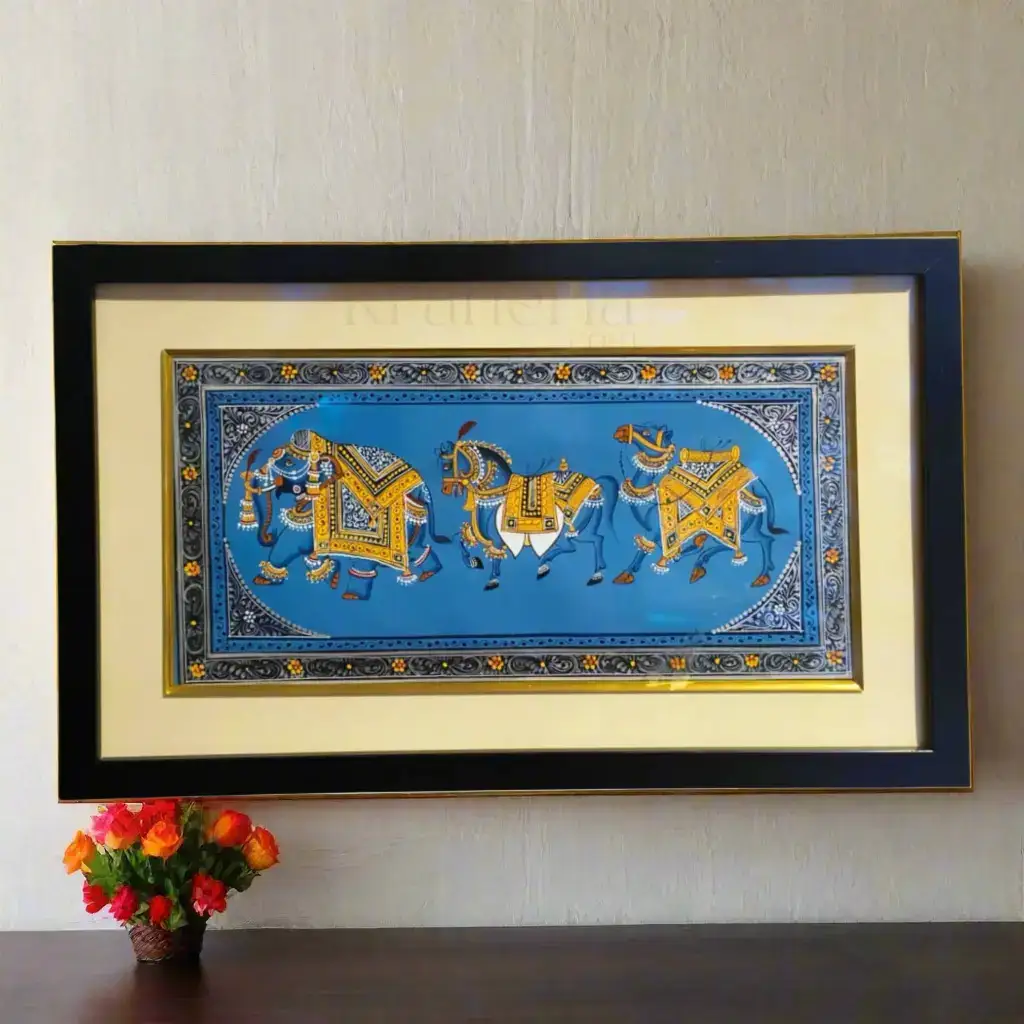
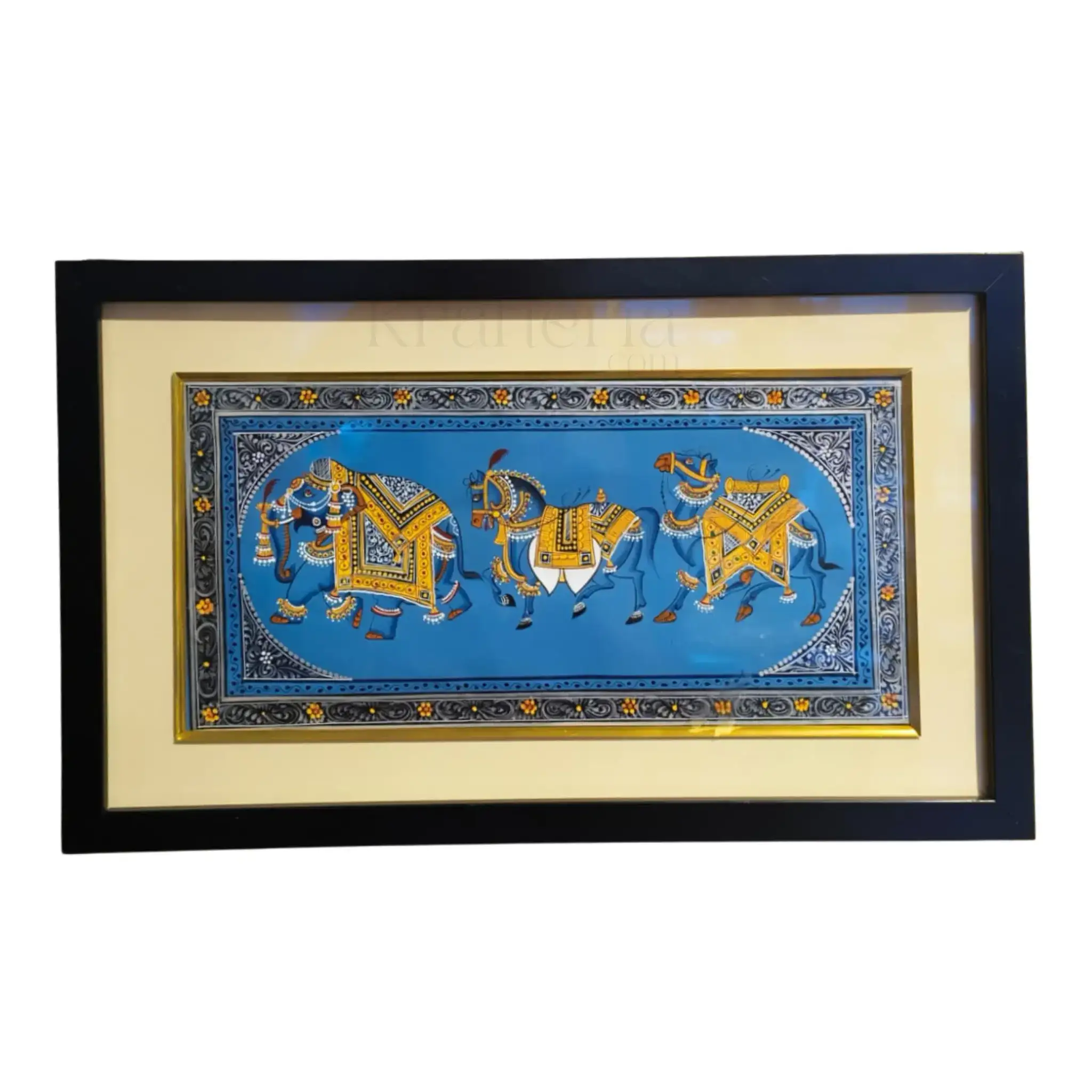
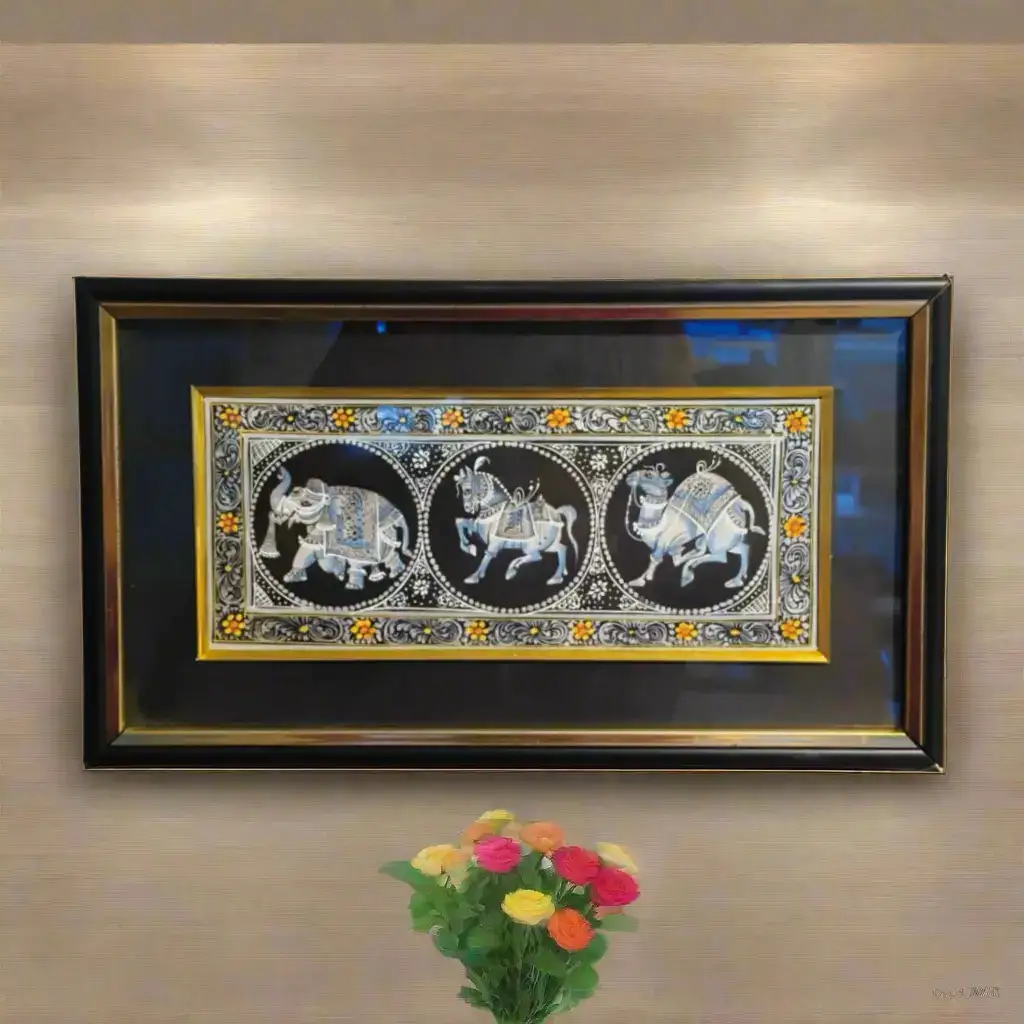
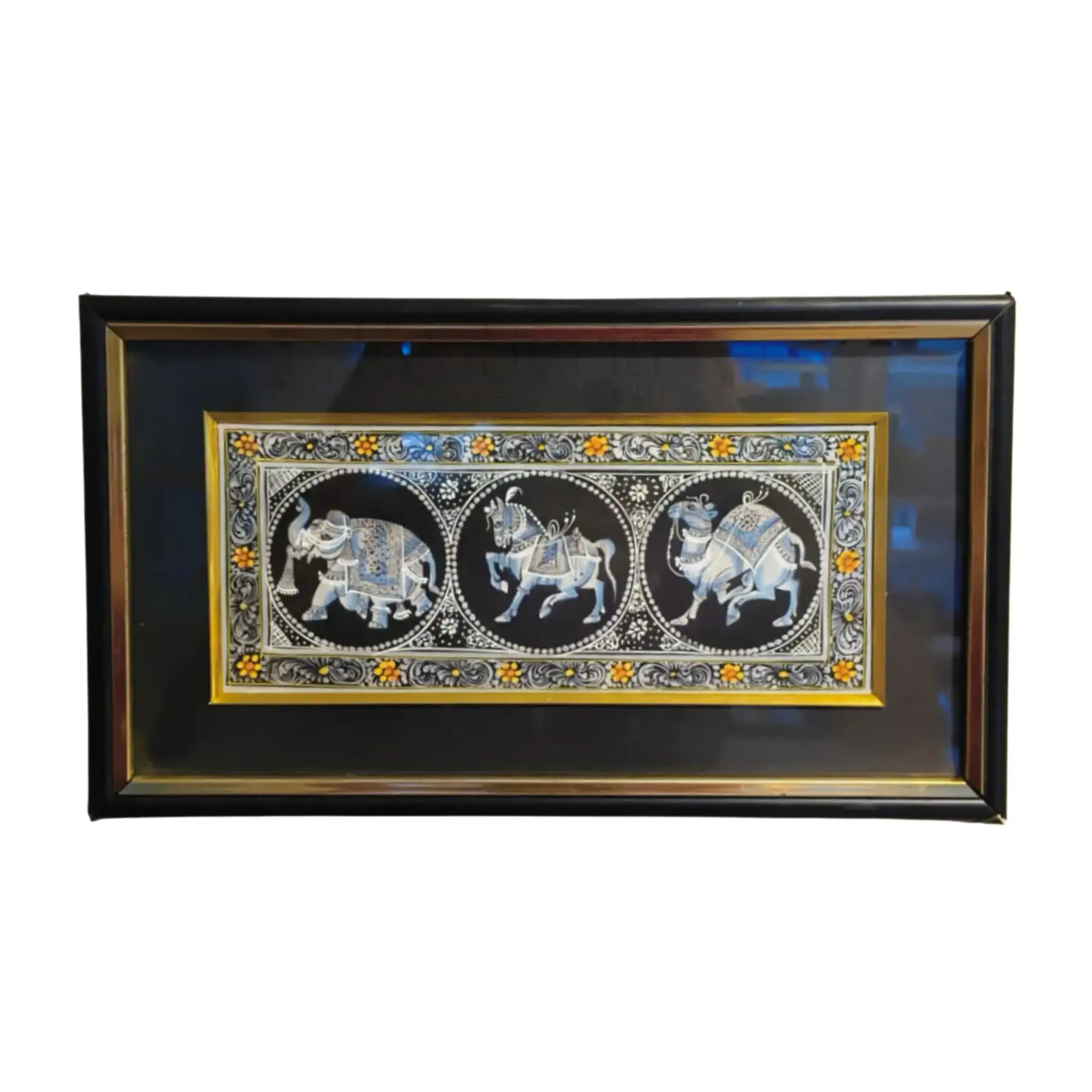
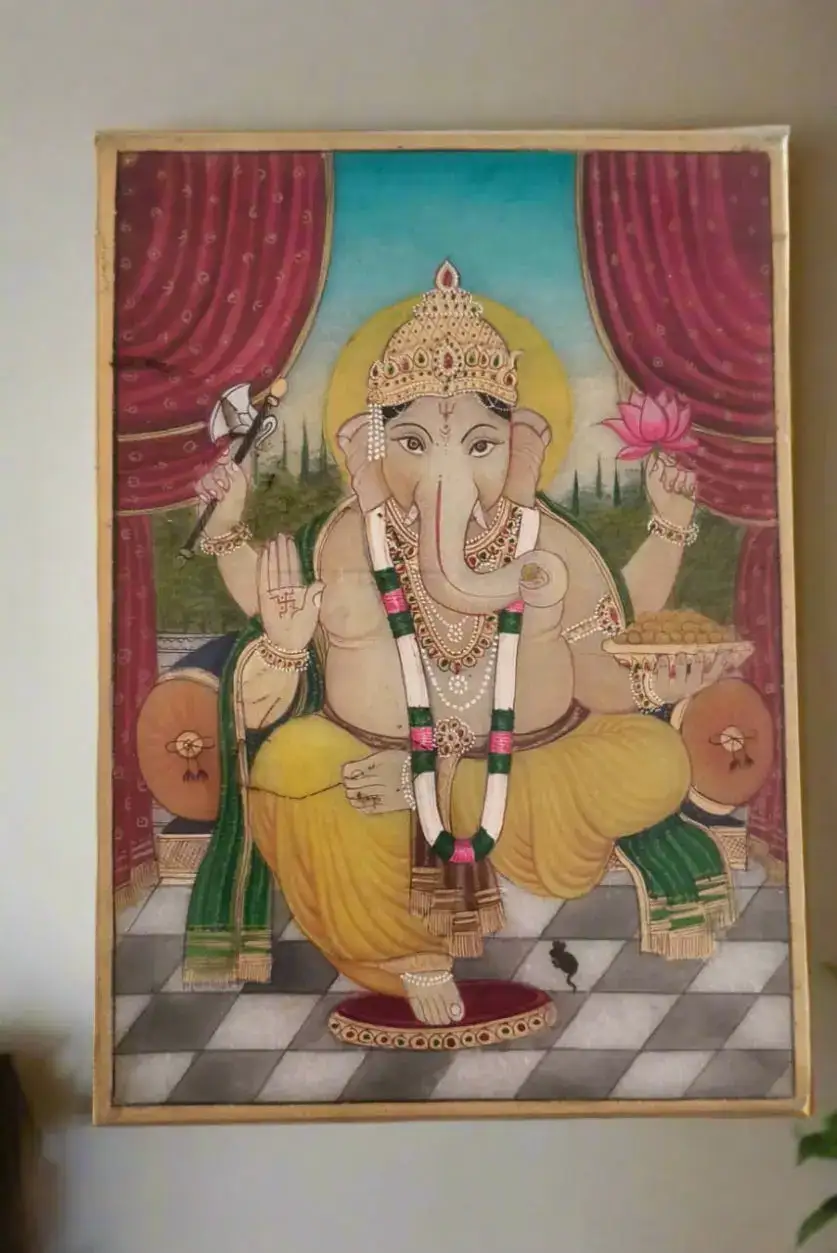
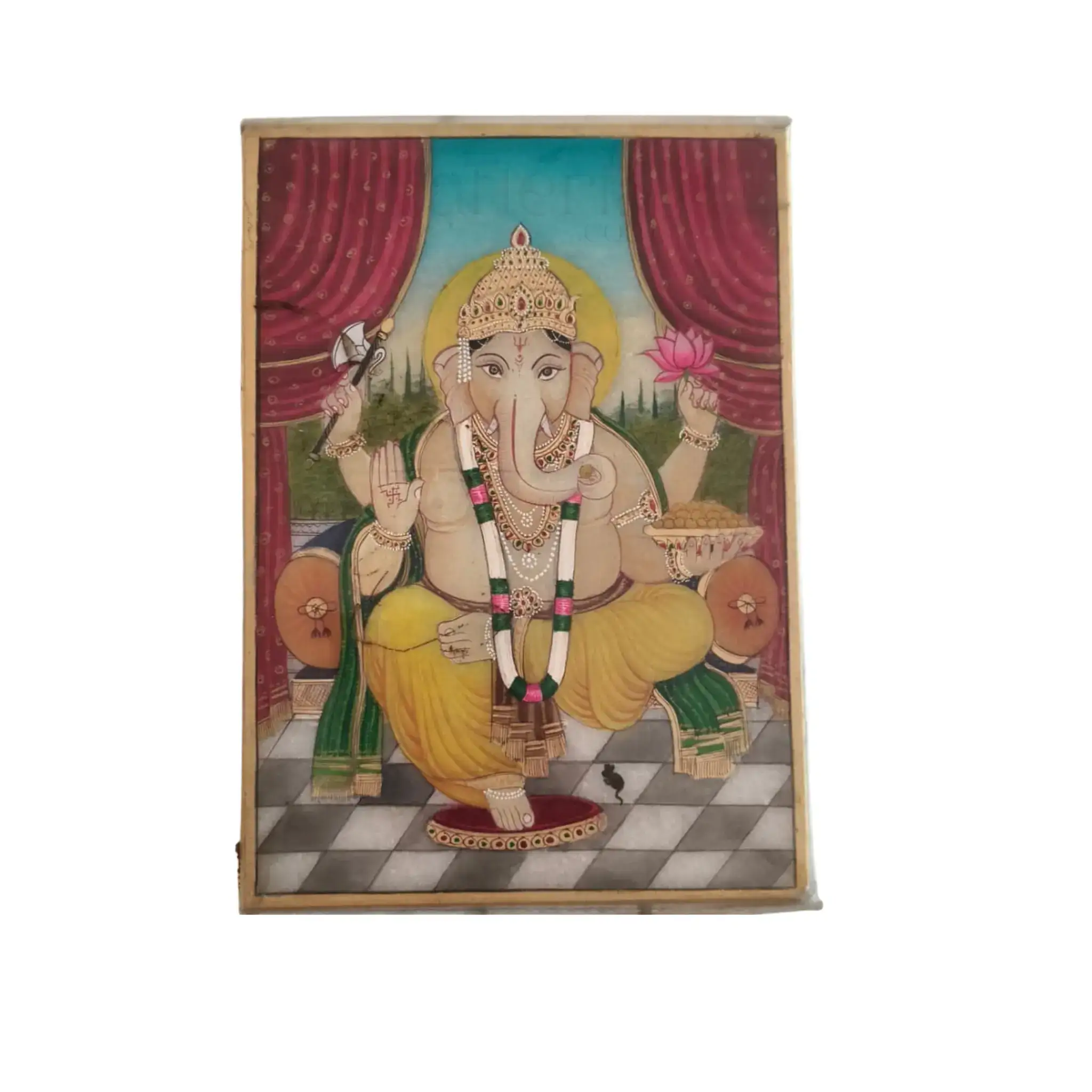
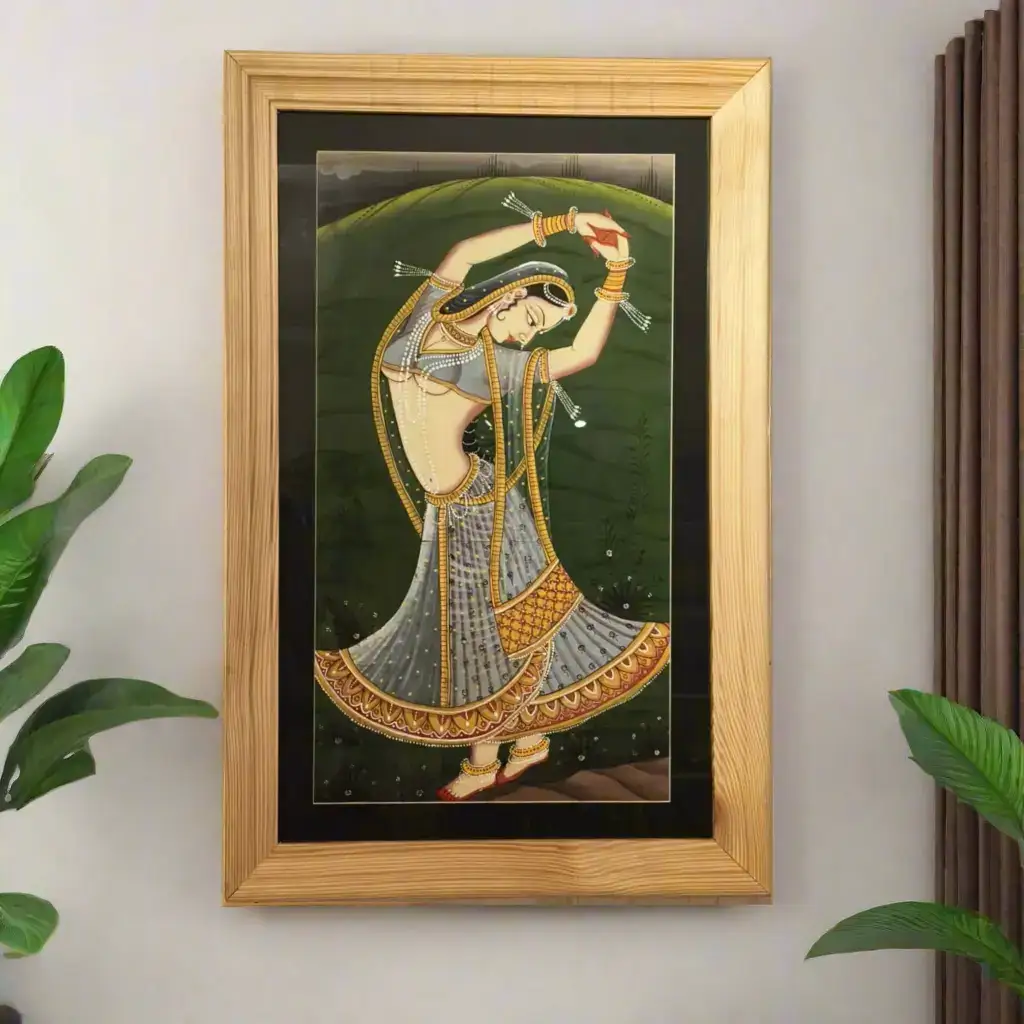
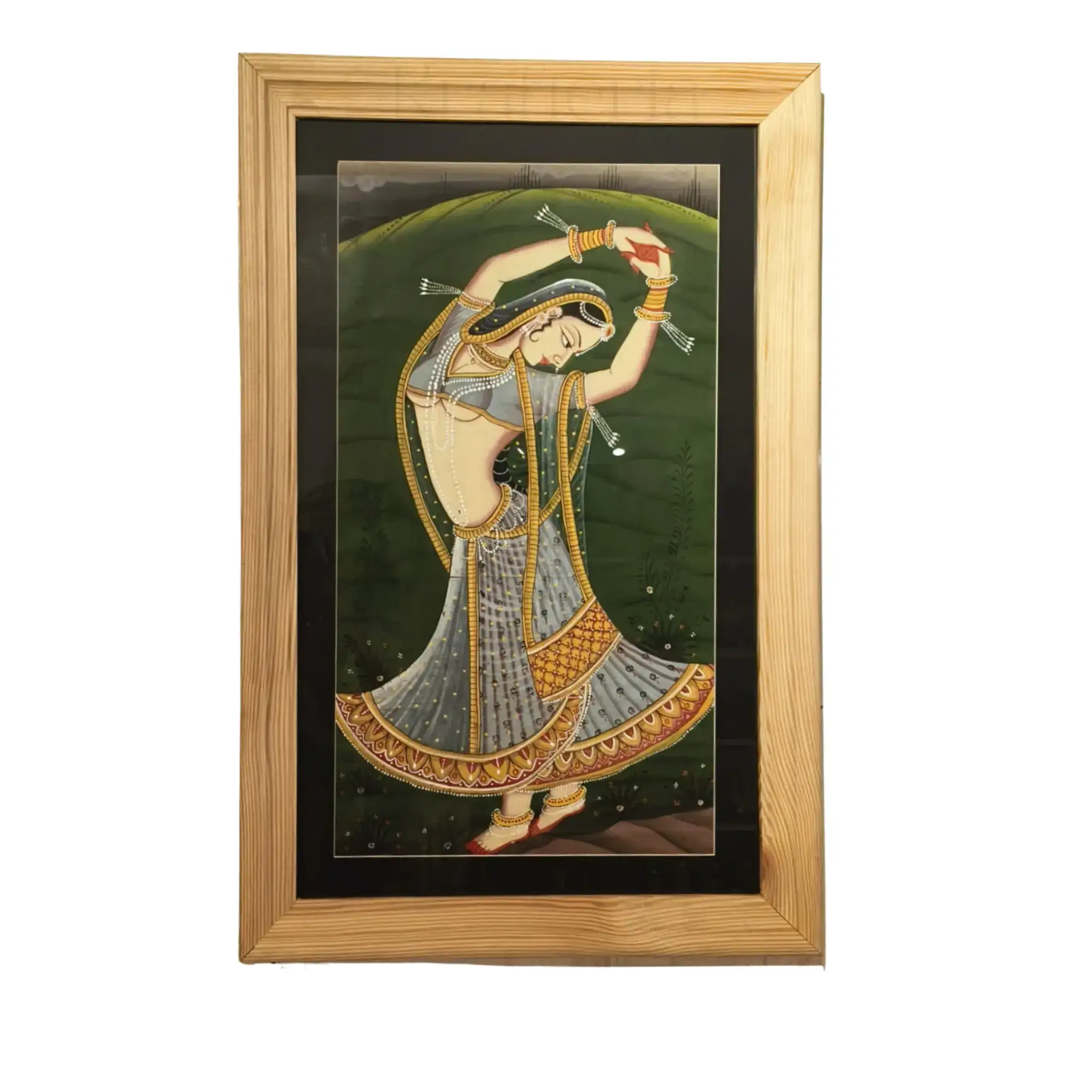
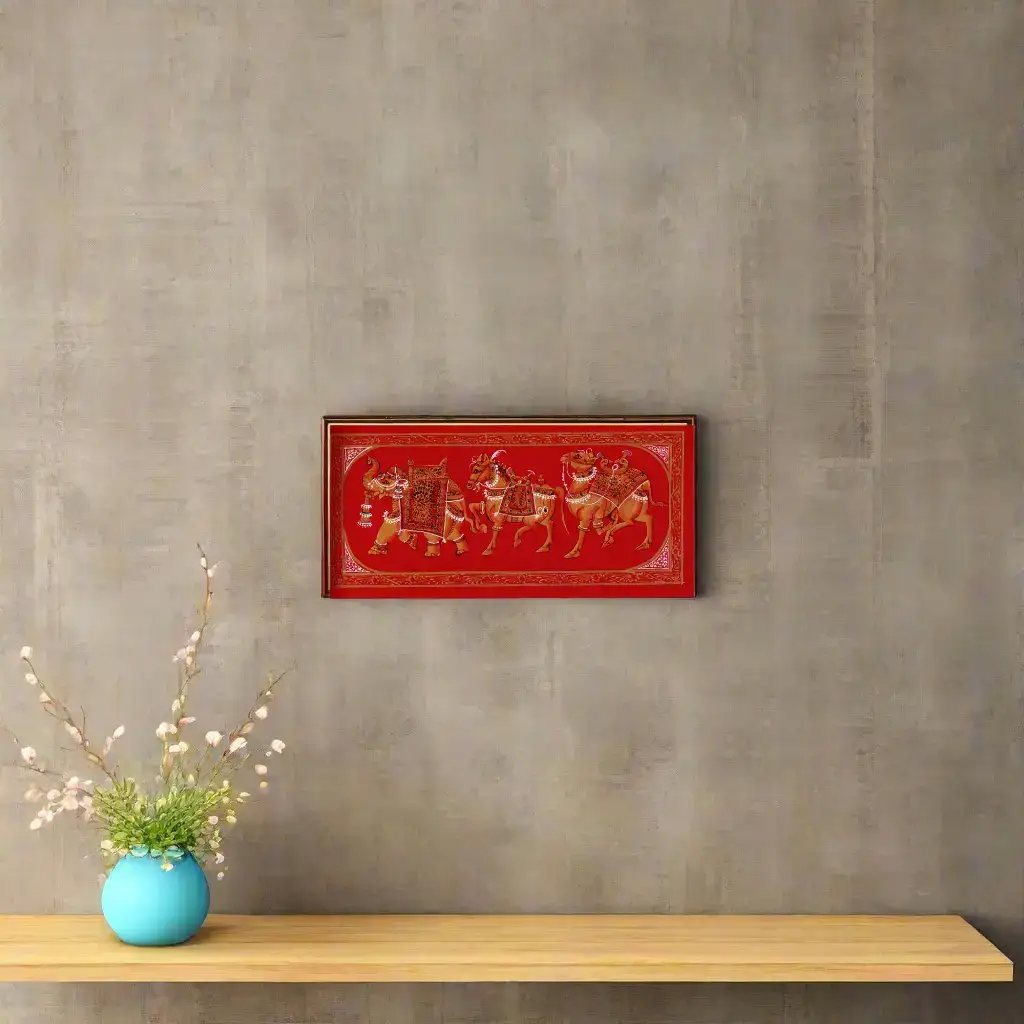
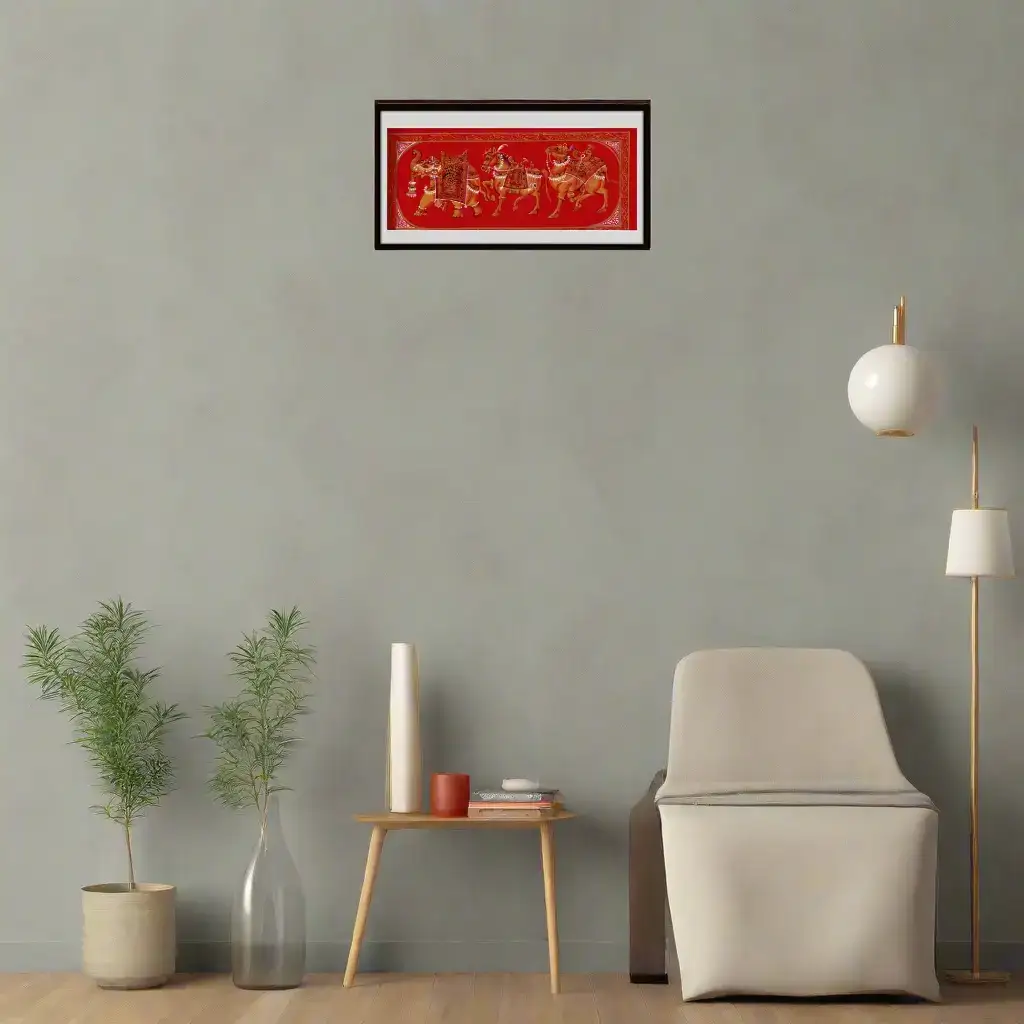
The miniature peacock painting is a splendid art form that originated in the royal courts of Rajasthan during the 16th century. This exquisite painting style has deep roots in Indian culture and tradition. It beautifully combines mythology, epic tales, love stories, royal life, and folk culture in vibrant and colorful compositions.
Each miniature artwork is distinguished by bold lines, bright colors, and intricate detailing. The expressive quality of these paintings makes them timeless treasures of Indian heritage. Skilled artisans have preserved the traditional techniques for centuries, producing paintings that celebrate the rich cultural narrative.
The Distinct Schools of Indian Miniature Painting
The art form known as Peacock Tapestry miniature painting is represented by several notable schools. Each school has a unique style and thematic focus that enriches the overall tradition. These include Mewar, Marwar, Bundi, Kota, Kishangarh, Bikaner, and Jaipur.
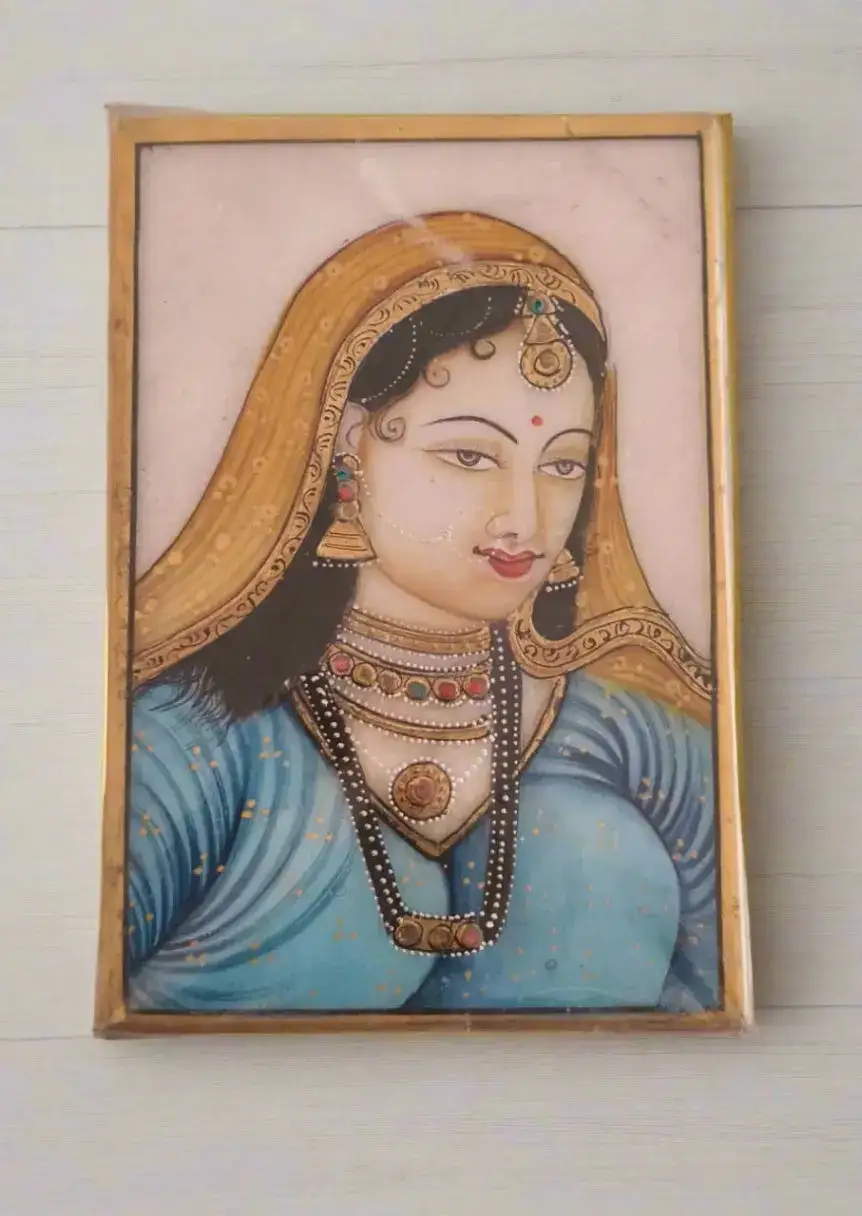
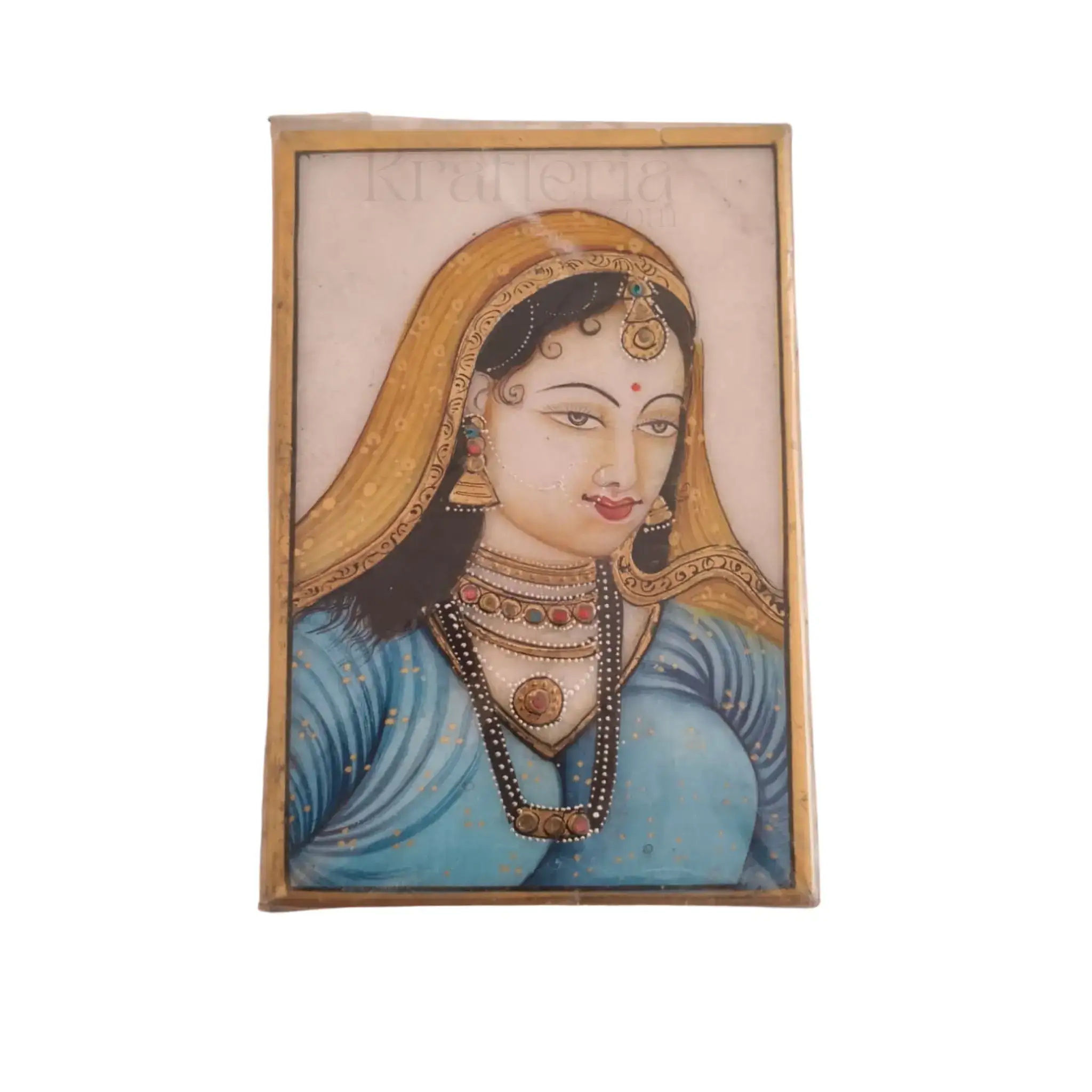
The Kishangarh school is famed for its romantic depictions of Radha and Krishna, with the iconic Bani Thani image symbolizing refined beauty. Mewar paintings capture grand court scenes, heroic tales, and spiritual themes. Bundi and Kota schools often highlight lush landscapes and hunting scenes inspired by royalty's interaction with nature.
Exploring the Significance of the Miniature Peacock Painting
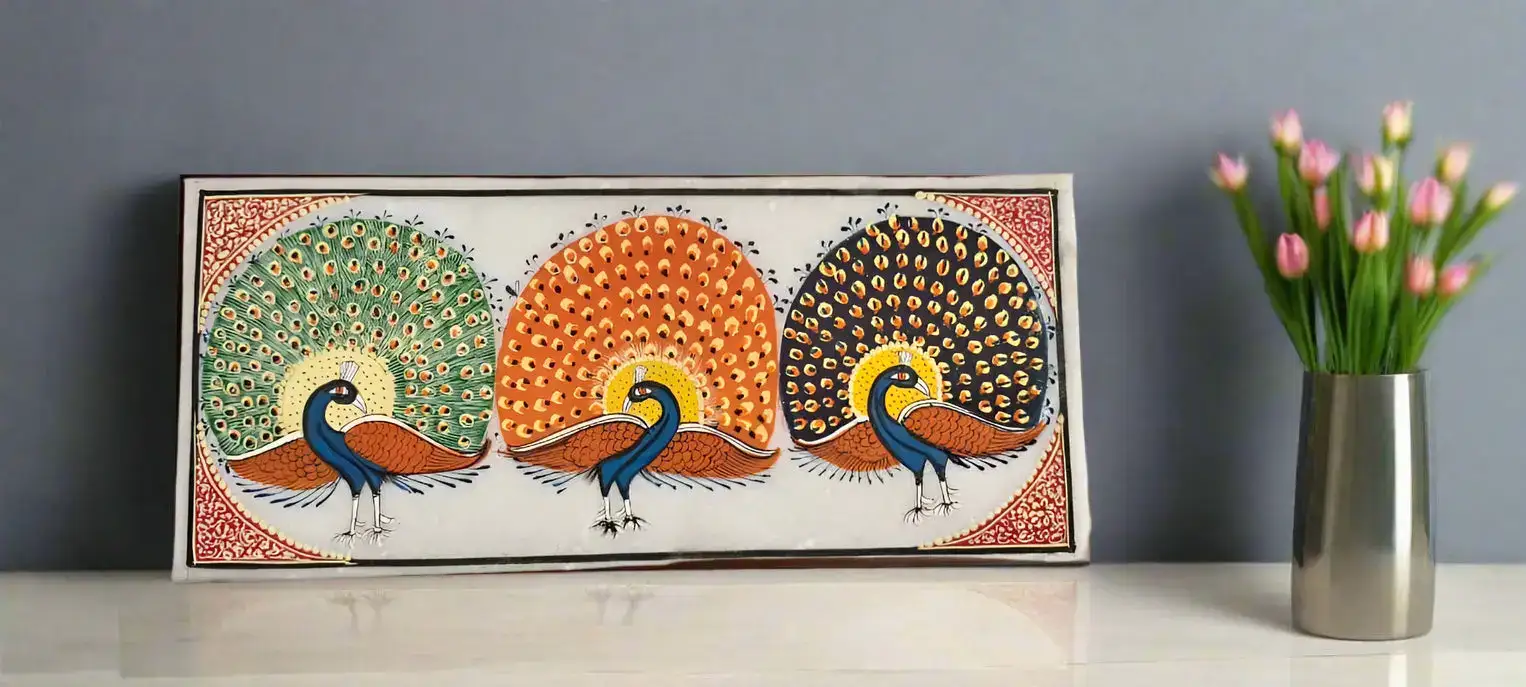
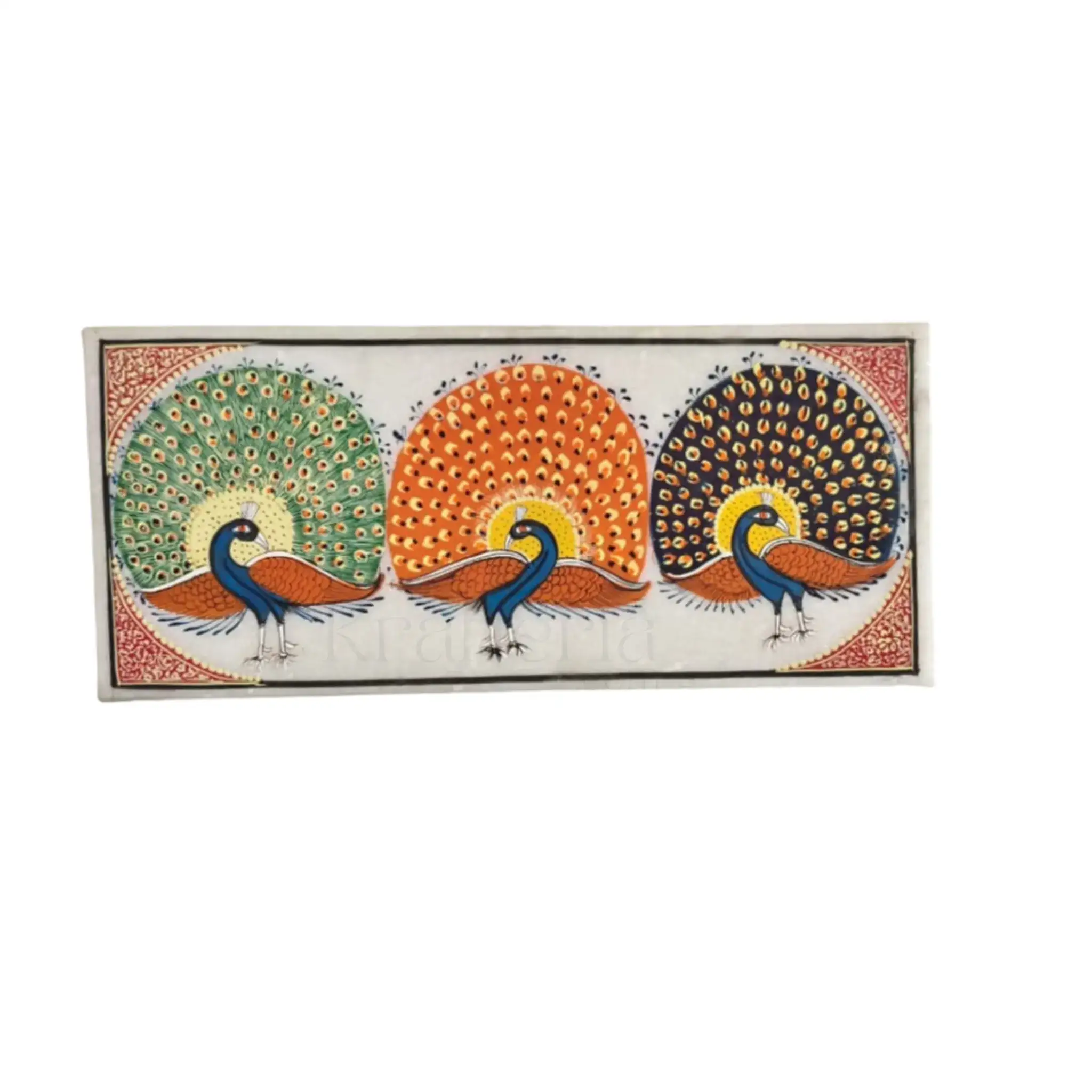
The miniature peacock art specially honors the majestic peacock. This bird holds a significant place in Indian culture. It represents beauty, grace, pride, and prosperity, making it a perfect subject for royal artistic expression.
Beyond aesthetic appeal, the peacock also symbolizes spirituality and divine protection in many artistic narratives. The elaborate depiction of its ornate feathers and proud posture reflects cultural pride and heritage. Artists portray the peacock with skillful brushwork and vibrant colors, breathing life into each painting.
Materials and Artistic Techniques Used in the Painting
Creating a true Peacock Tapestry miniature painting involves the use of natural, handmade materials. Traditional artists select mineral-based pigments, vegetable dyes, and precious stones to achieve richly vibrant, permanent colors. The brushes employed are delicate and handmade, enabling the fine detail required by miniature art.
The painting surface typically consists of archival-quality paper or cloth. This choice ensures durability and complements the texture of the pigments. These materials together guarantee that each miniature peacock paintings retains its vivid hues and intricate lines for generations.
The Artistic and Cultural Impact of the Royal Bird Miniature Painting India
This unique Indian miniature art style highlights the inseparable relationship between nature, royalty, and spirituality. The Royal bird miniature painting India is visually captivating and culturally meaningful. It invites admiration for India's indigenous artistry and symbolism.
Collectors and art lovers highly value these paintings. Their appeal comes not only from historical connections but also from their decorative beauty. Peacocks' revered status in mythology and royal symbolism is effectively showcased in these elegant works.
The Peacock Painting as a Timeless Decorative Piece
Thanks to its detailed craftsmanship and vibrant colors, the miniature painting is ideal for enhancing various interior settings. Whether displayed in living rooms, studies, heritage-inspired interiors, or bedrooms, it adds a royal and ethnic touch.
The moderate size of approximately 9.5" height by 9.5" width makes it a versatile decor element. It can be showcased framed or unframed, either as a standalone piece or part of a collection. Owning such a painting connects one with centuries of Indian artistry and culture preserved beautifully in every brushstroke.
Summary of Key Features
- Size: 9.5" Height by 9.5" Width
- Art Style: Traditional Indian miniature painting
- Materials: Natural dyes, mineral pigments, handmade brushes, archival paper/cloth
- Themes: Mythology, epics, royal life, love stories, folk culture
- Schools Included: Mewar, Marwar, Bundi, Kota, Kishangarh, Bikaner, Jaipur
- Symbolism: Peacock as a symbol of beauty, grace, prosperity, and spirituality
Product Information
Product Information
Shipping & Returns
Shipping & Returns
Description
Regal Peacock Tapestry Miniature Painting: A Heritage of Royal Artistic Excellence
The miniature peacock painting is a splendid art form that originated in the royal courts of Rajasthan during the 16th century. This exquisite painting style has deep roots in Indian culture and tradition. It beautifully combines mythology, epic tales, love stories, royal life, and folk culture in vibrant and colorful compositions.
Each miniature artwork is distinguished by bold lines, bright colors, and intricate detailing. The expressive quality of these paintings makes them timeless treasures of Indian heritage. Skilled artisans have preserved the traditional techniques for centuries, producing paintings that celebrate the rich cultural narrative.
The Distinct Schools of Indian Miniature Painting
The art form known as Peacock Tapestry miniature painting is represented by several notable schools. Each school has a unique style and thematic focus that enriches the overall tradition. These include Mewar, Marwar, Bundi, Kota, Kishangarh, Bikaner, and Jaipur.
The Kishangarh school is famed for its romantic depictions of Radha and Krishna, with the iconic Bani Thani image symbolizing refined beauty. Mewar paintings capture grand court scenes, heroic tales, and spiritual themes. Bundi and Kota schools often highlight lush landscapes and hunting scenes inspired by royalty's interaction with nature.
Exploring the Significance of the Miniature Peacock Painting
The miniature peacock art specially honors the majestic peacock. This bird holds a significant place in Indian culture. It represents beauty, grace, pride, and prosperity, making it a perfect subject for royal artistic expression.
Beyond aesthetic appeal, the peacock also symbolizes spirituality and divine protection in many artistic narratives. The elaborate depiction of its ornate feathers and proud posture reflects cultural pride and heritage. Artists portray the peacock with skillful brushwork and vibrant colors, breathing life into each painting.
Materials and Artistic Techniques Used in the Painting
Creating a true Peacock Tapestry miniature painting involves the use of natural, handmade materials. Traditional artists select mineral-based pigments, vegetable dyes, and precious stones to achieve richly vibrant, permanent colors. The brushes employed are delicate and handmade, enabling the fine detail required by miniature art.
The painting surface typically consists of archival-quality paper or cloth. This choice ensures durability and complements the texture of the pigments. These materials together guarantee that each miniature peacock paintings retains its vivid hues and intricate lines for generations.
The Artistic and Cultural Impact of the Royal Bird Miniature Painting India
This unique Indian miniature art style highlights the inseparable relationship between nature, royalty, and spirituality. The Royal bird miniature painting India is visually captivating and culturally meaningful. It invites admiration for India's indigenous artistry and symbolism.
Collectors and art lovers highly value these paintings. Their appeal comes not only from historical connections but also from their decorative beauty. Peacocks' revered status in mythology and royal symbolism is effectively showcased in these elegant works.
The Peacock Painting as a Timeless Decorative Piece
Thanks to its detailed craftsmanship and vibrant colors, the miniature painting is ideal for enhancing various interior settings. Whether displayed in living rooms, studies, heritage-inspired interiors, or bedrooms, it adds a royal and ethnic touch.
The moderate size of approximately 9.5" height by 9.5" width makes it a versatile decor element. It can be showcased framed or unframed, either as a standalone piece or part of a collection. Owning such a painting connects one with centuries of Indian artistry and culture preserved beautifully in every brushstroke.
Summary of Key Features
- Size: 9.5" Height by 9.5" Width
- Art Style: Traditional Indian miniature painting
- Materials: Natural dyes, mineral pigments, handmade brushes, archival paper/cloth
- Themes: Mythology, epics, royal life, love stories, folk culture
- Schools Included: Mewar, Marwar, Bundi, Kota, Kishangarh, Bikaner, Jaipur
- Symbolism: Peacock as a symbol of beauty, grace, prosperity, and spirituality