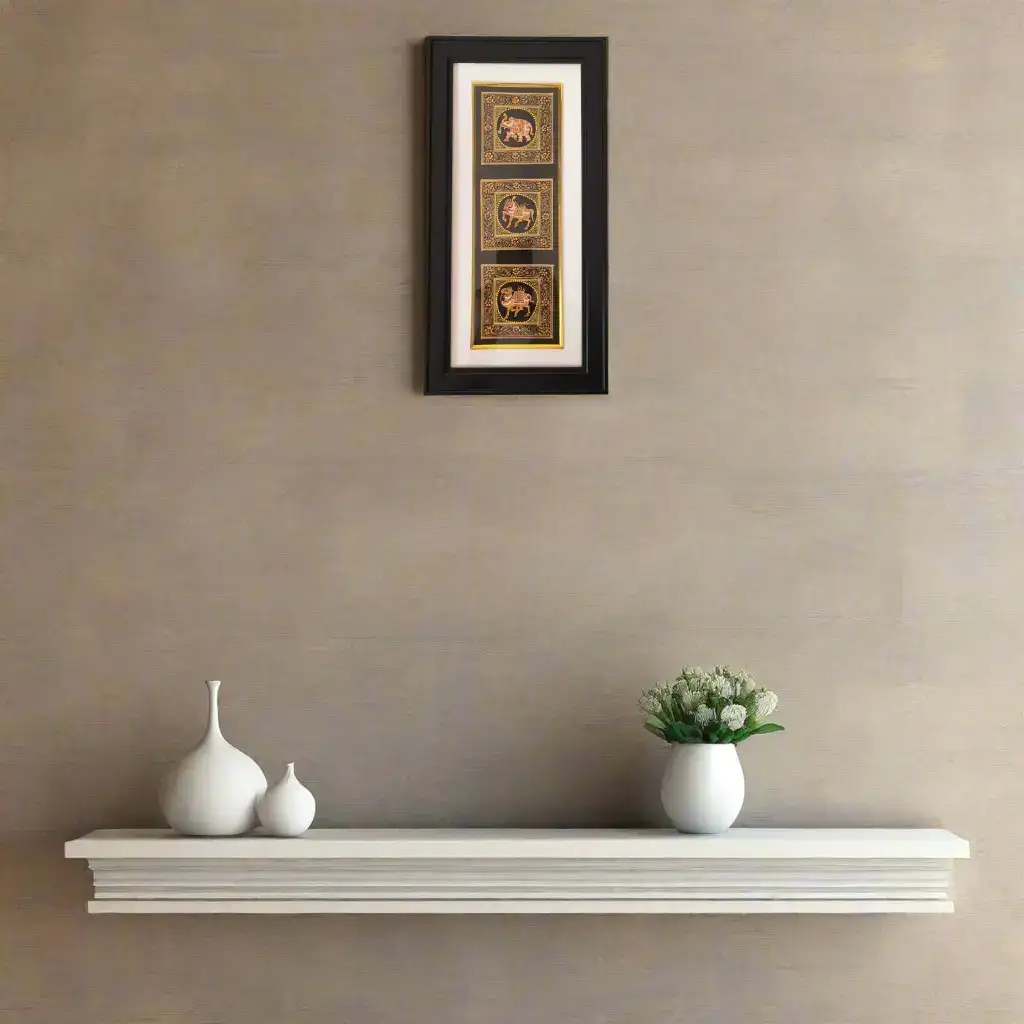
A Trio of Royal in Miniature Painting
A Trio of Royal in Miniature Painting
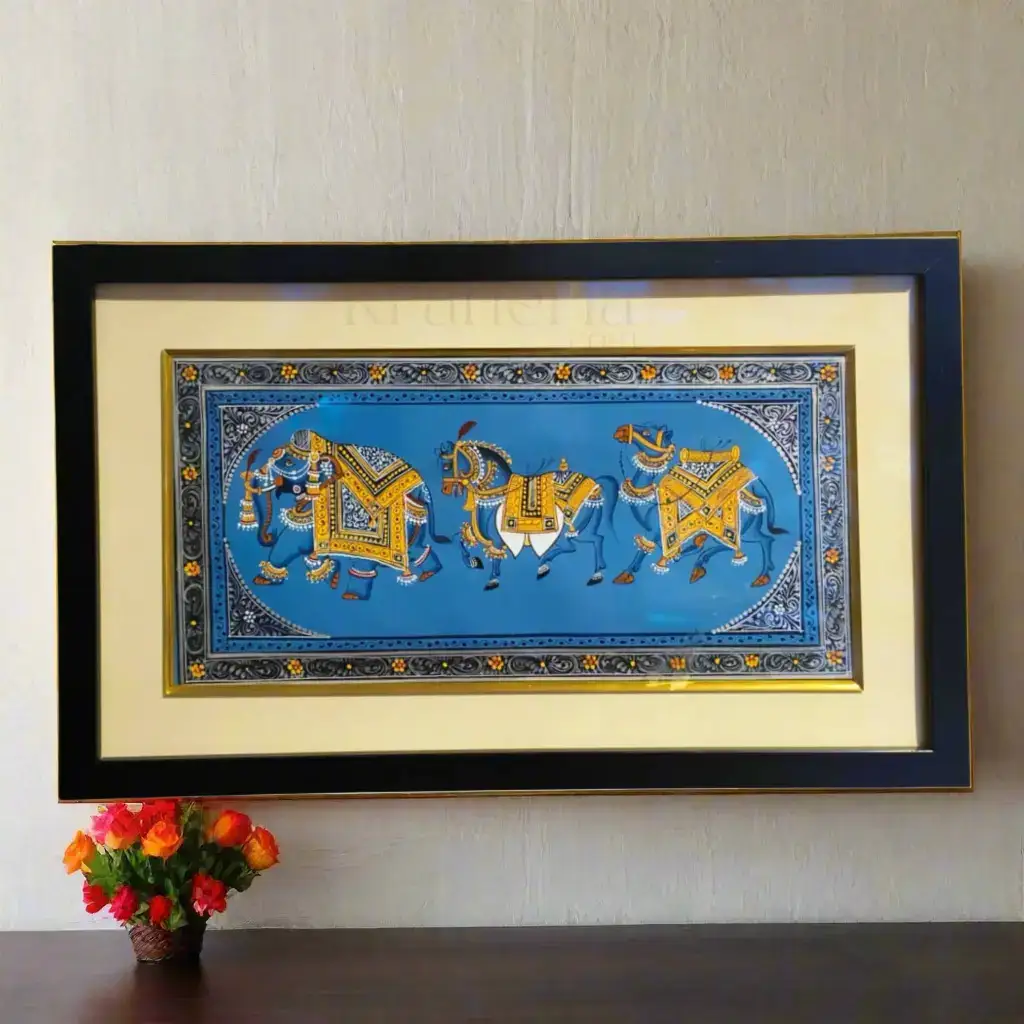
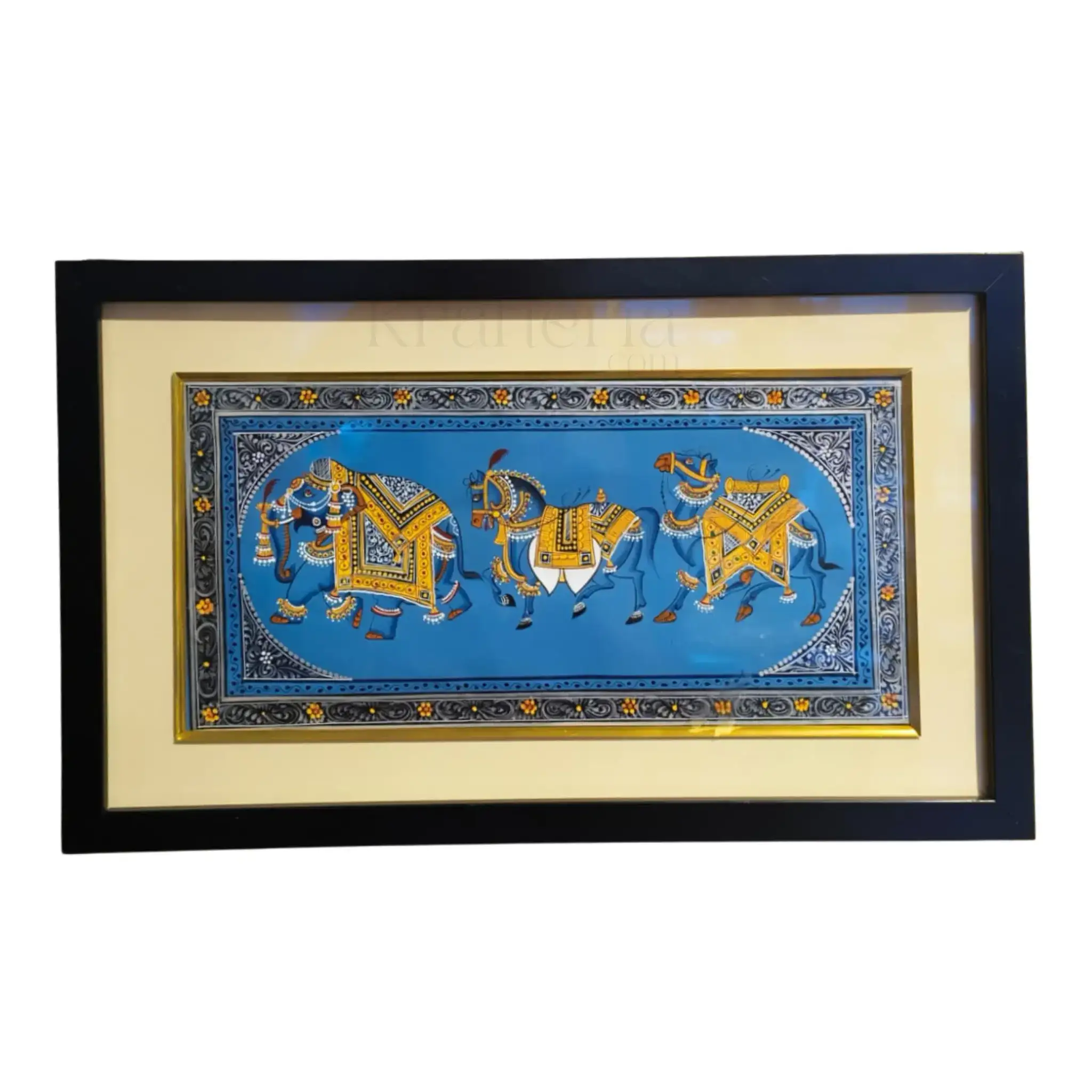
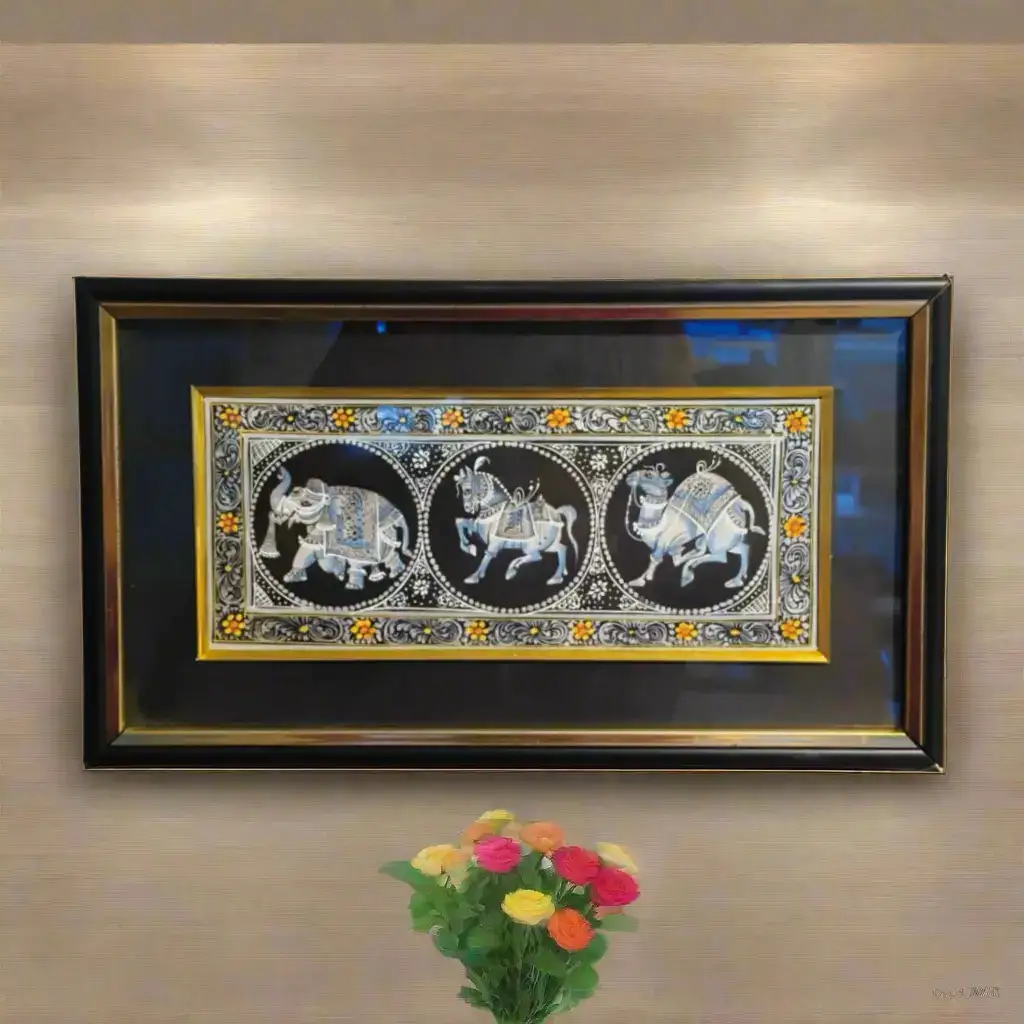
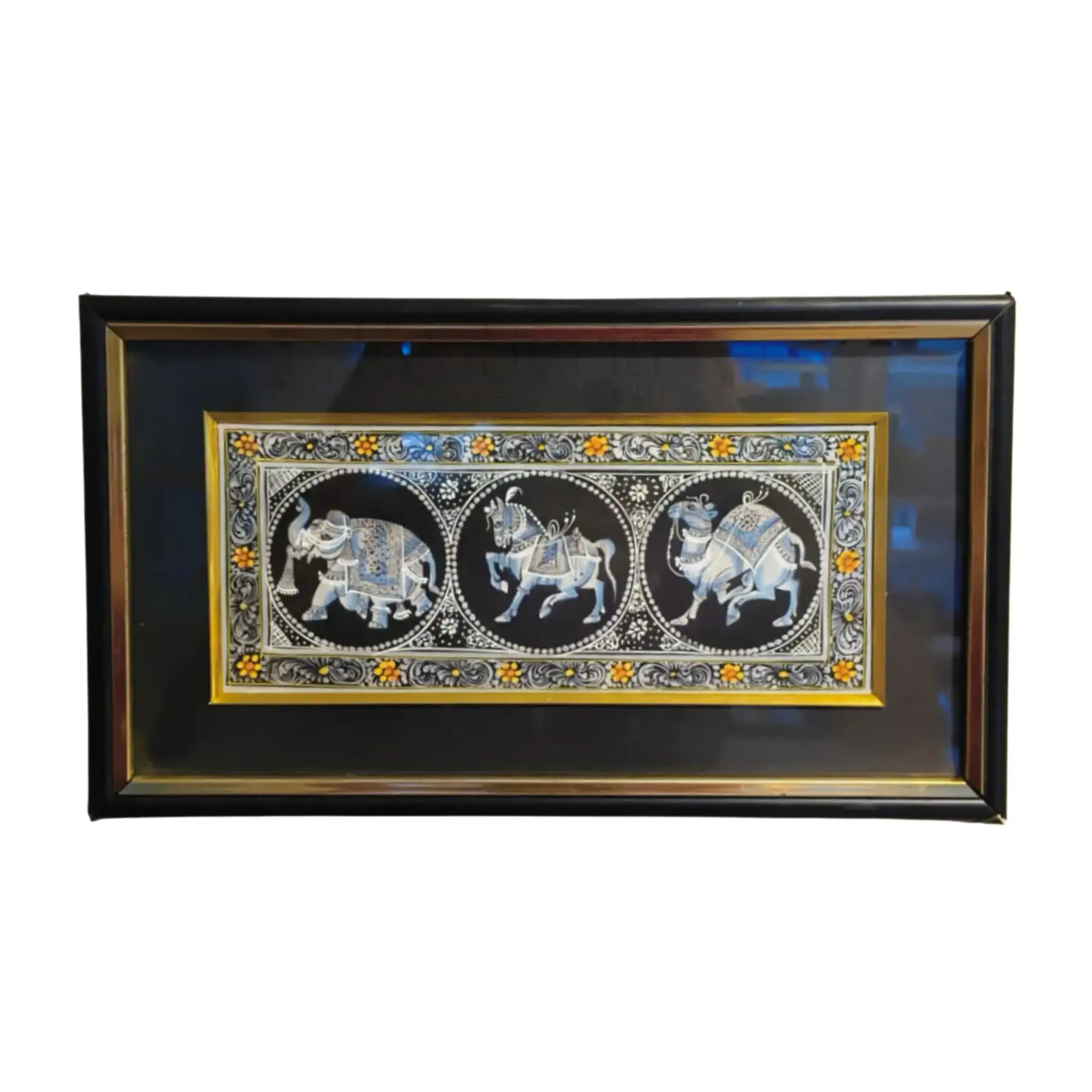
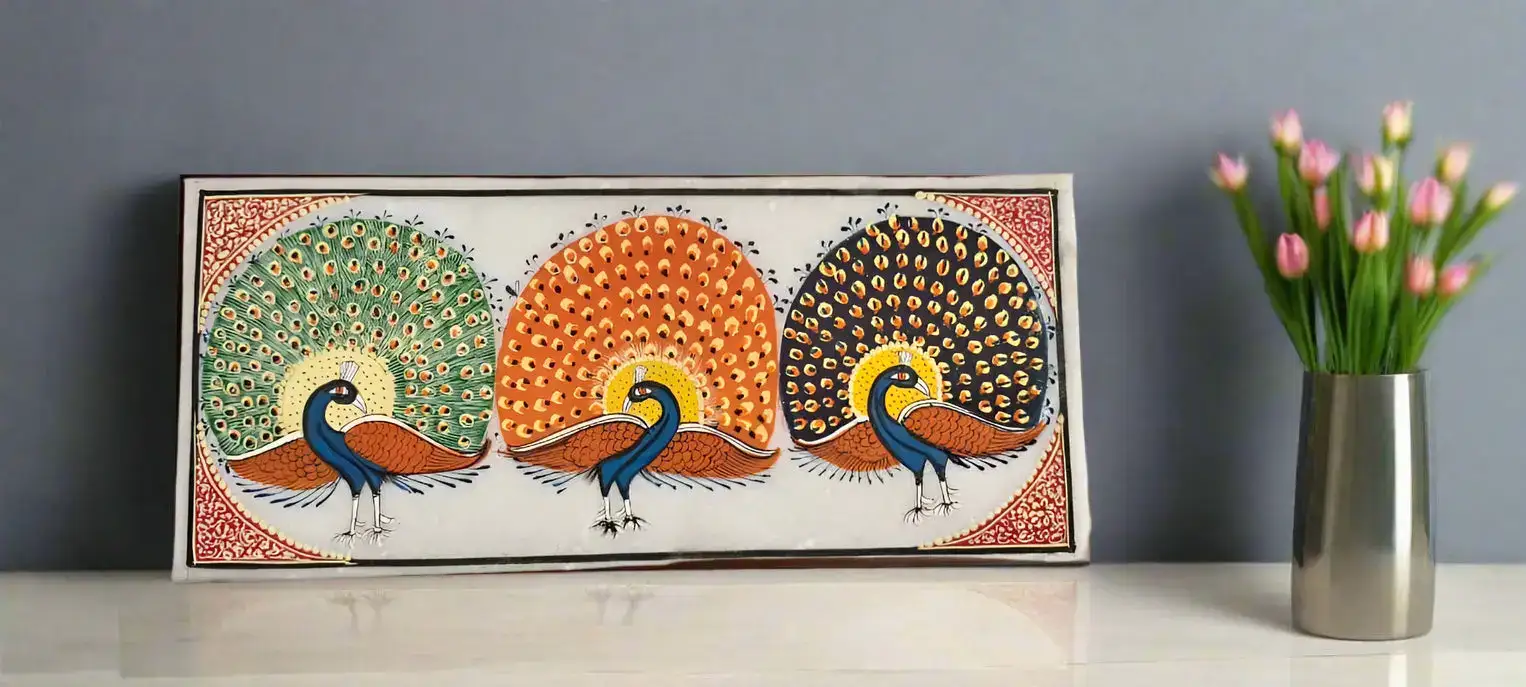
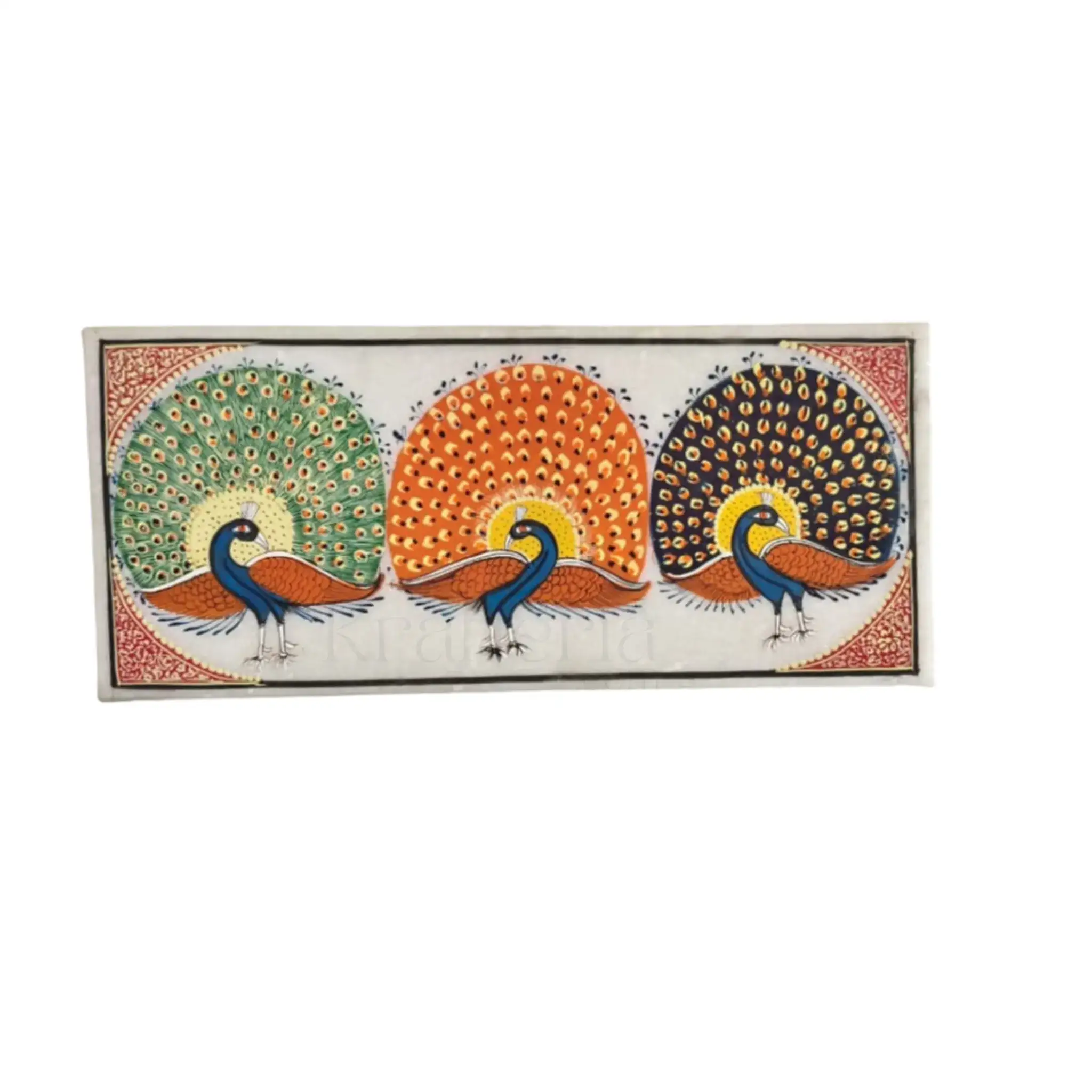
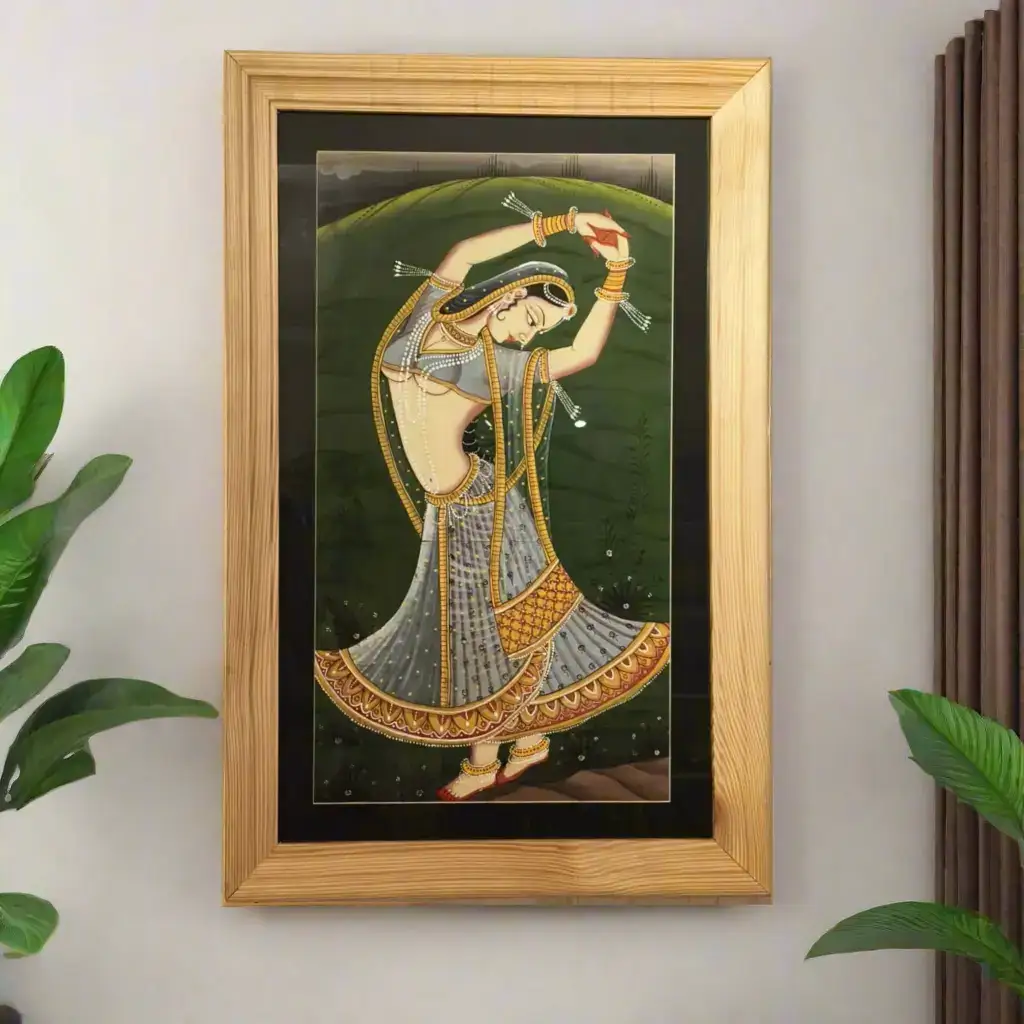
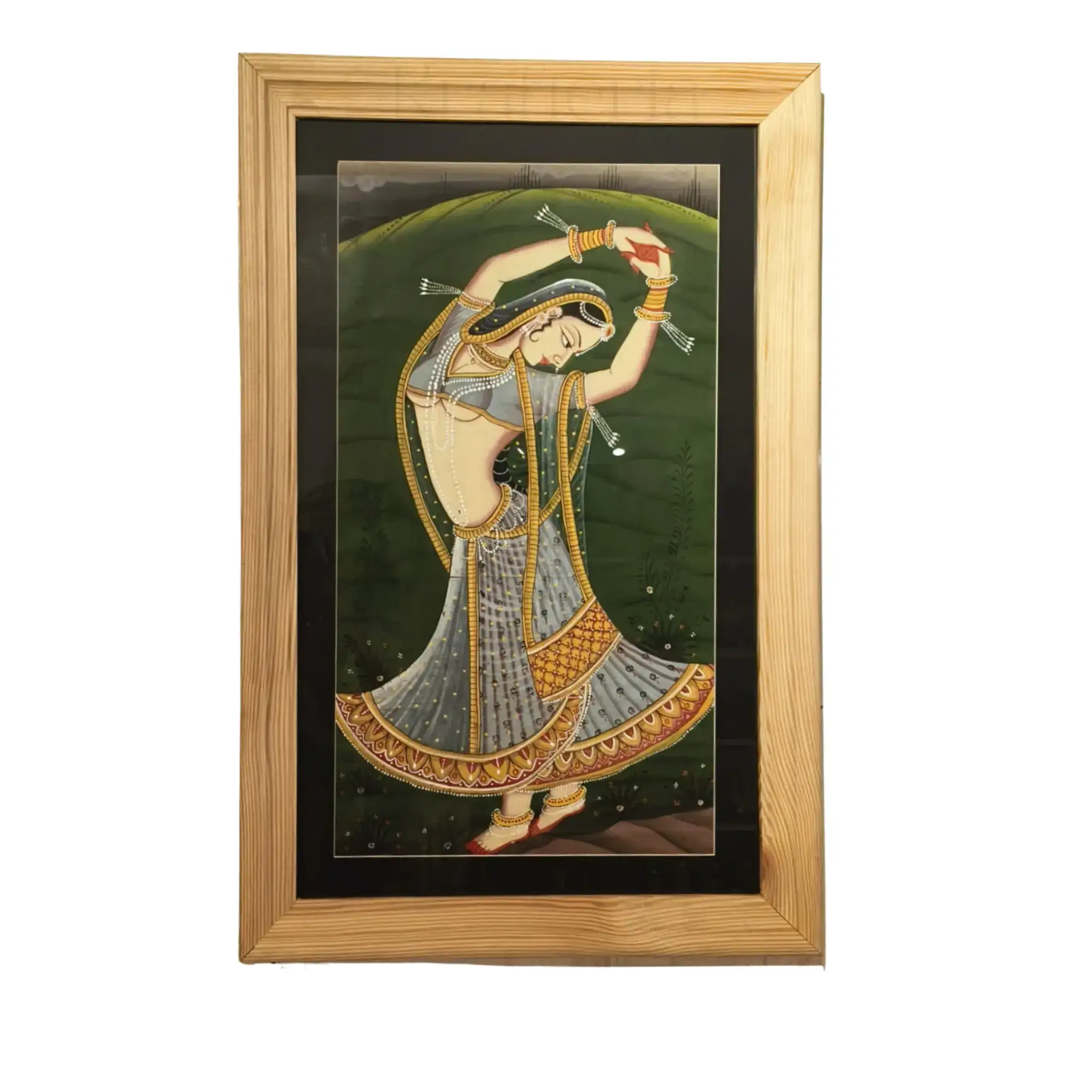
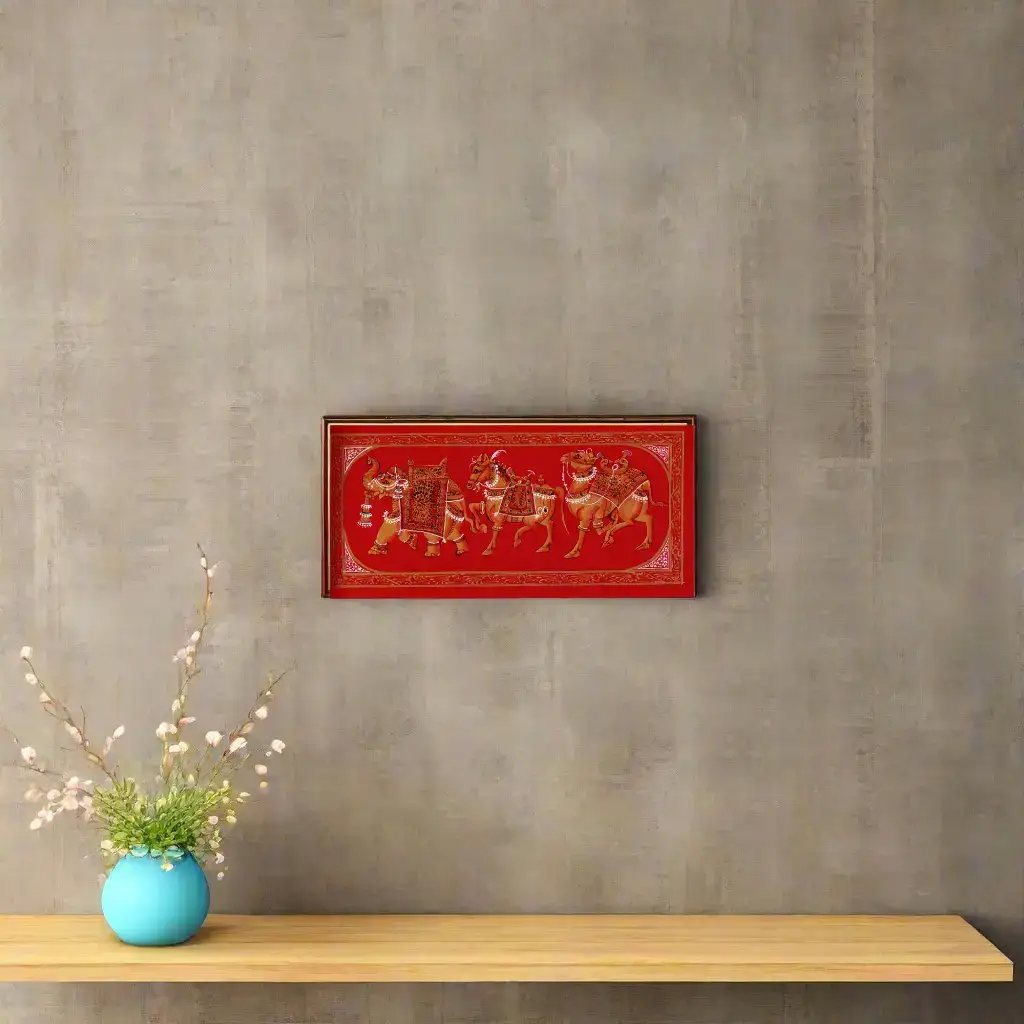
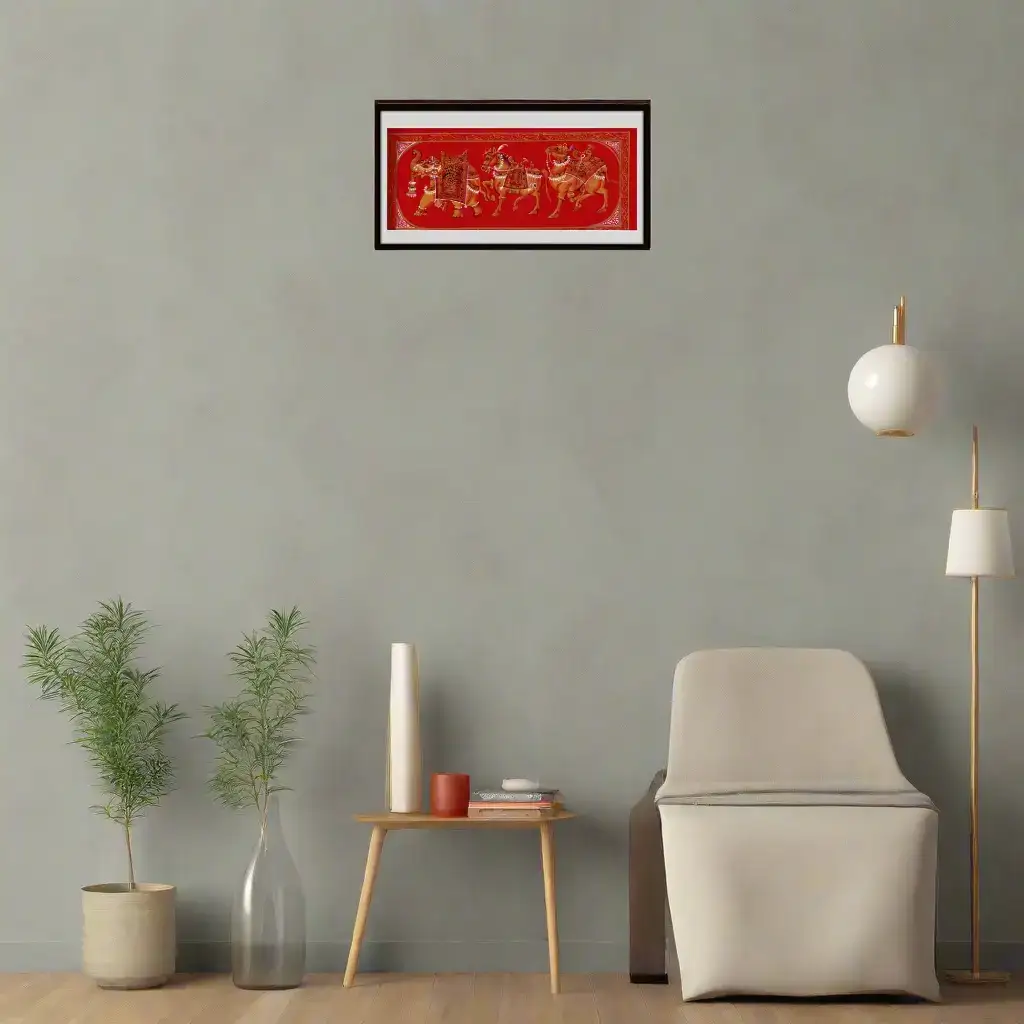
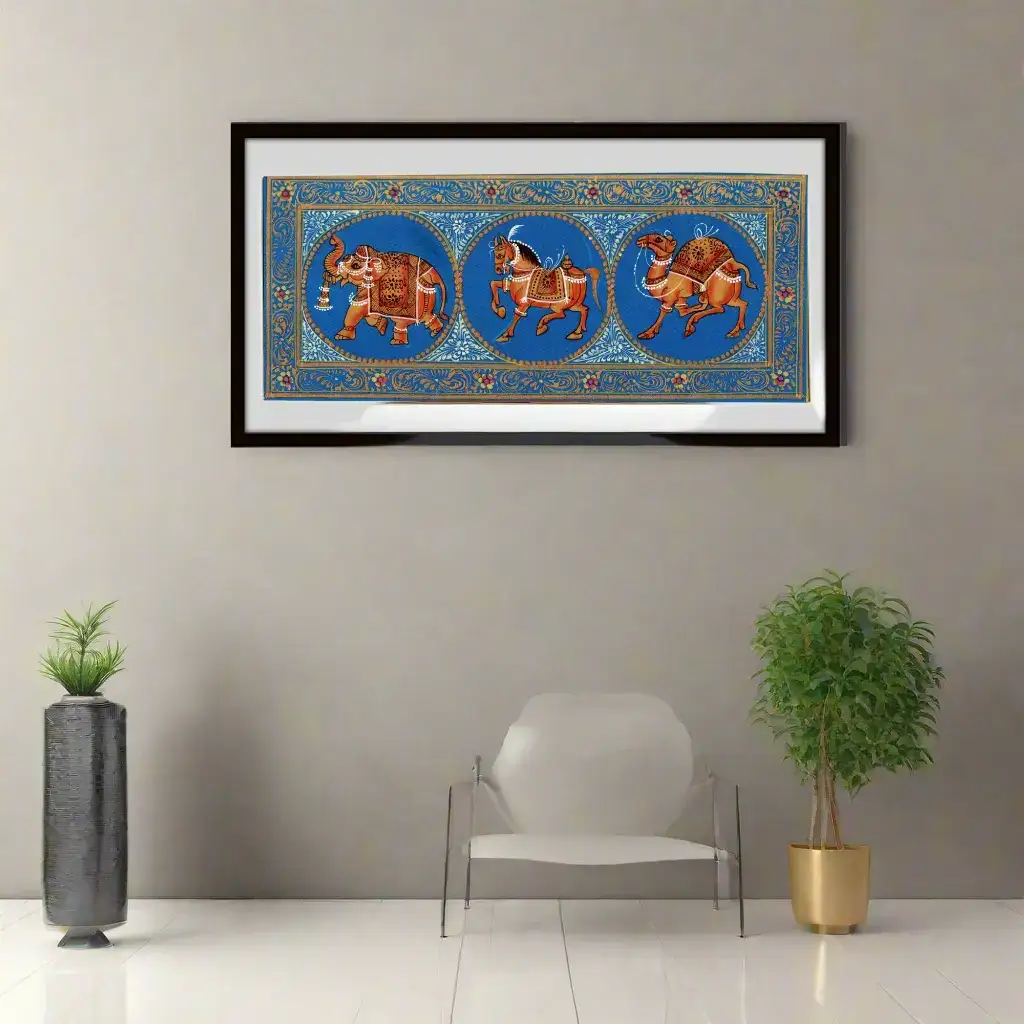
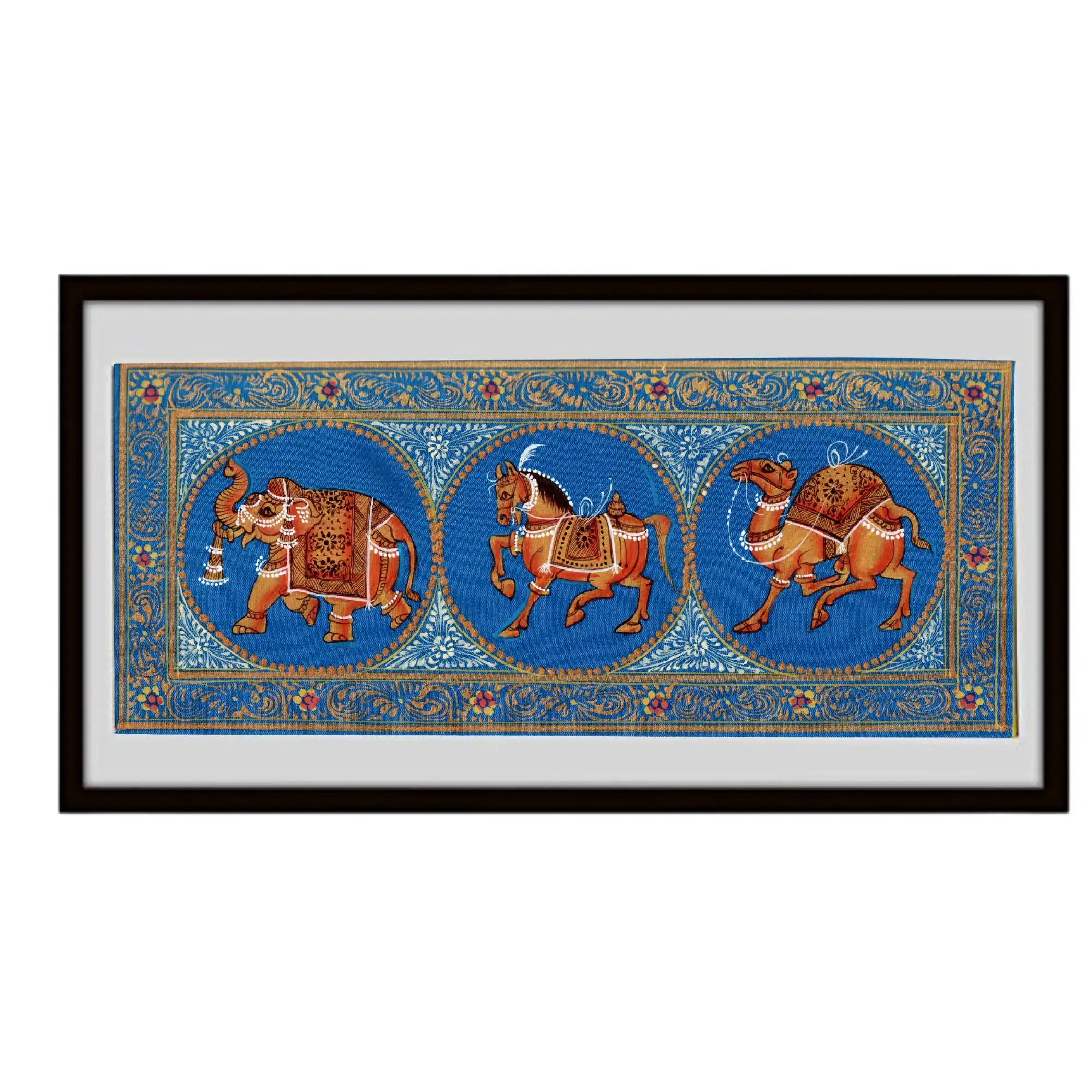
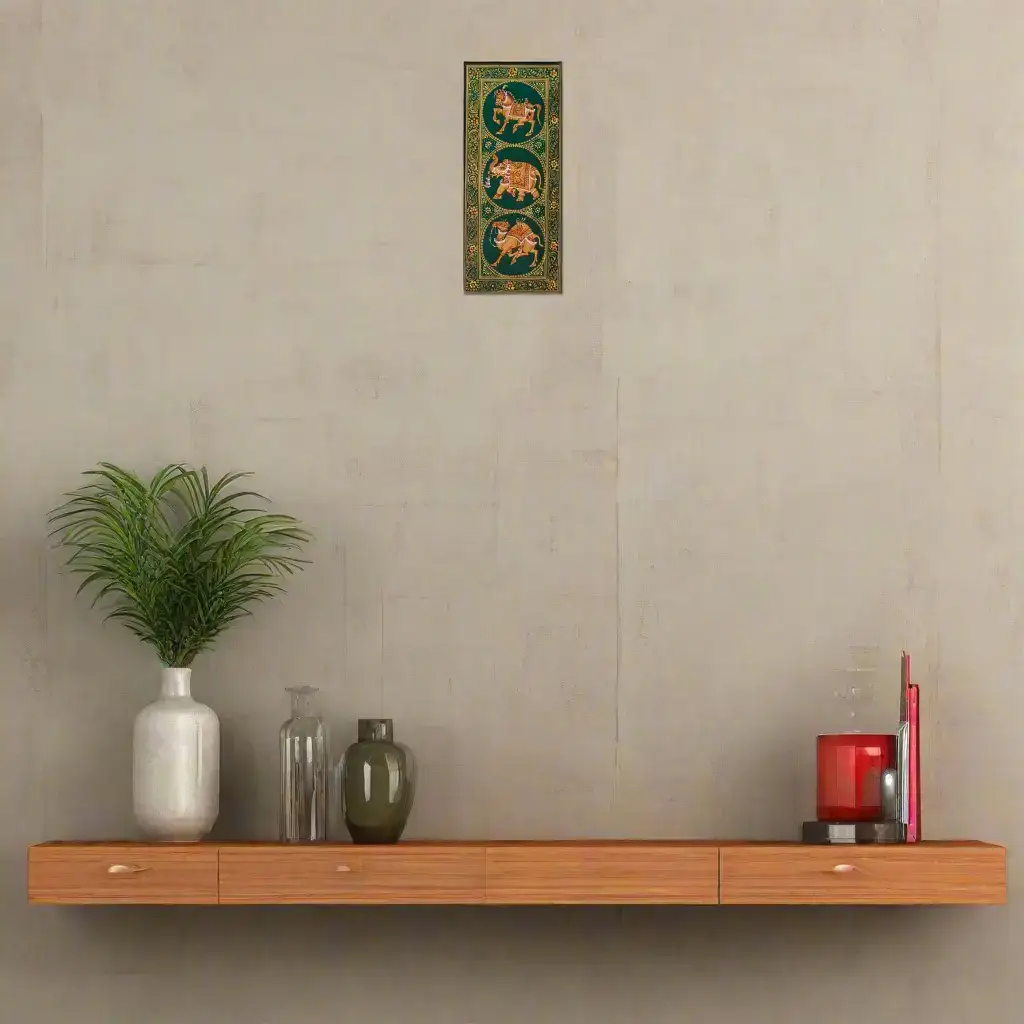
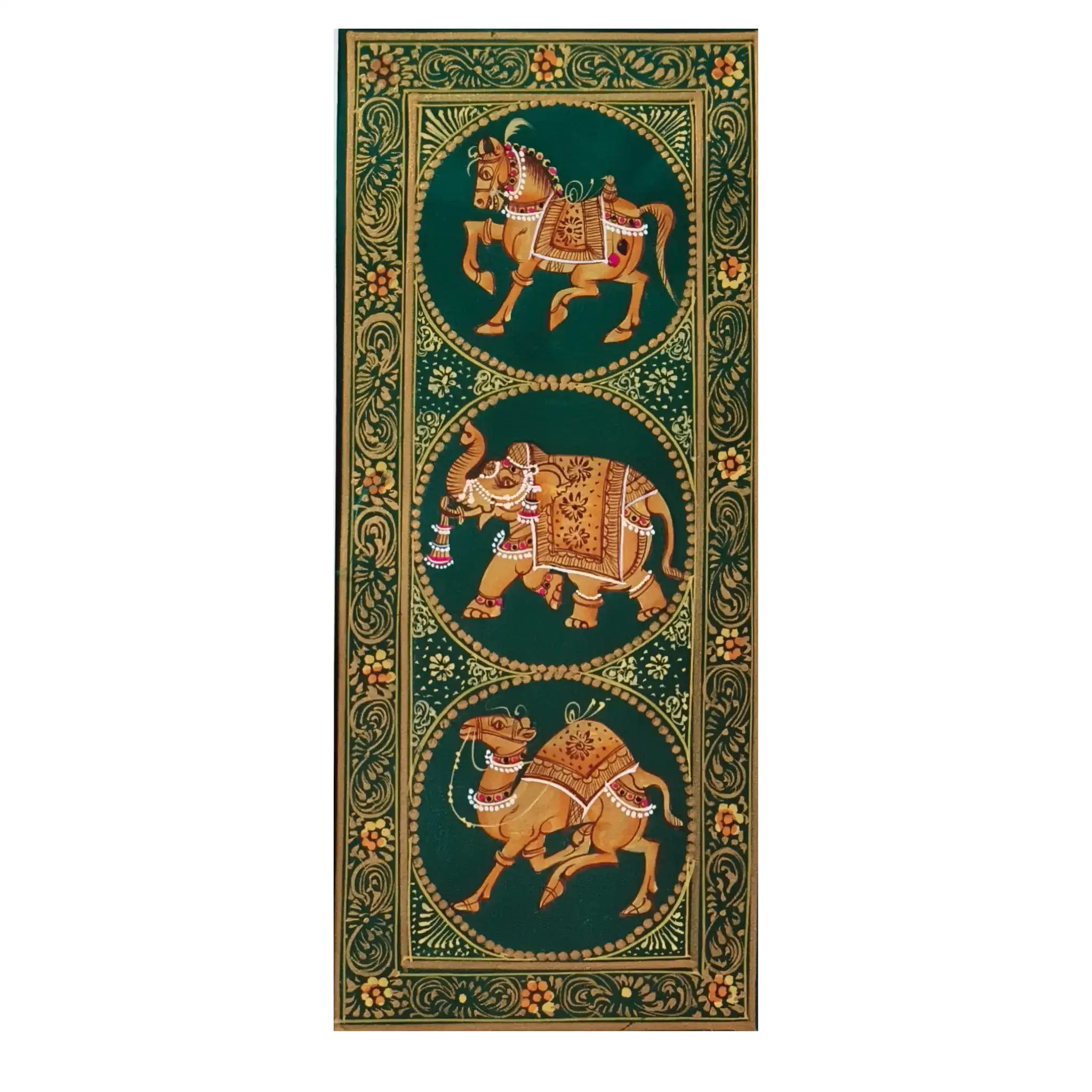
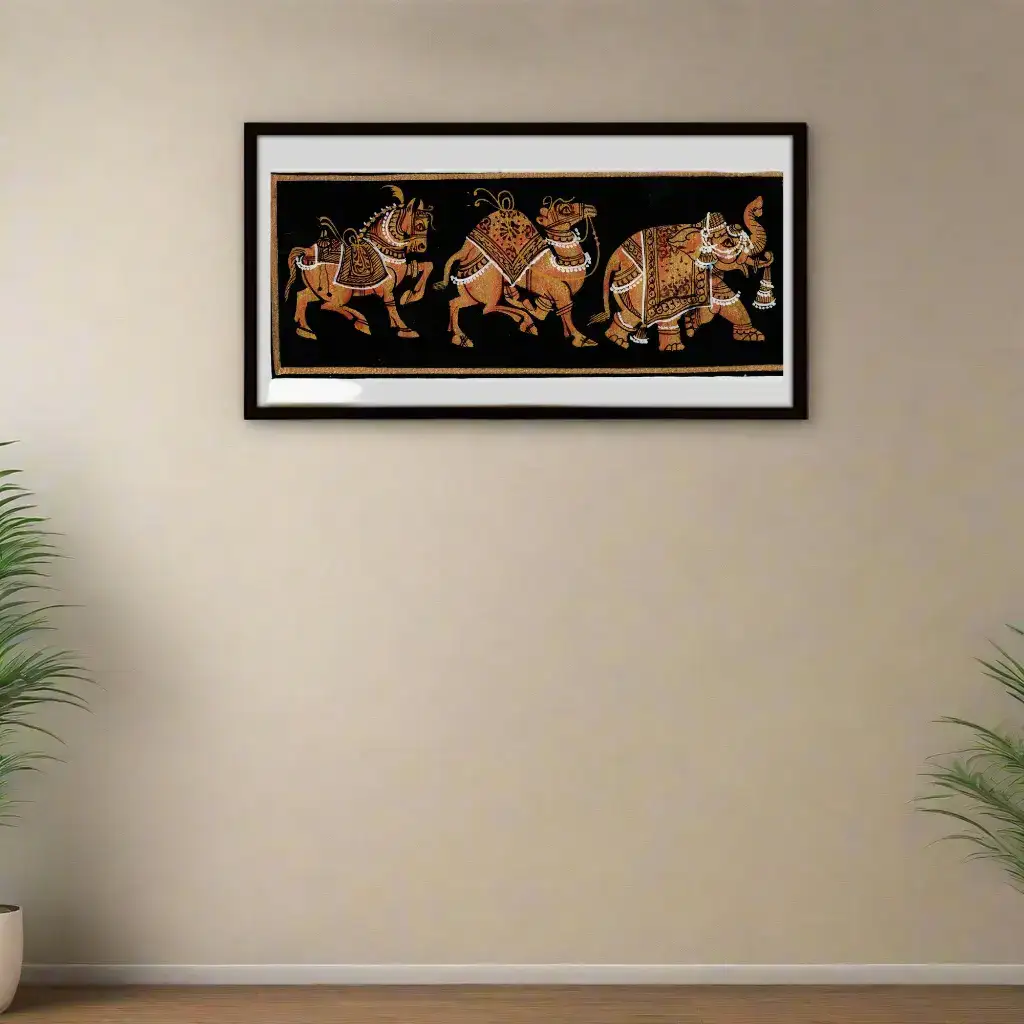
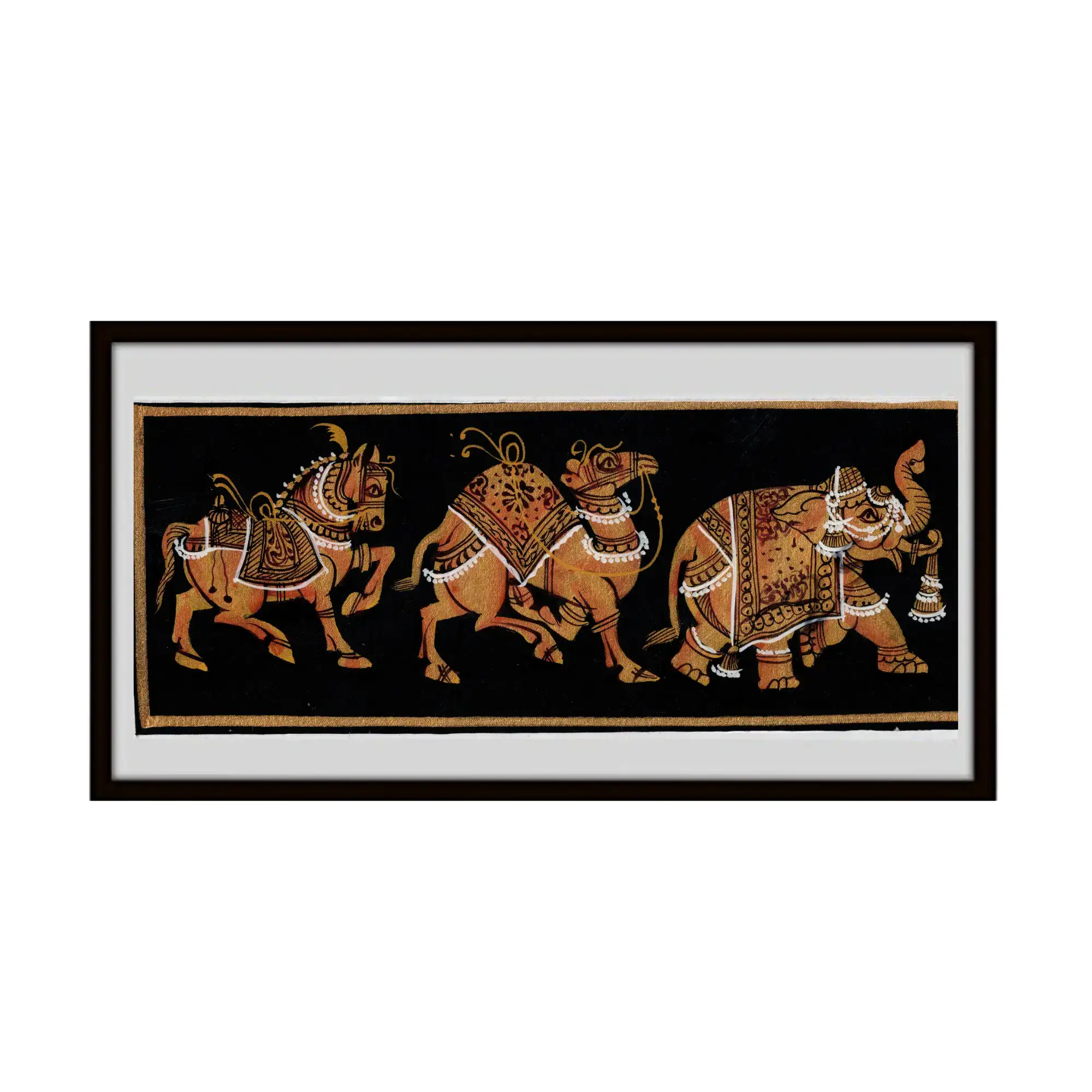
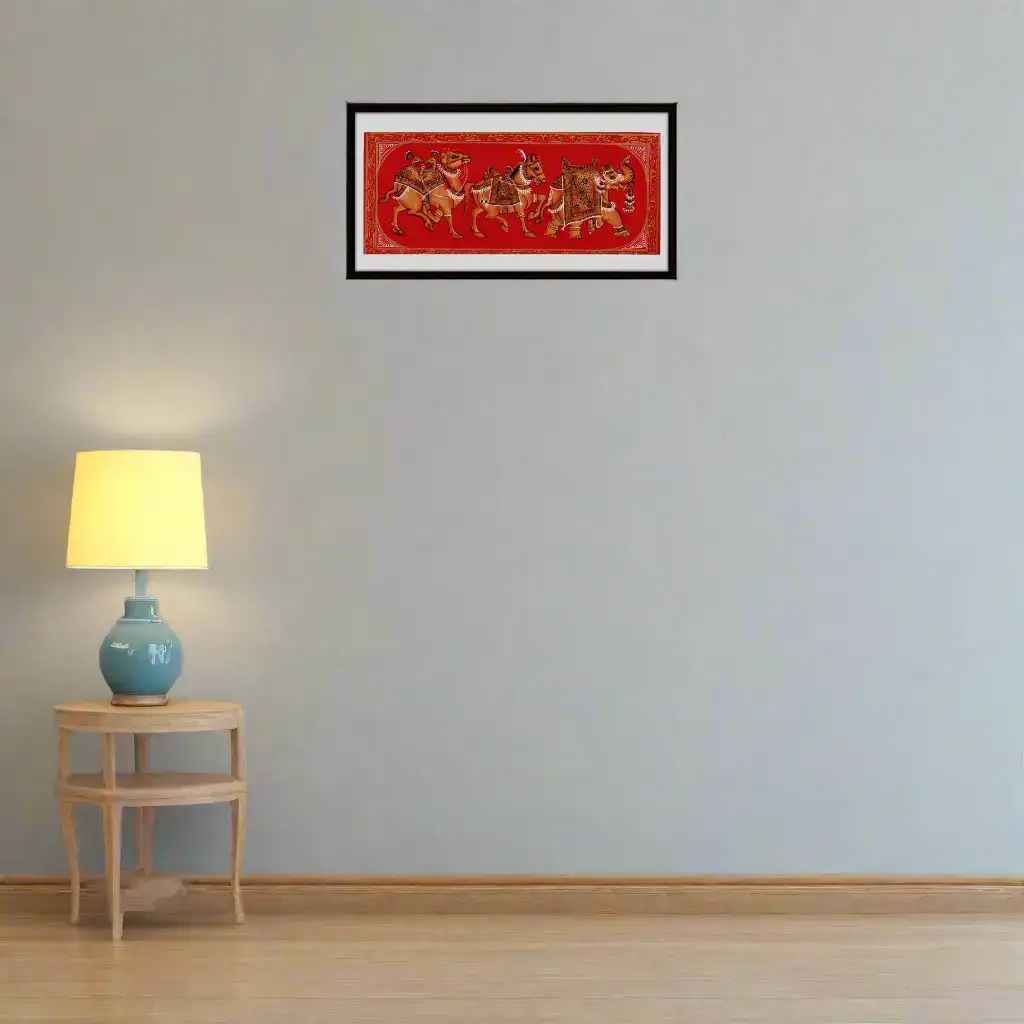
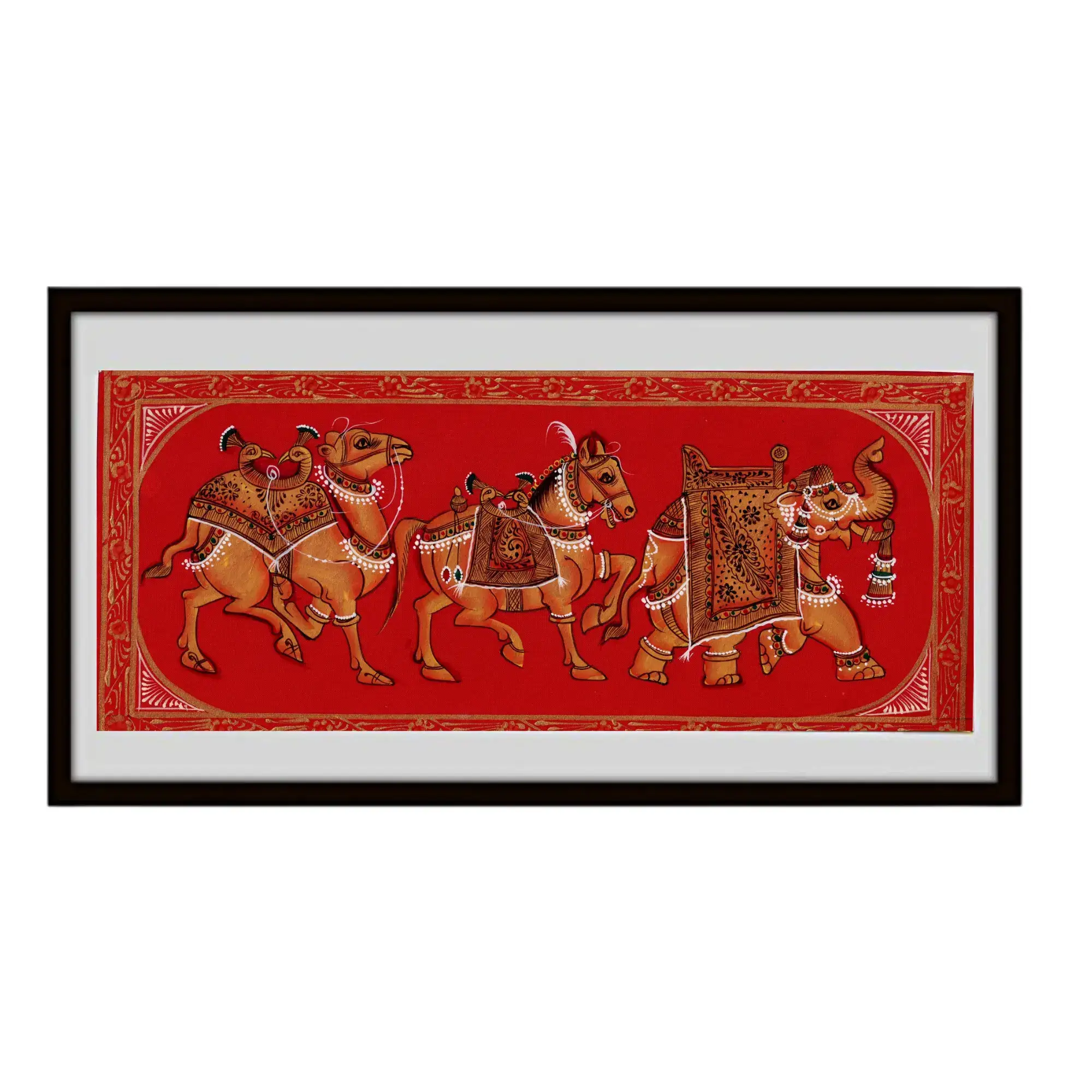
Trio of Royal in Miniature Painting Rajasthani Painting is a rich and vibrant style of Indian miniature painting that flourished in the royal courts of Rajasthan from the 16th century onwards. Deeply rooted in Indian traditions, it portrays themes of mythology, epics, love stories, royal life, and folk culture. The paintings are known for their bold lines, bright colors, and intricate detailing. Natural dyes and pigments made from minerals, vegetables, and precious stones were traditionally used, which gives the art a lasting and luminous quality.
The Art and Tradition of Miniature Painting
Miniature Painting, especially in Rajasthan, represents the rich cultural heritage of India. These paintings are not only works of art but also tell stories that have been passed down through generations. The use of natural colors and fine brushes highlights the skill and craftsmanship involved in every royal painting piece.
The tradition of miniature requires patience and precision. Each painting, though small in size, encompasses a detailed narrative or theme. The beauty of Rajasthani miniature lies in its intricate patterns and vivid imagery, making every artwork unique and captivating.
Distinct Schools of Rajasthani Miniature Paintings
This art form is divided into several schools, including Mewar, Marwar, Bundi, Kota, Kishangarh, Bikaner, and Jaipur, each with its distinct style and subject focus. These schools developed their unique identities while sharing the common themes of royal life, mythology, and nature.
Mewar paintings often portray court scenes, heroic tales, and religious themes. The bold and dramatic style beautifully captures the grandeur of royal courts. Meanwhile, Bundi and Kota schools emphasize lush landscapes and hunting scenes, blending nature with regal life in a harmonious way.
Kishangarh and the Romantic Tradition in Miniature Art
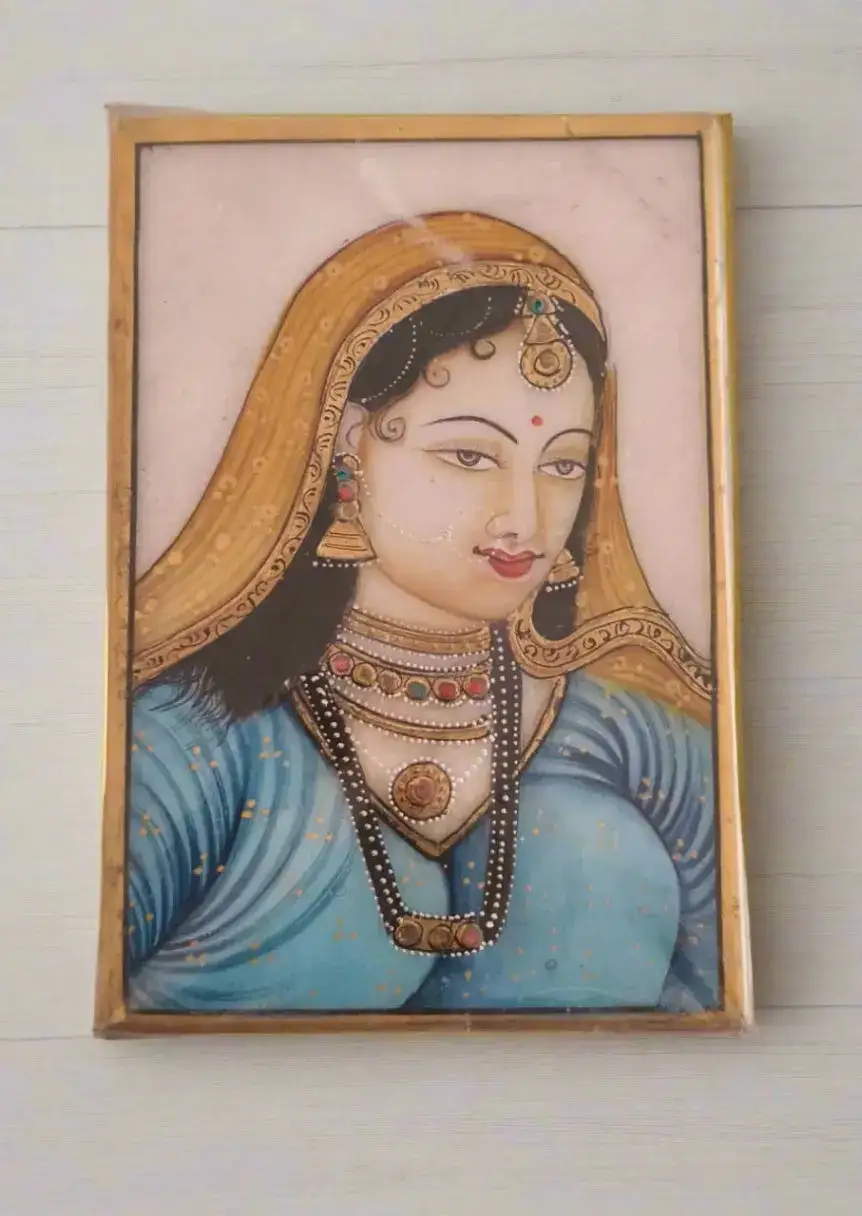
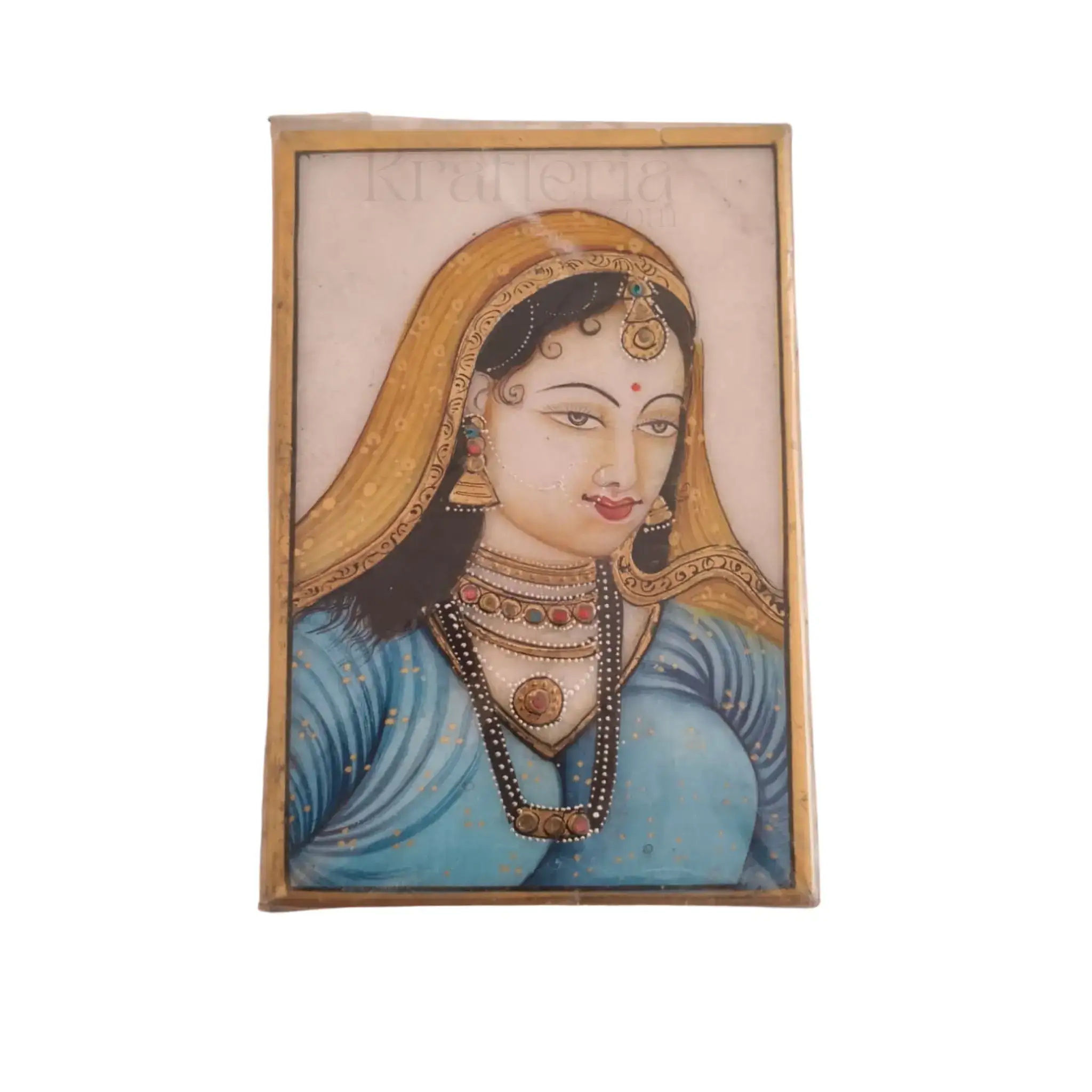
Kishangarh is famous within the painting tradition for its romantic portrayal of Radha and Krishna. The iconic image of Bani Thani, often referred to as the Mona Lisa of Indian art, originated here. These paintings exude a sense of elegance and spiritual love, making them highly admired.
This romantic style stands out from other forms of royal painting and emphasizes fine facial features and delicate postures. The blend of mughal miniature influences into Kishangarh’s style enriches its distinct identity further, creating a unique fusion of elegance and spirituality.
Materials and Techniques Used in Paintings
The creation of miniature depends heavily on the use of natural dyes and pigments. Derived from minerals, vegetables, and precious stones, these colors provide a luminous and long-lasting finish. Traditional handmade paper or silk is often the base, ensuring the durability of these artworks.
Fine brushes made from squirrel hair are utilized to achieve the intricate detailing seen in every miniature. Artists spend hours perfecting the smallest elements, such as facial expressions and ornamental designs. This meticulous attention to detail is what makes each painting a masterpiece.
Why Choose a Royal Miniature Art?
Royal miniature are not just aesthetic objects; they are historical treasures. Owning one means possessing a piece of Indian heritage that adds tremendous cultural depth to any space. These paintings are perfect for enthusiasts of traditional Indian art and collectors alike.
Whether gifted or used as home décor, the charm of Rajasthani paintings captures the imagination. It connects viewers to centuries-old stories and traditions while highlighting the exquisite artistry of Indian craftsmen. Each piece tells a story and carries the legacy of royal life.
Miniature Art as a Living Tradition
Despite being centuries old, miniature paintings continues to thrive today. Skilled artisans keep this tradition alive by passing down techniques from generation to generation. Contemporary artists combine traditional methods with modern themes to create new masterpieces.
The blend of old and new in miniature makes it relevant in today’s art world. It preserves the legacy of royal painting while inspiring future art lovers and creators. This evolving tradition ensures miniature remains vital and celebrated.
Exploring Mughal Painting Influences
The Mughal miniature artwork style profoundly influenced many regional schools of Indian miniature art. Known for its refined aesthetics and detailed portrayal of court life, the Mughal style introduced new themes and techniques to Indian art.
Elements of mughal miniature paintings can also be seen in Rajasthani painting, particularly in the use of color and compositional balance. This artistic fusion enriched the art form and increased its global appeal, making it a cherished cultural treasure worldwide.
Product Information
Product Information
Shipping & Returns
Shipping & Returns
Description
A Trio of Royal in Miniature Painting
Trio of Royal in Miniature Painting Rajasthani Painting is a rich and vibrant style of Indian miniature painting that flourished in the royal courts of Rajasthan from the 16th century onwards. Deeply rooted in Indian traditions, it portrays themes of mythology, epics, love stories, royal life, and folk culture. The paintings are known for their bold lines, bright colors, and intricate detailing. Natural dyes and pigments made from minerals, vegetables, and precious stones were traditionally used, which gives the art a lasting and luminous quality.
The Art and Tradition of Miniature Painting
Miniature Painting, especially in Rajasthan, represents the rich cultural heritage of India. These paintings are not only works of art but also tell stories that have been passed down through generations. The use of natural colors and fine brushes highlights the skill and craftsmanship involved in every royal painting piece.
The tradition of miniature requires patience and precision. Each painting, though small in size, encompasses a detailed narrative or theme. The beauty of Rajasthani miniature lies in its intricate patterns and vivid imagery, making every artwork unique and captivating.
Distinct Schools of Rajasthani Miniature Paintings
This art form is divided into several schools, including Mewar, Marwar, Bundi, Kota, Kishangarh, Bikaner, and Jaipur, each with its distinct style and subject focus. These schools developed their unique identities while sharing the common themes of royal life, mythology, and nature.
Mewar paintings often portray court scenes, heroic tales, and religious themes. The bold and dramatic style beautifully captures the grandeur of royal courts. Meanwhile, Bundi and Kota schools emphasize lush landscapes and hunting scenes, blending nature with regal life in a harmonious way.
Kishangarh and the Romantic Tradition in Miniature Art
Kishangarh is famous within the painting tradition for its romantic portrayal of Radha and Krishna. The iconic image of Bani Thani, often referred to as the Mona Lisa of Indian art, originated here. These paintings exude a sense of elegance and spiritual love, making them highly admired.
This romantic style stands out from other forms of royal painting and emphasizes fine facial features and delicate postures. The blend of mughal miniature influences into Kishangarh’s style enriches its distinct identity further, creating a unique fusion of elegance and spirituality.
Materials and Techniques Used in Paintings
The creation of miniature depends heavily on the use of natural dyes and pigments. Derived from minerals, vegetables, and precious stones, these colors provide a luminous and long-lasting finish. Traditional handmade paper or silk is often the base, ensuring the durability of these artworks.
Fine brushes made from squirrel hair are utilized to achieve the intricate detailing seen in every miniature. Artists spend hours perfecting the smallest elements, such as facial expressions and ornamental designs. This meticulous attention to detail is what makes each painting a masterpiece.
Why Choose a Royal Miniature Art?
Royal miniature are not just aesthetic objects; they are historical treasures. Owning one means possessing a piece of Indian heritage that adds tremendous cultural depth to any space. These paintings are perfect for enthusiasts of traditional Indian art and collectors alike.
Whether gifted or used as home décor, the charm of Rajasthani paintings captures the imagination. It connects viewers to centuries-old stories and traditions while highlighting the exquisite artistry of Indian craftsmen. Each piece tells a story and carries the legacy of royal life.
Miniature Art as a Living Tradition
Despite being centuries old, miniature paintings continues to thrive today. Skilled artisans keep this tradition alive by passing down techniques from generation to generation. Contemporary artists combine traditional methods with modern themes to create new masterpieces.
The blend of old and new in miniature makes it relevant in today’s art world. It preserves the legacy of royal painting while inspiring future art lovers and creators. This evolving tradition ensures miniature remains vital and celebrated.
Exploring Mughal Painting Influences
The Mughal miniature artwork style profoundly influenced many regional schools of Indian miniature art. Known for its refined aesthetics and detailed portrayal of court life, the Mughal style introduced new themes and techniques to Indian art.
Elements of mughal miniature paintings can also be seen in Rajasthani painting, particularly in the use of color and compositional balance. This artistic fusion enriched the art form and increased its global appeal, making it a cherished cultural treasure worldwide.