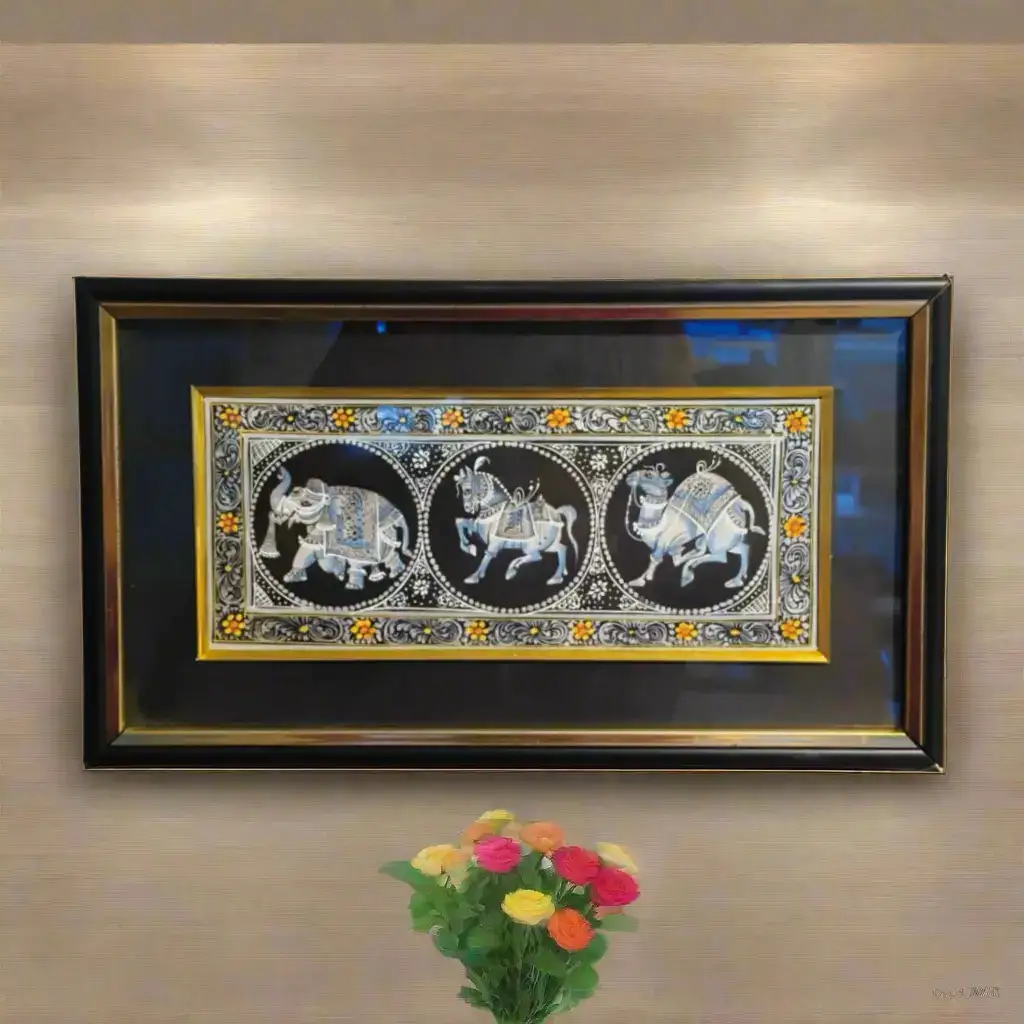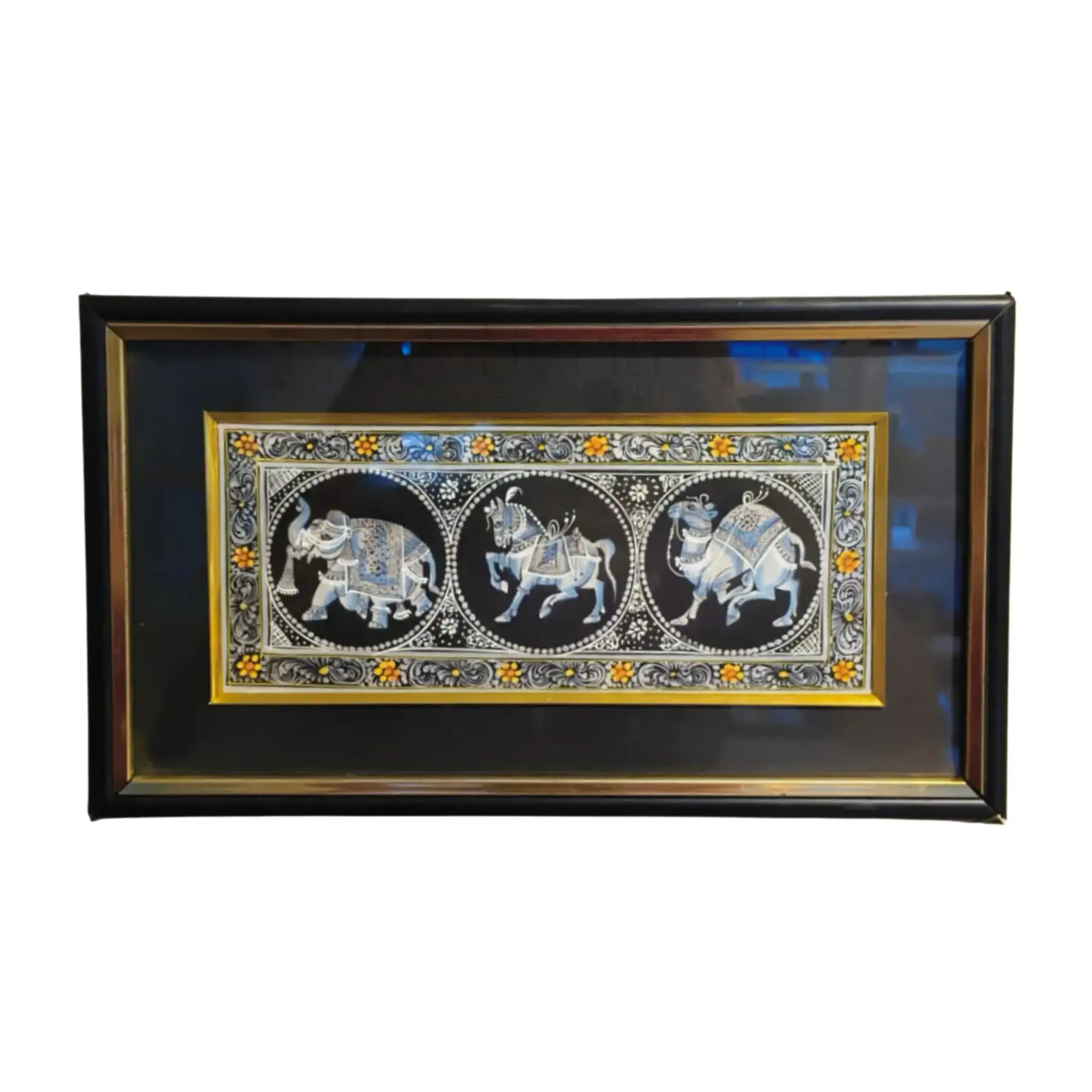
The Regal Maroon Steed Miniature Painting – Spirit of Tradition
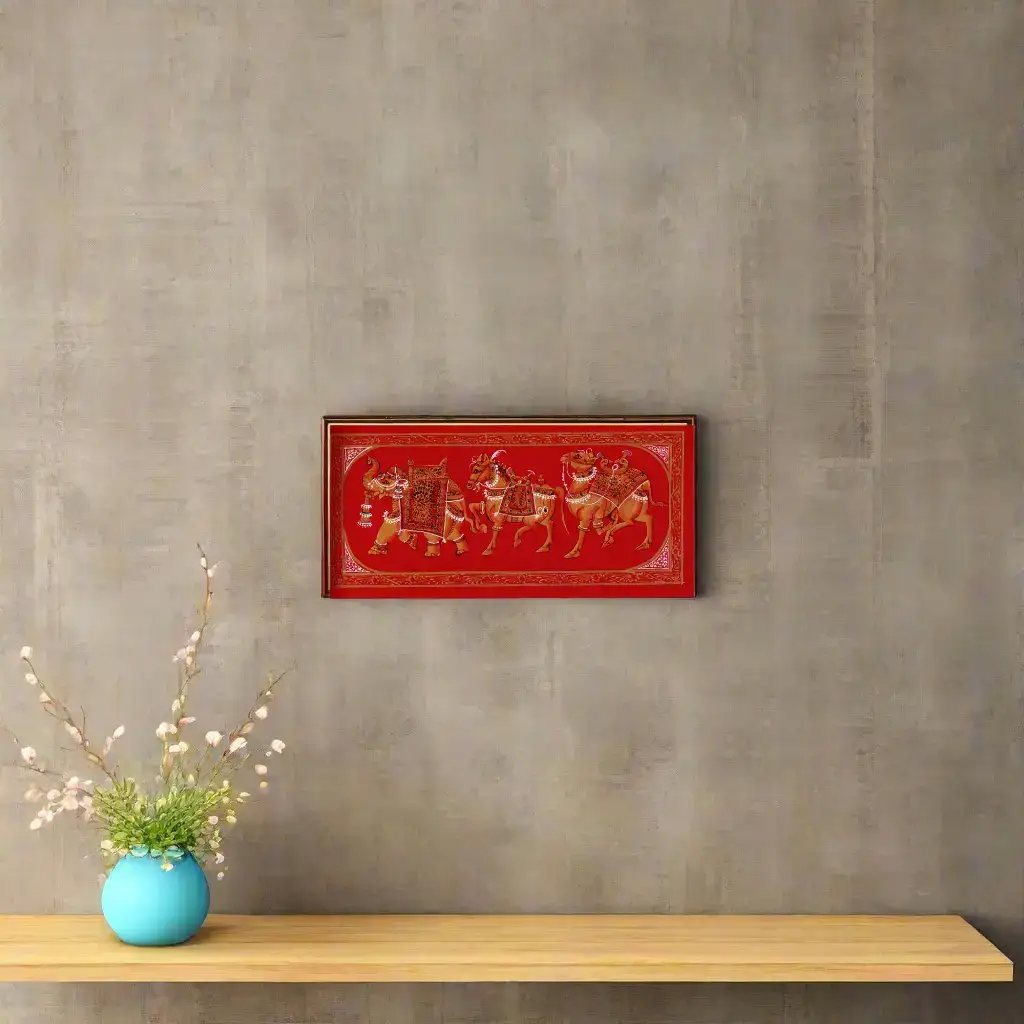
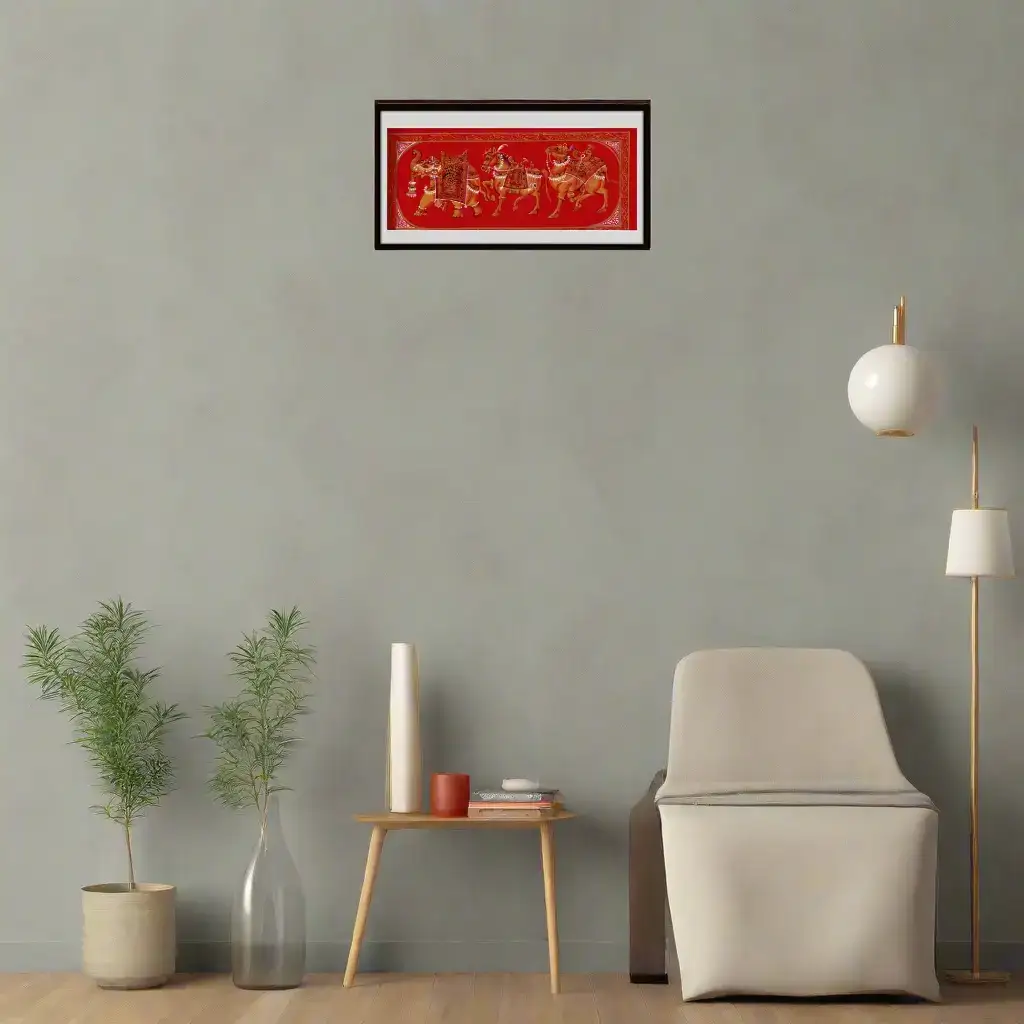
The Regal Maroon Steed Miniature Horse Painting – Spirit of Tradition
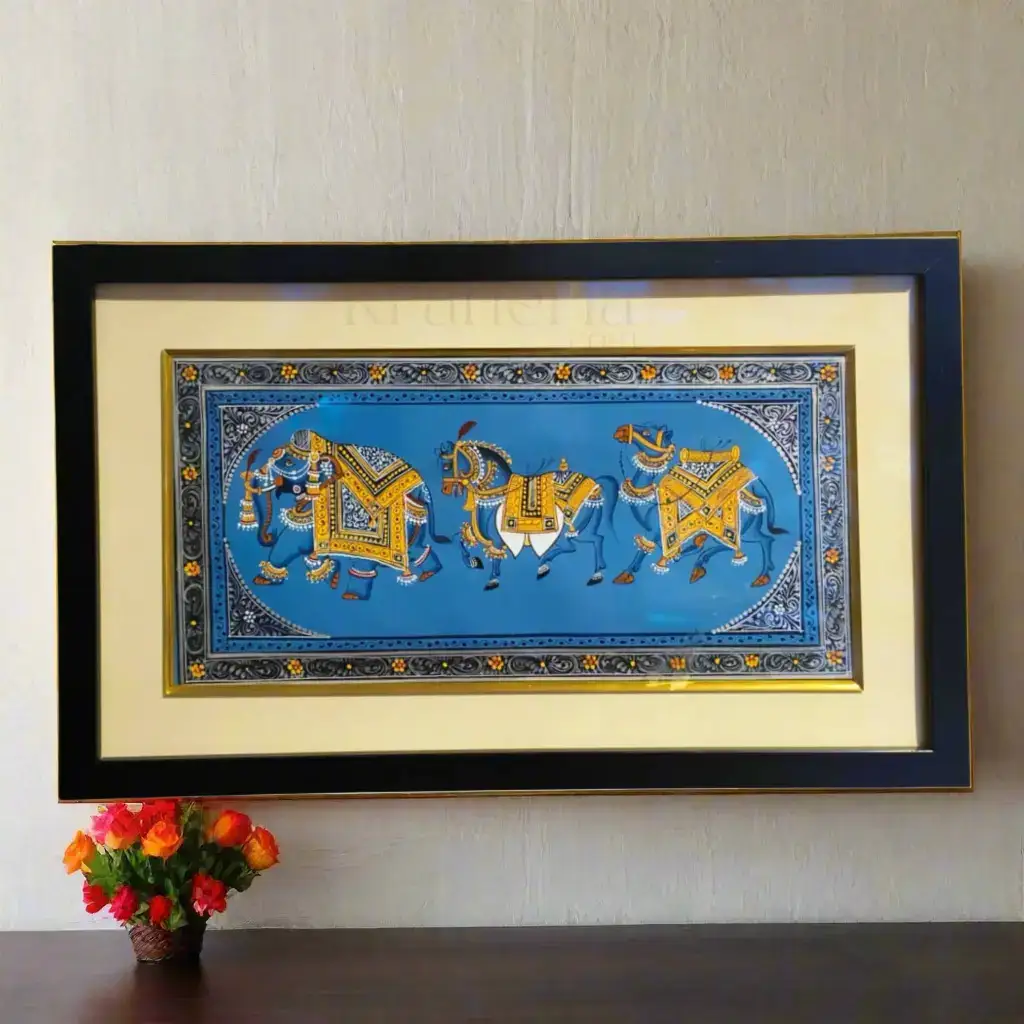
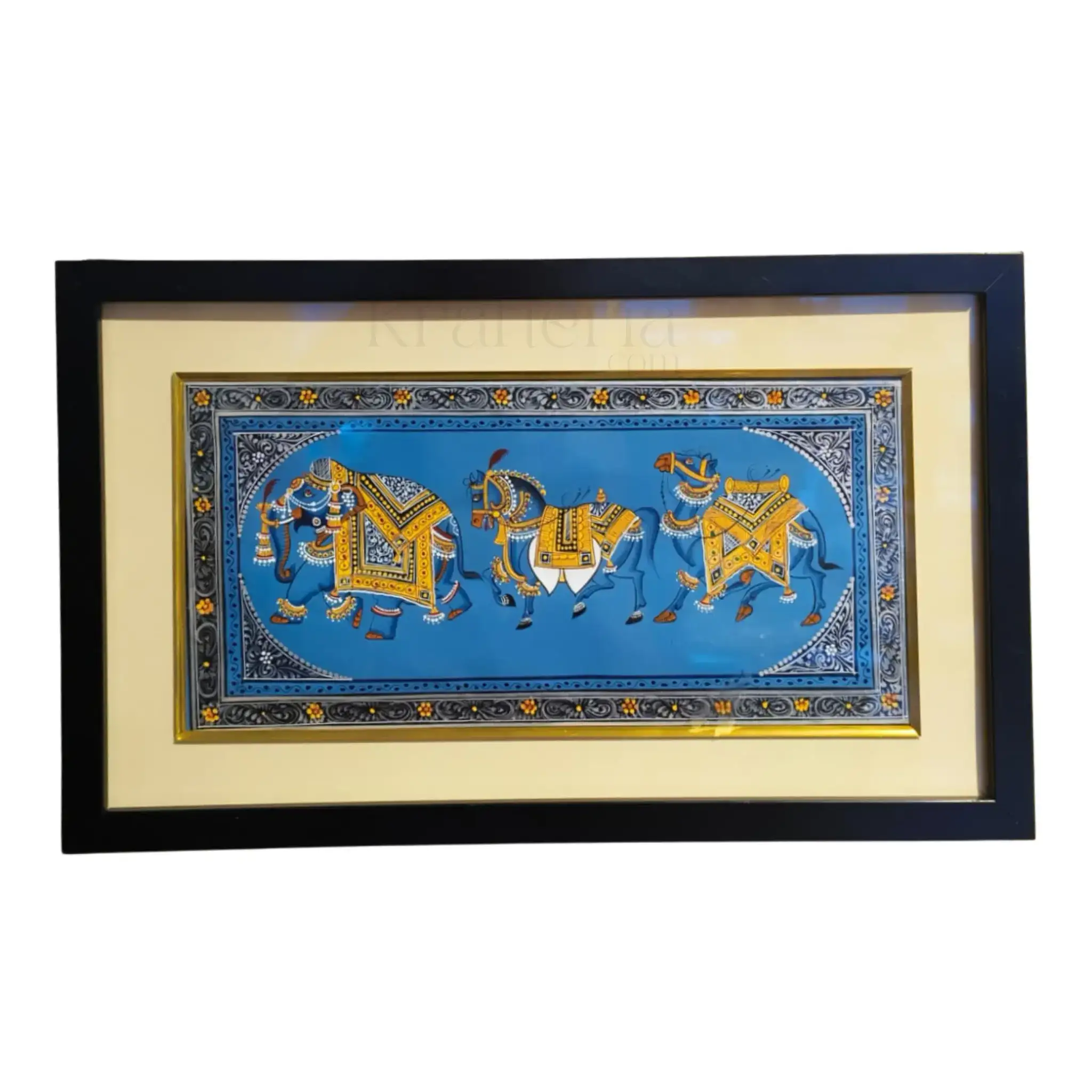
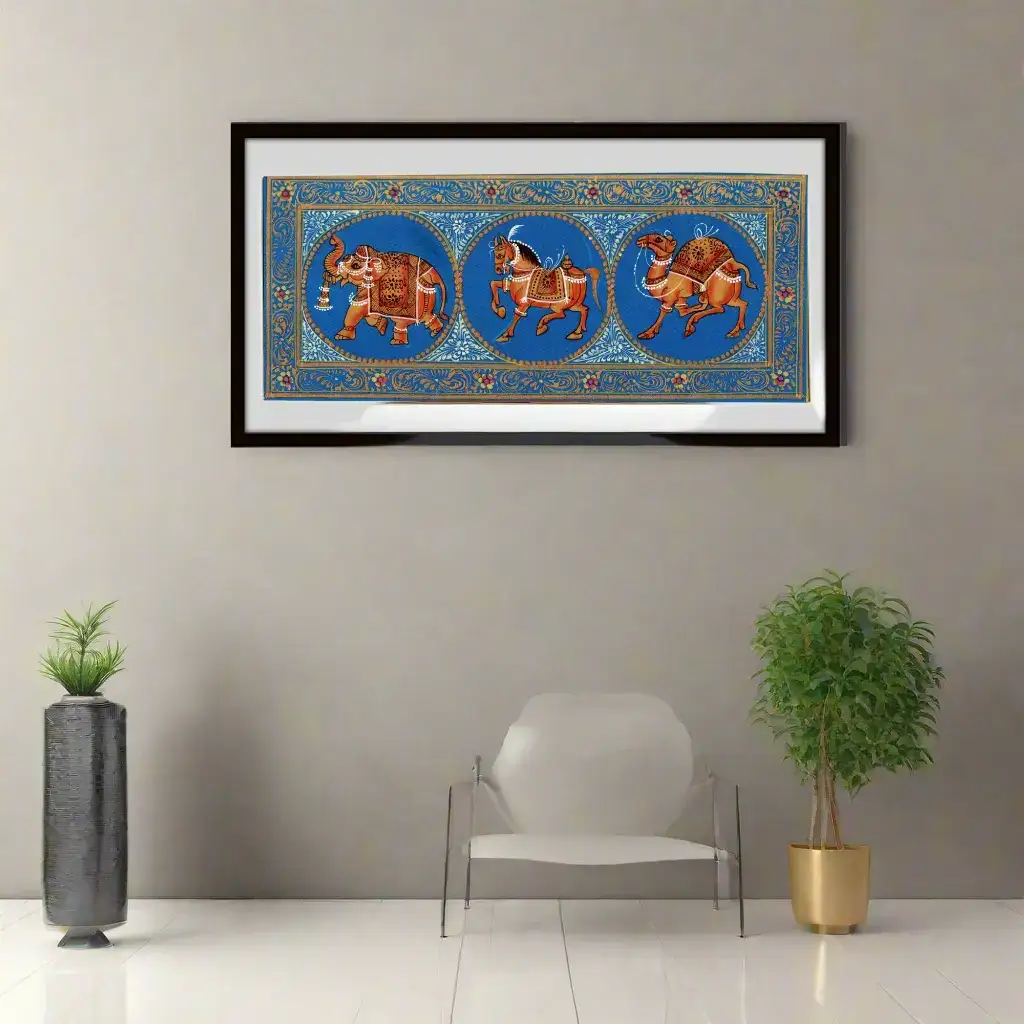
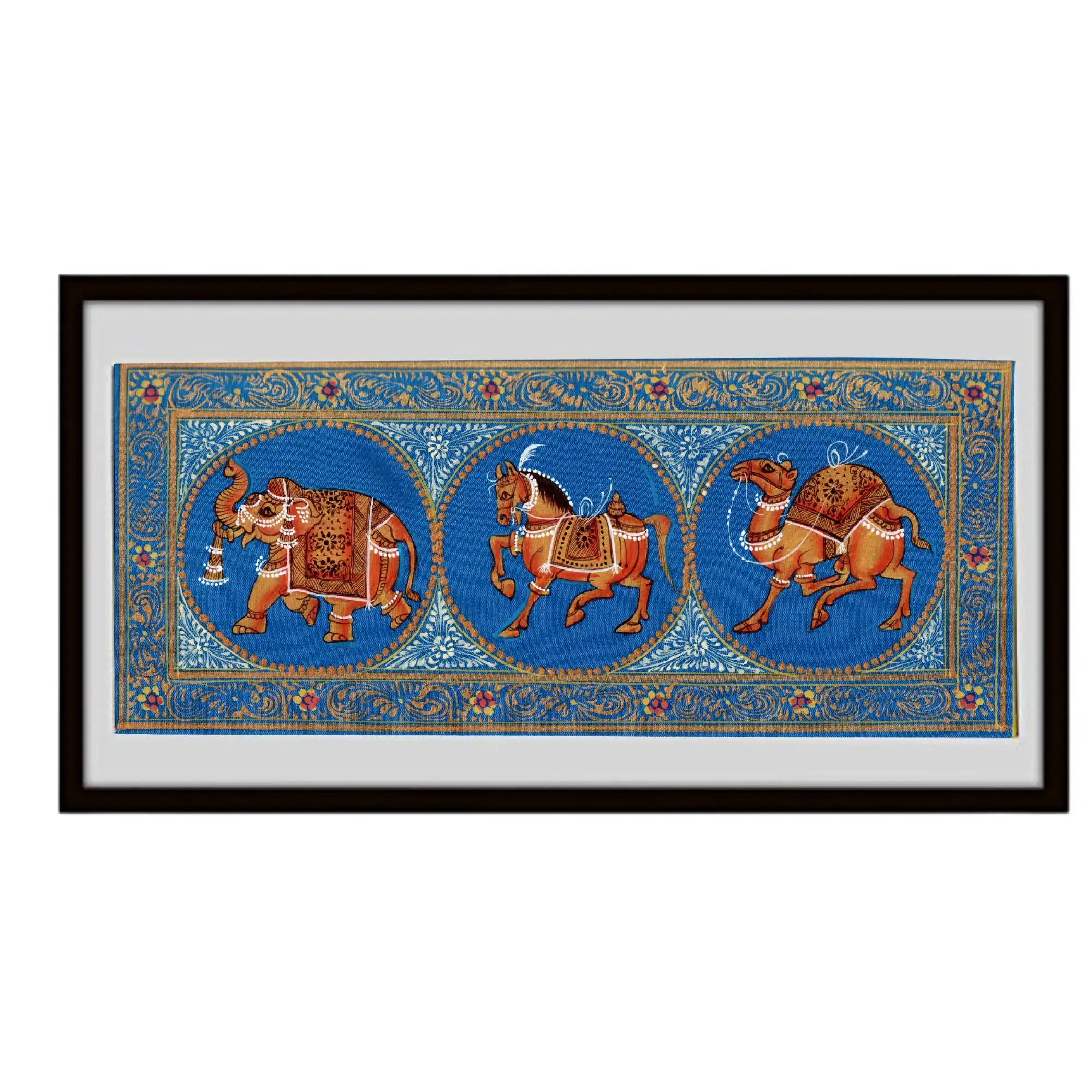
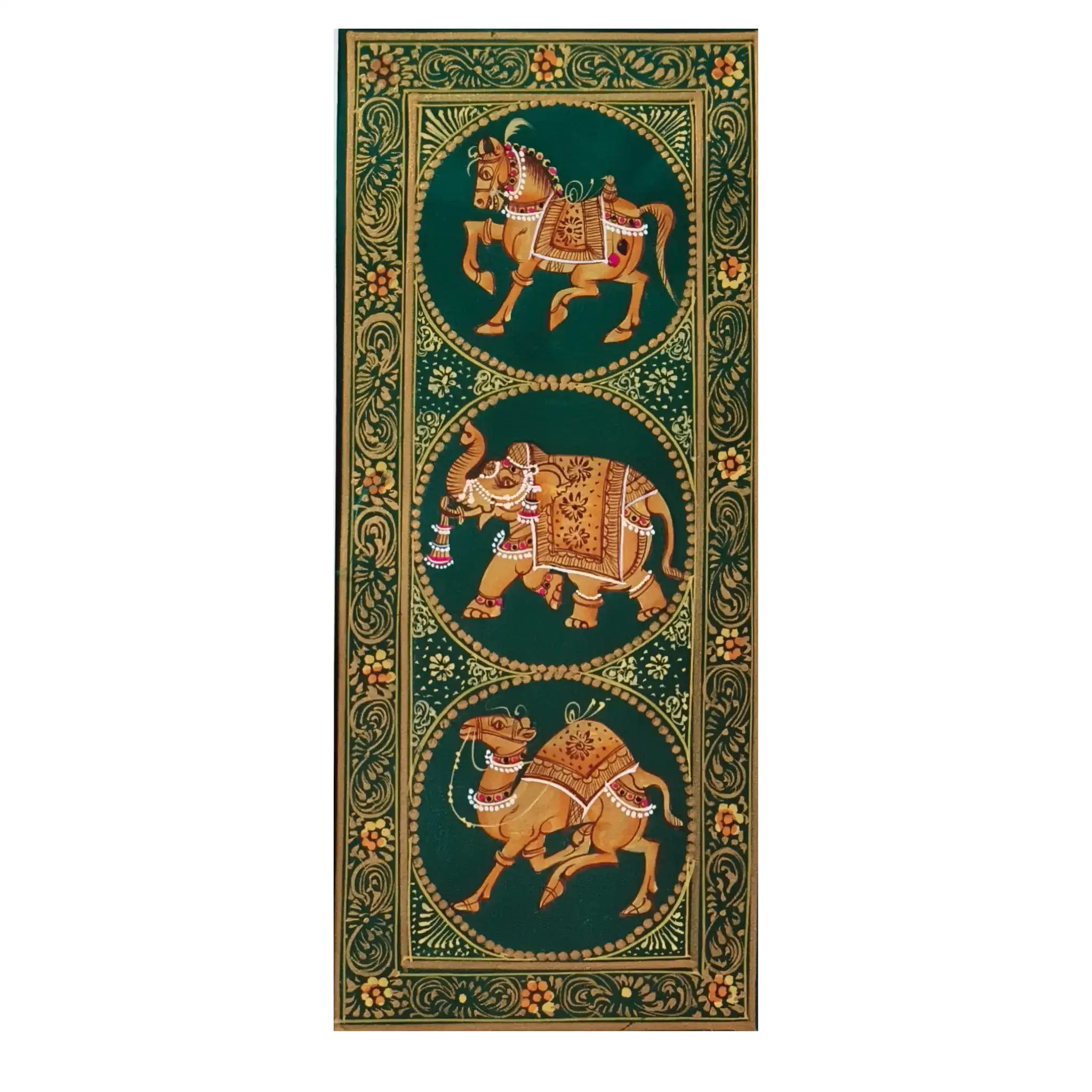
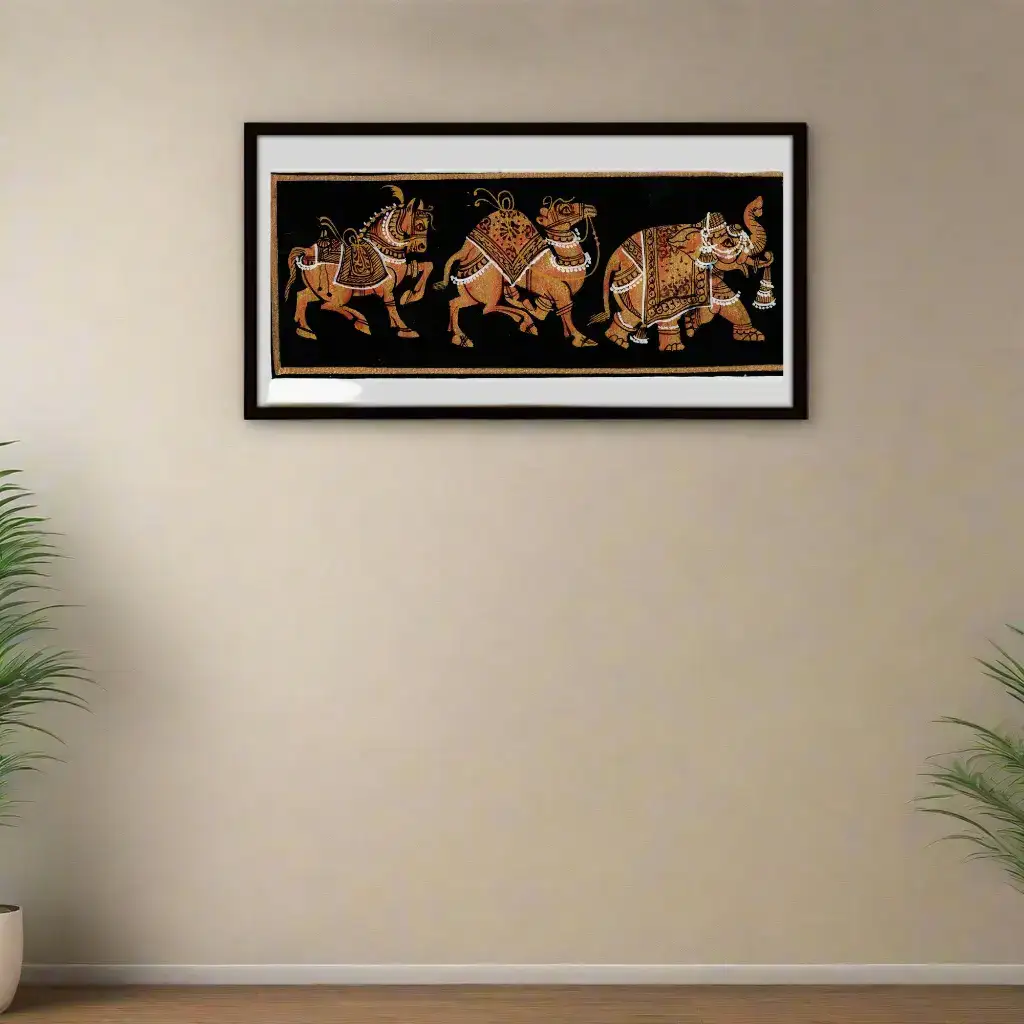
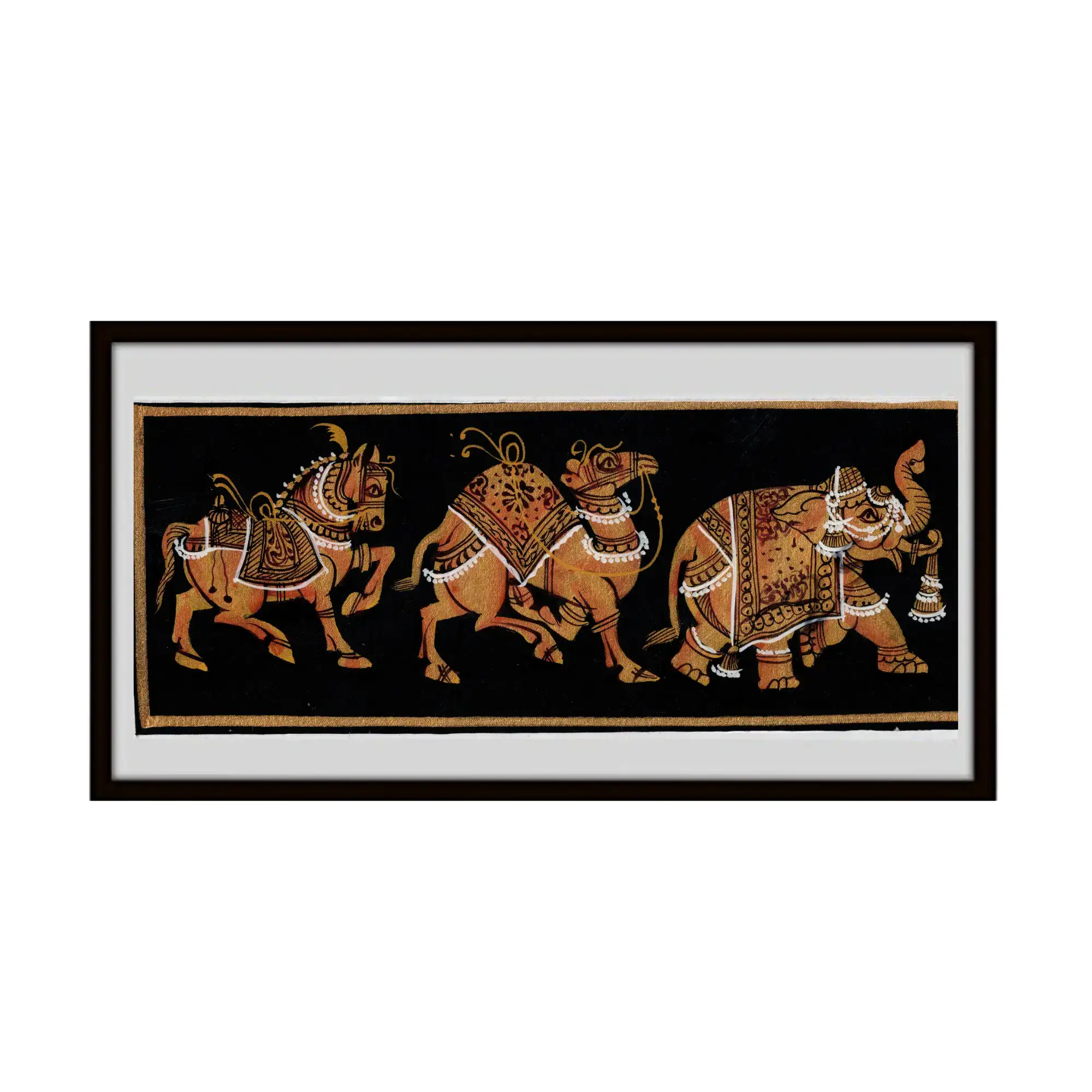
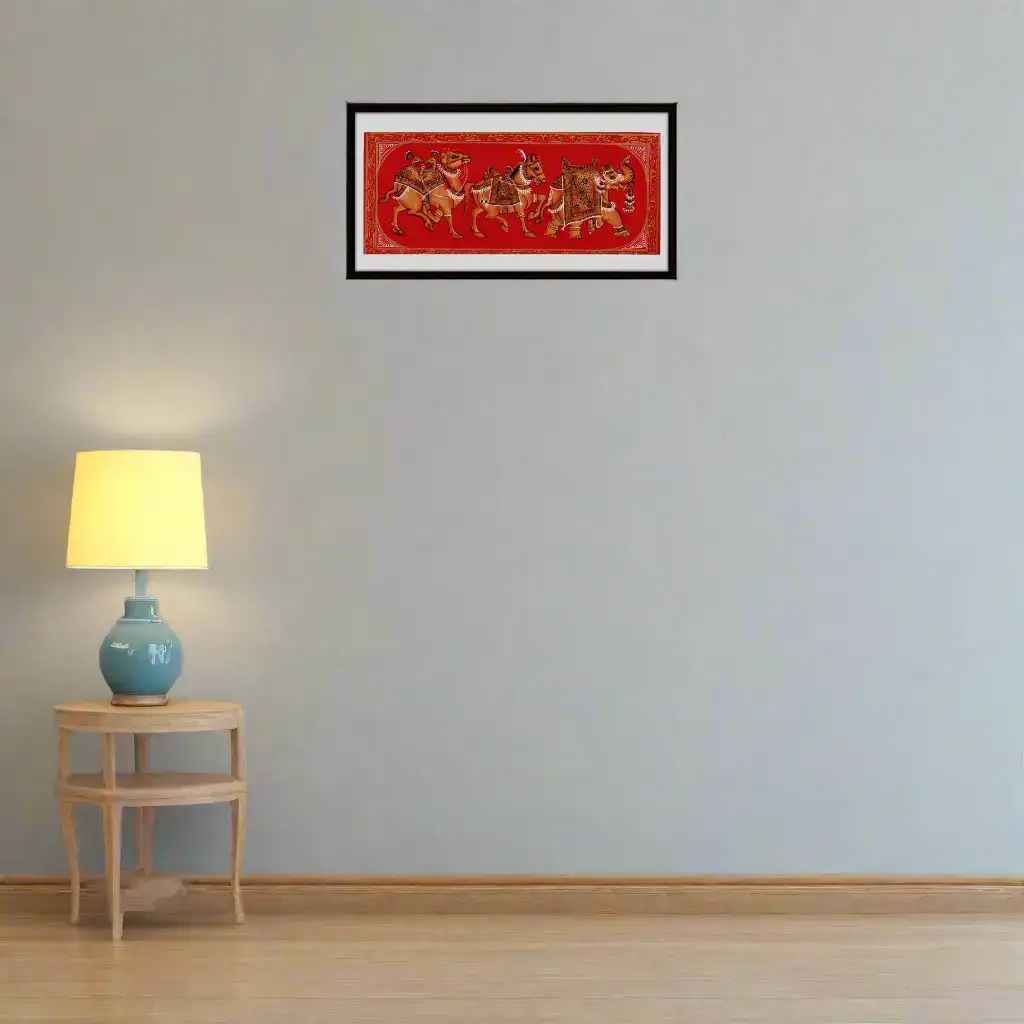
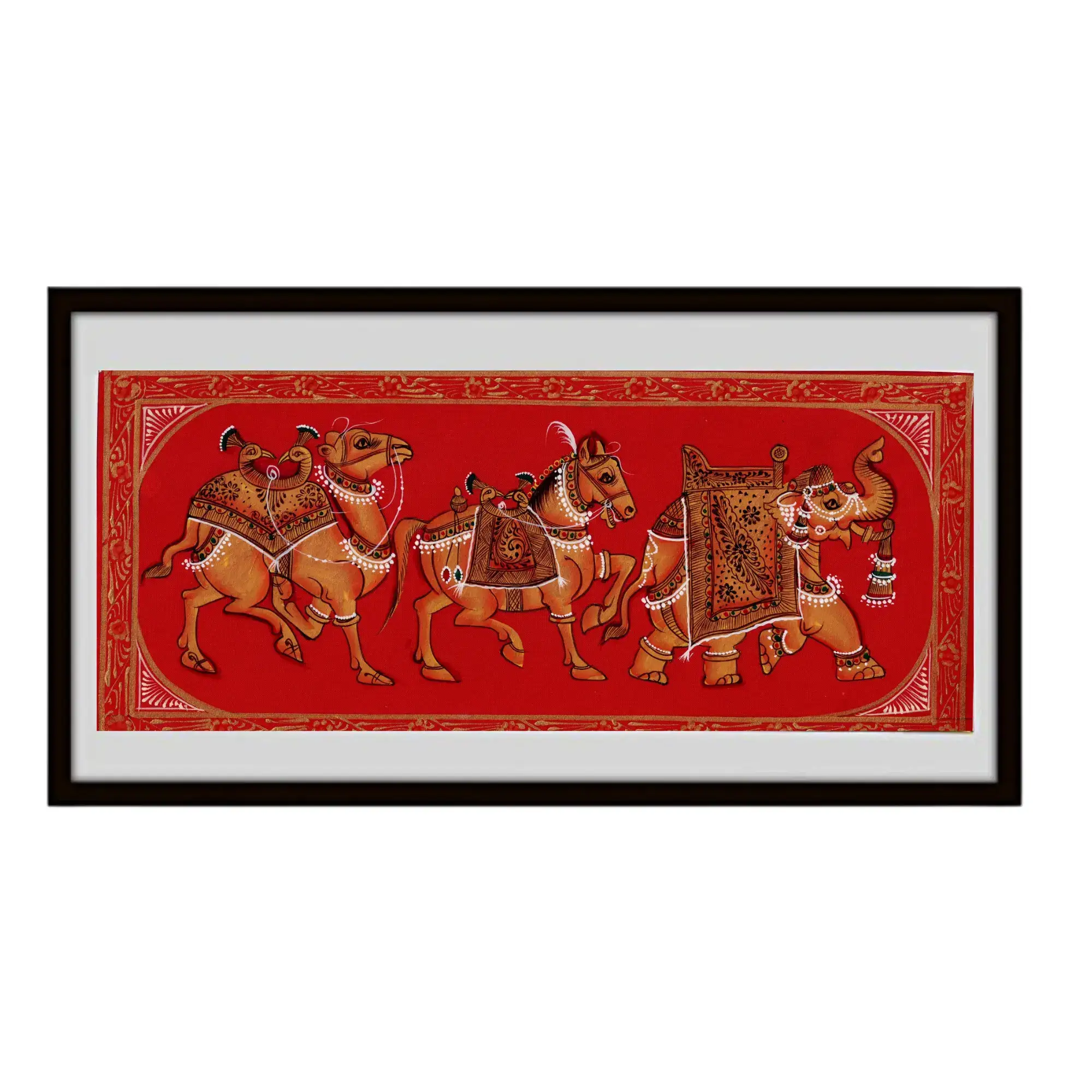
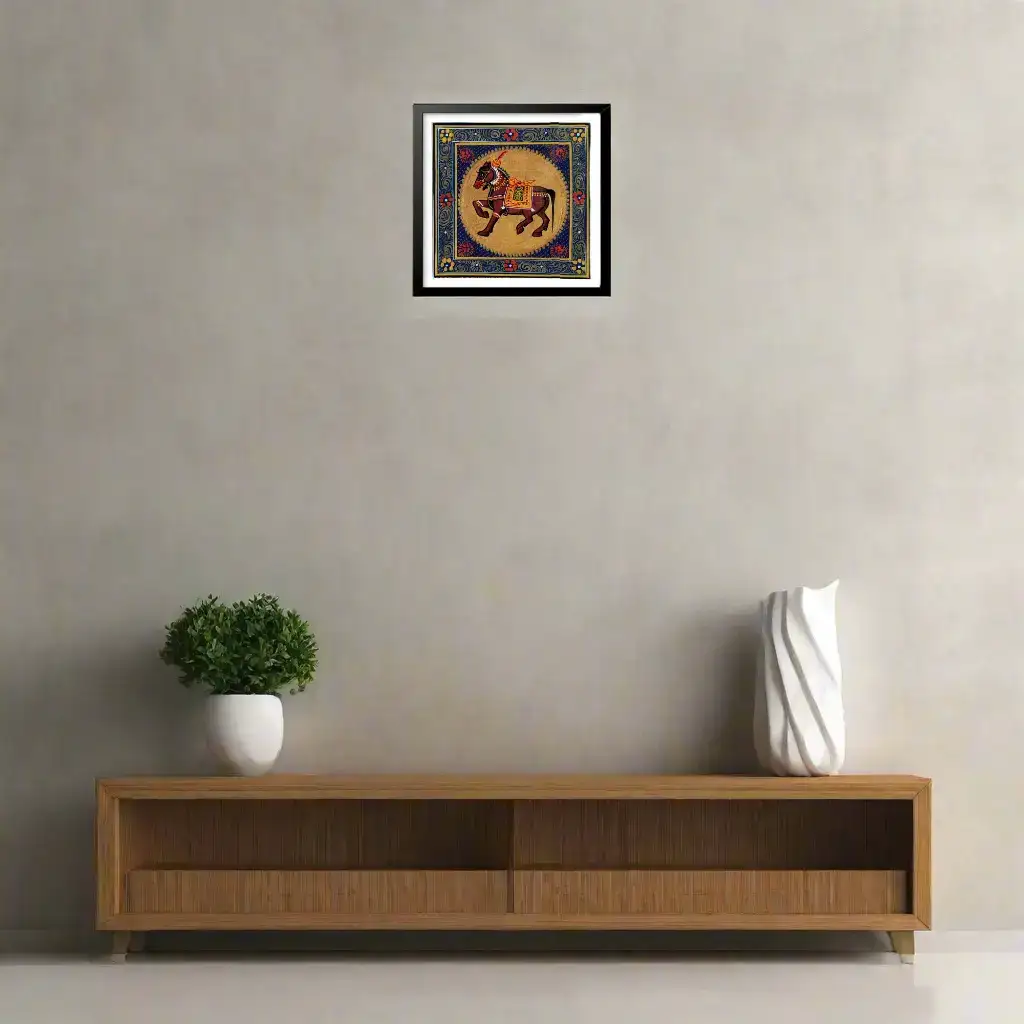
Miniature horse painting in the style of Rajasthani Painting is a rich and vibrant Indian art form. It flourished in the royal courts of Rajasthan beginning in the 16th century. This artistic tradition is deeply rooted in Indian culture and history. It portrays various themes such as mythology, epics, love stories, royal life, and folk culture.
The paintings are known for bold lines, bright colors, and intricate detailing. Natural dyes and pigments made from minerals, vegetables, and precious stones were once used. This provides each artwork with enduring and luminous quality. The combination of these elements creates visual richness and cultural depth.
This miniature horse painting art form divides into several distinguished schools. These include Mewar, Marwar, Bundi, Kota, Kishangarh, Bikaner, and Jaipur. Each school has its unique style and focus. For example, Kishangarh is renowned for romantic images of Radha and Krishna, especially the iconic Bani Thani. Mewar paintings often show court scenes, heroic stories, and religious themes. Meanwhile, Bundi and Kota schools highlight lush landscapes and hunting scenes.
Miniature Horse Painting in Royal Court Horse Artwork Symbolism
In many Rajasthani artworks, the horse is a central symbol. It represents power, grace, and loyalty. This symbolism plays a vital role in Royal court horse artwork, which is a highly popular subject.
The horse, painted with fine detail, reflects the status and prestige of the nobility. The tradition of Horse symbolism Indian art dates back centuries and continues in modern interpretations. These artworks highlight the important cultural and practical roles horses played in Rajasthan history. Each depiction reflects the creature’s elegance and vitality.
The style of miniature horse painting varies slightly between regions but retains a core aesthetic. Whether showing battle scenes or royal processions, horses remain the focus. Every brushstroke adds to the life and energy of the image. Lush colors and precise lines enhance the horse’s regal presence. Often, the detailed surroundings feature flora and fauna, but horses stand out as central icons.
The horses in these paintings carry more than just warriors or rulers. They hold symbolic weight within royal court horse artwork. This tradition shows reverence for the animals and showcases artistic skill. The blend of realism and stylization makes miniature horse a distinct and admired art form worldwide.
Key Features of Horse Painting: Tradition and Technique
The technique behind miniature horse paintings involves the careful use of natural pigments. These pigments are sourced mainly from minerals and vegetables. This method preserves the colors’ brilliance for centuries. Traditional approaches include layering colors with fine brushwork. Every detail—from the horse’s mane to its posture—is crafted with precision.
Artists in Rajasthan study horse anatomy closely. Their work combines lifelike features with symbolic meanings. The interplay of space and composition maintains the viewer’s engagement. Such paintings invite viewers to connect with Rajasthan’s rich history and royal traditions.
- Use of bold outlines to define the horse and other elements
- Incorporation of natural dyes for lasting vibrancy in colors
- Depiction of thematic elements such as mythology and royal life
- Mix of realism and stylization to enhance narrative power
Overall, this miniature painting offers a multi-dimensional experience. It balances artistic skill, cultural symbolism, and traditional techniques. As a result, it holds a unique place in Indian art. Collectors and admirers value it for its beauty and historical significance.
Owning this miniature painting brings a piece of royal heritage to your space. It serves as a decorative treasure that embodies both visual appeal and meaning. Its presence highlights the proud legacy of the horse in Indian culture. You engage deeply with the spirit of tradition through every brushstroke.
Original: $8.60
-70%$8.60
$2.58Product Information
Product Information
Shipping & Returns
Shipping & Returns
Description
The Regal Maroon Steed Miniature Horse Painting – Spirit of Tradition
Miniature horse painting in the style of Rajasthani Painting is a rich and vibrant Indian art form. It flourished in the royal courts of Rajasthan beginning in the 16th century. This artistic tradition is deeply rooted in Indian culture and history. It portrays various themes such as mythology, epics, love stories, royal life, and folk culture.
The paintings are known for bold lines, bright colors, and intricate detailing. Natural dyes and pigments made from minerals, vegetables, and precious stones were once used. This provides each artwork with enduring and luminous quality. The combination of these elements creates visual richness and cultural depth.
This miniature horse painting art form divides into several distinguished schools. These include Mewar, Marwar, Bundi, Kota, Kishangarh, Bikaner, and Jaipur. Each school has its unique style and focus. For example, Kishangarh is renowned for romantic images of Radha and Krishna, especially the iconic Bani Thani. Mewar paintings often show court scenes, heroic stories, and religious themes. Meanwhile, Bundi and Kota schools highlight lush landscapes and hunting scenes.
Miniature Horse Painting in Royal Court Horse Artwork Symbolism
In many Rajasthani artworks, the horse is a central symbol. It represents power, grace, and loyalty. This symbolism plays a vital role in Royal court horse artwork, which is a highly popular subject.
The horse, painted with fine detail, reflects the status and prestige of the nobility. The tradition of Horse symbolism Indian art dates back centuries and continues in modern interpretations. These artworks highlight the important cultural and practical roles horses played in Rajasthan history. Each depiction reflects the creature’s elegance and vitality.
The style of miniature horse painting varies slightly between regions but retains a core aesthetic. Whether showing battle scenes or royal processions, horses remain the focus. Every brushstroke adds to the life and energy of the image. Lush colors and precise lines enhance the horse’s regal presence. Often, the detailed surroundings feature flora and fauna, but horses stand out as central icons.
The horses in these paintings carry more than just warriors or rulers. They hold symbolic weight within royal court horse artwork. This tradition shows reverence for the animals and showcases artistic skill. The blend of realism and stylization makes miniature horse a distinct and admired art form worldwide.
Key Features of Horse Painting: Tradition and Technique
The technique behind miniature horse paintings involves the careful use of natural pigments. These pigments are sourced mainly from minerals and vegetables. This method preserves the colors’ brilliance for centuries. Traditional approaches include layering colors with fine brushwork. Every detail—from the horse’s mane to its posture—is crafted with precision.
Artists in Rajasthan study horse anatomy closely. Their work combines lifelike features with symbolic meanings. The interplay of space and composition maintains the viewer’s engagement. Such paintings invite viewers to connect with Rajasthan’s rich history and royal traditions.
- Use of bold outlines to define the horse and other elements
- Incorporation of natural dyes for lasting vibrancy in colors
- Depiction of thematic elements such as mythology and royal life
- Mix of realism and stylization to enhance narrative power
Overall, this miniature painting offers a multi-dimensional experience. It balances artistic skill, cultural symbolism, and traditional techniques. As a result, it holds a unique place in Indian art. Collectors and admirers value it for its beauty and historical significance.
Owning this miniature painting brings a piece of royal heritage to your space. It serves as a decorative treasure that embodies both visual appeal and meaning. Its presence highlights the proud legacy of the horse in Indian culture. You engage deeply with the spirit of tradition through every brushstroke.