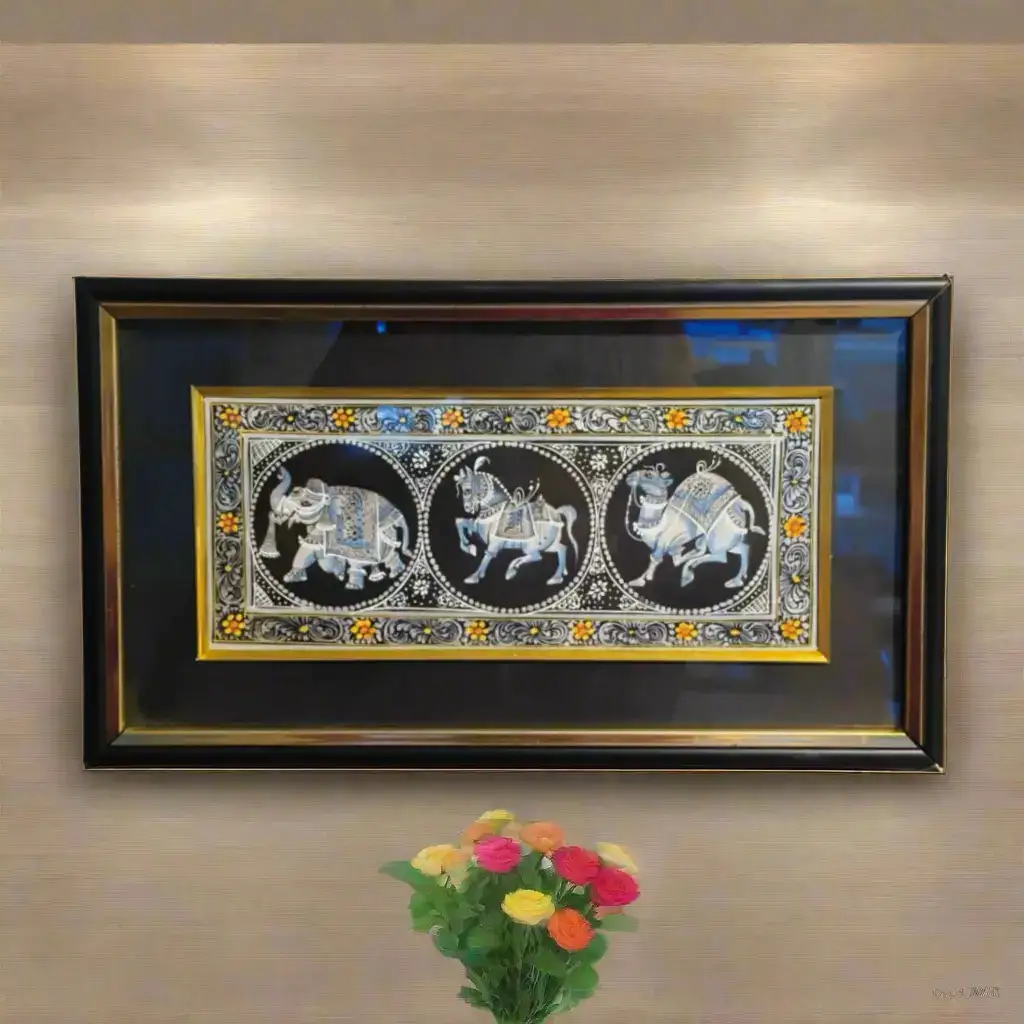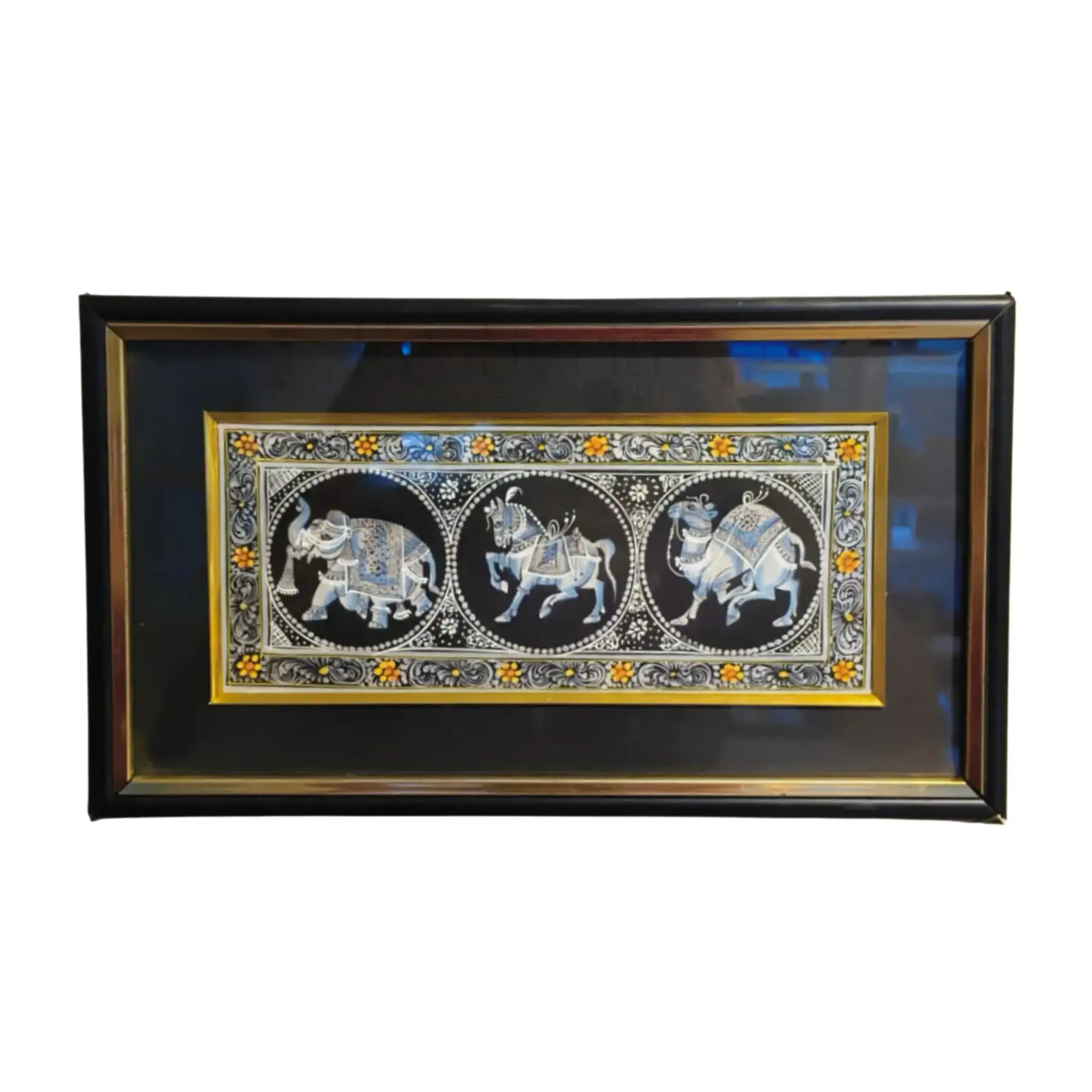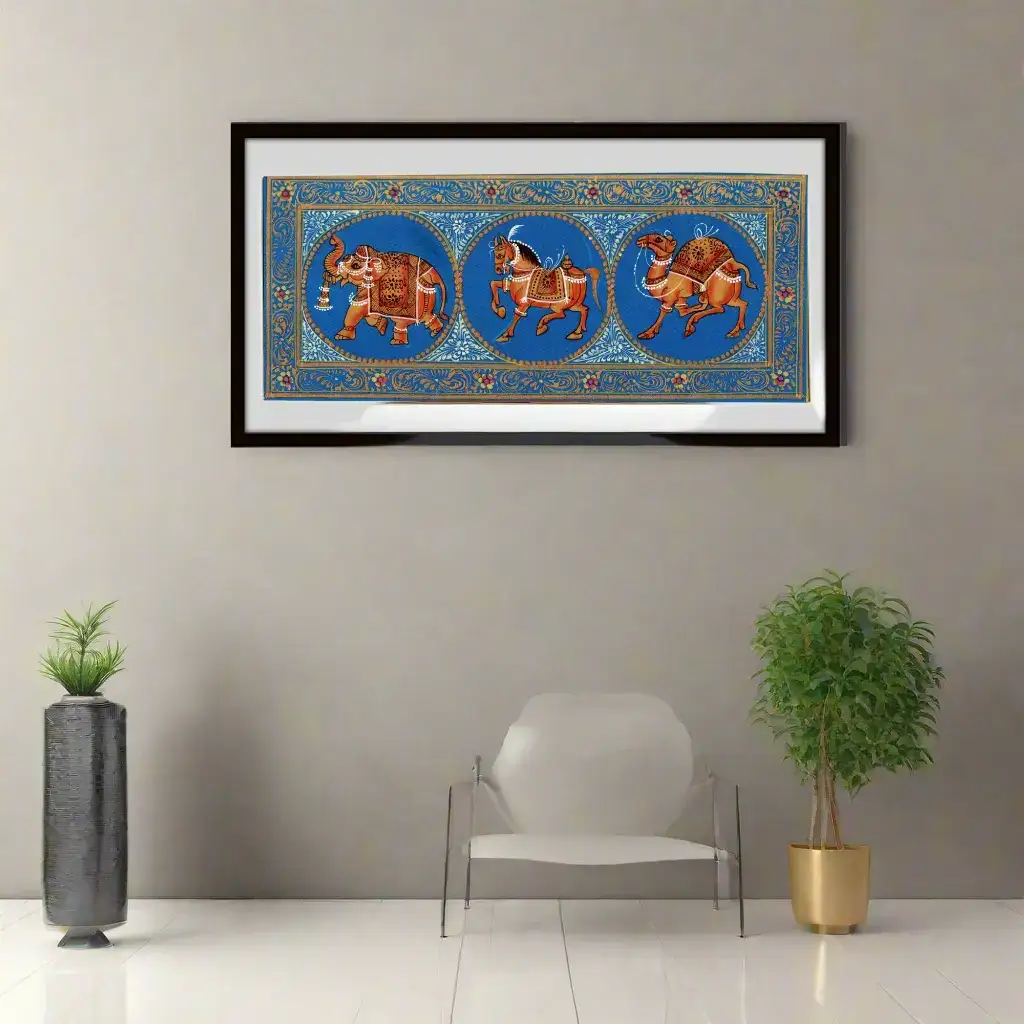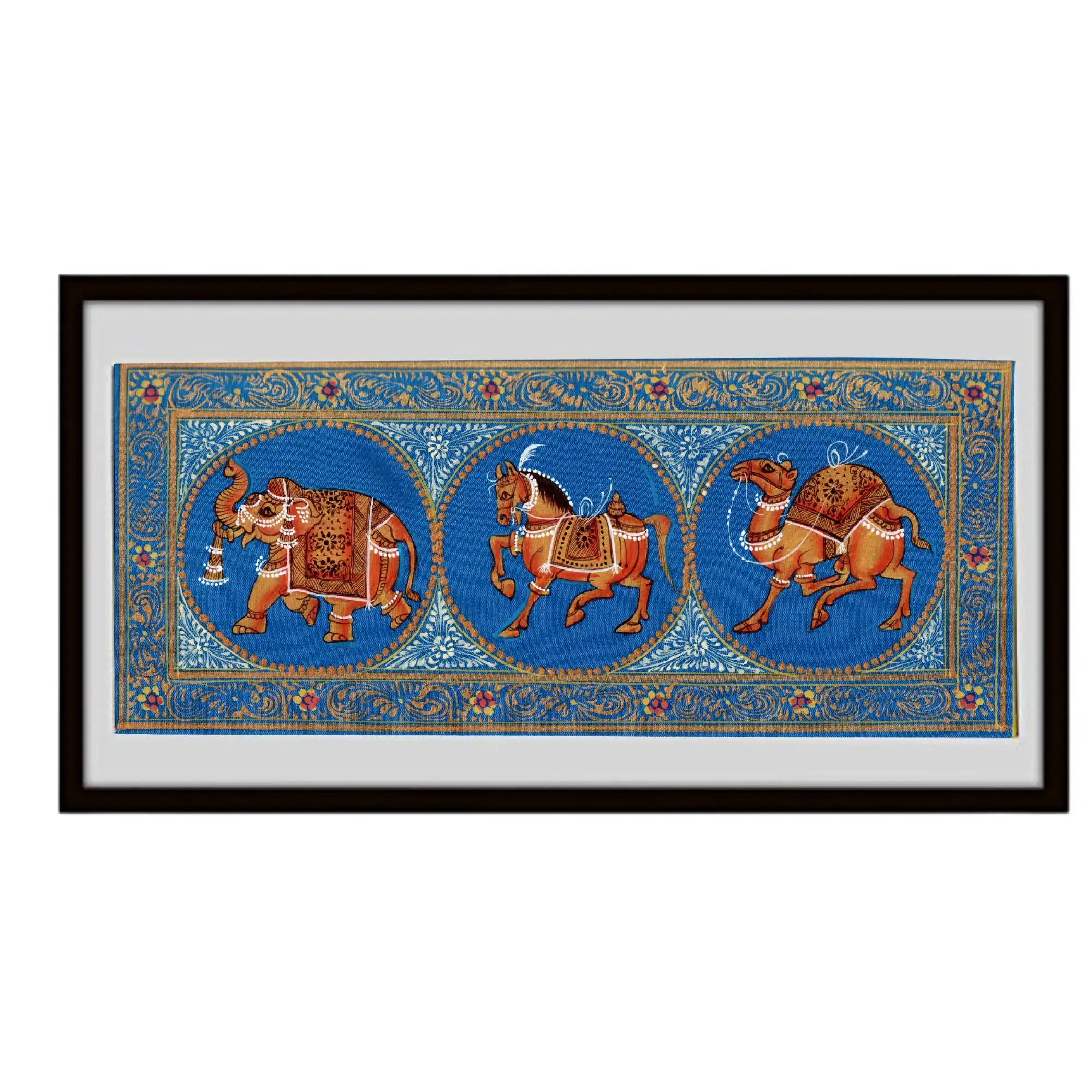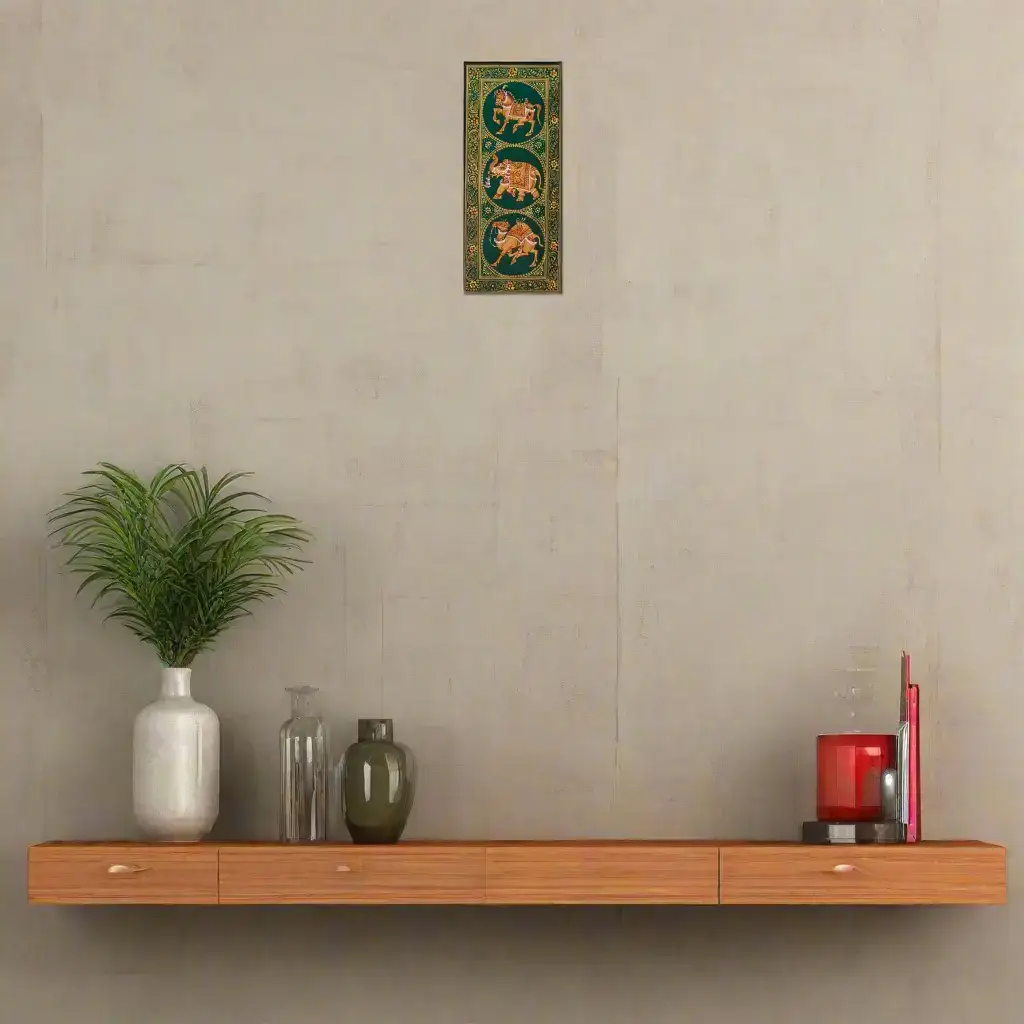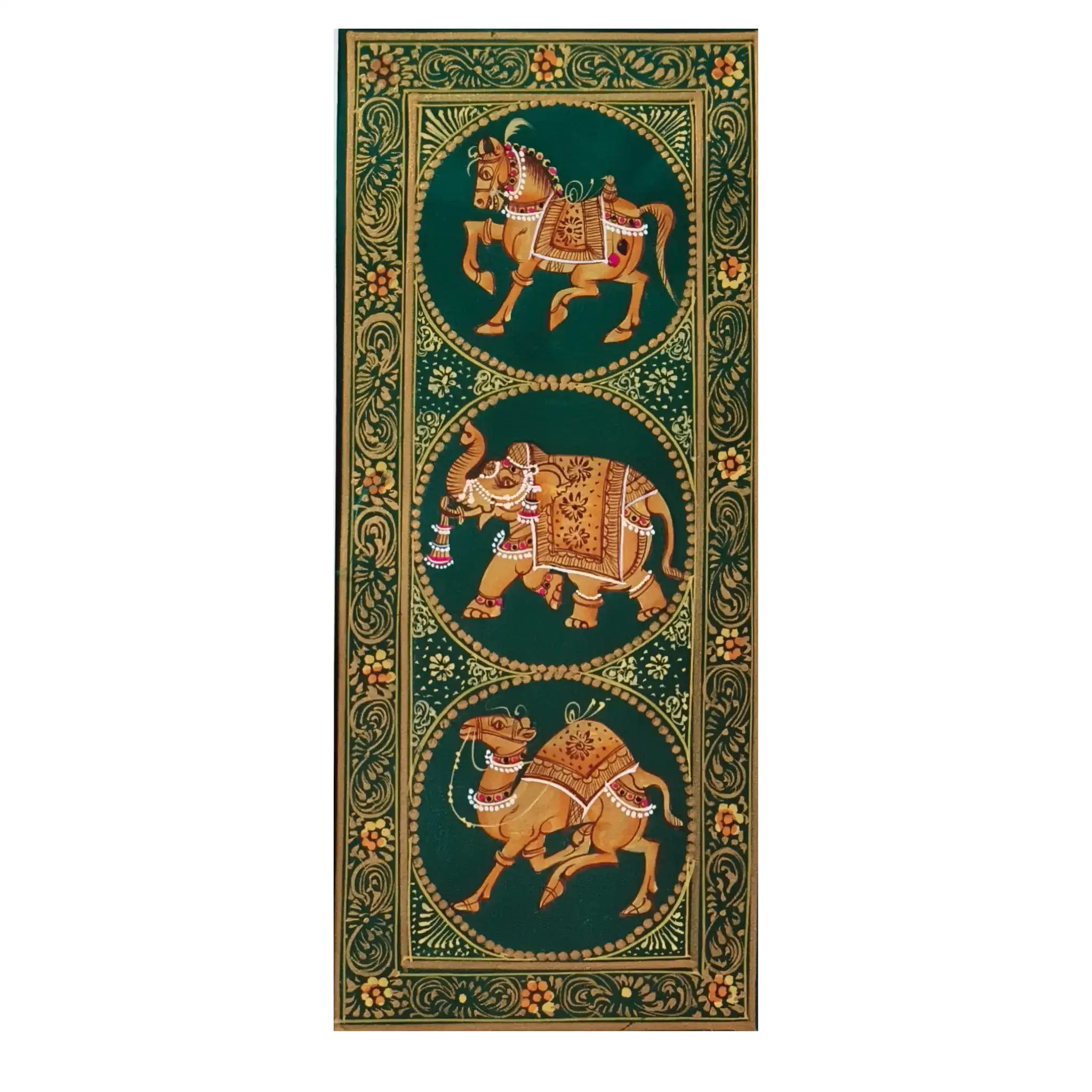
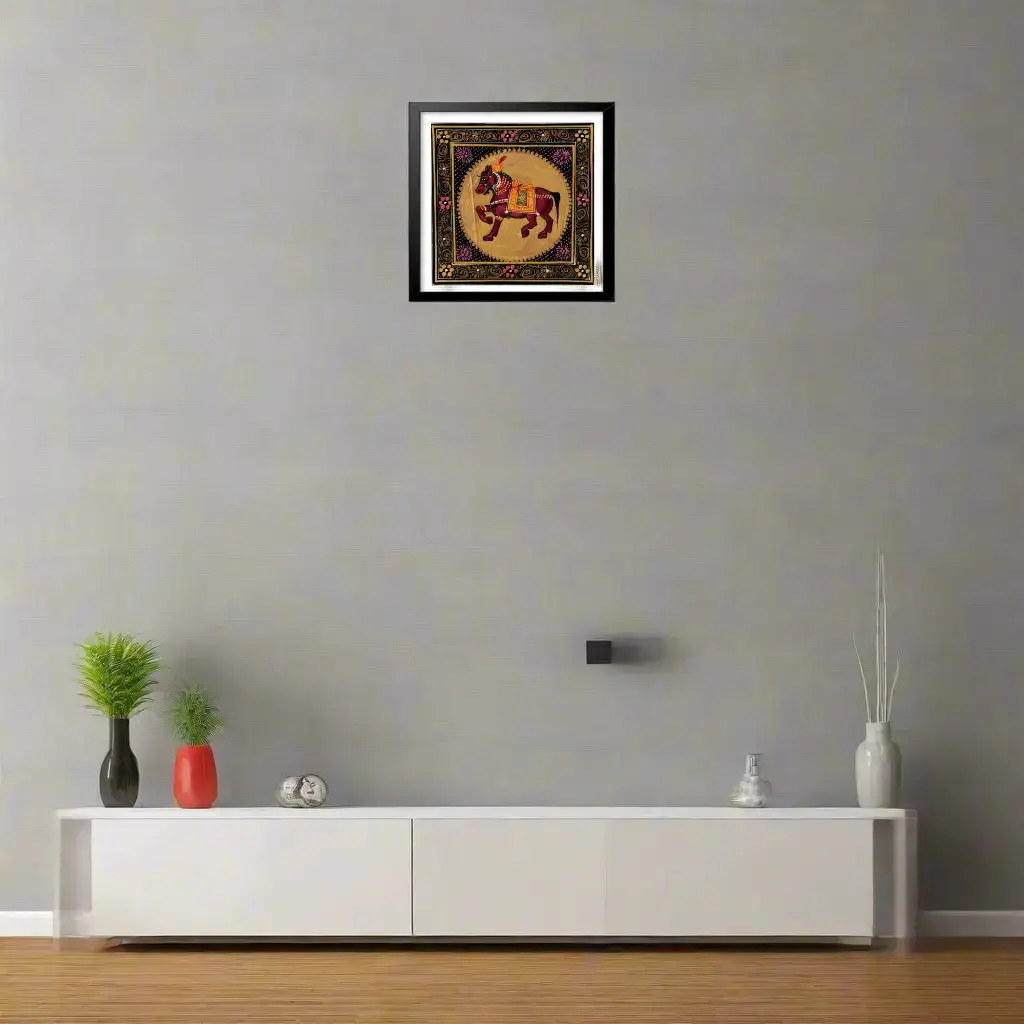
Hand-Painted Traditional Miniature Horse Artwork – Symbol of Strength and Energy
Hand-Painted Traditional Miniature Horse Artwork – Symbol of Strength and Energy
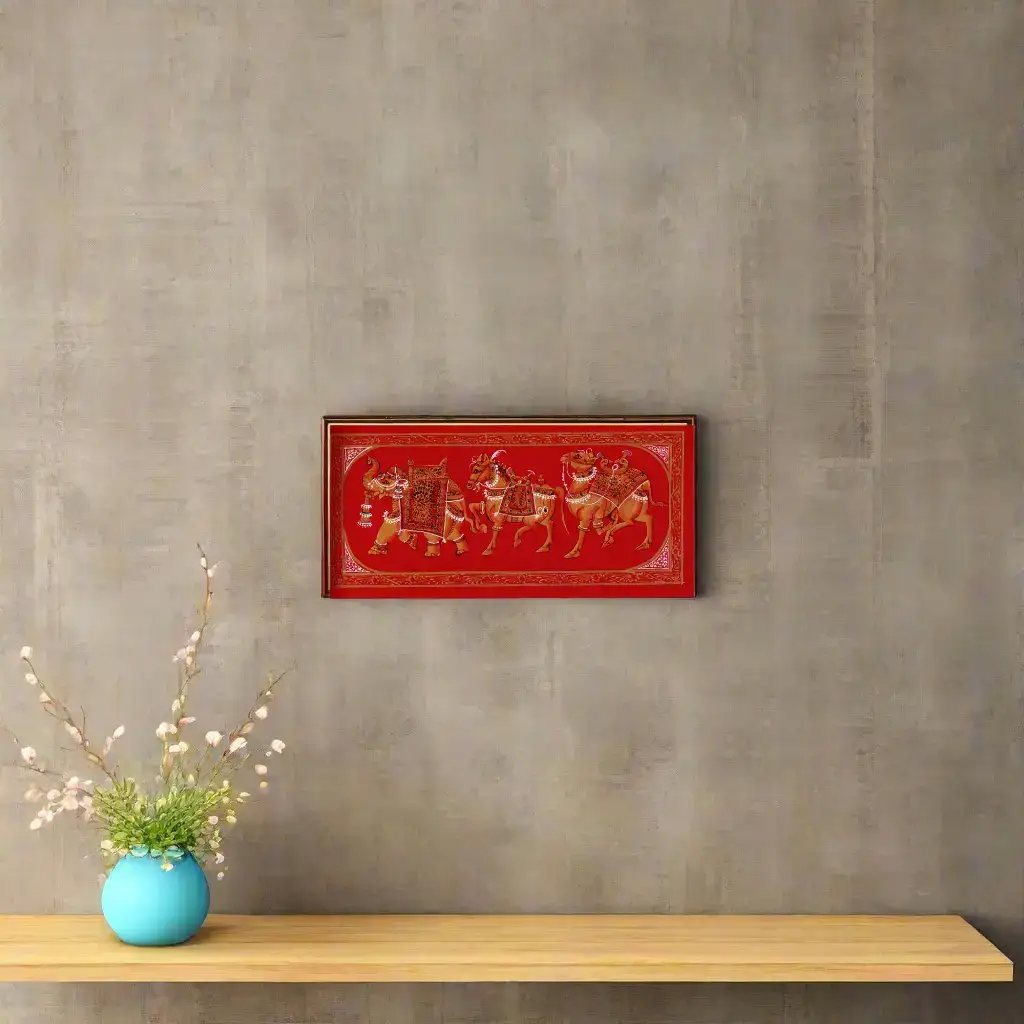
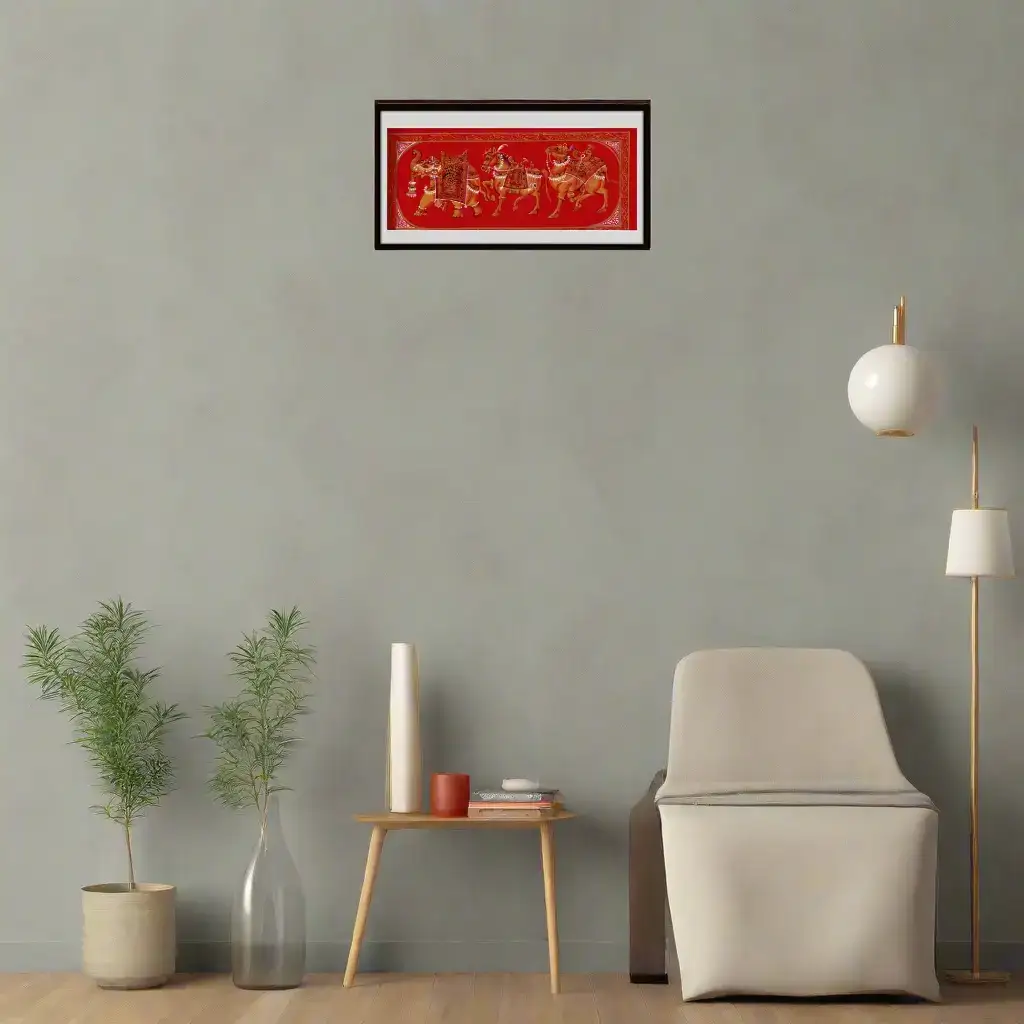
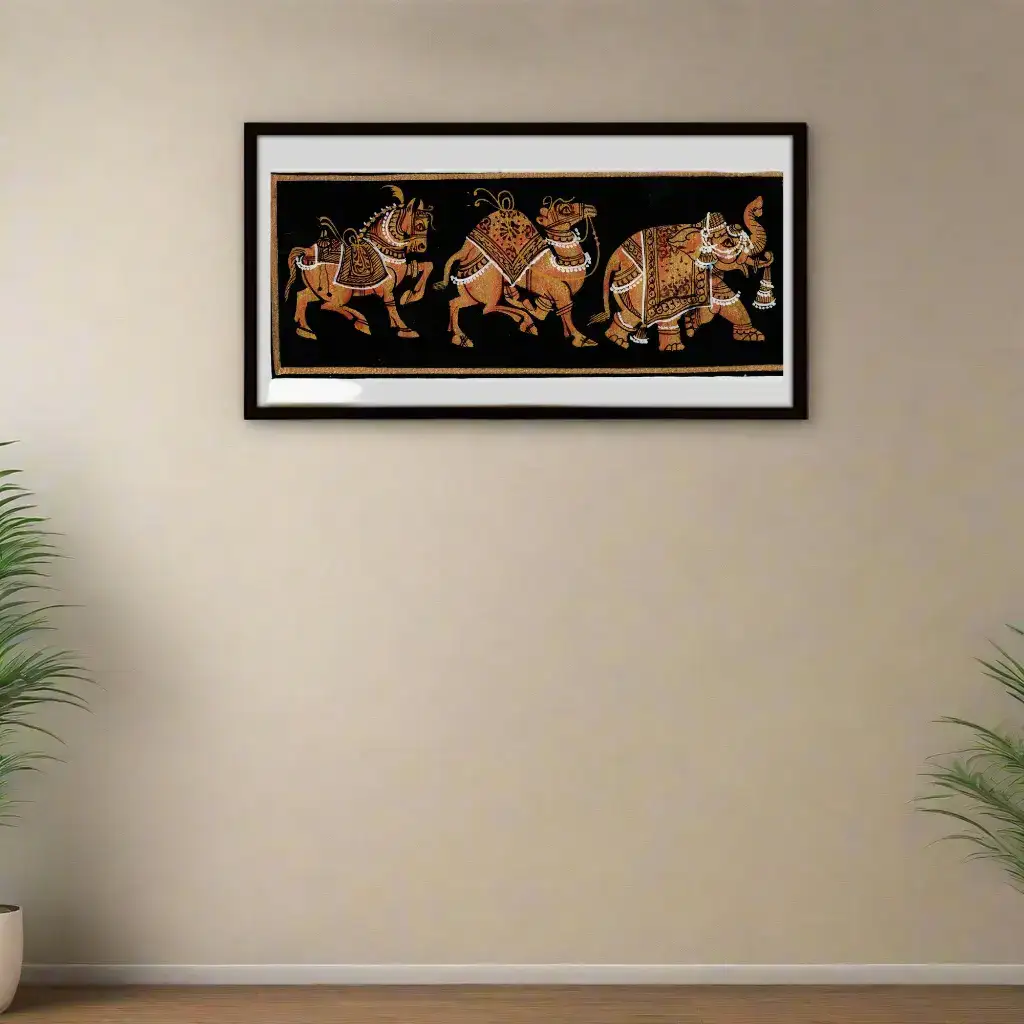
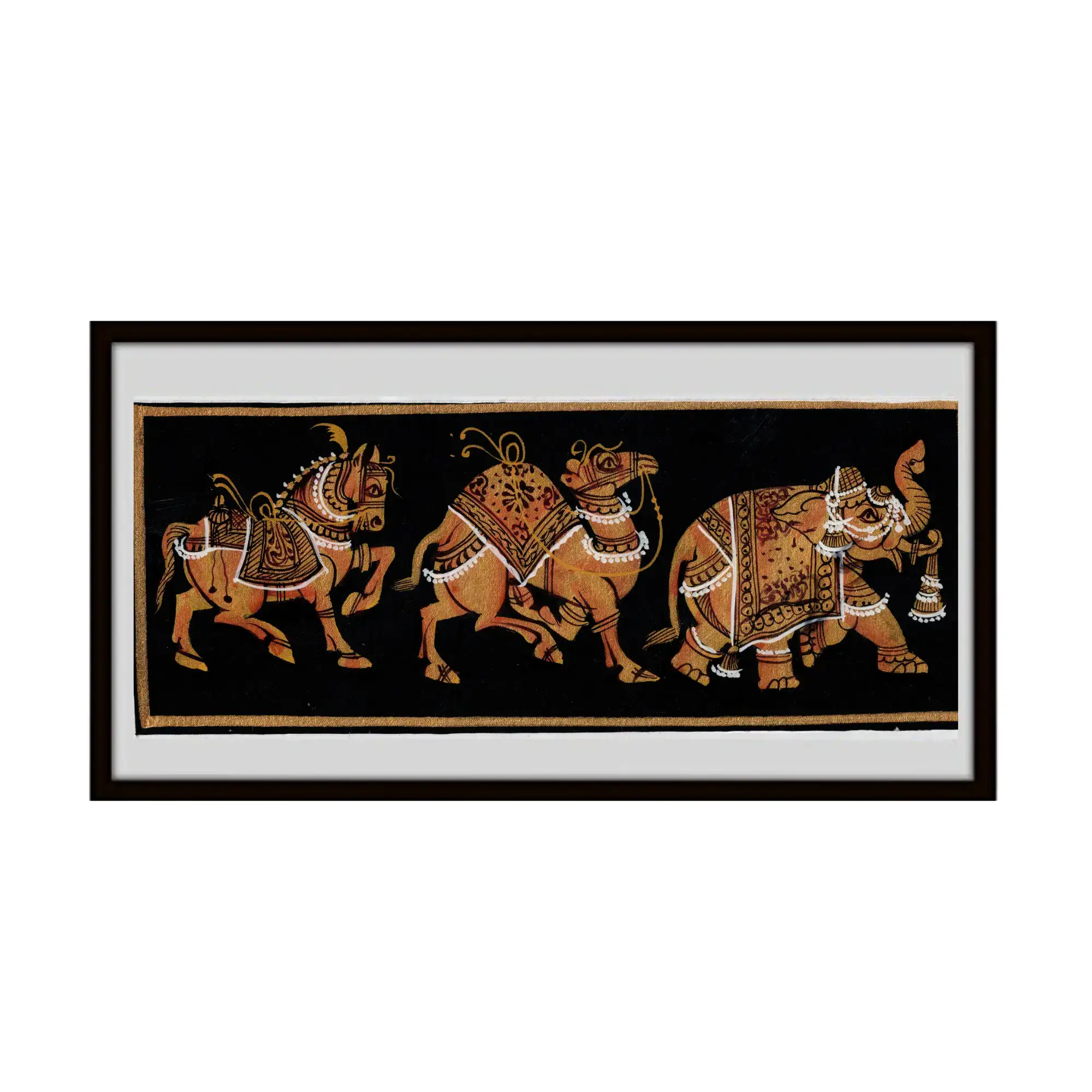
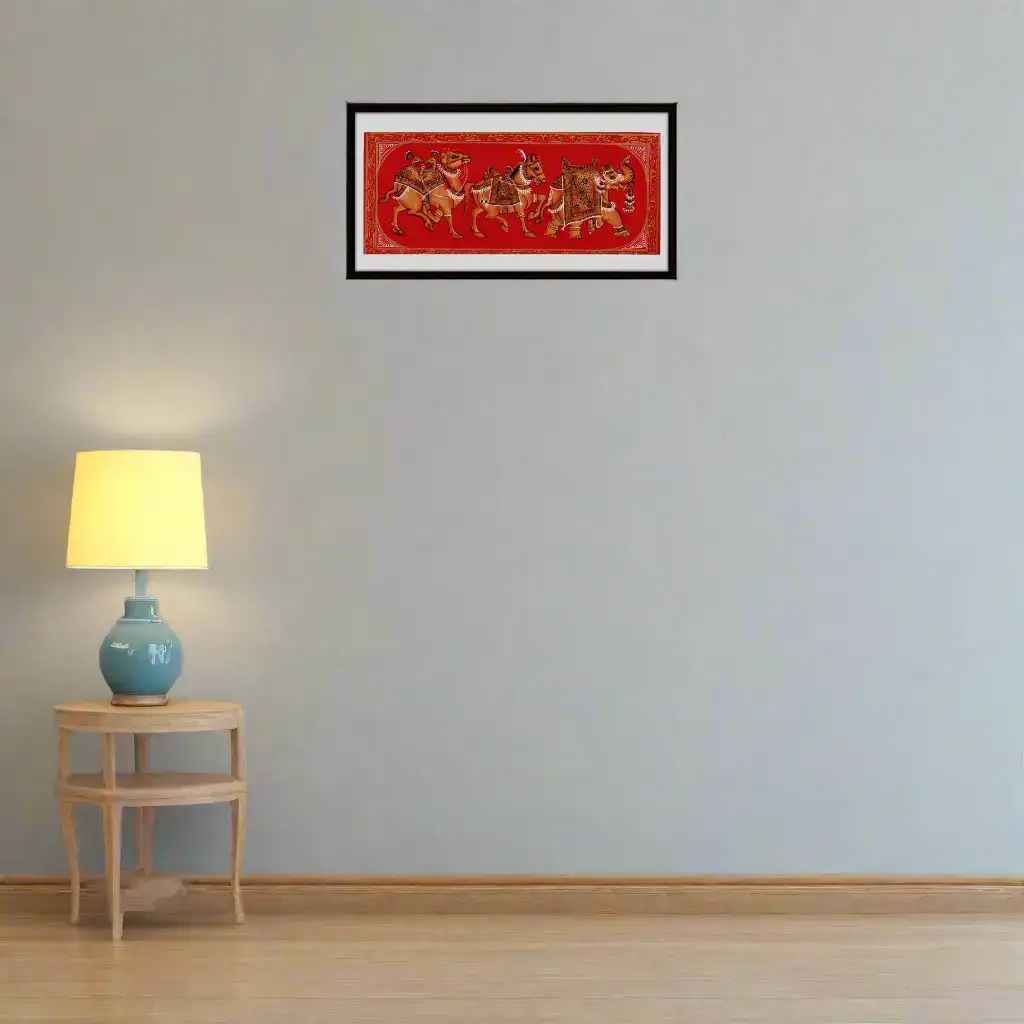
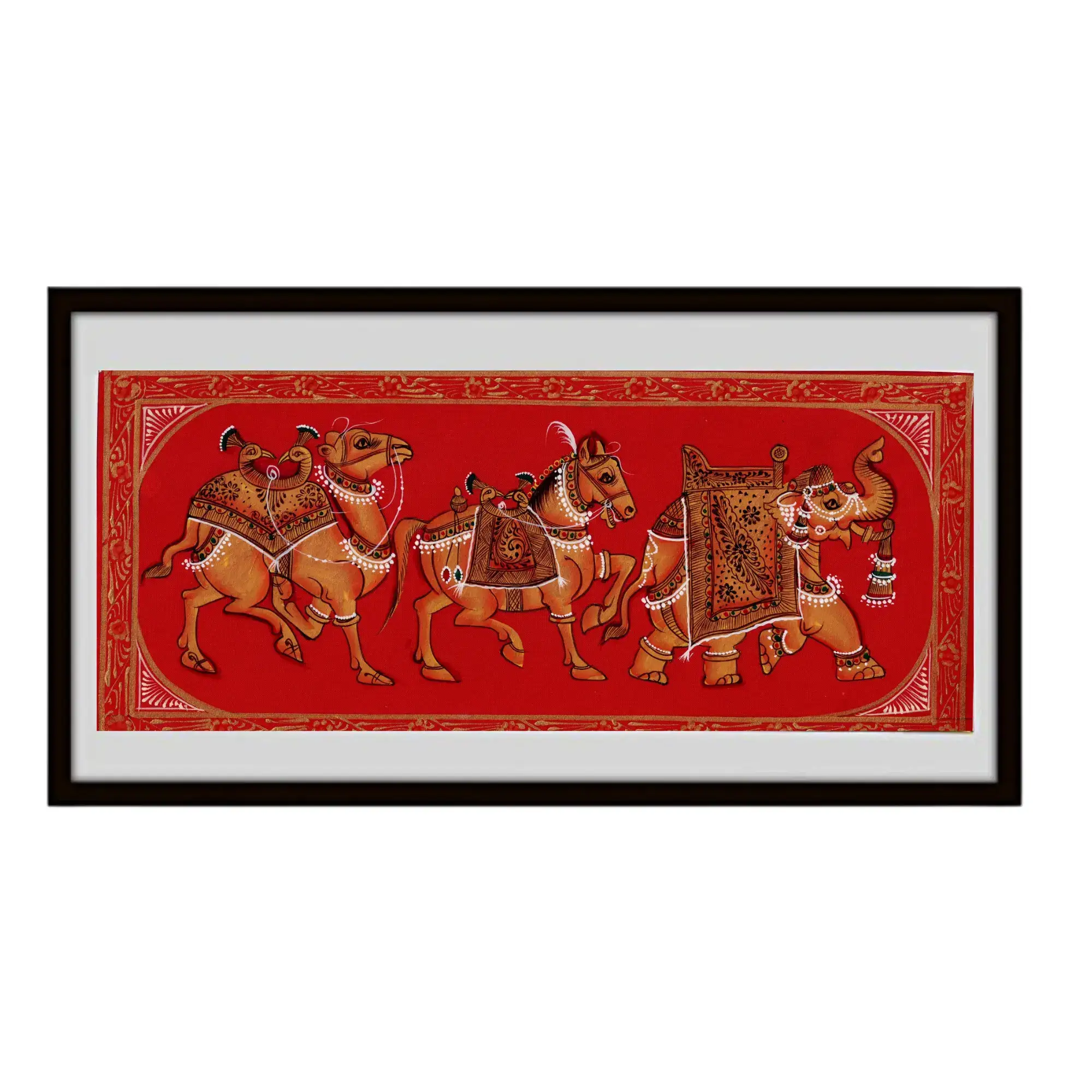
Miniature Horse Artwork Rajasthani Painting is a distinctive form of Indian miniature painting that flourished in the royal courts of Rajasthan starting from the 16th century. This art form is deeply rooted in Indian cultural traditions and storytelling. It vividly portrays themes ranging from mythology and epics to love stories, royal life, and folk culture. The paintings are renowned for their bold lines, vibrant colors, and meticulous detailing, which captivate the viewer’s attention.
One key feature of this artwork is the use of natural dyes and pigments. These pigments are derived from minerals, vegetables, and precious stones, making the colors exceptionally rich and lasting. This also lends the artwork a luminous quality that endures over time. Such traditional techniques distinguish the Miniature Horse Artwork as an authentic representation of Indian heritage and craftsmanship.
Distinct Regional Styles of Miniature Horse Artwork
The Miniature Horse Artwork style is divided into several schools, each with a unique aesthetic and thematic focus. These schools include Mewar, Marwar, Bundi, Kota, Kishangarh, Bikaner, and Jaipur. Their styles reflect different artistic priorities and cultural influences, showcasing the diversity within the miniature painting tradition.
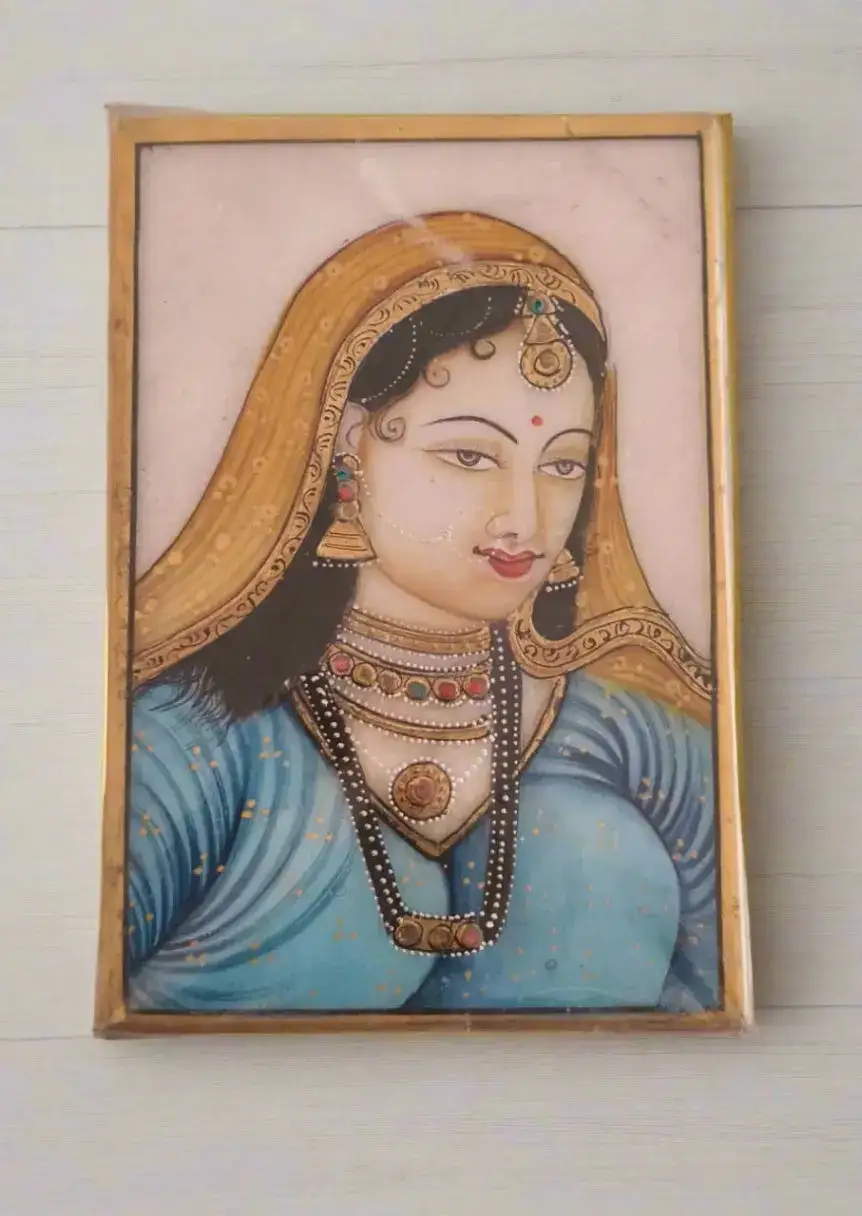
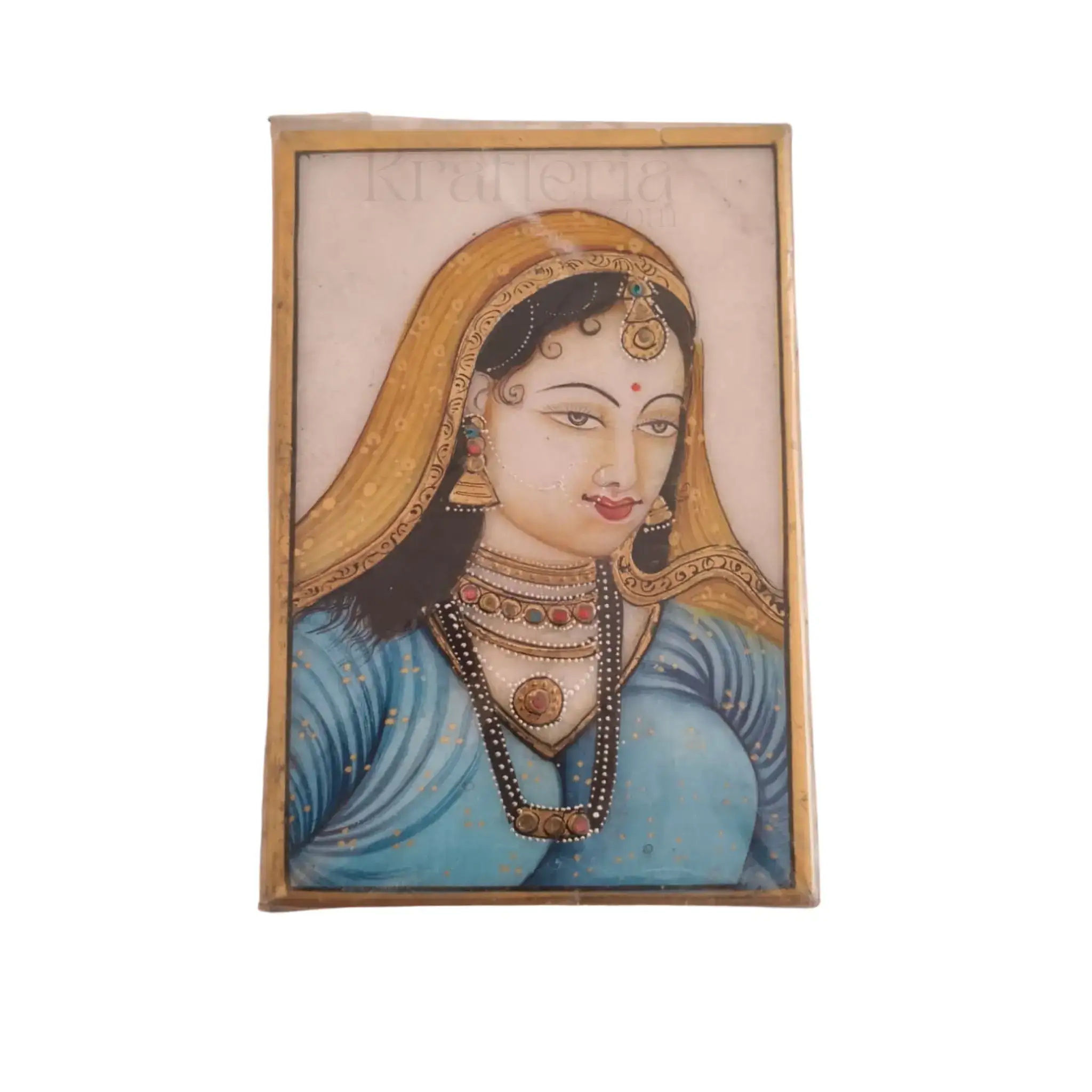
The Kishangarh style is especially famous for romantic themes, often depicting iconic figures like Radha and Krishna. It is also known for the celebrated painting called Bani Thani. Meanwhile, the Mewar school highlights scenes from royal courts, religious themes, and heroic tales, focusing on grandeur and valor. In contrast, Bundi and Kota schools often emphasize lush landscapes and dynamic hunting scenes, capturing nature’s vitality.
The Symbolism of the Horse in This Miniature Painting
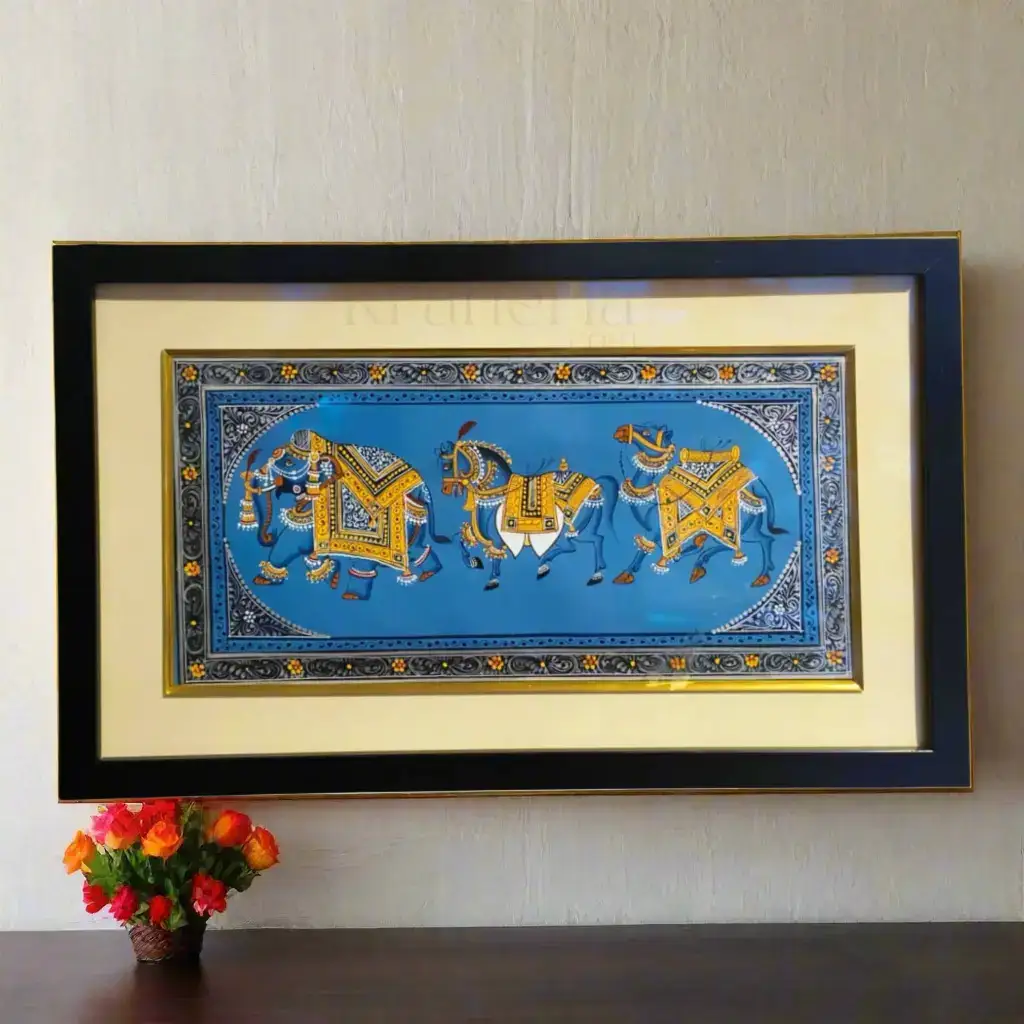
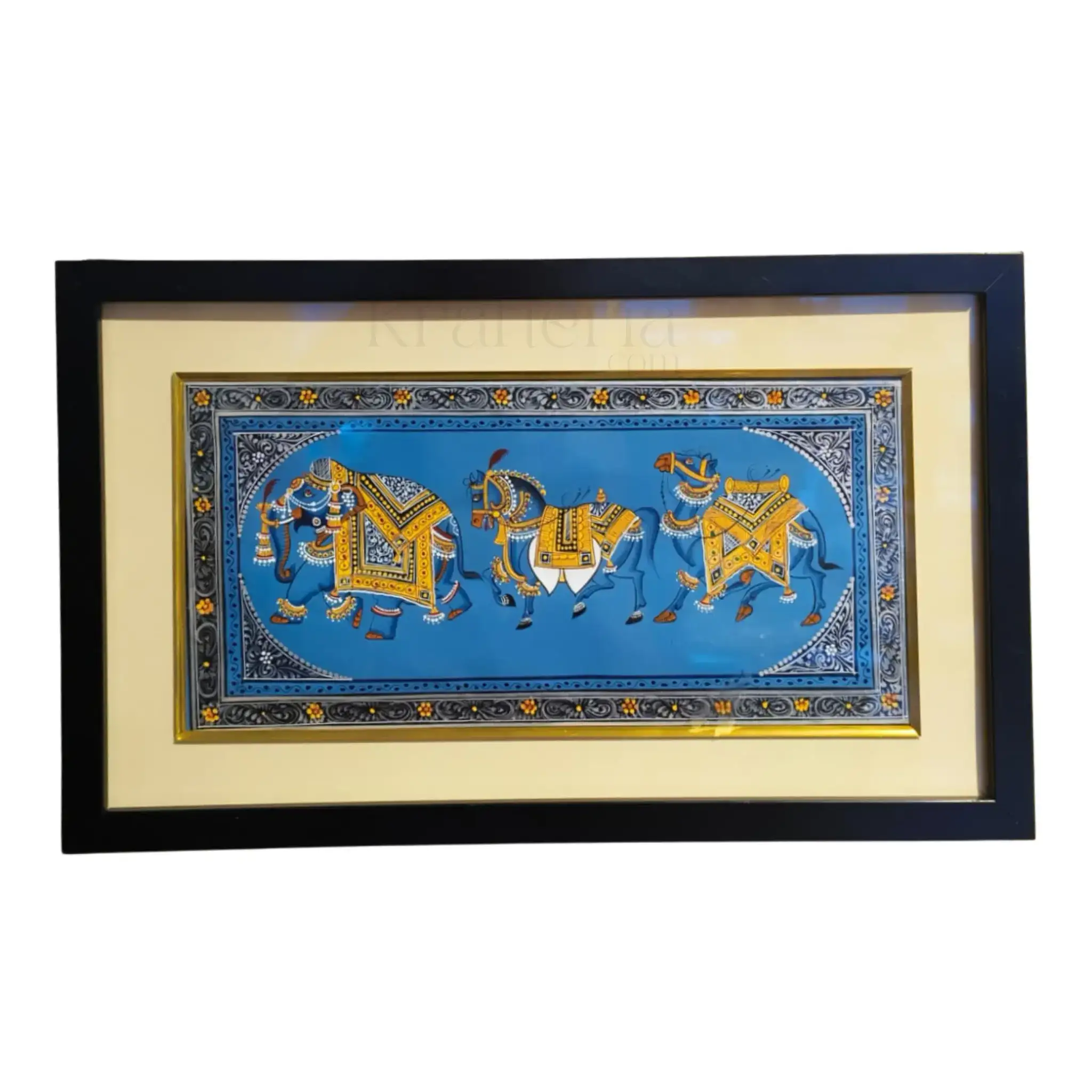
The horse is a powerful symbol throughout Indian art, representing strength, energy, speed, and courage. In the context of Royal horse miniature painting, it symbolizes leadership, success, and progress. This symbolism aligns perfectly with the themes portrayed in the Miniature Horse Artwork, where the horse embodies heroic qualities and noble spirit. Artists skillfully illustrate these meanings through intricate lines and vivid hues.
Such paintings often emphasize the horse’s muscular form, graceful movement, and dynamic posture. These elements convey the essence of "Horse energy painting," celebrating the animal’s vigor and vitality. The horse’s depiction is not just an artistic expression but also a cultural narrative connecting viewers with history and tradition.
Techniques and Materials Used in Horse Painting
The creation of Miniature Horse Art involves painstaking techniques that have been passed down through generations. Artisans use handmade paper, called Wasli, which offers a durable and textured surface perfect for detailed work. The application of natural and mineral pigments requires precision and patience to achieve the rich and luminous finish typical of this art.
Fine brushes made from squirrel hair are often used to render minute details, such as the ornate saddles, harnesses, and decorations on the horse. This attention to detail adds depth and authenticity, differentiating genuine horse miniature painting from modern printed reproductions. Each stroke reflects the artist’s dedication to preserving this cultural heritage.
Why Choose Hand-Painted Miniature Horse Painting?
- Authentic traditional Indian art that showcases royalty and cultural legacy.
- Handcrafted using natural pigments for lasting vividness and brightness.
- Symbolism that goes beyond aesthetics, embodying strength and noble energy.
- Unique variations due to hand-painted techniques, making each piece original.
This artwork is ideal for art collectors, cultural enthusiasts, and anyone who appreciates the intricate beauty of Indian miniature painting. It also serves as a meaningful décor item that brings a sense of history, strength, and artistic expression into any space.
Historical and Cultural Importance of Horse Artwork
Miniature painting in Rajasthan was historically supported by royal patrons, and this patronage helped preserve and evolve the art over centuries. The Miniature Artwork relates directly to the royal fascination with horses, which were essential for warfare, hunting, and royal processions. This cultural backdrop enriches the narrative depicted in each painting.
Over time, these artworks became more than just decorative items. They captured the spirit of their era and reflected the values and priorities of the kingdoms. Today, owning a horse miniature painting connects you to this rich history, echoing the legacy of valor and energy that the horse symbolizes.
Original: $9.67
-70%$9.67
$2.90Product Information
Product Information
Shipping & Returns
Shipping & Returns
Description
Hand-Painted Traditional Miniature Horse Artwork – Symbol of Strength and Energy
Miniature Horse Artwork Rajasthani Painting is a distinctive form of Indian miniature painting that flourished in the royal courts of Rajasthan starting from the 16th century. This art form is deeply rooted in Indian cultural traditions and storytelling. It vividly portrays themes ranging from mythology and epics to love stories, royal life, and folk culture. The paintings are renowned for their bold lines, vibrant colors, and meticulous detailing, which captivate the viewer’s attention.
One key feature of this artwork is the use of natural dyes and pigments. These pigments are derived from minerals, vegetables, and precious stones, making the colors exceptionally rich and lasting. This also lends the artwork a luminous quality that endures over time. Such traditional techniques distinguish the Miniature Horse Artwork as an authentic representation of Indian heritage and craftsmanship.
Distinct Regional Styles of Miniature Horse Artwork
The Miniature Horse Artwork style is divided into several schools, each with a unique aesthetic and thematic focus. These schools include Mewar, Marwar, Bundi, Kota, Kishangarh, Bikaner, and Jaipur. Their styles reflect different artistic priorities and cultural influences, showcasing the diversity within the miniature painting tradition.
The Kishangarh style is especially famous for romantic themes, often depicting iconic figures like Radha and Krishna. It is also known for the celebrated painting called Bani Thani. Meanwhile, the Mewar school highlights scenes from royal courts, religious themes, and heroic tales, focusing on grandeur and valor. In contrast, Bundi and Kota schools often emphasize lush landscapes and dynamic hunting scenes, capturing nature’s vitality.
The Symbolism of the Horse in This Miniature Painting
The horse is a powerful symbol throughout Indian art, representing strength, energy, speed, and courage. In the context of Royal horse miniature painting, it symbolizes leadership, success, and progress. This symbolism aligns perfectly with the themes portrayed in the Miniature Horse Artwork, where the horse embodies heroic qualities and noble spirit. Artists skillfully illustrate these meanings through intricate lines and vivid hues.
Such paintings often emphasize the horse’s muscular form, graceful movement, and dynamic posture. These elements convey the essence of "Horse energy painting," celebrating the animal’s vigor and vitality. The horse’s depiction is not just an artistic expression but also a cultural narrative connecting viewers with history and tradition.
Techniques and Materials Used in Horse Painting
The creation of Miniature Horse Art involves painstaking techniques that have been passed down through generations. Artisans use handmade paper, called Wasli, which offers a durable and textured surface perfect for detailed work. The application of natural and mineral pigments requires precision and patience to achieve the rich and luminous finish typical of this art.
Fine brushes made from squirrel hair are often used to render minute details, such as the ornate saddles, harnesses, and decorations on the horse. This attention to detail adds depth and authenticity, differentiating genuine horse miniature painting from modern printed reproductions. Each stroke reflects the artist’s dedication to preserving this cultural heritage.
Why Choose Hand-Painted Miniature Horse Painting?
- Authentic traditional Indian art that showcases royalty and cultural legacy.
- Handcrafted using natural pigments for lasting vividness and brightness.
- Symbolism that goes beyond aesthetics, embodying strength and noble energy.
- Unique variations due to hand-painted techniques, making each piece original.
This artwork is ideal for art collectors, cultural enthusiasts, and anyone who appreciates the intricate beauty of Indian miniature painting. It also serves as a meaningful décor item that brings a sense of history, strength, and artistic expression into any space.
Historical and Cultural Importance of Horse Artwork
Miniature painting in Rajasthan was historically supported by royal patrons, and this patronage helped preserve and evolve the art over centuries. The Miniature Artwork relates directly to the royal fascination with horses, which were essential for warfare, hunting, and royal processions. This cultural backdrop enriches the narrative depicted in each painting.
Over time, these artworks became more than just decorative items. They captured the spirit of their era and reflected the values and priorities of the kingdoms. Today, owning a horse miniature painting connects you to this rich history, echoing the legacy of valor and energy that the horse symbolizes.