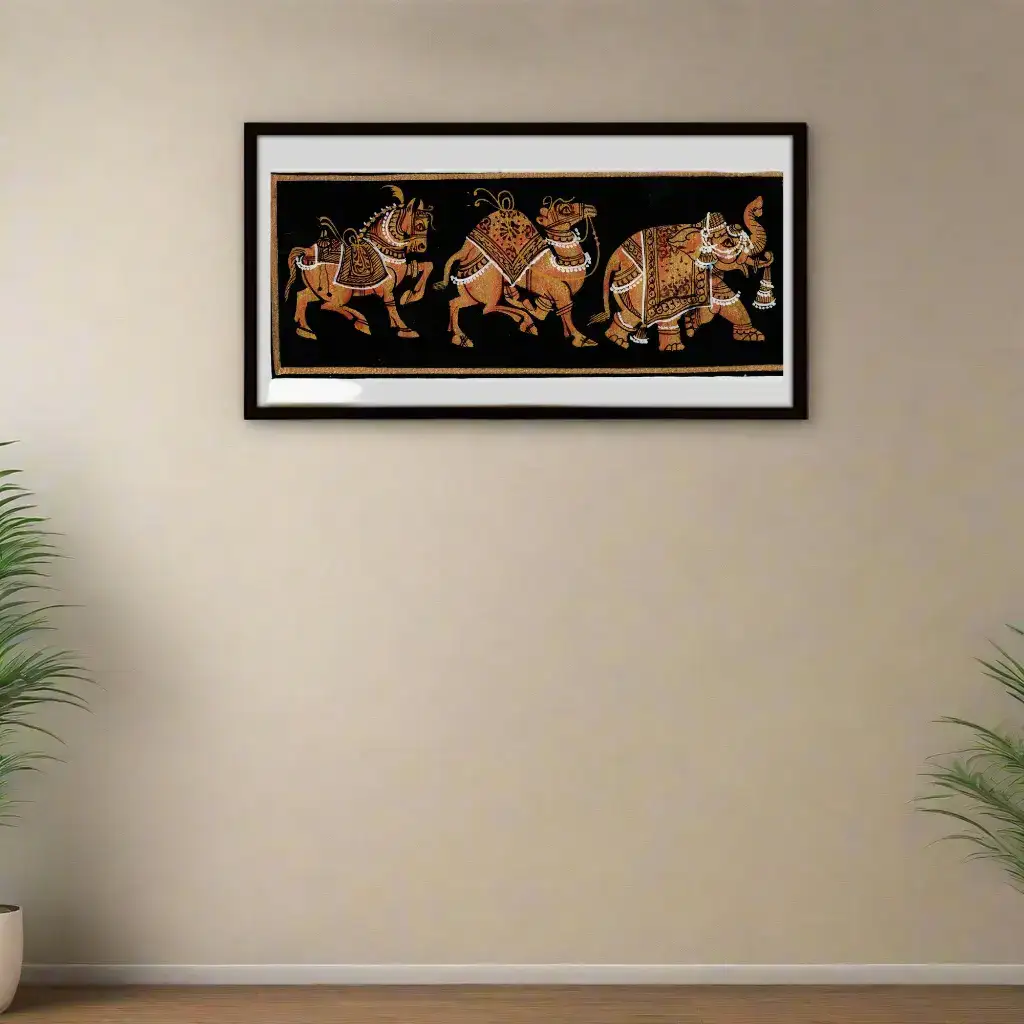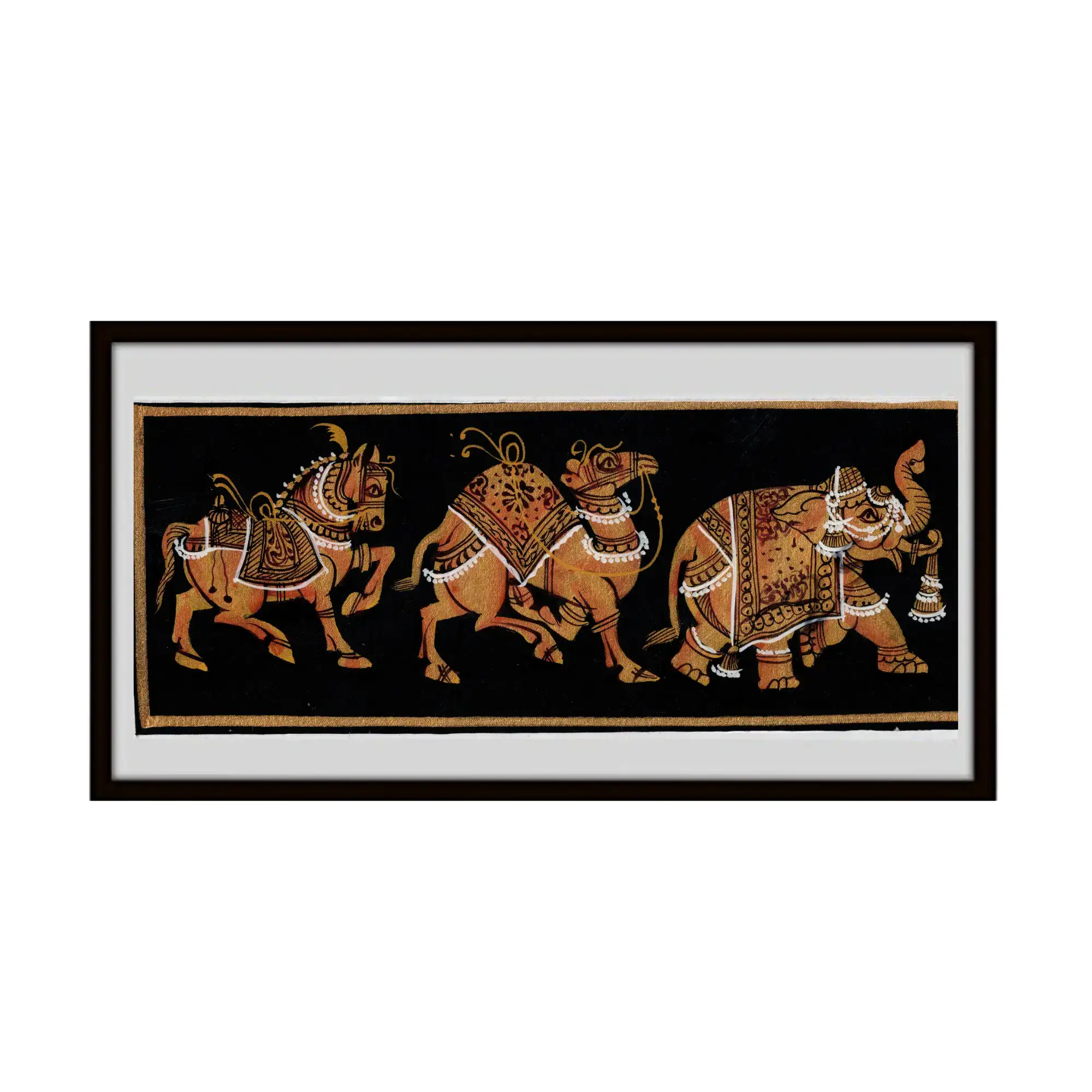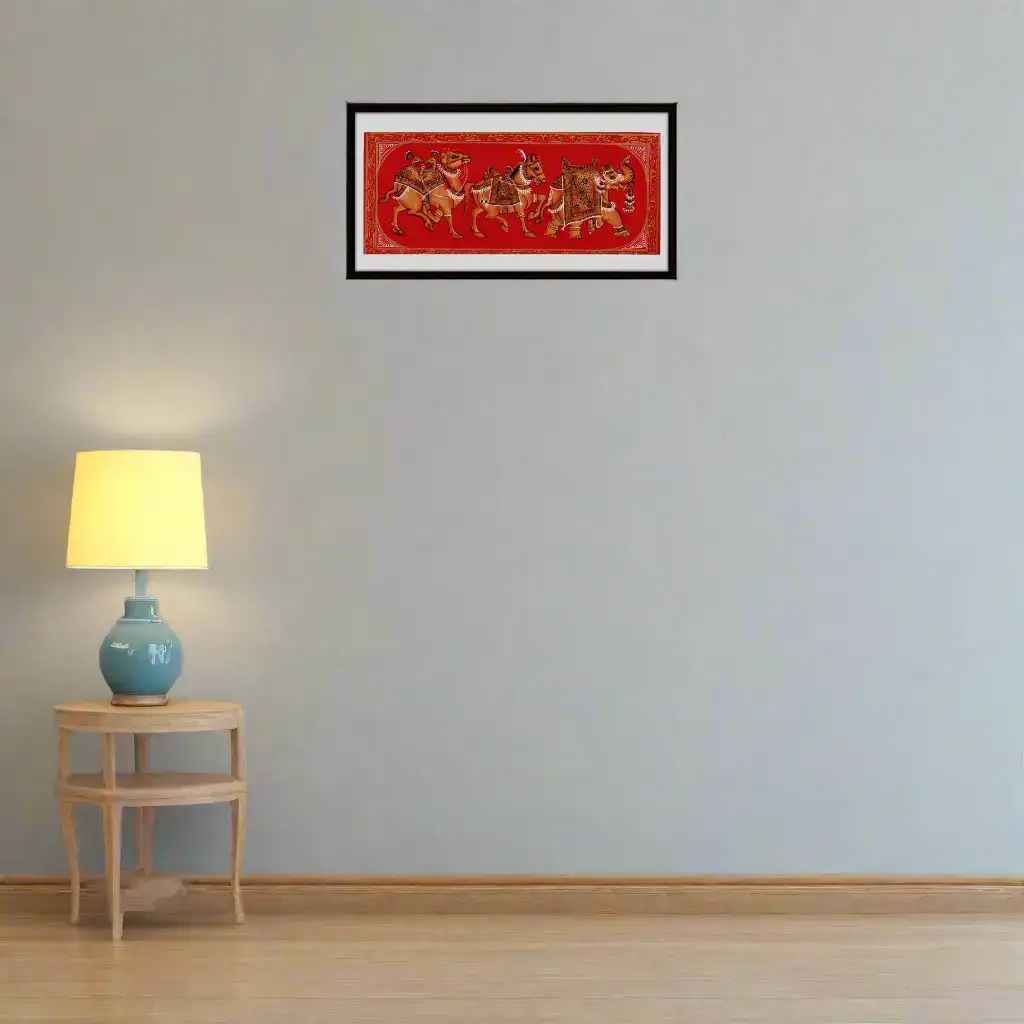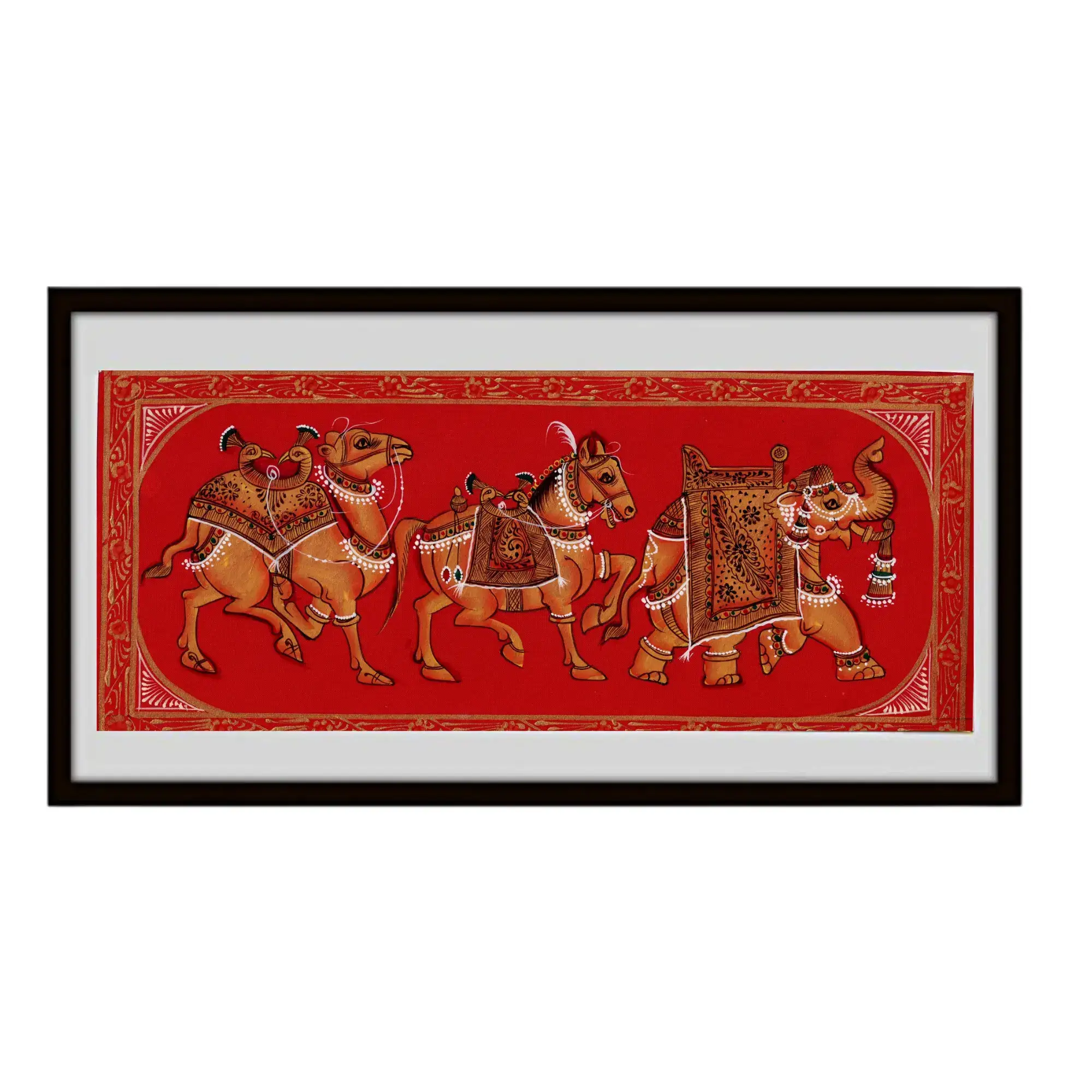
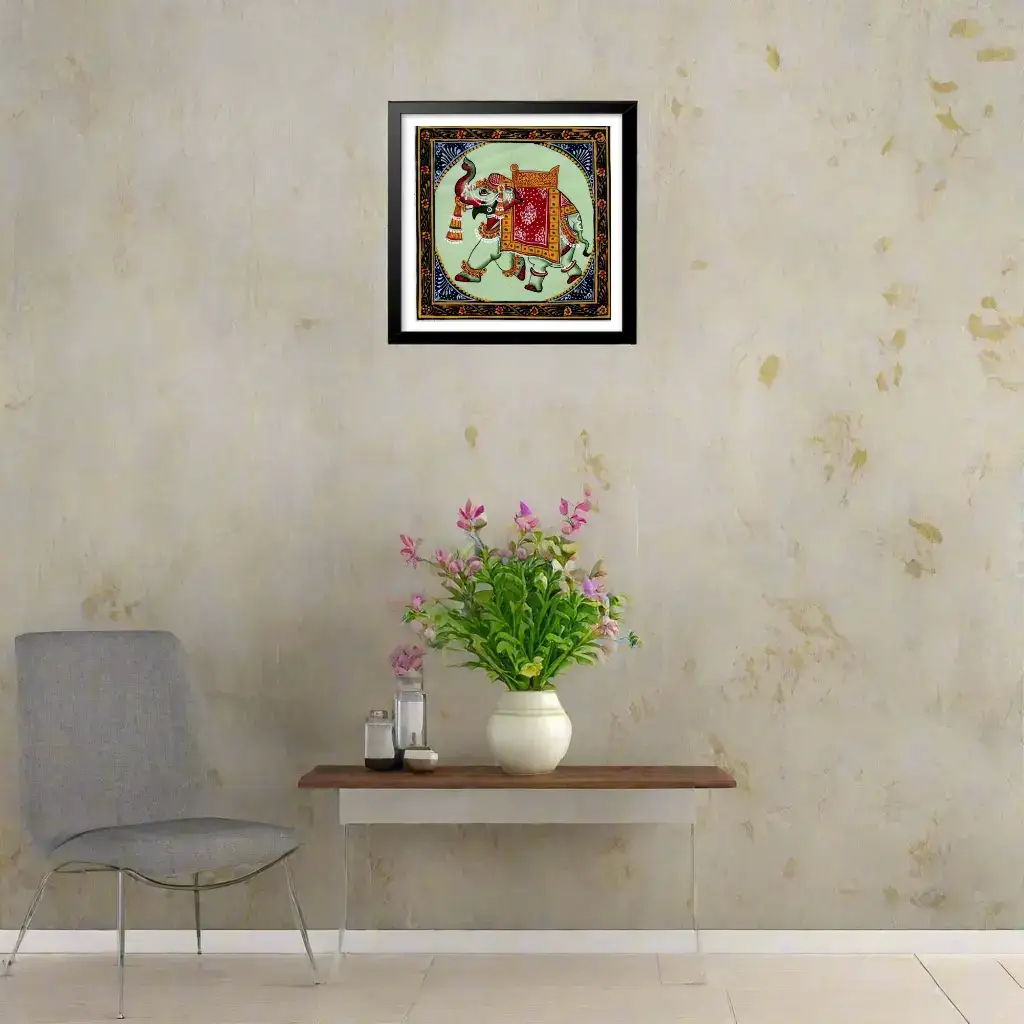
The Auspicious Elephant Miniature Painting
The Auspicious Elephant Miniature Painting: A Timeless Masterpiece
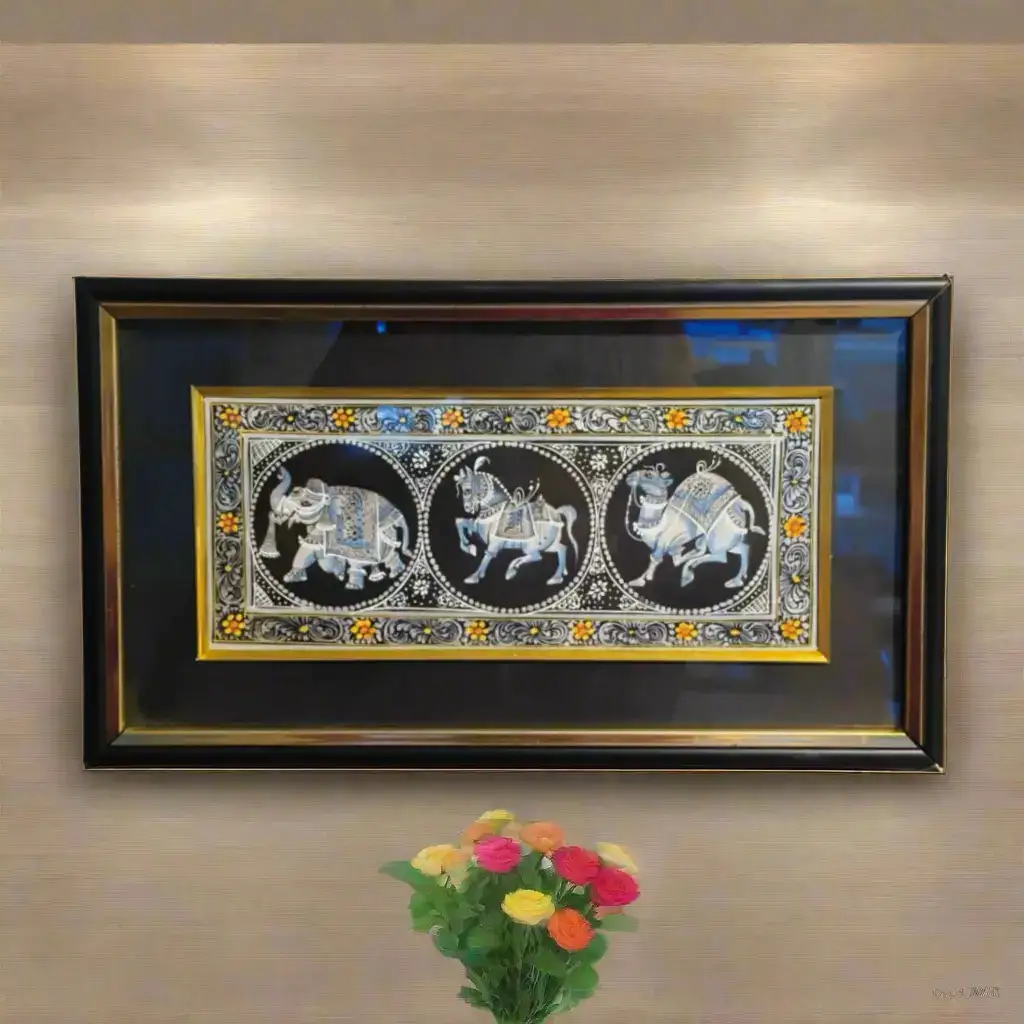
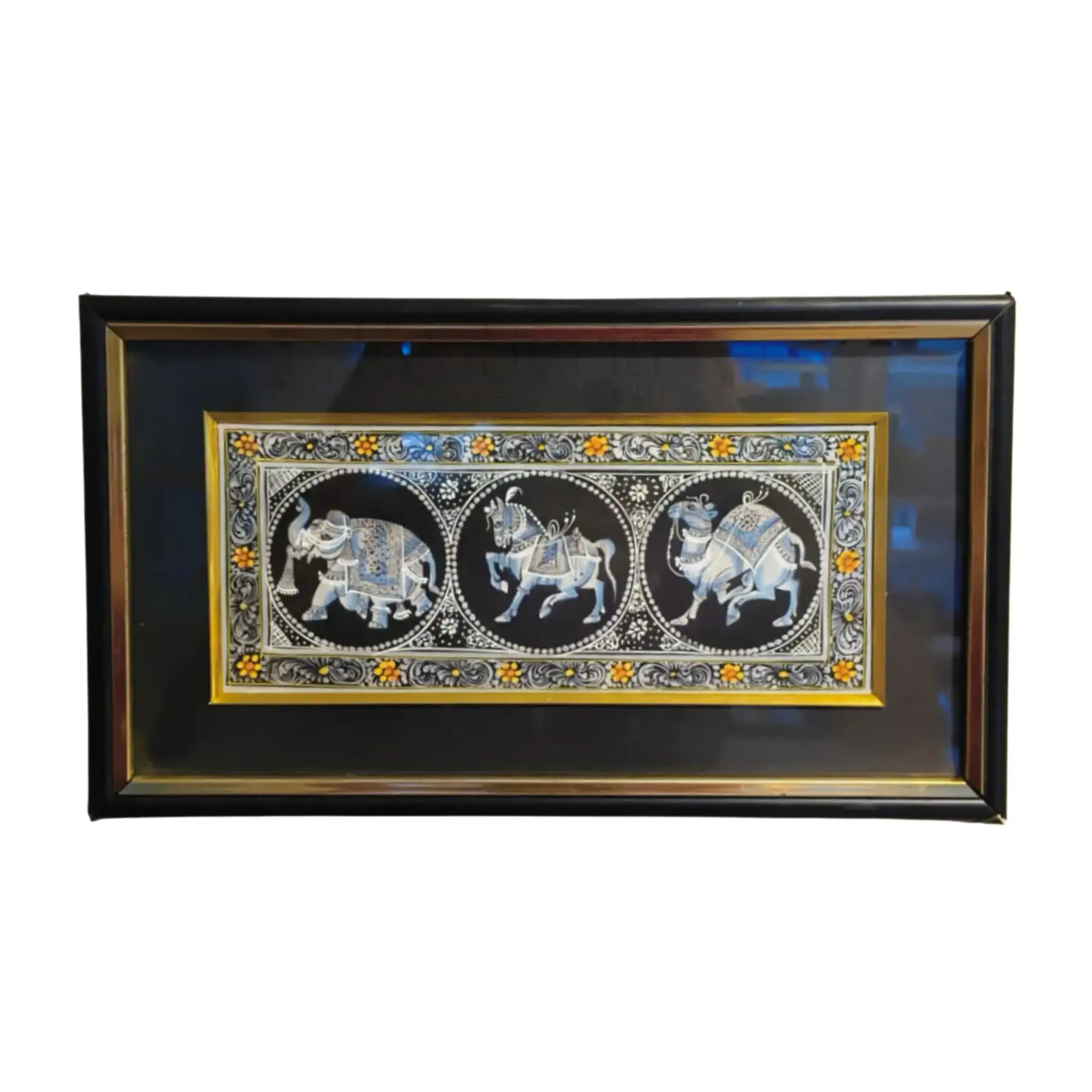
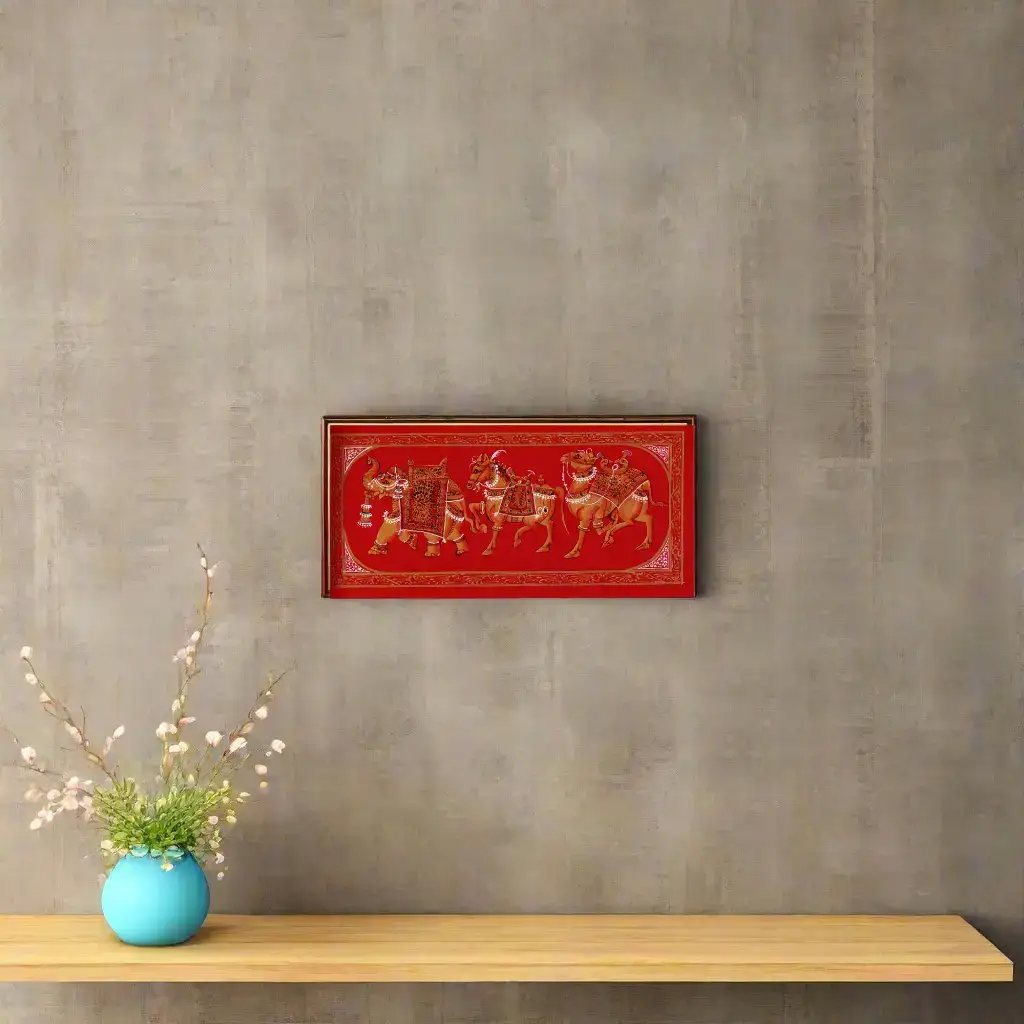
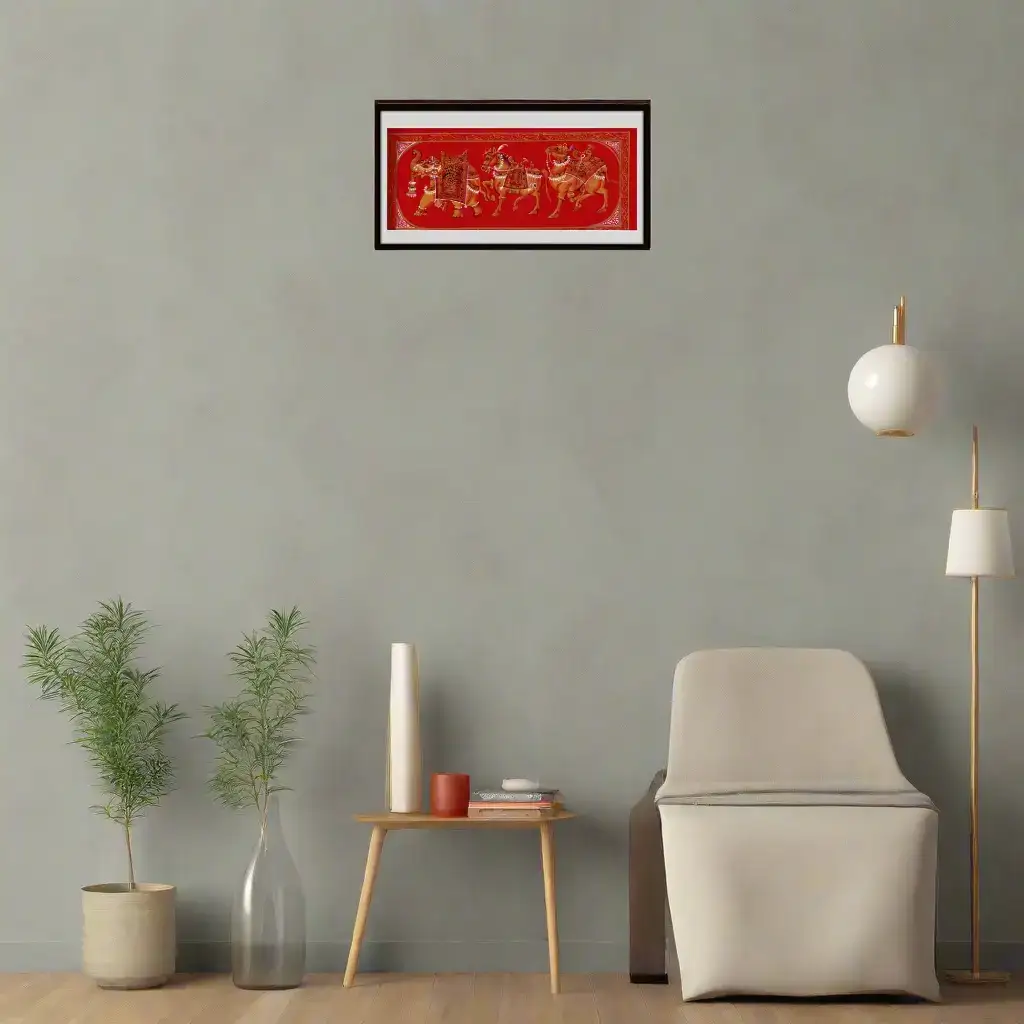
The miniature elephant art is a revered form of Indian art that has captivated art lovers for centuries. Originating in the royal courts of Rajasthan in the 16th century, this art style perfectly blends tradition and intricate craftsmanship. It is deeply rooted in Indian culture and tradition. The artworks often depict themes such as mythology, epic tales, romantic stories, royal life, and vibrant folk culture. The vibrant colors and detailed brushwork breathe life into every piece, offering viewers a glimpse of India’s rich artistic legacy.
Historical Context and Cultural Roots of Miniature Elephant Art
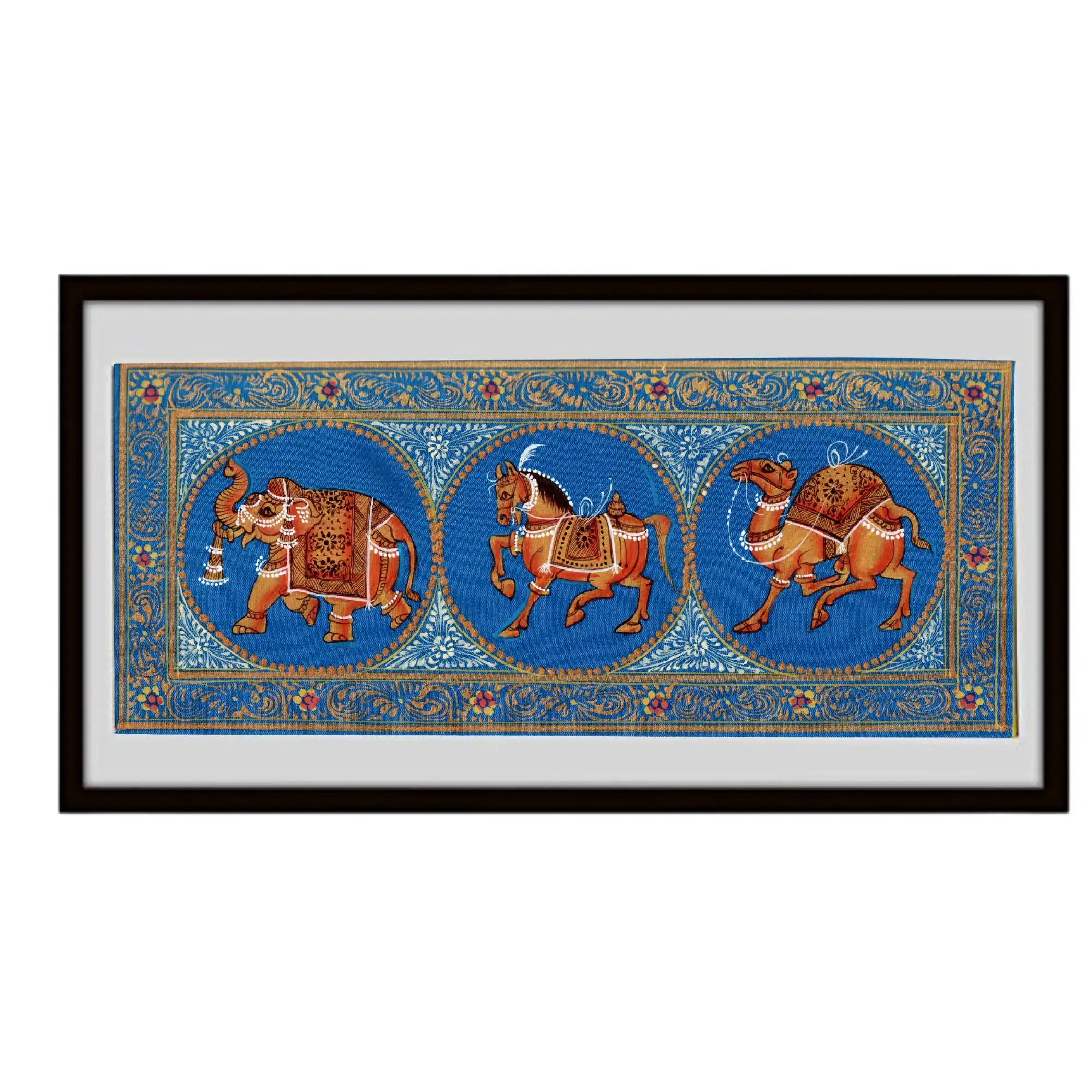
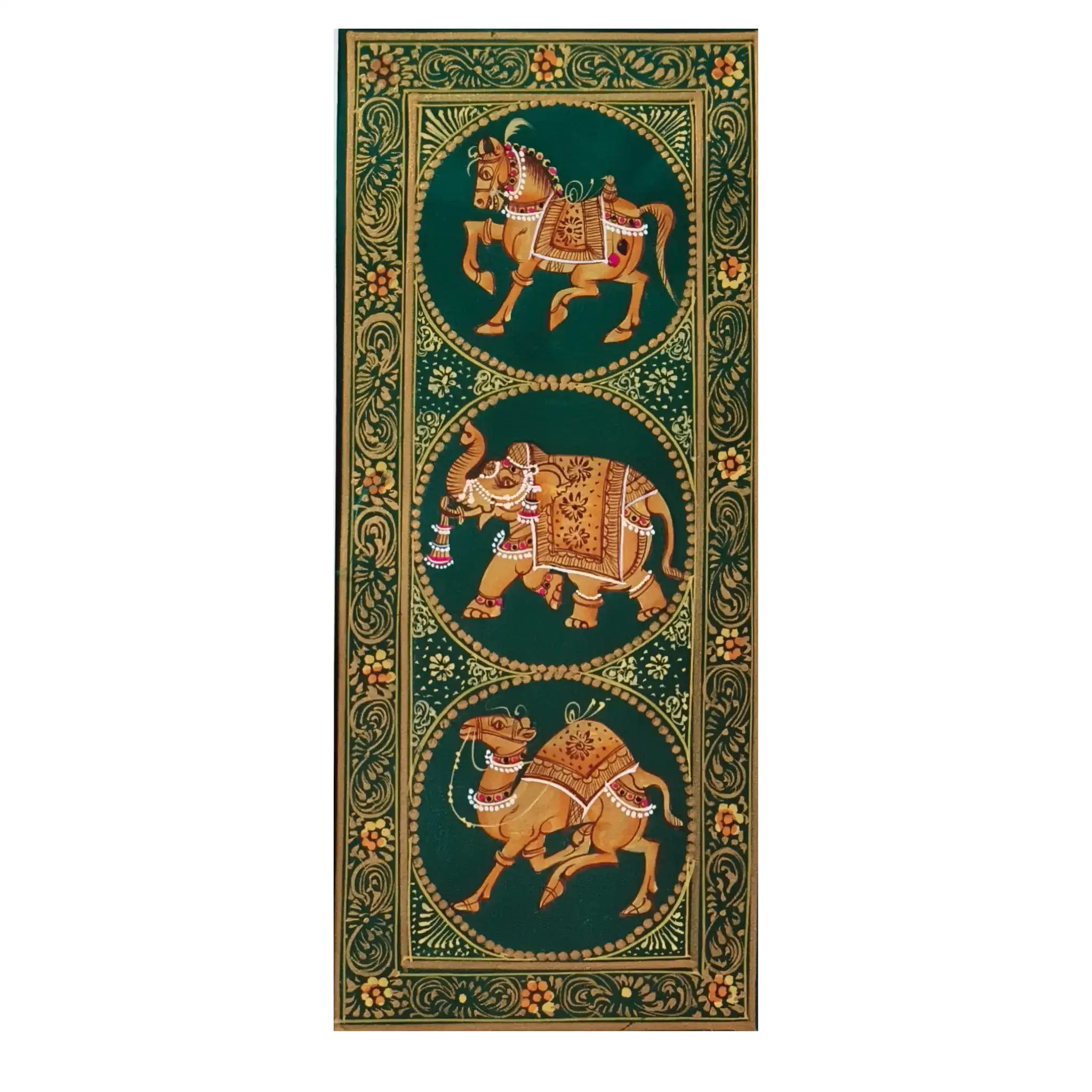
Rajasthan's royal courts fostered the growth of Rajasthani elephant miniature, making it an essential part of India’s heritage. The use of natural dyes, minerals, vegetable-based pigments, and precious stones ensures the brilliant luminosity and lasting quality of these paintings. Each stroke is deliberate, and the bold lines define the magnificent depiction of elephants, a symbol of strength and prosperity. These elements combine uniquely to create captivating artwork that stands the test of time.
Distinct Schools of Rajasthani Miniature Elephant Artwork
This form of miniature elephant arts encompasses several regional schools, each with unique styles and thematic preferences. The main schools include Mewar, Marwar, Bundi, Kota, Kishangarh, Bikaner, and Jaipur. Every school contributes distinct visual elements and subject matter that enrich the overall tradition. Their subtle differences highlight the diversity and depth of Rajasthani miniature elephant art, illuminating the cultural variety within Rajasthan itself.
Mewar and Marwar Schools: Storytelling and Royal Grandeur
Mewar paintings highlight court scenes, legendary tales of heroism, and deep religious symbolism. These artworks often feature elephants as majestic symbols of royal victory and divine protection. Marwar paintings, on the other hand, are renowned for their detailed depiction of rural life, royal festivities, and ceremonial elephants. The combination of detailed brushwork and vibrant colors in Marwar contributes to the overall splendor of miniature elephant art.
Bundi, Kota, and Kishangarh: Nature, Romance, and Elegance
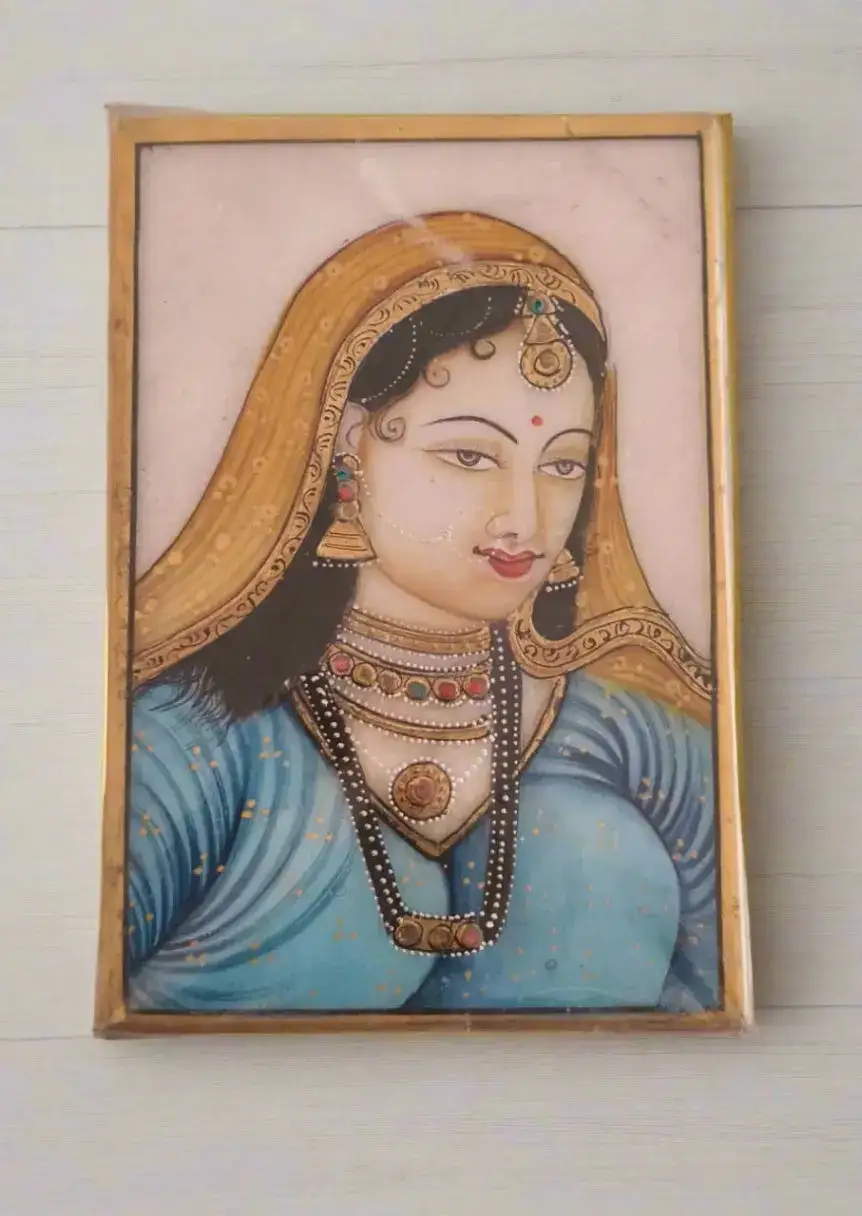
Bundi and Kota schools are famous for their lush landscapes, hunting scenes, and opulent depictions of animals including elephants. This tradition shows elephants in natural and ceremonial settings with detailed backgrounds. Kishangarh is especially distinct for its romantic portrayals, often featuring Radha and Krishna alongside the iconic image of Bani Thani. The emphasis on subtle expressions and delicate lines in Kishangarh adds a poetic beauty to the miniature elephant artwork.
Artistic Techniques and Symbolism in Elephant Art
The meticulous creation of miniature art involves traditional methods passed down through generations. Artists use handmade Wasli paper as a base, applying natural or mineral pigments that ensure durability. Fine detailing with brushes made from squirrel hair allows the expression of intricate patterns on elephants and surroundings. Gold accents often embellish these paintings, enhancing their royal and sacred feel.
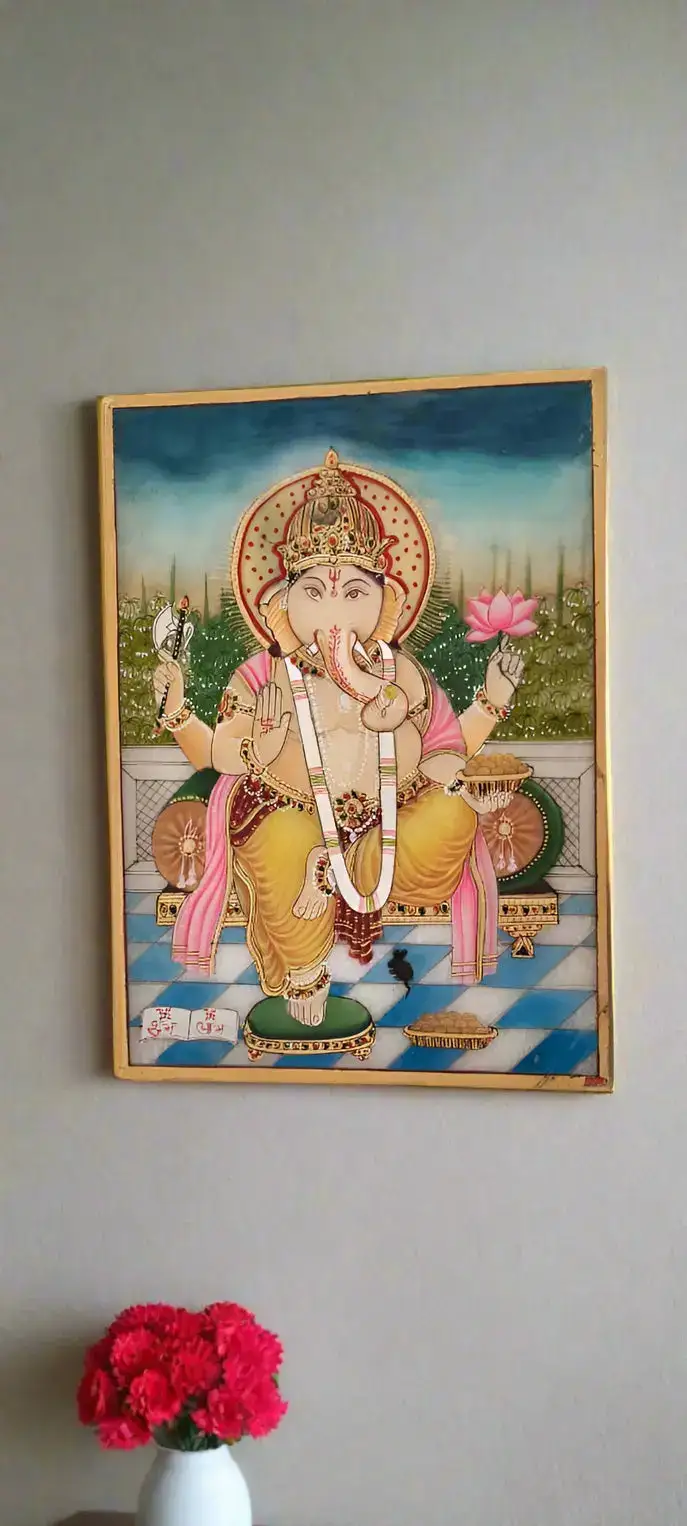
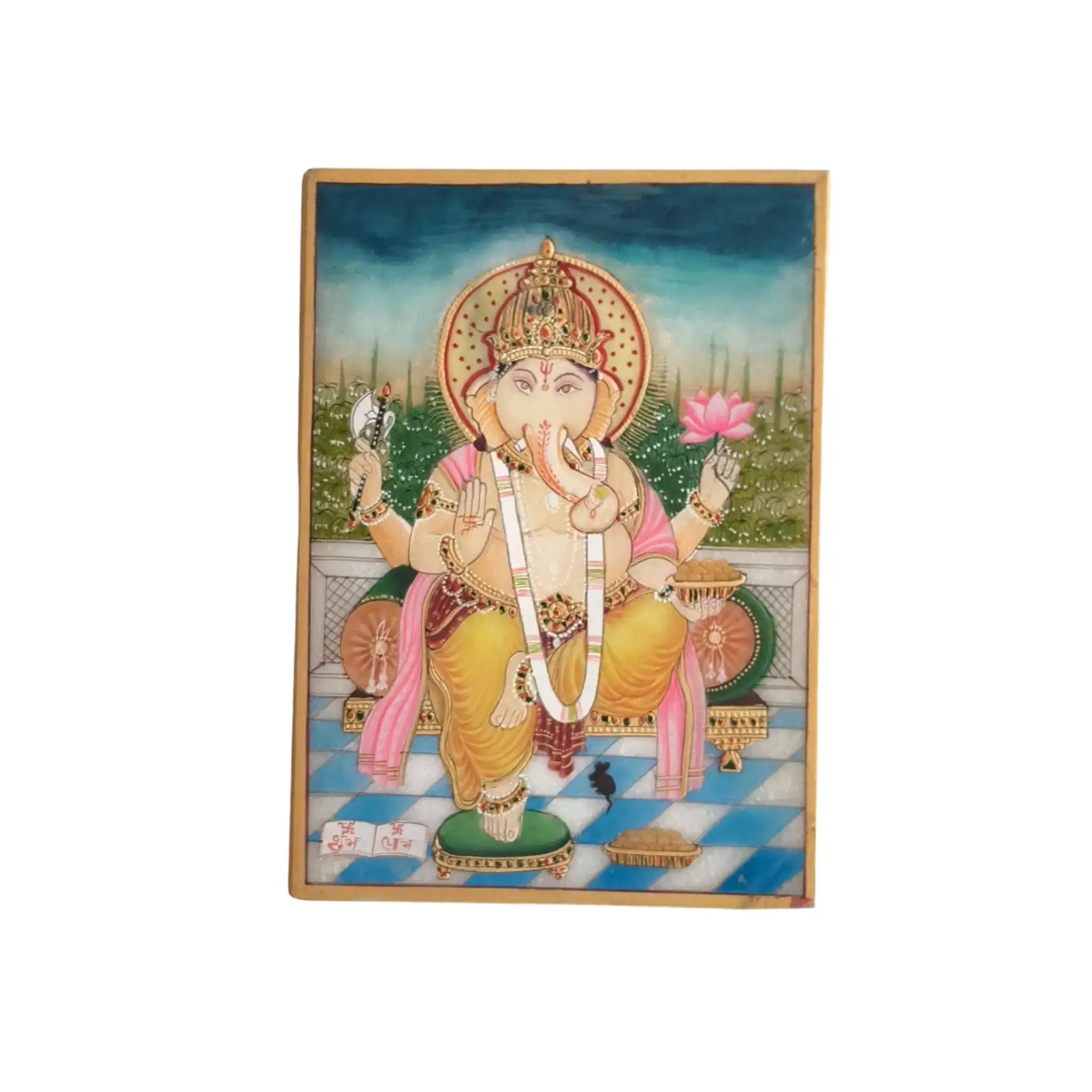
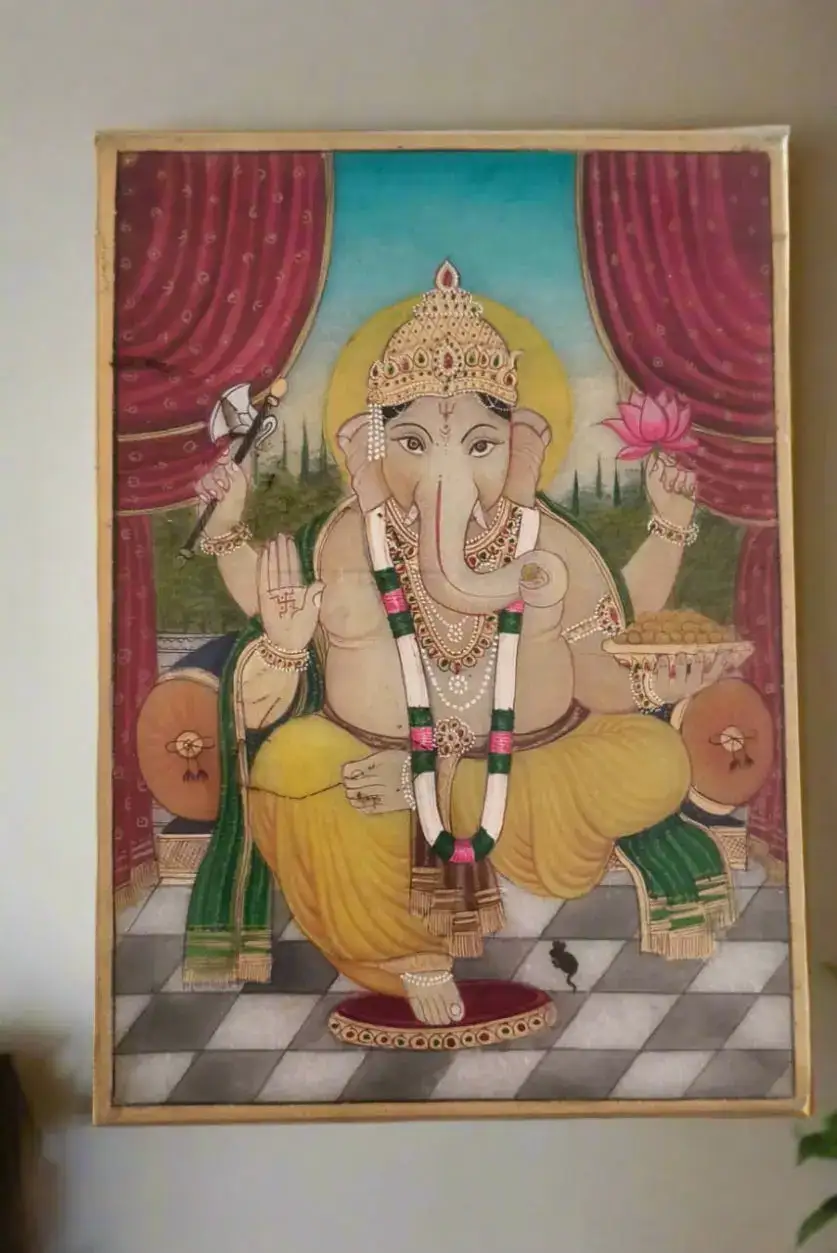
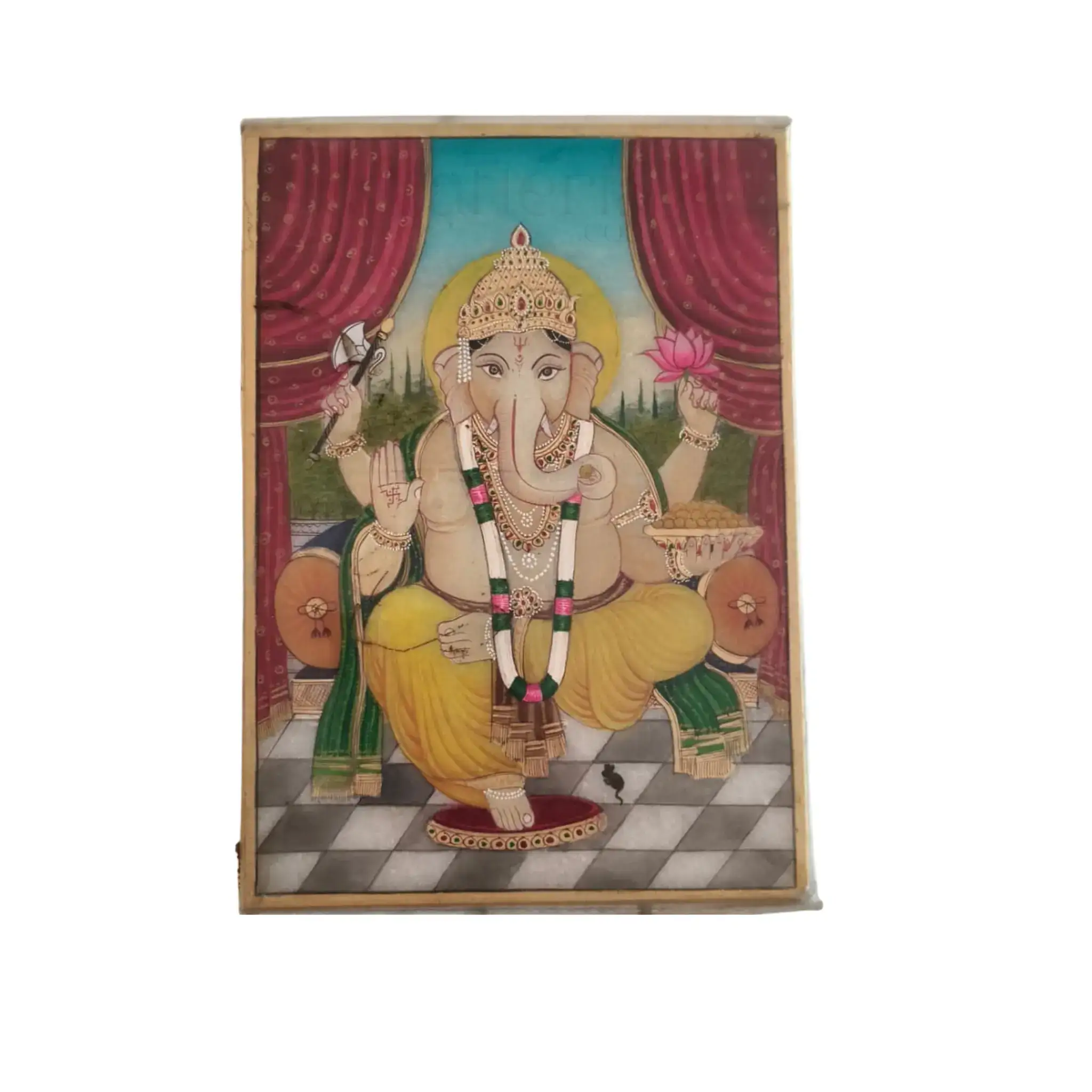
Elephants in Indian art symbolize auspiciousness, wisdom, and strength. This makes the elephant motif not only beautiful but also deeply meaningful. The Elephant good luck Indian art connects spiritual symbolism with aesthetic expression, often linked to Lord Ganesha, who embodies wisdom and success.
Mughal Influence on Miniature Art
The Mughal elephant miniature painting style also influences Rajasthani miniature art. Mughal artists focused on realism, regal themes, and elaborate detailing, often depicting elephants in royal processions and battles. This cross-cultural blend enriches the narrative and visual depth of the miniature elephant painting tradition. The fusion of Mughal elegance and Rajasthani vibrancy makes these paintings truly unique collector’s items.
Why Choose This Elephant Art for Your Collection?
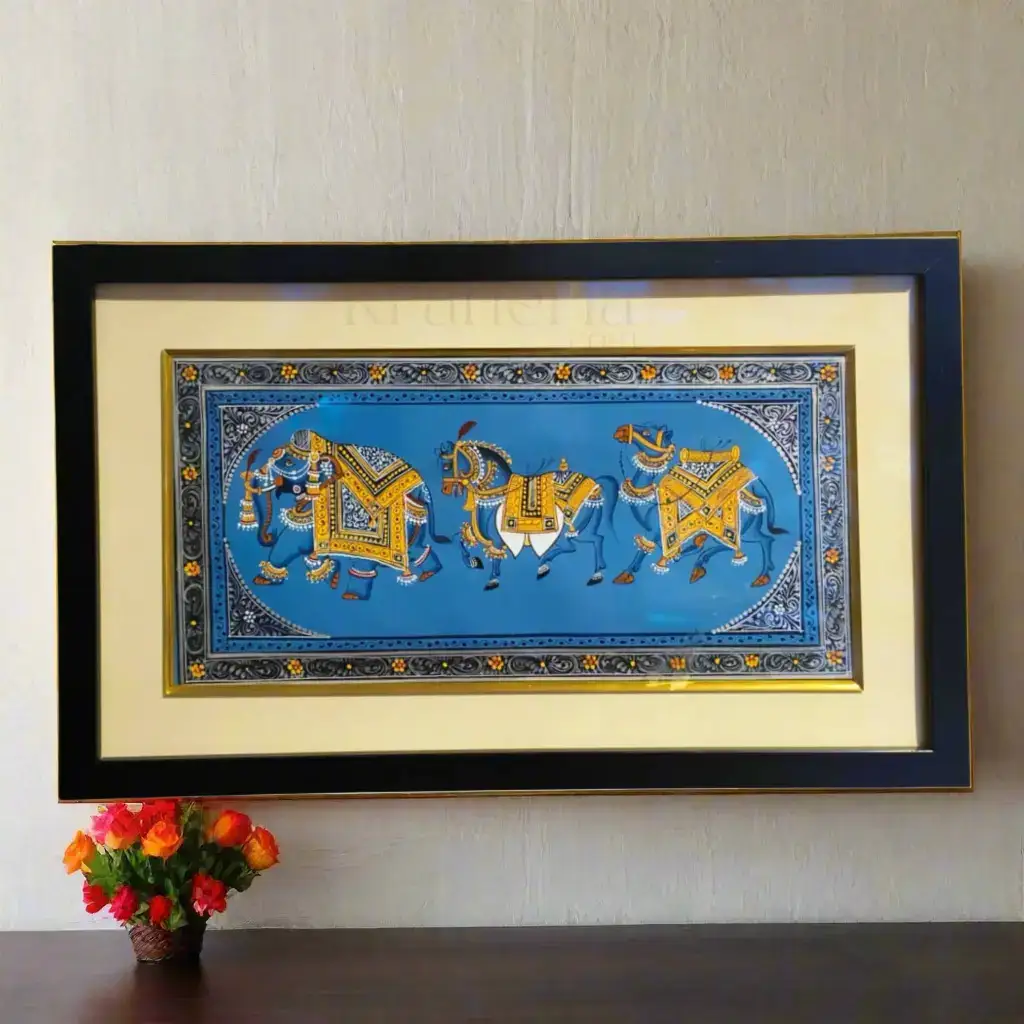
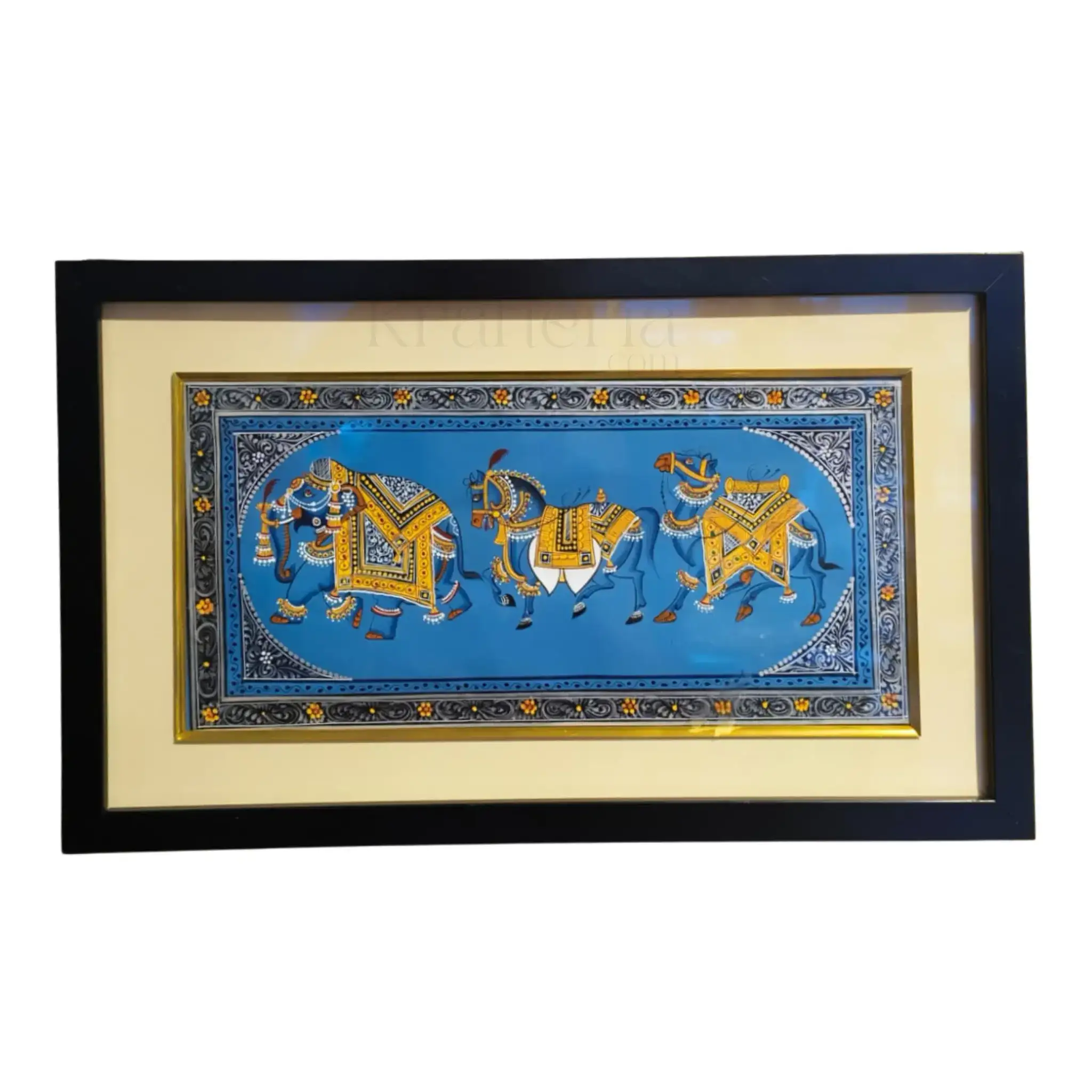
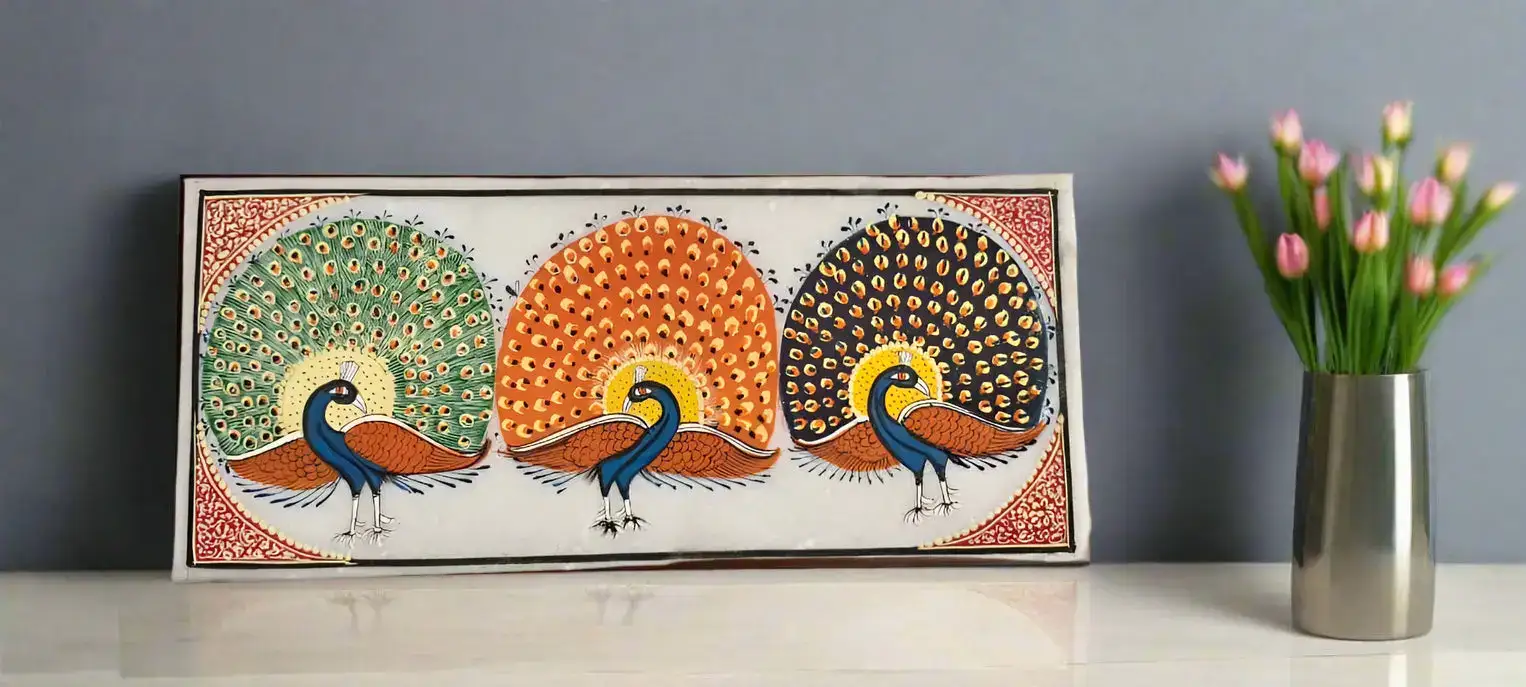
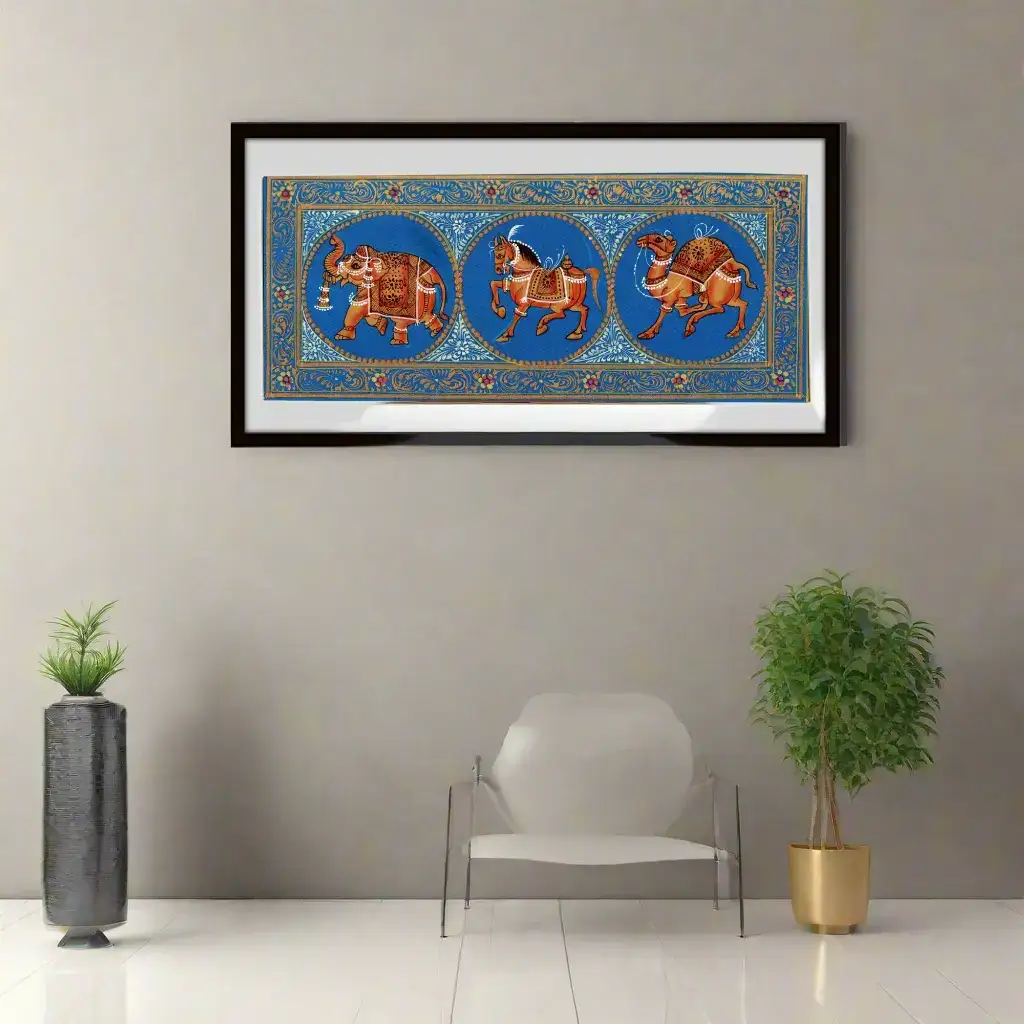
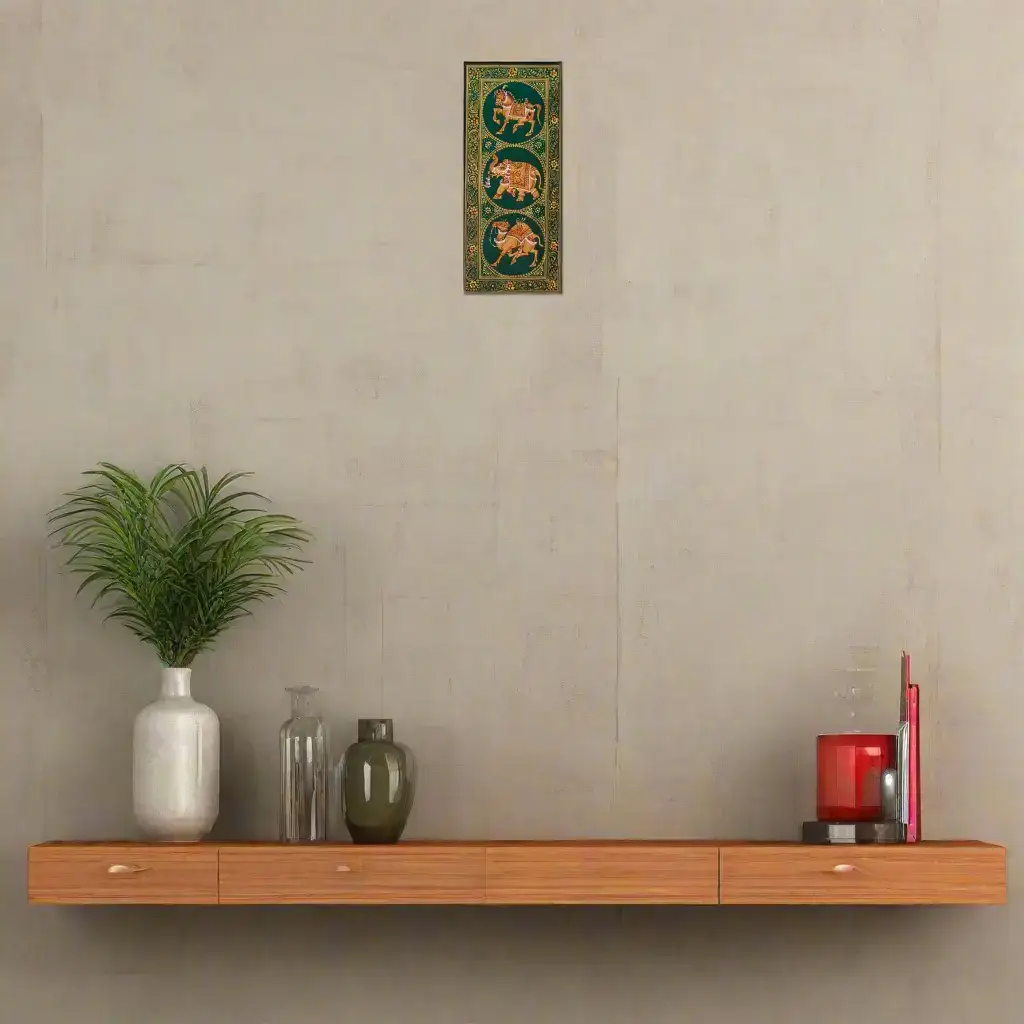
This exquisite elephant art painting is perfect for art collectors and cultural enthusiasts alike. Its rich colors and detailed work are ideal for home décor or gifting. Displaying this painting in your living space adds a touch of tradition and prosperity. The combination of Indian mythology, royal history, and folk art keeps this piece timeless and significant.
By owning this art, you celebrate not only the artistry but also the deep symbolism of elephants in Indian culture. It makes a meaningful gift symbolizing good luck, wisdom, and strength for friends and family.
Product Information
Product Information
Shipping & Returns
Shipping & Returns
Description
The Auspicious Elephant Miniature Painting: A Timeless Masterpiece
The miniature elephant art is a revered form of Indian art that has captivated art lovers for centuries. Originating in the royal courts of Rajasthan in the 16th century, this art style perfectly blends tradition and intricate craftsmanship. It is deeply rooted in Indian culture and tradition. The artworks often depict themes such as mythology, epic tales, romantic stories, royal life, and vibrant folk culture. The vibrant colors and detailed brushwork breathe life into every piece, offering viewers a glimpse of India’s rich artistic legacy.
Historical Context and Cultural Roots of Miniature Elephant Art
Rajasthan's royal courts fostered the growth of Rajasthani elephant miniature, making it an essential part of India’s heritage. The use of natural dyes, minerals, vegetable-based pigments, and precious stones ensures the brilliant luminosity and lasting quality of these paintings. Each stroke is deliberate, and the bold lines define the magnificent depiction of elephants, a symbol of strength and prosperity. These elements combine uniquely to create captivating artwork that stands the test of time.
Distinct Schools of Rajasthani Miniature Elephant Artwork
This form of miniature elephant arts encompasses several regional schools, each with unique styles and thematic preferences. The main schools include Mewar, Marwar, Bundi, Kota, Kishangarh, Bikaner, and Jaipur. Every school contributes distinct visual elements and subject matter that enrich the overall tradition. Their subtle differences highlight the diversity and depth of Rajasthani miniature elephant art, illuminating the cultural variety within Rajasthan itself.
Mewar and Marwar Schools: Storytelling and Royal Grandeur
Mewar paintings highlight court scenes, legendary tales of heroism, and deep religious symbolism. These artworks often feature elephants as majestic symbols of royal victory and divine protection. Marwar paintings, on the other hand, are renowned for their detailed depiction of rural life, royal festivities, and ceremonial elephants. The combination of detailed brushwork and vibrant colors in Marwar contributes to the overall splendor of miniature elephant art.
Bundi, Kota, and Kishangarh: Nature, Romance, and Elegance
Bundi and Kota schools are famous for their lush landscapes, hunting scenes, and opulent depictions of animals including elephants. This tradition shows elephants in natural and ceremonial settings with detailed backgrounds. Kishangarh is especially distinct for its romantic portrayals, often featuring Radha and Krishna alongside the iconic image of Bani Thani. The emphasis on subtle expressions and delicate lines in Kishangarh adds a poetic beauty to the miniature elephant artwork.
Artistic Techniques and Symbolism in Elephant Art
The meticulous creation of miniature art involves traditional methods passed down through generations. Artists use handmade Wasli paper as a base, applying natural or mineral pigments that ensure durability. Fine detailing with brushes made from squirrel hair allows the expression of intricate patterns on elephants and surroundings. Gold accents often embellish these paintings, enhancing their royal and sacred feel.
Elephants in Indian art symbolize auspiciousness, wisdom, and strength. This makes the elephant motif not only beautiful but also deeply meaningful. The Elephant good luck Indian art connects spiritual symbolism with aesthetic expression, often linked to Lord Ganesha, who embodies wisdom and success.
Mughal Influence on Miniature Art
The Mughal elephant miniature painting style also influences Rajasthani miniature art. Mughal artists focused on realism, regal themes, and elaborate detailing, often depicting elephants in royal processions and battles. This cross-cultural blend enriches the narrative and visual depth of the miniature elephant painting tradition. The fusion of Mughal elegance and Rajasthani vibrancy makes these paintings truly unique collector’s items.
Why Choose This Elephant Art for Your Collection?
This exquisite elephant art painting is perfect for art collectors and cultural enthusiasts alike. Its rich colors and detailed work are ideal for home décor or gifting. Displaying this painting in your living space adds a touch of tradition and prosperity. The combination of Indian mythology, royal history, and folk art keeps this piece timeless and significant.
By owning this art, you celebrate not only the artistry but also the deep symbolism of elephants in Indian culture. It makes a meaningful gift symbolizing good luck, wisdom, and strength for friends and family.