Indian Miniature Art Panels - Elephant, Horse, and Camel
Indian Miniature Art Panels - Elephant, Horse, and Camel
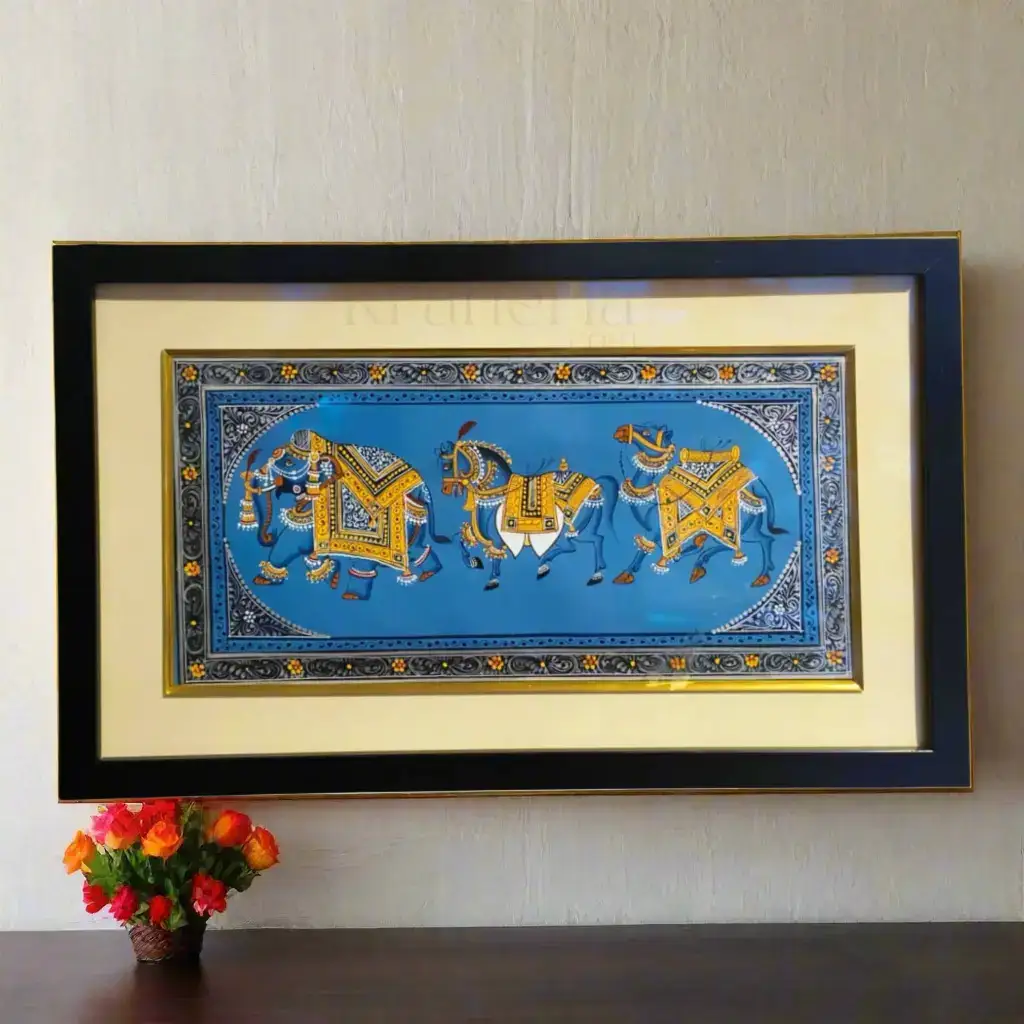
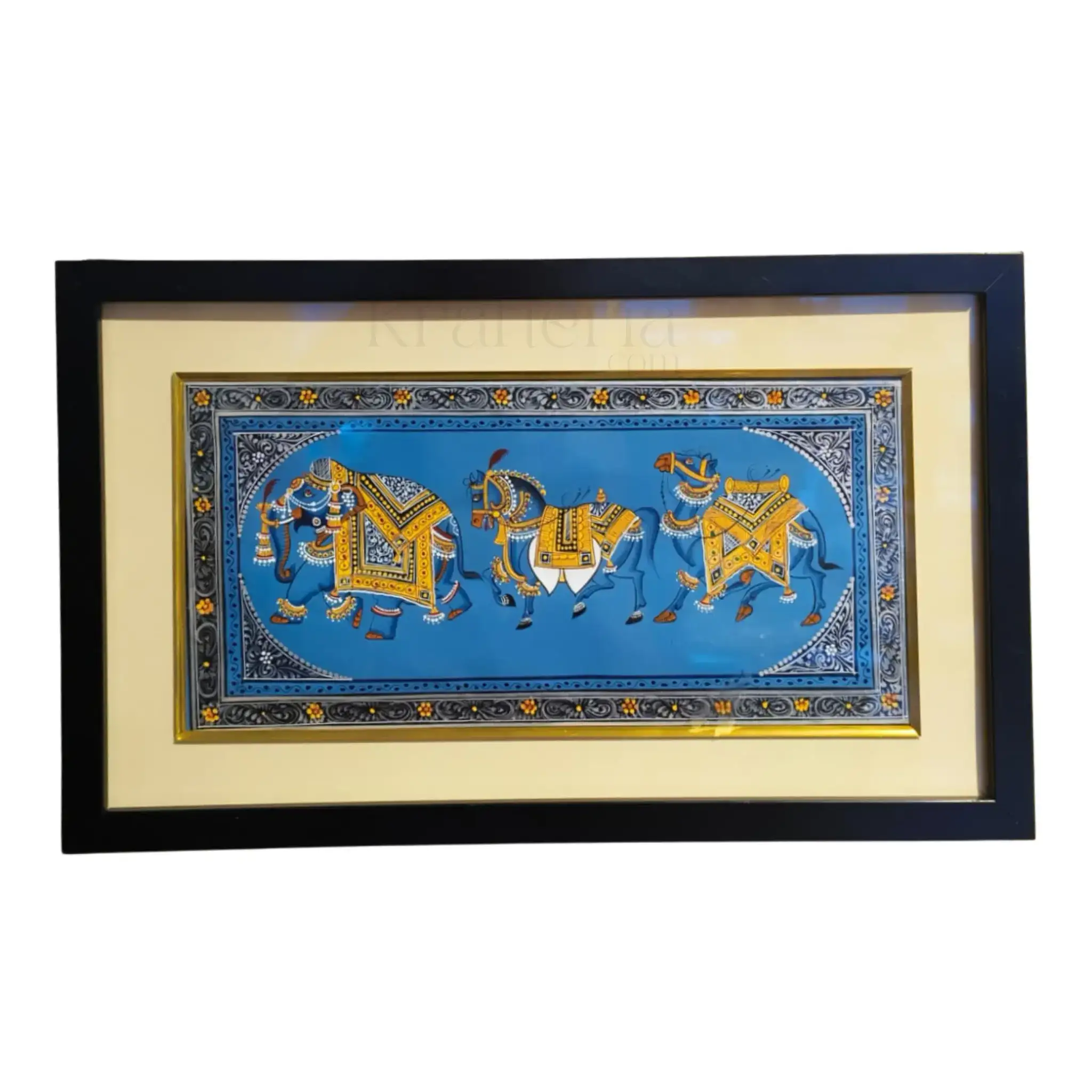
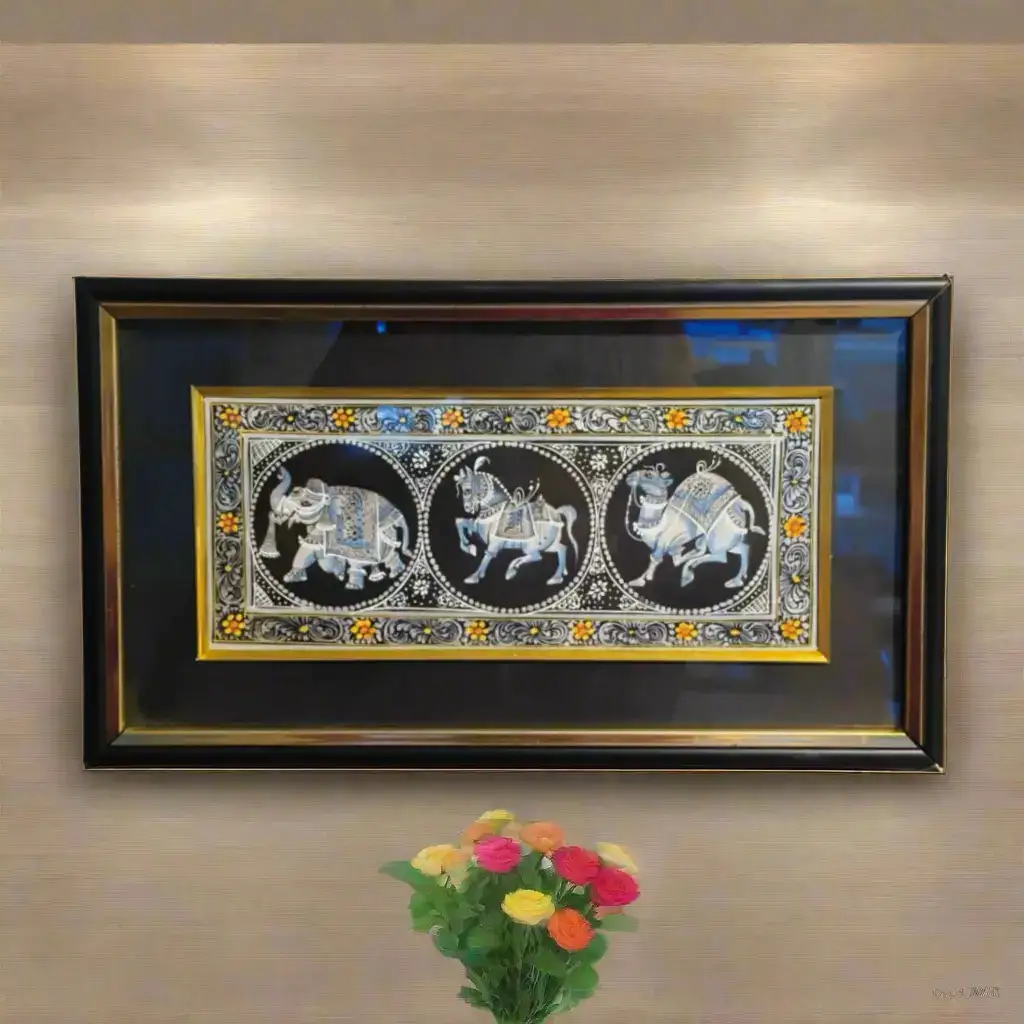
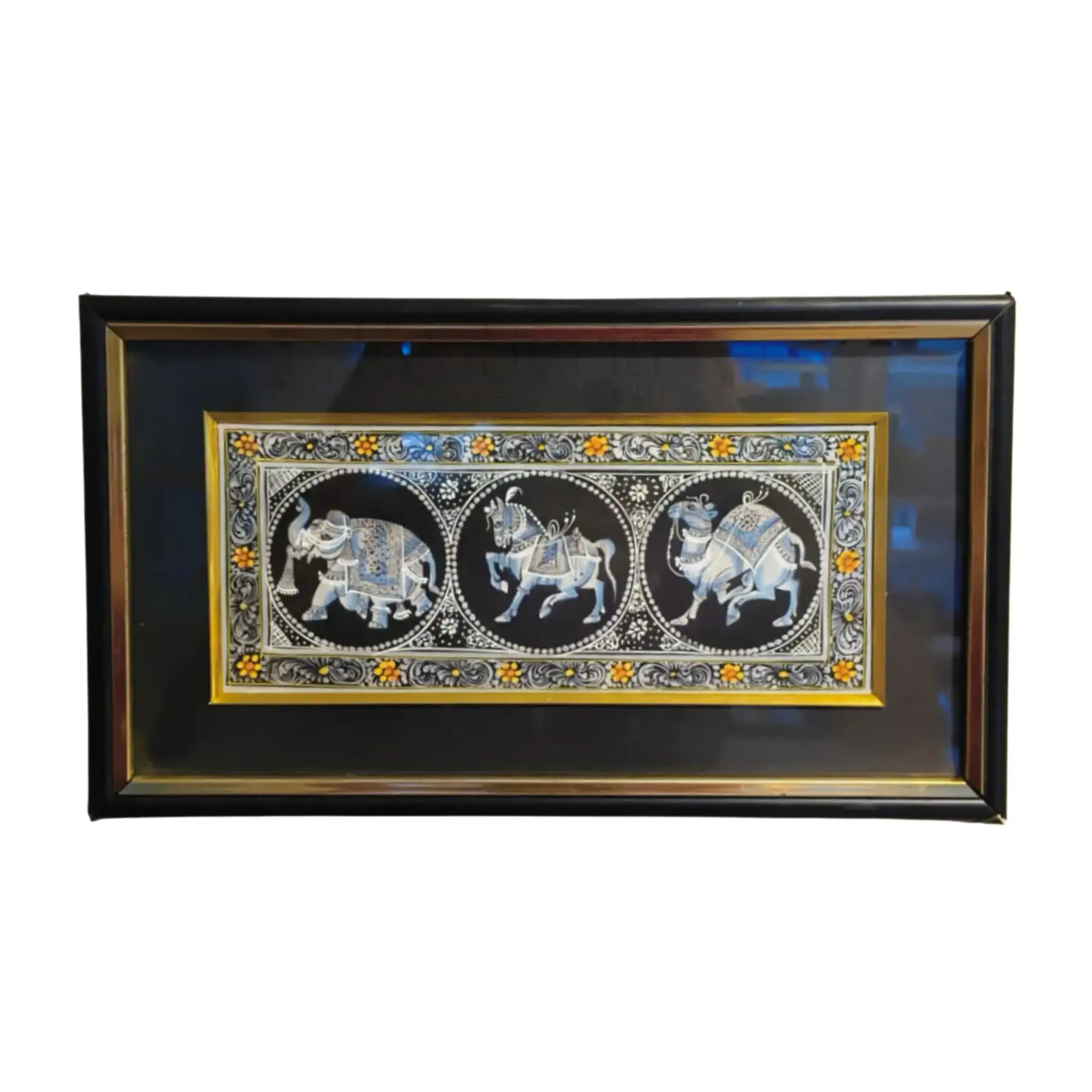
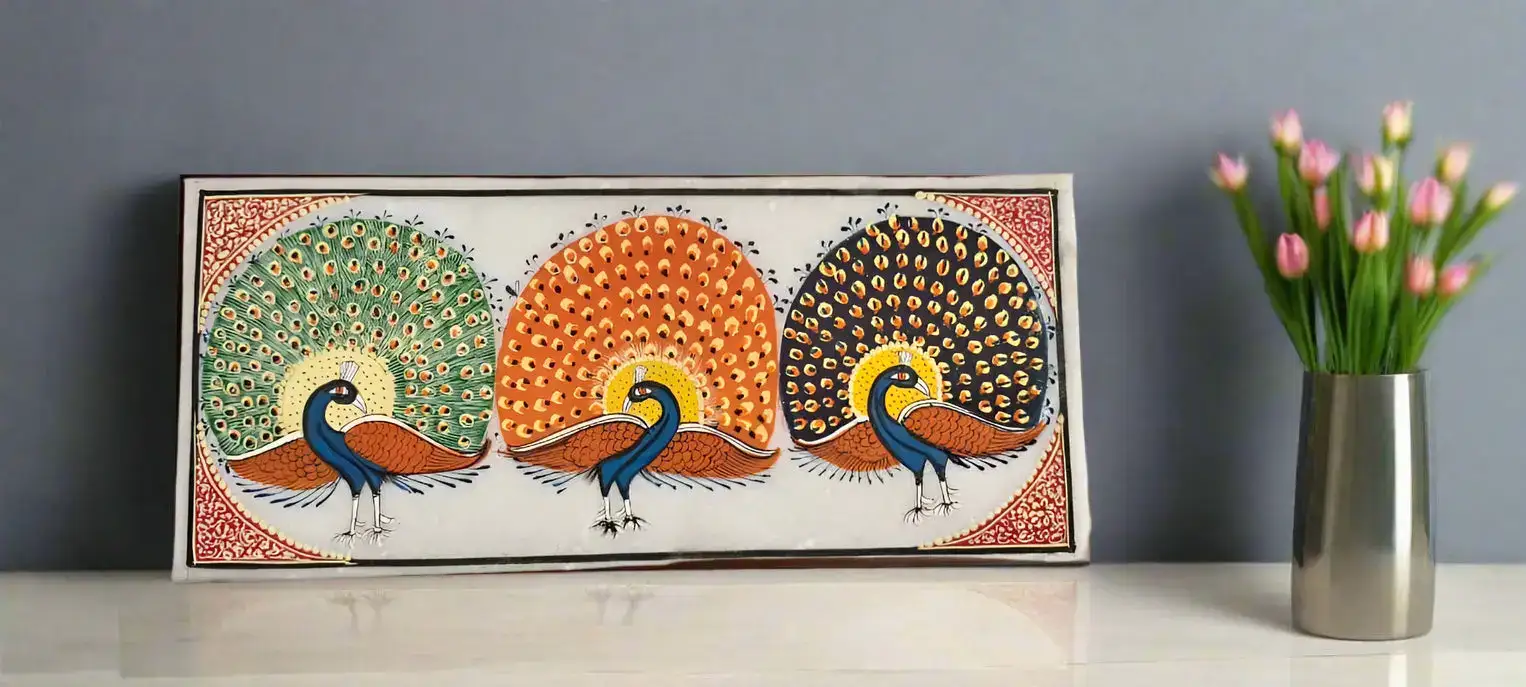
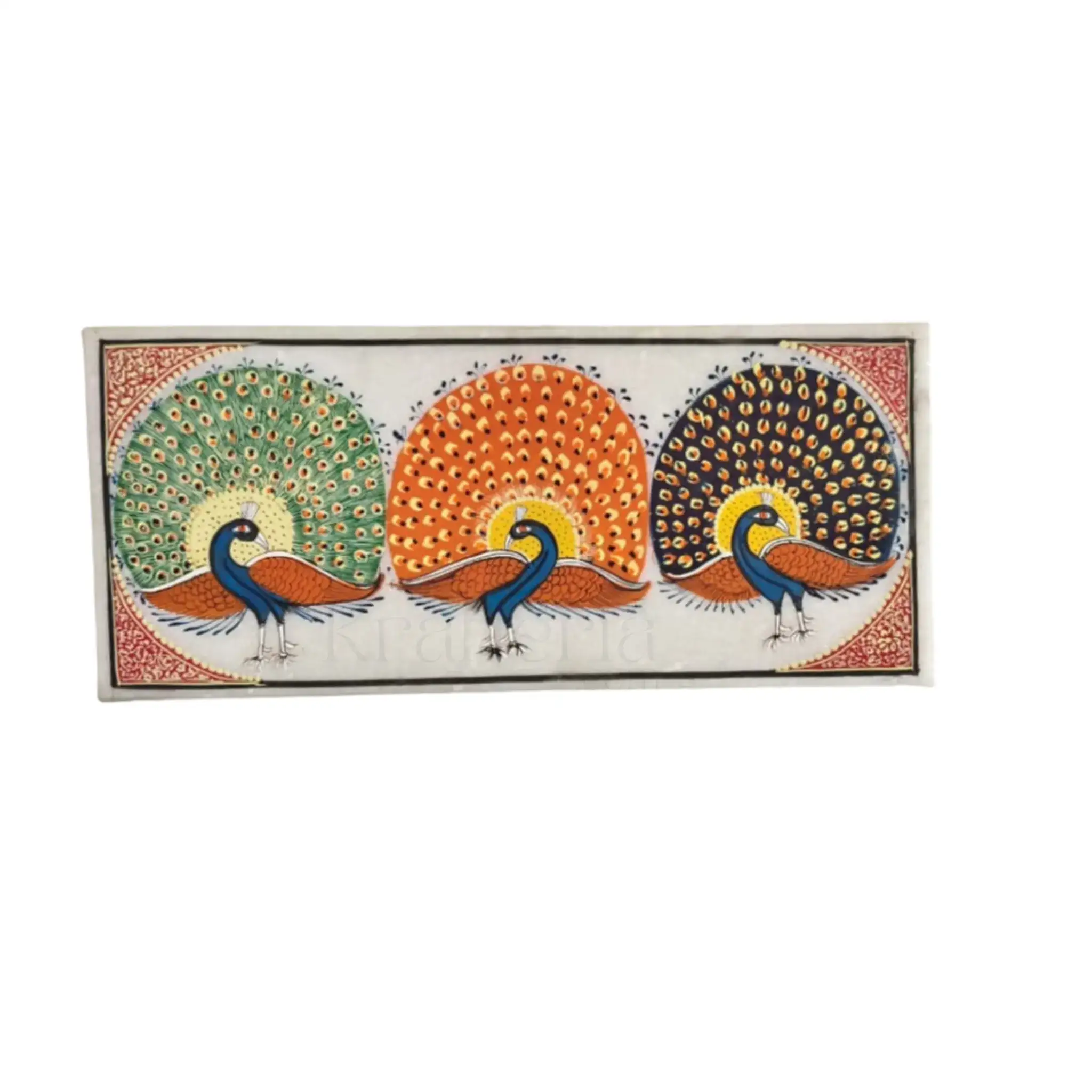
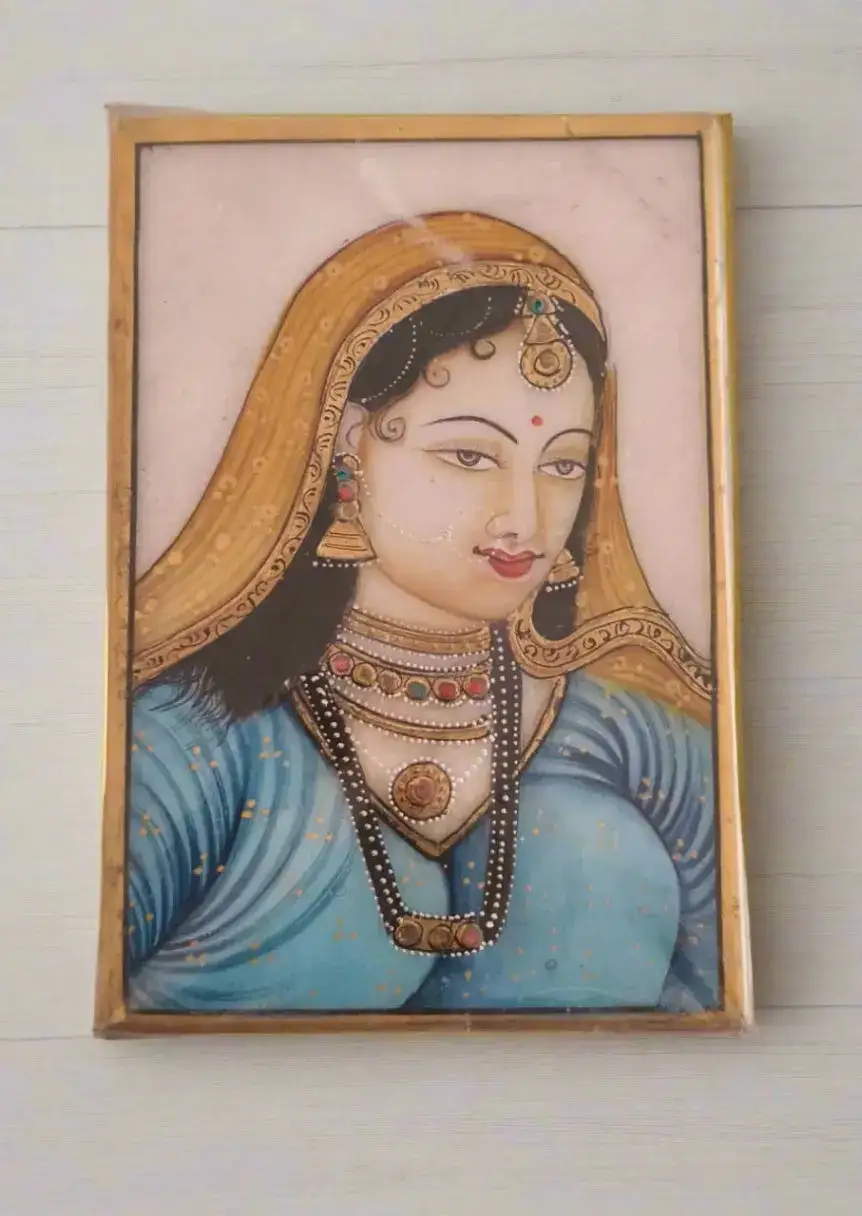
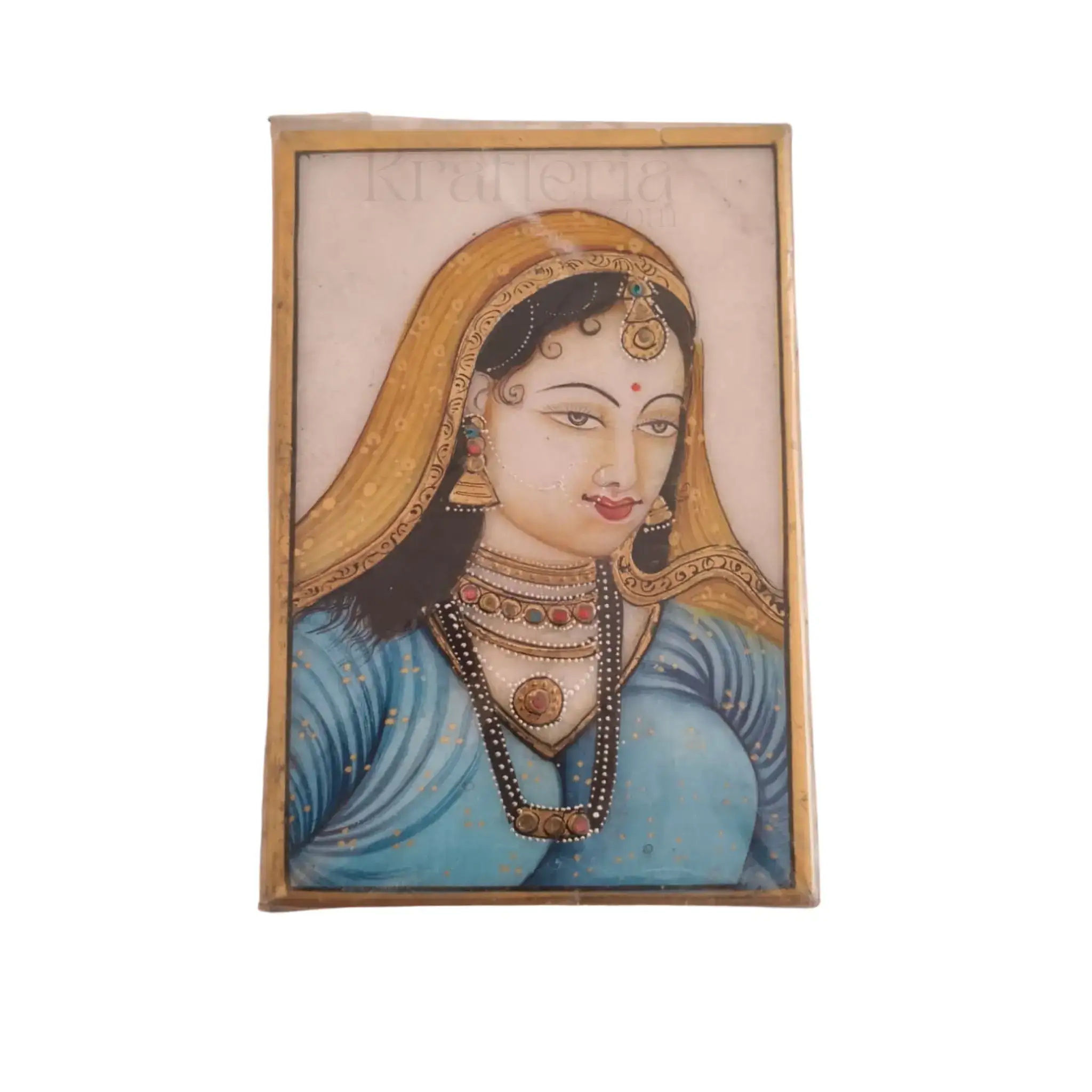
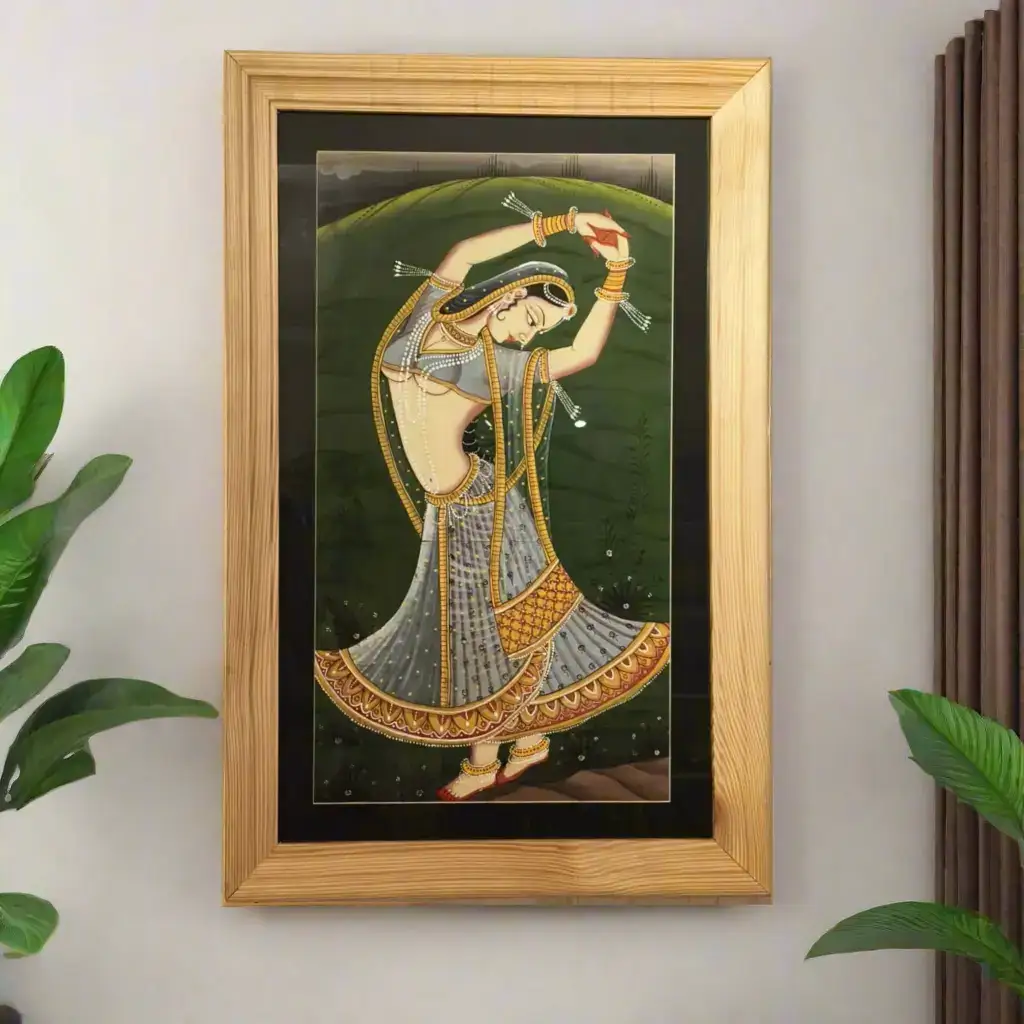
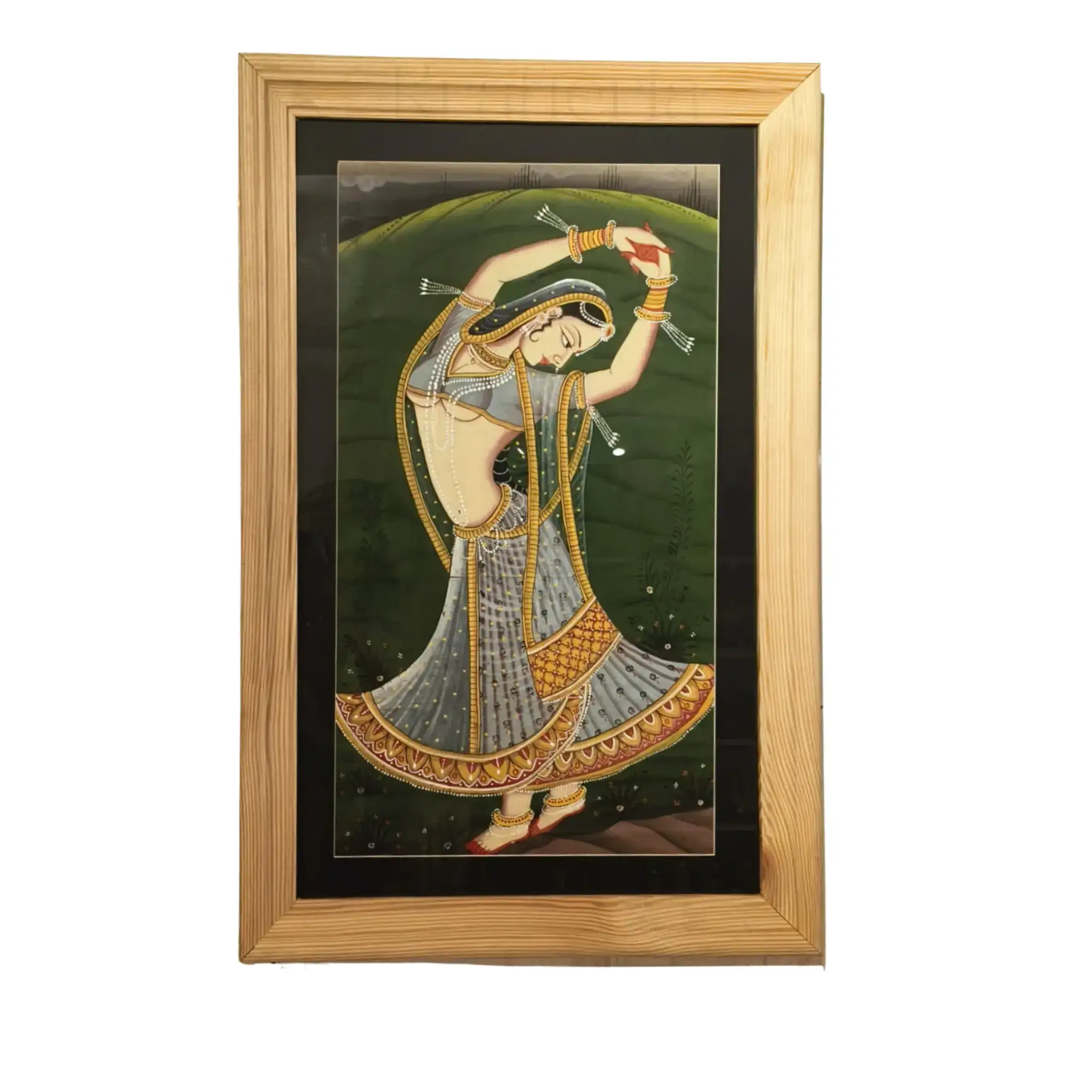
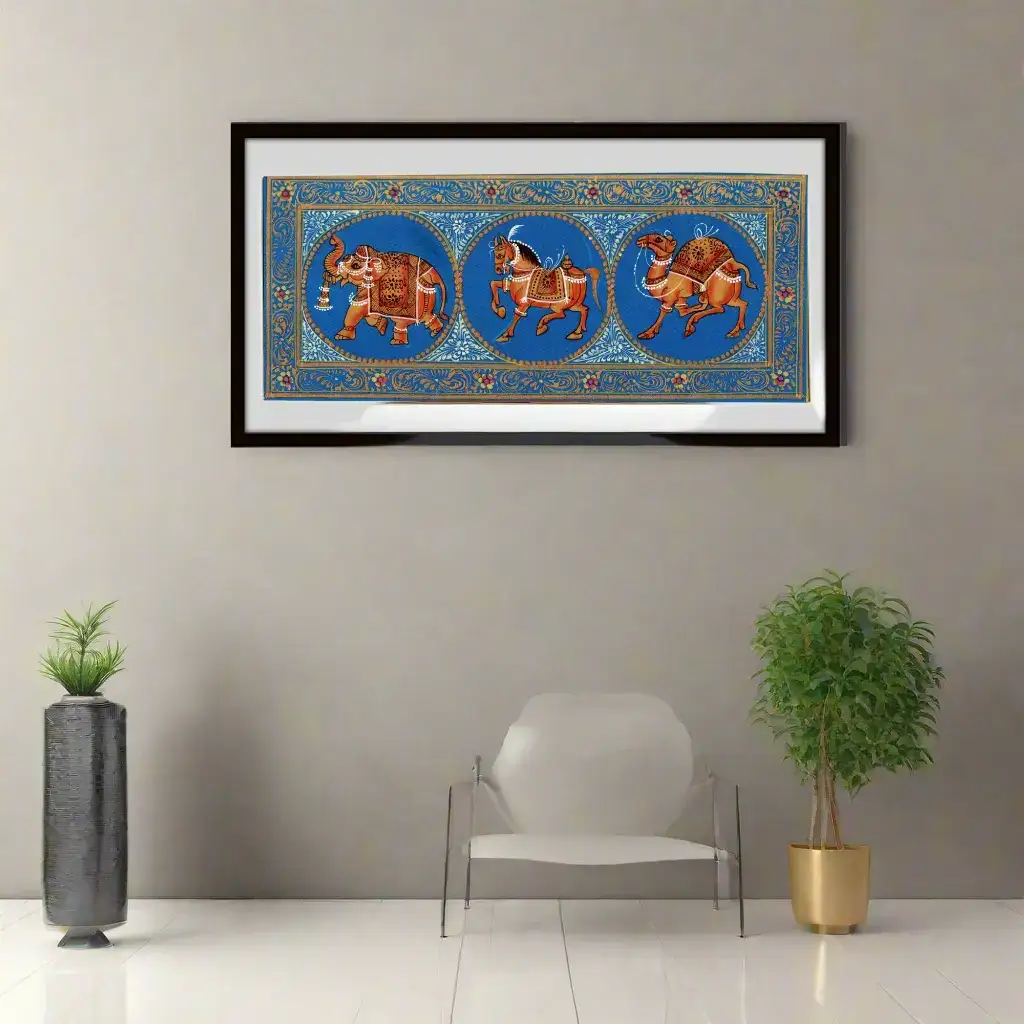
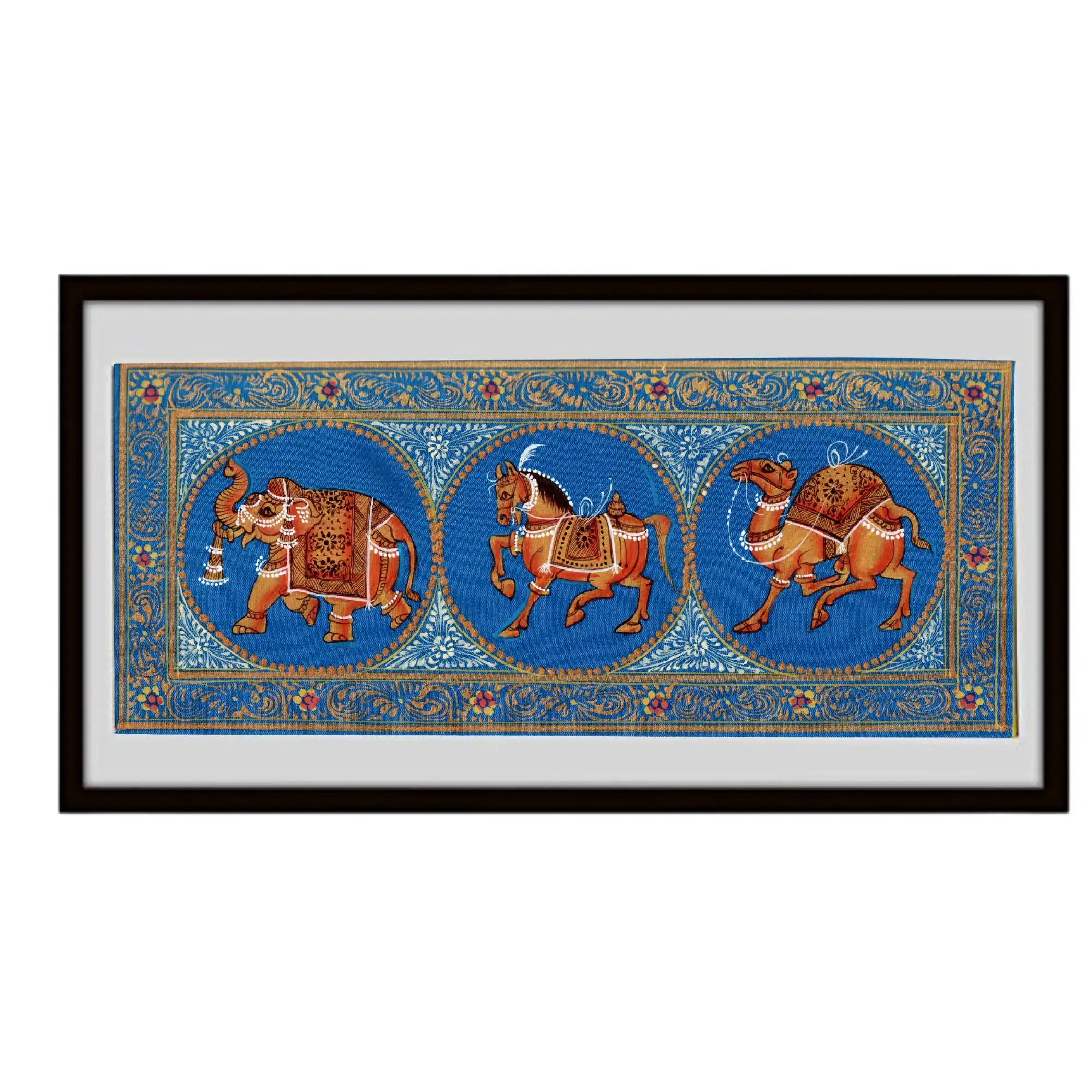
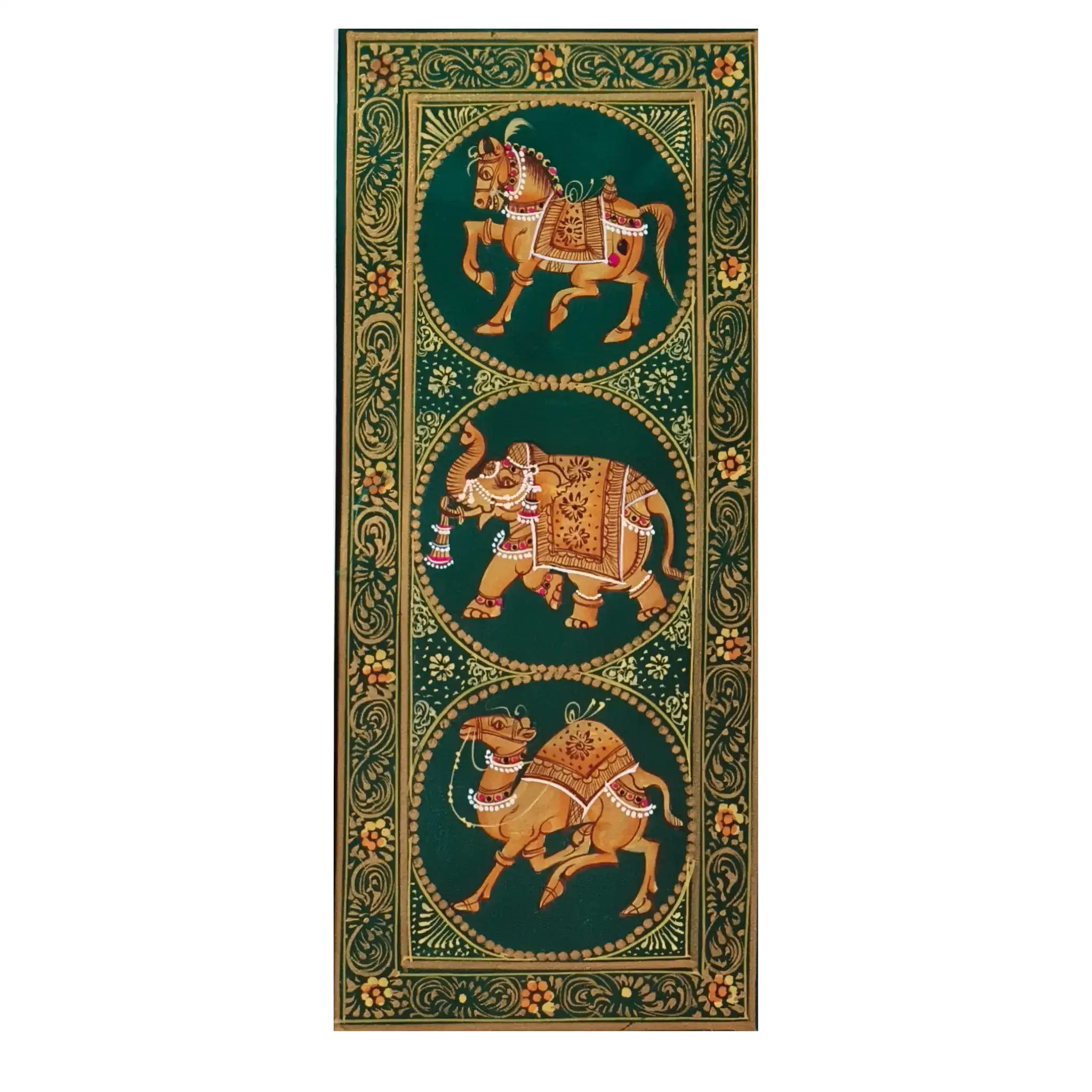
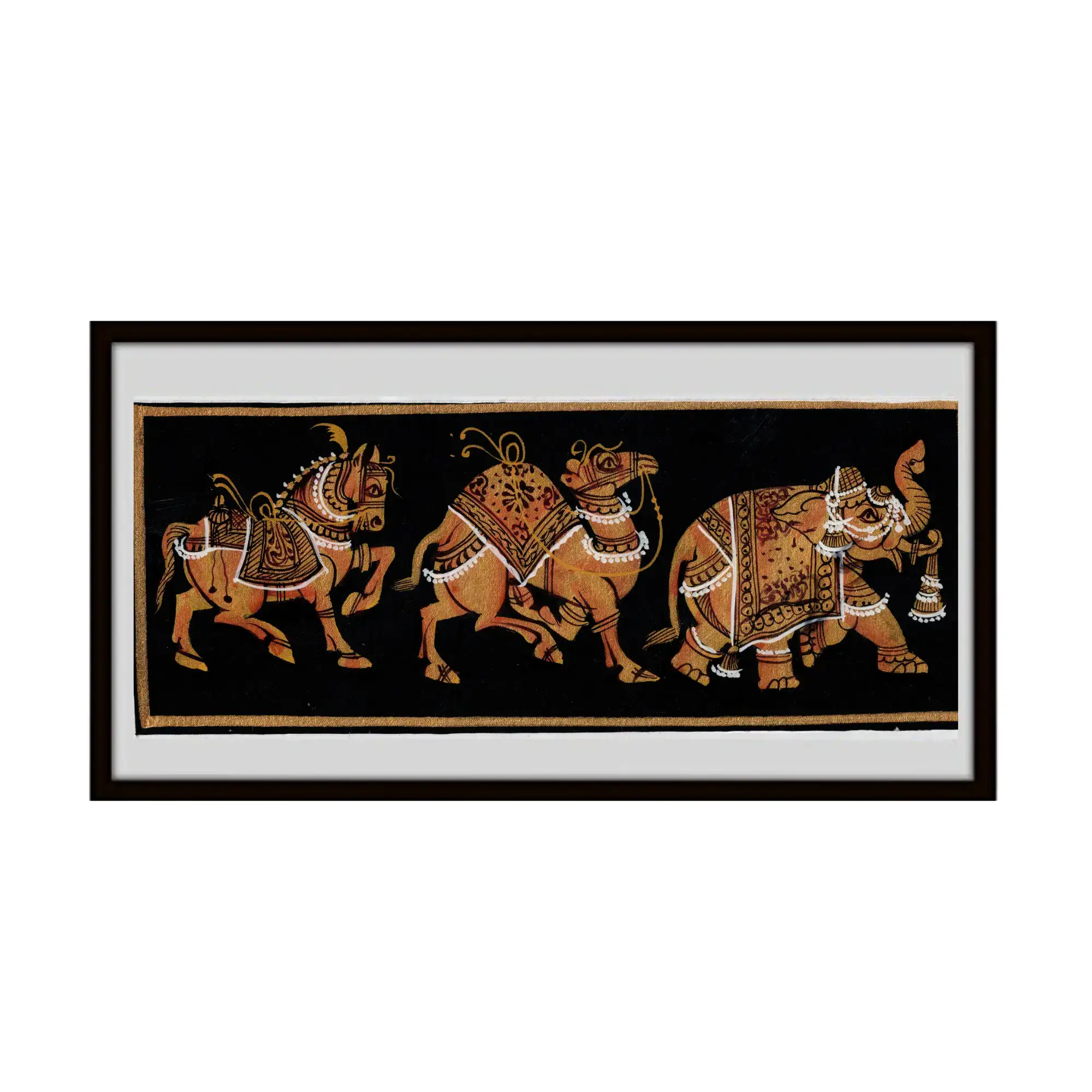
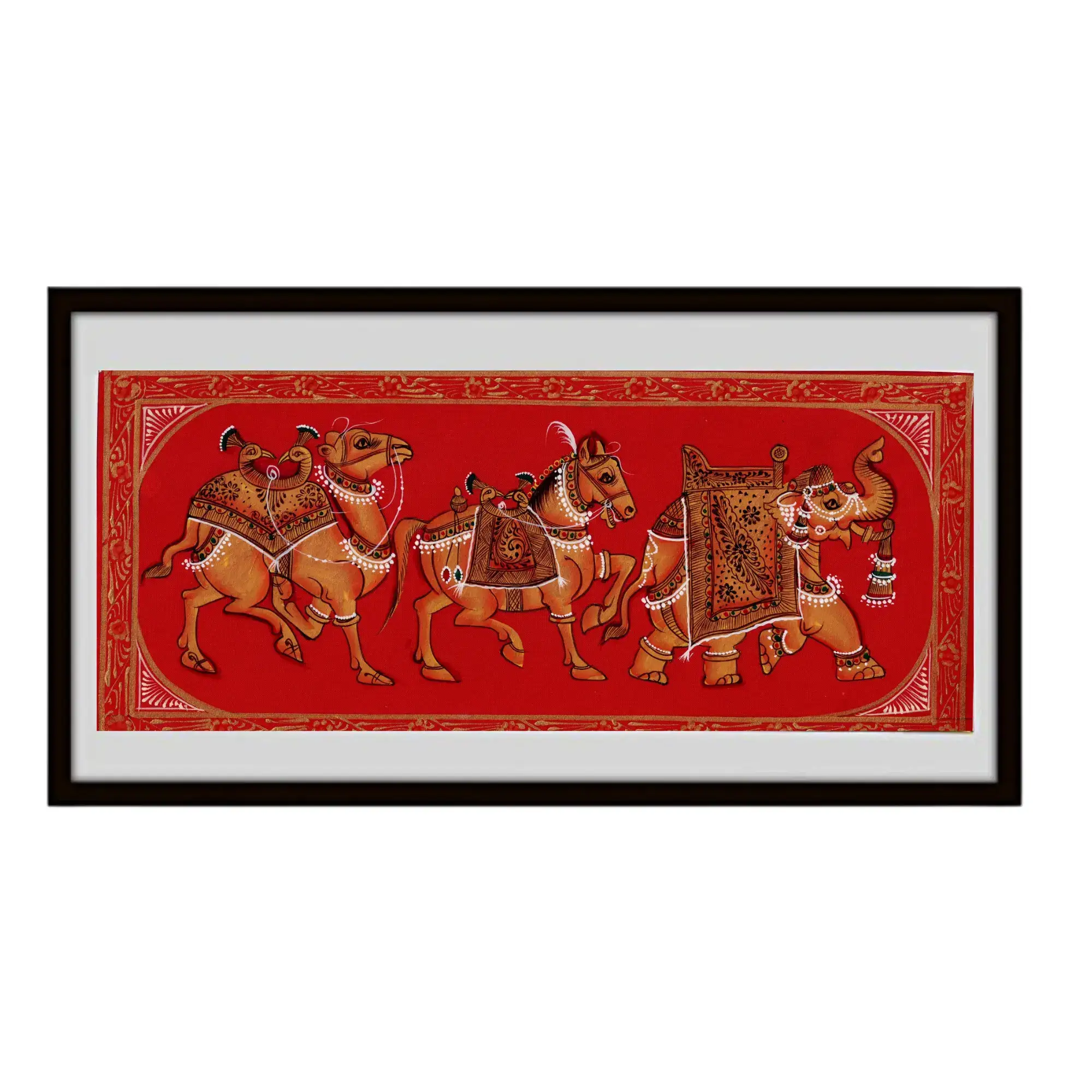
Indian Miniature Art Panels Rajasthani Painting embody a rich and vibrant traditional Indian art form. This style flourished in Rajasthan's royal courts from the 16th century onwards. Drawing deeply from Indian traditions, these panels depict mythology, epics, love stories, royal life, and folk culture. The paintings are admired for their bold lines, bright colors, and intricate detailing. Natural dyes and pigments sourced from minerals, vegetables, and precious stones give the art a lasting, luminous quality.
The Charm of Miniature Panels
Miniature panels capture the heart of India’s cultural heritage with skillful artistry. Each panel narrates a unique story blending royal grandeur and fine craftsmanship. Artists use traditional techniques with fine brushes to vividly highlight floral and animal motifs. This results in a timeless appeal, making these panels elegant décor pieces that enhance any space with historic charm and cultural depth.
Historical Context of Rajasthani Miniature Animal Painting
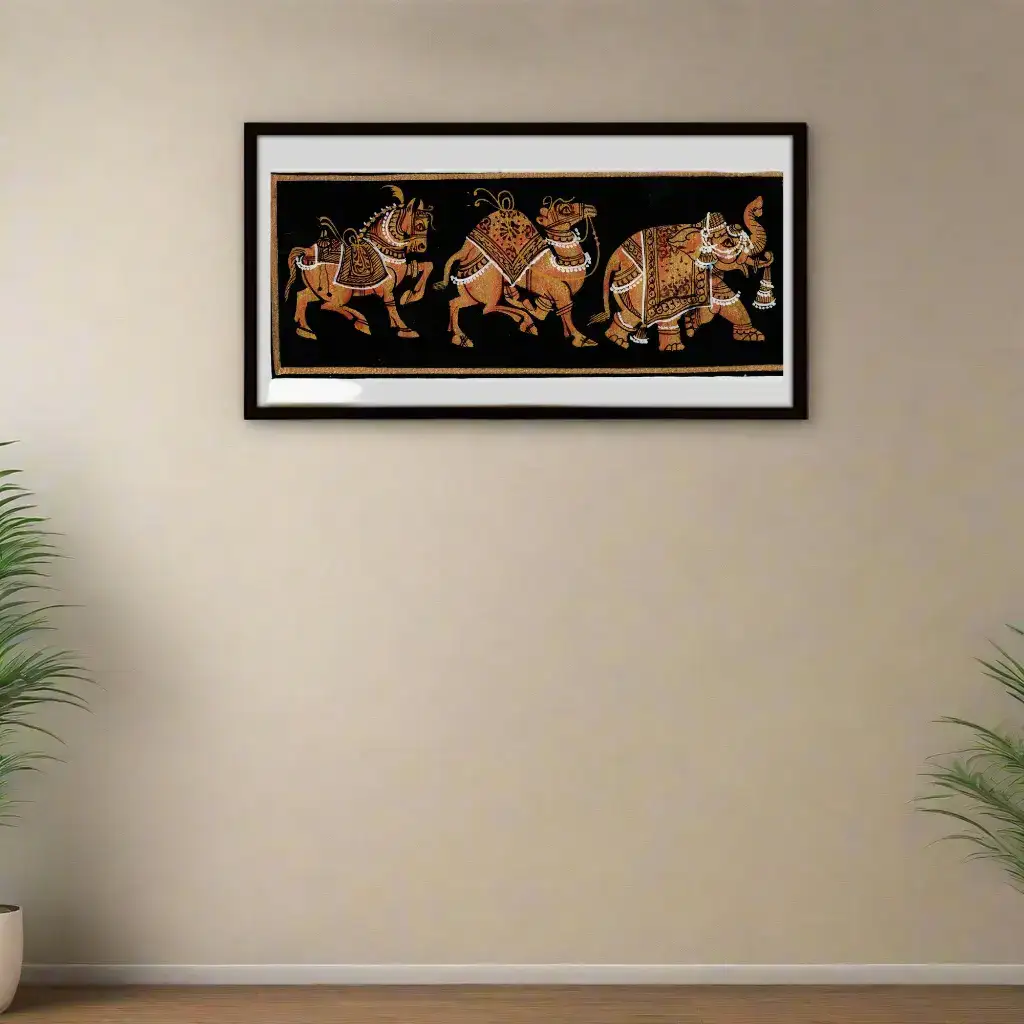
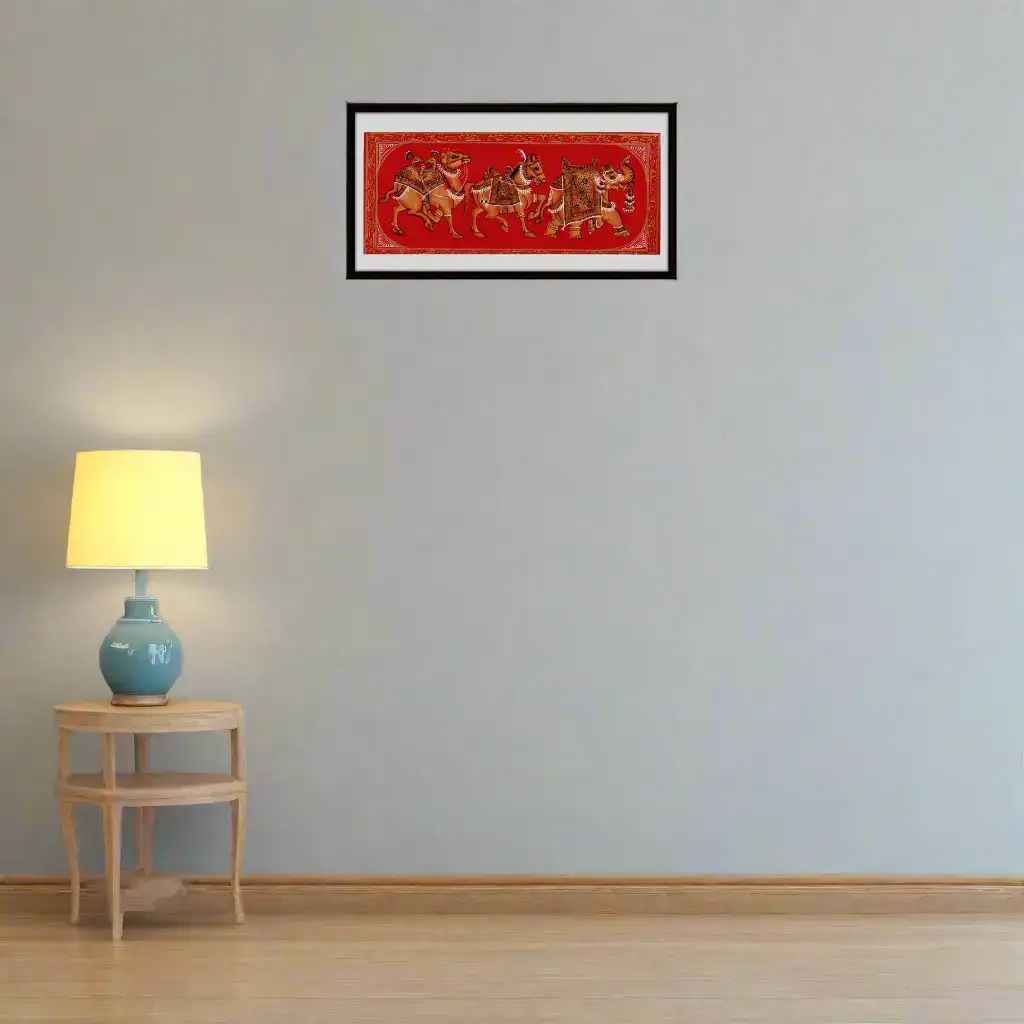
The tradition of Rajasthani miniature animal painting closely ties to Rajasthan’s royal courts where art flourished under noble patronage. This style focuses on detailed depictions of animals and nature, creating symbolic and meaningful compositions. Elephants, horses, and camels frequently appear in these paintings, symbolizing various royal and ceremonial values. The art enriches and preserves cultural stories conveyed across generations through its exceptional craftsmanship and narrative power.
Distinct Schools of Miniature Artwork Panels
The miniature panels belong to several key schools, each distinguished by its style and thematic focus. These include:
- Mewar: Famous for court scenes, heroic tales, and religious themes.
- Marwar: Highlights rugged landscapes and warrior epics with dynamic compositions.
- Bundi and Kota: Known for lush landscapes, hunting scenes, and natural beauty.
- Kishangarh: Celebrated for romantic portrayals of Radha and Krishna, especially the iconic Bani Thani image.
- Bikaner: Exhibits intricate detailing and beautiful architectural motifs.
- Jaipur: Blends mythological stories with royal subjects in a sophisticated style.
Each school offers a distinct artistic approach, enriching the miniature panels with variety and cultural symbolism. These influences make the art form captivating for collectors and enthusiasts alike.
Symbolism in Elephant, Horse, and Camel Art Panels
Animals like elephants, horses, and camels hold great symbolic importance in Royal animal miniature panels. Each represents unique cultural values that add meaning and grandeur:
- Elephants: Symbolize power, wisdom, and majestic strength, revered in Indian culture.
- Horses: Stand for energy, nobility, and valor, often linked to royal ceremonies.
- Camels: Represent endurance, resilience, and the ability to thrive in harsh conditions.
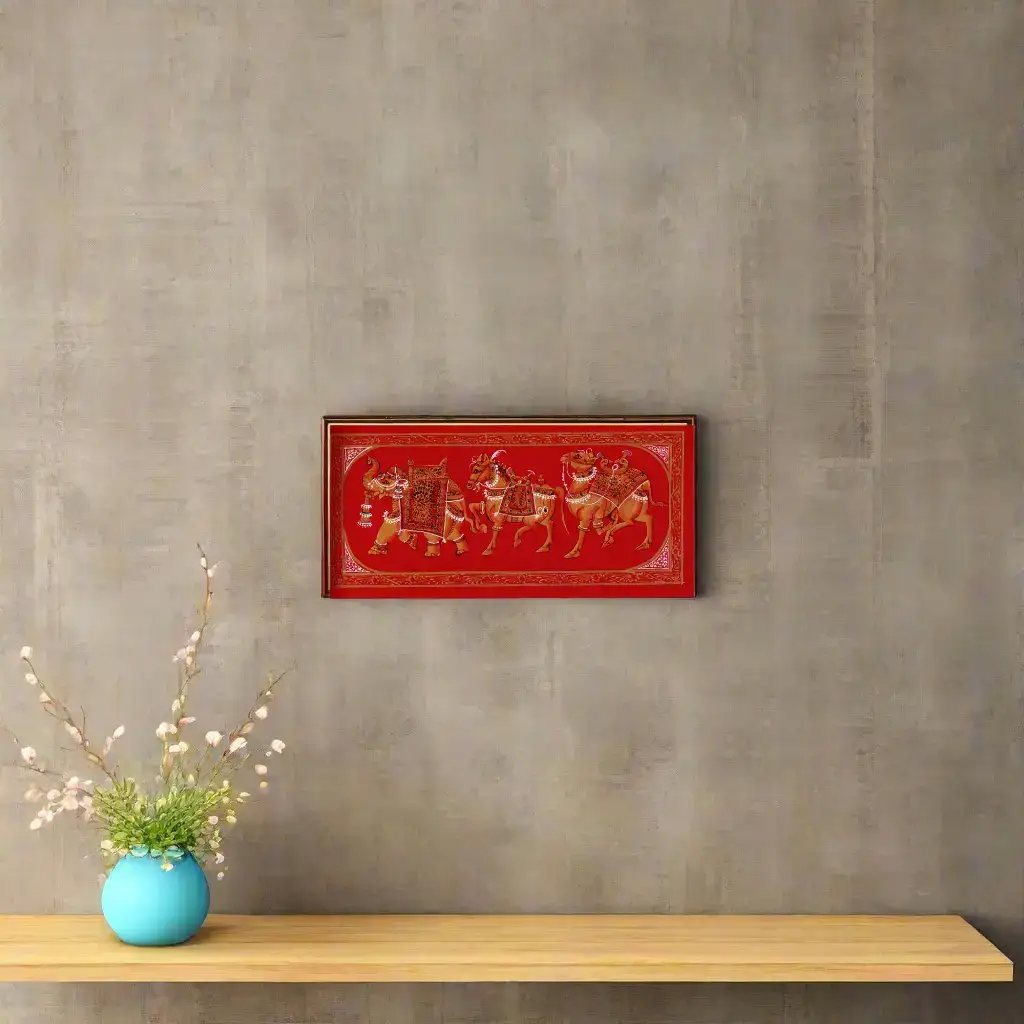
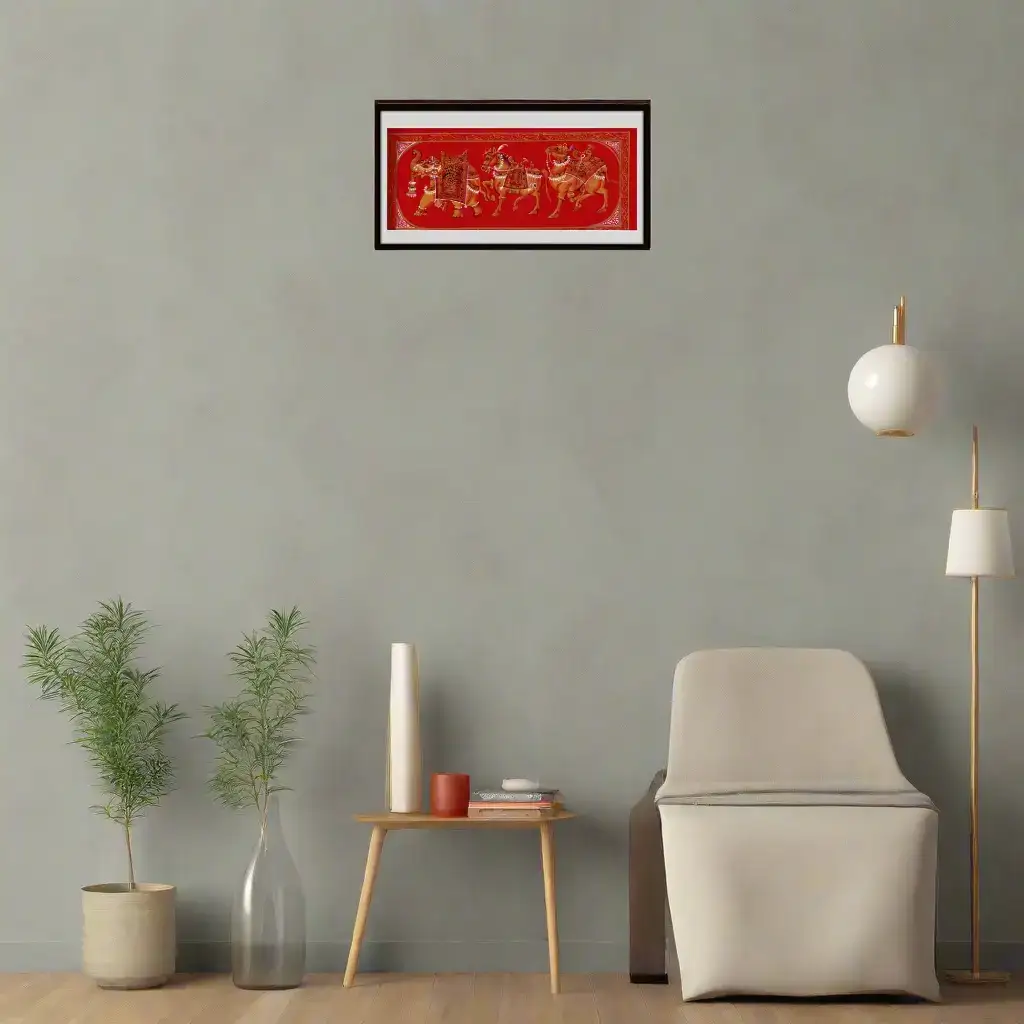
These symbols make the Elephant horse camel miniature painting a profound celebration of royal virtues through exquisite art.
Techniques and Materials Behind the Miniature Artwork Panels
Creating these art panels requires expert craftsmanship and patience. Artists employ natural materials such as mineral pigments and vegetable dyes. This choice ensures vibrant, long-lasting colors that maintain their brilliance over time. Fine brushwork enhances delicate details, from intricate floral designs to precise animal outlines. The use of traditional techniques preserves the authenticity and captivating charm the art has demonstrated for centuries.
Uses and Decorative Appeal of Miniature Art Panels
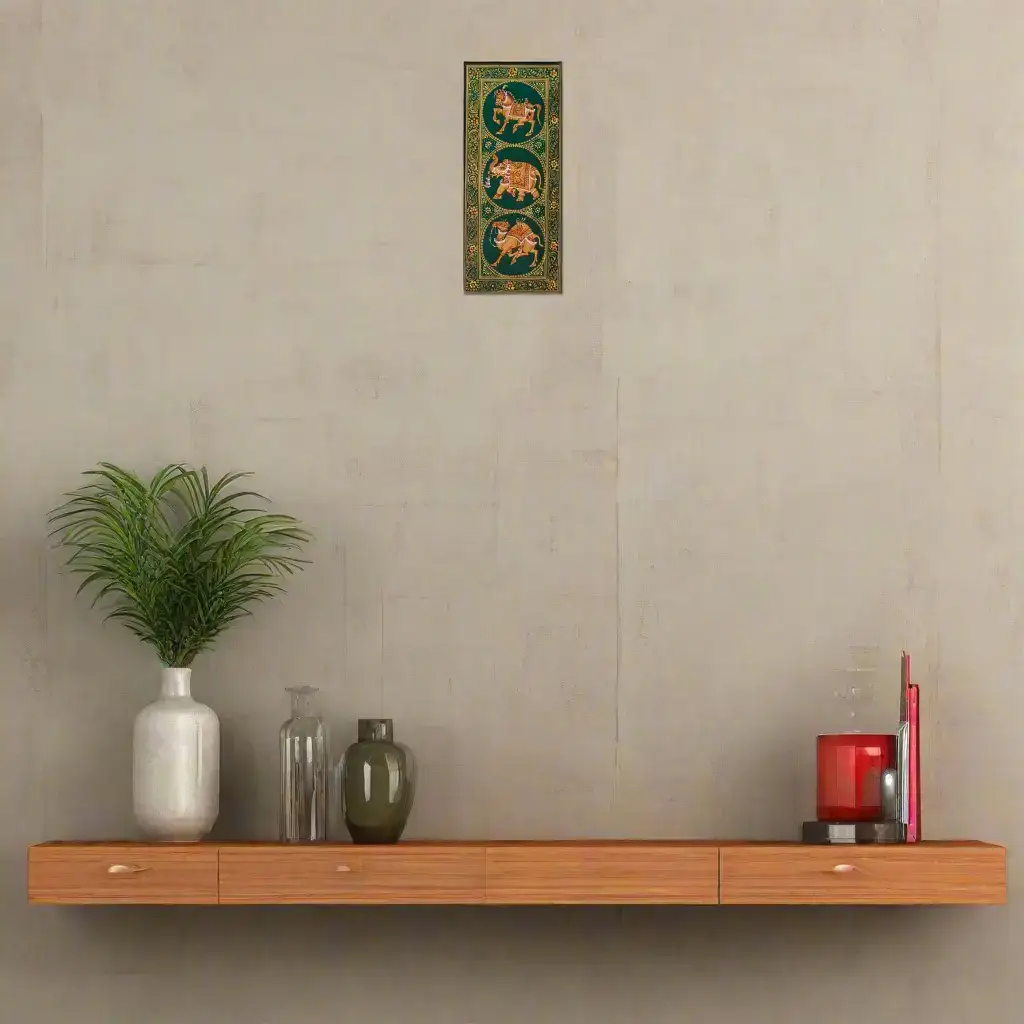
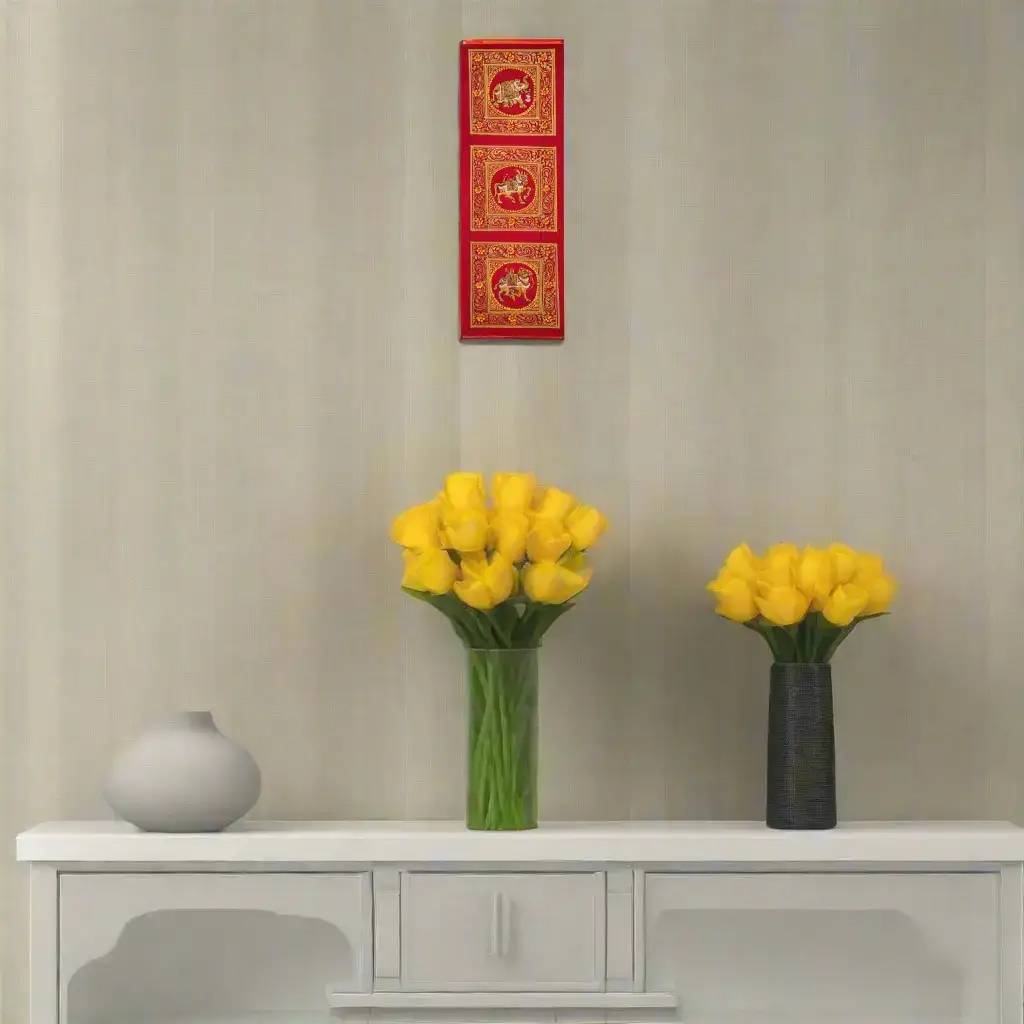
These miniature artwork panels serve as exquisite wall décor. They bring heritage and sophistication to homes, offices, and galleries. The panels blend tradition and modern design, making them versatile for various décor styles. Adding these art panels to any space celebrates Indian culture, history, and royal aesthetics. They stand as timeless pieces of art, perfect for collectors and those wishing to adorn their interiors with meaningful decoration.
Why Choose Miniature Art Panels for Your Collection?
Collectors and art lovers appreciate miniature art panels for their artistic mastery and cultural depth. Each panel is a unique narrative connecting viewers to India’s royal past. The intricate detailing and vibrant colors remind us of India’s rich artistic heritage. Whether displayed alone or as part of a set, these panels create a captivating focal point in any room. Their charm and legacy continue to inspire and enchant art enthusiasts worldwide.
In summary, Indian miniature panels reflect centuries of tradition, skill, and passion. This heritage art form continues to hold a special place through its portrayal of royal themes. The Elephant horse camel miniature painting, in particular, symbolizes strength, nobility, and endurance through royal animal imagery. These qualities make the miniature art panels treasured pieces for anyone fascinated by Indian art and culture.
Product Information
Product Information
Shipping & Returns
Shipping & Returns
Description
Indian Miniature Art Panels - Elephant, Horse, and Camel
Indian Miniature Art Panels Rajasthani Painting embody a rich and vibrant traditional Indian art form. This style flourished in Rajasthan's royal courts from the 16th century onwards. Drawing deeply from Indian traditions, these panels depict mythology, epics, love stories, royal life, and folk culture. The paintings are admired for their bold lines, bright colors, and intricate detailing. Natural dyes and pigments sourced from minerals, vegetables, and precious stones give the art a lasting, luminous quality.
The Charm of Miniature Panels
Miniature panels capture the heart of India’s cultural heritage with skillful artistry. Each panel narrates a unique story blending royal grandeur and fine craftsmanship. Artists use traditional techniques with fine brushes to vividly highlight floral and animal motifs. This results in a timeless appeal, making these panels elegant décor pieces that enhance any space with historic charm and cultural depth.
Historical Context of Rajasthani Miniature Animal Painting
The tradition of Rajasthani miniature animal painting closely ties to Rajasthan’s royal courts where art flourished under noble patronage. This style focuses on detailed depictions of animals and nature, creating symbolic and meaningful compositions. Elephants, horses, and camels frequently appear in these paintings, symbolizing various royal and ceremonial values. The art enriches and preserves cultural stories conveyed across generations through its exceptional craftsmanship and narrative power.
Distinct Schools of Miniature Artwork Panels
The miniature panels belong to several key schools, each distinguished by its style and thematic focus. These include:
- Mewar: Famous for court scenes, heroic tales, and religious themes.
- Marwar: Highlights rugged landscapes and warrior epics with dynamic compositions.
- Bundi and Kota: Known for lush landscapes, hunting scenes, and natural beauty.
- Kishangarh: Celebrated for romantic portrayals of Radha and Krishna, especially the iconic Bani Thani image.
- Bikaner: Exhibits intricate detailing and beautiful architectural motifs.
- Jaipur: Blends mythological stories with royal subjects in a sophisticated style.
Each school offers a distinct artistic approach, enriching the miniature panels with variety and cultural symbolism. These influences make the art form captivating for collectors and enthusiasts alike.
Symbolism in Elephant, Horse, and Camel Art Panels
Animals like elephants, horses, and camels hold great symbolic importance in Royal animal miniature panels. Each represents unique cultural values that add meaning and grandeur:
- Elephants: Symbolize power, wisdom, and majestic strength, revered in Indian culture.
- Horses: Stand for energy, nobility, and valor, often linked to royal ceremonies.
- Camels: Represent endurance, resilience, and the ability to thrive in harsh conditions.
These symbols make the Elephant horse camel miniature painting a profound celebration of royal virtues through exquisite art.
Techniques and Materials Behind the Miniature Artwork Panels
Creating these art panels requires expert craftsmanship and patience. Artists employ natural materials such as mineral pigments and vegetable dyes. This choice ensures vibrant, long-lasting colors that maintain their brilliance over time. Fine brushwork enhances delicate details, from intricate floral designs to precise animal outlines. The use of traditional techniques preserves the authenticity and captivating charm the art has demonstrated for centuries.
Uses and Decorative Appeal of Miniature Art Panels
These miniature artwork panels serve as exquisite wall décor. They bring heritage and sophistication to homes, offices, and galleries. The panels blend tradition and modern design, making them versatile for various décor styles. Adding these art panels to any space celebrates Indian culture, history, and royal aesthetics. They stand as timeless pieces of art, perfect for collectors and those wishing to adorn their interiors with meaningful decoration.
Why Choose Miniature Art Panels for Your Collection?
Collectors and art lovers appreciate miniature art panels for their artistic mastery and cultural depth. Each panel is a unique narrative connecting viewers to India’s royal past. The intricate detailing and vibrant colors remind us of India’s rich artistic heritage. Whether displayed alone or as part of a set, these panels create a captivating focal point in any room. Their charm and legacy continue to inspire and enchant art enthusiasts worldwide.
In summary, Indian miniature panels reflect centuries of tradition, skill, and passion. This heritage art form continues to hold a special place through its portrayal of royal themes. The Elephant horse camel miniature painting, in particular, symbolizes strength, nobility, and endurance through royal animal imagery. These qualities make the miniature art panels treasured pieces for anyone fascinated by Indian art and culture.