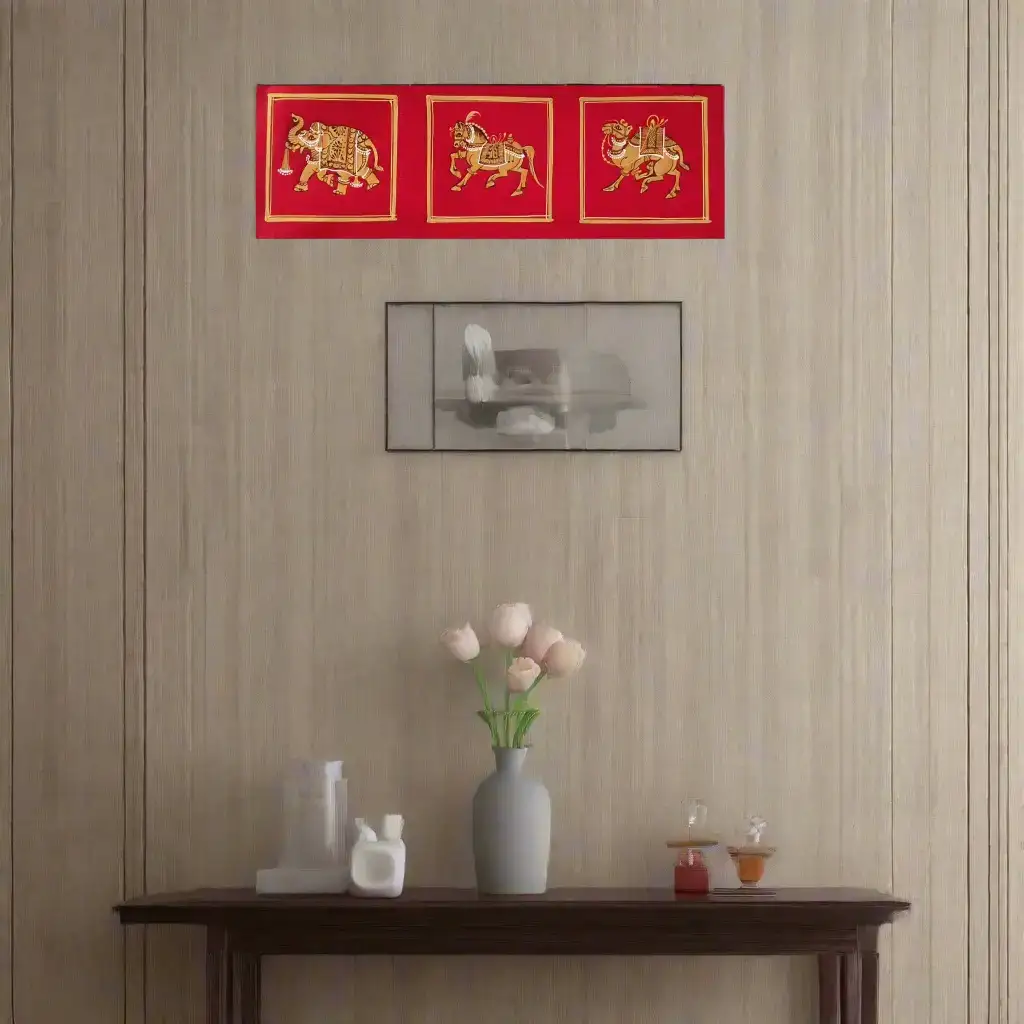
Mewar Miniature Painting - The Royal Menagerie Art
Mewar Miniature Painting - The Royal Menagerie Art
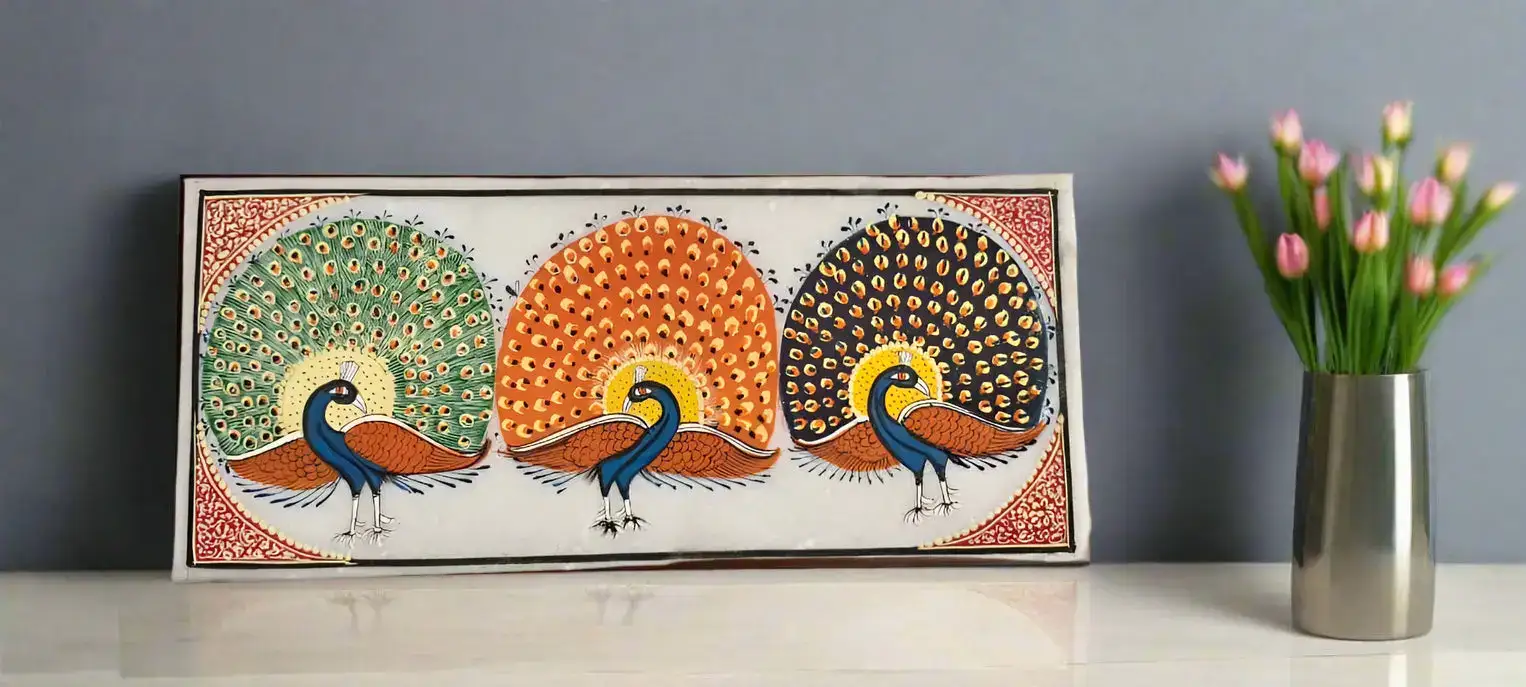
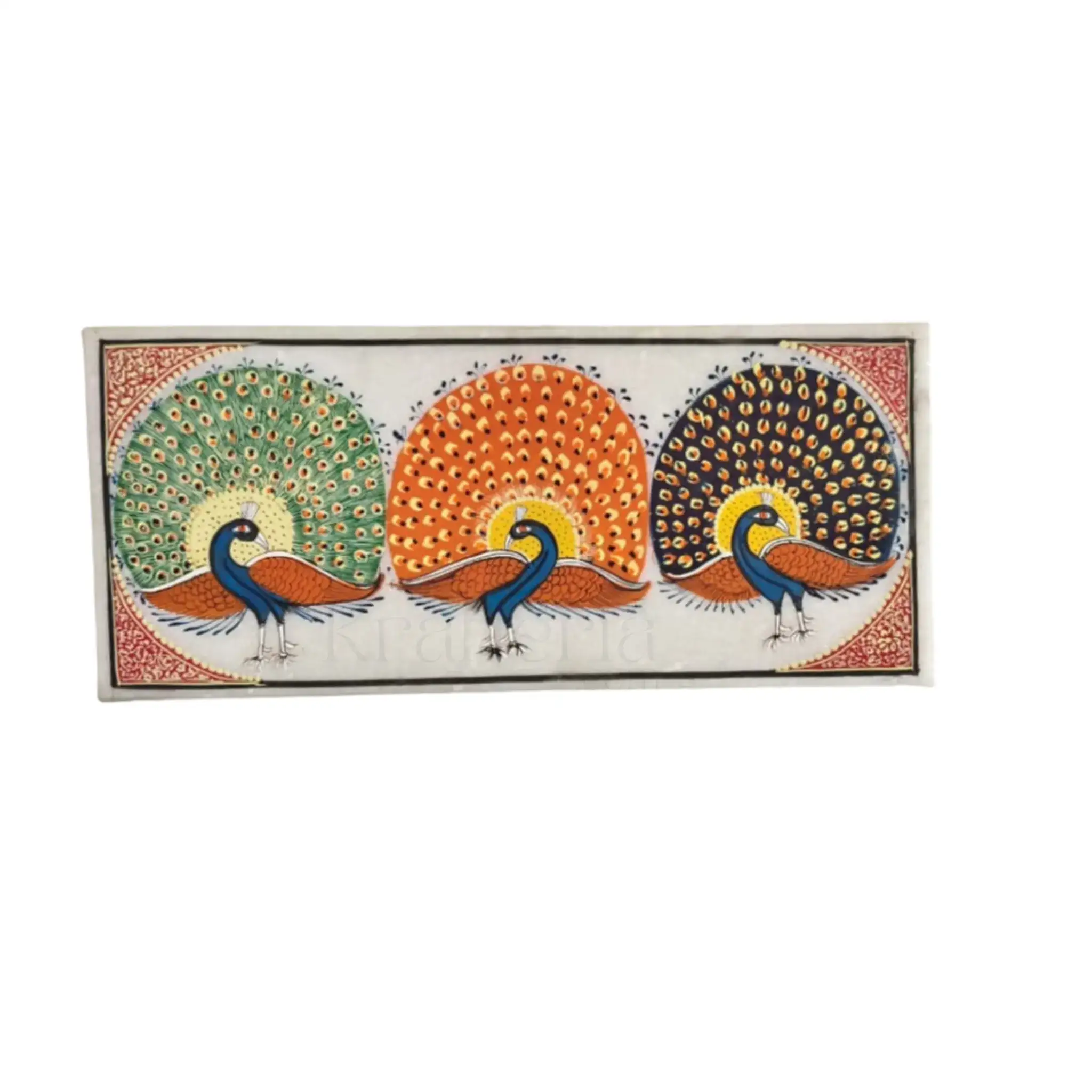
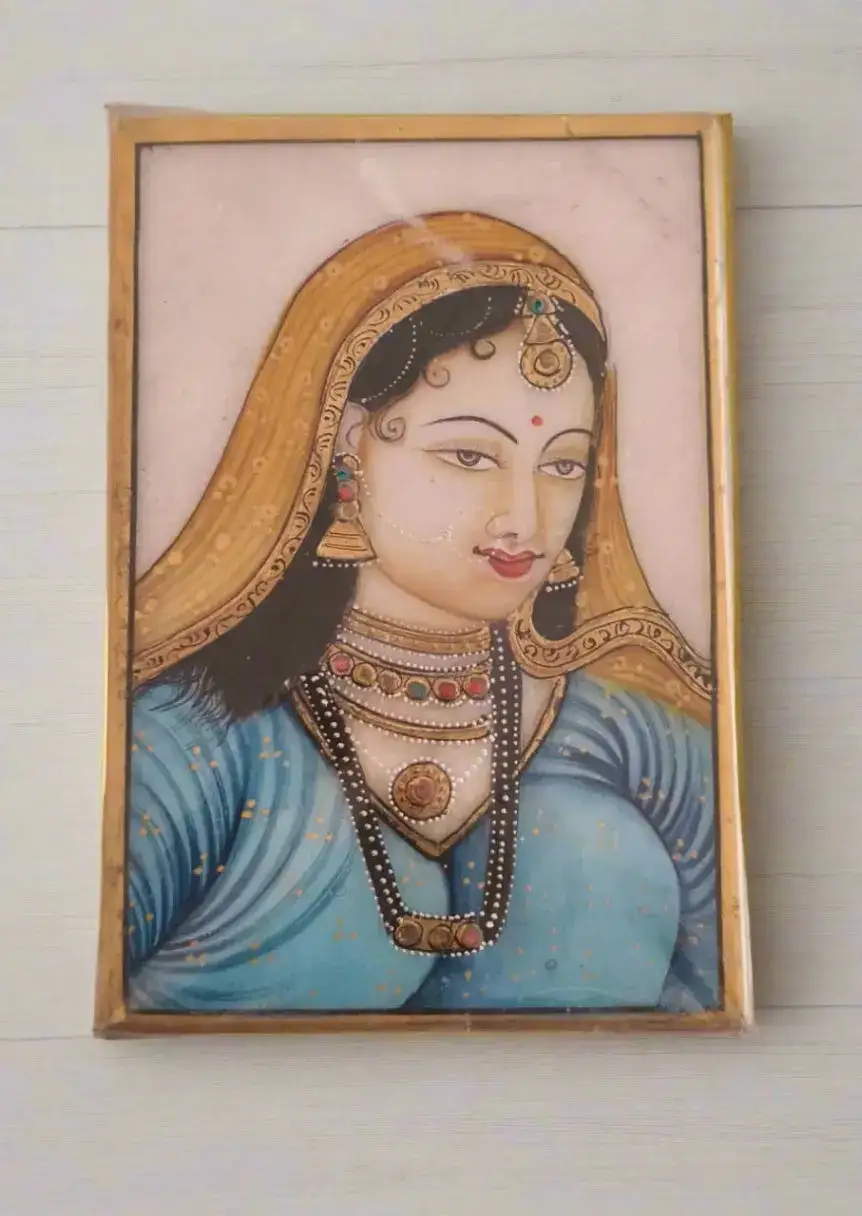
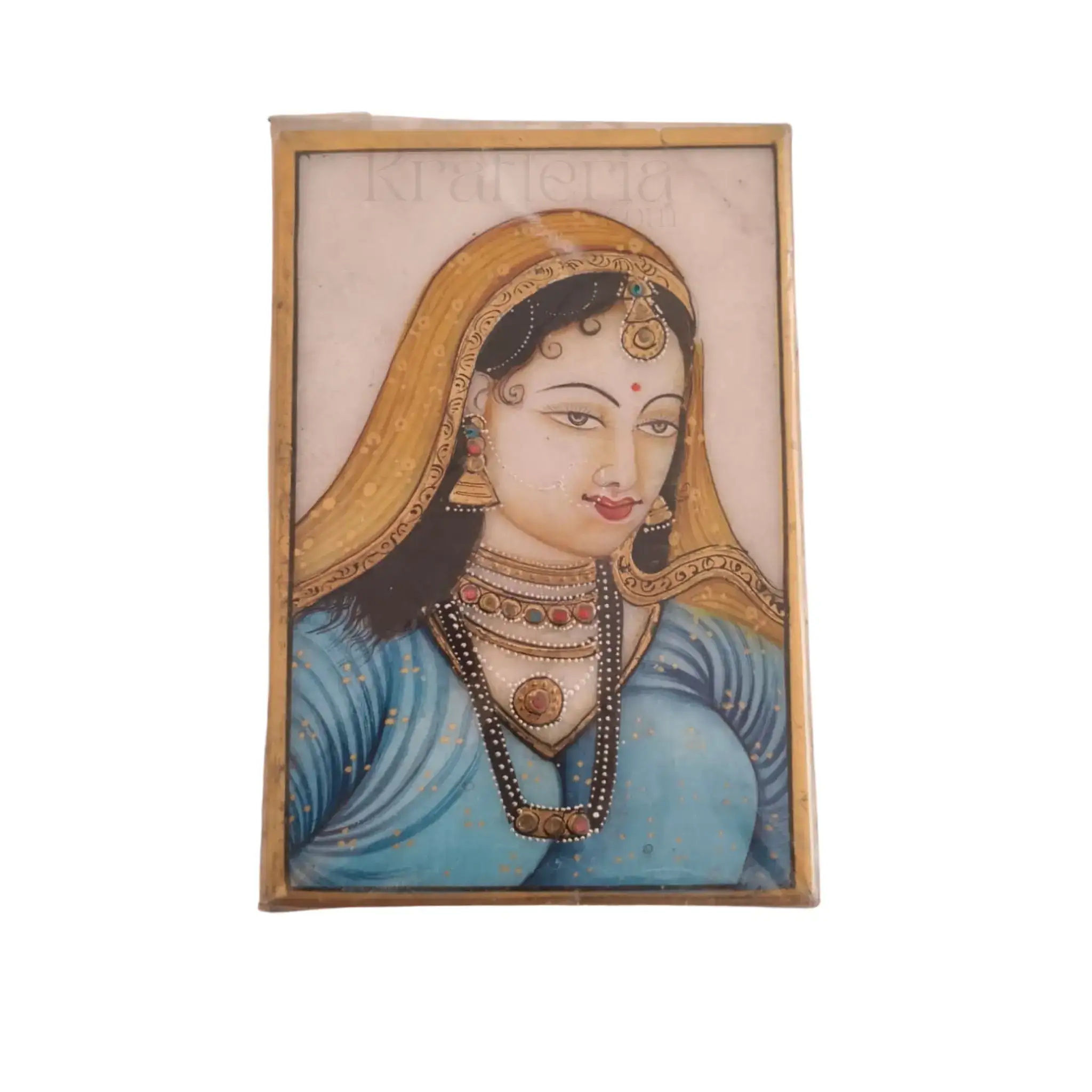
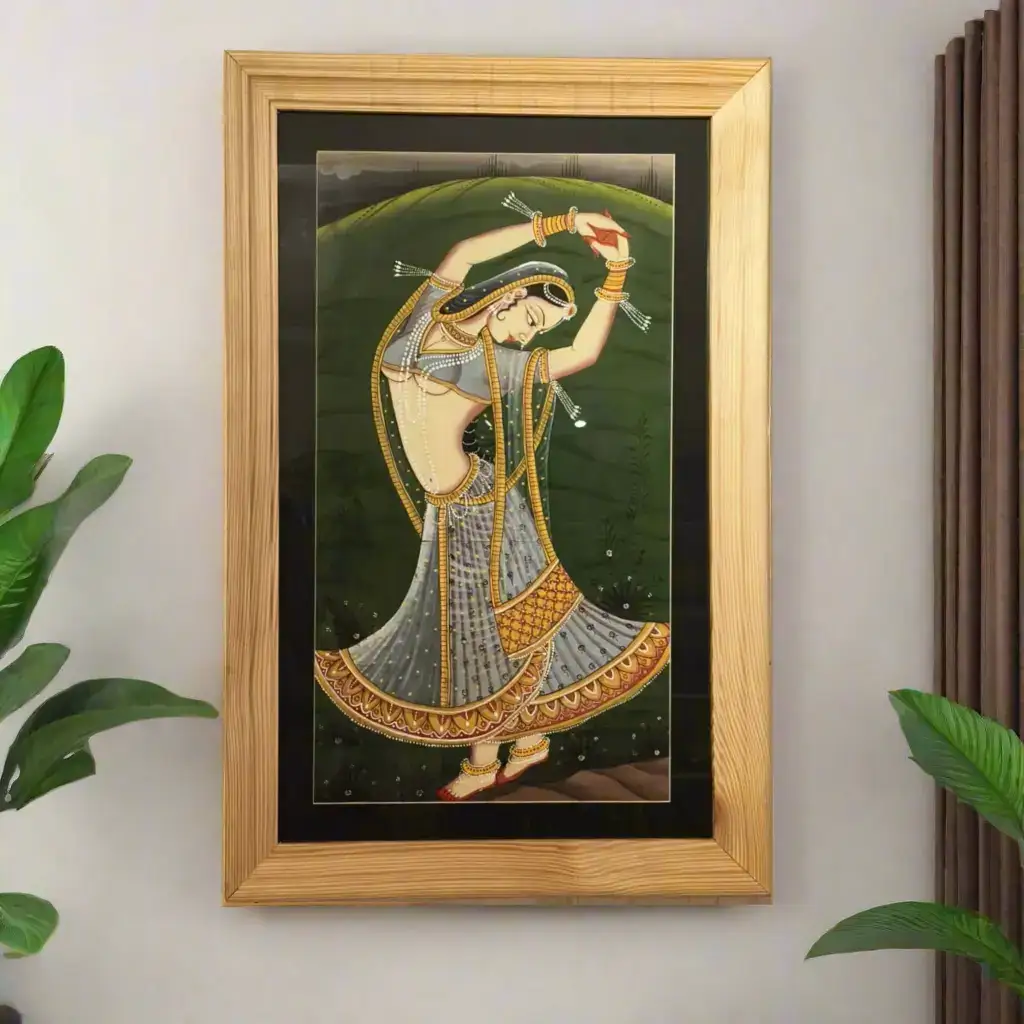
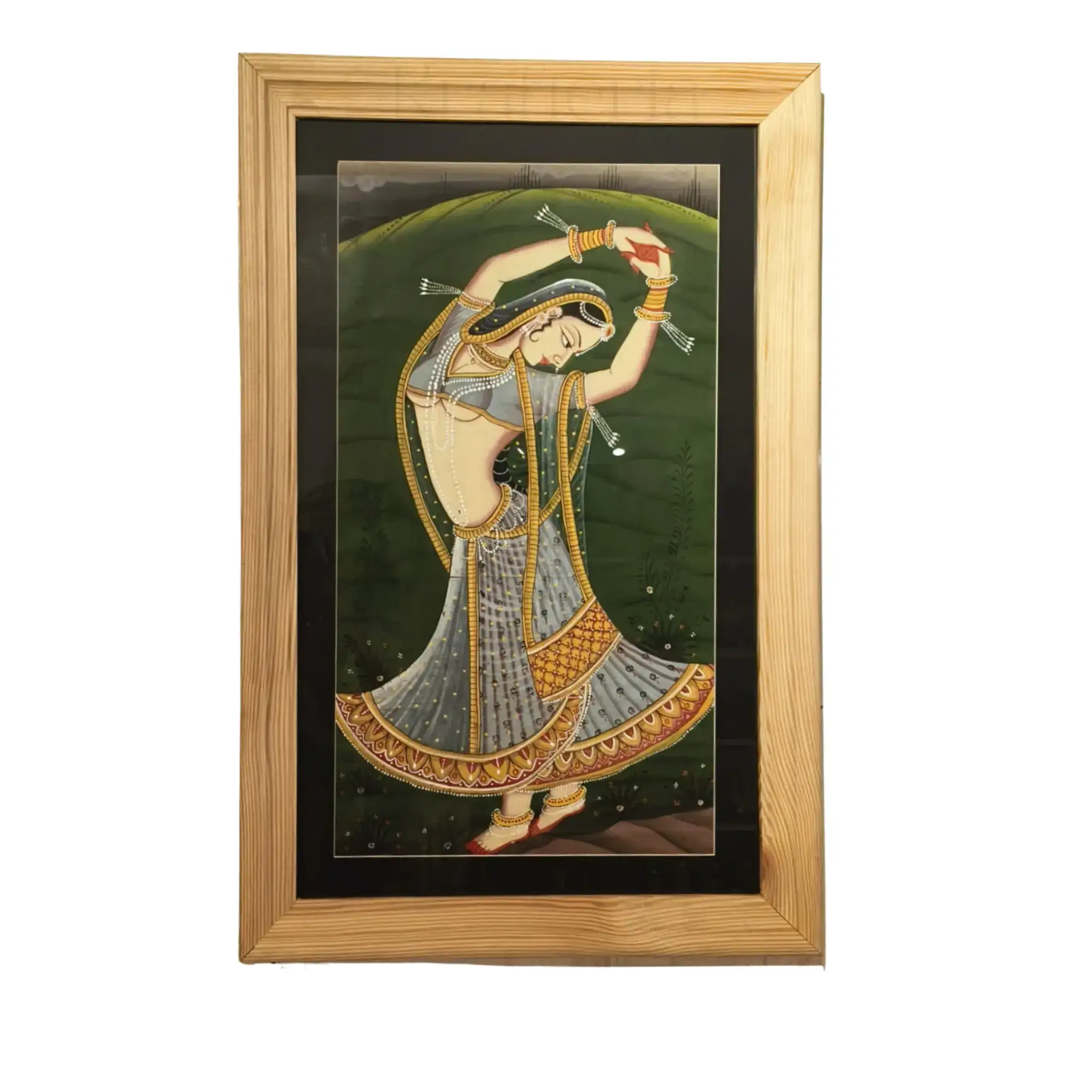
Mewar Miniature Painting Rajasthani Painting is a rich and vibrant style of Indian miniature painting. It flourished in the royal courts of Rajasthan from the 16th century onwards. This art form is deeply rooted in Indian traditions, portraying themes such as mythology, epics, love stories, royal life, and folk culture. Mewar Miniature Painting is especially known for its bold lines, bright colors, and intricate detailing that captivate the viewer.
The paintings typically feature natural dyes and pigments made from minerals, vegetables, and precious stones. These natural materials give the art a lasting and luminous quality. The luminous effect makes each piece stand out as a treasure of miniature art. The use of such materials also showcases the skill and dedication of the artists who create these masterpieces.
The Unique Schools of Indian Miniature Painting
This celebrated art form is divided into several schools, each with its own distinct style and subject focus. These include Mewar, Marwar, Bundi, Kota, Kishangarh, Bikaner, and Jaipur. Each school offers unique interpretations of themes related to royal life, folklore, and nature. For example, Bundi and Kota paintings are known for their lush landscapes and hunting scenes, capturing the essence of royal pursuits.
Kishangarh is among the most famous schools for its romantic miniature paintings. It is especially noted for its portrayal of Radha and Krishna, with the iconic depiction of Bani Thani emerging from this tradition. These artworks demonstrate the emotional depth and finesse of historical miniature painting traditions rooted in Rajasthan.
Mewar Miniature Painting: Style and Themes
Mewar Miniature Painting specifically depicts court scenes, heroic tales, and religious themes. The artists focus on narrative storytelling by including expressive figures and detailed backgrounds. This enhances the visual appeal of every painting and offers a glimpse into the grandeur of royal life during the era. The detailed brushwork and vibrant colors make these paintings a significant part of Indian miniature painting animals and royal life representations.
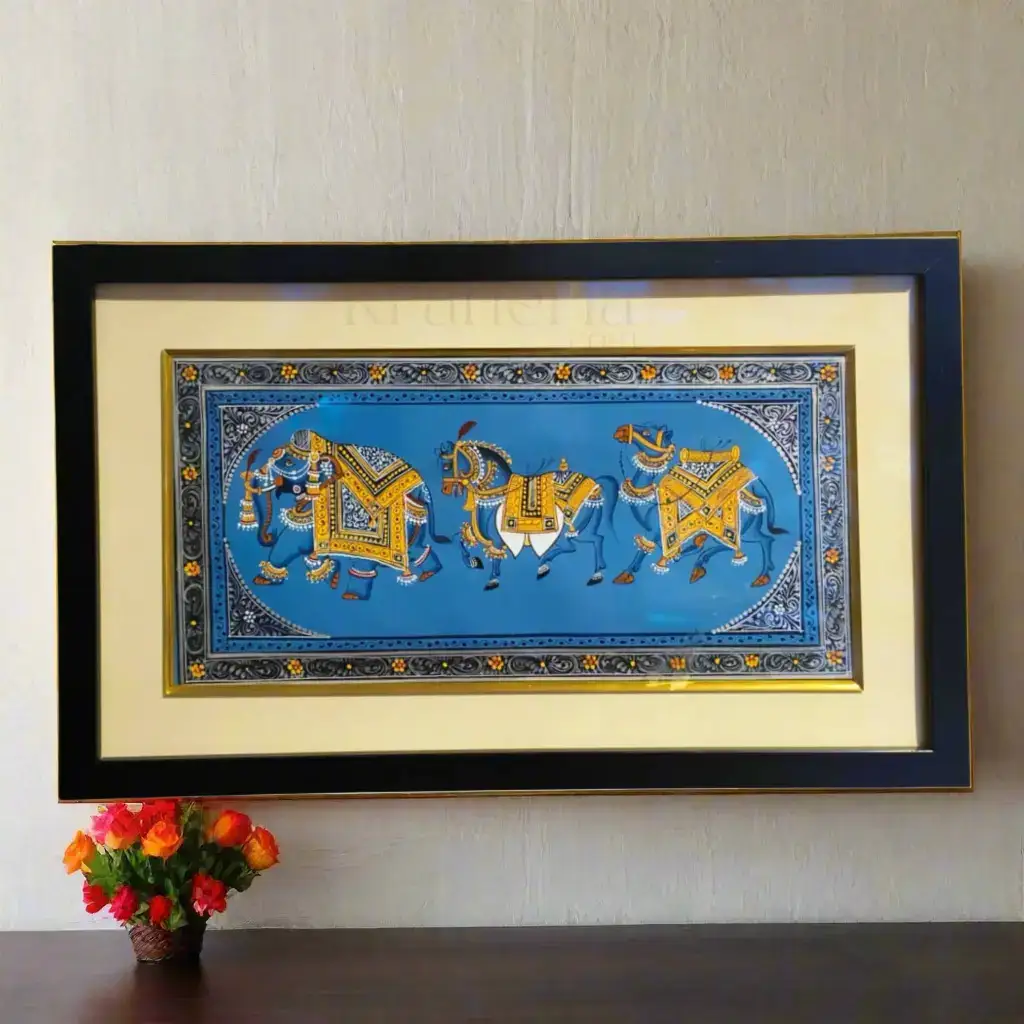
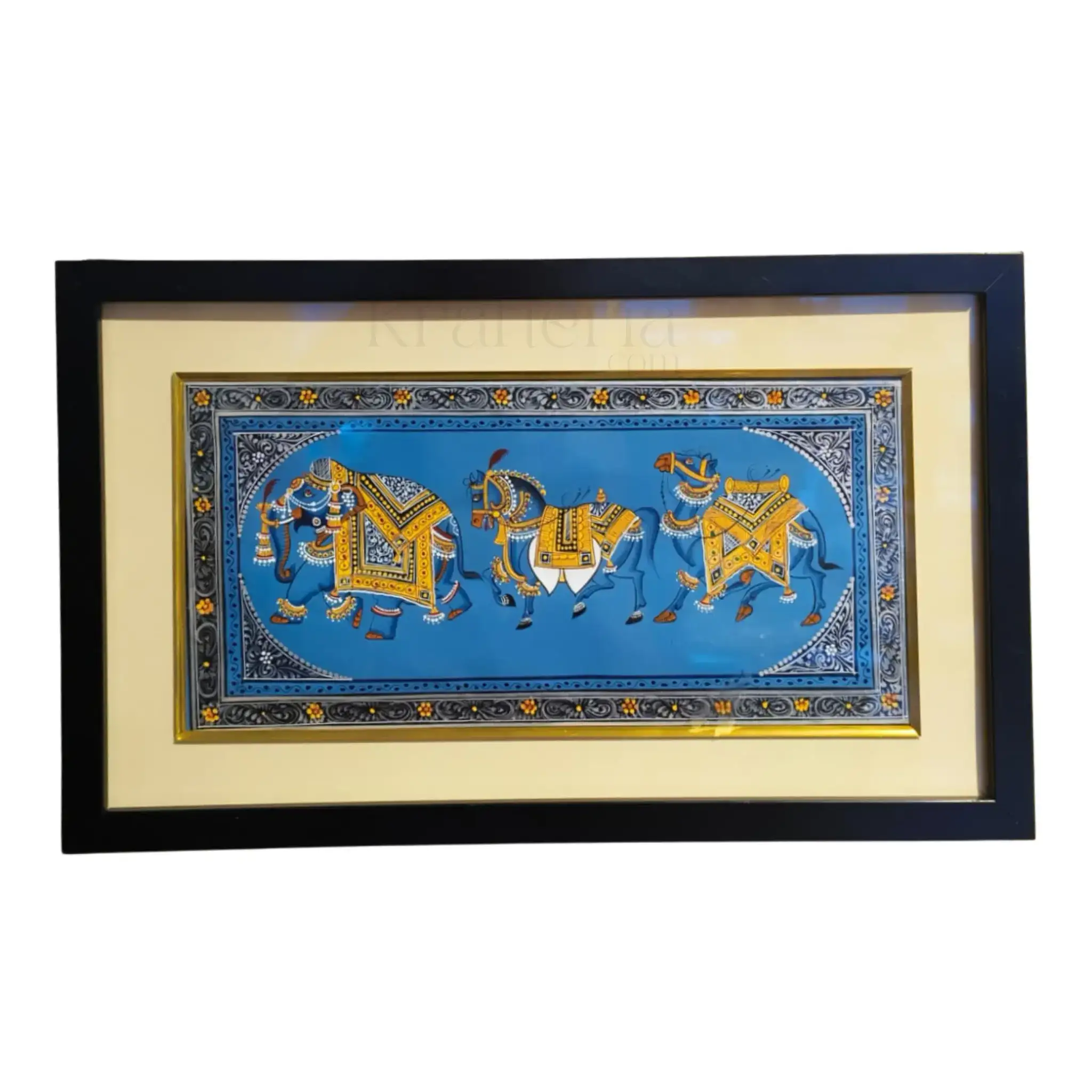
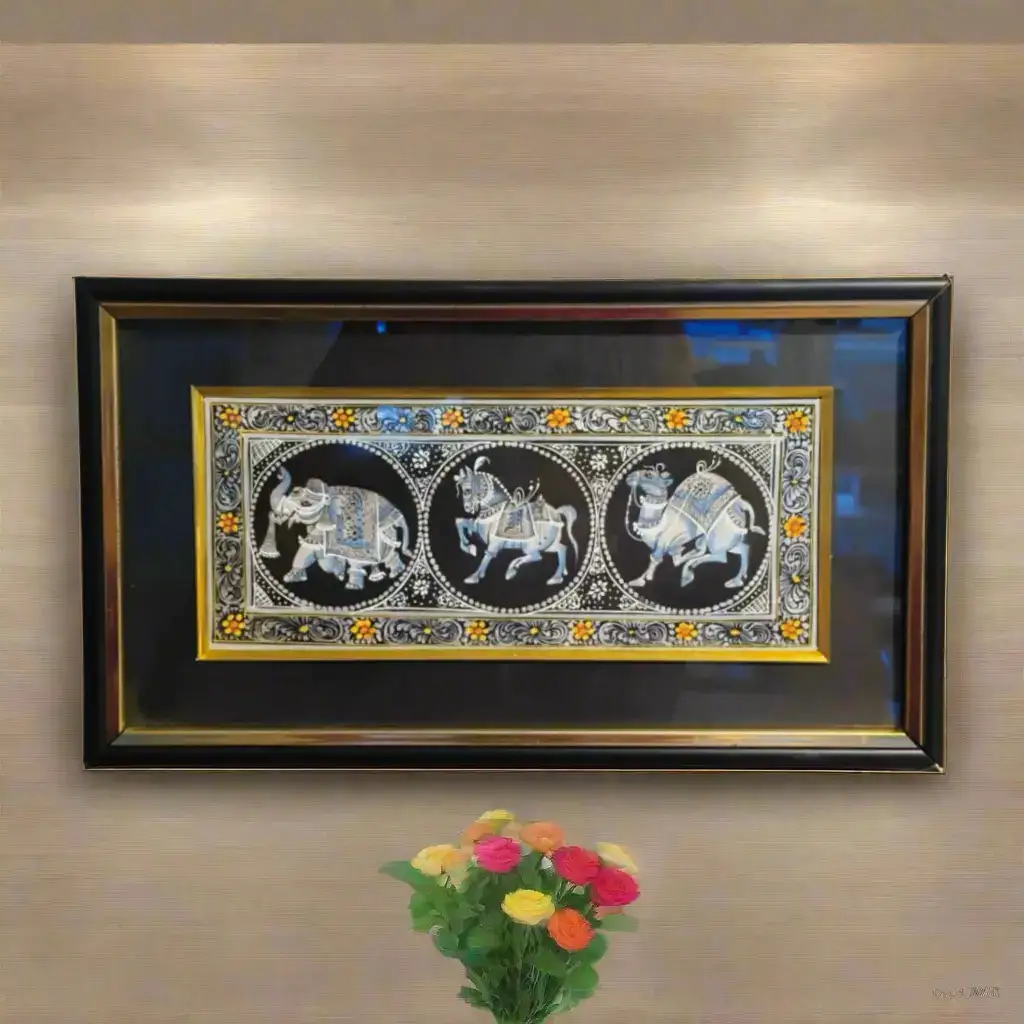
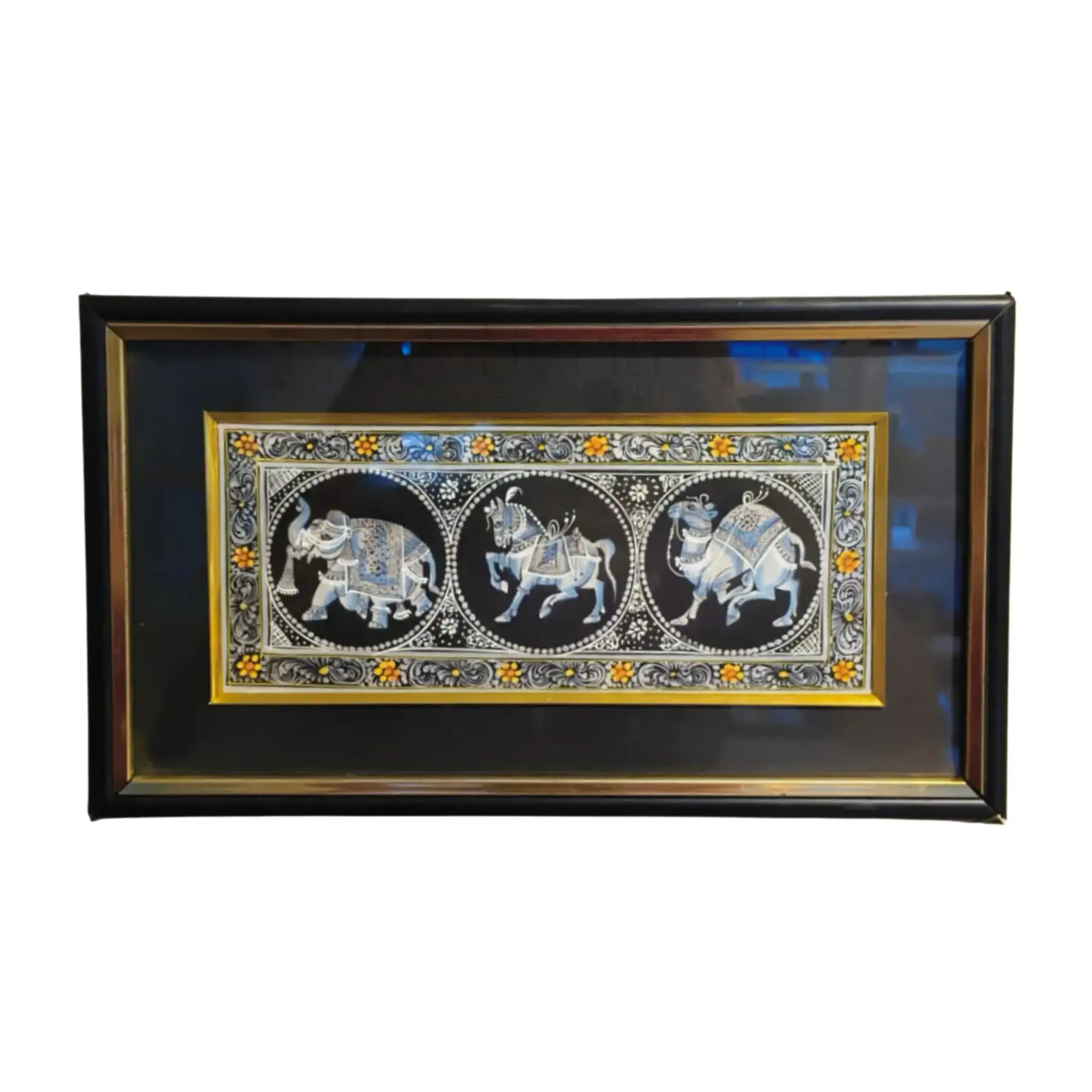
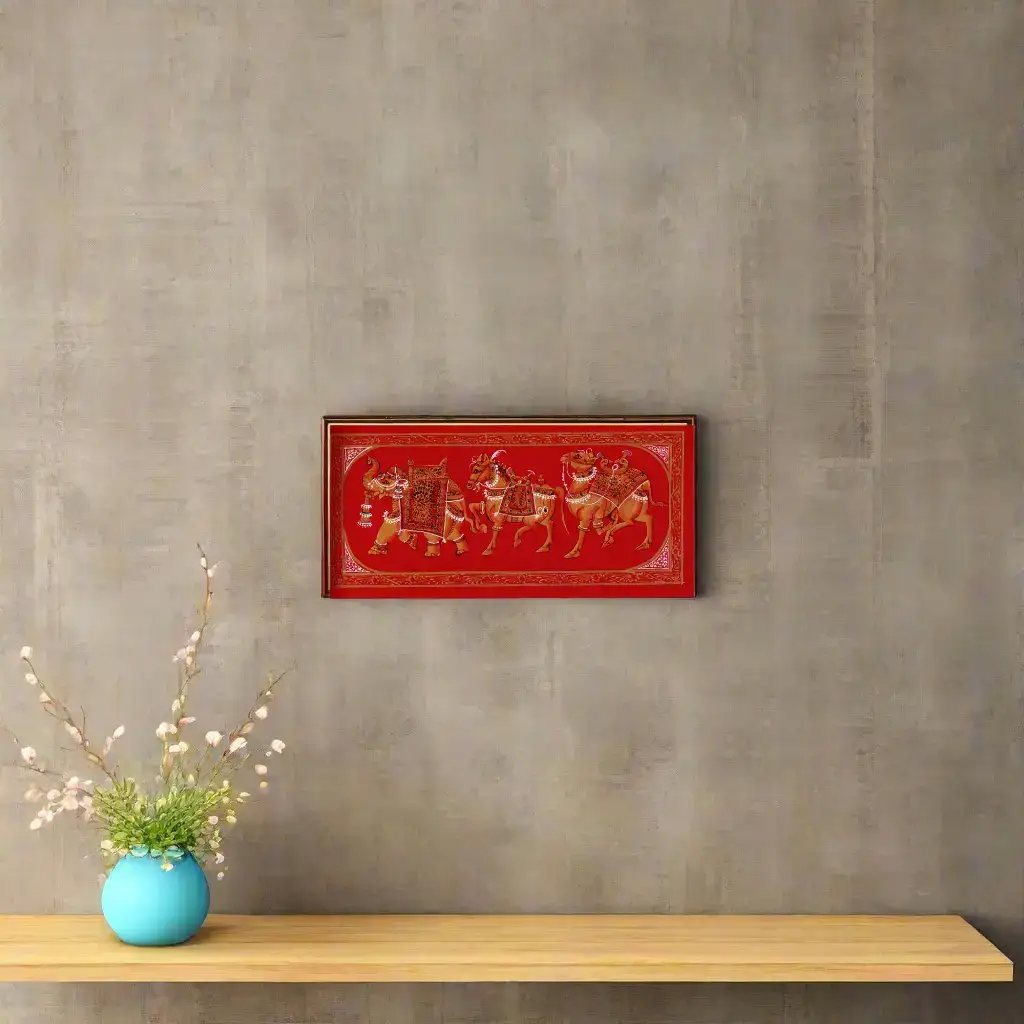
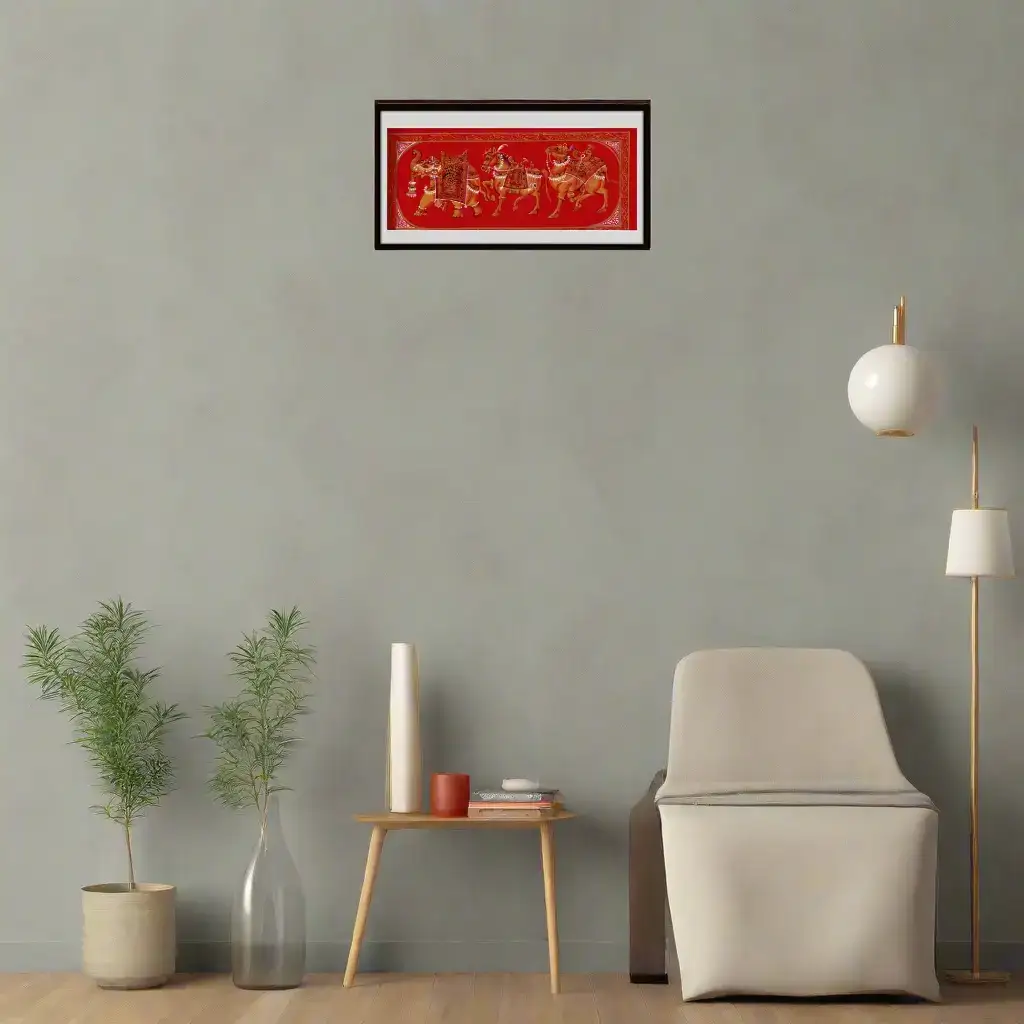
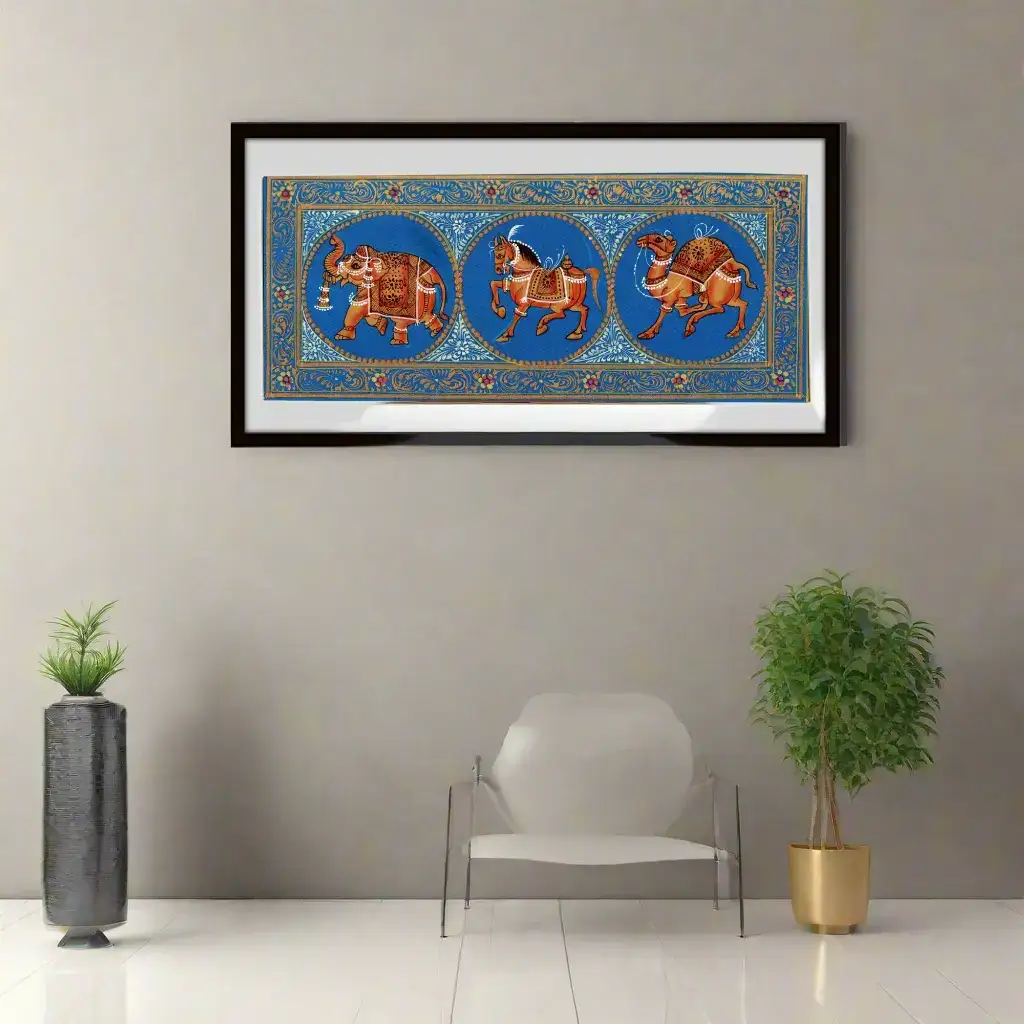
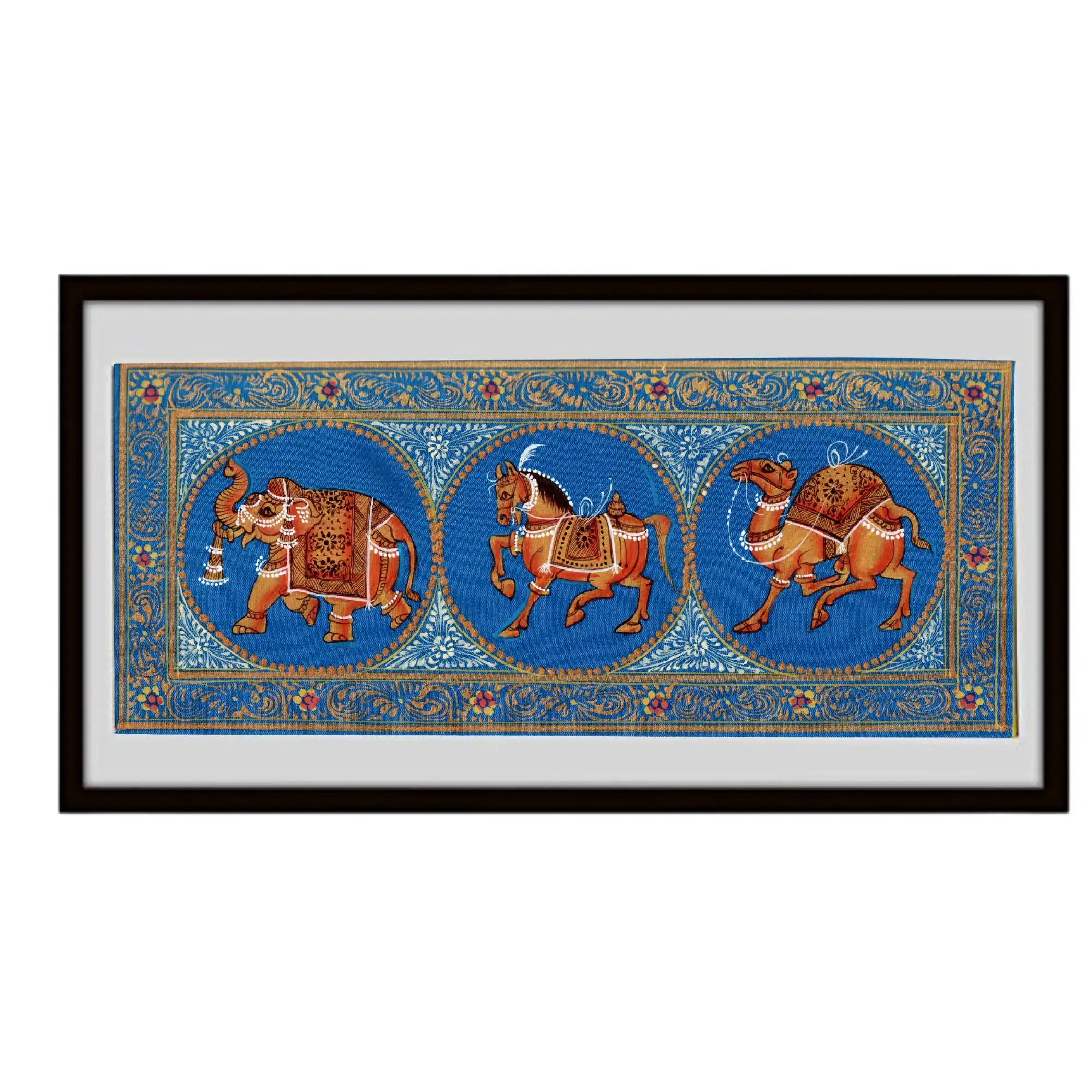
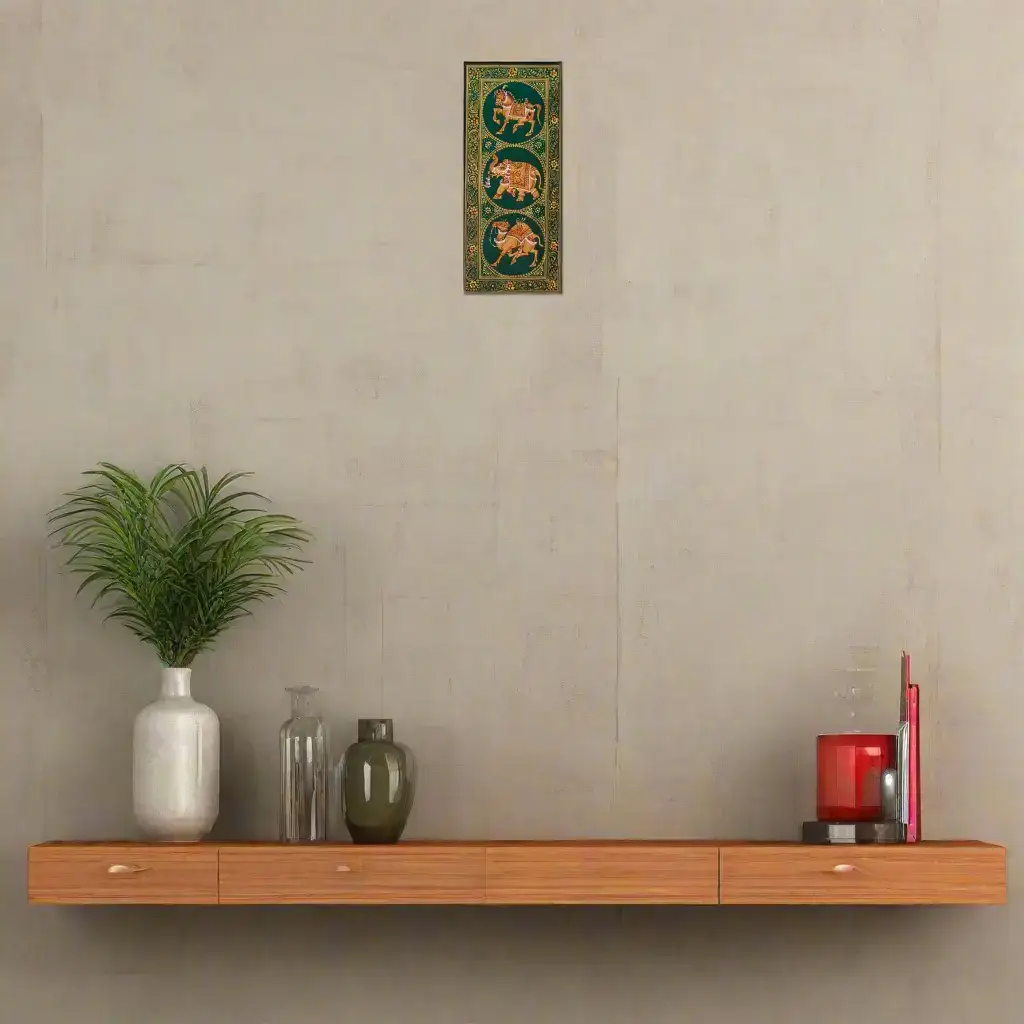
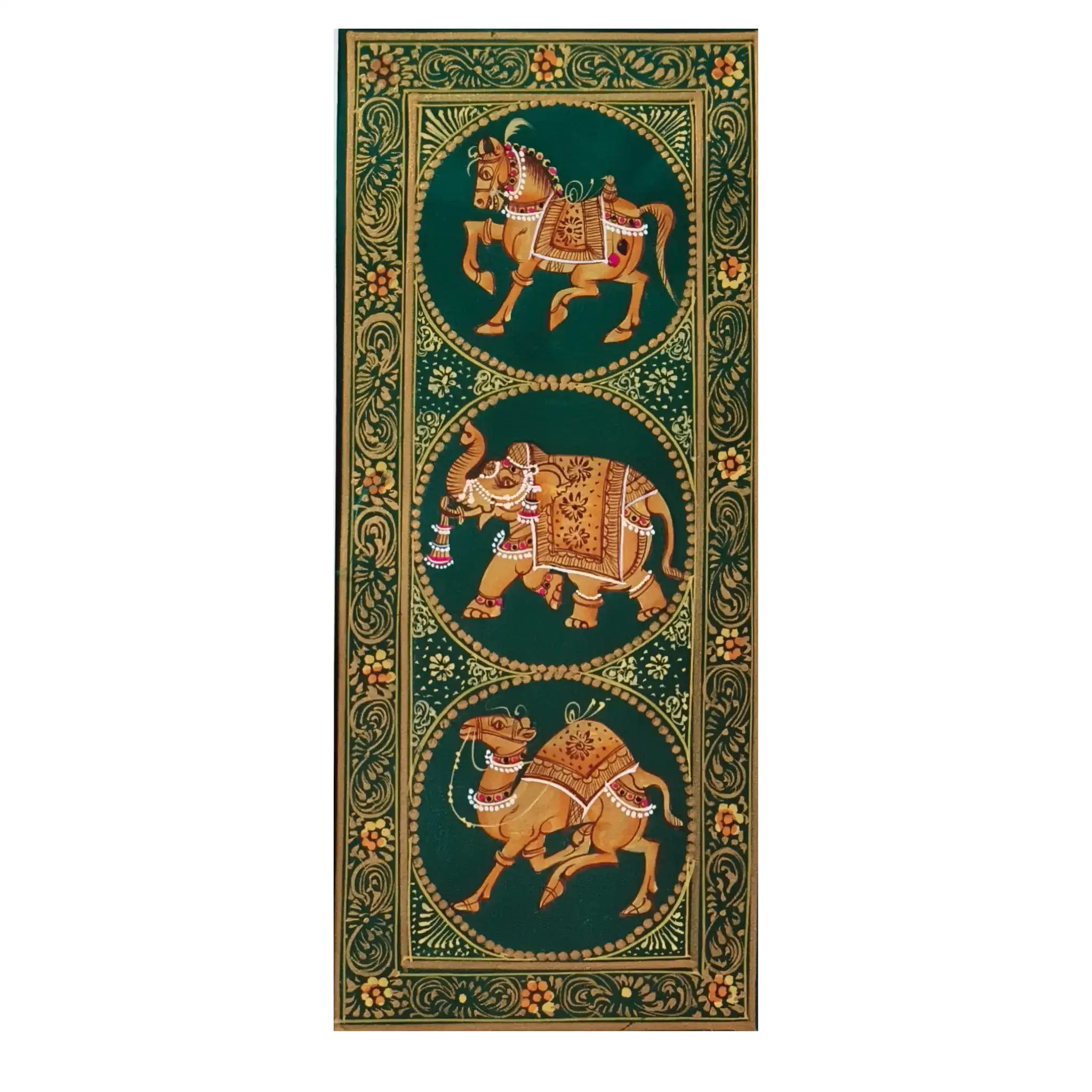
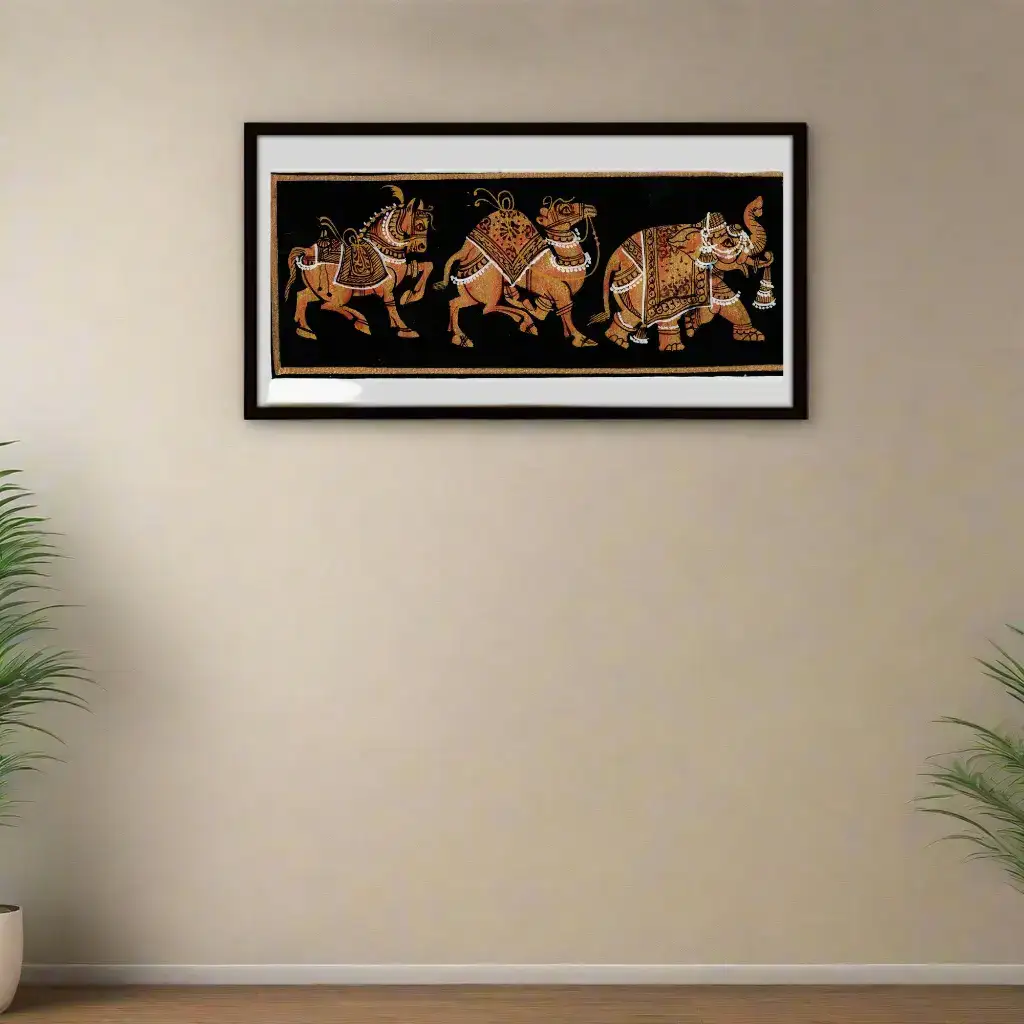
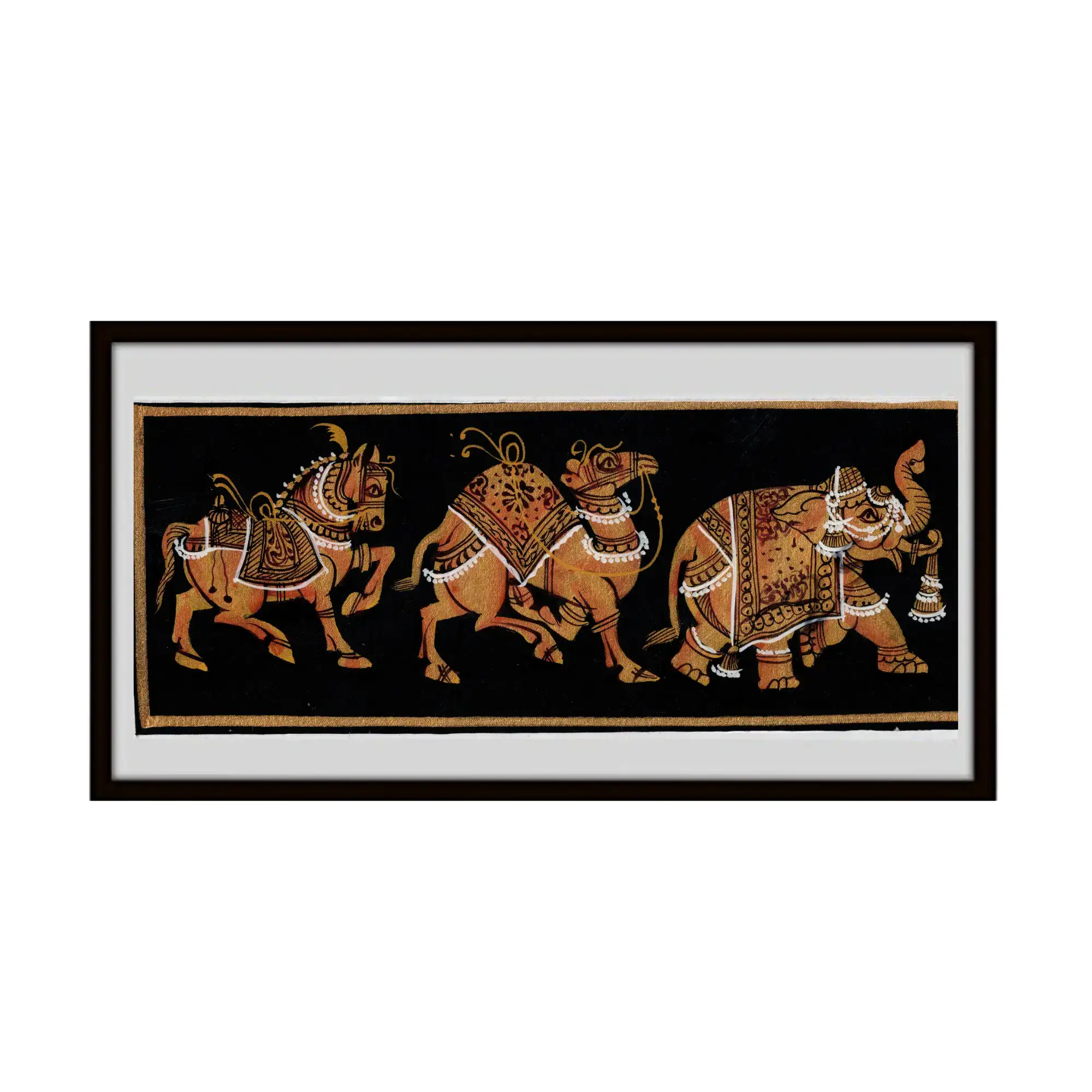
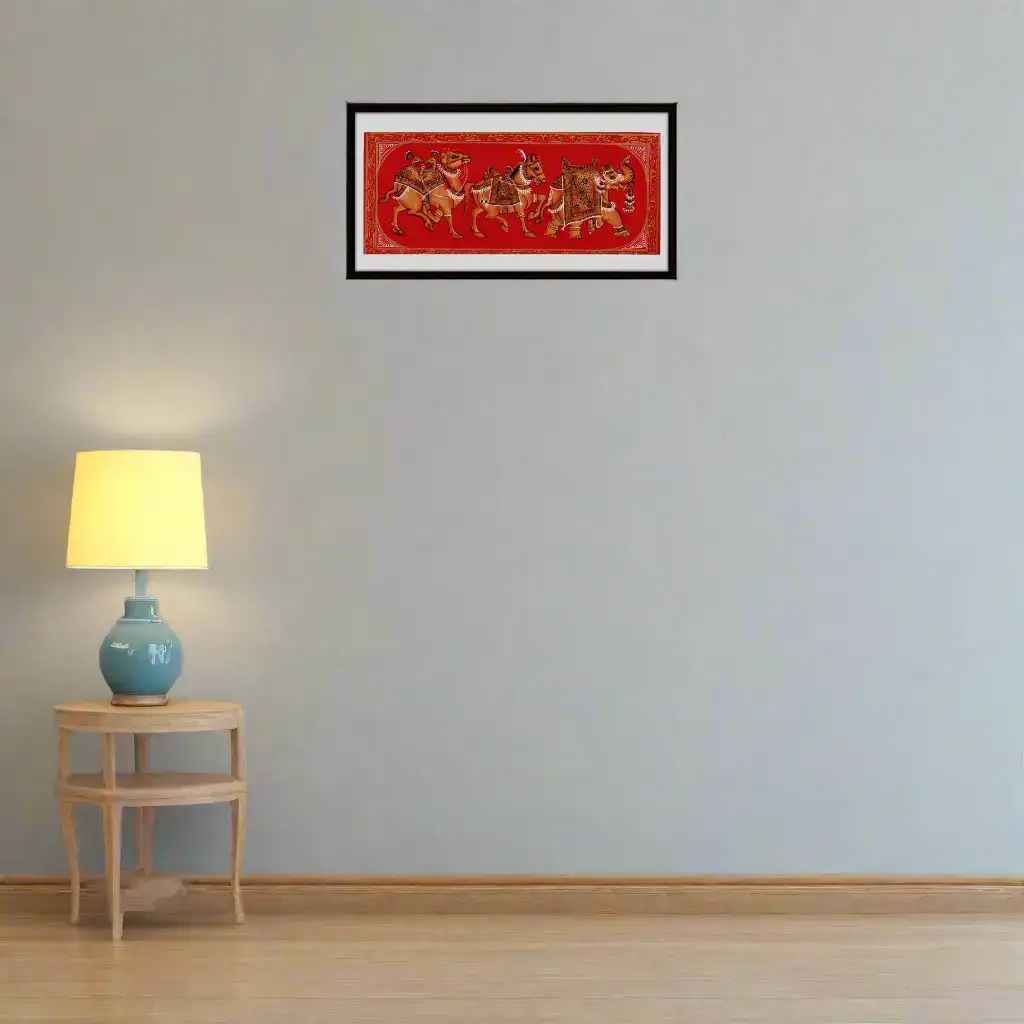
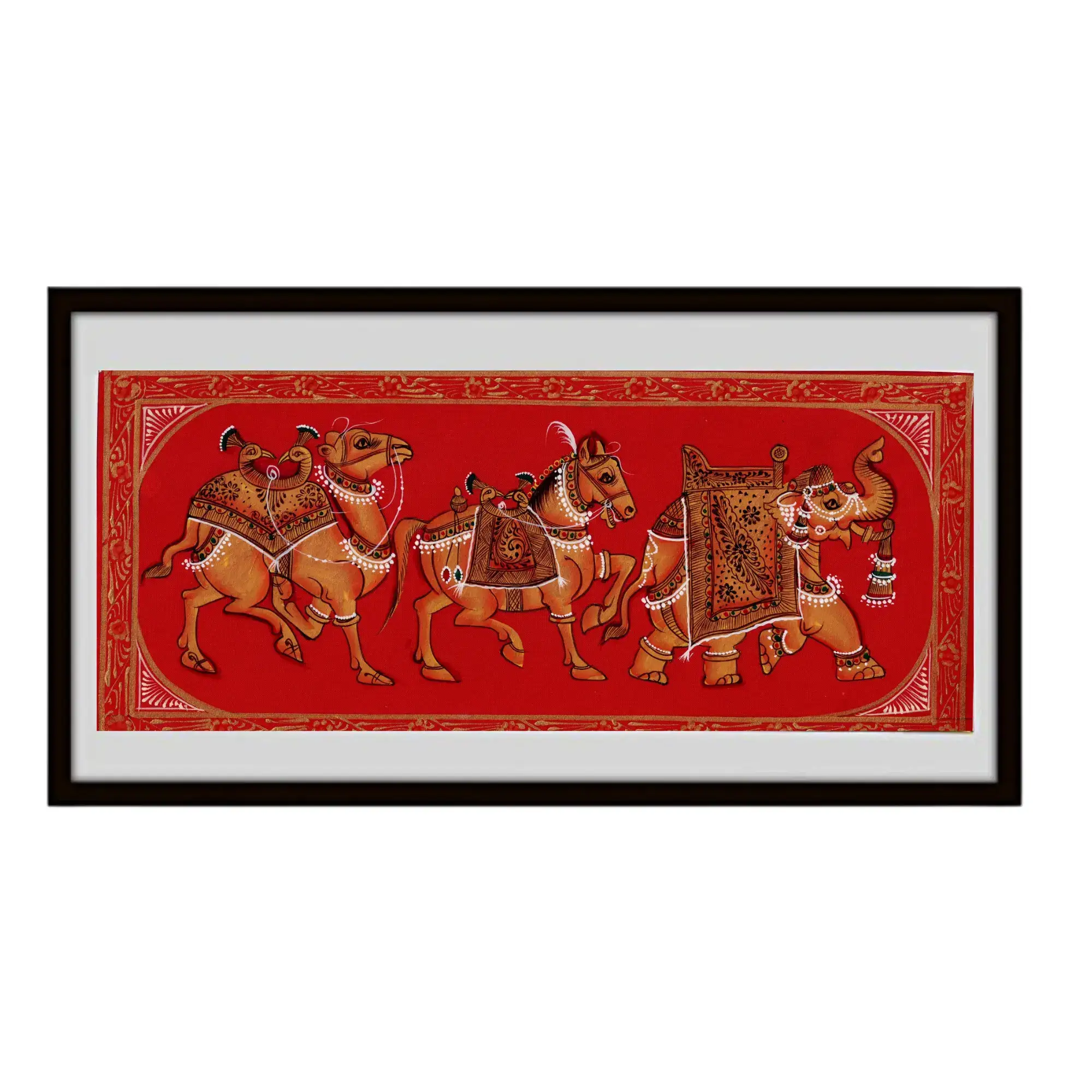
Miniature art from Mewar often features animals such as elephants, horses, and camels. These animals appear prominently in royal processions, hunts, and palace scenes. The skillful depiction of animals in these paintings reflects the cultural importance of the royal menagerie. Each animal is presented with intricate ornamentation, highlighting the rich heritage of the Mewar region.
Techniques and Materials in Mewar Miniature Painting
The creation of Mewar Painting requires meticulous techniques. Artists typically use fine brushes to achieve intricate detailing and precise lines. They paint on handmade paper or cloth, employing natural pigments from precious stones, minerals, and organic materials. Some artworks are even enhanced with gold or silver leaf to add richness and depth to the images.
These traditional techniques contribute to the long-lasting quality of each artwork. The brilliance of colors and the fine textures are a testimony to the skill of Indian miniature painting artists from the 16th century onwards. The tactile feel of the painting often invites viewers to appreciate the craftsmanship closely.
The Cultural and Historical Significance
Mewar Miniature art serves as a window to India’s royal history and cultural narratives. It preserves stories of valor, devotion, and everyday life in royal courts. These paintings also capture the social and religious dynamics of the period. As part of historical miniature painting, they enable us to understand the past in a visually rich format.
Collectors and art lovers cherish Miniature Painting for its authenticity and storytelling qualities. The artwork is valued not only for its beauty but also for its cultural preservation. Owning such a painting is like holding a piece of Indian heritage, especially within the realm of miniature art focused on animals and royal themes.
The Appeal of Mewar Miniature Paintings for Modern Decor
Today, Mewar Painting continues to inspire contemporary enthusiasts. Its vibrant colors and detailed scenes add elegance and sophistication to any space. Whether displayed in a home, office, or gallery, it brings a regal charm and historical aura.
The art form’s blend of color, detail, and cultural depth makes it a standout in Indian miniature paintings. Those interested in authentic miniature art and traditional painting techniques appreciate its lasting appeal. It is a perfect decor choice for those looking to add a touch of Indian royal heritage.
Product Information
Product Information
Shipping & Returns
Shipping & Returns
Description
Mewar Miniature Painting - The Royal Menagerie Art
Mewar Miniature Painting Rajasthani Painting is a rich and vibrant style of Indian miniature painting. It flourished in the royal courts of Rajasthan from the 16th century onwards. This art form is deeply rooted in Indian traditions, portraying themes such as mythology, epics, love stories, royal life, and folk culture. Mewar Miniature Painting is especially known for its bold lines, bright colors, and intricate detailing that captivate the viewer.
The paintings typically feature natural dyes and pigments made from minerals, vegetables, and precious stones. These natural materials give the art a lasting and luminous quality. The luminous effect makes each piece stand out as a treasure of miniature art. The use of such materials also showcases the skill and dedication of the artists who create these masterpieces.
The Unique Schools of Indian Miniature Painting
This celebrated art form is divided into several schools, each with its own distinct style and subject focus. These include Mewar, Marwar, Bundi, Kota, Kishangarh, Bikaner, and Jaipur. Each school offers unique interpretations of themes related to royal life, folklore, and nature. For example, Bundi and Kota paintings are known for their lush landscapes and hunting scenes, capturing the essence of royal pursuits.
Kishangarh is among the most famous schools for its romantic miniature paintings. It is especially noted for its portrayal of Radha and Krishna, with the iconic depiction of Bani Thani emerging from this tradition. These artworks demonstrate the emotional depth and finesse of historical miniature painting traditions rooted in Rajasthan.
Mewar Miniature Painting: Style and Themes
Mewar Miniature Painting specifically depicts court scenes, heroic tales, and religious themes. The artists focus on narrative storytelling by including expressive figures and detailed backgrounds. This enhances the visual appeal of every painting and offers a glimpse into the grandeur of royal life during the era. The detailed brushwork and vibrant colors make these paintings a significant part of Indian miniature painting animals and royal life representations.
Miniature art from Mewar often features animals such as elephants, horses, and camels. These animals appear prominently in royal processions, hunts, and palace scenes. The skillful depiction of animals in these paintings reflects the cultural importance of the royal menagerie. Each animal is presented with intricate ornamentation, highlighting the rich heritage of the Mewar region.
Techniques and Materials in Mewar Miniature Painting
The creation of Mewar Painting requires meticulous techniques. Artists typically use fine brushes to achieve intricate detailing and precise lines. They paint on handmade paper or cloth, employing natural pigments from precious stones, minerals, and organic materials. Some artworks are even enhanced with gold or silver leaf to add richness and depth to the images.
These traditional techniques contribute to the long-lasting quality of each artwork. The brilliance of colors and the fine textures are a testimony to the skill of Indian miniature painting artists from the 16th century onwards. The tactile feel of the painting often invites viewers to appreciate the craftsmanship closely.
The Cultural and Historical Significance
Mewar Miniature art serves as a window to India’s royal history and cultural narratives. It preserves stories of valor, devotion, and everyday life in royal courts. These paintings also capture the social and religious dynamics of the period. As part of historical miniature painting, they enable us to understand the past in a visually rich format.
Collectors and art lovers cherish Miniature Painting for its authenticity and storytelling qualities. The artwork is valued not only for its beauty but also for its cultural preservation. Owning such a painting is like holding a piece of Indian heritage, especially within the realm of miniature art focused on animals and royal themes.
The Appeal of Mewar Miniature Paintings for Modern Decor
Today, Mewar Painting continues to inspire contemporary enthusiasts. Its vibrant colors and detailed scenes add elegance and sophistication to any space. Whether displayed in a home, office, or gallery, it brings a regal charm and historical aura.
The art form’s blend of color, detail, and cultural depth makes it a standout in Indian miniature paintings. Those interested in authentic miniature art and traditional painting techniques appreciate its lasting appeal. It is a perfect decor choice for those looking to add a touch of Indian royal heritage.