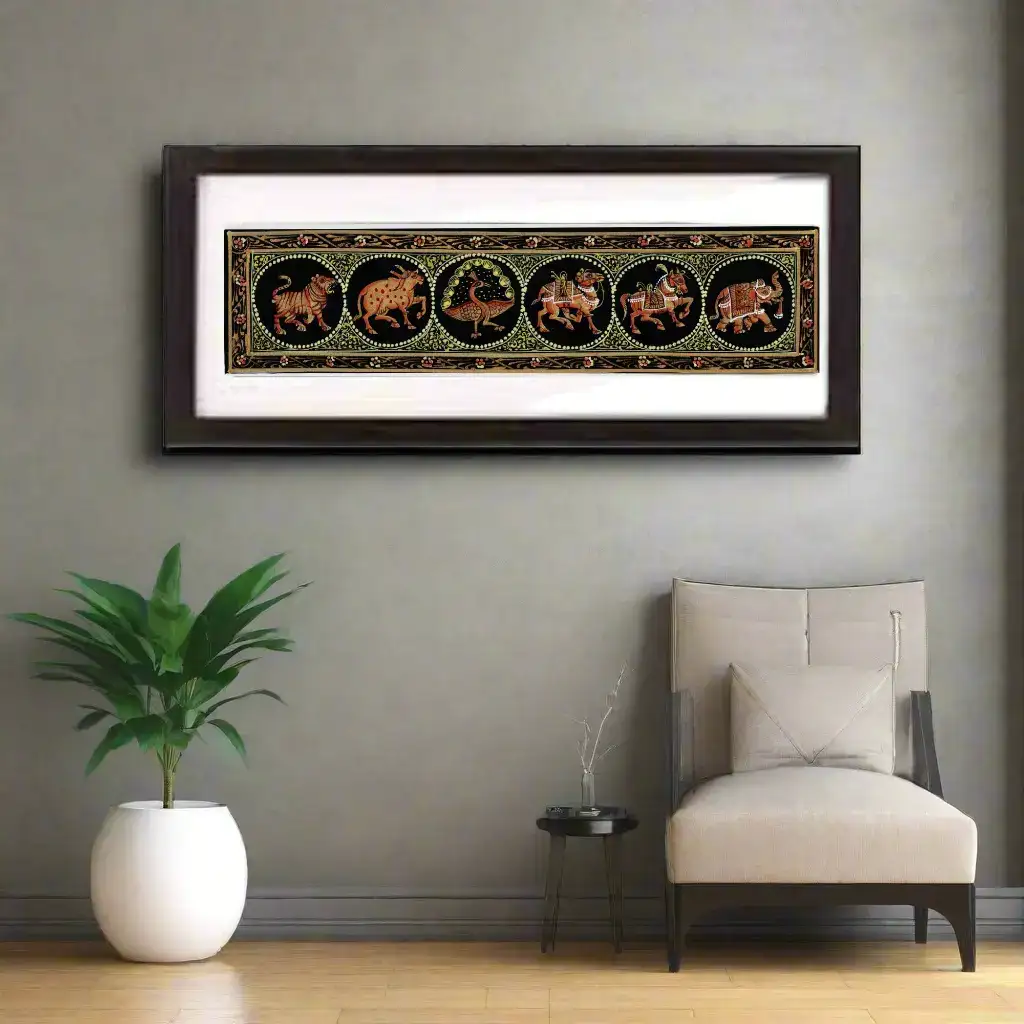
Mewar Miniature - Regal Animal Procession Painting
Mewar Miniature Painting - Regal Animal Procession Art
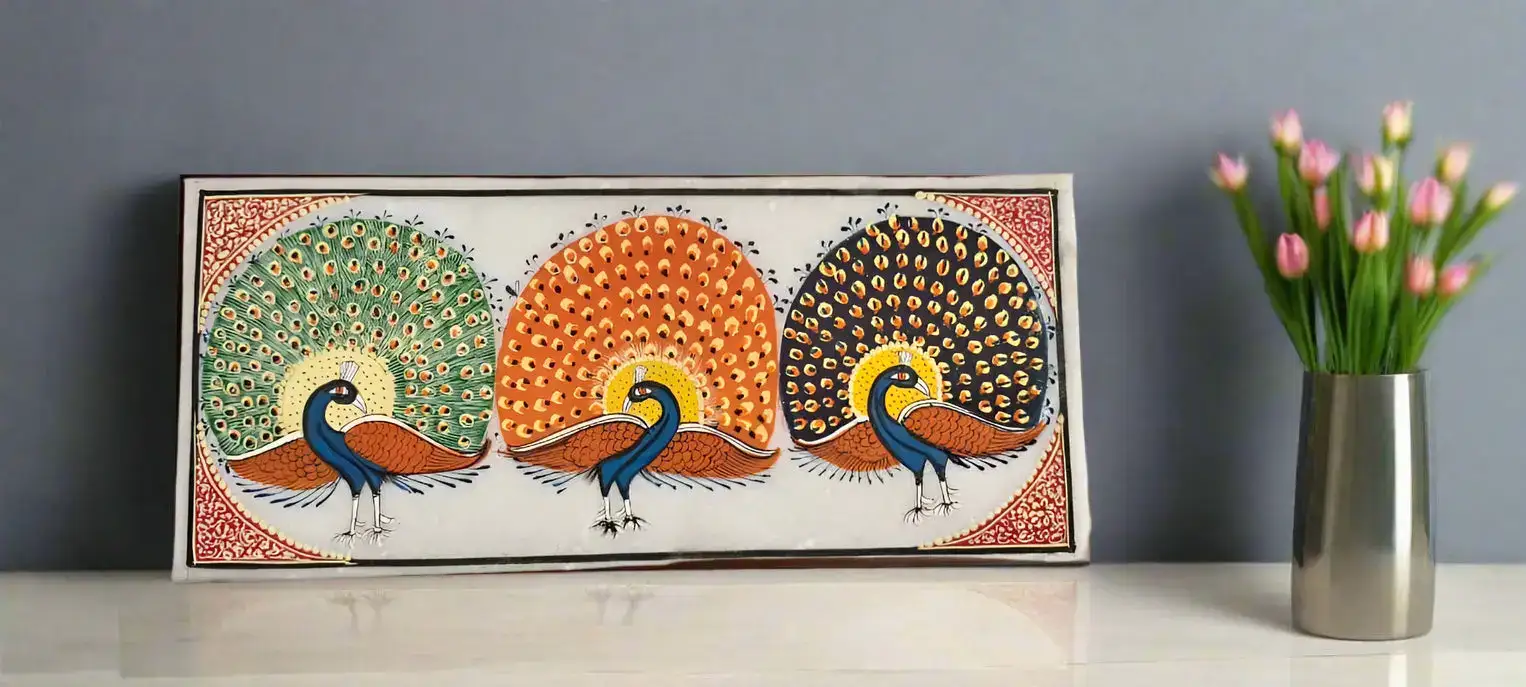
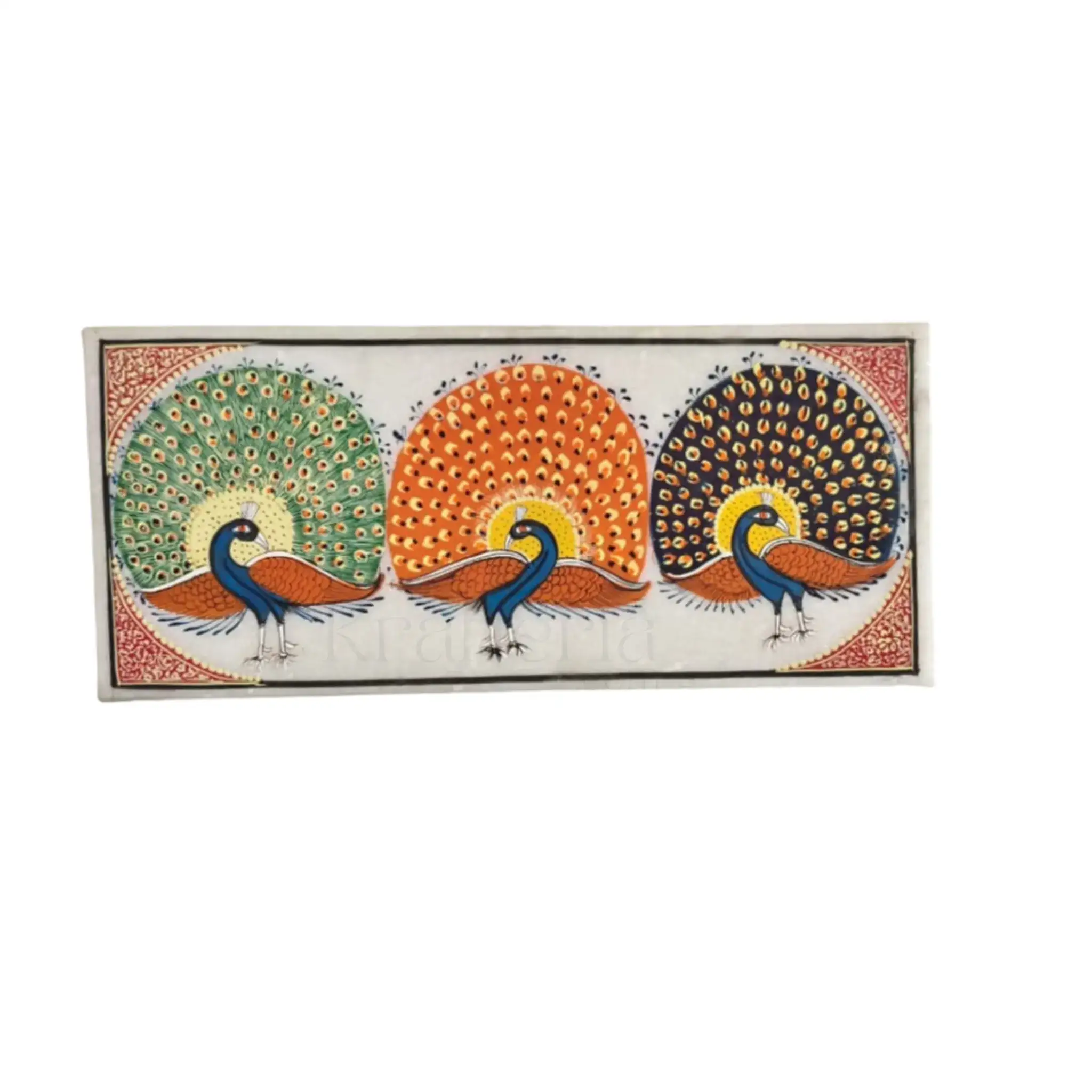
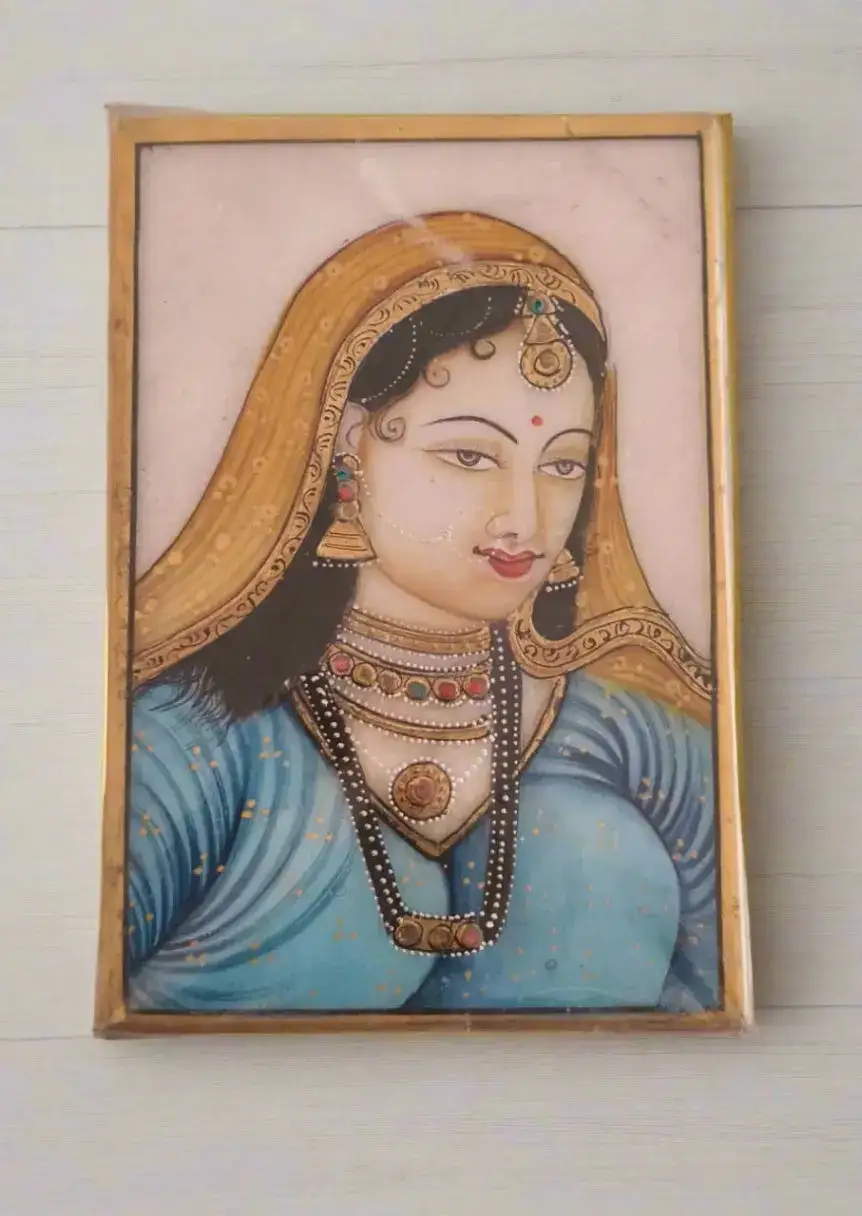
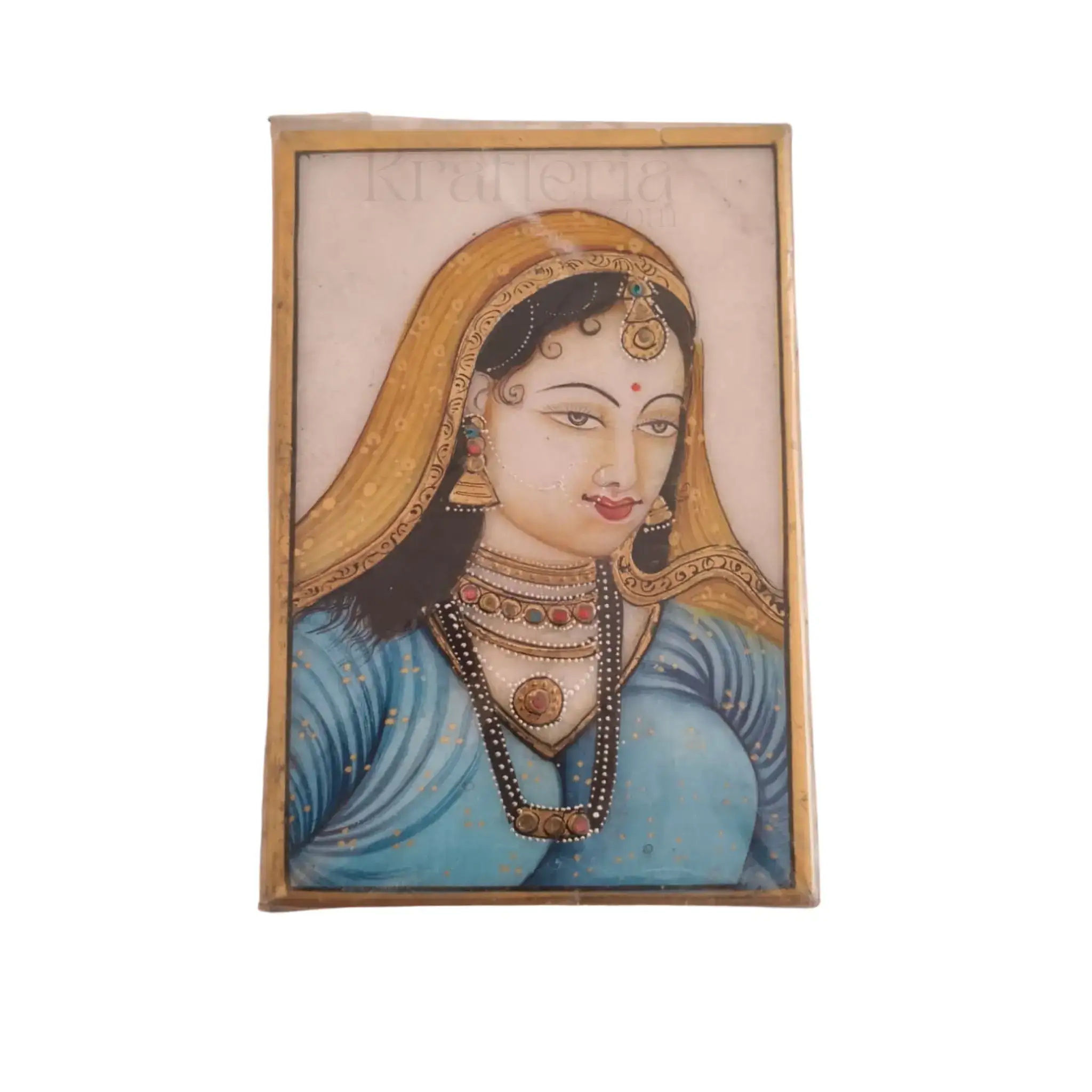
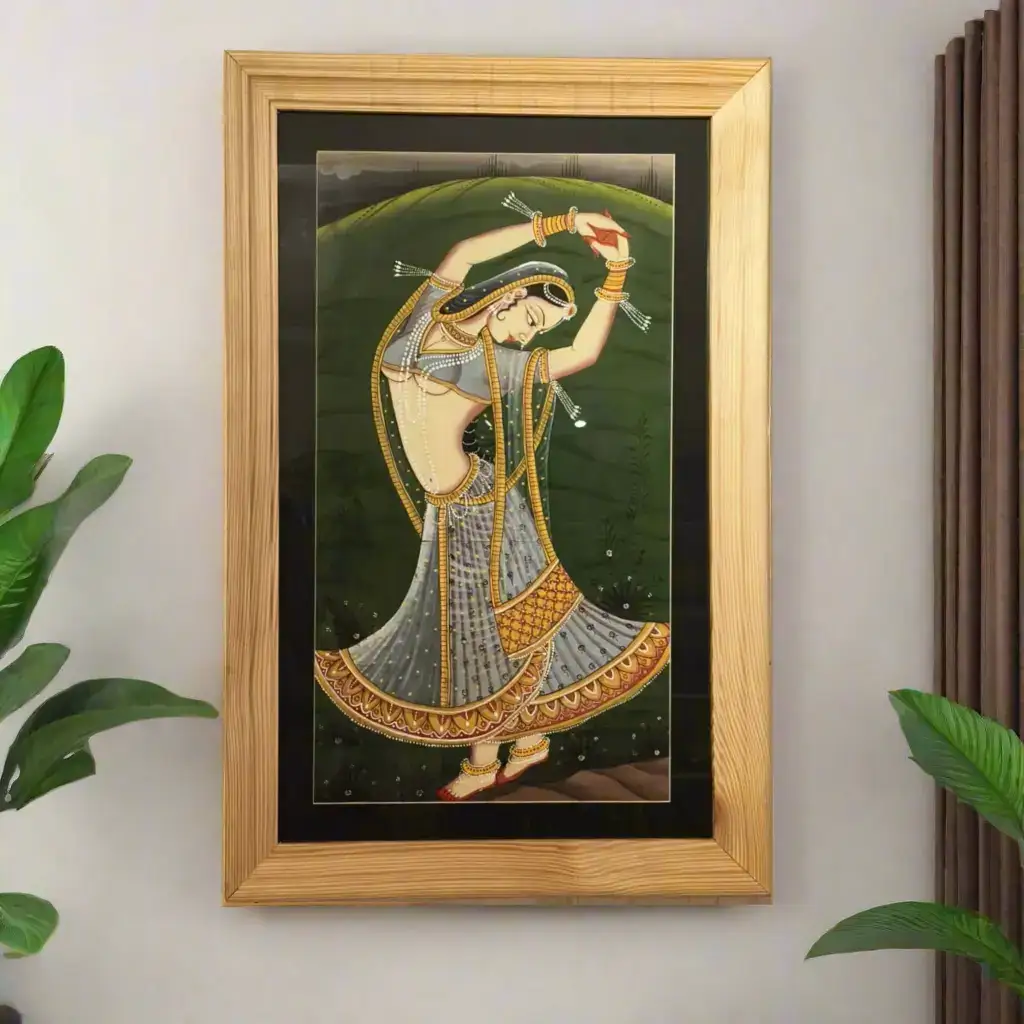
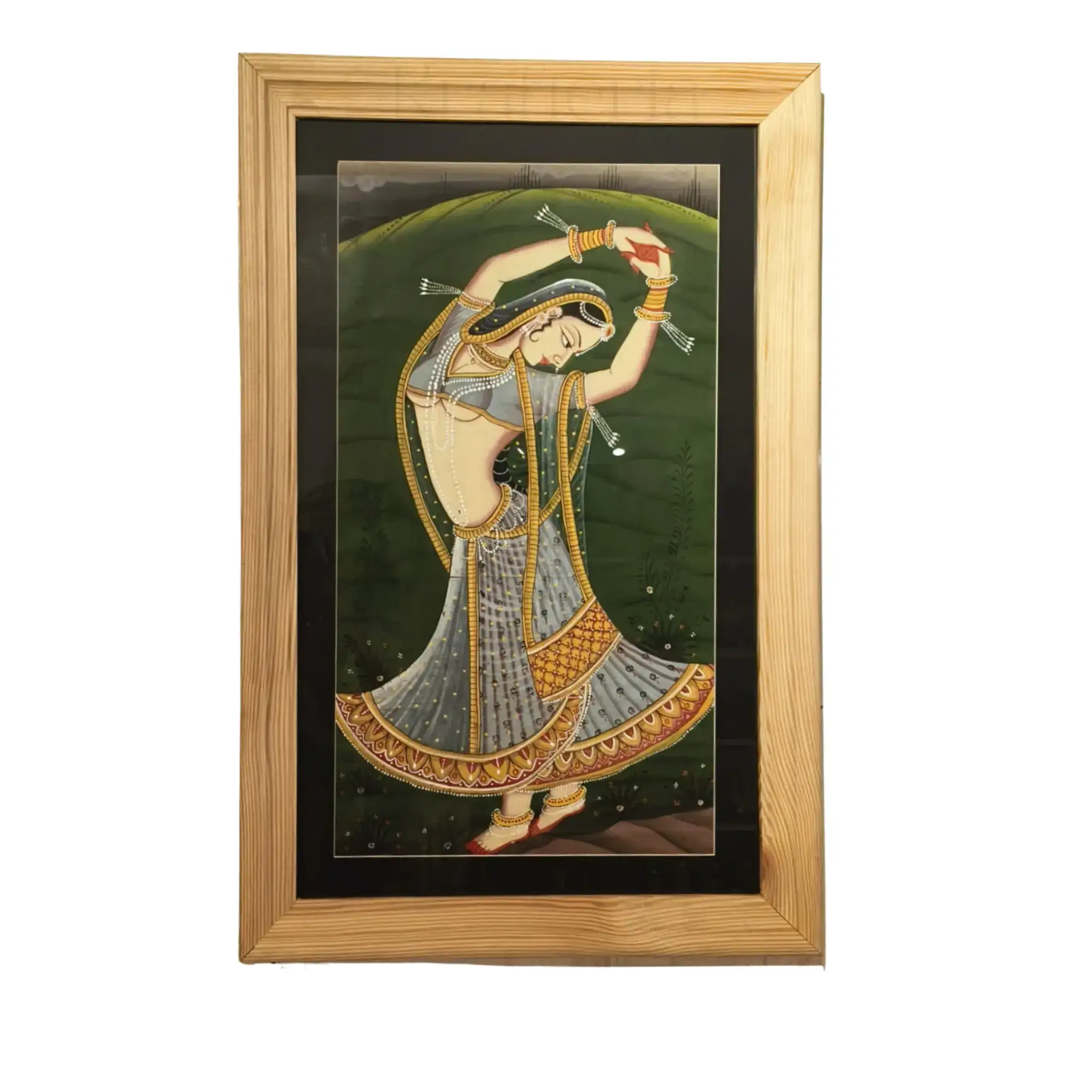
Regal Animal Procession Painting Rajasthani Painting is a rich and vibrant style of Indian miniature painting. It flourished in the royal courts of Rajasthan from the 16th century onwards. This art is deeply rooted in Indian traditions and culture, reflecting themes of mythology, epics, love stories, royal life, and folk customs. The paintings are celebrated for their bold lines, bright colors, and intricate detailing.Mewar miniature painting.
The use of natural dyes and pigments made from minerals, vegetables, and precious stones adds a lasting and luminous quality to these masterpieces. Each masterpiece is a fine example of historical artistry that showcases the exceptional skill of traditional Indian artists. The careful application of color and precise brushwork create a captivating visual narrative.
Distinctive Features of Mewar Miniature Painting
This art form is known for its unique style that distinguishes it from other schools of miniature art. The visual works typically depict heroic tales, court scenes, and religious themes. Expressive figures, elaborate costumes, and dramatic storytelling characterize the form. This style’s bold composition and detailed brush strokes enhance the regal aura of the scenes portrayed.
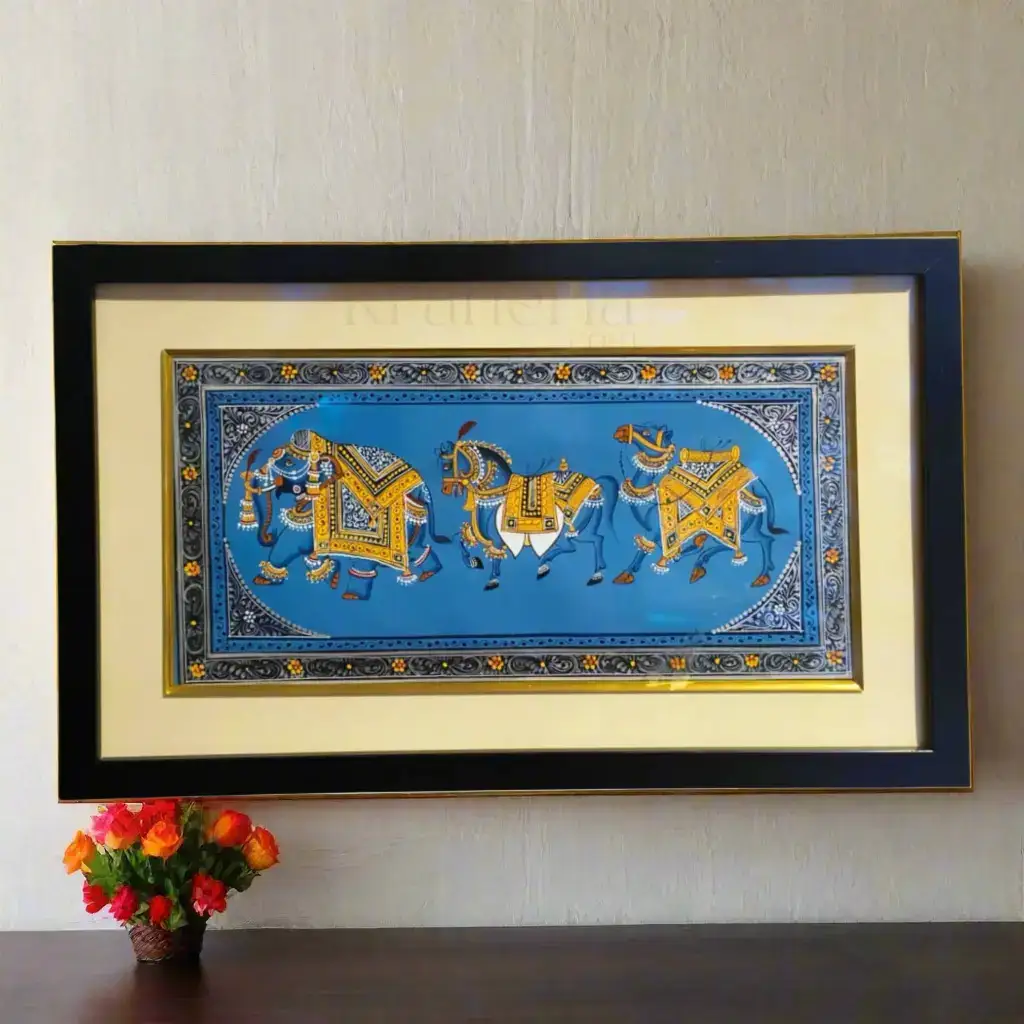
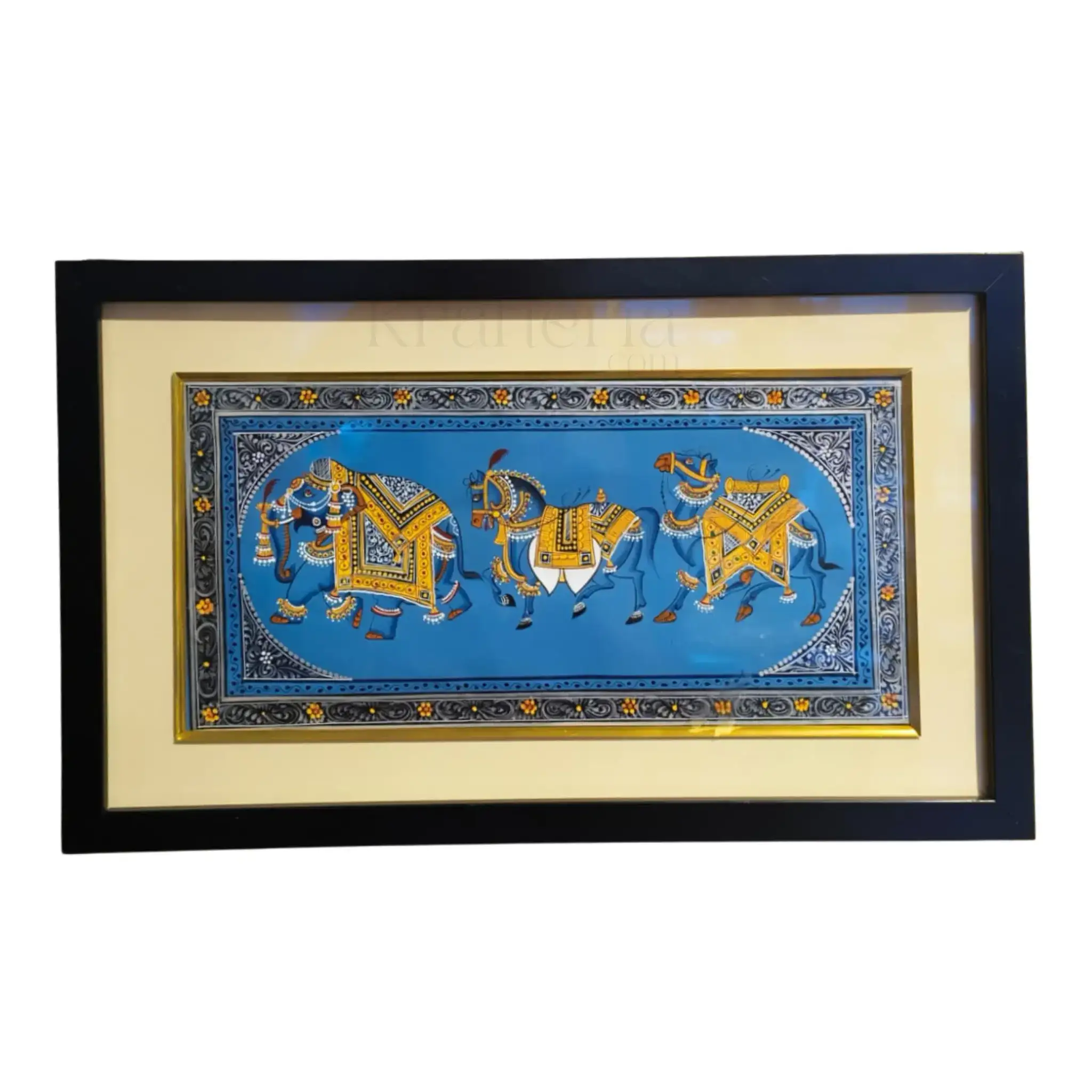
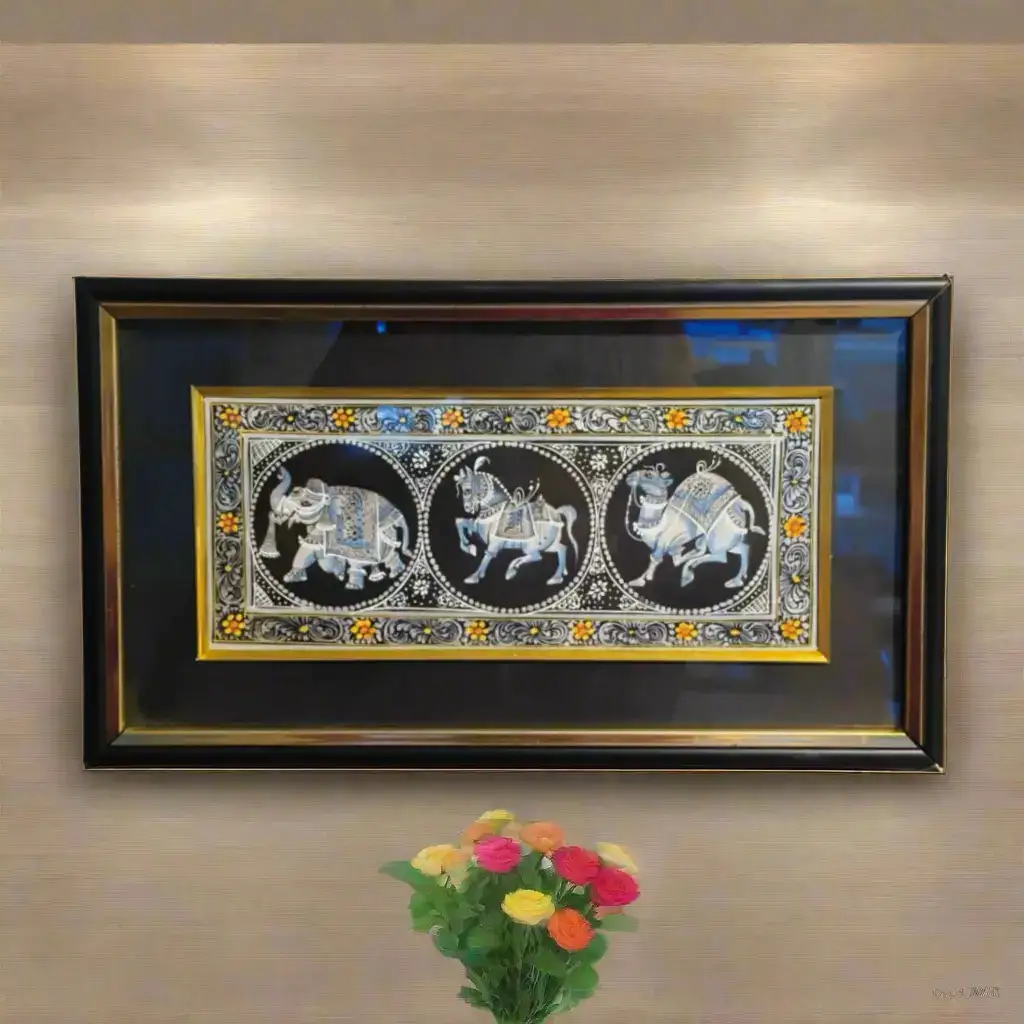
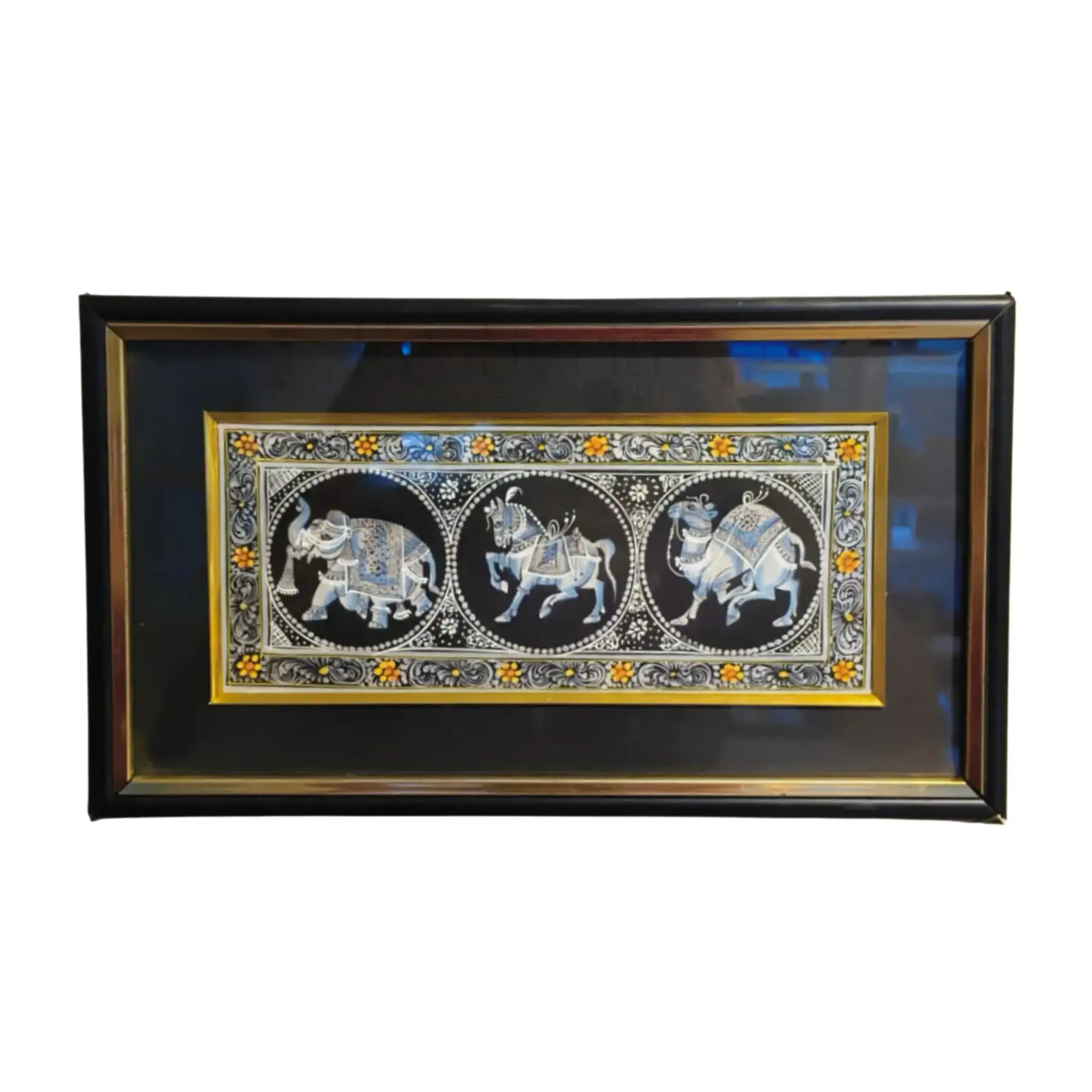
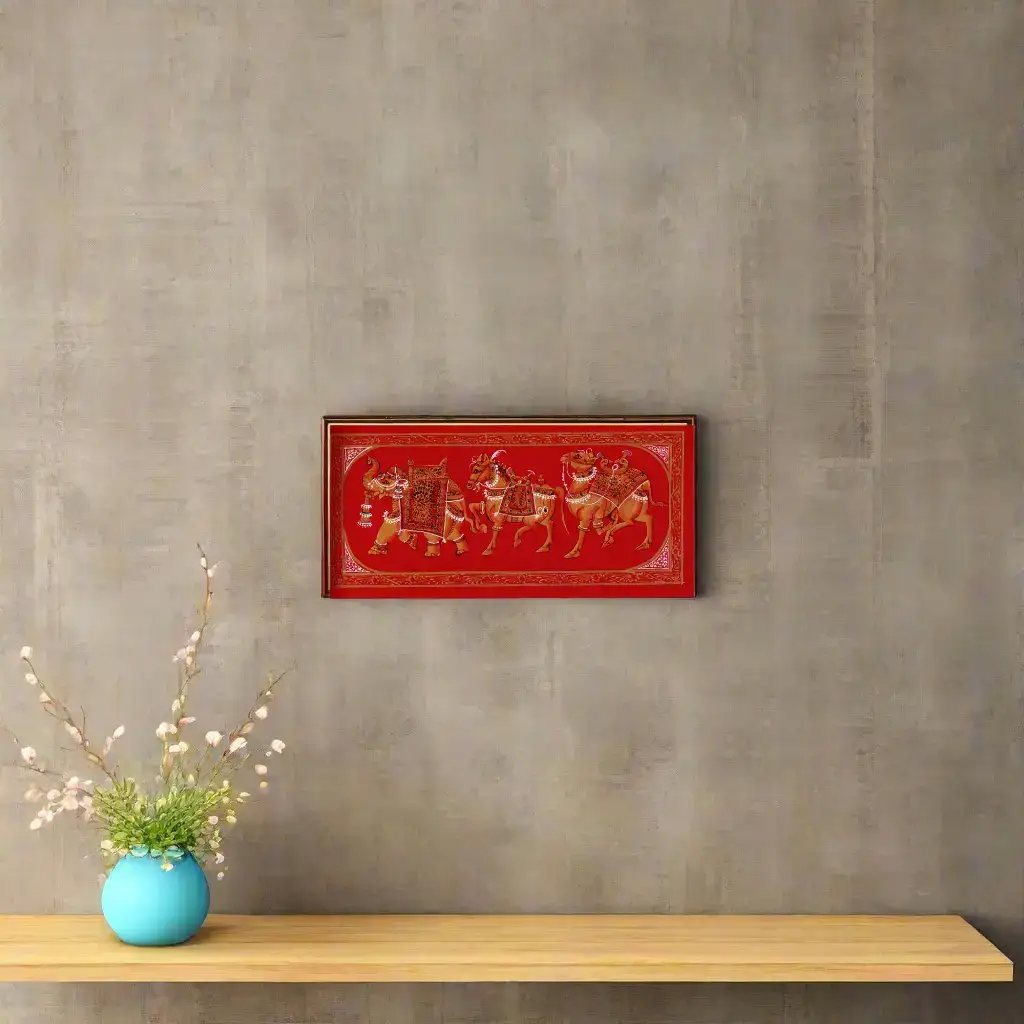
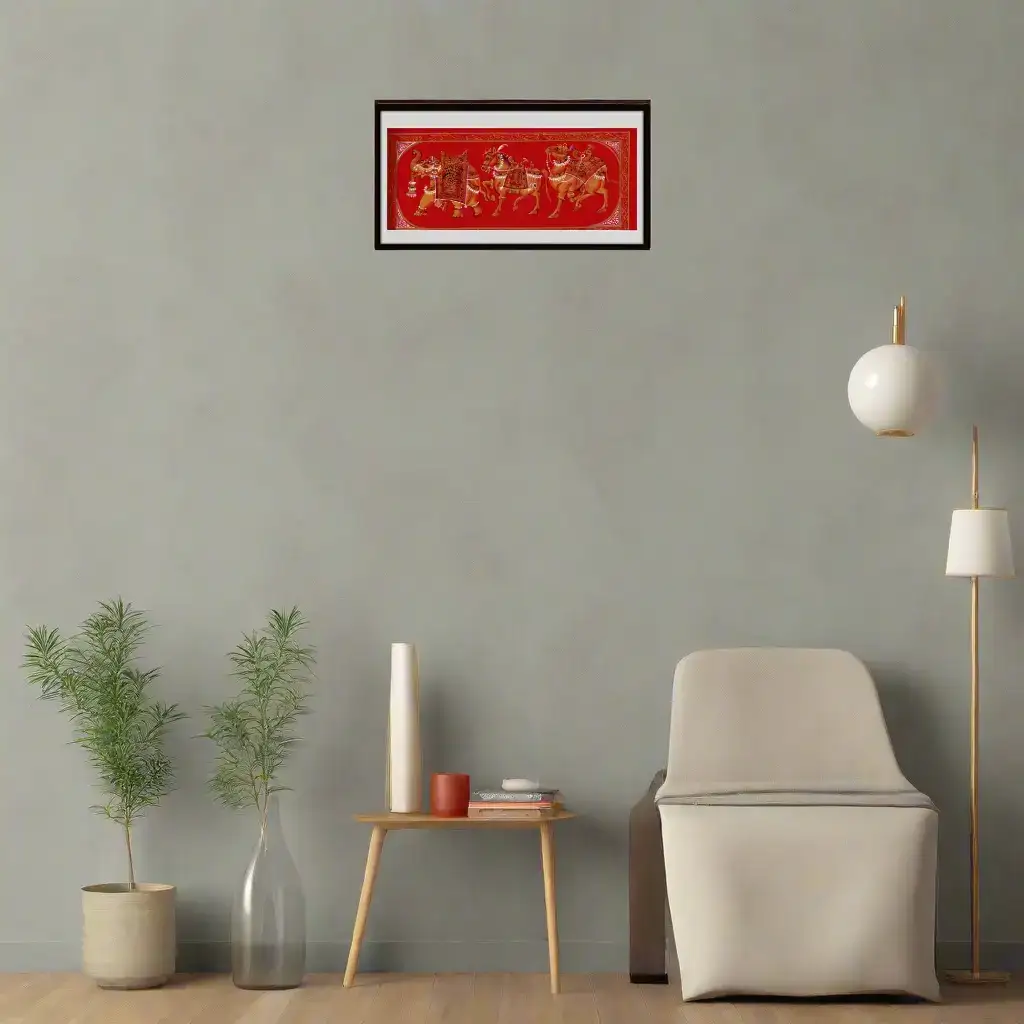
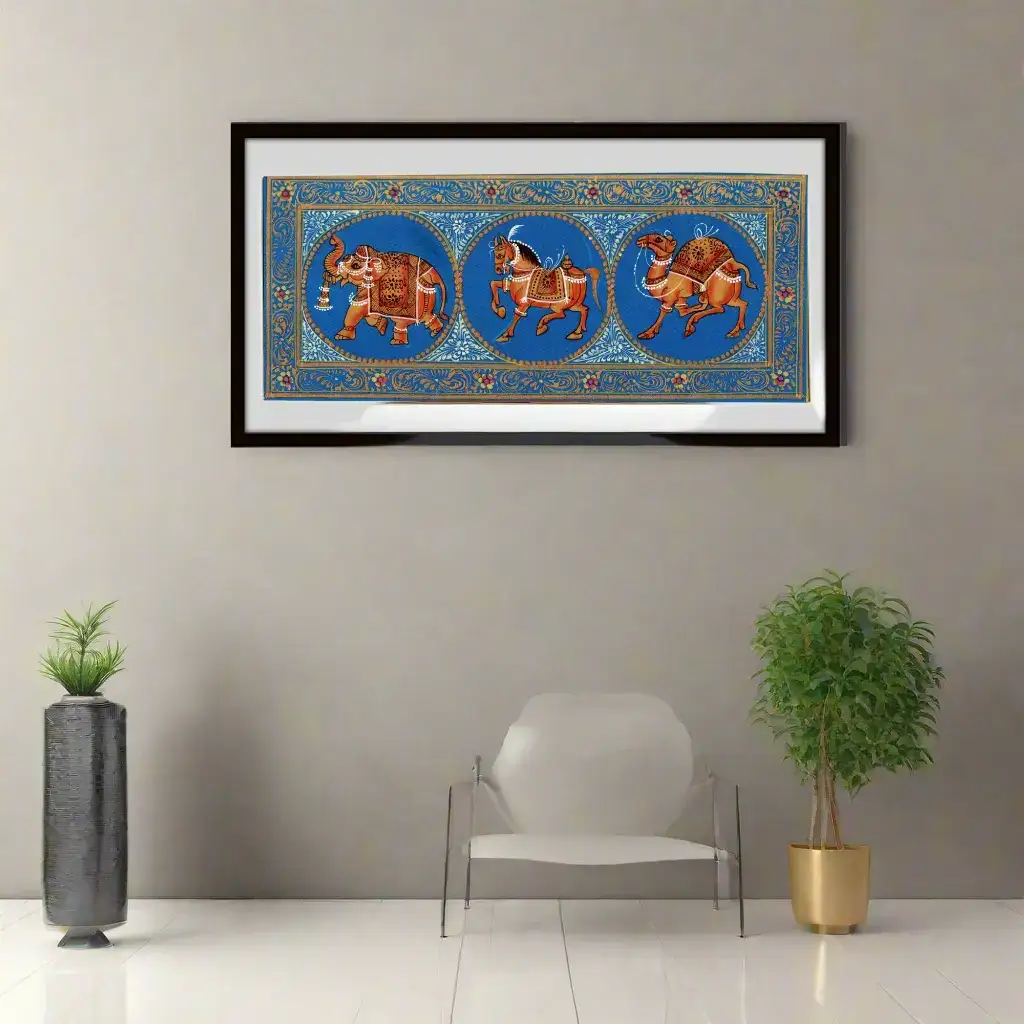
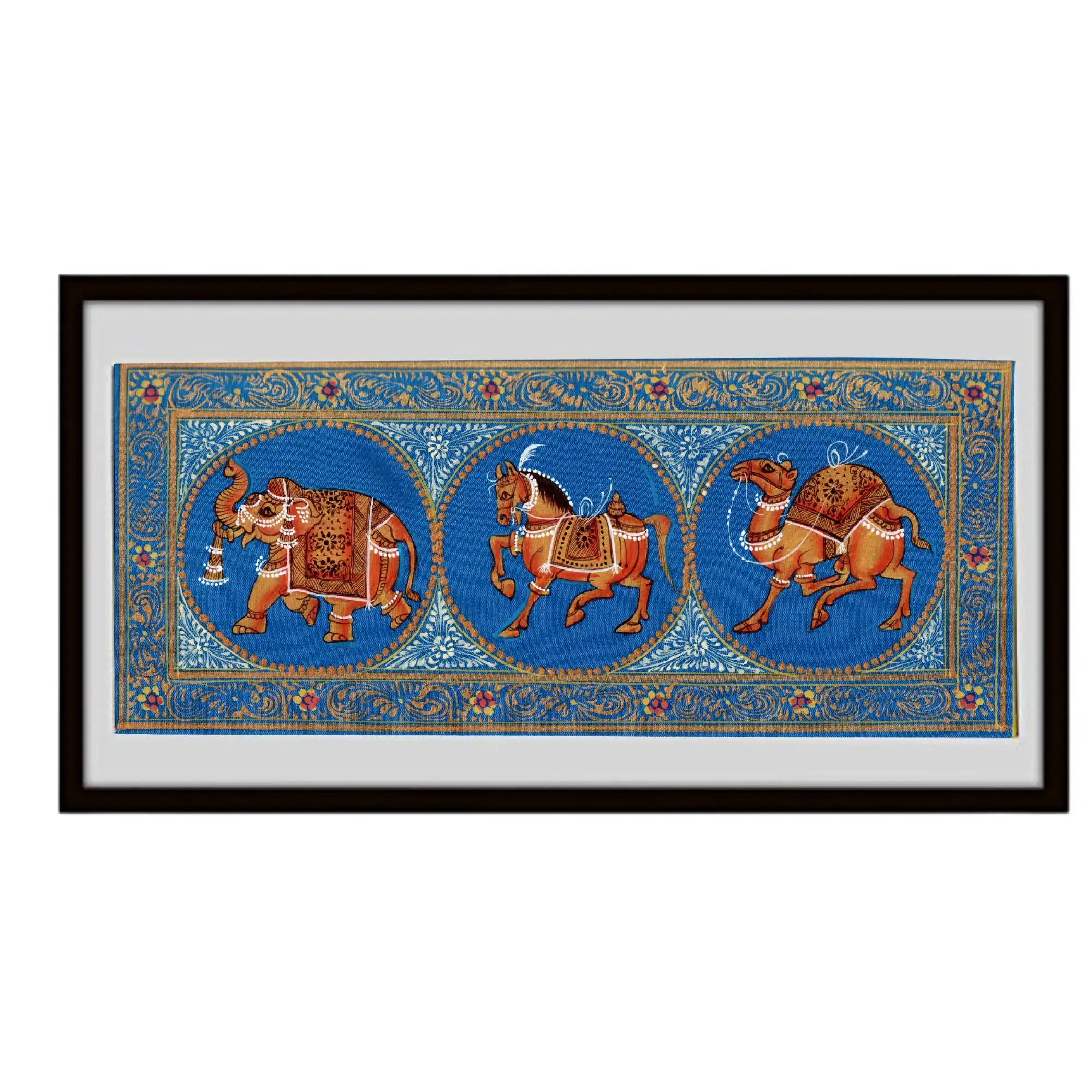
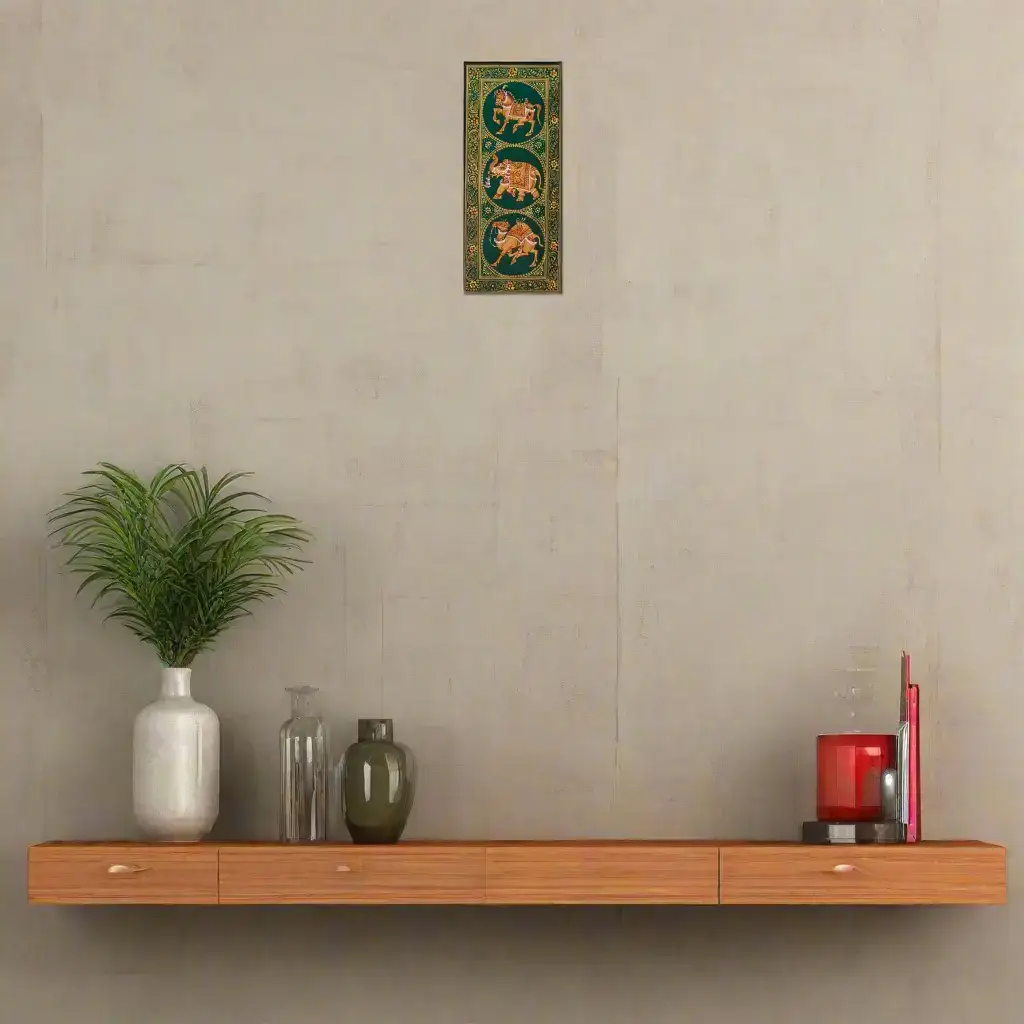
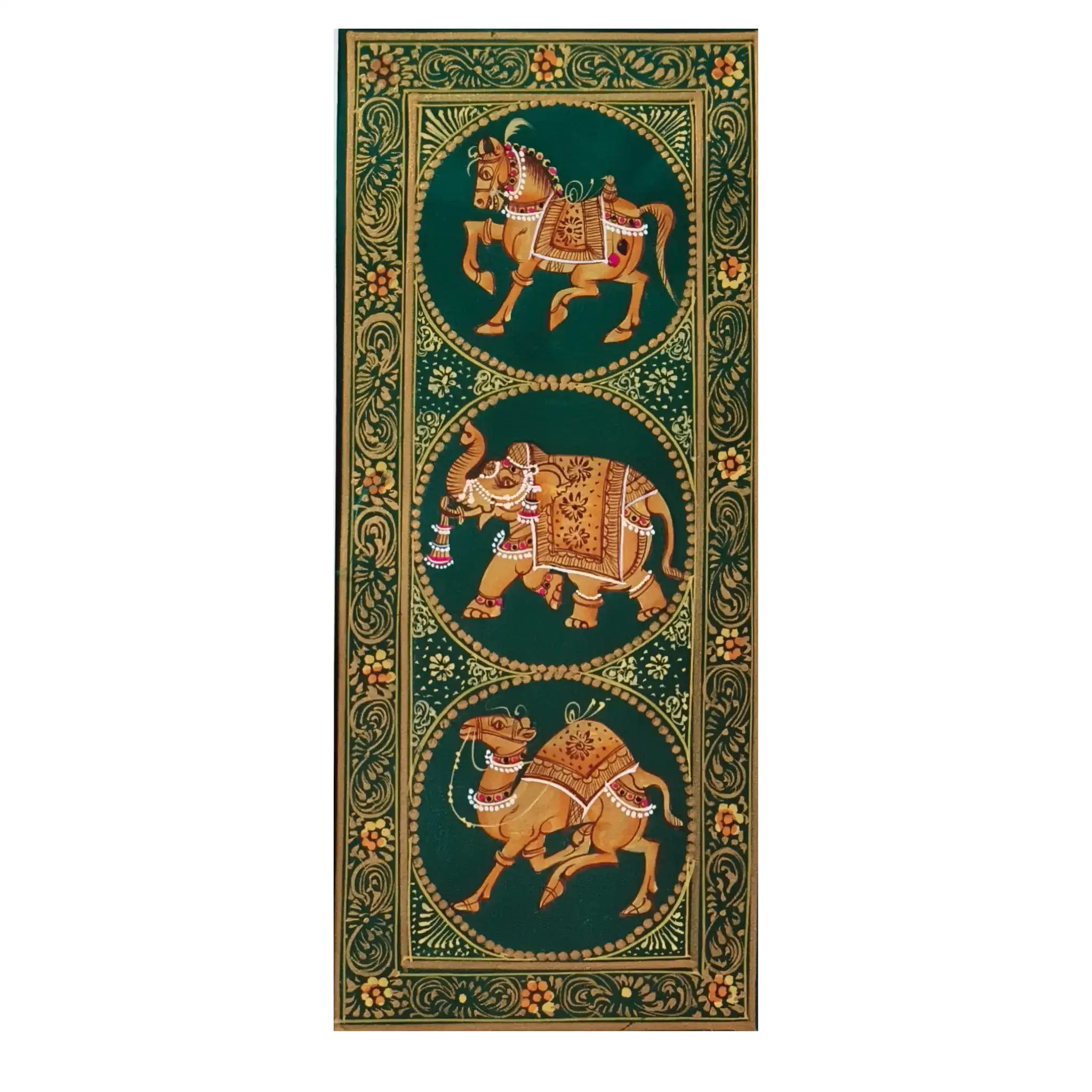
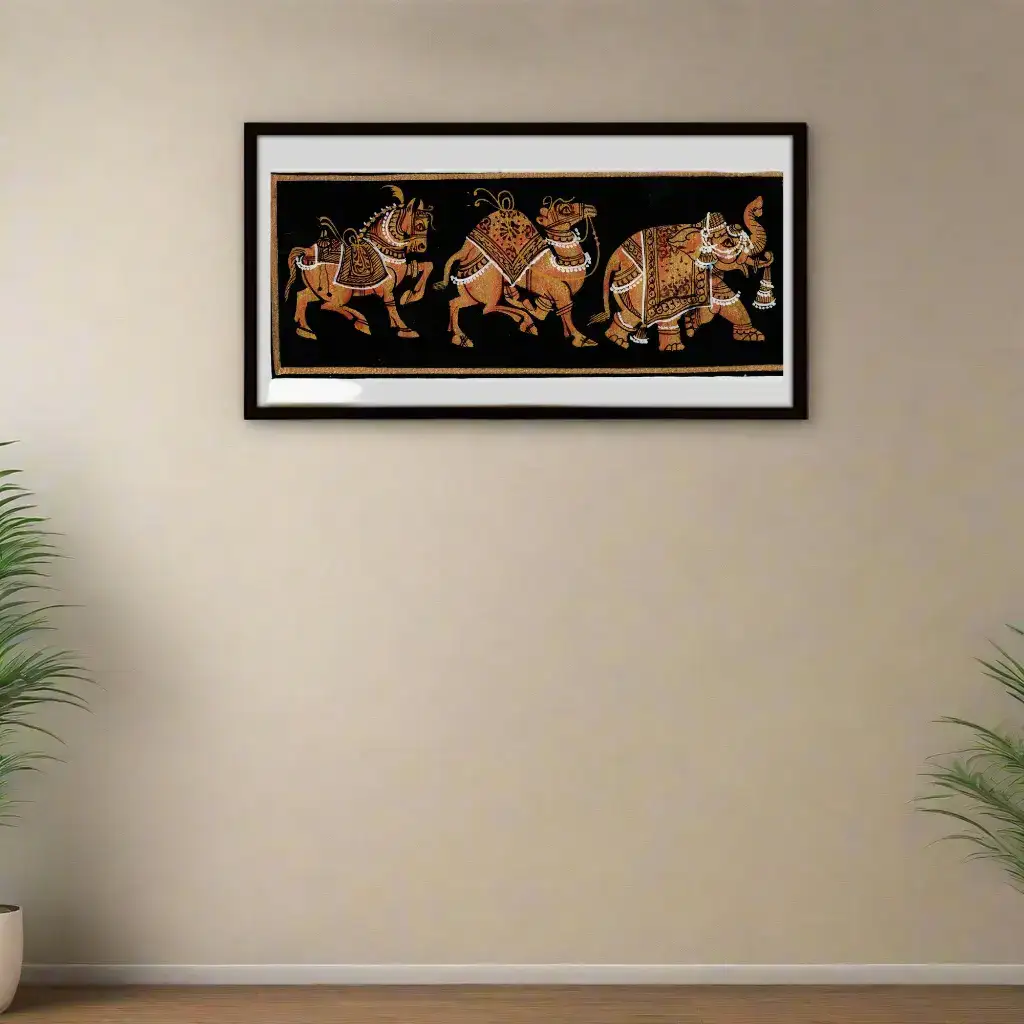
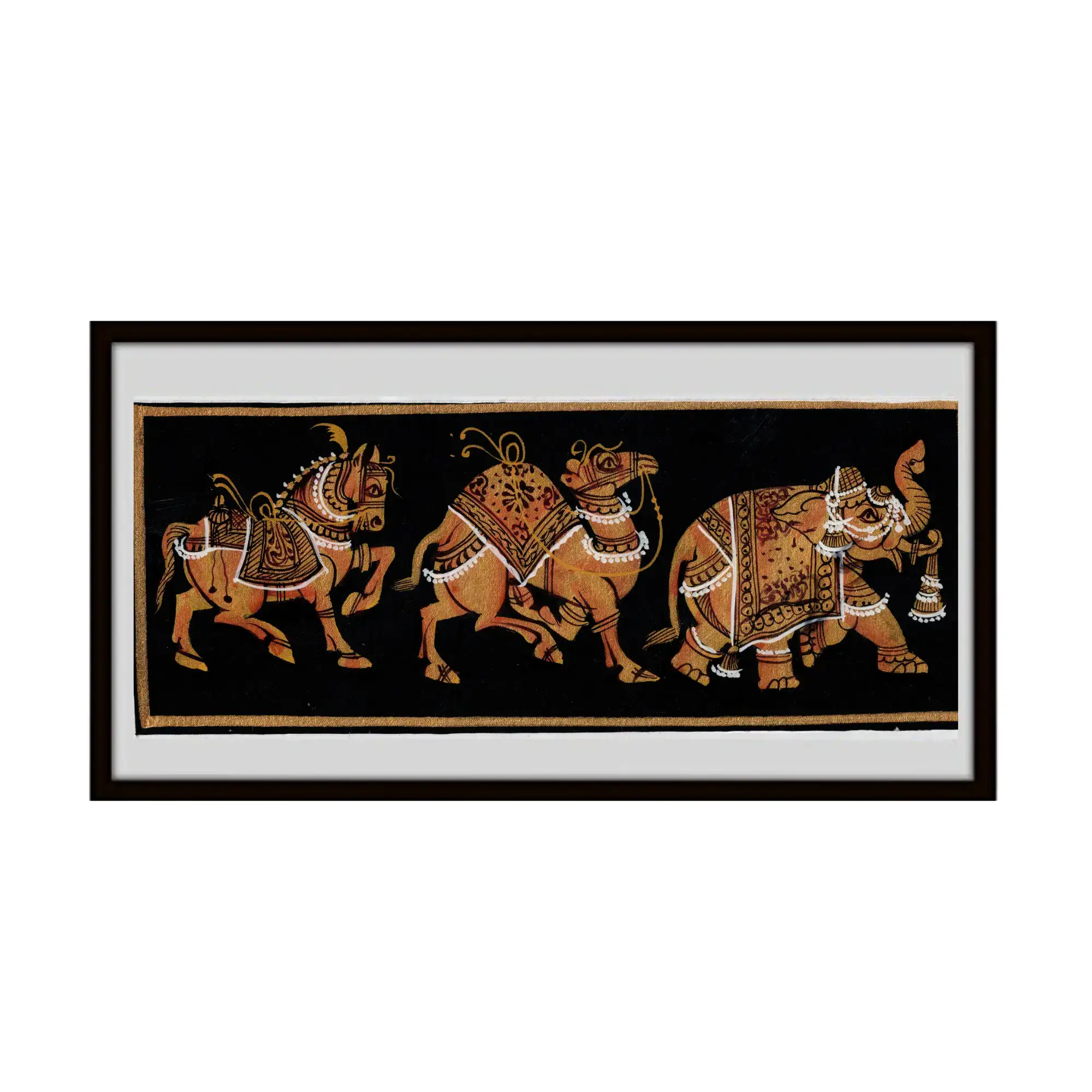
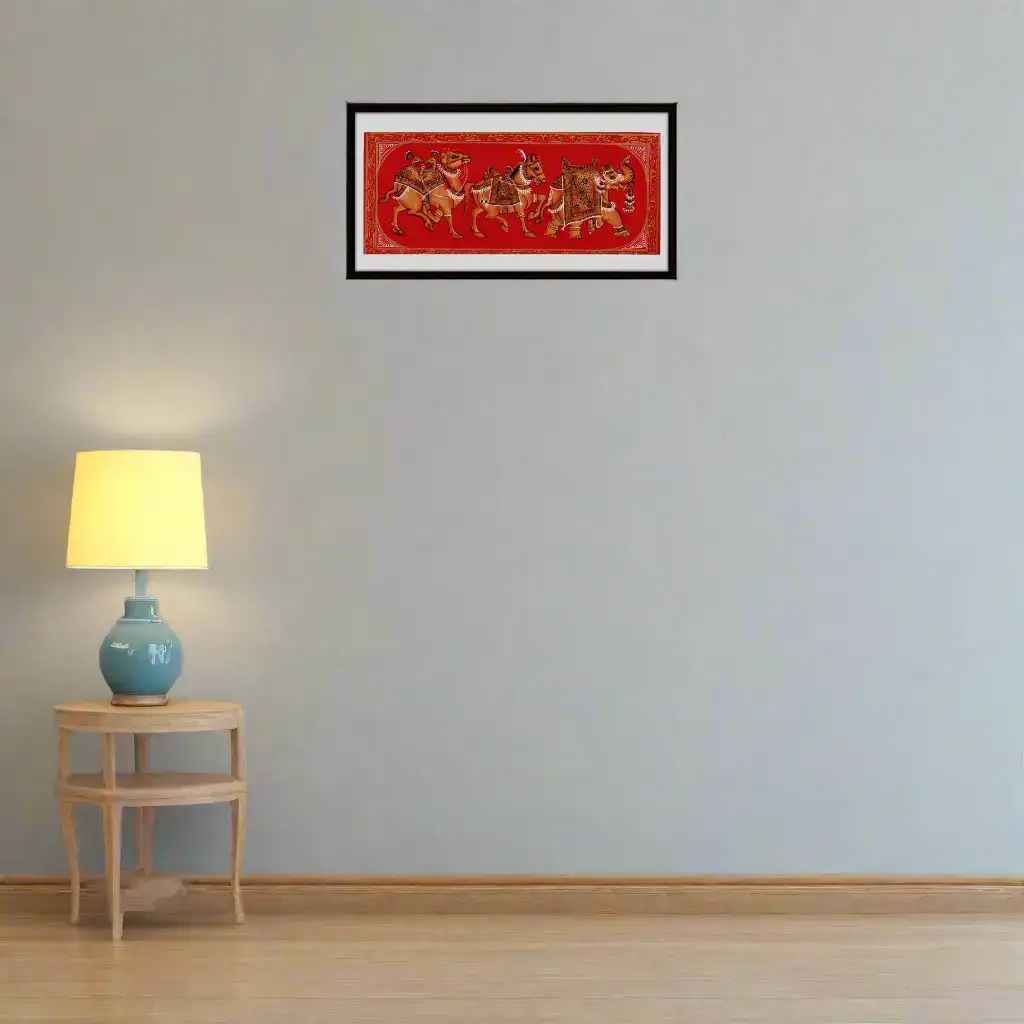
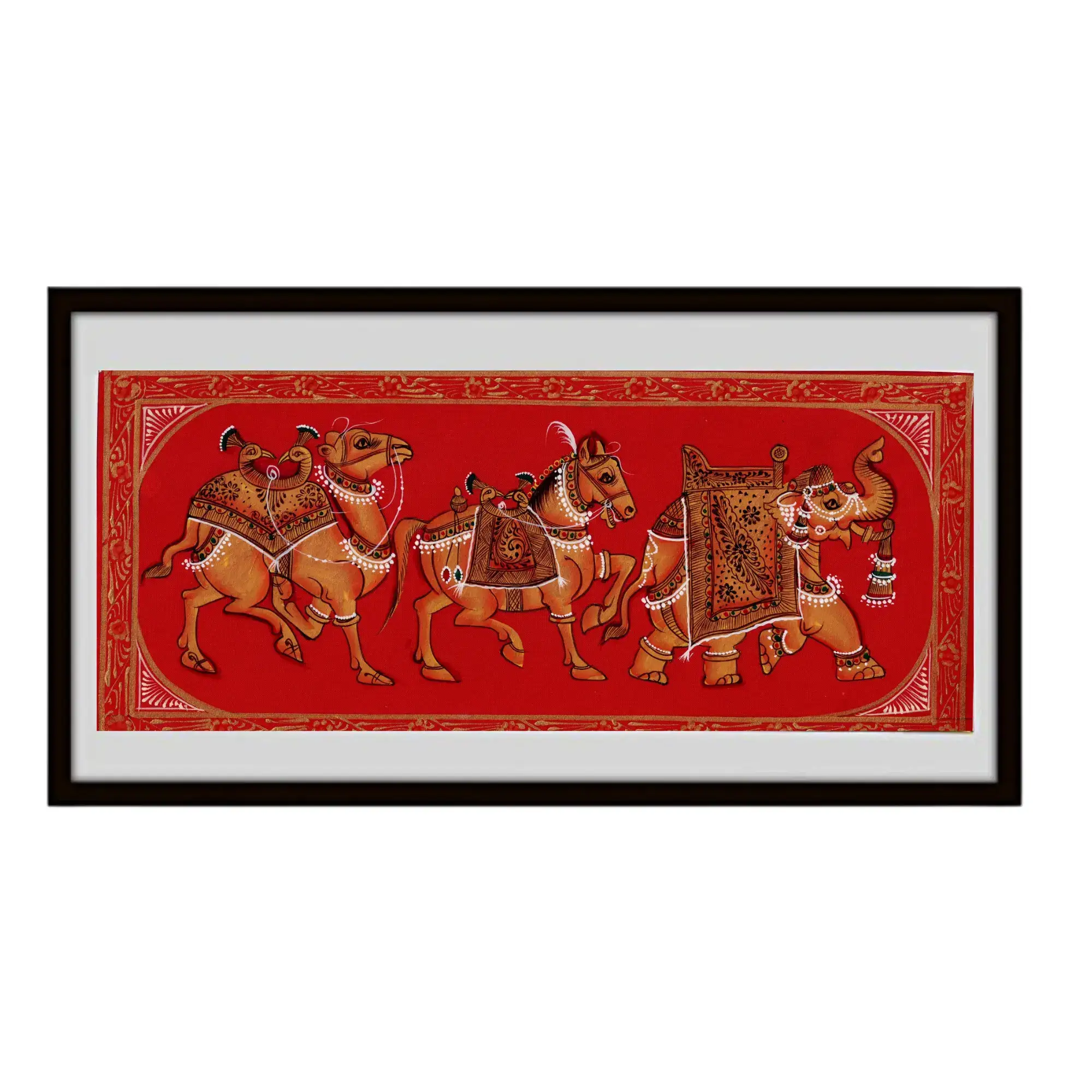
The artworks often include elements such as animals, festivities, and royal processions showing the grandeur of the Rajput courts. The Regal animal procession art within these pieces celebrates royal parades with elephants, horses, and camels. This procession symbolizes power, prestige, and cultural richness.
Historical and Cultural Significance of Historical Miniature Painting
Efforts like those of Indian artists played a key role in preserving heritage. These artistic works served as visual storytelling mediums to educate and entertain. They highlight significant events, folklore, and traditional practices of Rajasthan. Over centuries, this style has become synonymous with the grandeur and cultural depth of royal Rajasthan.
Collectors and enthusiasts highly value these creations for their artistic expression and historical records. The art style reflects the social and religious life of the era, immortalizing moments through exquisite detail. Skilled artisans safeguard this traditional craft, using authentic techniques passed down through generations.
The Various Schools of Indian Miniature Painting
The art of miniature painting is divided into several prominent schools, each with its unique characteristics. These include Mewar, Marwar, Bundi, Kota, Kishangarh, Bikaner, and Jaipur. Each school focuses on specific themes and stylistic elements, adding to the rich diversity of Indian miniature paintings.
For instance, Kishangarh is renowned for its romantic portrayals of Radha and Krishna. The iconic image of Bani Thani represents this school’s artistic elegance. In contrast, Mewar miniature painting often focuses on court scenes, religious stories, and heroic sagas. Bundi and Kota paintings are celebrated for their lush landscapes and hunting scenes, differing in mood and subject matter.
Materials and Techniques Used in Mewar Miniature Painting
Artists of this school traditionally use natural pigments derived from minerals and plants. These pigments contribute to vibrant yet enduring colors. Handmade paper or cloth serves as the canvas for these delicate artworks.
The use of ultra-fine brushes allows artists to achieve incredible precision and detail. Some artworks also incorporate gold or silver leaf, enhancing their luxurious appeal. These materials and methods ensure the pieces remain timeless treasures with a luminous finish.
Why Choose Mewar Miniature Painting for Your Collection
Art from miniature painting is more than just visual expression; it is a window into regal Indian history. Its exquisite detailing and vibrant palette make it a sophisticated choice for art collectors and cultural enthusiasts. The Regal animal procession art within these works adds a powerful narrative element that enhances their uniqueness.
This traditional art form complements both traditional and contemporary décor. It brings cultural richness and elegance to any home or gallery setting. Owning such a piece means preserving the essence of Indian artistic heritage.
Summary of Mewar Painting and Regal Animal Procession
- A traditional Indian style from the royal courts of Rajasthan.
- Known for vibrant colors, bold lines, and intricate details.
- Portrays themes of mythology, royal life, festivals, and folk culture.
- Includes the magnificent Regal animal procession art symbolizing power.
- Uses natural dyes and fine brushwork for a lasting artistic effect.
- Part of a diverse group of Indian painting schools with distinct styles.
- Highly valued by collectors and enthusiasts for its historical and cultural value.
Product Information
Product Information
Shipping & Returns
Shipping & Returns
Description
Mewar Miniature Painting - Regal Animal Procession Art
Regal Animal Procession Painting Rajasthani Painting is a rich and vibrant style of Indian miniature painting. It flourished in the royal courts of Rajasthan from the 16th century onwards. This art is deeply rooted in Indian traditions and culture, reflecting themes of mythology, epics, love stories, royal life, and folk customs. The paintings are celebrated for their bold lines, bright colors, and intricate detailing.Mewar miniature painting.
The use of natural dyes and pigments made from minerals, vegetables, and precious stones adds a lasting and luminous quality to these masterpieces. Each masterpiece is a fine example of historical artistry that showcases the exceptional skill of traditional Indian artists. The careful application of color and precise brushwork create a captivating visual narrative.
Distinctive Features of Mewar Miniature Painting
This art form is known for its unique style that distinguishes it from other schools of miniature art. The visual works typically depict heroic tales, court scenes, and religious themes. Expressive figures, elaborate costumes, and dramatic storytelling characterize the form. This style’s bold composition and detailed brush strokes enhance the regal aura of the scenes portrayed.
The artworks often include elements such as animals, festivities, and royal processions showing the grandeur of the Rajput courts. The Regal animal procession art within these pieces celebrates royal parades with elephants, horses, and camels. This procession symbolizes power, prestige, and cultural richness.
Historical and Cultural Significance of Historical Miniature Painting
Efforts like those of Indian artists played a key role in preserving heritage. These artistic works served as visual storytelling mediums to educate and entertain. They highlight significant events, folklore, and traditional practices of Rajasthan. Over centuries, this style has become synonymous with the grandeur and cultural depth of royal Rajasthan.
Collectors and enthusiasts highly value these creations for their artistic expression and historical records. The art style reflects the social and religious life of the era, immortalizing moments through exquisite detail. Skilled artisans safeguard this traditional craft, using authentic techniques passed down through generations.
The Various Schools of Indian Miniature Painting
The art of miniature painting is divided into several prominent schools, each with its unique characteristics. These include Mewar, Marwar, Bundi, Kota, Kishangarh, Bikaner, and Jaipur. Each school focuses on specific themes and stylistic elements, adding to the rich diversity of Indian miniature paintings.
For instance, Kishangarh is renowned for its romantic portrayals of Radha and Krishna. The iconic image of Bani Thani represents this school’s artistic elegance. In contrast, Mewar miniature painting often focuses on court scenes, religious stories, and heroic sagas. Bundi and Kota paintings are celebrated for their lush landscapes and hunting scenes, differing in mood and subject matter.
Materials and Techniques Used in Mewar Miniature Painting
Artists of this school traditionally use natural pigments derived from minerals and plants. These pigments contribute to vibrant yet enduring colors. Handmade paper or cloth serves as the canvas for these delicate artworks.
The use of ultra-fine brushes allows artists to achieve incredible precision and detail. Some artworks also incorporate gold or silver leaf, enhancing their luxurious appeal. These materials and methods ensure the pieces remain timeless treasures with a luminous finish.
Why Choose Mewar Miniature Painting for Your Collection
Art from miniature painting is more than just visual expression; it is a window into regal Indian history. Its exquisite detailing and vibrant palette make it a sophisticated choice for art collectors and cultural enthusiasts. The Regal animal procession art within these works adds a powerful narrative element that enhances their uniqueness.
This traditional art form complements both traditional and contemporary décor. It brings cultural richness and elegance to any home or gallery setting. Owning such a piece means preserving the essence of Indian artistic heritage.
Summary of Mewar Painting and Regal Animal Procession
- A traditional Indian style from the royal courts of Rajasthan.
- Known for vibrant colors, bold lines, and intricate details.
- Portrays themes of mythology, royal life, festivals, and folk culture.
- Includes the magnificent Regal animal procession art symbolizing power.
- Uses natural dyes and fine brushwork for a lasting artistic effect.
- Part of a diverse group of Indian painting schools with distinct styles.
- Highly valued by collectors and enthusiasts for its historical and cultural value.