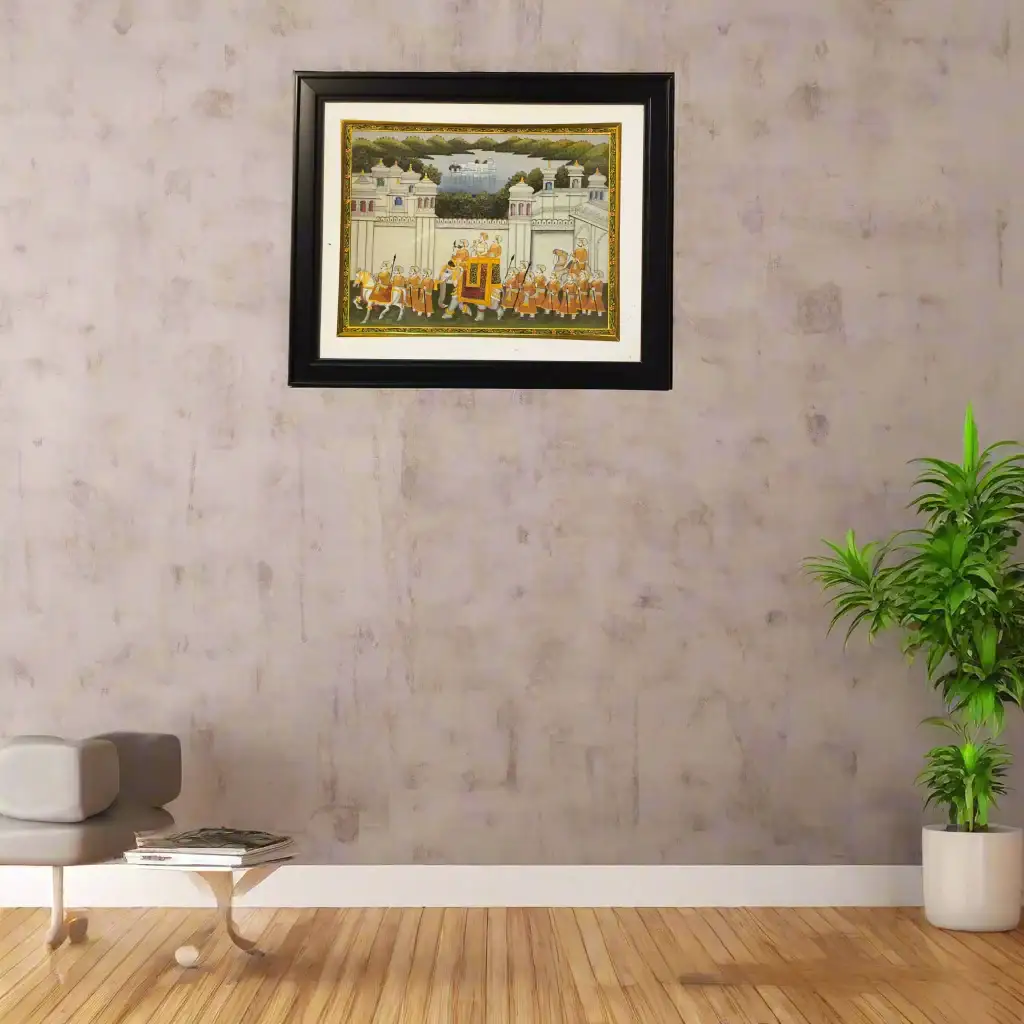
The Ceremonial March of the Maharaja Miniature Art
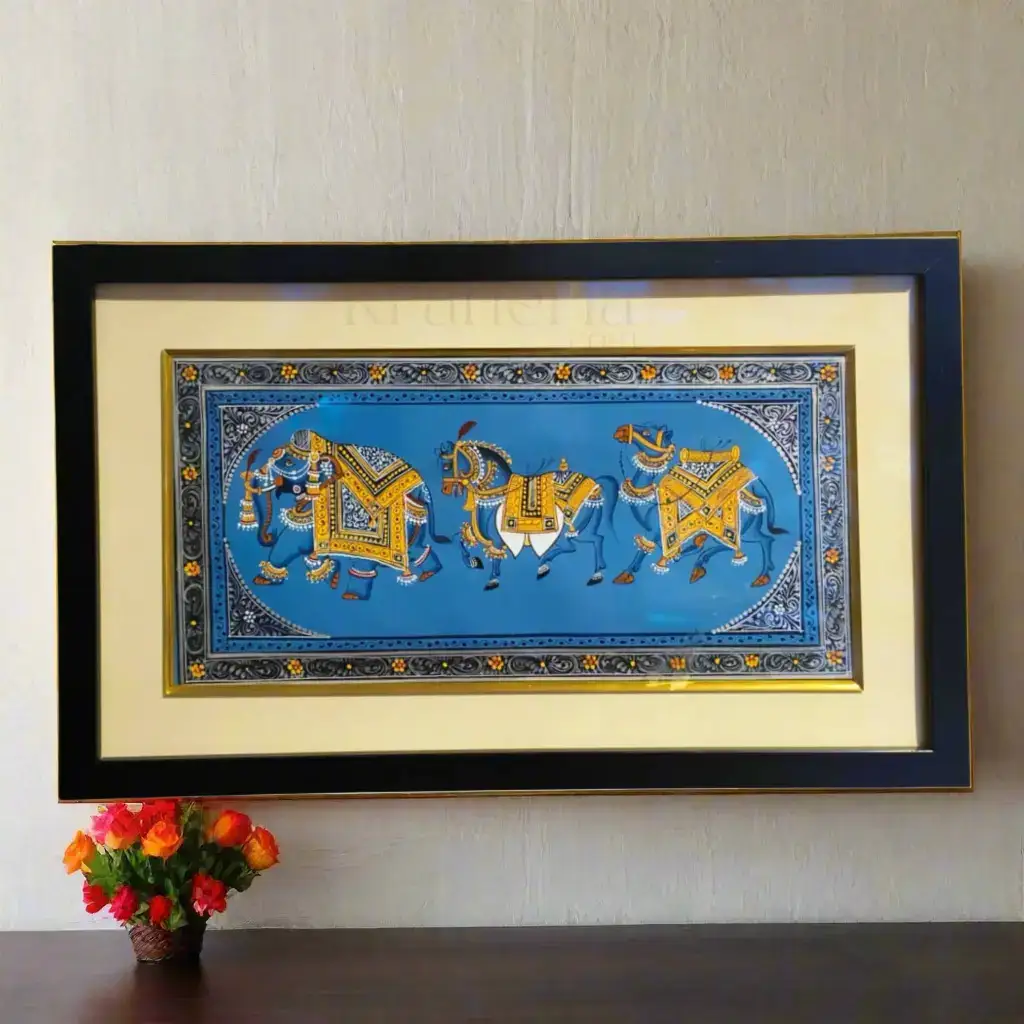
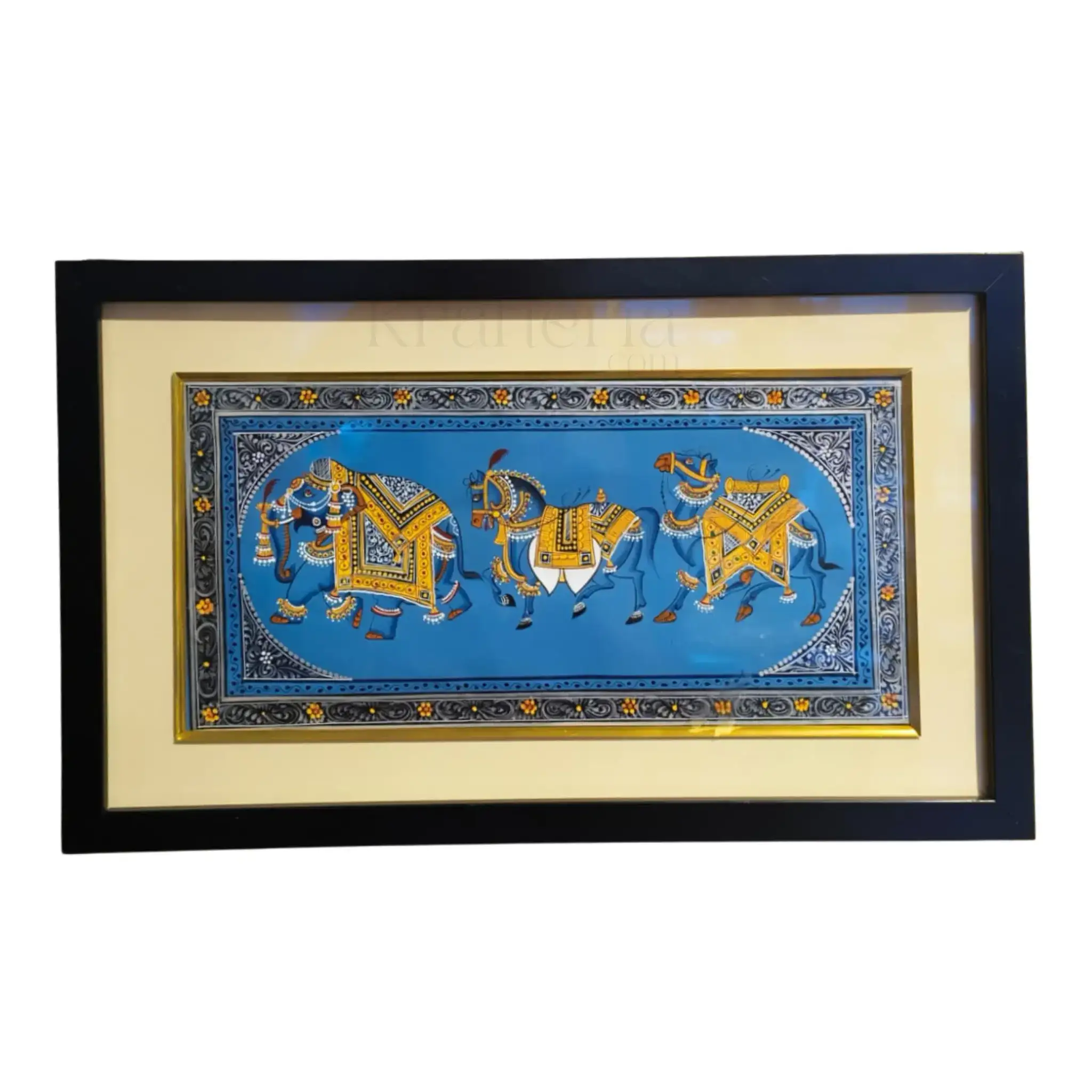
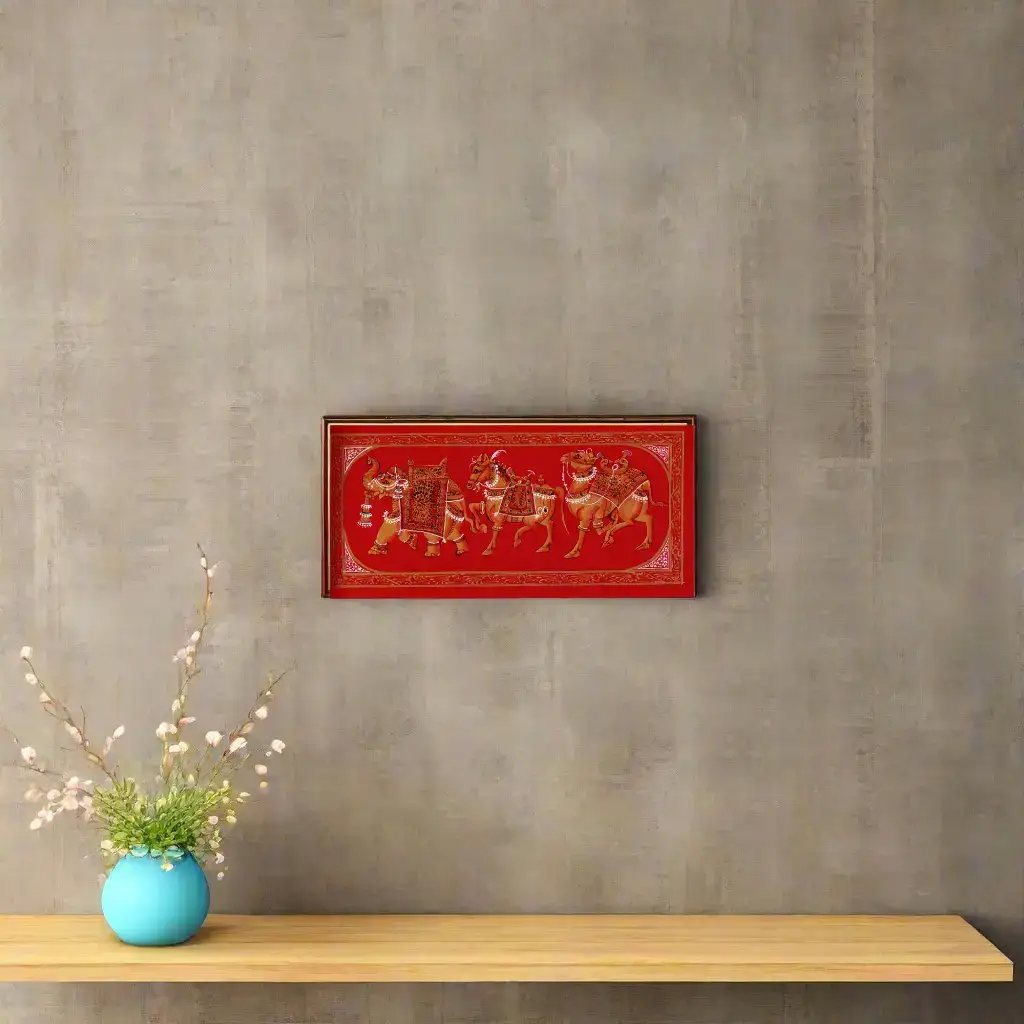
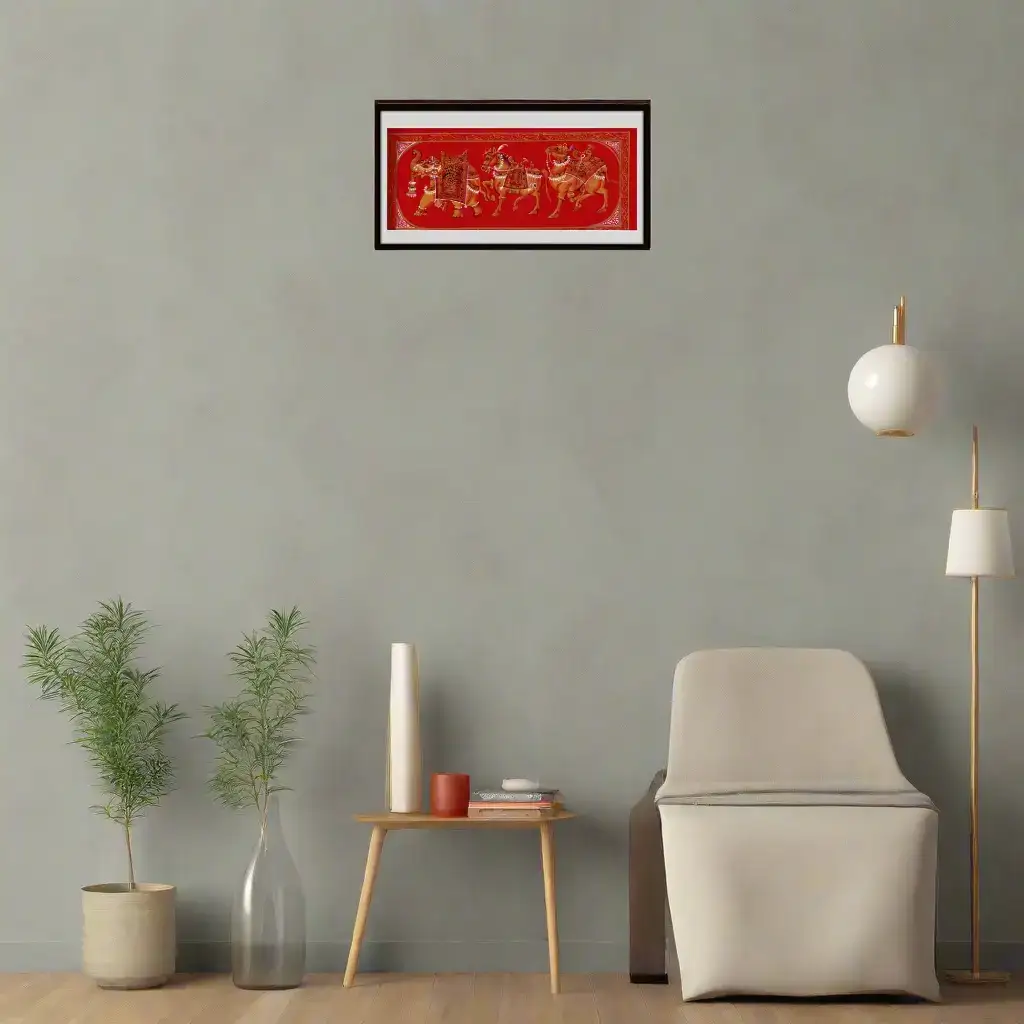
The Ceremonial March of the Maharaja Miniature Art
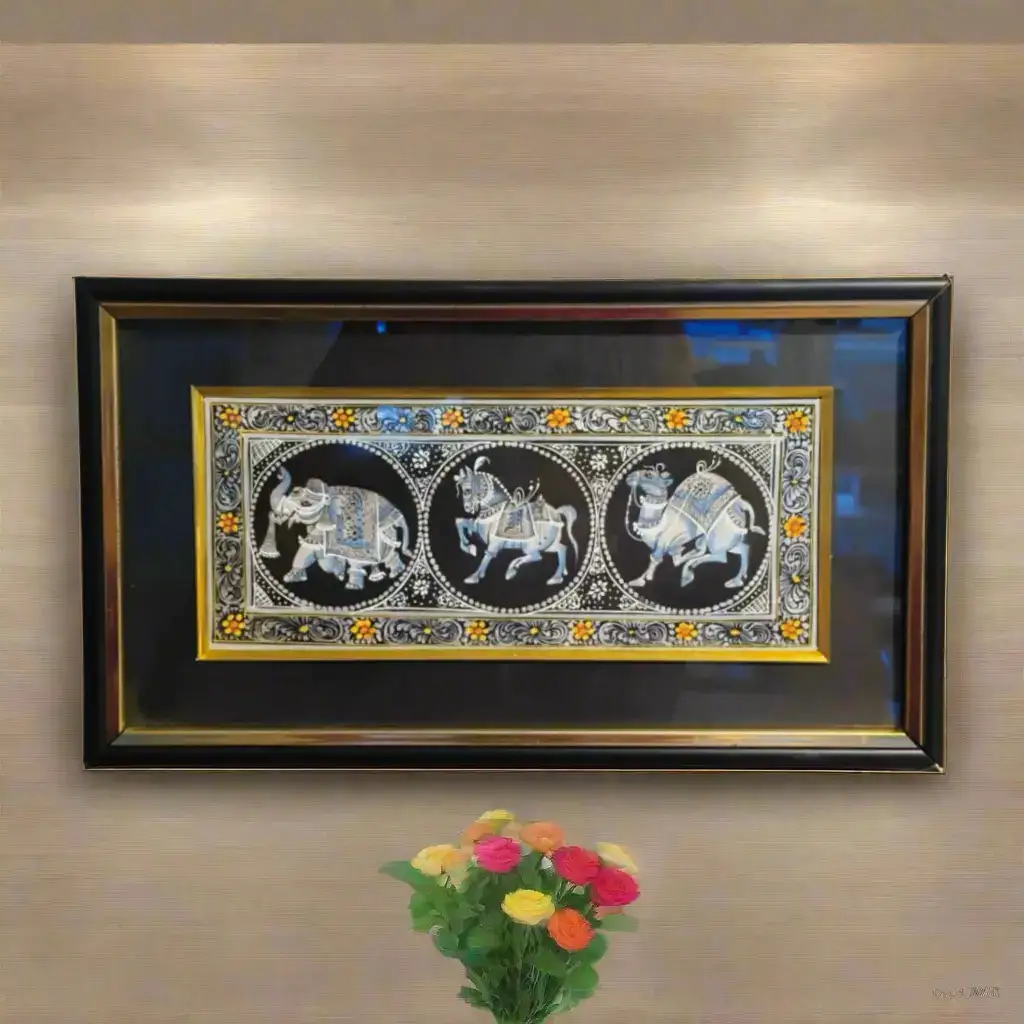
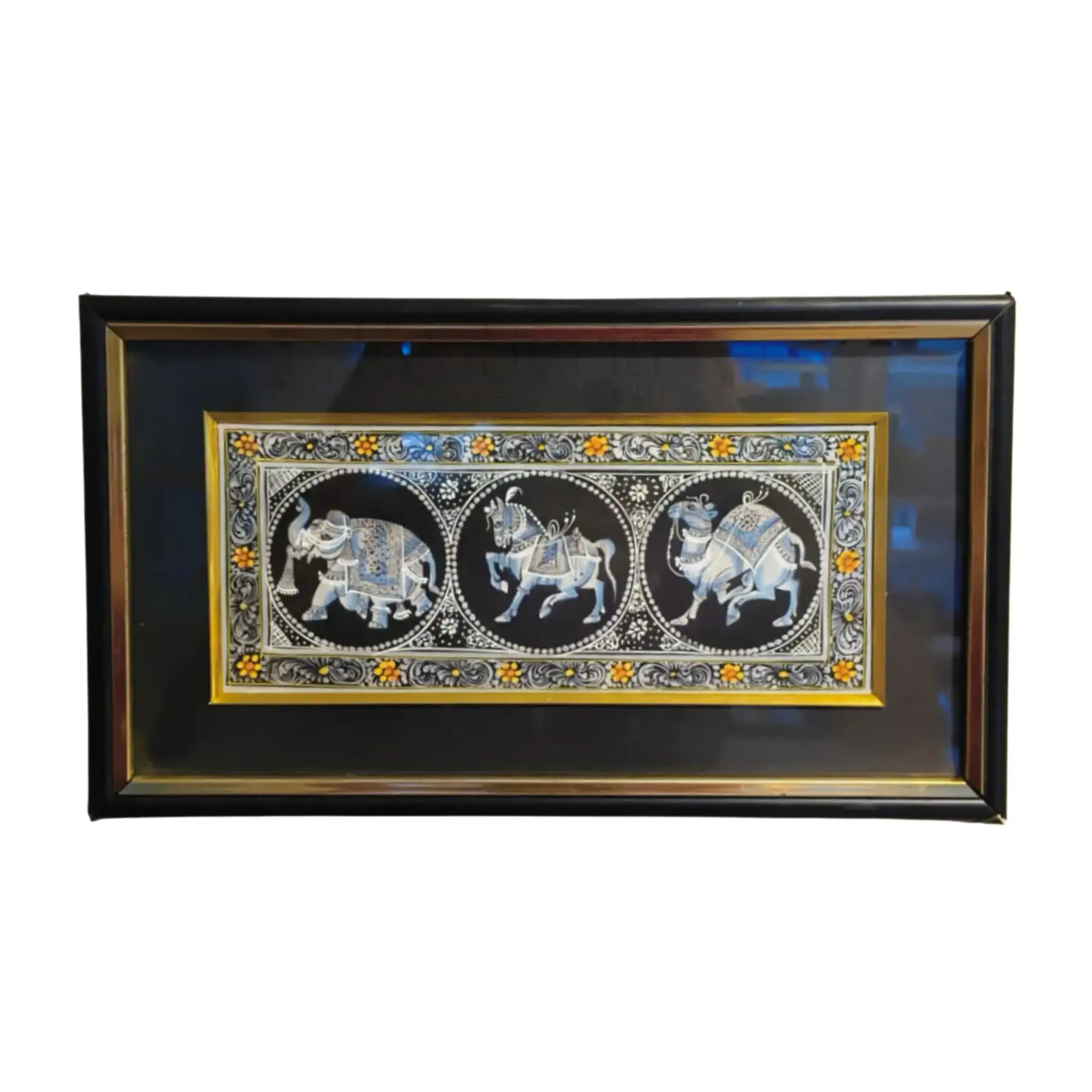
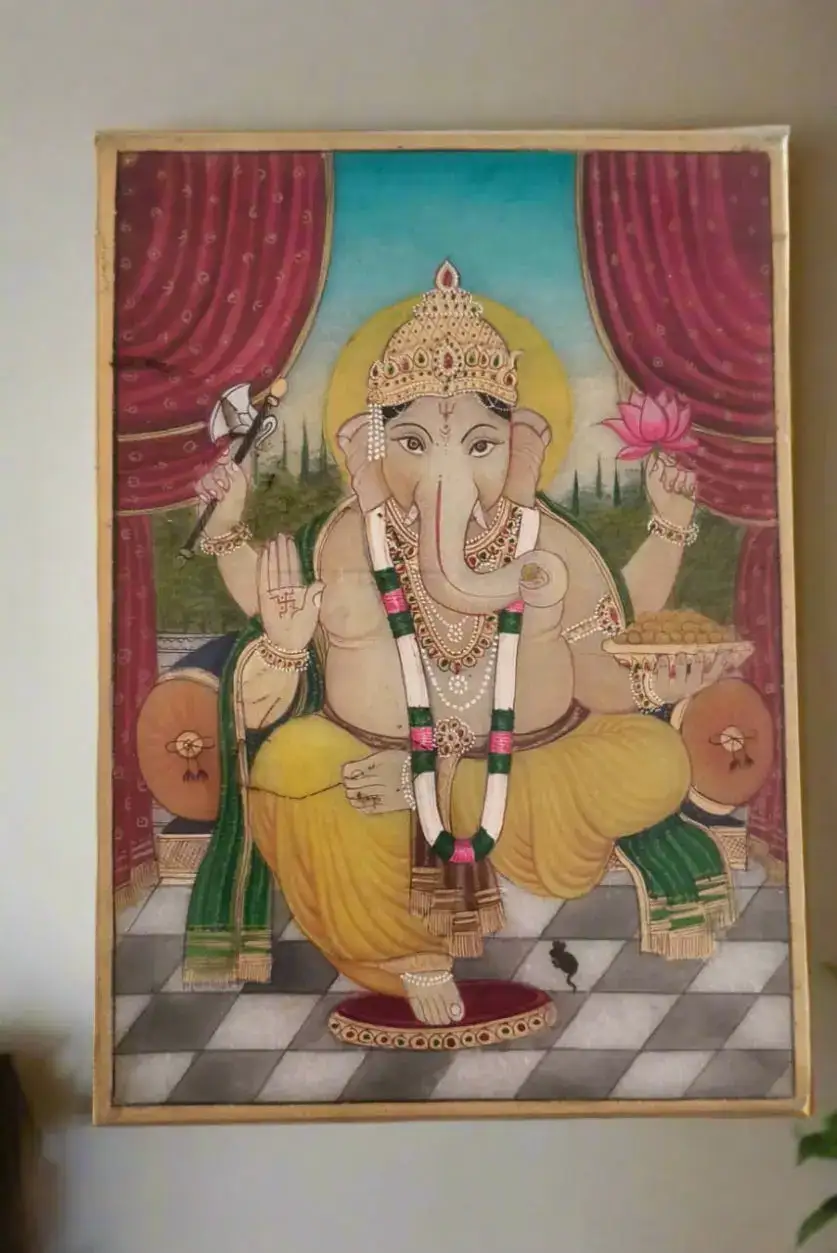
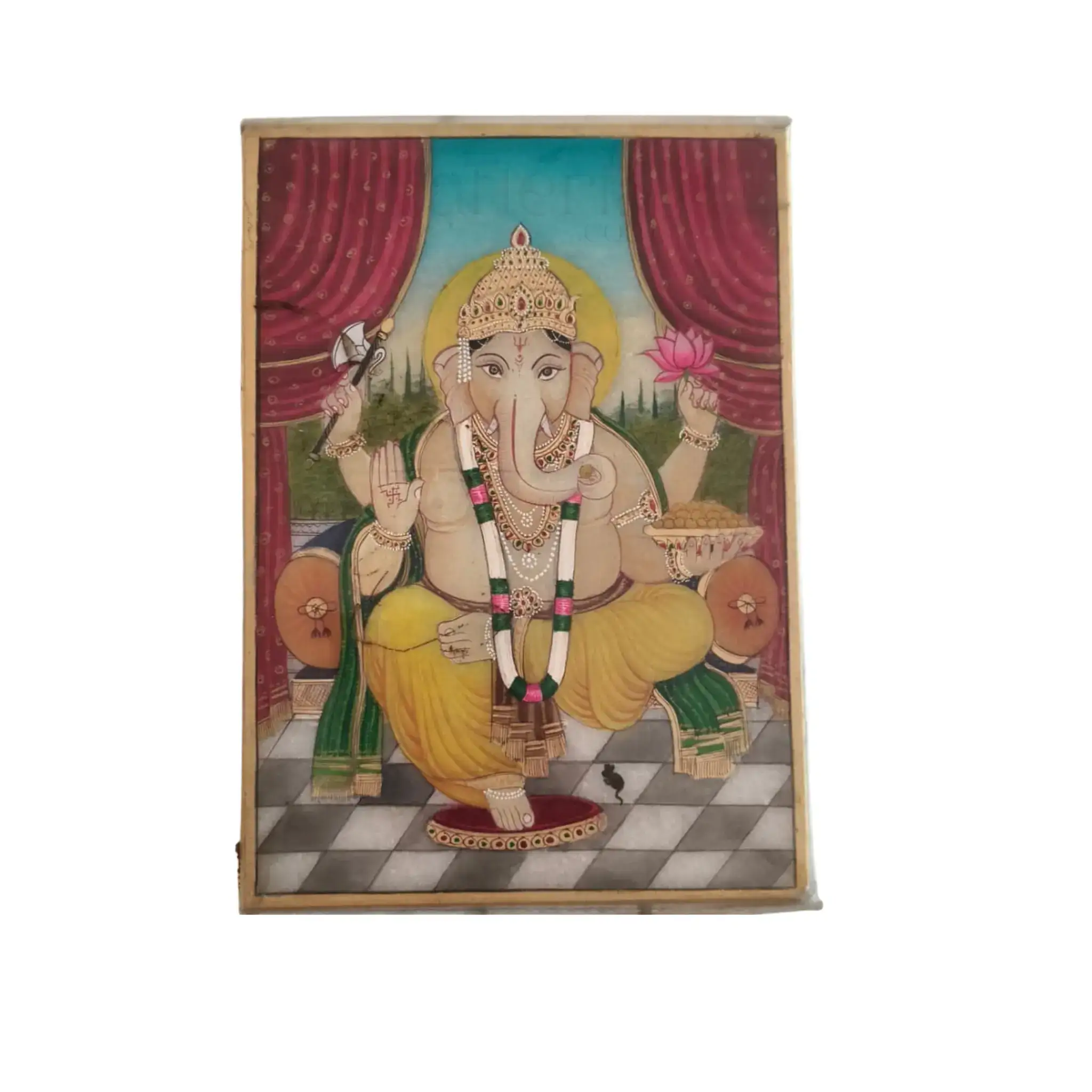
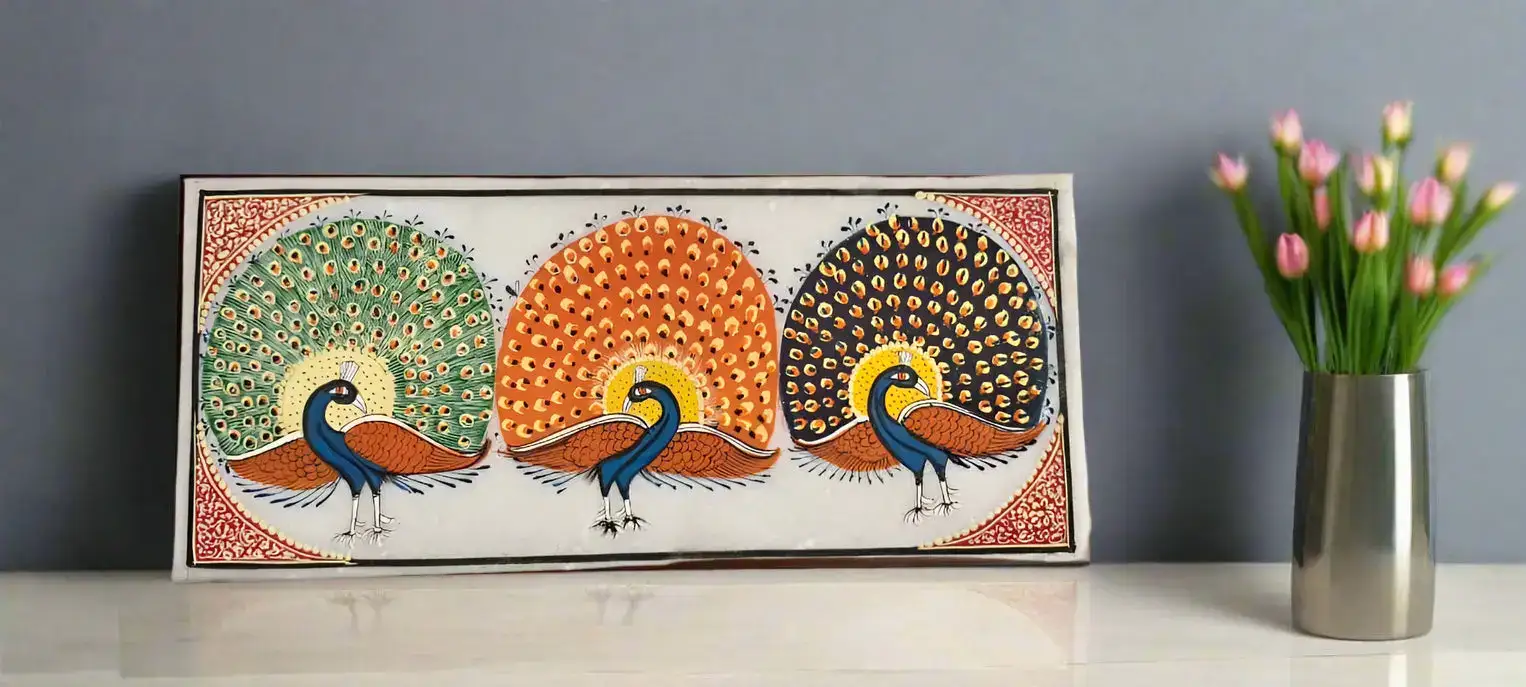
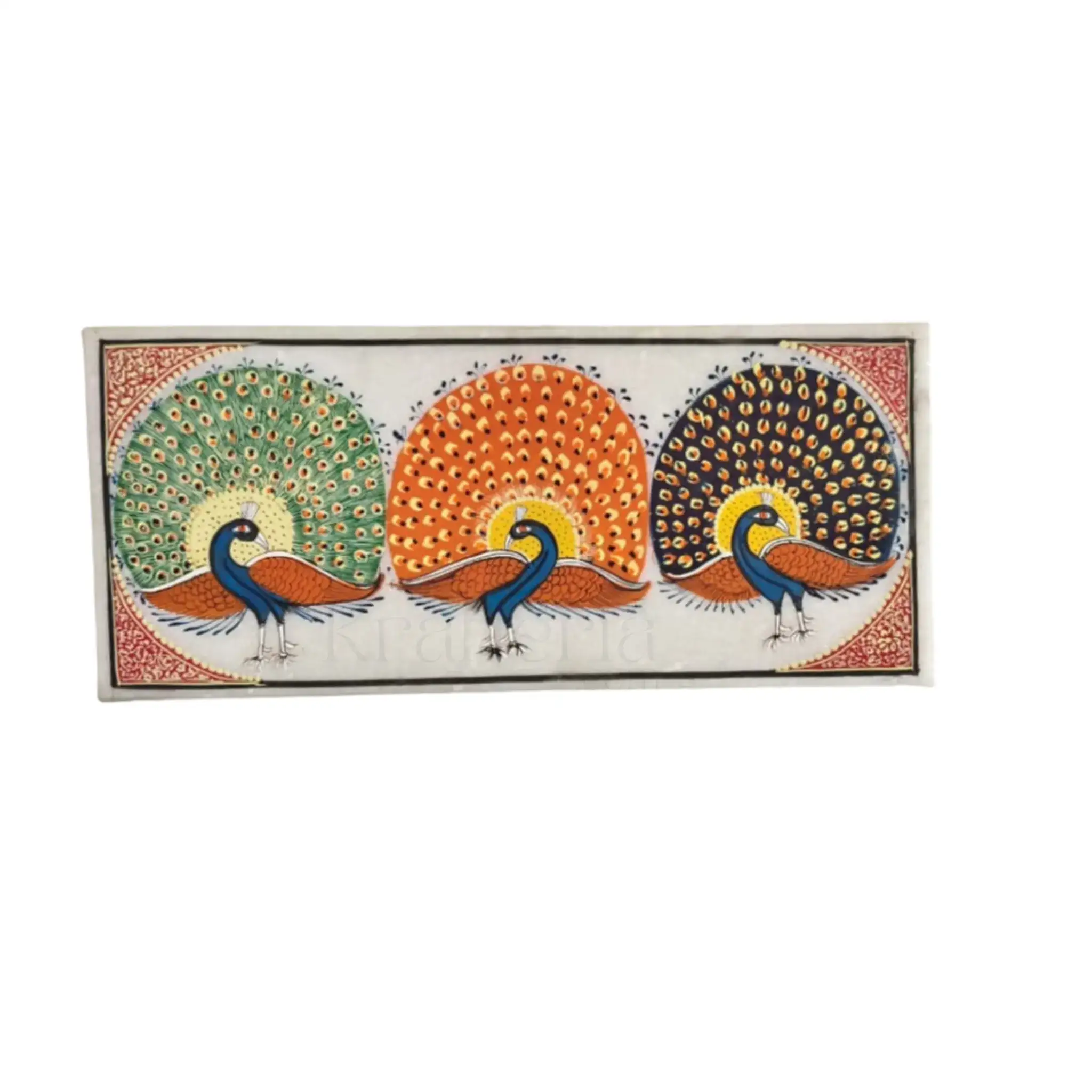
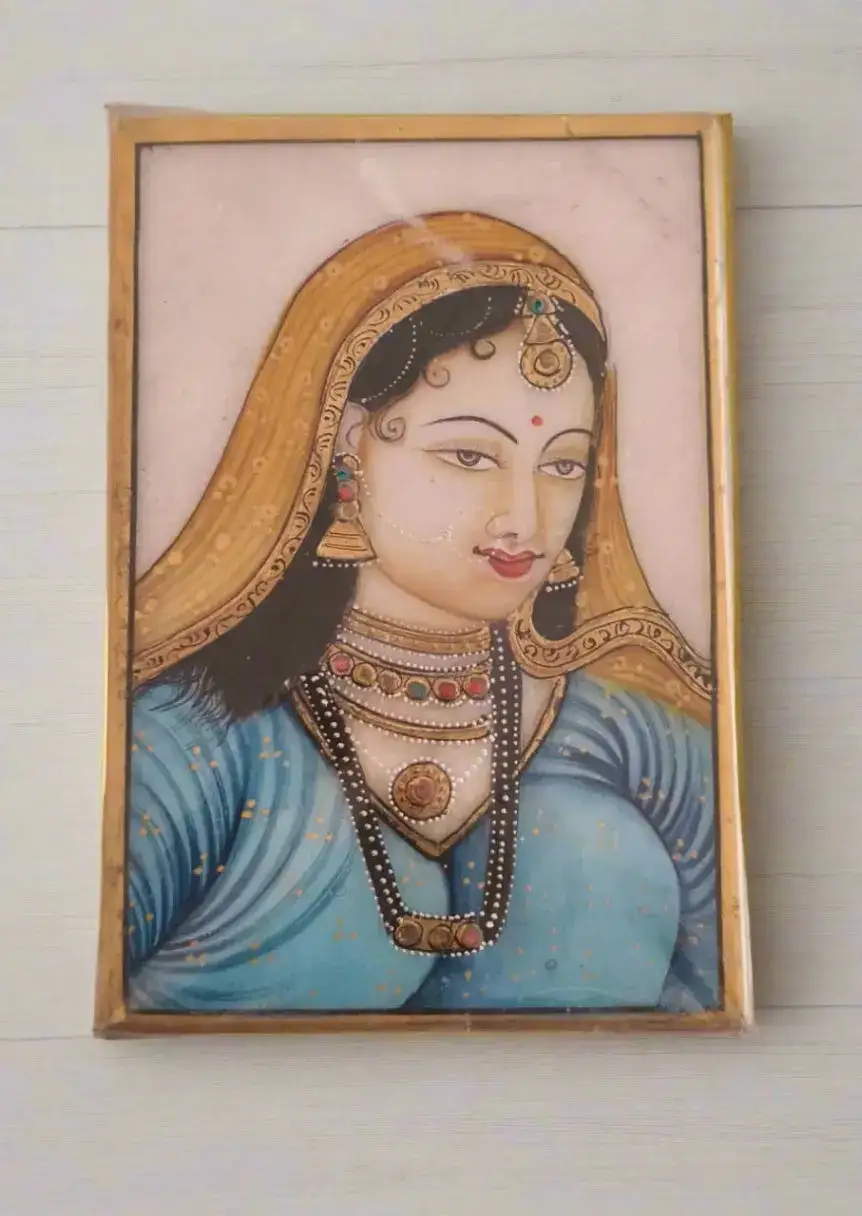
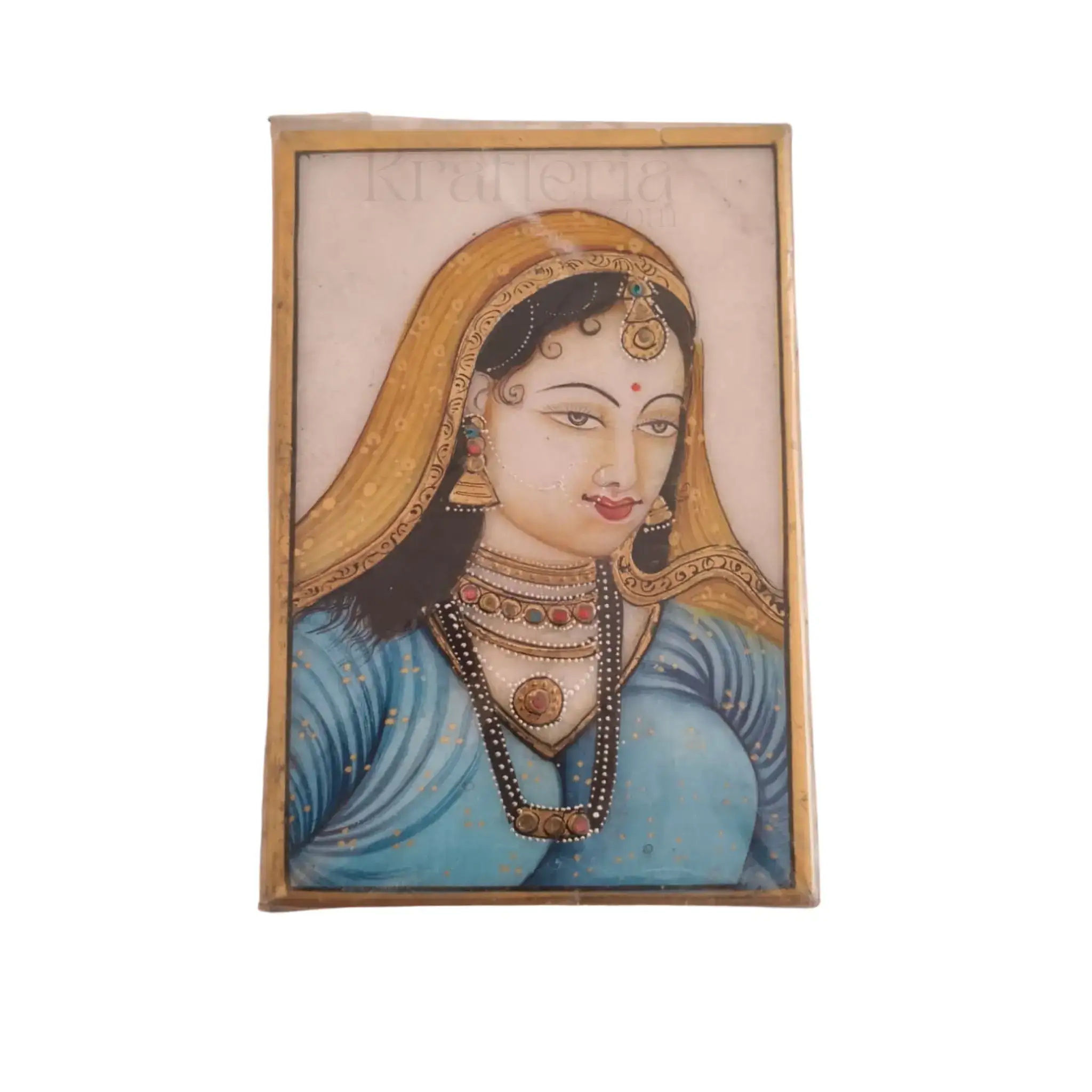
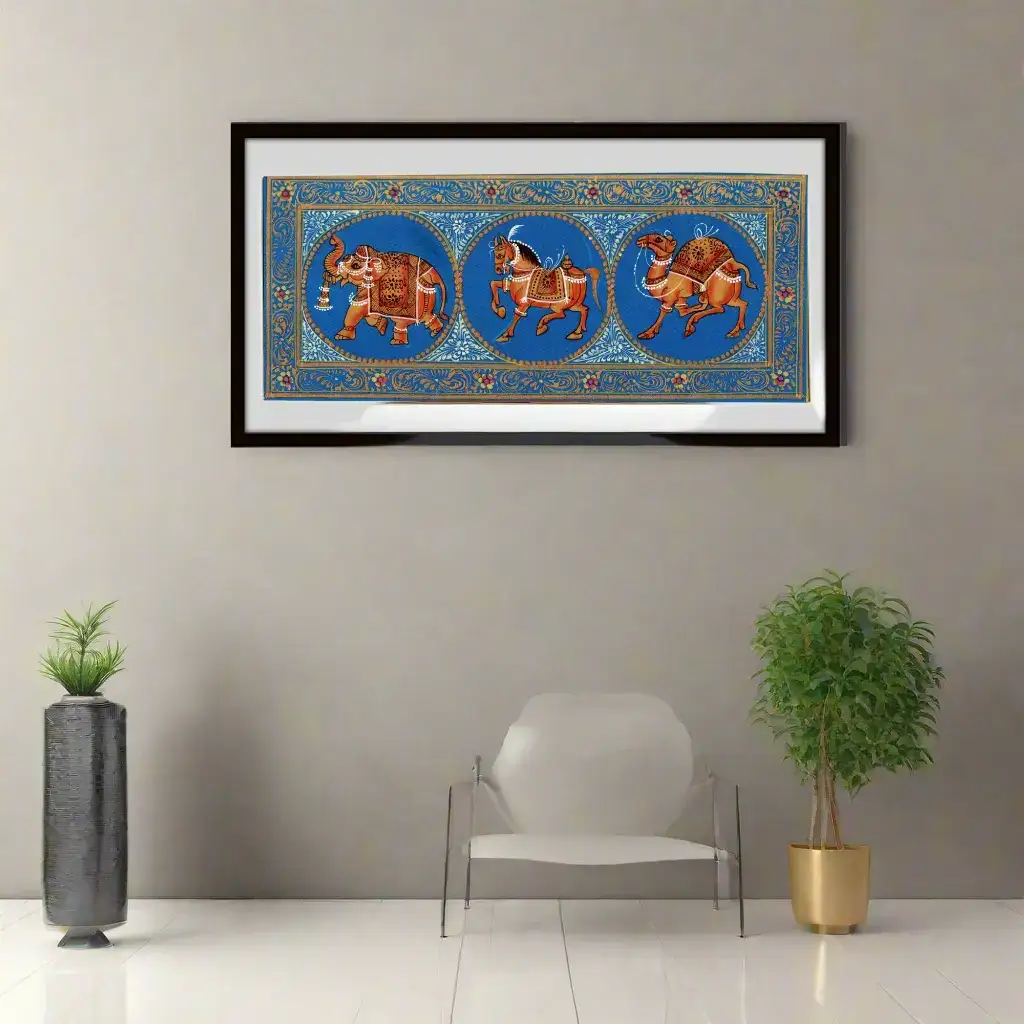
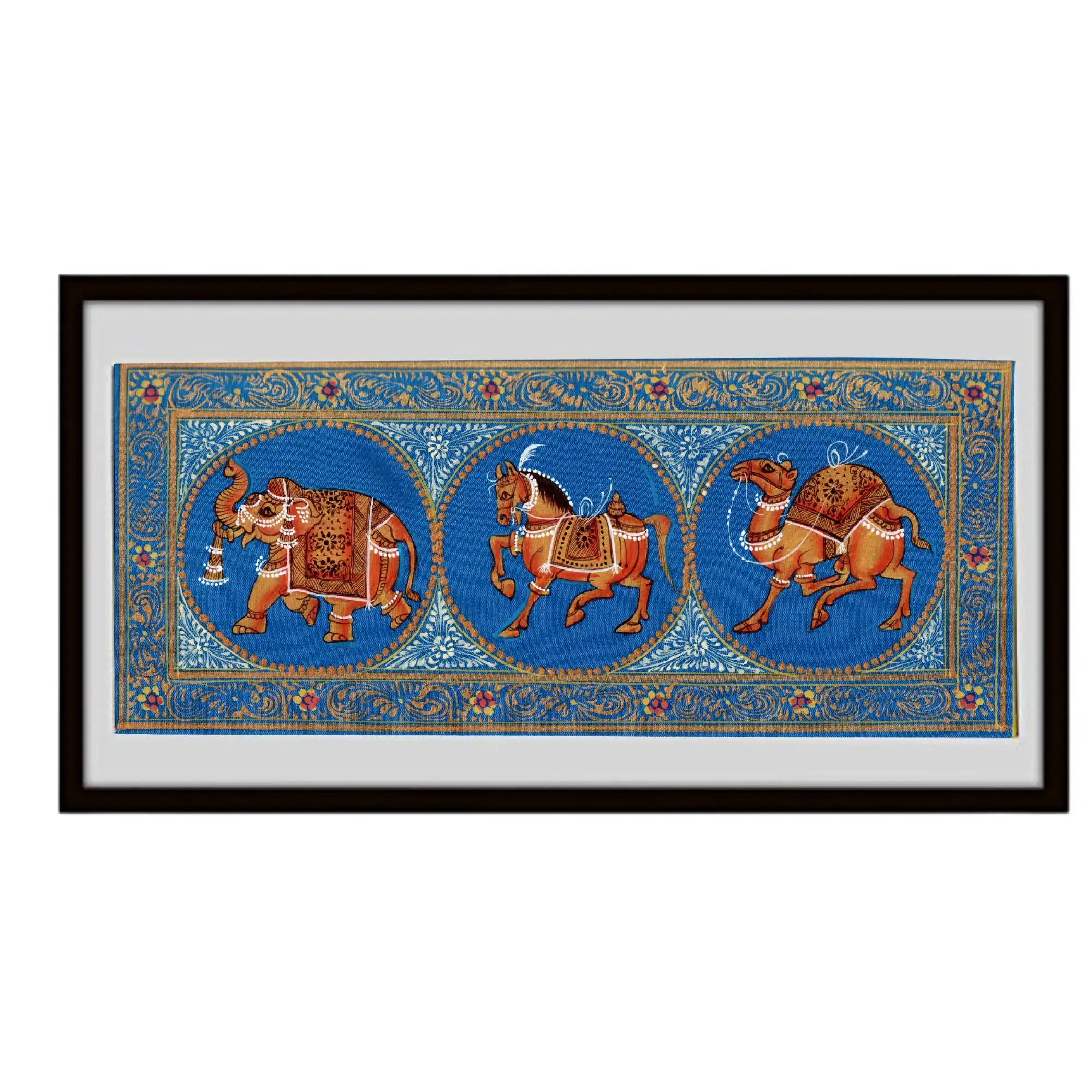
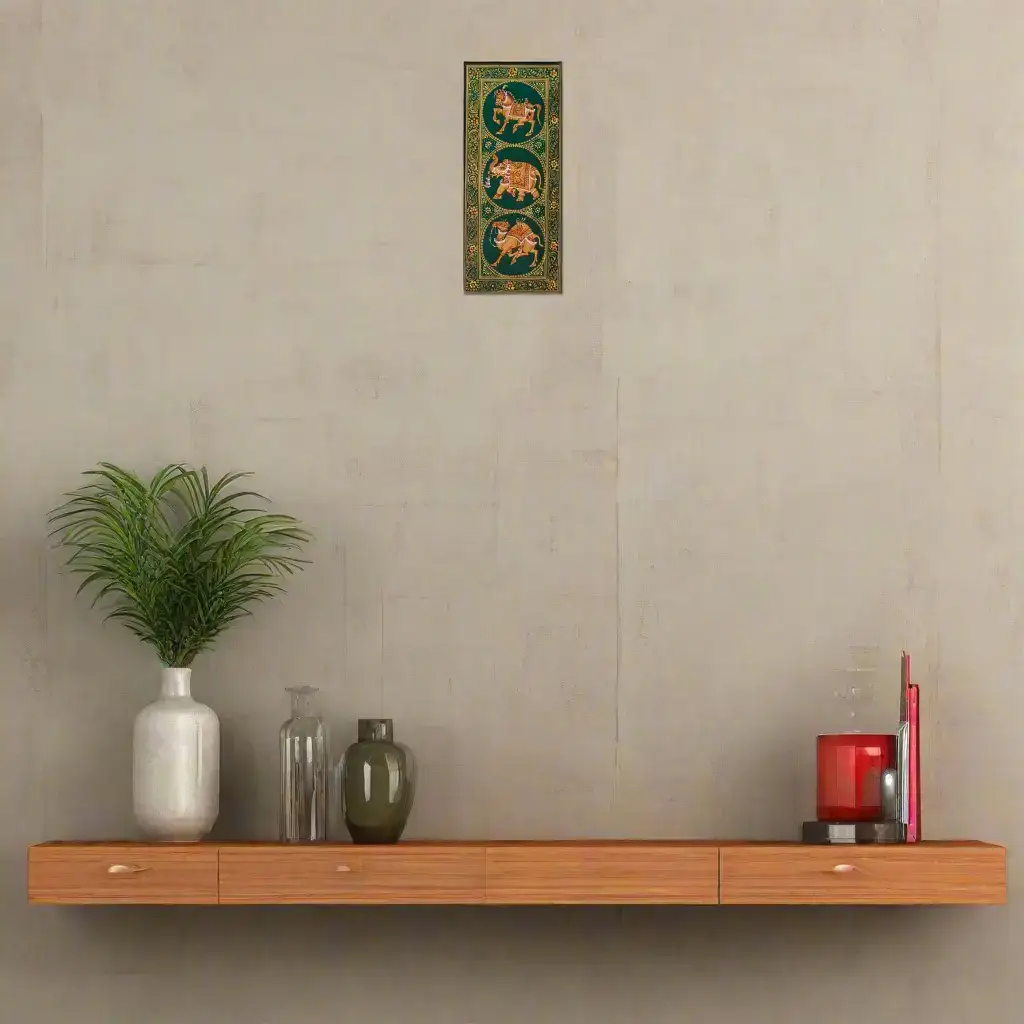
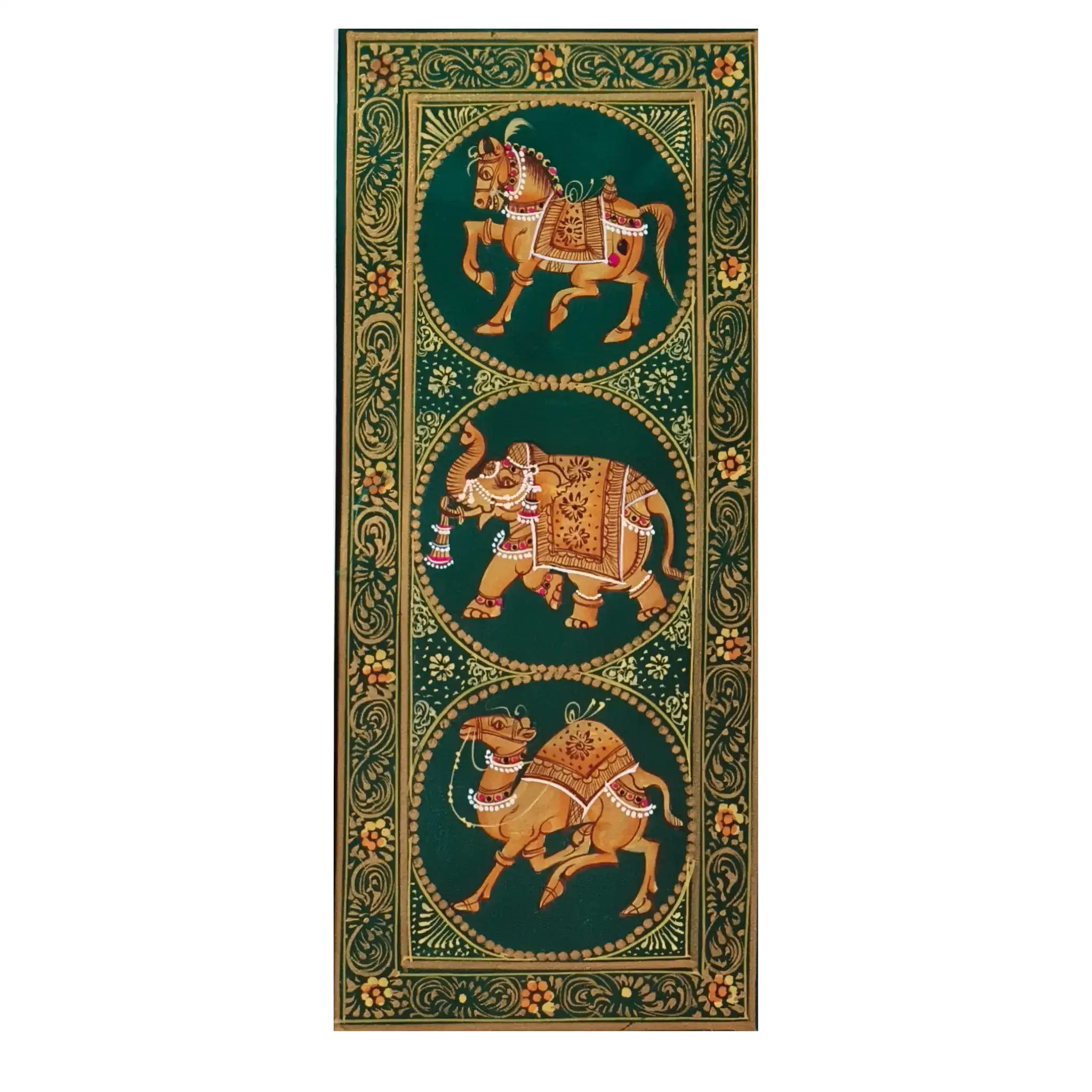
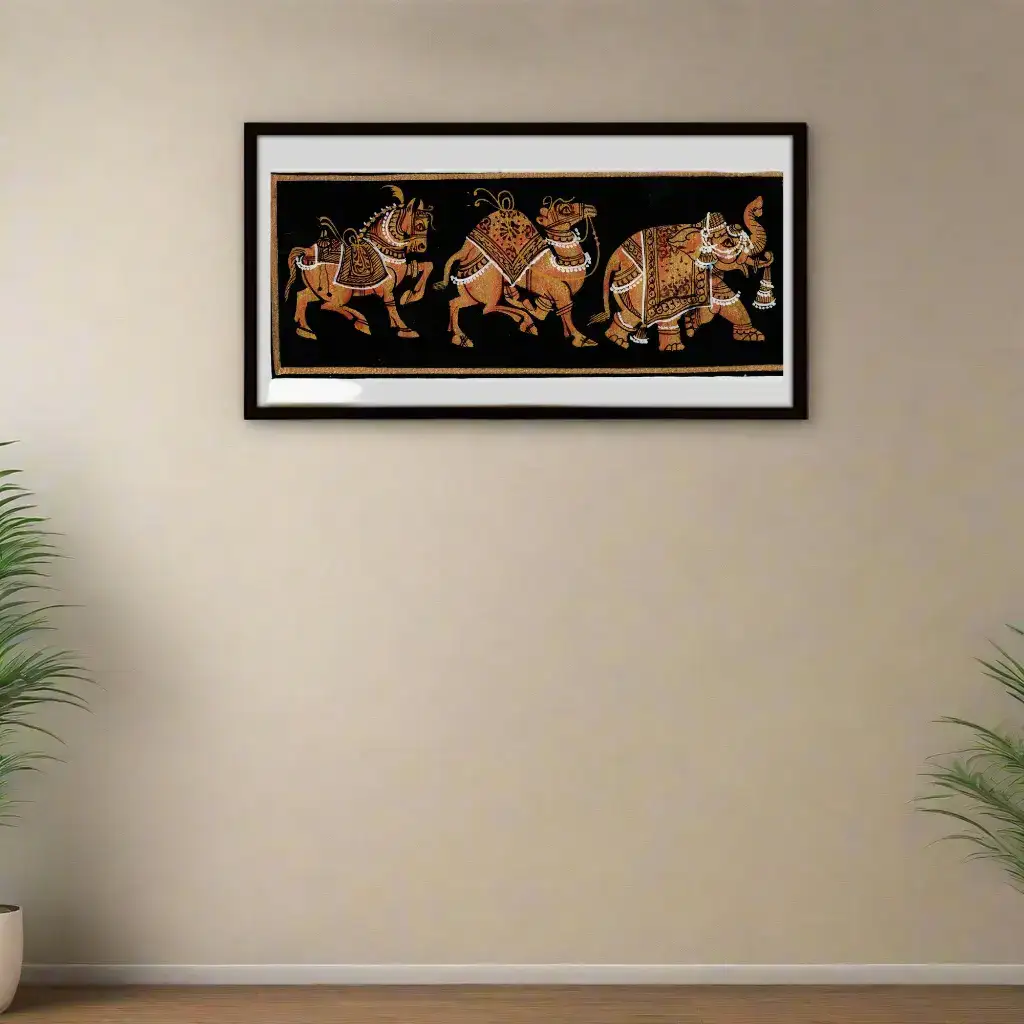
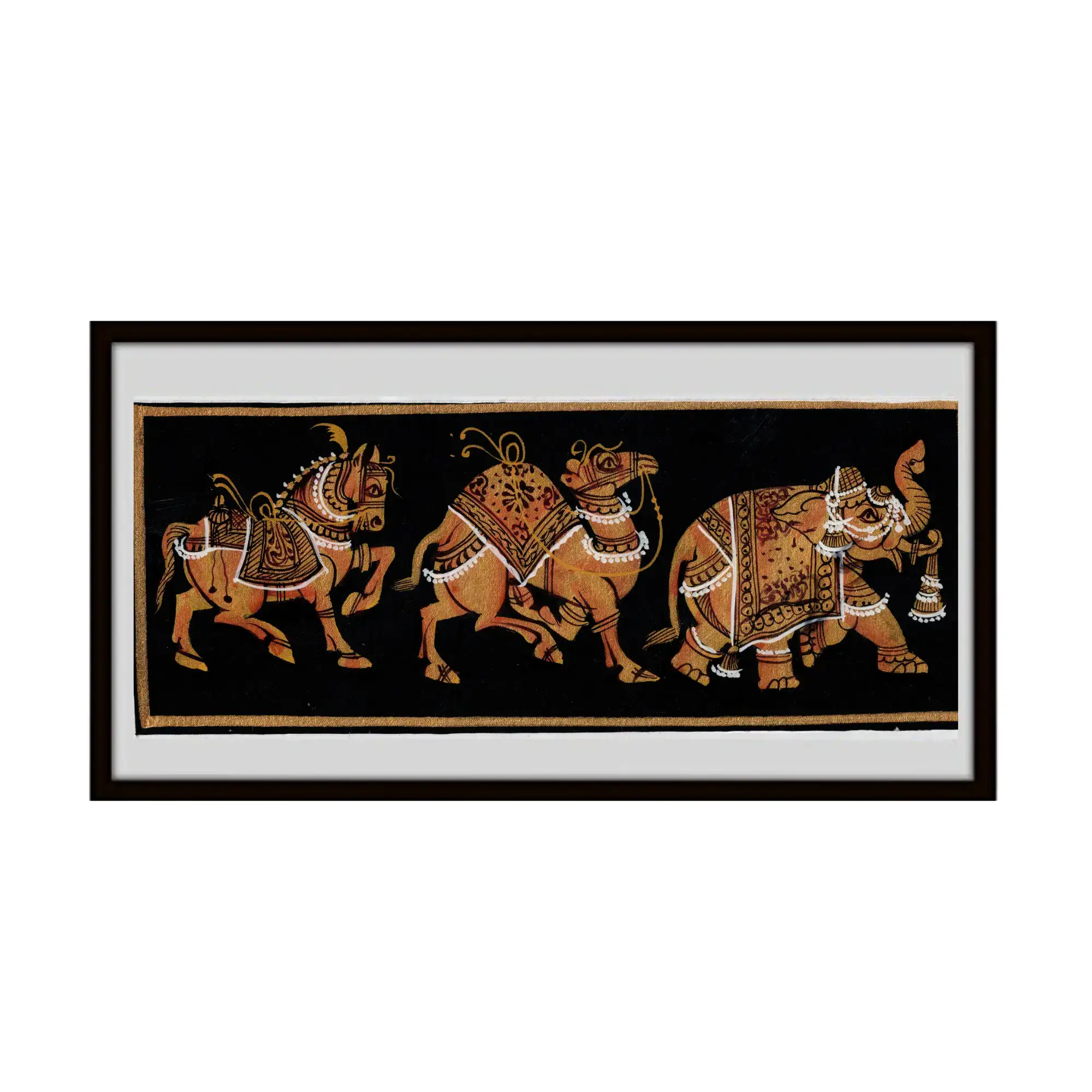
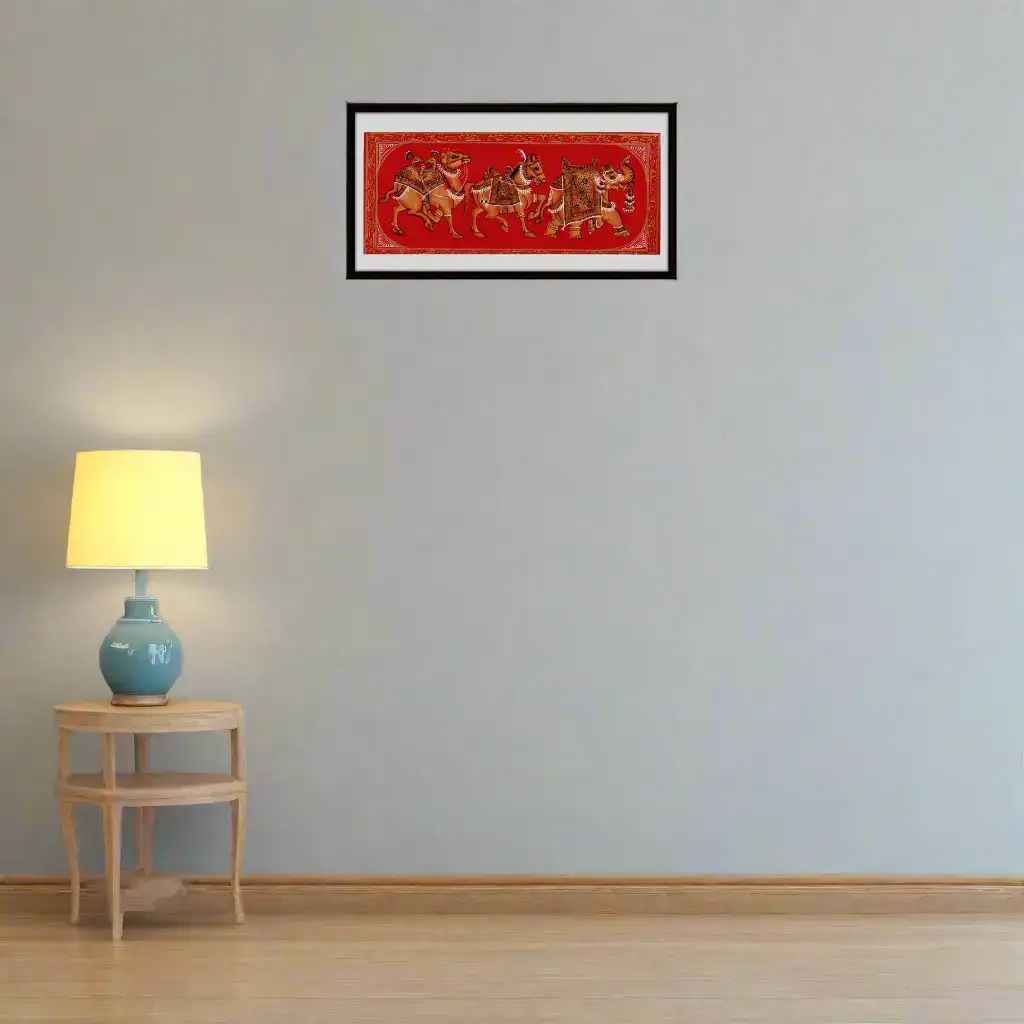
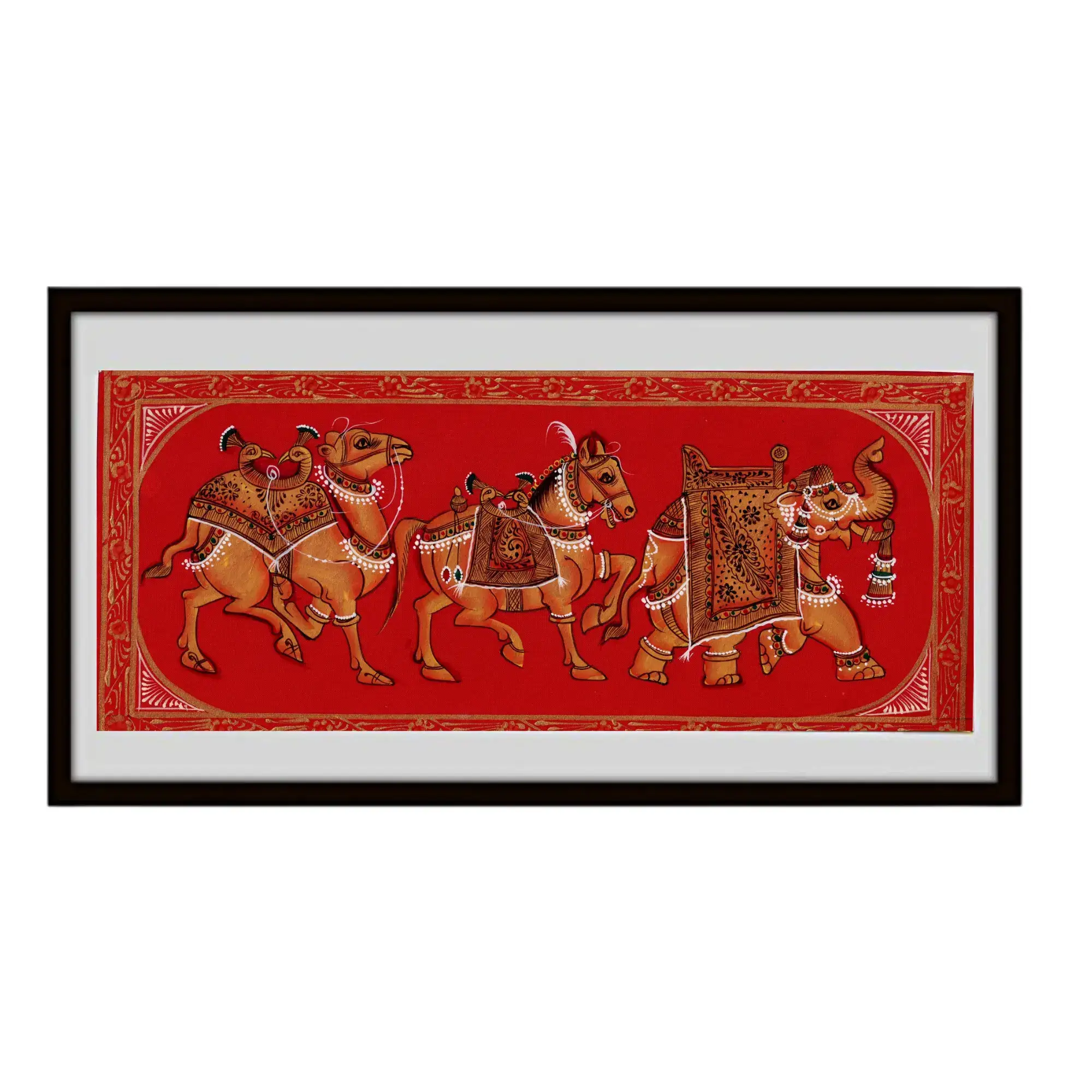
Maharaja Miniature Art Rajasthani Painting represents a rich and vibrant tradition of Indian miniature painting. This art flourished in the royal courts of Rajasthan from the 16th century onwards. Deeply rooted in Indian culture, it depicts themes from mythology, epic tales, love stories, royal life, and folk heritage. The paintings are characterized by bold lines, bright colors, and delicate intricate details. Natural dyes and pigments, sourced from minerals, vegetables, and precious stones, provide the art with a lasting, luminous quality.
The Maharaja Miniature Art style is an exquisite form of wall art that connects history and culture beautifully. This painting style captures the grandeur of royal ceremonies and the spirit of Rajasthan’s regal life. These miniature paintings are cherished for their craftsmanship and storytelling, making them perfect additions to any space seeking traditional artistic charm. The detailed depictions invite viewers to explore the rich stories conveyed through each brushstroke.
Distinct Schools of Maharaja Miniature Art
This traditional miniature painting style is divided into several schools, each bearing unique stylistic characteristics. Notably, the schools include Mewar, Marwar, Bundi, Kota, Kishangarh, Bikaner, and Jaipur. Each school developed its distinct approach to composition, color palette, and subject focus, enriching the overall heritage of Maharaja Miniature Art.
The Mewar school is famous for its vivid court scenes, heroic tales, and religious themes. Paintings from this school often feature royal processions, battles, and depictions of Hindu deities. The Marwar school is known for bold colors and expressive figures, while Bundi and Kota focus on lush landscapes and detailed hunting scenes, making them stand out in the miniature painting tradition.
Kishangarh and Jaipur Styles
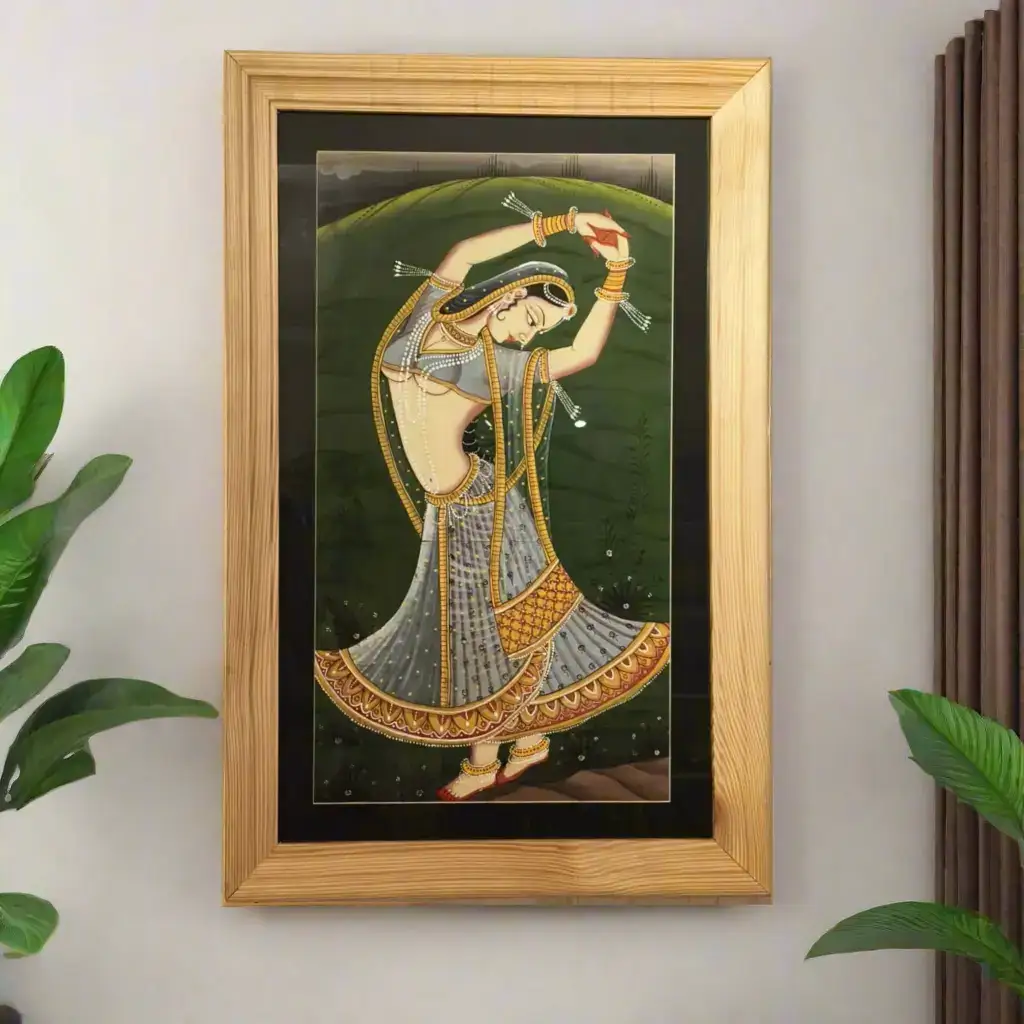
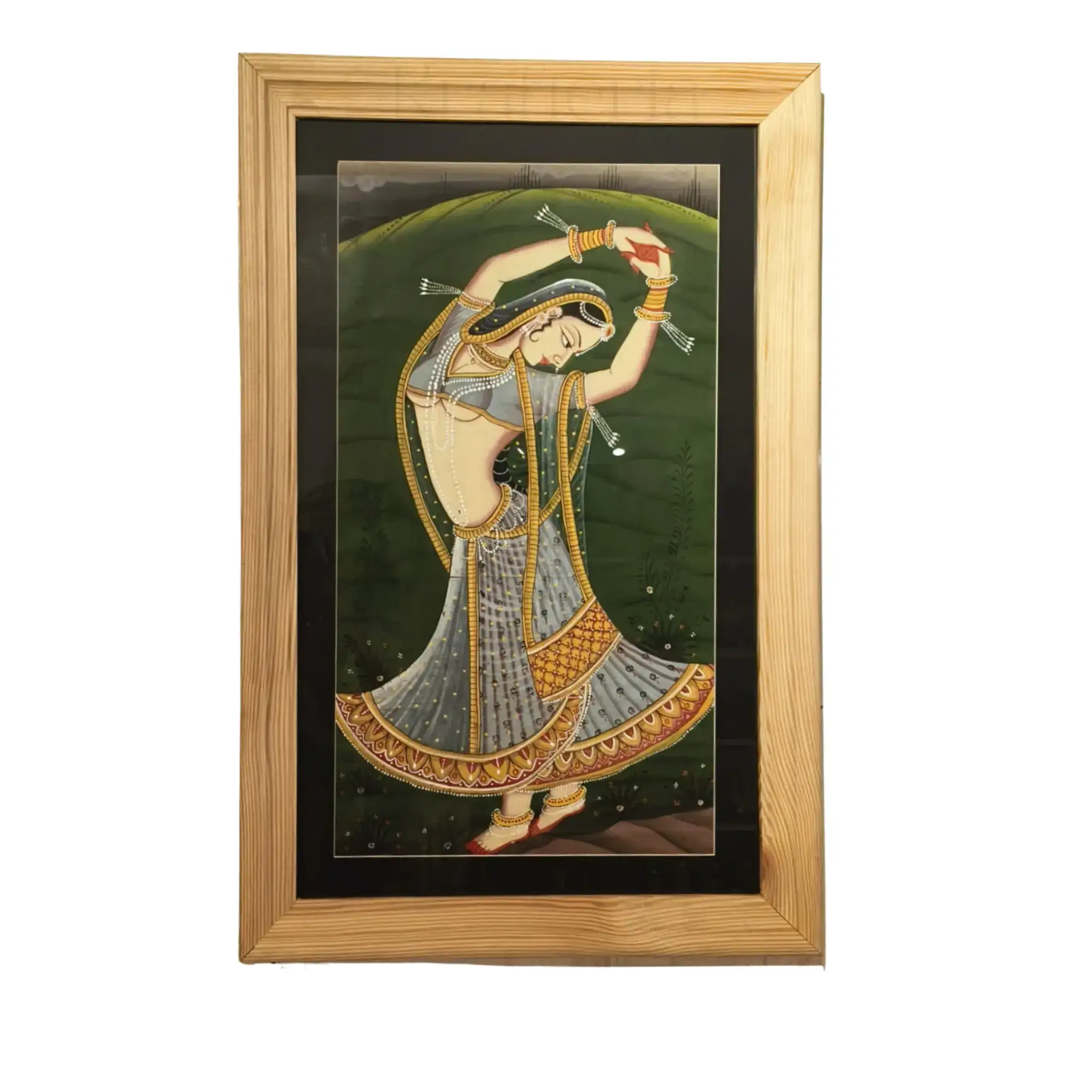
The Kishangarh style of Miniature Art is particularly celebrated for its romantic portrayals of Radha and Krishna. One iconic image from this school is the famous Bani Thani, symbolizing beauty and elegance. This style emphasizes delicate facial features and graceful postures that draw admiration from art lovers worldwide.
Jaipur paintings often blend influences from Mughal art with Rajasthani traditions. The intricate floral patterns, bright colors, and dynamic compositions reflect the opulence of the Jaipur royal courts. This school illustrates royal ceremonies and festive occasions, making it a favorite for collectors seeking authentic Indian miniature paintings.
The Artistry Behind Maharaja Art
Creating a Maharaja Art piece requires immense skill and patience. Artisans use fine brushes to achieve precision in every detail. The selection of natural pigments is crucial for achieving the vibrant colors and lasting quality found in these paintings. This painstaking process results in exquisite artworks that are treasured for generations.
The use of natural dyes and mineral pigments is a defining feature of Maharaja Miniature. These materials provide the paintings with unique color depth and brilliance. The meticulous techniques used by artists ensure the preservation of this art form’s cultural and historical significance over time.
Why Choose Miniature Art for Your Space?
Miniature Art pieces are more than just decorative items; they carry the essence of Rajasthan’s royal heritage and artistic legacy. Such paintings make stunning wall art that elevates the ambiance of homes, offices, or galleries. Their detailed storytelling through imagery offers viewers an immersive cultural experience.
For art enthusiasts and collectors, a maharaja painting brings authenticity and rich tradition to any collection. These miniature paintings reflect centuries of history and artistic dedication, making them valuable and timeless. Incorporating these artworks into interior spaces can enhance cultural appreciation and aesthetic appeal.
Care and Preservation of Your Miniature Painting
To maintain the beauty of your Maharaja Art piece, it is important to protect it from direct sunlight and moisture. These factors can cause fading and damage to delicate pigments. Regular gentle cleaning with a soft, dry cloth will help preserve the intricate details and vibrant colors of the painting.
Prop
er framing and display also play a vital role in safeguarding the artwork. Using UV-protective glass and keeping the painting in a controlled environment can prolong its life. This care ensures that the miniature painting continues to be a cherished part of your wall art collection.
Original: $64.54
-70%$64.54
$19.36Product Information
Product Information
Shipping & Returns
Shipping & Returns
Description
The Ceremonial March of the Maharaja Miniature Art
Maharaja Miniature Art Rajasthani Painting represents a rich and vibrant tradition of Indian miniature painting. This art flourished in the royal courts of Rajasthan from the 16th century onwards. Deeply rooted in Indian culture, it depicts themes from mythology, epic tales, love stories, royal life, and folk heritage. The paintings are characterized by bold lines, bright colors, and delicate intricate details. Natural dyes and pigments, sourced from minerals, vegetables, and precious stones, provide the art with a lasting, luminous quality.
The Maharaja Miniature Art style is an exquisite form of wall art that connects history and culture beautifully. This painting style captures the grandeur of royal ceremonies and the spirit of Rajasthan’s regal life. These miniature paintings are cherished for their craftsmanship and storytelling, making them perfect additions to any space seeking traditional artistic charm. The detailed depictions invite viewers to explore the rich stories conveyed through each brushstroke.
Distinct Schools of Maharaja Miniature Art
This traditional miniature painting style is divided into several schools, each bearing unique stylistic characteristics. Notably, the schools include Mewar, Marwar, Bundi, Kota, Kishangarh, Bikaner, and Jaipur. Each school developed its distinct approach to composition, color palette, and subject focus, enriching the overall heritage of Maharaja Miniature Art.
The Mewar school is famous for its vivid court scenes, heroic tales, and religious themes. Paintings from this school often feature royal processions, battles, and depictions of Hindu deities. The Marwar school is known for bold colors and expressive figures, while Bundi and Kota focus on lush landscapes and detailed hunting scenes, making them stand out in the miniature painting tradition.
Kishangarh and Jaipur Styles
The Kishangarh style of Miniature Art is particularly celebrated for its romantic portrayals of Radha and Krishna. One iconic image from this school is the famous Bani Thani, symbolizing beauty and elegance. This style emphasizes delicate facial features and graceful postures that draw admiration from art lovers worldwide.
Jaipur paintings often blend influences from Mughal art with Rajasthani traditions. The intricate floral patterns, bright colors, and dynamic compositions reflect the opulence of the Jaipur royal courts. This school illustrates royal ceremonies and festive occasions, making it a favorite for collectors seeking authentic Indian miniature paintings.
The Artistry Behind Maharaja Art
Creating a Maharaja Art piece requires immense skill and patience. Artisans use fine brushes to achieve precision in every detail. The selection of natural pigments is crucial for achieving the vibrant colors and lasting quality found in these paintings. This painstaking process results in exquisite artworks that are treasured for generations.
The use of natural dyes and mineral pigments is a defining feature of Maharaja Miniature. These materials provide the paintings with unique color depth and brilliance. The meticulous techniques used by artists ensure the preservation of this art form’s cultural and historical significance over time.
Why Choose Miniature Art for Your Space?
Miniature Art pieces are more than just decorative items; they carry the essence of Rajasthan’s royal heritage and artistic legacy. Such paintings make stunning wall art that elevates the ambiance of homes, offices, or galleries. Their detailed storytelling through imagery offers viewers an immersive cultural experience.
For art enthusiasts and collectors, a maharaja painting brings authenticity and rich tradition to any collection. These miniature paintings reflect centuries of history and artistic dedication, making them valuable and timeless. Incorporating these artworks into interior spaces can enhance cultural appreciation and aesthetic appeal.
Care and Preservation of Your Miniature Painting
To maintain the beauty of your Maharaja Art piece, it is important to protect it from direct sunlight and moisture. These factors can cause fading and damage to delicate pigments. Regular gentle cleaning with a soft, dry cloth will help preserve the intricate details and vibrant colors of the painting.
Prop
er framing and display also play a vital role in safeguarding the artwork. Using UV-protective glass and keeping the painting in a controlled environment can prolong its life. This care ensures that the miniature painting continues to be a cherished part of your wall art collection.