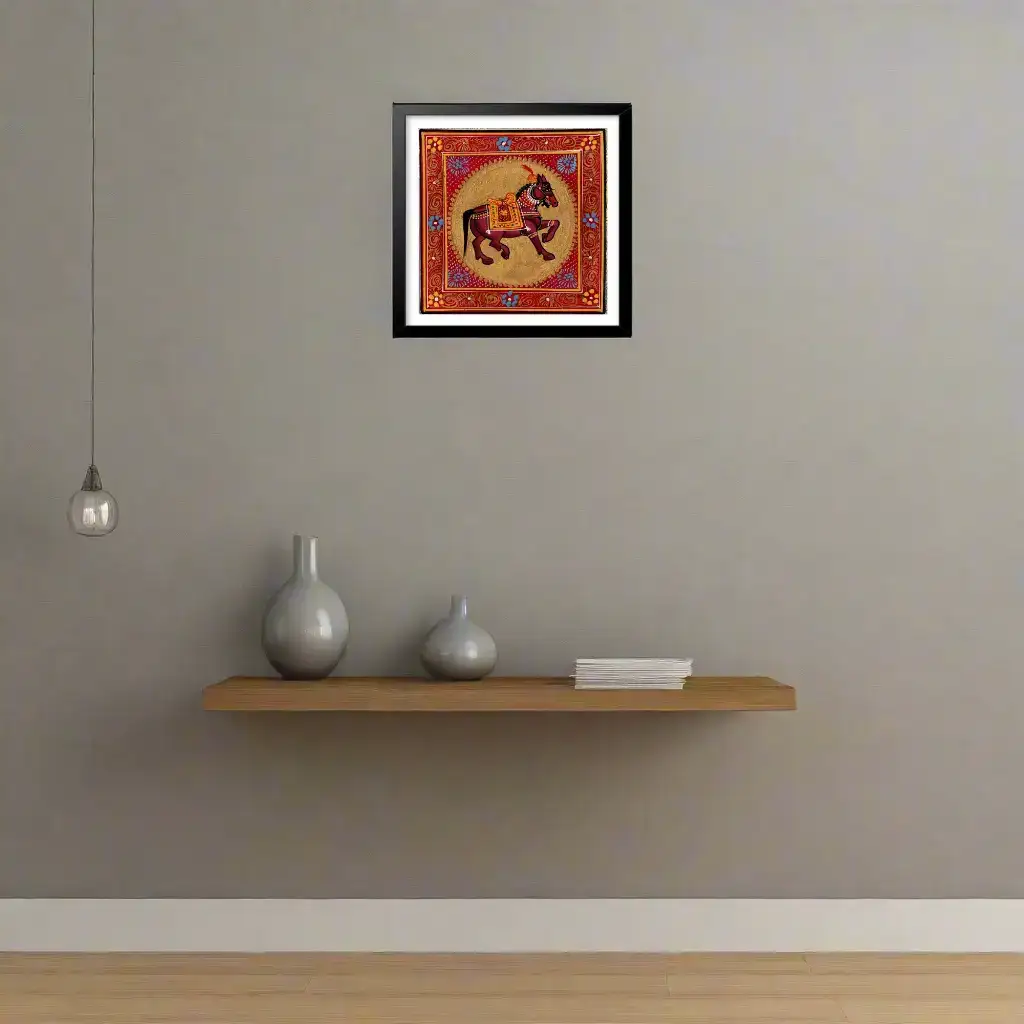
Majestic Horse Miniature Painting – Symbol of Power and Grace in Pattachitra Art
Majestic Horse Miniature Painting – Symbol of Power and Grace in Pattachitra Art
Horse Miniature Painting Rajasthani Painting is a fascinating and vibrant style of Indian miniature painting. It thrived in the royal courts of Rajasthan from the 16th century onwards. This art form is deeply rooted in Indian culture and traditions. It portrays various themes such as mythology, epics, love stories, royal life, and rich folk culture.
These paintings are known for their bold lines, bright colors, and meticulous details. Artists traditionally use natural dyes and pigments derived from minerals, vegetables, and precious stones. This use of natural materials gives the artwork its lasting and luminous quality. Such beautiful paintings celebrate both artistic skill and cultural heritage.
The History and Significance of Horse Miniature Painting
The Horse Miniature Painting style is especially celebrated for its intricate depiction of animals, particularly horses. Horses symbolize nobility, speed, and power in Indian culture. This style also showcases the artistic brilliance found in miniature painting traditions. These works are prized for their delicate brushstrokes and fine craftsmanship.
Miniature painting as an art form has a long history in India. Masters spent years perfecting this style, which became synonymous with royal patronage and exquisite artistic achievement. The horse, as a subject, holds a special place due to its association with warriors, kings, and knights.
Characteristics of Rajasthani Horse Miniature
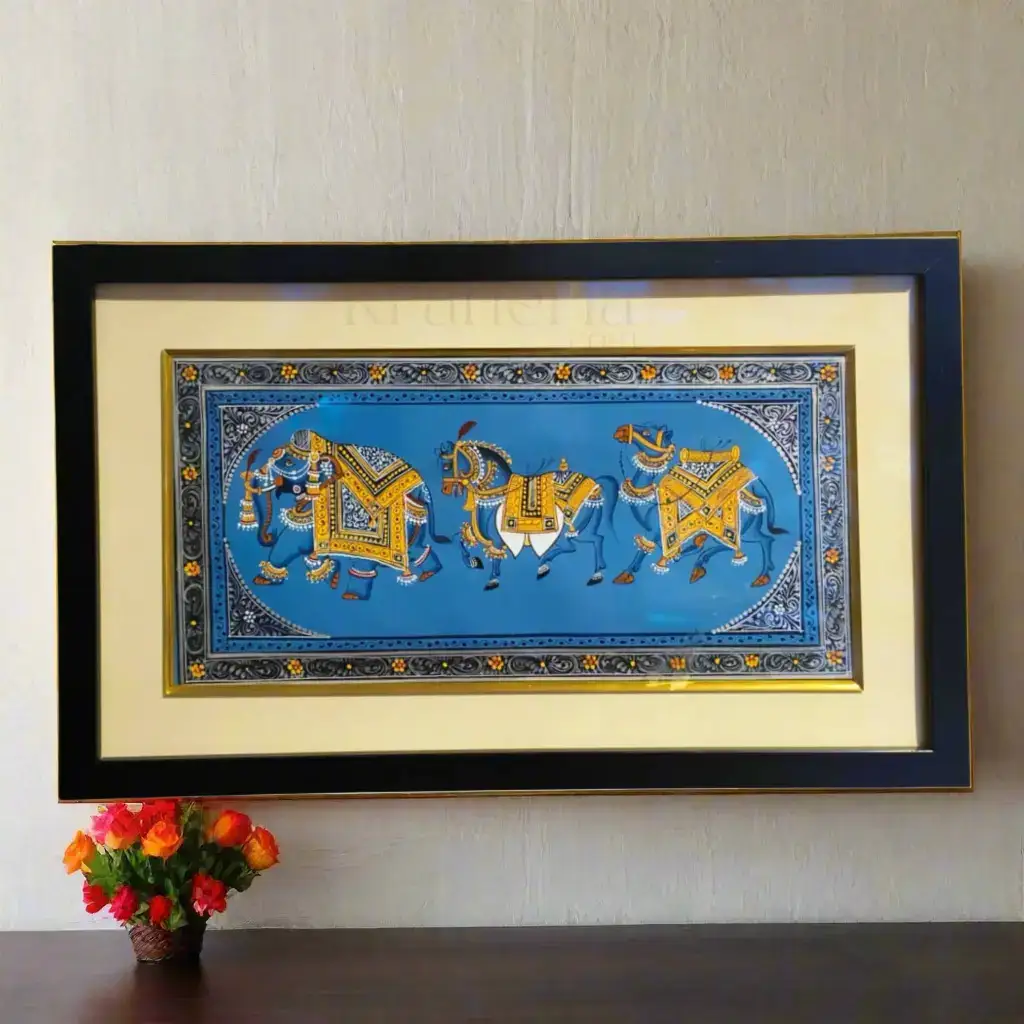
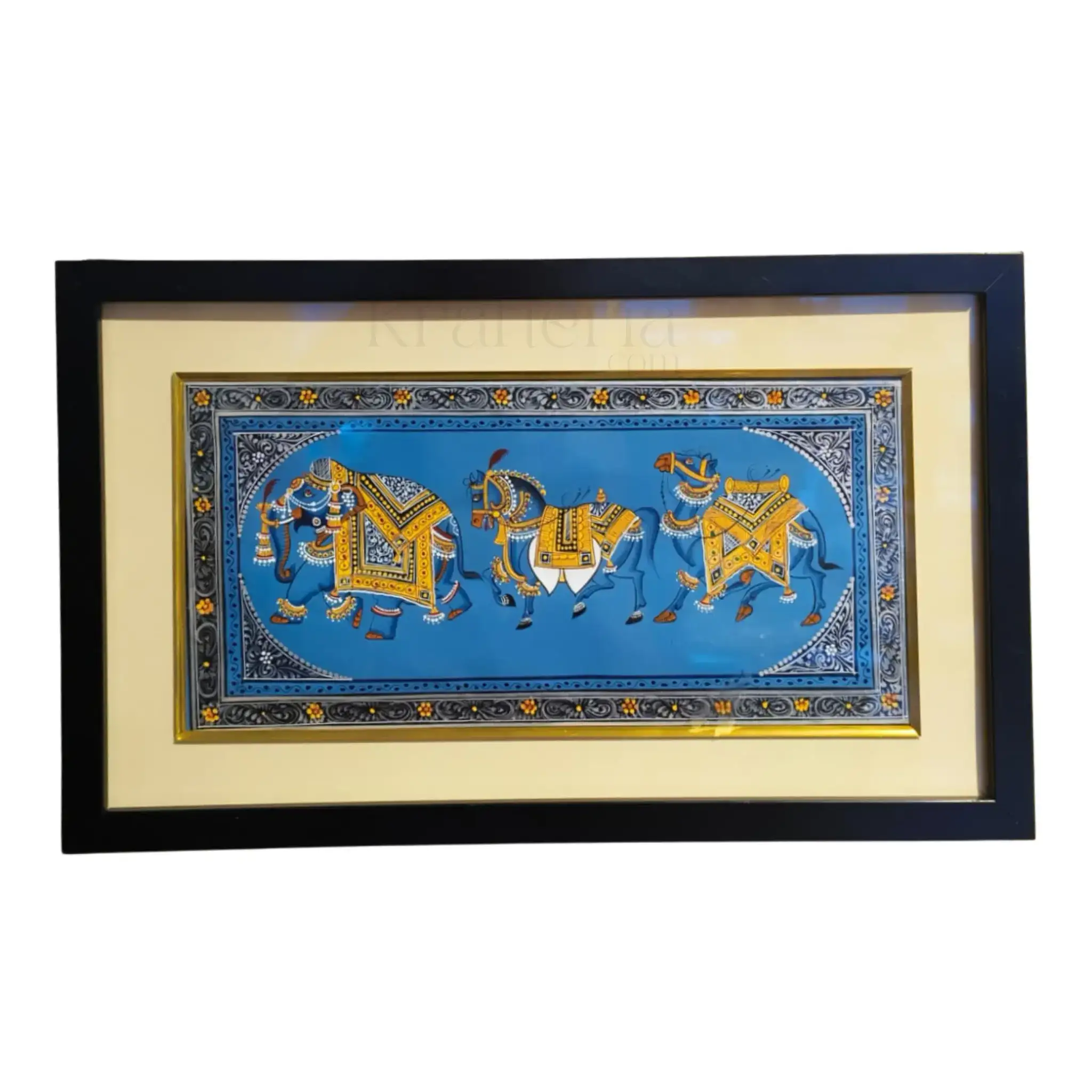
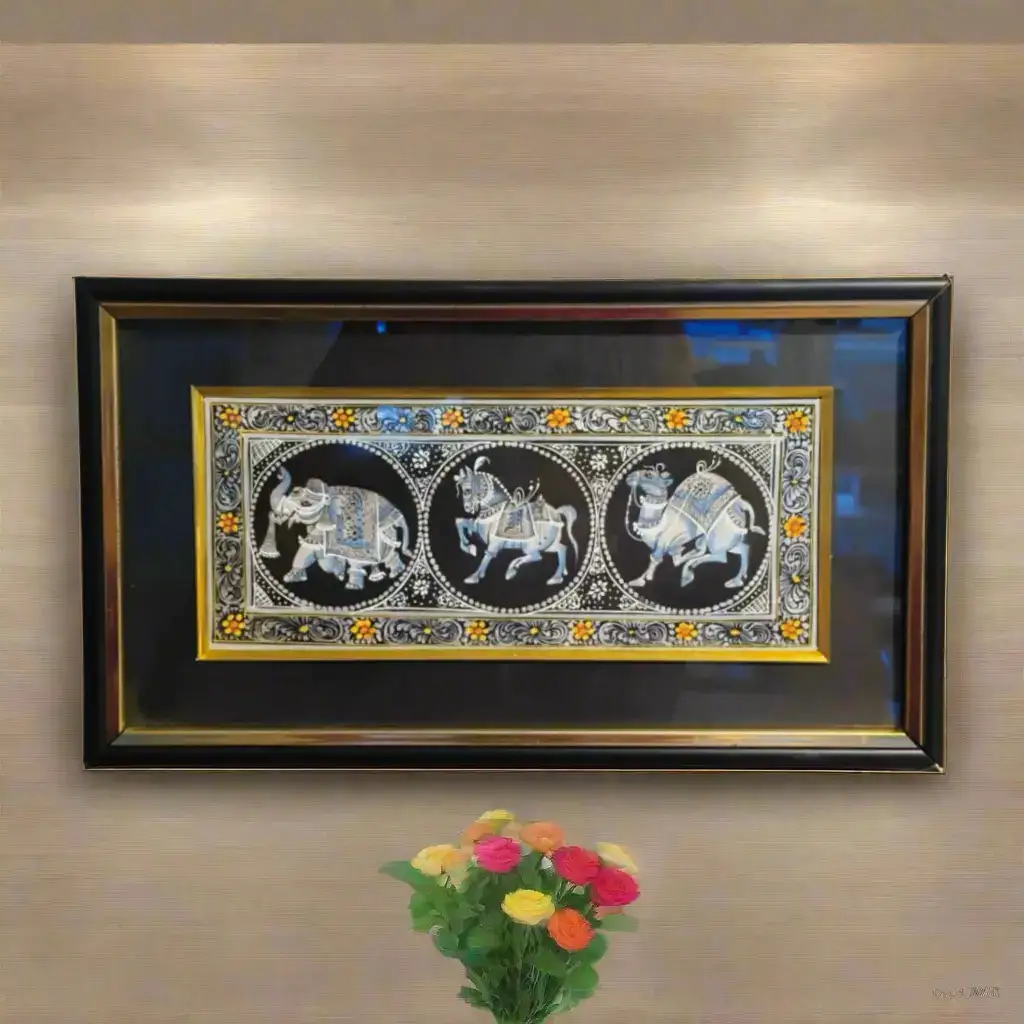
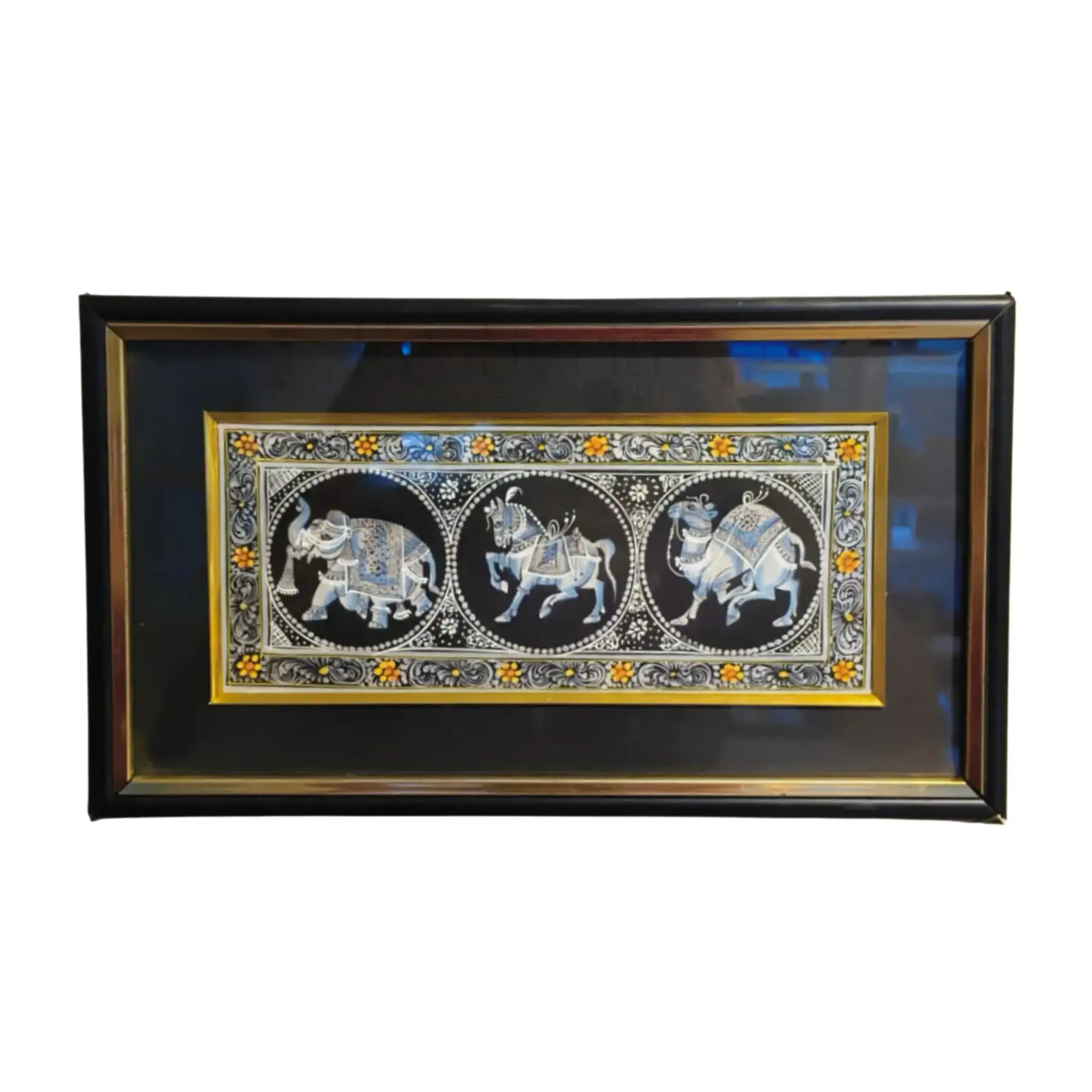
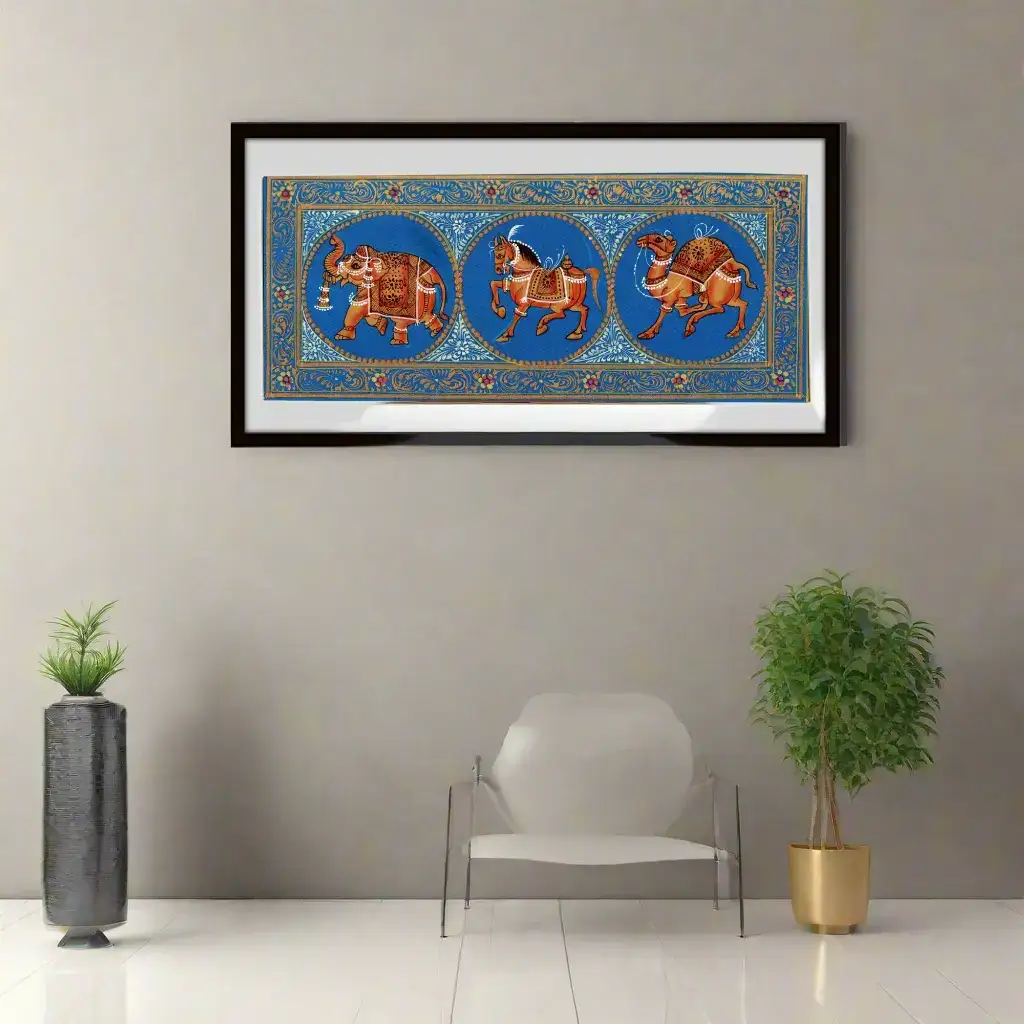
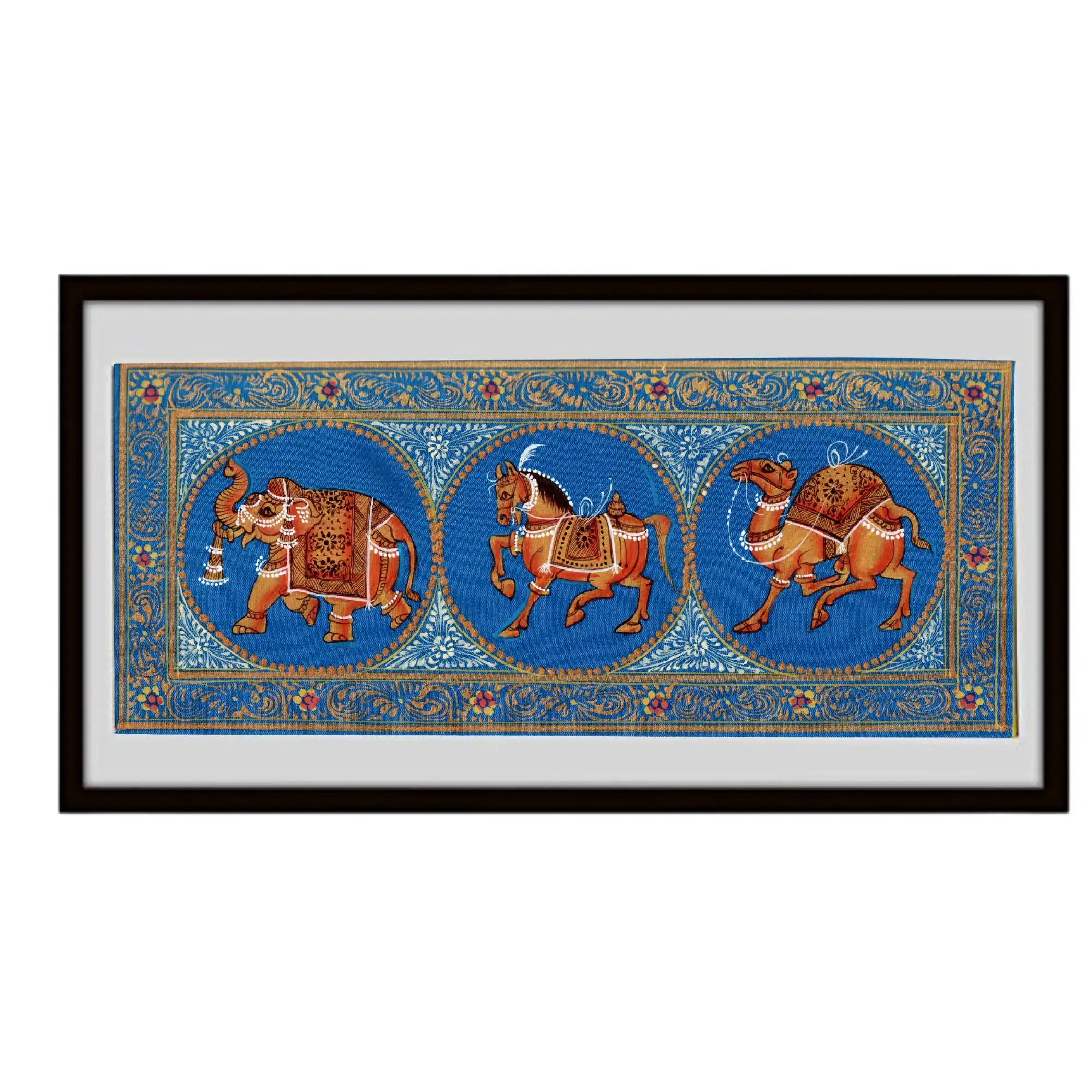
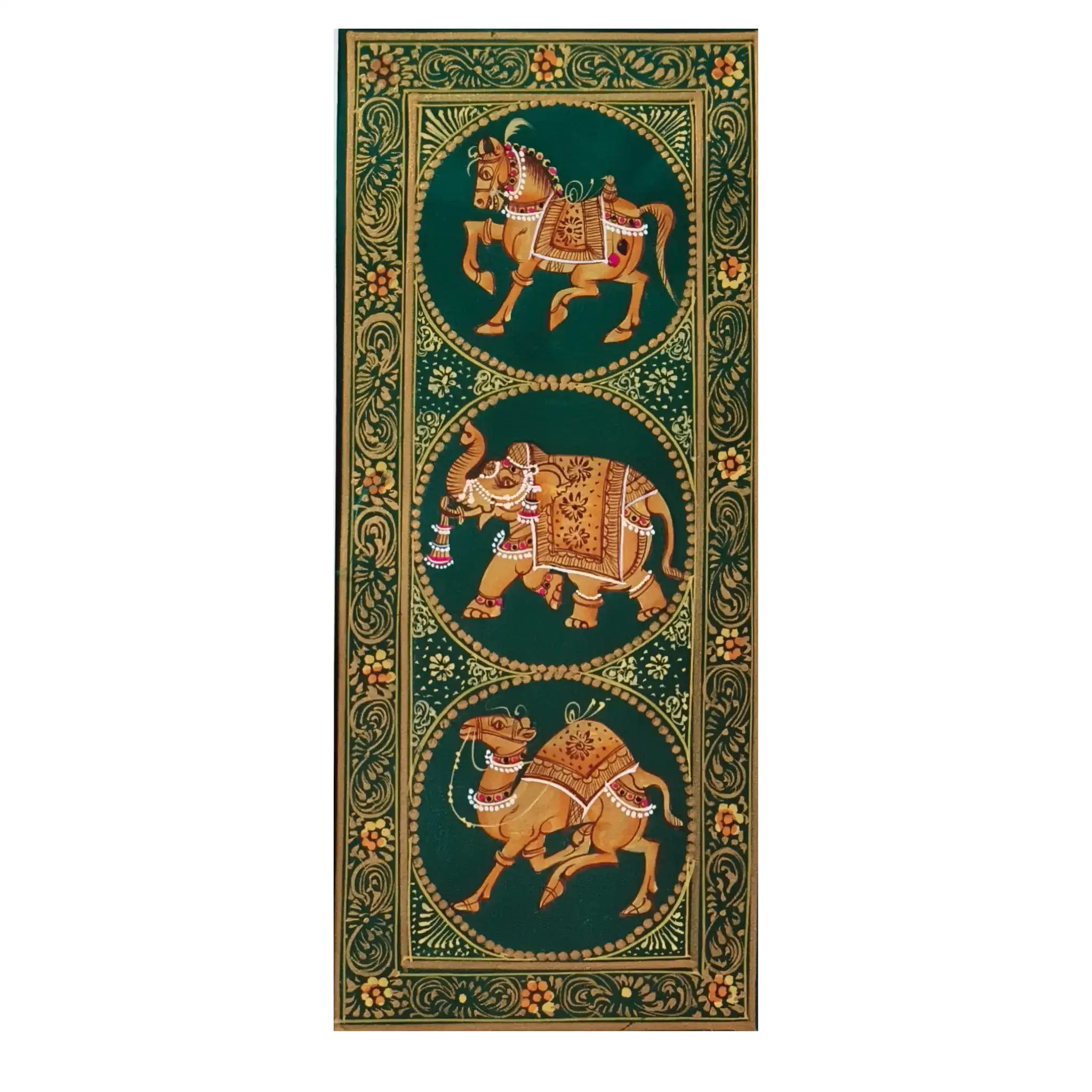
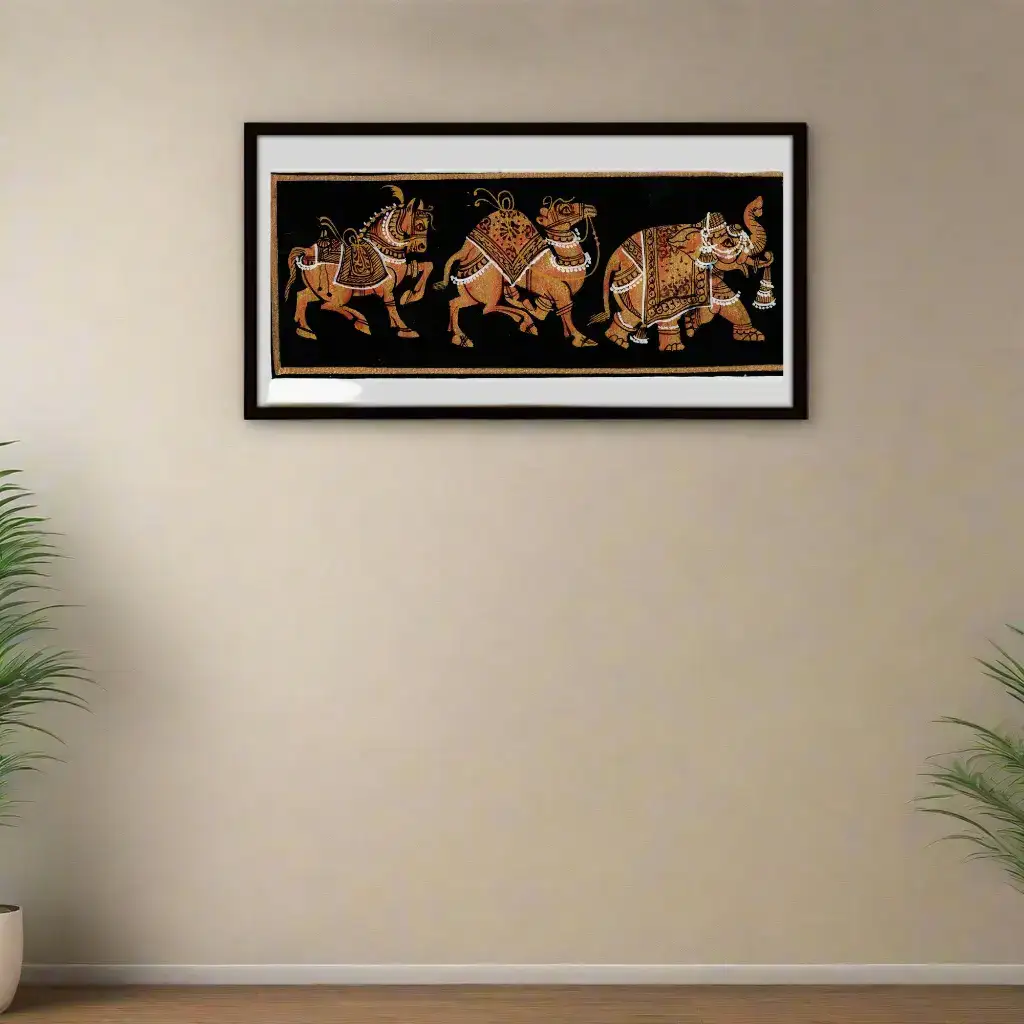
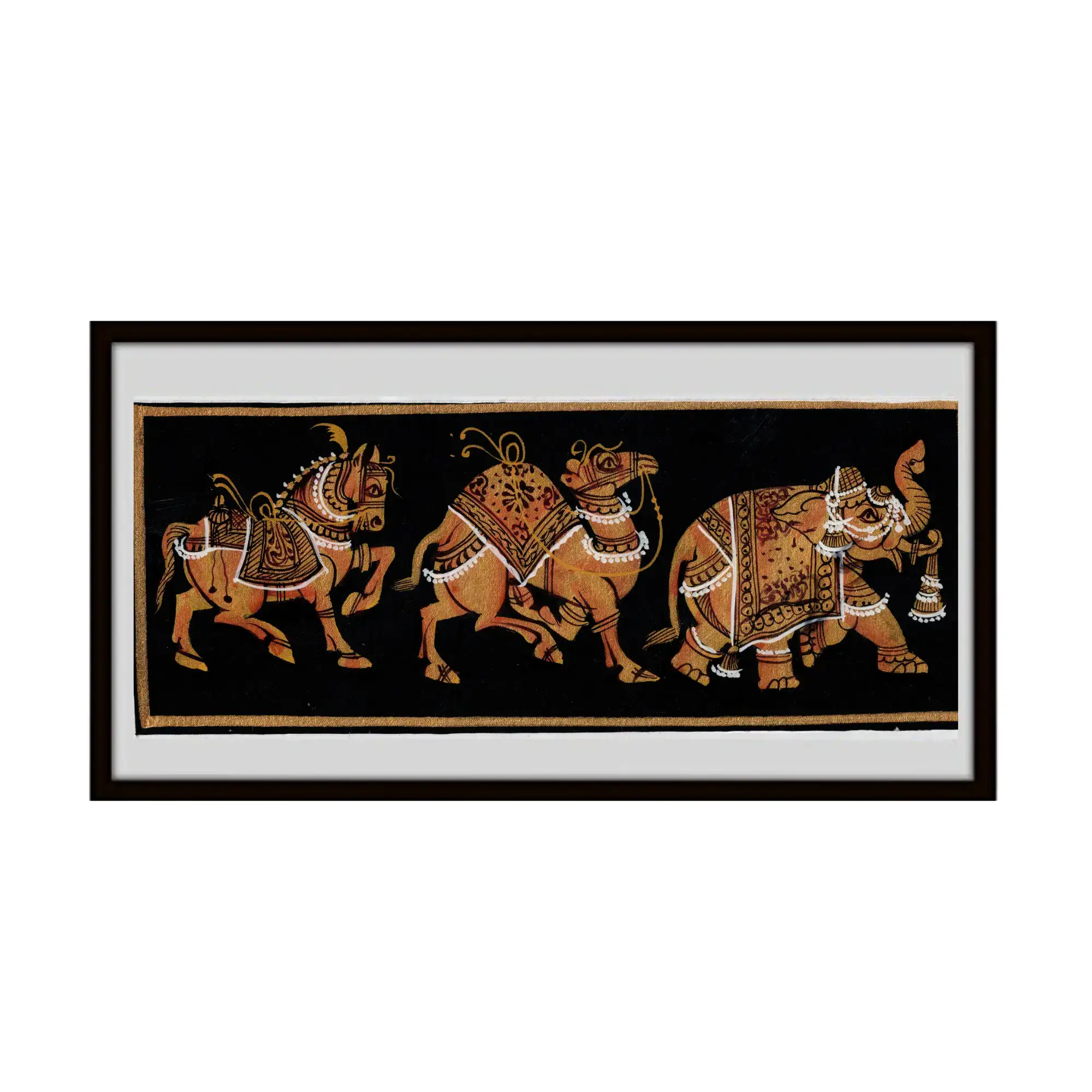
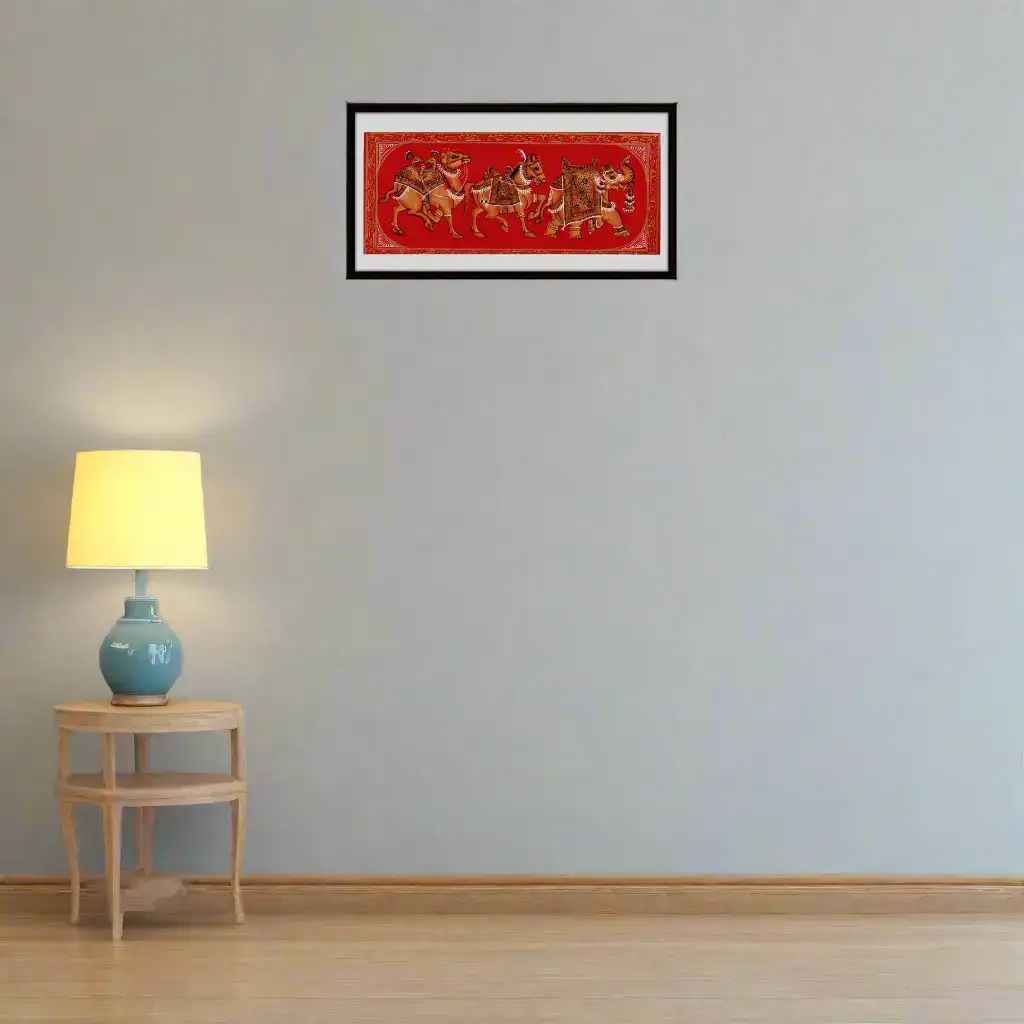
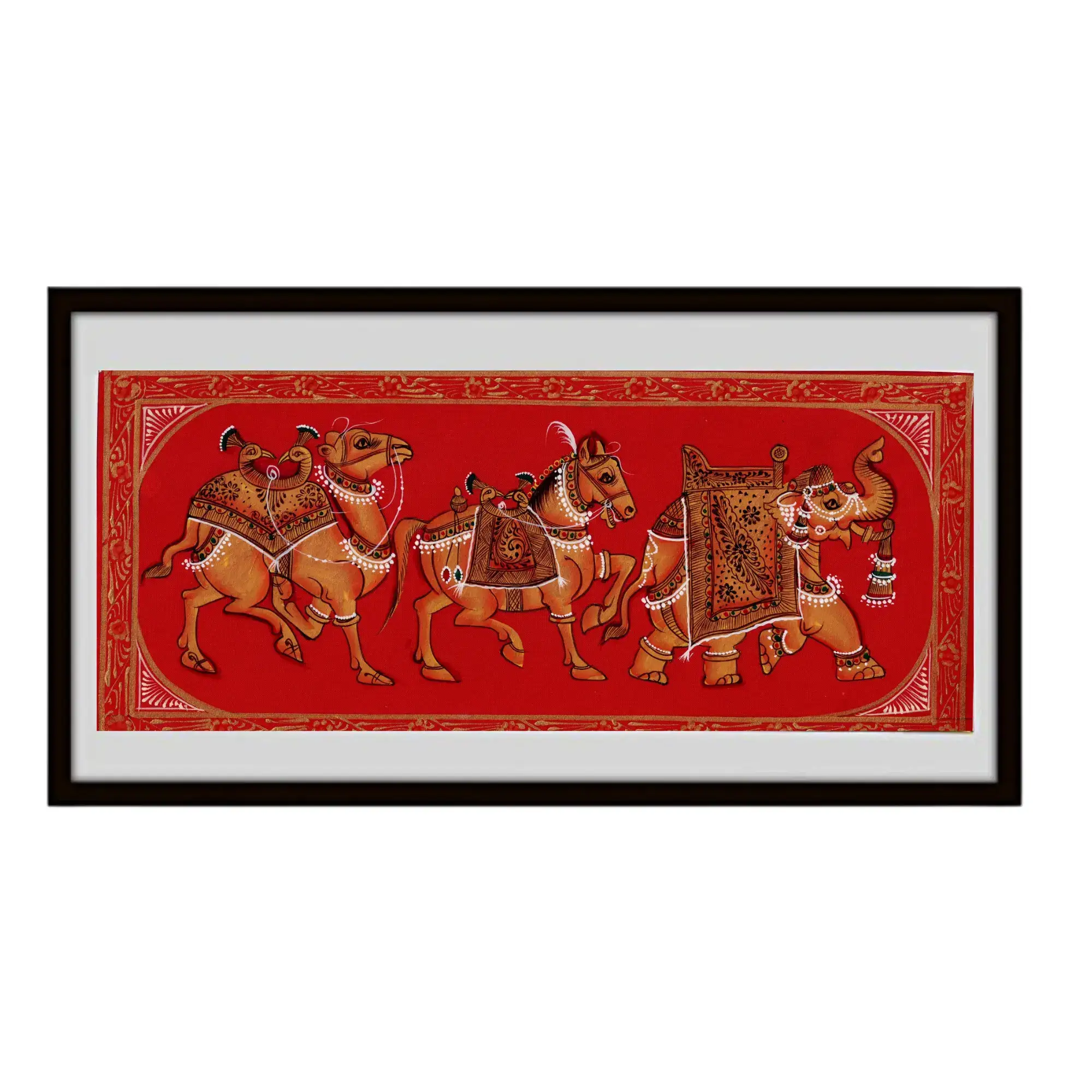
The hallmark of this style includes bold outlines combined with vibrant color schemes. The artists pay great attention to the horse's posture, ornamental tack, and surrounding motifs. Intricate detailing defines every feature, from the horse's mane to the decorative borders framing the painting. These details are essential to convey the symbolism and aesthetic value.
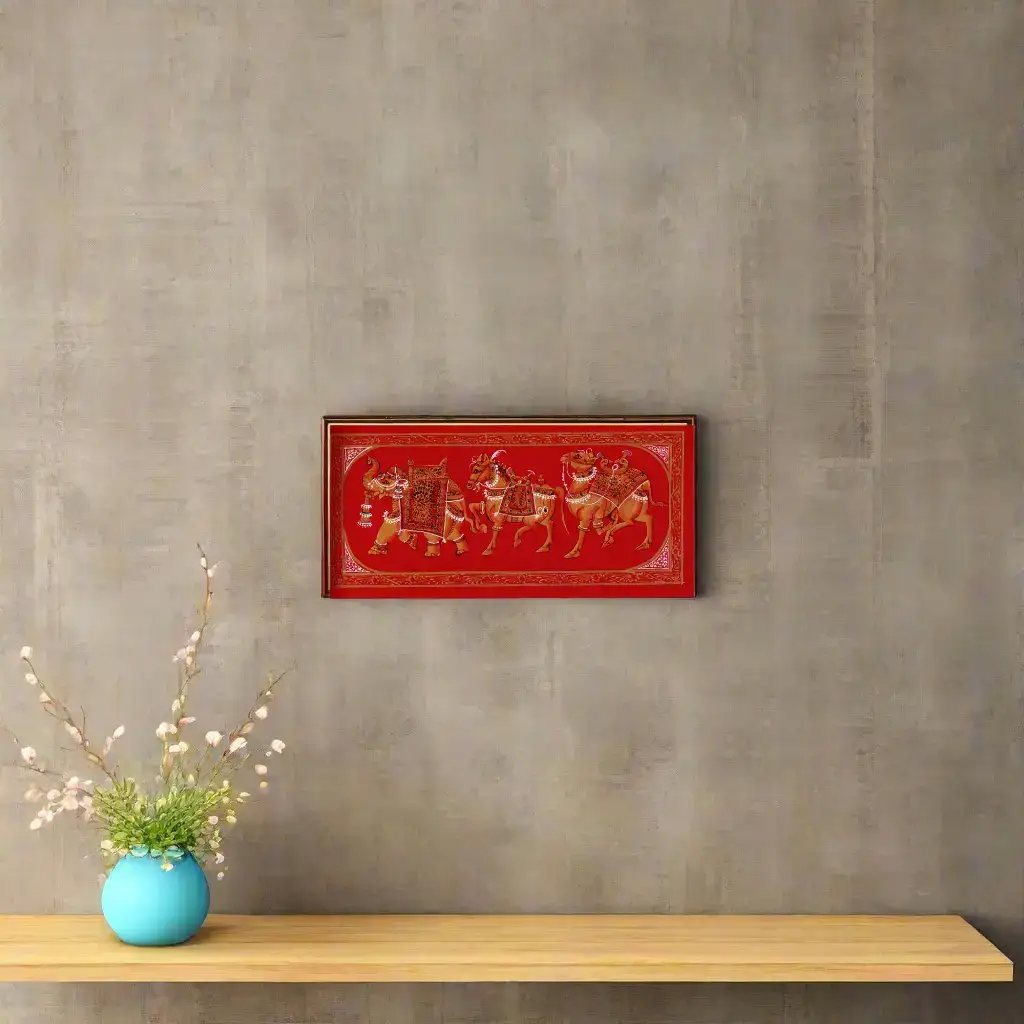
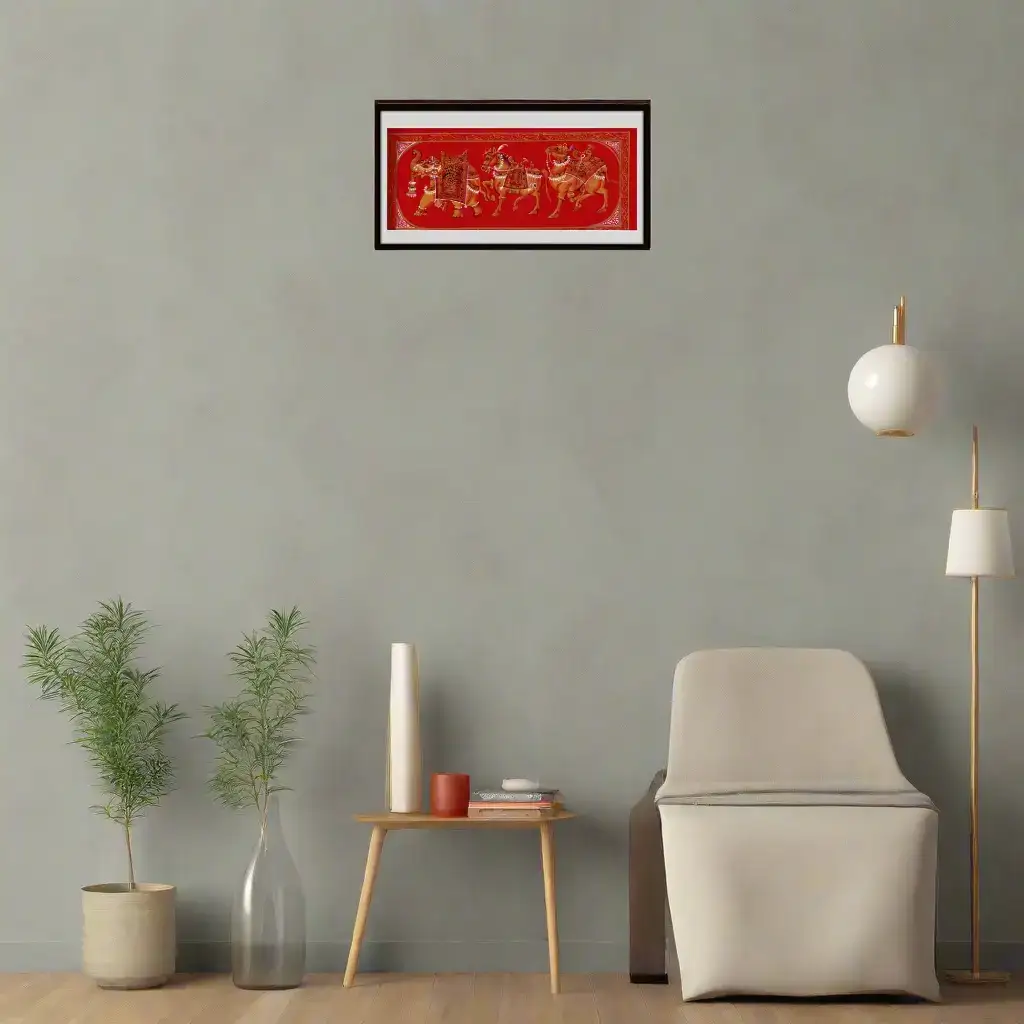
Horse miniature paintings often appear in scenes of royal processions, battles, or celebratory events. They showcase the artist's ability to blend storytelling with decorative art. The portrayal of the horse captures its elegance and dynamic energy, making it a popular subject for collectors and enthusiasts.
Schools of Horse Painting in Rajasthan
This art form divides into several distinct schools. Each school focuses on its unique style and subjects. Major schools include Mewar, Marwar, Bundi, Kota, Kishangarh, Bikaner, and Jaipur. Each offers a rich diversity of expression, technique, and cultural emphasis.
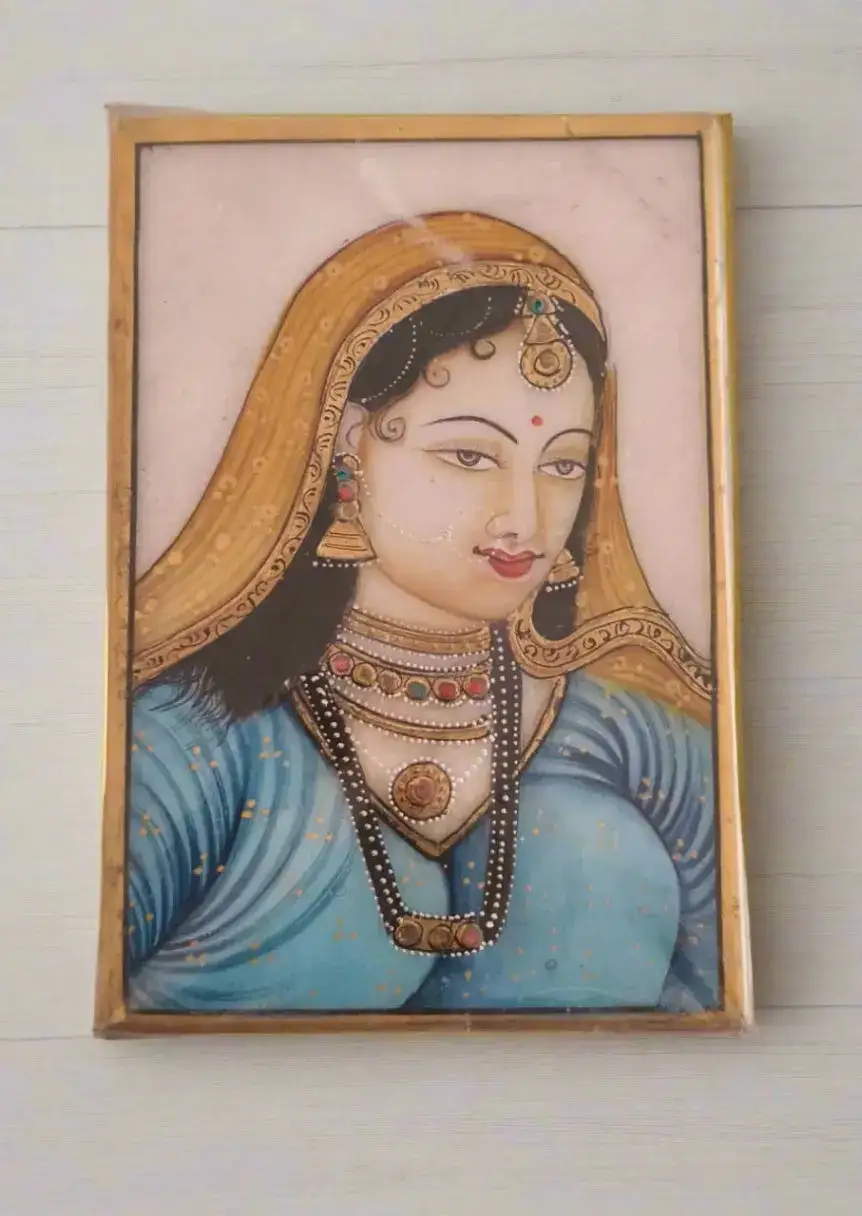
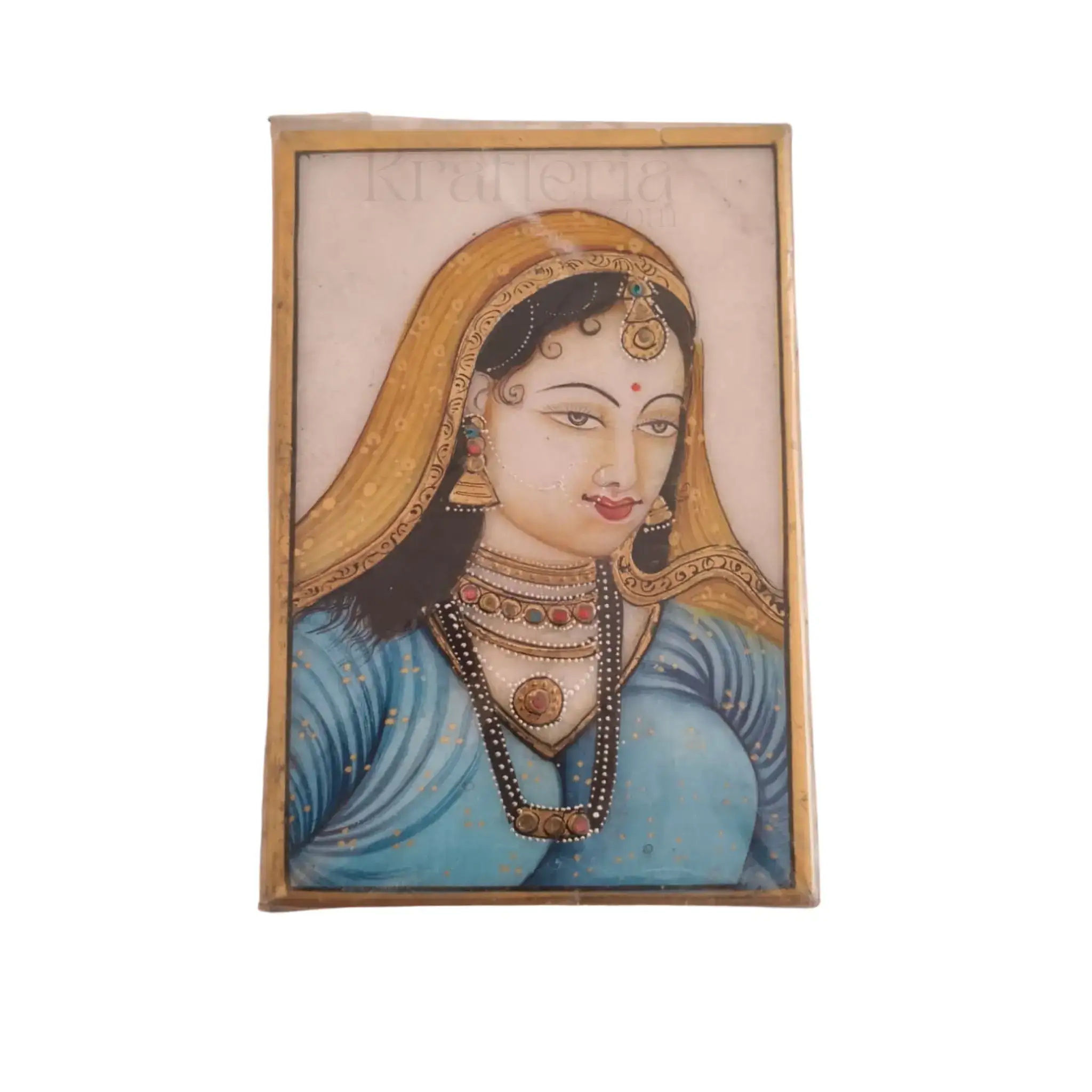
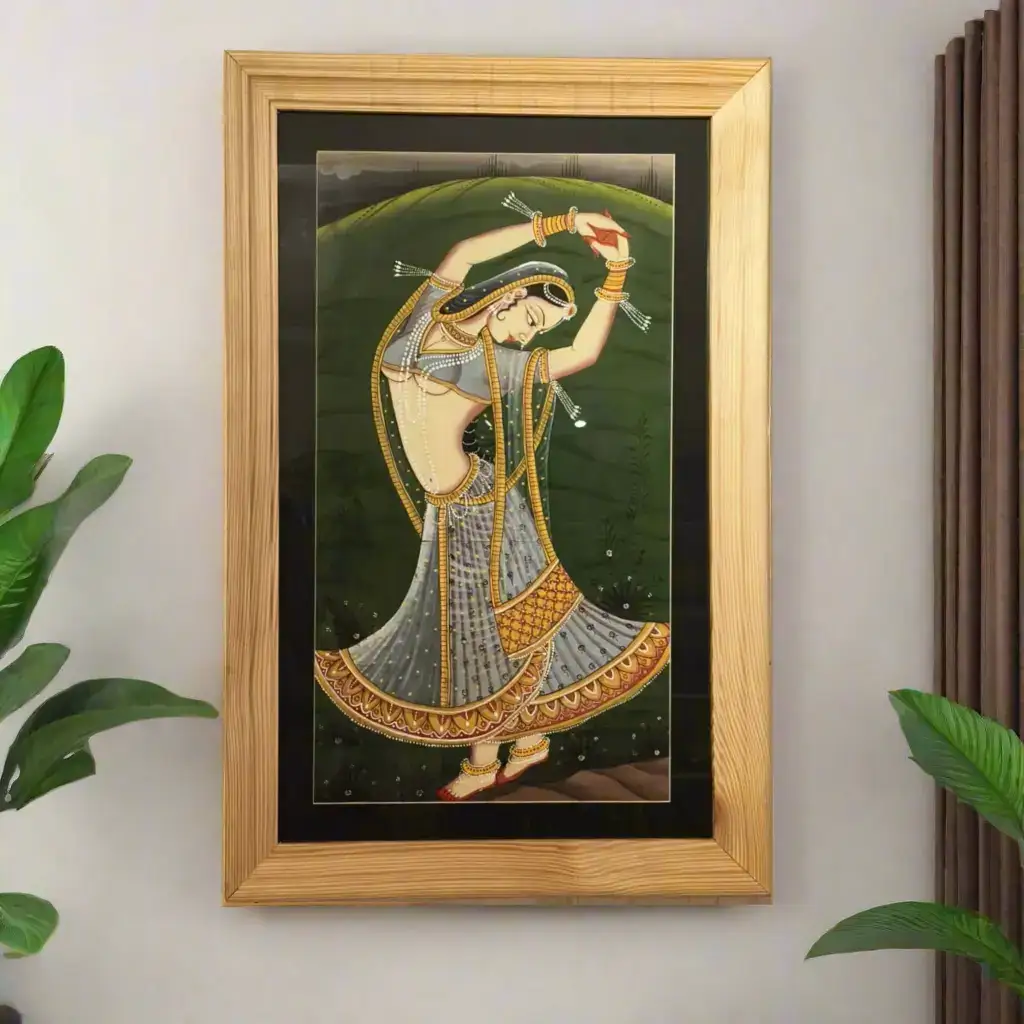
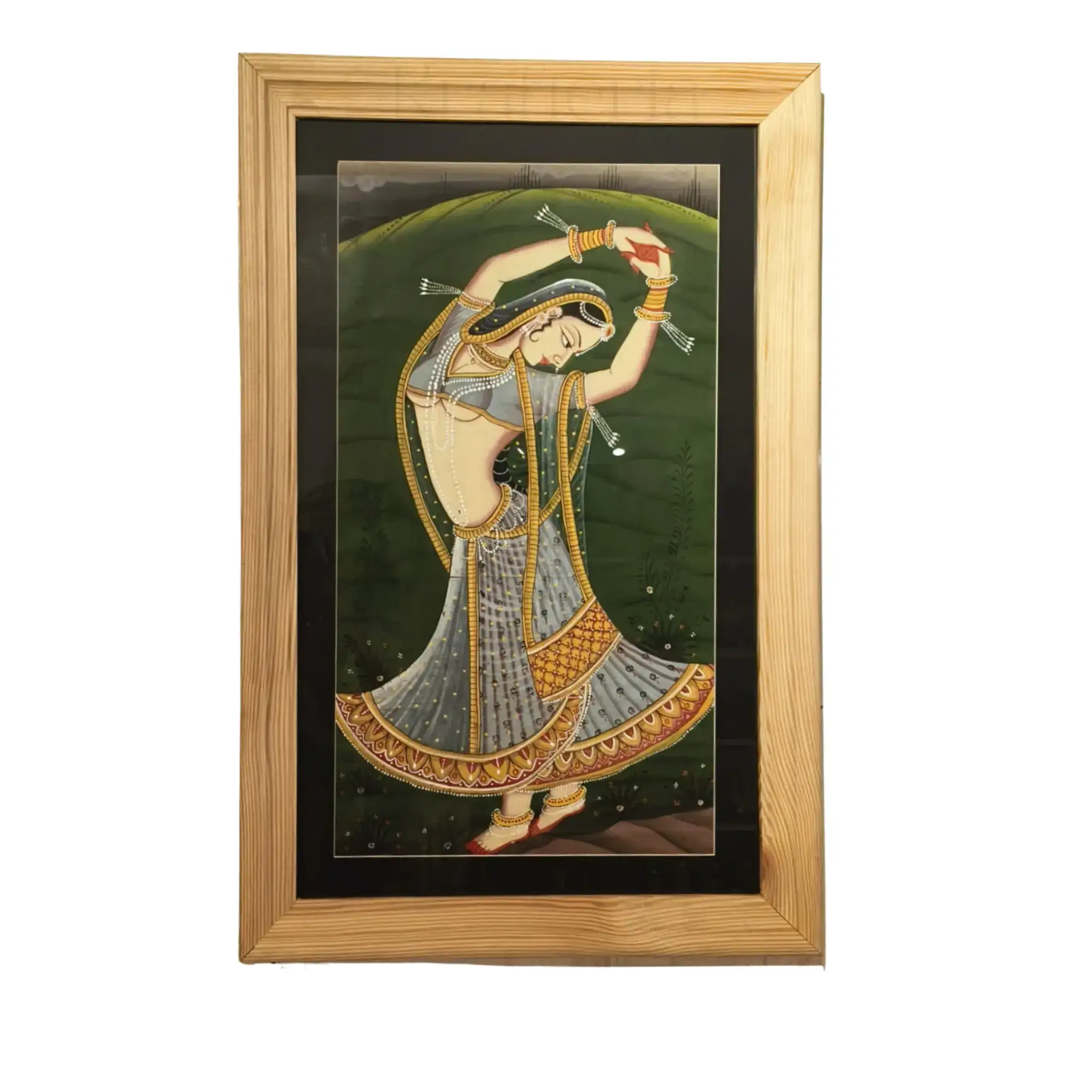
- Kishangarh is renowned for its romantic depictions of Radha and Krishna. It is especially famous for the iconic image of Bani Thani, a style marked by delicate and graceful expressions.
- Mewar paintings often portray court scenes, heroic tales, and religious legends. They emphasize strong narratives and royal grandeur.
- Bundi and Kota studios prefer lush landscapes and hunting scenes. These pieces are notable for their natural settings and vibrant action.
- Marwar and Bikaner blend robust colors and themes connected to valor and royal history, capturing the strength and spirit of Rajasthan.
Each school contributes unique techniques and styles to the grand tradition of miniature painting. This diversity enriches the cultural tapestry of Indian art and highlights the versatility of the horse as a subject.
Techniques and Materials Used in Horse Miniature Painting
Miniature Painting involves meticulous craftsmanship and traditional methods. Artists typically paint on handmade paper or treated cloth. This base allows fine brushwork and ensures durability. Natural pigments are carefully prepared from minerals and plant extracts. These pigments provide a rich palette that has stood the test of time.
Brushes made from squirrel hair or fine fibers allow artists to create the detailed patterns and textures seen in these paintings. The process is slow and requires great patience. The use of gold and silver leaf is sometimes applied to enhance the royal aura. This technique enhances the painting’s beauty and conveys a sense of luxury and sacredness.
Symbolism of the Horse in Indian Miniature Painting
The horse holds deep symbolic meaning in Indian art and culture. It represents power, grace, speed, victory, and freedom. Often linked to warriors and kings, the horse is a marker of status and valor. It also symbolizes progress and royal authority. In Pattachitra and miniature painting, the horse appears as a proud and noble creature full of vitality.
Through these expressive artworks, the essence of the horse’s spirit comes alive. This makes the Horse Miniature Art not only an aesthetic marvel but also a storytelling medium. Collectors appreciate how the artwork connects tradition with symbolism.
Why Choose This Miniature Painting?
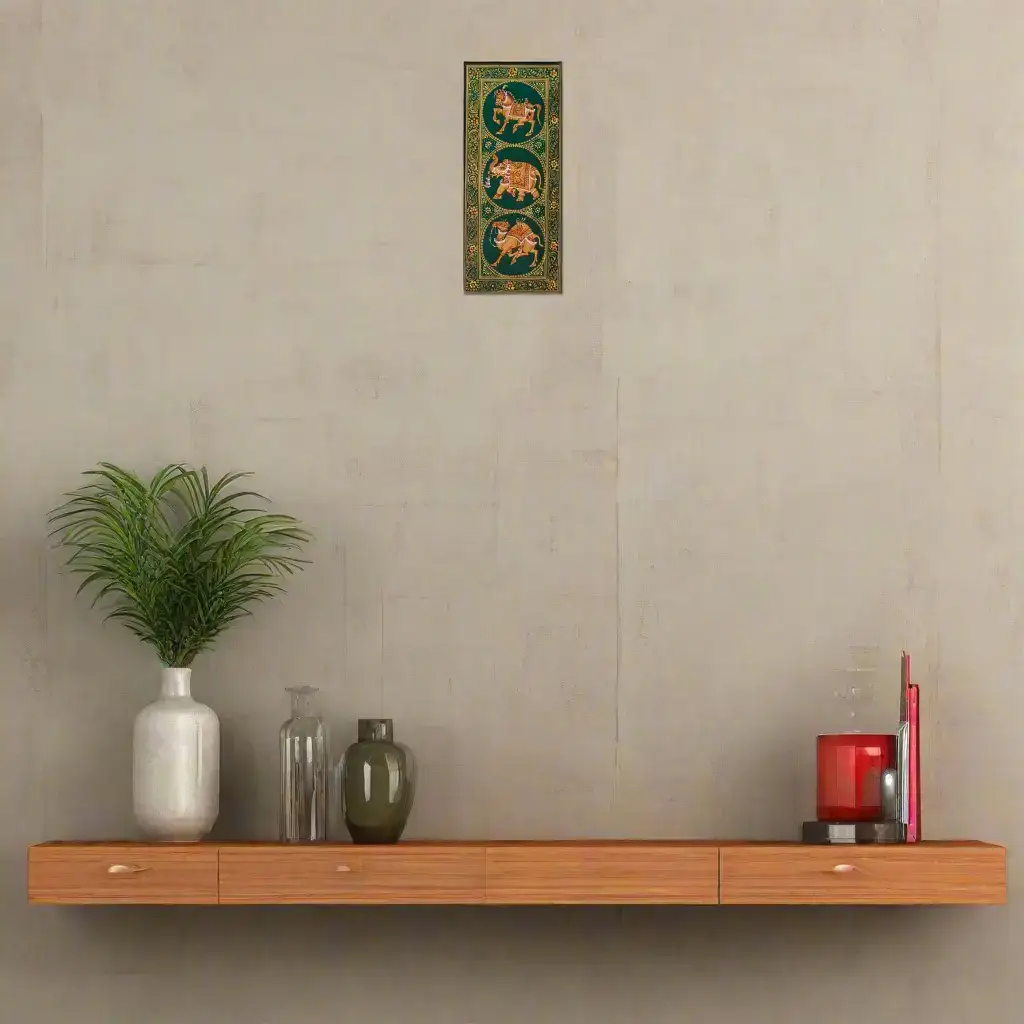
This miniature painting is a perfect example of traditional Indian craftsmanship. Its vibrant colors and detailed strokes exemplify the rich heritage of Rajasthan’s art schools. The symbolic power of the horse adds meaning and impact. Whether for personal enjoyment or as a gift, this artwork will enrich any space with culture and grace.
Adding a piece like this to your collection celebrates a timeless art form. It reflects careful artistry and centuries of tradition. For lovers of Indian heritage, this Horse Painting serves as a wonderful window into the past with enduring beauty.
Original: $18.28
-70%$18.28
$5.48Product Information
Product Information
Shipping & Returns
Shipping & Returns
Description
Majestic Horse Miniature Painting – Symbol of Power and Grace in Pattachitra Art
Horse Miniature Painting Rajasthani Painting is a fascinating and vibrant style of Indian miniature painting. It thrived in the royal courts of Rajasthan from the 16th century onwards. This art form is deeply rooted in Indian culture and traditions. It portrays various themes such as mythology, epics, love stories, royal life, and rich folk culture.
These paintings are known for their bold lines, bright colors, and meticulous details. Artists traditionally use natural dyes and pigments derived from minerals, vegetables, and precious stones. This use of natural materials gives the artwork its lasting and luminous quality. Such beautiful paintings celebrate both artistic skill and cultural heritage.
The History and Significance of Horse Miniature Painting
The Horse Miniature Painting style is especially celebrated for its intricate depiction of animals, particularly horses. Horses symbolize nobility, speed, and power in Indian culture. This style also showcases the artistic brilliance found in miniature painting traditions. These works are prized for their delicate brushstrokes and fine craftsmanship.
Miniature painting as an art form has a long history in India. Masters spent years perfecting this style, which became synonymous with royal patronage and exquisite artistic achievement. The horse, as a subject, holds a special place due to its association with warriors, kings, and knights.
Characteristics of Rajasthani Horse Miniature
The hallmark of this style includes bold outlines combined with vibrant color schemes. The artists pay great attention to the horse's posture, ornamental tack, and surrounding motifs. Intricate detailing defines every feature, from the horse's mane to the decorative borders framing the painting. These details are essential to convey the symbolism and aesthetic value.
Horse miniature paintings often appear in scenes of royal processions, battles, or celebratory events. They showcase the artist's ability to blend storytelling with decorative art. The portrayal of the horse captures its elegance and dynamic energy, making it a popular subject for collectors and enthusiasts.
Schools of Horse Painting in Rajasthan
This art form divides into several distinct schools. Each school focuses on its unique style and subjects. Major schools include Mewar, Marwar, Bundi, Kota, Kishangarh, Bikaner, and Jaipur. Each offers a rich diversity of expression, technique, and cultural emphasis.
- Kishangarh is renowned for its romantic depictions of Radha and Krishna. It is especially famous for the iconic image of Bani Thani, a style marked by delicate and graceful expressions.
- Mewar paintings often portray court scenes, heroic tales, and religious legends. They emphasize strong narratives and royal grandeur.
- Bundi and Kota studios prefer lush landscapes and hunting scenes. These pieces are notable for their natural settings and vibrant action.
- Marwar and Bikaner blend robust colors and themes connected to valor and royal history, capturing the strength and spirit of Rajasthan.
Each school contributes unique techniques and styles to the grand tradition of miniature painting. This diversity enriches the cultural tapestry of Indian art and highlights the versatility of the horse as a subject.
Techniques and Materials Used in Horse Miniature Painting
Miniature Painting involves meticulous craftsmanship and traditional methods. Artists typically paint on handmade paper or treated cloth. This base allows fine brushwork and ensures durability. Natural pigments are carefully prepared from minerals and plant extracts. These pigments provide a rich palette that has stood the test of time.
Brushes made from squirrel hair or fine fibers allow artists to create the detailed patterns and textures seen in these paintings. The process is slow and requires great patience. The use of gold and silver leaf is sometimes applied to enhance the royal aura. This technique enhances the painting’s beauty and conveys a sense of luxury and sacredness.
Symbolism of the Horse in Indian Miniature Painting
The horse holds deep symbolic meaning in Indian art and culture. It represents power, grace, speed, victory, and freedom. Often linked to warriors and kings, the horse is a marker of status and valor. It also symbolizes progress and royal authority. In Pattachitra and miniature painting, the horse appears as a proud and noble creature full of vitality.
Through these expressive artworks, the essence of the horse’s spirit comes alive. This makes the Horse Miniature Art not only an aesthetic marvel but also a storytelling medium. Collectors appreciate how the artwork connects tradition with symbolism.
Why Choose This Miniature Painting?
This miniature painting is a perfect example of traditional Indian craftsmanship. Its vibrant colors and detailed strokes exemplify the rich heritage of Rajasthan’s art schools. The symbolic power of the horse adds meaning and impact. Whether for personal enjoyment or as a gift, this artwork will enrich any space with culture and grace.
Adding a piece like this to your collection celebrates a timeless art form. It reflects careful artistry and centuries of tradition. For lovers of Indian heritage, this Horse Painting serves as a wonderful window into the past with enduring beauty.