Mughal Elephant Miniature Painting
Mughal Elephant Miniature Painting: A Timeless Artistic Tradition
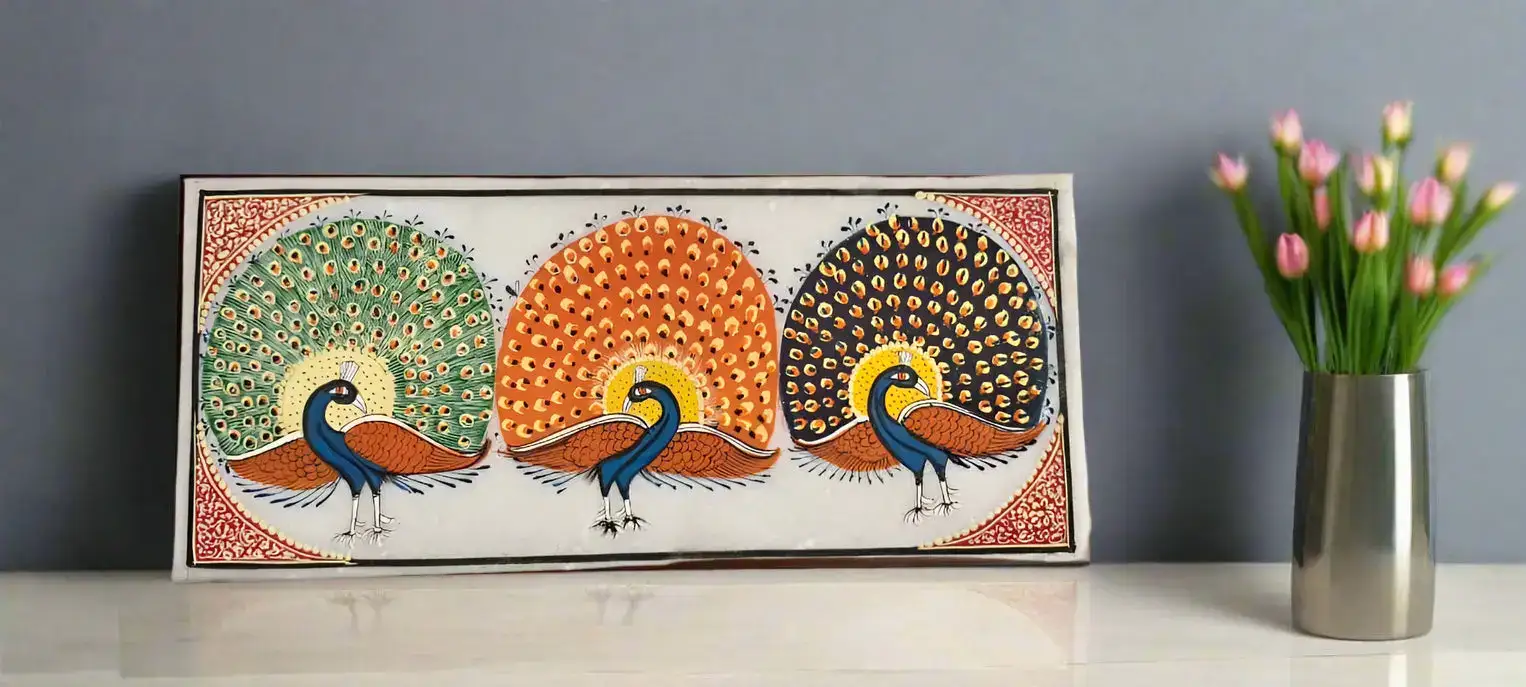
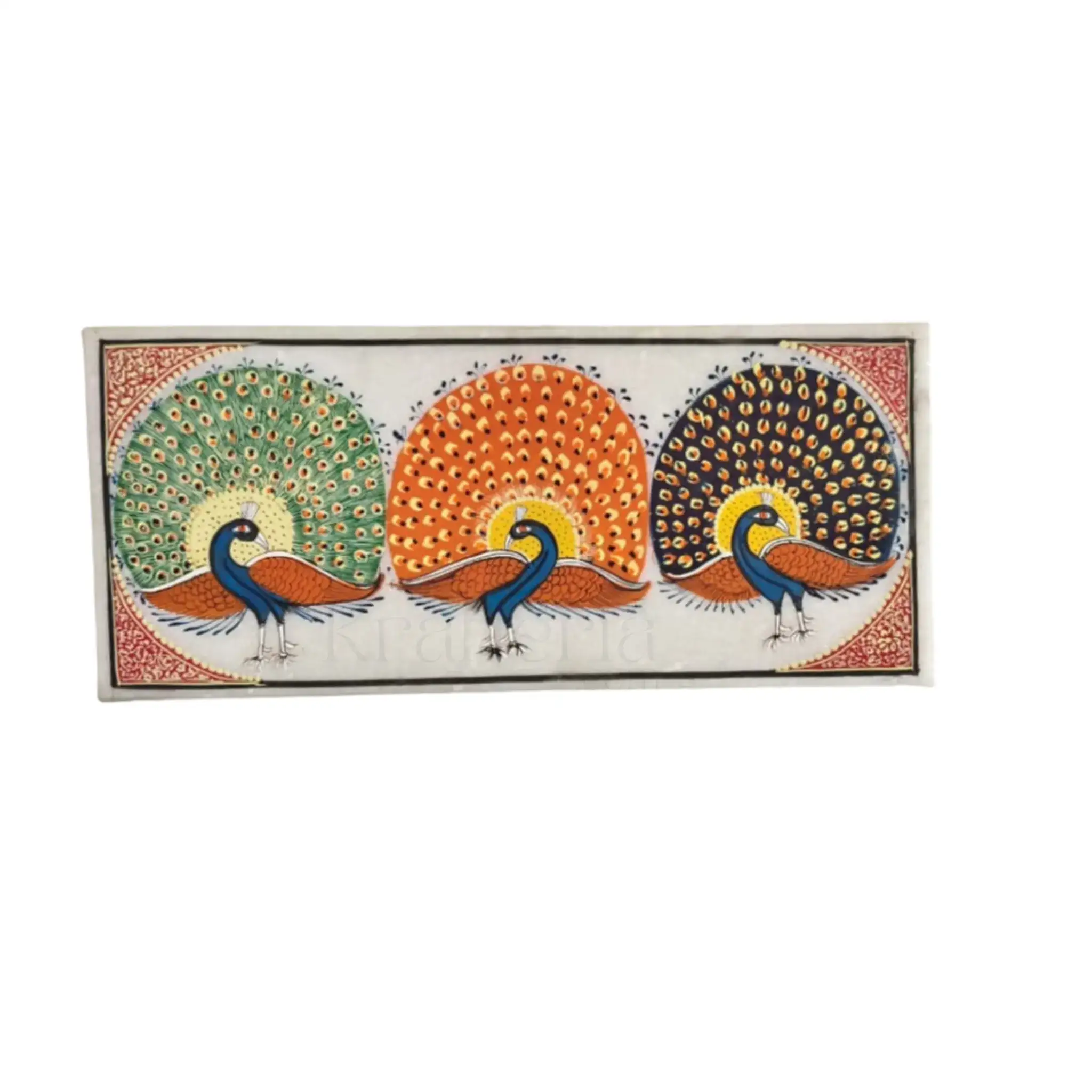
Mughal Elephant Miniature Painting is a beautiful and vibrant style of Indian miniature painting. This art form flourished in the royal courts of Rajasthan from the 16th century onwards. It is deeply rooted in Indian traditions and reflects the rich heritage and culture of the region. The paintings portray themes such as mythology, epics, love stories, royal life, and folk culture.
The hallmark of this style includes bold lines, bright colors, and intricate detailing. Skilled artisans use natural dyes and pigments made from minerals, vegetables, and precious stones. These materials give the artwork a lasting and luminous quality, enhancing its beauty and appeal.
The Significance of the Elephant in Miniature Painting
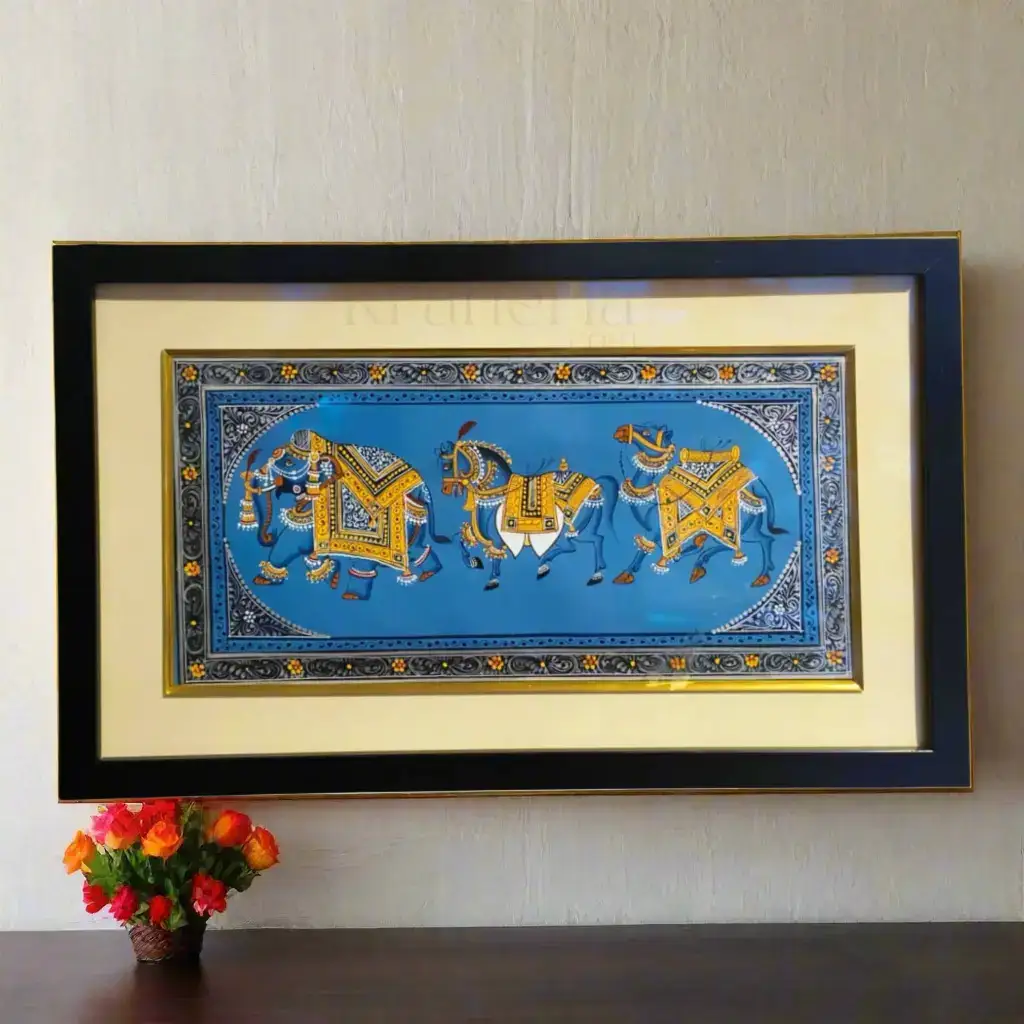
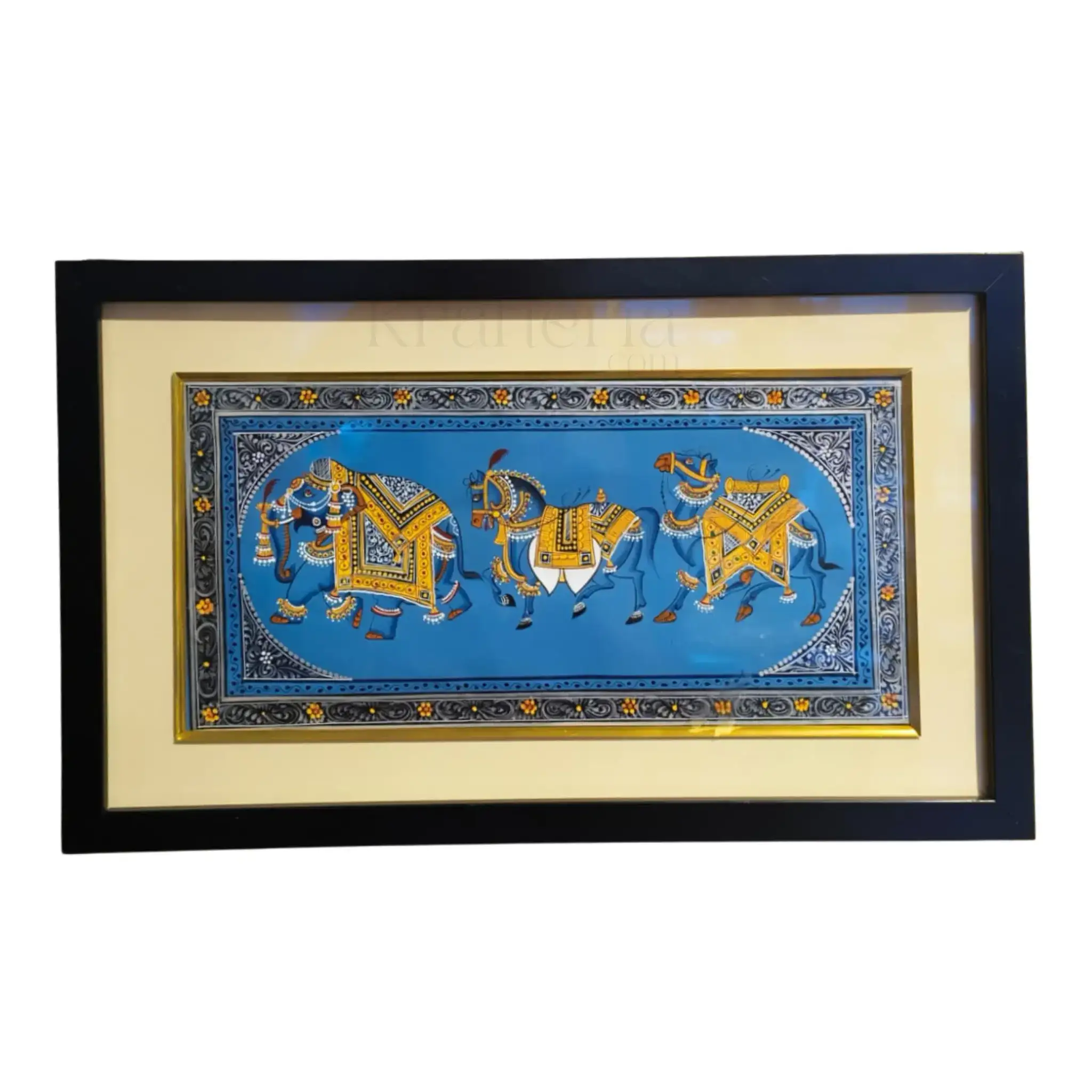
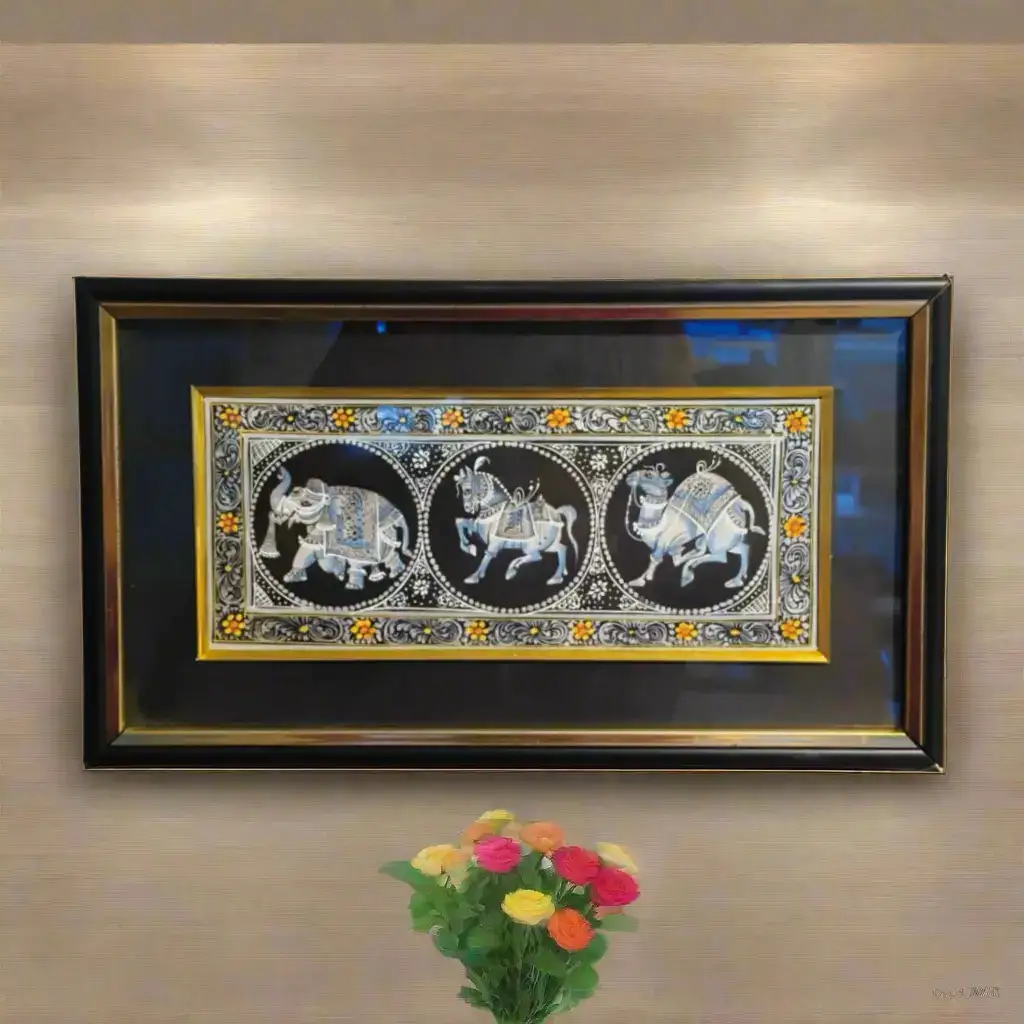
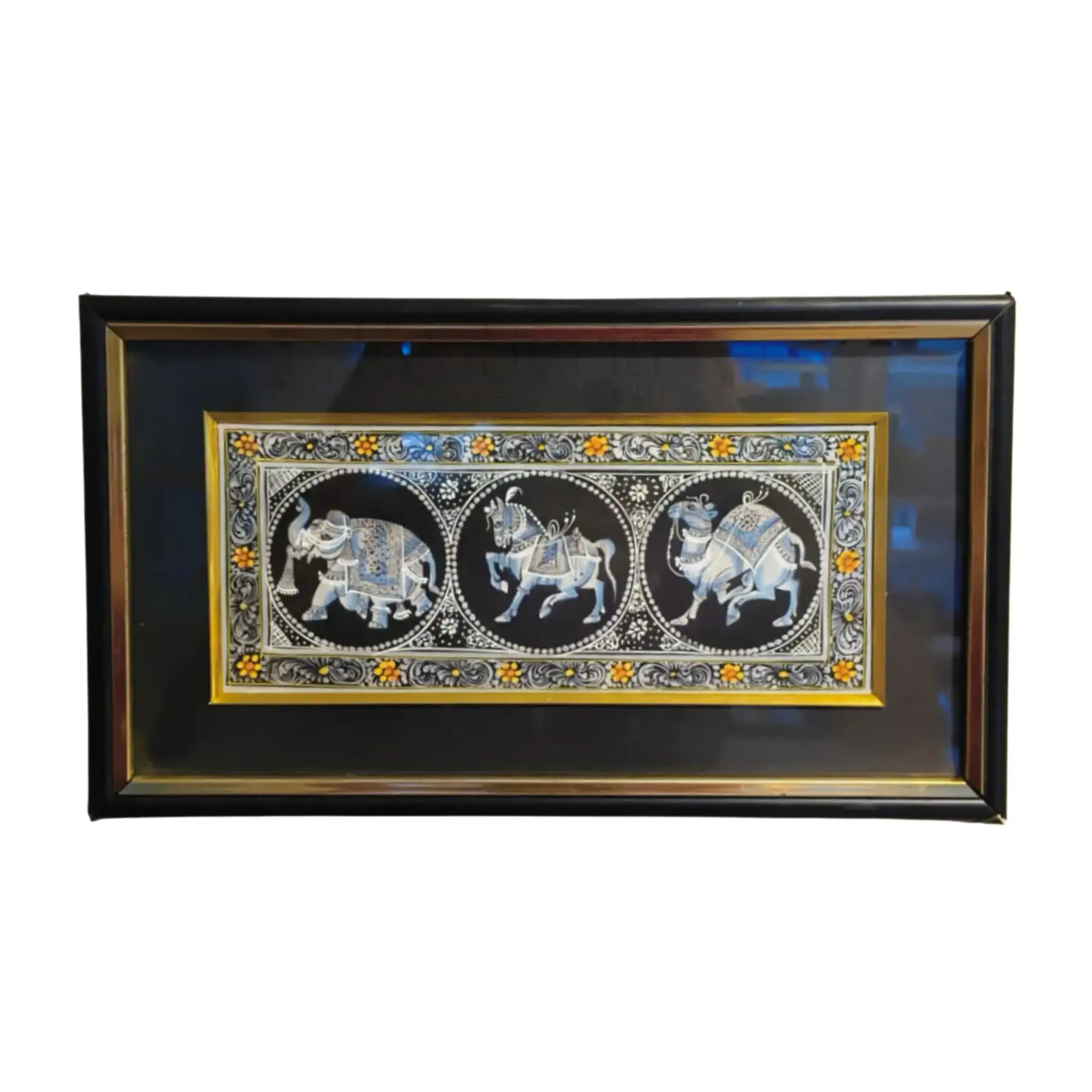
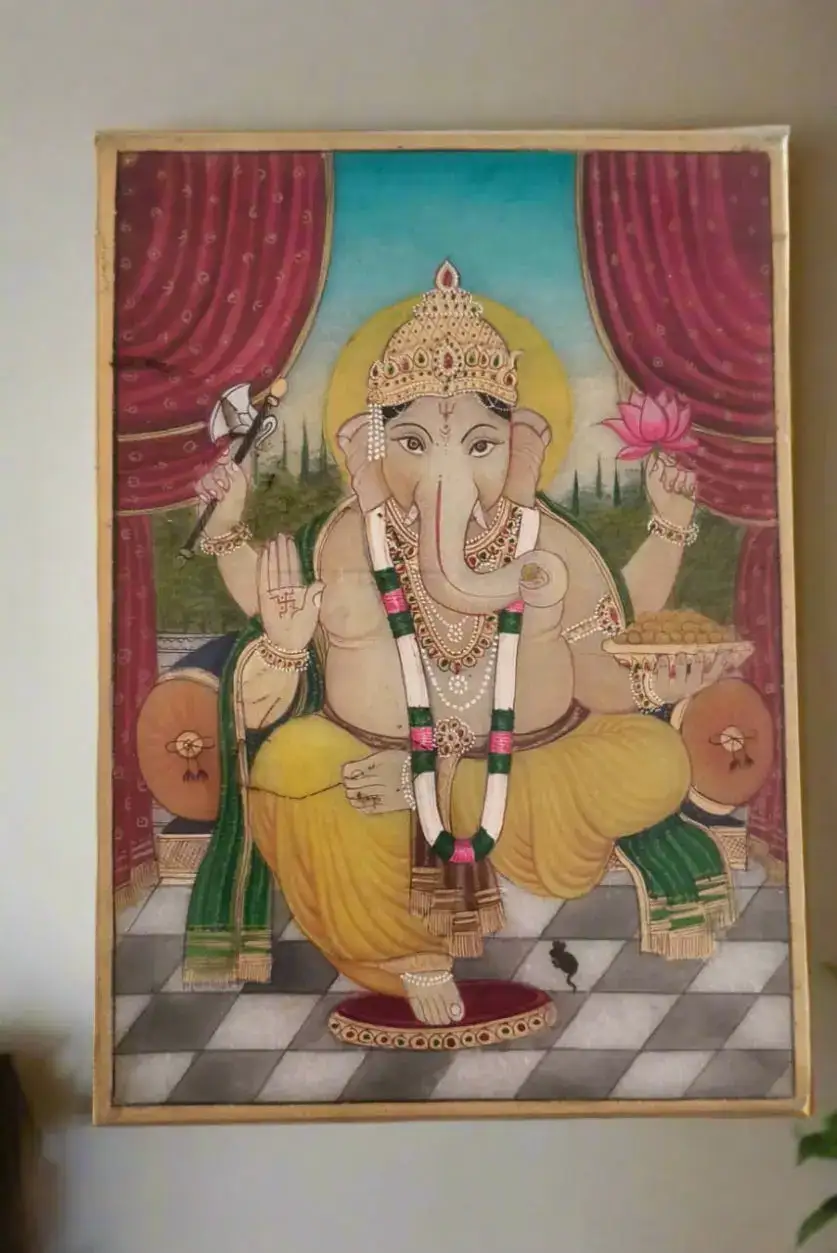
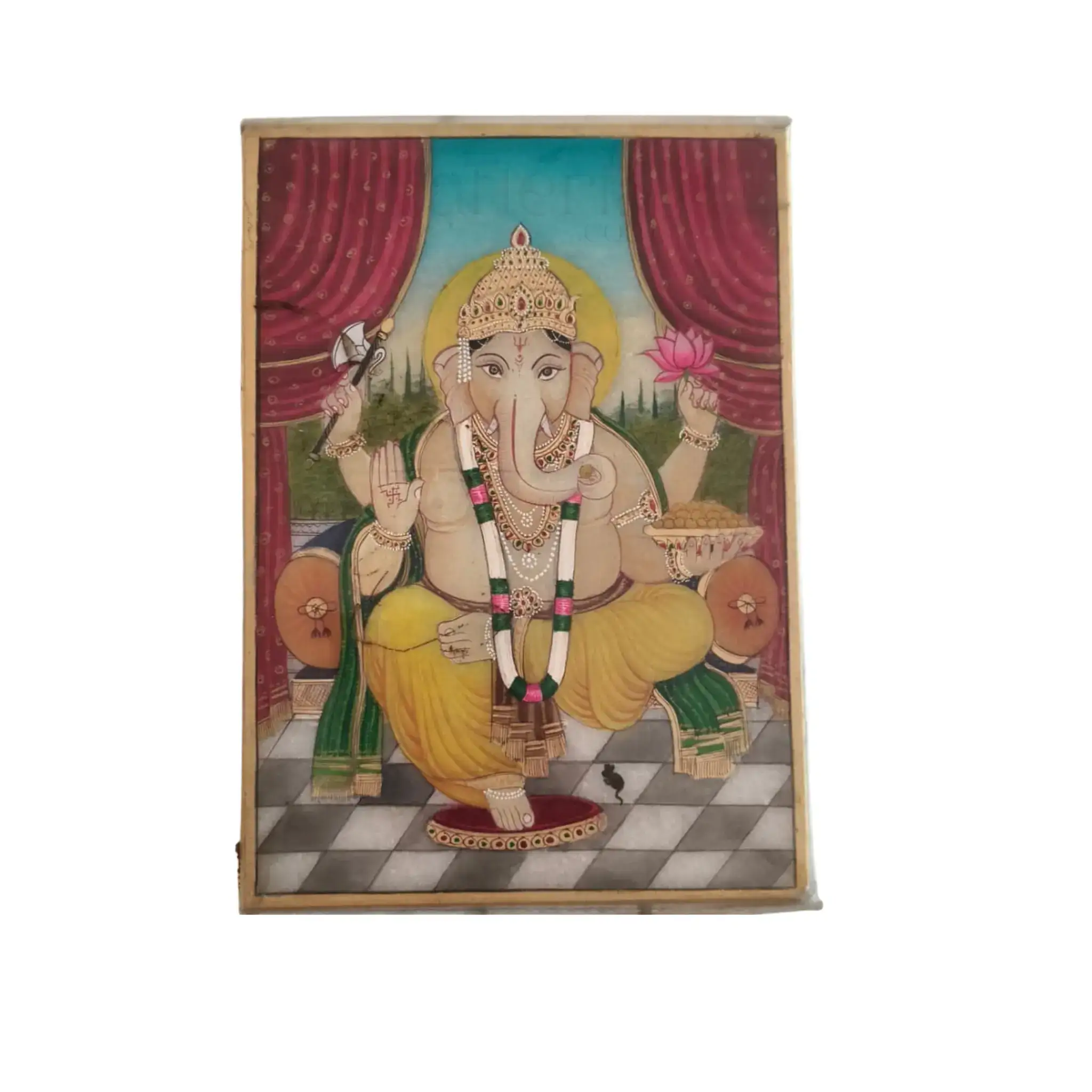
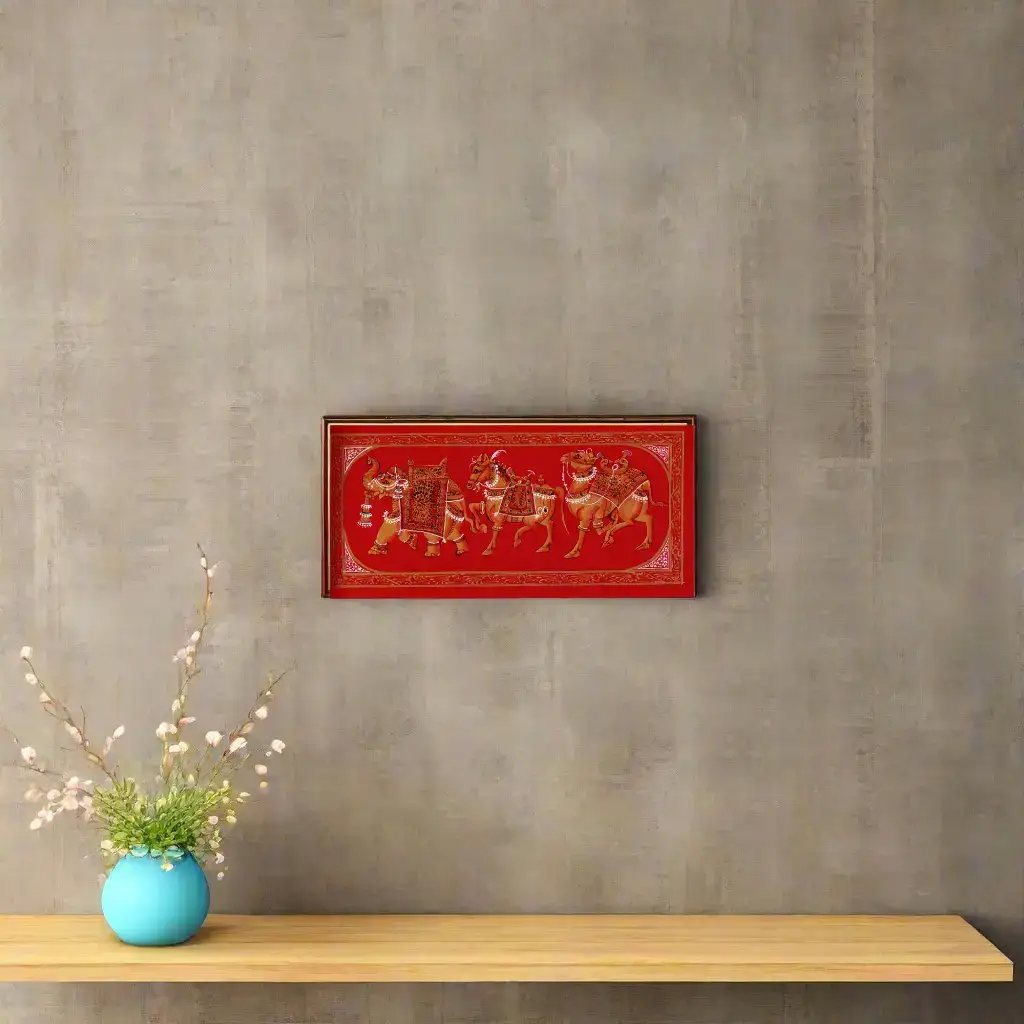
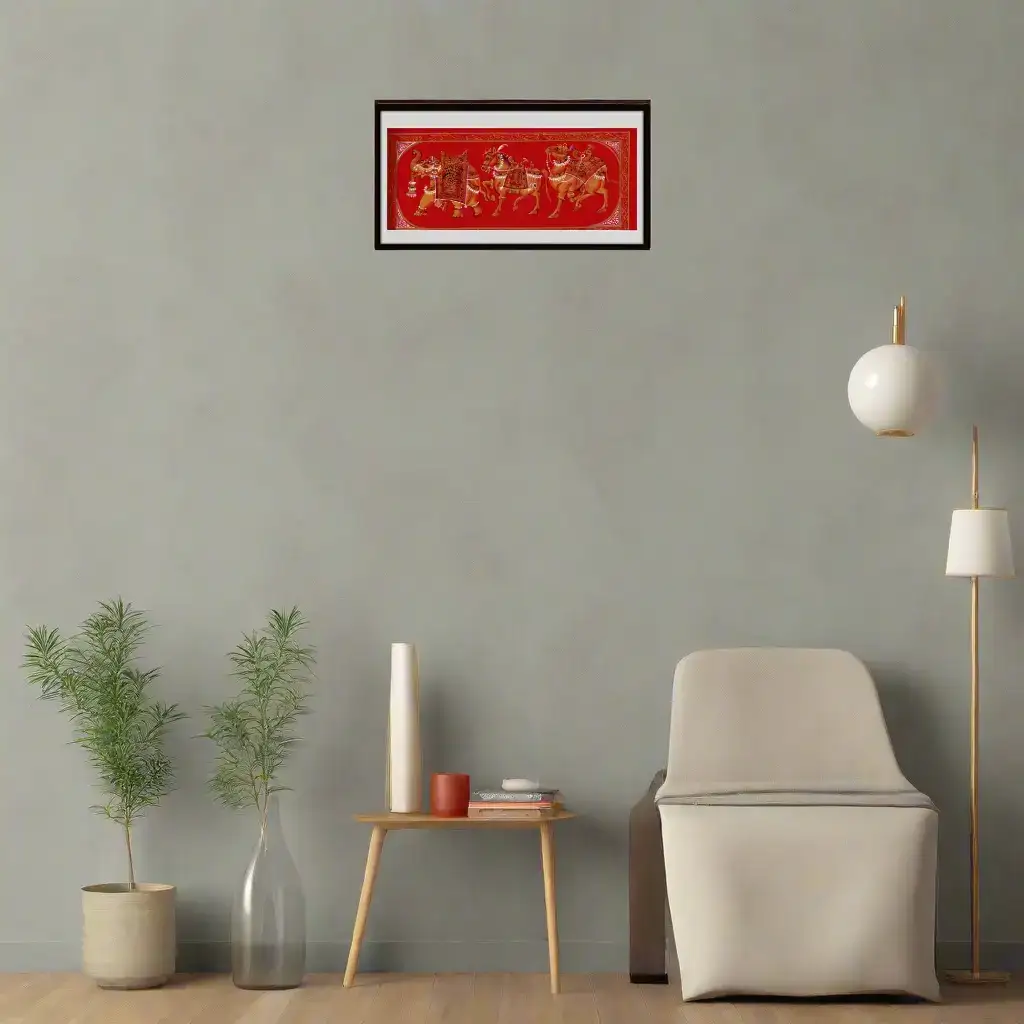
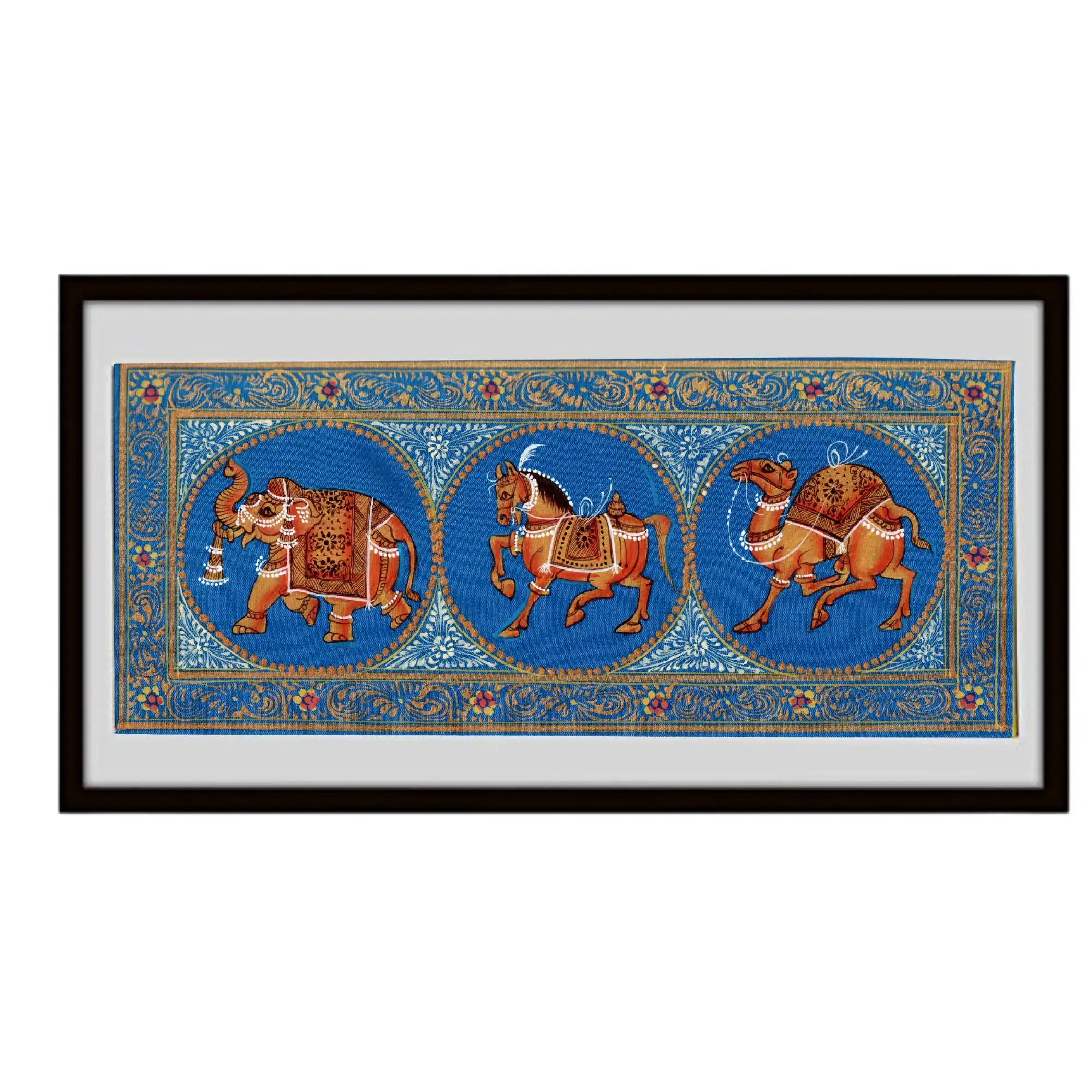
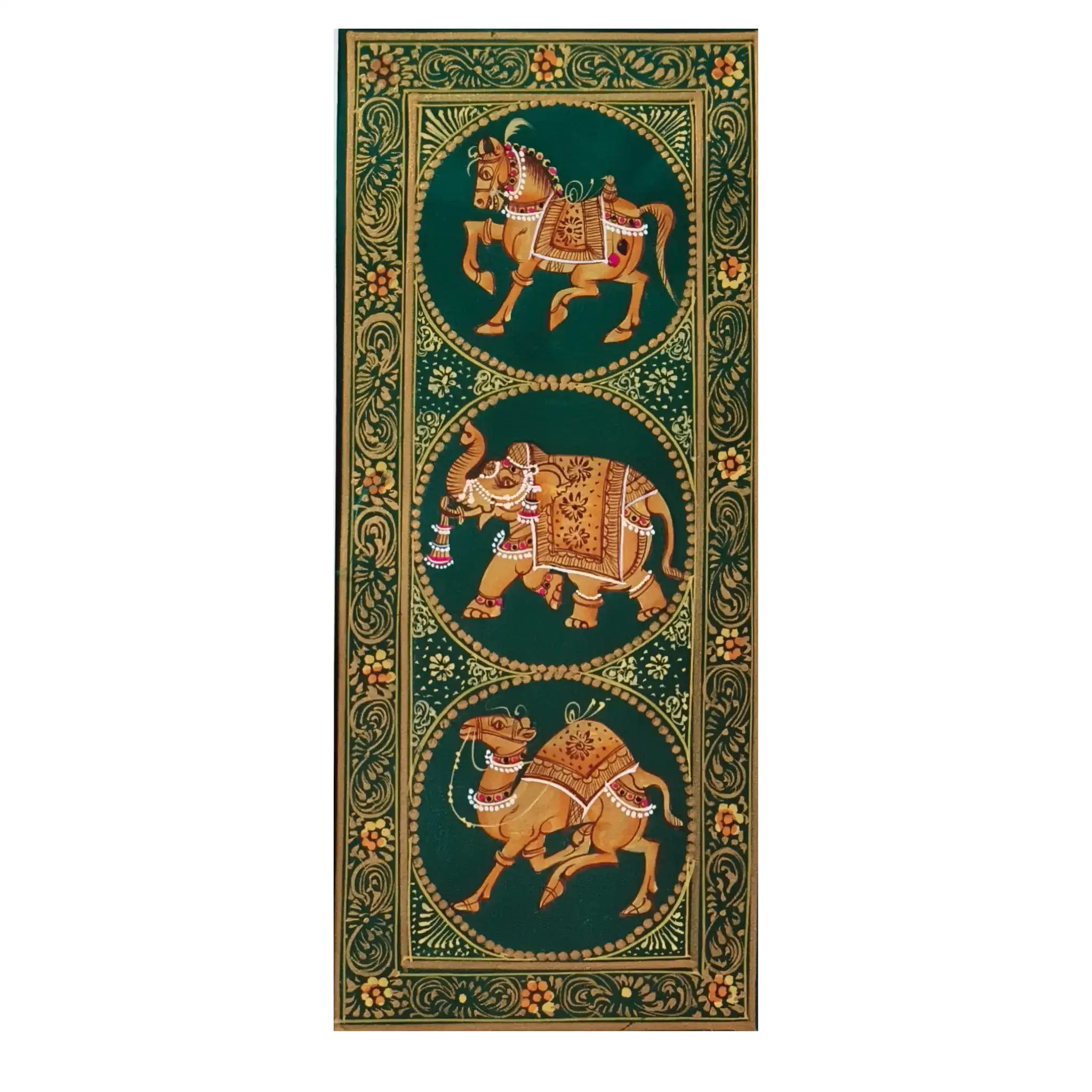
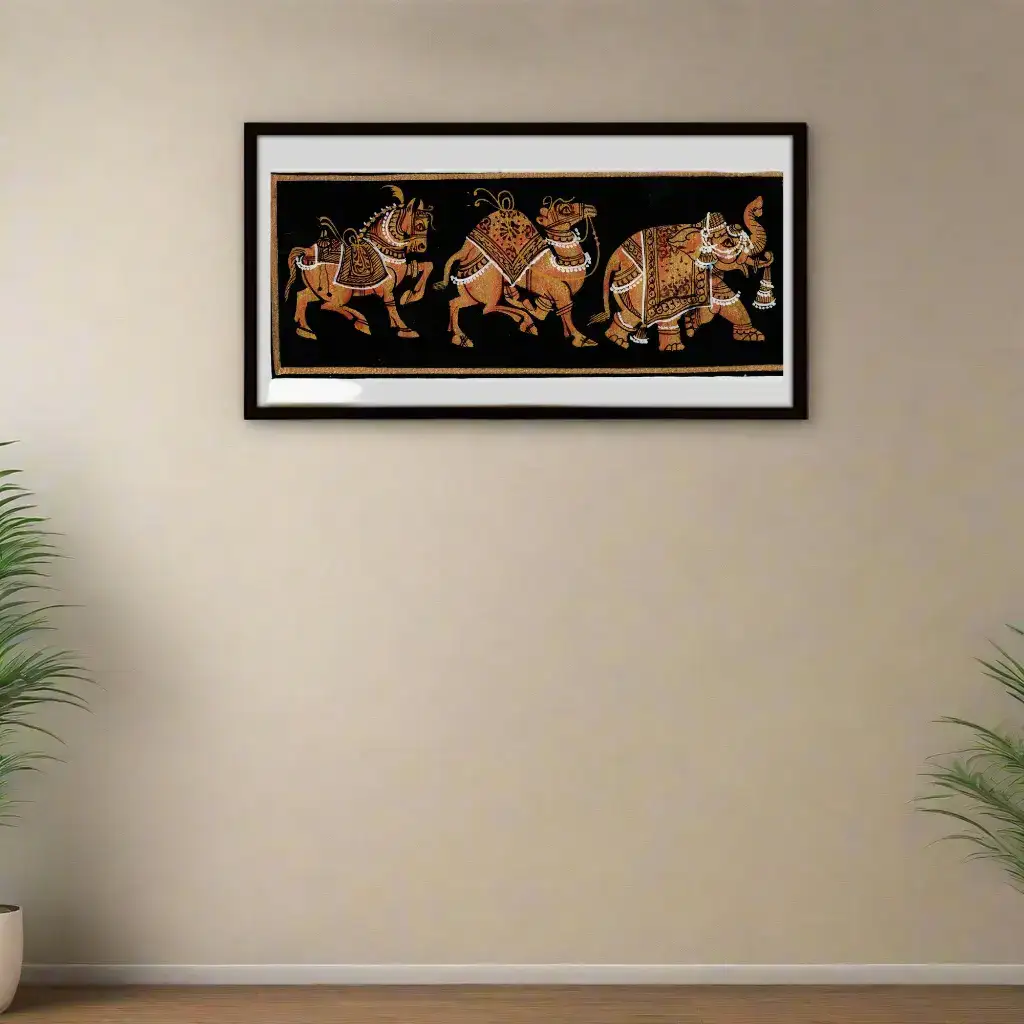
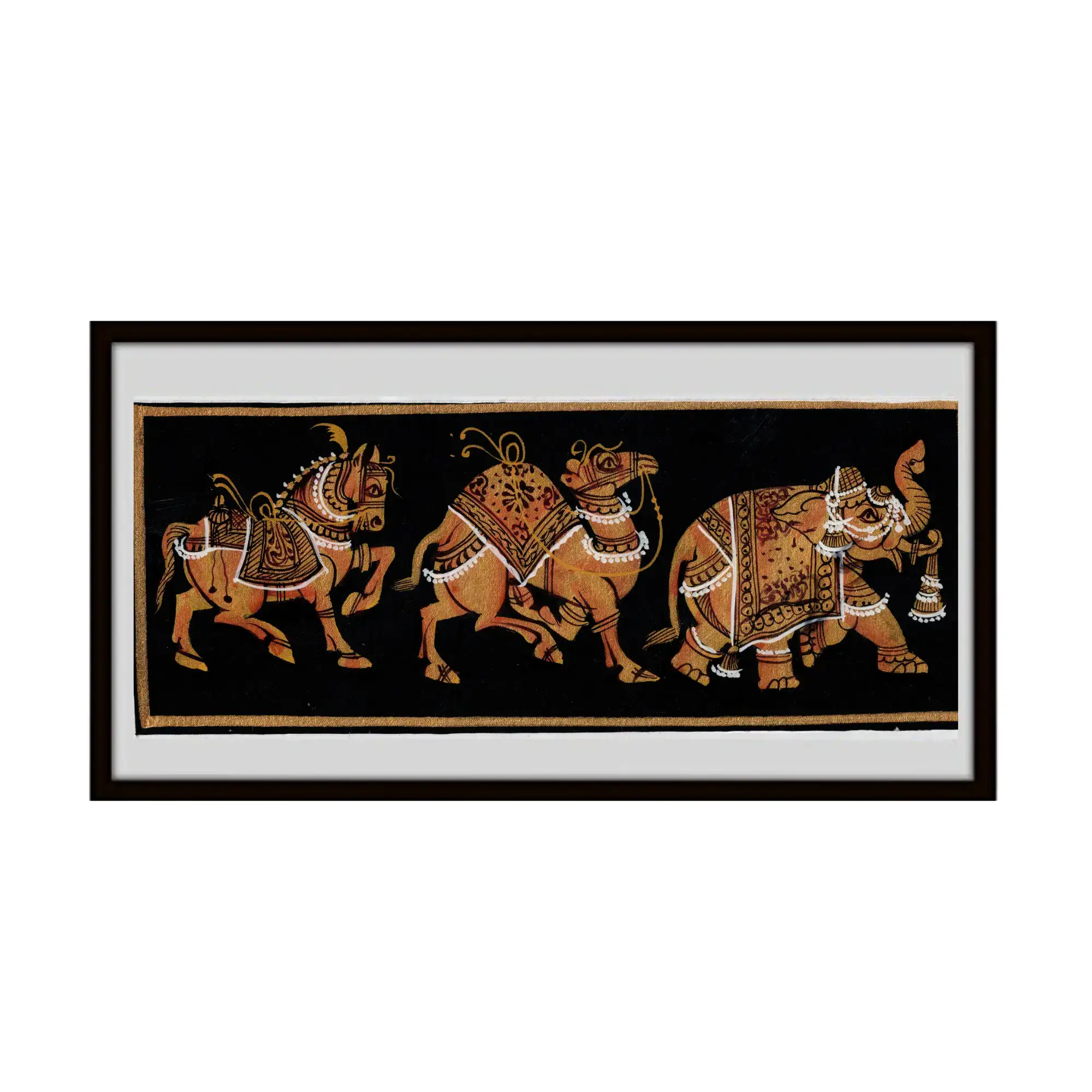
The "elephant miniature painting" is a popular subject in many of these artworks. Elephants have strong symbolic importance in Indian art and culture. They represent power, wisdom, and royal authority. The elephant is often decorated elaborately, reflecting its prestige and significance in court life. In Mughal court miniature painting, the depiction of royal elephants carries a sense of grandeur and imperial power.
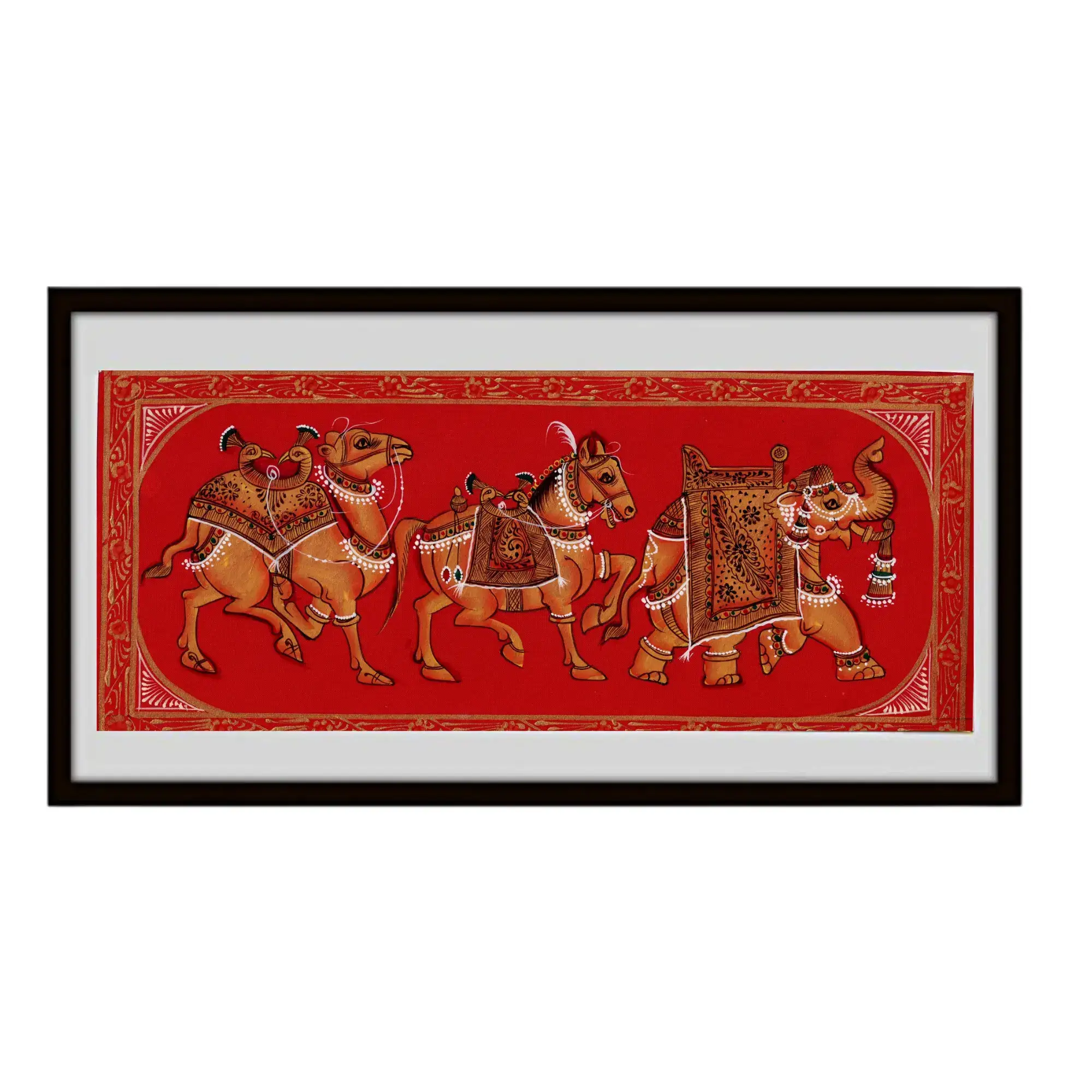
Artisans carefully paint every detail, from the intricate ornaments to the texture of the elephant’s skin. This attention to detail is a key aspect of miniature painting, giving each piece a unique charm and depth. The elephant miniature painting perfectly combines artistry with cultural symbolism.
Regional Schools of Mughal Elephant Painting
This art form is divided into several renowned schools across Rajasthan. These include Mewar, Marwar, Bundi, Kota, Kishangarh, Bikaner, and Jaipur. Each school has its distinct style and area of focus.
The Mewar school often features court scenes, heroic tales, and religious themes. Its paintings are known for strong colors and bold compositions. In contrast, Bundi and Kota schools specialize in lush landscapes and hunting scenes. Their style highlights natural settings and dynamic actions beautifully.
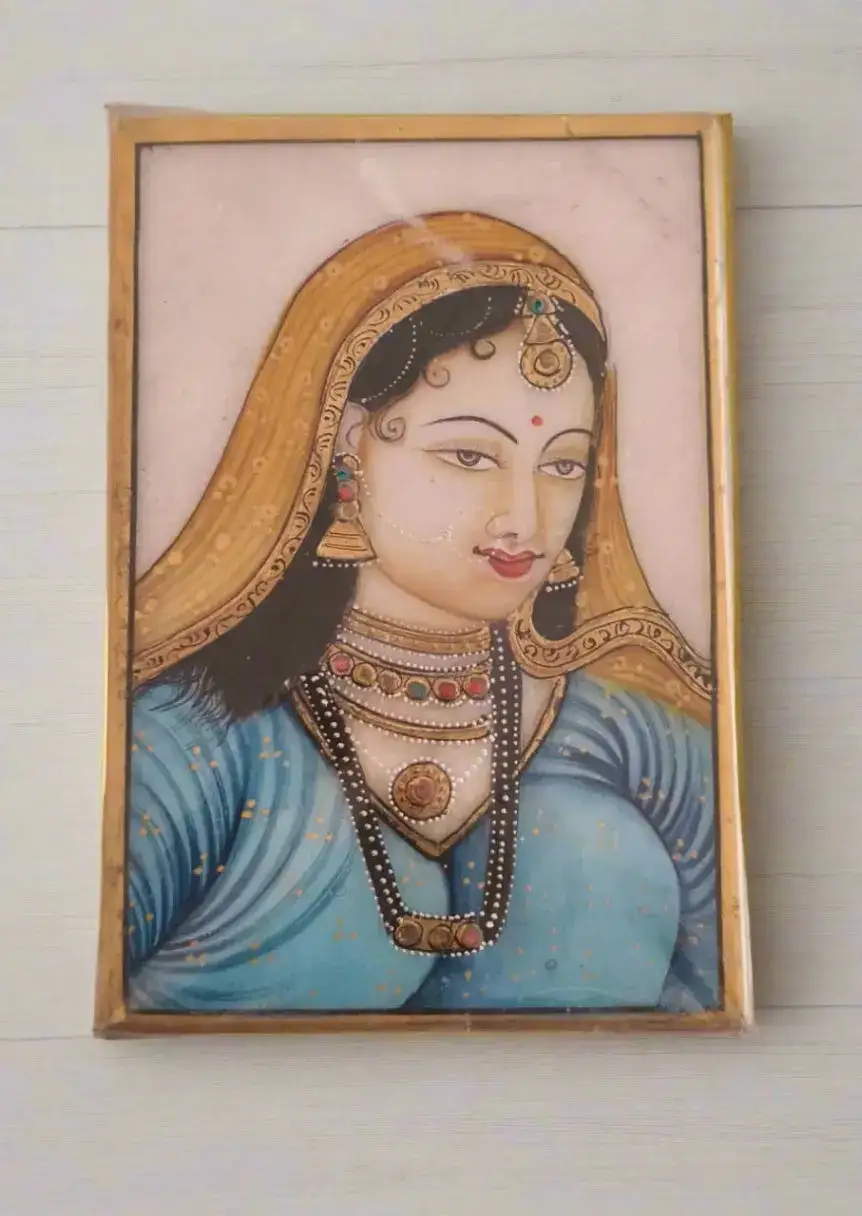
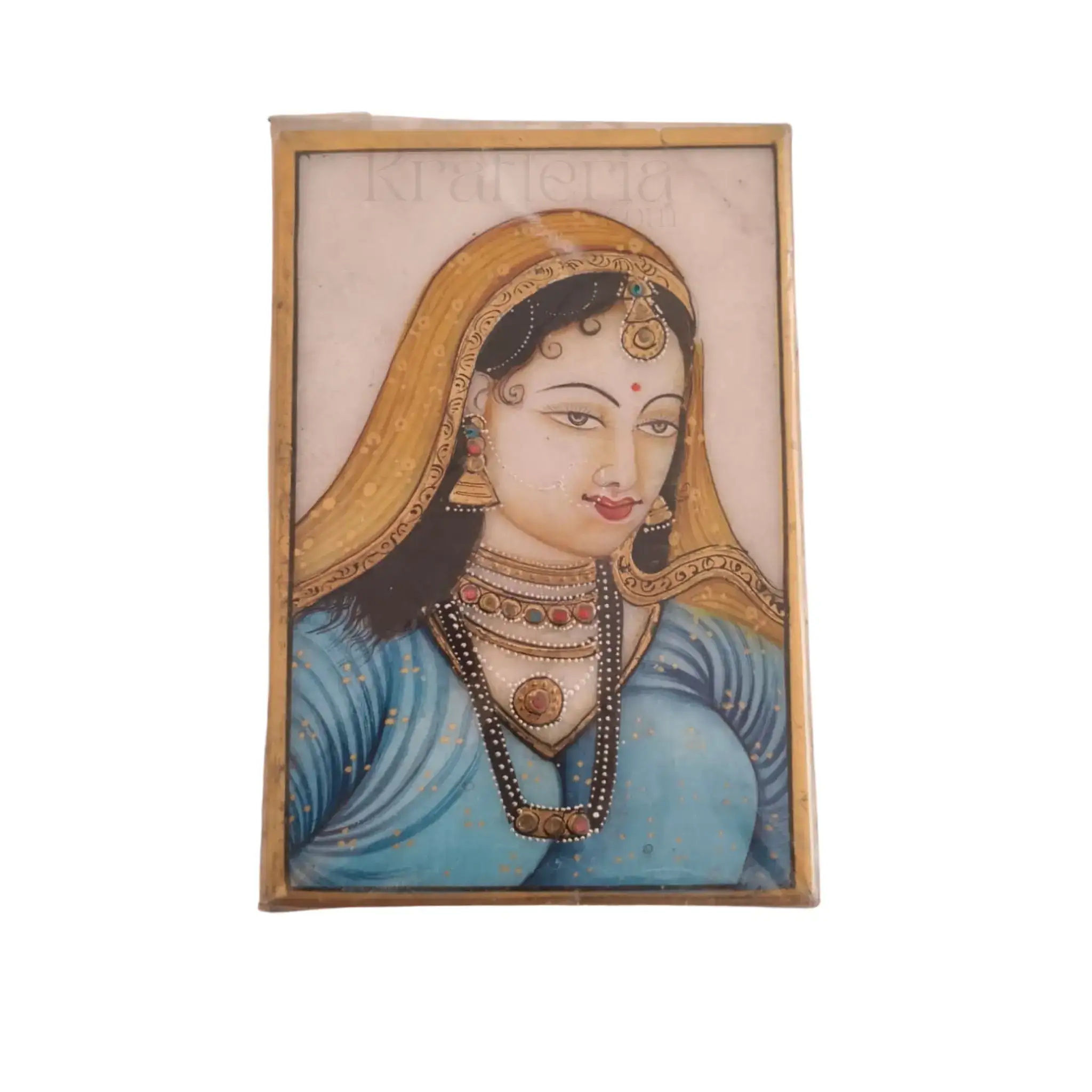
Kishangarh is famous for romantic artworks, especially of Radha and Krishna. The iconic image of Bani Thani is a highlight of this school. Jaipur and Bikaner have their unique interpretations, blending Mughal and Rajput artistic elements. Together, these schools form a rich tapestry of miniature painting styles in Rajasthan.
Artistic Techniques and Materials
The Mughal court miniature painting tradition uses highly refined techniques. Artisans apply natural pigments on handmade paper or cloth. Each painting uses ultra-fine brushes to achieve detailed and delicate lines. These methods have been passed down through generations of painters, preserving the authenticity of the craft.
The choice of colors plays an essential role. Natural colors extracted from minerals, vegetables, and precious stones bring brightness and durability to the paintings. The expertise required to produce such masterpieces is immense. This makes each miniature painting an authentic piece of Indian heritage.
Why Choose This Elephant Painting?
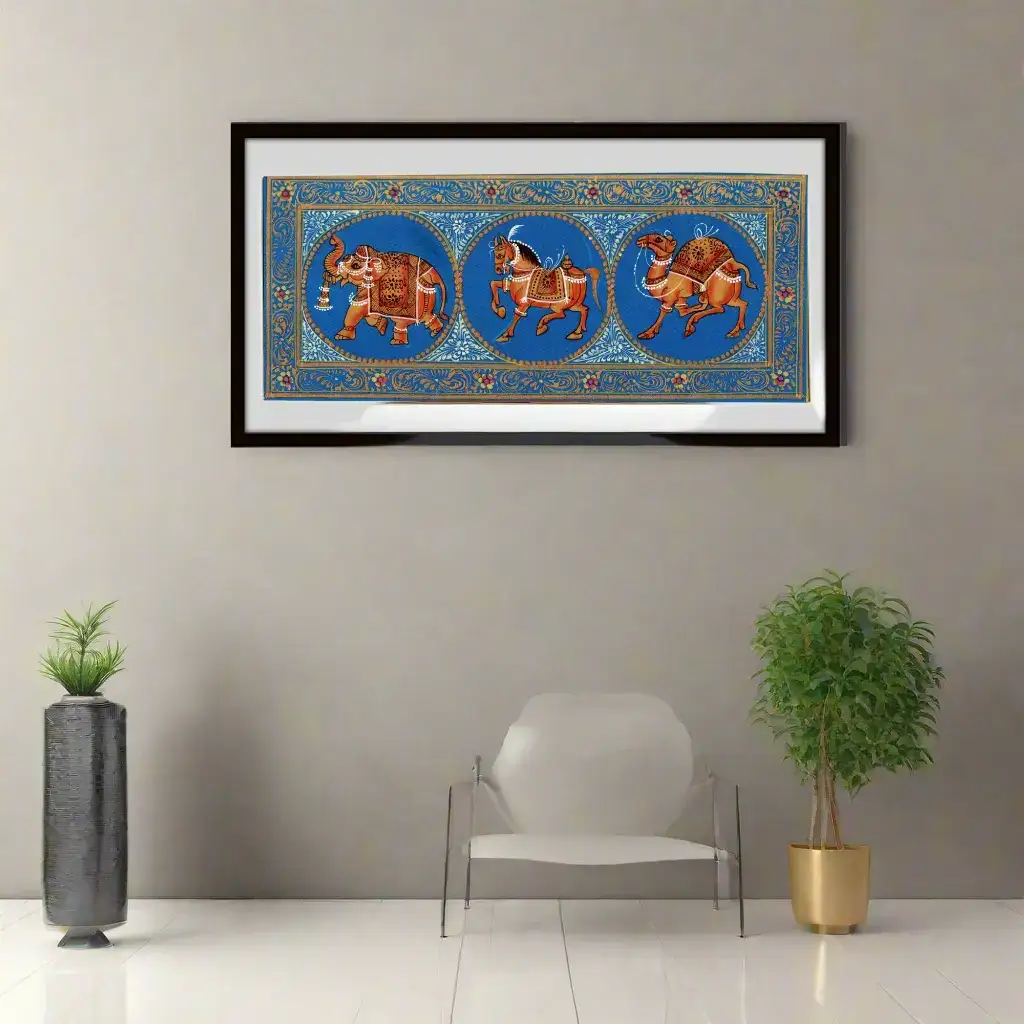
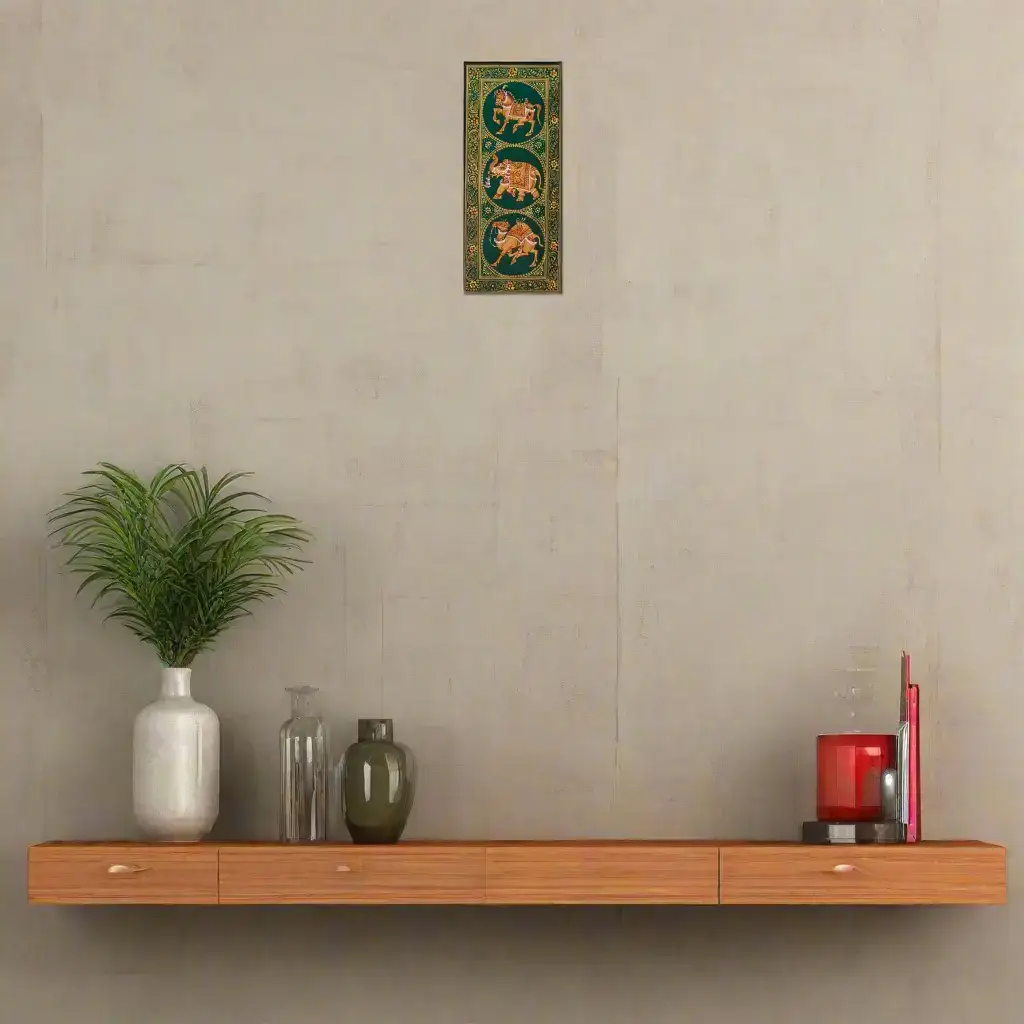
This miniature painting is not only a decorative piece but also a window into India’s rich cultural past. It captures the royal grandeur and artistic finesse of the Mughal era. Whether displayed in homes or galleries, it adds an ethnic and royal charm to any space.
The painting is perfect for art collectors and those who appreciate traditional Indian arts. The handcrafted nature ensures that every artwork is unique. It stands as a symbol of tradition, royalty, and creativity, celebrating the timeless appeal of the elephant in Indian culture.
Enhancing Spaces with Royal Elephant Painting India
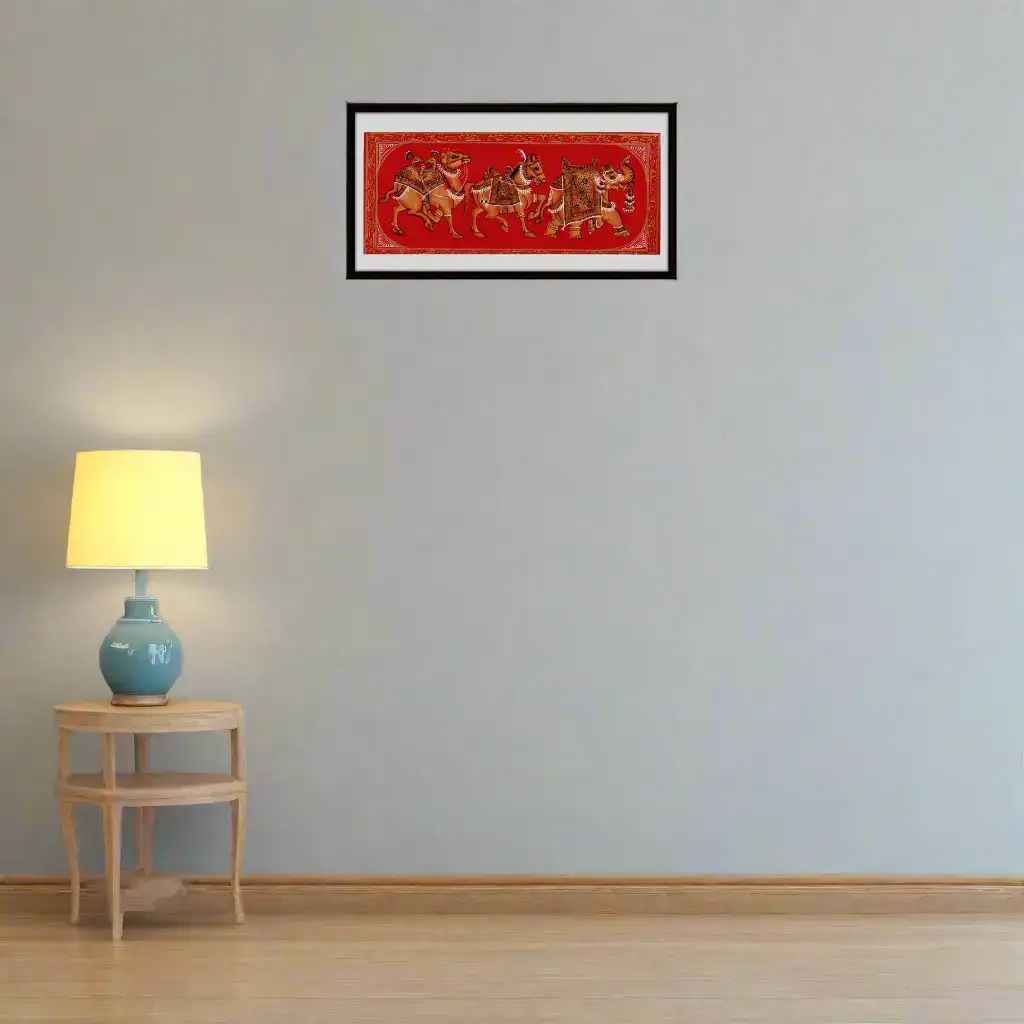
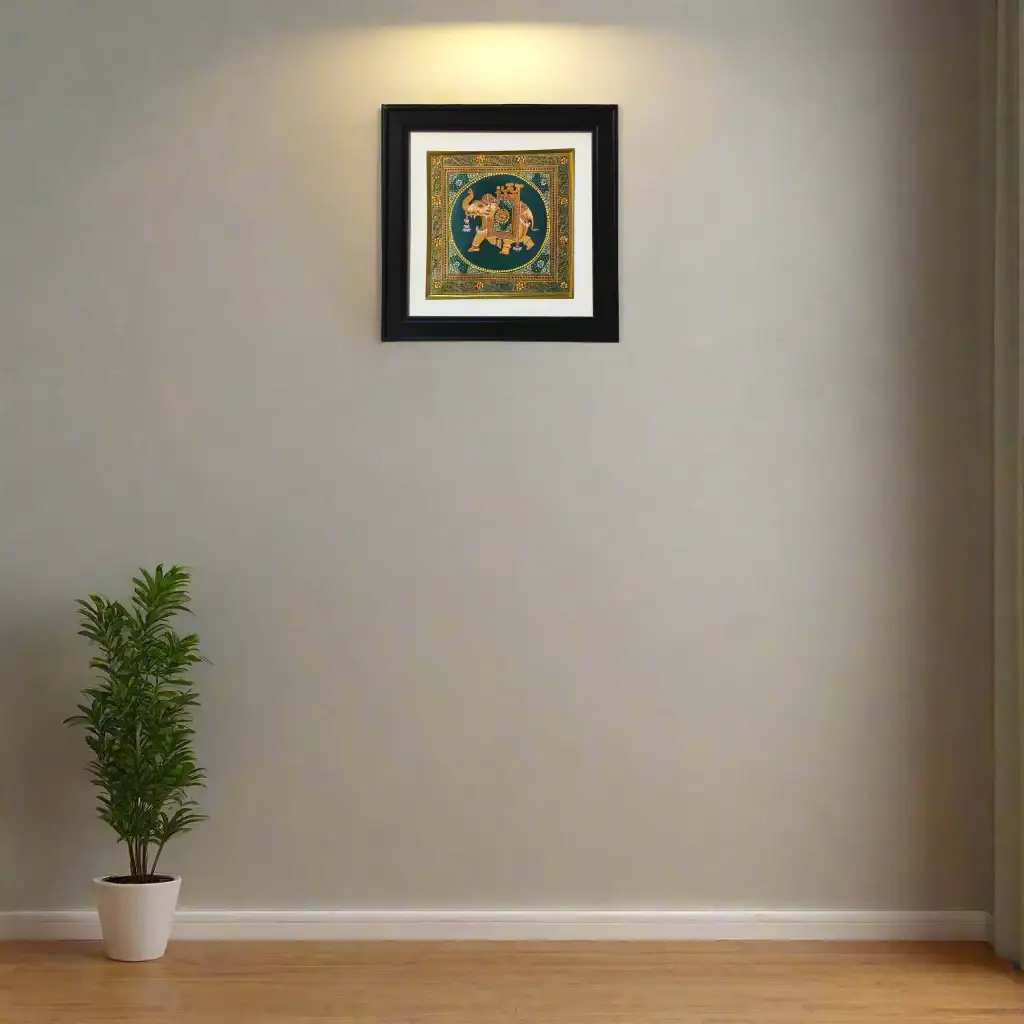
Decorating your walls with a Royal elephant painting India style brings cultural richness and elegance. This style highlights the royal and majestic qualities of the elephant. The intricate borders, vibrant colors, and balanced composition amplify the painting's beauty. It fits well with both modern and traditional interiors.
Adding a Mughal elephant painting to your collection is a nod to centuries of Indian royal art. This masterpiece perfectly represents the blend of artistic skill and historical significance. It is an exceptional example of the Mughal court miniature painting tradition preserved today.
Original: $21.51
-70%$21.51
$6.45Product Information
Product Information
Shipping & Returns
Shipping & Returns
Description
Mughal Elephant Miniature Painting: A Timeless Artistic Tradition
Mughal Elephant Miniature Painting is a beautiful and vibrant style of Indian miniature painting. This art form flourished in the royal courts of Rajasthan from the 16th century onwards. It is deeply rooted in Indian traditions and reflects the rich heritage and culture of the region. The paintings portray themes such as mythology, epics, love stories, royal life, and folk culture.
The hallmark of this style includes bold lines, bright colors, and intricate detailing. Skilled artisans use natural dyes and pigments made from minerals, vegetables, and precious stones. These materials give the artwork a lasting and luminous quality, enhancing its beauty and appeal.
The Significance of the Elephant in Miniature Painting
The "elephant miniature painting" is a popular subject in many of these artworks. Elephants have strong symbolic importance in Indian art and culture. They represent power, wisdom, and royal authority. The elephant is often decorated elaborately, reflecting its prestige and significance in court life. In Mughal court miniature painting, the depiction of royal elephants carries a sense of grandeur and imperial power.
Artisans carefully paint every detail, from the intricate ornaments to the texture of the elephant’s skin. This attention to detail is a key aspect of miniature painting, giving each piece a unique charm and depth. The elephant miniature painting perfectly combines artistry with cultural symbolism.
Regional Schools of Mughal Elephant Painting
This art form is divided into several renowned schools across Rajasthan. These include Mewar, Marwar, Bundi, Kota, Kishangarh, Bikaner, and Jaipur. Each school has its distinct style and area of focus.
The Mewar school often features court scenes, heroic tales, and religious themes. Its paintings are known for strong colors and bold compositions. In contrast, Bundi and Kota schools specialize in lush landscapes and hunting scenes. Their style highlights natural settings and dynamic actions beautifully.
Kishangarh is famous for romantic artworks, especially of Radha and Krishna. The iconic image of Bani Thani is a highlight of this school. Jaipur and Bikaner have their unique interpretations, blending Mughal and Rajput artistic elements. Together, these schools form a rich tapestry of miniature painting styles in Rajasthan.
Artistic Techniques and Materials
The Mughal court miniature painting tradition uses highly refined techniques. Artisans apply natural pigments on handmade paper or cloth. Each painting uses ultra-fine brushes to achieve detailed and delicate lines. These methods have been passed down through generations of painters, preserving the authenticity of the craft.
The choice of colors plays an essential role. Natural colors extracted from minerals, vegetables, and precious stones bring brightness and durability to the paintings. The expertise required to produce such masterpieces is immense. This makes each miniature painting an authentic piece of Indian heritage.
Why Choose This Elephant Painting?
This miniature painting is not only a decorative piece but also a window into India’s rich cultural past. It captures the royal grandeur and artistic finesse of the Mughal era. Whether displayed in homes or galleries, it adds an ethnic and royal charm to any space.
The painting is perfect for art collectors and those who appreciate traditional Indian arts. The handcrafted nature ensures that every artwork is unique. It stands as a symbol of tradition, royalty, and creativity, celebrating the timeless appeal of the elephant in Indian culture.
Enhancing Spaces with Royal Elephant Painting India
Decorating your walls with a Royal elephant painting India style brings cultural richness and elegance. This style highlights the royal and majestic qualities of the elephant. The intricate borders, vibrant colors, and balanced composition amplify the painting's beauty. It fits well with both modern and traditional interiors.
Adding a Mughal elephant painting to your collection is a nod to centuries of Indian royal art. This masterpiece perfectly represents the blend of artistic skill and historical significance. It is an exceptional example of the Mughal court miniature painting tradition preserved today.