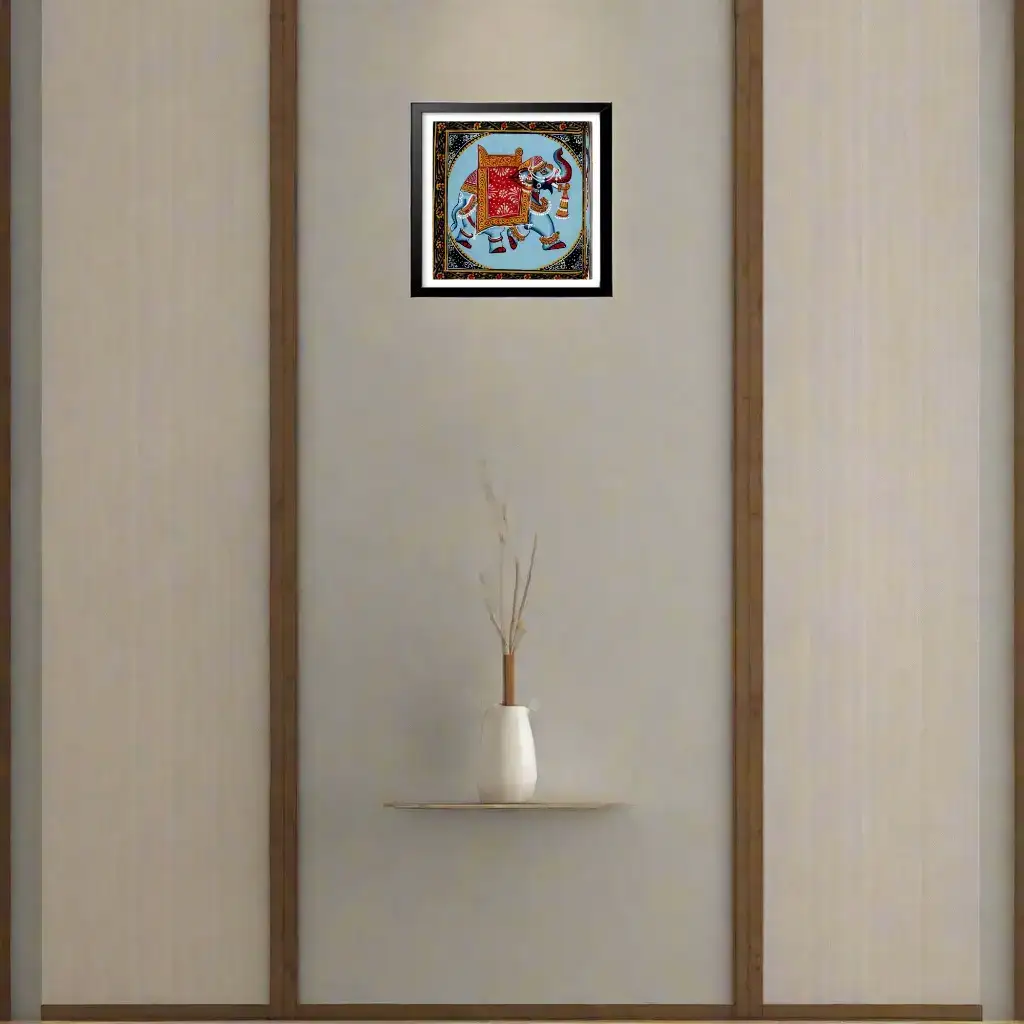
The Ceremonial Elephant of the Kings Miniature Painting
The Ceremonial Elephant of the Kings Miniature Painting
Elephant of the Kings Miniature Painting Rajasthani Painting is a rich and vibrant style of Indian miniature painting. It flourished in the royal courts of Rajasthan from the 16th century onwards. This painting style is deeply rooted in Indian traditions, reflecting a unique cultural heritage that has lasted centuries. It portrays themes drawn from mythology, epics, love stories, royal life, and folk culture, making it an expansive and meaningful art form.
The paintings are renowned for their bold lines, bright colors, and intricate detailing. Natural dyes and pigments made from minerals, vegetables, and precious stones were traditionally used to create these artworks. These natural materials give the elephant miniature painting a lasting and luminous quality that modern synthetic paints cannot replicate. This commitment to traditional materials and methods ensures each piece remains vibrant and authentic over time.
Distinct Schools of Elephant Miniature Painting
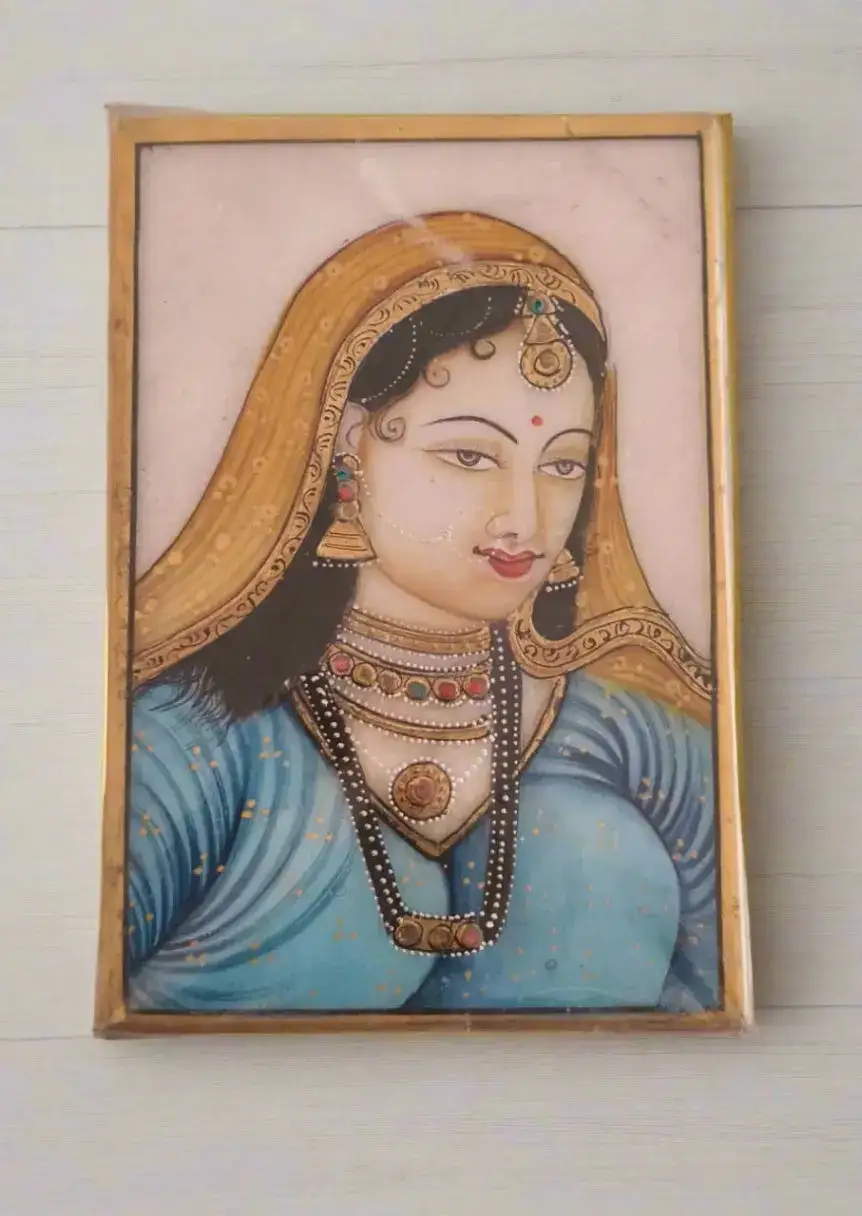
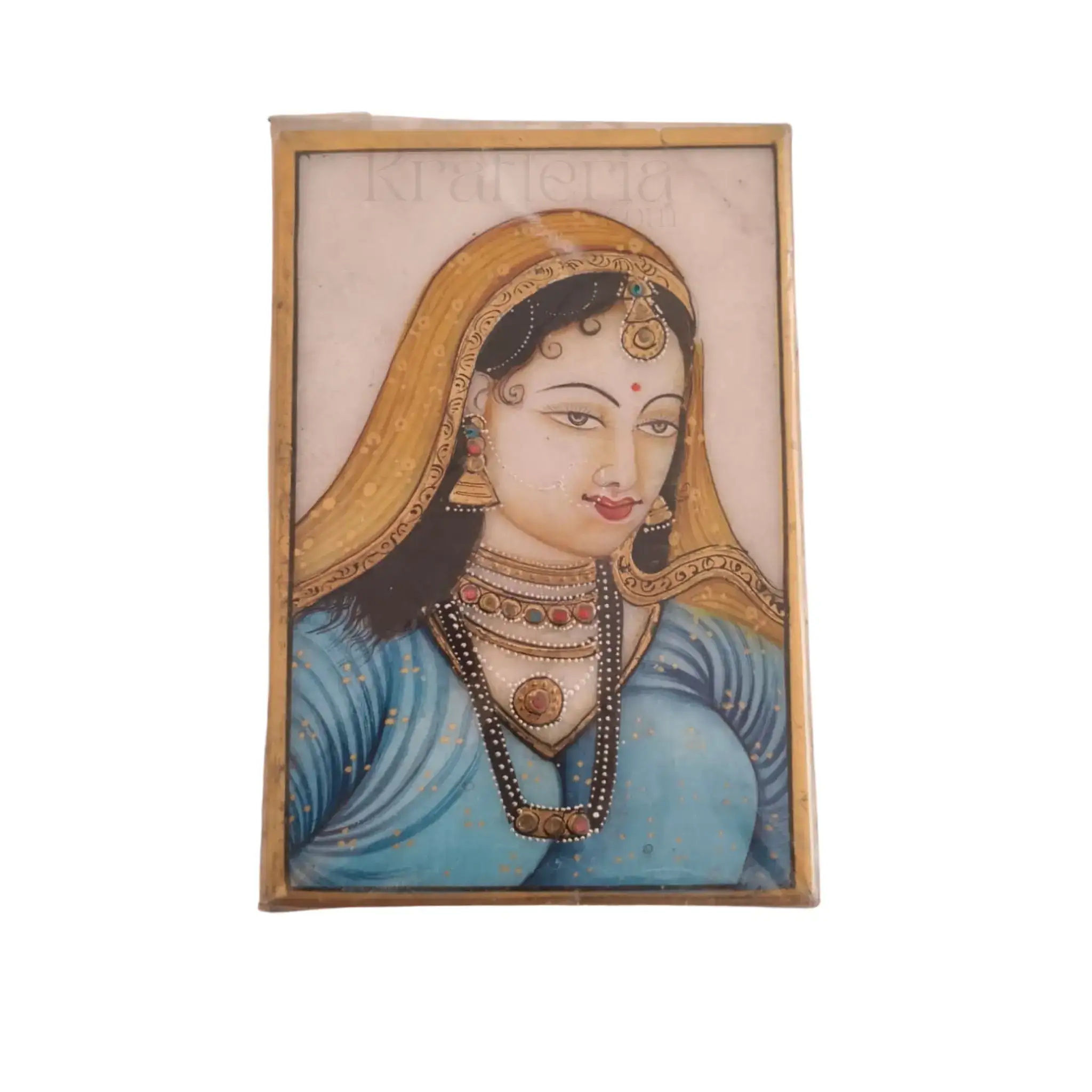
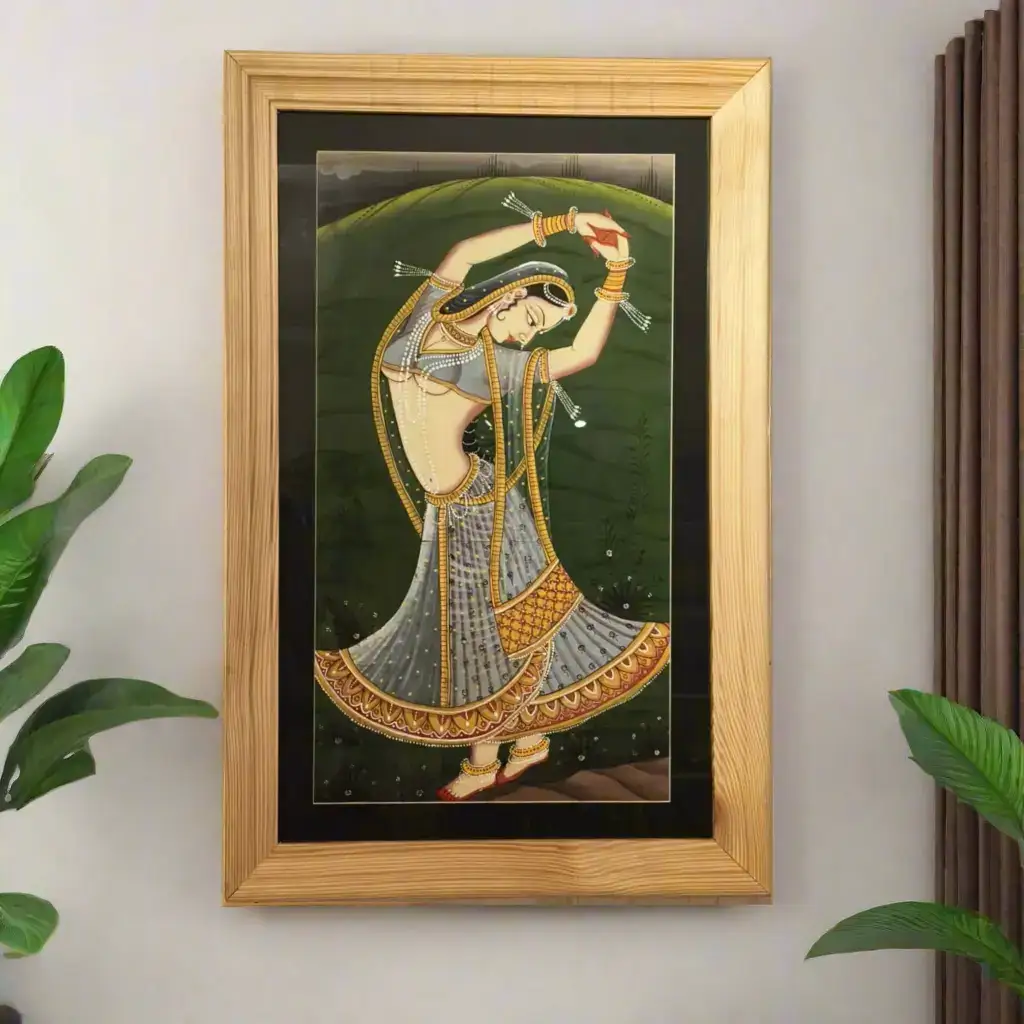
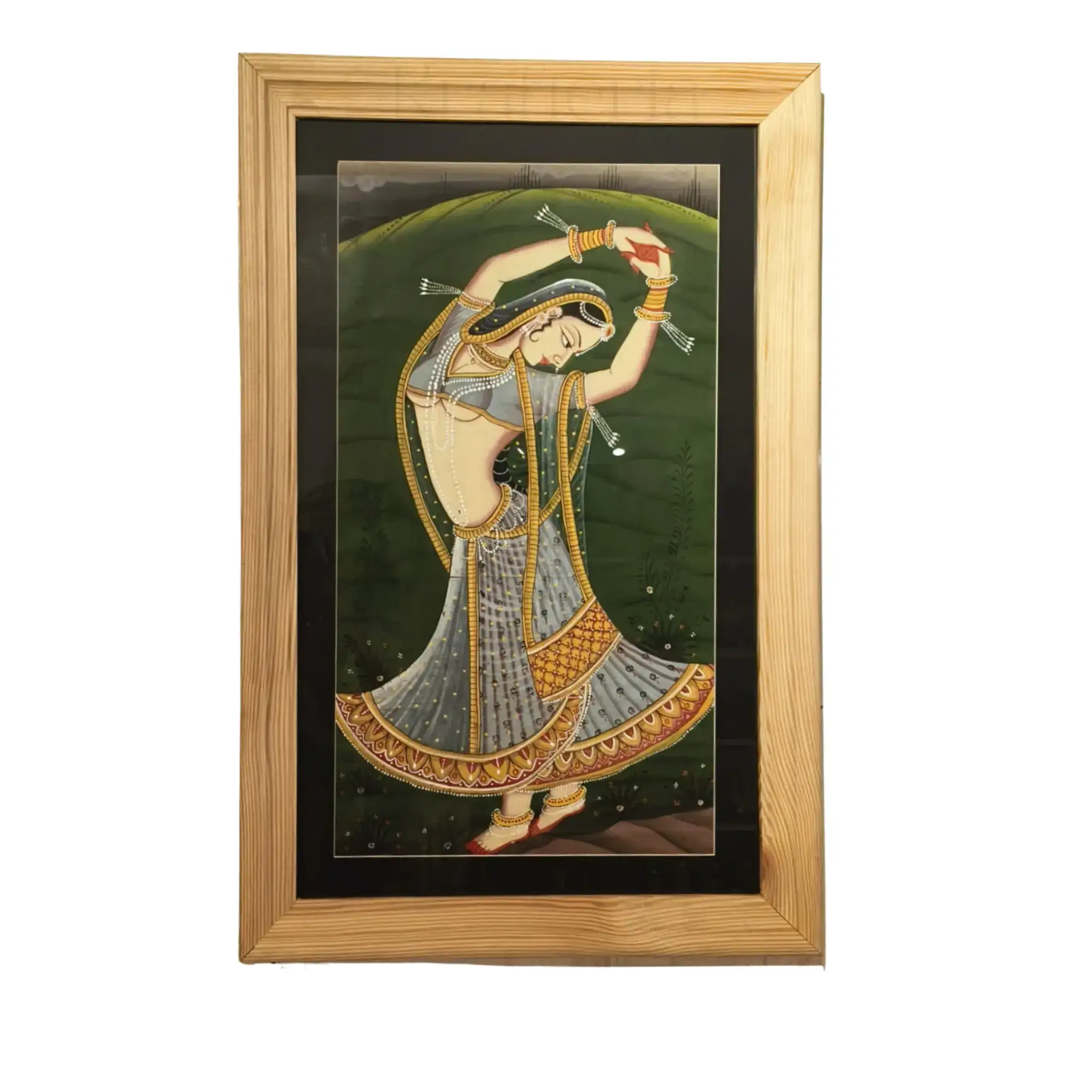
This art form is divided into several schools, including Mewar, Marwar, Bundi, Kota, Kishangarh, Bikaner, and Jaipur. Each school has its own distinct style and subject focus. For instance, Kishangarh is famous for its romantic portrayals of Radha and Krishna, especially the iconic image of Bani Thani. These romantic themes often appear within the elephant miniature painting tradition, blending rich symbolism with delicate aesthetics.
Mewar paintings frequently depict court scenes, heroic tales, and religious themes, showcasing the grandeur of royal life. In contrast, Bundi and Kota paintings are well known for their lush landscapes and hunting scenes, which highlight the surrounding environment and royal leisure activities. These varied themes across schools enrich the elephant miniature painting genre, offering a broad spectrum of visual narratives.
Symbolism and Technique in Elephant Miniature Artwork
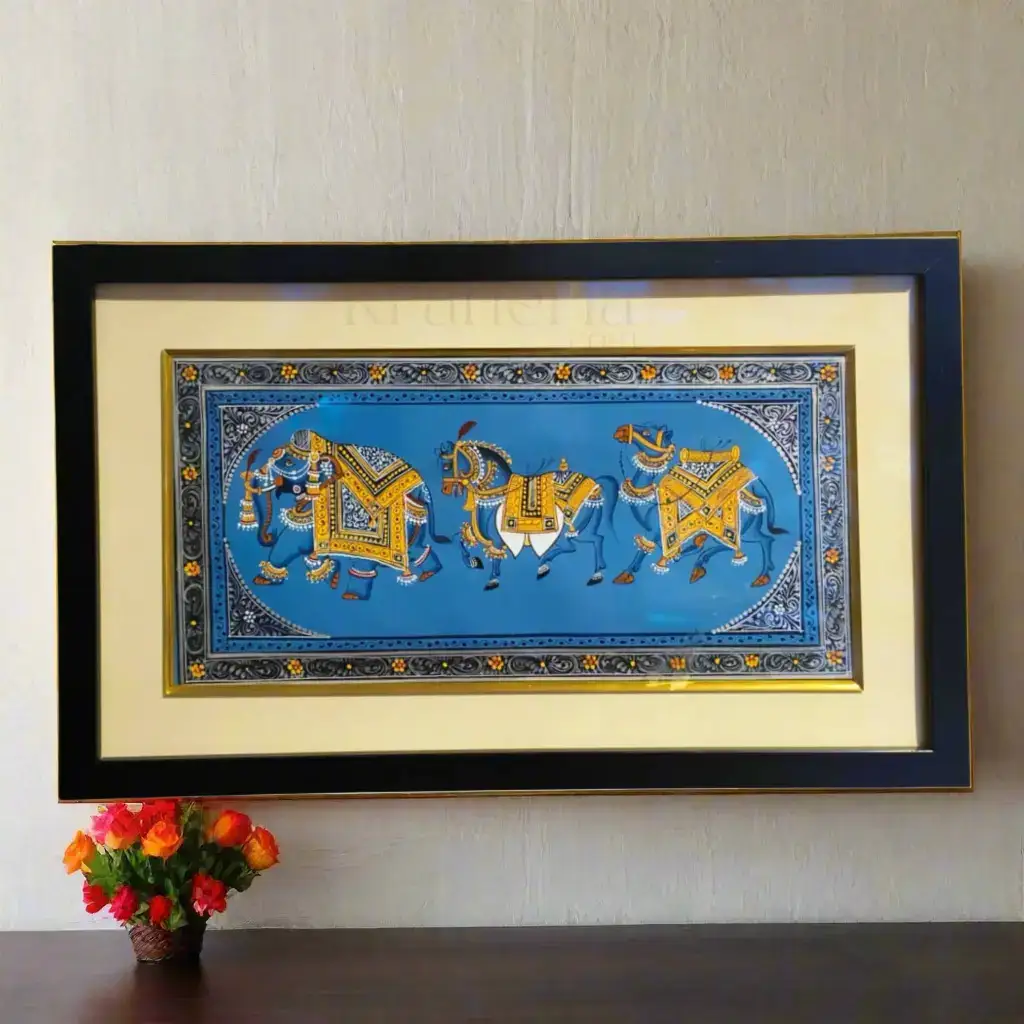
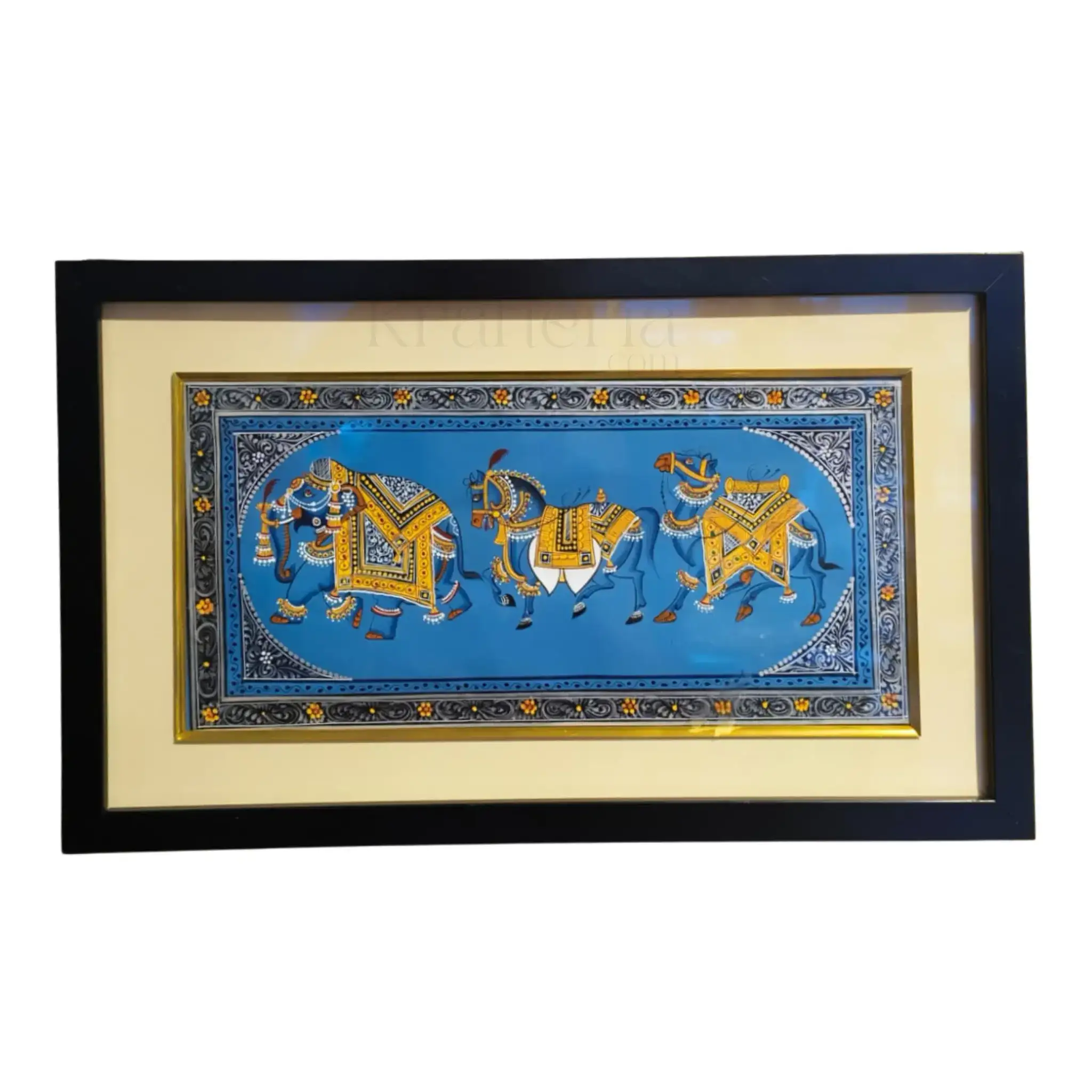
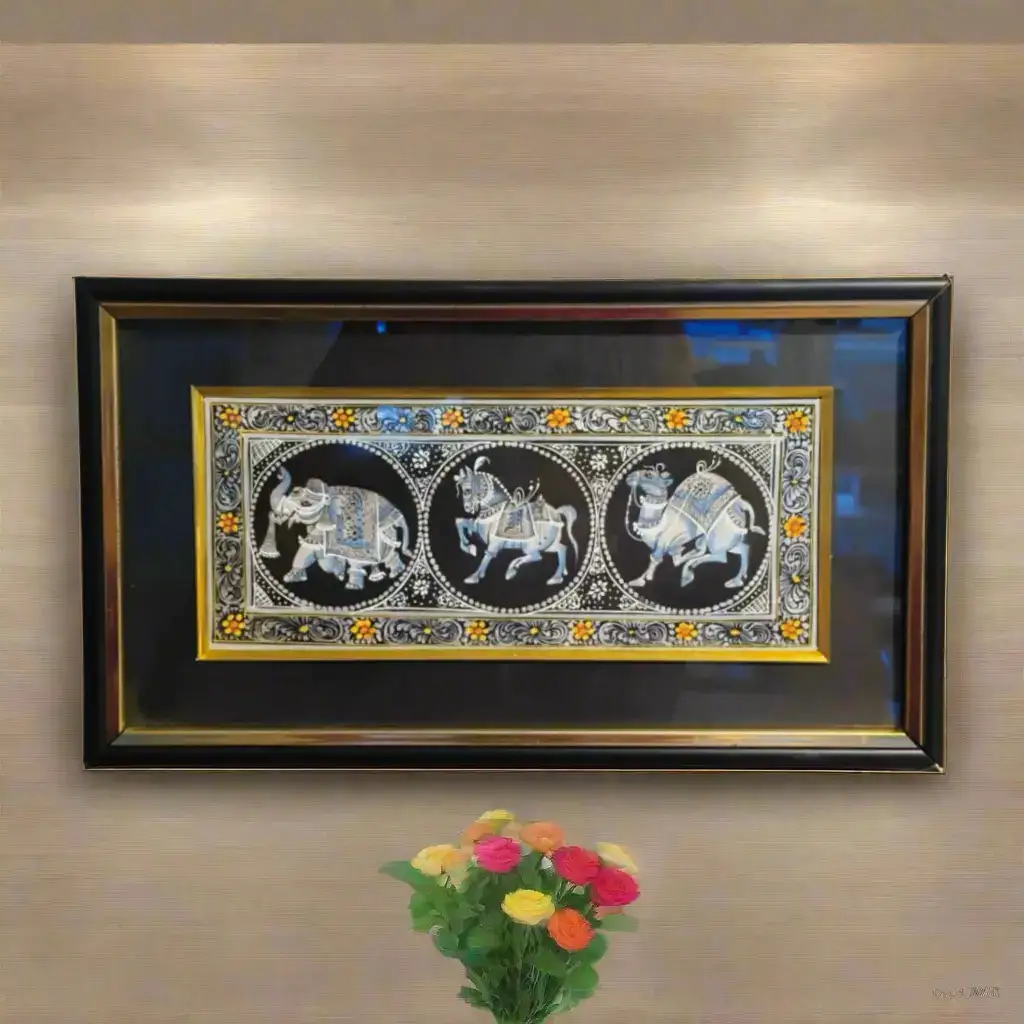
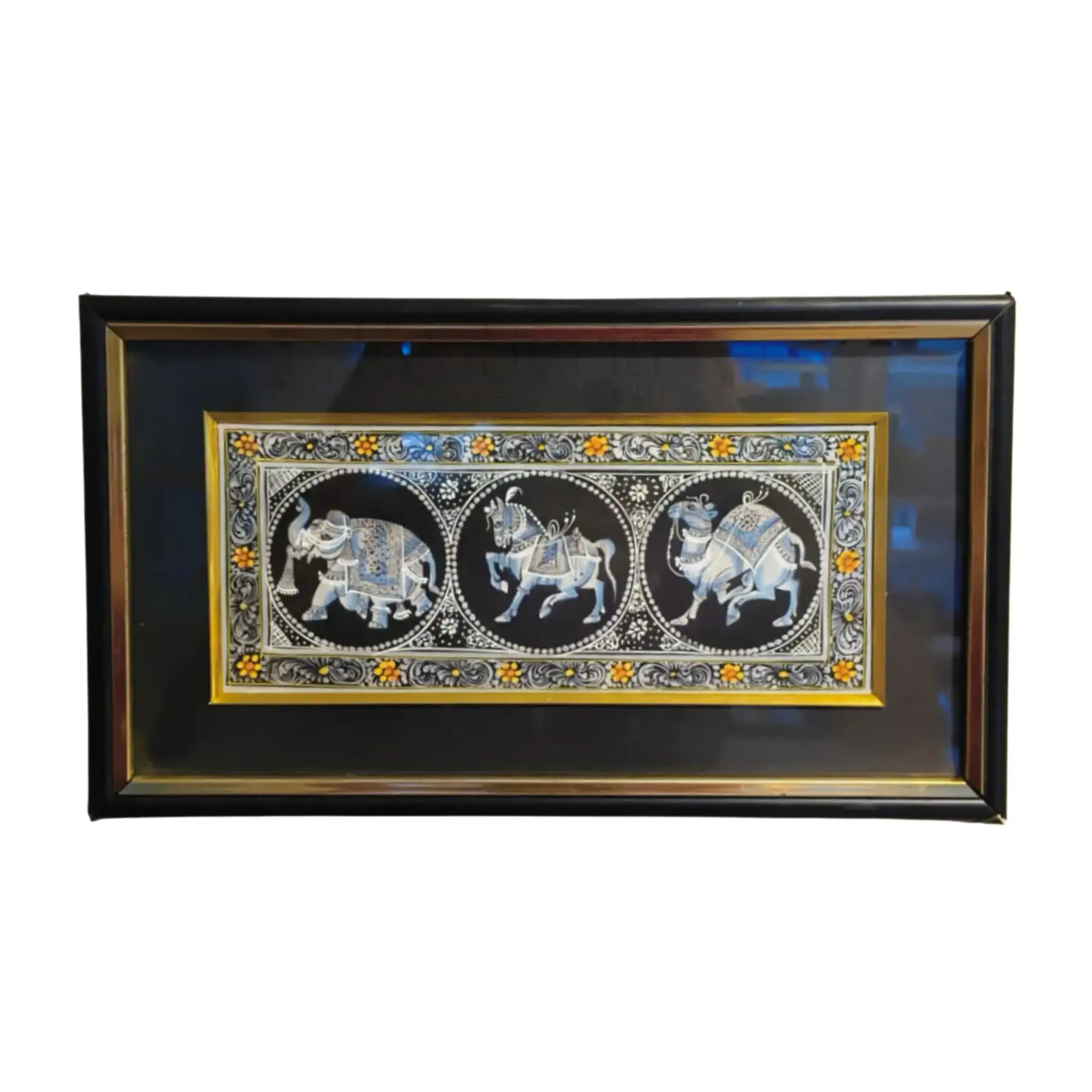
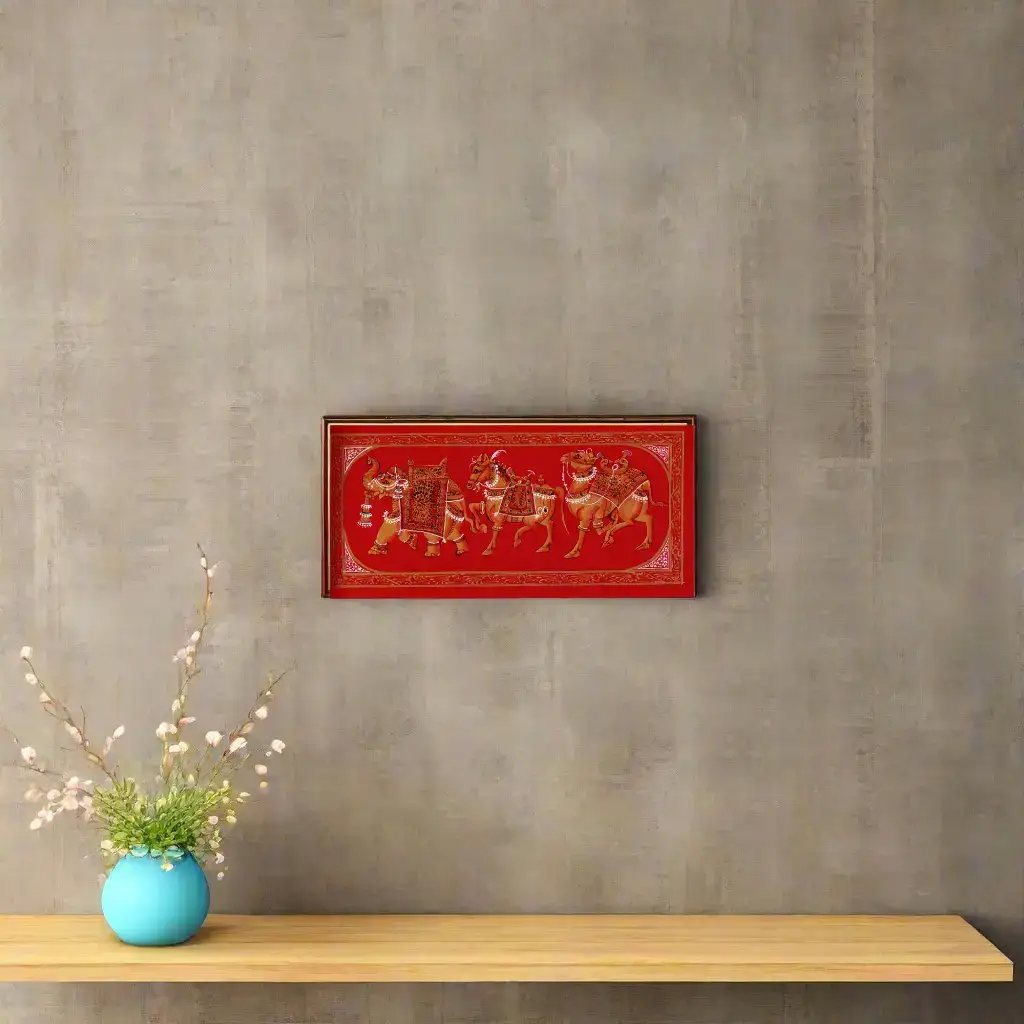
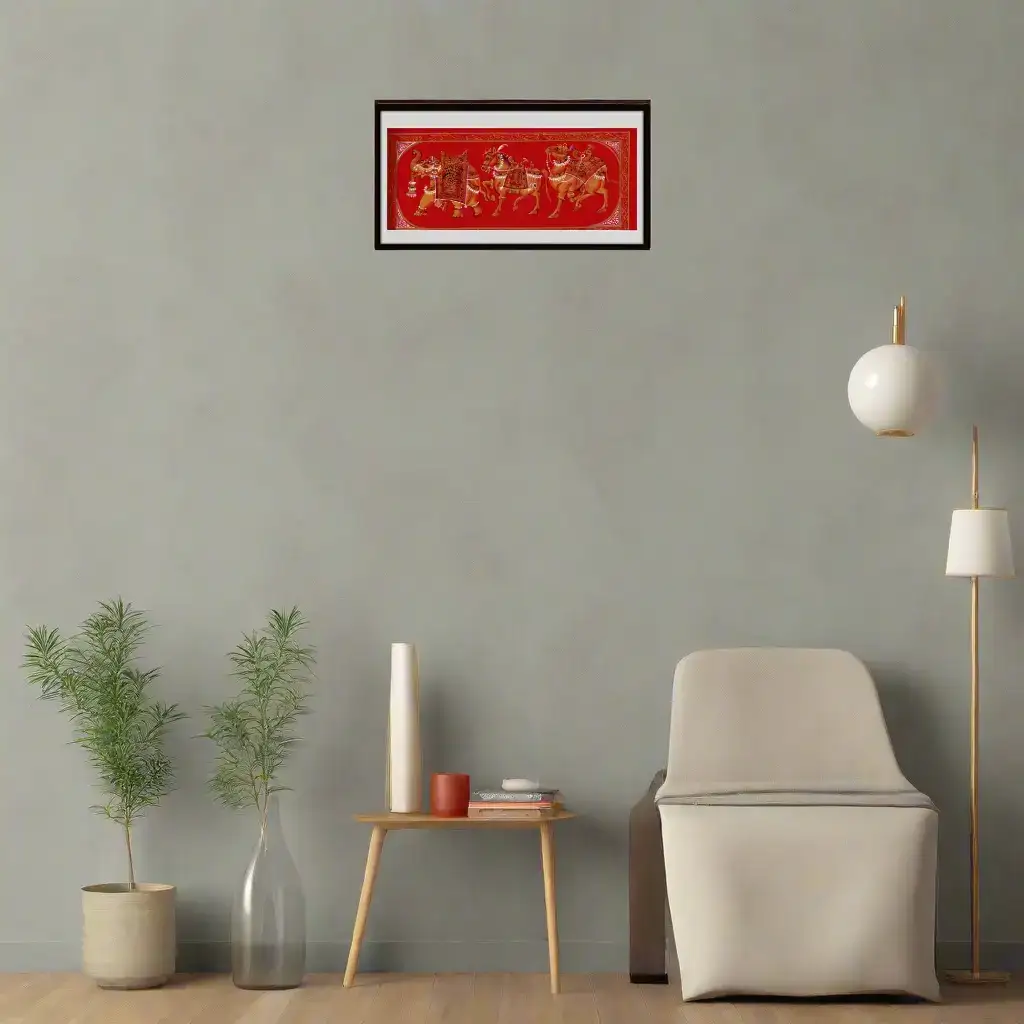
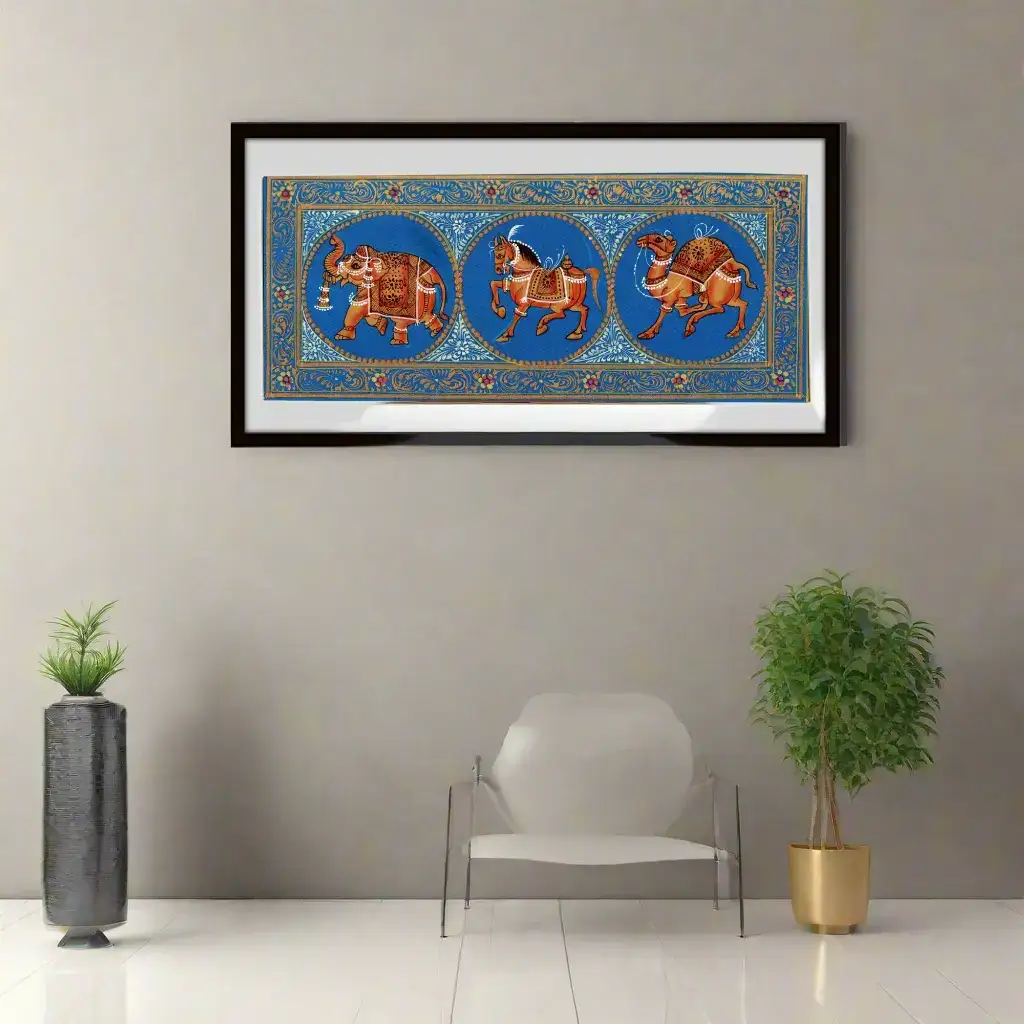
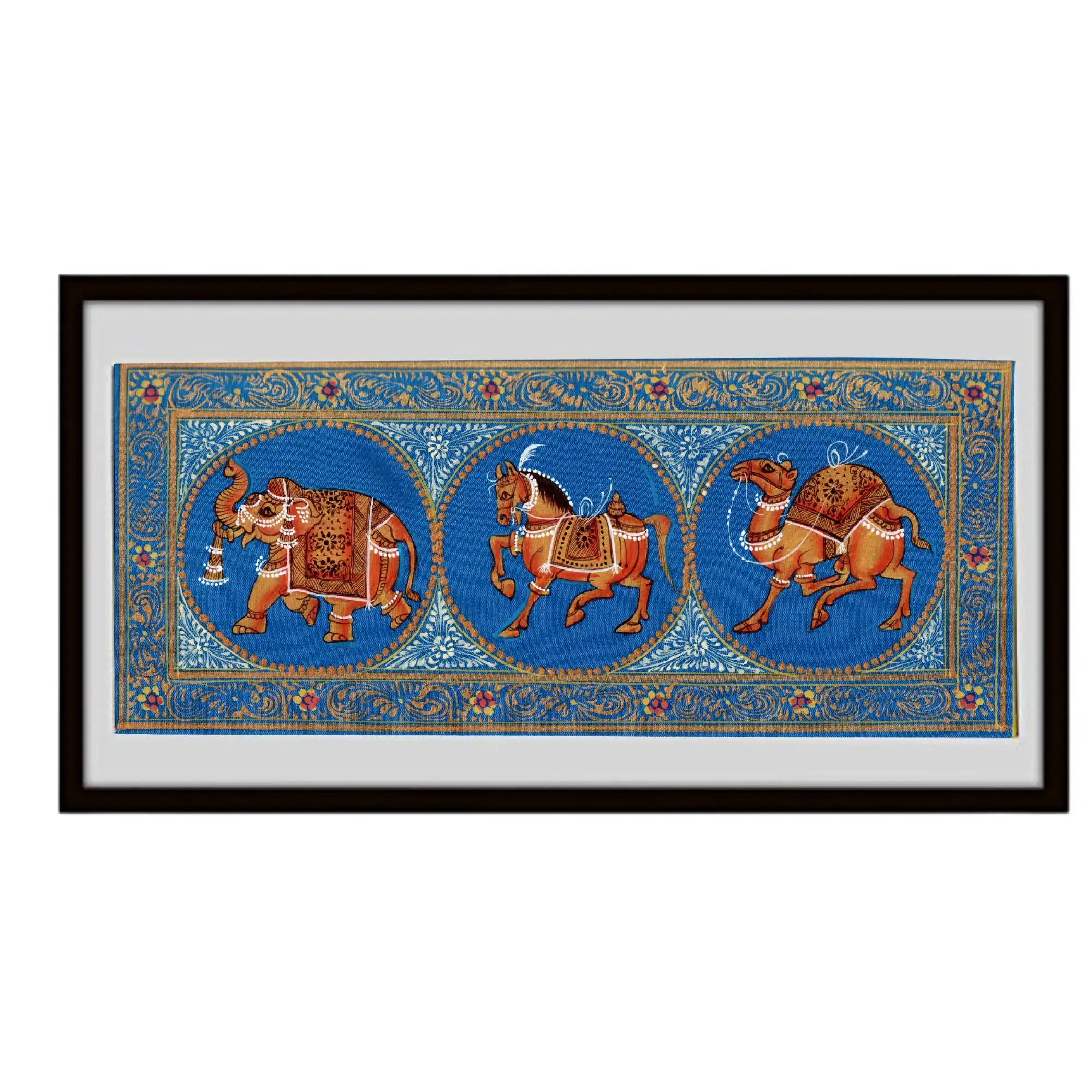
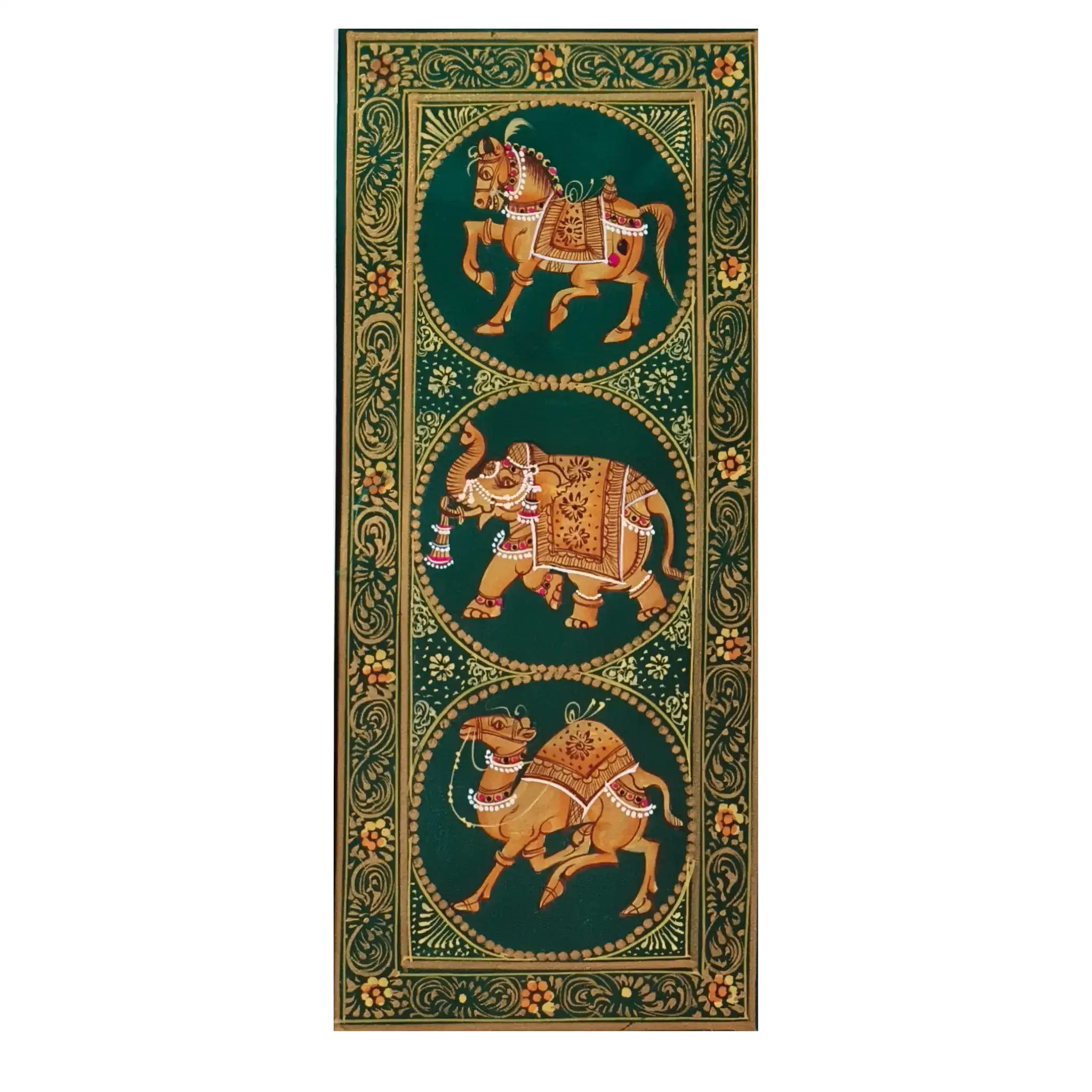
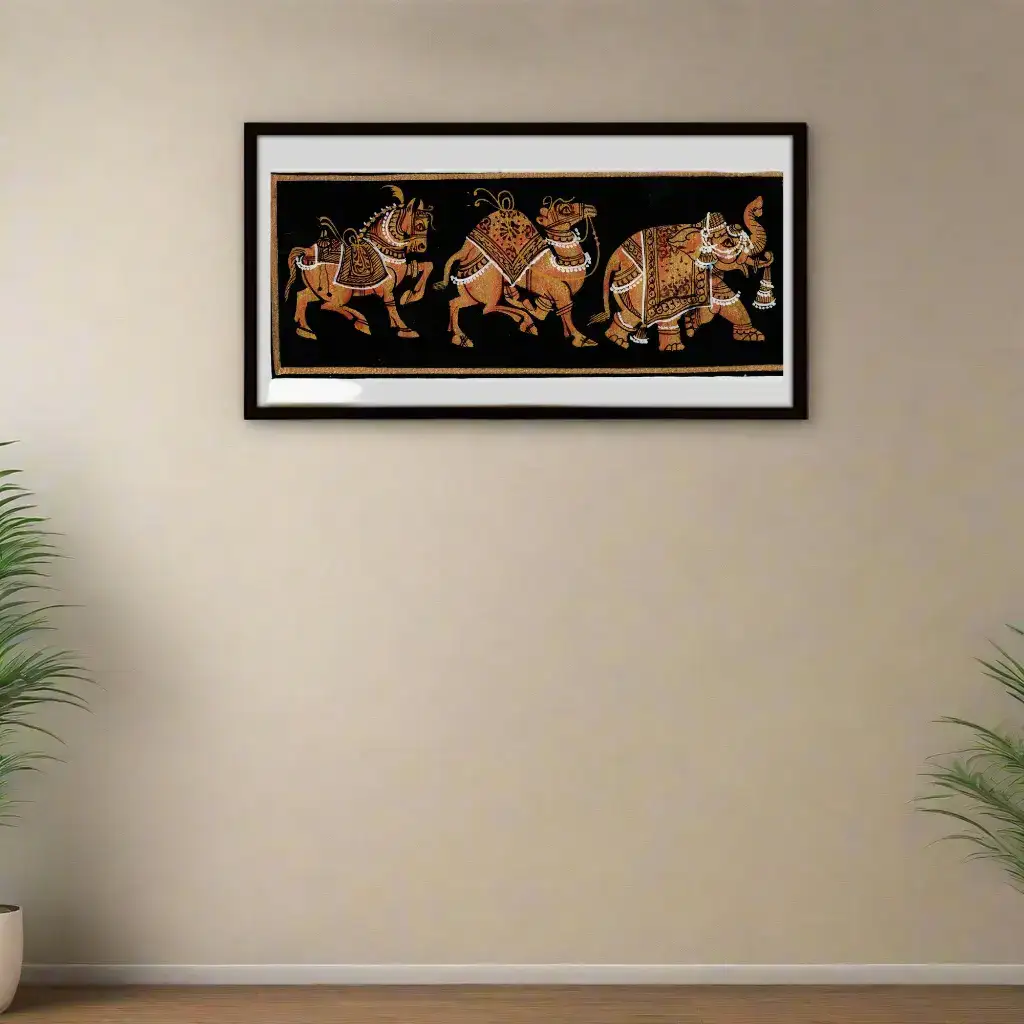
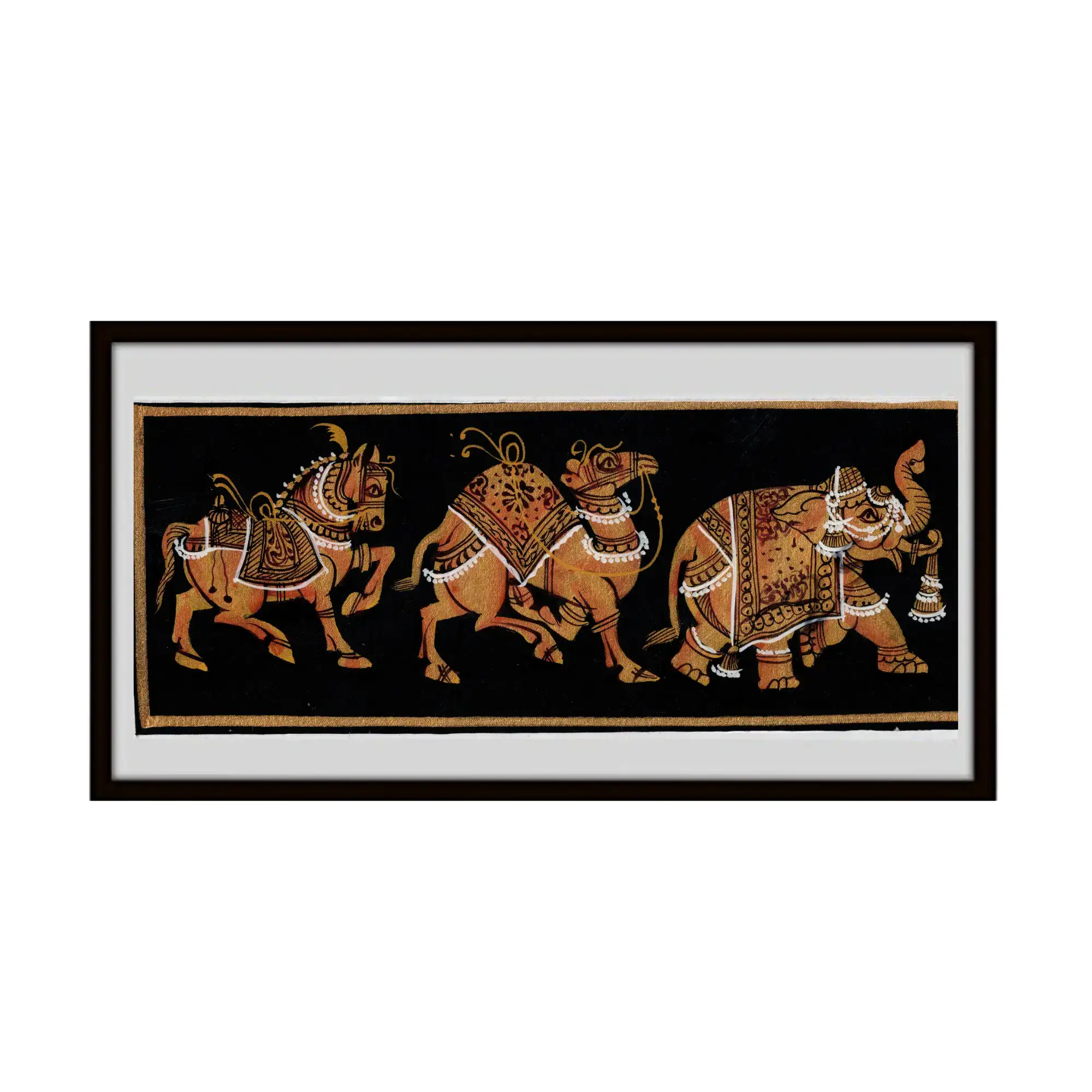
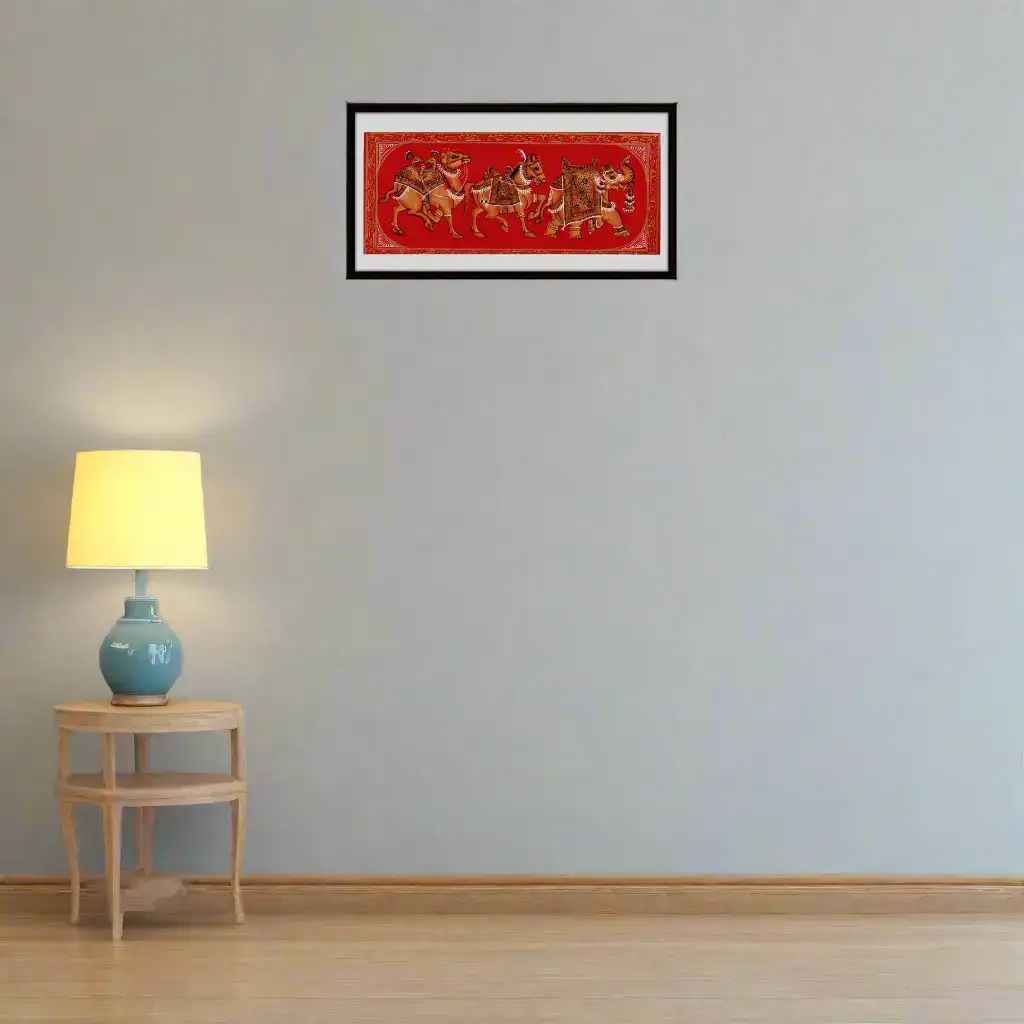
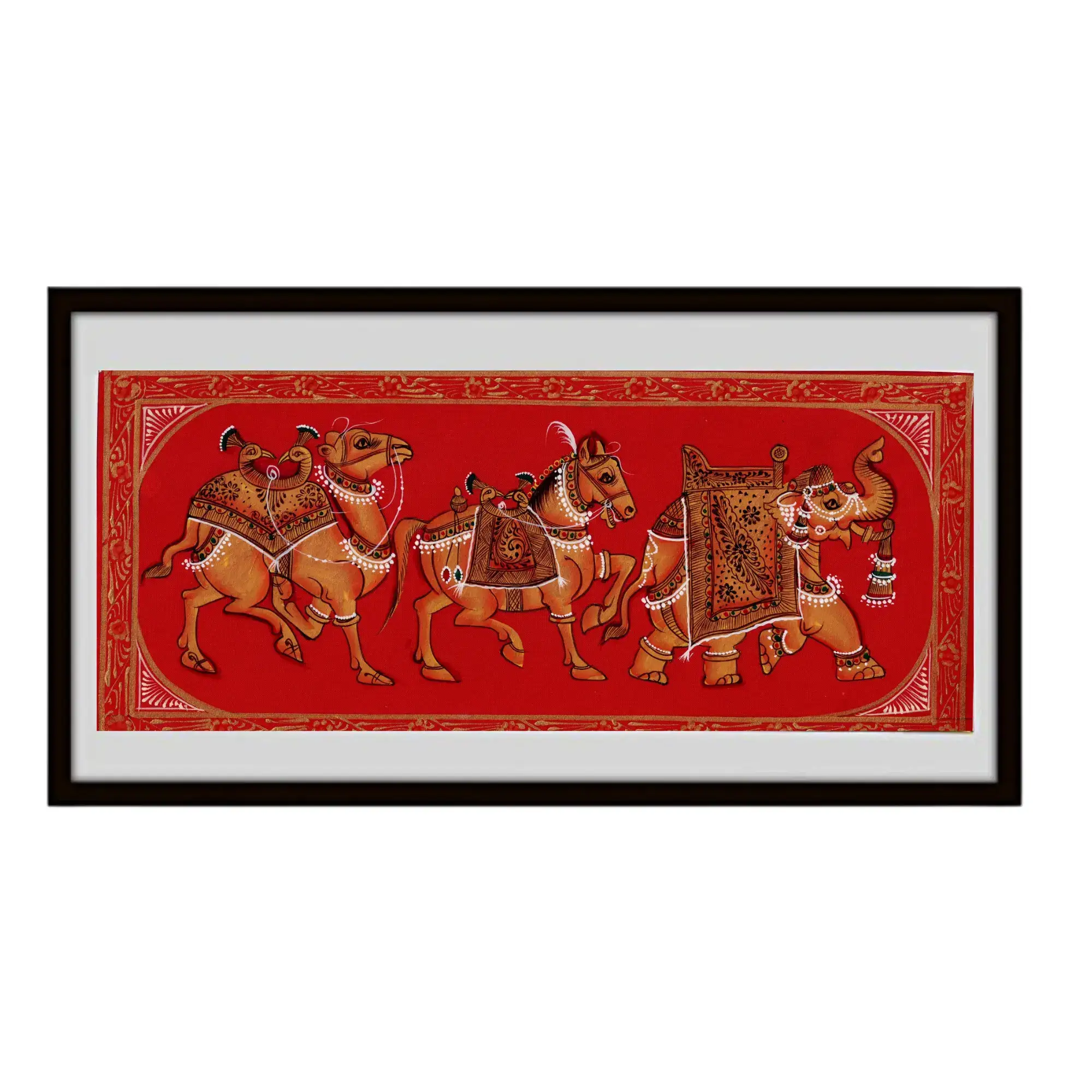
The ceremonial elephant painting traditionally symbolizes royalty, power, and dignity. This Elephant symbol royalty artwork showcases the regal procession of elephants used in kingly ceremonies. Elephants are revered for their strength and wisdom, making them a fitting emblem for royal and divine authority. The miniature paintings celebrate these traits by adorning elephants with rich ornaments and vibrant colors.
Artisans hand-paint each elephant miniature with delicate brushwork on handmade Wasli paper. The use of natural colors and minerals enhances the texture and depth of the painting. Artists meticulously detail every element, from the elephant's ornate caparisons to the ceremonial riders and attendants. This detailed approach reflects the dedication involved in creating each miniature masterpiece.
Rajasthani Miniature Painting: A Timeless Legacy
The tradition of Rajasthani elephant painting is a testament to Rajasthan's rich cultural heritage. It connects closely to the history and lifestyle of the region's royal courts. Each painting not only serves a decorative purpose but also preserves stories and traditions from a bygone era. Collectors and art lovers appreciate these miniature paintings for their storytelling, colors, and craftsmanship.
Besides royal symbolism, the paintings often incorporate motifs from Indian mythology and folklore. This inclusion adds layers of meaning to the artworks, making them visually engaging and culturally significant. The miniature painting style perfectly blends artistic skill with spiritual symbolism, offering a unique decorative piece for homes and galleries alike.
Materials and Dimensions of the Painting
Traditionally, the paintings are created on cotton or handmade paper using natural mineral pigments. The use of these materials ensures durability and a rich color palette. Some paintings feature gold or metallic enhancements to emphasize royal ornaments and details. This elevates the visual impact of the elephant painting and highlights its ceremonial importance.
The featured miniature painting measures approximately 5 inches in height and 5 inches in width. These compact dimensions make it ideal for wall decoration and personal collections. Its size also allows the intricacy of the artwork to be appreciated up close, revealing the skillful brushwork and detailed motifs.
The Appeal of the Elephant Miniature Paintings
Elephants hold special significance in Indian art and culture. The elephant miniature reflects this reverence by combining traditional themes with exquisite craftsmanship. Whether displayed in homes or offices, these paintings add an ethnic charm and historic value to any space.
This type of art is perfect for art collectors, enthusiasts of Indian culture, or anyone who appreciates fine, handcrafted paintings. It can serve as a meaningful home décor piece or a thoughtful gift for housewarmings and special occasions. The combination of historical significance and artistic beauty makes this miniature painting truly timeless.
Product Information
Product Information
Shipping & Returns
Shipping & Returns
Description
The Ceremonial Elephant of the Kings Miniature Painting
Elephant of the Kings Miniature Painting Rajasthani Painting is a rich and vibrant style of Indian miniature painting. It flourished in the royal courts of Rajasthan from the 16th century onwards. This painting style is deeply rooted in Indian traditions, reflecting a unique cultural heritage that has lasted centuries. It portrays themes drawn from mythology, epics, love stories, royal life, and folk culture, making it an expansive and meaningful art form.
The paintings are renowned for their bold lines, bright colors, and intricate detailing. Natural dyes and pigments made from minerals, vegetables, and precious stones were traditionally used to create these artworks. These natural materials give the elephant miniature painting a lasting and luminous quality that modern synthetic paints cannot replicate. This commitment to traditional materials and methods ensures each piece remains vibrant and authentic over time.
Distinct Schools of Elephant Miniature Painting
This art form is divided into several schools, including Mewar, Marwar, Bundi, Kota, Kishangarh, Bikaner, and Jaipur. Each school has its own distinct style and subject focus. For instance, Kishangarh is famous for its romantic portrayals of Radha and Krishna, especially the iconic image of Bani Thani. These romantic themes often appear within the elephant miniature painting tradition, blending rich symbolism with delicate aesthetics.
Mewar paintings frequently depict court scenes, heroic tales, and religious themes, showcasing the grandeur of royal life. In contrast, Bundi and Kota paintings are well known for their lush landscapes and hunting scenes, which highlight the surrounding environment and royal leisure activities. These varied themes across schools enrich the elephant miniature painting genre, offering a broad spectrum of visual narratives.
Symbolism and Technique in Elephant Miniature Artwork
The ceremonial elephant painting traditionally symbolizes royalty, power, and dignity. This Elephant symbol royalty artwork showcases the regal procession of elephants used in kingly ceremonies. Elephants are revered for their strength and wisdom, making them a fitting emblem for royal and divine authority. The miniature paintings celebrate these traits by adorning elephants with rich ornaments and vibrant colors.
Artisans hand-paint each elephant miniature with delicate brushwork on handmade Wasli paper. The use of natural colors and minerals enhances the texture and depth of the painting. Artists meticulously detail every element, from the elephant's ornate caparisons to the ceremonial riders and attendants. This detailed approach reflects the dedication involved in creating each miniature masterpiece.
Rajasthani Miniature Painting: A Timeless Legacy
The tradition of Rajasthani elephant painting is a testament to Rajasthan's rich cultural heritage. It connects closely to the history and lifestyle of the region's royal courts. Each painting not only serves a decorative purpose but also preserves stories and traditions from a bygone era. Collectors and art lovers appreciate these miniature paintings for their storytelling, colors, and craftsmanship.
Besides royal symbolism, the paintings often incorporate motifs from Indian mythology and folklore. This inclusion adds layers of meaning to the artworks, making them visually engaging and culturally significant. The miniature painting style perfectly blends artistic skill with spiritual symbolism, offering a unique decorative piece for homes and galleries alike.
Materials and Dimensions of the Painting
Traditionally, the paintings are created on cotton or handmade paper using natural mineral pigments. The use of these materials ensures durability and a rich color palette. Some paintings feature gold or metallic enhancements to emphasize royal ornaments and details. This elevates the visual impact of the elephant painting and highlights its ceremonial importance.
The featured miniature painting measures approximately 5 inches in height and 5 inches in width. These compact dimensions make it ideal for wall decoration and personal collections. Its size also allows the intricacy of the artwork to be appreciated up close, revealing the skillful brushwork and detailed motifs.
The Appeal of the Elephant Miniature Paintings
Elephants hold special significance in Indian art and culture. The elephant miniature reflects this reverence by combining traditional themes with exquisite craftsmanship. Whether displayed in homes or offices, these paintings add an ethnic charm and historic value to any space.
This type of art is perfect for art collectors, enthusiasts of Indian culture, or anyone who appreciates fine, handcrafted paintings. It can serve as a meaningful home décor piece or a thoughtful gift for housewarmings and special occasions. The combination of historical significance and artistic beauty makes this miniature painting truly timeless.