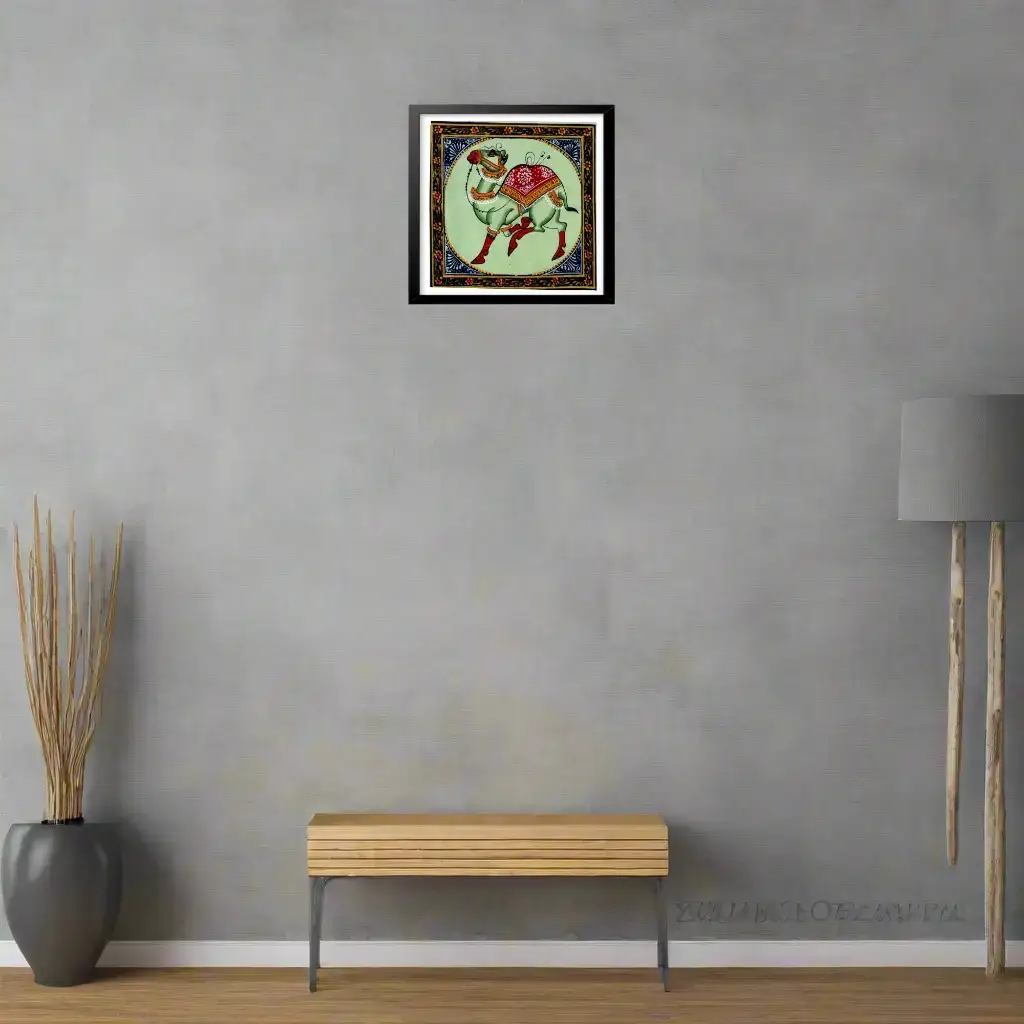
Camel of Prosperity Miniature Artwork – Inspired by Tradition Painting
Camel of Prosperity Miniature Artwork – Inspired by Tradition Painting
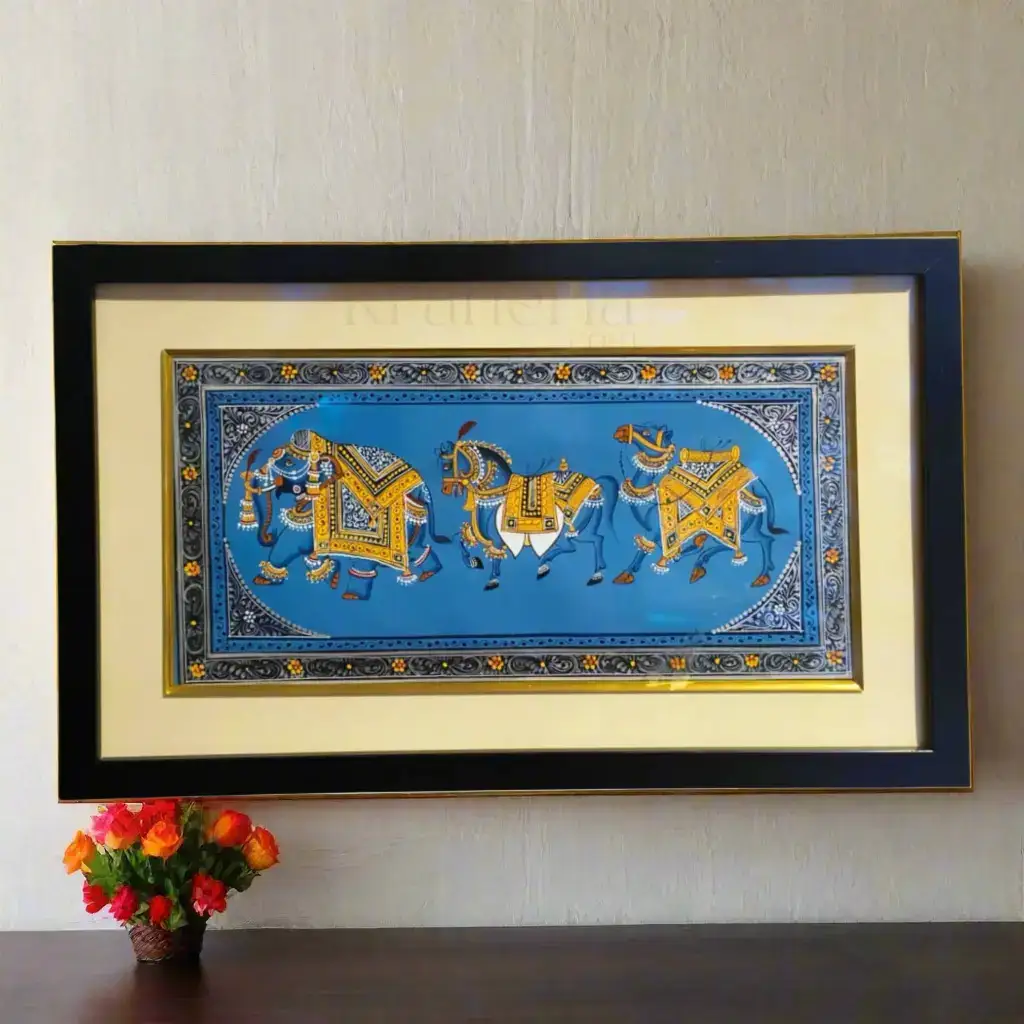
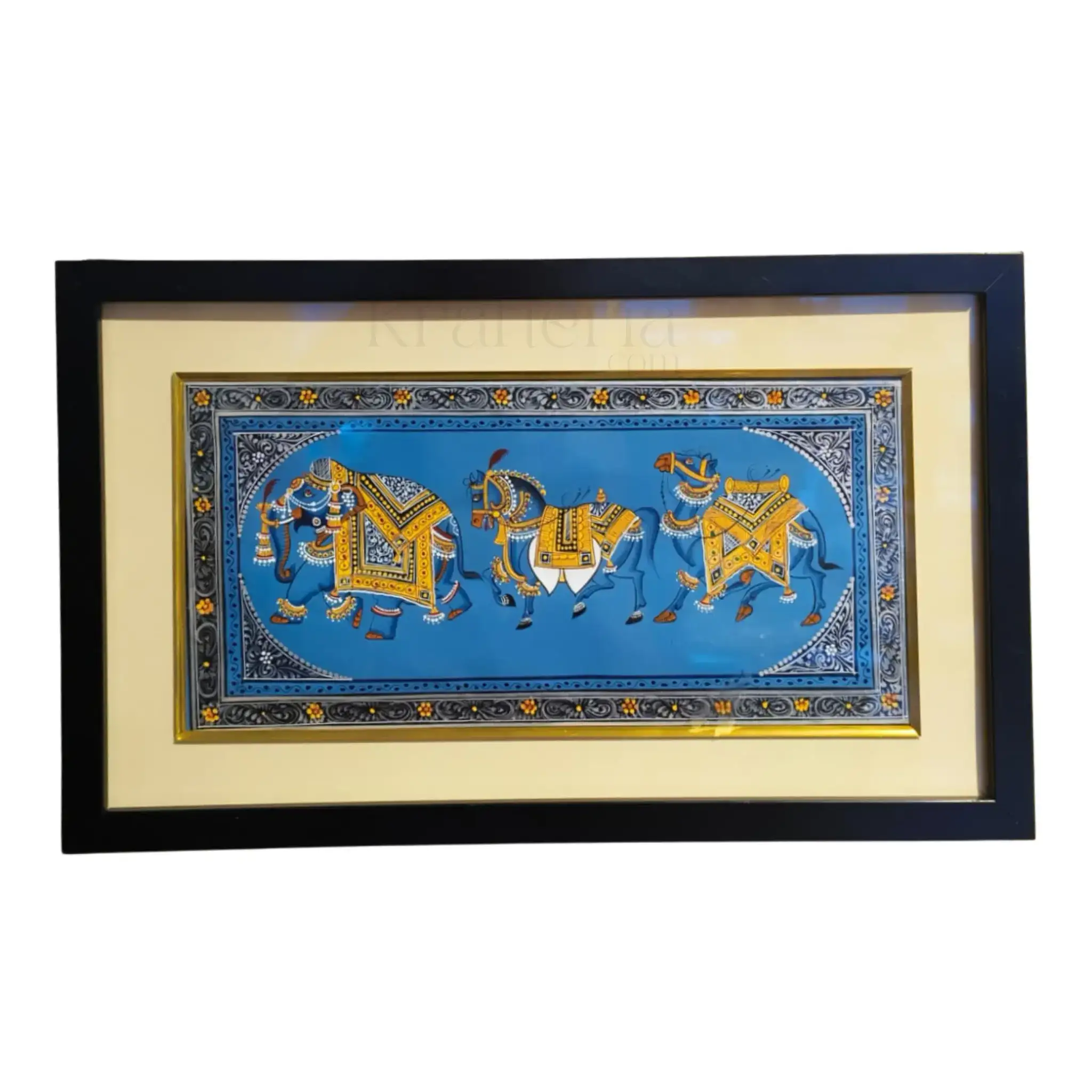
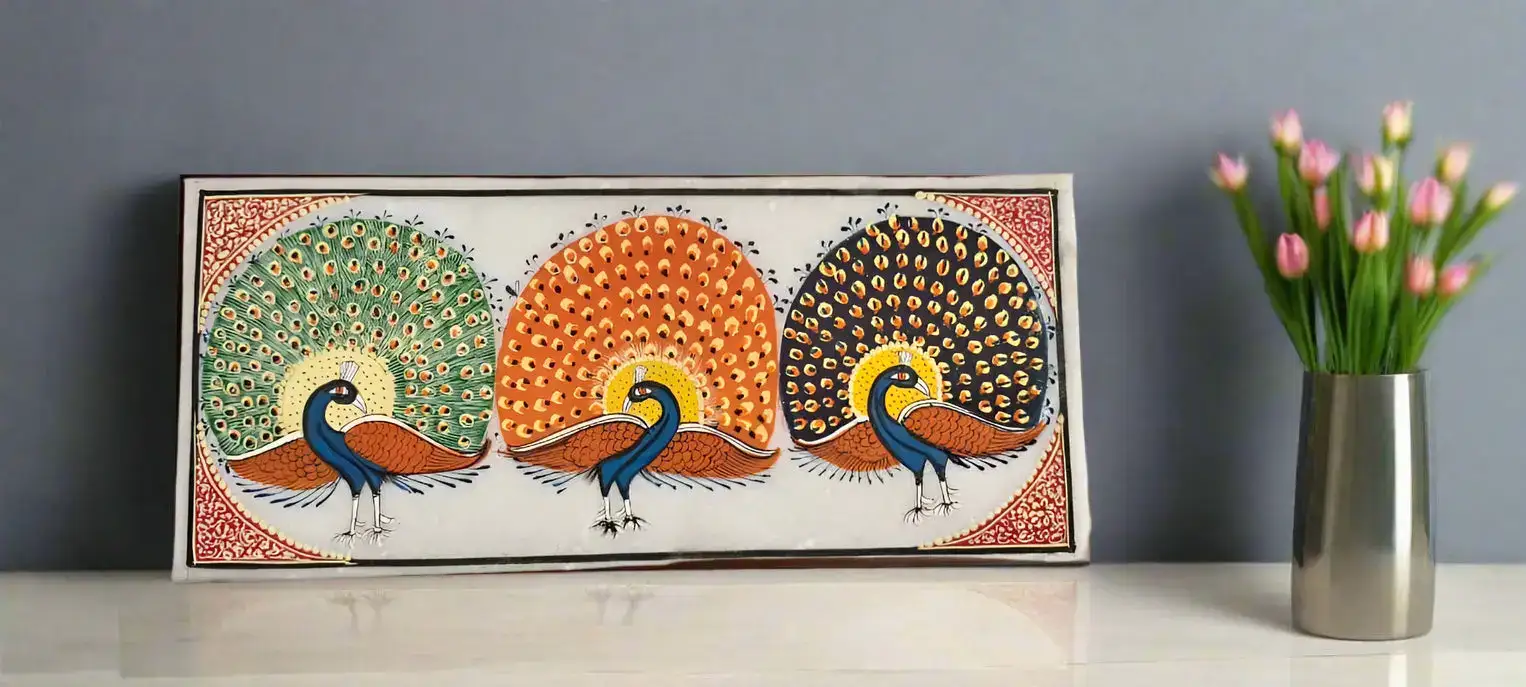
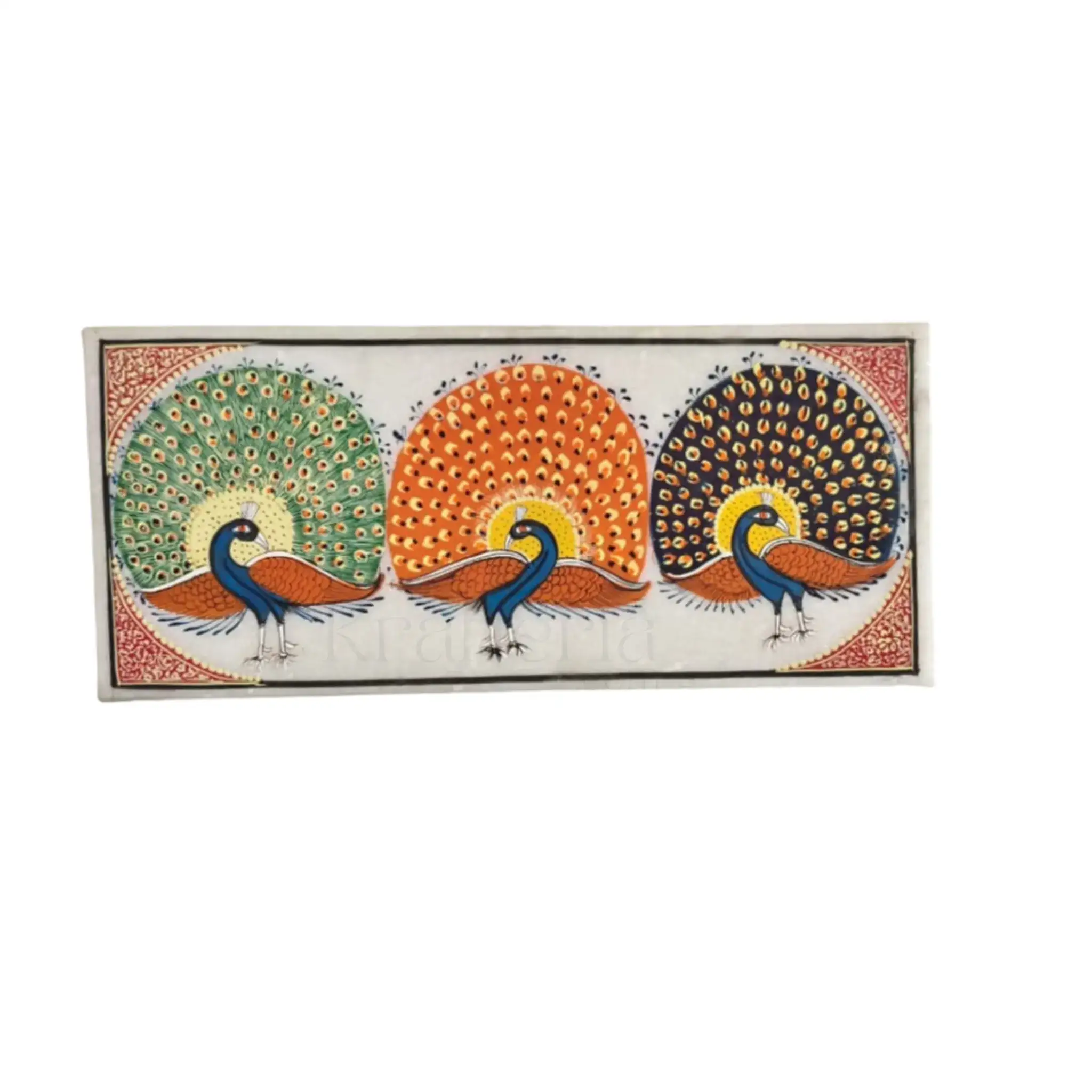
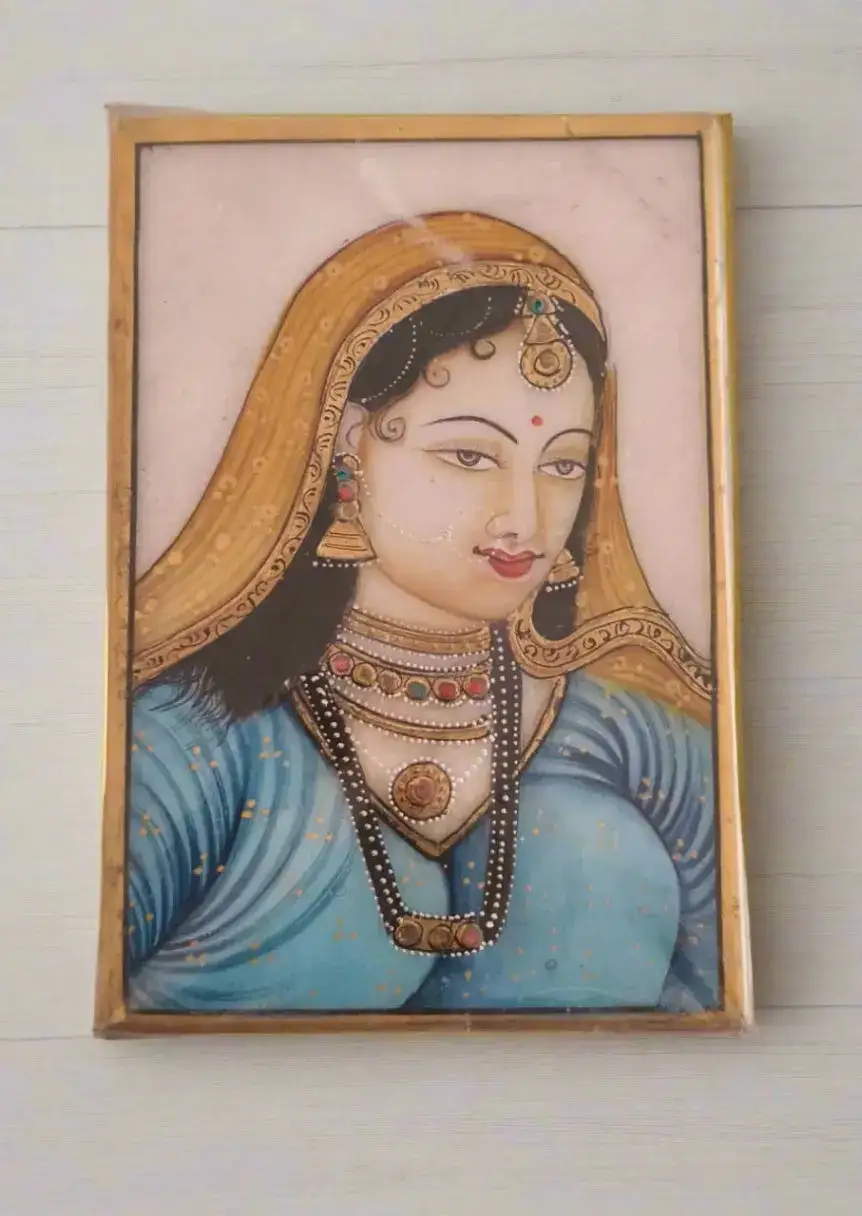
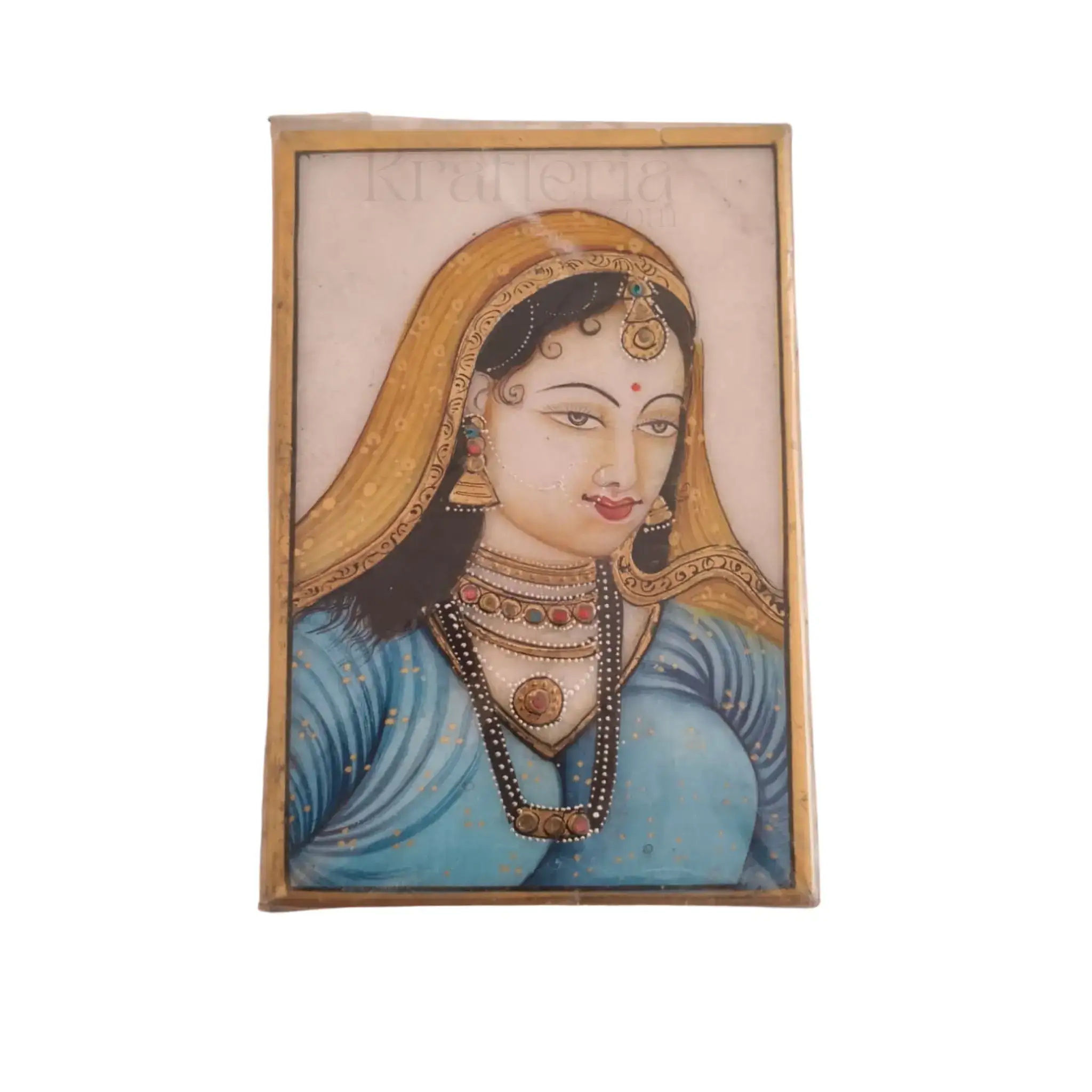
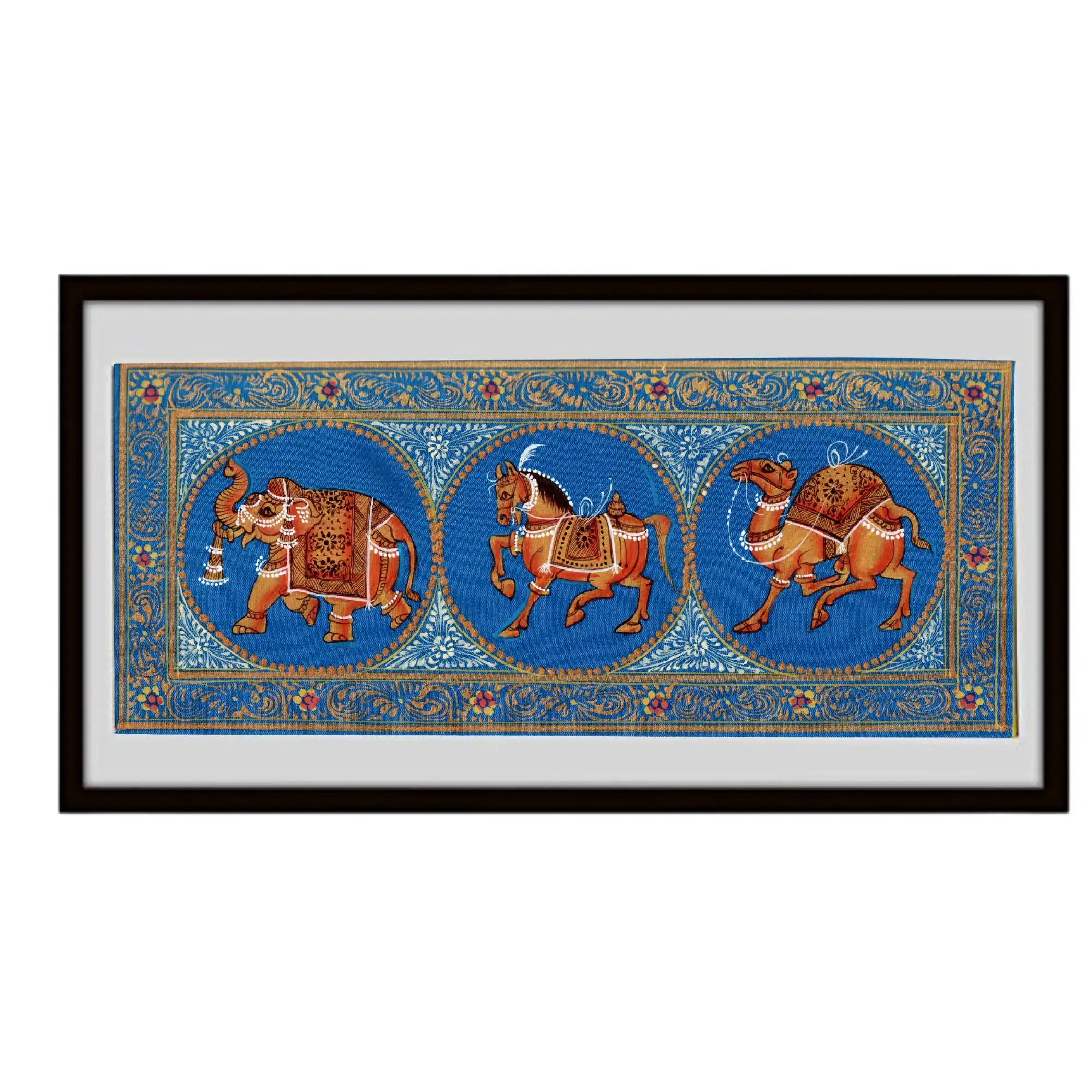
Camel of Prosperity Miniature Artwork Rajasthani Painting is a rich and vibrant style of Indian miniature painting. This art form flourished in the royal courts of Rajasthan from the 16th century onwards. Deeply rooted in Indian traditions, it portrays themes of mythology, epics, love stories, royal life, and folk culture. The paintings are known for their bold lines, bright colors, and intricate detailing.
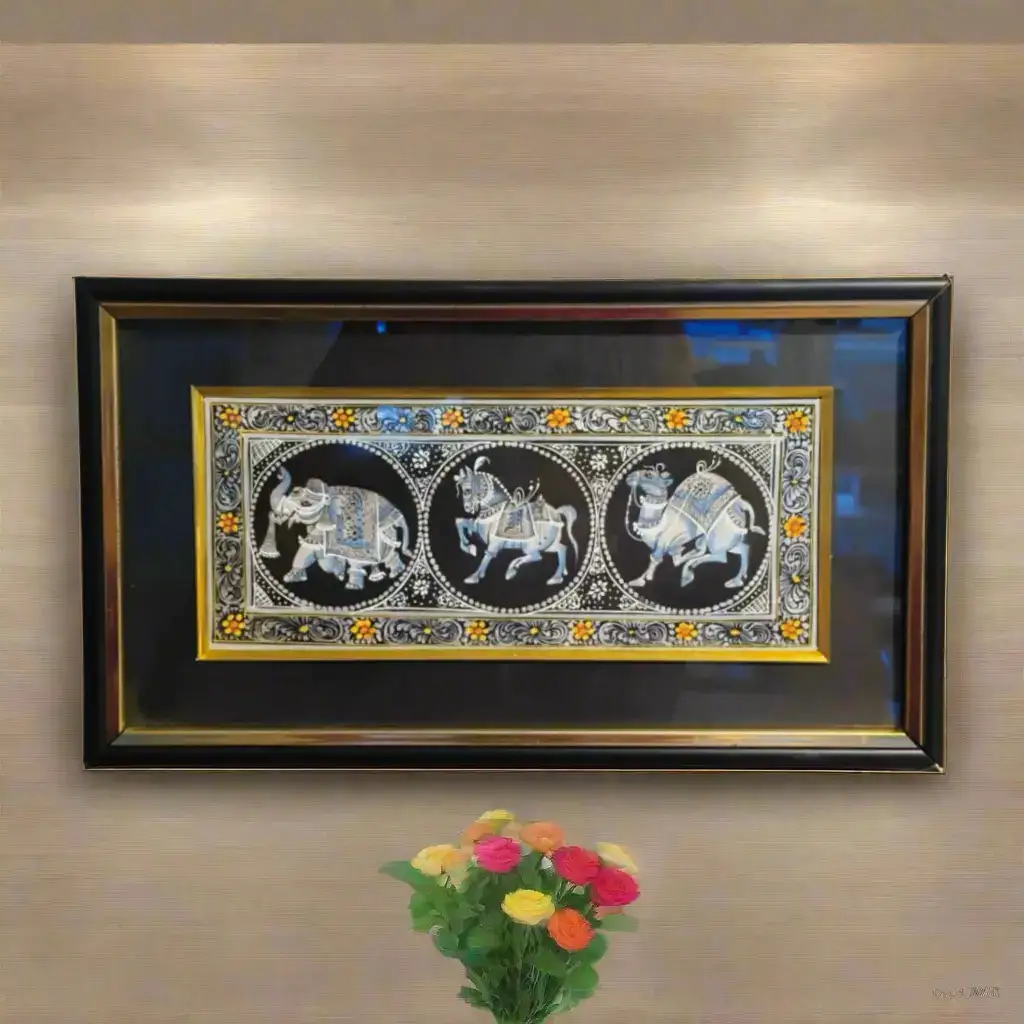
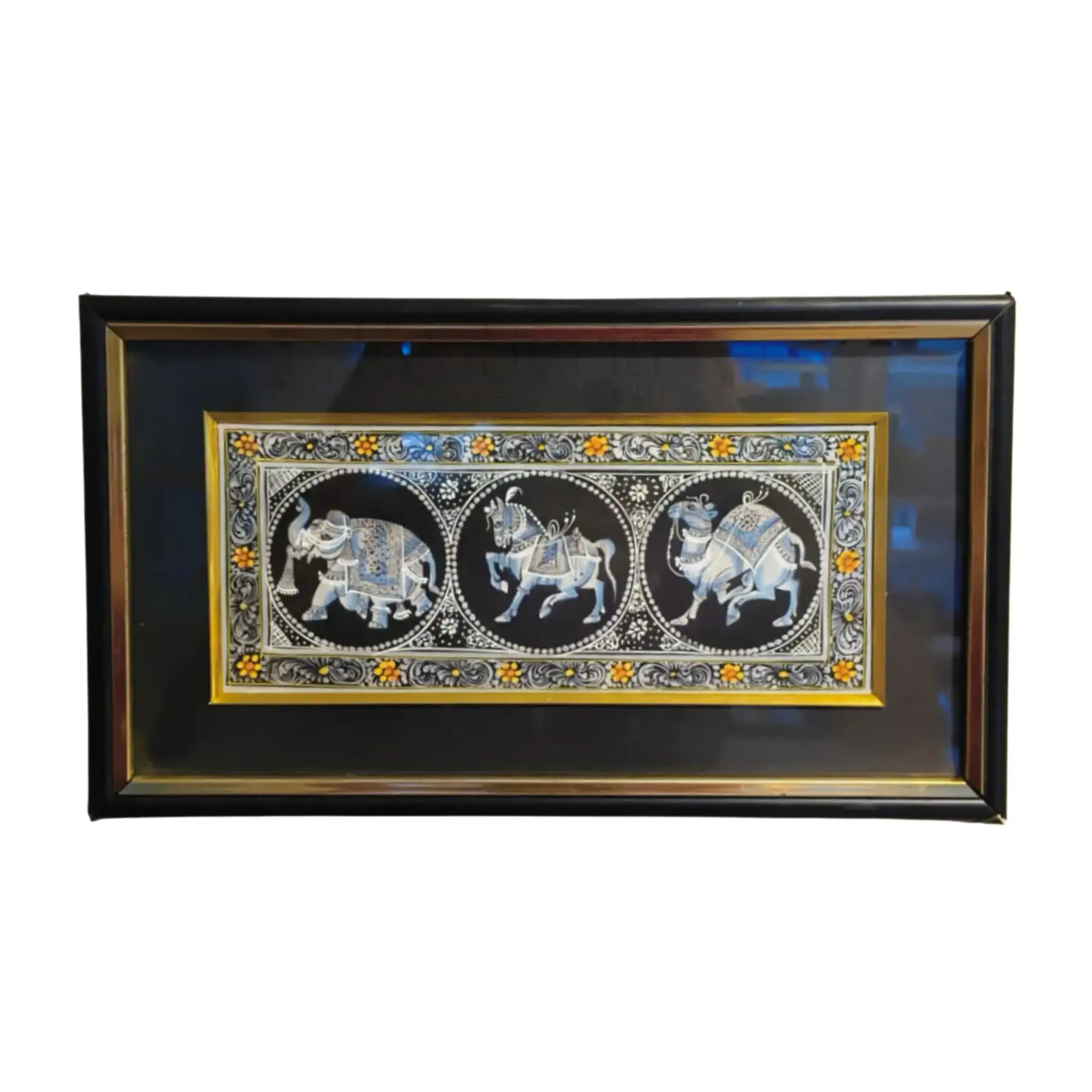
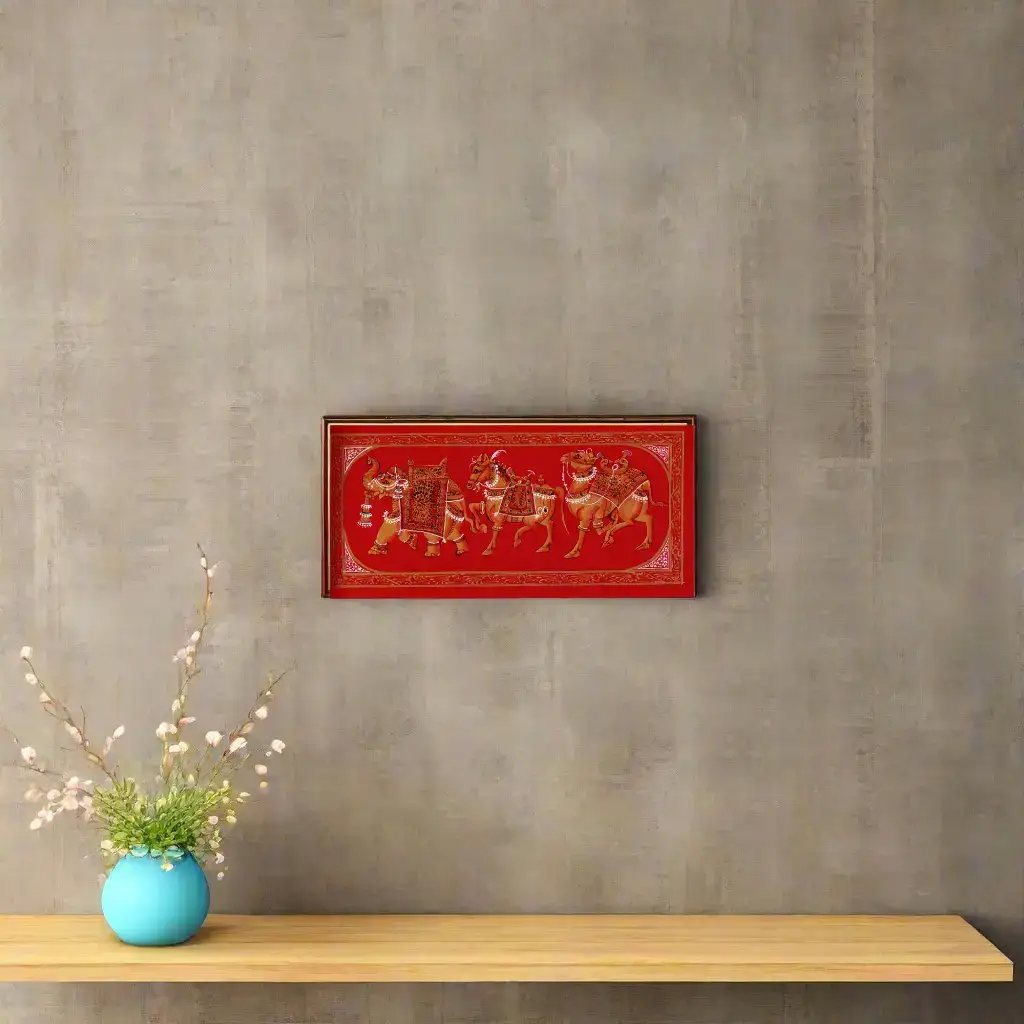
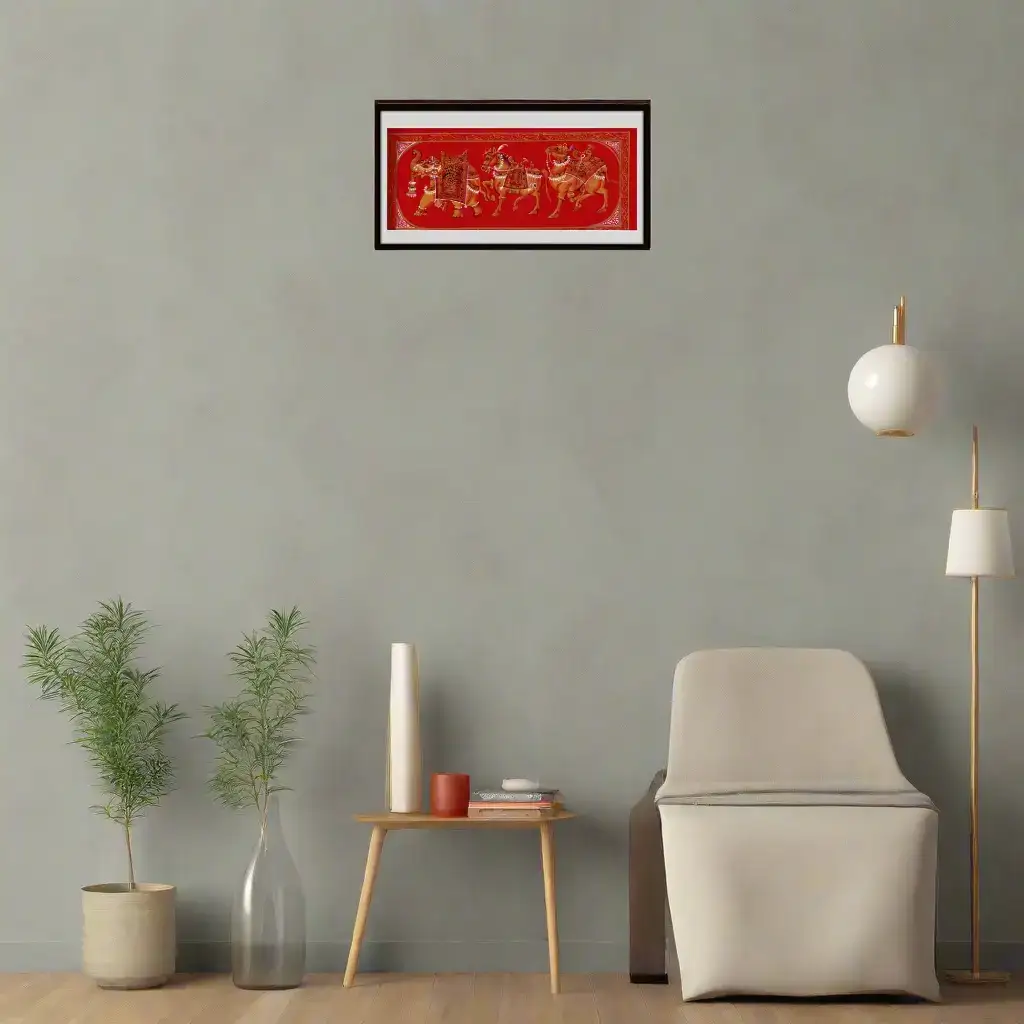
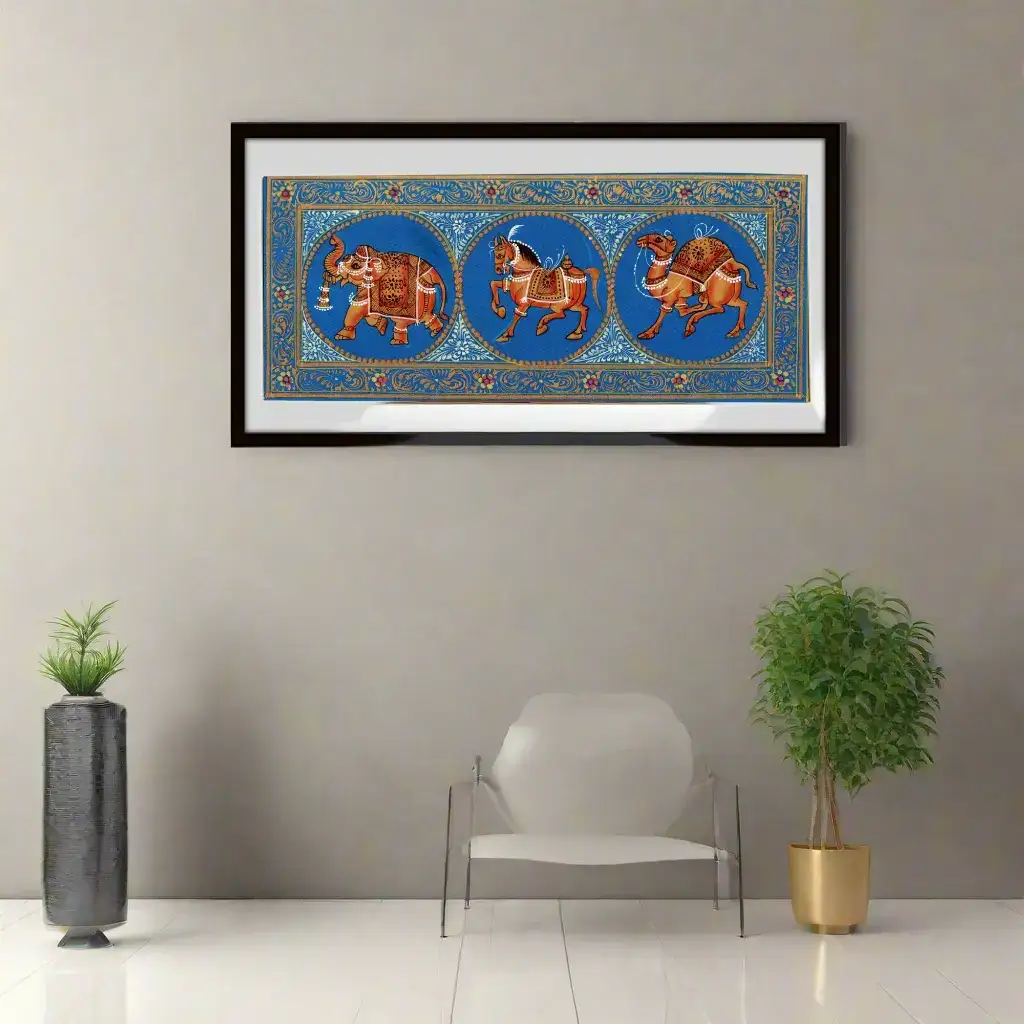
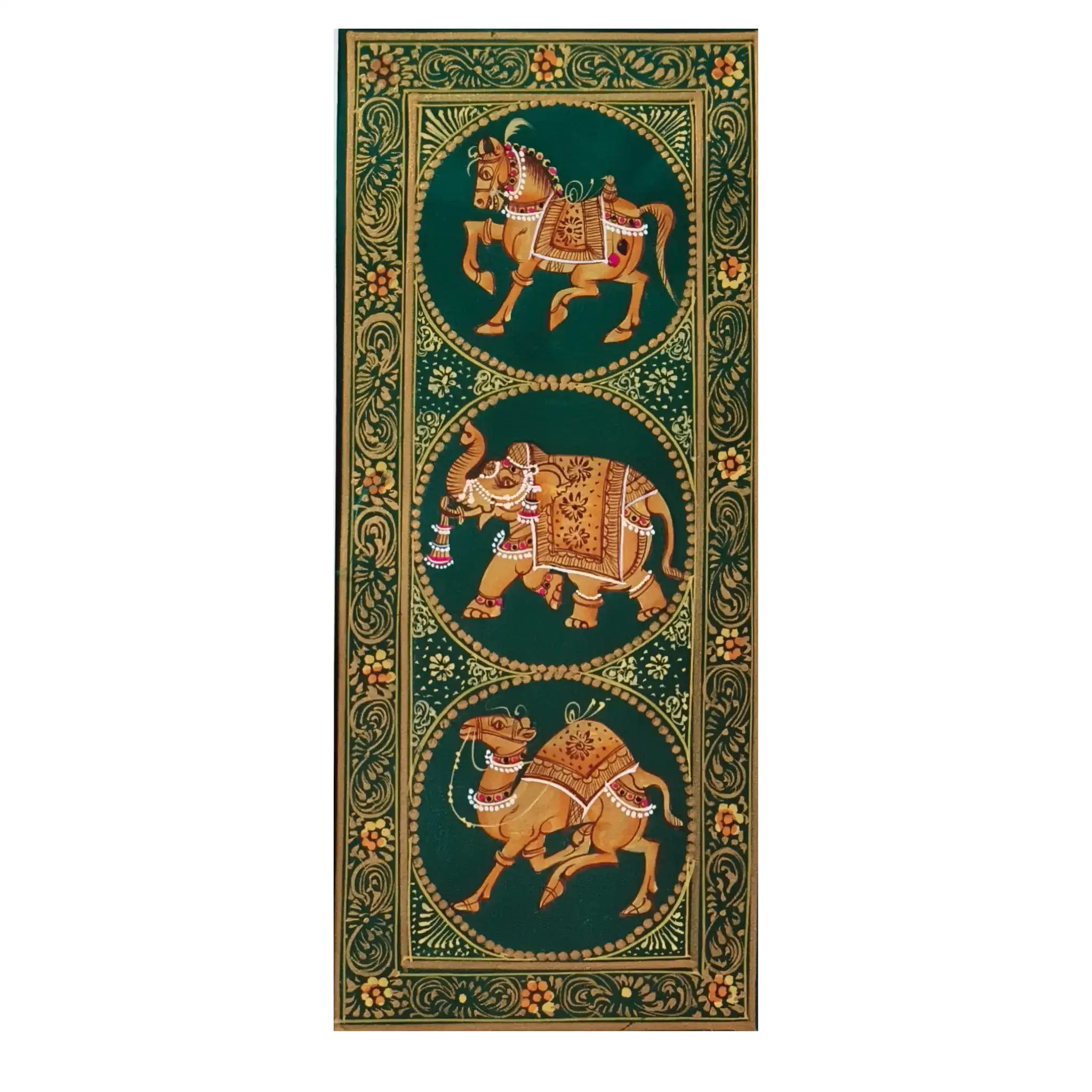
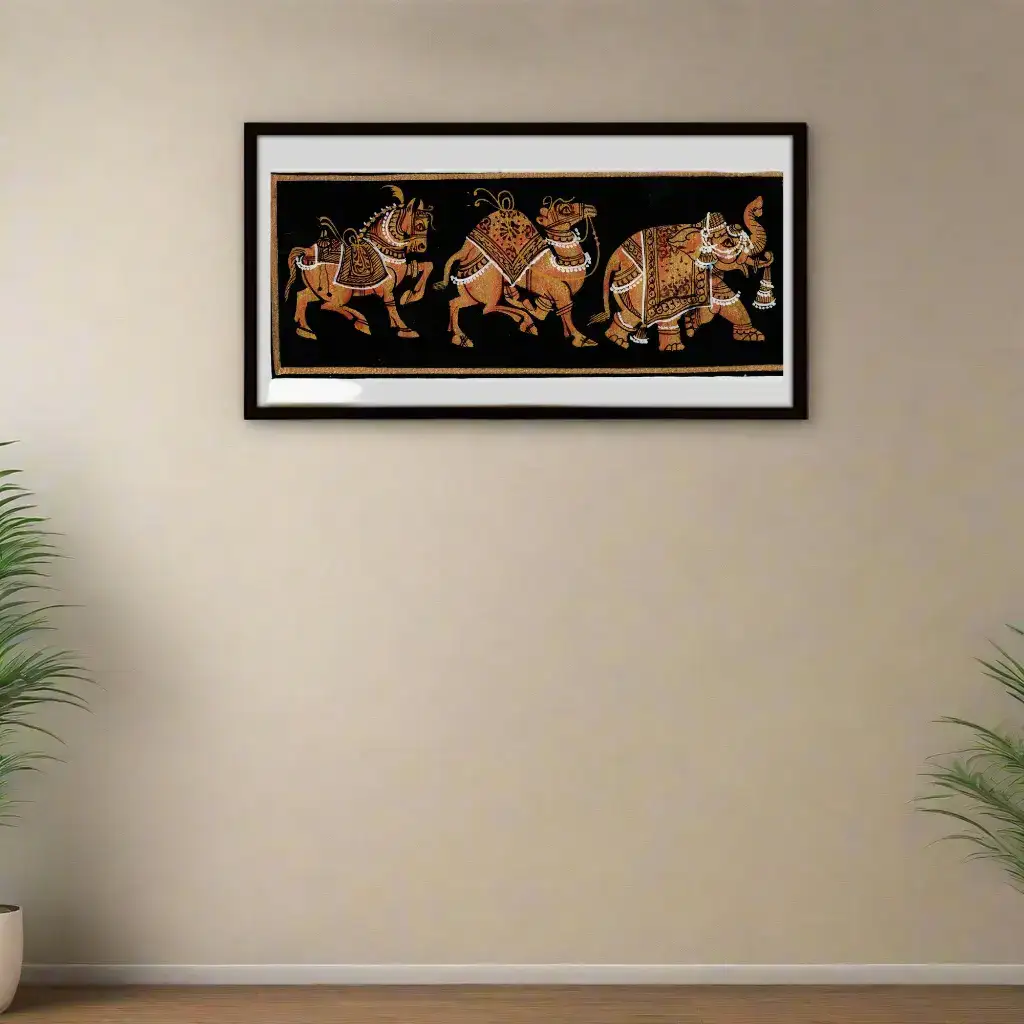
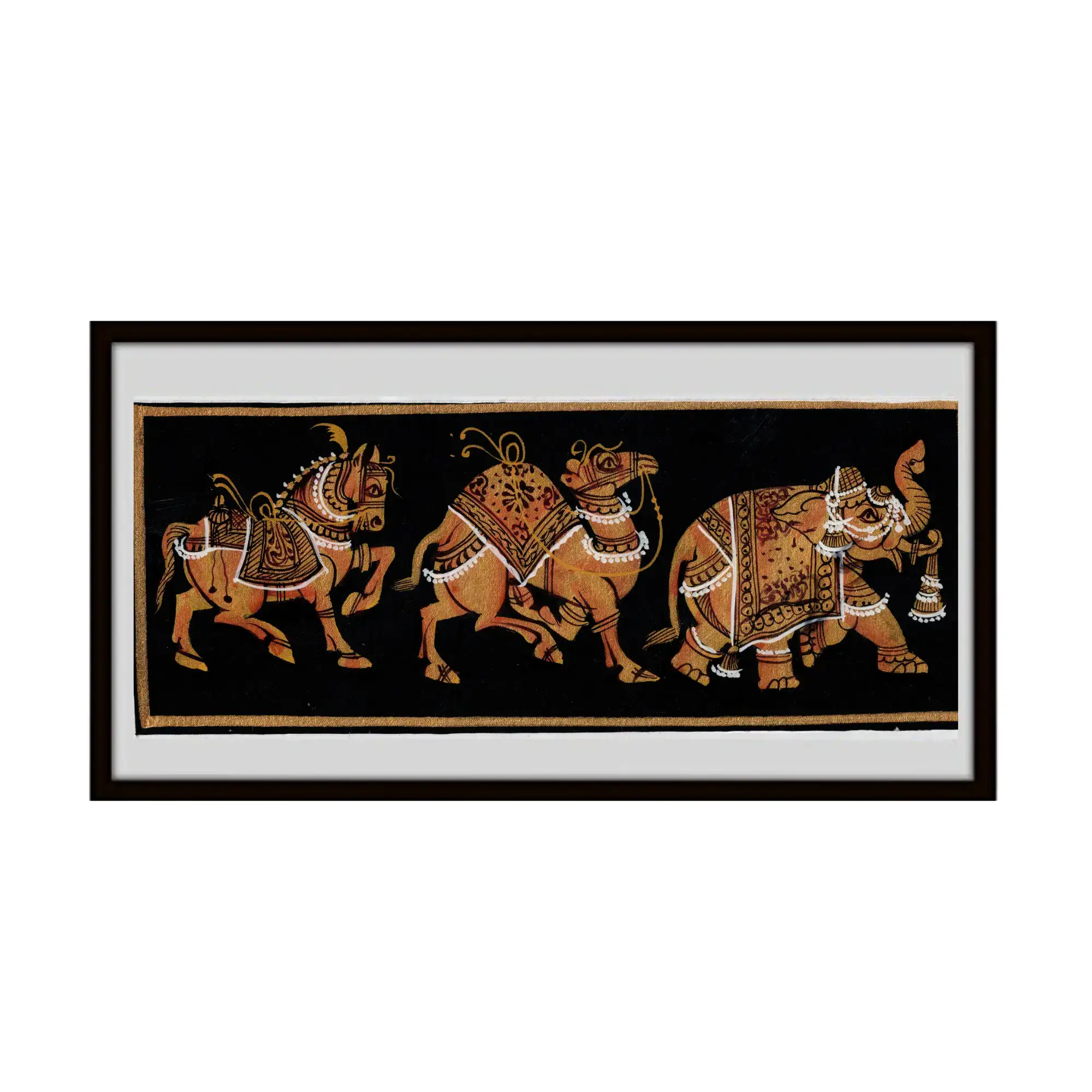
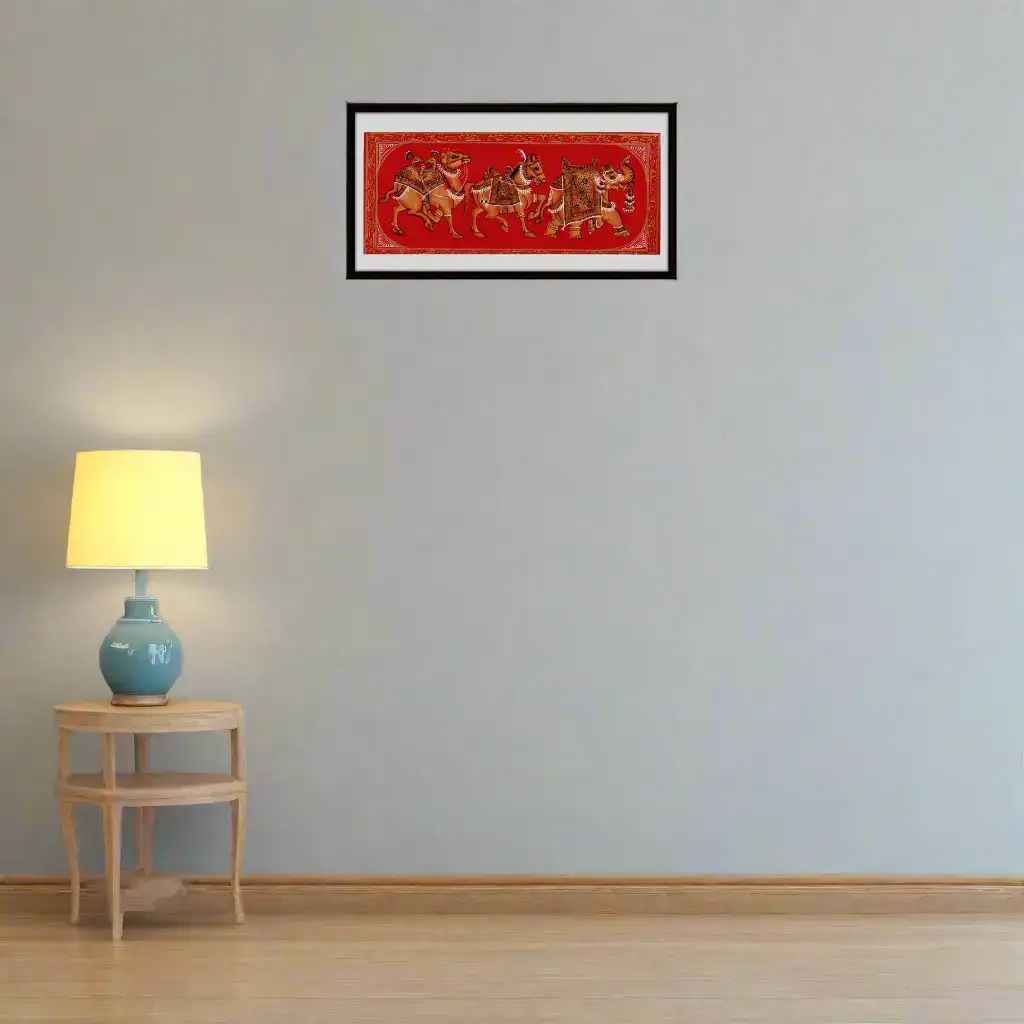
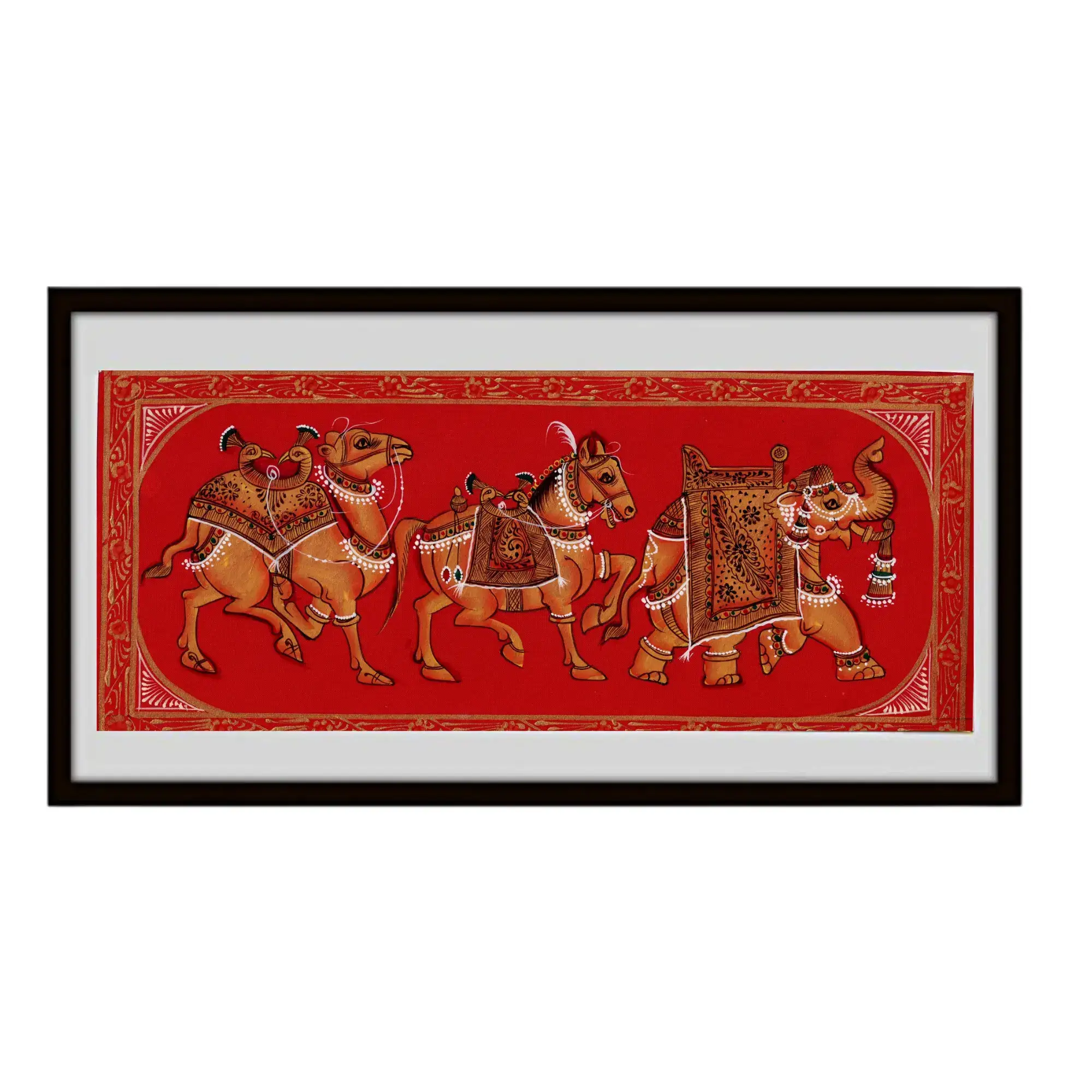
The camel is a significant subject in Indian art, symbolizing endurance, patience, and prosperity. The Camel Miniature Artwork beautifully captures this symbolism with hand-painted precision and traditional motifs. Natural dyes and pigments made from minerals, vegetables, and precious stones were traditionally used in this art. These ingredients give the paintings a lasting and luminous quality that is unparalleled in other art forms.
Distinctive Schools of Indian Miniature Painting
This camel miniature art belongs to a tradition divided into several schools. These include Mewar, Marwar, Bundi, Kota, Kishangarh, Bikaner, and Jaipur. Each school has its own unique style and subject focus, contributing to the diversity of the miniature painting landscape.
Kishangarh is famous for its romantic portrayal of Radha and Krishna, with iconic images like Bani Thani. In contrast, Mewar paintings often depict court scenes, heroic tales, and religious themes. Bundi and Kota paintings showcase lush landscapes and hunting scenes. Each style adds a distinct flavor to the miniature art tradition.
Features of the Camel Miniature Artwork
The Camel Miniature Artwork is a perfect blend of cultural storytelling and visual artistry. The hand-painted camel represents not only an animal but also a symbol of prosperity and successful journeys. The camel’s endurance through deserts symbolizes patience and perseverance.
The use of handmade Wasli paper as the canvas adds authenticity. Pigments derived from natural sources enhance the vibrancy of the artwork. Fine ornamental detailing further elevates the artistic appeal of this hand-painted camel artwork from India.
Symbolism and Cultural Significance
The camel is historically associated with trade caravans, commerce, and long journeys across deserts. This gave rise to its symbolism as a carrier of prosperity and wealth. The Camel Prosperity painting reflects this deep-rooted cultural and spiritual motif in Indian art.
By investing in or gifting such a camel artwork, one shares wishes of endurance, growth, and good fortune. Such paintings also celebrate traditional craftsmanship, keeping alive rich Indian heritage. The motifs and colors are not only beautiful but also carry meaningful stories.
Techniques and Materials
The artwork is created using time-honored techniques passed down through generations. Artists use mineral-based and vegetable pigments to achieve bright, lasting hues. The meticulous application of colors highlights the precision of the miniature painting style.
Handmade Wasli paper is carefully prepared to receive the paint, ensuring durability and excellent texture. Brushes made from squirrel hair or other fine fibers allow detailed strokes that characterize this art. The result is an exquisite piece that stands as both art and cultural document.
Cultural Heritage Behind the Art
This tradition has survived centuries and remains an important part of Rajasthan’s rich artistic lineage. The miniature artwork is a testimony to the craftsmen’s skills and the royal patronage that supported such art.
Its themes often include mythological and royal elements, making it a window into India's history and mythology. The vivid palette and bold line work not only please the eye but also preserve ancient narratives. Collectors and art lovers worldwide treasure these paintings for their beauty and heritage.
Where to Display and Gift This Artwork
The camel miniature art fits beautifully in homes and offices. Its symbolism of prosperity makes it an excellent choice for gifting on special occasions. Displaying this artwork creates an ambience of culture, history, and spiritual positivity.
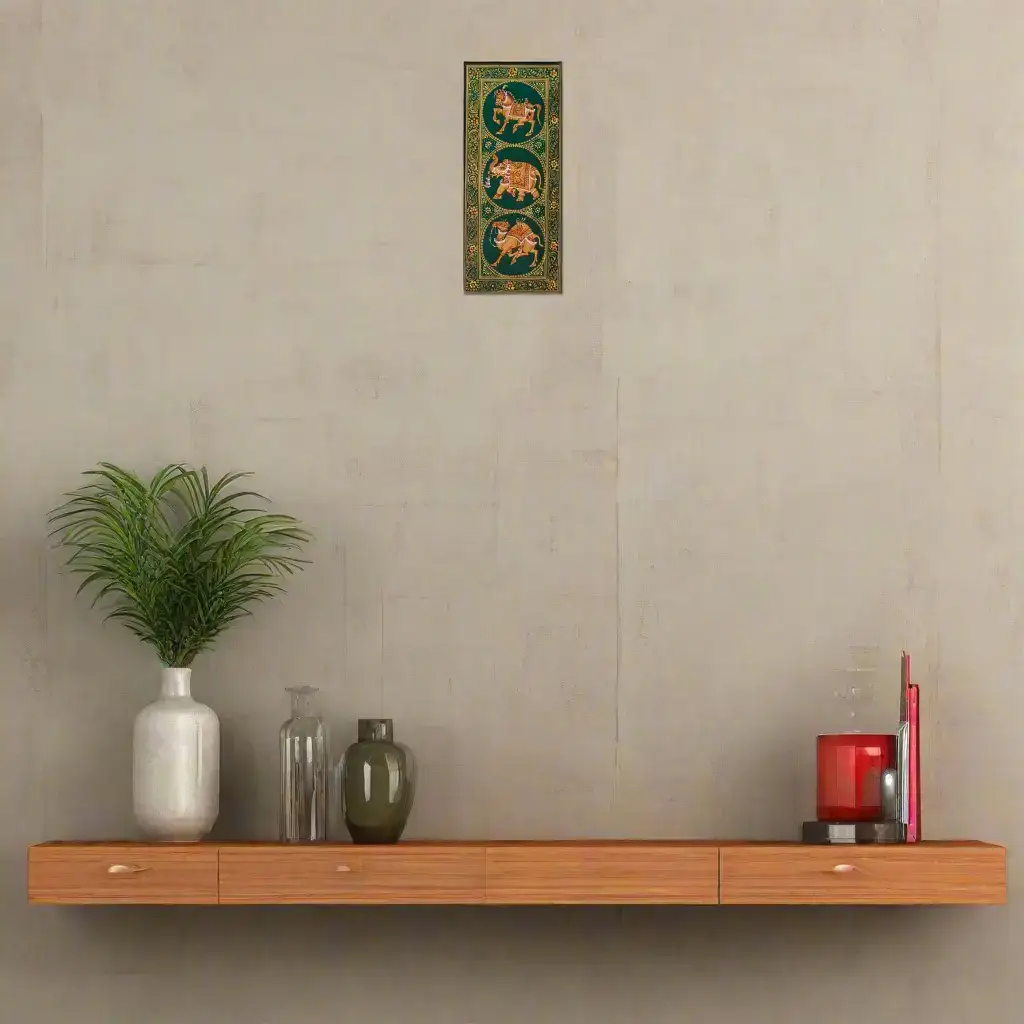
Its compact size and bold colors make it versatile for various interior styles. Whether framed or unframed, it adds a tasteful ethnic touch. The hand-painted camel artwork India can also be a meaningful accessory in corporate settings or sanctuaries.
Summary
This Tibetan-inspired Camel Miniature Artwork exemplifies traditional Indian artistry. With its rich colors, bold lines, and deep symbolism, it beautifully bridges past and present. Whether admired for its craft or its cultural meaning, this artwork remains a valuable and meaningful piece.
Original: $9.67
-70%$9.67
$2.90Product Information
Product Information
Shipping & Returns
Shipping & Returns
Description
Camel of Prosperity Miniature Artwork – Inspired by Tradition Painting
Camel of Prosperity Miniature Artwork Rajasthani Painting is a rich and vibrant style of Indian miniature painting. This art form flourished in the royal courts of Rajasthan from the 16th century onwards. Deeply rooted in Indian traditions, it portrays themes of mythology, epics, love stories, royal life, and folk culture. The paintings are known for their bold lines, bright colors, and intricate detailing.
The camel is a significant subject in Indian art, symbolizing endurance, patience, and prosperity. The Camel Miniature Artwork beautifully captures this symbolism with hand-painted precision and traditional motifs. Natural dyes and pigments made from minerals, vegetables, and precious stones were traditionally used in this art. These ingredients give the paintings a lasting and luminous quality that is unparalleled in other art forms.
Distinctive Schools of Indian Miniature Painting
This camel miniature art belongs to a tradition divided into several schools. These include Mewar, Marwar, Bundi, Kota, Kishangarh, Bikaner, and Jaipur. Each school has its own unique style and subject focus, contributing to the diversity of the miniature painting landscape.
Kishangarh is famous for its romantic portrayal of Radha and Krishna, with iconic images like Bani Thani. In contrast, Mewar paintings often depict court scenes, heroic tales, and religious themes. Bundi and Kota paintings showcase lush landscapes and hunting scenes. Each style adds a distinct flavor to the miniature art tradition.
Features of the Camel Miniature Artwork
The Camel Miniature Artwork is a perfect blend of cultural storytelling and visual artistry. The hand-painted camel represents not only an animal but also a symbol of prosperity and successful journeys. The camel’s endurance through deserts symbolizes patience and perseverance.
The use of handmade Wasli paper as the canvas adds authenticity. Pigments derived from natural sources enhance the vibrancy of the artwork. Fine ornamental detailing further elevates the artistic appeal of this hand-painted camel artwork from India.
Symbolism and Cultural Significance
The camel is historically associated with trade caravans, commerce, and long journeys across deserts. This gave rise to its symbolism as a carrier of prosperity and wealth. The Camel Prosperity painting reflects this deep-rooted cultural and spiritual motif in Indian art.
By investing in or gifting such a camel artwork, one shares wishes of endurance, growth, and good fortune. Such paintings also celebrate traditional craftsmanship, keeping alive rich Indian heritage. The motifs and colors are not only beautiful but also carry meaningful stories.
Techniques and Materials
The artwork is created using time-honored techniques passed down through generations. Artists use mineral-based and vegetable pigments to achieve bright, lasting hues. The meticulous application of colors highlights the precision of the miniature painting style.
Handmade Wasli paper is carefully prepared to receive the paint, ensuring durability and excellent texture. Brushes made from squirrel hair or other fine fibers allow detailed strokes that characterize this art. The result is an exquisite piece that stands as both art and cultural document.
Cultural Heritage Behind the Art
This tradition has survived centuries and remains an important part of Rajasthan’s rich artistic lineage. The miniature artwork is a testimony to the craftsmen’s skills and the royal patronage that supported such art.
Its themes often include mythological and royal elements, making it a window into India's history and mythology. The vivid palette and bold line work not only please the eye but also preserve ancient narratives. Collectors and art lovers worldwide treasure these paintings for their beauty and heritage.
Where to Display and Gift This Artwork
The camel miniature art fits beautifully in homes and offices. Its symbolism of prosperity makes it an excellent choice for gifting on special occasions. Displaying this artwork creates an ambience of culture, history, and spiritual positivity.
Its compact size and bold colors make it versatile for various interior styles. Whether framed or unframed, it adds a tasteful ethnic touch. The hand-painted camel artwork India can also be a meaningful accessory in corporate settings or sanctuaries.
Summary
This Tibetan-inspired Camel Miniature Artwork exemplifies traditional Indian artistry. With its rich colors, bold lines, and deep symbolism, it beautifully bridges past and present. Whether admired for its craft or its cultural meaning, this artwork remains a valuable and meaningful piece.