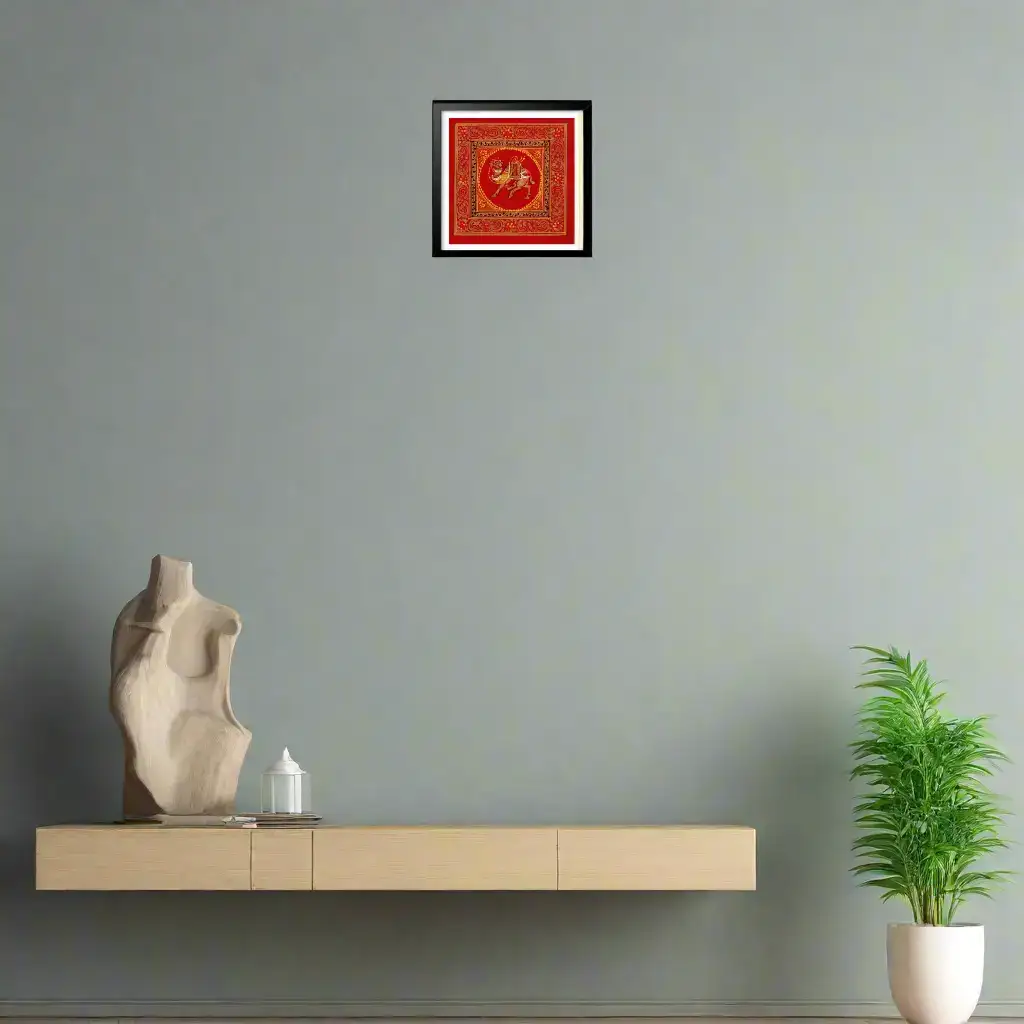
The Majestic Camel Miniature Artwork – Guardian of the Desert
The Majestic Camel Miniature Artwork – Guardian of the Desert
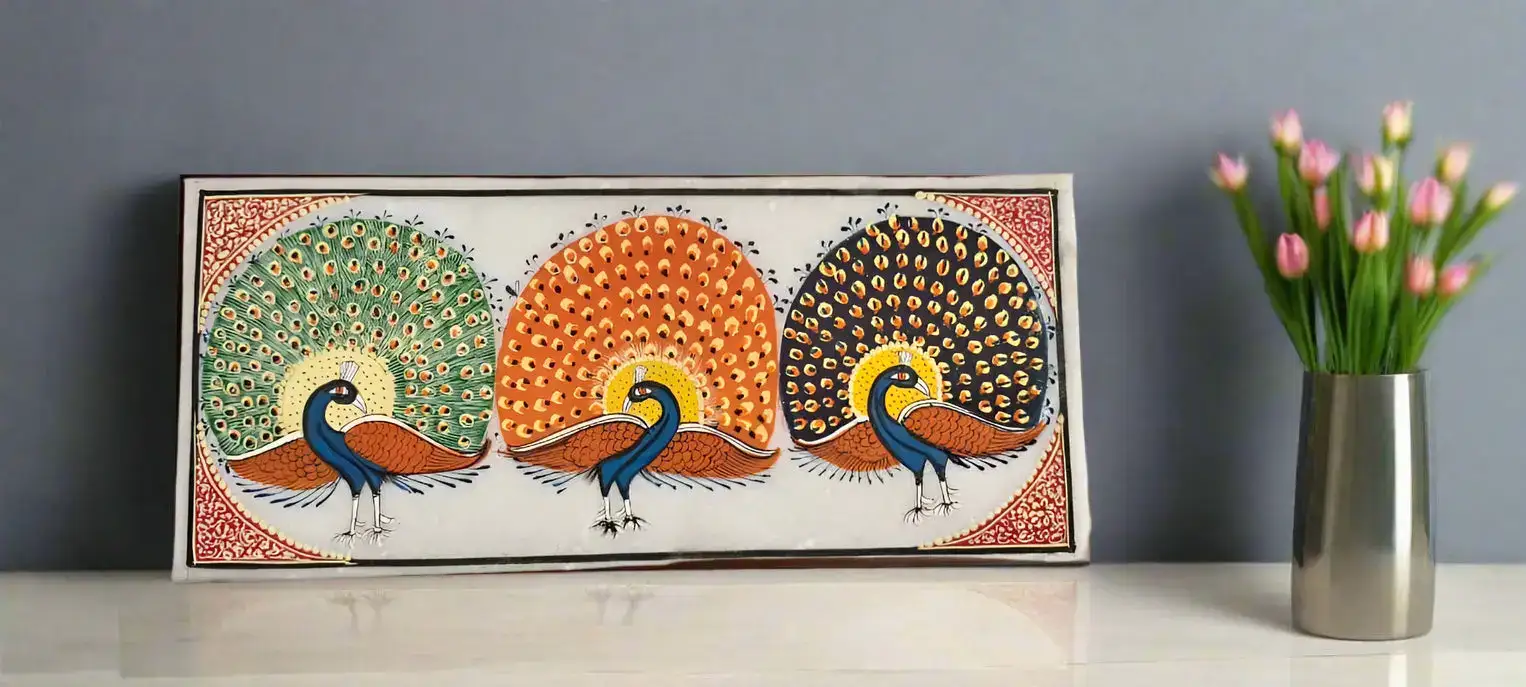
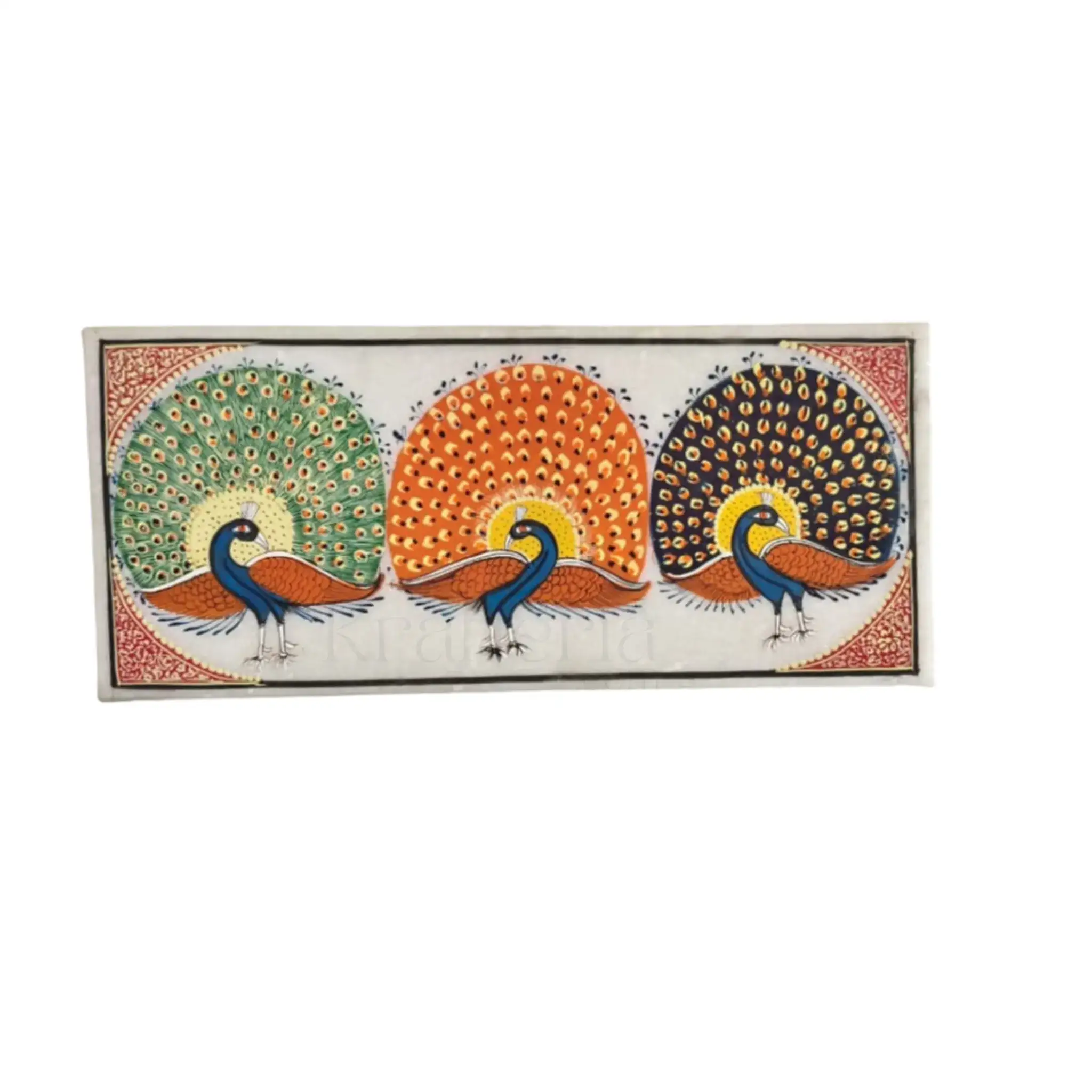
Camel Miniature Artwork Rajasthani Painting is a rich and vibrant style of Indian miniature painting. This art form flourished in the royal courts of Rajasthan from the 16th century onwards. Deeply rooted in Indian traditions, it portrays themes of mythology, epics, love stories, royal life, and folk culture. This unique art is renowned for its bold lines, bright colors, and intricate detailing. Traditional artists use natural dyes and pigments made from minerals, vegetables, and precious stones, giving the artwork a lasting and luminous quality.
Distinct Schools of Camel Miniature Artwork
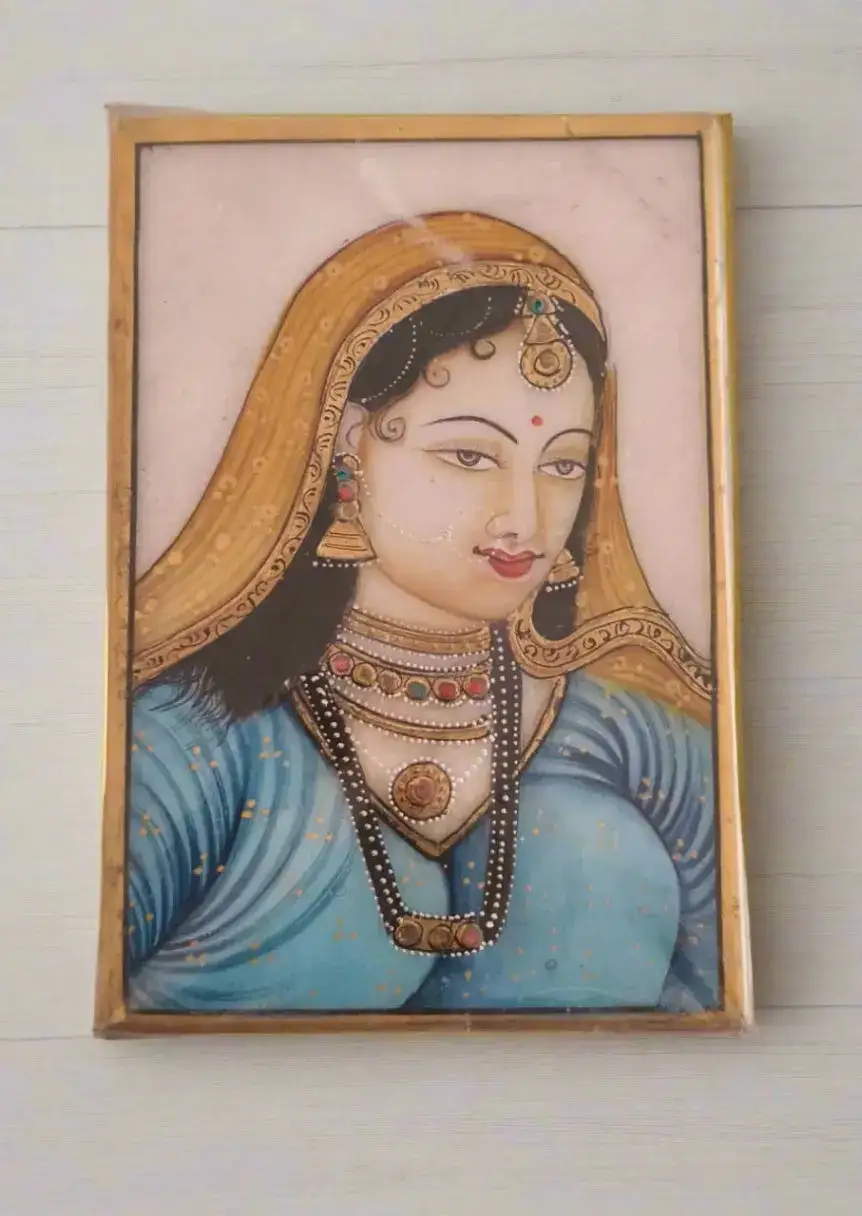
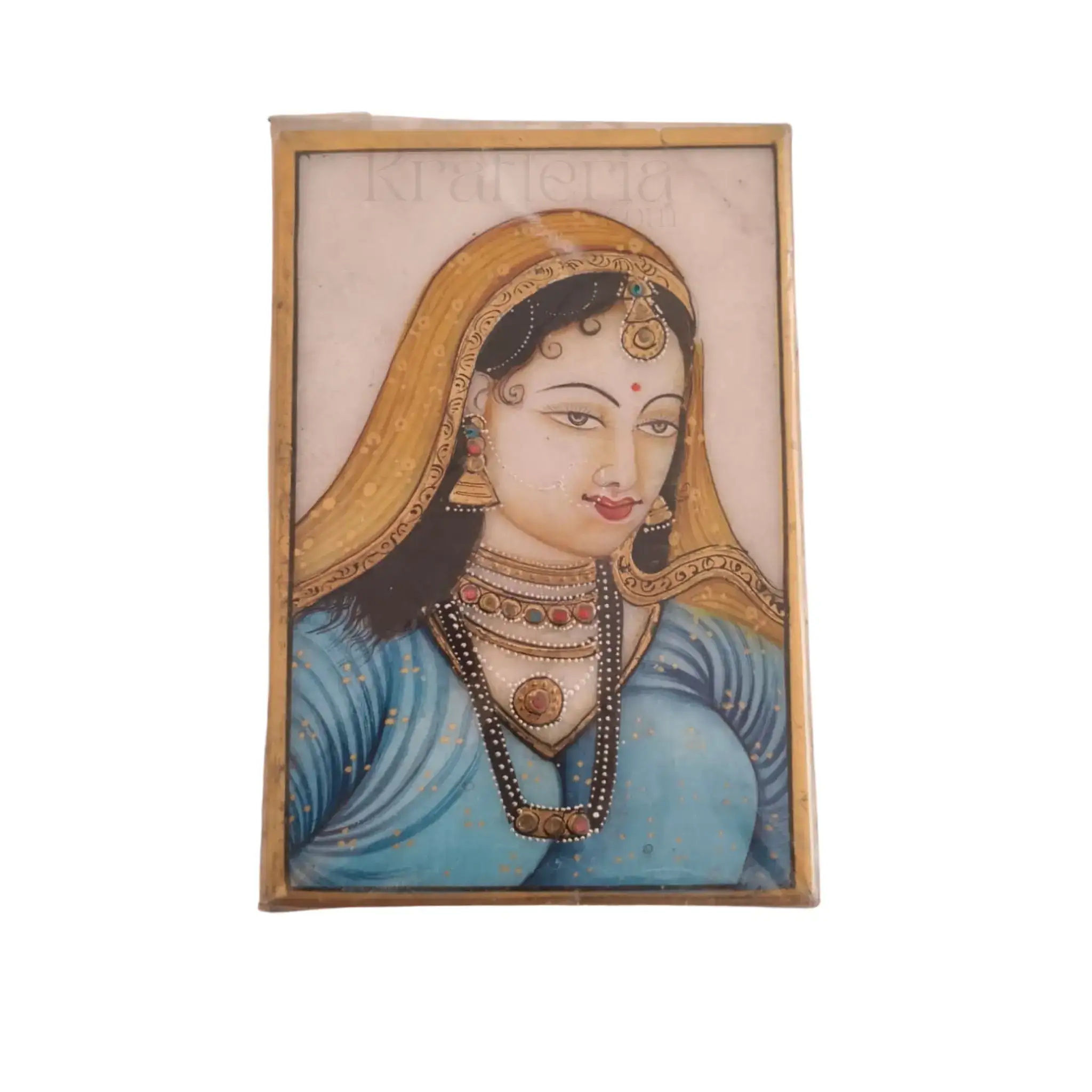
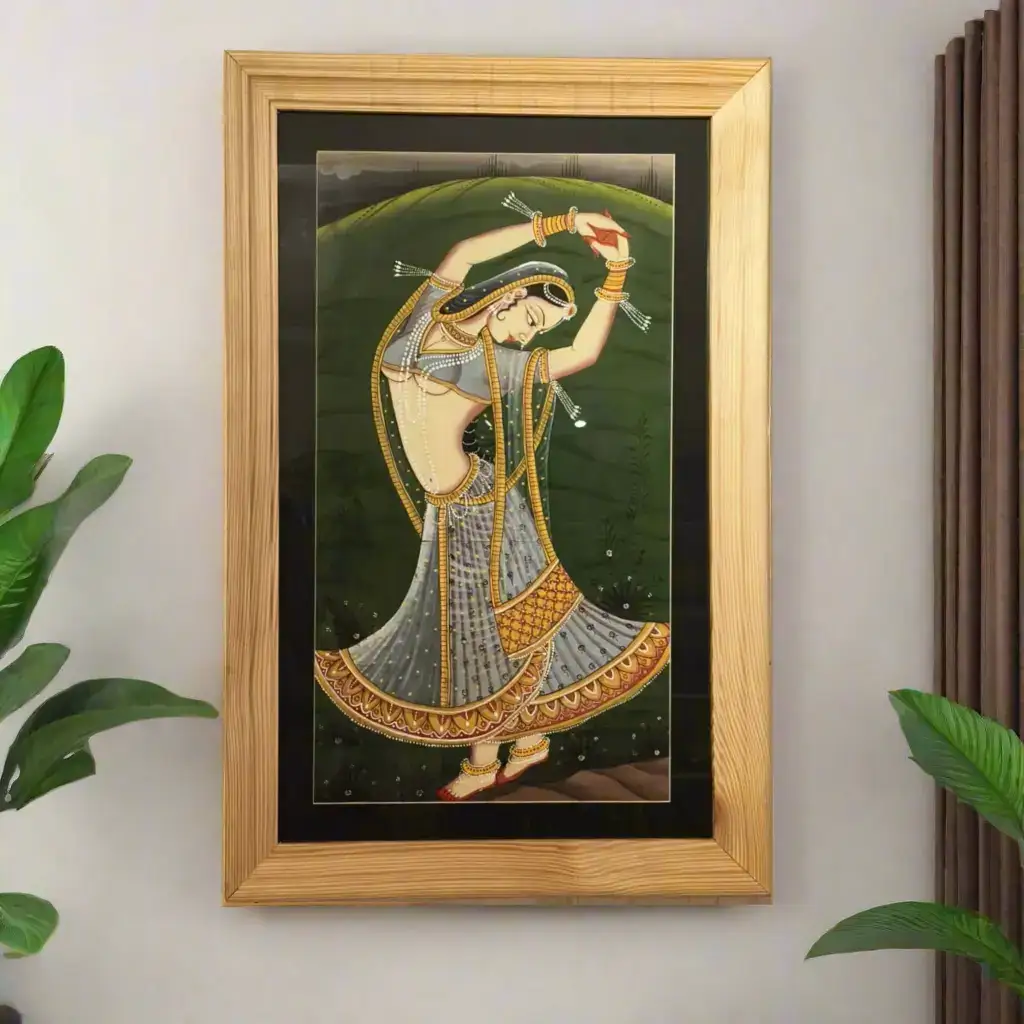
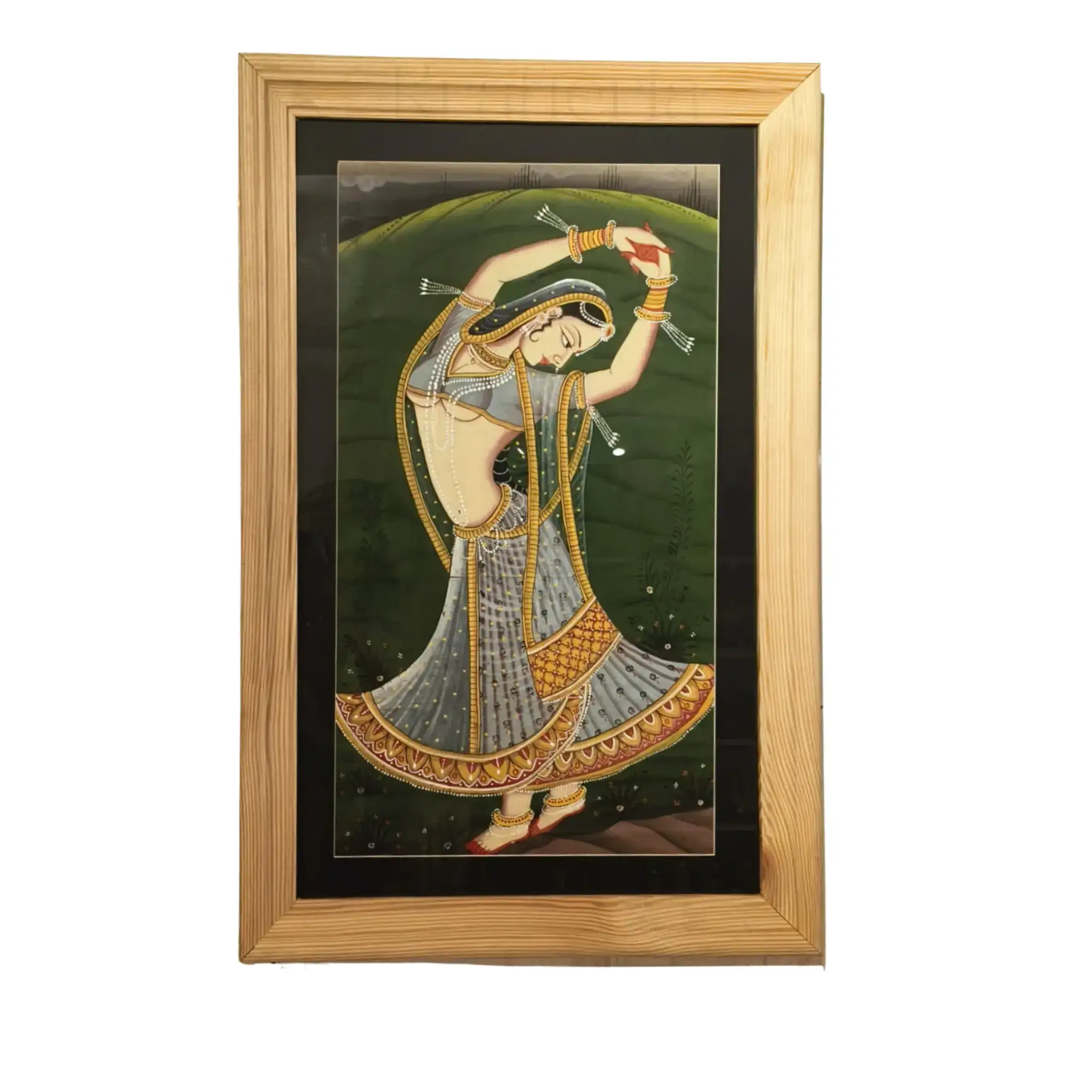
The Camel Miniature Artwork is divided into several schools, each representing a distinct style and subject focus. These schools include Mewar, Marwar, Bundi, Kota, Kishangarh, Bikaner, and Jaipur. Each school reflects unique artistic qualities and cultural expressions. For example, Kishangarh is famous for its romantic portrayals of Radha and Krishna. The iconic image of Bani Thani is a centerpiece of Kishangarh’s miniature art tradition.
Mewar paintings typically depict court scenes, heroic tales, and religious themes. They beautifully capture the grandeur of royal life in Rajasthan. On the other hand, the Bundi and Kota schools focus on lush landscapes and hunting scenes that reflect the natural beauty and royal sport culture of the desert. These differing styles enrich the overall heritage of this miniature art form.
Camel Miniature Artwork – A Symbol of Desert Majesty
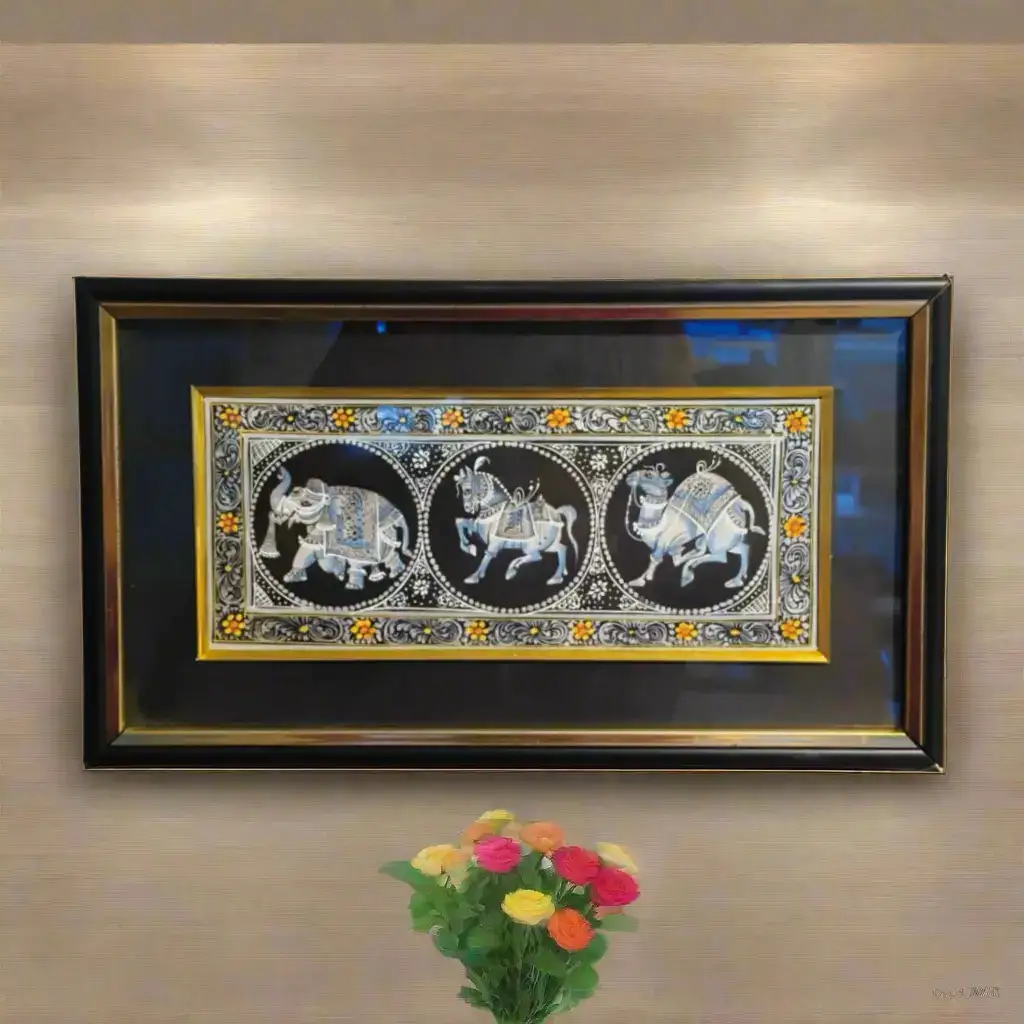
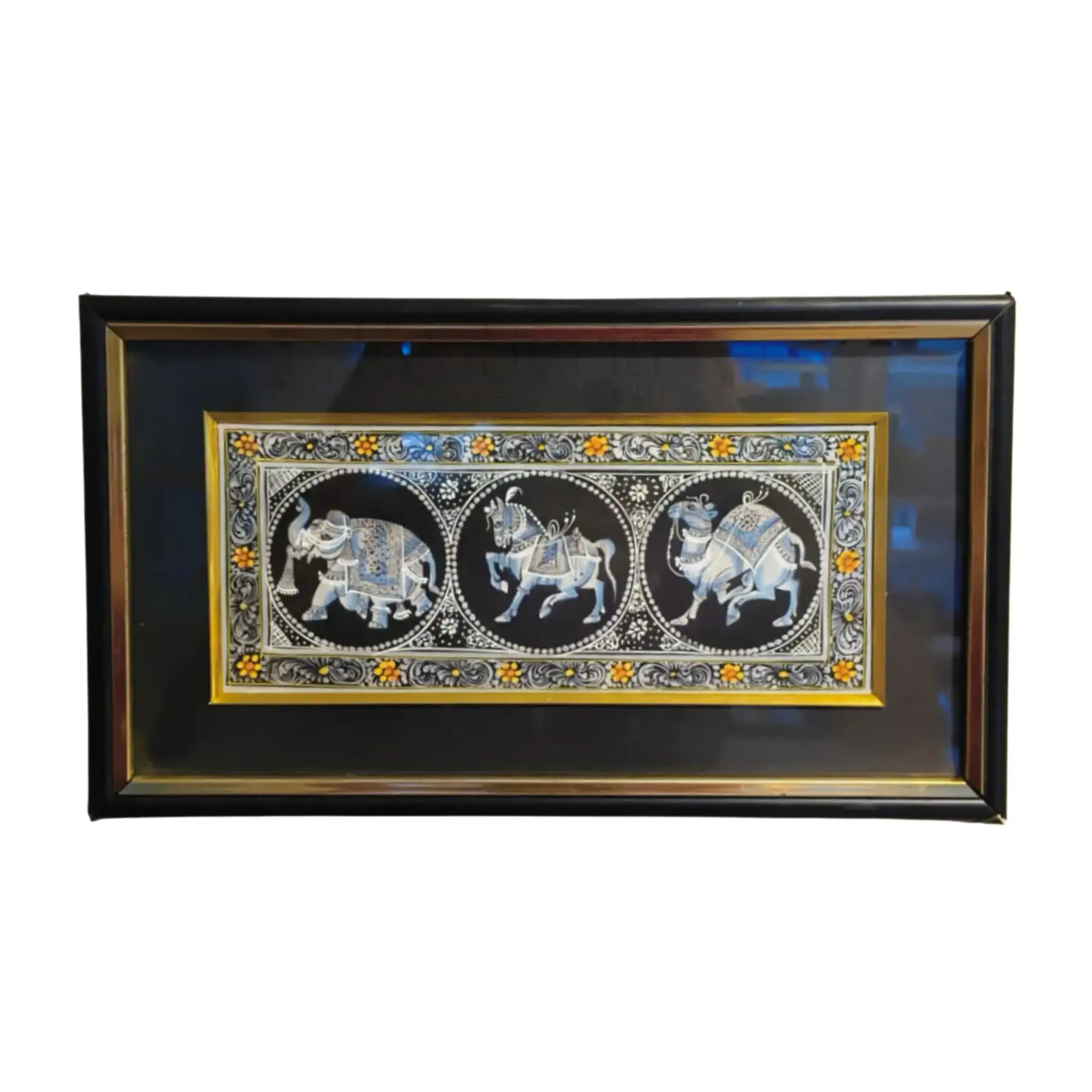
The camel holds a special place in Rajasthani culture and art. It symbolizes endurance, survival, and protection. The Camel Artwork celebrates this majestic animal as the true guardian of desert landscapes. The camel’s significance in trade and travel history makes it an iconic figure in Royal camel Indian artwork. This artwork captures not only the visual beauty but also the deep symbolism linked with the camel’s role in desert life.
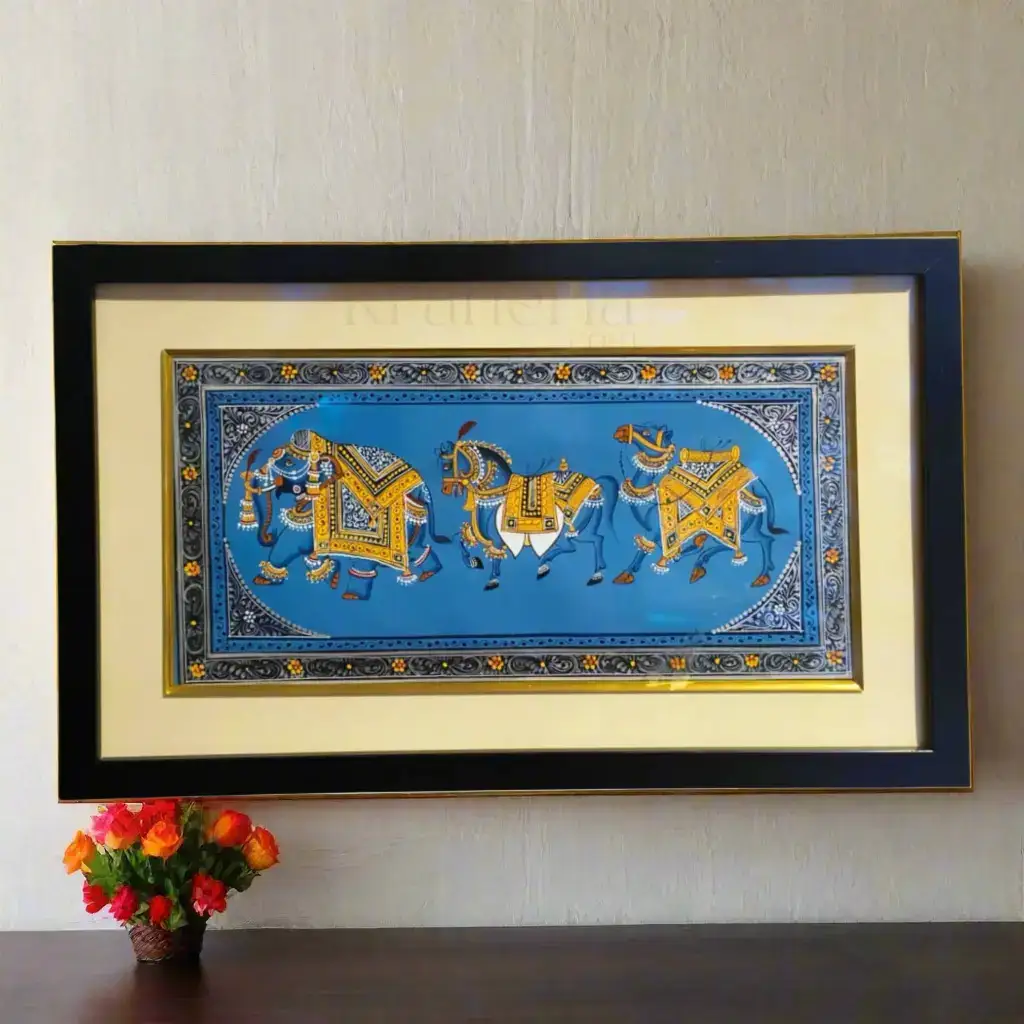
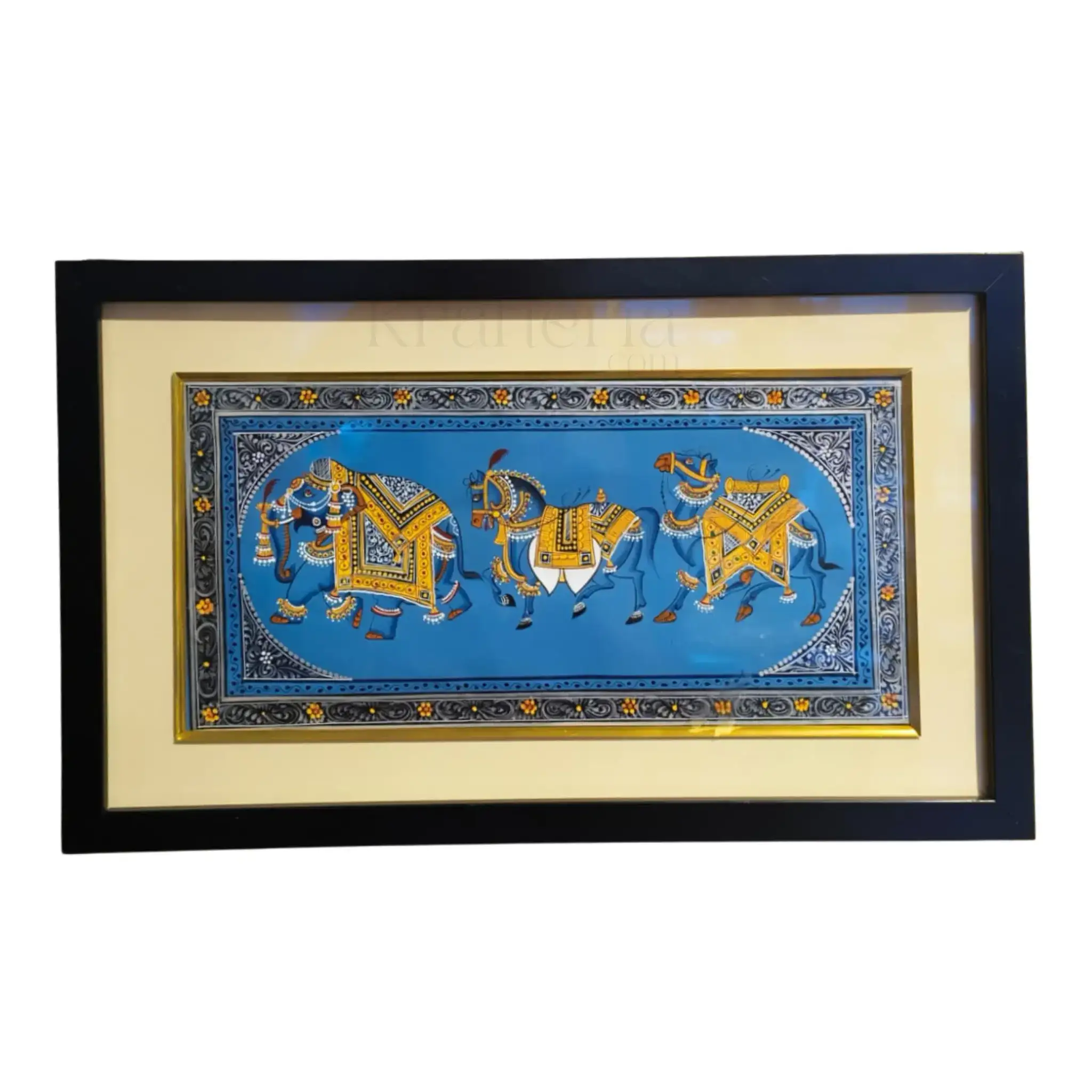
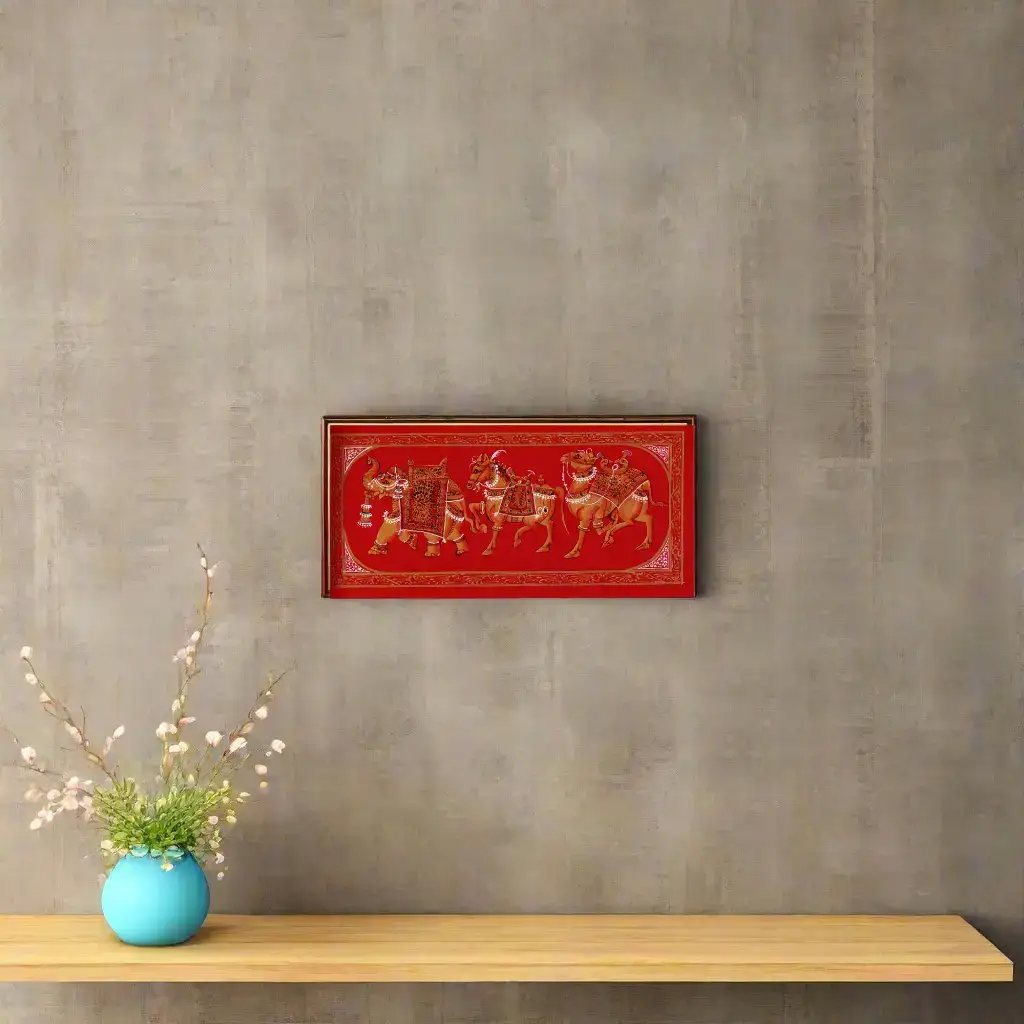
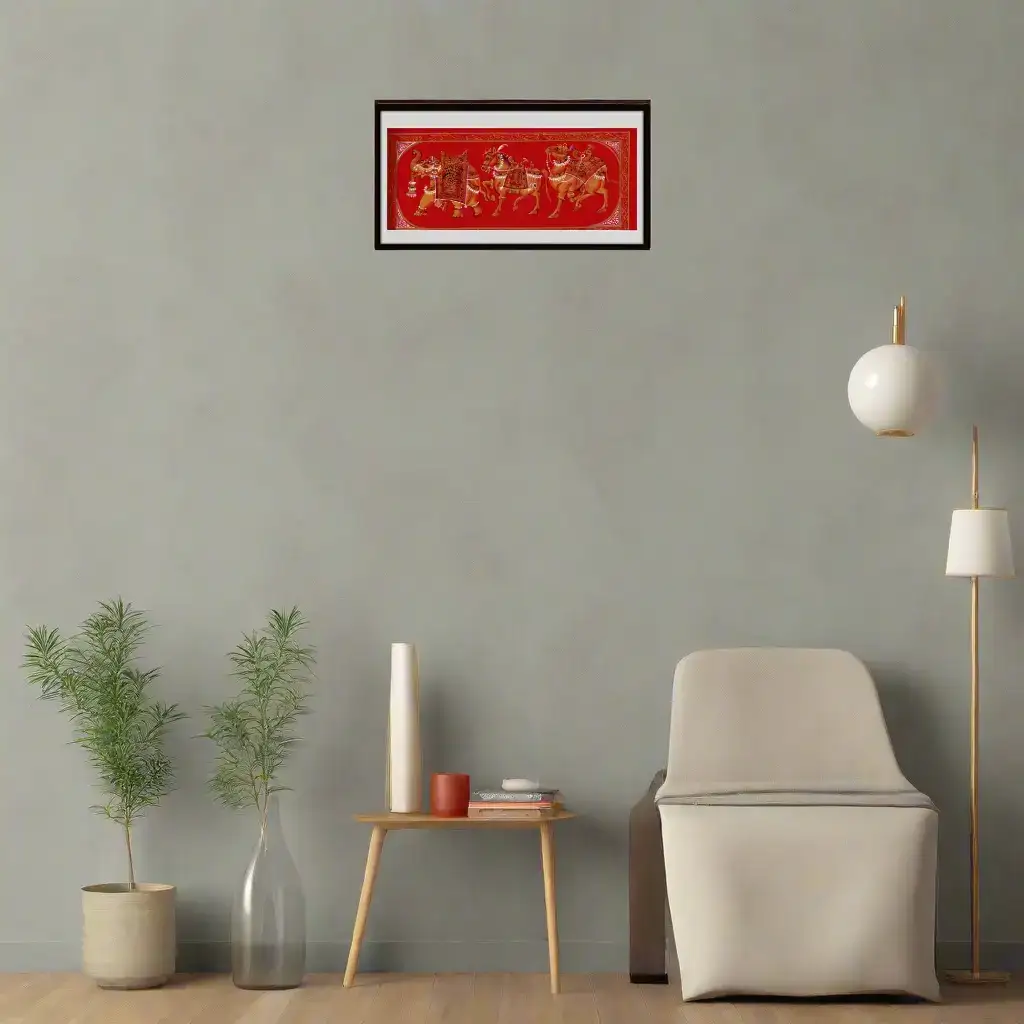
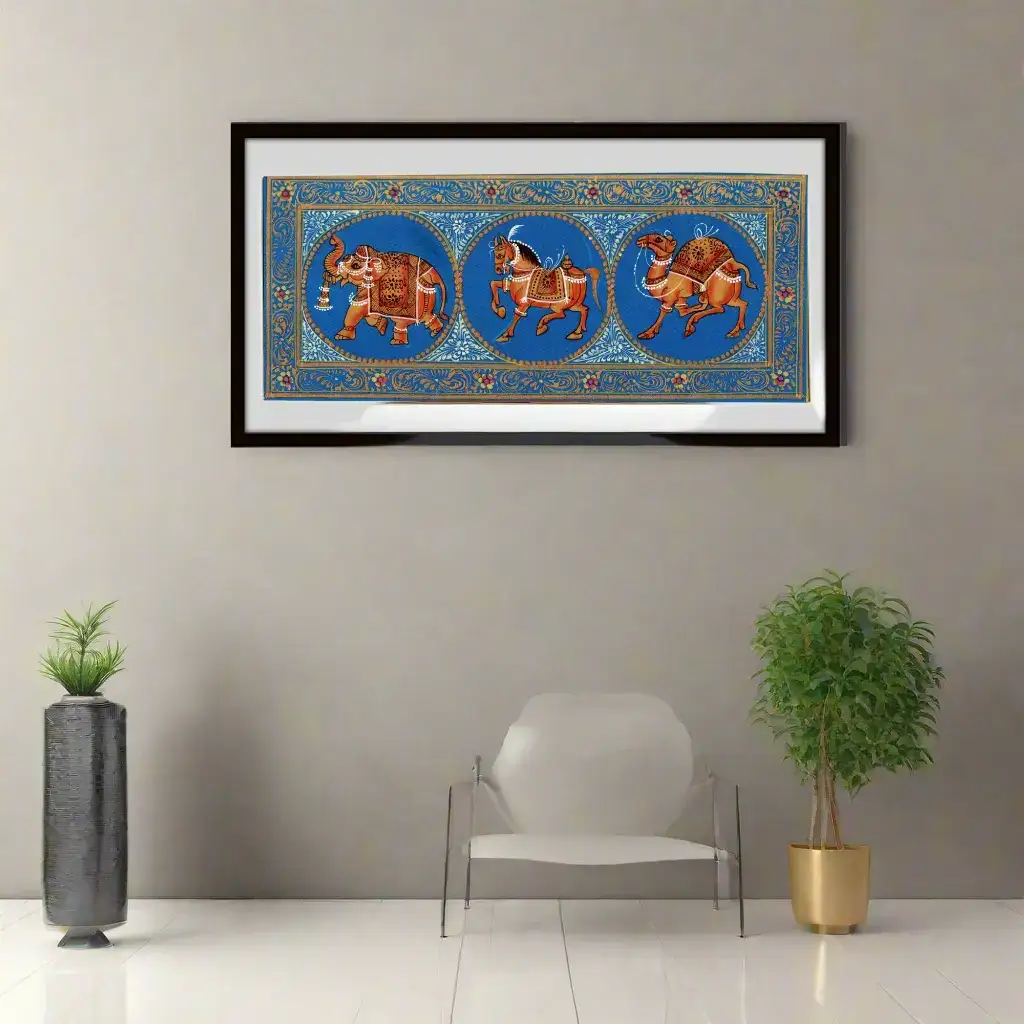
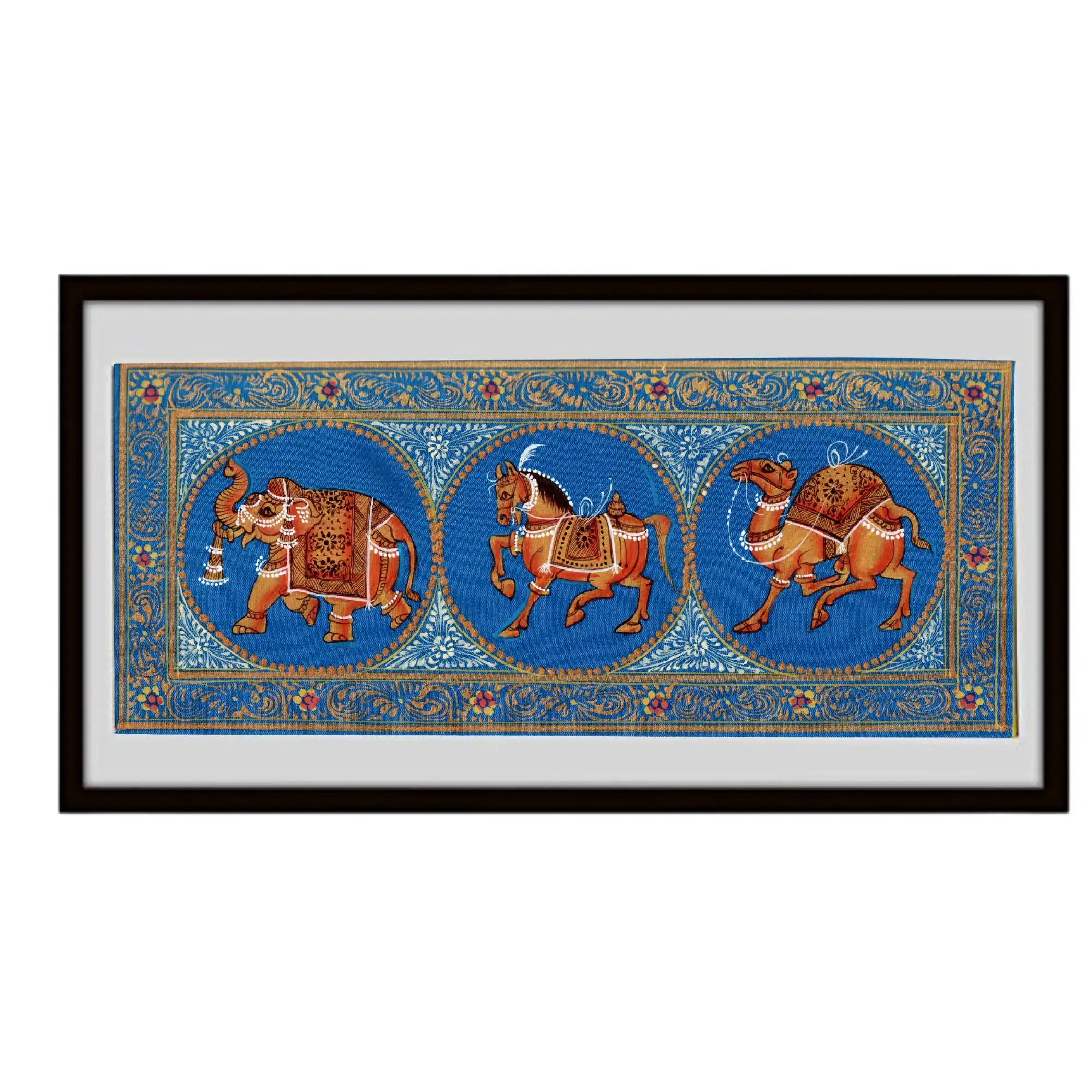
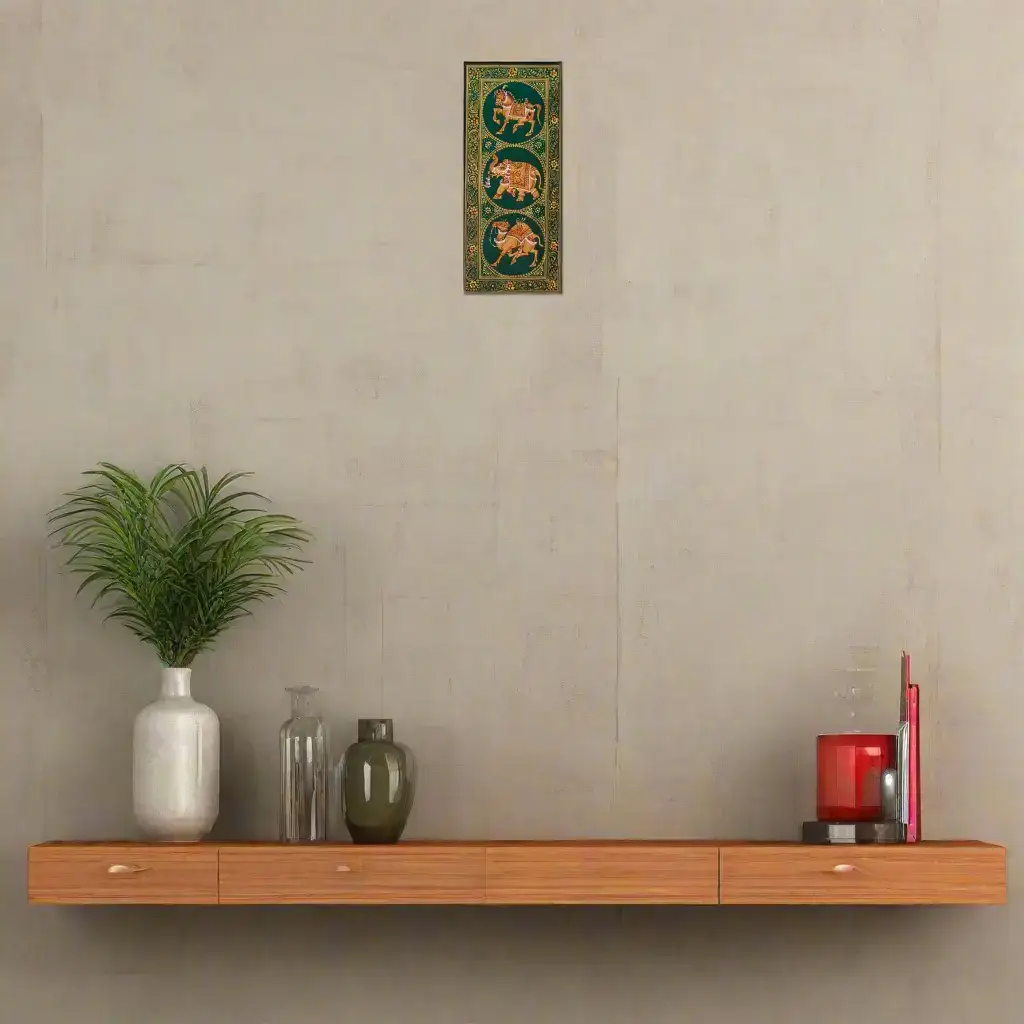
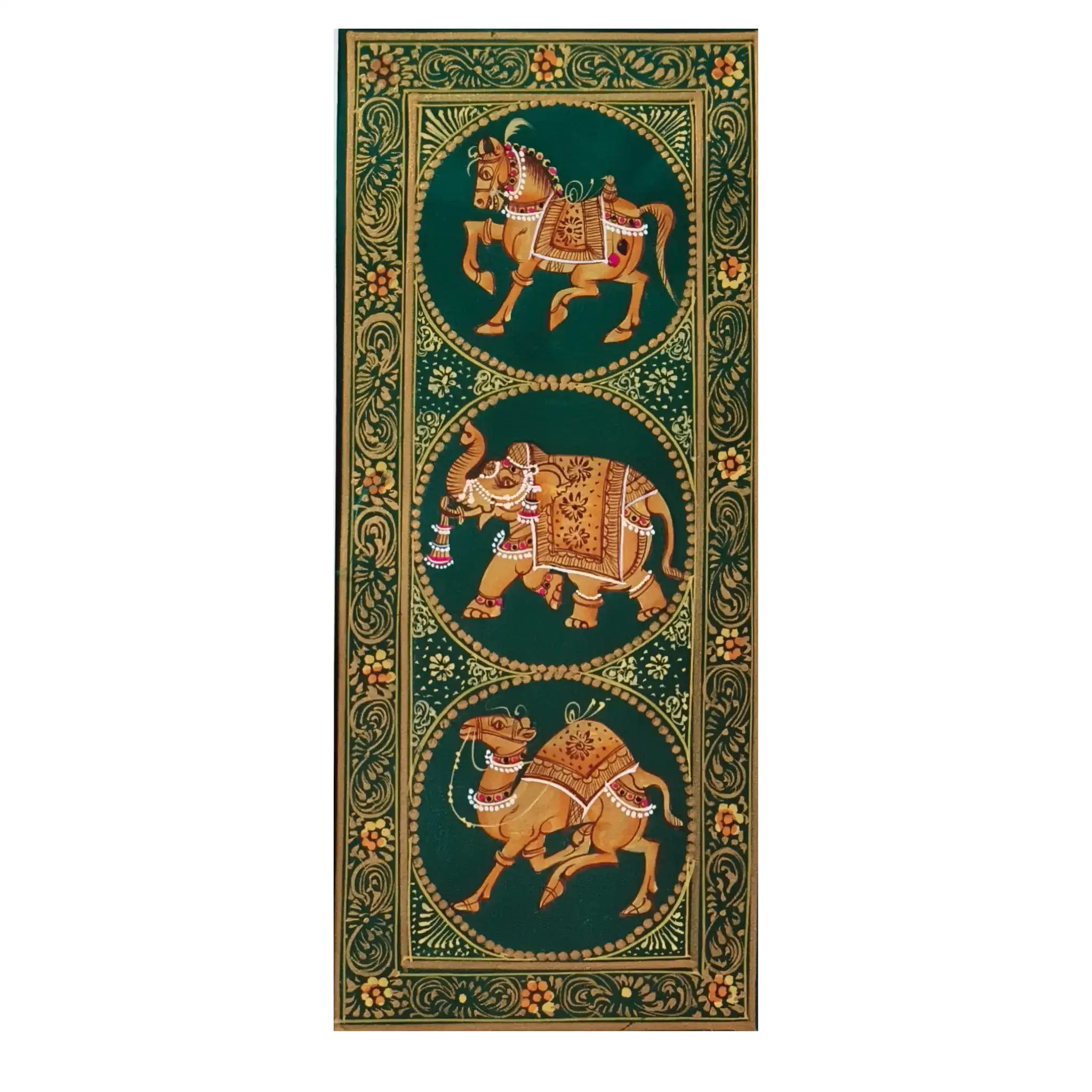
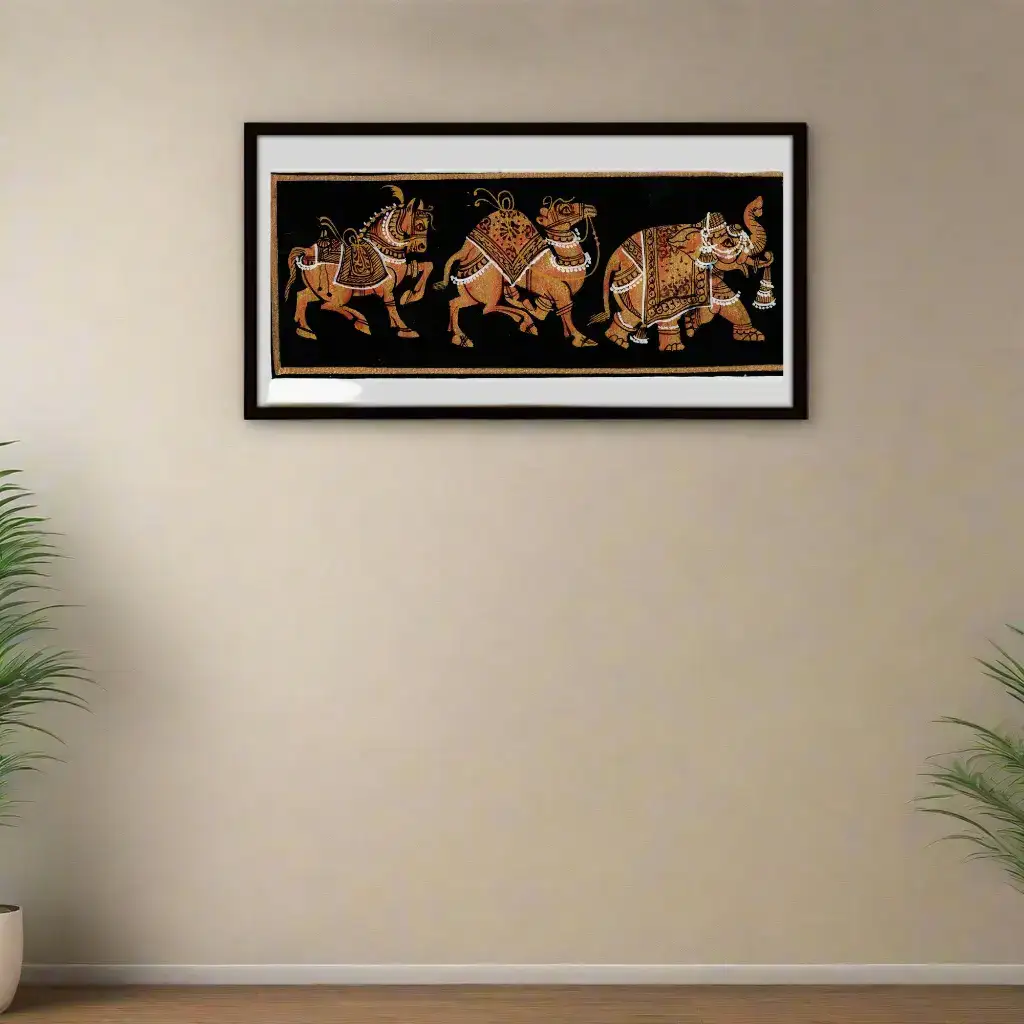
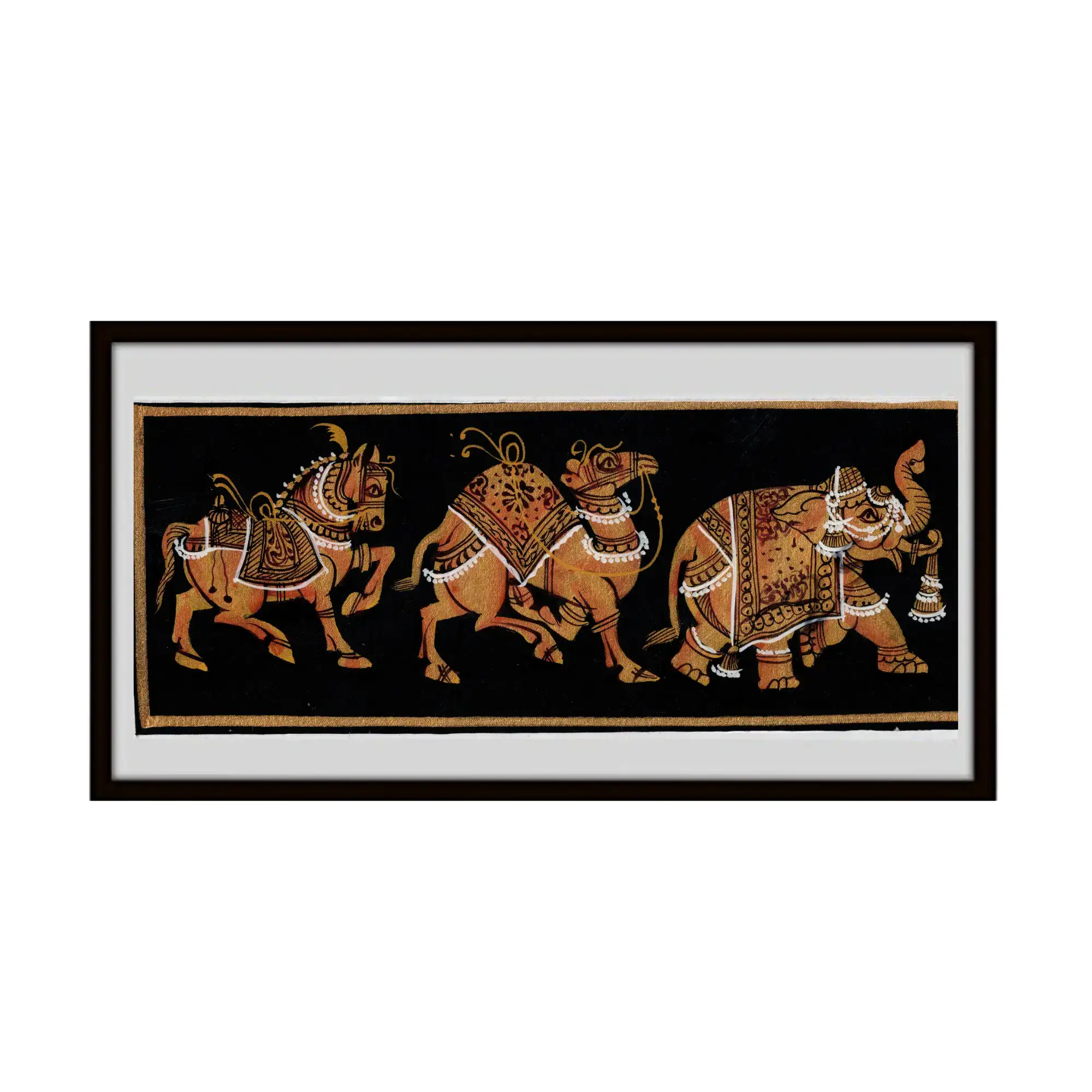
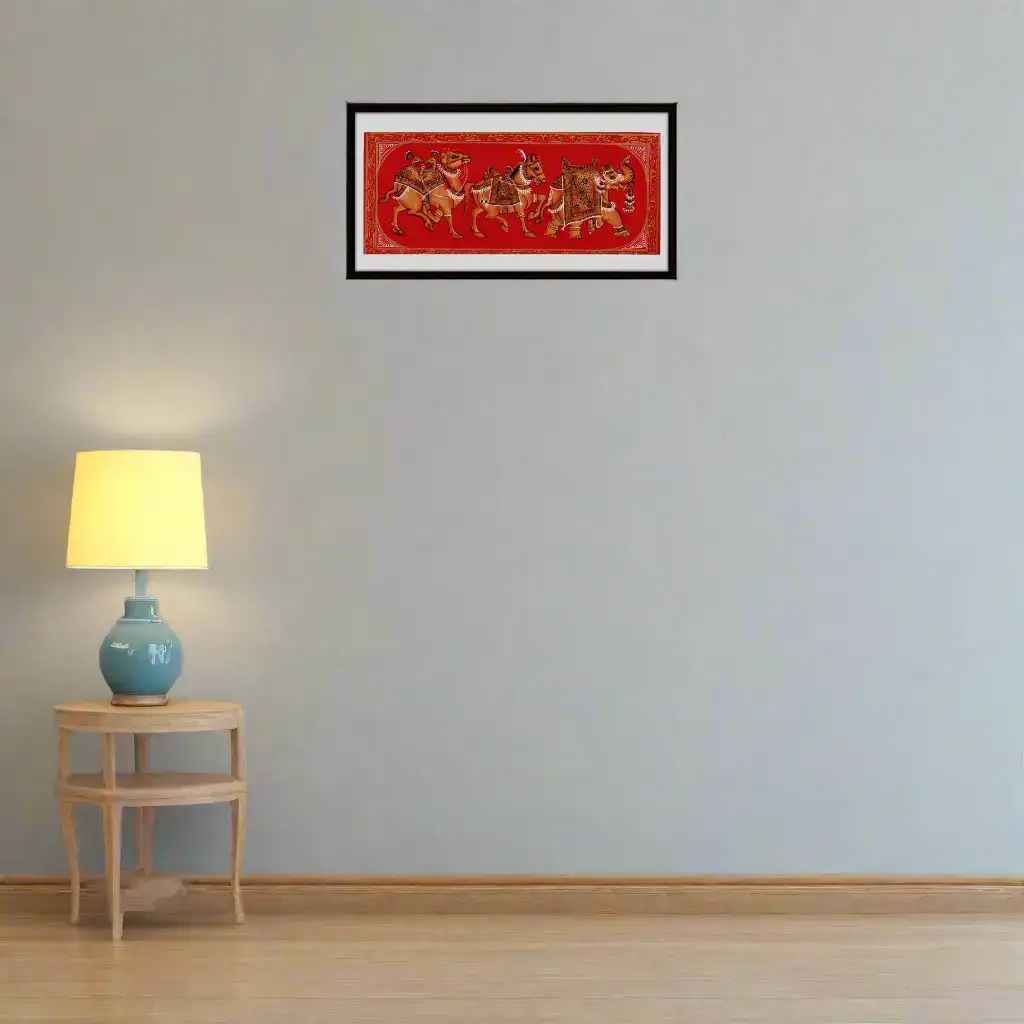
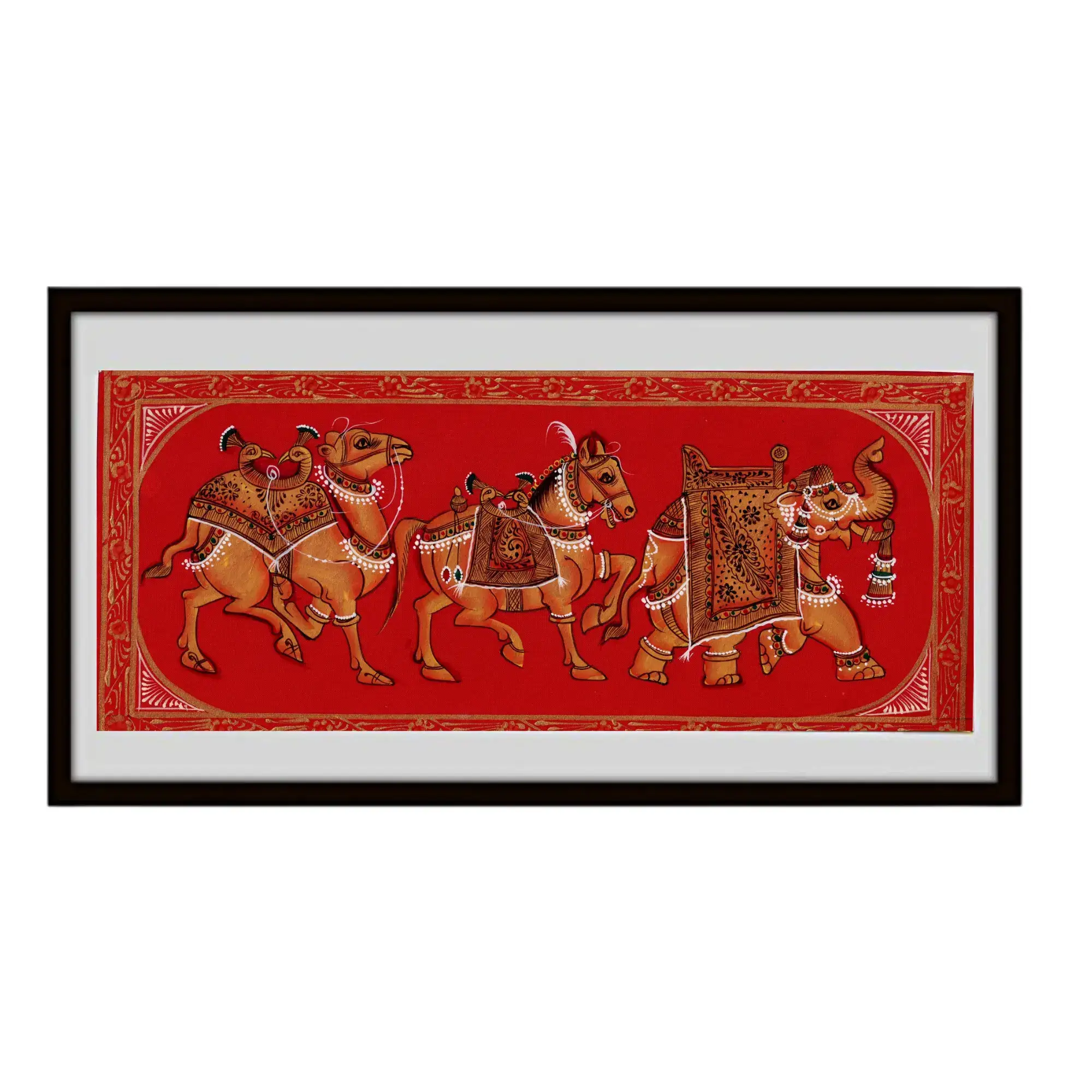
Rajasthani camel miniature art portrays the camel with elegance and grandeur. It often shows the animal adorned with royal decorations and placed in dynamic poses. These artworks bring out the camel’s importance in Indian desert culture. Whether as a beast of burden or a royal companion, the camel is immortalized through these intricate miniature paintings.
The Artistic Techniques Behind Miniature Artwork
Creating the Camel Artwork requires exceptional skill and precision. Artists use fine brushes to apply bright pigments on handmade Wasli paper. The use of mineral and vegetable-based dyes ensures longevity and vibrant colors. Each piece involves detailed work, including delicate lines and ornamental borders. Metallic accents are often added to enhance the richness of the painting. This miniature technique has been passed down through generations of artisans, preserving a precious cultural legacy.
The miniature paintings are known for their meticulous craftsmanship. Every detail, from the camel’s expression to the background landscape, is thoughtfully rendered. The artists also incorporate traditional motifs and floral designs. This not only highlights the camel but also integrates it into wider Indian artistic traditions. Such attention to detail makes each piece a true collector’s item.
Applications and Value of Miniature Artwork
The Camel Miniature Art serves multiple purposes in modern decor and art collections. It is popular for home decor due to its vibrant colors and cultural richness. Many art lovers choose these pieces to celebrate Rajasthan’s heritage and add a regal touch to their spaces. This miniature art also works well as a thoughtful gift, symbolizing endurance and protection. Its compact size and intricate design make it a charming and meaningful addition anywhere.
Collectors value Royal camel Indian artwork for its authenticity and craftsmanship. This form of miniature painting offers insight into India’s artistic past and desert culture. It also fosters appreciation for traditional techniques that survive in the modern world. By displaying a Camel Miniature Painting, one honors this blend of history, art, and symbolism unique to Rajasthan.
Summary of Rich Traditions in Camel Miniature
The tradition of Miniature Artwork reflects Rajasthan's diverse schools, including Mewar, Marwar, Bundi, and others. Each showcases different facets of royal life, mythology, and nature. These paintings use unique styles to tell stories and celebrate cultural values. The camel emerges as a central figure symbolizing resilience within Indian miniature art.
Overall, the Camel Artwork is a perfect blend of art and heritage. It captures the spirit of Rajasthan’s deserts and royal culture. Whether through intricate patterns, vivid colors, or symbolic imagery, this miniature art form continues to enchant admirers worldwide. Incorporating the camel as a regal subject further strengthens its connection to desert life and tradition.
Original: $9.67
-70%$9.67
$2.90Product Information
Product Information
Shipping & Returns
Shipping & Returns
Description
The Majestic Camel Miniature Artwork – Guardian of the Desert
Camel Miniature Artwork Rajasthani Painting is a rich and vibrant style of Indian miniature painting. This art form flourished in the royal courts of Rajasthan from the 16th century onwards. Deeply rooted in Indian traditions, it portrays themes of mythology, epics, love stories, royal life, and folk culture. This unique art is renowned for its bold lines, bright colors, and intricate detailing. Traditional artists use natural dyes and pigments made from minerals, vegetables, and precious stones, giving the artwork a lasting and luminous quality.
Distinct Schools of Camel Miniature Artwork
The Camel Miniature Artwork is divided into several schools, each representing a distinct style and subject focus. These schools include Mewar, Marwar, Bundi, Kota, Kishangarh, Bikaner, and Jaipur. Each school reflects unique artistic qualities and cultural expressions. For example, Kishangarh is famous for its romantic portrayals of Radha and Krishna. The iconic image of Bani Thani is a centerpiece of Kishangarh’s miniature art tradition.
Mewar paintings typically depict court scenes, heroic tales, and religious themes. They beautifully capture the grandeur of royal life in Rajasthan. On the other hand, the Bundi and Kota schools focus on lush landscapes and hunting scenes that reflect the natural beauty and royal sport culture of the desert. These differing styles enrich the overall heritage of this miniature art form.
Camel Miniature Artwork – A Symbol of Desert Majesty
The camel holds a special place in Rajasthani culture and art. It symbolizes endurance, survival, and protection. The Camel Artwork celebrates this majestic animal as the true guardian of desert landscapes. The camel’s significance in trade and travel history makes it an iconic figure in Royal camel Indian artwork. This artwork captures not only the visual beauty but also the deep symbolism linked with the camel’s role in desert life.
Rajasthani camel miniature art portrays the camel with elegance and grandeur. It often shows the animal adorned with royal decorations and placed in dynamic poses. These artworks bring out the camel’s importance in Indian desert culture. Whether as a beast of burden or a royal companion, the camel is immortalized through these intricate miniature paintings.
The Artistic Techniques Behind Miniature Artwork
Creating the Camel Artwork requires exceptional skill and precision. Artists use fine brushes to apply bright pigments on handmade Wasli paper. The use of mineral and vegetable-based dyes ensures longevity and vibrant colors. Each piece involves detailed work, including delicate lines and ornamental borders. Metallic accents are often added to enhance the richness of the painting. This miniature technique has been passed down through generations of artisans, preserving a precious cultural legacy.
The miniature paintings are known for their meticulous craftsmanship. Every detail, from the camel’s expression to the background landscape, is thoughtfully rendered. The artists also incorporate traditional motifs and floral designs. This not only highlights the camel but also integrates it into wider Indian artistic traditions. Such attention to detail makes each piece a true collector’s item.
Applications and Value of Miniature Artwork
The Camel Miniature Art serves multiple purposes in modern decor and art collections. It is popular for home decor due to its vibrant colors and cultural richness. Many art lovers choose these pieces to celebrate Rajasthan’s heritage and add a regal touch to their spaces. This miniature art also works well as a thoughtful gift, symbolizing endurance and protection. Its compact size and intricate design make it a charming and meaningful addition anywhere.
Collectors value Royal camel Indian artwork for its authenticity and craftsmanship. This form of miniature painting offers insight into India’s artistic past and desert culture. It also fosters appreciation for traditional techniques that survive in the modern world. By displaying a Camel Miniature Painting, one honors this blend of history, art, and symbolism unique to Rajasthan.
Summary of Rich Traditions in Camel Miniature
The tradition of Miniature Artwork reflects Rajasthan's diverse schools, including Mewar, Marwar, Bundi, and others. Each showcases different facets of royal life, mythology, and nature. These paintings use unique styles to tell stories and celebrate cultural values. The camel emerges as a central figure symbolizing resilience within Indian miniature art.
Overall, the Camel Artwork is a perfect blend of art and heritage. It captures the spirit of Rajasthan’s deserts and royal culture. Whether through intricate patterns, vivid colors, or symbolic imagery, this miniature art form continues to enchant admirers worldwide. Incorporating the camel as a regal subject further strengthens its connection to desert life and tradition.