Mysore Laxmi Devi Painting | 22KT Gold Leaf
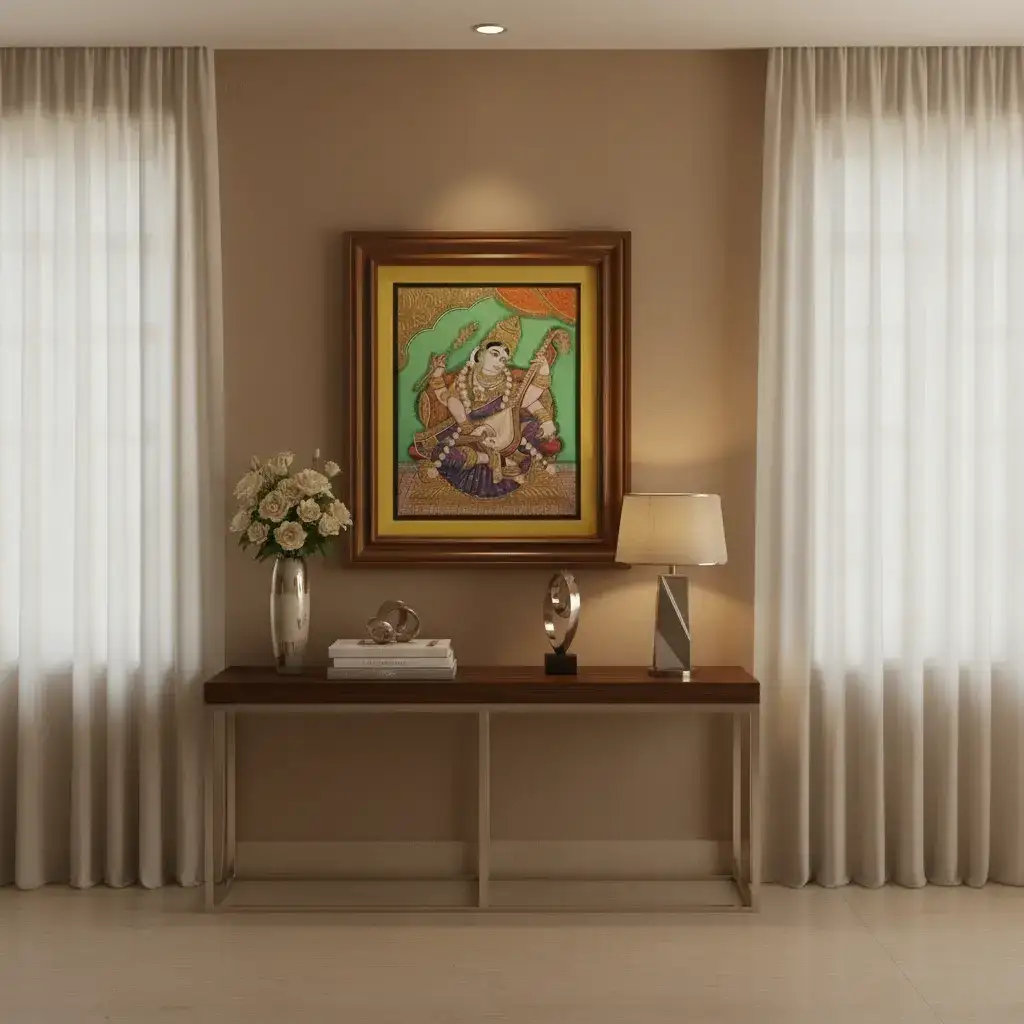
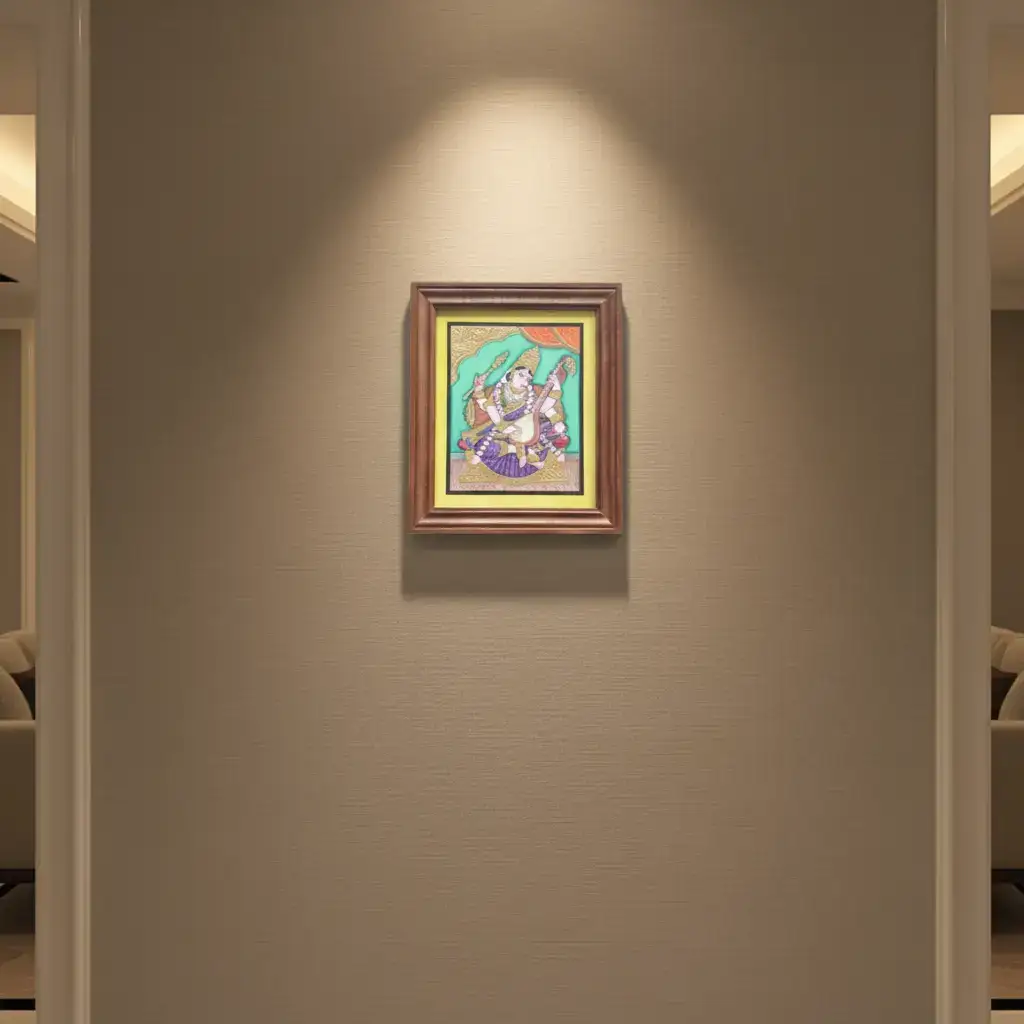
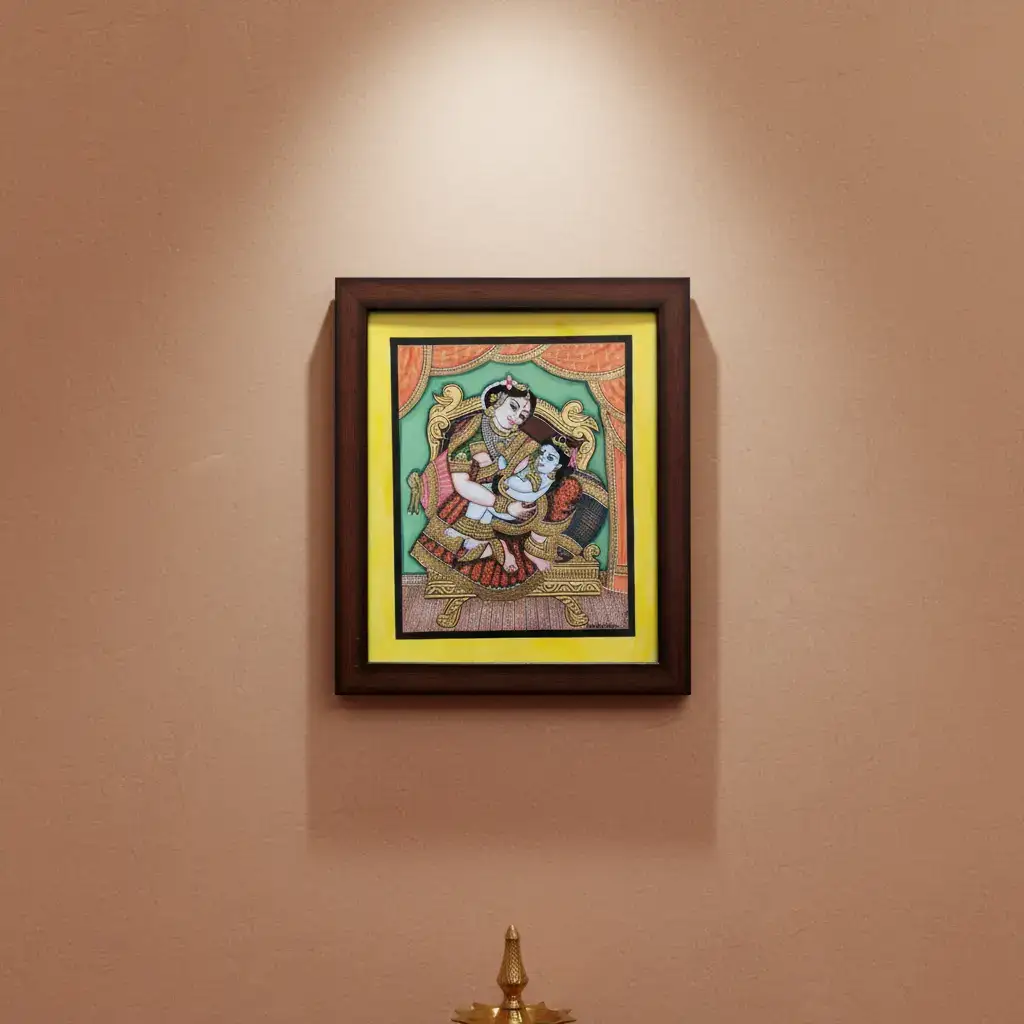
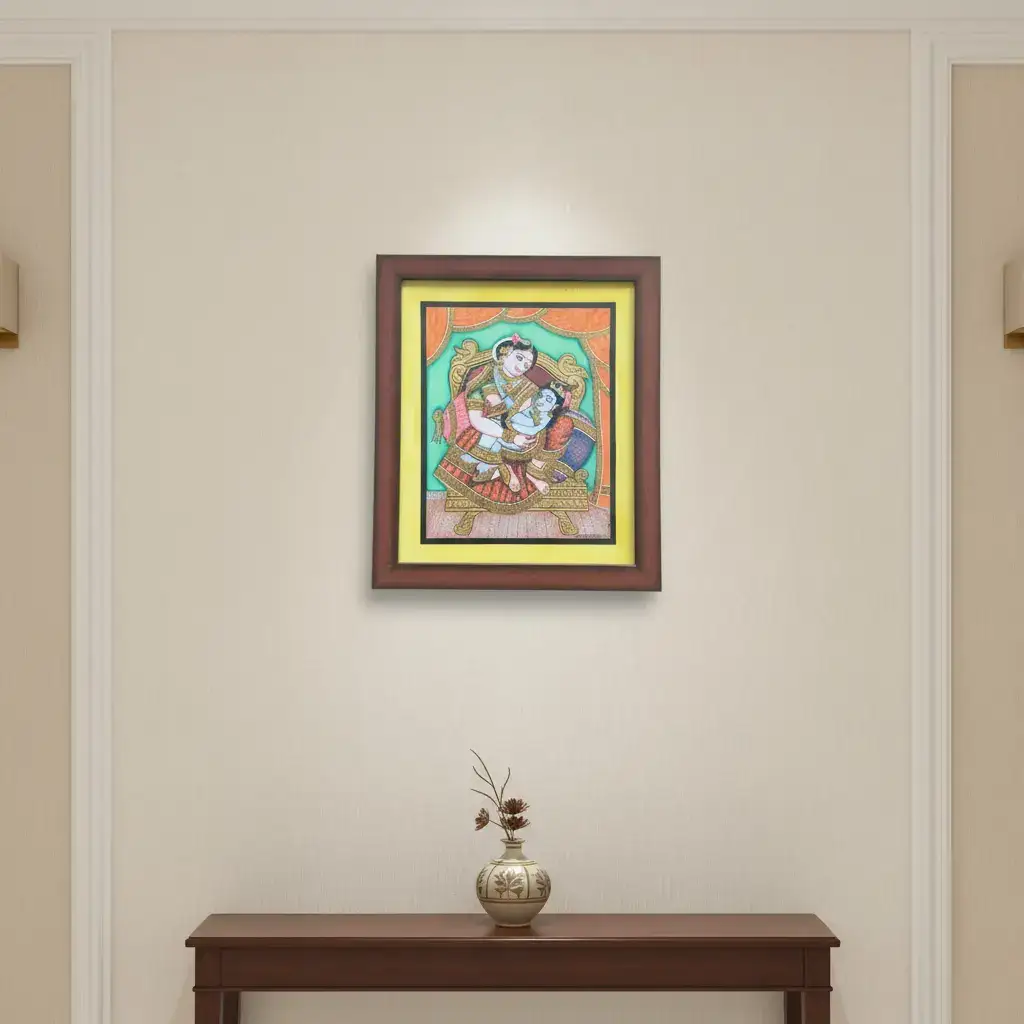
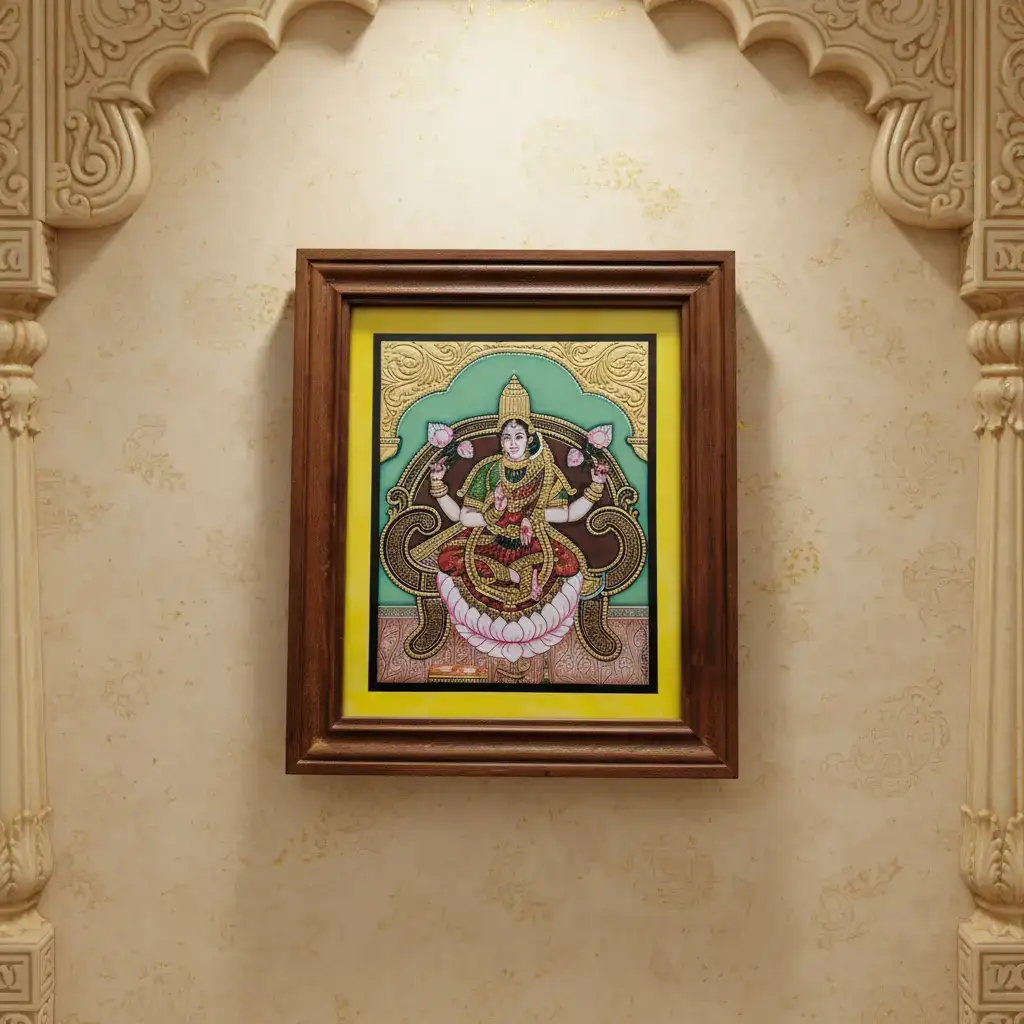
Measuring 14" H * 12" W, this exquisite Mysore Laxmi Devi Painting showcases the timeless tradition and artistry of Mysore. It is a true reflection of the rich artistic heritage of Mysore, celebrated for its delicate craftsmanship and intricate detailing. The artwork brings to life the divine essence of Goddess Laxmi through vibrant colors and skillful brushwork.
The history of Mysore artwork dates back as far as the Ajanta period, representing centuries of artistic evolution in South India. The Mysore style emerged alongside other styles such as Tanjore work, both of which contribute to the cultural richness of the region. These creations have stood the test of time by preserving ancient traditions while adapting to changing artistic tastes.
The Rich Heritage of Mysore Laxmi Painting
The Vijayanagar kings played a crucial role in promoting and patronizing the arts and architecture. Under their enlightened reign, many artists flourished and honed their skills, giving rise to the unique Mysore style focused on Laxmi themes. This patronage helped solidify Mysore's position as a cultural hub in historic South India.
Following the fall of the Vijayanagar empire, artists migrated to other regions such as Tanjore and Surpur. These movements influenced their techniques and led to new art forms like the Tanjore style and Kerala mural arts. The exchange between regions enriched the Mysore Laxmi art heritage and helped preserve its legacy.
This style, including the Laxmi Painting, is renowned for its elegance and refined aesthetics. This art form emphasizes balanced colors, delicate gold leaf work, and highly detailed brush strokes. Each piece is not only artistically impressive but also captures the spiritual essence of the devotional themes portrayed.
Unfortunately, many temple and palace artworks depicting mythological scenes were destroyed during wars involving the British and rulers like Hyder Ali and Tippu Sultan. This caused a significant loss to the classical Indian art repository. Still, the surviving works continue to inspire and educate art lovers worldwide.
Most of the surviving Mysore Laxmi creations date to the period of Mummadi Krishnaraja Wodeyar III (1799-1868 AD). His reign marked a golden era for creative arts including music, sculpture, artistic expressions, dance, and literature. The arts thrived remarkably during this time, enriching Mysore's cultural history.
Masterpieces of Mysore Laxmi Devi Painting
The Mysore ruler provided fresh inspiration to artists known as Chitrakars through his magnum opus, the ‘Sritattvanidhi’. This pictorial manuscript contains illustrations of gods, goddesses, and mythological figures. It also offers detailed instructions on every aspect of Mysore traditional craftsmanship, helping artists maintain high standards in their work.
Beyond devotional art, the Laxmi tradition expanded to include portraits. These often portrayed Mysore rulers, their families, and key Indian historical personalities. Walls of temples and palaces were decorated with magnificent murals inspired by mythology and royal life, highlighting the grandeur of Mysore culture.
Materials and Techniques Behind Mysore Laxmi Painting
The creation of Mysore Laxmi Devi Painting involves traditional materials and techniques passed down through generations. Colors are hand-ground using glue made from Arabic gum crystals, preserving the vibrancy and longevity of the hues. Brushes crafted from fine squirrel hair or special grasses enable the precision and smooth strokes distinctive to this art form.
The hallmark of these works is the intricate application of 22KT gold leaf. The subtle nuances in color combined with fine detailing underscore the cultural achievements of Mysore’s artistic heritage. This combination produces art full of vibrancy and depth, truly representing Mysore’s rich legacy.
The skill and dedication of Mysore artisans have preserved this classical art form for centuries. Each artwork stands as testimony to traditional Indian aesthetics. It reflects a perfect blend of spiritual themes and historical narratives unique to Mysore’s cultural heritage.
The Mysore Laxmi Devi Painting tradition is more than visual art; it embodies deep spiritual significance. It connects viewers to cultural stories and divine symbolism, offering an enriching experience to art lovers and devotees alike. This traditional Mysore painting continues to celebrate faith, craftsmanship, and history within the cultural fabric of Mysore.
Original: $161.37
-70%$161.37
$48.41Product Information
Product Information
Shipping & Returns
Shipping & Returns
Description
Measuring 14" H * 12" W, this exquisite Mysore Laxmi Devi Painting showcases the timeless tradition and artistry of Mysore. It is a true reflection of the rich artistic heritage of Mysore, celebrated for its delicate craftsmanship and intricate detailing. The artwork brings to life the divine essence of Goddess Laxmi through vibrant colors and skillful brushwork.
The history of Mysore artwork dates back as far as the Ajanta period, representing centuries of artistic evolution in South India. The Mysore style emerged alongside other styles such as Tanjore work, both of which contribute to the cultural richness of the region. These creations have stood the test of time by preserving ancient traditions while adapting to changing artistic tastes.
The Rich Heritage of Mysore Laxmi Painting
The Vijayanagar kings played a crucial role in promoting and patronizing the arts and architecture. Under their enlightened reign, many artists flourished and honed their skills, giving rise to the unique Mysore style focused on Laxmi themes. This patronage helped solidify Mysore's position as a cultural hub in historic South India.
Following the fall of the Vijayanagar empire, artists migrated to other regions such as Tanjore and Surpur. These movements influenced their techniques and led to new art forms like the Tanjore style and Kerala mural arts. The exchange between regions enriched the Mysore Laxmi art heritage and helped preserve its legacy.
This style, including the Laxmi Painting, is renowned for its elegance and refined aesthetics. This art form emphasizes balanced colors, delicate gold leaf work, and highly detailed brush strokes. Each piece is not only artistically impressive but also captures the spiritual essence of the devotional themes portrayed.
Unfortunately, many temple and palace artworks depicting mythological scenes were destroyed during wars involving the British and rulers like Hyder Ali and Tippu Sultan. This caused a significant loss to the classical Indian art repository. Still, the surviving works continue to inspire and educate art lovers worldwide.
Most of the surviving Mysore Laxmi creations date to the period of Mummadi Krishnaraja Wodeyar III (1799-1868 AD). His reign marked a golden era for creative arts including music, sculpture, artistic expressions, dance, and literature. The arts thrived remarkably during this time, enriching Mysore's cultural history.
Masterpieces of Mysore Laxmi Devi Painting
The Mysore ruler provided fresh inspiration to artists known as Chitrakars through his magnum opus, the ‘Sritattvanidhi’. This pictorial manuscript contains illustrations of gods, goddesses, and mythological figures. It also offers detailed instructions on every aspect of Mysore traditional craftsmanship, helping artists maintain high standards in their work.
Beyond devotional art, the Laxmi tradition expanded to include portraits. These often portrayed Mysore rulers, their families, and key Indian historical personalities. Walls of temples and palaces were decorated with magnificent murals inspired by mythology and royal life, highlighting the grandeur of Mysore culture.
Materials and Techniques Behind Mysore Laxmi Painting
The creation of Mysore Laxmi Devi Painting involves traditional materials and techniques passed down through generations. Colors are hand-ground using glue made from Arabic gum crystals, preserving the vibrancy and longevity of the hues. Brushes crafted from fine squirrel hair or special grasses enable the precision and smooth strokes distinctive to this art form.
The hallmark of these works is the intricate application of 22KT gold leaf. The subtle nuances in color combined with fine detailing underscore the cultural achievements of Mysore’s artistic heritage. This combination produces art full of vibrancy and depth, truly representing Mysore’s rich legacy.
The skill and dedication of Mysore artisans have preserved this classical art form for centuries. Each artwork stands as testimony to traditional Indian aesthetics. It reflects a perfect blend of spiritual themes and historical narratives unique to Mysore’s cultural heritage.
The Mysore Laxmi Devi Painting tradition is more than visual art; it embodies deep spiritual significance. It connects viewers to cultural stories and divine symbolism, offering an enriching experience to art lovers and devotees alike. This traditional Mysore painting continues to celebrate faith, craftsmanship, and history within the cultural fabric of Mysore.