Mysore Ganesh Painting | 22KT Gold Leaf
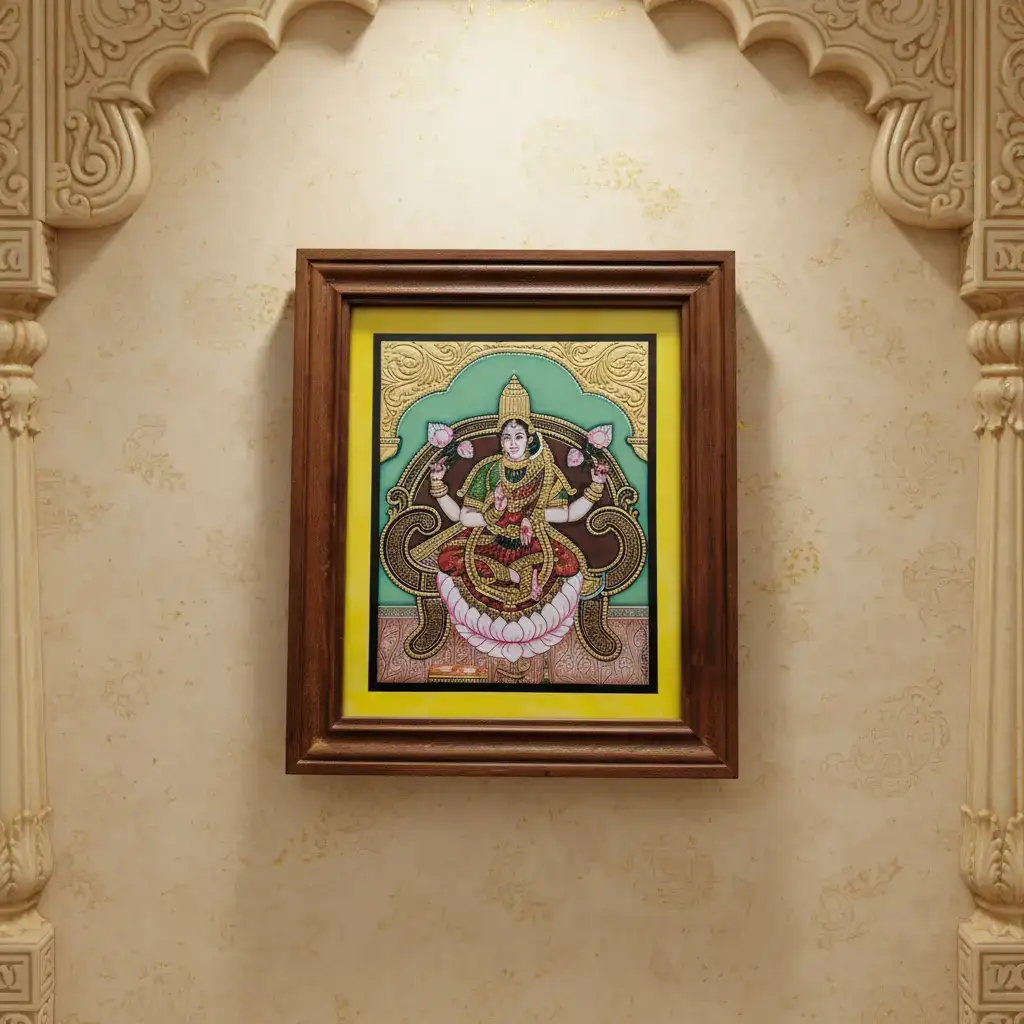
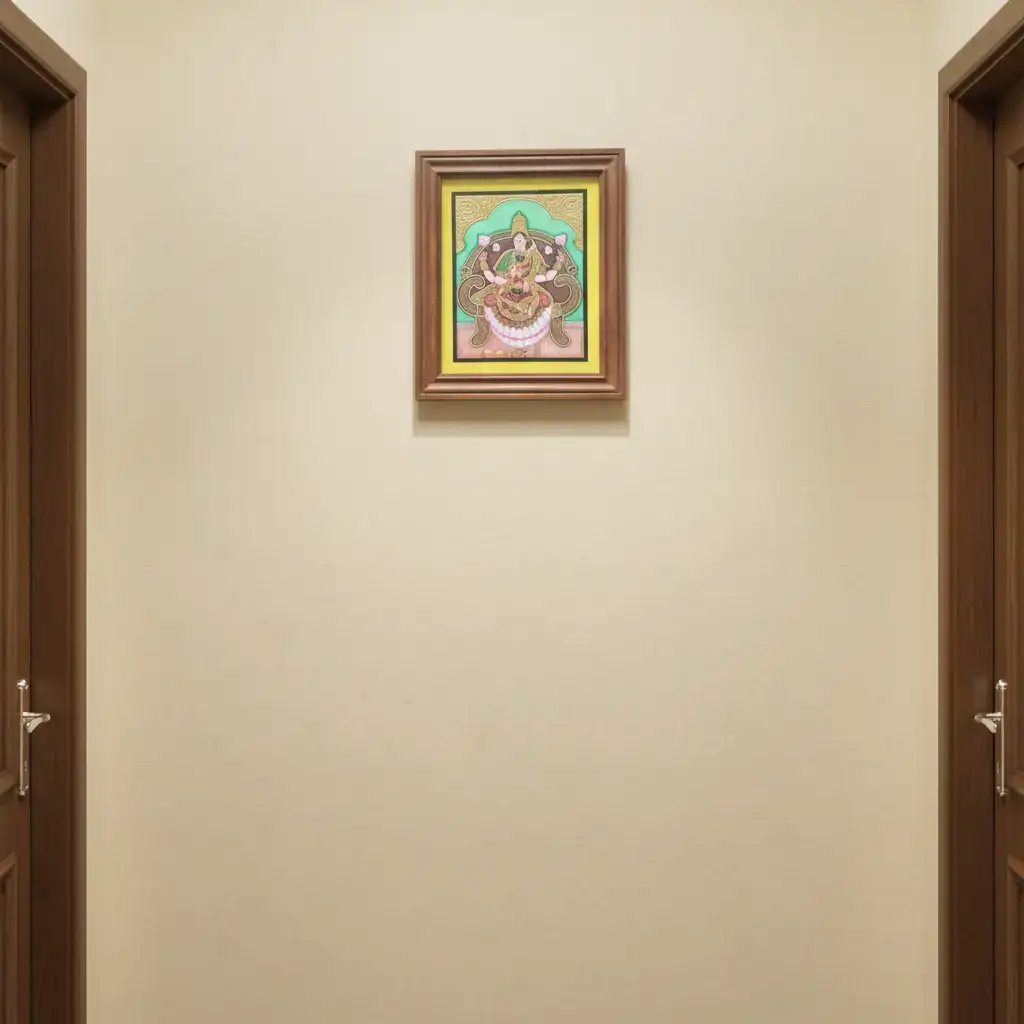
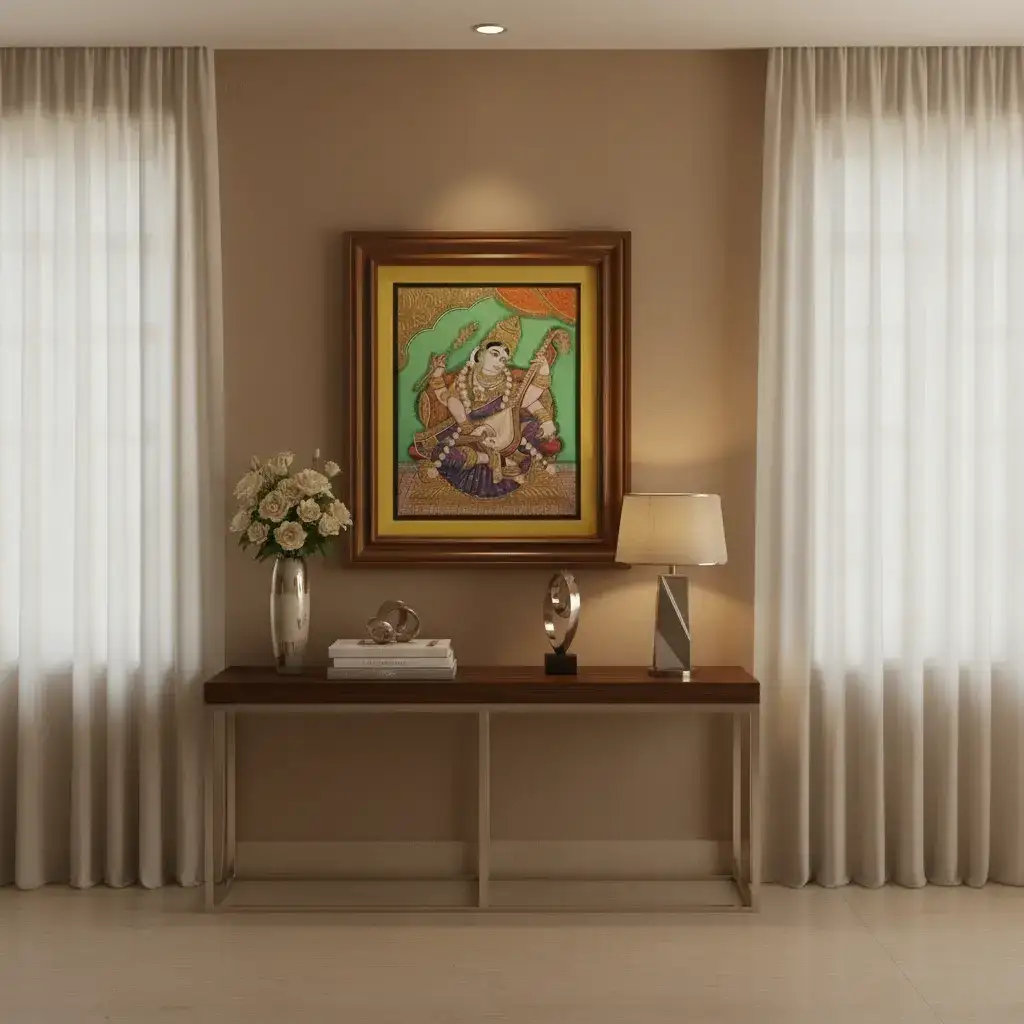
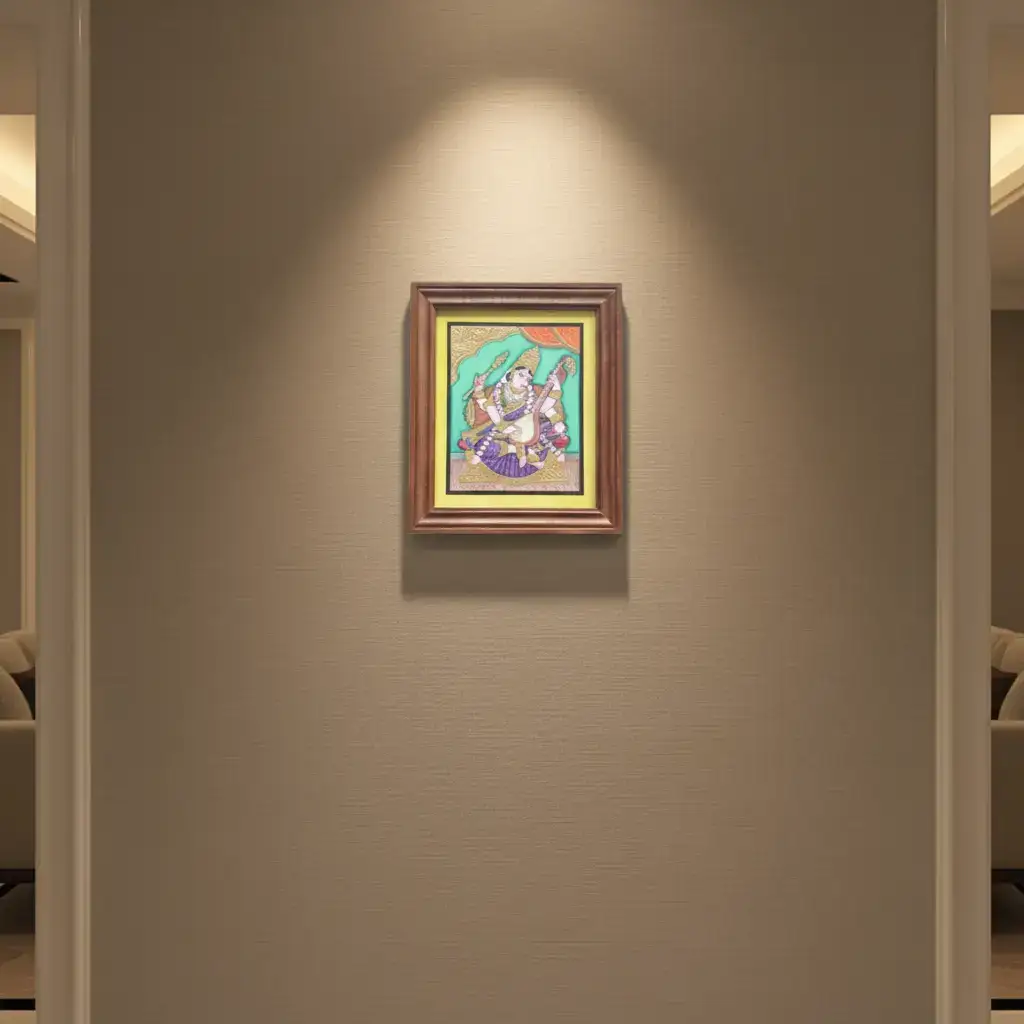
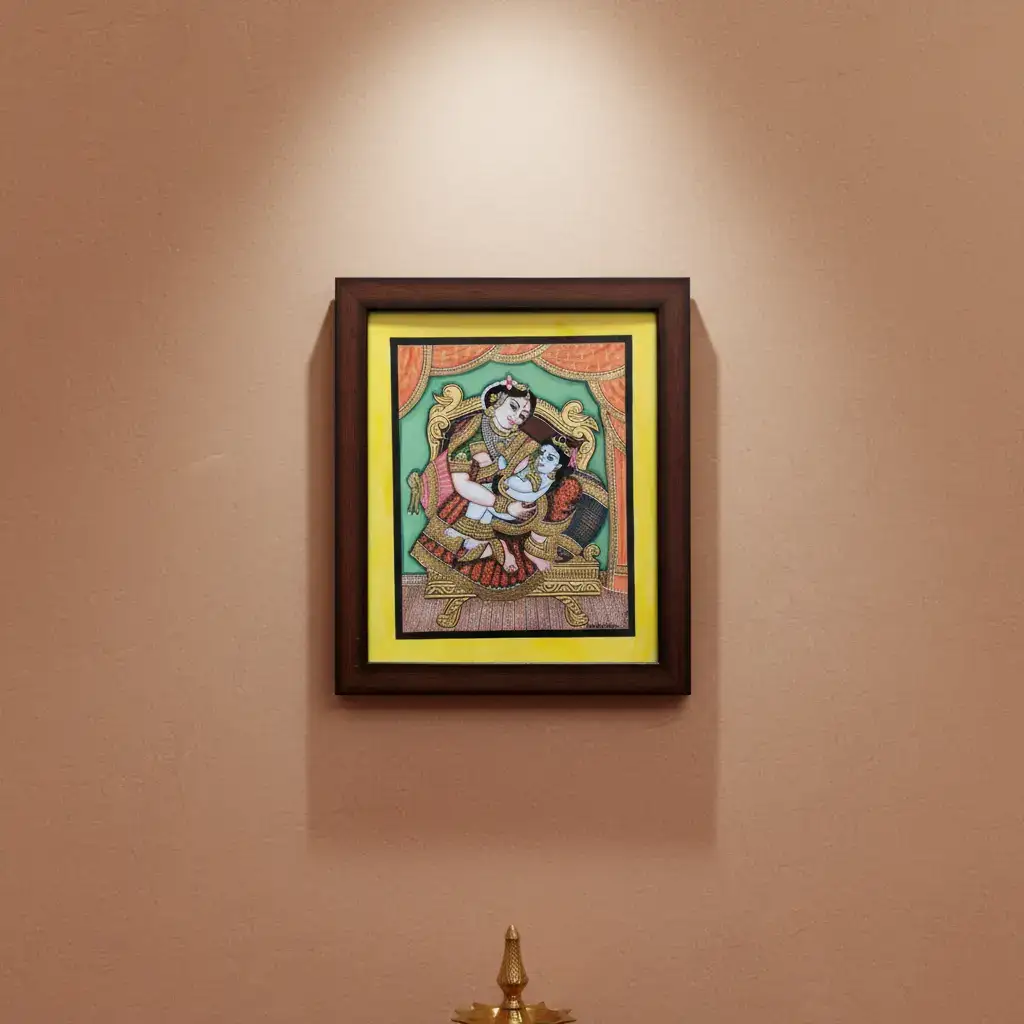
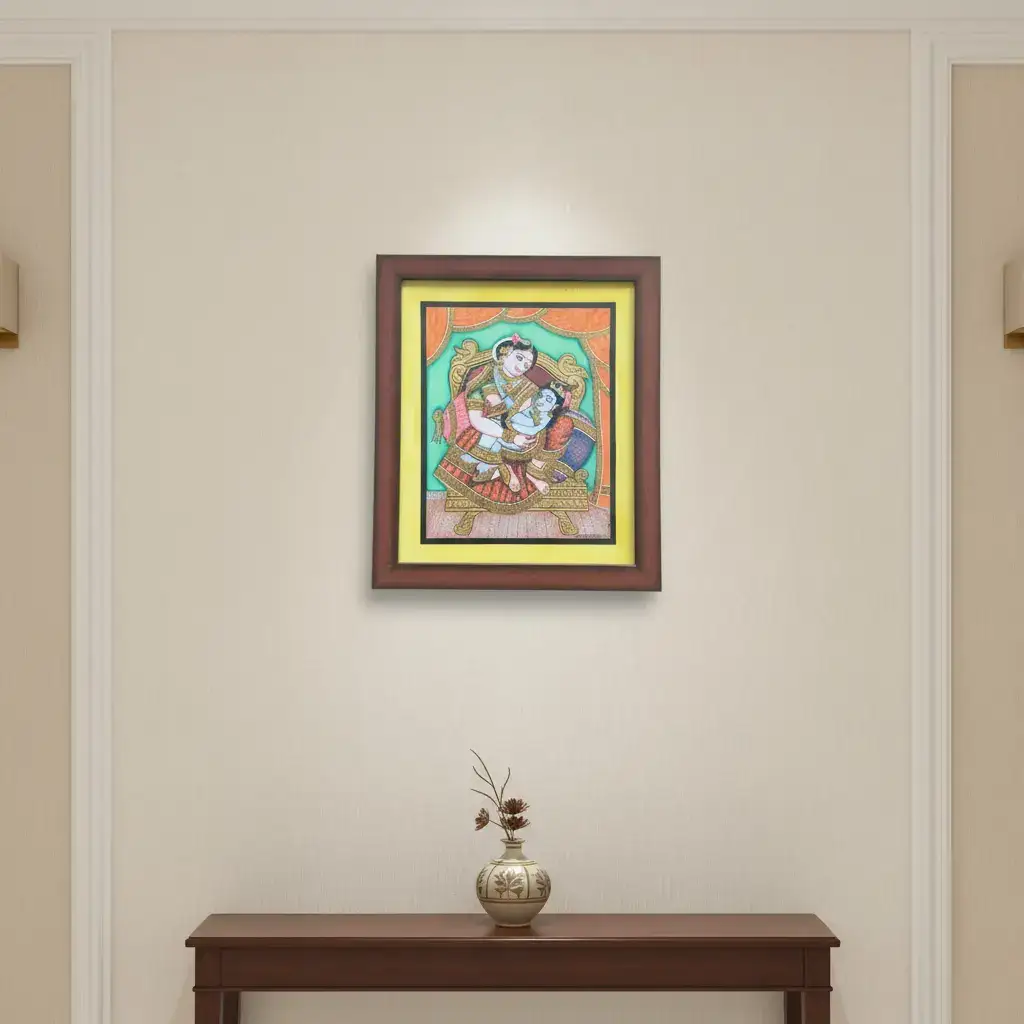
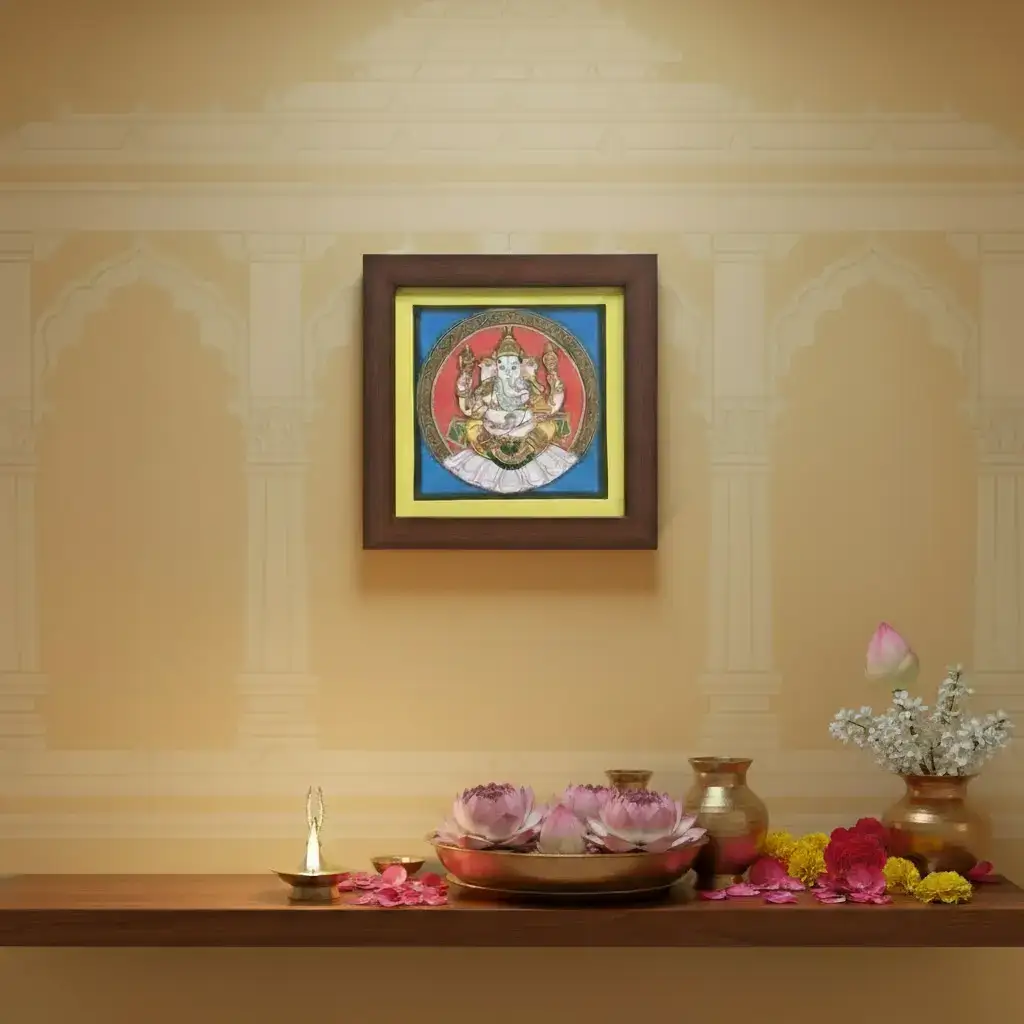
Mysore Ganesh Painting is a unique and traditional artwork that beautifully portrays Lord Ganesha. This exquisite artwork measures 10" H * 10" W, making it perfect for home decor or gifting. It reflects the rich cultural history of Karnataka and highlights the exceptional skill of artisans through its detailed craftsmanship. These works capture the essence of Mysore's artistic legacy, celebrated for their vibrant colors and intricate gold embellishments.
Mysore Ganesh Painting: A Traditional Art Form
The origins of Mysore Paintings trace back to the Ajanta period. This art evolved over centuries to become a key South Indian cultural expression. This painting style belongs to the treasured legacy of Mysore Paintings and is connected to other regional styles such as Tanjore and Kerala mural art. These artistic expressions emphasize bright, vibrant colors, elegant detailing, and exquisite gold work that vividly bring myths and legends to life.
During the reign of the Vijayanagar kings, art was highly encouraged and extensively supported. The kings played a crucial role in fostering growth in both architecture and arts throughout the region. After the fall of the Vijayanagar empire, many royal artists migrated to places like Tanjore and Surpur. There, they created new styles infused with local cultural influences. This dynamic evolution helped shape the Mysore painting tradition profoundly.
Royal Patronage and Mysore Arts
Many ancient temples and palaces were once richly decorated with paintings depicting mythological stories. Unfortunately, many of these artworks were lost during conflicts involving the British, Hyder Ali, and Tippu Sultan. However, a significant number of genuine Mysore paintings have survived. Especially notable are those from the era of Mummadi Krishnaraja Wodeyar III (1799-1868 AD). The king was a great patron of the arts, supporting music, sculpture, painting, dance, and literature alike.
A major contribution during his reign was the commissioning of the “Sritattvanidhi,” a detailed pictorial guidebook for artists. This invaluable resource contained illustrations of gods, goddesses, and mythological figures, serving as an authoritative reference for Mysore artists (Chitrakars). It ensured traditional quality and authenticity, preserving royal artistic heritage across generations.
Besides religious themes, Mysore Paintings also include portraits of Mysore rulers, royal families, and key historical figures. Many temple and palace walls were once adorned with large murals emphasizing cultural and spiritual narratives. These helped communicate sacred stories to the public effectively.
The Materials Used in Mysore Ganesh Painting
The materials used in this art form are carefully selected for quality and durability. The colors are traditionally hand-ground from natural ingredients to maintain vibrancy over time. Artists mix pigments with a special glue made from Arabic gum crystals, which provides longevity and richness to the artwork’s texture.
Brushes used in this technique are often crafted from squirrel hair or unique varieties of grass. These brushes allow artists to produce the finest details and smooth strokes that define Mysore’s painting style. The addition of authentic 22KT gold leaf adds a delicate shimmer, highlighting divine features and adding a regal touch.
This careful choice of materials ensures freshness and brilliance even after many years. It makes the artwork a lasting treasure for collectors and devotees alike.
Spiritual Significance of Mysore Ganesh Painting
This painting holds immense spiritual value due to its intricate artistry and symbolic representations. Lord Ganesha, the remover of obstacles and god of wisdom and prosperity, is a highly revered deity. The style expertly captures Ganesha's calm, serene expressions, enhancing the spiritual atmosphere of any space.
The artwork is especially popular during festivals like Ganesh Chaturthi and cherished as a meaningful gift for auspicious occasions. It blends religious importance with artistic excellence, enriching the cultural heritage and devotional practices of many South Indian households.
Distinct Features of Mysore Art
- Use of elegant and sophisticated colors enriched by natural pigments.
- Delicate gold leaf application crafted from authentic 22KT gold, providing a luxurious finish.
- Minute and precise detailing vividly illustrating mythological themes.
- Brushwork designed to emphasize calm and peaceful facial expressions on divine figures.
- Strong historical links to royal patronage and classical Indian art traditions.
Overall, Mysore Ganesh Painting is a harmonious blend of spiritual reverence and artistic mastery. Each piece preserves the timeless Mysore Painting style and honors the divine embodiment of Lord Ganesha. These works not only serve as decorative art but also hold deep cultural and devotional significance for art lovers and devotees alike.
Original: $118.34
-70%$118.34
$35.50Product Information
Product Information
Shipping & Returns
Shipping & Returns
Description
Mysore Ganesh Painting is a unique and traditional artwork that beautifully portrays Lord Ganesha. This exquisite artwork measures 10" H * 10" W, making it perfect for home decor or gifting. It reflects the rich cultural history of Karnataka and highlights the exceptional skill of artisans through its detailed craftsmanship. These works capture the essence of Mysore's artistic legacy, celebrated for their vibrant colors and intricate gold embellishments.
Mysore Ganesh Painting: A Traditional Art Form
The origins of Mysore Paintings trace back to the Ajanta period. This art evolved over centuries to become a key South Indian cultural expression. This painting style belongs to the treasured legacy of Mysore Paintings and is connected to other regional styles such as Tanjore and Kerala mural art. These artistic expressions emphasize bright, vibrant colors, elegant detailing, and exquisite gold work that vividly bring myths and legends to life.
During the reign of the Vijayanagar kings, art was highly encouraged and extensively supported. The kings played a crucial role in fostering growth in both architecture and arts throughout the region. After the fall of the Vijayanagar empire, many royal artists migrated to places like Tanjore and Surpur. There, they created new styles infused with local cultural influences. This dynamic evolution helped shape the Mysore painting tradition profoundly.
Royal Patronage and Mysore Arts
Many ancient temples and palaces were once richly decorated with paintings depicting mythological stories. Unfortunately, many of these artworks were lost during conflicts involving the British, Hyder Ali, and Tippu Sultan. However, a significant number of genuine Mysore paintings have survived. Especially notable are those from the era of Mummadi Krishnaraja Wodeyar III (1799-1868 AD). The king was a great patron of the arts, supporting music, sculpture, painting, dance, and literature alike.
A major contribution during his reign was the commissioning of the “Sritattvanidhi,” a detailed pictorial guidebook for artists. This invaluable resource contained illustrations of gods, goddesses, and mythological figures, serving as an authoritative reference for Mysore artists (Chitrakars). It ensured traditional quality and authenticity, preserving royal artistic heritage across generations.
Besides religious themes, Mysore Paintings also include portraits of Mysore rulers, royal families, and key historical figures. Many temple and palace walls were once adorned with large murals emphasizing cultural and spiritual narratives. These helped communicate sacred stories to the public effectively.
The Materials Used in Mysore Ganesh Painting
The materials used in this art form are carefully selected for quality and durability. The colors are traditionally hand-ground from natural ingredients to maintain vibrancy over time. Artists mix pigments with a special glue made from Arabic gum crystals, which provides longevity and richness to the artwork’s texture.
Brushes used in this technique are often crafted from squirrel hair or unique varieties of grass. These brushes allow artists to produce the finest details and smooth strokes that define Mysore’s painting style. The addition of authentic 22KT gold leaf adds a delicate shimmer, highlighting divine features and adding a regal touch.
This careful choice of materials ensures freshness and brilliance even after many years. It makes the artwork a lasting treasure for collectors and devotees alike.
Spiritual Significance of Mysore Ganesh Painting
This painting holds immense spiritual value due to its intricate artistry and symbolic representations. Lord Ganesha, the remover of obstacles and god of wisdom and prosperity, is a highly revered deity. The style expertly captures Ganesha's calm, serene expressions, enhancing the spiritual atmosphere of any space.
The artwork is especially popular during festivals like Ganesh Chaturthi and cherished as a meaningful gift for auspicious occasions. It blends religious importance with artistic excellence, enriching the cultural heritage and devotional practices of many South Indian households.
Distinct Features of Mysore Art
- Use of elegant and sophisticated colors enriched by natural pigments.
- Delicate gold leaf application crafted from authentic 22KT gold, providing a luxurious finish.
- Minute and precise detailing vividly illustrating mythological themes.
- Brushwork designed to emphasize calm and peaceful facial expressions on divine figures.
- Strong historical links to royal patronage and classical Indian art traditions.
Overall, Mysore Ganesh Painting is a harmonious blend of spiritual reverence and artistic mastery. Each piece preserves the timeless Mysore Painting style and honors the divine embodiment of Lord Ganesha. These works not only serve as decorative art but also hold deep cultural and devotional significance for art lovers and devotees alike.