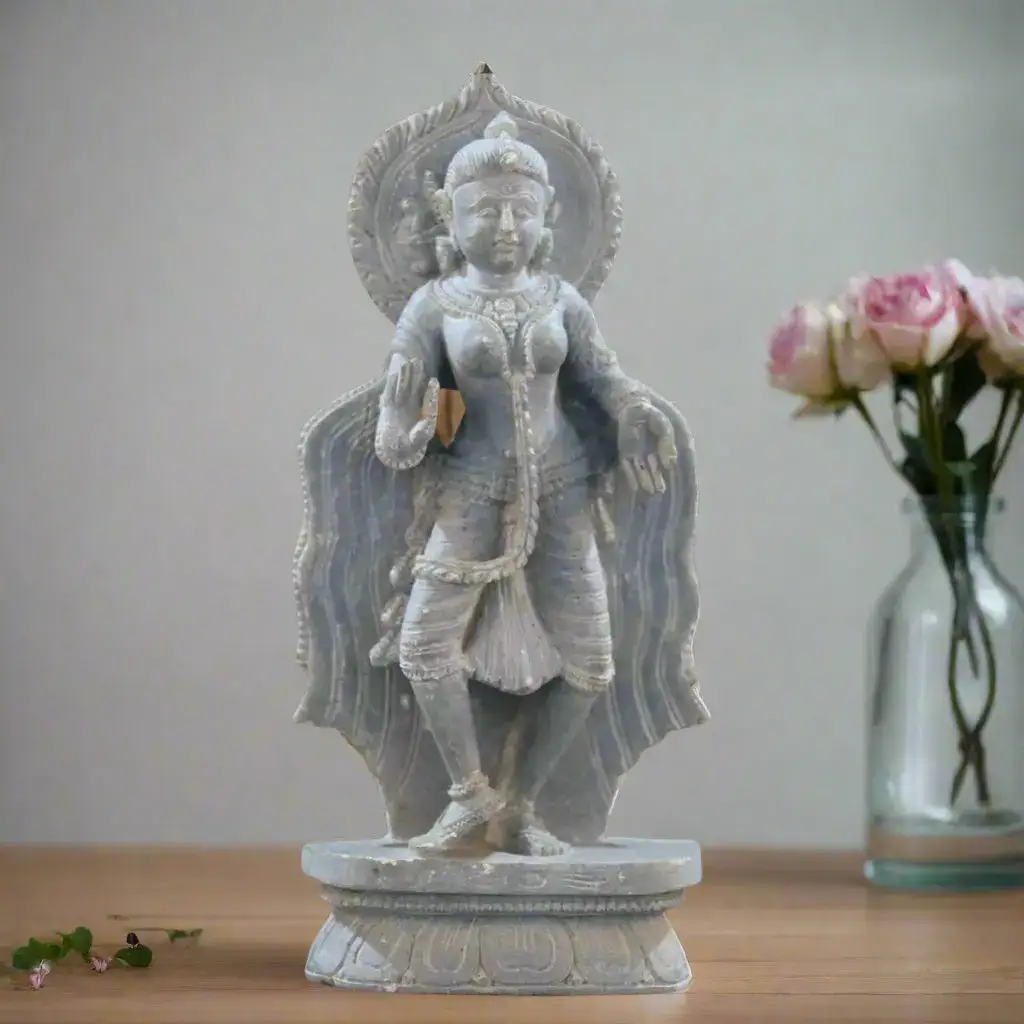
Tandavam Dancing Amman Sculpture – Divine Dance of Power and Grace
Introducing the Tandavam Dancing Amman Sculpture
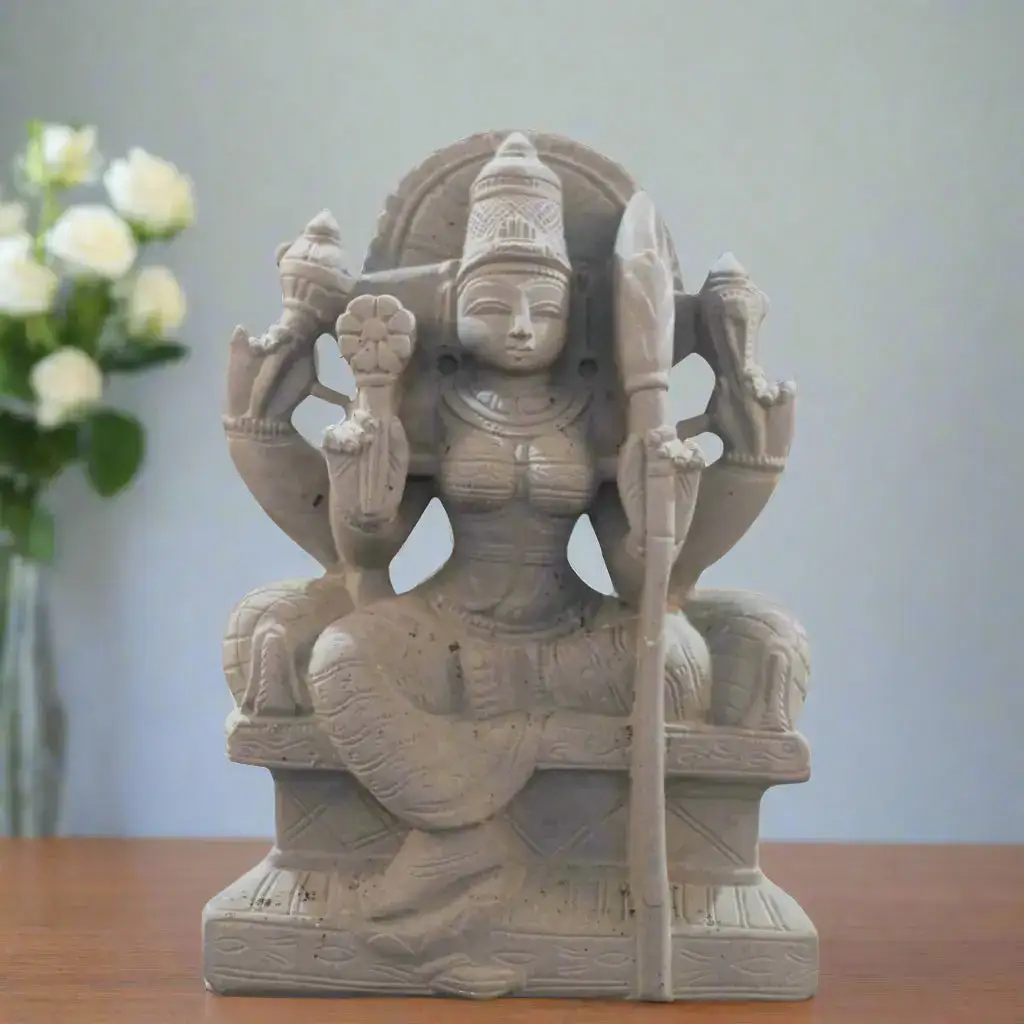
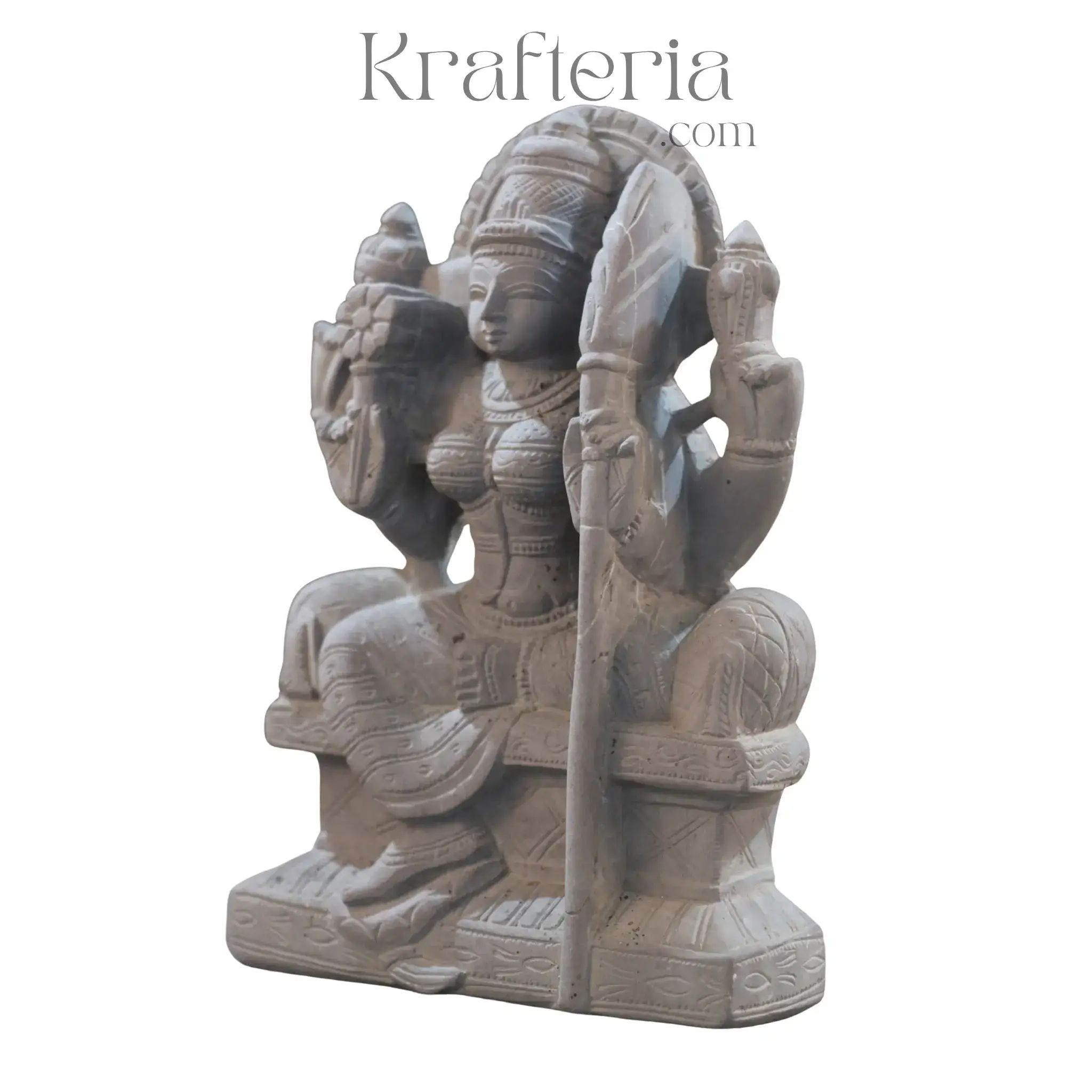
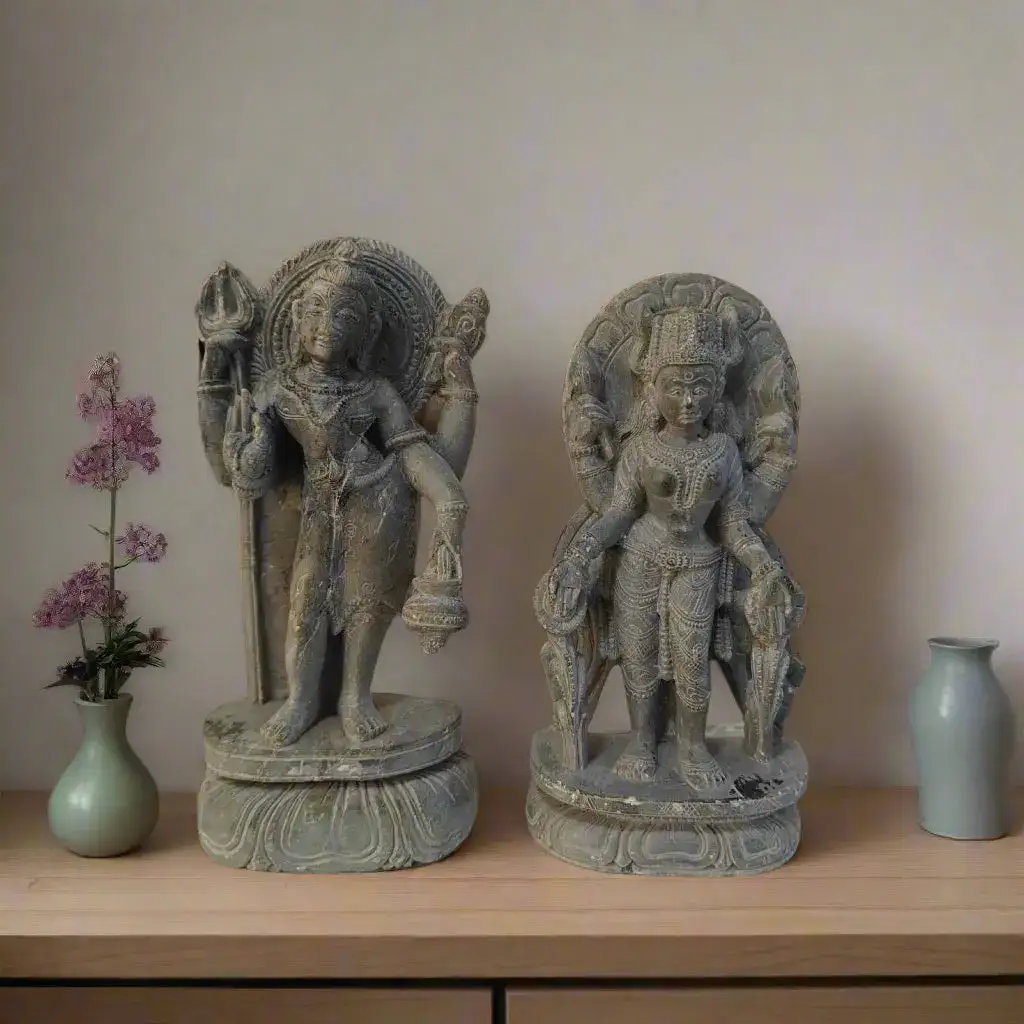
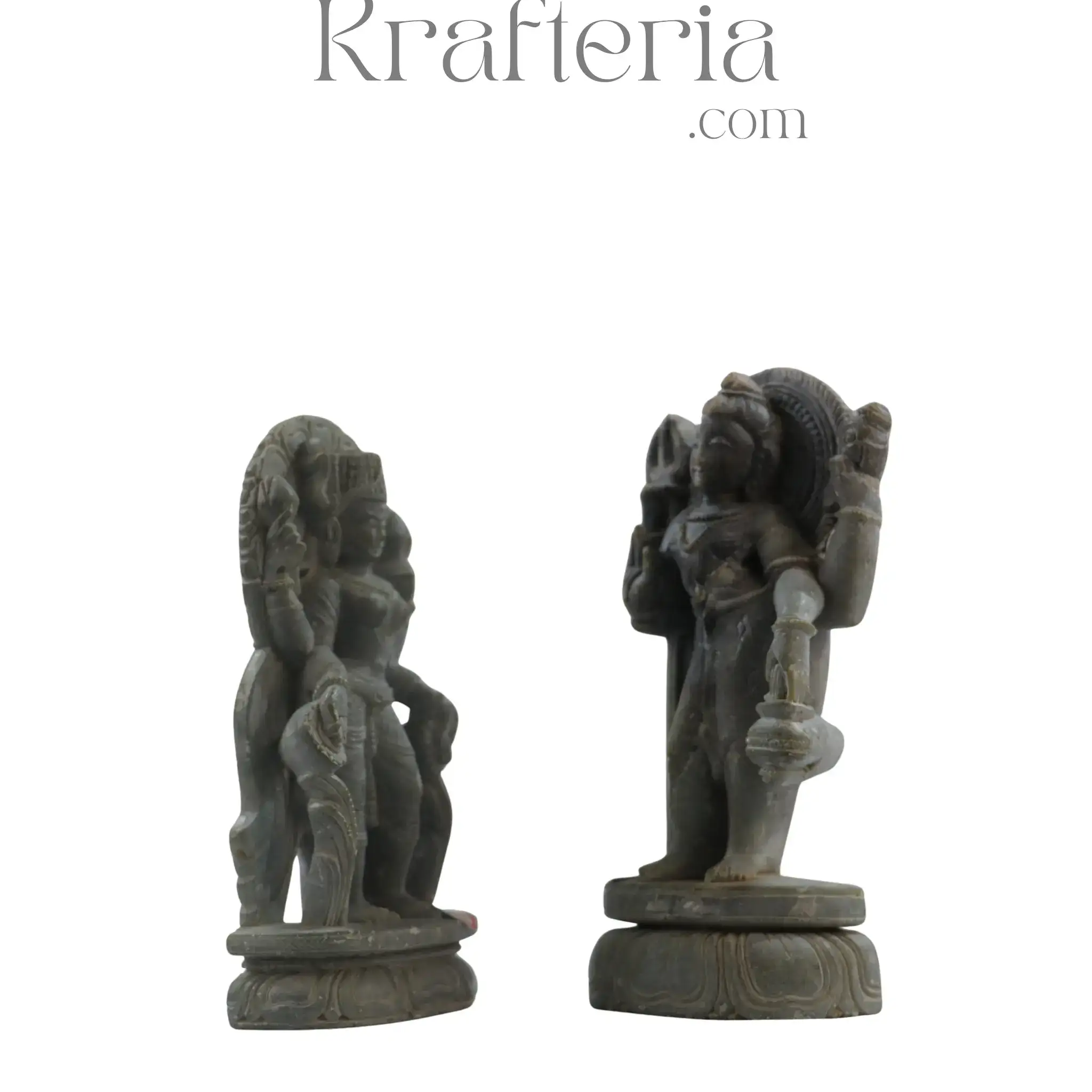
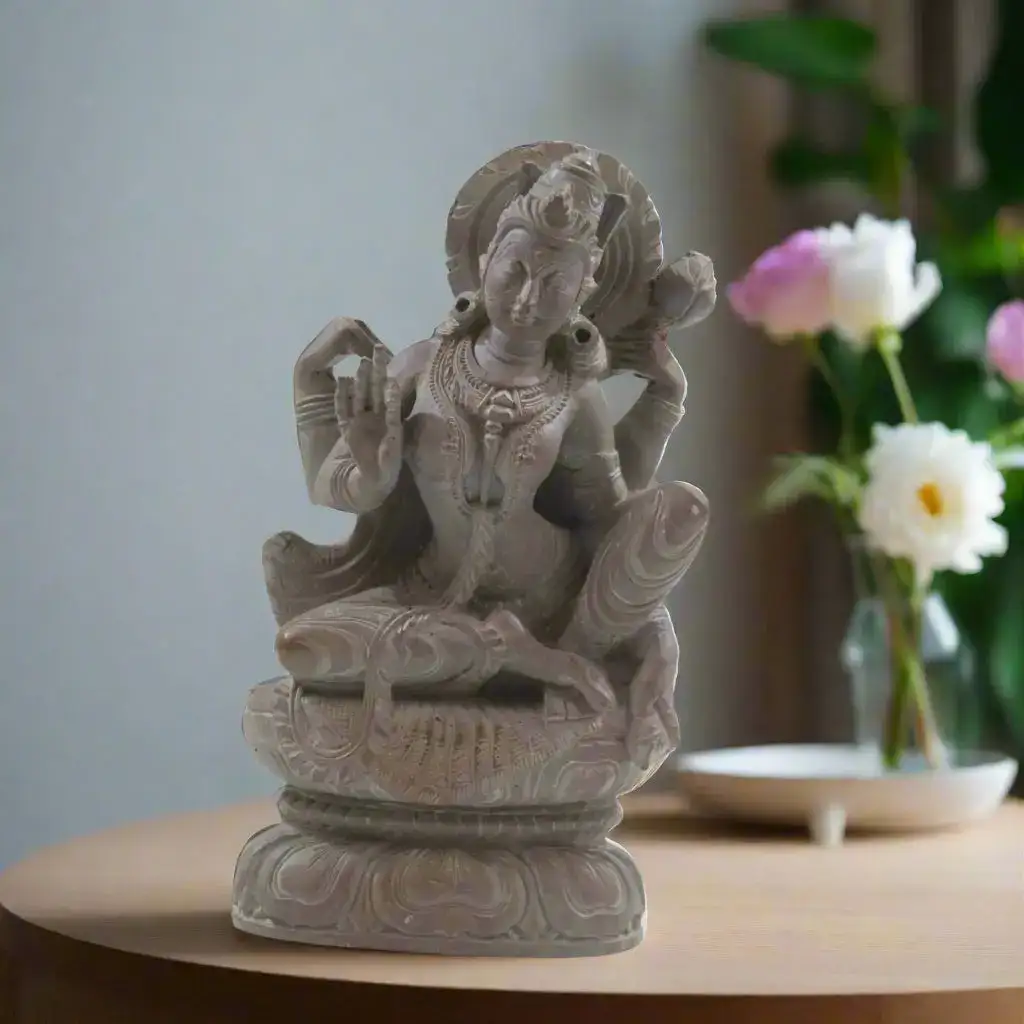
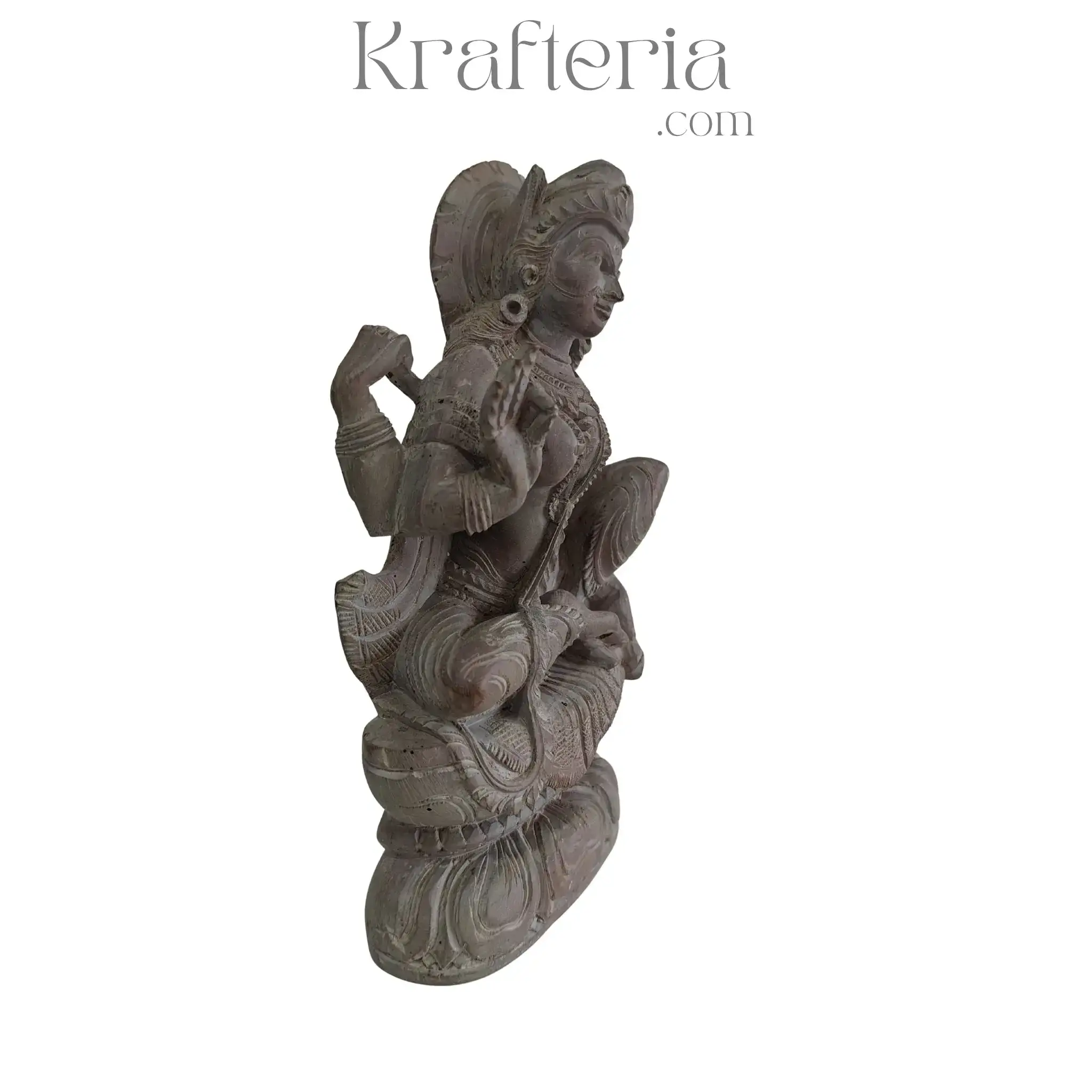
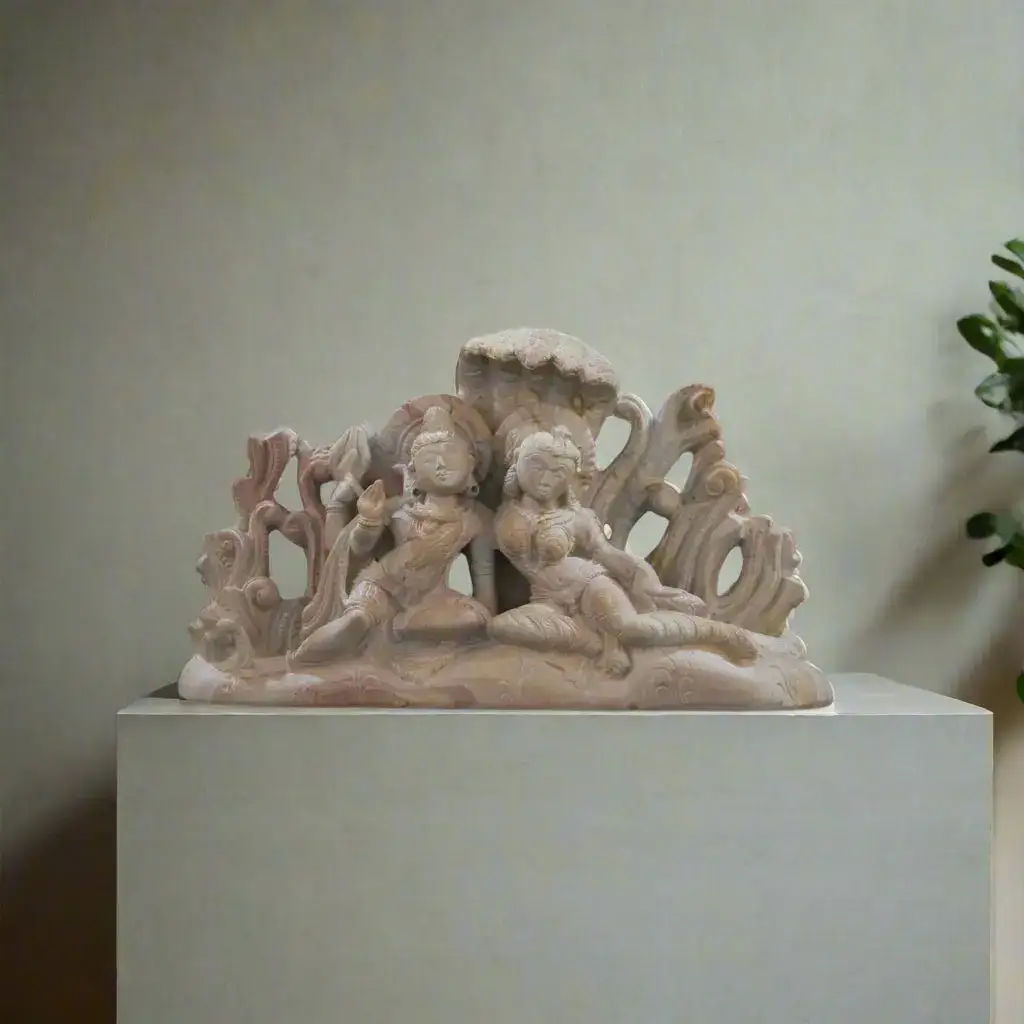
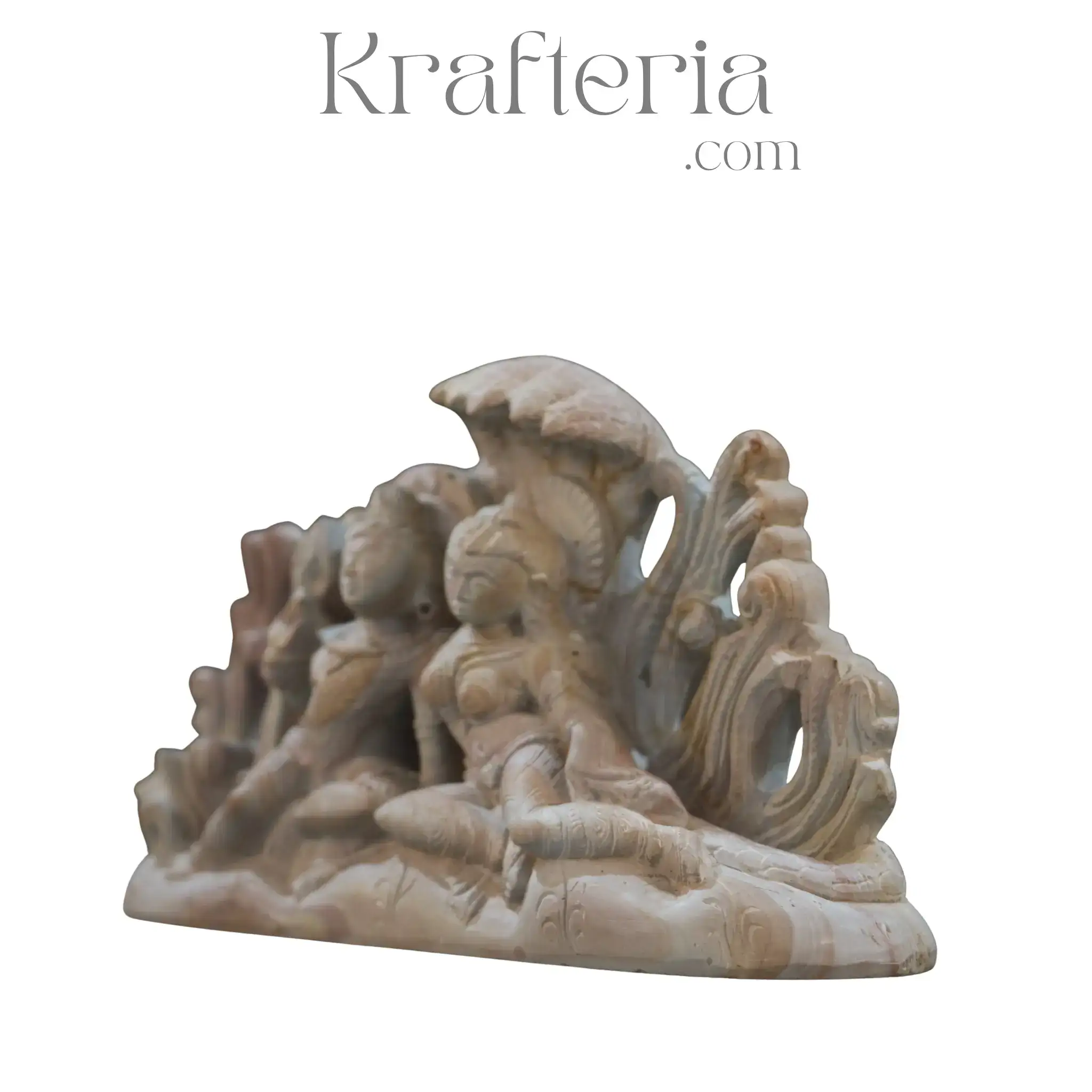
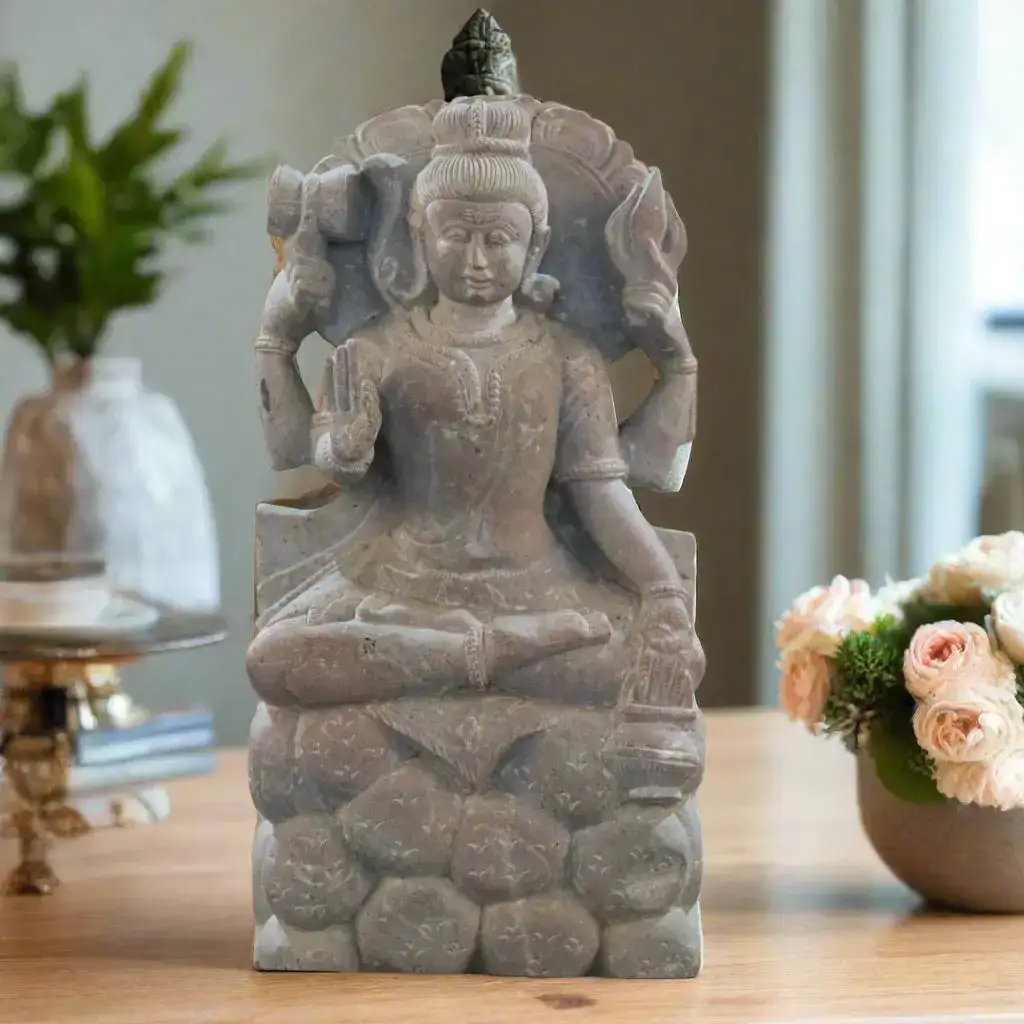
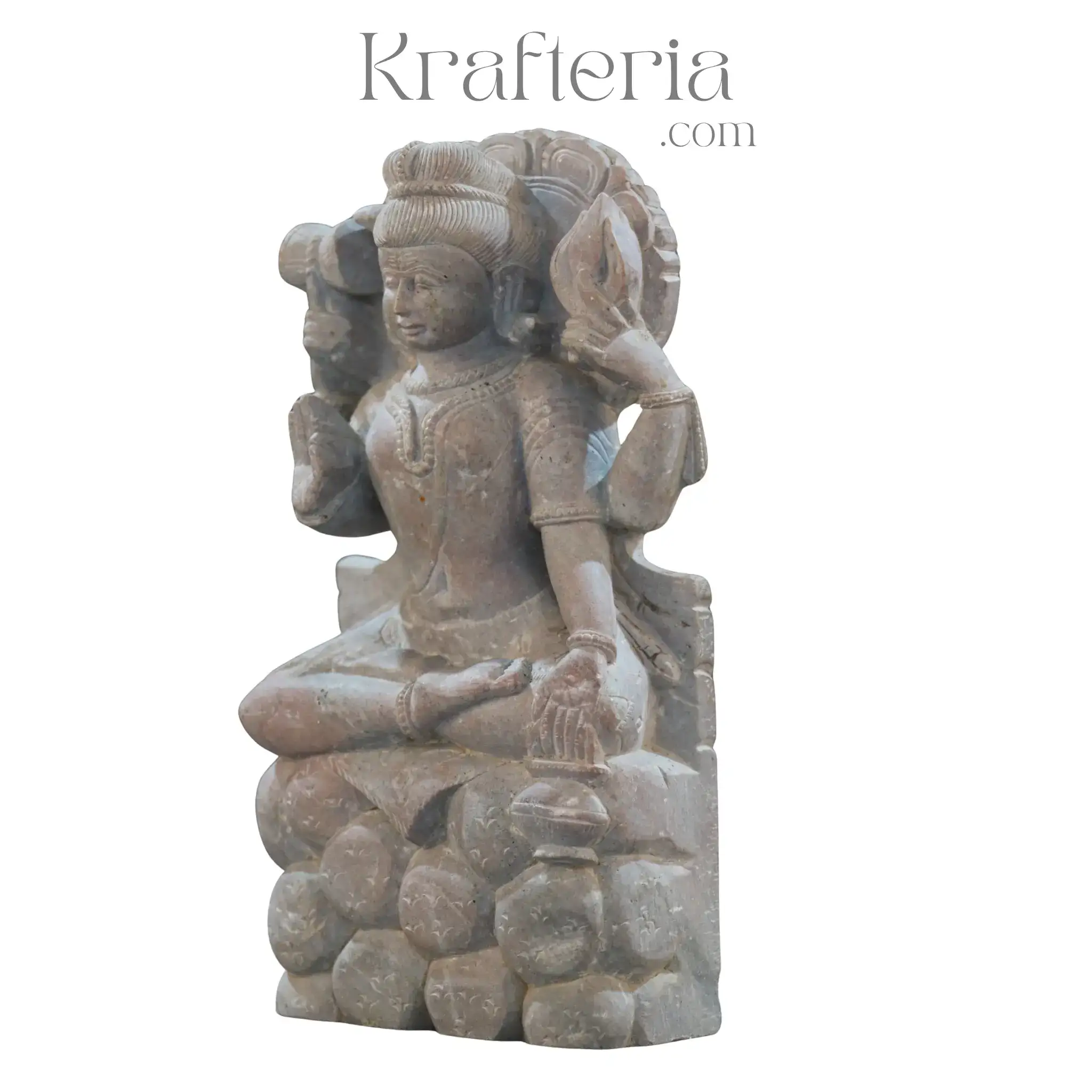
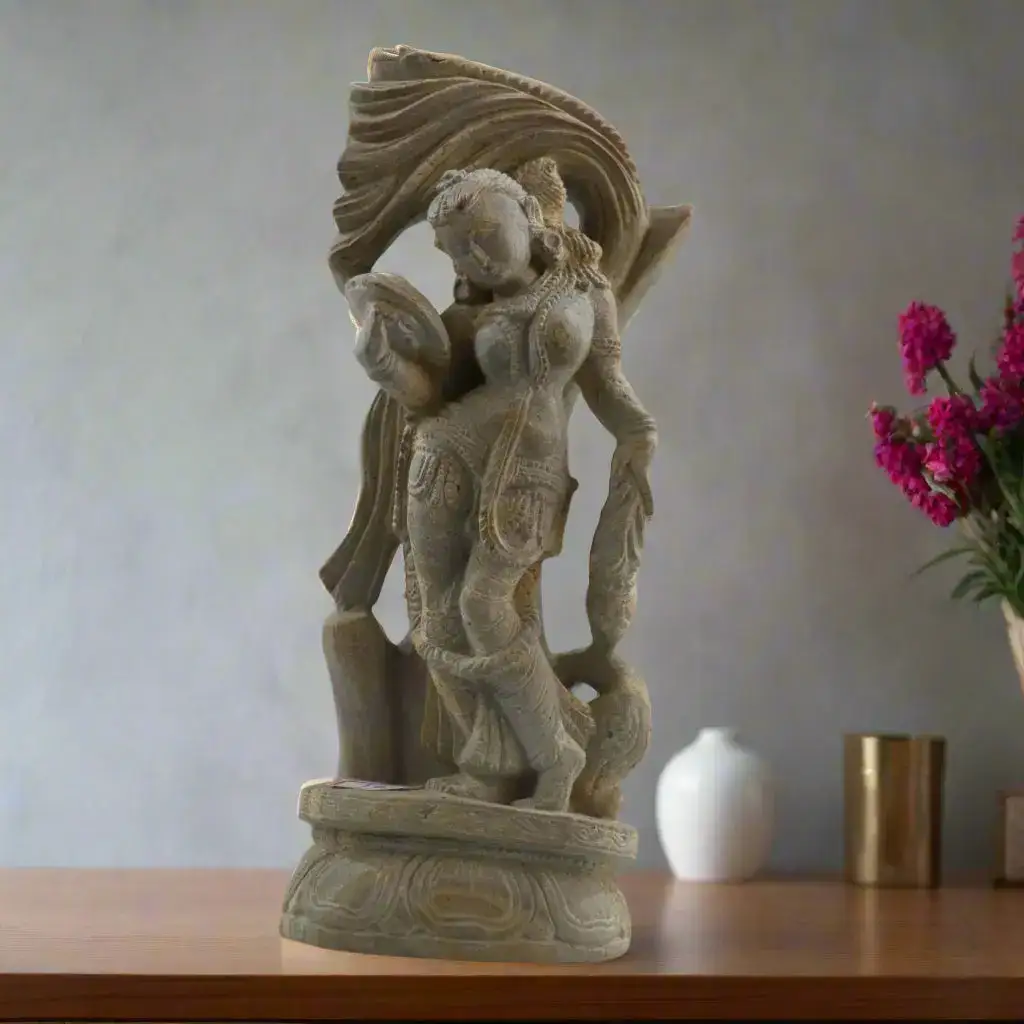
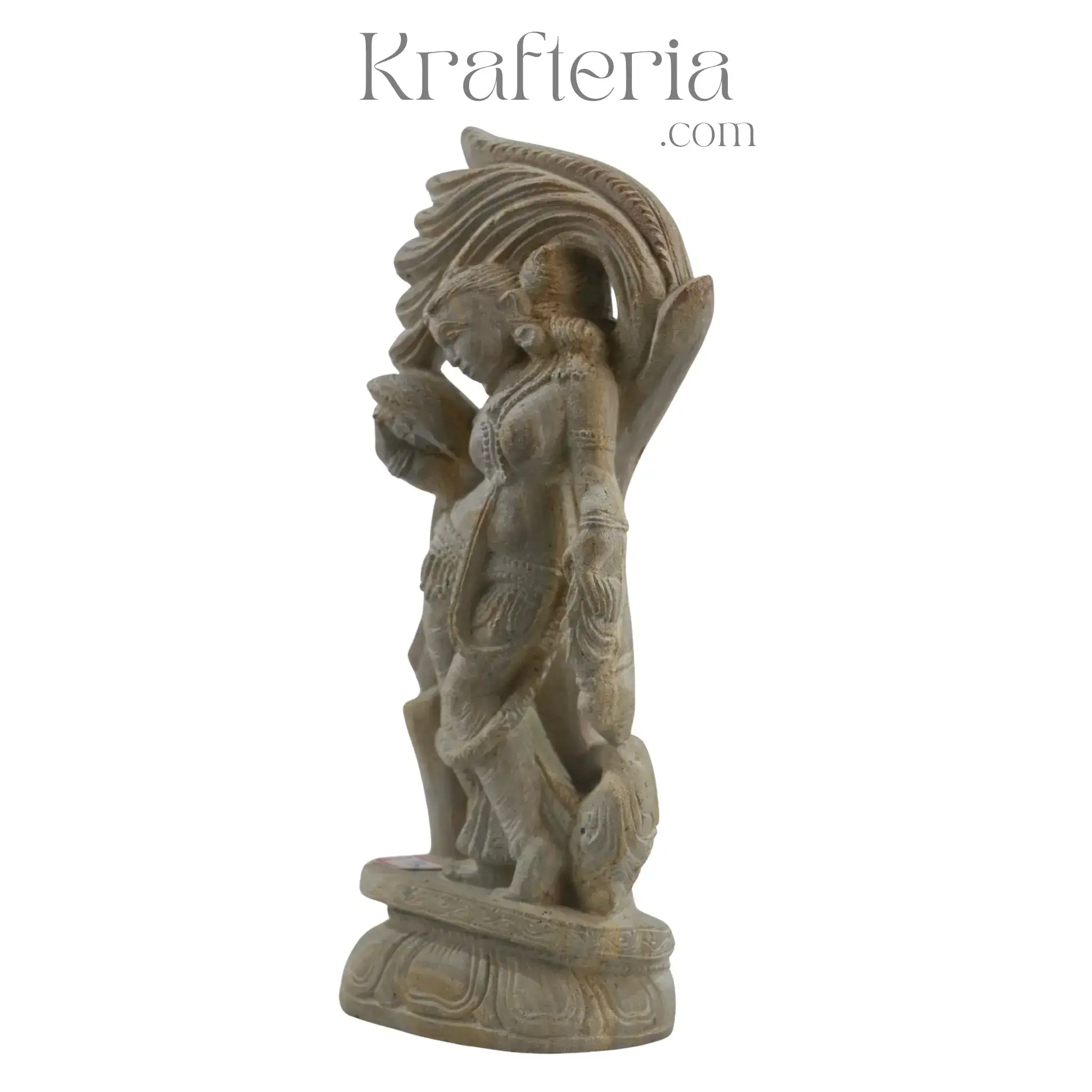
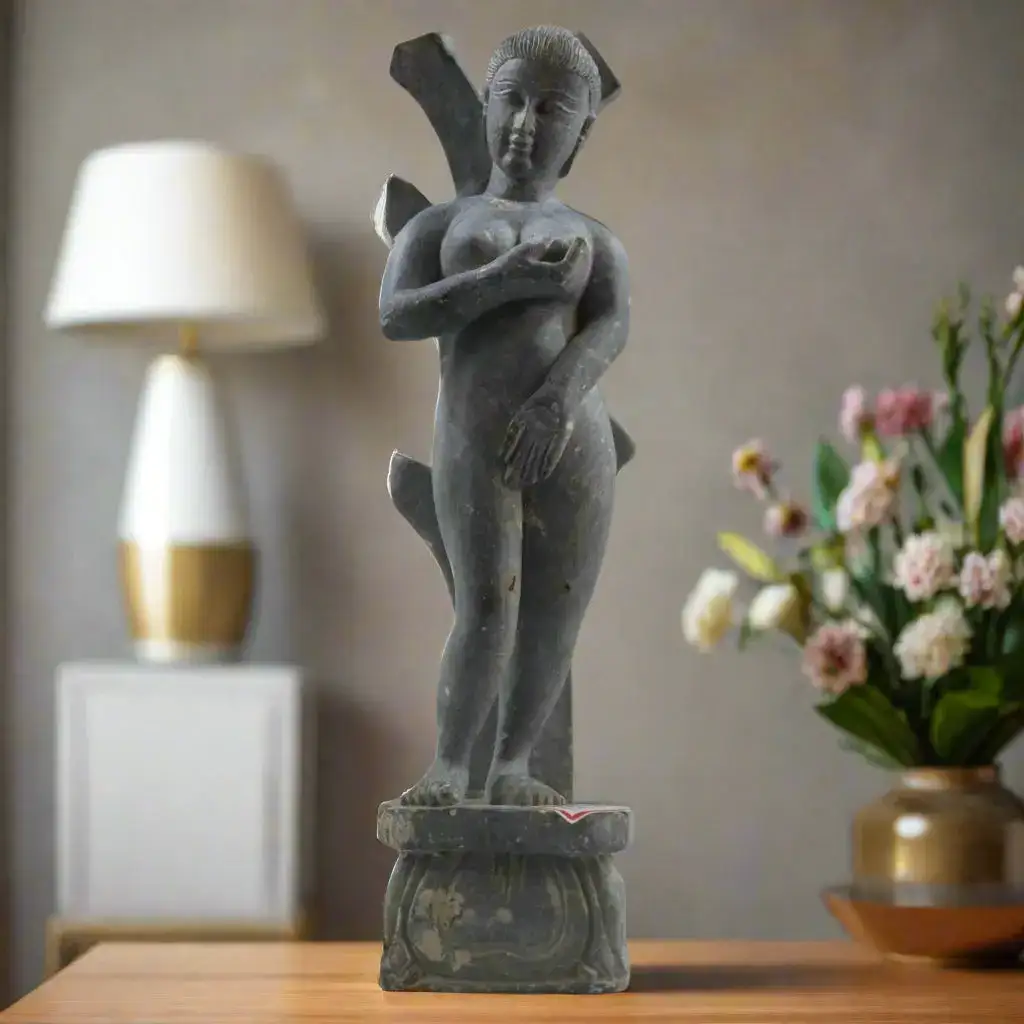
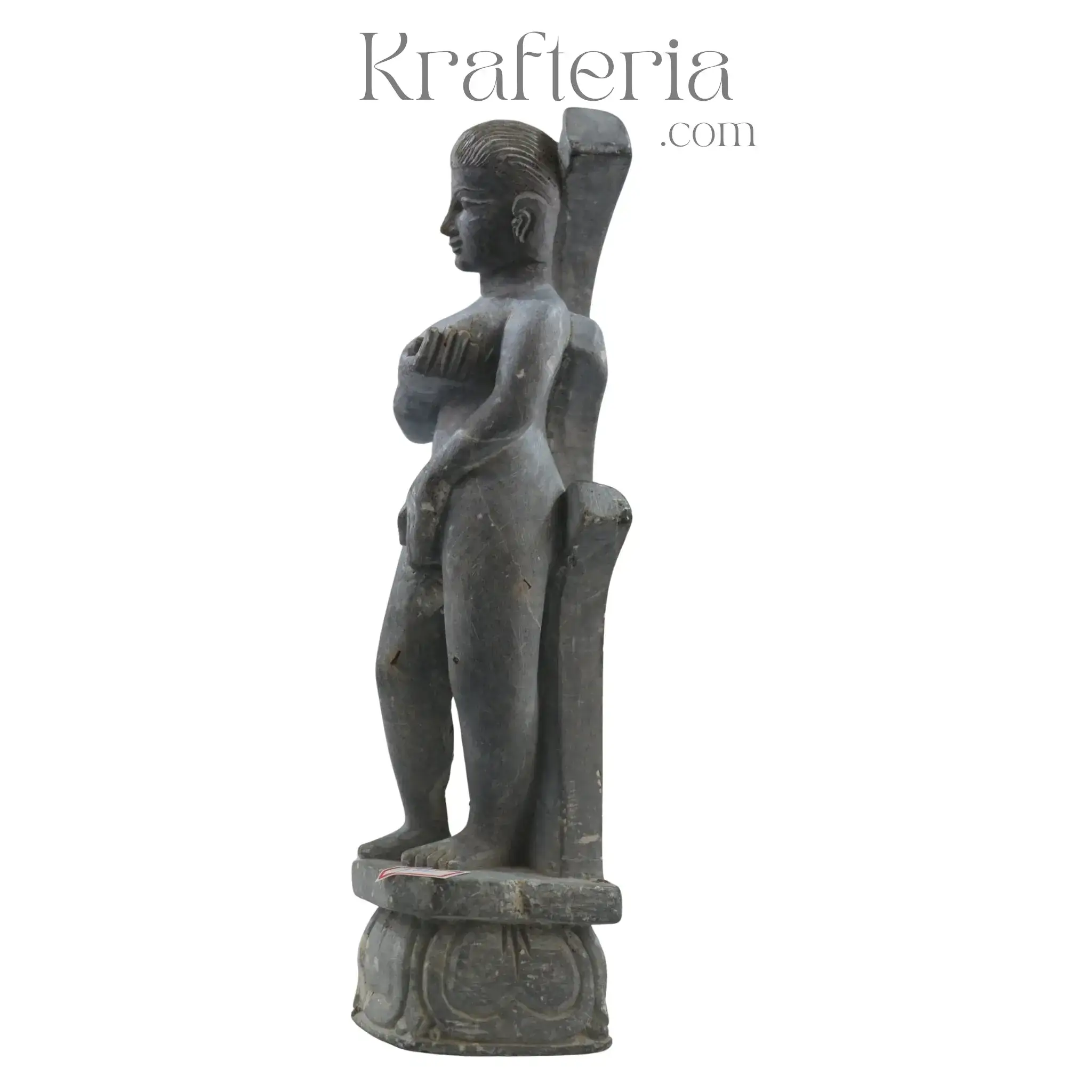
The Tandavam Dancing Amman Sculpture is a beautiful representation of divine power and grace. This sculpture captures the essence of Amman, the goddess who dances the cosmic Tandavam dance. It is a significant piece for those who appreciate spiritual art and cultural heritage.
Measuring 7.5 inches in height, 3.5 inches in width, and 1.5 inches in length, this sculpture is crafted with delicate precision. It is suitable for display in homes, galleries, or meditation spaces where divine energy is cherished. Many seek a Goddess Amman statue for home or a Shakti Amman idol for pooja that combines artistry with spirituality.
Historic Significance of Mahabalipuram
Mahabalipuram, also called Mamallapuram, is an important historic and archaeological site. Located in Tamil Nadu, India, it holds a treasure trove of art and architectural marvels. These belong chiefly to the Pallava period, spanning the 7th to 8th centuries CE.
The site is deeply connected with the reigns of Pallava kings Mahendravarman and Narasimhavarman. Their patronage led to a flourishing of artistic and cultural expressions that still inspire today.
Art Period: Pallava Period
The Pallava period marks a creative zenith in South Indian history. It spans roughly from the early 600s to the late 600s CE. This period is named after the ruling Pallava dynasty, known for their contributions to art and architecture.
Mahendravarman (circa 600–630 CE) and Narasimhavarman I, also known as Mamalla (circa 630–668 CE), were influential figures. Their reigns brought about innovative styles and grand constructions that remain iconic.
Why Mahabalipuram is Special
Mahabalipuram is famous for its extraordinary rock-cut architecture. It houses monolithic rathas, temples shaped like chariots carved from single stones with exceptional craftsmanship.
The cave temples, or mandapas, found here are equally impressive. They serve as ancient places of worship and reflect the Pallava dynasty’s religious devotion. Among the most famous are bas-relief sculptures like the Descent of the Ganges and Arjuna’s Penance.
Tandavam Dancing Amman Sculpture Within this Tradition
The Tandavam Dancing Amman Sculpture fits beautifully within this rich heritage. It echoes the spiritual themes expressed through Mahabalipuram’s art. This sculpture symbolizes powerful divine energy and the cycle of creation and destruction.
It is a tribute to the artistic legacy of the Pallava period. With its smooth lines and intricate details, the sculpture reflects the artistic mastery of the time. Those who wish to Buy Amman sculpture online will find this piece an exceptional choice.
Key Artistic Features of the Pallava Period
- Rock-cut architecture that seamlessly blends art and nature
- Monolithic rathas sculpted as chariot-shaped temples
- Cave temples or mandapas carved from granite serving religious and cultural purposes
- Bas-relief sculptures such as the renowned "Descent of the Ganges" and "Arjuna’s Penance"
- The Shore Temple, an early granite-built structural temple that still stands strong
These features highlight the rich cultural history behind creations like the Dancing Amman stone sculpture. The sculpture encapsulates artistic and spiritual ideals from a dynamic era.
Dimensions and Material
This sculpture stands 7.5 inches tall, 3.5 inches wide, and 1.5 inches long. Its size is ideal for display, emphasizing fine detail work without overwhelming space.
The sculpture is carved from soft stone, allowing for intricate carving and smooth textures. This material choice honors traditional methods used during the Pallava dynasty to create lasting art.
Legacy of Kings Mahendravarman and Narasimhavarman
Mahendravarman ruled around 600-630 CE and was a pioneer of art patronage in the Pallava dynasty. Following him, Narasimhavarman I (Mamalla) ruled circa 630-668 CE. The town of Mahabalipuram is named after him.
Their contributions fostered monumental architecture and sculpture growth. The Tandavam Dancing Amman Sculptures carries their legacy forward through detailed craftsmanship and deep symbolic meaning.
Symbolism and Spiritual Significance of the Tandavam Dancing Amman Sculptures
The Tandavam Dancing Amman Sculptures embodies the dynamic energy of goddess Amman as she performs the Tandavam dance. This dance represents cosmic cycles of creation, preservation, and destruction.
Through this sculpture, devotees and art lovers alike connect with divine strength and grace. It serves as a reminder of balance and power within the universe. It is admired as a Spiritual Shakti sculpture reflecting profound cultural meaning.
Perfect for Collectors and Devotees
This sculpture suits spiritual homes, meditation spaces, or art collections. It inspires devotion while reflecting ancient traditions with a modern, handmade touch. Its connection to Mahabalipuram’s Pallava heritage adds to its timeless appeal.
Overall, the Tandavam Dancing Amman Sculpture is a masterpiece where history, art, and spirituality beautifully converge.
Product Information
Product Information
Shipping & Returns
Shipping & Returns
Description
Introducing the Tandavam Dancing Amman Sculpture
The Tandavam Dancing Amman Sculpture is a beautiful representation of divine power and grace. This sculpture captures the essence of Amman, the goddess who dances the cosmic Tandavam dance. It is a significant piece for those who appreciate spiritual art and cultural heritage.
Measuring 7.5 inches in height, 3.5 inches in width, and 1.5 inches in length, this sculpture is crafted with delicate precision. It is suitable for display in homes, galleries, or meditation spaces where divine energy is cherished. Many seek a Goddess Amman statue for home or a Shakti Amman idol for pooja that combines artistry with spirituality.
Historic Significance of Mahabalipuram
Mahabalipuram, also called Mamallapuram, is an important historic and archaeological site. Located in Tamil Nadu, India, it holds a treasure trove of art and architectural marvels. These belong chiefly to the Pallava period, spanning the 7th to 8th centuries CE.
The site is deeply connected with the reigns of Pallava kings Mahendravarman and Narasimhavarman. Their patronage led to a flourishing of artistic and cultural expressions that still inspire today.
Art Period: Pallava Period
The Pallava period marks a creative zenith in South Indian history. It spans roughly from the early 600s to the late 600s CE. This period is named after the ruling Pallava dynasty, known for their contributions to art and architecture.
Mahendravarman (circa 600–630 CE) and Narasimhavarman I, also known as Mamalla (circa 630–668 CE), were influential figures. Their reigns brought about innovative styles and grand constructions that remain iconic.
Why Mahabalipuram is Special
Mahabalipuram is famous for its extraordinary rock-cut architecture. It houses monolithic rathas, temples shaped like chariots carved from single stones with exceptional craftsmanship.
The cave temples, or mandapas, found here are equally impressive. They serve as ancient places of worship and reflect the Pallava dynasty’s religious devotion. Among the most famous are bas-relief sculptures like the Descent of the Ganges and Arjuna’s Penance.
Tandavam Dancing Amman Sculpture Within this Tradition
The Tandavam Dancing Amman Sculpture fits beautifully within this rich heritage. It echoes the spiritual themes expressed through Mahabalipuram’s art. This sculpture symbolizes powerful divine energy and the cycle of creation and destruction.
It is a tribute to the artistic legacy of the Pallava period. With its smooth lines and intricate details, the sculpture reflects the artistic mastery of the time. Those who wish to Buy Amman sculpture online will find this piece an exceptional choice.
Key Artistic Features of the Pallava Period
- Rock-cut architecture that seamlessly blends art and nature
- Monolithic rathas sculpted as chariot-shaped temples
- Cave temples or mandapas carved from granite serving religious and cultural purposes
- Bas-relief sculptures such as the renowned "Descent of the Ganges" and "Arjuna’s Penance"
- The Shore Temple, an early granite-built structural temple that still stands strong
These features highlight the rich cultural history behind creations like the Dancing Amman stone sculpture. The sculpture encapsulates artistic and spiritual ideals from a dynamic era.
Dimensions and Material
This sculpture stands 7.5 inches tall, 3.5 inches wide, and 1.5 inches long. Its size is ideal for display, emphasizing fine detail work without overwhelming space.
The sculpture is carved from soft stone, allowing for intricate carving and smooth textures. This material choice honors traditional methods used during the Pallava dynasty to create lasting art.
Legacy of Kings Mahendravarman and Narasimhavarman
Mahendravarman ruled around 600-630 CE and was a pioneer of art patronage in the Pallava dynasty. Following him, Narasimhavarman I (Mamalla) ruled circa 630-668 CE. The town of Mahabalipuram is named after him.
Their contributions fostered monumental architecture and sculpture growth. The Tandavam Dancing Amman Sculptures carries their legacy forward through detailed craftsmanship and deep symbolic meaning.
Symbolism and Spiritual Significance of the Tandavam Dancing Amman Sculptures
The Tandavam Dancing Amman Sculptures embodies the dynamic energy of goddess Amman as she performs the Tandavam dance. This dance represents cosmic cycles of creation, preservation, and destruction.
Through this sculpture, devotees and art lovers alike connect with divine strength and grace. It serves as a reminder of balance and power within the universe. It is admired as a Spiritual Shakti sculpture reflecting profound cultural meaning.
Perfect for Collectors and Devotees
This sculpture suits spiritual homes, meditation spaces, or art collections. It inspires devotion while reflecting ancient traditions with a modern, handmade touch. Its connection to Mahabalipuram’s Pallava heritage adds to its timeless appeal.
Overall, the Tandavam Dancing Amman Sculpture is a masterpiece where history, art, and spirituality beautifully converge.