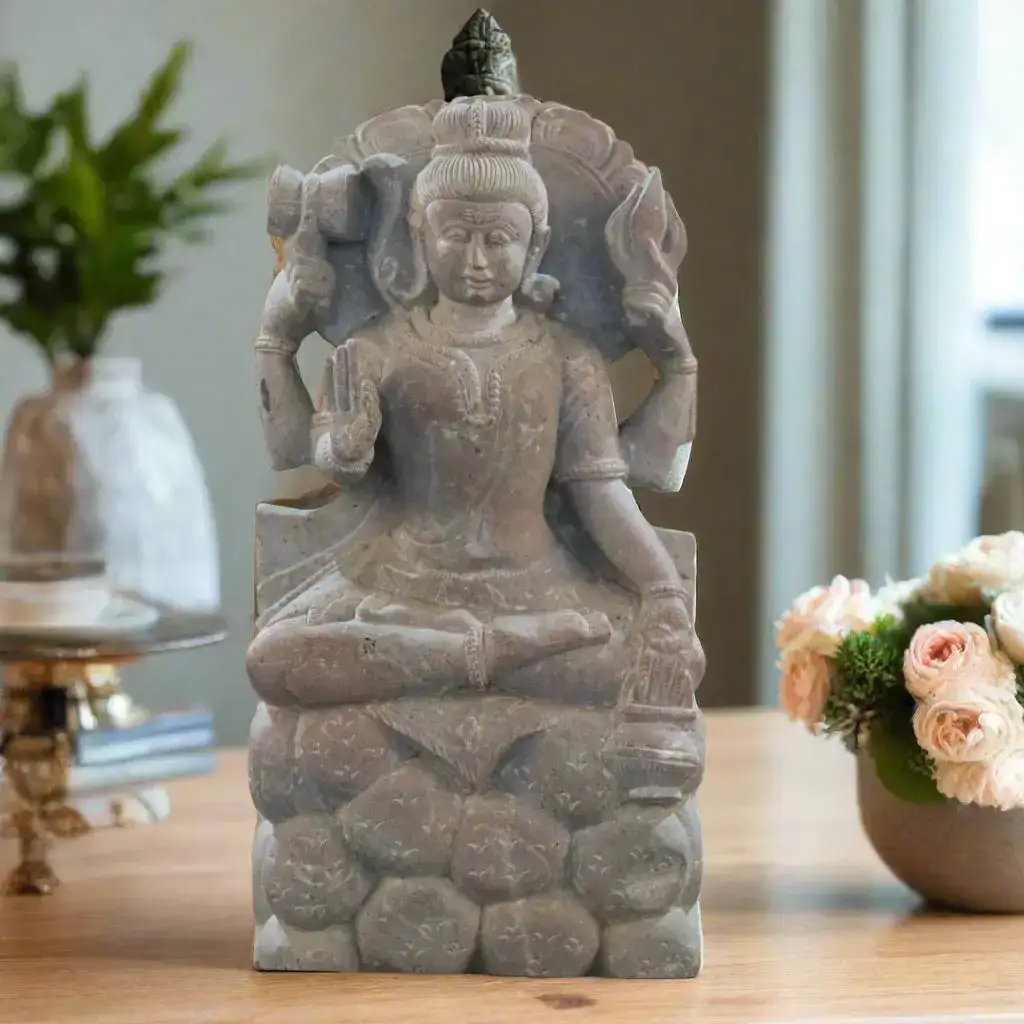
Sculpture of Lord Shiva – Eternal Energy and Cosmic Presence
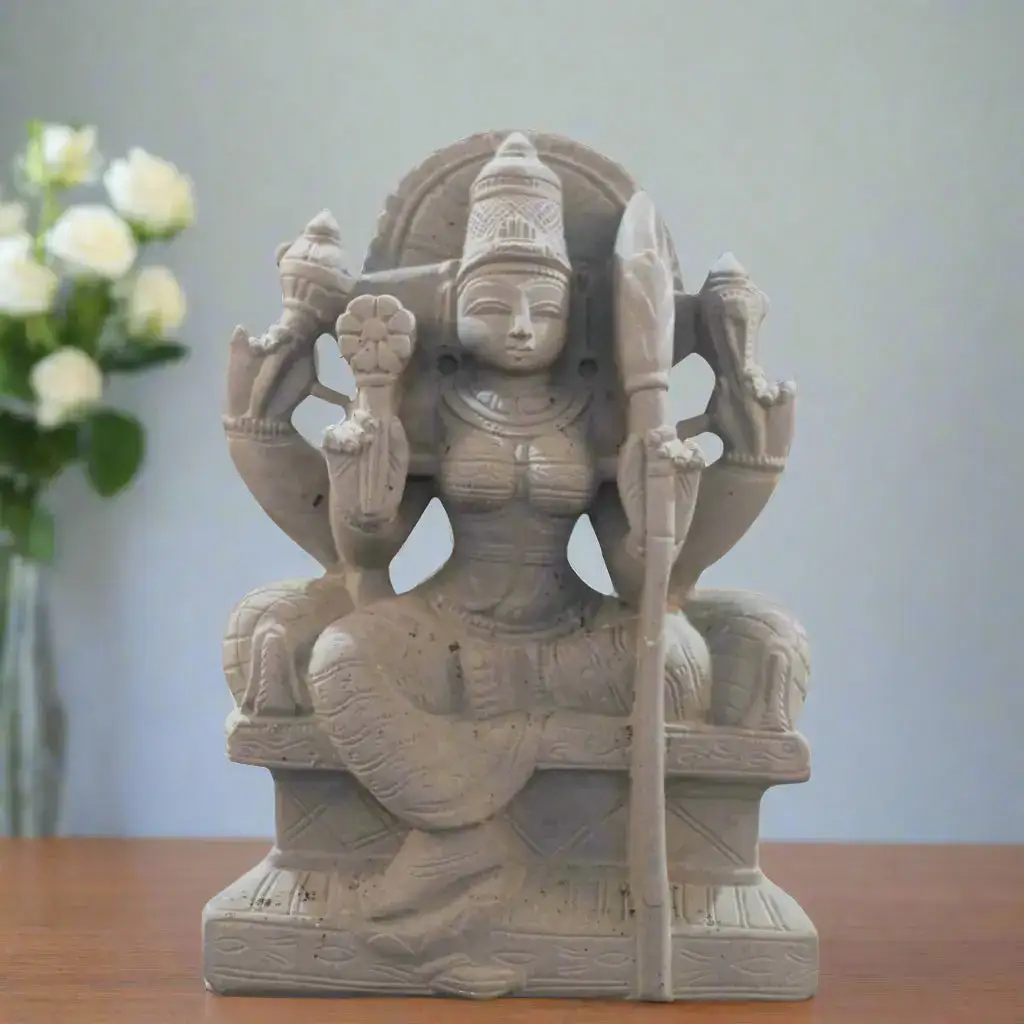
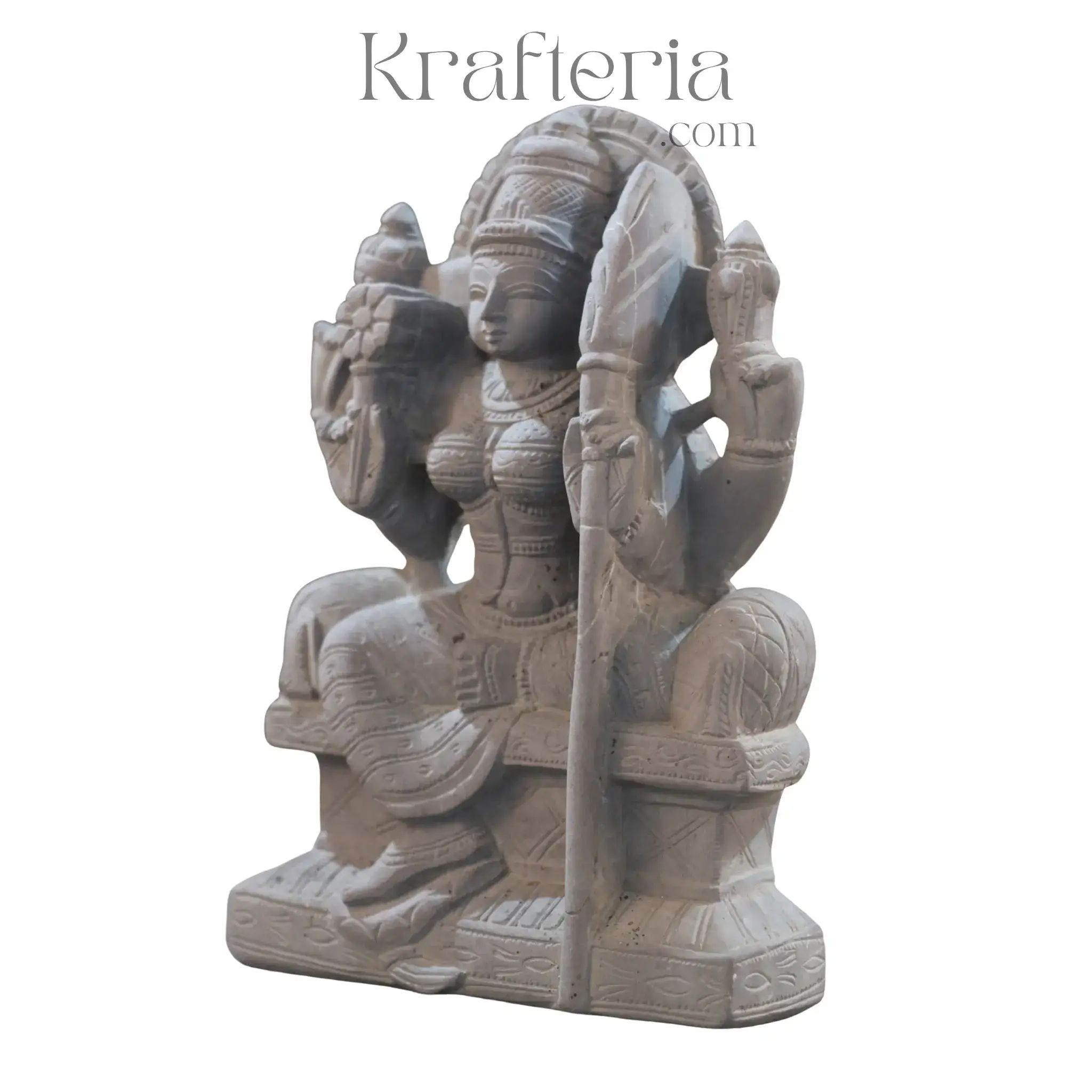
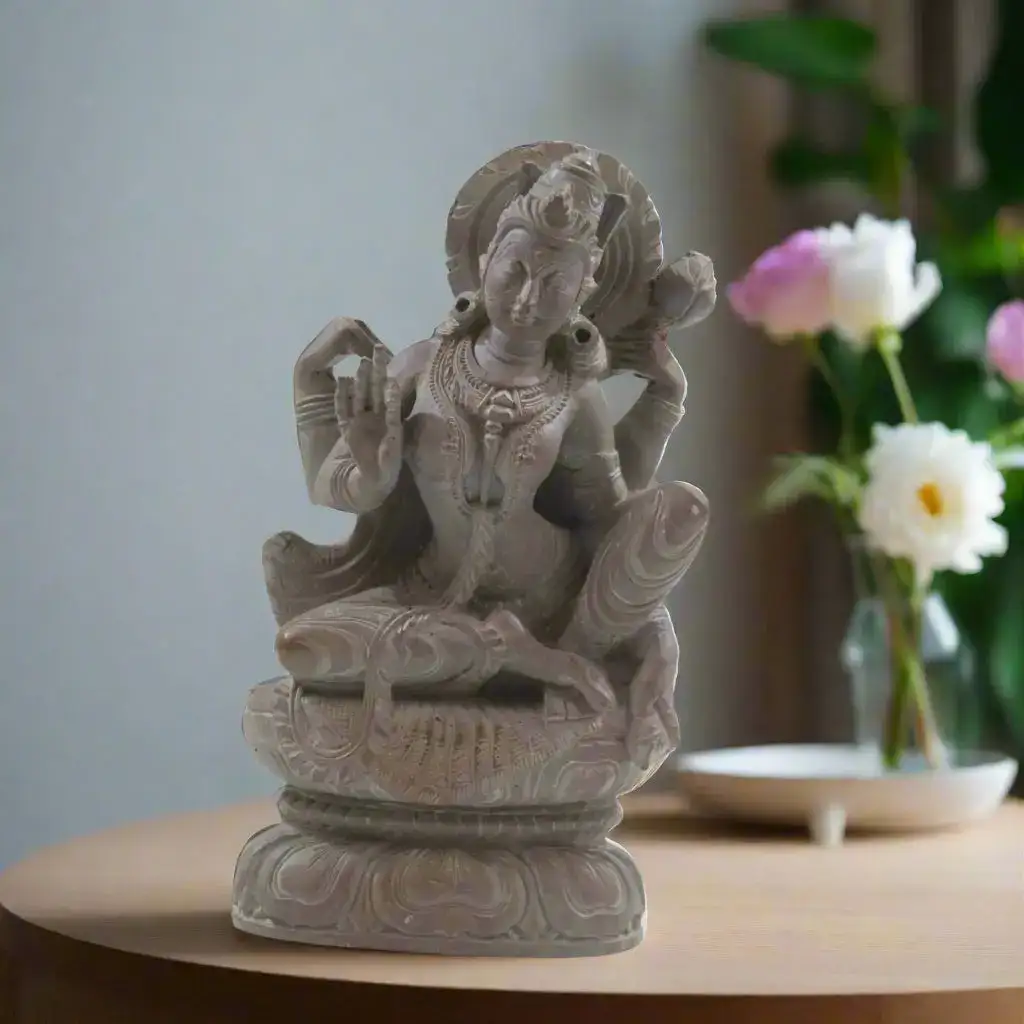
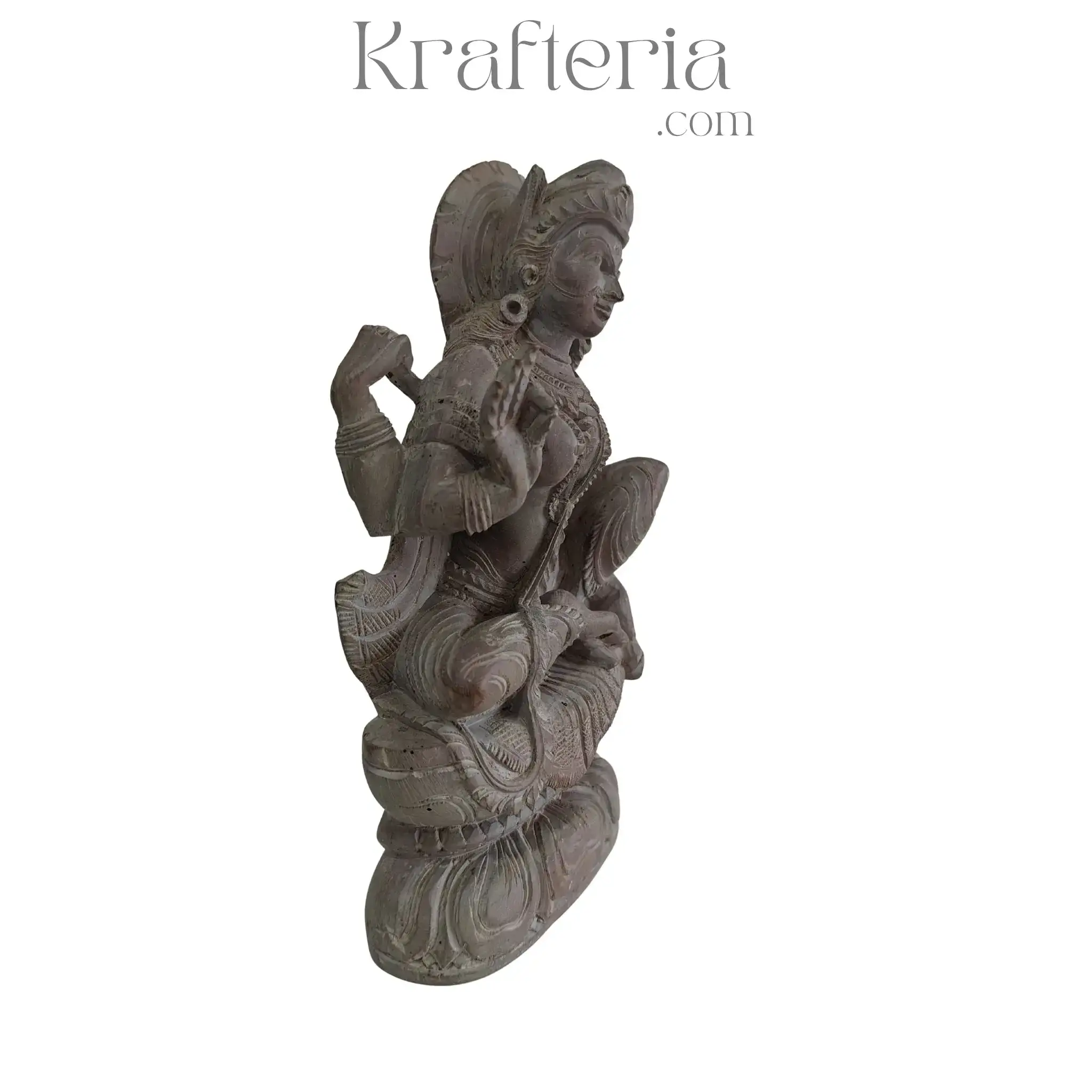
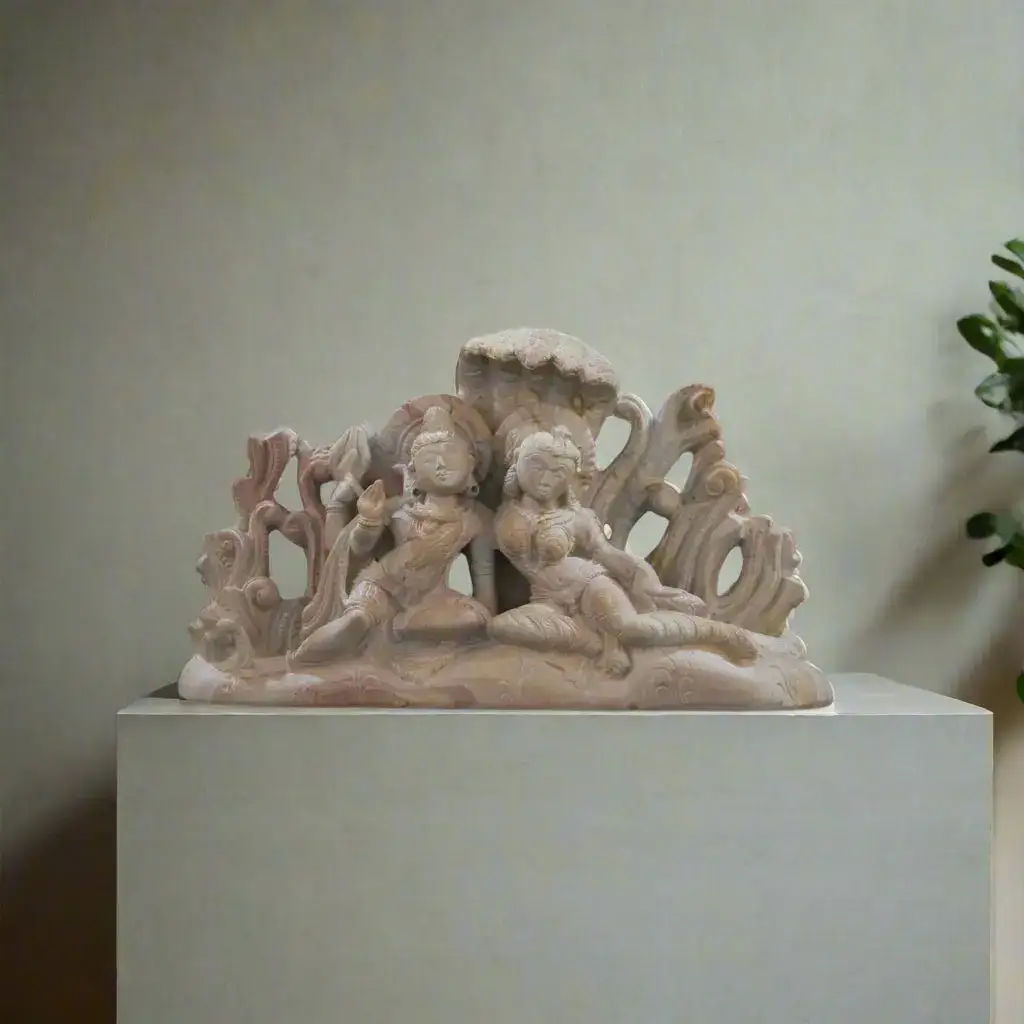
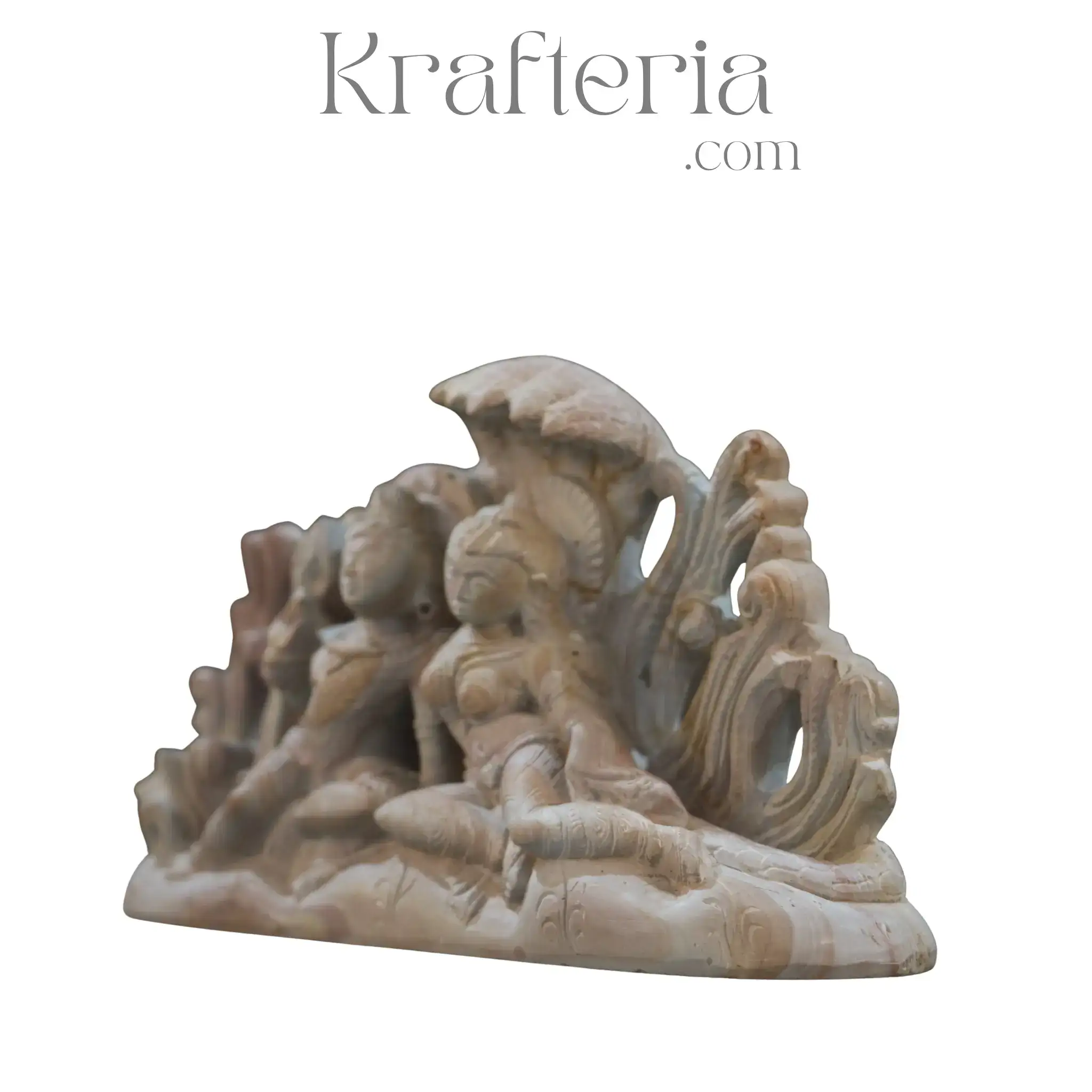
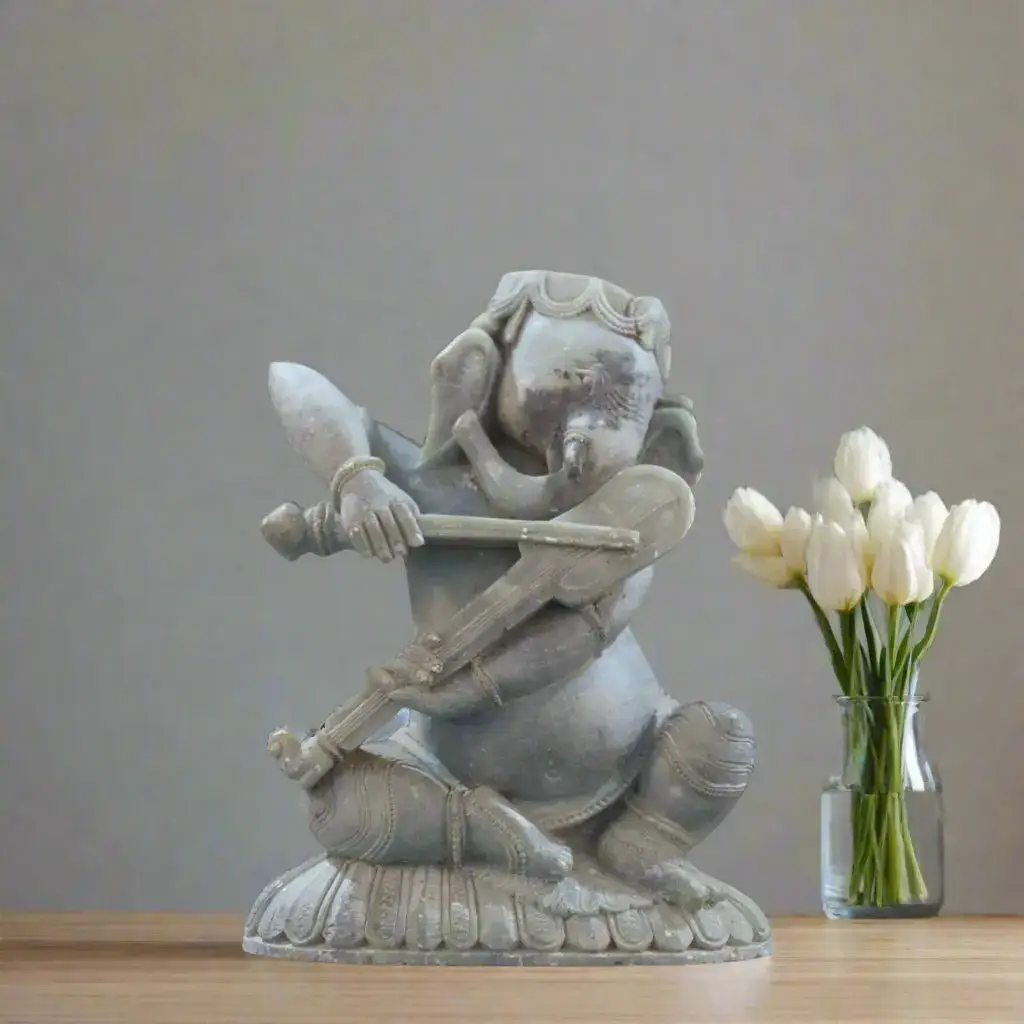
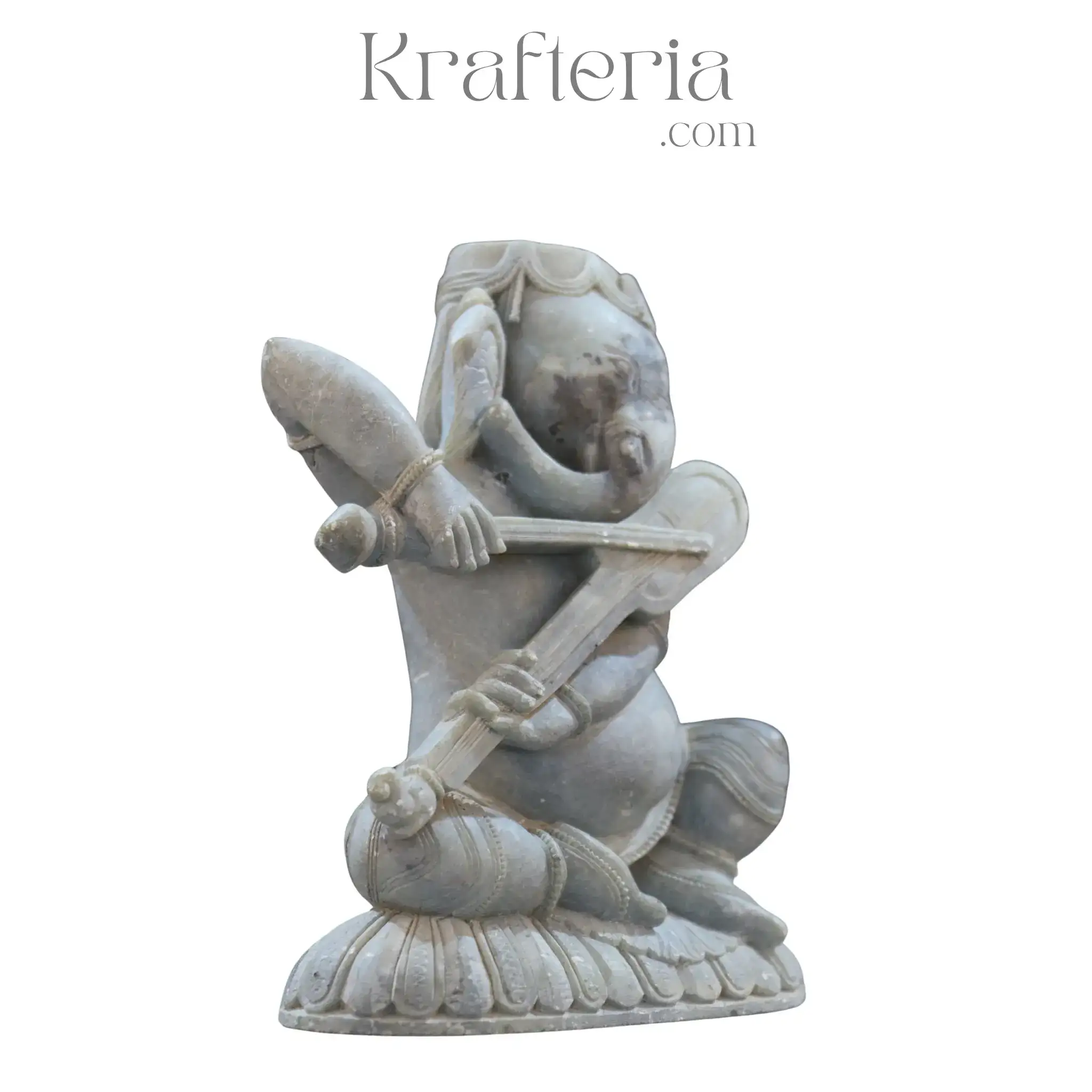
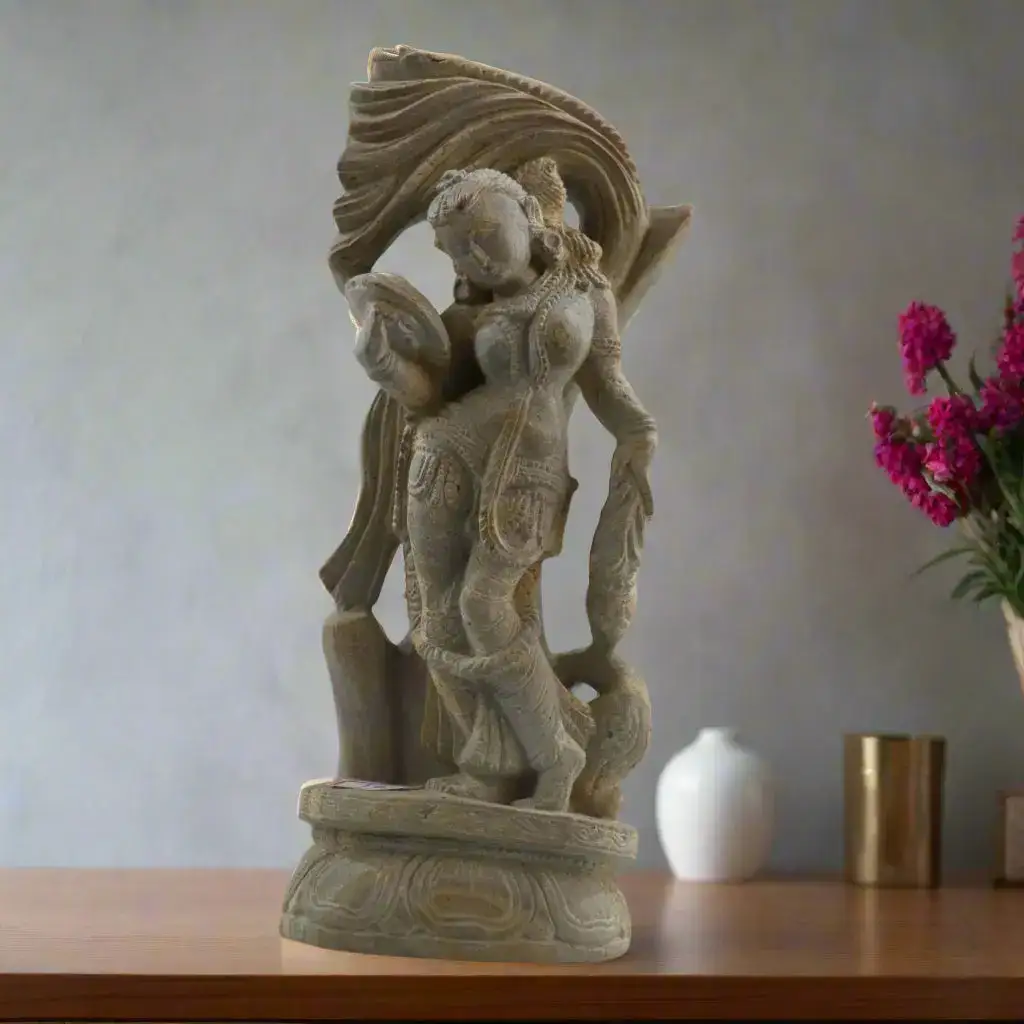
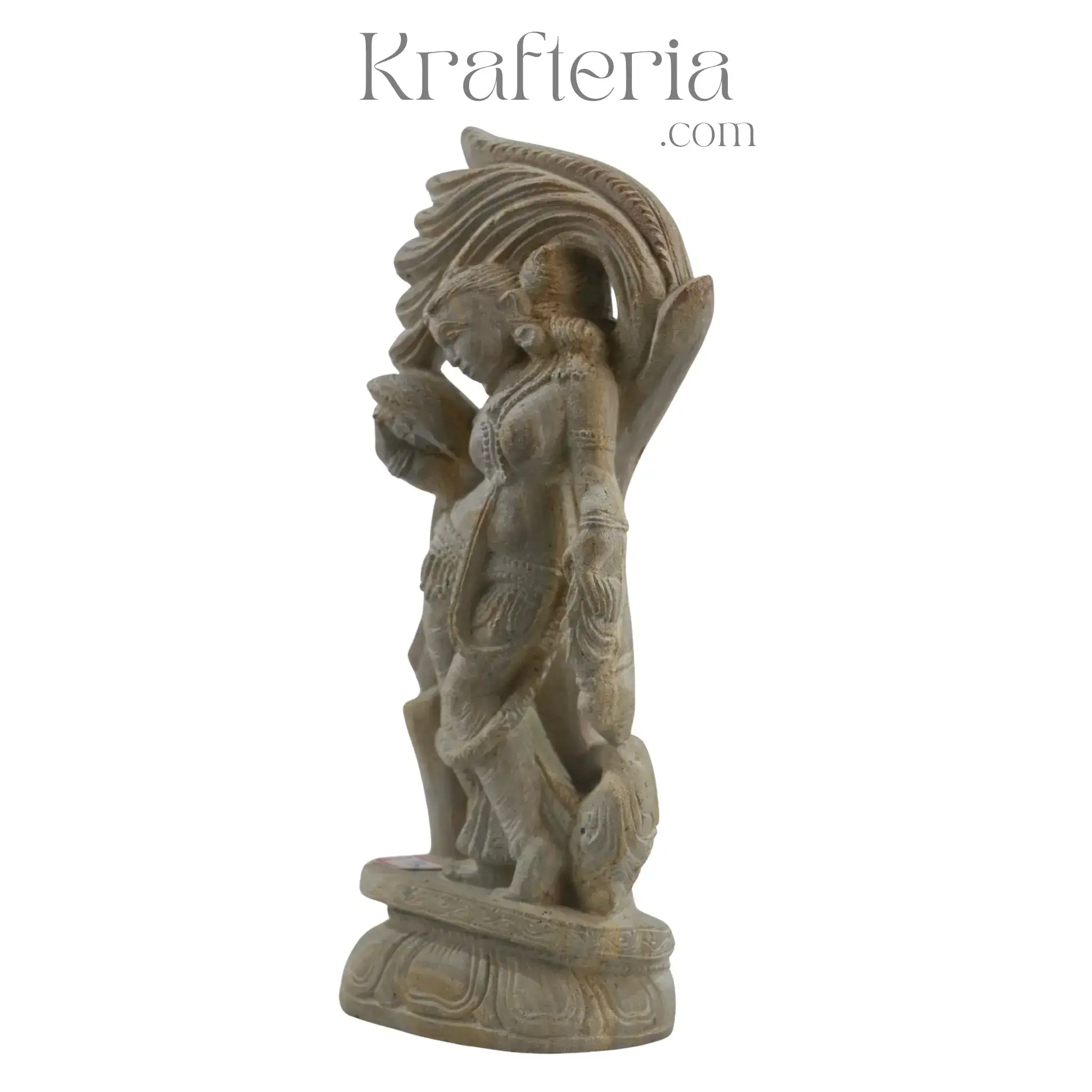
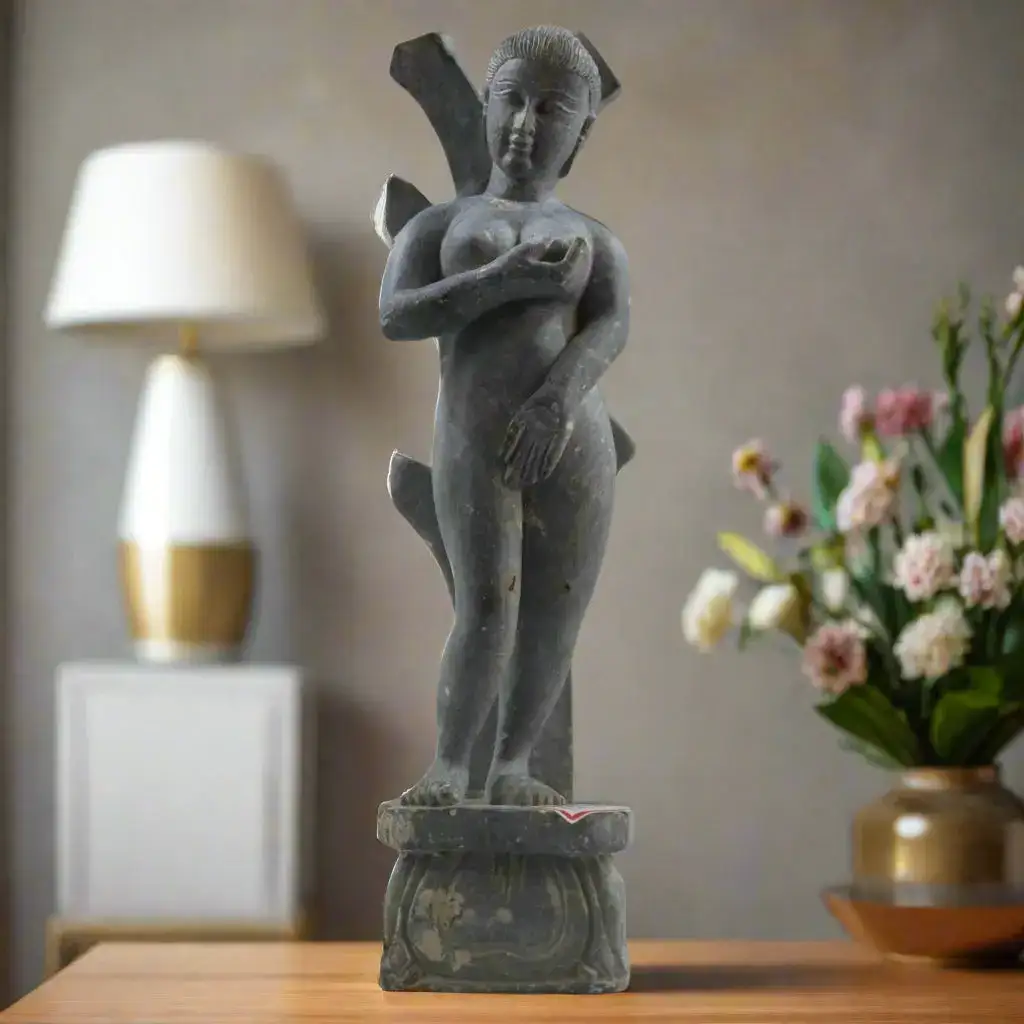
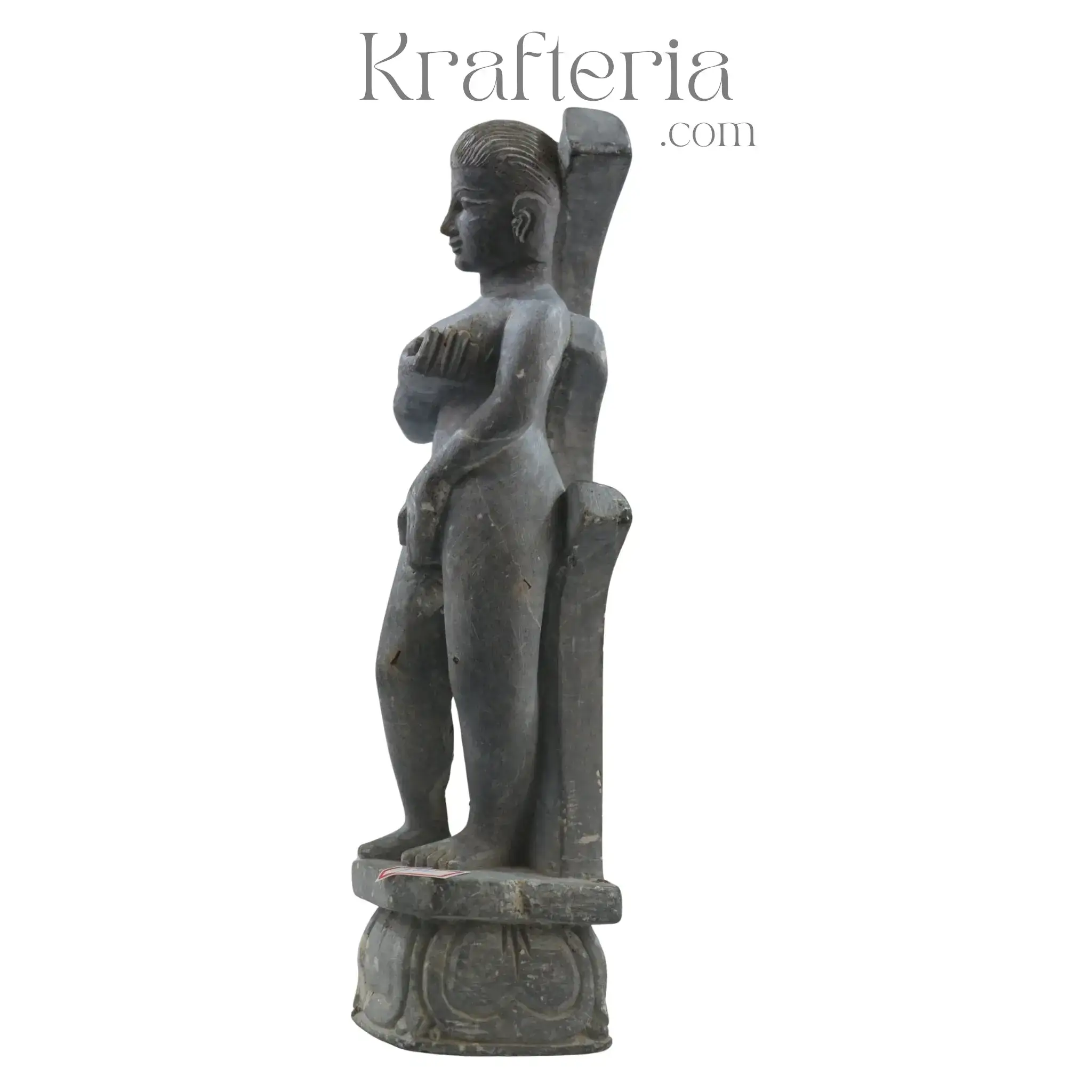
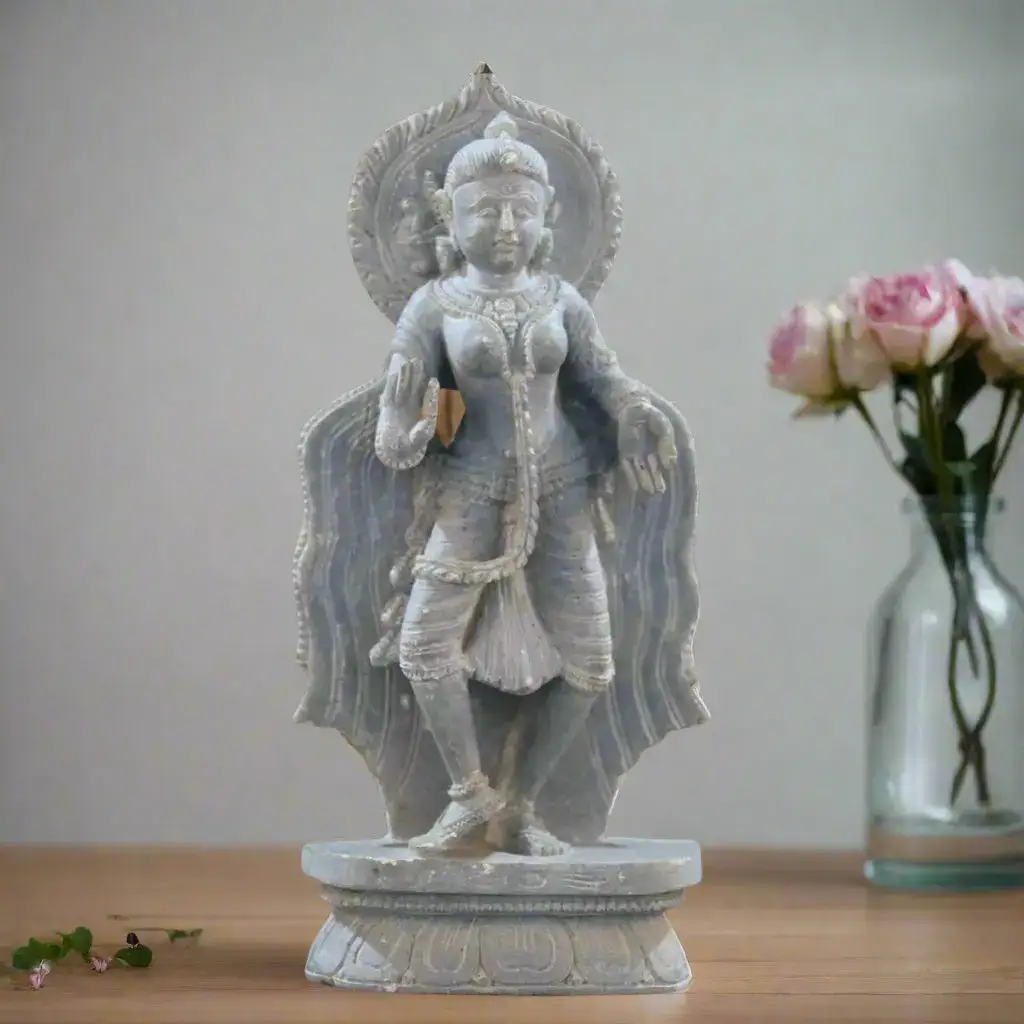
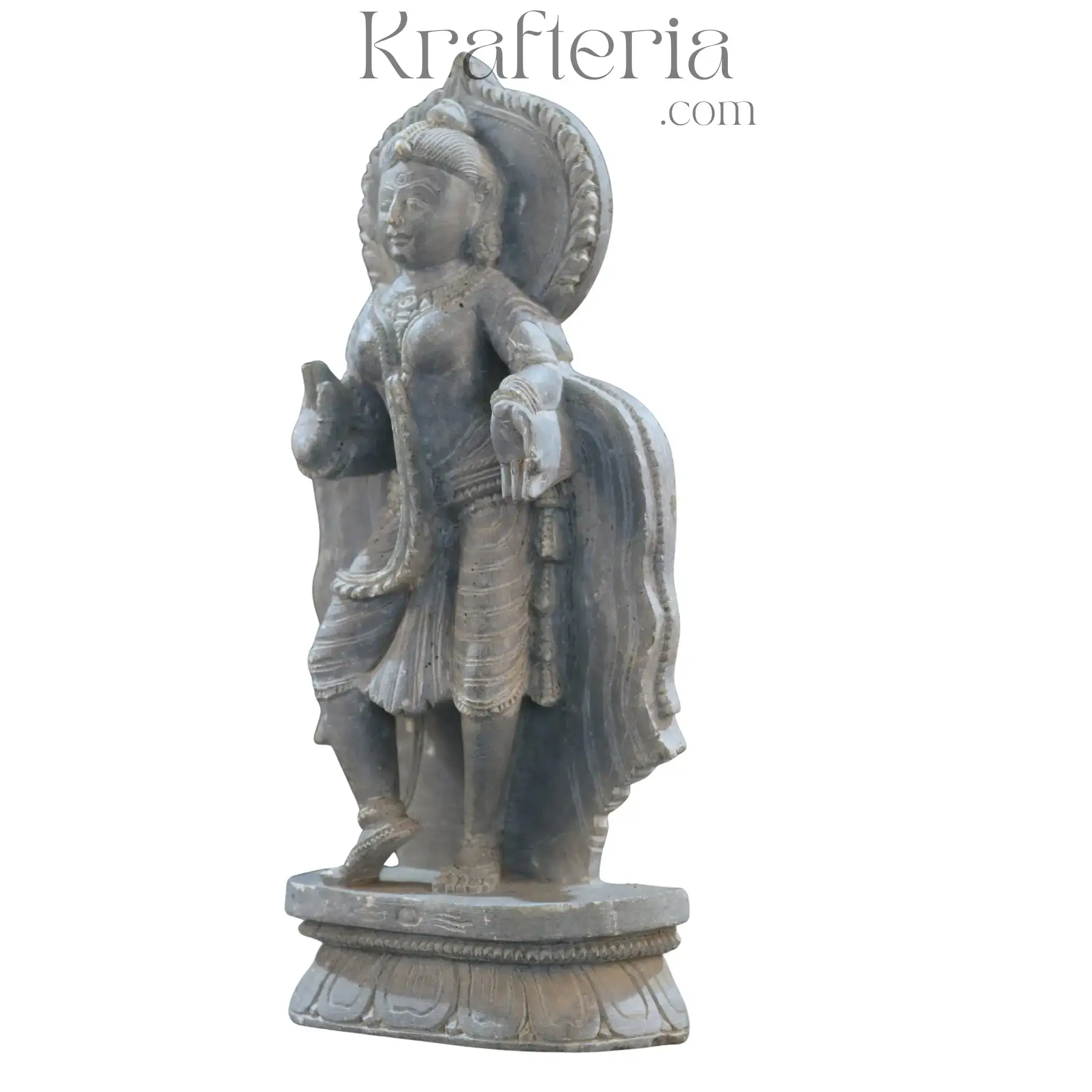
Sculpture of Lord Shiva made of soft stone is a magnificent representation of traditional Hindu art. This Lord Shiva decorative idol measures 7.5"H * 3.5"W * 1.5"L and showcases intricate craftsmanship combined with spiritual depth. Each detail reflects the devotion and expertise of artisans who meticulously crafted it. This remarkable piece acts not only as a decorative item but also as a powerful spiritual symbol in homes and temples.
Mahabalipuram, also known as Mamallapuram, is a historic and archaeological site in Tamil Nadu, India. The art and architecture here mainly belong to the Pallava period, particularly during the reigns of Mahendravarman and Narasimhavarman. These events date back to the 7th and 8th centuries CE. Mahabalipuram is famous for its rich tradition of carving sculptures and constructing temples that capture Hindu mythology and spirituality.
Art Period: Pallava Period
Time Period: 7th to 8th century CE
Dynasty: Pallava dynasty
Mahendravarman: (c. 600–630 CE)
Narasimhavarman I (Mamalla) (c. 630–668 CE) — Mahabalipuram derives its name from him
Historical Significance of Lord Shiva Idol
The Lord Shiva Idol from Mahabalipuram exemplifies the fine rock-cut architecture of that era. These sculptures reveal the mastery of artisans during the Pallava dynasty. Numerous Shiva pooja sculptures were created to honor Lord Shiva, in his roles as both creator and destroyer in Hinduism. This spiritual tradition continues to inspire new generations seeking a connection to their cultural heritage.
Artistic Features and Styles
The Pallava period is renowned for its rock-cut temples, monolithic rathas (chariot-shaped temples), and cave temples or mandapas. The bas-relief sculptures of this time are masterpieces, including famous works like the “Descent of the Ganges” and "Arjuna’s Penance." Many artisan Shiva sculptures from this era are prized for their exceptional detail and symbolic significance. The Shore Temple, an early granite structural temple, highlights the era’s architectural innovation and artistic excellence.
Wide Range of Shiva Sculptural Art
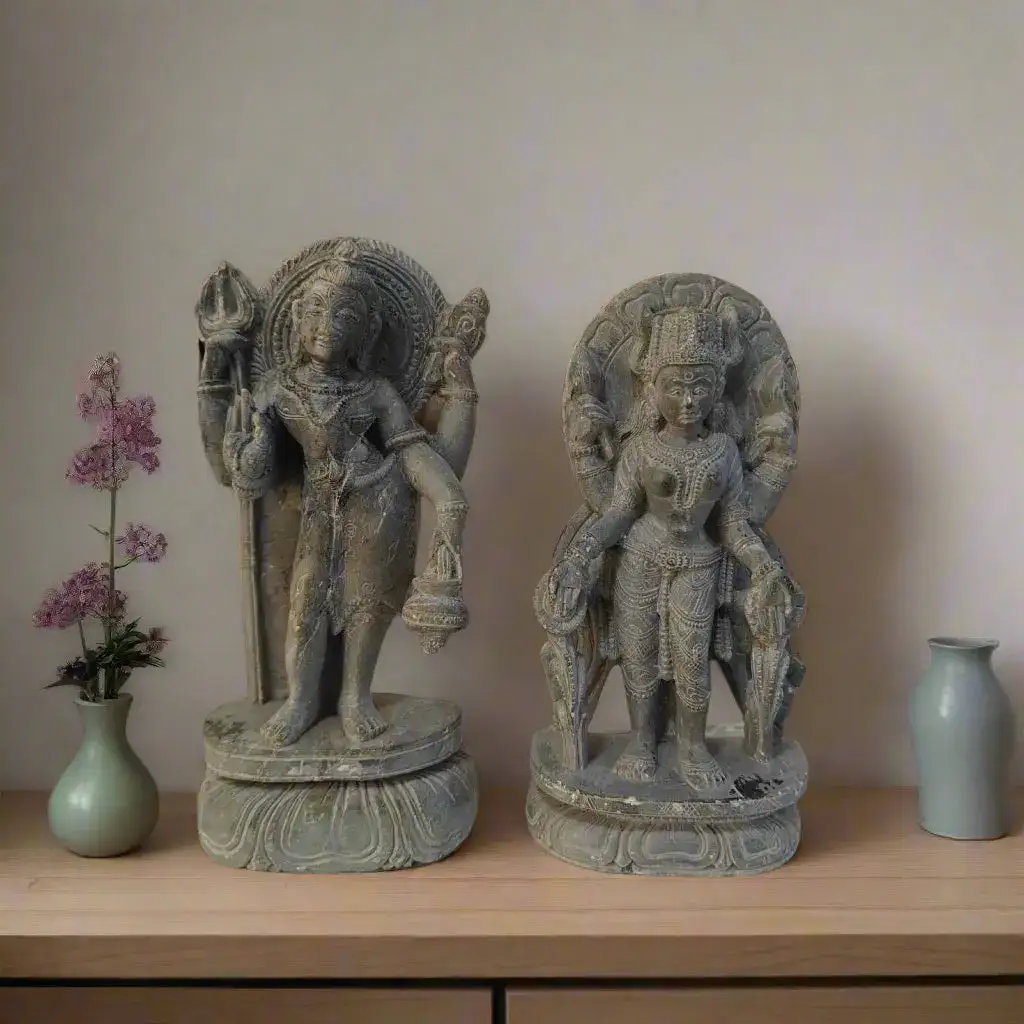
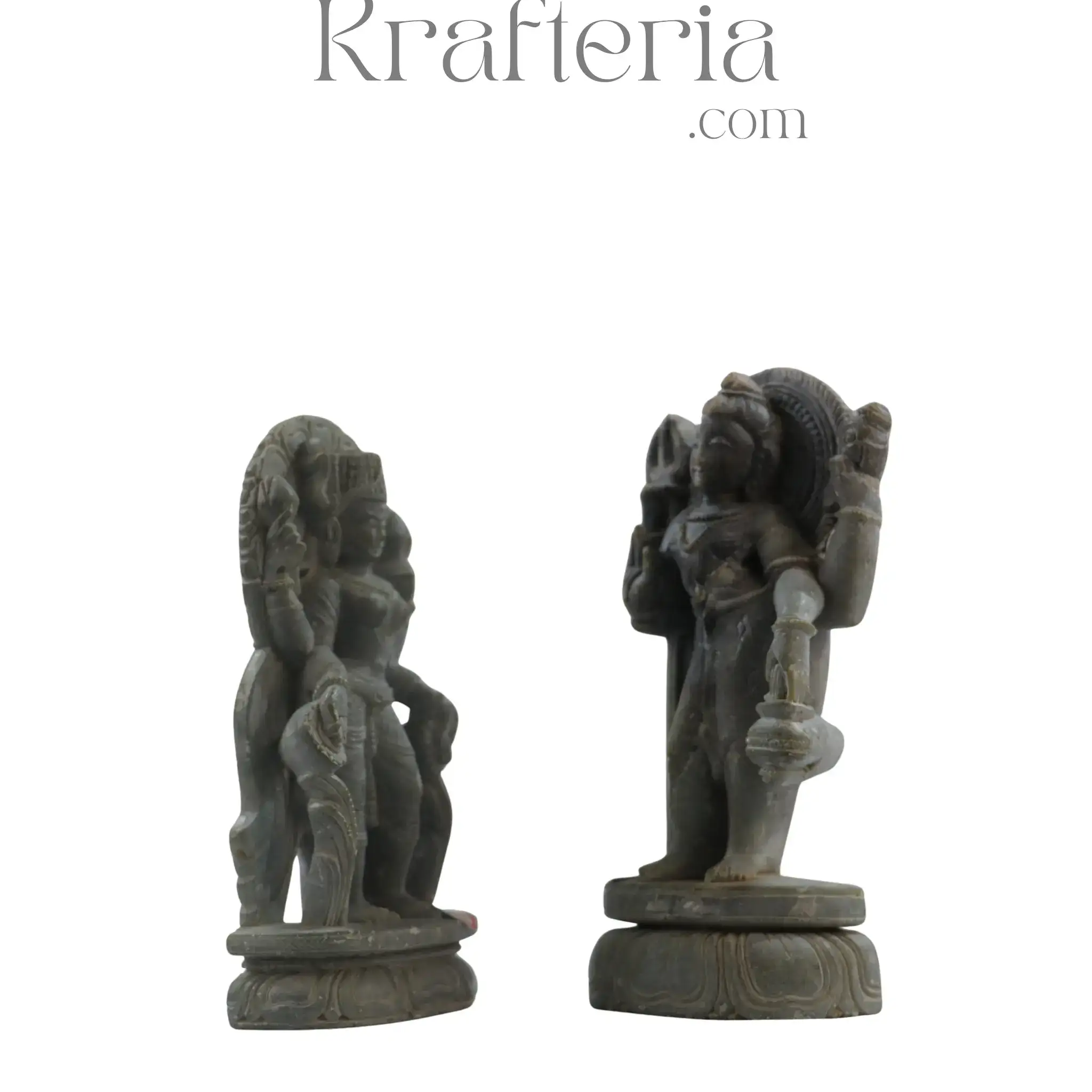
Beyond rock-cut architecture, the tradition also includes handcrafted Shiva idols and marble Shiva statues frequently used in rituals and personal worship. Numerous families hold a brass Shiva figure or a traditional Shiva idol as the centerpiece of their poojas. These pieces serve as both Shiva spiritual gifts and decorative idols, symbolizing faith combined with artistry. Owning a premium Shiva statue is considered auspicious and reflects cultural pride.
Symbolism in the Lord Shiva Idol
The Sculpture of Lord Shiva usually portrays the deity with symbolic elements such as a third eye representing wisdom, a trident (trishul) symbolizing power, and serpents signifying regeneration. These motifs emphasize Lord Shiva’s divine nature and aid devotees’ meditation and prayers. Every eternal Shiva sculpture embodies profound spiritual values, reminding followers of the cyclic essence of existence and transformation.
Religious and Cultural Impact
Artisans who craft lord Shiva sculptures do so with great devotion and reverence. These idols serve not only for ritualistic purposes but also foster cultural awareness and heritage preservation. The demand for authentic sculptures encourages the continuity of traditional techniques, ensuring that this ancient legacy remains alive and respected in contemporary times.
Modern Appreciation and Uses of Sculpture of Lord Shiva
The Sculpture of Lord Shiva carved in classical styles enjoys admiration worldwide. Collectors, devotees, and art lovers seek out these sculptures for their profound spiritual and aesthetic qualities. They serve as magnificent centerpieces or objects of worship during religious ceremonies. Many prefer choosing an artisan Shiva sculpture or a premium Shiva statue as a meaningful gift for festivals, weddings, and housewarmings, celebrating its deep symbolic importance.
Overall, the Sculpture of Lord Shiva from Mahabalipuram represents an outstanding example of ancient artistic excellence. It combines historical significance, religious symbolism, and cultural value, maintaining its cherished place in Hindu worship traditions and art heritage.
Product Information
Product Information
Shipping & Returns
Shipping & Returns
Description
Sculpture of Lord Shiva made of soft stone is a magnificent representation of traditional Hindu art. This Lord Shiva decorative idol measures 7.5"H * 3.5"W * 1.5"L and showcases intricate craftsmanship combined with spiritual depth. Each detail reflects the devotion and expertise of artisans who meticulously crafted it. This remarkable piece acts not only as a decorative item but also as a powerful spiritual symbol in homes and temples.
Mahabalipuram, also known as Mamallapuram, is a historic and archaeological site in Tamil Nadu, India. The art and architecture here mainly belong to the Pallava period, particularly during the reigns of Mahendravarman and Narasimhavarman. These events date back to the 7th and 8th centuries CE. Mahabalipuram is famous for its rich tradition of carving sculptures and constructing temples that capture Hindu mythology and spirituality.
Art Period: Pallava Period
Time Period: 7th to 8th century CE
Dynasty: Pallava dynasty
Mahendravarman: (c. 600–630 CE)
Narasimhavarman I (Mamalla) (c. 630–668 CE) — Mahabalipuram derives its name from him
Historical Significance of Lord Shiva Idol
The Lord Shiva Idol from Mahabalipuram exemplifies the fine rock-cut architecture of that era. These sculptures reveal the mastery of artisans during the Pallava dynasty. Numerous Shiva pooja sculptures were created to honor Lord Shiva, in his roles as both creator and destroyer in Hinduism. This spiritual tradition continues to inspire new generations seeking a connection to their cultural heritage.
Artistic Features and Styles
The Pallava period is renowned for its rock-cut temples, monolithic rathas (chariot-shaped temples), and cave temples or mandapas. The bas-relief sculptures of this time are masterpieces, including famous works like the “Descent of the Ganges” and "Arjuna’s Penance." Many artisan Shiva sculptures from this era are prized for their exceptional detail and symbolic significance. The Shore Temple, an early granite structural temple, highlights the era’s architectural innovation and artistic excellence.
Wide Range of Shiva Sculptural Art
Beyond rock-cut architecture, the tradition also includes handcrafted Shiva idols and marble Shiva statues frequently used in rituals and personal worship. Numerous families hold a brass Shiva figure or a traditional Shiva idol as the centerpiece of their poojas. These pieces serve as both Shiva spiritual gifts and decorative idols, symbolizing faith combined with artistry. Owning a premium Shiva statue is considered auspicious and reflects cultural pride.
Symbolism in the Lord Shiva Idol
The Sculpture of Lord Shiva usually portrays the deity with symbolic elements such as a third eye representing wisdom, a trident (trishul) symbolizing power, and serpents signifying regeneration. These motifs emphasize Lord Shiva’s divine nature and aid devotees’ meditation and prayers. Every eternal Shiva sculpture embodies profound spiritual values, reminding followers of the cyclic essence of existence and transformation.
Religious and Cultural Impact
Artisans who craft lord Shiva sculptures do so with great devotion and reverence. These idols serve not only for ritualistic purposes but also foster cultural awareness and heritage preservation. The demand for authentic sculptures encourages the continuity of traditional techniques, ensuring that this ancient legacy remains alive and respected in contemporary times.
Modern Appreciation and Uses of Sculpture of Lord Shiva
The Sculpture of Lord Shiva carved in classical styles enjoys admiration worldwide. Collectors, devotees, and art lovers seek out these sculptures for their profound spiritual and aesthetic qualities. They serve as magnificent centerpieces or objects of worship during religious ceremonies. Many prefer choosing an artisan Shiva sculpture or a premium Shiva statue as a meaningful gift for festivals, weddings, and housewarmings, celebrating its deep symbolic importance.
Overall, the Sculpture of Lord Shiva from Mahabalipuram represents an outstanding example of ancient artistic excellence. It combines historical significance, religious symbolism, and cultural value, maintaining its cherished place in Hindu worship traditions and art heritage.