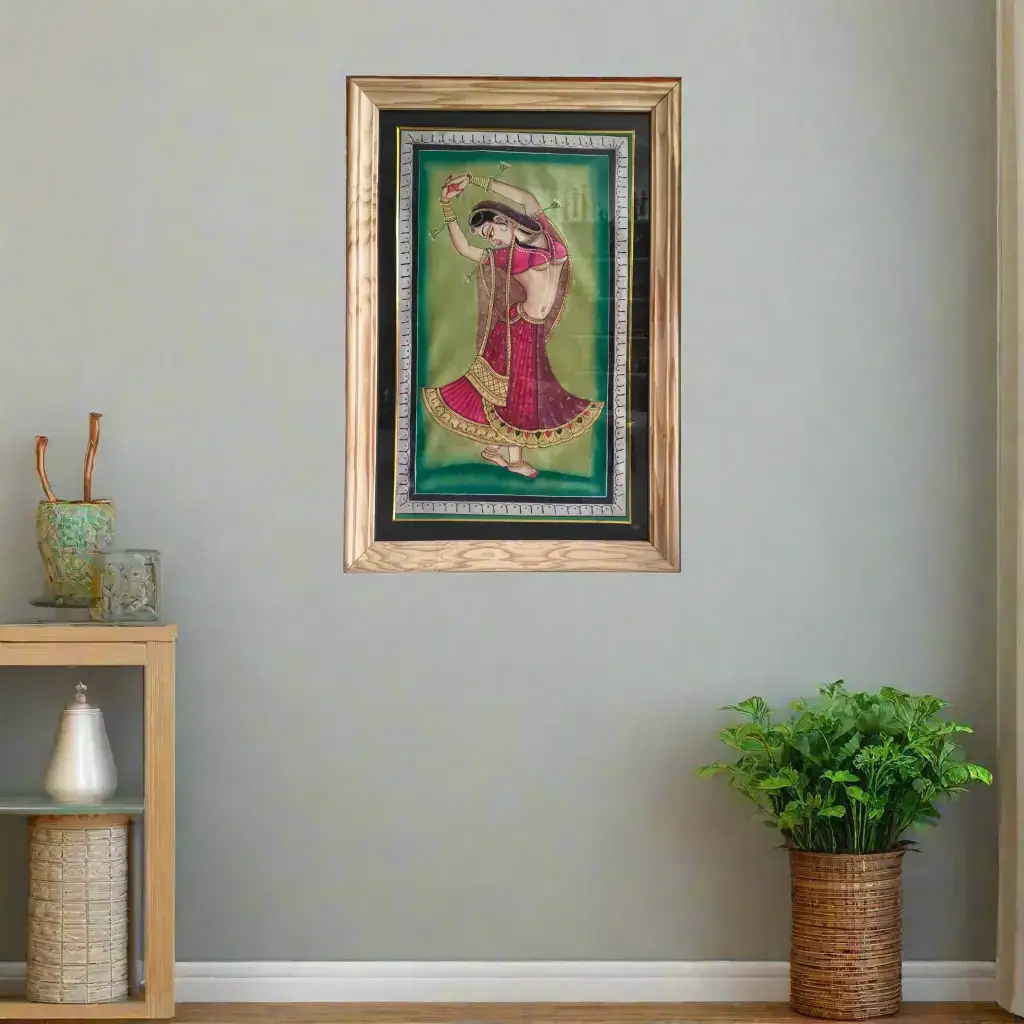
The Dancing Queen Miniature Art
The Dancing Queen Miniature Art: A Timeless Indian Painting Tradition
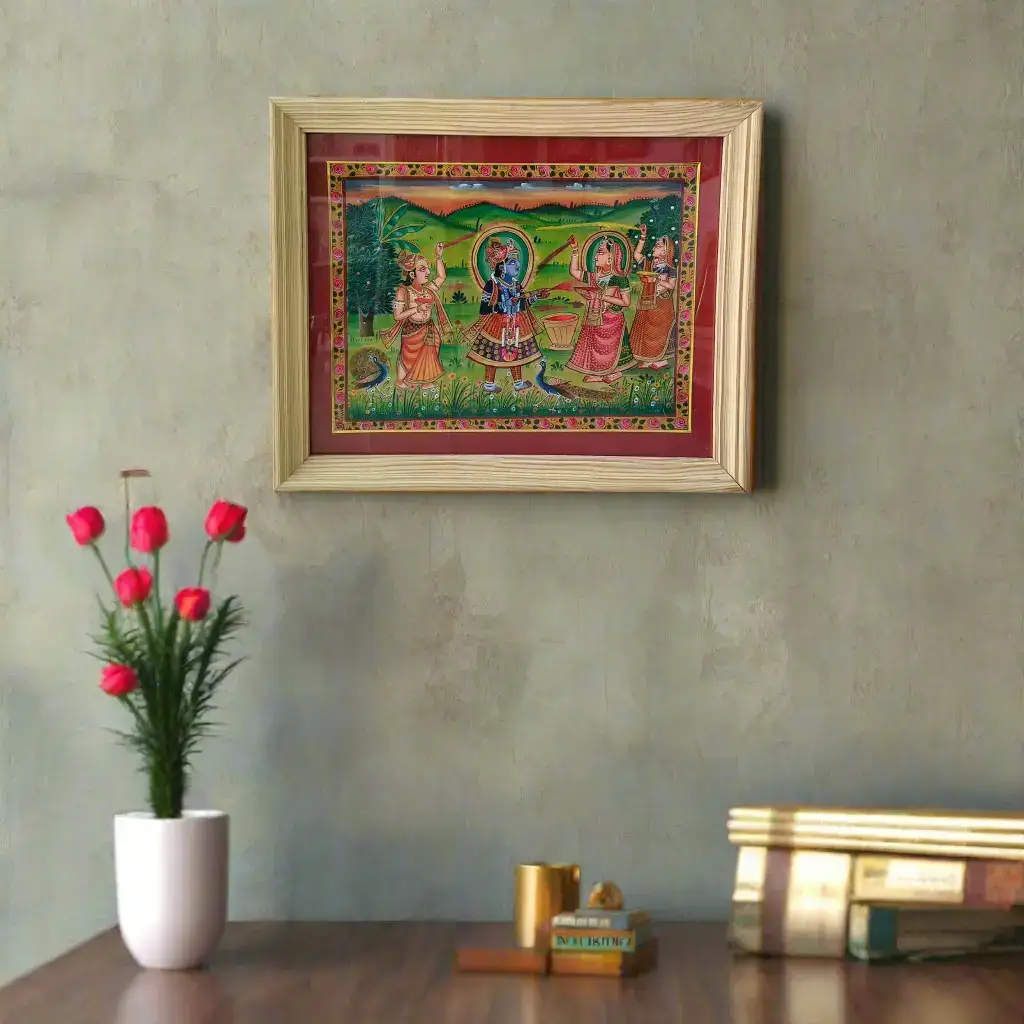
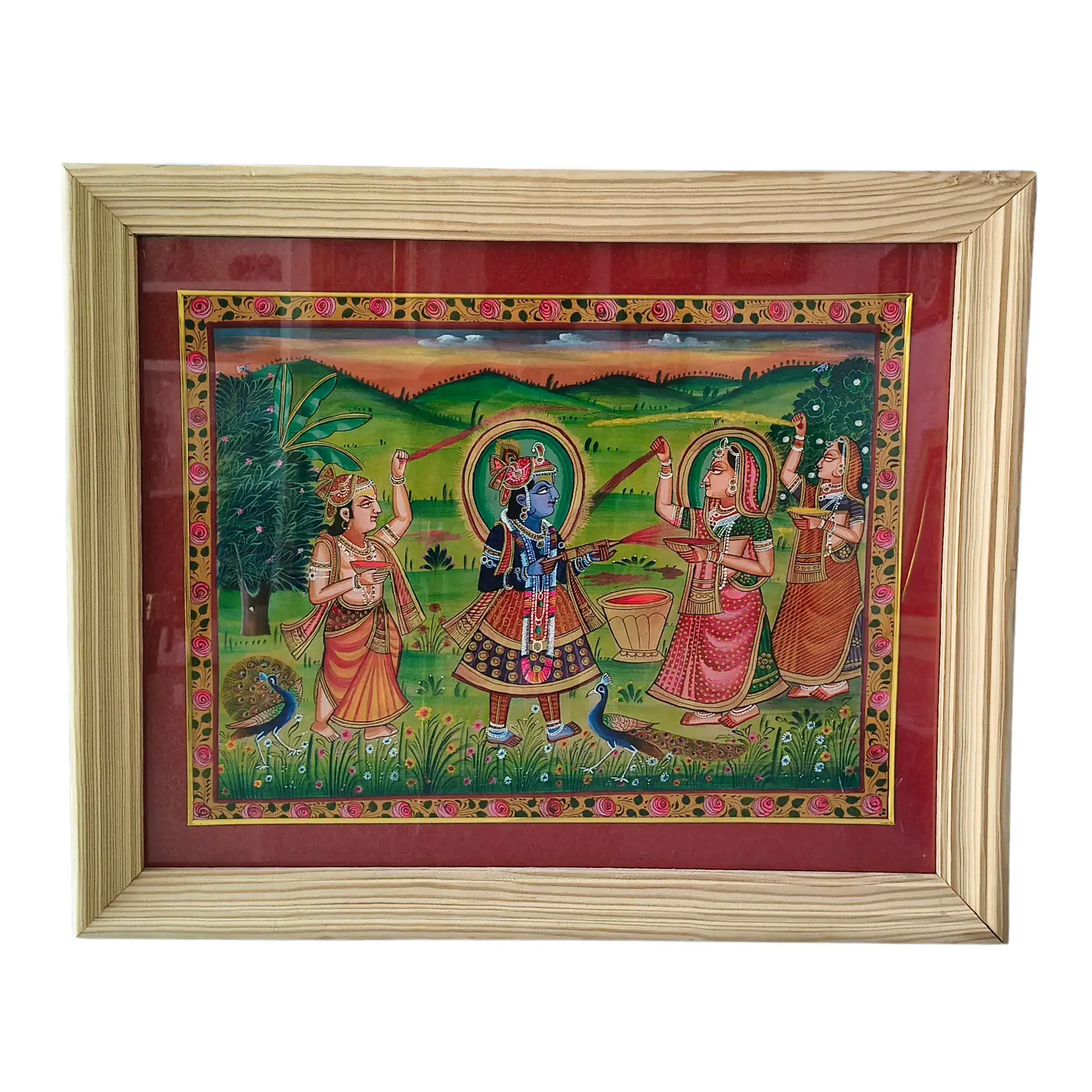
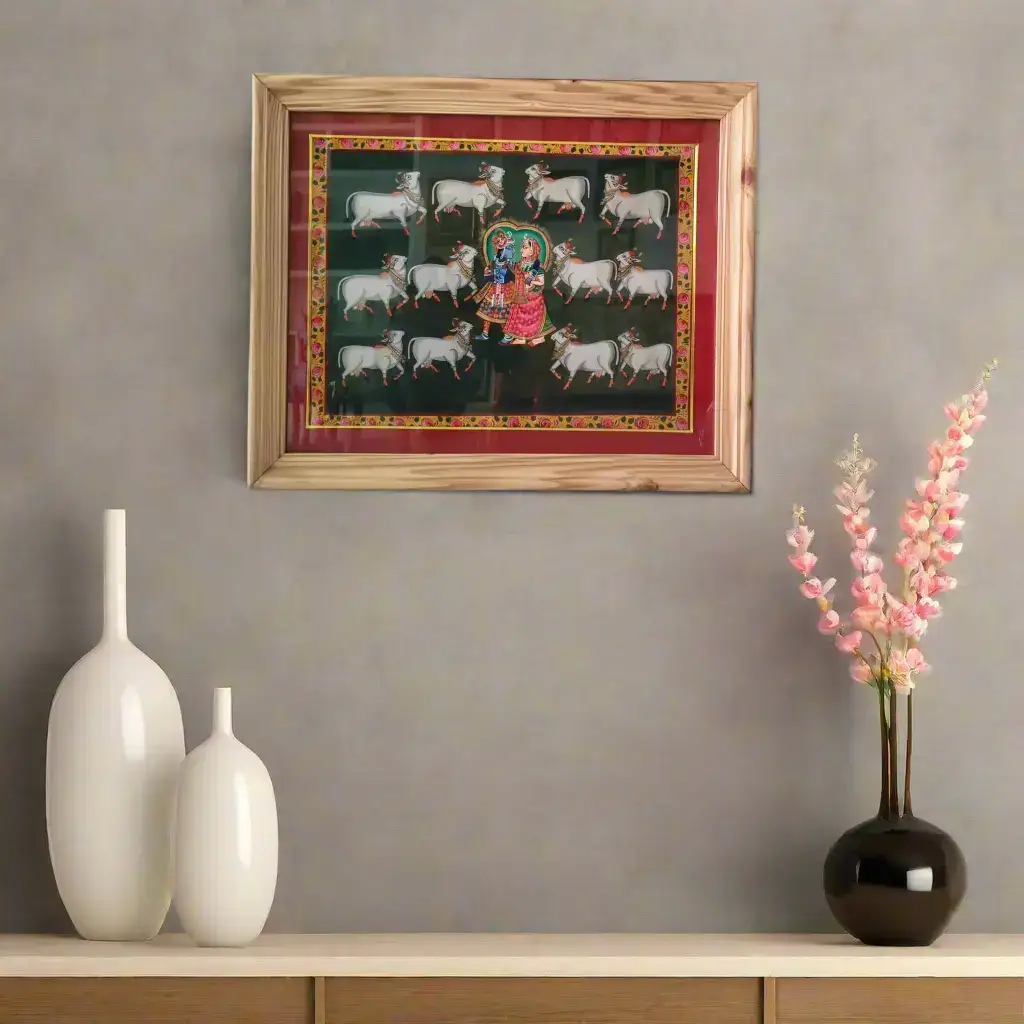
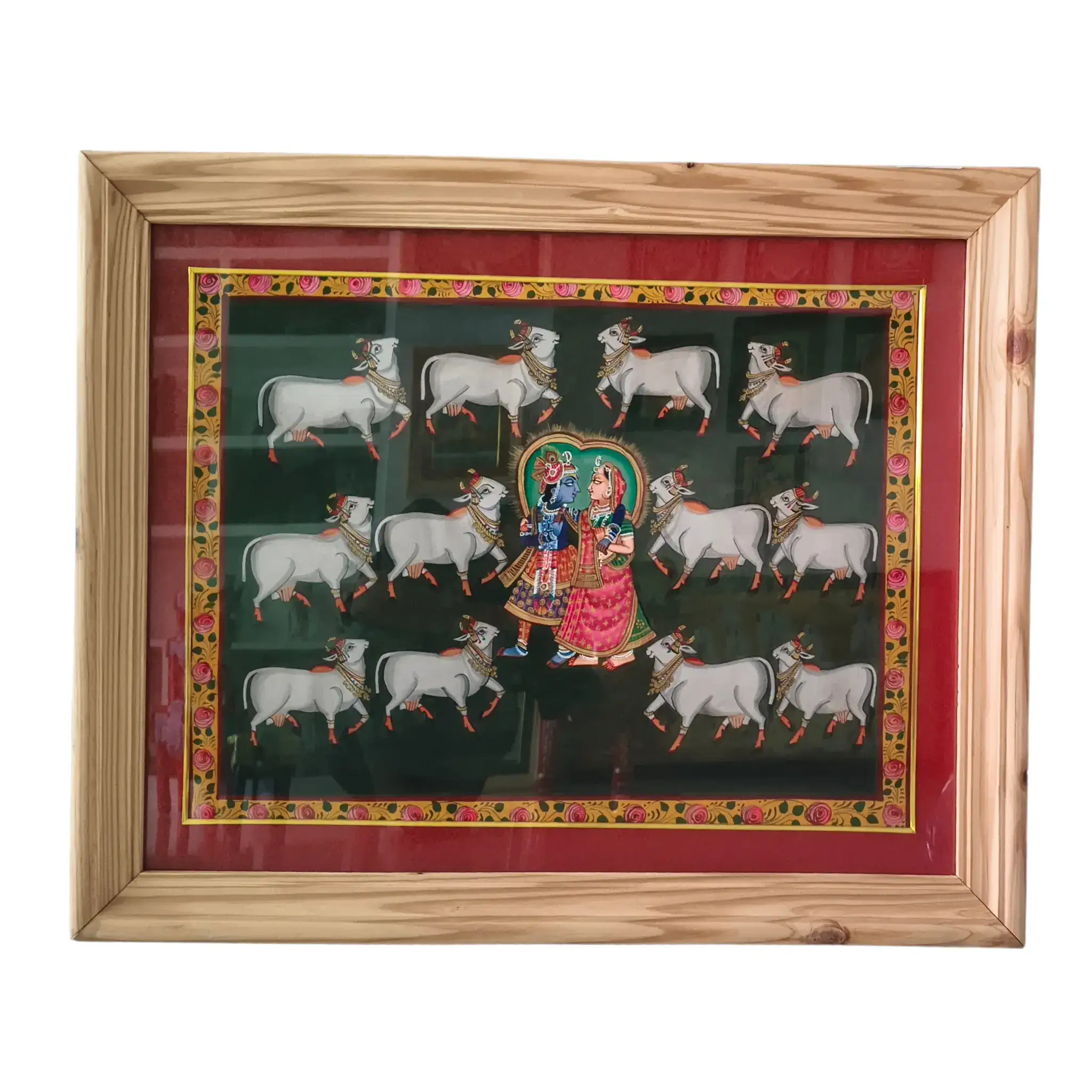
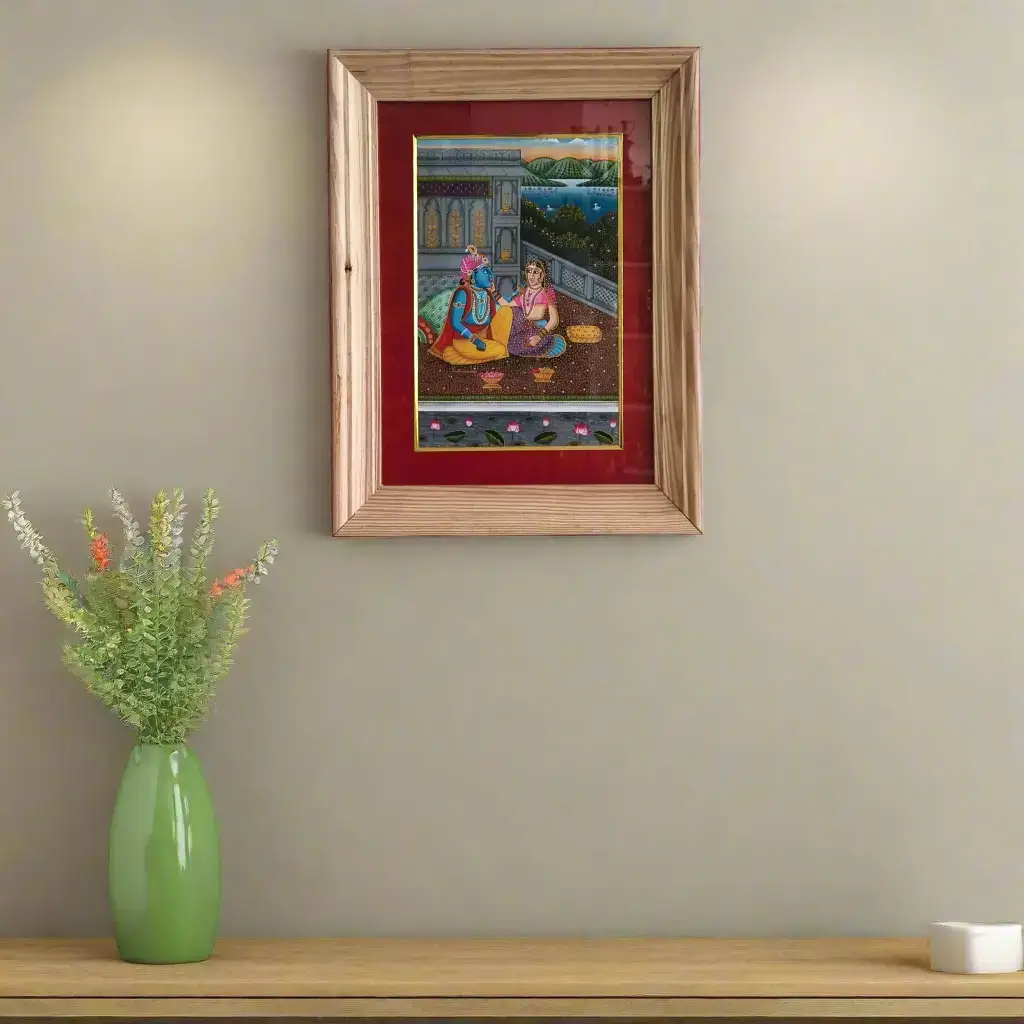
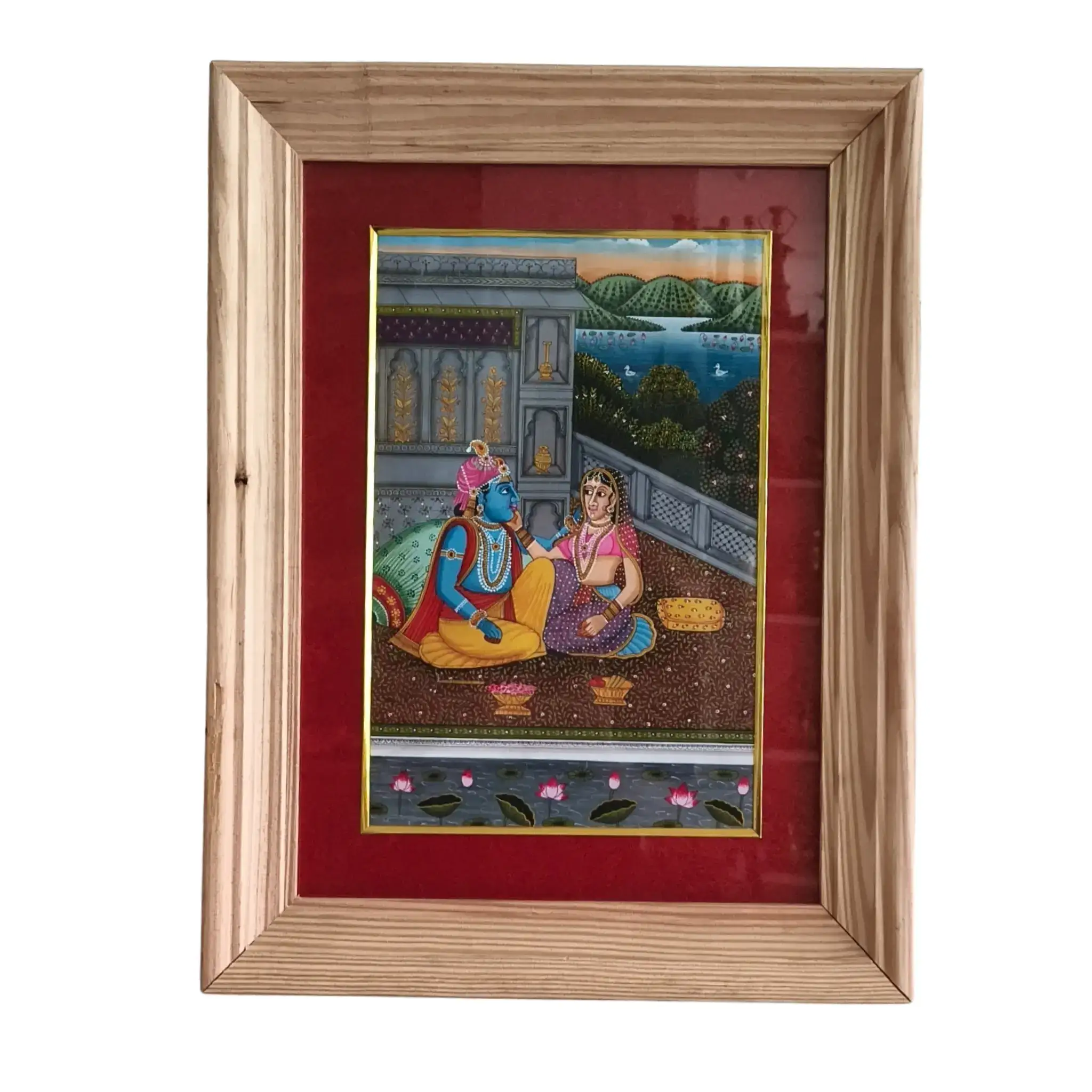
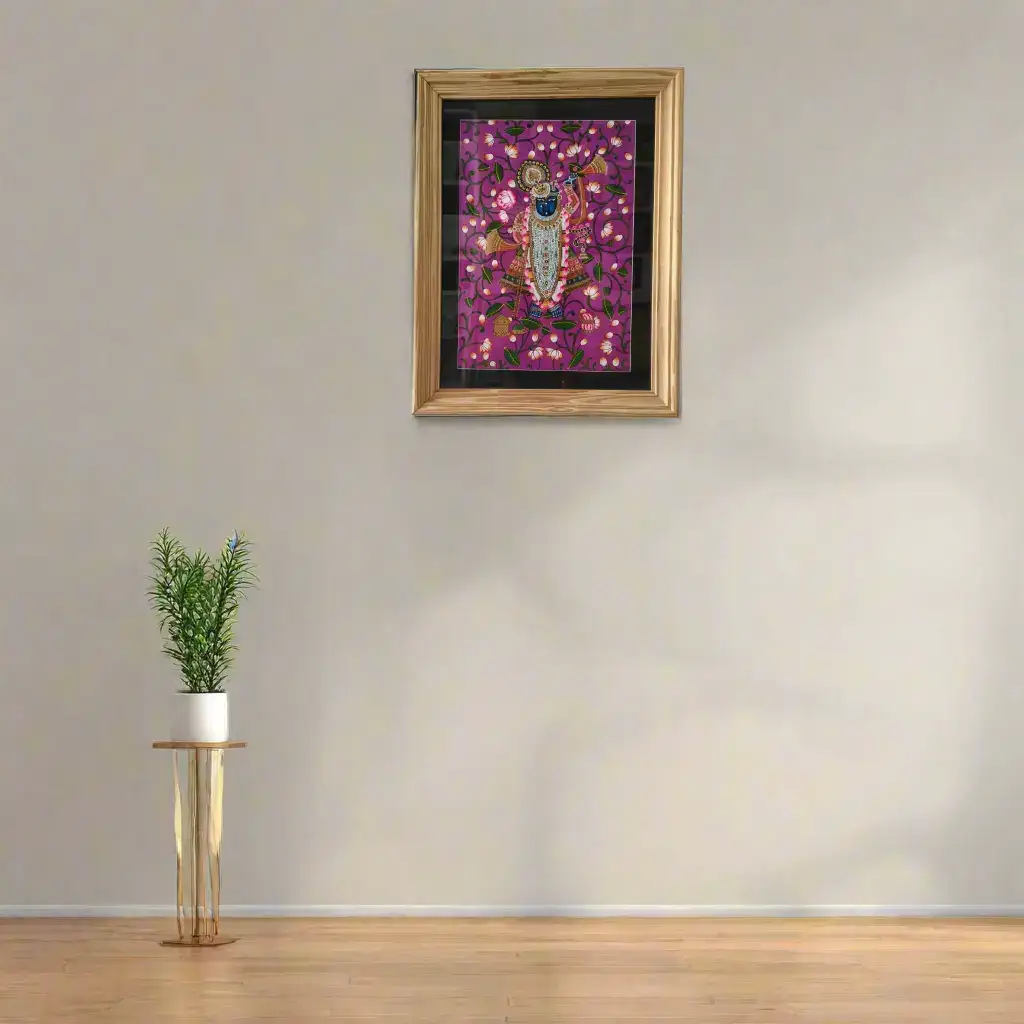
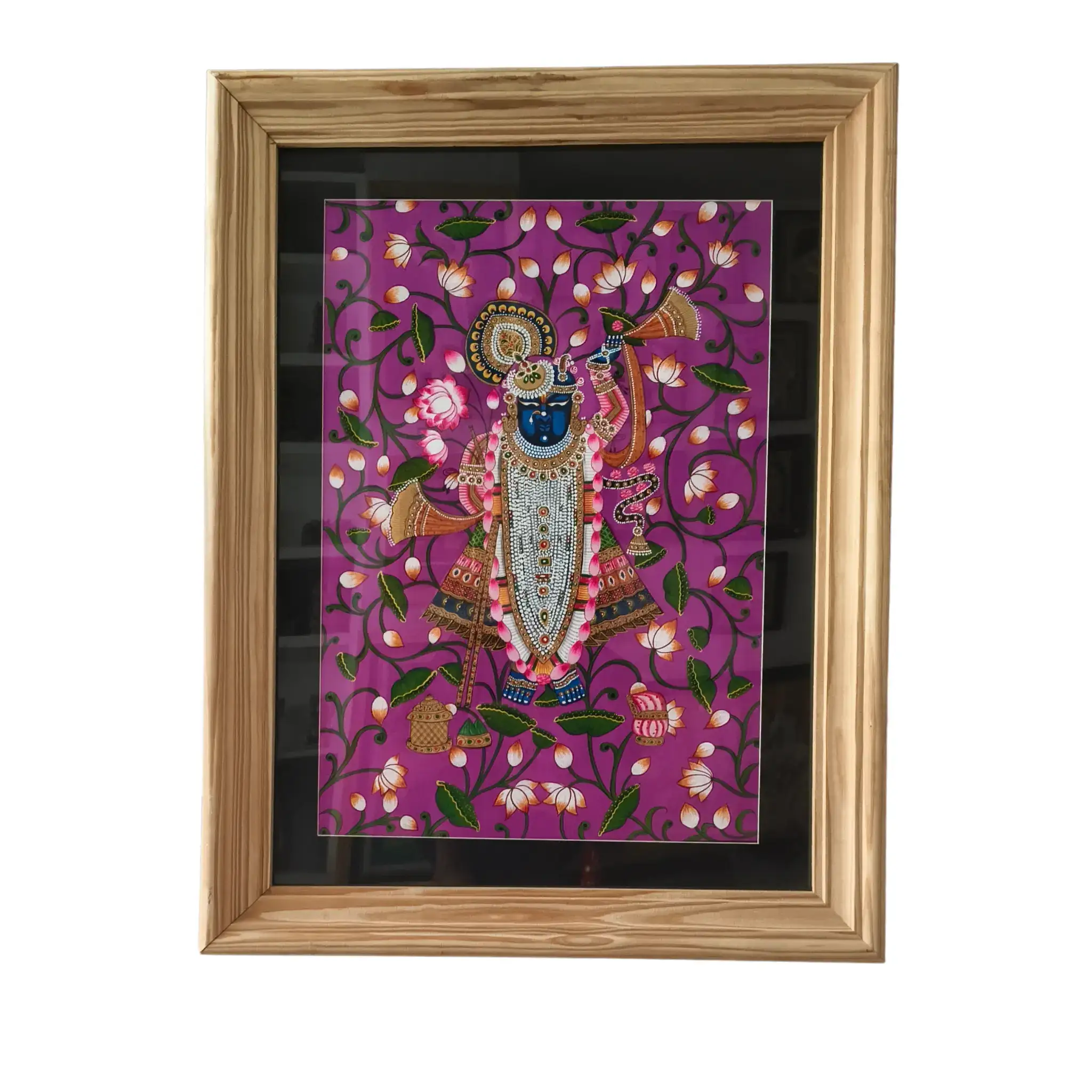
The Dancing Queen Miniature Art Rajasthani Painting represents a vibrant and rich style of Indian miniature painting. It flourished in the royal courts of Rajasthan, India, from the 16th century onwards. This art form is deeply rooted in Indian traditions and culture, capturing themes of mythology, epics, royal life, love stories, and folk culture with vivid detail.
The paintings are distinguished by bold lines, bright colors, and intricate detailing. They use natural dyes and pigments made from minerals, vegetables, and precious stones. This technique gives the art a unique, lasting, and luminous quality that has attracted art lovers worldwide. The dancing figures in these paintings often symbolize grace, movement, and spiritual expression.
Distinct Schools of Dancing Queen Miniature Art
This Indian miniature art form is divided into several renowned schools, each with its unique style and focus. These schools include Mewar, Marwar, Bundi, Kota, Kishangarh, Bikaner, and Jaipur. Each school tells different stories through its distinct approach, colors, and subjects.
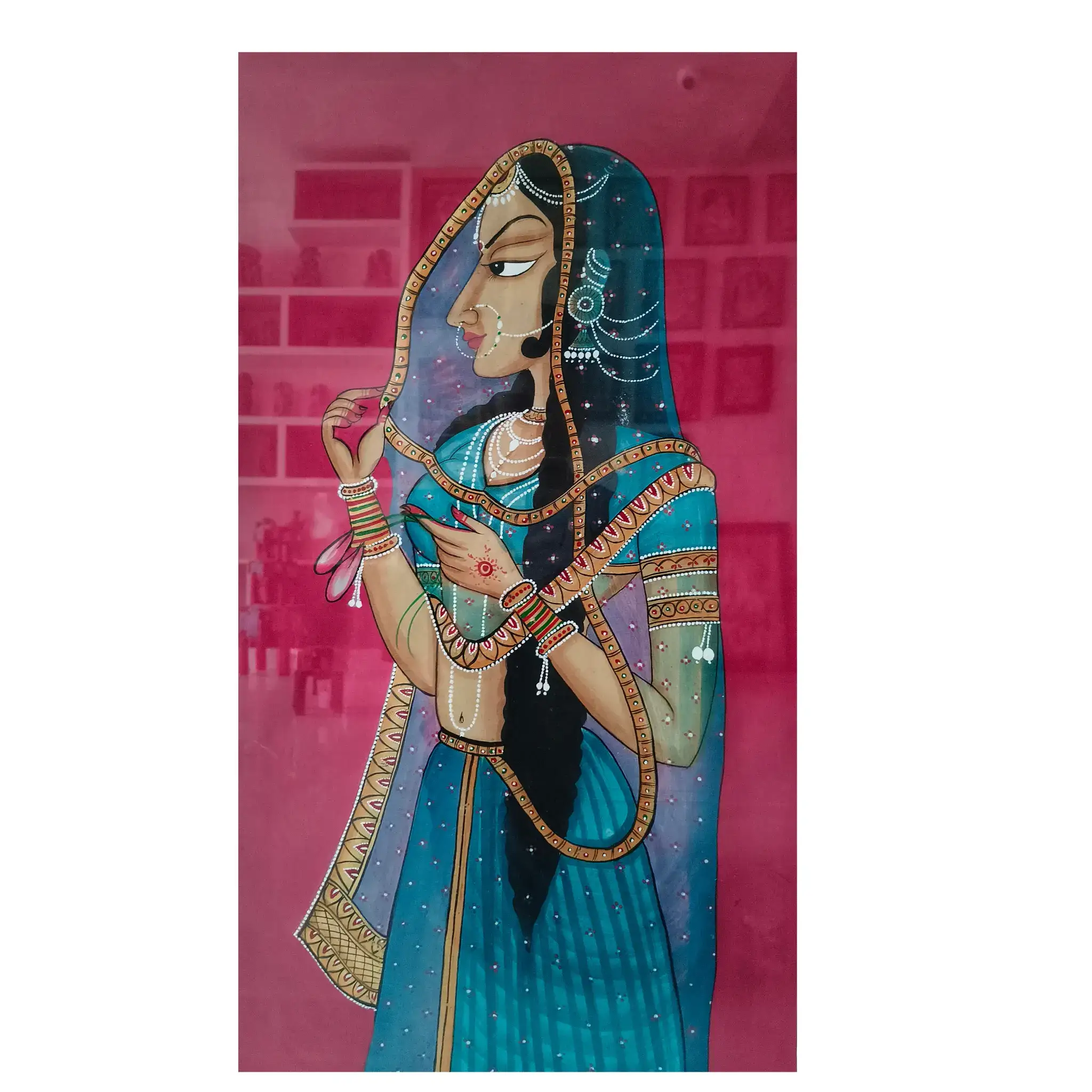
For example, Kishangarh is famous for its romantic portrayal of Radha and Krishna, particularly the iconic image of Bani Thani. Mewar paintings typically depict court scenes, heroic tales, and religious themes. Bundi and Kota paintings are famous for their lush landscapes and dynamic hunting scenes. These regional variations contribute to the rich diversity of the Dancing Queen Miniature Art tradition.
Decorative and Cultural Significance of Rajasthani Dancer Painting
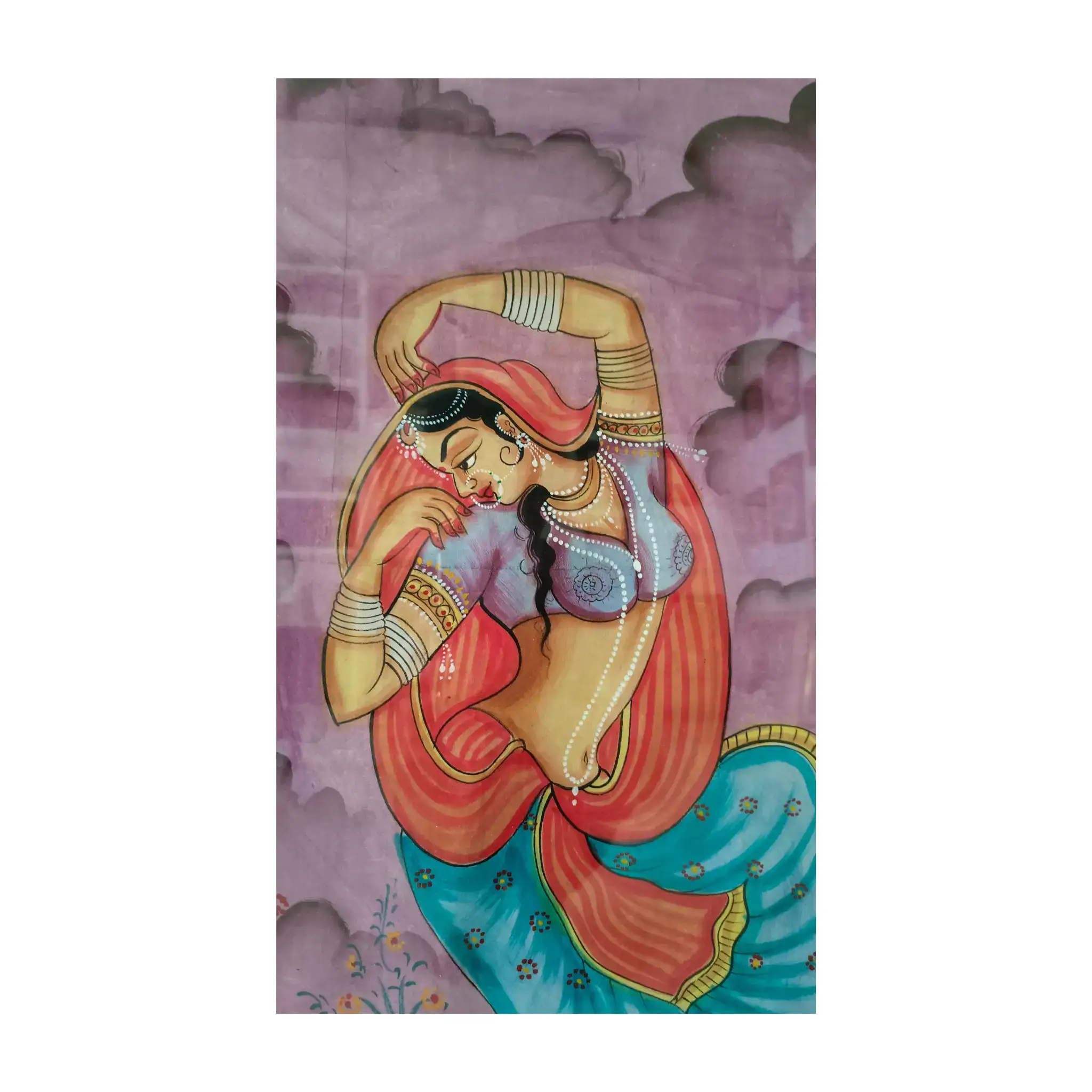
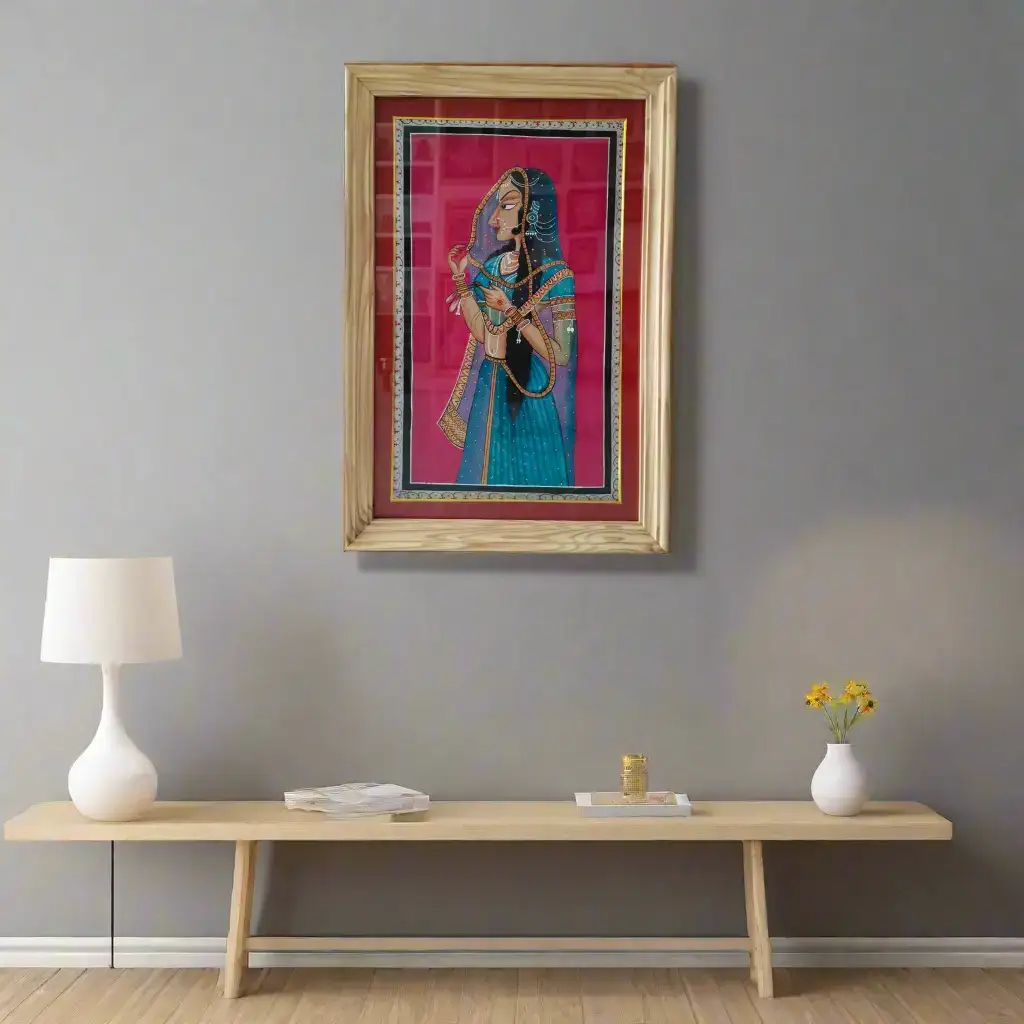
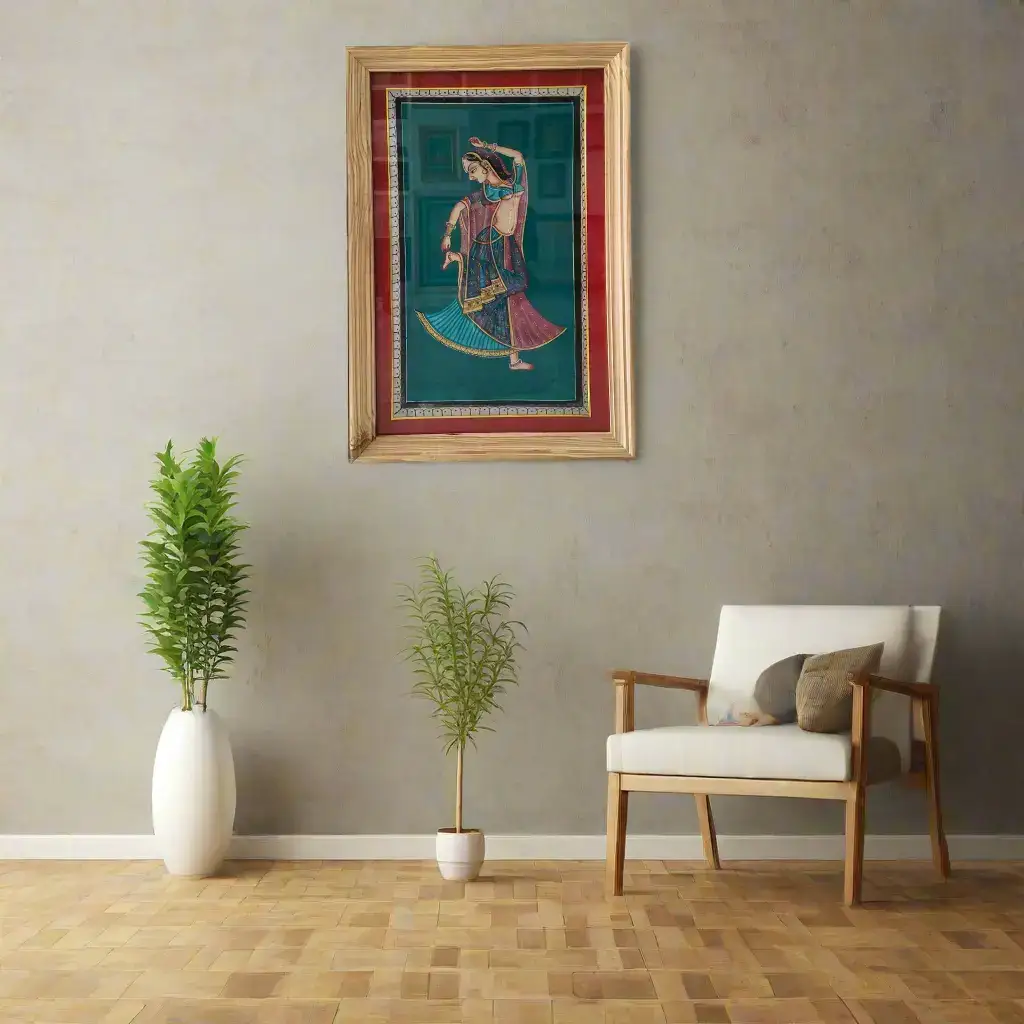
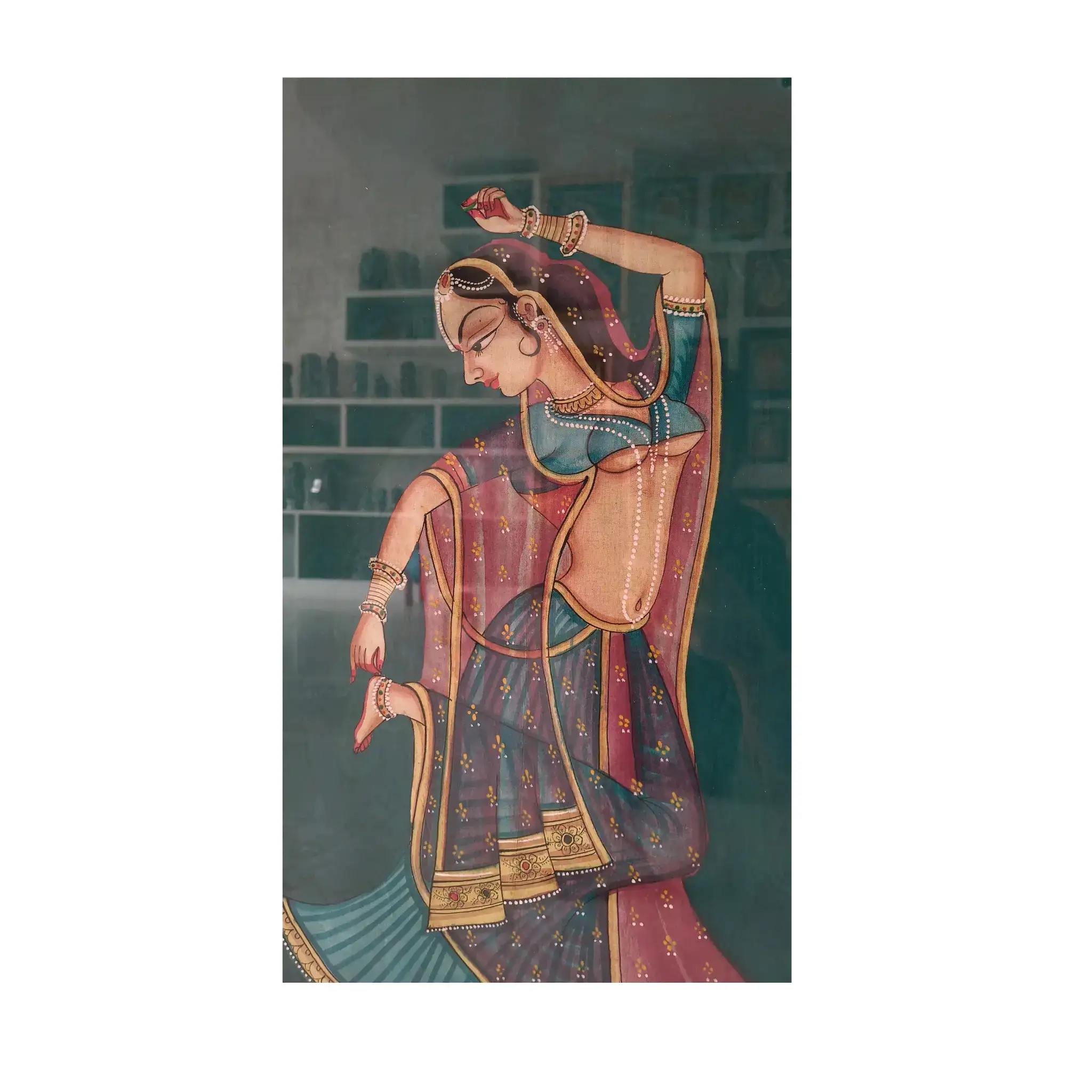
The Dancing Miniature Art is more than just a visual treat—it embodies the rich cultural heritage of Rajasthan. These paintings often depict a classical dancer miniature painting engaged in elegant poses and gestures. They capture the soul of traditional Indian dance forms in static yet expressive compositions.
This hand-painted dancer wall art is cherished not only for its artistic value but also for its spiritual and cultural symbolism. The dancers symbolize joy, rhythm, and devotion, reflecting the harmony between body and soul in Indian classical dance. The art also serves as a decorative piece that enhances interiors with its timeless beauty.
Craftsmanship and Materials Used in Dancing Miniature Art
The creation of this exquisite art involves skilled artisans who follow traditional methods. They use fine brushes to apply natural and mineral pigments carefully. The artwork is typically crafted on cotton cloth or archival-quality paper, which ensures durability and vibrancy of colors over time.
The use of natural colors derived from minerals and vegetables adds an authentic and organic feel to each painting. The meticulous detailing and elegant postures of the dancers in the Rajasthani dancer painting highlight the artisans’ dedication. These painters combine tradition with creativity to produce breathtaking hand-painted dancer wall art.
Themes and Symbolism in Dancing Queen painting
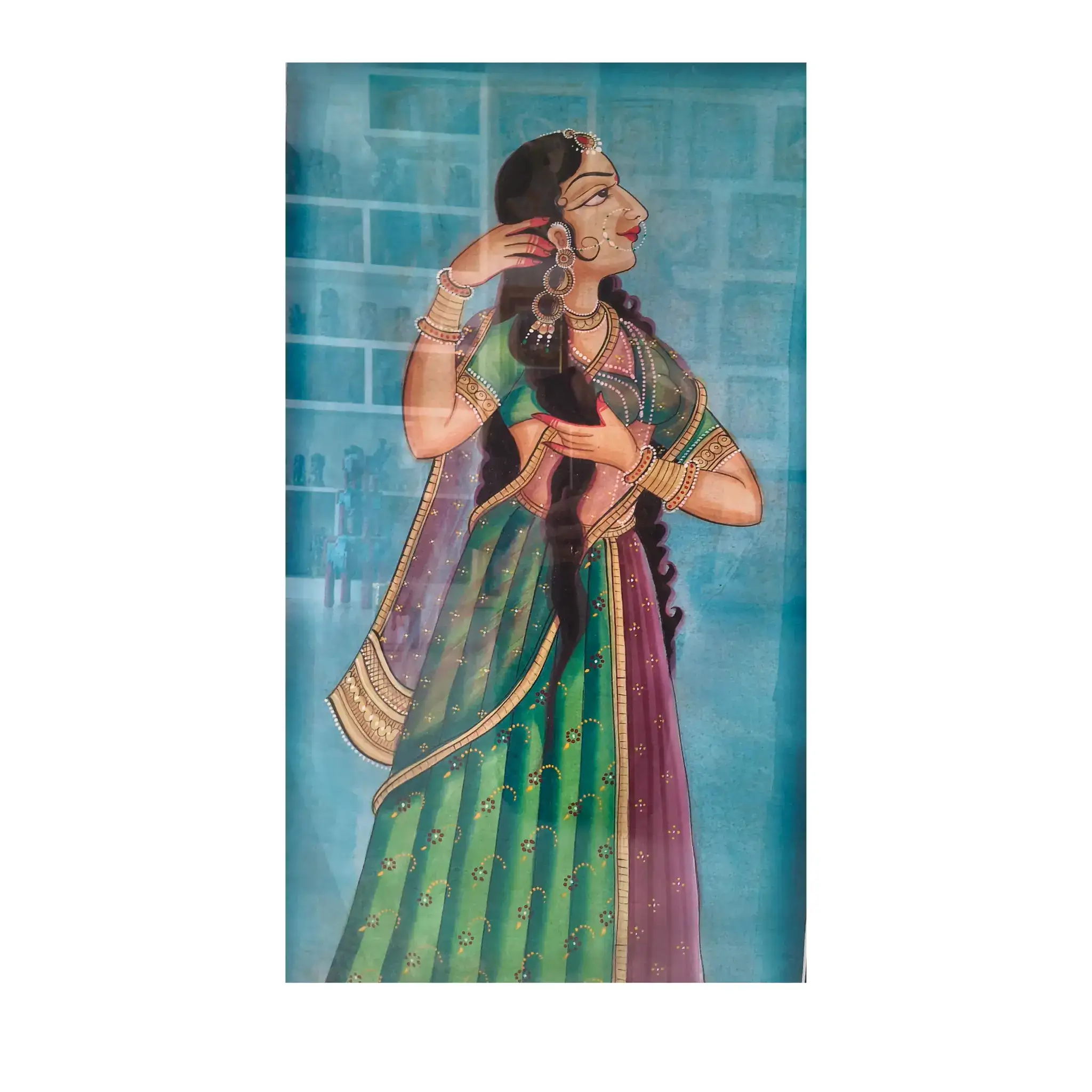
The themes in Dancing Queen Art are predominantly inspired by Indian mythology, royal life, and love stories. The paintings often portray classical dancers in graceful poses, wearing ornate costumes and jewelry. They symbolize feminine beauty, artistic expression, and spiritual devotion.
Through these detailed depictions, viewers get a glimpse of the rich cultural tapestry of Rajasthan. The focus on dancers is not accidental; these figures represent the essence of movement and rhythm, key elements in Indian classical dance. This classical dancer miniature painting style beautifully combines narrative and artistry.
Why Choose Dancing Queen Miniature Artwork for Your Home?
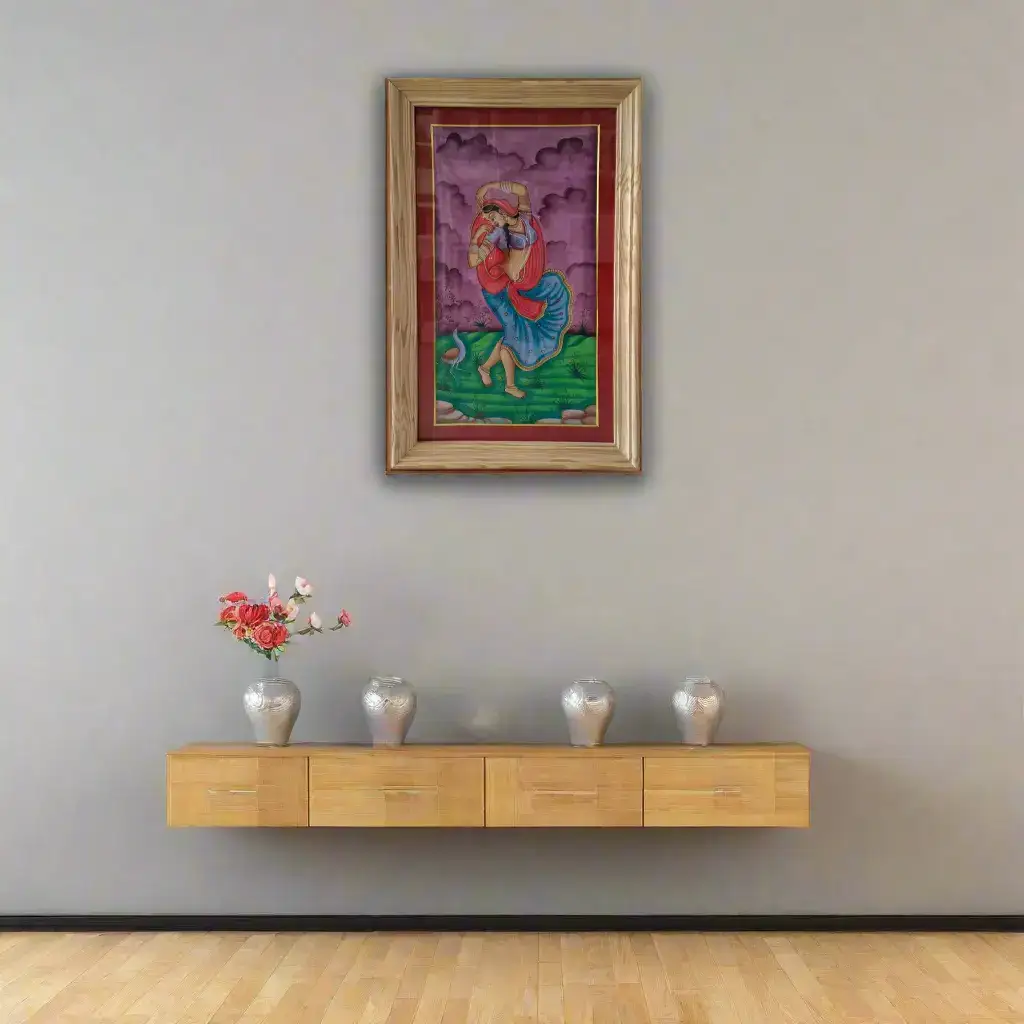
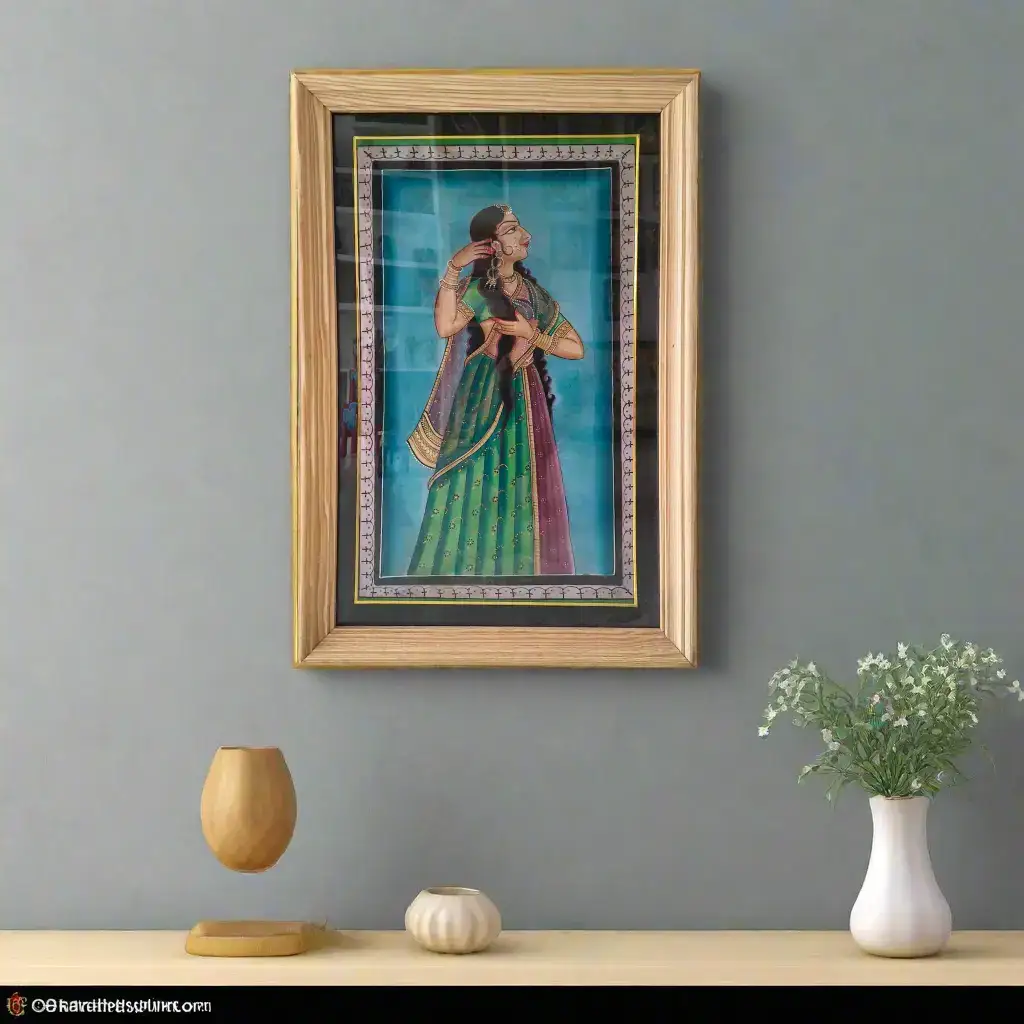
Queen Miniature Art not only beautifies living spaces but also infuses them with cultural richness. The bold colors and intricate details make it a striking centerpiece for any room. Its heritage and storytelling aspects add depth and meaning to the decor.
Whether displayed in a living room or a hallway, this hand-painted dancer wall art adds elegance and sophistication. The timeless appeal and cultural significance of this Rajasthani dancer painting make it an invaluable addition for art collectors and enthusiasts alike.
Product Information
Product Information
Shipping & Returns
Shipping & Returns
Description
The Dancing Queen Miniature Art: A Timeless Indian Painting Tradition
The Dancing Queen Miniature Art Rajasthani Painting represents a vibrant and rich style of Indian miniature painting. It flourished in the royal courts of Rajasthan, India, from the 16th century onwards. This art form is deeply rooted in Indian traditions and culture, capturing themes of mythology, epics, royal life, love stories, and folk culture with vivid detail.
The paintings are distinguished by bold lines, bright colors, and intricate detailing. They use natural dyes and pigments made from minerals, vegetables, and precious stones. This technique gives the art a unique, lasting, and luminous quality that has attracted art lovers worldwide. The dancing figures in these paintings often symbolize grace, movement, and spiritual expression.
Distinct Schools of Dancing Queen Miniature Art
This Indian miniature art form is divided into several renowned schools, each with its unique style and focus. These schools include Mewar, Marwar, Bundi, Kota, Kishangarh, Bikaner, and Jaipur. Each school tells different stories through its distinct approach, colors, and subjects.
For example, Kishangarh is famous for its romantic portrayal of Radha and Krishna, particularly the iconic image of Bani Thani. Mewar paintings typically depict court scenes, heroic tales, and religious themes. Bundi and Kota paintings are famous for their lush landscapes and dynamic hunting scenes. These regional variations contribute to the rich diversity of the Dancing Queen Miniature Art tradition.
Decorative and Cultural Significance of Rajasthani Dancer Painting
The Dancing Miniature Art is more than just a visual treat—it embodies the rich cultural heritage of Rajasthan. These paintings often depict a classical dancer miniature painting engaged in elegant poses and gestures. They capture the soul of traditional Indian dance forms in static yet expressive compositions.
This hand-painted dancer wall art is cherished not only for its artistic value but also for its spiritual and cultural symbolism. The dancers symbolize joy, rhythm, and devotion, reflecting the harmony between body and soul in Indian classical dance. The art also serves as a decorative piece that enhances interiors with its timeless beauty.
Craftsmanship and Materials Used in Dancing Miniature Art
The creation of this exquisite art involves skilled artisans who follow traditional methods. They use fine brushes to apply natural and mineral pigments carefully. The artwork is typically crafted on cotton cloth or archival-quality paper, which ensures durability and vibrancy of colors over time.
The use of natural colors derived from minerals and vegetables adds an authentic and organic feel to each painting. The meticulous detailing and elegant postures of the dancers in the Rajasthani dancer painting highlight the artisans’ dedication. These painters combine tradition with creativity to produce breathtaking hand-painted dancer wall art.
Themes and Symbolism in Dancing Queen painting
The themes in Dancing Queen Art are predominantly inspired by Indian mythology, royal life, and love stories. The paintings often portray classical dancers in graceful poses, wearing ornate costumes and jewelry. They symbolize feminine beauty, artistic expression, and spiritual devotion.
Through these detailed depictions, viewers get a glimpse of the rich cultural tapestry of Rajasthan. The focus on dancers is not accidental; these figures represent the essence of movement and rhythm, key elements in Indian classical dance. This classical dancer miniature painting style beautifully combines narrative and artistry.
Why Choose Dancing Queen Miniature Artwork for Your Home?
Queen Miniature Art not only beautifies living spaces but also infuses them with cultural richness. The bold colors and intricate details make it a striking centerpiece for any room. Its heritage and storytelling aspects add depth and meaning to the decor.
Whether displayed in a living room or a hallway, this hand-painted dancer wall art adds elegance and sophistication. The timeless appeal and cultural significance of this Rajasthani dancer painting make it an invaluable addition for art collectors and enthusiasts alike.