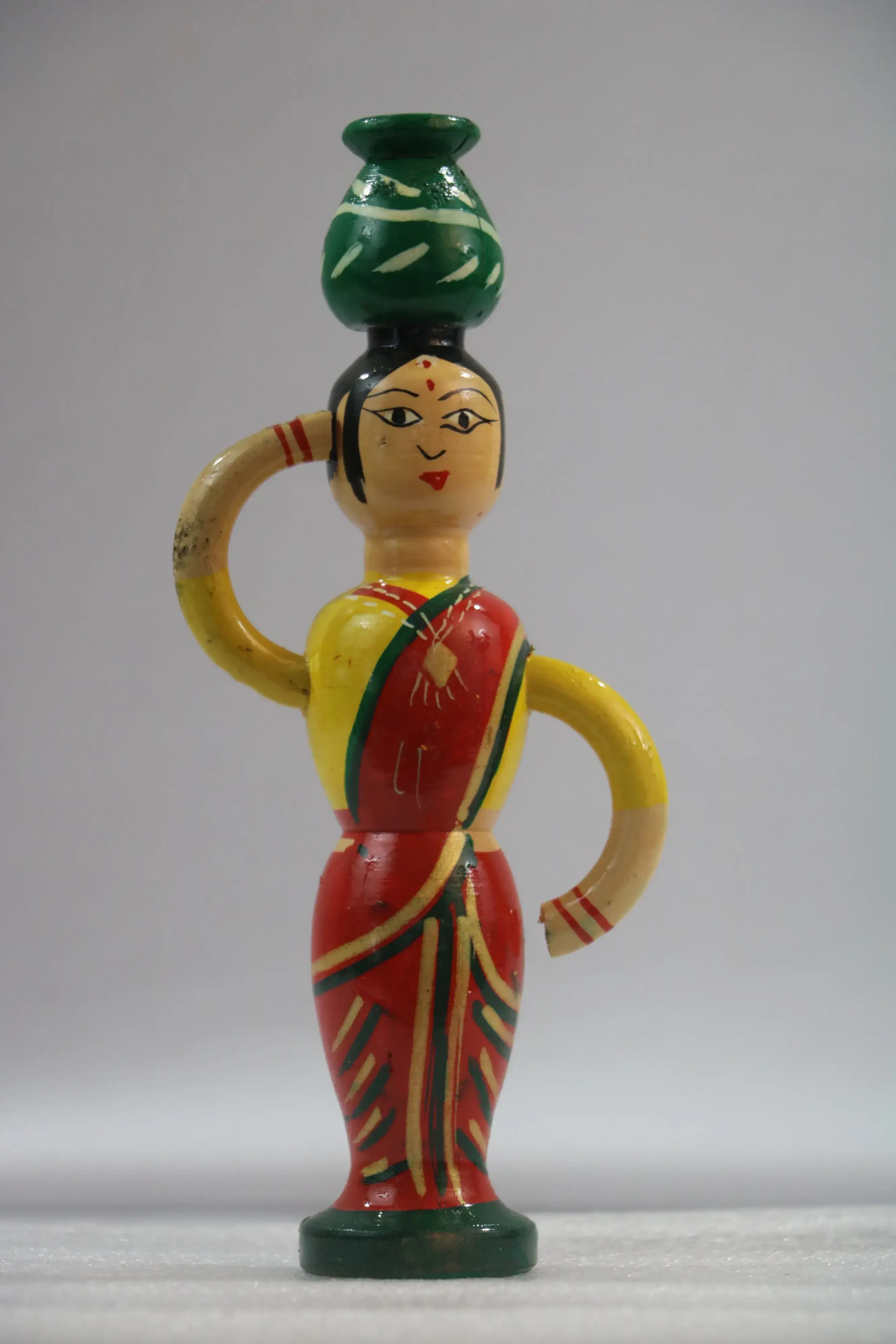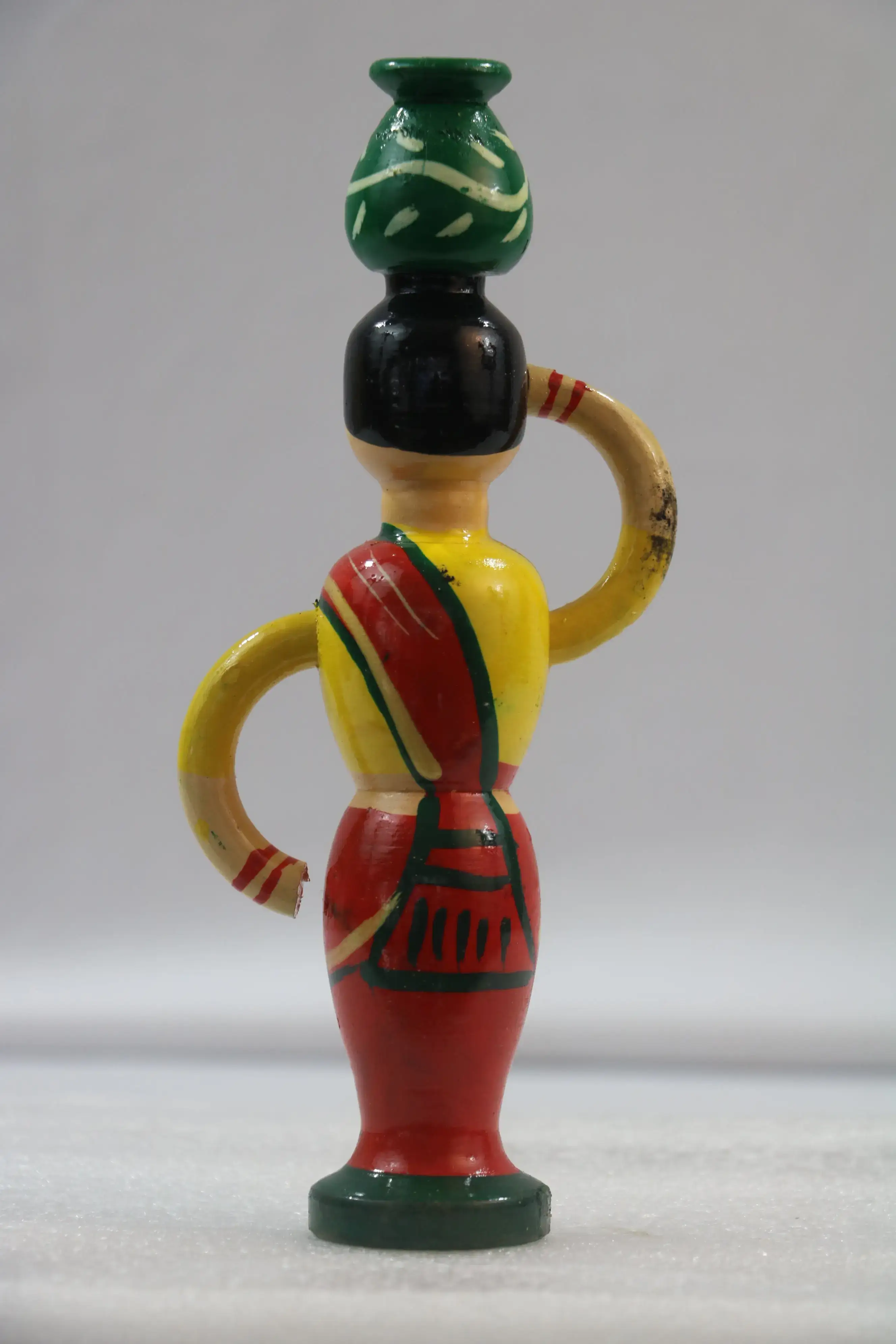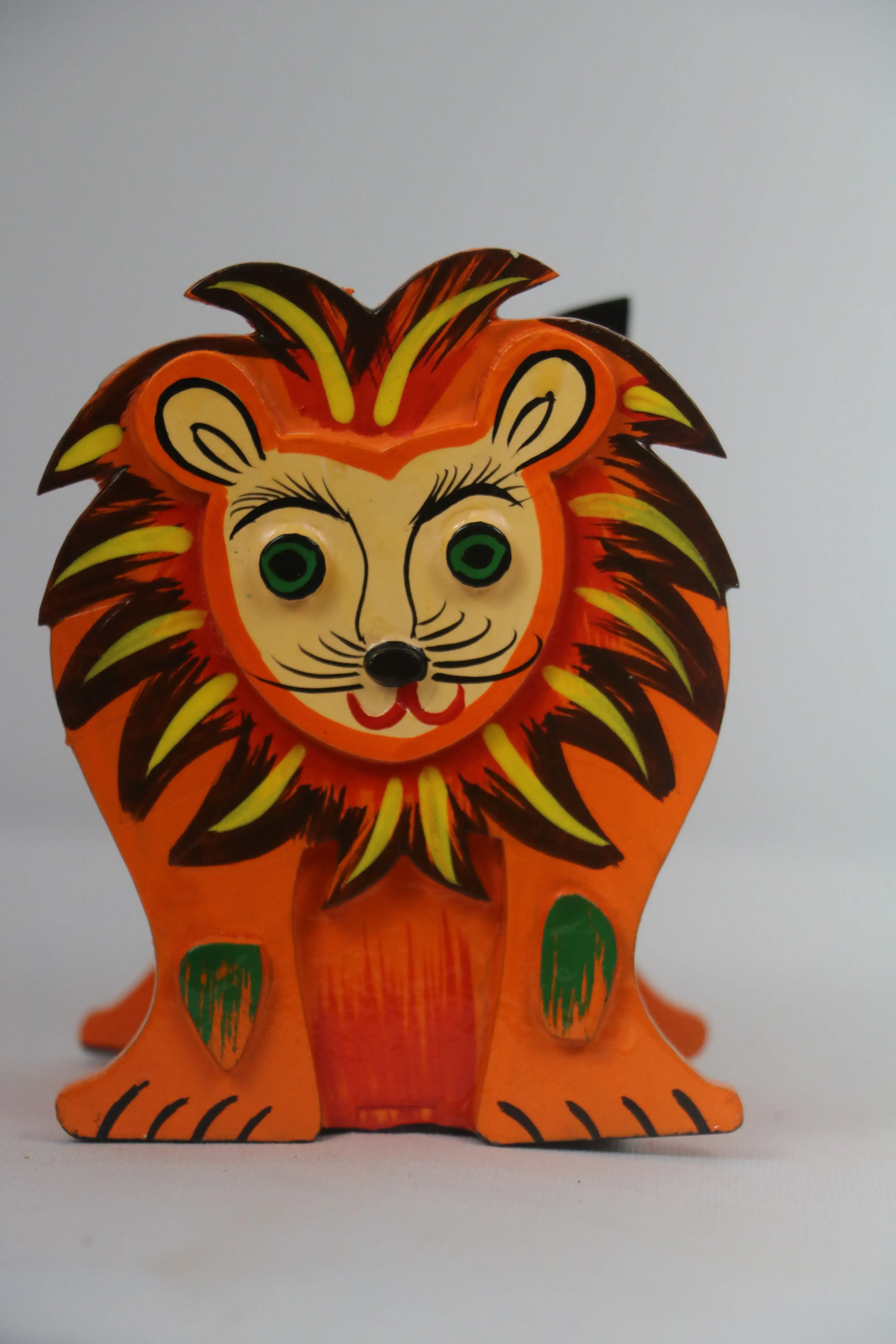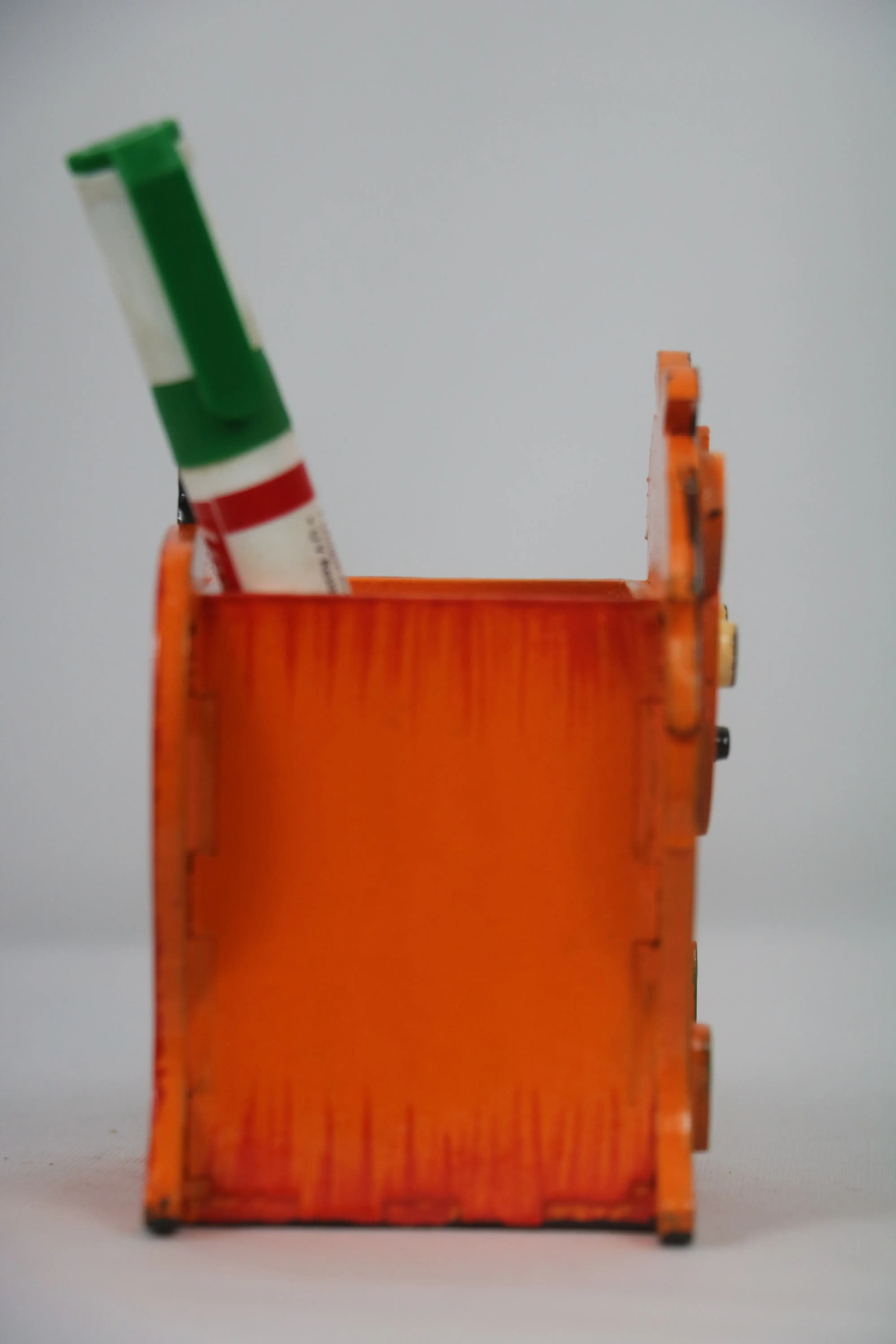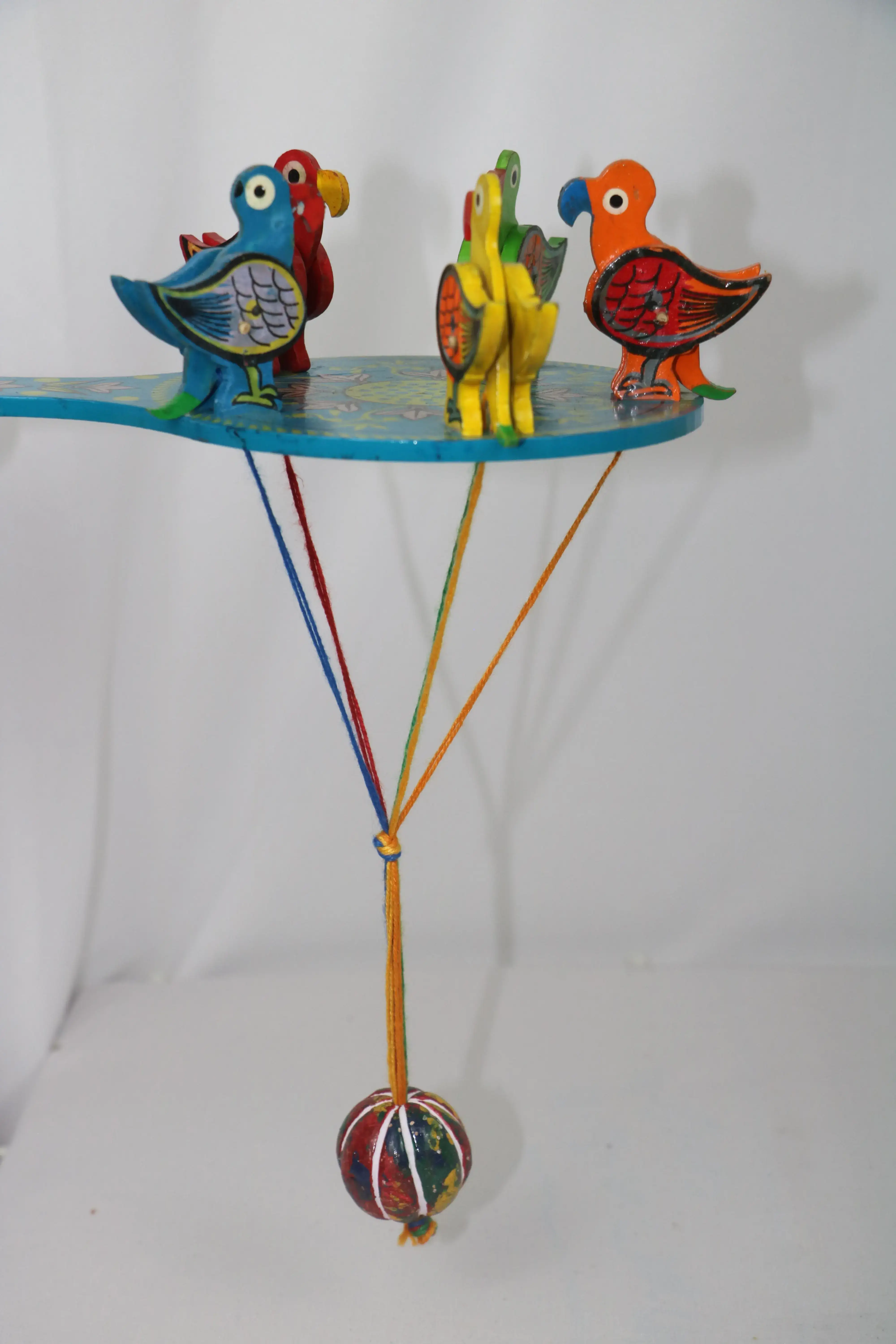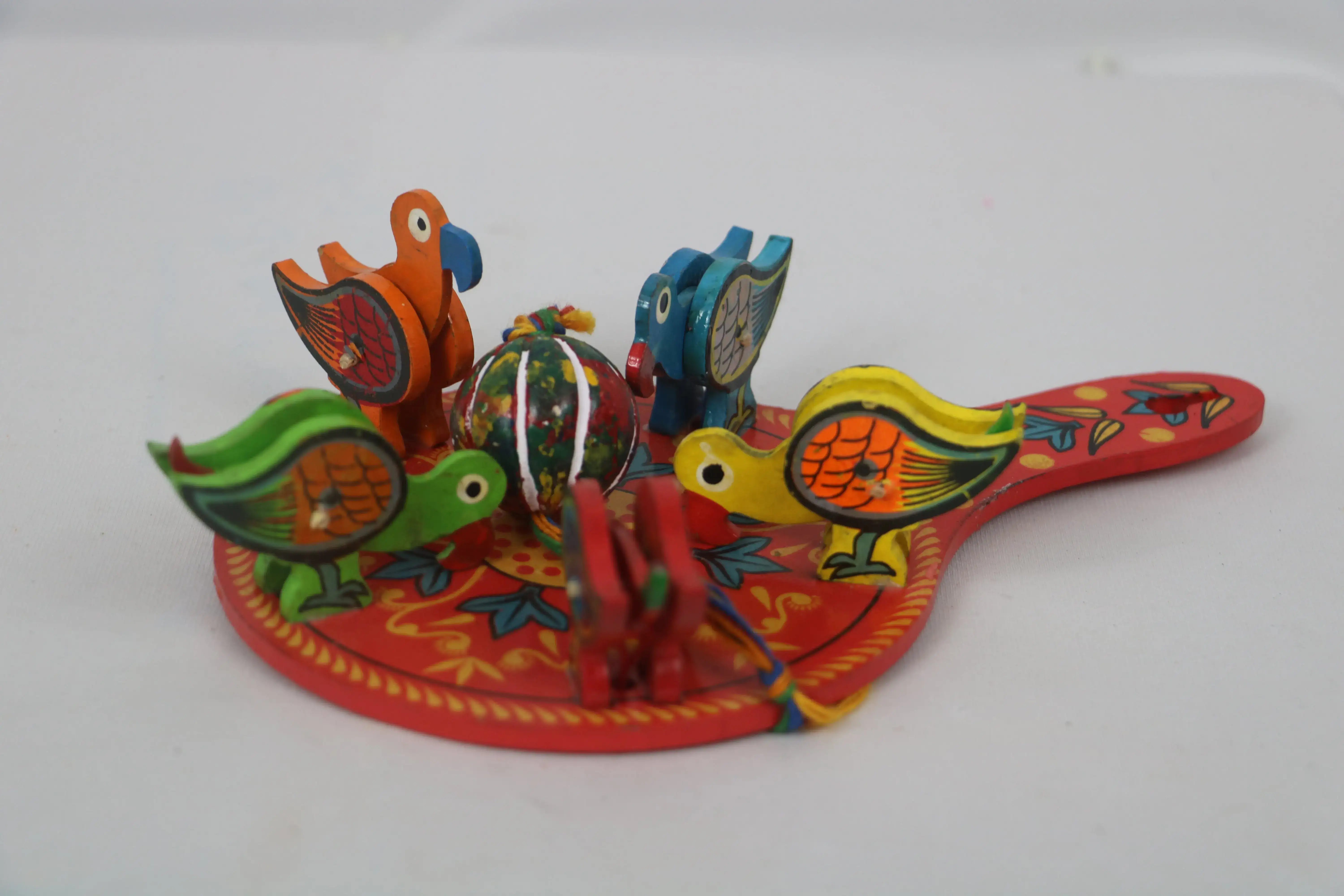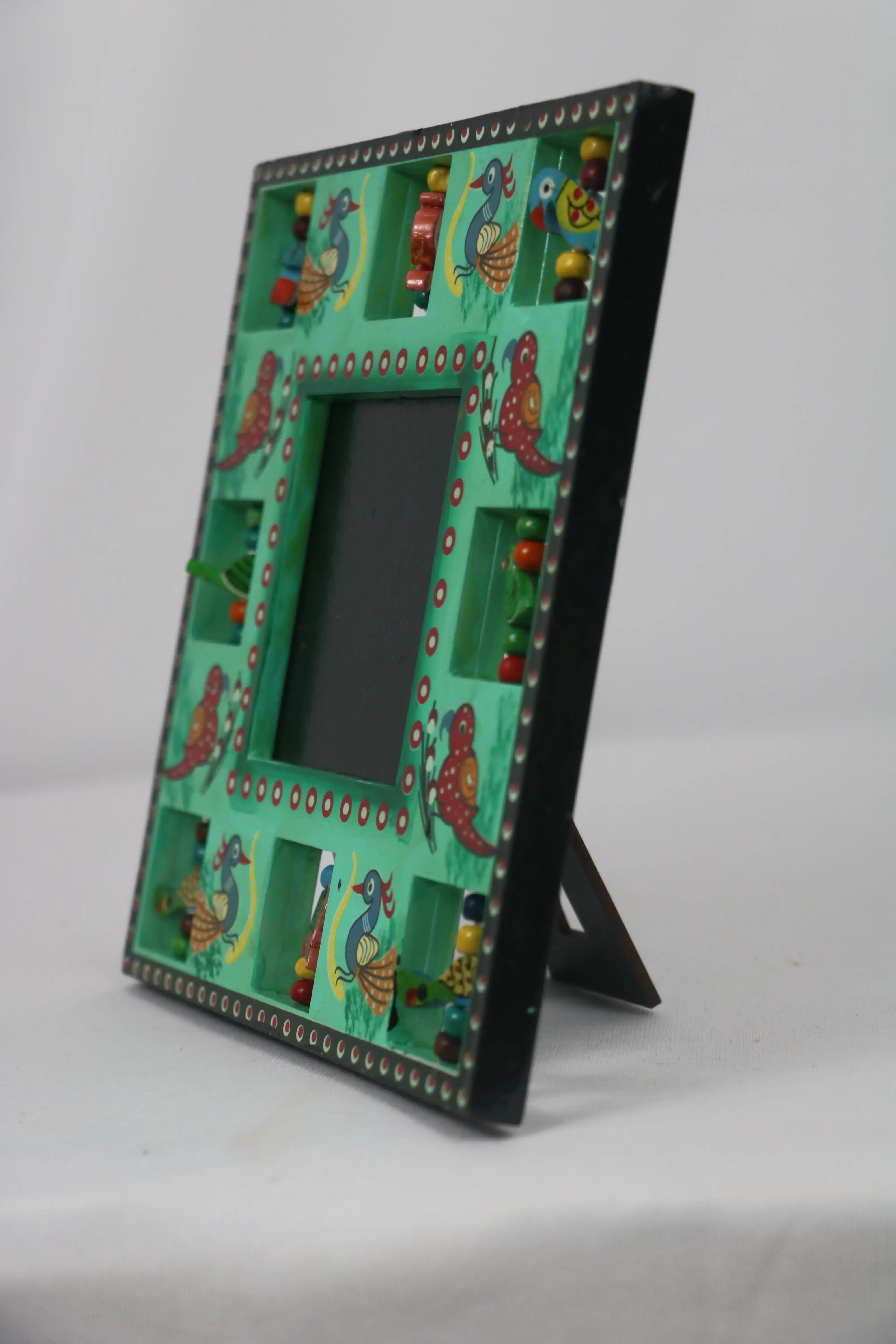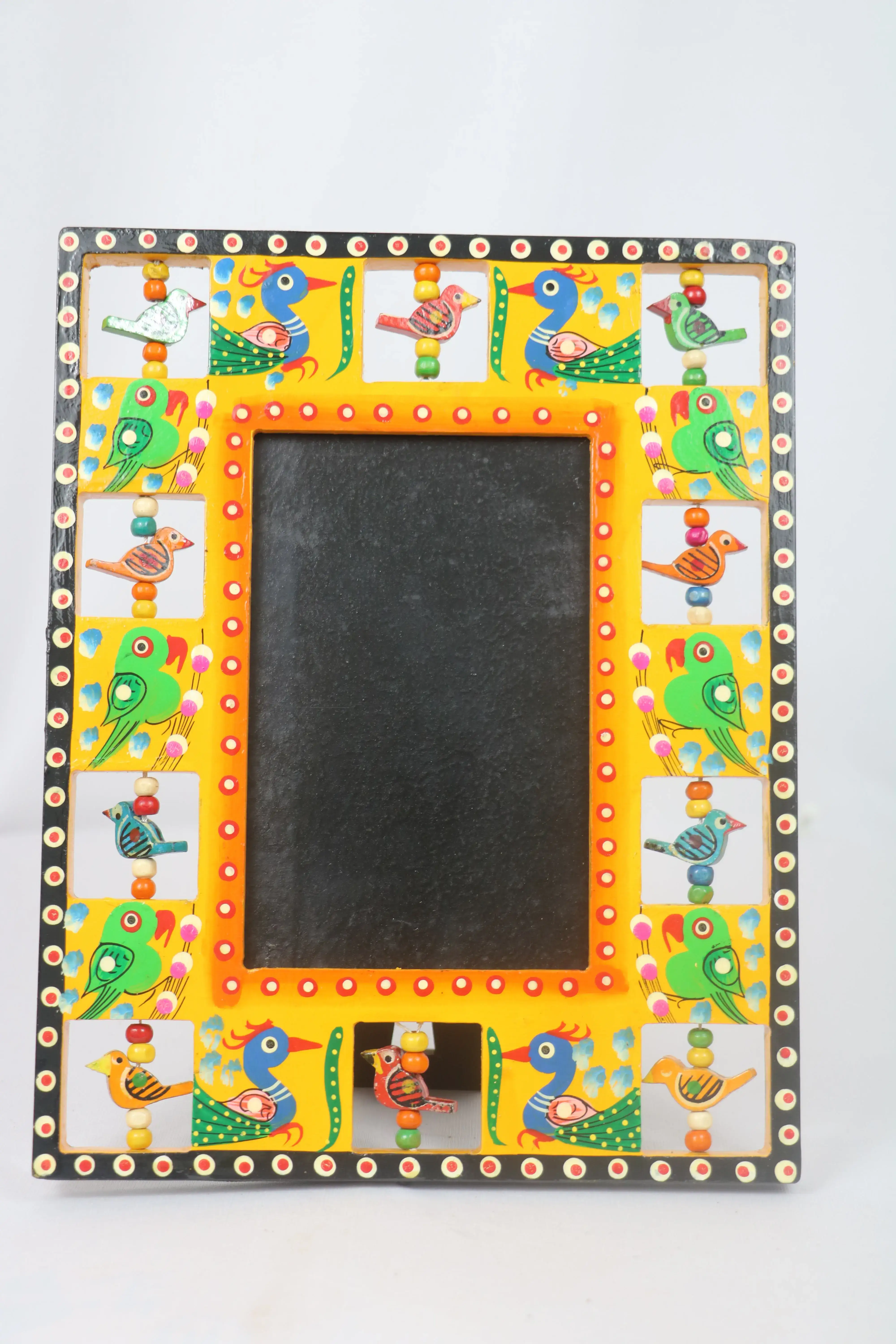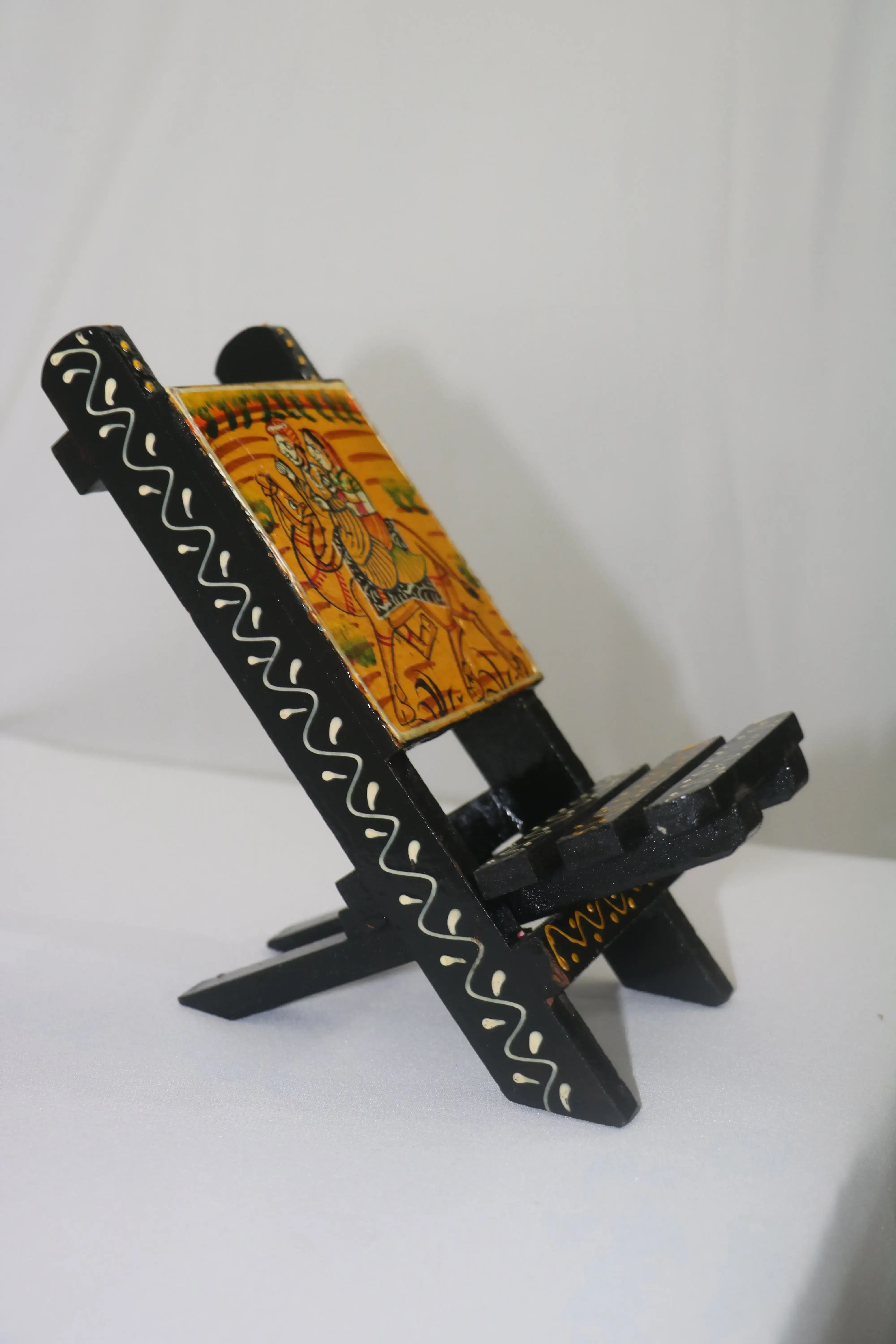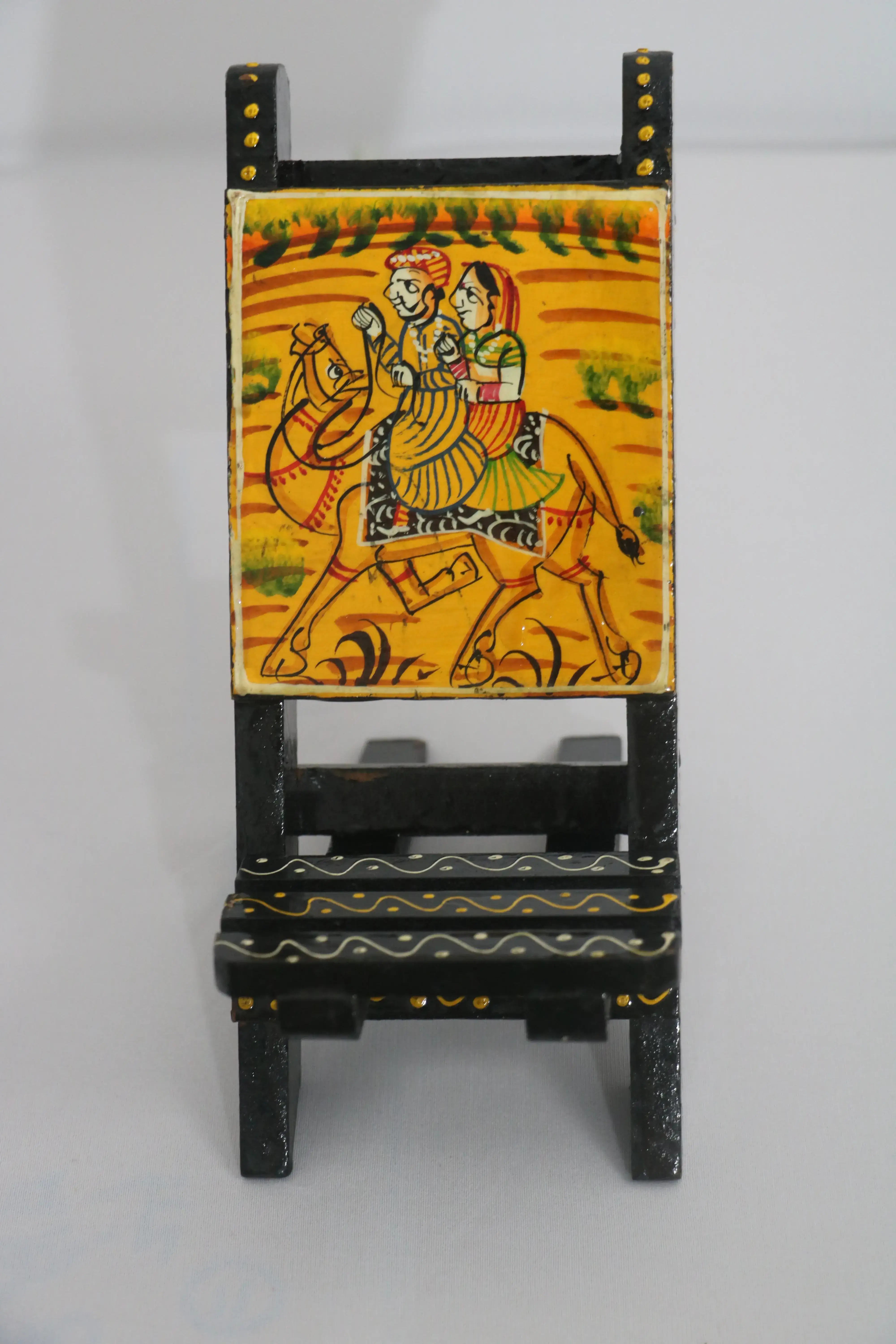
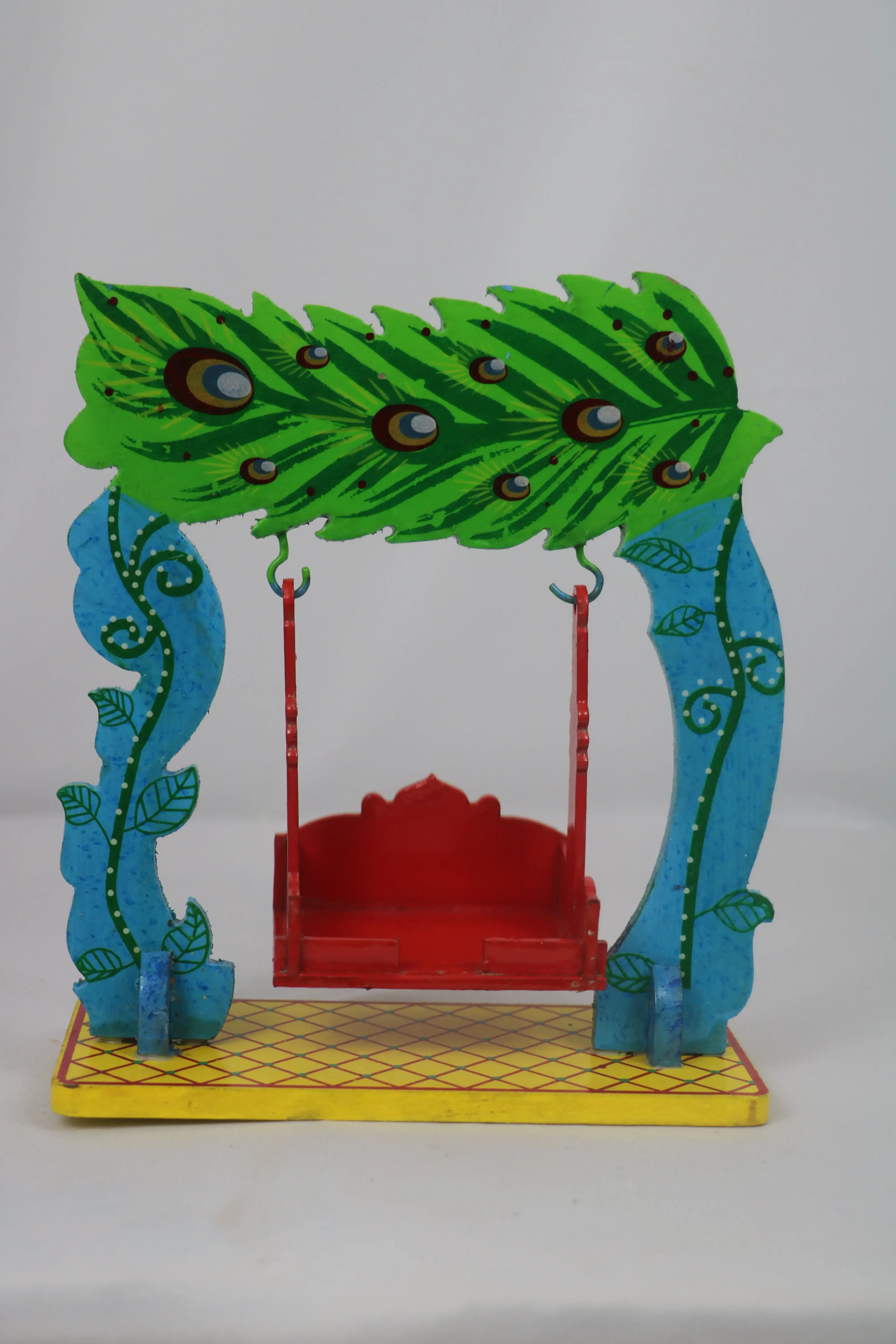
Wooden Jhula – Ethnic Swing Decor for Krishna or Dolls
Wooden Jhula Introduction to Wooden Lacquerware of Varanasi
Wooden Lacquerware of Varanasi is a historic craft known for vibrant colors and intricate patterns. This handicraft showcases a polished lacquer finish that enhances the natural beauty of wood. Skilled artisans hand-turn softwood, mainly eucalyptus or kadam, on a lathe to create toys, utensils, and decorative items. After shaping, several layers of natural lacquer are applied to protect the wood and provide a glossy touch.Wooden Jhula.
The detailed patterns are crafted using hand-held tools and natural dyes, which are safe and eco-friendly. This craft holds cultural importance and represents the artistic heritage of Varanasi.
The Art and Craftsmanship Behind Wooden Jhula
A Wooden Jhula, or ethnic swing décor, reflects traditional Varanasi lacquerware techniques. Each piece is carefully handmade by local artisans. The process begins with cutting and smoothing softwood, followed by precise hand-turning on a lathe to form elegant contours for the swing. Artisans then apply natural lacquer layers and finish with detailed hand-painted motifs.
The Jhula is crafted to combine beauty and durability. It supports idols like Lord Krishna or decorative doll displays. Vivid colors and a smooth finish make it a unique addition to any home décor or festival setup.
Traditional Motifs and Color Palette
Motifs featured in wooden lacquerware derive inspiration from nature and geometric shapes. Floral patterns, birds, animals, and intricate designs decorate the surfaces. Bright reds, yellows, greens, and blacks are used to create contrast and vibrancy. These colors enhance the traditional hand-painted artwork on every piece.
For example, the swing is often adorned with floral and geometric designs symbolizing joy and celebration.
Eco-friendly and Sustainable Crafting
The wooden handicrafts, which include jhulas for décor, emphasize sustainability. Locally sourced wood pairs with non-toxic natural dyes and lacquer. This combination makes the finished products safe for daily use and environmentally friendly. Artisans depend on renewable natural resources, making these crafts a symbol of eco-conscious artistry.
Softwood like eucalyptus or kadam is used, ensuring the products remain lightweight yet durable for long-term use.
The Cultural Significance and Geographical Indication
Varanasi’s wooden lacquerware, since 2014, has received Geographical Indication (GI) tag recognition (GI No. 195). This acknowledgment highlights its cultural heritage value. The GI tag preserves the authenticity of this traditional art and supports thousands of artisan families involved in its production.
Many of these families reside in Ramnagar and surrounding villages, where this craft has been passed through generations. The Jhula, as an iconic product, holds significant cultural and religious importance.
Uses and Display of the Jhula
The Jhula primarily serves as a swing décor to hold Lord Krishna idols, especially during Janmashtami. It is also popular as an attractive swing for dolls and small collectibles. Its design and quality suit homes that cherish tradition and spirituality.
This swing blends spirituality and art in a compact, elegant form. It perfectly complements home altars, puja areas, and festive décor themes.
Beauty, Utility, and Tradition in One Piece
Varanasi’s wooden lacquerware products, with the Jhula included, combine beauty, utility, and tradition. These handcrafted items add elegance to any home décor while honoring centuries of artisan skill. Whether used as a traditional toy or decorative piece, each Jhula tells a story of cultural richness and expert craftsmanship.
Collectors and devotees appreciate these pieces for their artistic design and spiritual significance.
Summary of Features in Jhula for Decor and Other Wooden Lacquerware
- Crafted from softwood such as eucalyptus or kadam
- Hand-turned on a lathe for smooth edges and detailed design
- Multiple layers of natural lacquer for protection and shine
- Hand-painted traditional motifs including floral and geometric patterns
- Use of natural, eco-friendly dyes in bright reds, greens, yellows, and blacks
- Culturally significant with Geographical Indication (GI) tag protection
- Ideal as spiritual décor, especially for Krishna idols and doll displays
- Supports artisan families in Varanasi’s Ramnagar region
Original: $3.22
-70%$3.22
$0.97Product Information
Product Information
Shipping & Returns
Shipping & Returns
Description
Wooden Jhula Introduction to Wooden Lacquerware of Varanasi
Wooden Lacquerware of Varanasi is a historic craft known for vibrant colors and intricate patterns. This handicraft showcases a polished lacquer finish that enhances the natural beauty of wood. Skilled artisans hand-turn softwood, mainly eucalyptus or kadam, on a lathe to create toys, utensils, and decorative items. After shaping, several layers of natural lacquer are applied to protect the wood and provide a glossy touch.Wooden Jhula.
The detailed patterns are crafted using hand-held tools and natural dyes, which are safe and eco-friendly. This craft holds cultural importance and represents the artistic heritage of Varanasi.
The Art and Craftsmanship Behind Wooden Jhula
A Wooden Jhula, or ethnic swing décor, reflects traditional Varanasi lacquerware techniques. Each piece is carefully handmade by local artisans. The process begins with cutting and smoothing softwood, followed by precise hand-turning on a lathe to form elegant contours for the swing. Artisans then apply natural lacquer layers and finish with detailed hand-painted motifs.
The Jhula is crafted to combine beauty and durability. It supports idols like Lord Krishna or decorative doll displays. Vivid colors and a smooth finish make it a unique addition to any home décor or festival setup.
Traditional Motifs and Color Palette
Motifs featured in wooden lacquerware derive inspiration from nature and geometric shapes. Floral patterns, birds, animals, and intricate designs decorate the surfaces. Bright reds, yellows, greens, and blacks are used to create contrast and vibrancy. These colors enhance the traditional hand-painted artwork on every piece.
For example, the swing is often adorned with floral and geometric designs symbolizing joy and celebration.
Eco-friendly and Sustainable Crafting
The wooden handicrafts, which include jhulas for décor, emphasize sustainability. Locally sourced wood pairs with non-toxic natural dyes and lacquer. This combination makes the finished products safe for daily use and environmentally friendly. Artisans depend on renewable natural resources, making these crafts a symbol of eco-conscious artistry.
Softwood like eucalyptus or kadam is used, ensuring the products remain lightweight yet durable for long-term use.
The Cultural Significance and Geographical Indication
Varanasi’s wooden lacquerware, since 2014, has received Geographical Indication (GI) tag recognition (GI No. 195). This acknowledgment highlights its cultural heritage value. The GI tag preserves the authenticity of this traditional art and supports thousands of artisan families involved in its production.
Many of these families reside in Ramnagar and surrounding villages, where this craft has been passed through generations. The Jhula, as an iconic product, holds significant cultural and religious importance.
Uses and Display of the Jhula
The Jhula primarily serves as a swing décor to hold Lord Krishna idols, especially during Janmashtami. It is also popular as an attractive swing for dolls and small collectibles. Its design and quality suit homes that cherish tradition and spirituality.
This swing blends spirituality and art in a compact, elegant form. It perfectly complements home altars, puja areas, and festive décor themes.
Beauty, Utility, and Tradition in One Piece
Varanasi’s wooden lacquerware products, with the Jhula included, combine beauty, utility, and tradition. These handcrafted items add elegance to any home décor while honoring centuries of artisan skill. Whether used as a traditional toy or decorative piece, each Jhula tells a story of cultural richness and expert craftsmanship.
Collectors and devotees appreciate these pieces for their artistic design and spiritual significance.
Summary of Features in Jhula for Decor and Other Wooden Lacquerware
- Crafted from softwood such as eucalyptus or kadam
- Hand-turned on a lathe for smooth edges and detailed design
- Multiple layers of natural lacquer for protection and shine
- Hand-painted traditional motifs including floral and geometric patterns
- Use of natural, eco-friendly dyes in bright reds, greens, yellows, and blacks
- Culturally significant with Geographical Indication (GI) tag protection
- Ideal as spiritual décor, especially for Krishna idols and doll displays
- Supports artisan families in Varanasi’s Ramnagar region