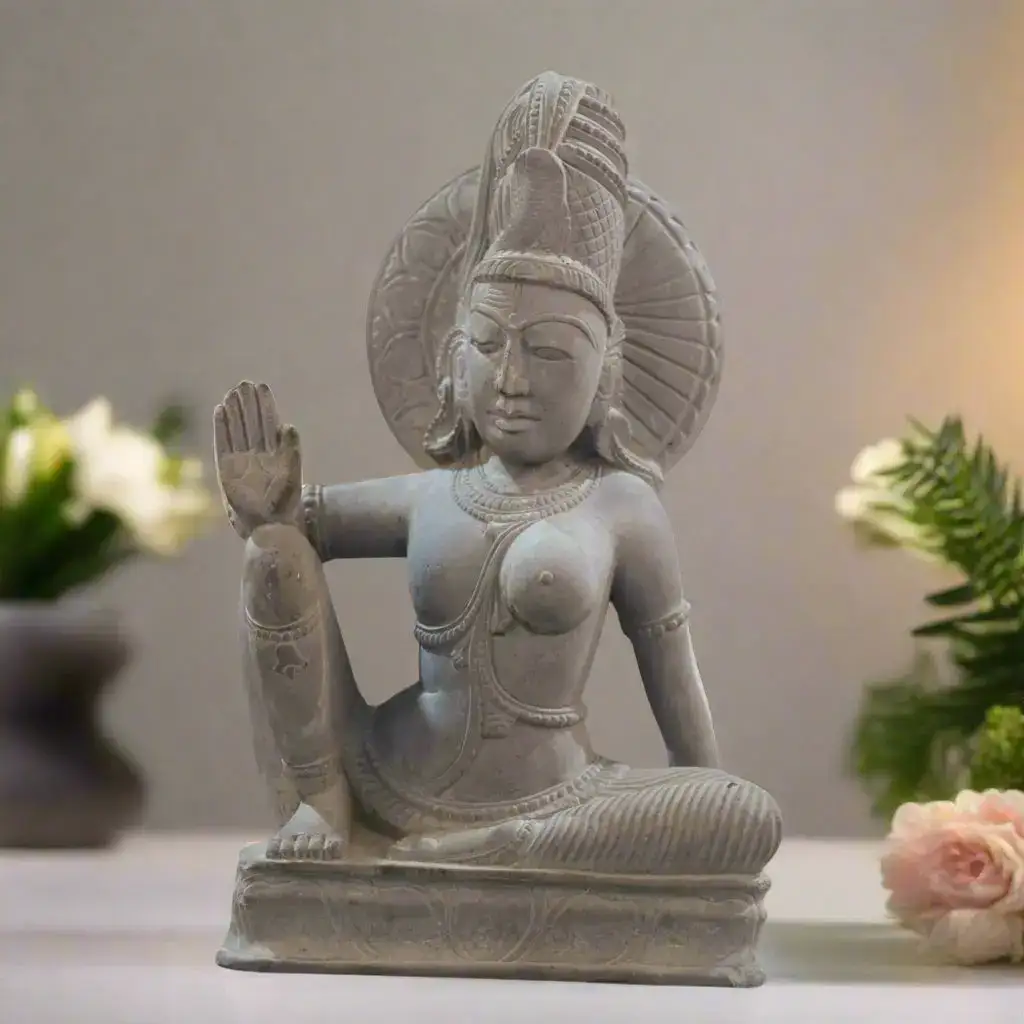
Sculpture of Ardhanareshwara – Celebrating the Union of Shiva and Parvati
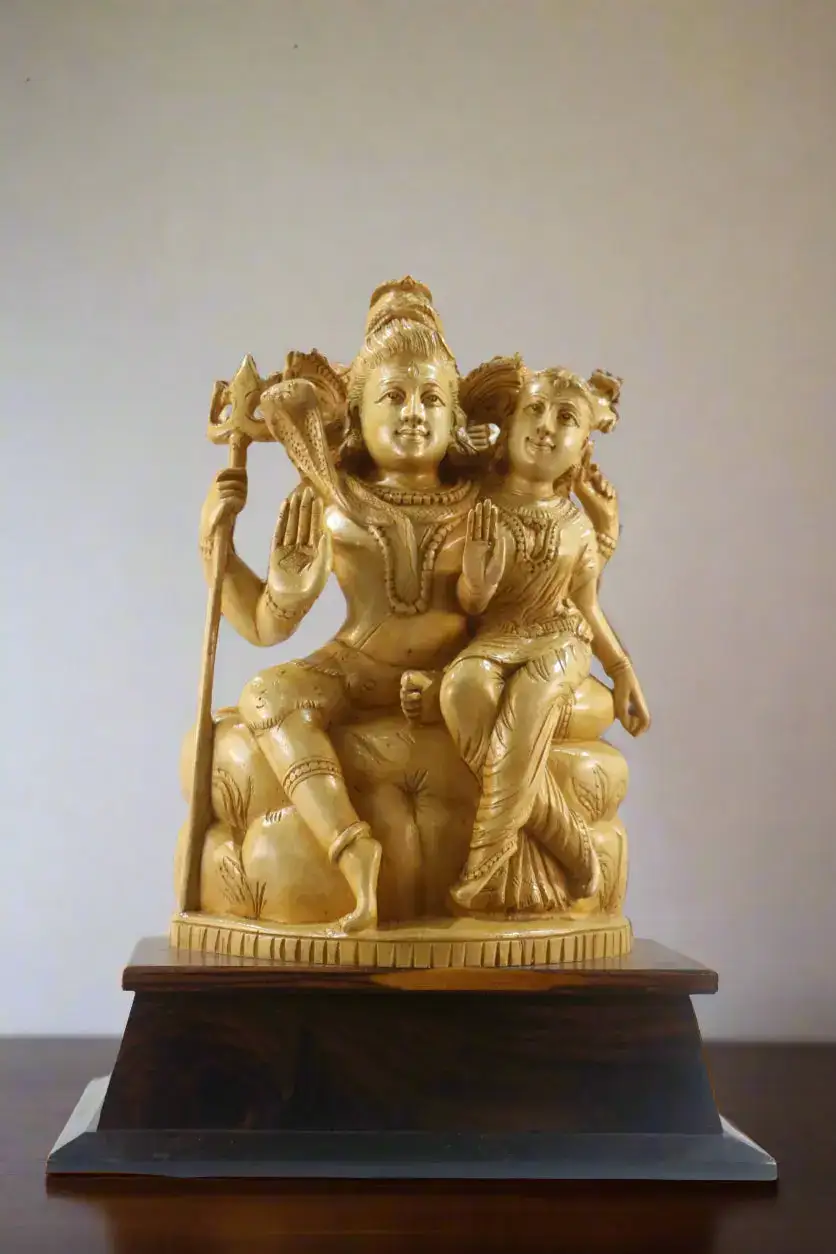
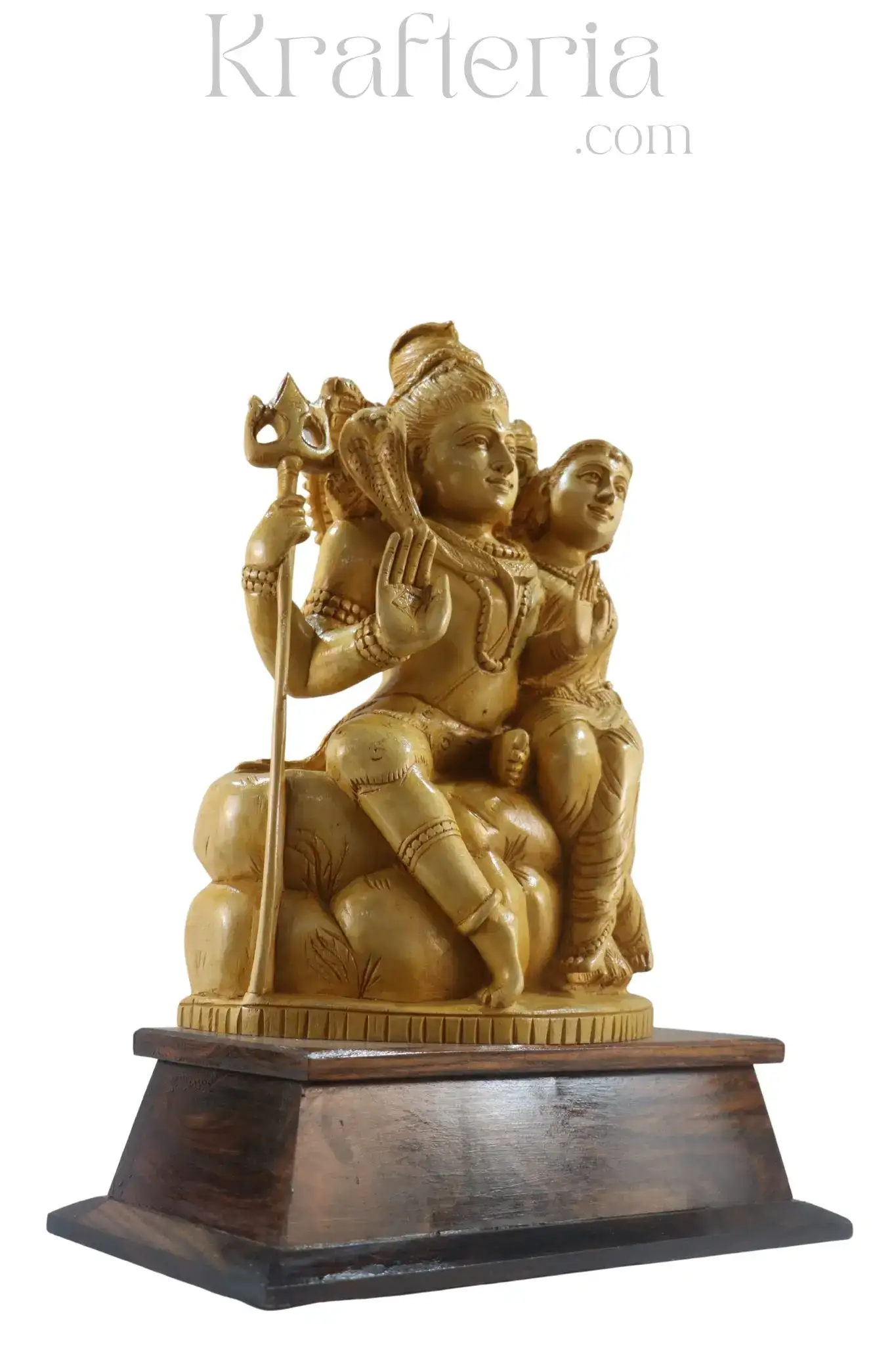
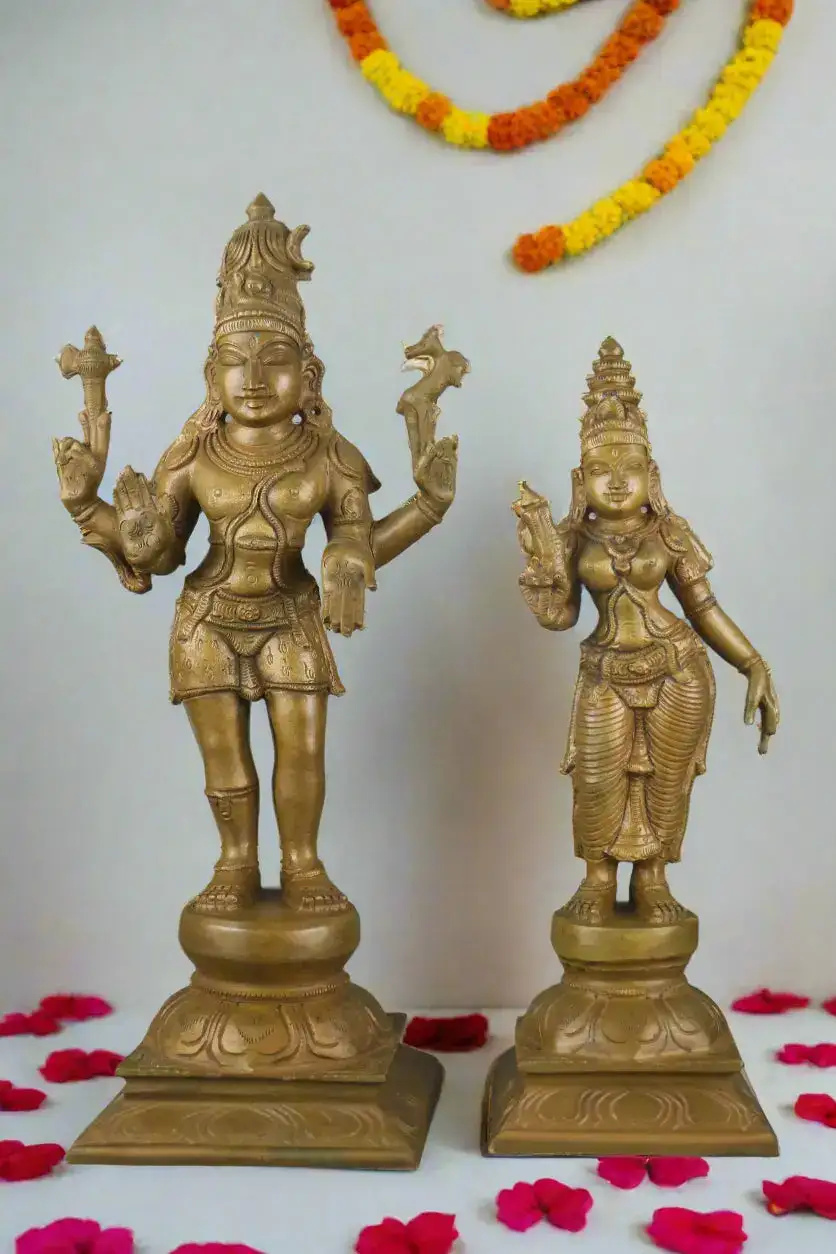
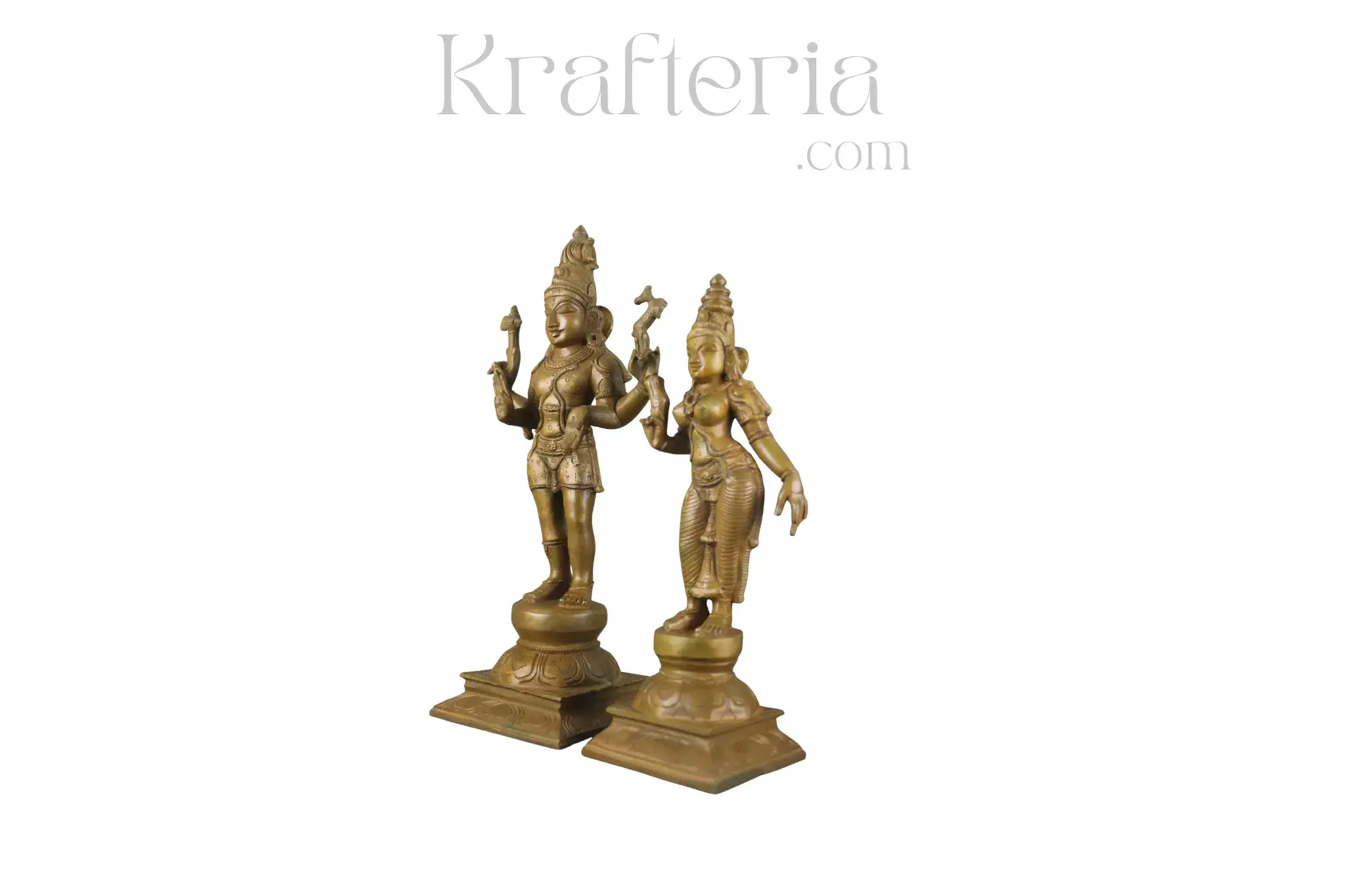
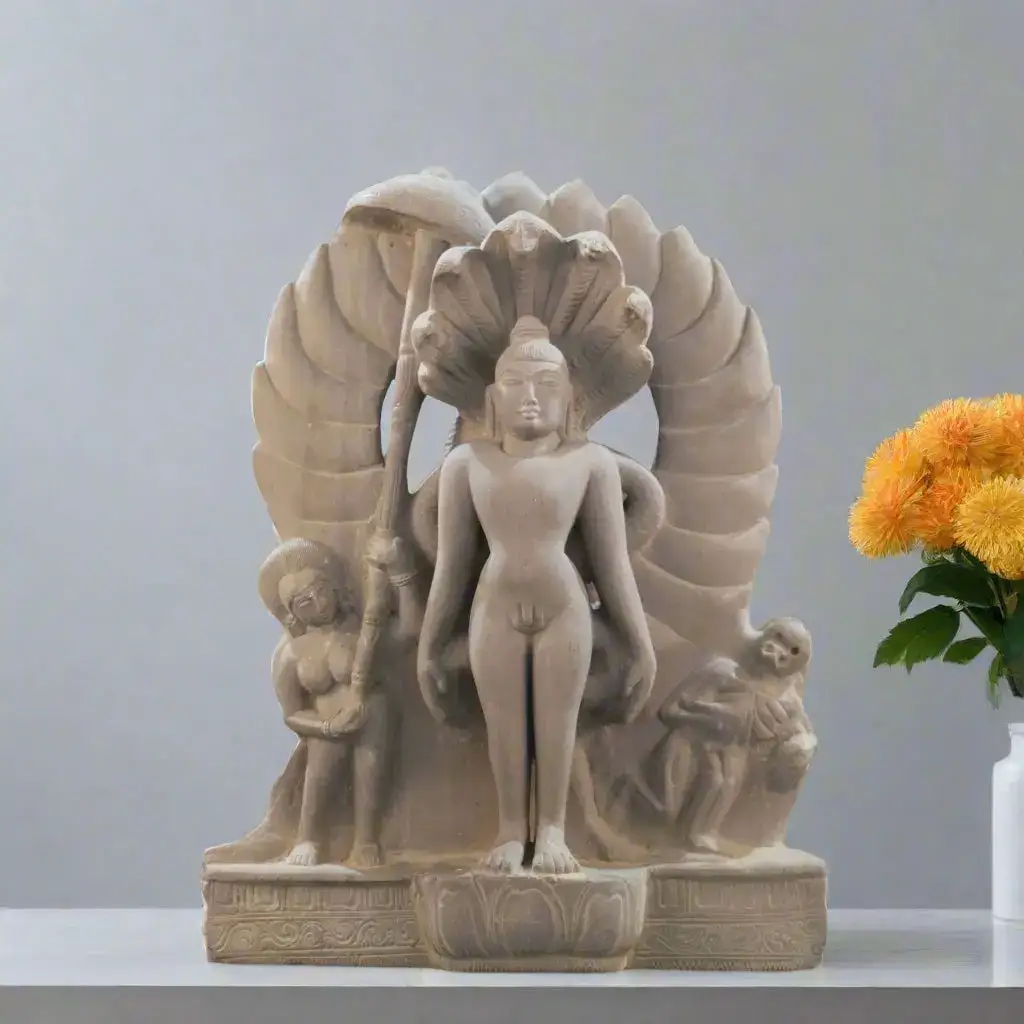
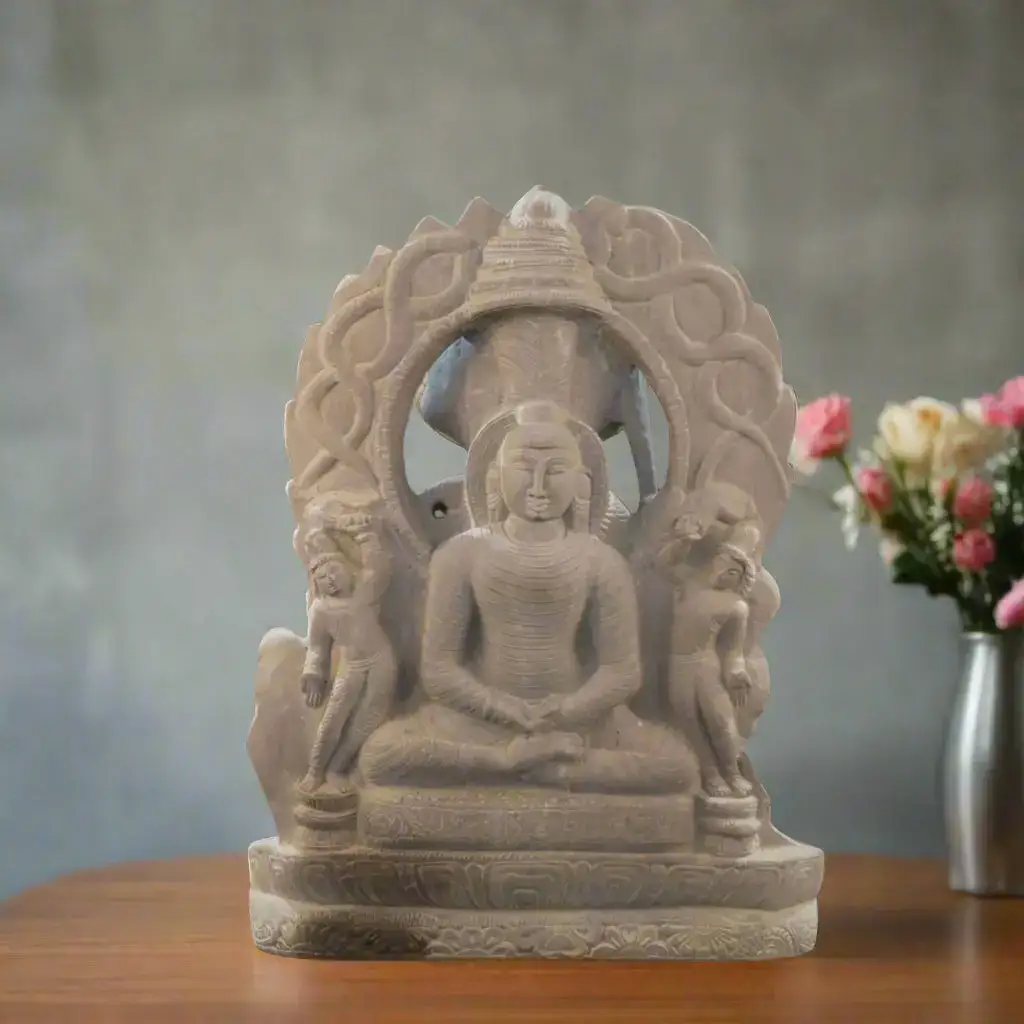
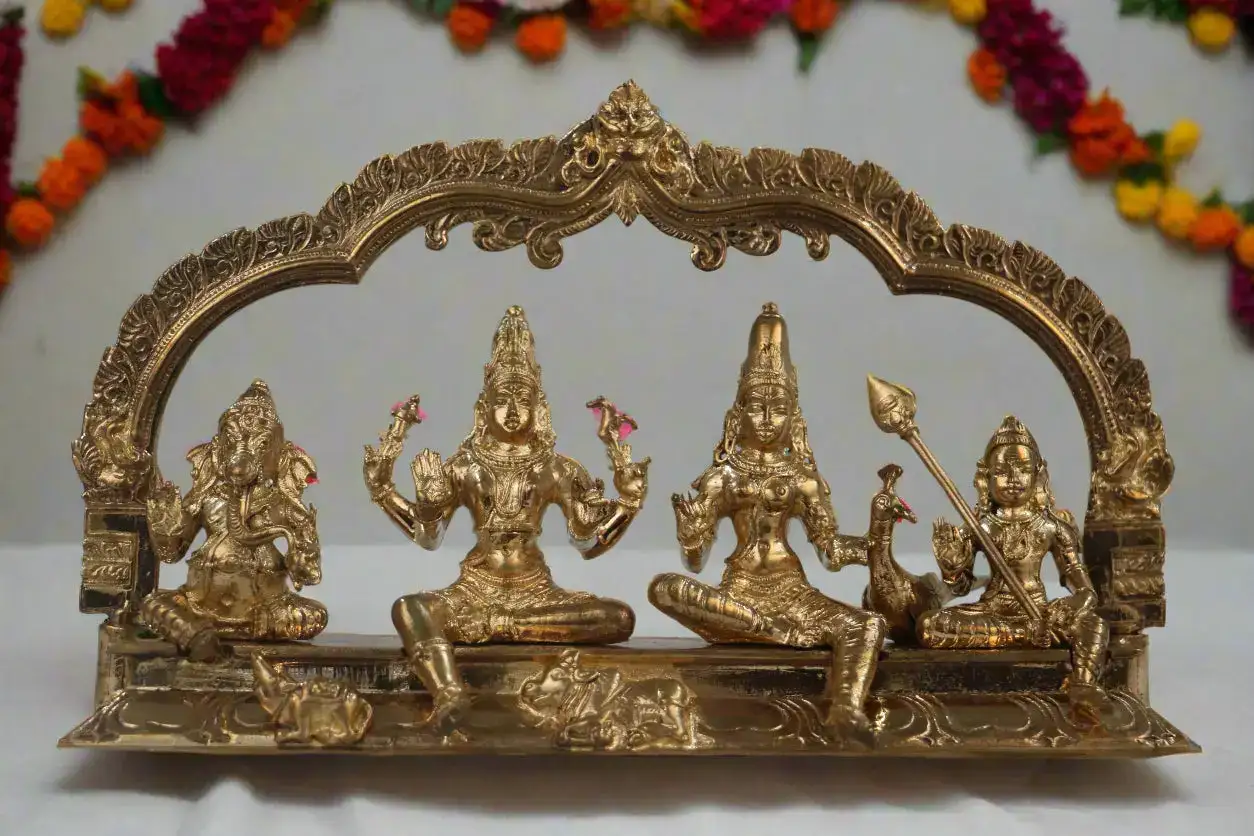
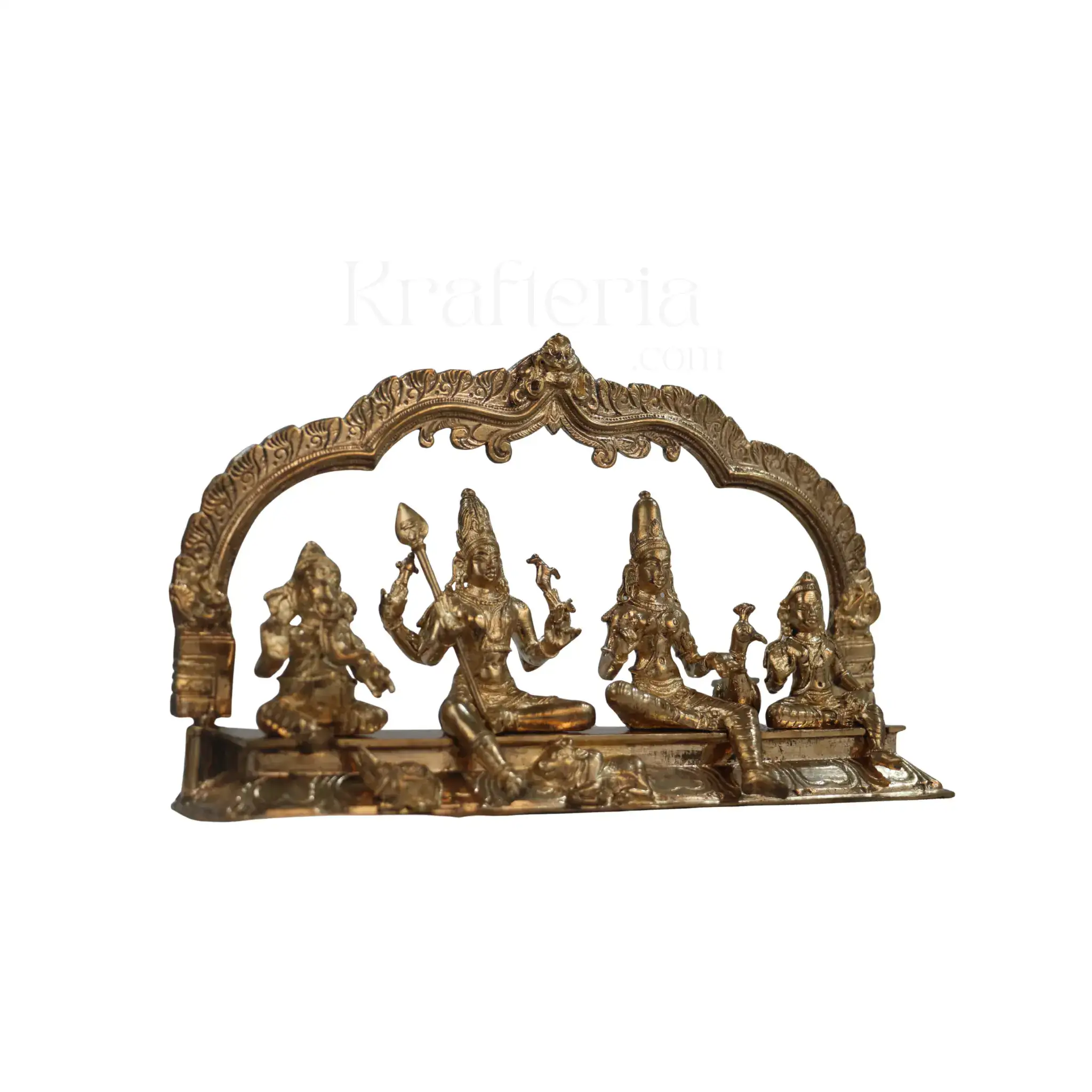
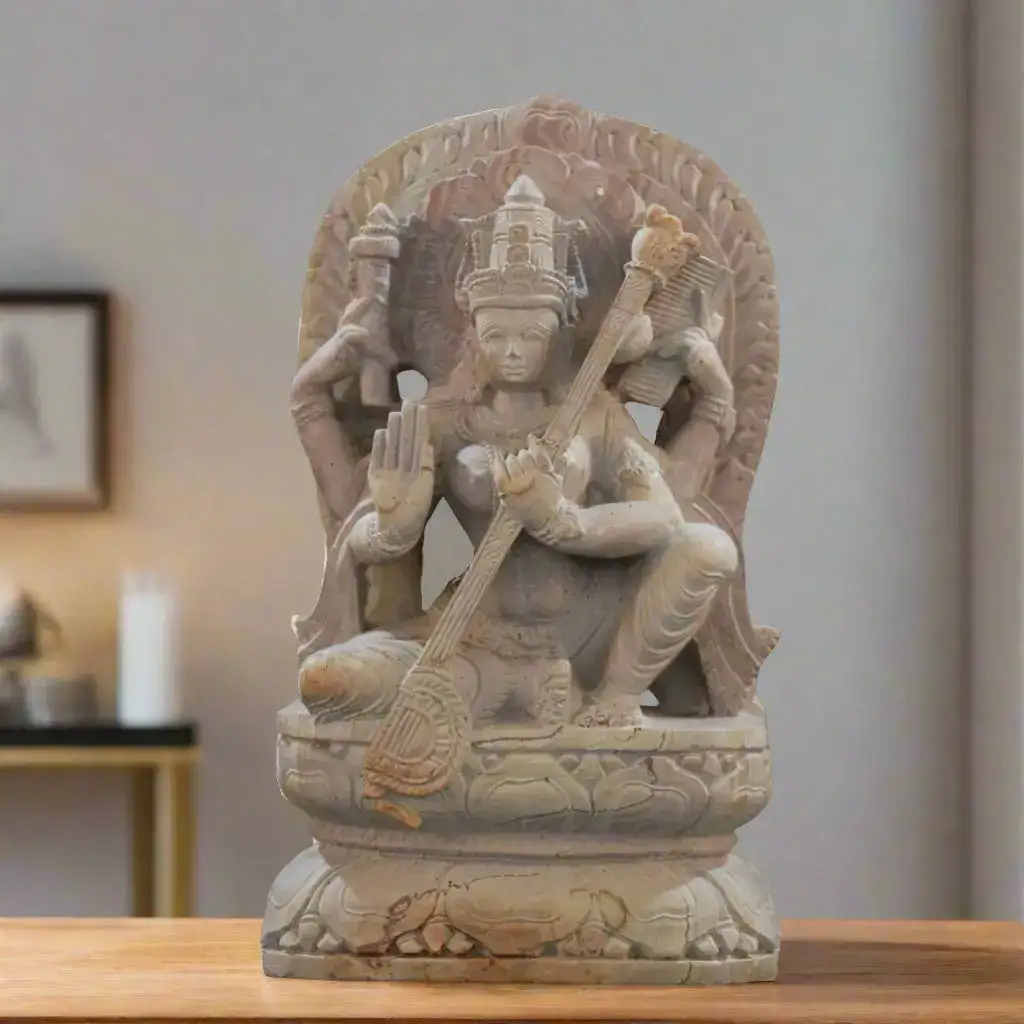
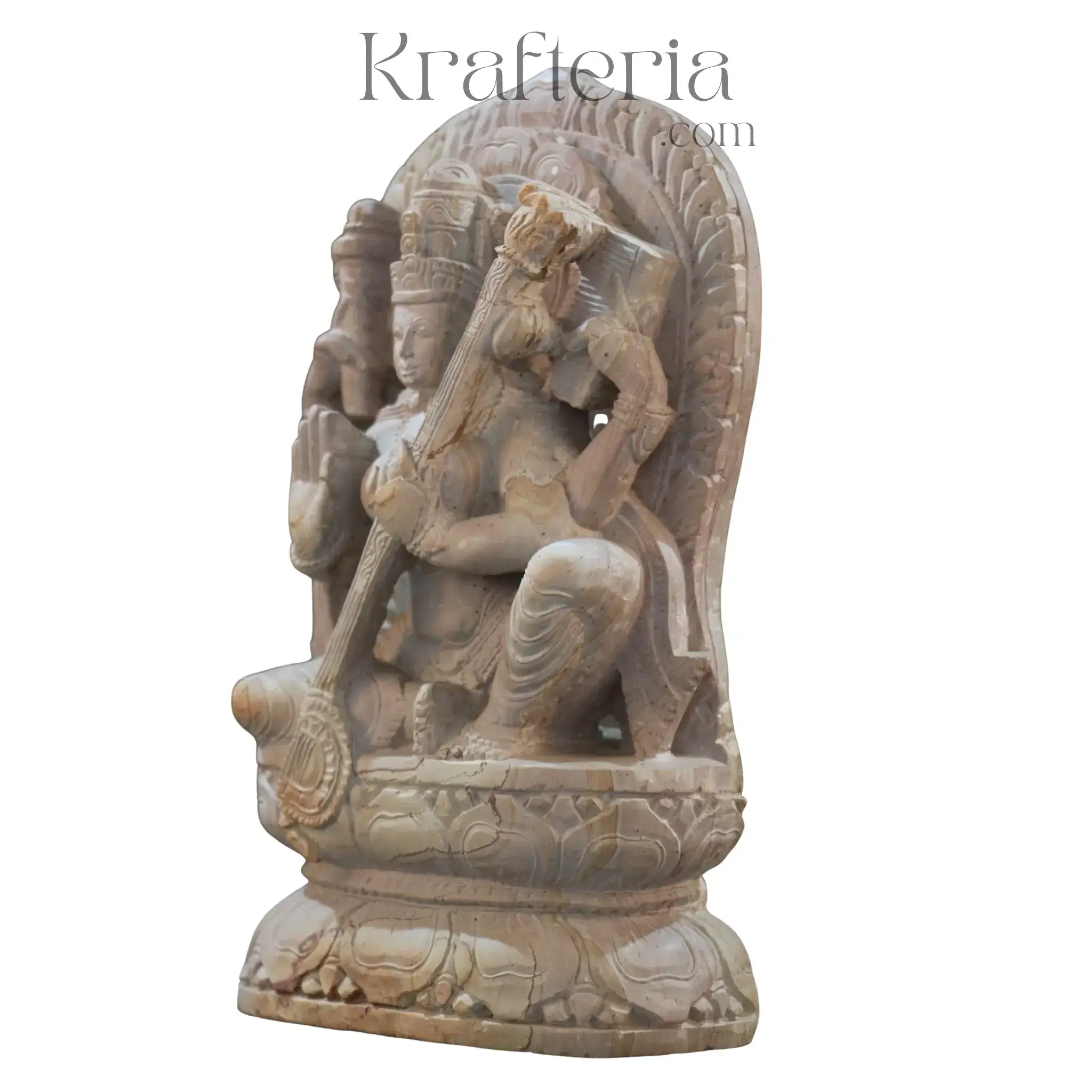
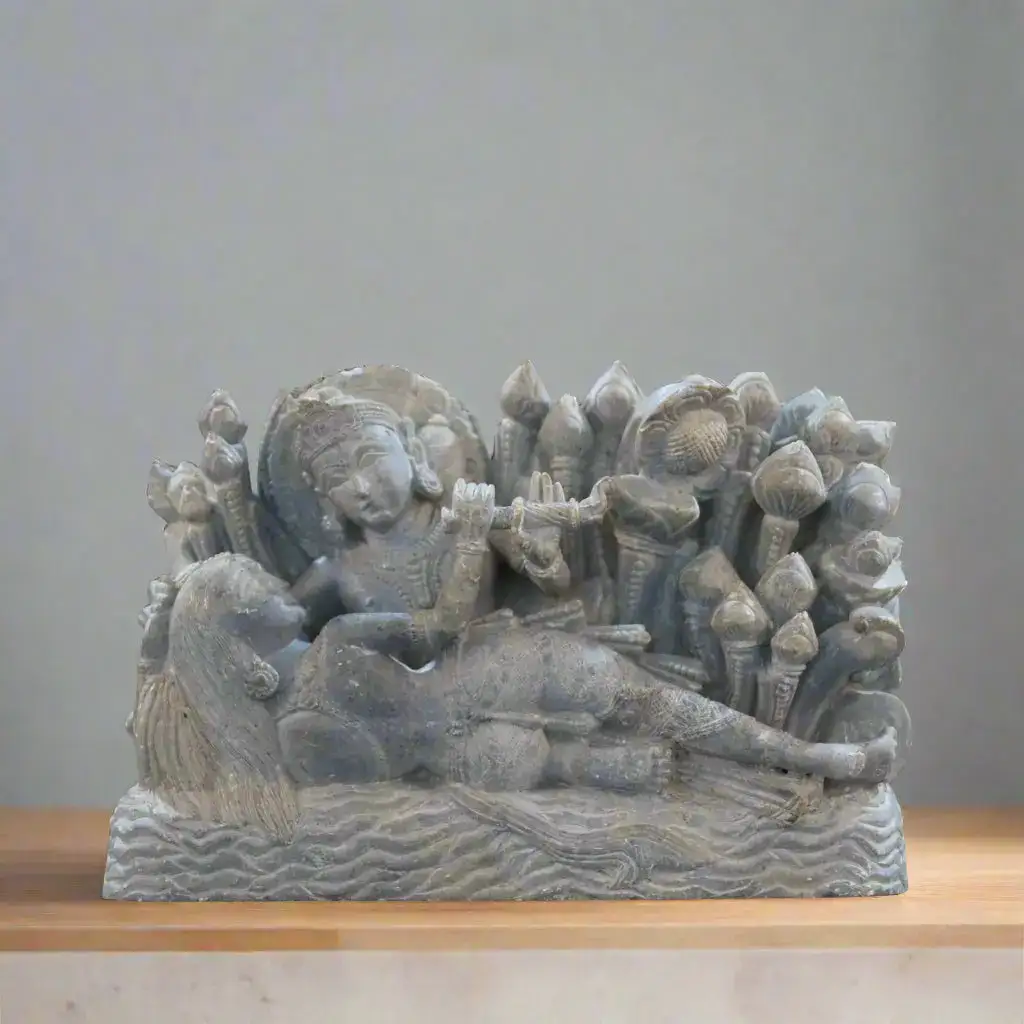
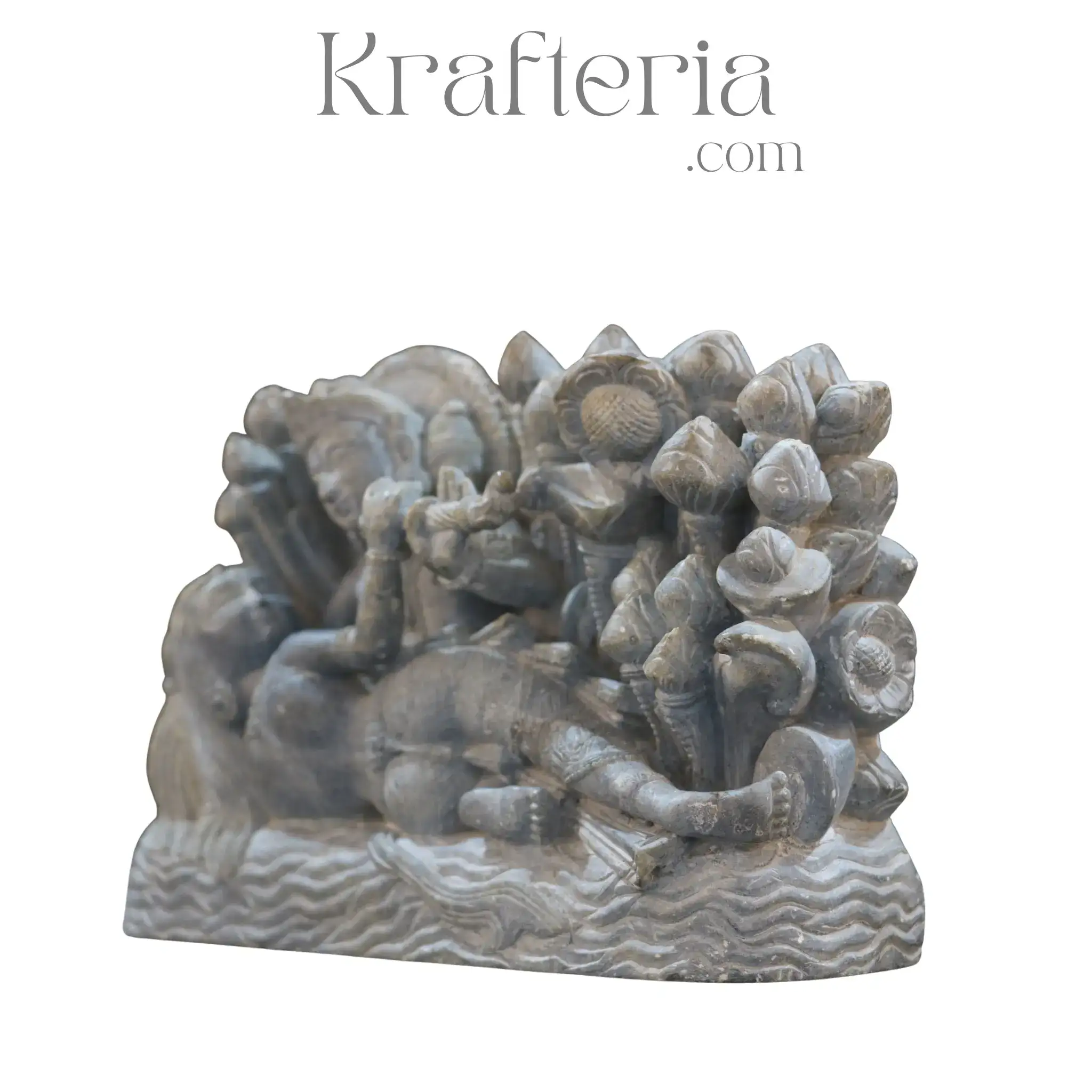
The Sculpture of Ardhanareshwara represents the divine fusion of Shiva and Parvati. This exquisite artwork embodies the sacred union of masculine and feminine energies, symbolizing cosmic balance and creation. Measuring 8" in height, 4.8" in width, and 2" in length, it is a perfect piece for those seeking spiritual and artistic grace.
Mahabalipuram, also known as Mamallapuram, is a historic and archaeological site located in Tamil Nadu, India. This region is famous for its majestic art and architecture primarily from the Pallava period. The reigns of Mahendravarman and Narasimhavarman were particularly significant in this era, dating back to the 7th and 8th centuries CE. These centuries saw remarkable advancements in temple architecture and stone sculptures.
Sculpture of Ardhanareshwara: Artistic Context and Significance
The Sculpture of Ardhanareshwara is a unique expression from the Pallava period. It beautifully blends masculine and feminine aspects, symbolizing the unity of opposites. This artwork carries immense religious and cultural meaning and is often sought as an Ardhanareshwara statue for home. It played a crucial role in religious art and influenced later temple designs.
The delicate balance and intricate detail in this Ardhanarishvara sculpture showcase the skilled craftsmanship of artists from that era. The Pallava dynasty’s interest in expressing complex theological ideas through visual art is clearly apparent in this captivating piece.
Art Period: Pallava Period
Time Period: 7th to 8th century CE
Dynasty: Pallava dynasty
Mahendravarman: (c. 600–630 CE)
Narasimhavarman I (Mamalla) (c. 630–668 CE) — Mahabalipuram is named after him.
Architectural Marvels and Iconography Surrounding the Sculpture of Ardhanareshwara
Mahabalipuram is renowned for its rock-cut architecture, which houses many carvings and sculptures. Among these, the Sculpture of Ardhanareshwara holds a special place. The monolithic rathas, shaped like chariots, demonstrate the Pallava dynasty’s innovative architectural style.
Cave temples, or mandapas, carved directly from rock, provide sacred spaces to view sculptures including the famous Descent of the Ganges bas-relief. The Shore Temple, an early structural temple built of granite, complements this artistic tradition with its precise stone work.
Key Artistic Features:
- Rock-cut architecture
- Monolithic rathas (chariot-shaped temples)
- Cave temples (mandapas)
- Bas-relief sculptures, such as the famous "Descent of the Ganges" or "Arjuna’s Penance"
- Shore Temple, an early structural temple built of granite
Religious and Cultural Importance of the Sculpture of Ardhanareshwara
The Idol of Ardhanareshwara is more than an art piece; it embodies deep spiritual symbolism. It represents the harmony of male and female energies essential to life and cosmic balance. This Shiva Parvati union sculpture is highly revered in spiritual practices and often kept as an Ardhanarishvara idol for pooja.
Pilgrims and visitors to Mahabalipuram study the Idol of Ardhanareshwara to understand Pallava religious ideology. It serves to educate and inspire devotion among followers. The enduring legacy of such sculptures can be seen in regional art and religious customs even today.
Preservation and Legacy of Mahabalipuram’s Sculptural Heritage
Preserving the Statue of Ardhanareshwara and other artifacts at Mahabalipuram is vital for heritage conservation. The sculptures have endured countless centuries of weathering yet still retain much of their original splendor. Conservation efforts focus on maintaining structural integrity and preventing erosion.
The Pallava dynasty’s artistic achievements, including this sculpture, continue to attract researchers and tourists worldwide. Their work reflects a rich chapter in Indian art history that combines religious devotion with exceptional craftsmanship. This traditional Ardhanarishvara sculpture is a timeless masterpiece cherished by many.
The Statue of Ardhanareshwara remains a fascinating example of Pallava artistry. Its significance is evident in historical records and the continued admiration it receives. Mahabalipuram’s art and architecture, from massive temples to delicate carvings, display the cultural vibrancy of the 7th and 8th centuries CE. This artwork perfectly balances form, function, and symbolism, ensuring its place as a spiritual Shiva Parvati statue of lasting beauty and meaning.
For those looking to buy Ardhanarishvara sculpture online, this piece is an ideal choice. It complements home pooja spaces and meditation rooms, enhancing spiritual energy and harmony. The Sculpture of Ardhanareshwara is also considered an excellent Ardhanarishvara murti for vastu, known to bring positive energy and balance into living spaces.
Original: $322.76
-70%$322.76
$96.83Product Information
Product Information
Shipping & Returns
Shipping & Returns
Description
The Sculpture of Ardhanareshwara represents the divine fusion of Shiva and Parvati. This exquisite artwork embodies the sacred union of masculine and feminine energies, symbolizing cosmic balance and creation. Measuring 8" in height, 4.8" in width, and 2" in length, it is a perfect piece for those seeking spiritual and artistic grace.
Mahabalipuram, also known as Mamallapuram, is a historic and archaeological site located in Tamil Nadu, India. This region is famous for its majestic art and architecture primarily from the Pallava period. The reigns of Mahendravarman and Narasimhavarman were particularly significant in this era, dating back to the 7th and 8th centuries CE. These centuries saw remarkable advancements in temple architecture and stone sculptures.
Sculpture of Ardhanareshwara: Artistic Context and Significance
The Sculpture of Ardhanareshwara is a unique expression from the Pallava period. It beautifully blends masculine and feminine aspects, symbolizing the unity of opposites. This artwork carries immense religious and cultural meaning and is often sought as an Ardhanareshwara statue for home. It played a crucial role in religious art and influenced later temple designs.
The delicate balance and intricate detail in this Ardhanarishvara sculpture showcase the skilled craftsmanship of artists from that era. The Pallava dynasty’s interest in expressing complex theological ideas through visual art is clearly apparent in this captivating piece.
Art Period: Pallava Period
Time Period: 7th to 8th century CE
Dynasty: Pallava dynasty
Mahendravarman: (c. 600–630 CE)
Narasimhavarman I (Mamalla) (c. 630–668 CE) — Mahabalipuram is named after him.
Architectural Marvels and Iconography Surrounding the Sculpture of Ardhanareshwara
Mahabalipuram is renowned for its rock-cut architecture, which houses many carvings and sculptures. Among these, the Sculpture of Ardhanareshwara holds a special place. The monolithic rathas, shaped like chariots, demonstrate the Pallava dynasty’s innovative architectural style.
Cave temples, or mandapas, carved directly from rock, provide sacred spaces to view sculptures including the famous Descent of the Ganges bas-relief. The Shore Temple, an early structural temple built of granite, complements this artistic tradition with its precise stone work.
Key Artistic Features:
- Rock-cut architecture
- Monolithic rathas (chariot-shaped temples)
- Cave temples (mandapas)
- Bas-relief sculptures, such as the famous "Descent of the Ganges" or "Arjuna’s Penance"
- Shore Temple, an early structural temple built of granite
Religious and Cultural Importance of the Sculpture of Ardhanareshwara
The Idol of Ardhanareshwara is more than an art piece; it embodies deep spiritual symbolism. It represents the harmony of male and female energies essential to life and cosmic balance. This Shiva Parvati union sculpture is highly revered in spiritual practices and often kept as an Ardhanarishvara idol for pooja.
Pilgrims and visitors to Mahabalipuram study the Idol of Ardhanareshwara to understand Pallava religious ideology. It serves to educate and inspire devotion among followers. The enduring legacy of such sculptures can be seen in regional art and religious customs even today.
Preservation and Legacy of Mahabalipuram’s Sculptural Heritage
Preserving the Statue of Ardhanareshwara and other artifacts at Mahabalipuram is vital for heritage conservation. The sculptures have endured countless centuries of weathering yet still retain much of their original splendor. Conservation efforts focus on maintaining structural integrity and preventing erosion.
The Pallava dynasty’s artistic achievements, including this sculpture, continue to attract researchers and tourists worldwide. Their work reflects a rich chapter in Indian art history that combines religious devotion with exceptional craftsmanship. This traditional Ardhanarishvara sculpture is a timeless masterpiece cherished by many.
The Statue of Ardhanareshwara remains a fascinating example of Pallava artistry. Its significance is evident in historical records and the continued admiration it receives. Mahabalipuram’s art and architecture, from massive temples to delicate carvings, display the cultural vibrancy of the 7th and 8th centuries CE. This artwork perfectly balances form, function, and symbolism, ensuring its place as a spiritual Shiva Parvati statue of lasting beauty and meaning.
For those looking to buy Ardhanarishvara sculpture online, this piece is an ideal choice. It complements home pooja spaces and meditation rooms, enhancing spiritual energy and harmony. The Sculpture of Ardhanareshwara is also considered an excellent Ardhanarishvara murti for vastu, known to bring positive energy and balance into living spaces.