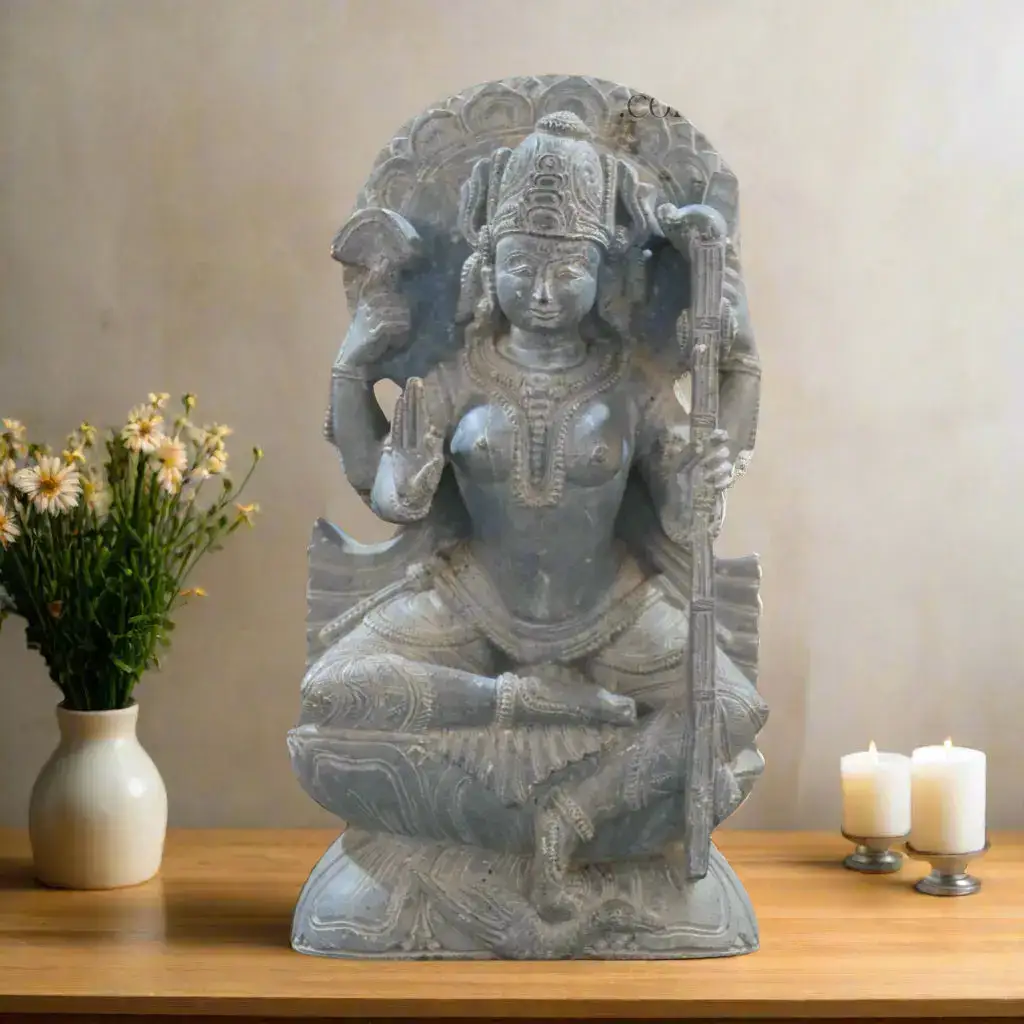
Saraswathi Sculpture – Goddess of Wisdom and Arts
Goddess Saraswathi Sculpture: A Representation of Wisdom and Art
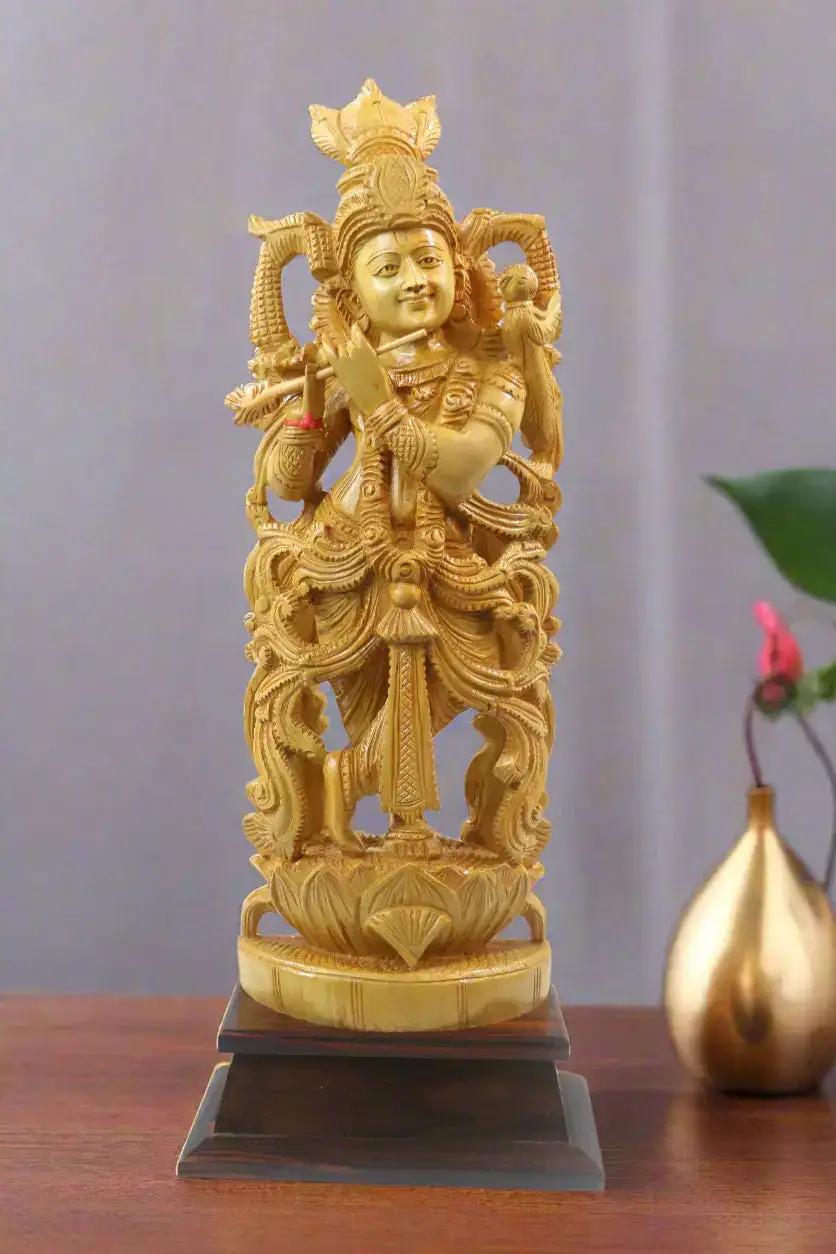
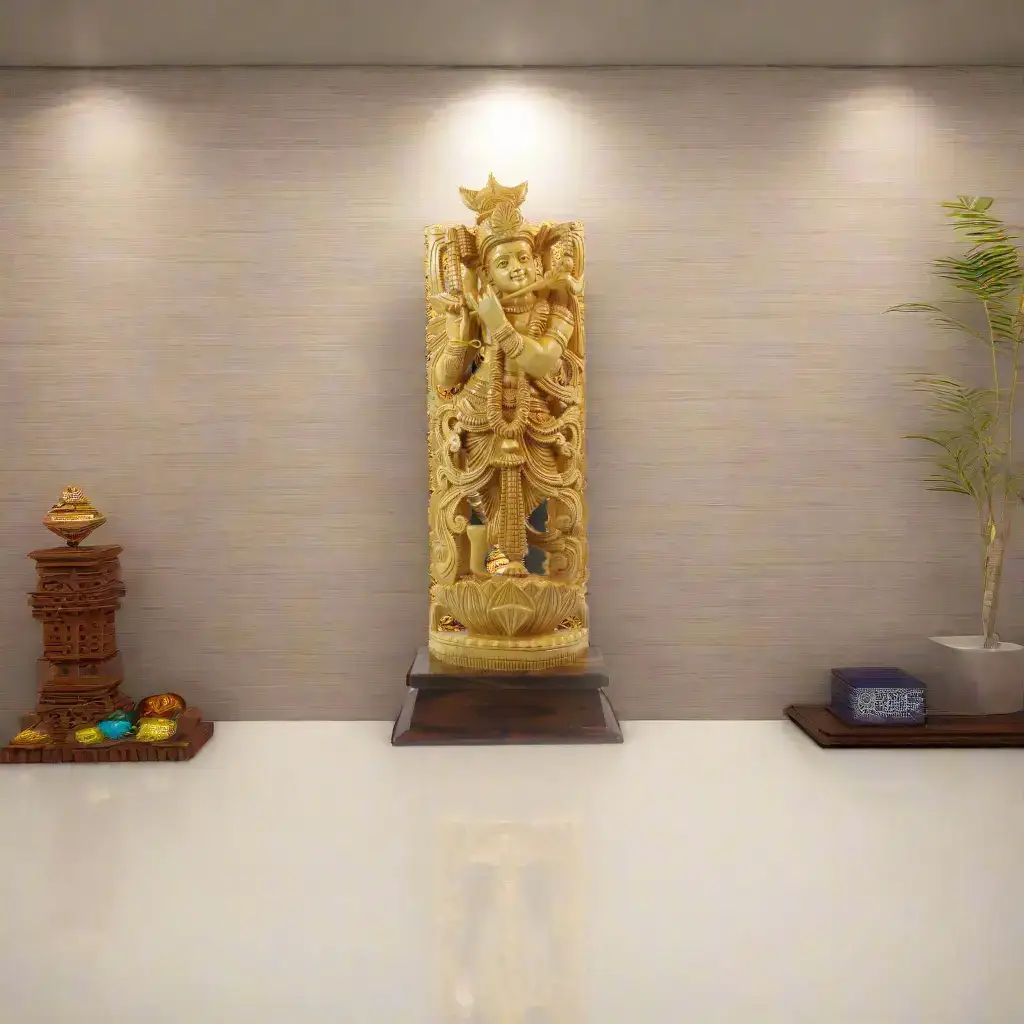
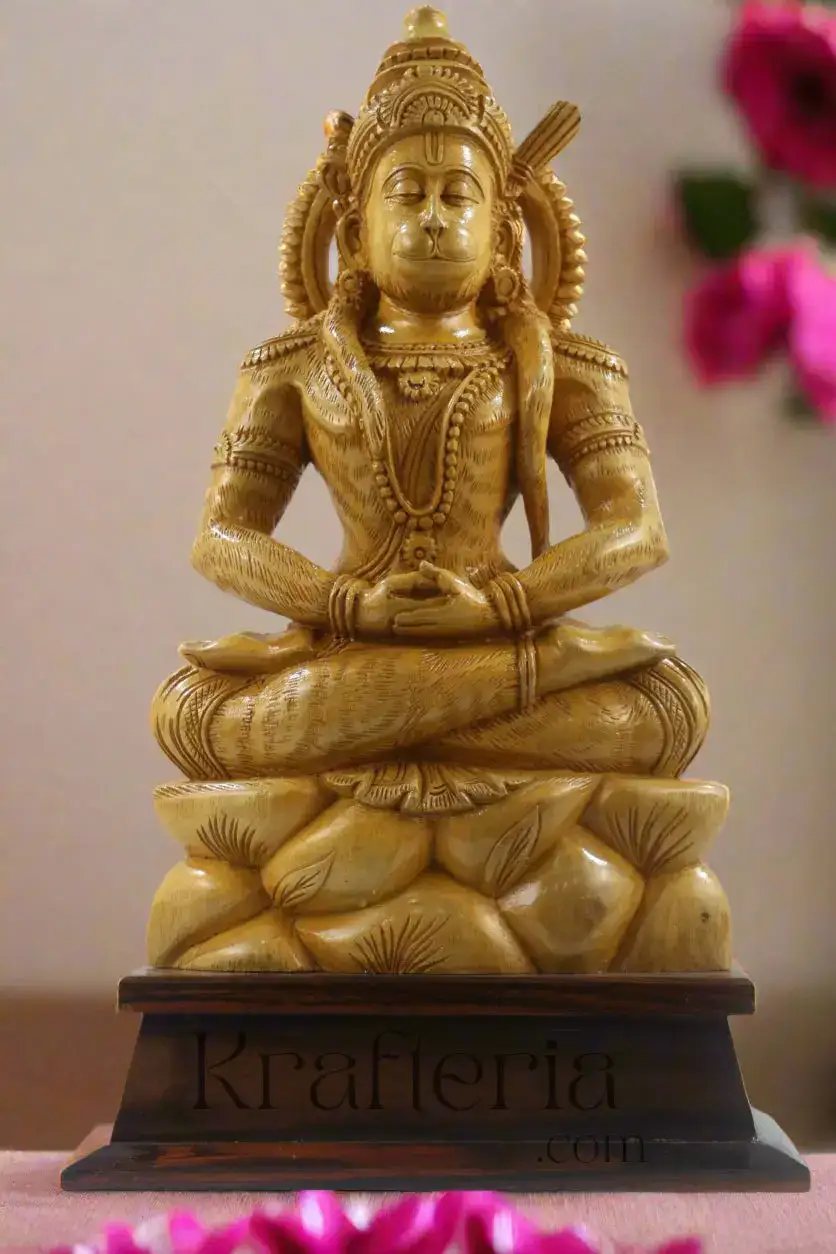
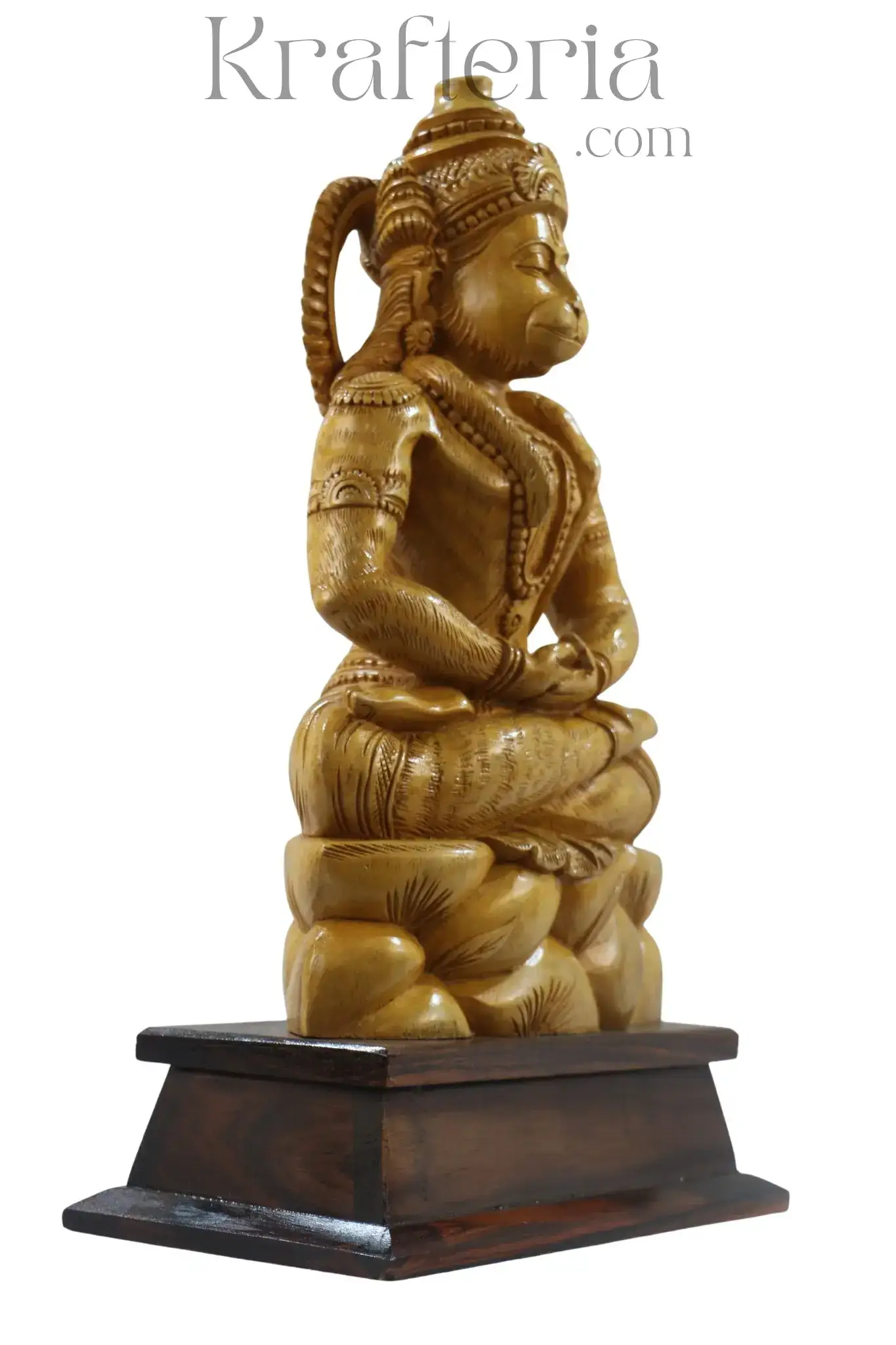
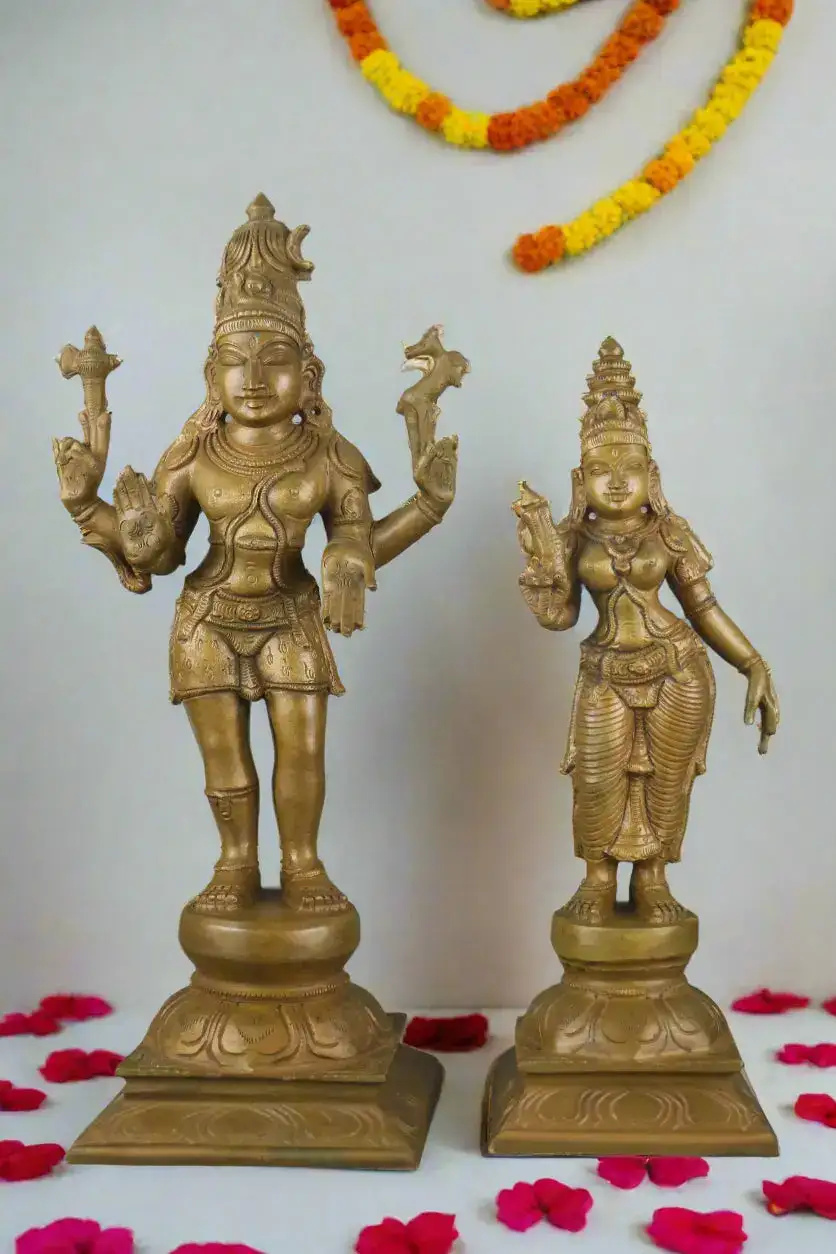
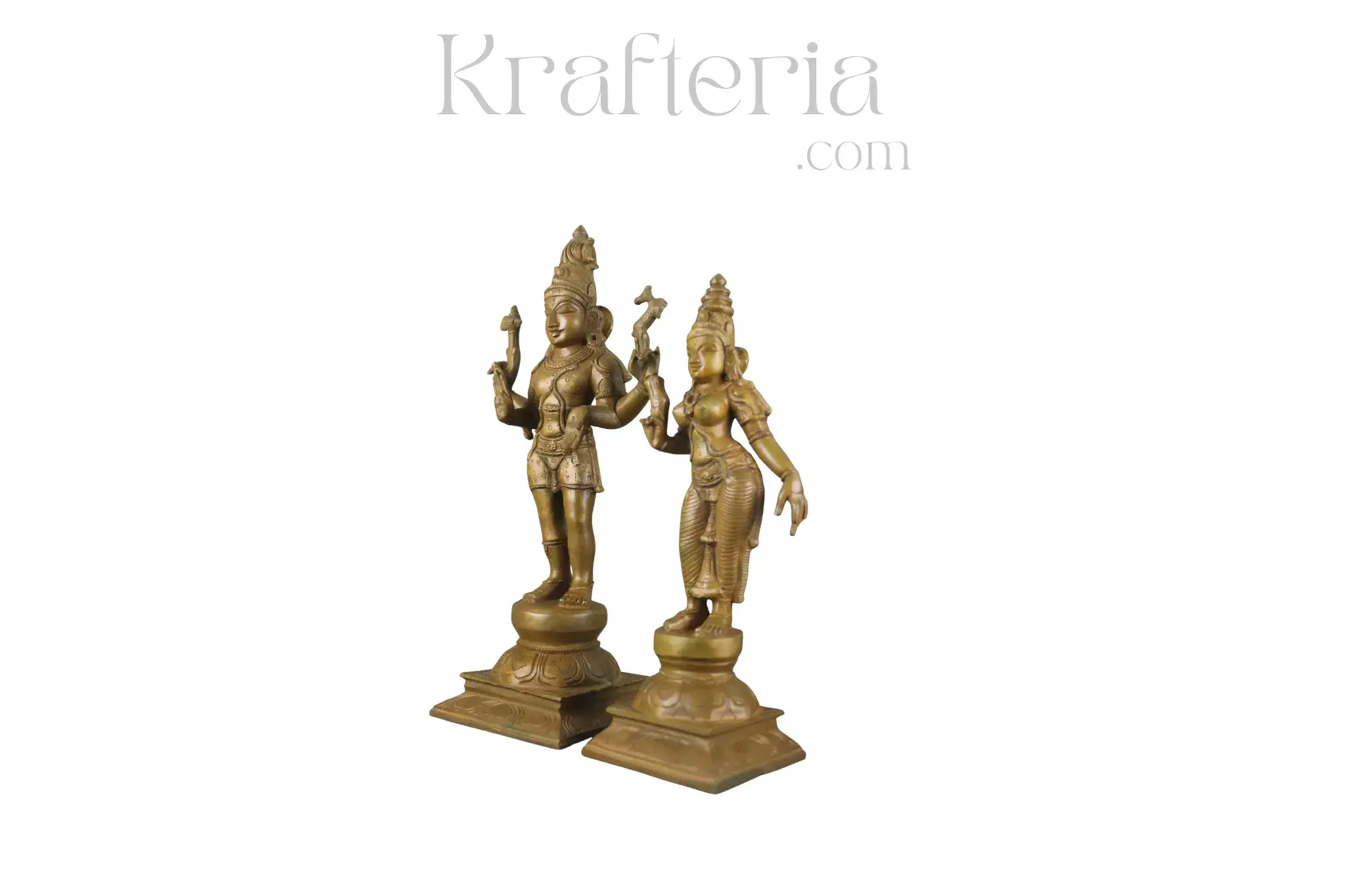
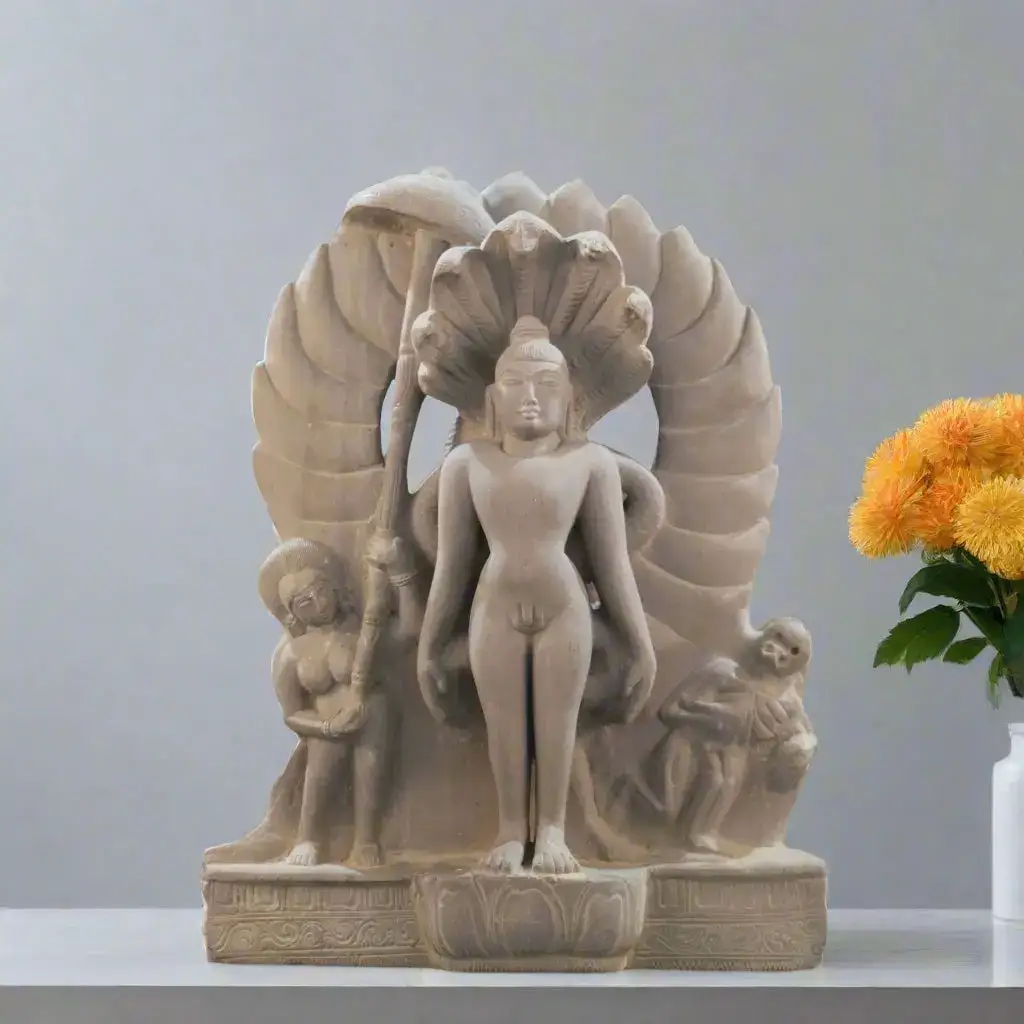
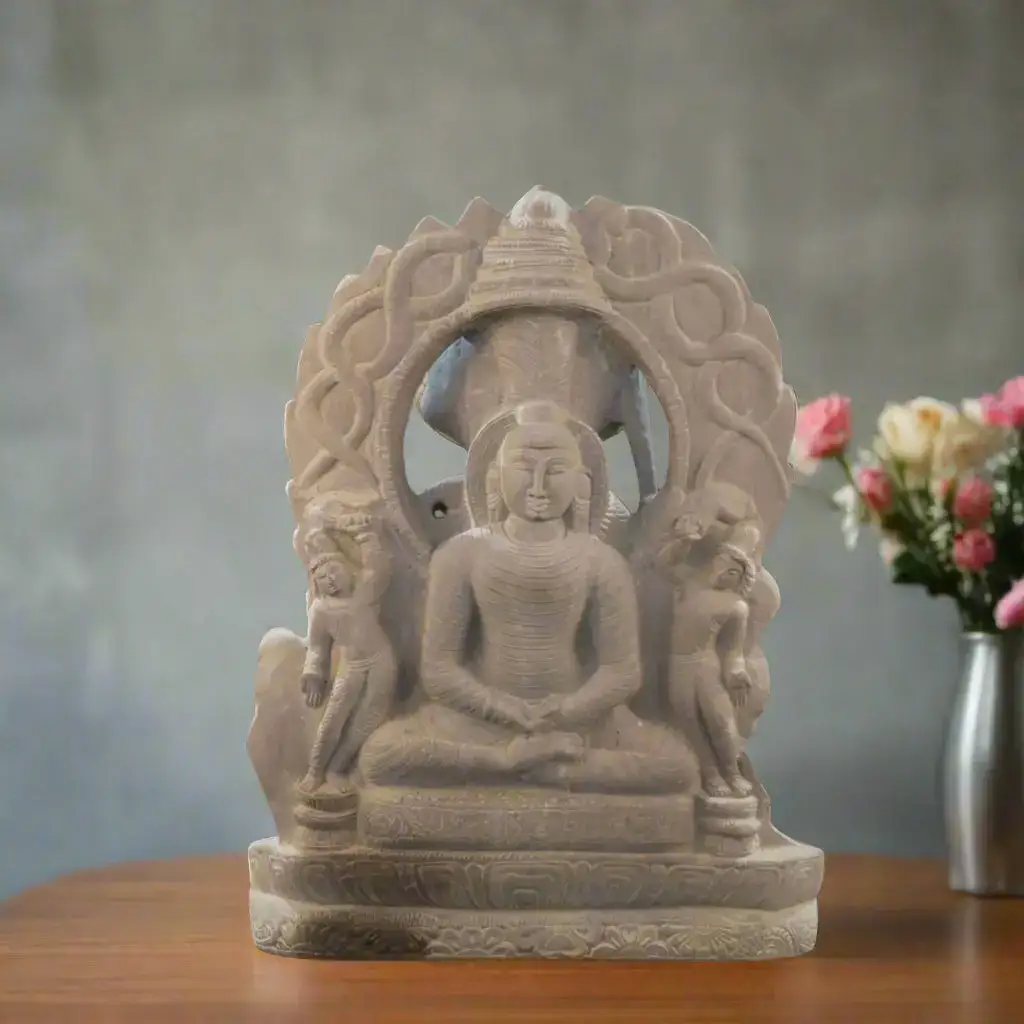
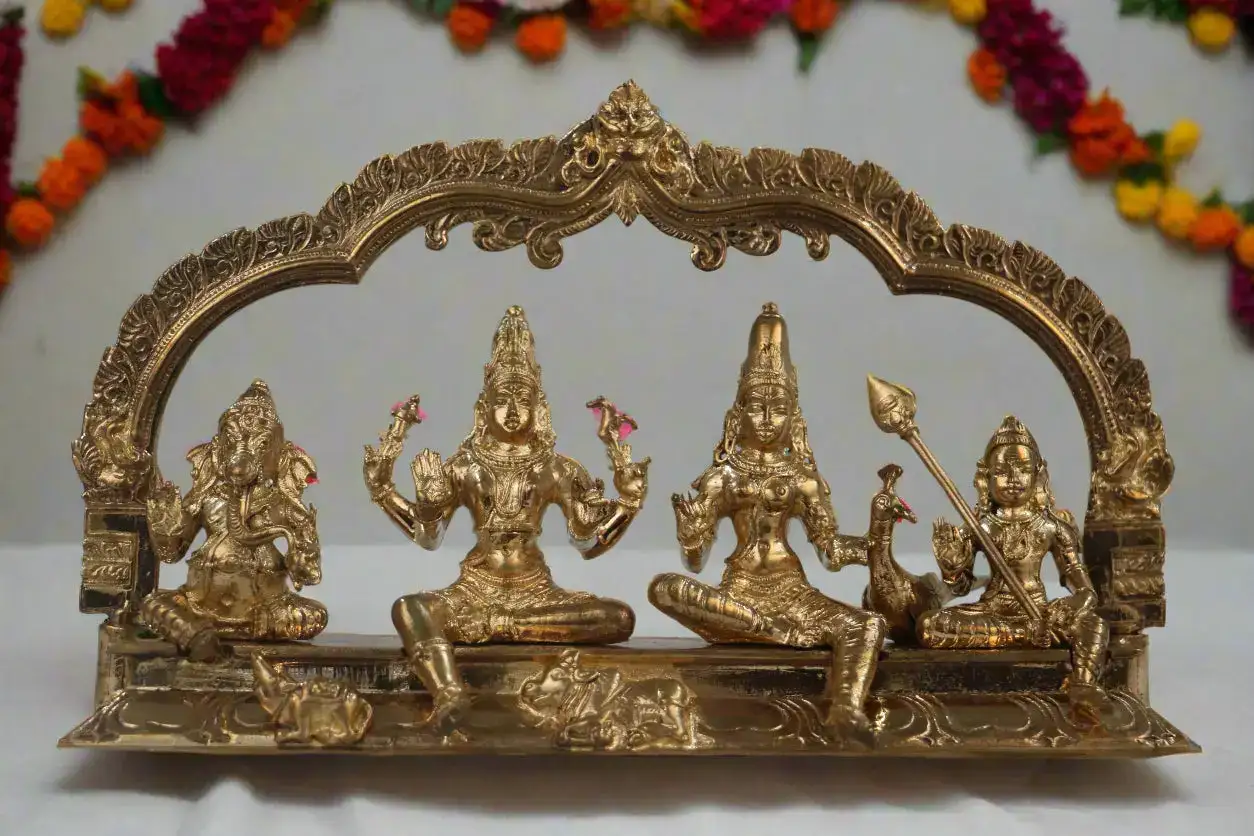
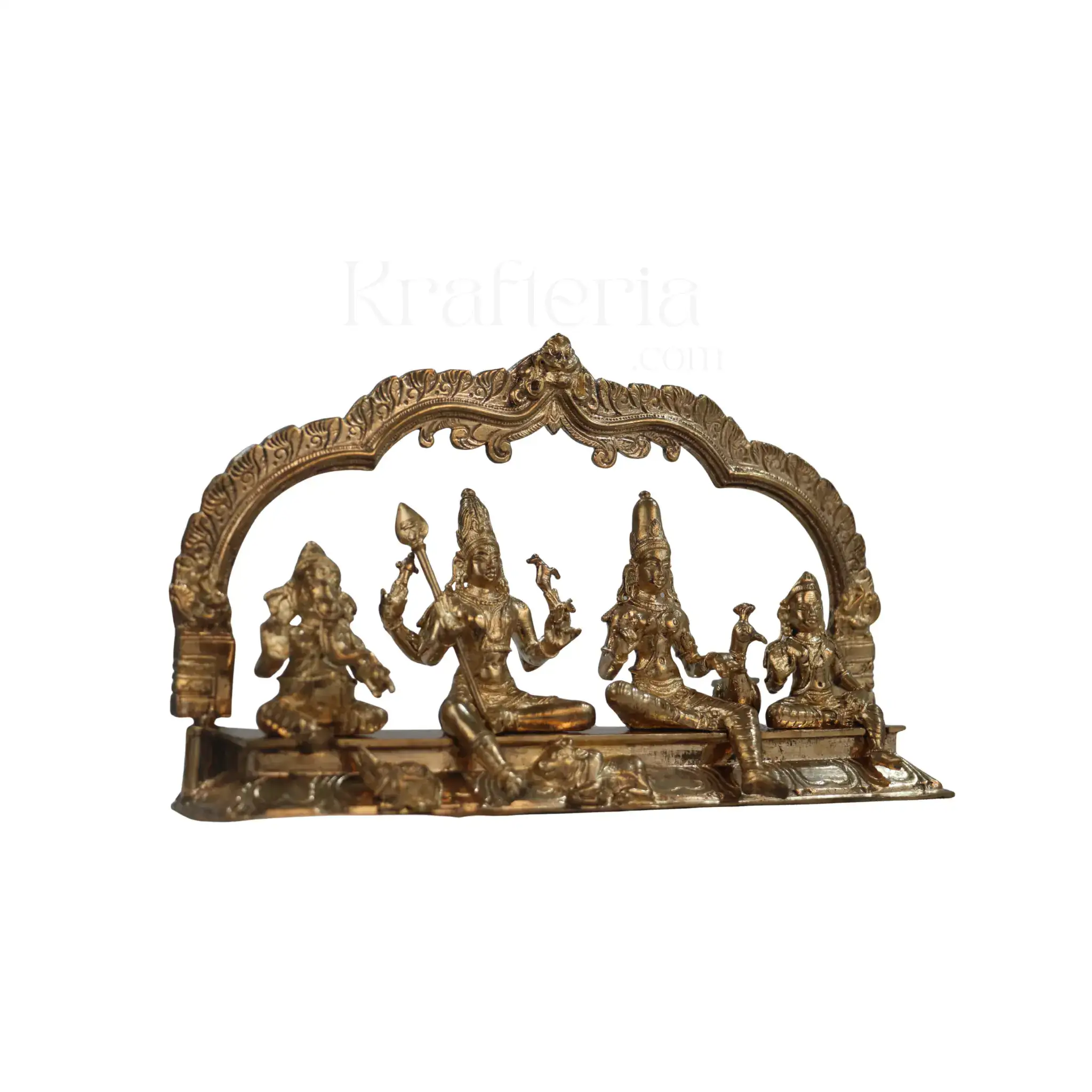
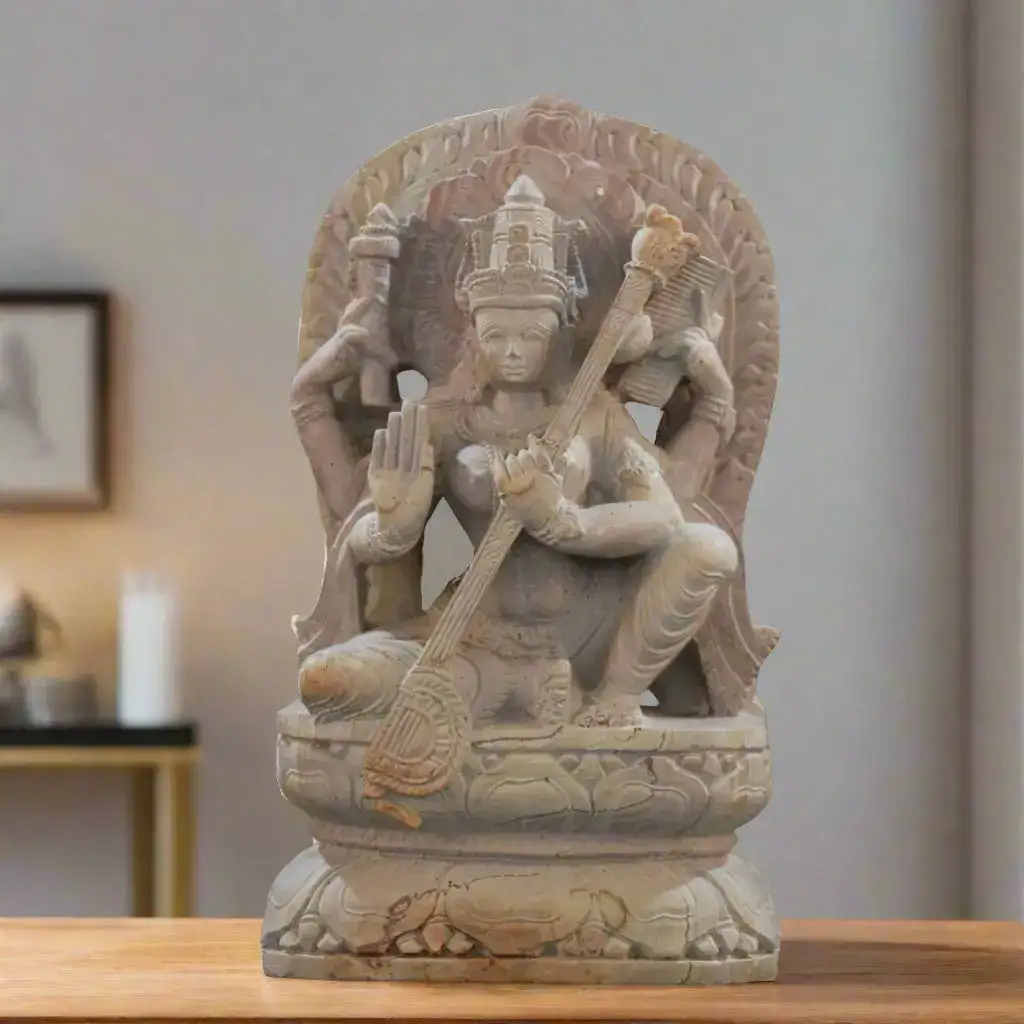
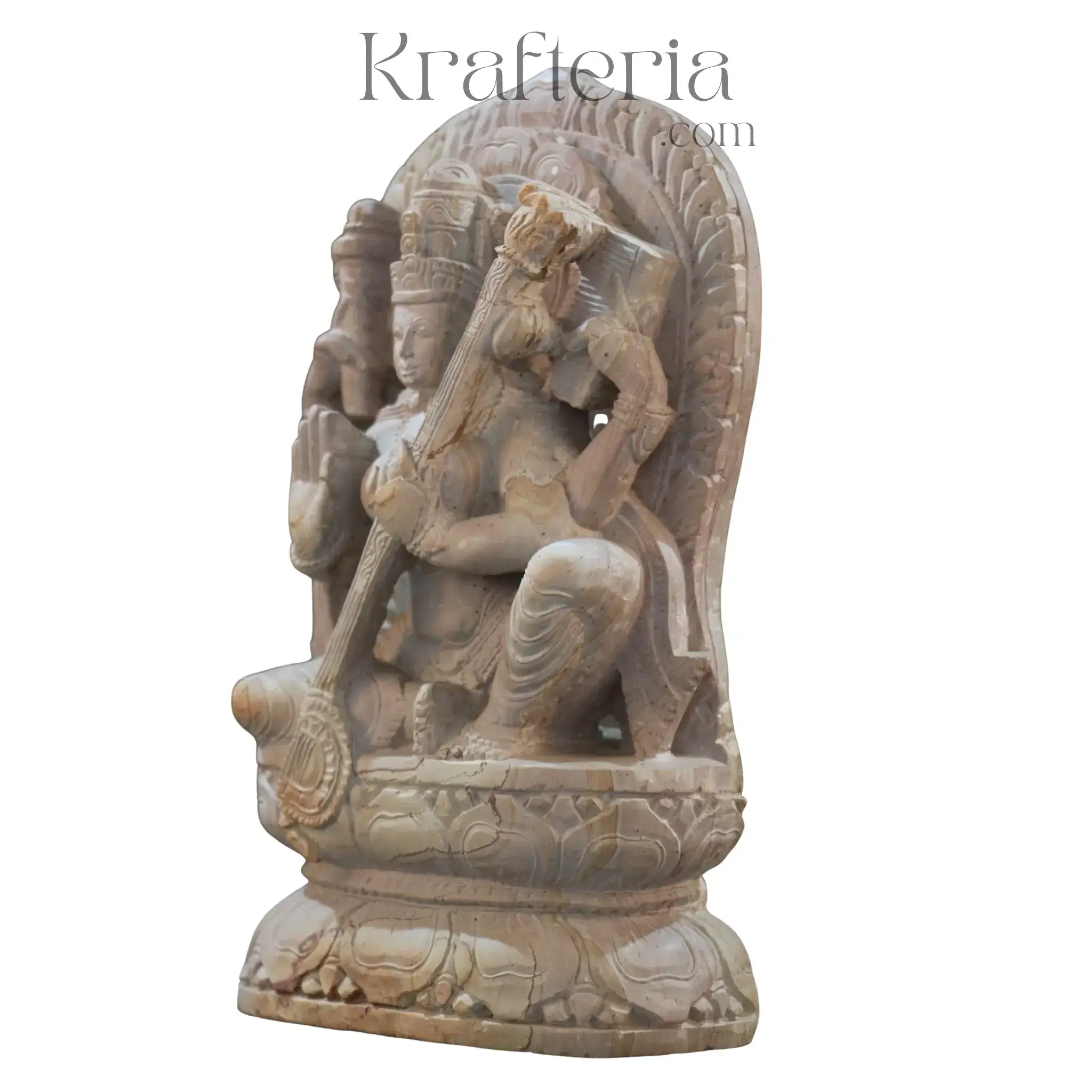
This beautiful Goddess Saraswathi Sculpture stands at 7.8 inches high, 4 inches wide, and 1.5 inches long. It is a remarkable piece capturing the essence of the goddess, known as the symbol of wisdom, learning, and arts in Hindu culture. Crafted with great attention to detail, the sculpture is both a spiritual icon and a work of art. The peaceful expression and intricate carving make this sculpture a perfect addition to any temple or study space.
Historical and Cultural Background of Mahabalipuram
Mahabalipuram, also called Mamallapuram, is an important historical and archaeological site. Situated in Tamil Nadu, India, it is famous for its ancient art and architecture. Most works found belong to the Pallava period, dating back to the 7th and 8th centuries CE. This era is notable for contributions during the reigns of rulers Mahendravarman and Narasimhavarman.
The Mahabalipuram site vividly showcases ancient Indian creativity. It presents a perfect blend of religious devotion and artistic mastery. Visitors and art lovers from around the world admire these sculptures for their spiritual and cultural significance.
Art and Architectural Significance
The Pallava dynasty, during which the Mahabalipuram art thrived, is renowned for unique rock-cut architecture. Their works include monolithic rathas, cave temples, and bas-relief sculptures. Skilled artisans of the time enhanced Indian art with innovative techniques. The Wisdom goddess sculpture reflects this spirit of artistic excellence and devotion.
Art from this period exhibits an elegant mix of aesthetics and symbolism. Through these sculptures, mythological events and stories of gods and goddesses come alive. This particular Goddess Saraswathi Sculpture not only signifies wisdom but also shows the fine craftsmanship typical of the Pallava era.
Key Artistic Features of Mahabalipuram Sculptures
- Rock-cut architecture: Sculptures and temples were carved out of solid rock, displaying extraordinary skill and precision.
- Monolithic rathas: These chariot-shaped temples carved from single rocks are stunning examples of Pallava architecture.
- Cave temples (mandapas): Temples carved into cliffs served as worship places, reflecting the era’s religious importance.
- Bas-relief sculptures: Famous examples like the "Descent of the Ganges" and "Arjuna’s Penance" narrate mythological stories through stone art.
- Shore Temple: This early granite structural temple marks a key development in temple construction.
The Saraswati sculpture for students shares many features with these artistic traditions. It is carved with great finesse, embodying the spiritual and artistic values of the Pallava dynasty.
The Influence of the Pallava Dynasty on Sculpture Art
The Pallava dynasty was crucial in shaping Indian temple architecture and sculpture. Notable rulers like Mahendravarman and Narasimhavarman I, after whom Mahabalipuram is named, actively supported the arts. Their patronage led to a golden age of sculpture and temple building.
Sculptures from this era display elegant poses, intricate jewelry carvings, and symbolic gestures. Goddess figures from this time, including the Goddess Saraswathi Sculptures, often show calmness and divine grace. Such pieces inspire devotion and cultural appreciation.
About the Goddess Saraswathi Sculptures
This Goddess Saraswathi Sculpture is a prime example of Pallava artistry. It represents Saraswathi, the goddess of wisdom, knowledge, and arts. She is revered as the divine source of creativity and learning. The sculpture is finely carved from soft stone, highlighting delicate features and intricate designs typical of this period’s goddess statues.
As a Goddess Saraswati statue, it serves as both a spiritual icon and decorative artwork. Collectors and devotees cherish it for its religious symbolism and artistic merit. Displaying this sculpture invites wisdom and serenity into any home or temple.
Connection to Other Sculptural Traditions
Despite its distinct style, the Saraswati idol for home shares artistic parallels with other goddess sculptures worldwide. This includes Aphrodite from Greek mythology. Both art forms reflect grace, beauty, and feminine divine power. Goddess sculptures often embody cultural symbols of feminine energy and creative force.
This sculpture fits into a larger goddess art tradition, symbolizing universal themes of divine wisdom and artistic inspiration. It stands as a testament to the enduring spiritual importance and appeal of goddess figures in art history.
Final Thoughts on the Goddess Saraswathi Sculpture
To summarize, this Goddess Saraswathi Sculpture is not only a beautiful art piece but also a rich cultural artifact. It connects viewers to the ancient Pallava period and Mahabalipuram’s spiritual legacy. With its blend of history, religion, and artistry, it is a valuable addition to any collection.
The sculpture’s intricate workmanship, historical importance, and spiritual value make it a fascinating and meaningful object. It tells a story of a time when faith and art were deeply connected. Bringing this sacred piece home is like holding a fragment of ancient wisdom and artistic mastery. It also makes an excellent educational spiritual decor item for those seeking inspiration and devotion.
Original: $322.76
-70%$322.76
$96.83Product Information
Product Information
Shipping & Returns
Shipping & Returns
Description
Goddess Saraswathi Sculpture: A Representation of Wisdom and Art
This beautiful Goddess Saraswathi Sculpture stands at 7.8 inches high, 4 inches wide, and 1.5 inches long. It is a remarkable piece capturing the essence of the goddess, known as the symbol of wisdom, learning, and arts in Hindu culture. Crafted with great attention to detail, the sculpture is both a spiritual icon and a work of art. The peaceful expression and intricate carving make this sculpture a perfect addition to any temple or study space.
Historical and Cultural Background of Mahabalipuram
Mahabalipuram, also called Mamallapuram, is an important historical and archaeological site. Situated in Tamil Nadu, India, it is famous for its ancient art and architecture. Most works found belong to the Pallava period, dating back to the 7th and 8th centuries CE. This era is notable for contributions during the reigns of rulers Mahendravarman and Narasimhavarman.
The Mahabalipuram site vividly showcases ancient Indian creativity. It presents a perfect blend of religious devotion and artistic mastery. Visitors and art lovers from around the world admire these sculptures for their spiritual and cultural significance.
Art and Architectural Significance
The Pallava dynasty, during which the Mahabalipuram art thrived, is renowned for unique rock-cut architecture. Their works include monolithic rathas, cave temples, and bas-relief sculptures. Skilled artisans of the time enhanced Indian art with innovative techniques. The Wisdom goddess sculpture reflects this spirit of artistic excellence and devotion.
Art from this period exhibits an elegant mix of aesthetics and symbolism. Through these sculptures, mythological events and stories of gods and goddesses come alive. This particular Goddess Saraswathi Sculpture not only signifies wisdom but also shows the fine craftsmanship typical of the Pallava era.
Key Artistic Features of Mahabalipuram Sculptures
- Rock-cut architecture: Sculptures and temples were carved out of solid rock, displaying extraordinary skill and precision.
- Monolithic rathas: These chariot-shaped temples carved from single rocks are stunning examples of Pallava architecture.
- Cave temples (mandapas): Temples carved into cliffs served as worship places, reflecting the era’s religious importance.
- Bas-relief sculptures: Famous examples like the "Descent of the Ganges" and "Arjuna’s Penance" narrate mythological stories through stone art.
- Shore Temple: This early granite structural temple marks a key development in temple construction.
The Saraswati sculpture for students shares many features with these artistic traditions. It is carved with great finesse, embodying the spiritual and artistic values of the Pallava dynasty.
The Influence of the Pallava Dynasty on Sculpture Art
The Pallava dynasty was crucial in shaping Indian temple architecture and sculpture. Notable rulers like Mahendravarman and Narasimhavarman I, after whom Mahabalipuram is named, actively supported the arts. Their patronage led to a golden age of sculpture and temple building.
Sculptures from this era display elegant poses, intricate jewelry carvings, and symbolic gestures. Goddess figures from this time, including the Goddess Saraswathi Sculptures, often show calmness and divine grace. Such pieces inspire devotion and cultural appreciation.
About the Goddess Saraswathi Sculptures
This Goddess Saraswathi Sculpture is a prime example of Pallava artistry. It represents Saraswathi, the goddess of wisdom, knowledge, and arts. She is revered as the divine source of creativity and learning. The sculpture is finely carved from soft stone, highlighting delicate features and intricate designs typical of this period’s goddess statues.
As a Goddess Saraswati statue, it serves as both a spiritual icon and decorative artwork. Collectors and devotees cherish it for its religious symbolism and artistic merit. Displaying this sculpture invites wisdom and serenity into any home or temple.
Connection to Other Sculptural Traditions
Despite its distinct style, the Saraswati idol for home shares artistic parallels with other goddess sculptures worldwide. This includes Aphrodite from Greek mythology. Both art forms reflect grace, beauty, and feminine divine power. Goddess sculptures often embody cultural symbols of feminine energy and creative force.
This sculpture fits into a larger goddess art tradition, symbolizing universal themes of divine wisdom and artistic inspiration. It stands as a testament to the enduring spiritual importance and appeal of goddess figures in art history.
Final Thoughts on the Goddess Saraswathi Sculpture
To summarize, this Goddess Saraswathi Sculpture is not only a beautiful art piece but also a rich cultural artifact. It connects viewers to the ancient Pallava period and Mahabalipuram’s spiritual legacy. With its blend of history, religion, and artistry, it is a valuable addition to any collection.
The sculpture’s intricate workmanship, historical importance, and spiritual value make it a fascinating and meaningful object. It tells a story of a time when faith and art were deeply connected. Bringing this sacred piece home is like holding a fragment of ancient wisdom and artistic mastery. It also makes an excellent educational spiritual decor item for those seeking inspiration and devotion.