Radha Krishna Sculpture – Eternal Love Divine
Radha Krishna Sculpture – Eternal Divine Artistry
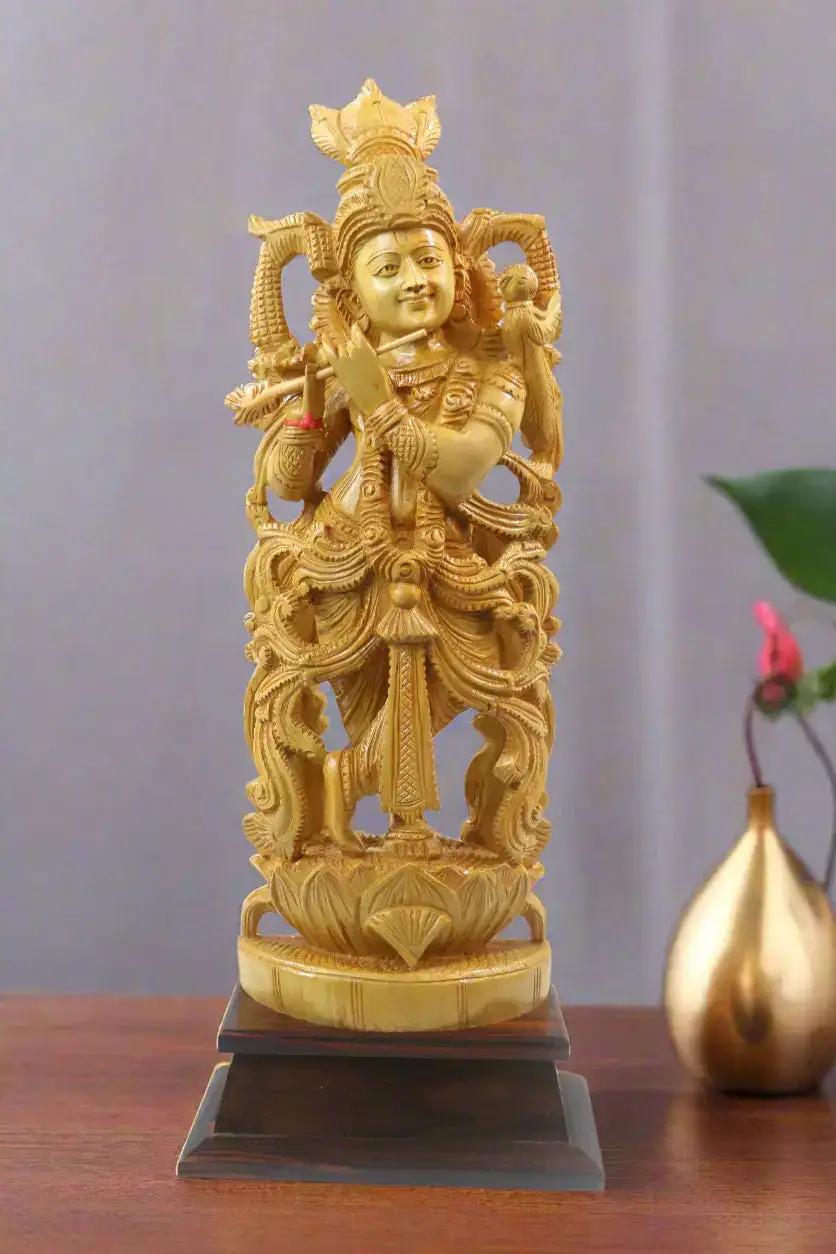
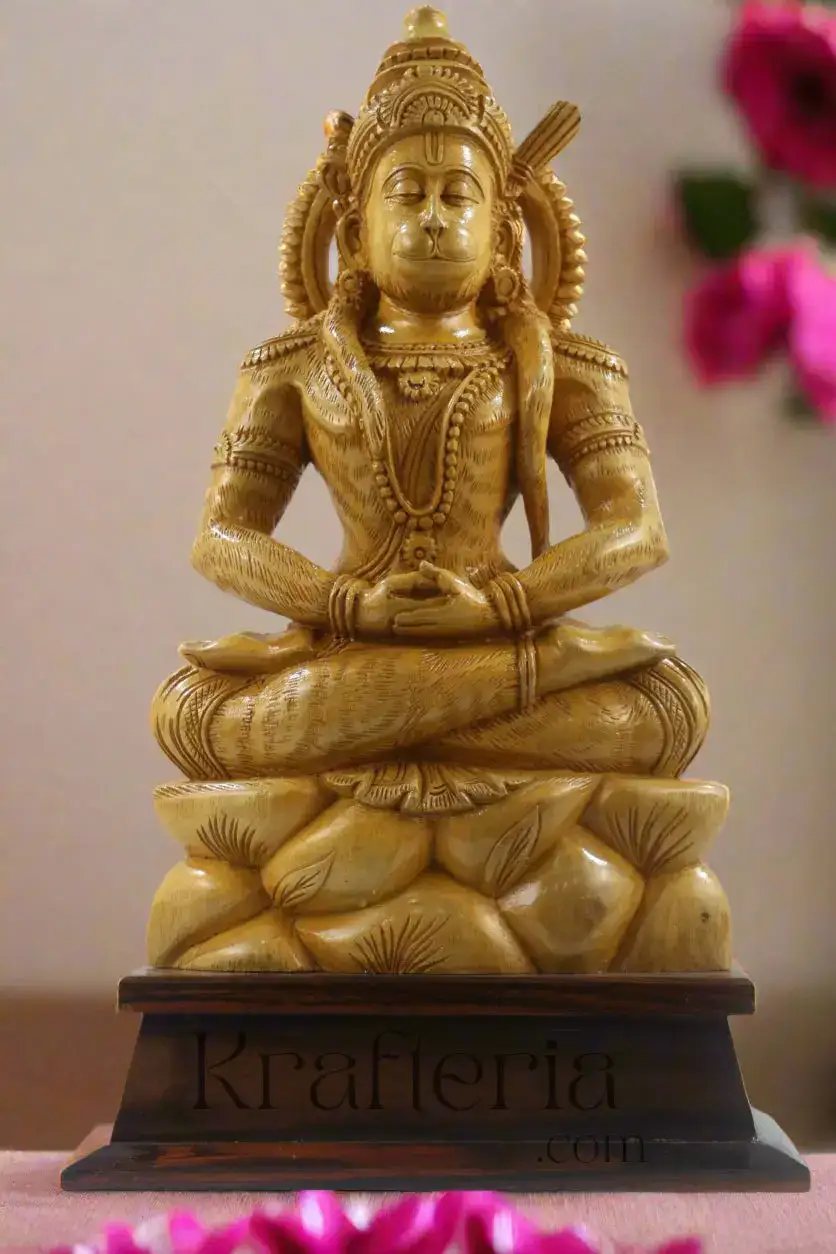
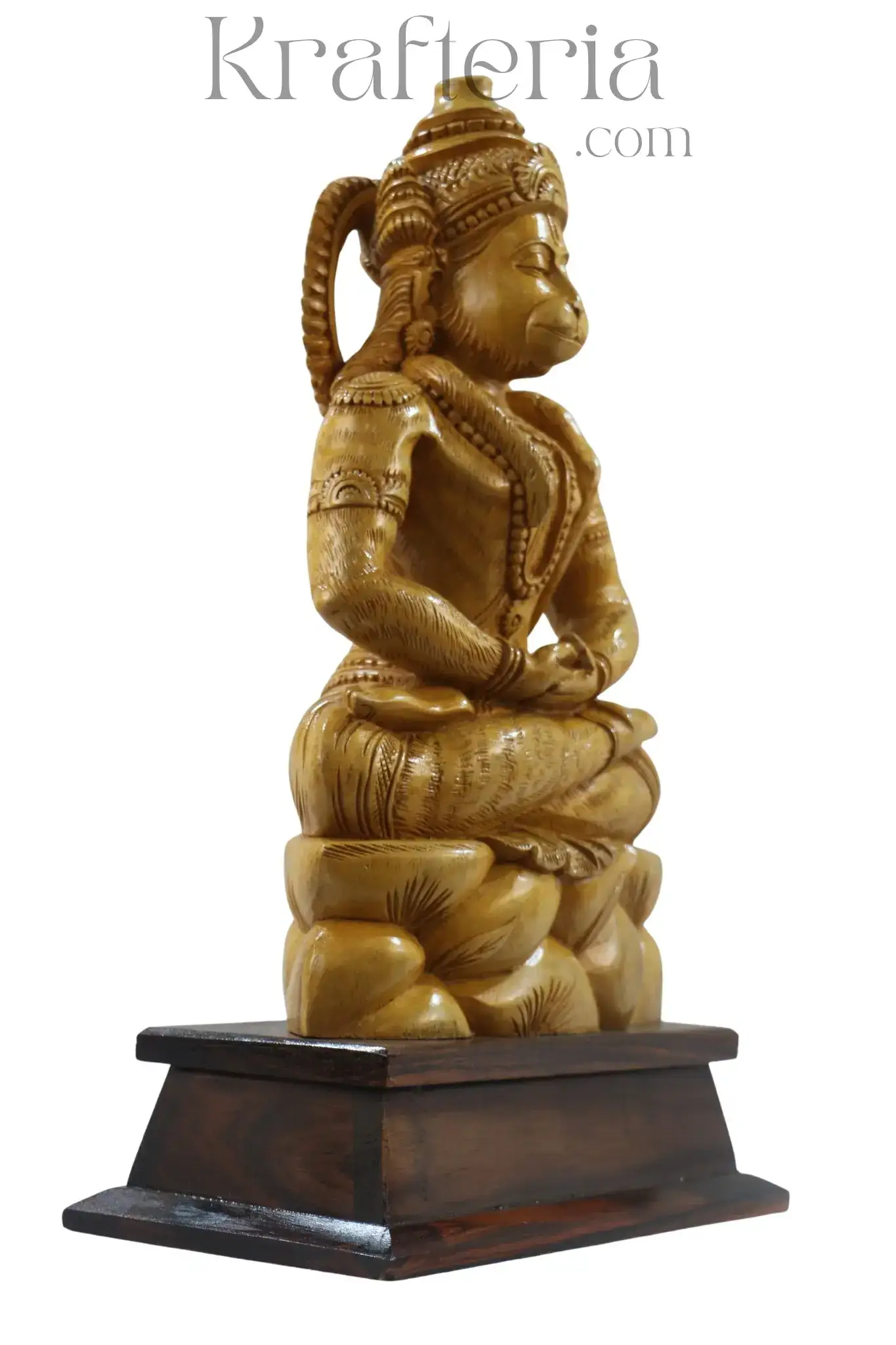
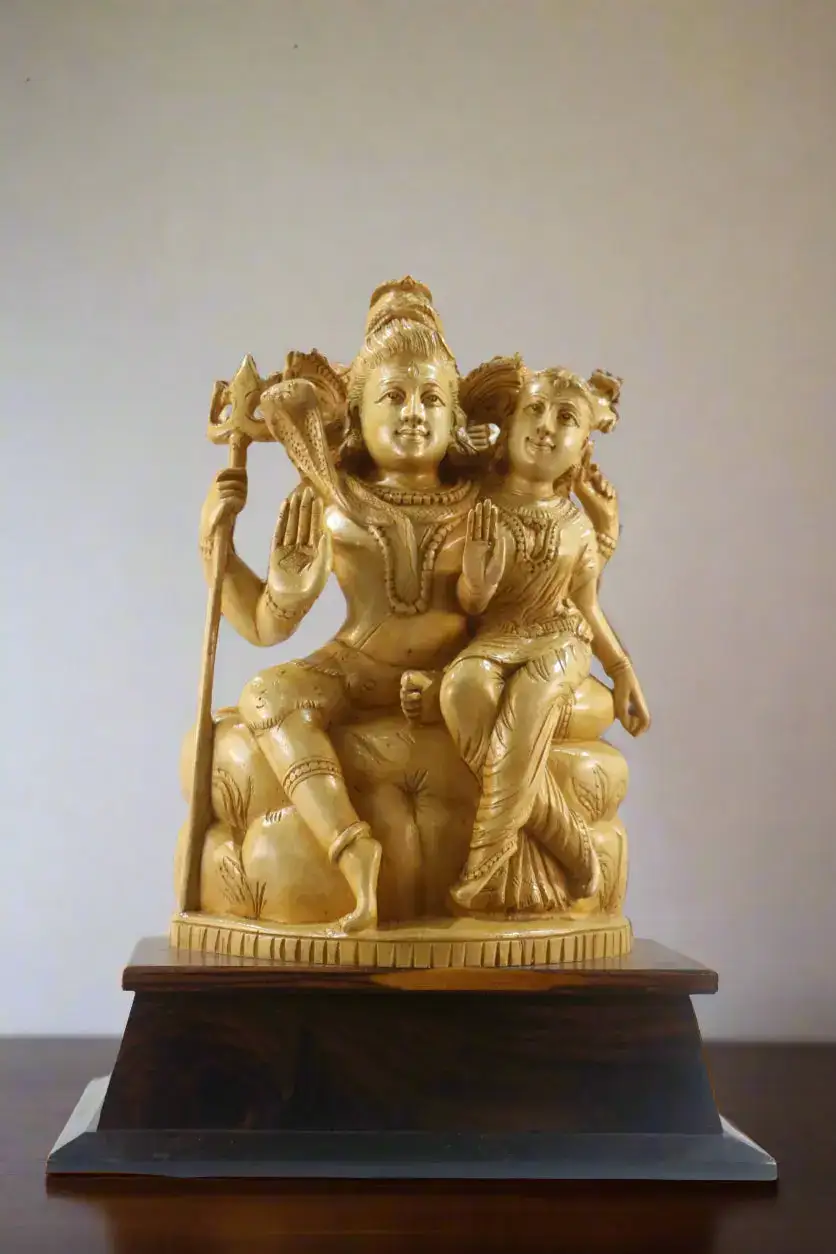
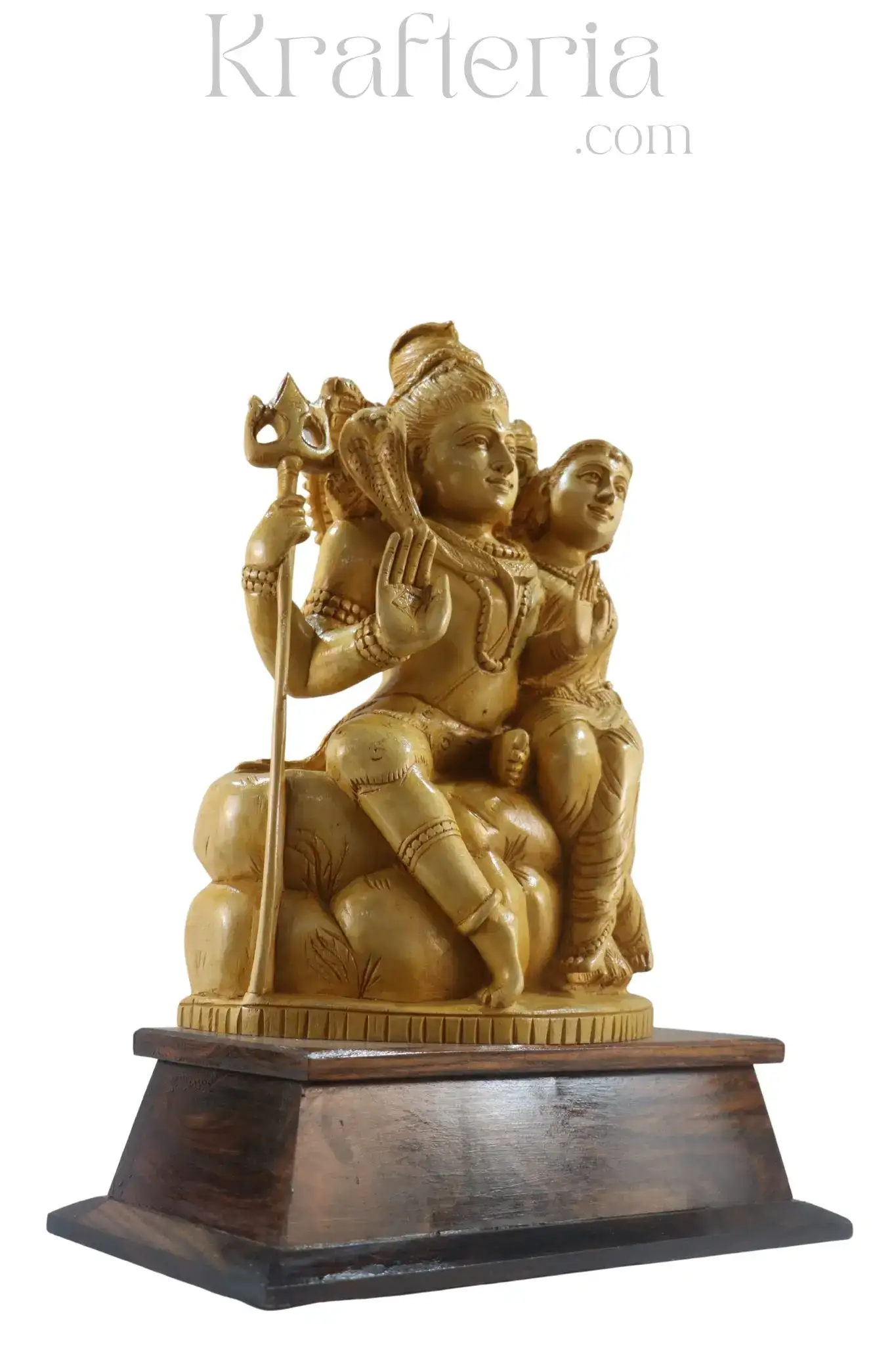
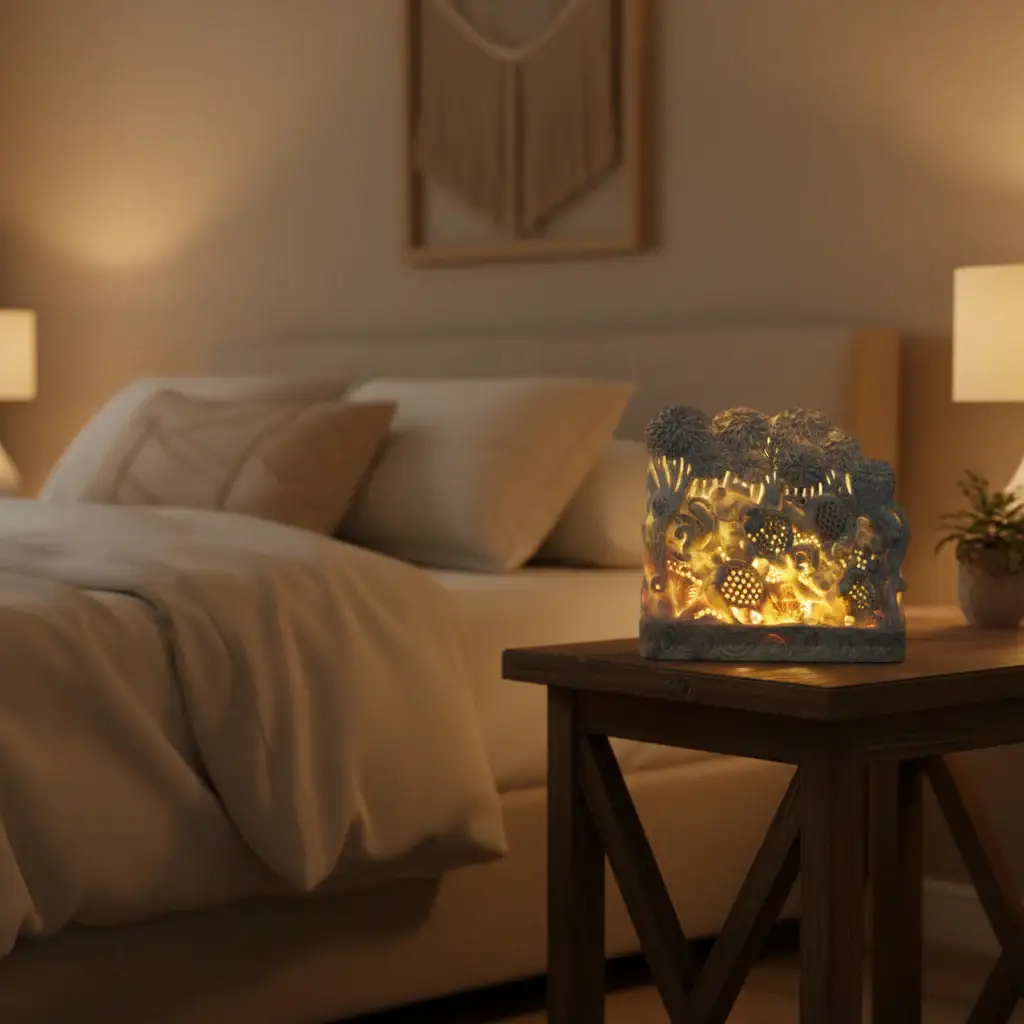
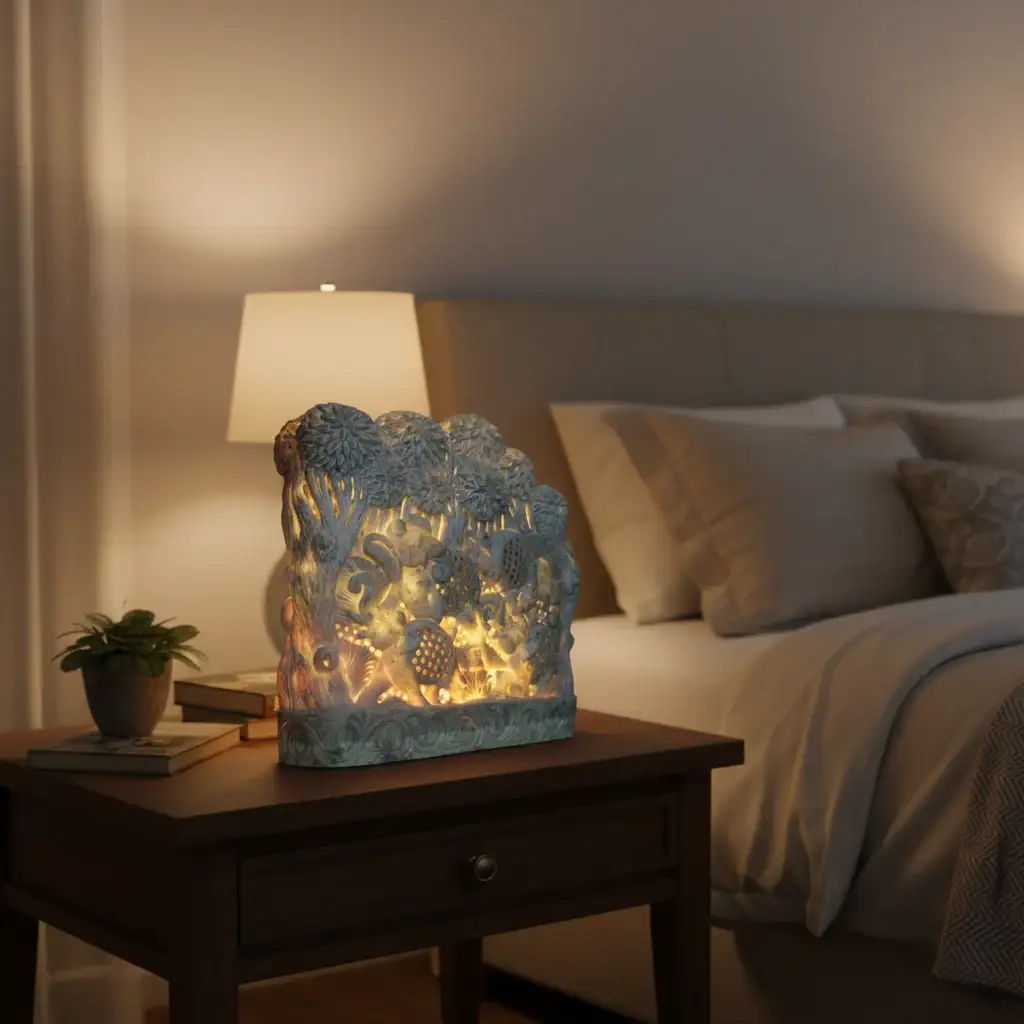
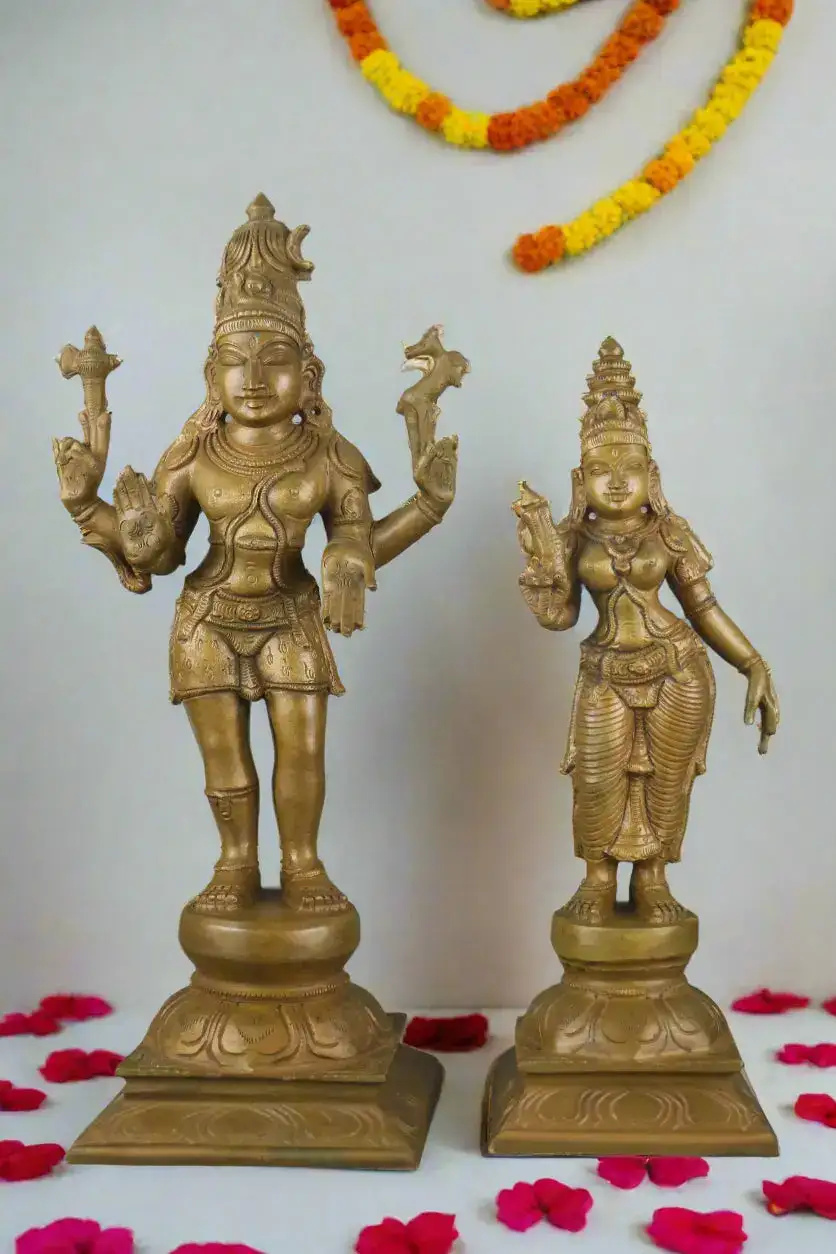
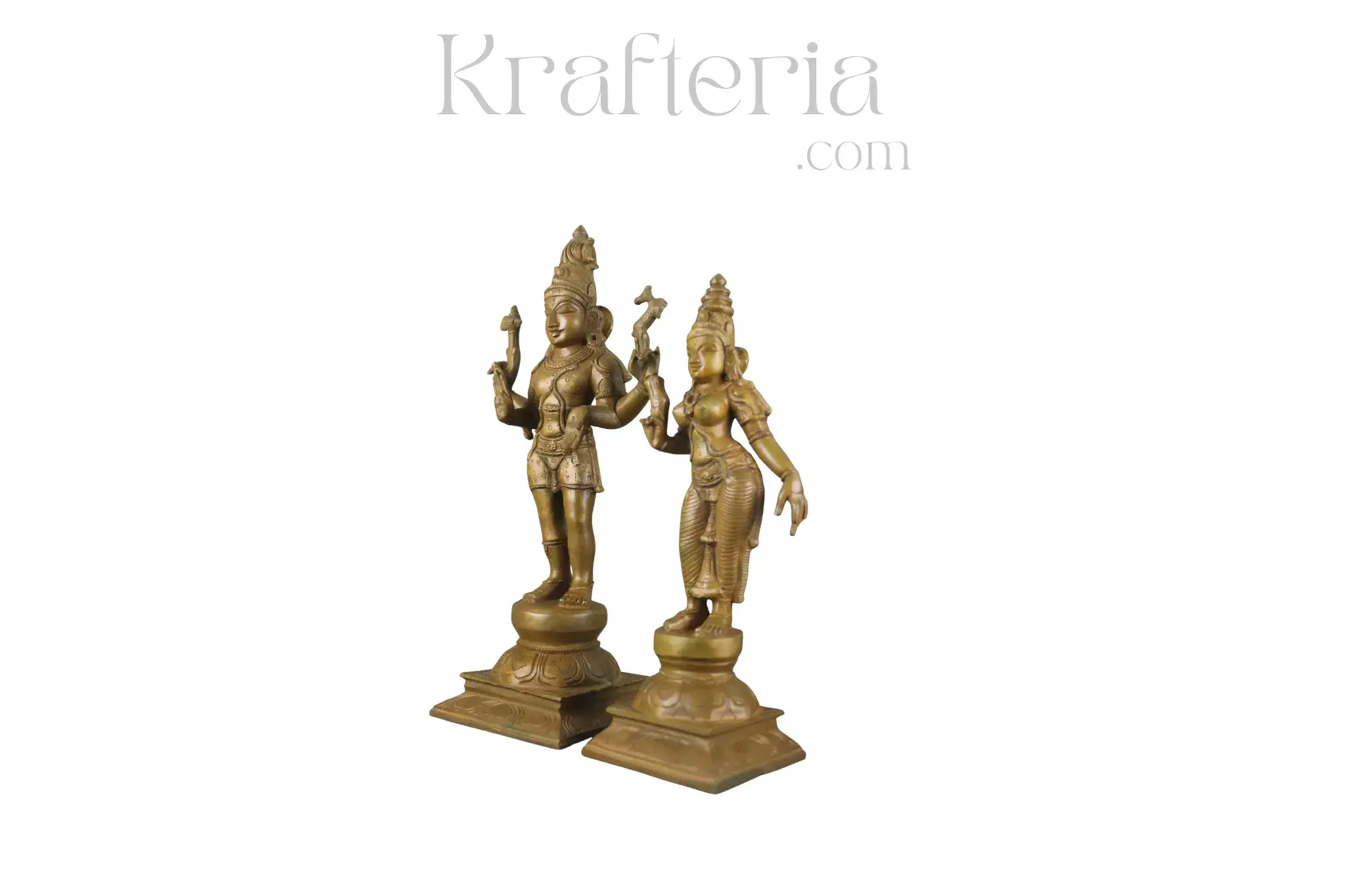
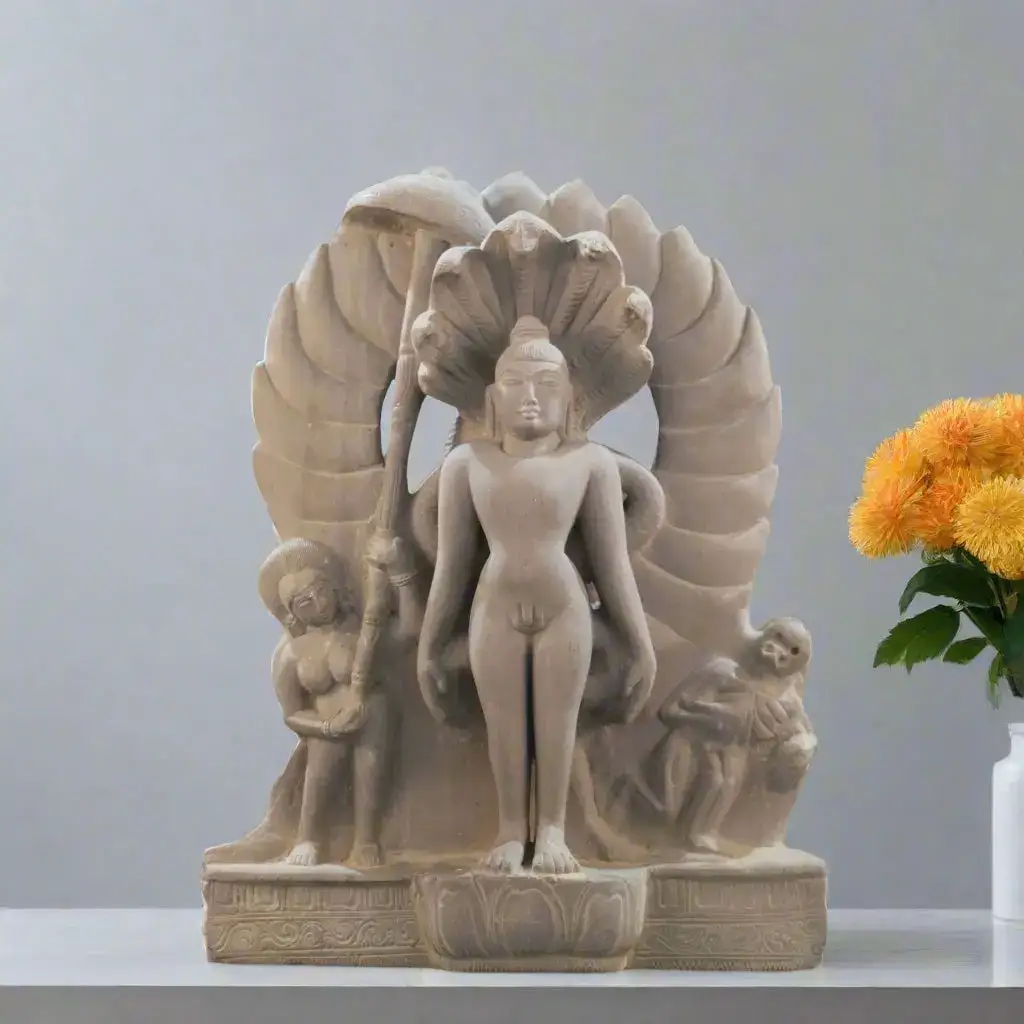
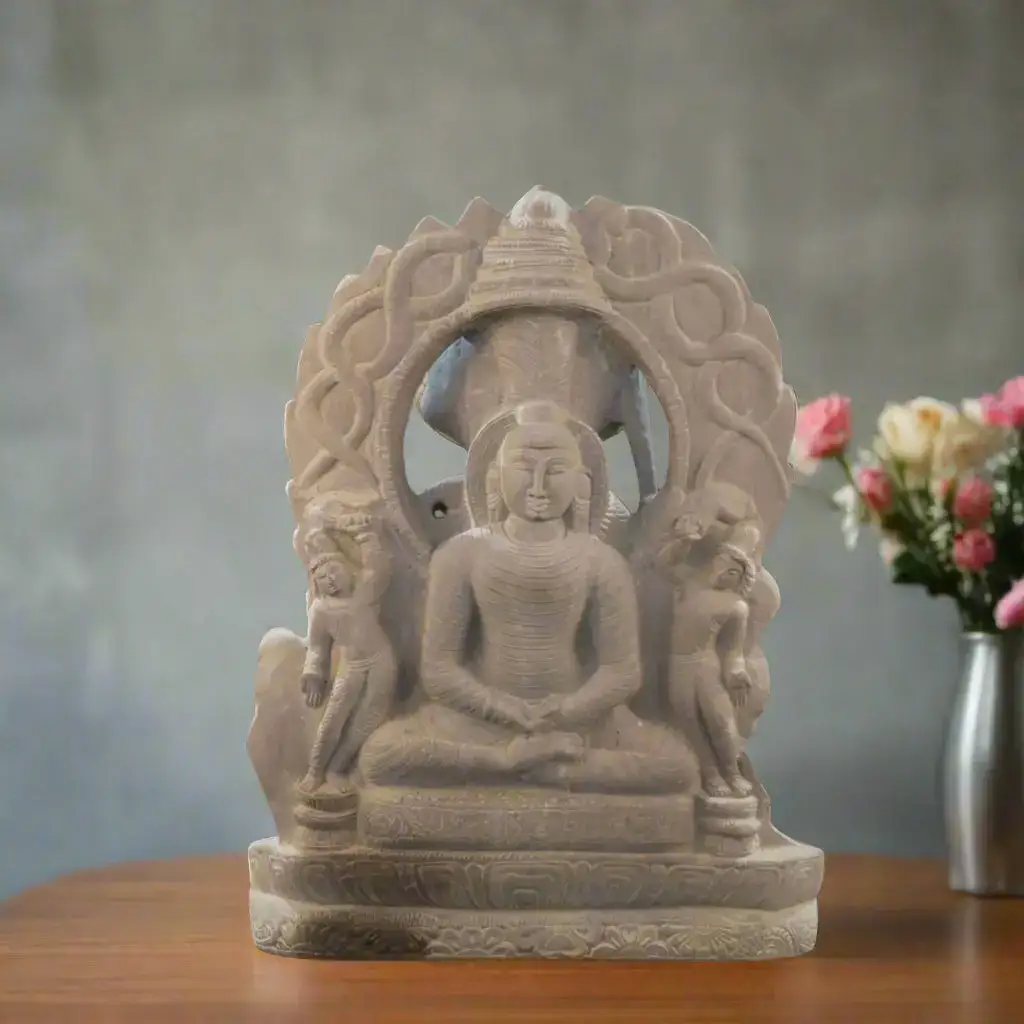
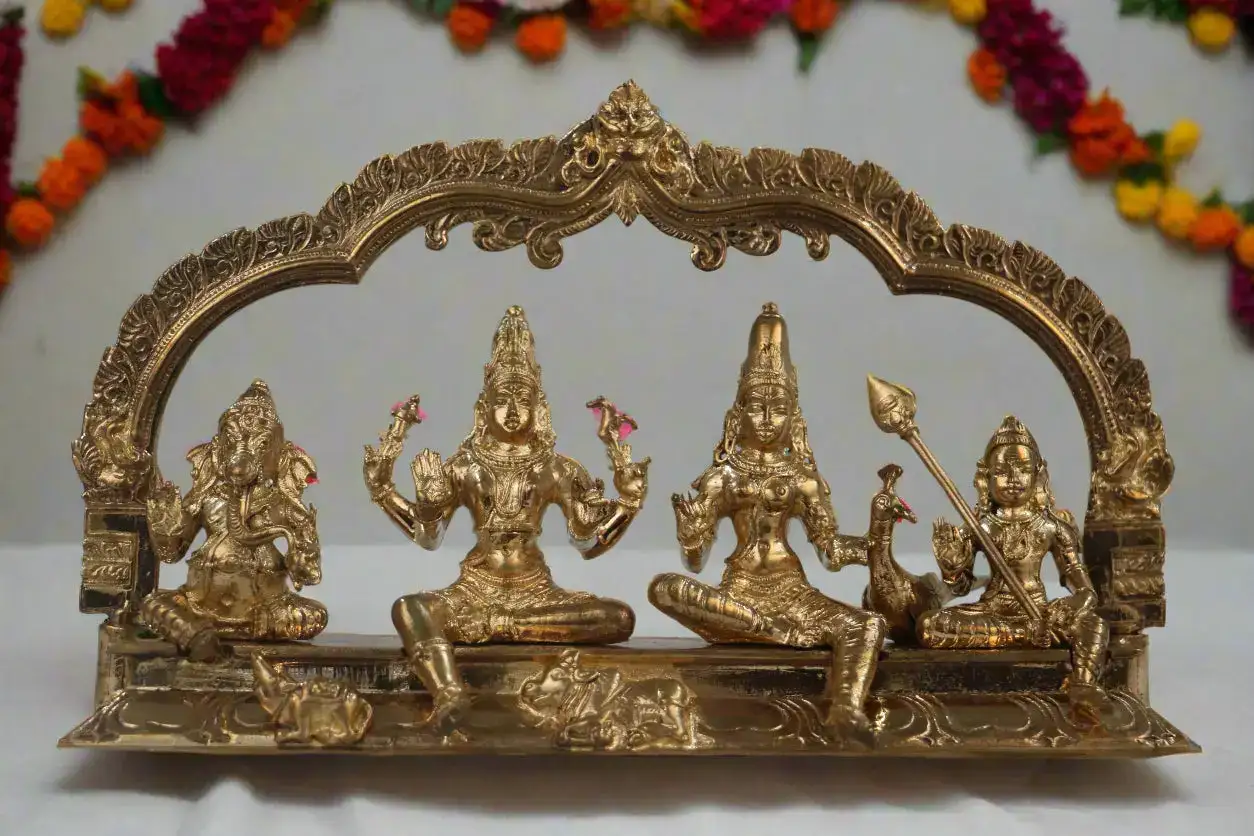
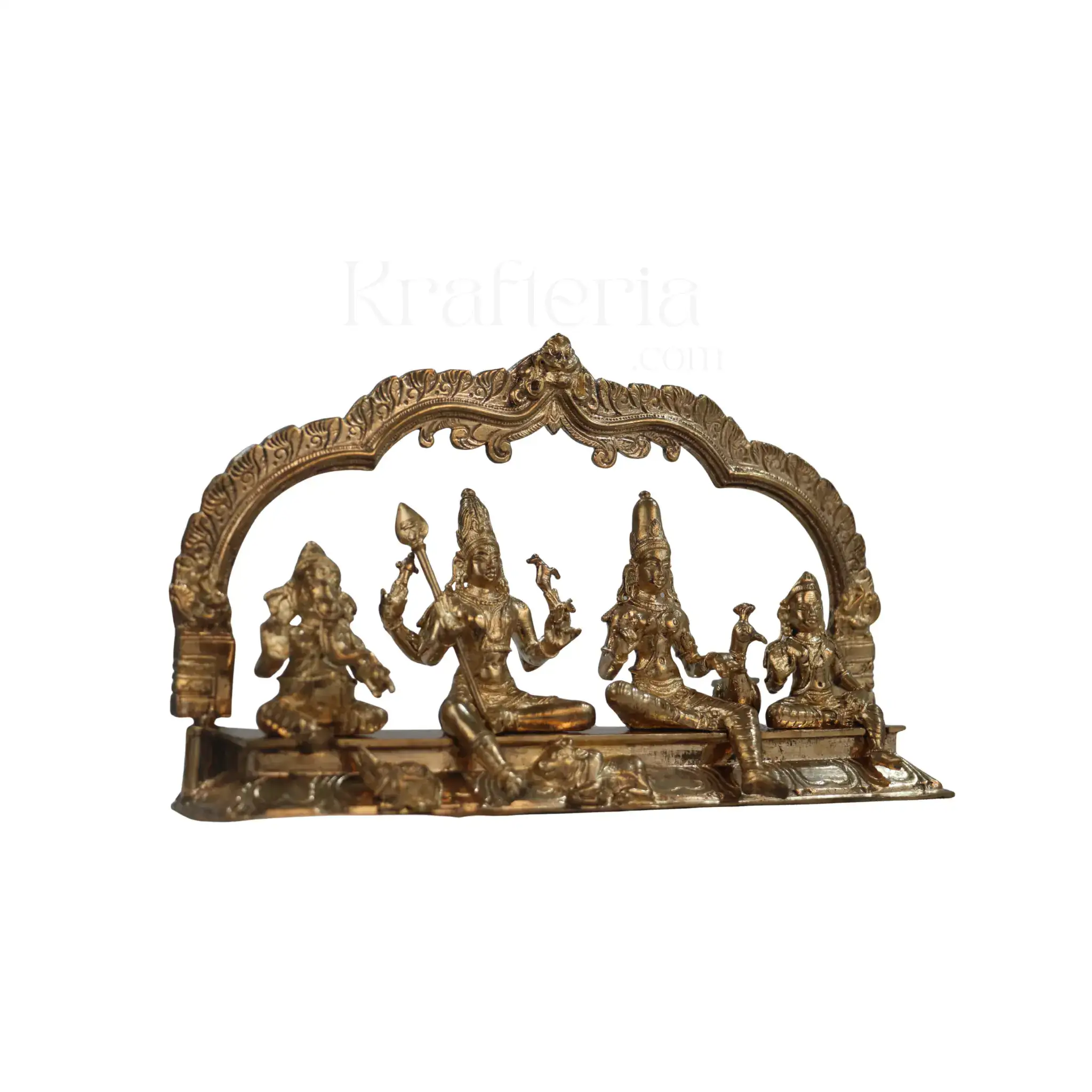
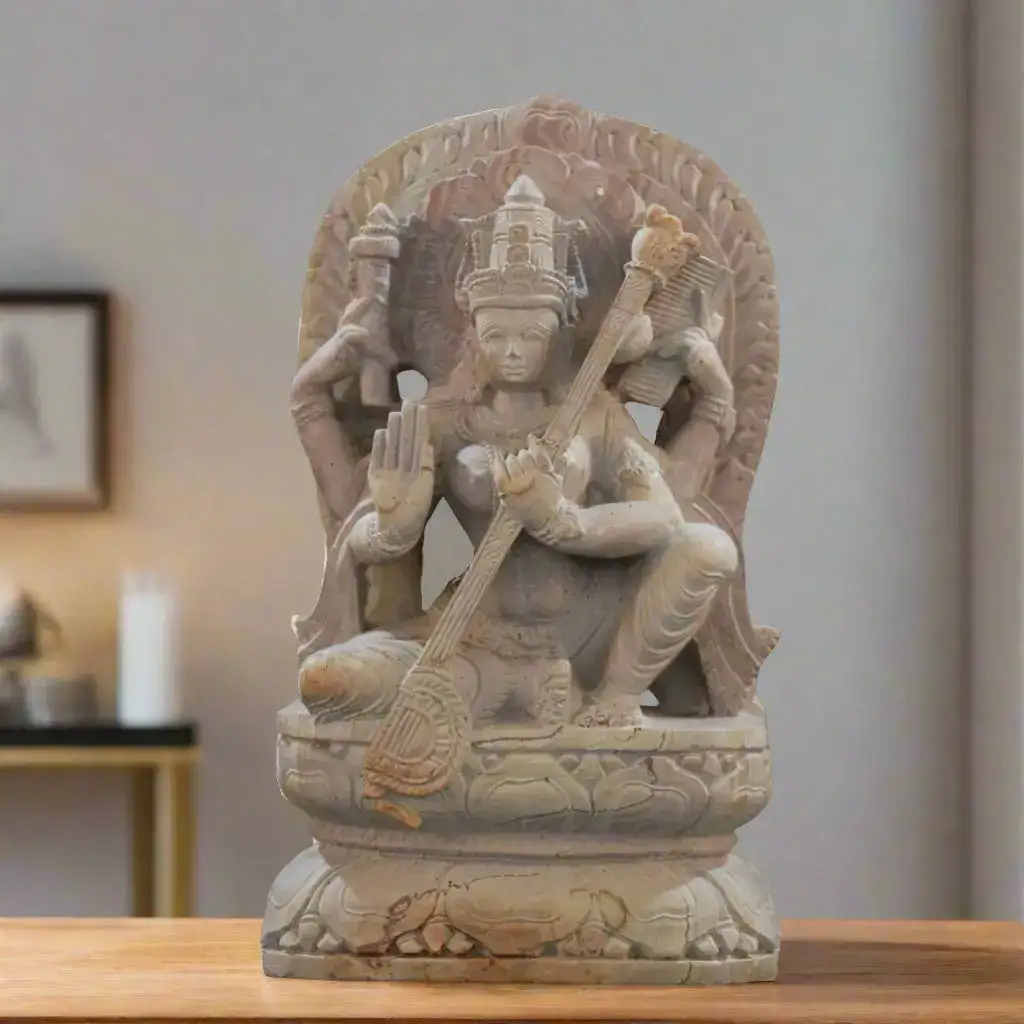
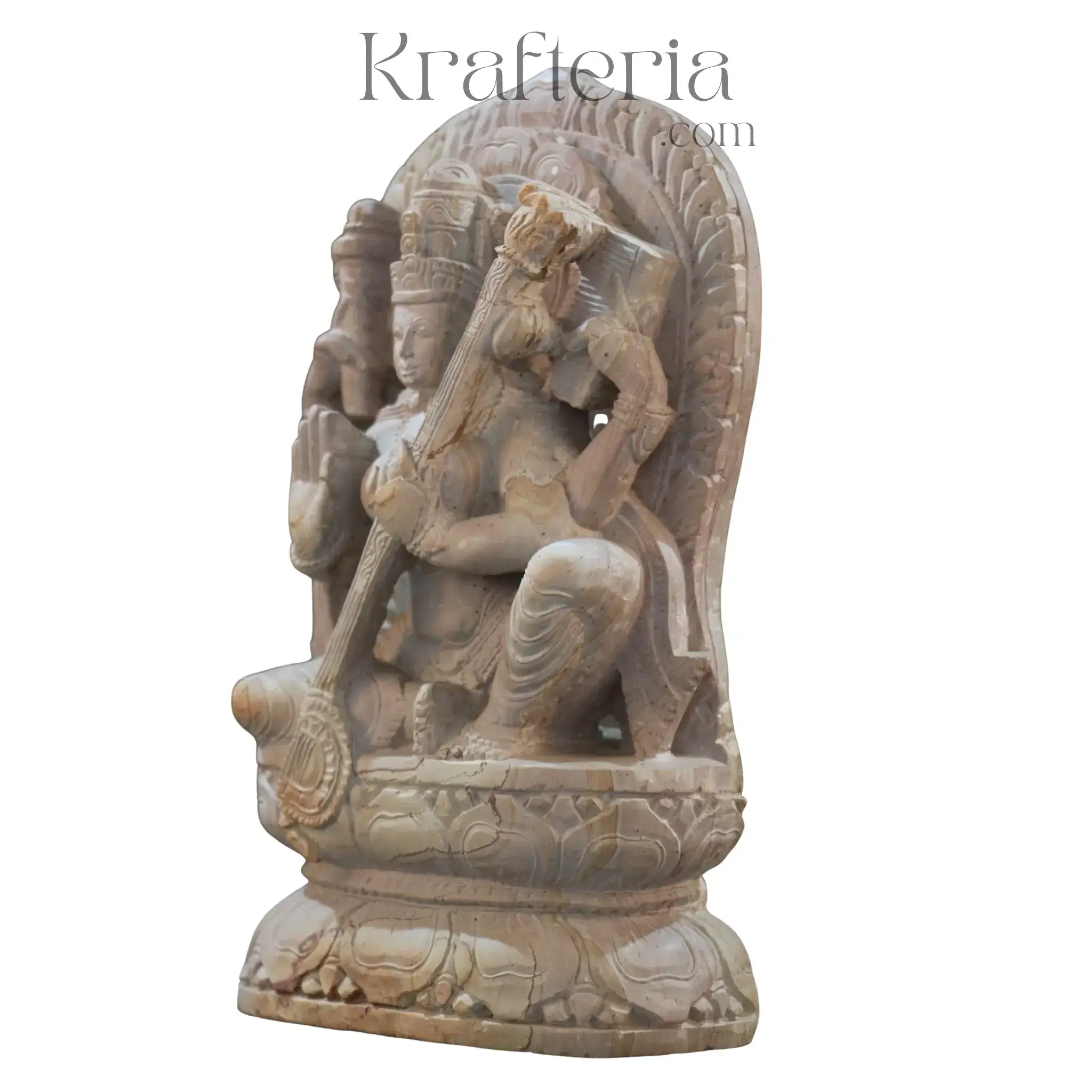
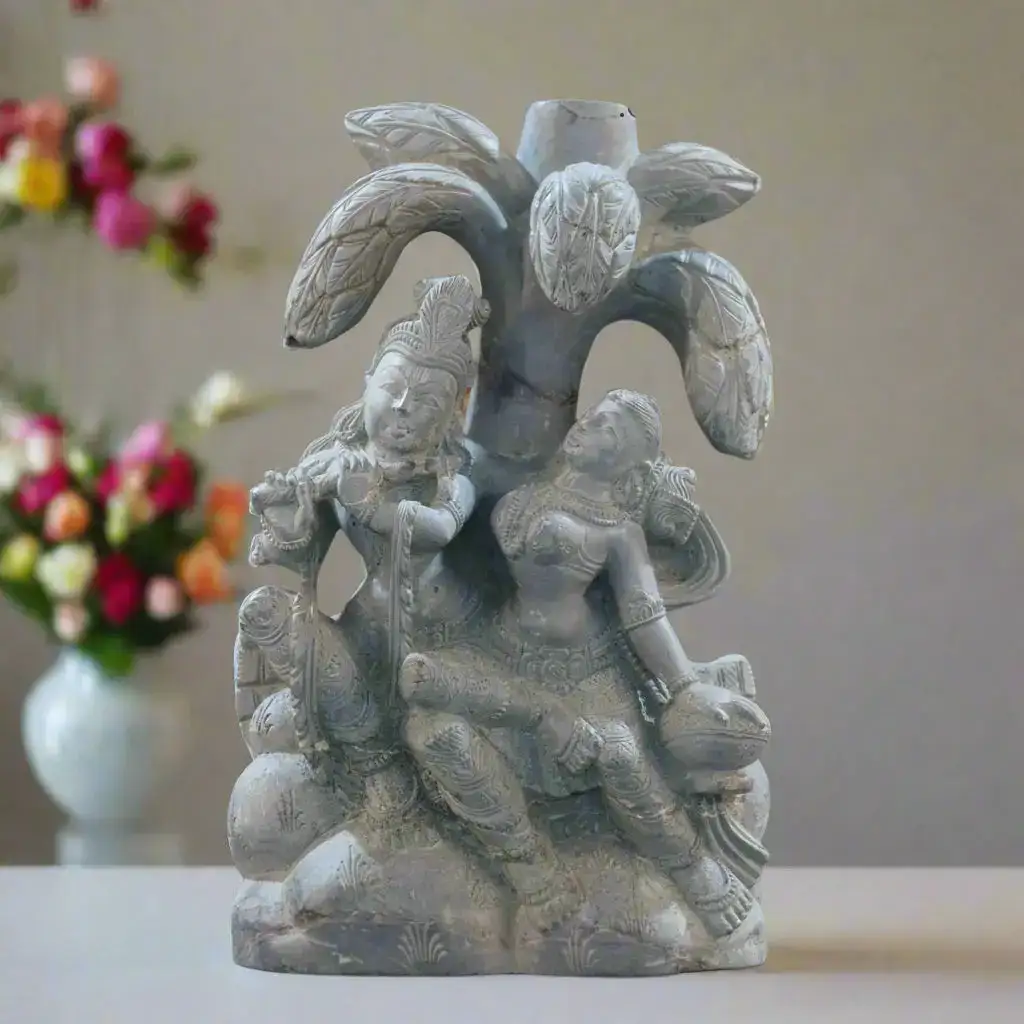
This Radha Krishna Sculpture beautifully captures the divine couple under a tree, depicting eternal love and spiritual harmony. The sculpture measures 9.5" height, 5.2" width, and 2.7" length, making it a perfect piece for devotional and decorative purposes. Its intricate design draws inspiration from the rich heritage of Indian art and culture.
Crafted with great skill, this sculpture reflects the influence of Mahabalipuram’s historic art traditions. Mahabalipuram, also known as Mamallapuram, is a renowned historic and archaeological site in Tamil Nadu, India. The town holds immense significance in the study of ancient Indian architecture and sculptures.
Historical Significance of Mahabalipuram Art
The art and architecture of Mahabalipuram primarily belong to the Pallava period. This era flourished during the 7th and 8th centuries CE, under the reign of Pallava rulers. These rulers, especially Mahendravarman and Narasimhavarman, contributed immensely to the development of Indian rock-cut architecture and sculpture.
The Pallava dynasty is credited with creating some of the most exquisite monuments and temples. Mahendravarman ruled around 600 to 630 CE, marking the beginning of remarkable artistic achievements. Narasimhavarman I, also known as Mamalla, ruled from 630 to 668 CE and is the namesake of Mahabalipuram.
Architectural and Artistic Marvels of Mahabalipuram
The key artistic features of Mahabalipuram include rock-cut architecture and monolithic rathas, which are chariot-shaped temples carved out of single stones. These monolithic structures are masterpieces of craftsmanship, showcasing precise detailing and symmetry. The site also contains cave temples known as mandapas that are carved into rock cliffs and serve religious functions.
Another highlight is the bas-relief sculptures, including the famous “Descent of the Ganges” and “Arjuna’s Penance.” These immense carvings depict mythological stories and divine beings with remarkable expression and detail. The Shore Temple, built with durable granite, is one of the earliest structural temples representing Pallava architectural excellence.
Use of Radha Krishna Sculptures in Home and Spiritual Spaces
This Radha Krishna Sculptures can serve multiple purposes. It is ideal as a Radha Krishna statue for home, bringing a sacred and peaceful aura to living rooms or prayer areas. Its spiritual significance makes it a wonderful addition to Radha Krishna home decor sculpture collections, blending aesthetics with devotion.
For devotees seeking to buy Radha Krishna idol online, this piece offers timeless artistry and authentic craftsmanship. It is also highly suitable as a Radha Krishna murti for pooja, enriching religious ceremonies and personal worship sessions. The traditional design connects worshippers with cultural values and divine love.
Artistic Attributes of the Radha Krishna Sculptures
- Intricate carvings showcasing Radha and Krishna in a natural, serene setting
- Soft stone material chosen for fine detailing and durability
- Compact size suitable for display in various spaces, such as living rooms and meditation corners
- Inspired by Pallava period art from Mahabalipuram, preserving historical authenticity
The Pallava Dynasty’s Influence on Indian Sculpture
The Pallava dynasty’s commitment to art is evident in their contributions to Indian sculpture and temple design. Their era witnessed a transition from rock-cut to structural temples, combining engineering innovation with artistic brilliance. This era produced a distinctive style recognized for fluid forms and expressive figures.
The reign of Mahendravarman saw the beginning of monumental work, while Narasimhavarman I’s rule brought a golden age for these sculptures. Their legacy continues to inspire artists and devotees, reflected in pieces like this Radha Krishna Sculpture.
Key Features of Mahabalipuram Art Reflected in This Sculpture
- Rock-cut architectural elements highlighted by natural motifs
- Monolithic inspiration with a focus on unified form and symbolism
- Depiction of divine love and spiritual unity between Radha and Krishna
- Use of soft stone carving to emphasize fine details and texture
The sculpture captures the essence of the Pallava period while offering a functional spiritual object. It is also an exquisite piece of art to enhance your home’s sacred ambiance.
Where to Place Your Radha Krishna Sculpture
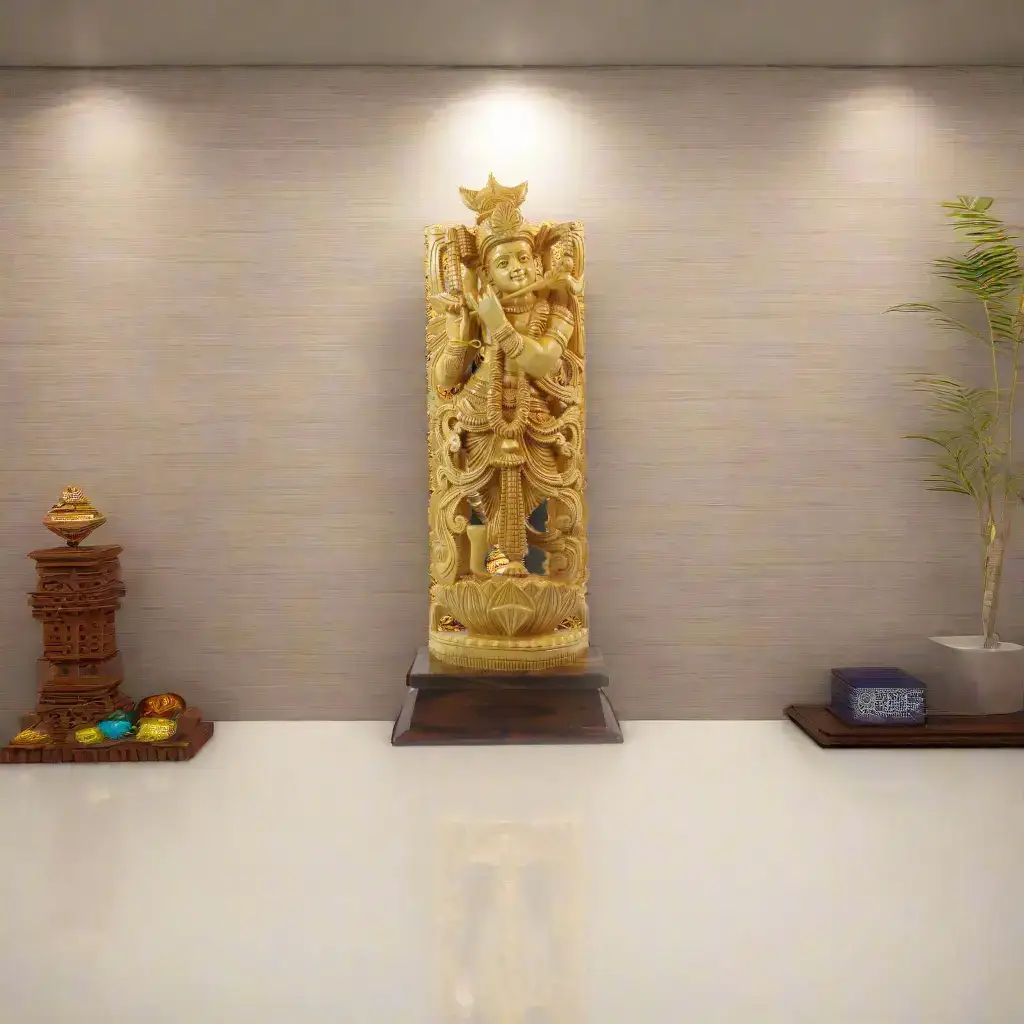
This traditional Radha Krishna sculpture can be positioned as a Radha Krishna idol for living room or placed in a home pooja space to invite positive energy. Its timeless design and spiritual symbolism make it a perfect item for Janmashtami celebrations as a Janmashtami Radha Krishna statue. Displaying it in your home fosters harmony and devotion.
Overall, this sculpture is a valuable addition to any collection seeking to combine heritage, artistry, and spirituality. It gracefully bridges the ancient heritage of Mahabalipuram with contemporary devotional practices.
Product Information
Product Information
Shipping & Returns
Shipping & Returns
Description
Radha Krishna Sculpture – Eternal Divine Artistry
This Radha Krishna Sculpture beautifully captures the divine couple under a tree, depicting eternal love and spiritual harmony. The sculpture measures 9.5" height, 5.2" width, and 2.7" length, making it a perfect piece for devotional and decorative purposes. Its intricate design draws inspiration from the rich heritage of Indian art and culture.
Crafted with great skill, this sculpture reflects the influence of Mahabalipuram’s historic art traditions. Mahabalipuram, also known as Mamallapuram, is a renowned historic and archaeological site in Tamil Nadu, India. The town holds immense significance in the study of ancient Indian architecture and sculptures.
Historical Significance of Mahabalipuram Art
The art and architecture of Mahabalipuram primarily belong to the Pallava period. This era flourished during the 7th and 8th centuries CE, under the reign of Pallava rulers. These rulers, especially Mahendravarman and Narasimhavarman, contributed immensely to the development of Indian rock-cut architecture and sculpture.
The Pallava dynasty is credited with creating some of the most exquisite monuments and temples. Mahendravarman ruled around 600 to 630 CE, marking the beginning of remarkable artistic achievements. Narasimhavarman I, also known as Mamalla, ruled from 630 to 668 CE and is the namesake of Mahabalipuram.
Architectural and Artistic Marvels of Mahabalipuram
The key artistic features of Mahabalipuram include rock-cut architecture and monolithic rathas, which are chariot-shaped temples carved out of single stones. These monolithic structures are masterpieces of craftsmanship, showcasing precise detailing and symmetry. The site also contains cave temples known as mandapas that are carved into rock cliffs and serve religious functions.
Another highlight is the bas-relief sculptures, including the famous “Descent of the Ganges” and “Arjuna’s Penance.” These immense carvings depict mythological stories and divine beings with remarkable expression and detail. The Shore Temple, built with durable granite, is one of the earliest structural temples representing Pallava architectural excellence.
Use of Radha Krishna Sculptures in Home and Spiritual Spaces
This Radha Krishna Sculptures can serve multiple purposes. It is ideal as a Radha Krishna statue for home, bringing a sacred and peaceful aura to living rooms or prayer areas. Its spiritual significance makes it a wonderful addition to Radha Krishna home decor sculpture collections, blending aesthetics with devotion.
For devotees seeking to buy Radha Krishna idol online, this piece offers timeless artistry and authentic craftsmanship. It is also highly suitable as a Radha Krishna murti for pooja, enriching religious ceremonies and personal worship sessions. The traditional design connects worshippers with cultural values and divine love.
Artistic Attributes of the Radha Krishna Sculptures
- Intricate carvings showcasing Radha and Krishna in a natural, serene setting
- Soft stone material chosen for fine detailing and durability
- Compact size suitable for display in various spaces, such as living rooms and meditation corners
- Inspired by Pallava period art from Mahabalipuram, preserving historical authenticity
The Pallava Dynasty’s Influence on Indian Sculpture
The Pallava dynasty’s commitment to art is evident in their contributions to Indian sculpture and temple design. Their era witnessed a transition from rock-cut to structural temples, combining engineering innovation with artistic brilliance. This era produced a distinctive style recognized for fluid forms and expressive figures.
The reign of Mahendravarman saw the beginning of monumental work, while Narasimhavarman I’s rule brought a golden age for these sculptures. Their legacy continues to inspire artists and devotees, reflected in pieces like this Radha Krishna Sculpture.
Key Features of Mahabalipuram Art Reflected in This Sculpture
- Rock-cut architectural elements highlighted by natural motifs
- Monolithic inspiration with a focus on unified form and symbolism
- Depiction of divine love and spiritual unity between Radha and Krishna
- Use of soft stone carving to emphasize fine details and texture
The sculpture captures the essence of the Pallava period while offering a functional spiritual object. It is also an exquisite piece of art to enhance your home’s sacred ambiance.
Where to Place Your Radha Krishna Sculpture
This traditional Radha Krishna sculpture can be positioned as a Radha Krishna idol for living room or placed in a home pooja space to invite positive energy. Its timeless design and spiritual symbolism make it a perfect item for Janmashtami celebrations as a Janmashtami Radha Krishna statue. Displaying it in your home fosters harmony and devotion.
Overall, this sculpture is a valuable addition to any collection seeking to combine heritage, artistry, and spirituality. It gracefully bridges the ancient heritage of Mahabalipuram with contemporary devotional practices.