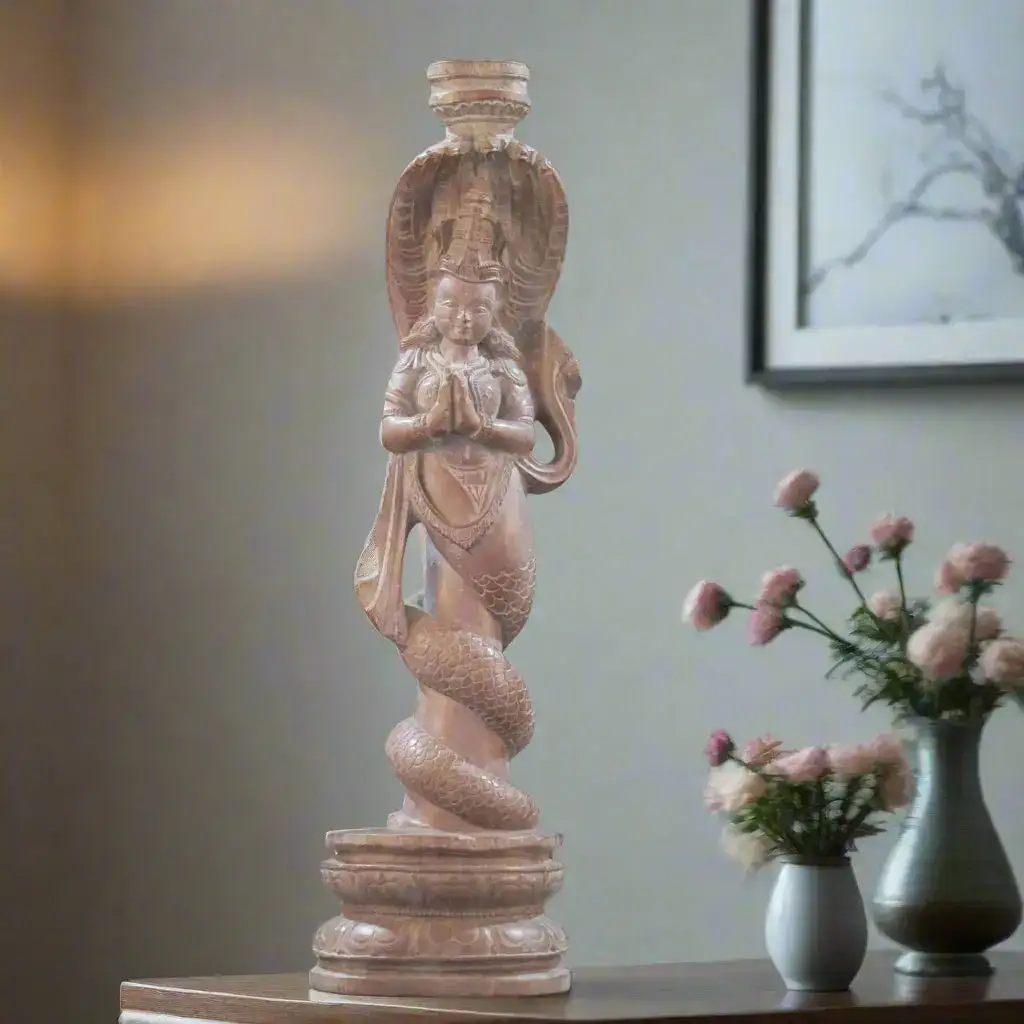
Patanjali Sculpture – The Sage of Yoga and Grammar
Patanjali Sculpture – A Masterpiece of Ancient Art and Spirituality
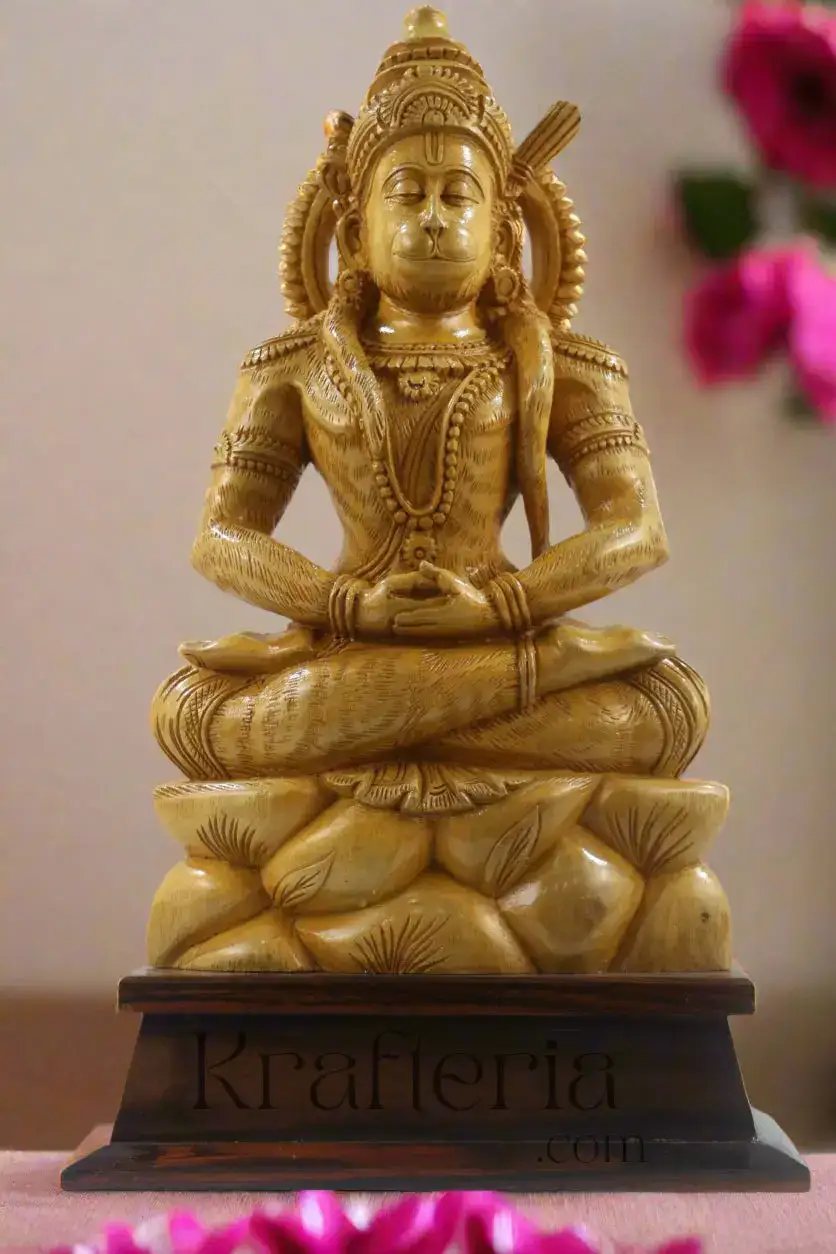
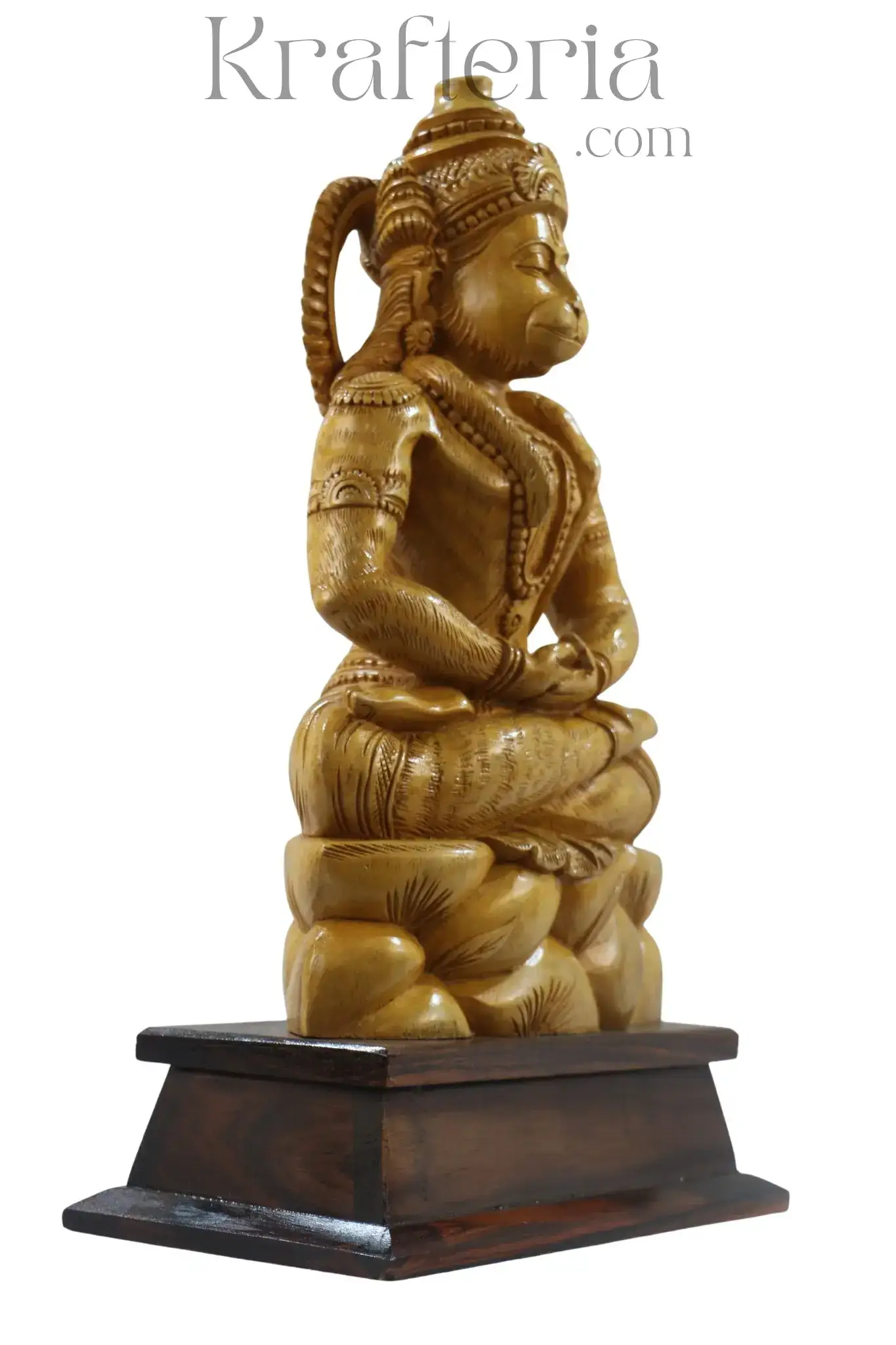
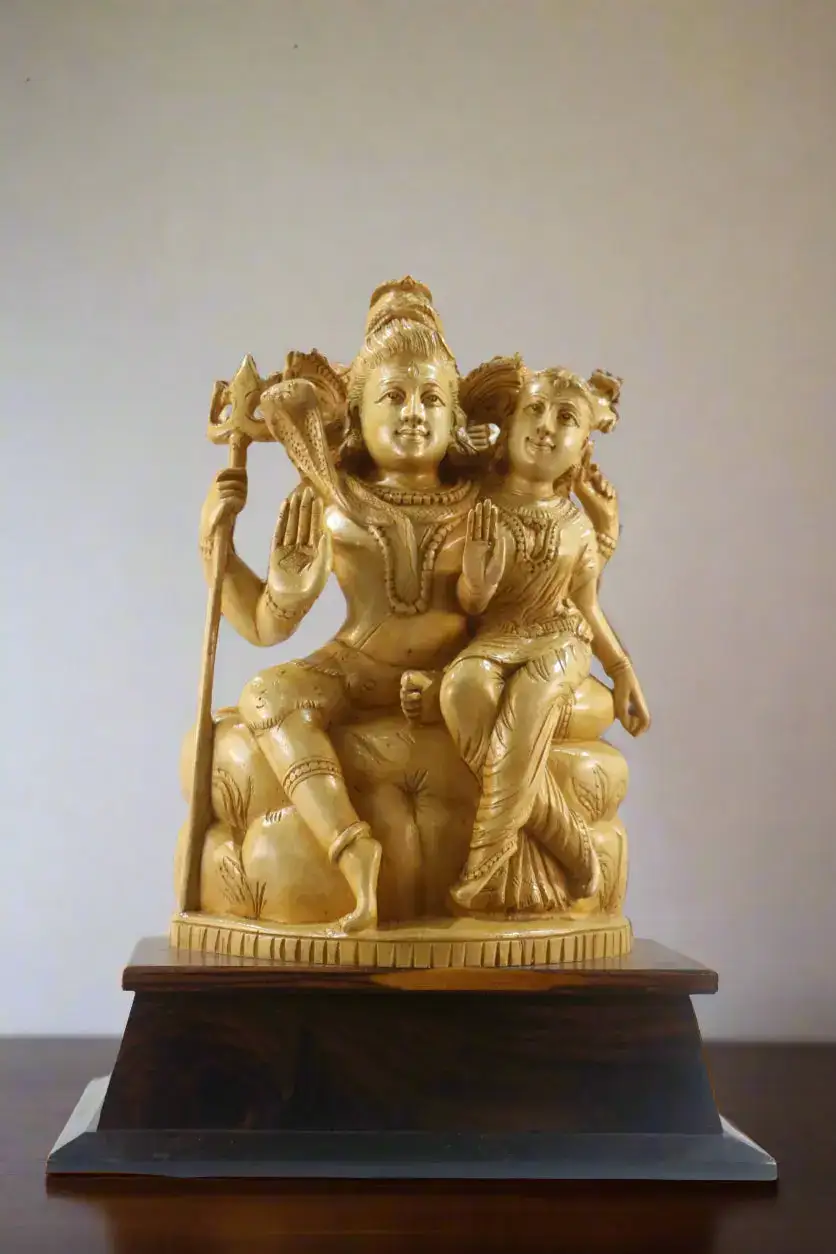
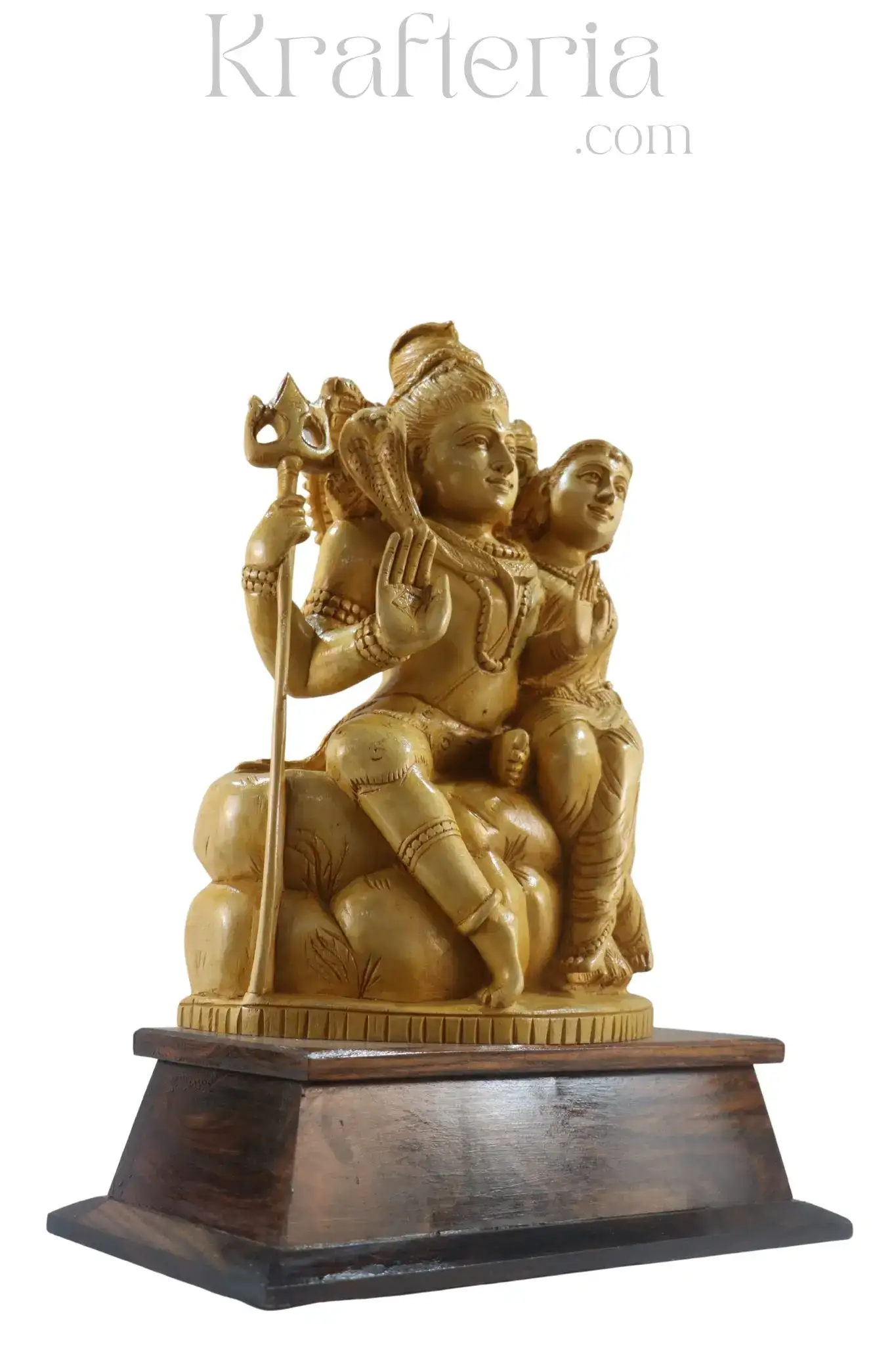
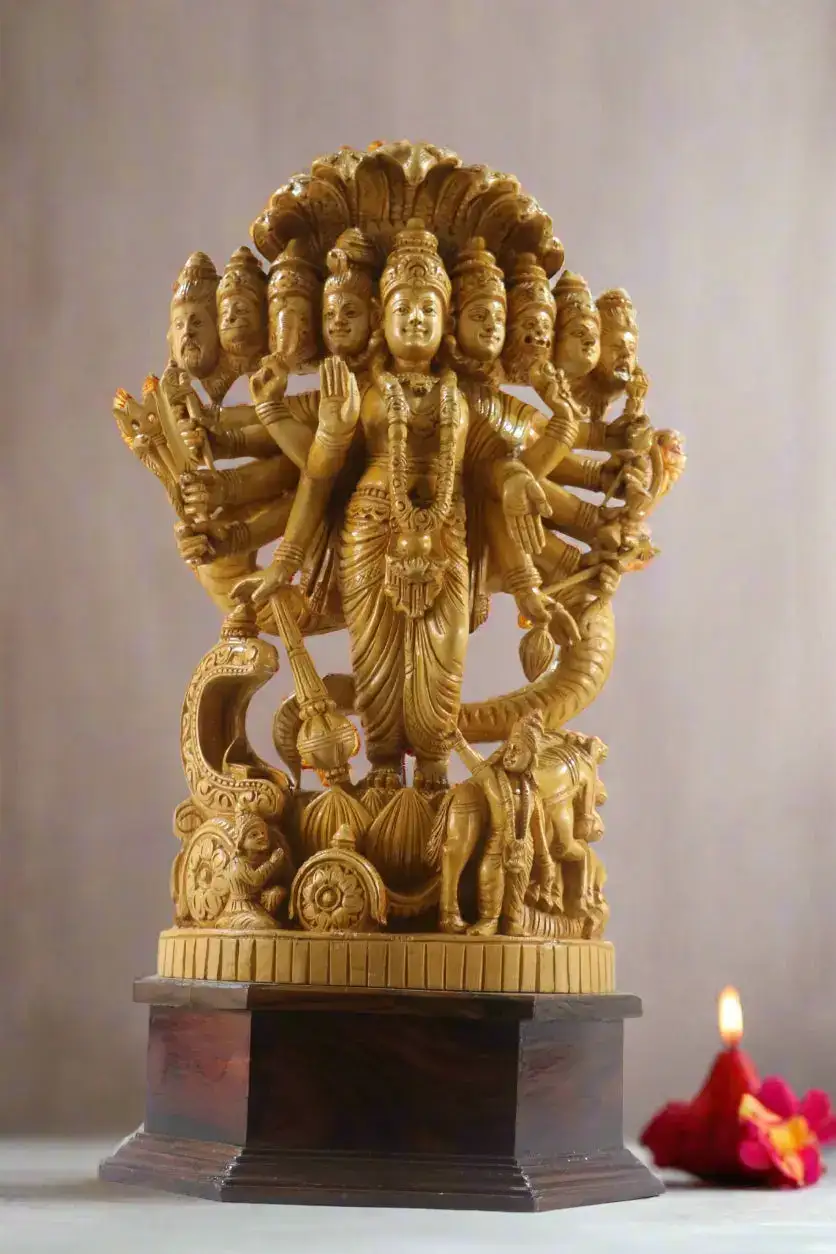
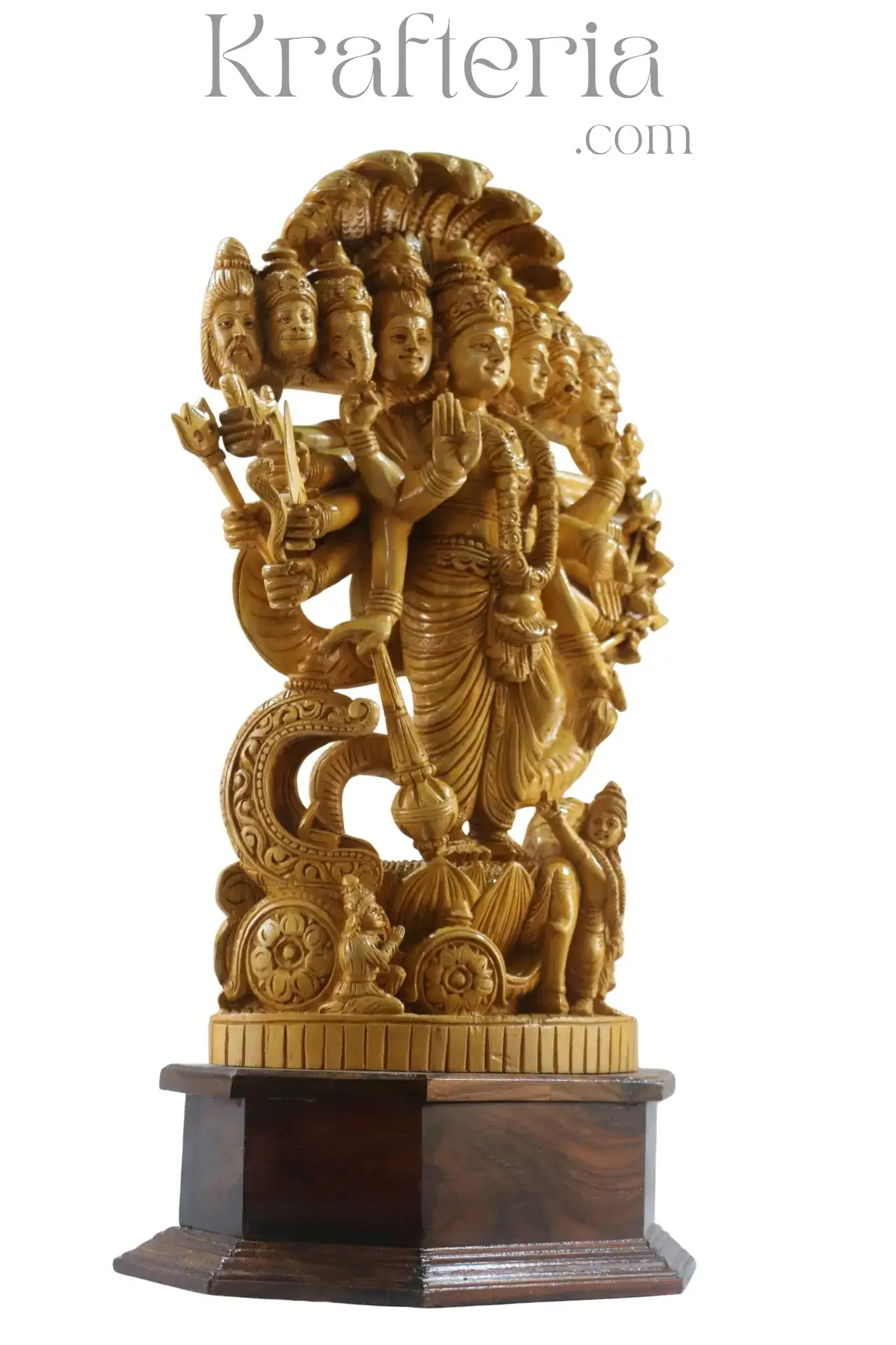
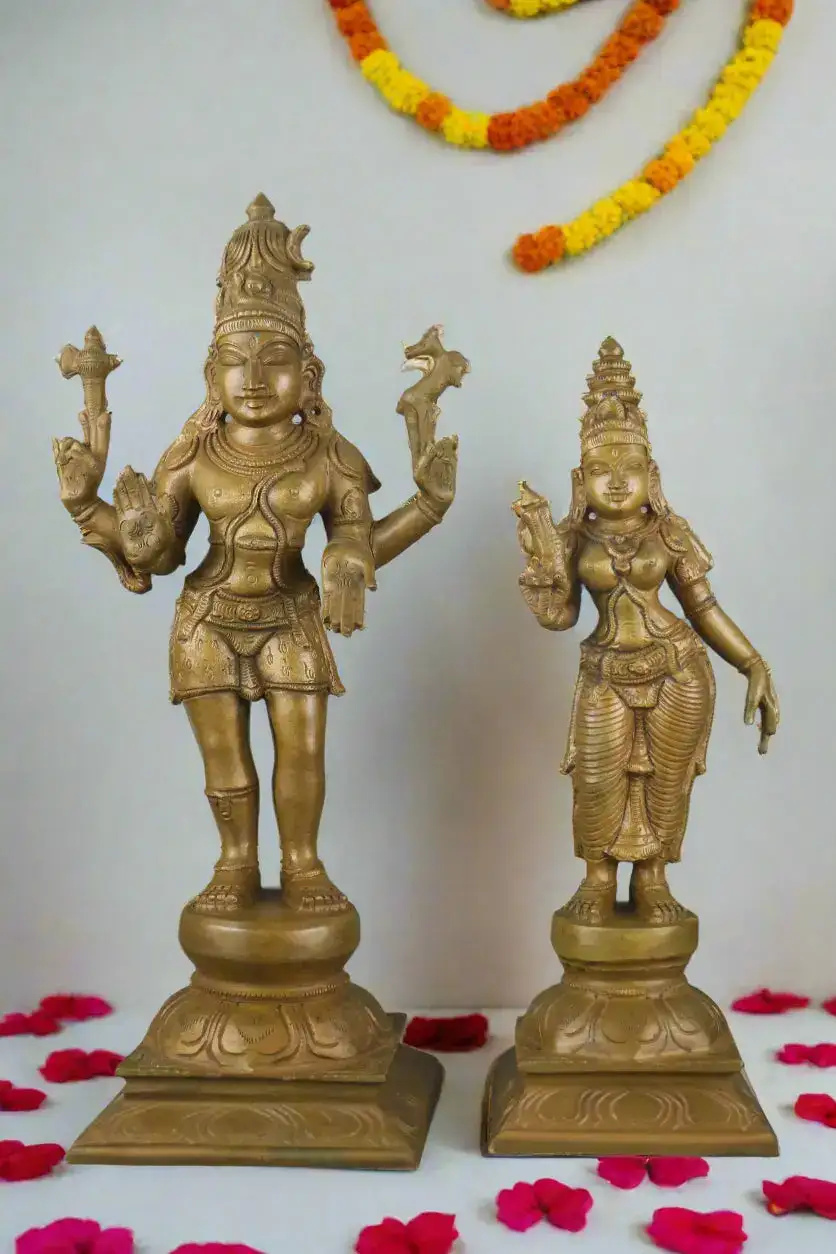
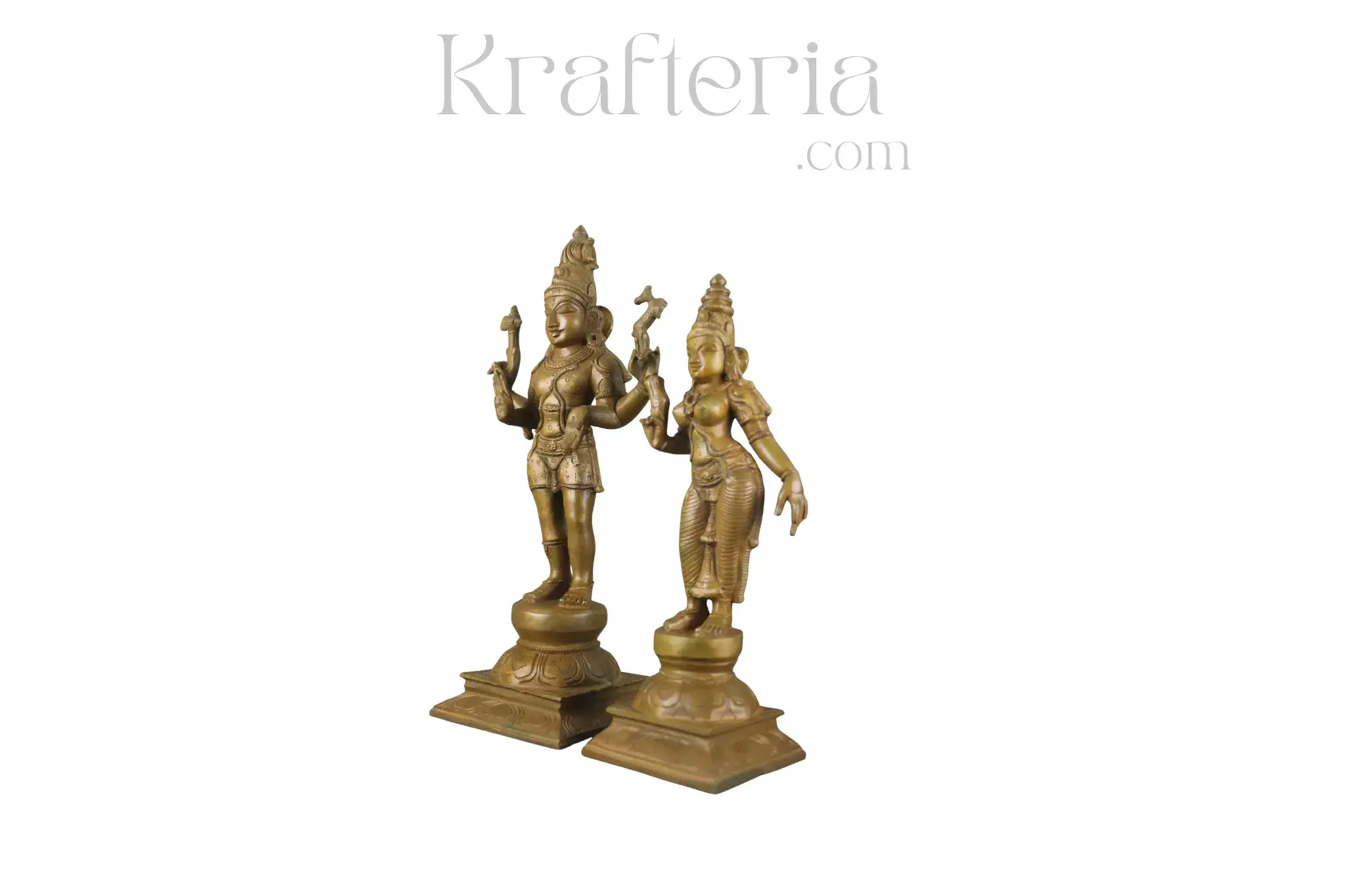
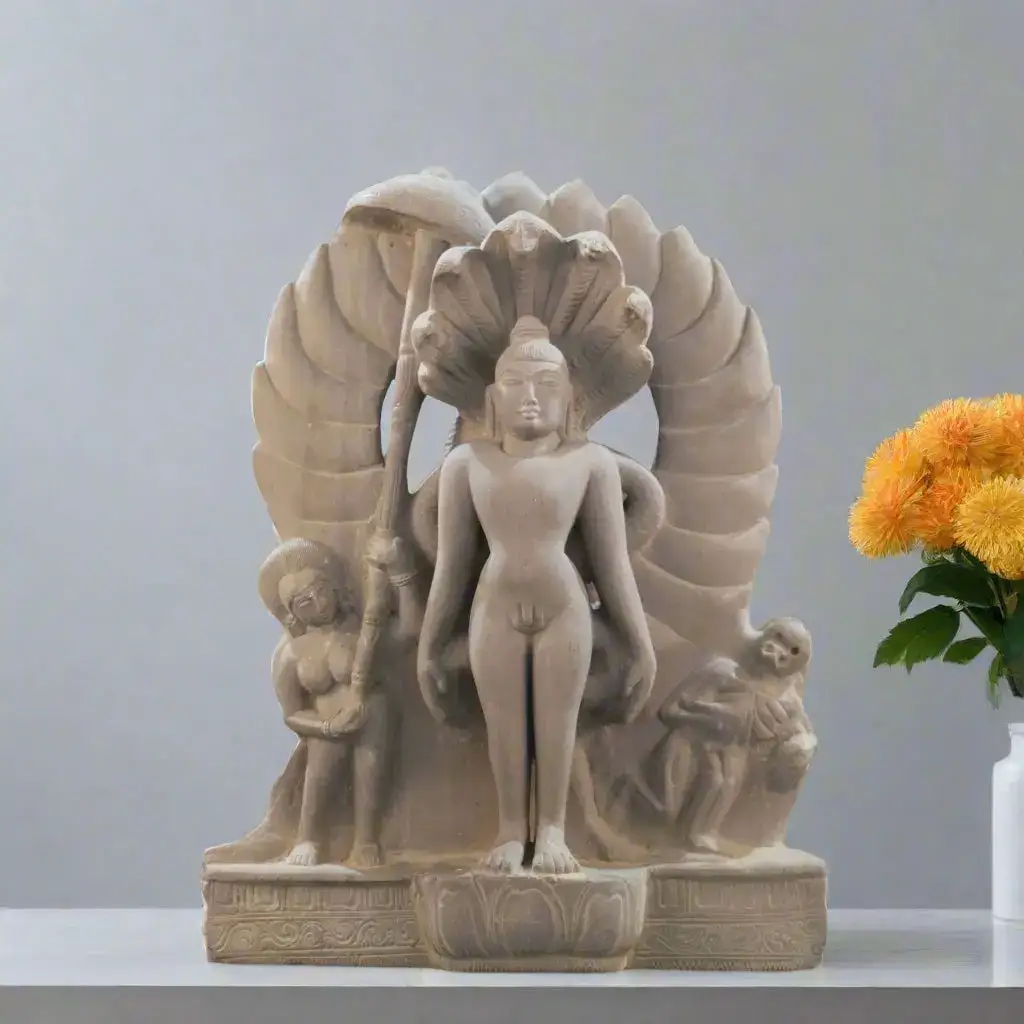
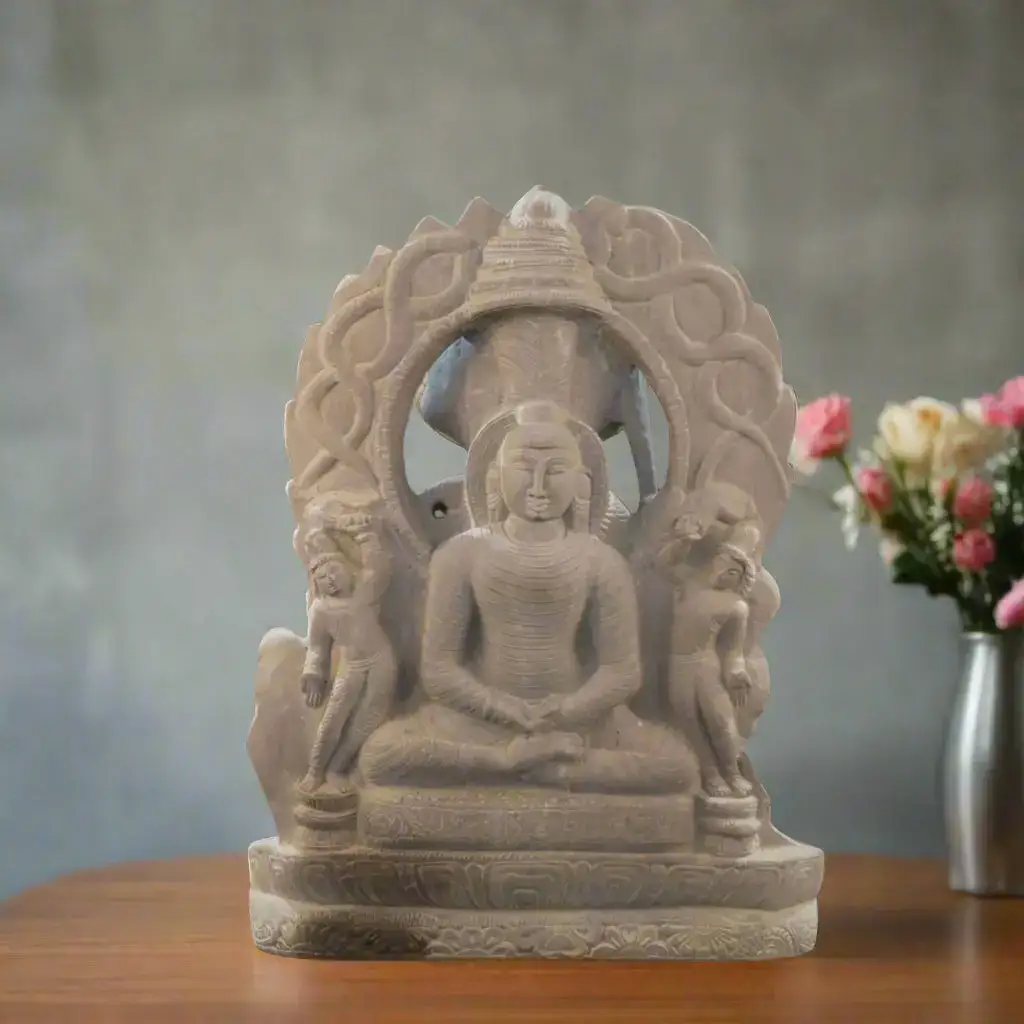
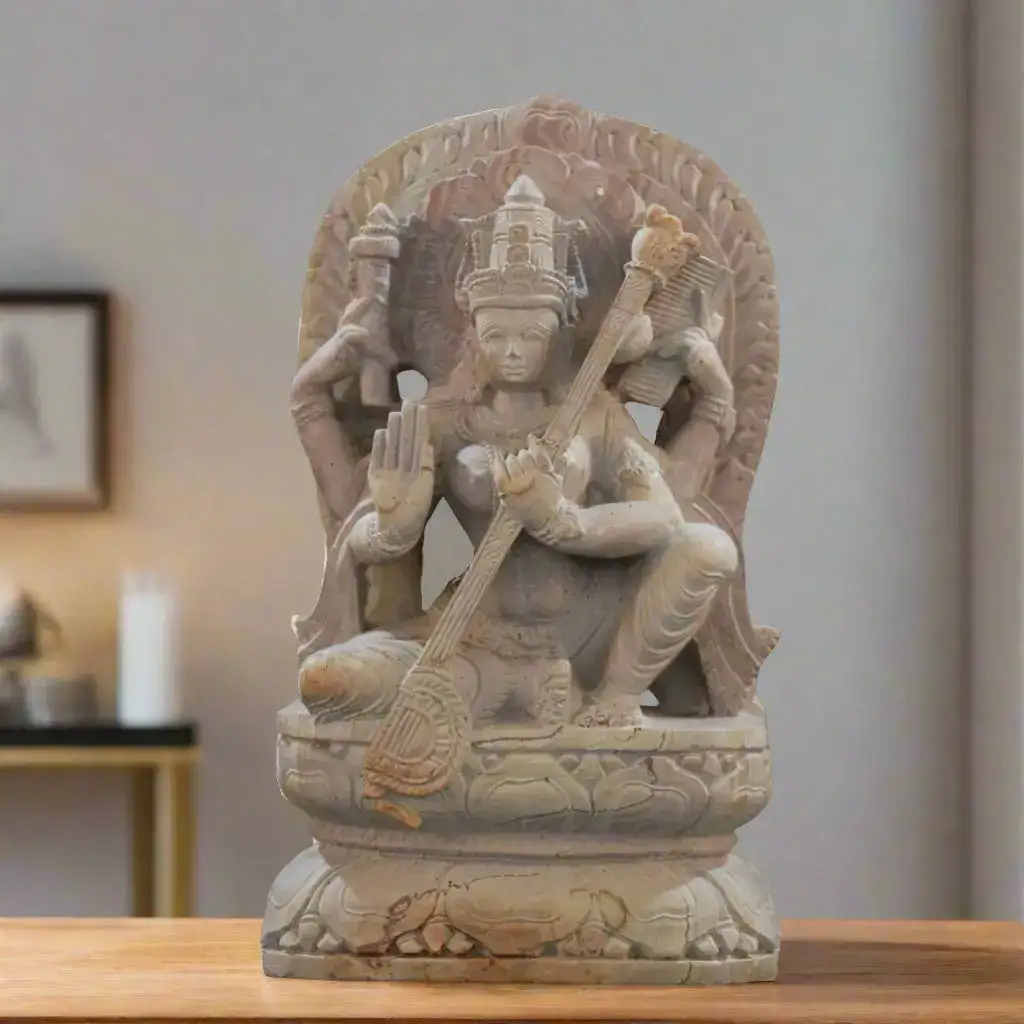
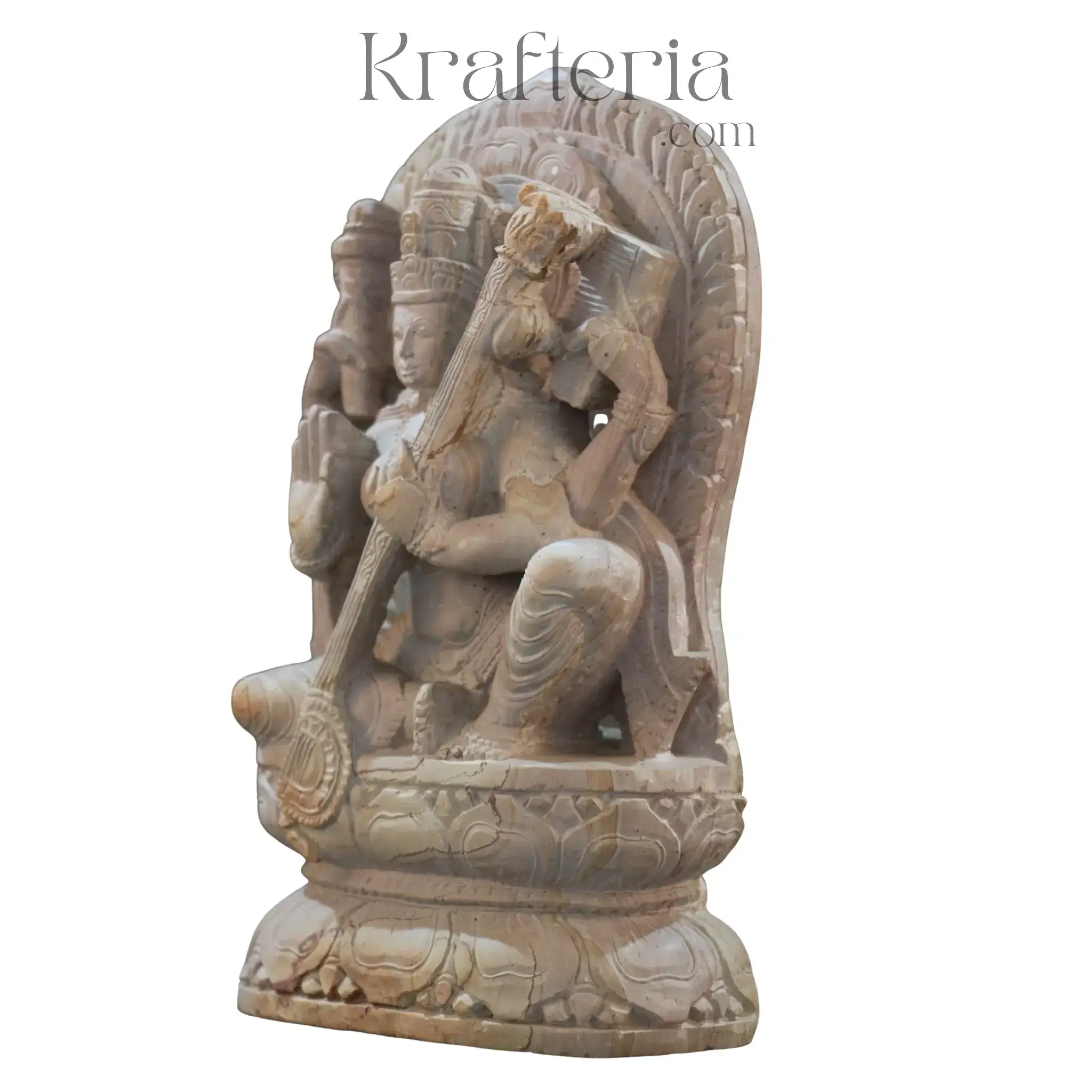
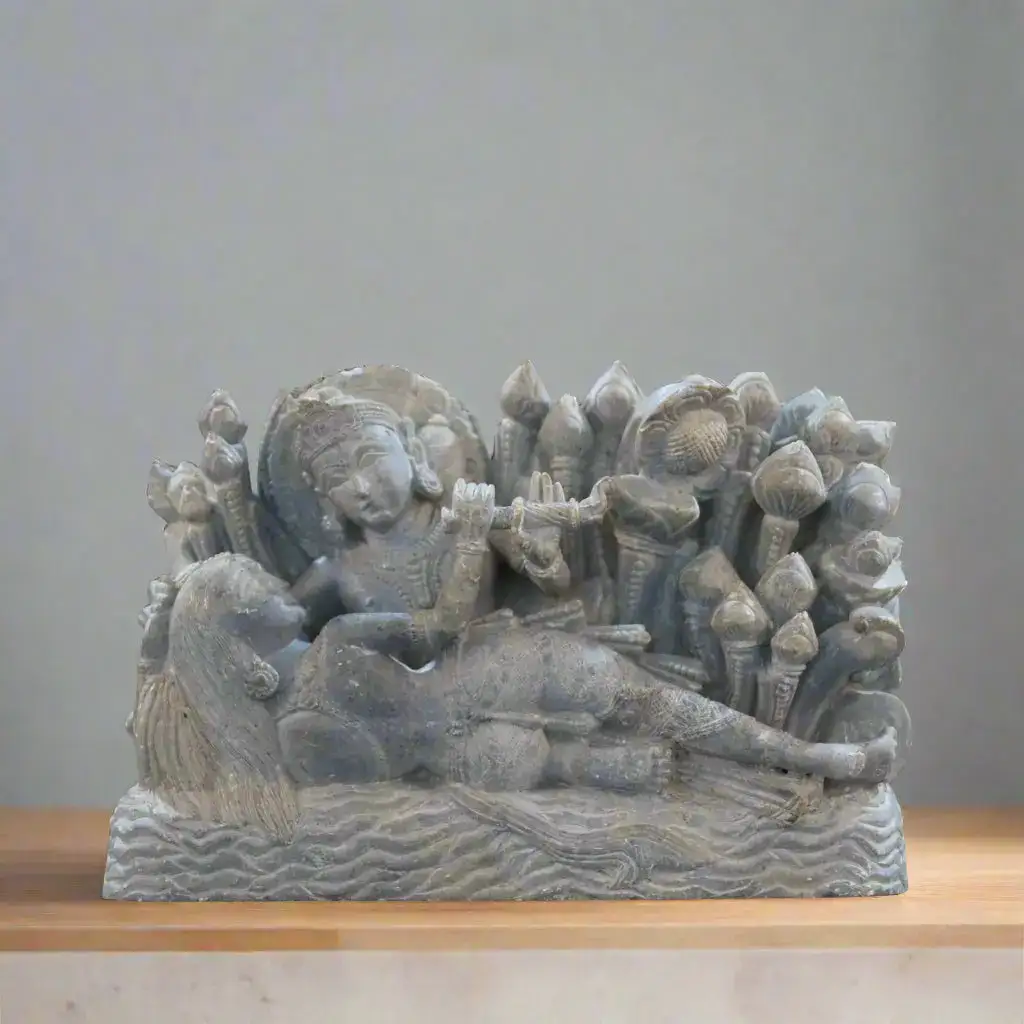
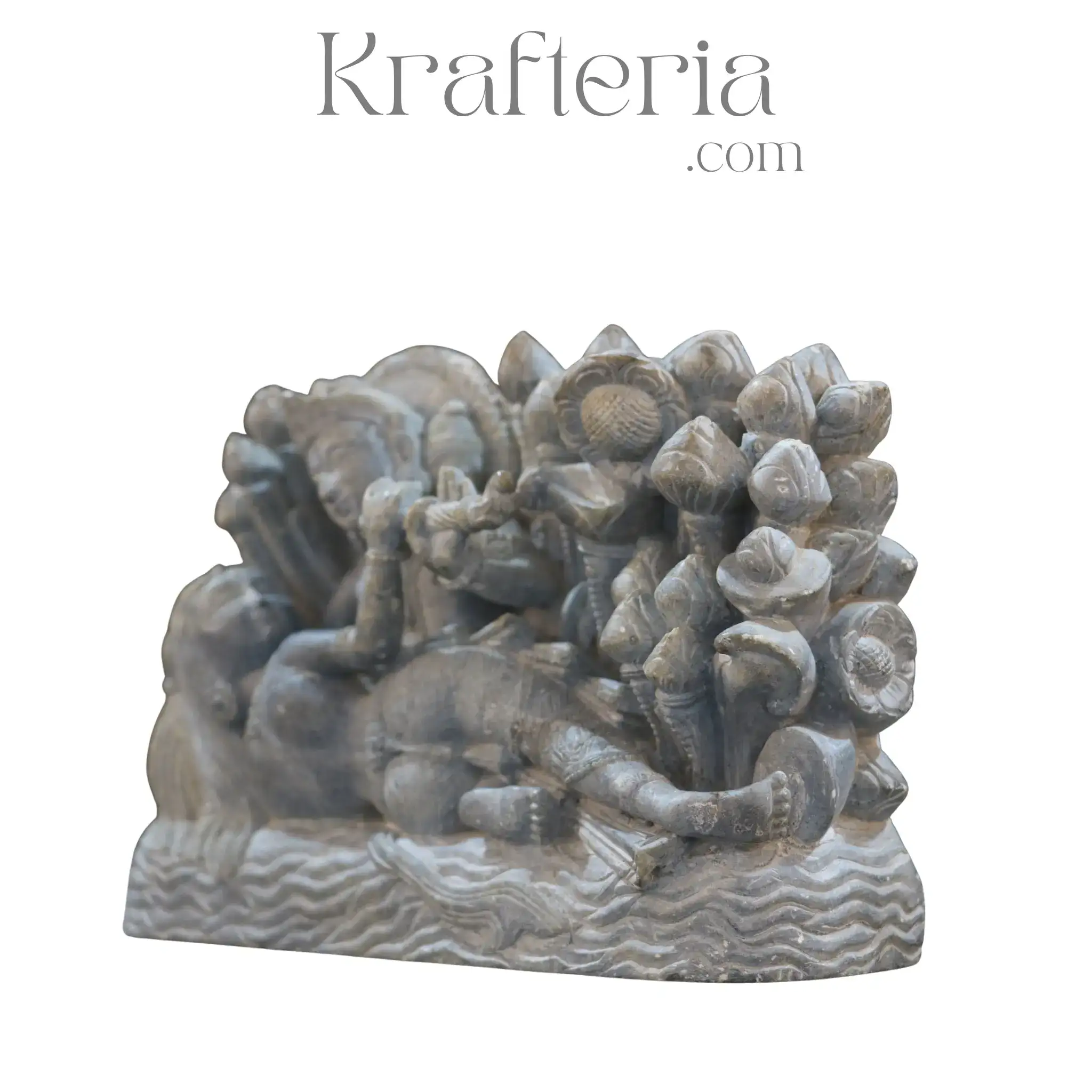
The Patanjali Sculpture is a remarkable representation of Indian heritage. Standing at 12.5 inches in height with a width of 3 inches and a length of 2.4 inches, this sculpture captures the intricate artistry and spiritual significance of the ancient sage Patanjali. The exquisite design reflects the artistry found in Mahabalipuram, a historic site in Tamil Nadu, India.
Mahabalipuram, also known as Mamallapuram, is one of the most important archaeological and historic sites in India. The region is famed for its stunning rock-cut architecture and monolithic temples that date back to the Pallava period. This era, particularly under the reigns of Mahendravarman and Narasimhavarman, witnessed the flourishing of art and temple architecture during the 7th and 8th centuries CE.
Historical Context of Mahabalipuram and the Pallava Dynasty
Mahabalipuram stands as a testament to the Pallava dynasty's cultural and artistic achievements. The Pallavas ruled from around the 7th to 8th century CE, with Mahendravarman and Narasimhavarman being two of the most notable rulers. Mahendravarman’s reign (c. 600–630 CE) marked the beginning of a transformative era in temple architecture and sculpture.
Narasimhavarman I, also known as Mamalla (c. 630–668 CE), is famously associated with this site. His name is believed to have given Mahabalipuram its title. During his rule, the construction of monumental cave temples and monumental rock-cut sculptures were intensified, creating an enduring legacy.
Key Artistic Features of Mahabalipuram Sculptures
The Sage Patanjali statue shares many artistic traits with sculptures originating from Mahabalipuram. These masterpieces showcase rock-cut architecture and monolithic rathas, which are chariot-shaped temples carved from single blocks of stone. These elements highlight the technical prowess and creativity of the Pallava artisans.
- Rock-cut Architecture: Sculptures and temples carved directly into the rock form an iconic art style.
- Monolithic Rathas: These chariot-shaped temples are carved from a single piece of rock, emphasizing precision and skill.
- Cave Temples (Mandapas): Spacious halls or shrines with intricate carvings and spiritual motifs.
- Bas-relief Sculptures: The site houses famous reliefs like “Descent of the Ganges” and “Arjuna’s Penance.” These carvings depict mythological tales in vivid detail.
- Shore Temple: One of the earliest structural temples made from granite, showcasing a significant evolution from rock-cut to constructed temples.
These artistic features elevate the cultural value of the Meditation sculpture Patanjali, as it embodies these traditions in a delicate form. The craftsmanship resonates with the Pallava dynasty's dedication to art and spirituality.
Symbolism and Spiritual Significance of the Patanjali Sculpture
The Patanjali Sculpture symbolizes the timeless wisdom of Patanjali, the sage credited with codifying the Yoga Sutras. It reflects deep philosophical themes of yoga, discipline, and mental clarity. The sculpture also honors the sage's contributions to grammar and linguistics in ancient Indian tradition.
This handcrafted piece serves as a spiritual emblem, inspiring practitioners and admirers of yoga and Indian philosophy worldwide. Its design reflects not just physical beauty, but also the spiritual enlightenment associated with Patanjali’s teachings. As a true Yoga philosophy sculpture, it connects the past and present through profound symbolism.
Dimensions and Material Details
The sculpture stands 12.5 inches tall, with a width of 3 inches and a length of 2.4 inches. These dimensions make it a perfect fit for display in homes, yoga studios, or meditation spaces. The use of soft stone carving techniques adds to the authenticity and tactile appeal of the piece.
Its beige tone and smooth finish highlight the artisan's skill in replicating traditional Pallava styles while maintaining a connection to the spiritual essence represented by Patanjali.
Artistic Legacy and Cultural Preservation
The Patanjali Sculpture is more than just an artifact; it carries the legacy of a rich cultural past into the modern world. By preserving these styles, this sculpture connects contemporary audiences to India’s vast heritage of spirituality and temple art. It invites meditation on history, philosophy, and artistic brilliance. This Indian sage idol serves as a bridge between ancient traditions and modern appreciation for Indian art forms.
Collectors and enthusiasts view this sculpture as a valuable piece that embodies both historical authenticity and spiritual inspiration. It serves as a bridge between ancient traditions and modern appreciation for Indian art forms.
Product Information
Product Information
Shipping & Returns
Shipping & Returns
Description
Patanjali Sculpture – A Masterpiece of Ancient Art and Spirituality
The Patanjali Sculpture is a remarkable representation of Indian heritage. Standing at 12.5 inches in height with a width of 3 inches and a length of 2.4 inches, this sculpture captures the intricate artistry and spiritual significance of the ancient sage Patanjali. The exquisite design reflects the artistry found in Mahabalipuram, a historic site in Tamil Nadu, India.
Mahabalipuram, also known as Mamallapuram, is one of the most important archaeological and historic sites in India. The region is famed for its stunning rock-cut architecture and monolithic temples that date back to the Pallava period. This era, particularly under the reigns of Mahendravarman and Narasimhavarman, witnessed the flourishing of art and temple architecture during the 7th and 8th centuries CE.
Historical Context of Mahabalipuram and the Pallava Dynasty
Mahabalipuram stands as a testament to the Pallava dynasty's cultural and artistic achievements. The Pallavas ruled from around the 7th to 8th century CE, with Mahendravarman and Narasimhavarman being two of the most notable rulers. Mahendravarman’s reign (c. 600–630 CE) marked the beginning of a transformative era in temple architecture and sculpture.
Narasimhavarman I, also known as Mamalla (c. 630–668 CE), is famously associated with this site. His name is believed to have given Mahabalipuram its title. During his rule, the construction of monumental cave temples and monumental rock-cut sculptures were intensified, creating an enduring legacy.
Key Artistic Features of Mahabalipuram Sculptures
The Sage Patanjali statue shares many artistic traits with sculptures originating from Mahabalipuram. These masterpieces showcase rock-cut architecture and monolithic rathas, which are chariot-shaped temples carved from single blocks of stone. These elements highlight the technical prowess and creativity of the Pallava artisans.
- Rock-cut Architecture: Sculptures and temples carved directly into the rock form an iconic art style.
- Monolithic Rathas: These chariot-shaped temples are carved from a single piece of rock, emphasizing precision and skill.
- Cave Temples (Mandapas): Spacious halls or shrines with intricate carvings and spiritual motifs.
- Bas-relief Sculptures: The site houses famous reliefs like “Descent of the Ganges” and “Arjuna’s Penance.” These carvings depict mythological tales in vivid detail.
- Shore Temple: One of the earliest structural temples made from granite, showcasing a significant evolution from rock-cut to constructed temples.
These artistic features elevate the cultural value of the Meditation sculpture Patanjali, as it embodies these traditions in a delicate form. The craftsmanship resonates with the Pallava dynasty's dedication to art and spirituality.
Symbolism and Spiritual Significance of the Patanjali Sculpture
The Patanjali Sculpture symbolizes the timeless wisdom of Patanjali, the sage credited with codifying the Yoga Sutras. It reflects deep philosophical themes of yoga, discipline, and mental clarity. The sculpture also honors the sage's contributions to grammar and linguistics in ancient Indian tradition.
This handcrafted piece serves as a spiritual emblem, inspiring practitioners and admirers of yoga and Indian philosophy worldwide. Its design reflects not just physical beauty, but also the spiritual enlightenment associated with Patanjali’s teachings. As a true Yoga philosophy sculpture, it connects the past and present through profound symbolism.
Dimensions and Material Details
The sculpture stands 12.5 inches tall, with a width of 3 inches and a length of 2.4 inches. These dimensions make it a perfect fit for display in homes, yoga studios, or meditation spaces. The use of soft stone carving techniques adds to the authenticity and tactile appeal of the piece.
Its beige tone and smooth finish highlight the artisan's skill in replicating traditional Pallava styles while maintaining a connection to the spiritual essence represented by Patanjali.
Artistic Legacy and Cultural Preservation
The Patanjali Sculpture is more than just an artifact; it carries the legacy of a rich cultural past into the modern world. By preserving these styles, this sculpture connects contemporary audiences to India’s vast heritage of spirituality and temple art. It invites meditation on history, philosophy, and artistic brilliance. This Indian sage idol serves as a bridge between ancient traditions and modern appreciation for Indian art forms.
Collectors and enthusiasts view this sculpture as a valuable piece that embodies both historical authenticity and spiritual inspiration. It serves as a bridge between ancient traditions and modern appreciation for Indian art forms.