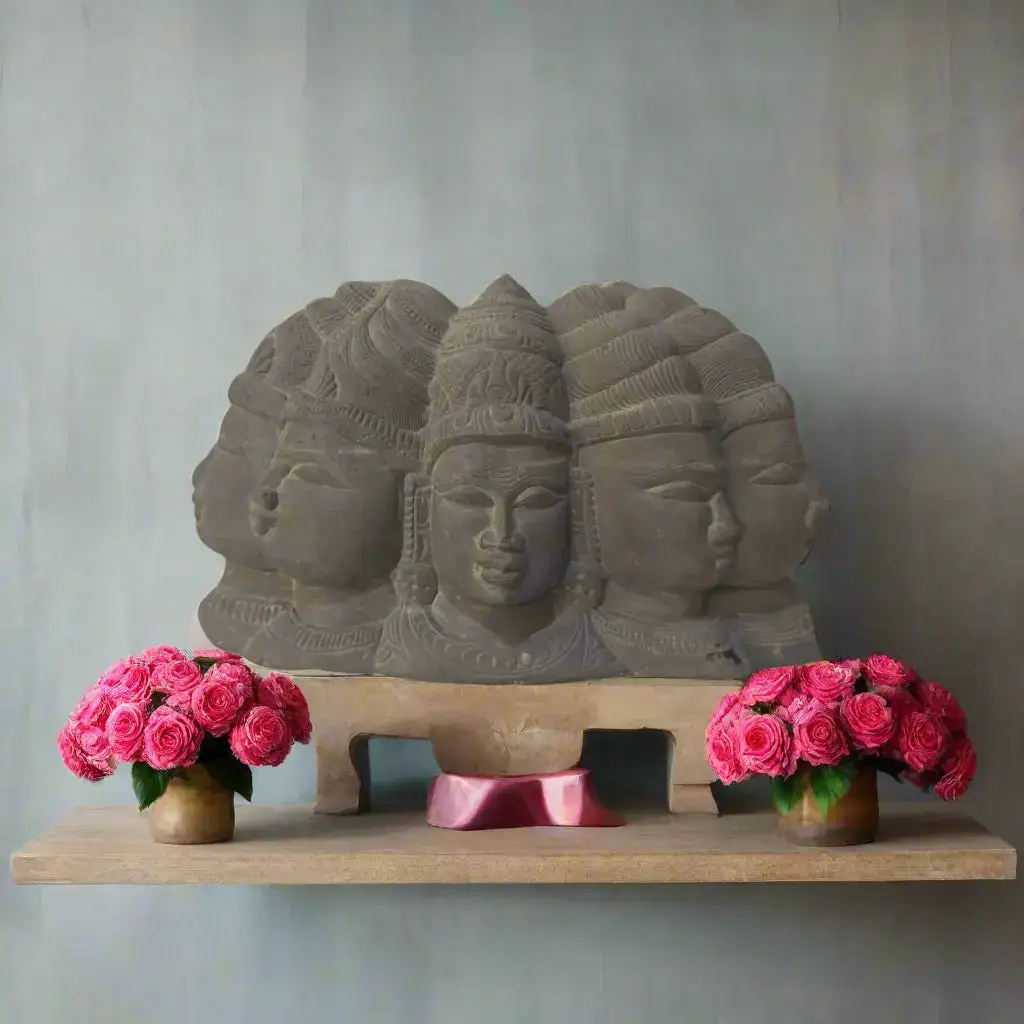
Panchamukhi Sculpture – Artistic Representation of Five Divine Aspects
Panchamukhi Sculpture: An Artistic Masterpiece from Mahabalipuram
The Panchamukhi Sculpture is a unique representation of the five divine aspects of a deity, crafted with intricate detail. This masterpiece draws inspiration from the historic and archaeological marvels of Mahabalipuram, also called Mamallapuram. Located in Tamil Nadu, India, this place is renowned for its impressive art and architecture from the Pallava period.
The Pallava dynasty, especially under Mahendravarman and Narasimhavarman, played a key role in shaping this rich cultural history. Their reigns in the 7th and 8th centuries CE marked an era where artistic expression and spirituality blended harmoniously.
Historical Context of the Five-faced deity idol
Mahabalipuram’s art reveals a dynamic period marked by creativity and religious devotion. The Five-faced deity idol represents divine unity and cosmic harmony celebrated during Pallava times. This understanding adds depth to the appreciation of such creations, elevating them beyond mere decorations.
Mahendravarman (c. 600–630 CE) laid down the foundations for this artistic wave. Narasimhavarman I (Mamalla) (c. 630–668 CE), the town’s namesake, expanded these artistic traditions further. Their influence can still be admired in many monuments and sculptures standing today.
Key Artistic Features of Pallava Period Sculptures
The skill behind the Handcrafted Panchamukhi statue captures the distinct style of the Pallava era. This time saw a rise of rock-cut architecture, excelling in carving majestic structures from natural rock.
- Monolithic Rathas: Chariot-shaped temples carved out of massive granite blocks, highlighting architectural creativity.
- Cave Temples (Mandapas): Detailed cave shrines built for religious use, showcasing superb sculptural skills.
- Bas-relief Sculptures: Well-known reliefs like the “Descent of the Ganges” and “Arjuna’s Penance” depict mythological tales with precision.
- Shore Temple: An early granite temple combining beauty with long-lasting construction techniques.
The Brass Panchamukhi figure reflects these artistic traits, translating traditional stone craft into a small, spiritually charged form.
The Spiritual Significance of the Panchamukhi Sculpture
A Spiritual Panchamukhi statue not only boasts artistic charm but also carries deep religious meaning. Each face expresses a unique divine quality or cosmic force, offering blessings and protection to worshippers.
This form invites meditation and respect, making it a sought-after Panchamukhi pooja idol in both homes and temples. Its craftsmanship allows it to be appreciated as both sacred art and a spiritual aid.
Dimensions and Craftsmanship Details
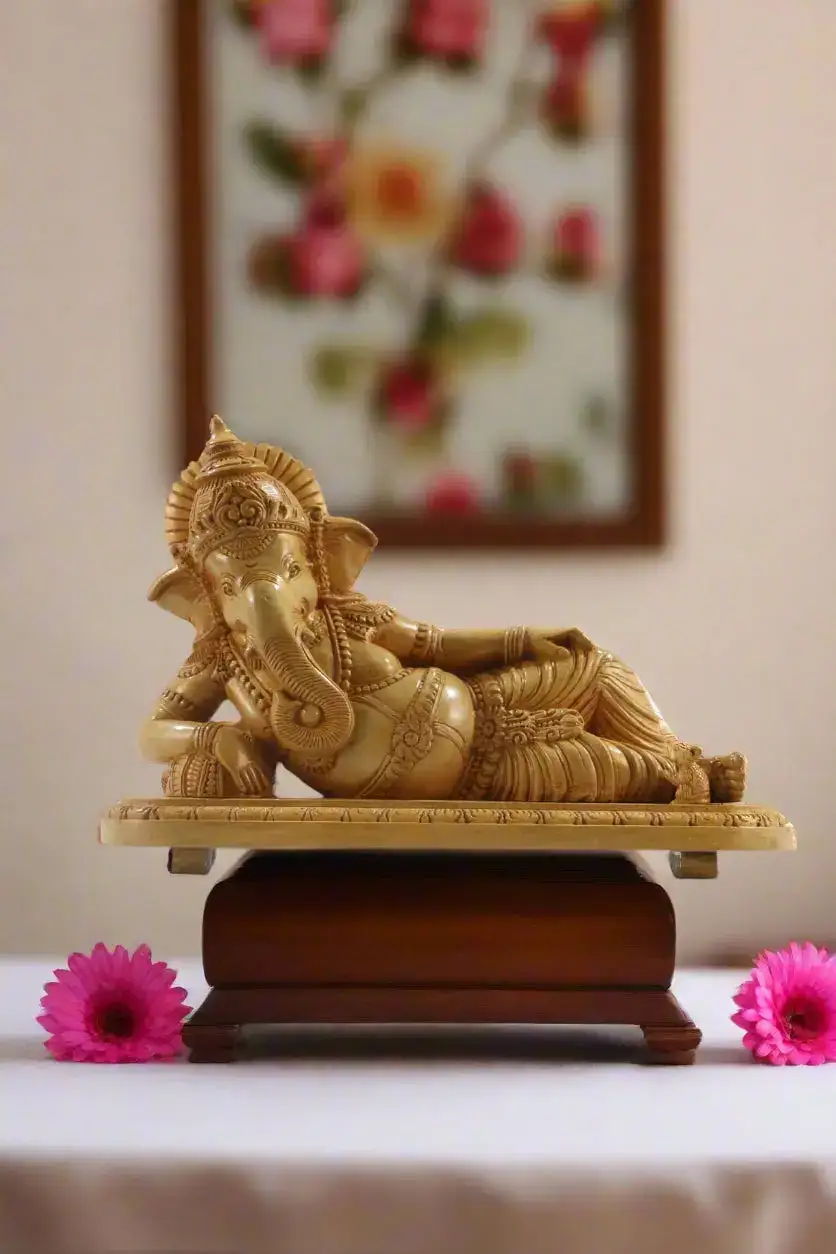
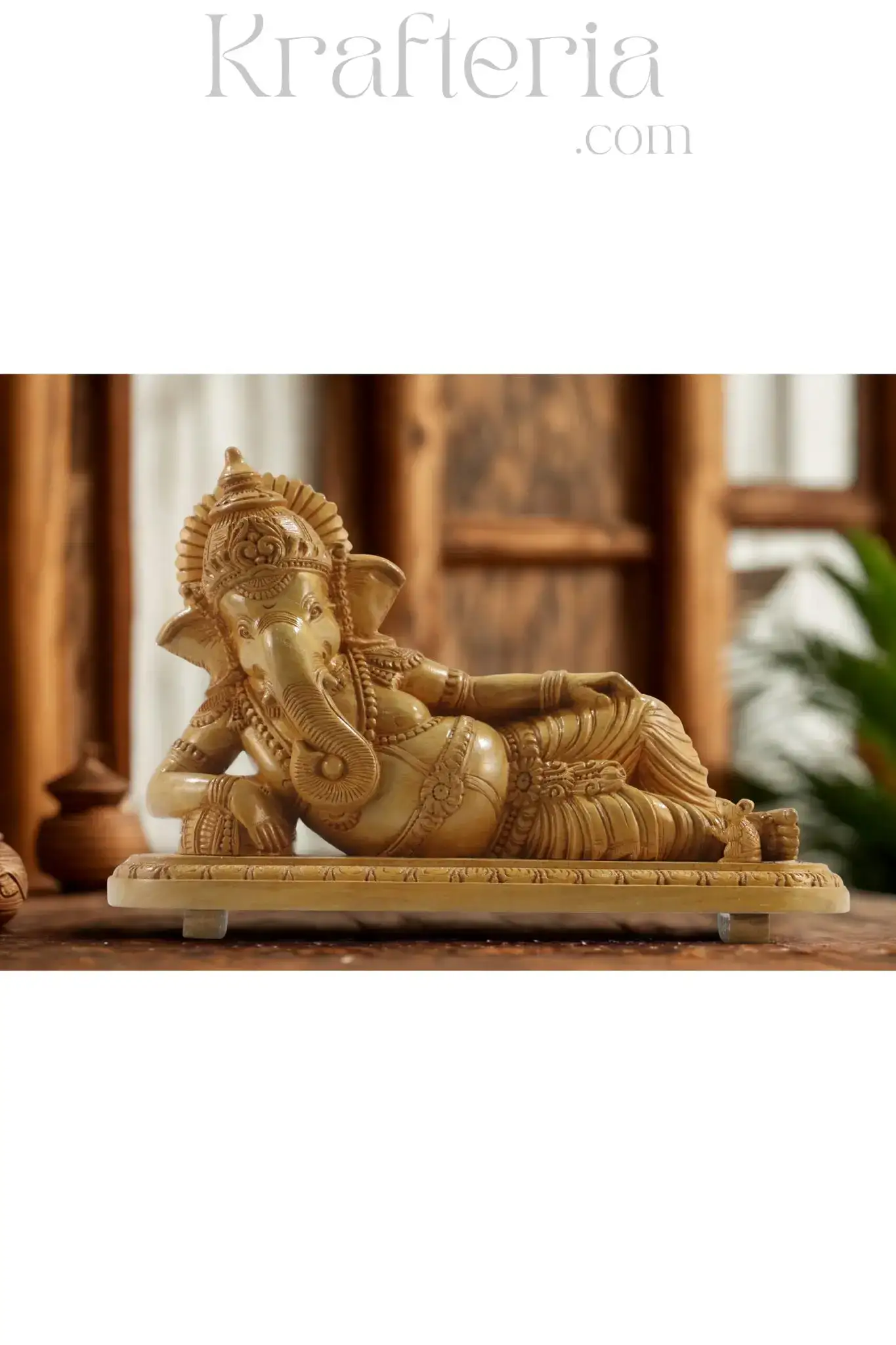
This Marble Panchamukhi sculpture, or a similar soft stone carving, typically measures about 4.5 inches tall, 8 inches wide, and 1.6 inches deep. Despite its compact size, the piece shows detailed handiwork that reflects skilled artisanship.
Every curve and expression displays dedication and mastery in traditional sculpting. The material—soft stone, marble, or brass—affects the texture and finish. Each bestows a unique look while keeping the sacred essence intact.
Why Choose a Panchamukhi Sculptures?
Owning a Panchamukhi Sculptures connects you with a tradition more than a thousand years old. It suits those interested in Indian spiritual art and Pallava dynasty’s rich legacy.
The Divine five-faced statue is both decorative and a revered icon that enhances any pooja space, meditation room, or collection. It balances aesthetic beauty with profound symbolism.
Care and Display Suggestions
Proper care of your Panchamukhi sculpture involves gentle handling and correct placement to retain its allure. Avoid harsh chemicals or abrasive surfaces, especially if made from soft stone or marble.
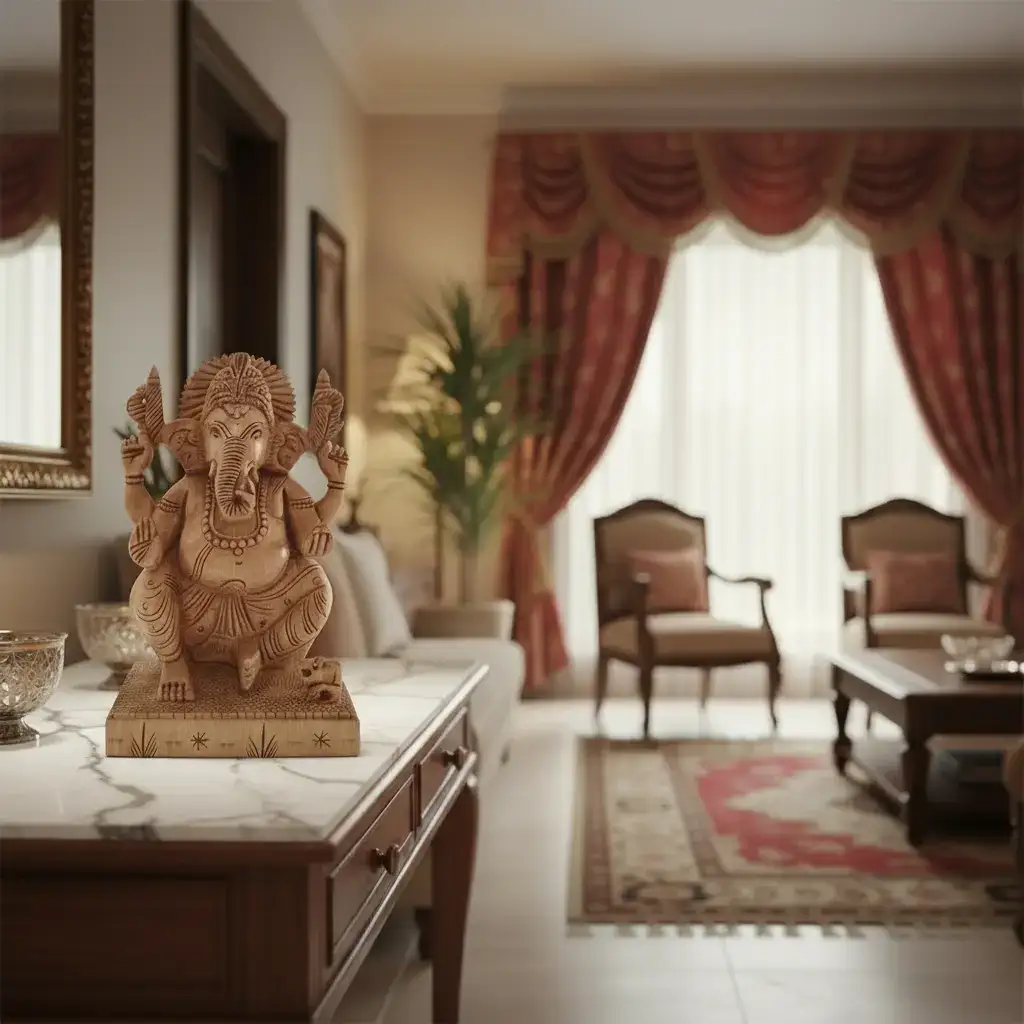
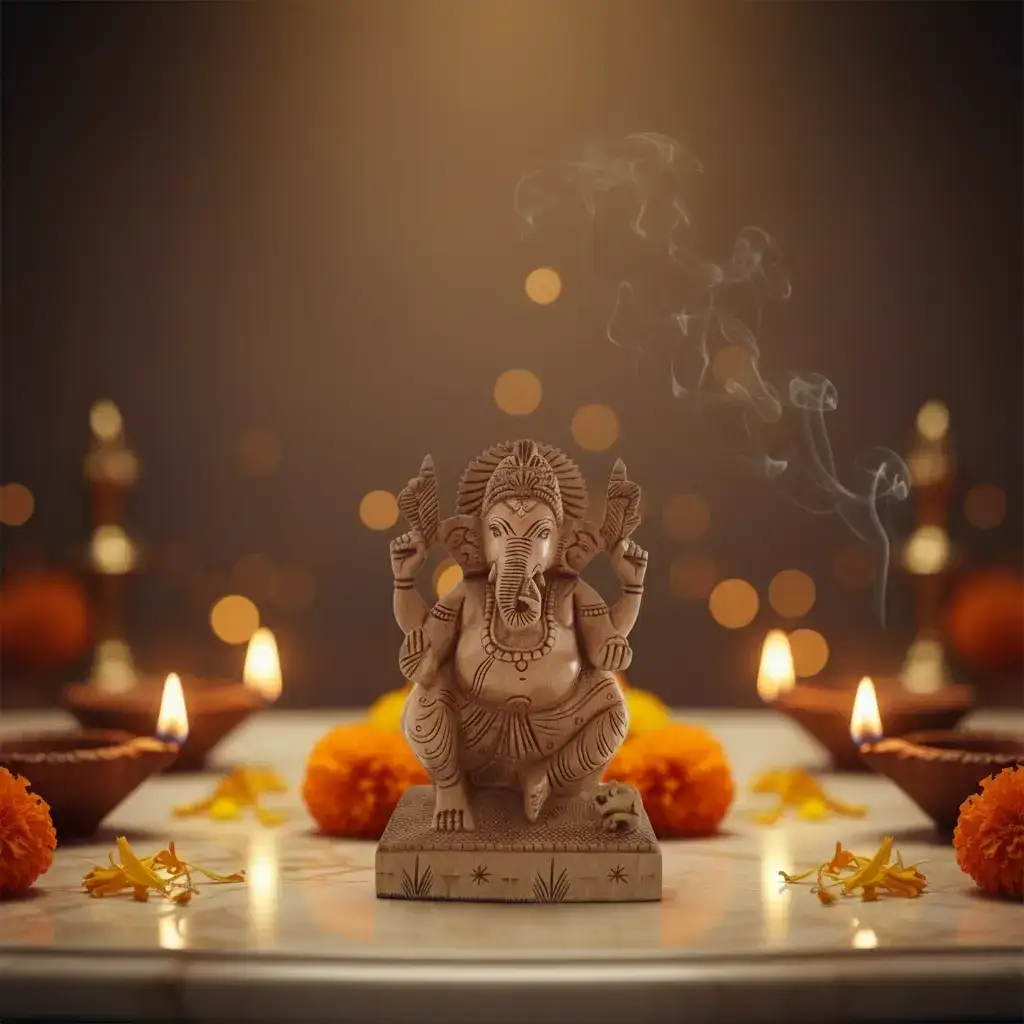
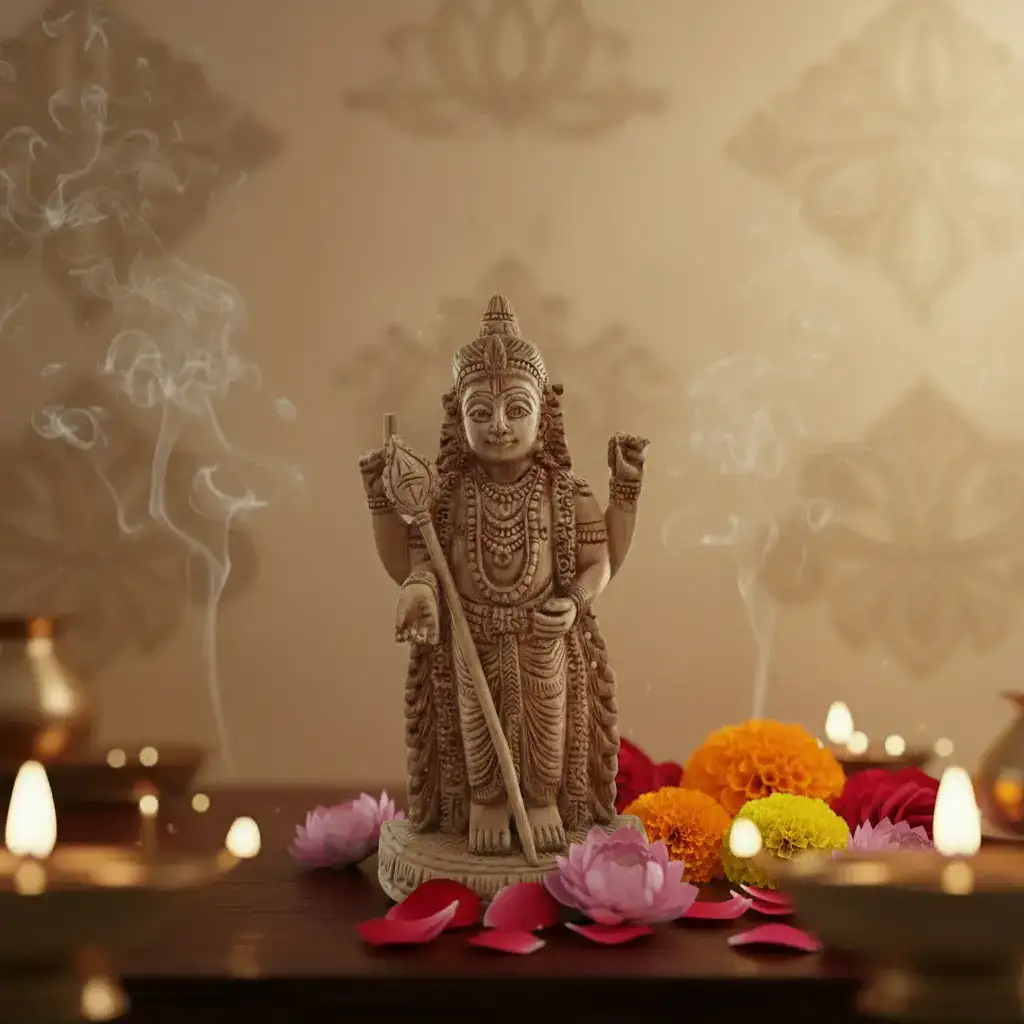
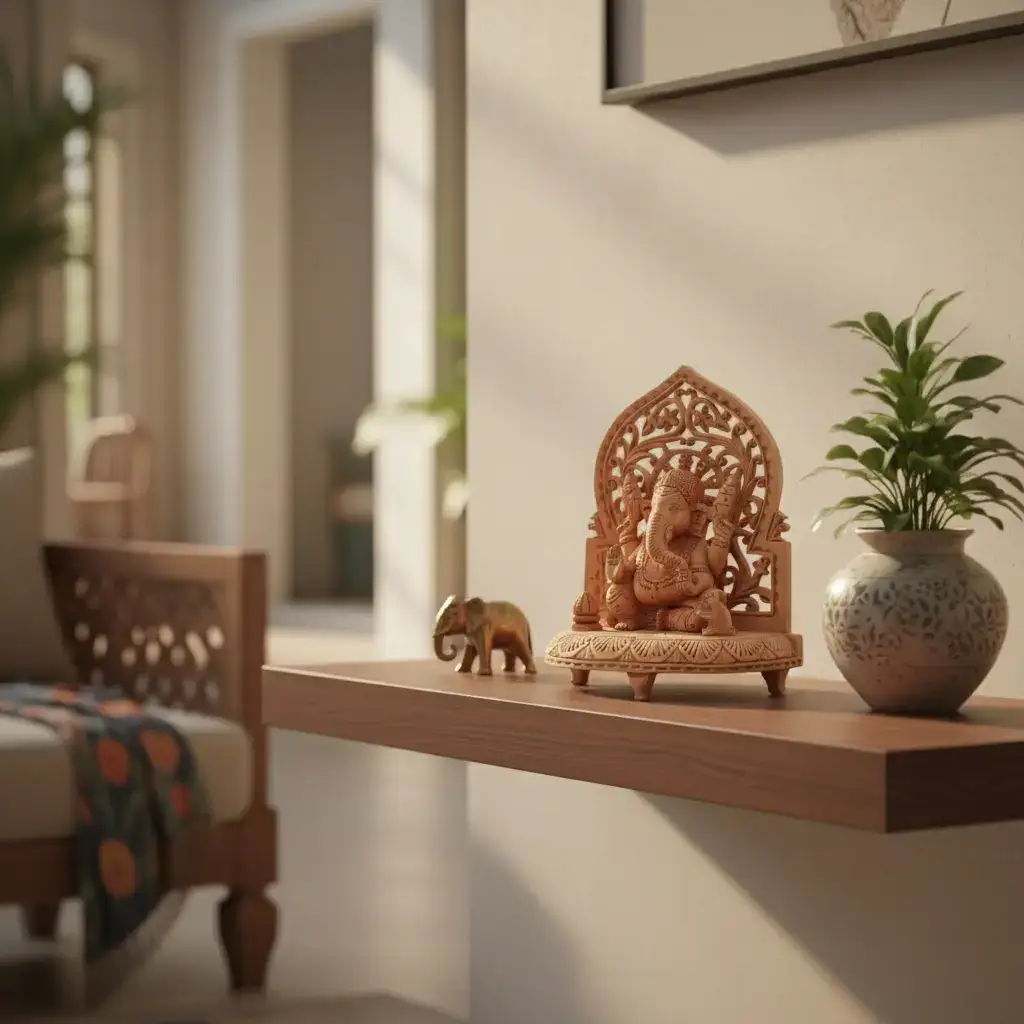
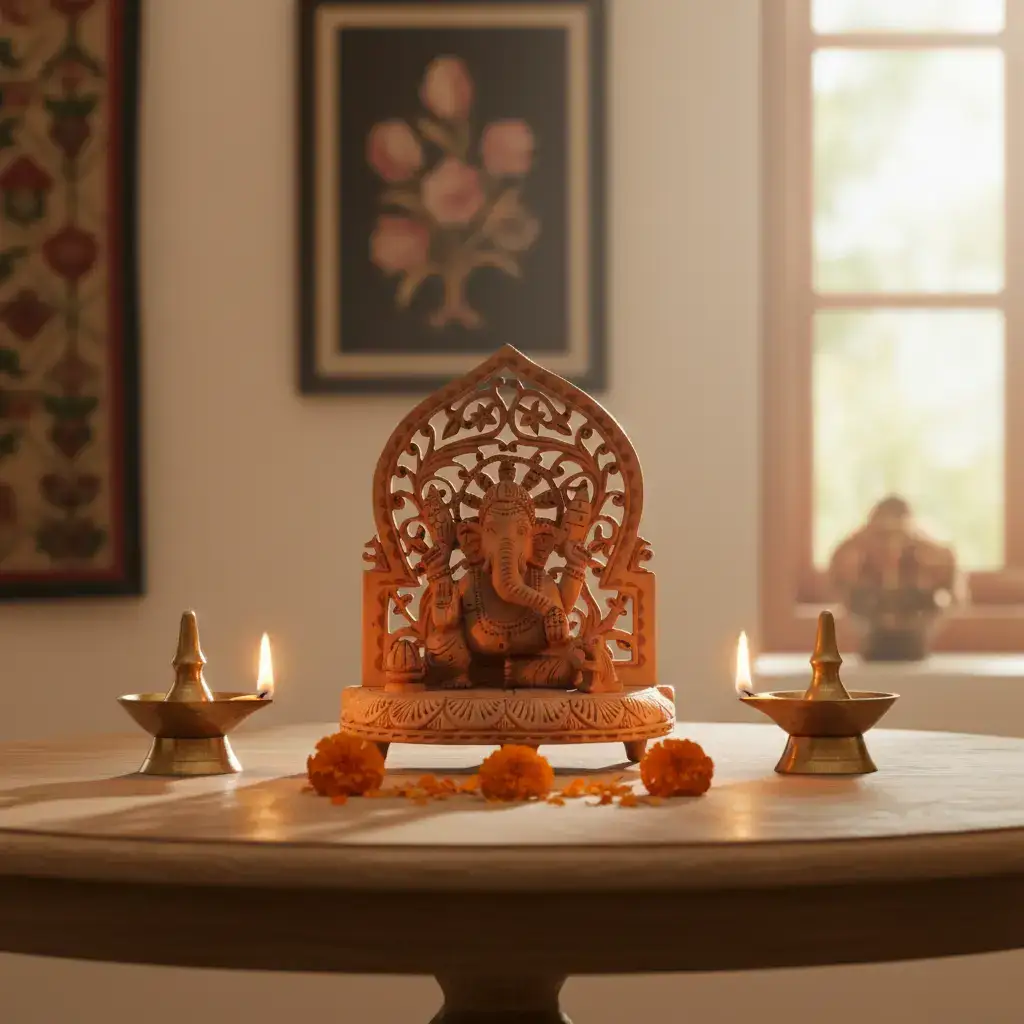
Decorate with flowers, candles, or other sacred items to increase its spiritual energy. This display respects its divine importance and suits both traditional and modern interiors.
In conclusion, the Panchamukhi Sculpture blends history, spirituality, and Pallava-era artistry. It embodies the five divine faces and the remarkable heritage of Mahabalipuram in a compact, handcrafted form. Whether in brass, marble, or stone, it remains a timeless symbol of divine unity and artistic genius.
Product Information
Product Information
Shipping & Returns
Shipping & Returns
Description
Panchamukhi Sculpture: An Artistic Masterpiece from Mahabalipuram
The Panchamukhi Sculpture is a unique representation of the five divine aspects of a deity, crafted with intricate detail. This masterpiece draws inspiration from the historic and archaeological marvels of Mahabalipuram, also called Mamallapuram. Located in Tamil Nadu, India, this place is renowned for its impressive art and architecture from the Pallava period.
The Pallava dynasty, especially under Mahendravarman and Narasimhavarman, played a key role in shaping this rich cultural history. Their reigns in the 7th and 8th centuries CE marked an era where artistic expression and spirituality blended harmoniously.
Historical Context of the Five-faced deity idol
Mahabalipuram’s art reveals a dynamic period marked by creativity and religious devotion. The Five-faced deity idol represents divine unity and cosmic harmony celebrated during Pallava times. This understanding adds depth to the appreciation of such creations, elevating them beyond mere decorations.
Mahendravarman (c. 600–630 CE) laid down the foundations for this artistic wave. Narasimhavarman I (Mamalla) (c. 630–668 CE), the town’s namesake, expanded these artistic traditions further. Their influence can still be admired in many monuments and sculptures standing today.
Key Artistic Features of Pallava Period Sculptures
The skill behind the Handcrafted Panchamukhi statue captures the distinct style of the Pallava era. This time saw a rise of rock-cut architecture, excelling in carving majestic structures from natural rock.
- Monolithic Rathas: Chariot-shaped temples carved out of massive granite blocks, highlighting architectural creativity.
- Cave Temples (Mandapas): Detailed cave shrines built for religious use, showcasing superb sculptural skills.
- Bas-relief Sculptures: Well-known reliefs like the “Descent of the Ganges” and “Arjuna’s Penance” depict mythological tales with precision.
- Shore Temple: An early granite temple combining beauty with long-lasting construction techniques.
The Brass Panchamukhi figure reflects these artistic traits, translating traditional stone craft into a small, spiritually charged form.
The Spiritual Significance of the Panchamukhi Sculpture
A Spiritual Panchamukhi statue not only boasts artistic charm but also carries deep religious meaning. Each face expresses a unique divine quality or cosmic force, offering blessings and protection to worshippers.
This form invites meditation and respect, making it a sought-after Panchamukhi pooja idol in both homes and temples. Its craftsmanship allows it to be appreciated as both sacred art and a spiritual aid.
Dimensions and Craftsmanship Details
This Marble Panchamukhi sculpture, or a similar soft stone carving, typically measures about 4.5 inches tall, 8 inches wide, and 1.6 inches deep. Despite its compact size, the piece shows detailed handiwork that reflects skilled artisanship.
Every curve and expression displays dedication and mastery in traditional sculpting. The material—soft stone, marble, or brass—affects the texture and finish. Each bestows a unique look while keeping the sacred essence intact.
Why Choose a Panchamukhi Sculptures?
Owning a Panchamukhi Sculptures connects you with a tradition more than a thousand years old. It suits those interested in Indian spiritual art and Pallava dynasty’s rich legacy.
The Divine five-faced statue is both decorative and a revered icon that enhances any pooja space, meditation room, or collection. It balances aesthetic beauty with profound symbolism.
Care and Display Suggestions
Proper care of your Panchamukhi sculpture involves gentle handling and correct placement to retain its allure. Avoid harsh chemicals or abrasive surfaces, especially if made from soft stone or marble.
Decorate with flowers, candles, or other sacred items to increase its spiritual energy. This display respects its divine importance and suits both traditional and modern interiors.
In conclusion, the Panchamukhi Sculpture blends history, spirituality, and Pallava-era artistry. It embodies the five divine faces and the remarkable heritage of Mahabalipuram in a compact, handcrafted form. Whether in brass, marble, or stone, it remains a timeless symbol of divine unity and artistic genius.